Market Minds Advisory
Perilla Seed Oil Market

Perilla Seed Oil Market: Perilla Seed Oil Market. Omega-3 Positioning and Oxidation Control Reshape Specialty Oil Economics.

Perilla seed oil is moving from a Korean and Japanese kitchen staple into a plant-based omega-3 ingredient, while seed supply, rapid oxidation, and adulteration risk decide who wins contracts with food, supplement, and cosmetic brands.

Lead Analyst

Published

September 2026

Make Smarter Decisions with Customized Research Insights

Request a free sample report and evaluate market opportunities, growth trends, and competitive dynamics relevant to your business needs.

2025 MARKET VALUE$0.4BMarket Size 2025
2036 FORECAST VALUE$1.0BBase Case , 2026 to 2036
CAGR 2026 TO 20368.8 %Bull 10.1% / Bear 7.5%
INCREMENTAL OPPORTUNITY$0.6BNet 10- year value creation
EXPANSION MULTIPLE2.32x2036 value over 2026 base
Strategic Levers
M&A Pipeline
Regional Outlook
Country Rankings
Competitive Intelligence
Segmental Deep-dive
Call-Us : 91 93563 13602

Executive Snapshot and Market Trajectory.

Perilla seed oil carries more alpha-linolenic acid than flaxseed oil, yet most of the world has never bought it. Korea and Japan use it as a table oil, Chinese producers sell it in bulk, and brands elsewhere now see a plant-based omega-3 with a strong heritage story.
Supercritical CO2-extracted and microencapsulated oils are growing fastest, helped by supplement, infant nutrition, and functional food interest, while roasted and cold-pressed oils anchor traditional retail. East Asia holds the largest share because Korea, China, and Japan grow the seed, consume the oil daily, and host the leading processors and brands. India and Vietnam add seed acreage and export processing, while Western brands test perilla beside flax and algae oils in supplements and fortified foods.
The competitive field mixes Korean food groups, Japanese oil makers, Chinese oilseed processors, and small regional pressers. Advantage comes from seed access, cold and inert-gas processing, and oxidation testing rather than price. Regulation cuts both ways, since labeling and health claim rules limit marketing while pesticide residue and adulteration checks reward suppliers with traceable, tested lots. Buyers reward documented freshness, seed origin, and consistent flavor above price.
Market Definition
Perilla seed oil is the oil obtained from seeds of Perilla frutescens by roasting and pressing, cold pressing, expeller pressing, solvent extraction, or supercritical CO2 extraction, sold as edible, refined, encapsulated, or powdered oil to food manufacturers, supplement and infant nutrition brands, cosmetic makers, and retailers. The scope excludes perilla leaf and seed sold whole, perilla essential oil for fragrance, and finished supplements or sauces.
Base Year Value
$0.4B in 2025 (MMA Primary Research Dataset, September 2026)
Forecast Period
2026 to 2036, eleven discrete annual values
CAGR
8.8% base case. Bull 10.1%. Bear 7.5%.
Fastest Growth Segment
Supercritical CO2-Extracted Perilla Oil: 11.6% CAGR
Fastest Growth Country
India: 11.4% CAGR
Fastest Growth Region
South Asia and Pacific: 11.0% CAGR
Largest Region
East Asia: 58% of 2025 global value
Market Leaders
Ottogi, CJ CheilJedang, Daesang, Nisshin OilliO Group, J-Oil Mills. Source: MMA Analysis, company annual reports.
Primary Survey
n=3,800 procurement and R&D decision-makers, Q4 2025, six countries
Methodology
Demand-side build-up, cross-validated against public data, 47 expert interviews

Perilla Seed Oil Market Forecast Scenarios

perilla-seed-oil-market-size-forecast-scenario-1789757423682
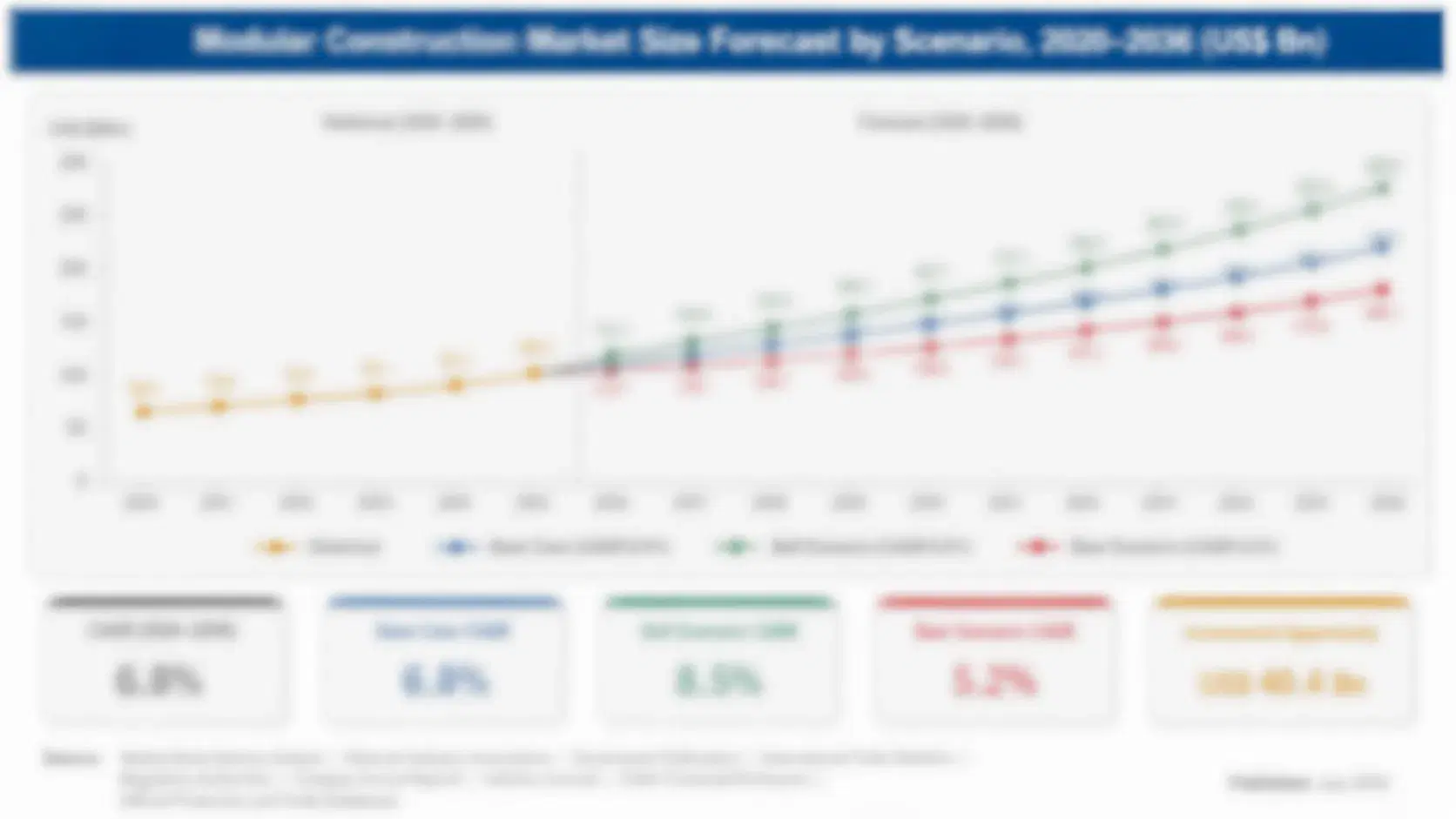
Between 2020 and 2025, perilla seed oil grew steadily as omega-3 awareness spread and Korean cuisine reached global consumers, while retail packs of cold-pressed oil entered health food stores. Growth averaged 8.0% a year, with CO2-extracted and encapsulated grades outpacing roasted oil, though seed price spikes and oxidation complaints limited growth outside East Asia in some years.
The base case assumes 8.8% annual growth through 2036, built on three named mechanisms: wider use of perilla oil as a plant-based omega-3 in supplements, infant formula blends, and fortified foods, technical progress in inert-gas processing and microencapsulation that extends shelf life and opens bakery and beverage uses, and growing acreage in India, Vietnam, and Central Asia that adds seed supply. Health claims for alpha-linolenic acid support marketing. Each mechanism reinforces the others over time.
The bull case, at 10.1%, needs stable seed supply and broader acceptance in Western markets. The bear case, at 7.5%, reflects seed price spikes, adulteration scandals, and competition from cheaper flax, chia, and algae-based omega-3 ingredients that target the same buyers. Either scenario leaves the underlying demand base intact, though pricing and mix would differ noticeably from the base path.

Seed Access and Oxidation Control Determine Oil Value

Perilla seed oil is obtained from small, aromatic seeds by roasting and pressing, which gives the dark, nutty Korean style, or by cold pressing, expeller pressing, or supercritical CO2 extraction, which give lighter, more neutral oil. Seed cleanliness, moisture, and pressing temperature affect flavor and stability, and the very high polyunsaturated content makes oil prone to rancidity. Quality is set at pressing.
MARKET CONCENTRATION22% CR5Leading five suppliers hold a modest combined share
AVERAGE SELLING PRICE$36 per kgCold-pressed and carbon dioxide grades sell far above refined oil
TOP PRODUCING COUNTRY41% shareChina supplies the largest share of world perilla seed
ALPHA-LINOLENIC ACID CONTENT60%Perilla oil carries a very high plant omega share
SEED COST SHARE64% of COGSPerilla seed dominates production cost and margin swings
ROASTED OIL SHARE47%Roasted oil remains the largest form in Korea
Buyers use the oil in different ways. Korean and Japanese households and restaurants use roasted oil for seasoning and cold-pressed oil for salad and health use, supplement brands sell softgels and liquids as plant omega-3, infant nutrition makers evaluate it as an ALA source, and cosmetic brands add it to skin care. Specifications cover peroxide value, fatty acid profile, color, and pesticide residues. Records matter as much as taste.
The industry is fragmented and origin-driven. Chinese, Korean, Japanese, and Vietnamese farmers grow most seed, small pressers and regional brands supply local markets, and large Korean and Japanese food groups control branded retail. Seed price swings, oxidation control, and adulteration checks shape investment, and consolidation is starting as scale processors add cold and inert-gas capacity and secure seed origin.
"Perilla oil has the best omega-3 profile of any common seed oil and the shortest patience for oxygen. Whoever solves stability at scale will sell it in bakery, infant nutrition, and supplements, far beyond the Korean kitchen where it started."
Practice Lead, Specialty Oils and Nutraceutical Ingredients Practice · MMA Specialty Oils and Nutraceutical Ingredients Practice · September 2026

Market Trends

Inert-Gas Processing Extends Perilla Oil Shelf Life Beyond Twelve Months

Processors are installing inert-gas pressing, nitrogen-flushed filling, and light-blocking packaging to slow oxidation, and adding rosemary and tocopherol antioxidants where labels allow. Stability testing shows shelf life extends from about four months to 12 months or more under these controls. Brands pay premiums for oil with low peroxide values, and suppliers sign annual contracts, because reliable freshness decides whether omega-3 buyers repurchase after the first bottle. Retailers report that oil sold with a best-before date of twelve months earns more shelf space in Korean and Japanese supermarkets, and exporters find that small bottles reduce complaints.
Market Impact: perilla oil holds about 60% ALA
Microencapsulated Perilla Powders Open Bar, Beverage, and Infant Nutrition Uses

Microencapsulation turns perilla oil into free-flowing powder with wall materials such as maltodextrin and proteins, protecting fatty acids from oxygen and making dosing easier in bars, beverages, and infant blends. Encapsulated powders carry 40% to 60% oil and store for a year or more. Suppliers in Korea, Japan, and Europe expand spray-drying capacity, and brands pay premiums for the convenience and stability of powdered omega-3. Microencapsulation costs about $2 to $4 per kilogram of powder, and spray dryers need steady volumes, so ingredient houses ask brands for annual forecasts, and toll processors in Korea let smaller brands enter.
Market Impact: Korean food exports up 8% annually

Market Opportunities and Growth Drivers

Plant-Based Omega-3 Demand Favors Perilla Oil Over Lower-ALA Flax

Plant-based omega-3 demand is rising as vegetarians, vegans, and flexitarians look for alternatives to fish oil, and perilla oil offers about 60% alpha-linolenic acid, above flax. The European Union authorizes a claim linking alpha-linolenic acid at 2 grams daily to normal blood cholesterol, and Korea recognizes omega-3 fatty acids for functional labeling. Retailers and supplement brands market perilla as a heritage plant omega source with clinical support. Nutritionists note that the body converts alpha-linolenic acid to longer-chain omega-3 only in small amounts, so brands avoid overstating benefits, yet the plant label keeps perilla attractive to vegan buyers.
Market Impact: peroxide rises within 4 months

Global Spread of Korean Cuisine Builds Familiarity and Export Demand

Korean food culture is spreading through restaurants, packaged foods, and streaming media, and perilla oil, perilla leaves, and perilla powder are part of that cuisine. Korean brands such as Ottogi and CJ CheilJedang export sauces and oils to the United States, Europe, and Southeast Asia, and Asian grocery chains expand shelf space. Rising familiarity supports repeat purchase outside East Asia and encourages non-Asian brands to adopt perilla in fortified foods. Korean sauces and prepared foods reached 100 countries, and supermarkets in Europe and North America now stock perilla oil beside sesame oil, which makes trial easier for shoppers.
Market Impact: Korea imports over 50% of seed

Market Restraints and Challenges

Rapid Oxidation and Rancidity Risk Limit Shelf Life and Reach

Perilla oil oxidizes quickly because of its very high polyunsaturated fat content, and consumer complaints about rancid smell and taste are common when bottles sit on shelves or in warm kitchens. The root cause is oxygen and light exposure, poor packaging, and long distribution chains. Rancid product damages brand trust. Mitigation includes nitrogen flushing, dark glass, small packs, antioxidant systems, and refrigerated distribution. Warm kitchens and clear bottles accelerate spoilage, and many consumers cannot tell when oil has turned, so they blame the brand and switch to alternatives, while retailers ask for peroxide value data and shorter best-before dates.
Market Impact: shelf life extends to 12 months

Seed Price Swings and Import Dependence Squeeze Processor Margins

Perilla seed prices swing with weather and export policy, and Korea imports a large share of its seed from China, so shortages and price spikes in China feed directly into Korean oil prices, according to Statistics Korea trade data. The root cause is smallholder production and limited storage. Higher seed prices cut margins and encourage adulteration with cheaper oils. Processors respond with contract farming, multi-origin sourcing, and storage. Adulteration with cheaper oils occurs when seed is scarce, and testing is limited in small mills, so honest processors lose bids until buyers require fatty acid profiles and origin records.
Market Impact: powders carry 40% to 60% oil
3 additional market trends, 4 additional growth drivers, and 3 additional restraints and challenges are covered in the full report. Contact sales@marketmindsadvisory.com to access the complete intelligence.

Segment CAGR and Growth Architecture

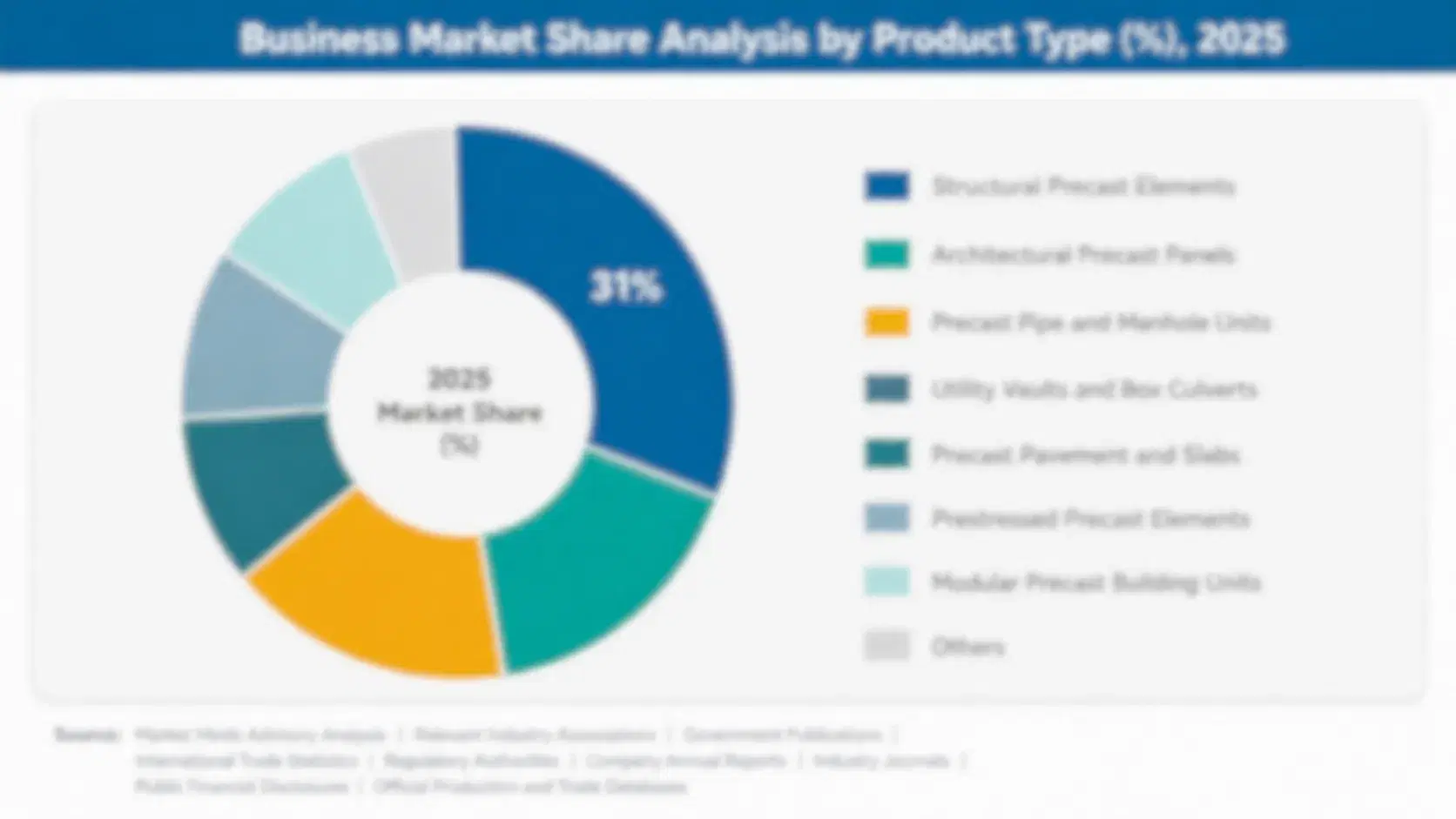
Perilla seed oil is segmented by extraction and processing method, because flavor, oxidative stability, ALA concentration, and price differ more sharply between roasted, cold-pressed, CO2-extracted, and encapsulated forms than by seed origin alone. Supercritical CO2-extracted oil attracts the most new investment as supplement and infant nutrition brands convert purity and stability claims into multi-year purchase specifications.
perilla-seed-oil-market-market-share-analysis-1789757424009

Supercritical CO2-Extracted Perilla Oil

Supercritical CO2-extracted perilla oil is the fastest-growing segment, produced by extracting seed with pressurized carbon dioxide at low temperature, which leaves no solvent residue and keeps aroma compounds and fatty acids intact. Supplement and infant nutrition brands pay premiums of 40% to 70% over cold-pressed oil, and specify peroxide value and ALA content. Equipment cost is high and only a few plants operate, so suppliers with capacity and testing hold pricing power. Supercritical plants operate at 300 bar and 40 degrees Celsius, so energy and equipment cost are high, and yields are slightly above pressing. Buyers request full fatty acid profiles and residue tests, and suppliers that publish results for each lot win shortlists faster.
CAGR 11.6%

Microencapsulated Perilla Oil Powder

Microencapsulated perilla oil powder is the second-fastest segment, made by emulsifying oil with carriers and spray drying, then packing under nitrogen. Powders extend shelf life to a year or more, allow easy dosing in bars, beverages, infant formulas, and bakery, and remove much of the smell. Encapsulation requires formulation skill and capital, so ingredient houses and specialist Korean and Japanese firms lead, and buyers pay for stability data and application support. Wall materials such as gum acacia, modified starch, and whey protein affect powder flow and taste, so formulators test several carriers. Oil loading of 40% to 60% is common, and brands value the neutral smell, while infant nutrition makers require additional safety and heavy metal testing.
CAGR 10.6%
Full segment breakdown across 6 segments available in the complete report.

Regional Architecture and Country Demand Map

Perilla oil value follows seed origin and daily-use habit. East Asia leads through Korean consumption, Chinese seed volume, and Japanese egoma use, South Asia is the fastest-growing origin and export region, and Western markets are small but growing through supplements. Western demand is small but rising.

North America

North America holds 12% share, below its usual band, because perilla is a new ingredient for most consumers, sold through Korean and Asian grocers in cities such as Los Angeles, New York, and Toronto, and through online supplement sellers. Health food retailers stock cold-pressed oil, and structure-function rules let brands describe omega-3 support with substantiation. Imports from Korea and China dominate, so freight and shelf life shape choices, and awareness remains limited outside Asian communities. Korean-American shoppers buy roasted oil for cooking, and health-conscious consumers try cold-pressed oil as an omega-3 source. Retailers such as H Mart and Whole Foods expand shelf space, while brands sell softgels online, though awareness remains modest.
Share: 12% | CAGR: 9.3% (2026 to 2036)

Western Europe

Western Europe holds 10% share, below its usual band, because perilla is largely unfamiliar and health food buyers favor flax, chia, and algae oils, while EU novel food rules require documentation for new oil sources. Germany, France, and the United Kingdom import cold-pressed oil for Asian communities and supplement niches, and authorized claims for alpha-linolenic acid support marketing. Asian restaurant growth and vegan interest are slowly widening the buyer base. German and French supplement brands test perilla alongside flax and algae oils, and Korean restaurants in London and Paris create small retail pockets. EU novel food procedures require dossiers for new oil sources, and cold chain shipping from Asia adds cost, so brands focus on organic products.
Share: 10% | CAGR: 7.3% (2026 to 2036)
Regional intelligence for 5 additional markets available in the complete report: East Asia, South Asia and Pacific, Latin America, Middle East and Africa, Eastern Europe. Contact sales@marketmindsadvisory.com.
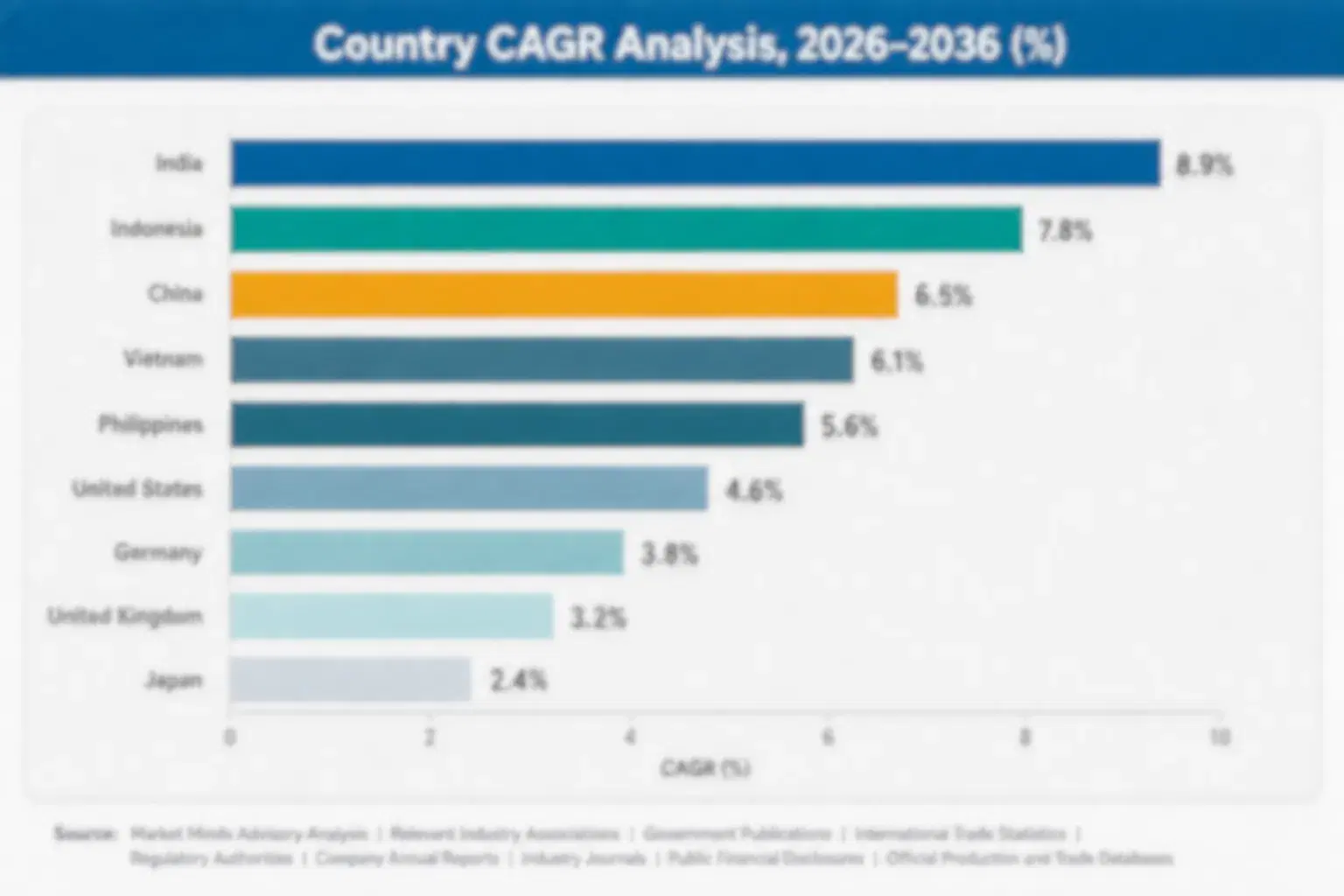
perilla-seed-oil-market-country-cagr-analysis-1789757424269

Four Profit Levers for Perilla Oil Producers

Margin in perilla oil comes from moving beyond roasted and refined bulk oil toward stabilized, CO2-extracted, and encapsulated grades that brands cannot easily replace. Producers that secure seed origin, control oxidation, prove authenticity, and build supplement and infant nutrition partnerships earn more per kilogram than pressers competing only on price. Each route needs different capital.

Investing in Supercritical CO2 Extraction for Premium Grades

CO2-extracted perilla oil earns 40% to 70% more per kilogram than cold-pressed oil, because supplement and infant nutrition brands pay for clean flavor, no solvent residue, and stable fatty acids. A plant costs several million dollars and needs steady seed supply, but returns justify investment for suppliers with brand contracts. Payback runs four to five years when utilization exceeds 70%. Supercritical plants can process other seed oils during quiet months, which lifts utilization and spreads fixed cost, and toll processing for smaller brands brings additional revenue while brands gain access to premium extraction without owning equipment.
Market Impact: CO2 grades earn 40% to 70% more per kilogram

Controlling Oxidation Through Inert-Gas Processing and Packaging

Nitrogen-blanketed pressing, filling, and dark or opaque packaging cut peroxide value growth and extend shelf life from about four months to 12 months, which opens export and bakery channels. Suppliers report premiums of 12% to 20% for stabilized oil, and repeat purchase rises because freshness complaints fall. Equipment costs a few hundred thousand dollars, and the change protects brand trust across markets. Small consumer bottles of 100 to 250 milliliters reduce time between opening and finishing, and brands that print open-by dates and store advice on the label report fewer complaints, while retailers keep bottles in refrigerated sections.
Market Impact: stabilized oil earns 12% to 20% price premiums

Securing Seed Through Contract Farming in India, Vietnam, and China

Seed is about 64% of cost, so multi-year contracts with farmers in several countries reduce exposure to spot price swings and protect margin. Processors that provide seed varieties, agronomy advice, and storage secure better quality and volume, and growers accept modest price ceilings for certainty. Multi-origin sourcing cuts the chance that one crop failure removes more than 25% of supply. Contract farming also improves traceability, because seed lots are linked to named farms and harvest dates, and Korean and Japanese buyers audit farms and pay premiums for documented origin, which reduces adulteration risk and supports export sales to Europe.
Market Impact: multi-origin contracts cut single-country supply risk by 25%

Launching Encapsulated Powders for Bar, Beverage, and Infant Uses

Microencapsulated powders sell at premiums of 25% to 45% over bulk oil, because food and nutrition makers gain stable, odor-free, easy-dosing omega-3. Suppliers need spray-drying capacity, formulation skill, and stability data, but the format opens large volume channels beyond supplements. Partnering with contract manufacturers lets suppliers enter powders without owning every asset, and joint development builds loyalty with brands. Nitrogen-flushed pouches and stick packs protect powder from oxygen, and suppliers report that oil loading of 50% keeps flow properties acceptable, while stability tests at 40 degrees Celsius over three months give buyers confidence to launch products with 12 month labels.
Market Impact: powder formats earn 25% to 45% price premiums

Who Controls the Margin Pool

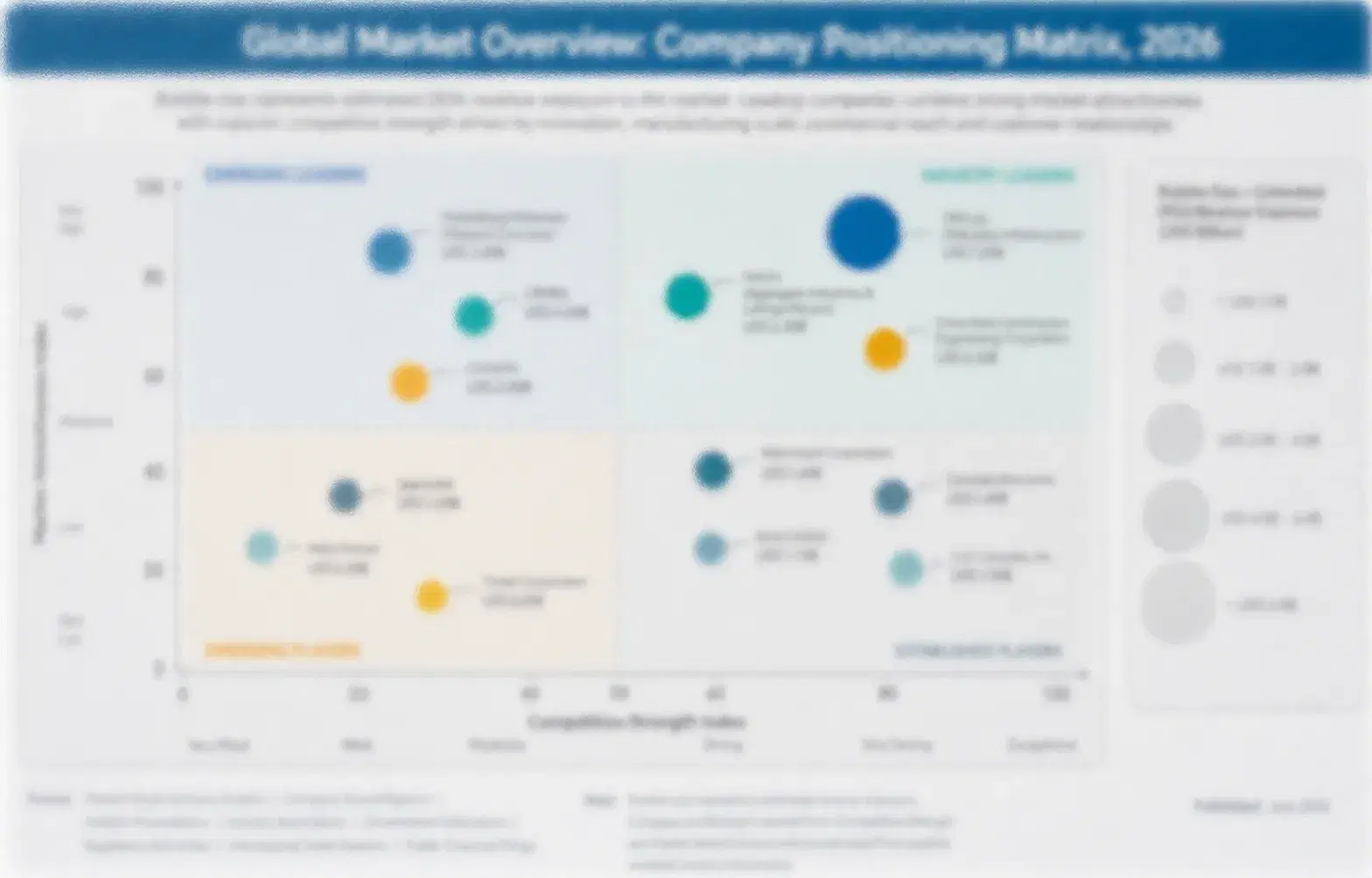
The perilla seed oil industry is fragmented, with the top five suppliers holding about 22% of global revenue, the basis used throughout this section. Ottogi, CJ CheilJedang, Daesang, Nisshin OilliO Group, and J-Oil Mills lead through brands, distribution, and processing scale, while thousands of small pressers and regional brands across Korea, China, India, and Vietnam supply local markets. The gap between leaders and challengers is wide in stabilized grades.
Competition centers on three dimensions: secure access to seed and origin traceability, oxidation control and processing technology, and brand trust with retailers, supplement makers, and infant nutrition buyers. Leaders sign annual contracts and publish peroxide and fatty acid data, while challengers compete on price and small bottle sizes. Organic and non-GMO certifications add another layer of differentiation, especially for export markets.

Emerging pressure comes from Indian and Vietnamese processors selling directly to Western brands, from flax, chia, and algae omega-3 substitutes, and from ingredient houses adding encapsulated powders. Rankings shift where suppliers win stabilized oil contracts, secure seed origin, or suffer adulteration scandals. Acquisitions of regional pressers and licensing of encapsulation technology will reorder positions faster than organic capacity growth.
perilla-seed-oil-market-company-positioning-matrix-1789757424570

Competitive Moat and Risk Dimensions

OTTOGI

Moat: Korean Brand and Retail Reach

Ottogi is a leading Korean food company with strong household brand recognition in oils, sauces, and packaged foods, and perilla oil is part of its long-standing cooking oil range. Its distribution across Korean supermarkets and its growing export network give it shelf space that small pressers rarely obtain, and its scale supports seed procurement contracts, packaging quality, and testing capability.
OTTOGI

Risk: Seed Import Dependence Risk

Ottogi depends on imported perilla seed, particularly from China, so weather, export policy, and price swings affect costs directly. Competitors with owned or contracted farms in several countries can secure steadier supply, and oxidation complaints on shelf could damage a brand that positions itself on freshness and family trust across markets.
CJ CHEILJEDANG

Moat: Global Scale and Food Science

CJ CheilJedang is a large Korean food and ingredient group with research capability, global distribution, and a growing international presence for Korean foods. Its scale supports investment in inert-gas processing, packaging, and encapsulation research, and its export platforms in the United States and Europe help it introduce perilla products to consumers who already buy its Korean sauces and prepared foods.
CJ CHEILJEDANG

Risk: Portfolio Breadth Dilutes Focus

Perilla oil is a small line inside CJ CheilJedang's very broad portfolio, so it competes for capital and management attention with larger categories. Specialist processors can move faster on new oil grades and flexible order sizes, and CJ relies partly on outside seed suppliers whose quality and price it does not fully control.

Players Tracked

Prominent Players

Ottogi
CJ CheilJedang
Daesang
Nisshin OilliO Group
J-Oil Mills

Other Key Players

COFCO
Yihai Kerry Arawana
Luhua Group
Sajo Industries
Nongshim
Pulmuone
Sempio
Kadoya Sesame Mills
Bunge
Cargill
Wilmar International
Archer Daniels Midland
Kerry Group
NOW Foods
Nutiva

Recent Developments

MARCH 2026

Daesang Adds Inert-Gas Pressing and Filling for Perilla Oil

Daesang completed an organic capacity expansion at a Korean plant, adding nitrogen-blanketed pressing and filling lines for perilla oil. The project is internal capital spending, not an acquisition. It reduces peroxide value growth, extends shelf life, and supports contracts with retailers and supplement brands that require documented freshness.
Signal: Shows leading Korean processors investing in oxidation control to serve export and supplement customers in Asia and beyond.
OCTOBER 2025

CJ CheilJedang Signs Perilla Seed Contracts With Vietnamese Farmers

CJ CheilJedang signed multi-year seed sourcing contracts with Vietnamese farmer groups to diversify perilla supply beyond China. The deals are supply contracts, not equity stakes. They give farmers price certainty, secure traceable seed for Korean plants, and support investment in seed cleaning, storage, and laboratory testing capacity.
Signal: Confirms multi-year farmer contracts are becoming standard for securing diversified perilla seed supply for oil production.
JANUARY 2026

Nisshin OilliO Acquires Japanese Egoma Oil Specialist

Nisshin OilliO Group completed the acquisition of a Japanese specialist in egoma and perilla oil with cold-pressing capacity and health food retail relationships. The purchase adds premium brands, established customer relationships, and food safety certification. Management said the acquired plant will follow Nisshin quality systems for premium oils.
Signal: Reflects large oil groups buying specialists to expand premium plant omega-3 oil portfolios in Japan today.

What Drives Perilla Oil Costs

Seed accounts for roughly 64% of cost of goods, sourced from China, Korea, Vietnam, India, and Japan, with yields of 25% to 40% oil by weight depending on method. Pressing or extraction energy adds about 8%, with packaging, testing, freight, and labor making up most of the remainder, so seed price and oil recovery together determine gross margin.
Perilla seed prices rose sharply during weak harvests and export disruptions in recent years, according to Statistics Korea trade data and USDA Foreign Agricultural Service reports, and global freight costs spiked in 2021 and 2022. Processors reported higher seed and packaging costs, added surcharges to contracts, and in some cases delayed shipments, while brands absorbed part of the increase to protect shelf prices. Some contracts allowed pass-through of seed cost increases.

Exposure varies by player type and geography. Integrated processors with contract farms and multi-country sourcing absorb shocks better than small pressers buying spot seed. Korean and Japanese producers rely on imports and carry currency risk, while Chinese and Vietnamese producers benefit from local seed but face quality and traceability scrutiny, and stabilized, encapsulated grades pass costs through more easily than commodity oil.
perilla-seed-oil-market-cost-volatility-analysis-1789757424855

Signing Multi-Year Farmer Contracts Across Several Countries

Processors negotiate three to five year agreements with farmer groups in China, Vietnam, and India, supply seed varieties, and fix price bands. Contracts reduce spot exposure and improve quality, though they lock in prices when harvests are strong. Farmers gain predictable income and better practices, which builds loyalty and protects processors against poaching by rival buyers.

Investing in Storage and Cold Chain to Protect Seed and Oil

Cool, dry storage keeps seed viable and prevents oil degradation before pressing, and refrigerated distribution protects finished oil on long routes. Storage lets processors buy at harvest lows and press throughout the year. Capital cost is meaningful, but suppliers also reduce rejected lots and support premium contracts with brands that demand documented freshness. This supports steady delivery.

Diversifying Product Mix Into Powders and Blends

Producers shift part of volume into encapsulated powders and blended omega-3 products, which use oil more efficiently and reach food and nutrition buyers beyond consumers who buy bottled oil. Diversification requires equipment and formulation skill, but it spreads exposure across several product forms and improves margin during seed price spikes when bulk oil margin is thin.

Portfolio Architecture for Margin Defence

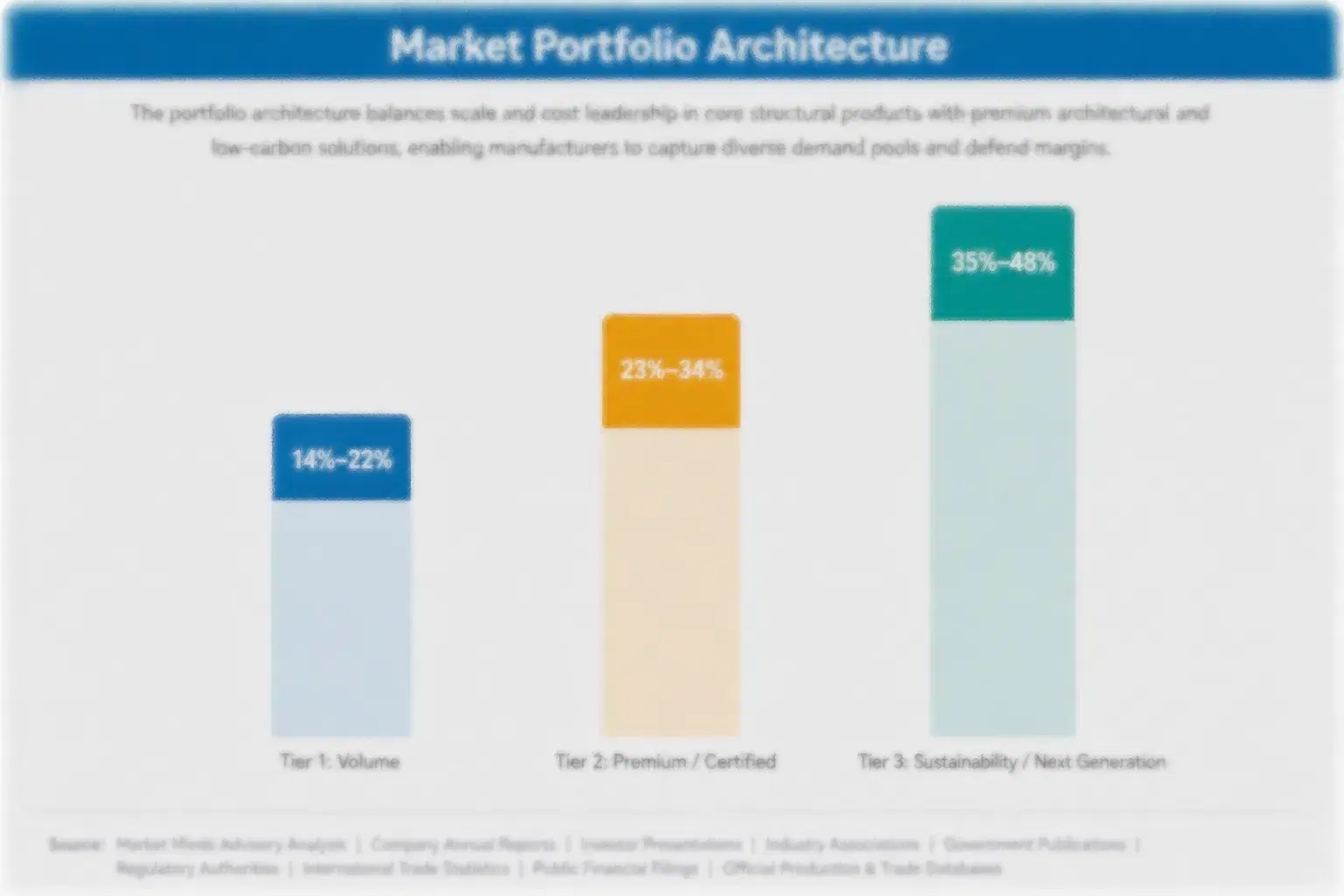
Margins run from thin returns on refined and solvent-extracted oil to strong profits on CO2-extracted, stabilized, and encapsulated grades sold with peroxide and fatty acid documentation, with gross margin roughly doubling between the volume tier and the top tier. Stability, purity, and application support add pricing power over what starts as the same seed, and buyers pay for reliability because oxidized oil ruins a full batch.
Volume and premium pull in different directions. Roasted and refined oils sell in large lots to households and food makers at moderate or thin margins and face price swings from seed cost. Stabilized, CO2, and powder grades sell in smaller lots at much higher margins but need equipment, testing, and application support, so producers must choose how much capital to commit to premium positioning.

High-value pools concentrate in CO2-extracted oil for supplements and infant nutrition, microencapsulated powders for bars, beverages, and bakery, and organic cold-pressed oil for premium retail. These segments benefit from documented stability, recurring orders, and limited competition from small pressers. Producers combining seed security, oxidation control, and application support hold advantages that are difficult to replicate quickly.

Volume / Commodity-Adjacent Tier

Refined, expeller-pressed, and solvent-extracted perilla oils for food manufacturing and bulk trade, sold on price, with thin margins, exposure to seed swings, and competition from Chinese processors and other omega-3 oils worldwide.
Gross Margin: 12%-22%

Premium / Certified Tier

Roasted and cold-pressed oils with organic and non-GMO certification and traceable origin, sold under annual contracts to retailers and brands that require documented freshness, consistent flavor, and reliable delivery throughout the year.
Gross Margin: 25%-36%

Sustainability / Regulatory / Next-Generation Tier

Supercritical CO2-extracted oil and microencapsulated powders with peroxide data, ALA specifications, and application support, positioned for supplements, infant nutrition, and fortified foods across developed and emerging markets, backed by stability studies.
Gross Margin: 35%-50%
perilla-seed-oil-market-portfolio-architecture-1789757425067

High-value Sub-segments and Strategic Watch-out

Supercritical CO2-Extracted Perilla Oil

CO2-extracted oil combines the fastest growth with strong pricing, as supplement and infant nutrition brands pay for clean flavor, no solvent residue, and stability. Equipment cost and scarce capacity protect margins, though suppliers must keep seed supply steady and document freshness to honor annual contracts and keep customers.
Gross Margin: 35%-50%

Microencapsulated Perilla Oil Powder

Encapsulated powder offers solid growth and healthy premiums, because food and nutrition makers gain stable, odor-free omega-3 that is easy to dose. Formulation skill and spray-drying capacity build barriers, while competition from encapsulated flax and algae powders keeps pressure on pricing, so suppliers need stability data and application support.
Gross Margin: 32%-45%

Roasted Perilla Oil

Roasted oil remains the volume core, moving the largest quantity to Korean households and restaurants at moderate prices. Margins depend on seed cost, pressing yield, and brand strength, and adulteration risk pressures pricing, so returns rely on traceable origin and consistent flavor rather than differentiation or premium product features.
Gross Margin: 22%-32%

Competing Plant Omega-3 Oils

Flax, chia, hemp, and algae oils are the main strategic watch-out, since they target the same plant omega-3 buyers with longer shelf life or lower price. If perilla stability problems persist or seed costs spike, brands may switch, slowing premium growth and pressuring supplier pricing in some categories.
Gross Margin: n/a (substitution risk)

Why Brands Keep Oil Suppliers

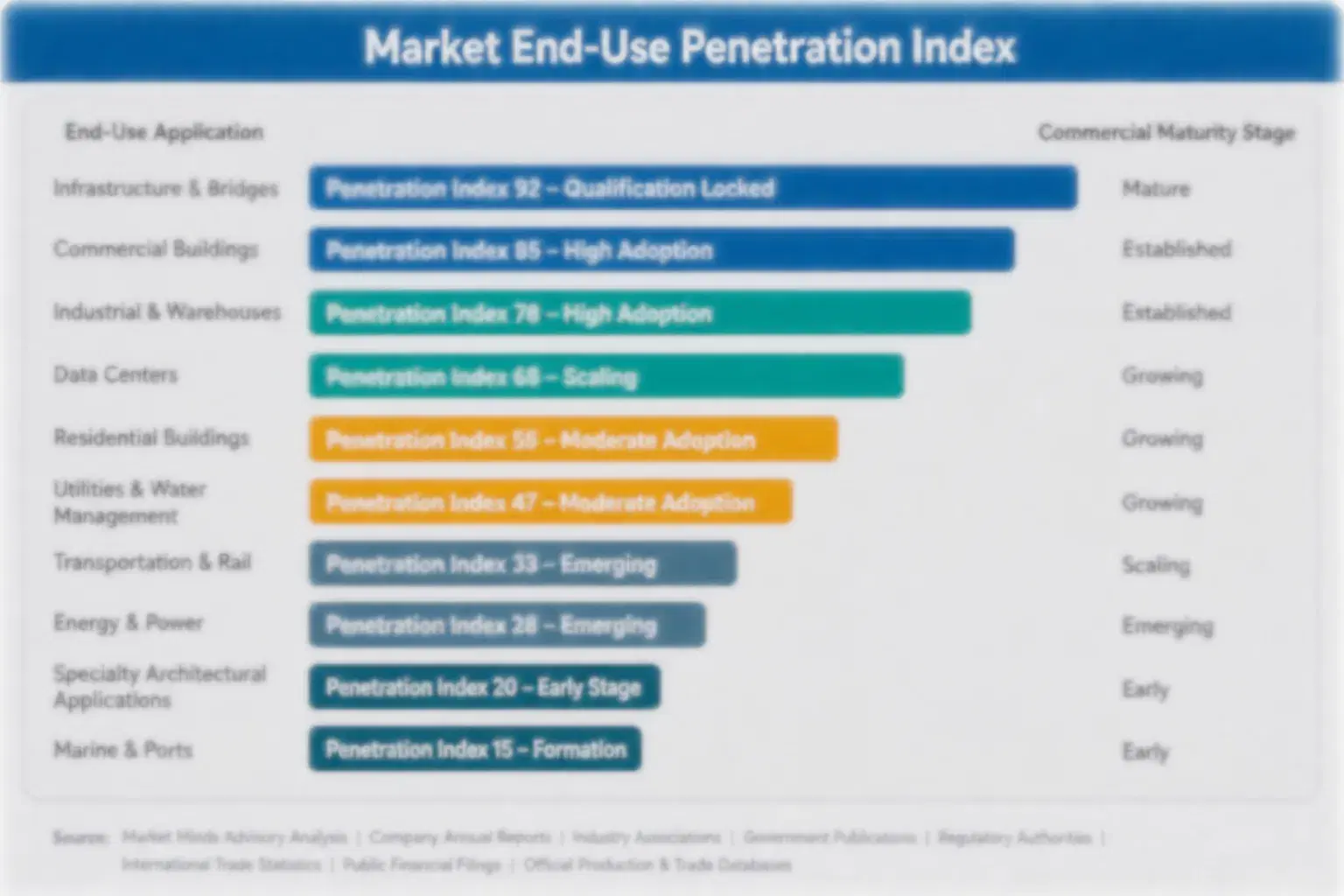
Perilla oil demand behaves like an annuity once a household, food maker, or supplement brand approves a supplier. Flavor, freshness, ALA content, and label claims are tied to a specific oil profile, so switching means new testing, possible stability studies, and risk of customer complaints. Annual agreements reinforce repeat orders, and buyers often accept modest price increases to protect supply continuity. Quality drift is a bigger fear than price.
Stickiness varies by end-use vertical. Korean households and restaurants show the deepest loyalty because brand trust and habit dominate, and supplement and infant nutrition brands with clinical positioning follow because dossiers tie to a specific oil. Food manufacturers switch more often on price, while cosmetic and private label buyers rebid frequently, making that group the most price sensitive.

Buyer profiles are changing. Younger consumers and digitally native brands look for plant-based omega-3, tested freshness, and traceable origin, and they favor suppliers that publish peroxide values and seed origin. Older buyers anchor on tradition, brand familiarity, and price. Suppliers must serve both groups, but growth concentrates among brands that market wellness through subscriptions and fortified foods. Retail buyers increasingly ask for documented origin data.
perilla-seed-oil-market-end-use-penetration-index-1789757425251

MMA Verdict on Perilla Oil Strategy

These are among the four positions where our research anticipates prominent divergence between winners and laggards over the coming forecast period. Each is grounded in the demand model, the regulatory perimeter, and the announced capacity pipeline.
01 / EXTRACTION CAPACITY INVESTMENT

Invest in CO2 Extraction to Capture Premium Grades

CO2-extracted perilla oil grows about 1.32 times faster than the market and earns 40% to 70% more per kilogram than cold-pressed oil, with recurring demand from supplement and infant nutrition brands. A plant costs several million dollars but pays back within four to five years at 70% utilization. MMA recommends committing capital within the next two years, before rivals build competing capacity and secure the best seed contracts, which is why early action matters more than the exact equipment choice at any one plant.
02 / OXIDATION CONTROL STRATEGY

Control Oxidation With Inert-Gas Processing and Packaging

Stabilized oil earns premiums of 12% to 20%, and shelf life rises from about four months to 12 months, which opens export channels and lifts repeat purchase. Equipment costs a few hundred thousand dollars and protects brand trust. MMA advises prioritizing nitrogen pressing, filling, and opaque packaging, because freshness is the variable most likely to decide which suppliers keep retailer contracts in export markets, and retailers in export markets now ask for peroxide data on every lot, which turns freshness control into a purchase requirement.
03 / SEED ORIGIN SECURITY

Lock In Seed Supply Through Multi-Country Farmer Contracts

Seed is about 64% of cost, and price swings hit unprotected processors hard. Sourcing from China, Vietnam, and India cuts the chance that one crop failure removes more than 25% of supply. MMA regards multi-origin contracts as the foundation of every credible supply commitment to brands, since even the best press cannot make margin from seed it cannot obtain, and processors that wait for a shortage to diversify usually pay spot premiums and lose customers to rivals with steadier delivery records.
04 / POWDER FORMAT PARTNERSHIPS

Launch Encapsulated Powders With Contract Manufacturing Partners

Microencapsulated powders sell at premiums of 25% to 45% over bulk oil and open large volume channels in bars, beverages, and infant blends. Contract manufacturers let suppliers enter without owning every asset. MMA advises starting with two anchor customers, then extending the range as stability data and reference launches build, while preserving the oxidation controls needed for regulated markets, and the first suppliers to show stable powder in bars and beverages often become the reference source that formulators ask about next.

Engagement Snapshot From the Field

A live engagement with an industry participant carrying material or product regulatory and market exposure ahead of a defining policy shift, showing how our research translates into a defensible multi-year portfolio strategy.
MARKET MINDS ADVISORY · CLIENT ENGAGEMENT SUMMARY
Perilla Seed Oil Producer Strategic Portfolio Review and Transition Roadmap 2026·Investment Scenario on Perilla Seed Oil Exposure Evaluation 2025-26
CLIENT PROFILE
The client is a mid-sized Korean perilla oil producer with one plant and roughly $30 million in annual revenue (client-reported, unverified by MMA), selling roasted and cold-pressed oil to domestic retailers and restaurants. About 88% of volume was roasted oil, gross margin sat near 20% (client-reported, unverified by MMA), and exports accounted for under 3% of sales with no stabilized grade.
STRATEGIC CHALLENGE
Seed costs had risen and domestic demand was flat, while export buyers in the United States and Europe asked for stabilized, tested oil and encapsulated powders the client could not supply. Leadership needed a plan that controlled oxidation, diversified seed origin, and built export channels without overextending capital. The board wanted a decision within a year.
MMA APPROACH
MMA benchmarked 10 perilla and specialty oil producers on cost structure and grade mix, interviewed supplement brand formulators and Asian grocery buyers in three markets about specifications and price points, and modeled the economics of inert-gas processing, seed contracts in Vietnam, and an encapsulation partnership under bull, base, and bear seed scenarios.
KEY FINDINGS
  1. Inert-gas pressing and dark packaging costing about $350,000 could extend shelf life to 12 months and support premiums near 15%, according to supplier quotations.
  2. Three export buyers indicated they would sign annual contracts if peroxide values and ALA content were documented on every lot, according to interviews.
  3. Vietnamese seed contracts would cut single-origin supply risk by roughly a quarter at modest additional freight cost, based on scenario modeling across bull and base cases.
  4. Roasted oil volume would remain necessary to fill the plant, so the client should keep domestic retail sales at about 60% of volume.
CLIENT PROFILE
The client is a mid-sized Korean perilla oil producer with one plant and roughly $30 million in annual revenue (client-reported, unverified by MMA), selling roasted and cold-pressed oil to domestic retailers and restaurants. About 88% of volume was roasted oil, gross margin sat near 20% (client-reported, unverified by MMA), and exports accounted for under 3% of sales with no stabilized grade.
STRATEGIC CHALLENGE
Seed costs had risen and domestic demand was flat, while export buyers in the United States and Europe asked for stabilized, tested oil and encapsulated powders the client could not supply. Leadership needed a plan that controlled oxidation, diversified seed origin, and built export channels without overextending capital. The board wanted a decision within a year.
MMA APPROACH
MMA benchmarked 10 perilla and specialty oil producers on cost structure and grade mix, interviewed supplement brand formulators and Asian grocery buyers in three markets about specifications and price points, and modeled the economics of inert-gas processing, seed contracts in Vietnam, and an encapsulation partnership under bull, base, and bear seed scenarios.
KEY FINDINGS
  1. Inert-gas pressing and dark packaging costing about $350,000 could extend shelf life to 12 months and support premiums near 15%, according to supplier quotations.
  2. Three export buyers indicated they would sign annual contracts if peroxide values and ALA content were documented on every lot, according to interviews.
  3. Vietnamese seed contracts would cut single-origin supply risk by roughly a quarter at modest additional freight cost, based on scenario modeling across bull and base cases.
  4. Roasted oil volume would remain necessary to fill the plant, so the client should keep domestic retail sales at about 60% of volume.
RECOMMENDED STRATEGY
Phase 1: Phase 1 (Months 1-6): Install inert-gas pressing and filling and sign seed contracts with Vietnamese farmer groups, with progress reviewed monthly. Phase 2: Phase 2 (Months 7-15): Obtain organic certification and qualify stabilized cold-pressed oil with three export buyers, with buyer audits scheduled first. Phase 3: Phase 3 (Months 16-30): Launch an encapsulated powder through a contract partner and expand to supplement and infant nutrition brands.
OUTCOME
Within 30 months, the client moved about 26% of volume into stabilized and encapsulated grades and raised gross margin from 20% to an estimated 29% (client-reported, unverified by MMA). Three export contracts were signed, seed diversification held costs steady through a weak harvest, and revenue reached roughly $39 million (client-reported, unverified by MMA).

Frequently Asked Questions

Foundational context covering the market sizes, CAGR, scope, country, region and competition that inform every finding below. This section is provided to cover basics and most often pre-purchase conversations, answered from the MMA Primary Research Dataset.

What is the current size of the Perilla Seed Oil Market?

The global perilla seed oil market was valued at $0.4 billion in 2025. This covers roasted, cold-pressed, refined, CO2-extracted, and encapsulated oil sold to food, supplement, and cosmetic buyers.

How large will the Perilla Seed Oil Market be by 2036?

MMA projects the market will reach approximately $1.0 billion by 2036. This represents cumulative growth of roughly $0.6 billion over the full ten-year forecast window.

What is the CAGR for the Perilla Seed Oil Market 2026 to 2036?

The market is forecast to grow at an 8.8% compound annual rate between 2026 and 2036. The bull case reaches 10.1% while the bear case falls to 7.5%.

Which segment is growing fastest?

Supercritical CO2-Extracted Perilla Oil is the fastest-growing segment at 11.6% CAGR, roughly 1.32 times the overall market rate. Microencapsulated Perilla Oil Powder follows as the second-fastest segment at 10.6%.

Who are the major companies in the Perilla Seed Oil Market?

Leading companies include Ottogi, CJ CheilJedang, Daesang, Nisshin OilliO Group, and J-Oil Mills. These five suppliers together hold an estimated 22% of total global market revenue today.

Which country is growing fastest?

India is the fastest-growing major market, expanding at approximately 11.4% CAGR each year. New export processing capacity and expanding hill farm acreage are driving this above-market growth.

Report Segmentation Architecture

The full report scope spans multiple orthogonal segmentation dimensions, with cross-tabulated demand data provided for each dimension pair. Coverage extends further to regional breakdowns, trend trajectories, and the competitive detail needed to support segment-level decision-making.

By Primary Market Dimension

  • Supercritical CO2-Extracted Perilla Oil
  • Microencapsulated Perilla Oil Powder
  • Cold-Pressed Virgin Perilla Oil
  • Roasted-Pressed Perilla Oil
  • Expeller-Pressed Refined Oil
  • Solvent-Extracted Perilla Oil

By End-Use Industry

  • Household and Restaurant Cooking
  • Dietary Supplements
  • Infant and Clinical Nutrition
  • Food and Beverage Manufacturing
  • Cosmetic-Adjacent Ingredients

By Commercial Dimension

  • Branded Retail Programs
  • Direct Brand Supply Contracts
  • Ingredient Distributor Channels
  • Export Trade Channels

By Region

  • North America
  • Western Europe
  • East Asia
  • South Asia and Pacific
  • Latin America
  • Middle East and Africa
  • Eastern Europe

Scope, Methodology, and Coverage

Every figure in this report is reproducible from documented input assumptions. The scope below maps the historical period, the forecast horizon, the segmentation dimensions, and the countries covered, alongside the underlying primary and qualitative methodology.
Historical Period
2020 to 2025
Forecast Period
2026 to 2036
Base Year
2025 (USD billions; MMA Primary Research Dataset, September 2026)
Market Definition
Perilla seed oil is the oil obtained from seeds of Perilla frutescens by roasting and pressing, cold pressing, expeller pressing, solvent extraction, or supercritical CO2 extraction, sold as edible, refined, encapsulated, or powdered oil to food manufacturers, supplement and infant nutrition brands, cosmetic makers, and retailers. The scope excludes perilla leaf and seed sold whole, perilla essential oil for fragrance, and finished supplements or sauces.
Quantitative Units
USD billions (current prices); metric tons for volume references
Segmentation Dimensions
By Extraction and Processing Method; By End-Use Industry; By Commercial Dimension; By Region
Regions Covered
North America, Western Europe, East Asia, South Asia and Pacific, Latin America, Middle East and Africa, Eastern Europe
Countries Covered
South Korea, China, Japan, Vietnam, India, Nepal, Thailand, Indonesia, Australia, New Zealand, USA, Canada, Mexico, Brazil, Argentina, Peru, Germany, France, UK, Netherlands, Poland, Russia, Kazakhstan, Ukraine, UAE, Saudi Arabia, Turkey, Egypt, South Africa, and additional markets relevant to this sector
Key Companies Profiled
Ottogi, CJ CheilJedang, Daesang, Nisshin OilliO Group, J-Oil Mills, COFCO, Yihai Kerry Arawana, Luhua Group, Sajo Industries, Nongshim, Pulmuone, Sempio, Kadoya Sesame Mills, Bunge, Cargill, Wilmar International, Archer Daniels Midland, Kerry Group, NOW Foods, Nutiva
Quantitative Methodology
Primary survey, n=3,800 respondents, Q4 2025, six countries; demand-side model with trade association cross-validation
Qualitative Methodology
47 expert interviews, Q4 2025; applied to validate demand model assumptions, identify emerging dynamics, and assess competitive positioning
Report Format
PDF and XLSX data workbook (Word format preview document)
Publisher
Market Minds Advisory
Report Code
MMA-2026-AGR-261
Published
September 2026
Contact
sales@marketmindsadvisory.com | www.marketmindsadvisory.com

Purchase the full Perilla Seed Oil Market Report (2026 to 2036).

The full report delivers a detailed assessment of global perilla seed oil production, processing mix, and competitive positioning through 2036. It includes segment forecasts by extraction and processing method, country-level data for all seven world regions, and profiles of the twenty companies most relevant to processing and brand supply. Analysts also receive input cost modeling and portfolio margin benchmarking built from MMA's primary research dataset. A scenario planning module lets subscribers stress-test bull and bear assumptions against seed price and oxidation outcomes. Quarterly updates keep the whole dataset current throughout.
Ten-year segment and regional demand forecasts
Seed origin and processing capacity tracking
Competitive benchmarking of top twenty suppliers
Seed price and freshness sensitivity modeling tools
Regional demand mechanism comparative analysis included
Quarterly primary survey data update access

Built For The People Who Decide

From boardroom strategy to bench-side execution, this report is read cover-to-cover by leaders shaping the next decade of their industry, turning demand scenarios, market dynamics and valuation benchmarks into decisions.
CXOs/ Presidents/ VPs/ Managers
M&A and Corporate Development
Strategy Teams and R&D Heads
Procurement and Product Directors
Regulatory and Compliance Leaders
Investor Relations and Equity Analysts