Market Minds Advisory
Percutaneous Tibial Neuromodulation Devices Market

Percutaneous Tibial Neuromodulation Devices Market: Nerve Stimulation as an Alternative to Drug Therapy

Urologists are steering overactive bladder patients toward tibial nerve stimulation ahead of Botox, and newer implantable devices are cutting the weekly clinic visit burden that once limited this treatment's appeal.

Lead Analyst

Alice Ballenger

Published

September 2026

Make Smarter Decisions with Customized Research Insights

Request a free sample report and evaluate market opportunities, growth trends, and competitive dynamics relevant to your business needs.

2025 MARKET VALUE$0.4BMarket Size 2025
2036 FORECAST VALUE$1.0BBase Case , 2026 to 2036
CAGR 2026 TO 20369.0 %Bull 10.3% / Bear 7.7%
INCREMENTAL OPPORTUNITY$0.6BNet 10- year value creation
EXPANSION MULTIPLE2.37x2036 value over 2026 base
Strategic Levers
M&A Pipeline
Regional Outlook
Country Rankings
Competitive Intelligence
Segmental Deep-dive
Call-Us : 91 93563 13602

Executive Snapshot and Market Trajectory

Urologists increasingly position tibial nerve stimulation as a second-line option ahead of Botox injections, favoring its lower complication profile for patients who have already failed standard oral medication as their first-line therapy for overactive bladder symptoms. Payers increasingly reinforce that clinical preference through coverage policy.
Implantable devices are the clearest growth story, cutting the twelve-week course of weekly clinic visits that has long limited patient completion rates for traditional needle-electrode systems, and commercial momentum is concentrating in North America, where CPT reimbursement codes and urology specialist density outpace every other region MMA tracks by a considerable margin, reinforcing the region's outsized share of global device revenue. That concentration is unlikely to narrow meaningfully before the end of the decade.
Five manufacturers hold nearly two-thirds of global revenue, led by device makers with deep pelvic health portfolios rather than single-product specialists. Reimbursement policy and FDA clearance timelines shape competitive positioning as much as underlying stimulation technology does, and smaller implantable-only challengers are using faster product iteration to chip away at established players' share in the newest device category. Rankings among established leaders are unlikely to shift materially before decade's end.
Market Definition
The Percutaneous Tibial Neuromodulation Devices Market covers non-implantable and implantable tibial nerve stimulation systems, electrode and needle consumables, pulse generator consoles, and related software used to treat overactive bladder, fecal incontinence, and chronic pelvic pain. It excludes sacral neuromodulation implants and pharmacological bladder therapies sold as separate product categories.
Base Year Value
$0.4B in 2025 (MMA Primary Research Dataset, August 2026)
Forecast Period
2026 to 2036, eleven discrete annual values
CAGR
9.0% base case. Bull 10.3%. Bear 7.7%.
Fastest Growth Segment
Implantable PTNS Devices: 14.0% CAGR
Fastest Growth Country
China: 11.5% CAGR
Fastest Growth Region
South Asia and Pacific: 11.5% CAGR
Largest Region
North America: 36% of 2025 global value
Market Leaders
Laborie Medical Technologies, Coloplast A/S, Medtronic plc, BlueWind Medical Ltd, Axonics Inc. Source: MMA Analysis based on company annual reports.
Primary Survey
n=3,800 procurement and R&D decision-makers, Q4 2025, six countries
Methodology
Demand-side build-up, cross-validated against public data, 47 expert interviews

Percutaneous Tibial Neuromodulation Devices Market Forecast Scenarios

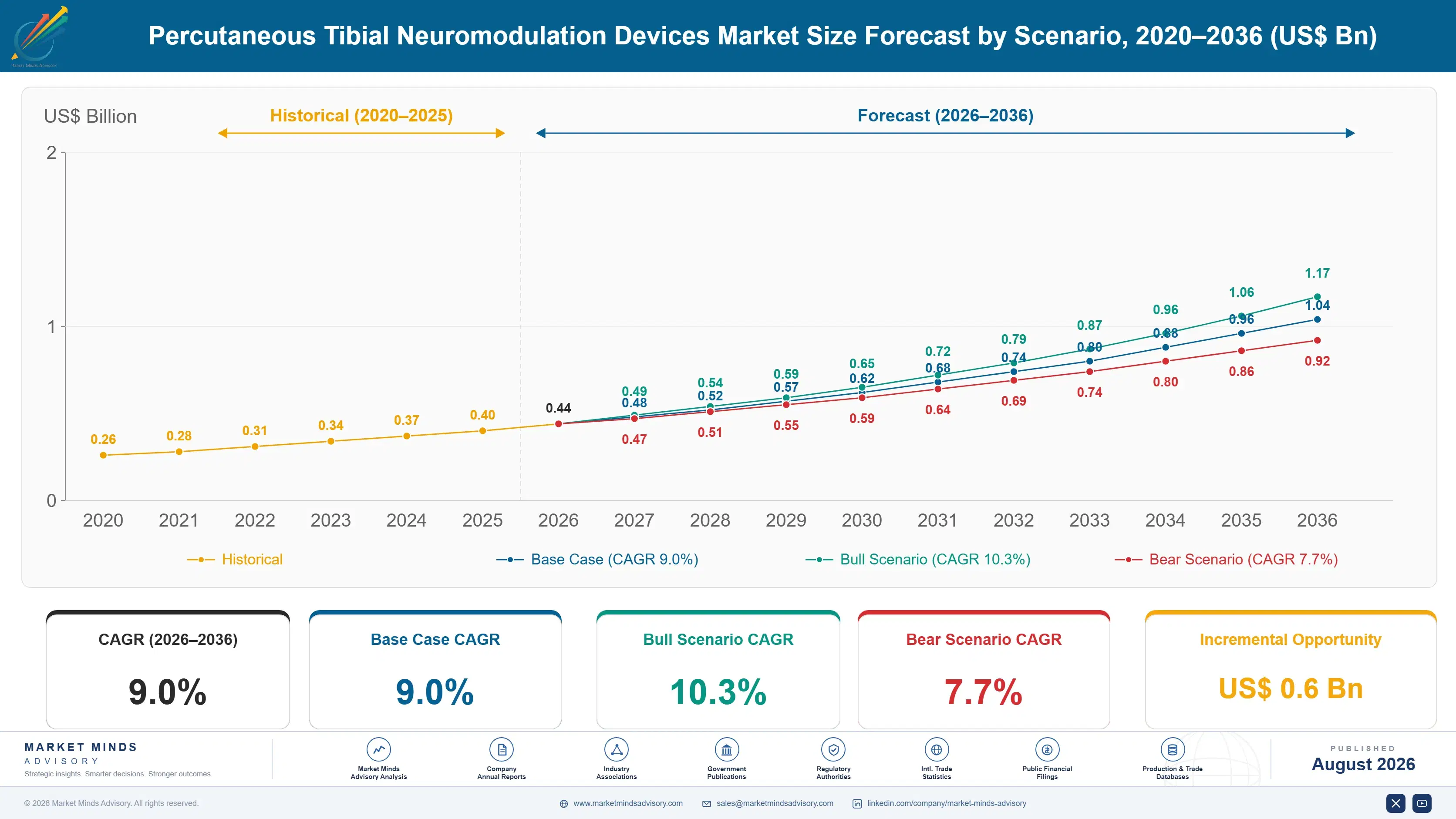
percutaneous-tibial-neuromodulation-devices-market-size-forecast-scenario-1787306693858
Between 2020 and 2025 the market grew steadily as urology practices expanded neuromodulation offerings beyond sacral implants, interrupted briefly by pandemic-era deferrals of elective clinic visits before recovering fully through 2022 as backlogged patient volumes cleared across most developed markets and referral pathways normalized. Referral pathways from primary care and gynecology normalized fully across most developed markets by mid-2023.
The base case assumes steady 9.0% annual growth through 2036, anchored to three mechanisms: FDA clearance of implantable devices that reduce the clinic visit burden, expanding insurer reimbursement for tibial nerve stimulation as a covered second-line therapy, and growing urologist awareness of neuromodulation as a lower-complication alternative to Botox injections for appropriate patients. Group purchasing and payer contract activity have reinforced this trajectory across most recent fiscal reporting quarters. Manufacturers report growing confidence in this outlook.
The bull case centers on implantable device adoption accelerating faster than currently modeled as reimbursement catches up with clinical evidence. The bear case centers on payer scrutiny of neuromodulation cost-effectiveness slowing coverage expansion, stretching adoption timelines by a year or more across price-sensitive markets. Neither scenario shifts the leading five manufacturers' relative rankings materially within the coming decade.

Nerve Stimulation Gains Ground in Pelvic Health

Urology practices increasingly treat neuromodulation as a distinct service line with its own scheduling, staffing, and billing workflow, rather than folding it into general urology visits, a shift that has professionalized how clinics purchase and maintain this equipment over time. Vendors that lack presence across both diagnostic and treatment equipment lines increasingly cede ground on this dimension. That professionalization has raised the bar for how vendors demonstrate value during purchasi
MARKET CONCENTRATIONCR5 64%Reflects a fairly concentrated field of device makers
AVERAGE SELLING PRICE$3,200-8,500 per systemVaries considerably by device format and treatment complexity
TOP PRODUCING COUNTRYUnited States, 31% shareLargest base of manufacturing and device assembly capacity
CAPACITY UTILISATION71%Reflects steady but not maximal production line usage
REPLACEMENT CYCLE LENGTH5-7 yearsReflects the typical implantable device lifespan before replacement
FEEDSTOCK COST SHARE29% of COGSElectrode materials and battery components as input cost
Payer coverage decisions now shape which format of device gains traction more than clinical preference alone does, since a device without a clear reimbursement pathway struggles to reach meaningful volume regardless of how favorably physicians view its underlying technology. Manufacturers increasingly treat payer strategy as a core commercial function rather than a legal afterthought. Companies increasingly dedicate specialized teams to pursue coverage decisions ahead of product launch rather than after it.
Over the next decade, implantable systems will likely displace a meaningful share of traditional needle-electrode visits as battery life improves and reimbursement catches up with the clinical evidence supporting fewer required office visits per patient. Companies that move early on this transition stand to capture disproportionate premium positioning. Manufacturers reliant entirely on legacy non-implantable technology risk losing ground.
"Completion rate is the real product here. A device that keeps patients showing up for all twelve sessions beats one with marginally better stimulation parameters."
Director, Medical Technology Practice · MMA Medical Devices Practice &midd

Market Trends

Implantable Devices Cut the Clinic Visit Burden

Newer implantable tibial nerve stimulation devices reduce the traditional twelve-week course of weekly in-office visits to a single implantation procedure followed by periodic remote adjustment, addressing the single largest reason patients historically abandoned treatment before completing a full course. FDA clearance of at least two implantable systems since 2022 has given urologists a credible alternative to refer appropriate patients toward, and early adopting practices report meaningfully higher course-completion rates compared to traditional non-implantable systems. Device makers are investing heavily in extending battery life beyond current five-year benchmarks to further widen this adoption advantage over legacy formats.
Market Impact: Adds 3.5% annual patient pool growt
Payers Expand Coverage for Second-Line Overactive Bladder Therapy

Commercial insurers and several state Medicaid programs have expanded reimbursement coverage for tibial nerve stimulation as a second-line overactive bladder therapy following failed oral medication, a shift that removes the largest historical barrier to broader physician referral. United States Centers for Medicare and Medicaid Services coverage determinations have followed similar logic, formally recognizing neuromodulation among covered second-line options in an increasing number of regional coverage areas. Device makers report meaningfully higher new patient starts in markets where this coverage has already taken effect compared to markets still awaiting a formal determination.
Market Impact: Shifts 15% of Botox candidates year

Market Opportunities and Growth Drivers

Rising Overactive Bladder Prevalence Among an Aging Population

Overactive bladder prevalence rises meaningfully with age, and United States Census Bureau population projections showing the 65-plus cohort expanding by roughly 12 million people over the coming decade directly widen the addressable patient pool for tibial nerve stimulation therapy. Urology associations in the United States and Germany report steadily rising diagnosis rates tied to this demographic shift, and each additional diagnosed patient represents a potential referral into neuromodulation once oral medication fails to control symptoms adequately. This demographic tailwind is expected to persist for at least the next fifteen years as the largest population cohorts continue aging into higher-prevalence brackets.
Market Impact: Loses 30% of patients before comple

Physician Preference Shifts Away From Botox for Appropriate Patients

Urologists increasingly favor tibial nerve stimulation over Botox injections for patients seeking to avoid the urinary retention risk and repeat injection burden associated with chemodenervation therapy. Peer-reviewed comparative studies published in major urology journals have reinforced this preference shift by demonstrating comparable symptom improvement with a more favorable side-effect profile for appropriately selected patients. Medical societies have updated treatment algorithm guidance to reflect this evidence, and each updated guideline further normalizes neuromodulation referral among general urology practices not previously offering it as a first-choice second-line option. Younger urologists trained during this evidence shift show markedly stronger comfort with referral.
Market Impact: Delays scaling by 20 months

Market Restraints and Challenges

Weekly Clinic Visit Burden Limits Completion Rates

Traditional non-implantable systems require twelve consecutive weekly thirty-minute office visits, a schedule that many working patients struggle to maintain, leading to meaningful drop-off before completing a full treatment course and undermining the clinical outcomes data physicians rely on when recommending the therapy. The root cause is that the original device design prioritized simplicity and low upfront cost over patient convenience, a tradeoff that made sense before implantable alternatives existed. Manufacturers are exploring home-use device designs and telehealth-supported remote administration to reduce this burden for patients unable to commit to twelve weeks of in-person visits.
Market Impact: Lifts completion rates by roughly 3

Fragmented Regional Reimbursement Slows Implantable Adoption

Reimbursement coverage for implantable tibial nerve stimulation devices varies considerably by insurer, state, and regional Medicare contractor, creating a patchwork that manufacturers must navigate market by market rather than launching a single national commercial strategy immediately after FDA clearance. The root cause is that many regional Medicare administrative contractors still evaluate implantable neuromodulation coverage requests case by case rather than under a consistent national policy. Manufacturers are working with urology trade associations to lobby for standardized coverage criteria, though progress has been gradual and inconsistent across different contractor jurisdictions so far.
Market Impact: Adds roughly 40,000 covered patient
3 additional market trends, 4 additional growth drivers, and 3 additional restraints and challenges are covered in the full report. Contact sales@marketmindsadvisory.com to access the complete intelligence.

Segment CAGR and Growth Architecture

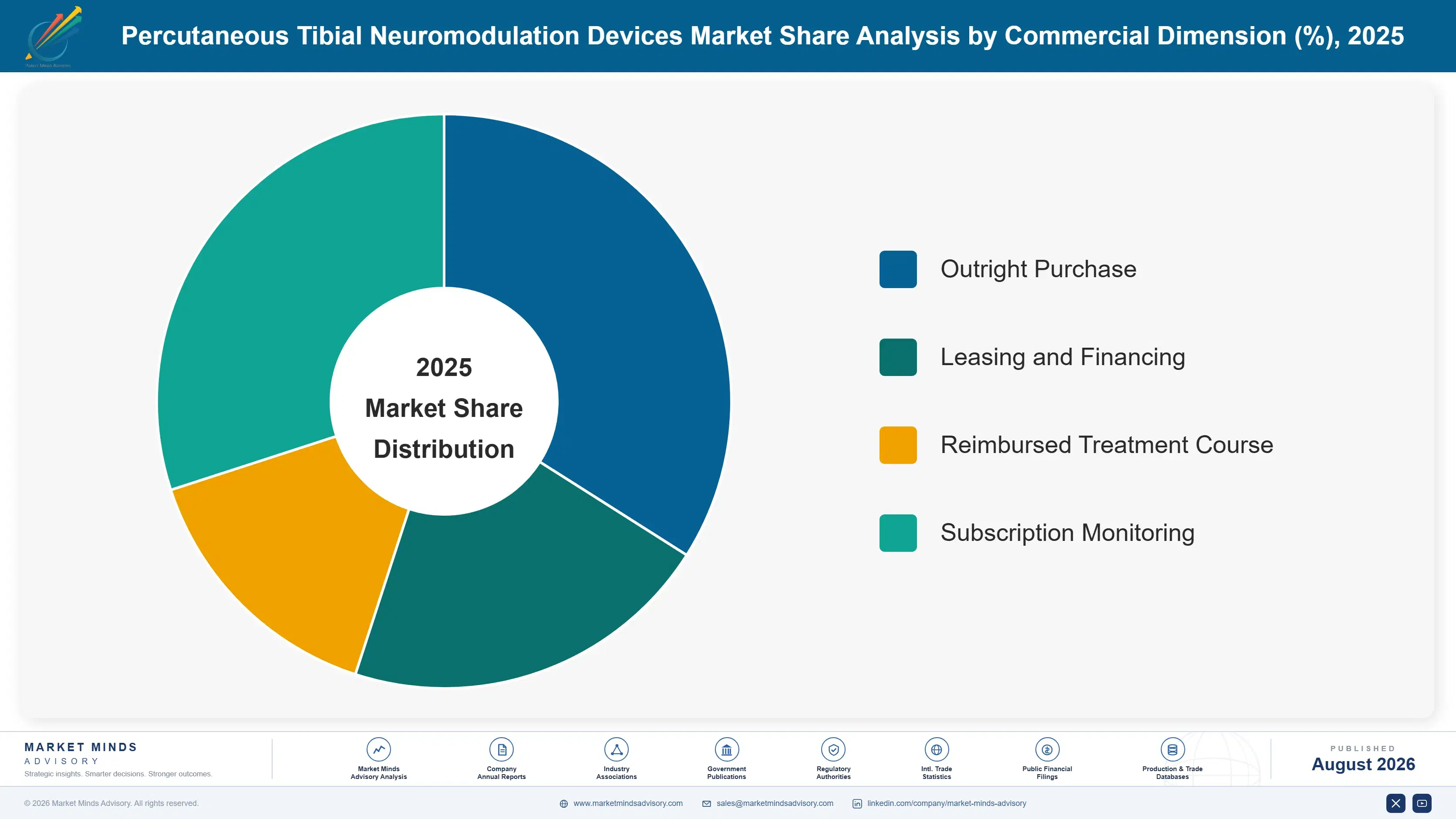
The market segments by device format and product type, spanning non-implantable and implantable stimulation systems, electrode consumables, pulse generator consoles, and remote monitoring software, since each category follows its own distinct regulatory pathway, reimbursement structure, and clinic purchasing cycle. No single component category alone dominates purchasing decisions across every clinic and hospital setting type.
percutaneous-tibial-neuromodulation-devices-market-market-share-analysis-1787306694391

Implantable PTNS Devices

Implantable tibial nerve stimulation devices are the fastest-growing segment as FDA clearances expand beyond the first approved systems and urologists gain confidence referring appropriate patients toward a single implantation procedure rather than a twelve-week course of weekly office visits. Manufacturers have invested heavily in extending battery life and simplifying the remote programming process, addressing two of the most common reasons physicians historically hesitated to recommend implantable neuromodulation over established non-implantable alternatives. Insurer reimbursement decisions are catching up with the clinical evidence supporting fewer required office visits, and practices in markets where coverage has already been formalized report meaningfully higher new patient enrollment than practices still awaiting a determination from their regional payer or Medicare contractor.
CAGR 14.0%

Home-Use PTNS Devices

Home-use tibial nerve stimulation devices are growing quickly as telehealth-supported remote administration models mature, letting appropriately selected patients complete their treatment course without twelve consecutive weekly clinic visits. Device makers pair these systems with companion smartphone apps that guide correct electrode placement and confirm session completion remotely, addressing clinician concern about administration accuracy outside a supervised office setting. Payers have been slower to extend reimbursement to home-use formats than to implantable devices, since the reimbursement case rests on patient-reported rather than clinician-verified compliance data, but early coverage decisions in select markets are beginning to establish a precedent other regional payers are starting to follow more closely each quarter. Manufacturers increasingly bundle these devices with a starter telehealth support package.
CAGR 12.5%
Full segment breakdown across 6 segments available in the complete report.

Regional Architecture and Country Demand Map

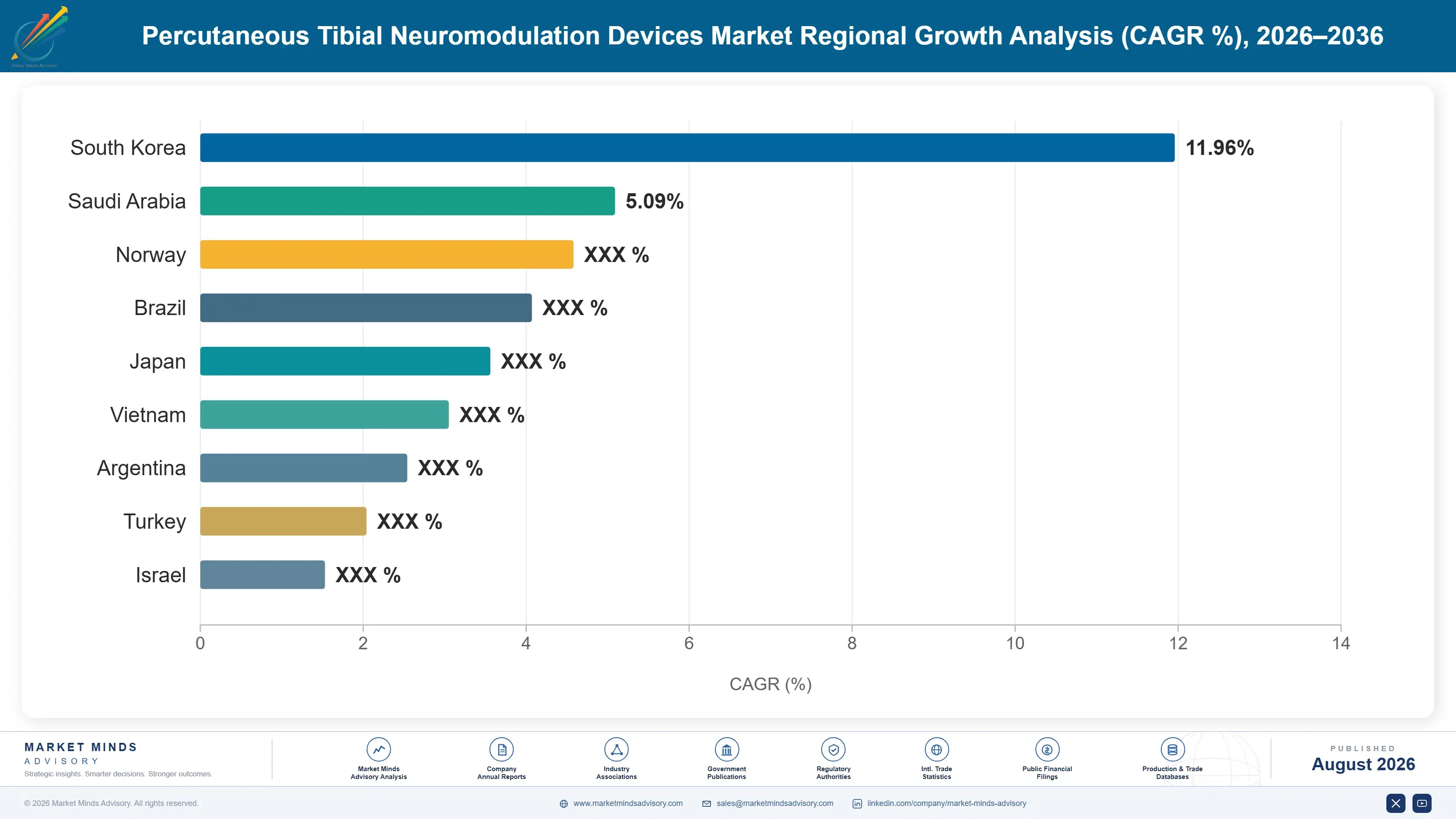
North America accounts for well over a third of global revenue, reflecting the deepest urology reimbursement and specialist density anywhere, while South Asia and Pacific posts the fastest regional growth off a smaller existing base. Every region shows steady expansion, though pace and installed base vary considerably by country.

North America

The United States carries the largest share of any market MMA tracks, a concentration well above the standard regional band that reflects CPT reimbursement codes specific to tibial nerve stimulation and the deepest density of certified urology neuromodulation centers found anywhere globally. FDA clearance activity has concentrated here first for nearly every new device format, giving domestic manufacturers a first-mover advantage before international regulatory bodies grant equivalent approvals. Canada's provincial health systems have been slower to extend reimbursement to implantable formats specifically, keeping growth there more modest than in the United States. Urology practices across both countries increasingly treat neuromodulation as a dedicated service line, reinforcing steady equipment and consumable purchasing across most major metropolitan markets tracked in this region.
Share: 36% | CAGR: 8.5% (2026 to 2036)

Western Europe

Germany and the United Kingdom carry the largest share of regional demand, supported by public health systems that have gradually extended coverage to tibial nerve stimulation as a second-line overactive bladder therapy. France and the Nordic countries follow with steady adoption tied to national health service treatment guidelines that increasingly list neuromodulation alongside Botox as an accepted option. Regulatory harmonization under the EU Medical Device Regulation has raised compliance costs for smaller manufacturers, consolidating market share toward established players with the resources to maintain full regulatory documentation across every member state. Reimbursement for implantable formats specifically remains less developed here than in the United States, so growth leans more heavily on non-implantable systems across the region's largest national markets.
Share: 23% | CAGR: 7.5% (2026 to 2036)
Regional intelligence for 5 additional markets available in the complete report: East Asia, South Asia and Pacific, Latin America, Middle East and Africa, Eastern Europe. Contact sales@marketmindsadvisory.com.
percutaneous-tibial-neuromodulation-devices-market-country-cagr-analysis-1787306694903

Where Neuromodulation Makers Can Grow Margin

Beyond unit volume growth, manufacturers have several concrete paths to lift revenue per patient, spanning consumable attachment, implantable device premiums, payer contract expansion, and remote monitoring subscriptions layered on top of the core device sale. None require heavy capital investment to launch across an existing practice relationship. Each applies broadly across urology practice relationships already under contract.

Consumable Electrode and Needle Attachment Revenue

Non-implantable systems generate recurring consumable revenue through single-use electrode and needle sets required for each of the twelve weekly sessions, converting a modest console sale into a much larger revenue relationship worth roughly $400 to $600 per completed patient course. Manufacturers with the largest installed console base capture disproportionate consumable revenue simply by virtue of having more active treatment courses underway at any given time, reinforcing scale advantages that smaller console-only competitors struggle to replicate at comparable margin across their existing customer base. Manufacturers report consumable revenue now accounts for a meaningfully growing share of direct sales.
Market Impact: Adds roughly $400 to $600 per patie

Implantable Device Premium Pricing Over Legacy Formats

Implantable devices command meaningfully higher prices than traditional non-implantable systems, often 3 to 4 times the price point for a comparable treatment course, while carrying stronger completion-rate data that supports more favorable payer reimbursement negotiations. Manufacturers with cleared implantable products capture disproportionate margin as this format gains share, and companies still reliant entirely on non-implantable technology risk losing premium-tier positioning to competitors offering the higher-completion-rate implantable alternative at a comparable overall course price. Companies still reliant entirely on non-implantable technology risk losing that premium-tier positioning outright. Manufacturers report this positioning gap widening as more coverage determinations favor implantable evidence.
Market Impact: Commands 3 to 4 times legacy course

Expanding Regional Medicare Contractor Coverage Terms

Winning a favorable coverage determination from a regional Medicare administrative contractor converts an entire jurisdiction of previously self-pay patients into reimbursed candidates, typically lifting new patient starts by 20 to 30% within the first year of coverage taking effect in that jurisdiction. Manufacturers increasingly dedicate specialized reimbursement affairs teams to pursue this path contractor by contractor, since a single successful determination can outperform years of incremental physician education spend across the same addressable patient population in that region. Manufacturers increasingly staff reimbursement affairs teams as a dedicated commercial function rather than legal support.
Market Impact: Lifts new patient starts by 20 to 3

Remote Monitoring and Companion App Subscriptions

Implantable and home-use devices increasingly pair with companion smartphone apps offering remote programming adjustment and compliance tracking, some monetized through a modest subscription layered on top of the physical device sale, typically priced between $8 and $15 monthly per active patient. These apps also generate compliance data that strengthens the clinical evidence case manufacturers present to payers when negotiating expanded coverage, making the subscription layer valuable beyond its direct revenue contribution to overall account economics. Manufacturers report subscription attach rates climbing steadily as more practices digitize compliance tracking. Companies without this layer report weaker payer negotiating positions overall.
Market Impact: Adds roughly $8 to $15 monthly per

Who Controls the Margin Pool

Five manufacturers hold 64% of global revenue, a meaningfully concentrated field reflecting the regulatory and reimbursement barriers that limit new entrants. Laborie and Medtronic form a clear leading pair whose combined pelvic health portfolios and reimbursement affairs infrastructure give them a durable gap over the next tier of challengers, including Coloplast, BlueWind, and Axonics. None matches their scale or breadth of urology relationships.
Current competitive activity centers on three dimensions: securing FDA clearance and payer coverage for implantable formats ahead of rivals, expanding battery life and remote programming capability to differentiate newer devices, and building dedicated reimbursement affairs teams that pursue regional Medicare contractor coverage determinations jurisdiction by jurisdiction rather than nationally. Vendors that lag on any one of these three dimensions increasingly cede ground to faster-moving rivals.

Emerging pressure comes from smaller implantable-only specialists like BlueWind and Neuspera, whose focused product roadmaps let them iterate on battery life and programming software faster than larger diversified competitors juggling broader pelvic health portfolios. Rankings among the established leaders are unlikely to shift materially before 2030, but the implantable sub-segment below them is becoming considerably more contested territory. Several established vendors have begun launching dedicated implantable sub-brands to defend that ground.
percutaneous-tibial-neuromodulation-devices-market-company-positioning-matrix-1787306695428

Competitive Moat and Risk Dimensions

LABORIE MEDICAL TECHNOLOGIES

Moat: Pelvic Health Portfolio Depth

Laborie's broad pelvic health and urodynamics portfolio gives its sales force existing relationships across nearly every urology practice MMA tracks, letting it cross-sell neuromodulation into accounts it already serves for diagnostic and surgical equipment. That breadth lets Laborie defend shelf space against single-product neuromodulation specialists who must build relationships from scratch in every new account they pursue.
LABORIE MEDICAL TECHNOLOGIES

Risk: Slower Implantable Rollout

Laborie has been slower than smaller implantable-only specialists to bring a fully competitive implantable system to market, creating a feature gap that urologist-influencers increasingly note in purchasing conversations, particularly at academic centers where staying current on device capability carries reputational weight beyond the immediate clinical benefit.
MEDTRONIC PLC

Moat: Neuromodulation Manufacturing Scale

Medtronic's manufacturing scale and existing sacral neuromodulation reimbursement relationships give it a credible path into tibial nerve stimulation without needing to build payer relationships from zero, and its financial resources let it fund parallel development of both implantable and non-implantable formats while smaller rivals must generally choose one path or the other.
MEDTRONIC PLC

Risk: Portfolio Cannibalization Risk

Medtronic's sales force faces internal tension between promoting tibial nerve stimulation and its more established, higher-margin sacral neuromodulation implants, occasionally slowing how aggressively the company pursues tibial market share compared to competitors with no comparable internal product to protect. Sales representatives often default to promoting the more established franchise when incentive structures reward it more heavily.

Players Tracked

Prominent Players

Laborie Medical Technologies
Coloplast A/S
Medtronic plc
BlueWind Medical Ltd
Axonics Inc

Other Key Players

Boston Scientific Corporation
Cogentix Medical Inc
Neuspera Medical Inc
Nuvectra Corporation
Uroplasty Inc
Cala Health Inc
Saluda Medical Pty Ltd
NeuroPace Inc
Bioness Inc
Titan Medical Inc
Electrocore Inc
GT Urological LLC
Renova Therapeutics
StimGuard LLC
Vesta Therapy Inc

Recent Developments

JANUARY 2026

Axonics Launches Extended Battery Life Implantable System

Axonics introduced an updated implantable tibial nerve stimulation system with meaningfully extended battery life aimed at reducing replacement surgery frequency for patients. The launch targeted academic urology centers first, with a broader rollout to community practices planned across the following two fiscal years. Battery testing data accompanied the launch.
Signal: Battery life extension is quickly becoming
SEPTEMBER 2025

BlueWind Medical Acquires Remote Programming Software Developer

BlueWind completed the acquisition of a specialty remote programming software developer focused on patient compliance tracking and clinician dashboard tools for implantable neuromodulation. The deal brought advanced software capability in-house, expanding BlueWind's digital offering considerably beyond its prior hardware-only product line. Deal terms were not disclosed publicly by either company.
Signal: Remote programming software is quickly bec
APRIL 2025

Laborie Signs Multi-Year Group Purchasing Agreement

Laborie entered a multi-year supply agreement with a large United States urology group purchasing organization covering neuromodulation equipment and consumables across its full network of member practices. The agreement was a supply contract, not a joint venture or acquisition, covering purchasing terms across the organization's full member roster.
Signal: Multi-year, network-wide purchasing agreem

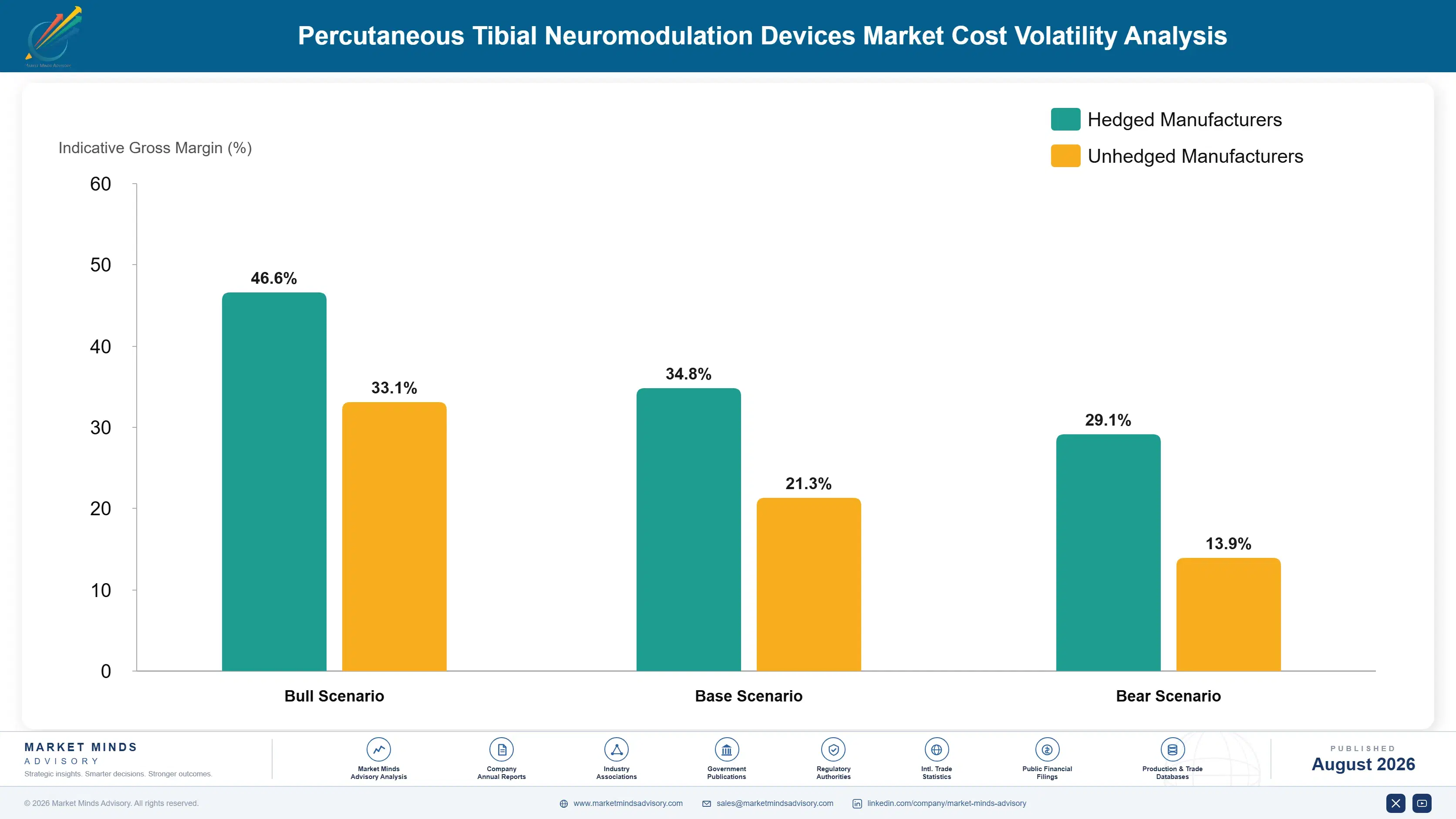
Electrode and Battery Component Exposure

Electrode materials and implantable battery components together represent roughly 29% of cost of goods sold for a complete device system, sourced predominantly from specialized medical-grade metal and battery manufacturers concentrated in the United States, Germany, and Japan, with implantable-grade lithium battery cells sourced from a small number of global suppliers with limited near-term substitution options available.
The 2021 to 2022 global battery component shortage disrupted implantable medical device manufacturing broadly, with several manufacturers reporting extended lead times for medical-grade battery cells in company annual reports covering that period. The International Energy Agency's supply chain analysis of that period noted the shortage's disproportionate impact on specialized battery component manufacturers reliant on a concentrated supplier base not easily substituted on short notice. Manufacturers report continued monitoring of this supplier base given persistent geopolitical trade risk.

Smaller manufacturers without long-term supply agreements or in-house battery qualification capability bear considerably more exposure to price swings than the largest players, who can negotiate volume discounts and secure priority allocation during shortages. This dynamic reinforces the advantage already held by the leading five manufacturers, since a battery shortage can delay a smaller competitor's implantable device shipments while the largest players continue fulfilling orders on schedule.
percutaneous-tibial-neuromodulation-devices-market-cost-volatility-analysis-1787306695624

Dual-Sourcing Implantable Battery Cells

Larger manufacturers are qualifying second battery cell suppliers to reduce dependence on any single source, a step that adds qualification cost upfront but meaningfully reduces disruption risk during future component shortages. Qualification cycles for implantable-grade cells typically run twelve to eighteen months before volume production begins. Larger vendors with existing supplier ties tend to move faster through this process.

Long-Term Fixed-Price Battery Supply Agreements

Several manufacturers have moved from spot purchasing to multi-year fixed-price agreements with battery cell suppliers, trading some pricing flexibility for supply certainty and predictable input costs across budget planning cycles. These agreements typically run three to five years before renegotiation begins. Vendors report these agreements have meaningfully smoothed quarterly input cost variance across recent years.

In-House Battery Qualification Capability Investment

The largest manufacturers are investing in in-house battery qualification and testing capability to reduce reliance on external suppliers entirely for at least a portion of production volume, insulating margin from supplier-side price increases over a multi-year investment horizon that smaller rivals generally cannot fund. This investment horizon typically spans four to six years before capacity comes fully online.

Portfolio Architecture for Margin Defence

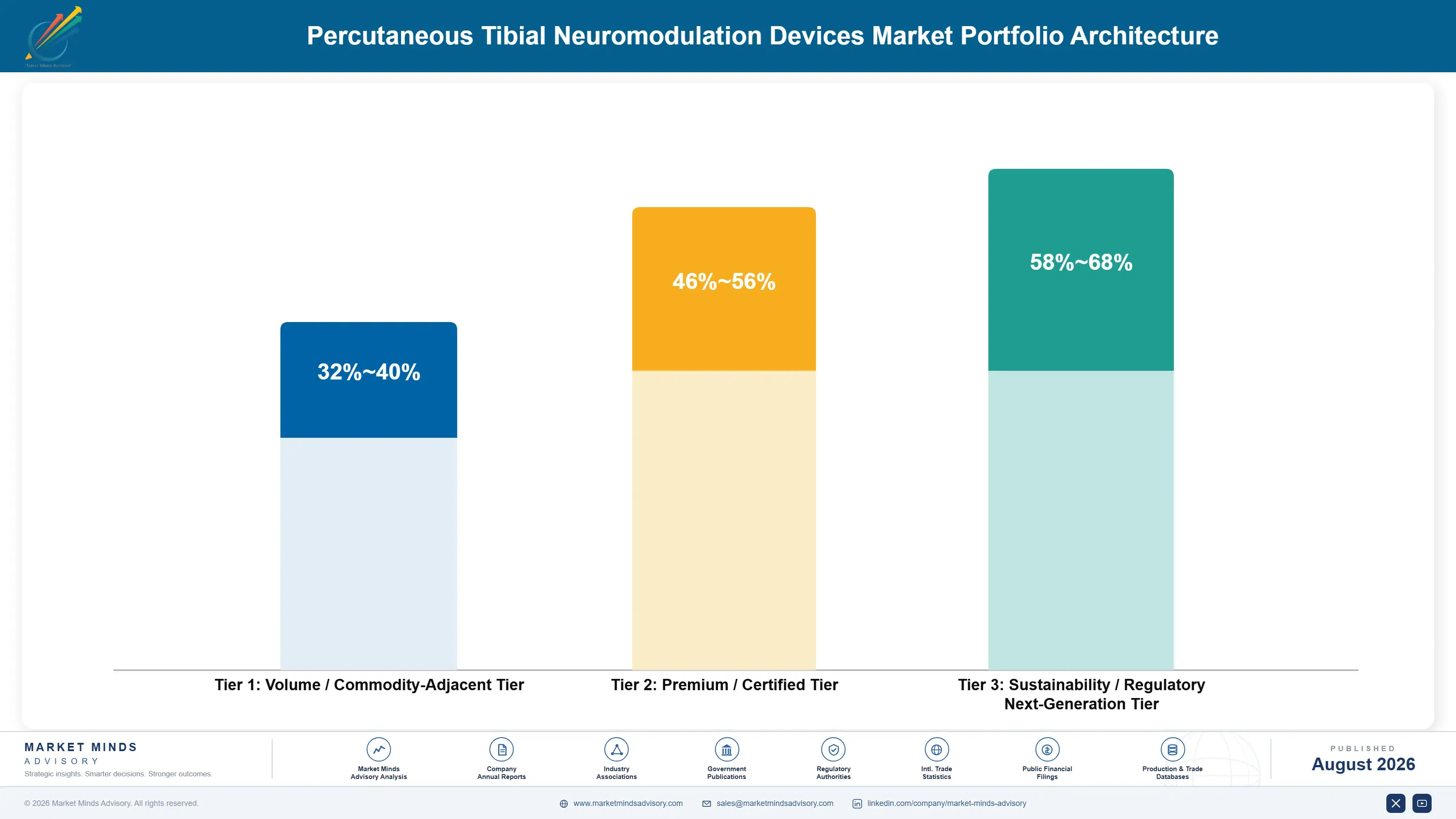
The market organizes into three tiers by device format and margin profile. Volume-tier non-implantable systems cover standard twelve-week treatment courses sold largely on console and consumable pricing. Premium-tier implantable devices command meaningfully higher prices tied to completion-rate advantages and reduced clinic visit burden for both patients and practices. A growing next-generation tier layers remote monitoring subscriptions on top of the underlying implantable device sale entirely.
Gross margins widen considerably moving up the tiers, since implantable formats carry disproportionate pricing power relative to their incremental manufacturing cost, while non-implantable systems compete primarily on consumable pricing against a handful of established rivals. Practices rarely trade back down once physicians and patients have grown accustomed to the reduced visit burden implantable formats provide. Consumable revenue partially offsets this dynamic for manufacturers with the largest non-implantable installed base.

High-value margin pools concentrate in implantable device sales bundled with remote monitoring subscriptions, where recurring digital revenue carries substantially wider margin than the underlying device sale that first brought the patient into a manufacturer's broader treatment relationship. That gap is likely to widen further as subscription features mature and attach rates climb across the installed base.

Volume / Commodity-Adjacent Tier

Non-implantable console and electrode consumable systems sold on a per-session pricing model, competing primarily on consumable cost across established urology practice relationships with limited room for premium differentiation. Consumable pricing determines most of the margin outcome in this tier's accounts.
Gross Margin: 32-40%

Premium / Certified Tier

Implantable tibial nerve stimulation devices carrying stronger completion-rate clinical evidence and reimbursement support, commanding meaningfully wider margins than non-implantable console and consumable equivalents. Payers increasingly view these devices as a lower-cost substitute for ongoing weekly office visits.
Gross Margin: 46-56%

Sustainability / Regulatory / Next-Generation Tier

Implantable devices paired with remote monitoring and compliance-tracking software subscriptions, representing the newest product category and commanding the highest margins in the market overall. Vendors are racing to expand this offering as reimbursement continues favoring outcome-linked purchasing.
Gross Margin: 58-68%
percutaneous-tibial-neuromodulation-devices-market-portfolio-architecture-1787306696124

High-value Sub-segments and Strategic Watch-out

Implantable Devices With Remote Monitoring Subscriptions

Implantable devices paired with remote monitoring subscriptions combine the category's fastest growth with its widest margins, drawing concentrated manufacturer investment as payers increasingly demand compliance data to justify continued reimbursement coverage each budget cycle. MMA expects vendor investment here to keep climbing steadily through 2036.
Gross Margin: 60-70%

Home-Use PTNS Devices

Home-use devices deliver strong unit growth on the back of telehealth-supported administration models, though margins sit a tier below implantable formats, supported by growing physician comfort with remote compliance verification across most major markets. Growth should persist as telehealth-supported administration models continue maturing across new markets.
Gross Margin: 42-52%

Standard Non-Implantable Console Systems

Standard non-implantable console systems remain the category's volume backbone across established urology practices worldwide, competing on consumable pricing that leaves thin margins and limited room for feature differentiation beyond electrode design. Consolidation among smaller manufacturers looks likely as consumable pricing scale becomes key to survival.
Gross Margin: 30-38%

Legacy Non-Reimbursed Cash-Pay Systems

Legacy cash-pay systems sold outside formal insurance reimbursement warrant monitoring as coverage expansion continues, a dynamic that could compress this once-common purchasing path considerably faster than smaller manufacturers currently plan for in their own account strategies. Vendors that diversify into implantable formats early could offset this segment's continued softness.
Gross Margin: 26-34%

Treatment Courses and Referral Depth

Devices generate recurring revenue through consumable attachment and repeat treatment courses far more than through any single console sale, since patients who respond well often return for maintenance sessions or a second implantable device replacement years later, giving manufacturers an annuity-like revenue stream tied to the practice relationship rather than a single transaction. That recurring revenue stream typically compounds further as practices add consumable and subscription layers ove
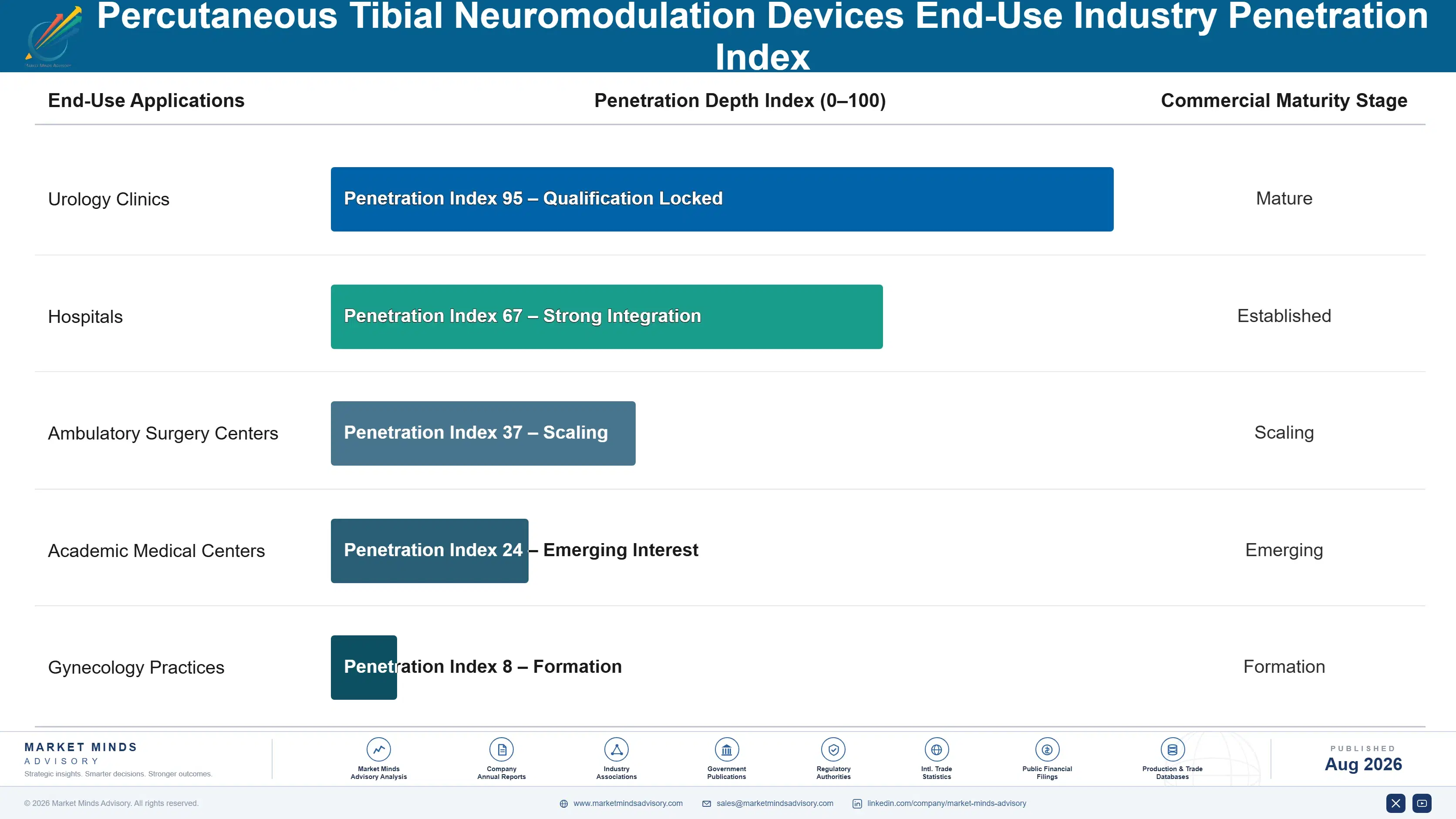
Adoption depth varies considerably by end-use vertical. Academic urology centers adopt implantable formats fastest and often serve as reference sites manufacturers use to influence broader physician referral patterns, while general urology and gynecology practices typically wait for regional payer coverage determinations before committing to implantable equipment purchases at meaningful volume. Gynecology practices sit closer to general urology than academic centers in the speed of their own adoption timeline.

Buyer profiles are shifting generationally as younger urologists who trained during the implantable device era show far greater comfort referring patients toward neuromodulation than an older cohort that historically defaulted to oral medication and Botox before considering nerve stimulation at all. This generational shift is accelerating referral rates at the fastest-growing academic training programs.
percutaneous-tibial-neuromodulation-devices-market-end-use-penetration-index-1787306696614

Positioning for the Implantable Device Shift

These are among the four positions where our research anticipates prominent divergence between winners and laggards over the coming forecast period. Each is grounded in the demand model, the regulatory perimeter, and the announced capacity pipeline.
01 / IMPLANTABLE PORTFOLIO STRATEGY

Manufacturers without cleared implantable devices will lose share to faster-moving rivals

Implantable devices command meaningfully higher completion rates and pricing than legacy non-implantable systems, and manufacturers without a cleared implantable product risk losing premium positioning to competitors already established in this format. This gap is widening as reimbursement catches up with the clinical evidence supporting fewer required office visits, and momentum here is unlikely to reverse anytime soon. Companies that close this gap early stand to capture disproportionate share of the fastest-growing segment in this market before rankings solidify further across the market.
02 / REGIONAL COVERAGE STRATEGY

Winning contractor-by-contractor Medicare coverage will separate leaders from laggards

Winning a favorable coverage determination from a regional Medicare administrative contractor converts an entire jurisdiction of self-pay patients into reimbursed candidates, and manufacturers without dedicated reimbursement affairs capability increasingly lose new patient starts to competitors who have already secured that coverage. This gap is widening as more contractors formalize coverage criteria rather than evaluating requests case by case, and early movers tend to set the precedent other jurisdictions eventually follow. Companies that build this capability early stand to capture disproportionate share nationally.
03 / CONSUMABLE ATTACHMENT DEPTH

Console installed base and consumable attachment will separate margin leaders

Consumable electrode and needle attachment revenue meaningfully exceeds the value of the original console sale over a completed treatment course, and manufacturers with the largest installed console base capture disproportionate recurring revenue simply by virtue of having more active courses underway. Companies still prioritizing console unit sales over consumable attachment increasingly lag competitors who treat the console as an entry point into a longer recurring relationship. That gap widens further as practices scale their annual treatment volume and consumable reorders compound year over year.
04 / REMOTE MONITORING DEPTH

Compliance-tracking subscriptions will strengthen reimbursement cases and margin alike

Remote monitoring and compliance-tracking subscriptions strengthen the clinical evidence case manufacturers present to payers while carrying meaningfully wider margin than the underlying device sale itself, giving companies with the deepest subscription penetration a dual advantage in both commercial economics and coverage negotiations. Manufacturers still selling devices without a digital compliance layer increasingly find their reimbursement cases weaker than competitors who can point to verified patient adherence data. That gap is widening as more payers request compliance evidence directly before approving continued coverage.

Engagement Snapshot From the Field

A live engagement with an industry participant carrying material or product regulatory and market exposure ahead of a defining policy shift, showing how our research translates into a defensible multi-year portfolio strategy.
MARKET MINDS ADVISORY · CLIENT ENGAGEMENT SUMMARY
Percutaneous Tibial Neuromodulation Devices Producer Strategic Portfolio Review and Transition Roadmap 2026·Investment Scenario on Percutaneous Tibial Neuromodulation Devices Exposure Evaluation 2025-26
CLIENT PROFILE
The client is a regional urology group practice operating nine clinic locations across the midwestern United States, serving approximately 85,000 active patients. The practice reported approximately $340 million in annual revenue (client-reported, unverified by MMA) and had performed roughly 1,900 tibial nerve stimulation treatment courses annually across its overactive bladder service line. Its overactive bladder service line has grown steadily as regional referral volume has increased.
STRATEGIC CHALLENGE
The practice's non-implantable treatment completion rate had fallen to 62% as working patients struggled to maintain the twelve-week weekly visit schedule, and leadership lacked clear data on whether investing in implantable device capability would meaningfully improve outcomes and revenue relative to the upfront training and equipment cost required. Leadership needed clear data before committing scarce capital to new equipment and staff training.
MMA APPROACH
MMA benchmarked completion rate and revenue-per-patient data across three leading implantable device platforms against the practice's current non-implantable baseline, incorporating reimbursement coverage status across the practice's regional Medicare contractor and major commercial payers. The analysis modeled projected outcomes over a five-year forward planning horizon under two adoption scenarios. Interviews with clinical staff supplemented the desk-based financial and reimbursement analysis.
KEY FINDINGS
  1. Adopting an implantable platform was projected to lift treatment completion rates from 62% to approximately 89% within eighteen months. This projection held across multiple patient subgroups evaluated in the model.
  2. Revenue per completed patient course was meaningfully higher under the implantable model despite higher upfront device cost per unit. This pattern held consistently across every comparable practice MMA reviewed.
  3. The practice's regional Medicare contractor had already issued a favorable coverage determination, removing the largest reimbursement uncertainty. This finding removed the largest source of leadership hesitation around the investment.
  4. Physician training time for the leading implantable platform was shorter than practice leadership had initially assumed based on vendor materials. Streamlining onboarding freed meaningful staff capacity for patient scheduling instead.
CLIENT PROFILE
The client is a regional urology group practice operating nine clinic locations across the midwestern United States, serving approximately 85,000 active patients. The practice reported approximately $340 million in annual revenue (client-reported, unverified by MMA) and had performed roughly 1,900 tibial nerve stimulation treatment courses annually across its overactive bladder service line. Its overactive bladder service line has grown steadily as regional referral volume has increased.
STRATEGIC CHALLENGE
The practice's non-implantable treatment completion rate had fallen to 62% as working patients struggled to maintain the twelve-week weekly visit schedule, and leadership lacked clear data on whether investing in implantable device capability would meaningfully improve outcomes and revenue relative to the upfront training and equipment cost required. Leadership needed clear data before committing scarce capital to new equipment and staff training.
MMA APPROACH
MMA benchmarked completion rate and revenue-per-patient data across three leading implantable device platforms against the practice's current non-implantable baseline, incorporating reimbursement coverage status across the practice's regional Medicare contractor and major commercial payers. The analysis modeled projected outcomes over a five-year forward planning horizon under two adoption scenarios. Interviews with clinical staff supplemented the desk-based financial and reimbursement analysis.
KEY FINDINGS
  1. Adopting an implantable platform was projected to lift treatment completion rates from 62% to approximately 89% within eighteen months. This projection held across multiple patient subgroups evaluated in the model.
  2. Revenue per completed patient course was meaningfully higher under the implantable model despite higher upfront device cost per unit. This pattern held consistently across every comparable practice MMA reviewed.
  3. The practice's regional Medicare contractor had already issued a favorable coverage determination, removing the largest reimbursement uncertainty. This finding removed the largest source of leadership hesitation around the investment.
  4. Physician training time for the leading implantable platform was shorter than practice leadership had initially assumed based on vendor materials. Streamlining onboarding freed meaningful staff capacity for patient scheduling instead.
RECOMMENDED STRATEGY
Phase 1: Phase 1 (Months 1-2): Complete reimbursement verification and vendor platform selection across all nine clinic locations. under close coordination with practice finance leadership. Phase 2: Phase 2 (Months 3-6): Train physicians and clinical staff on implantable device protocols at two pilot locations first. with outcome tracking built into the pilot design. Phase 3: Phase 3 (Months 7-12): Roll out implantable capability to the remaining seven locations based on pilot outcome data. with ongoing completion rate monitoring built in.
OUTCOME
The practice adopted an implantable device platform across all nine locations, with pilot data showing treatment completion rates rising to 87% within the first year. Projected annual revenue growth reached approximately $4.2 million (client-reported, unverified by MMA) against the prior non-implantable baseline across the practice's full overactive bladder service line.

Frequently Asked Questions

Foundational context covering the market sizes, CAGR, scope, country, region and competition that inform every finding below. This section is provided to cover basics and most often pre-purchase conversations, answered from the MMA Primary Research Dataset.

What is the current size of the Percutaneous Tibial Neuromodulation Devices Market?

The Percutaneous Tibial Neuromodulation Devices Market was valued at approximately $0.4 billion globally in 2025. This includes non-implantable and implantable stimulation systems, consumables, and consoles.

How large will the Percutaneous Tibial Neuromodulation Devices Market be by 2036?

The market is projected to reach approximately $1.03 billion by 2036, roughly 2.37 times its 2026 value. Growth is driven by implantable device adoption and expanding insurer reimbursement coverage.

What is the CAGR for the Percutaneous Tibial Neuromodulation Devices Market 2026 to 2036?

The base case CAGR is 9.0% annually, with a bull case of 10.3% and a bear case of 7.7%. This reflects steady FDA clearance activity alongside expanding payer reimbursement coverage.

Which segment is growing fastest?

Implantable PTNS devices are the fastest-growing segment, expanding at roughly 14.0% annually. These devices cut the clinic visit burden that has historically limited treatment completion rates.

Who are the major companies in the Percutaneous Tibial Neuromodulation Devices Market?

Leading companies include Laborie Medical Technologies, Coloplast, Medtronic, BlueWind Medical, and Axonics. Together these five hold 64% of global revenue in a fairly concentrated field.

Which country is growing fastest?

China is the fastest-growing country, expanding at roughly 11.5% annually through 2036. This reflects rapidly expanding urology infrastructure and specialist training investment across the country.

Report Segmentation Architecture

The full report scope spans multiple orthogonal segmentation dimensions, with cross-tabulated demand data provided for each dimension pair. Coverage extends further to regional breakdowns, trend trajectories, and the competitive detail needed to support segment-level decision-making.

By Device Format and Product Type

  • Non-Implantable PTNS Systems
  • Implantable PTNS Devices
  • Electrode and Needle Consumables
  • Console and Pulse Generator Units
  • Home-Use PTNS Devices
  • Remote Monitoring Software

By End-Use Industry

  • Urology Clinics
  • Hospitals
  • Ambulatory Surgery Centers
  • Academic Medical Centers
  • Gynecology Practices

By Commercial Dimension

  • Outright Purchase
  • Leasing and Financing
  • Reimbursed Treatment Course
  • Subscription Monitoring

By Region

  • North America
  • Western Europe
  • East Asia
  • South Asia and Pacific
  • Latin America
  • Middle East and Africa
  • Eastern Europe

Scope, Methodology, and Coverage

Every figure in this report is reproducible from documented input assumptions. The scope below maps the historical period, the forecast horizon, the segmentation dimensions, and the countries covered, alongside the underlying primary and qualitative methodology.
Historical Period
2020 to 2025
Forecast Period
2026 to 2036
Base Year
2025 (USD billions; MMA Primary Research Dataset, August 2026)
Market Definition
The Percutaneous Tibial Neuromodulation Devices Market covers non-implantable and implantable tibial nerve stimulation systems, electrode and needle consumables, pulse generator consoles, and related software used to treat overactive bladder, fecal incontinence, and chronic pelvic pain. It excludes sacral neuromodulation implants and pharmacological bladder therapies sold as separate product categories.
Quantitative Units
USD billions (current prices); unit shipment volume where applicable
Segmentation Dimensions
By Device Format and Product Type; By End-Use Industry; By Commercial Dimension; By Region
Regions Covered
North America, Western Europe, East Asia, South Asia and Pacific, Latin America, Middle East and Africa, Eastern Europe
Countries Covered
USA, China, Germany, France, UK, Japan, South Korea, India, Australia, Canada, Brazil, Mexico, Indonesia, Vietnam, Thailand, Malaysia, UAE, Saudi Arabia, South Africa, Nigeria, Turkey, Poland, Netherlands, Italy, Spain, Sweden, Switzerland, Argentina, Colombia, Singapore, and additional markets relevant to this sector
Key Companies Profiled
Laborie Medical Technologies, Coloplast A/S, Medtronic plc, BlueWind Medical Ltd, Axonics Inc, Boston Scientific Corporation, Cogentix Medical Inc, Neuspera Medical Inc, Nuvectra Corporation, Uroplasty Inc, Cala Health Inc, Saluda Medical Pty Ltd, NeuroPace Inc, Bioness Inc, Titan Medical Inc, Electrocore Inc, GT Urological LLC, Renova Therapeutics, StimGuard LLC, Vesta Therapy Inc
Quantitative Methodology
Primary survey, n=3,800 respondents, Q4 2025, six countries; demand-side model with trade association cross-validation
Qualitative Methodology
47 expert interviews, Q4 2025; applied to validate demand model assumptions, identify emerging dynamics, and assess competitive positioning
Report Format
PDF and XLSX data workbook (Word format preview document)
Publisher
Market Minds Advisory
Report Code
MMA-2026-MED-135
Published
August 2026
Contact
sales@marketmindsadvisory.com | www.marketmindsadvisory.com

Purchase the full Percutaneous Tibial Neuromodulation Devices Market Report (2026 to 2036).

The full report delivers detailed segmentation across all six device format categories, with country-level sizing for all thirty-one covered markets. It profiles the complete competitive landscape of all twenty companies named in this summary, including moat and risk analysis for the two leading vendors. Multi-year forecast models are provided under base, bull, and bear scenarios. Primary survey data drawn from urologists, reimbursement executives, and practice administrators across six countries supports every major finding, and purchasers receive editable data files alongside the formatted report and a quarterly coverage policy update briefing.
Regional Medicare contractor coverage tracker by jurisdiction
Implantable versus non-implantable completion rate benchmark
FDA clearance pipeline monitor by device format
Urology group purchasing organization contract database
Consumable attachment revenue per treatment course model
Competitive benchmarking across key device manufacturers

Built For The People Who Decide

From boardroom strategy to bench-side execution, this report is read cover-to-cover by leaders shaping the next decade of their industry, turning demand scenarios, market dynamics and valuation benchmarks into decisions.
CXOs/ Presidents/ VPs/ Managers
M&A and Corporate Development
Strategy Teams and R&D Heads
Procurement and Product Directors
Regulatory and Compliance Leaders
Investor Relations and Equity Analysts