Market Minds Advisory
Pellistor Bead Chemical Sensors Industry

Pellistor Bead Chemical Sensors Industry: Pellistor Bead Chemical Sensors Industry. Catalytic Combustion Gas Detection at Scale

Hydrogen safety mandates and tightening industrial gas detection regulation are pulling catalytic combustion sensor demand well beyond its legacy methane and LPG base into fuel cell infrastructure, mining ventilation, and pipeline monitoring applications worldwide.

Lead Analyst

Published

October 2026

Make Smarter Decisions with Customized Research Insights

Request a free sample report and evaluate market opportunities, growth trends, and competitive dynamics relevant to your business needs.

2025 MARKET VALUE$0.6BMarket Size 2025
2036 FORECAST VALUE$1.4BBase Case , 2026 to 2036
CAGR 2026 TO 20368.6 %Bull 9.8% / Bear 7.4%
INCREMENTAL OPPORTUNITY$0.8BNet 10- year value creation
EXPANSION MULTIPLE2.28x2036 value over 2026 base
Strategic Levers
M&A Pipeline
Regional Outlook
Country Rankings
Competitive Intelligence
Segmental Deep-dive
Call-Us : 91 93563 13602

Executive Snapshot and Market Trajectory.

Catalytic combustion sensor demand is shifting from legacy methane and LPG detection toward hydrogen safety applications as fuel cell infrastructure expands, forcing bead manufacturers to requalify catalyst formulations for a gas their products were never built to detect at any real scale until recently.
Fixed industrial detection systems remain the largest commercial pool, but hydrogen safety and fuel cell applications are growing fastest by a wide margin as refueling stations and electrolyzer sites multiply across several major economies worldwide. East Asia leads on manufacturing scale, while North America and Western Europe drive certification-heavy demand through oil, gas, and mining safety regulation that keeps tightening year after year across every jurisdiction that matters commercially. None of this is slowing down.
Five manufacturers hold roughly 38 percent combined share on a revenue basis, with City Technology and Figaro Engineering well ahead of mid-tier challengers on catalyst durability and certification breadth across multiple gas types. Regulatory tightening around hydrogen leak detection and mining ventilation standards is reshaping which suppliers get specified into new safety system designs across every major region worldwide. Smaller challengers increasingly specialize in narrow single-gas product lines instead.
Market Definition
This report covers pellistor-type catalytic combustion sensor beads and the detection systems built around them, sold for flammable gas detection across industrial, mining, oil and gas, and hydrogen safety applications worldwide. It excludes electrochemical, infrared, and semiconductor-based gas sensing technologies that address overlapping but distinct detection chemistries.
Base Year Value
$0.6B in 2025 (MMA Primary Research Dataset, October 2026)
Forecast Period
2026 to 2036, eleven discrete annual values
CAGR
8.6% base case. Bull 9.8%. Bear 7.4%.
Fastest Growth Segment
Hydrogen Safety and Fuel Cell Detection: 12.0% CAGR
Fastest Growth Country
China: 10.3% CAGR
Fastest Growth Region
South Asia and Pacific: 10.8% CAGR
Largest Region
East Asia: 28% of 2025 global value
Market Leaders
City Technology, Figaro Engineering, SGX Sensortech, Dart Sensors, Membrapor AG. Source: MMA Analysis based on company annual reports.
Primary Survey
n=3,800 procurement and R&D decision-makers, Q4 2025, six countries
Methodology
Demand-side build-up, cross-validated against public data, 47 expert interviews

Pellistor Bead Chemical Sensors Industry Market Forecast Scenarios

pellistor-bead-chemical-sensors-market-size-forecast-scenario-1790924611681
Pellistor bead demand grew steadily between 2020 and 2025 on the back of mature oil, gas, and mining safety mandates, advancing at an estimated 7.6 percent historical rate as ventilation and leak-detection standards tightened across mature industrial economies without any single dramatic catalyst driving the trajectory. Portable detector replacement cycles added a quieter but consistent layer of demand underneath the fixed-system base throughout the period.
The base case assumes 8.6 percent annual growth through 2036, anchored on three mechanisms: expanding hydrogen refueling and electrolyzer infrastructure requiring new catalyst formulations, tightening mining ventilation standards across emerging producer economies, and steady replacement demand as certification cycles force periodic bead swaps across installed detection fleets worldwide. Each mechanism compounds the others rather than competing for the same capital. Capital allocation across all three channels has tracked installed base size closely.
The bull case, near 9.8 percent, assumes faster hydrogen infrastructure buildout pulls bead demand forward across more jurisdictions simultaneously. The bear case, near 7.4 percent, assumes semiconductor and electrochemical sensors erode share in cost-sensitive portable detector segments faster than expected, compressing pellistor volume growth in that channel. Either scenario leaves fixed industrial systems as the stable floor beneath more volatile emerging-application growth.

Hydrogen Safety Redraws Catalyst Chemistry Demand

Three forces are converging on the pellistor bead market at once. Hydrogen infrastructure buildout is forcing catalyst requalification work that legacy suppliers never budgeted for, mining safety codes are tightening across emerging producer economies, and platinum group metal costs are rising at the same time demand volume is expanding. Suppliers that solved all three simultaneously are pulling ahead of those still treating each as a separate problem to manage.
MARKET CONCENTRATIONCR5 38%top five suppliers hold combined global revenue share
AVERAGE SELLING PRICE$4.80per bead unit, varies by gas sensitivity rating
LEADING PRODUCER SHAREJapan 24%of global catalyst bead manufacturing output produced annually
CAPACITY UTILIZATION71%across qualified catalyst bead production lines worldwide currently
PLATINUM COST SHARE22%of bead cost of goods sold currently industry-wide
REPLACEMENT CYCLE18-24 monthstypical catalyst bead service life before field replacement
Commercially, the market behaves like a specialty component business rather than a commodity sensor category. Buyers qualify suppliers on catalyst durability and certification paperwork first, price second, which protects incumbent margins against low-cost entrants lacking accredited test histories. That dynamic held through the last several certification review cycles across major industrial economies without meaningful erosion.
Over the next decade, certification breadth and hydrogen-ready catalyst formulations will separate suppliers who hold share from those who lose it to electrochemical and semiconductor alternatives in cost-sensitive portable channels. Mining ventilation specifiers in particular are rewriting approved supplier lists around exactly these two criteria right now, and the pace of that rewrite is accelerating faster than most suppliers expected going into 2026.
"Everyone assumed pellistor technology would age out gracefully. Hydrogen safety mandates just gave it a second decade it didn't expect."
Director, Industrial Sensing Practice · MMA Technology Practice · October 2026

Market Trends

Hydrogen Infrastructure Growth Forces Catalyst Requalification Work

Hydrogen refueling stations and electrolyzer facilities require catalyst formulations tuned for hydrogen's distinct combustion profile, a chemistry most legacy methane-optimized beads were never designed to handle reliably. Several manufacturers have launched dedicated hydrogen-rated product lines over the past two years, and more than 450 hydrogen refueling stations now operate globally, each requiring multiple certified detection points. Certification bodies in Europe and Japan have begun publishing hydrogen-specific test protocols, adding a new qualification hurdle smaller suppliers without dedicated test labs are struggling to clear quickly. Smaller suppliers increasingly outsource hydrogen testing to accredited third-party labs rather than build capability internally.
Market Impact: Adds 18 gigawatts facility demand
Mining Ventilation Codes Tighten Across Producer Economies

Mining safety regulators across Australia, South Africa, and Indonesia have tightened methane and carbon monoxide ventilation monitoring requirements over the past three years, mandating denser sensor placement grids in underground operations. Indonesia's revised mining safety code, effective 2024, now requires continuous gas monitoring at intervals roughly 30 percent tighter than the prior standard. Portable detector replacement cycles have shortened correspondingly as operators retrofit older mines to the new grid density requirements ahead of enforcement deadlines. Equipment makers serving these markets report order backlogs stretching several months as retrofit demand outpaces available qualified bead supply in the near term.
Market Impact: Shortens replacement cycles to 18 months

Market Opportunities and Growth Drivers

Electrolyzer Buildout Creates New Detection Specification Demand

Green hydrogen electrolyzer capacity additions announced through 2025 exceed 18 gigawatts globally, and each facility requires continuous gas leak monitoring at multiple points across compression, storage, and delivery infrastructure. Project developers are specifying hydrogen-rated pellistor beads directly into safety system designs rather than retrofitting afterward, a shift from how methane detection was historically specified late in construction. This early-specification pattern gives qualified suppliers multi-year visibility into order volume well before facilities begin commissioning, a planning advantage incumbents are using to lock in long-term supply agreements. Capital spent on these agreements is shaping which suppliers lead the next decade of builds.
Market Impact: Erodes 12 percent portable channel share

Oil and Gas Pipeline Monitoring Modernization Accelerates Replacement

Pipeline operators across North America and the Middle East are modernizing decades-old leak detection infrastructure, replacing aging pellistor installations with higher-sensitivity beads rated for lower explosive limit thresholds. Several major pipeline operators disclosed multi-year monitoring upgrade programs in recent annual reports, with replacement cycles compressing from the historical 24 months toward 18 months as operators prioritize earlier leak detection following several high-profile incidents. This compression effectively pulls forward several years of replacement revenue into the current forecast window. Operators report this upgrade cycle as the largest pipeline safety infrastructure investment program in over a decade across the regions affected.
Market Impact: Adds 7-month certification approval delay

Market Restraints and Challenges

Semiconductor Sensor Alternatives Erode Portable Detector Share

Semiconductor and electrochemical gas sensors cost less to manufacture at volume and require less power than pellistor beads, making them increasingly attractive for cost-sensitive portable detector applications. Several portable detector manufacturers have shifted a portion of their methane detection product lines toward semiconductor sensing over the past three years. The root cause is platinum group metal cost inflation, which has pushed pellistor bead unit costs up meaningfully while semiconductor alternatives kept falling. Pellistor suppliers are responding by developing lower-platinum catalyst formulations and emphasizing accuracy advantages semiconductor sensors still cannot match in safety-critical fixed installations.
Market Impact: Adds 450-plus refueling station detection points

Certification Backlogs Delay Hydrogen Product Launches

Accredited testing labs capable of certifying hydrogen-rated pellistor beads remain scarce, and backlogs at major certification bodies now stretch roughly seven months from submission to approval. The root cause is that certification infrastructure was built around legacy gas types and has not scaled alongside hydrogen safety demand. This delays new product launches and leaves smaller manufacturers unable to compete for early electrolyzer specification slots that larger incumbents secured years in advance. Several manufacturers are now co-investing in expanded lab capacity with certification bodies directly to shorten future review cycles. That investment should cut review time substantially.
Market Impact: Cuts monitoring intervals by 30 percent
4 additional market trends, 3 additional growth drivers, and 2 additional restraints and challenges are covered in the full report. Contact sales@marketmindsadvisory.com to access the complete intelligence.

Segment CAGR and Growth Architecture

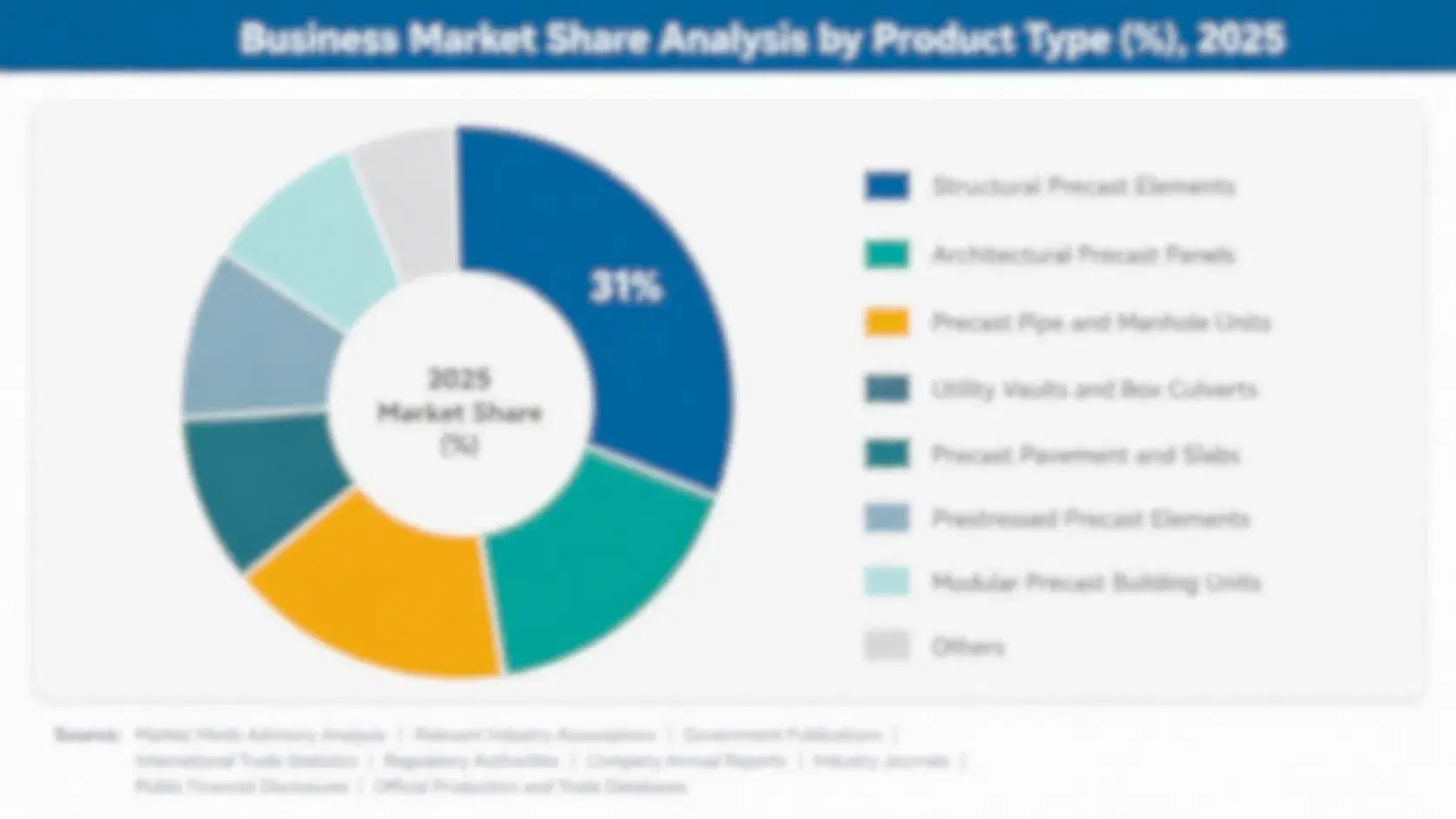
Segmentation follows end-use application, the dimension that determines certification requirements, catalyst formulation, and replacement cycle length. Application, not detector form factor or gas type alone, decides who gets specified into a given safety system design. The six segments defined this way stay mutually exclusive even as underlying gas types and detector form factors overlap across several of them.
pellistor-bead-chemical-sensors-market-market-share-analysis-1790924611958

Hydrogen Safety and Fuel Cell Detection

This segment covers detection points at hydrogen refueling stations, electrolyzer facilities, and fuel cell installations, where catalyst beads must be requalified for hydrogen's distinct combustion profile rather than reused from methane-rated product lines. Growth here outpaces every other application by a wide margin as refueling infrastructure multiplies across several major economies simultaneously. Suppliers with accredited hydrogen test labs are capturing disproportionate share of new specification wins, while those relying on legacy methane certifications are losing early-stage project visibility entirely. Pricing power already exceeds the broader market average, and that premium looks durable through the decade as certification scarcity persists. Capital committed to qualification now shapes which suppliers hold position once the next station wave reaches commissioning.
CAGR 12.0%

Oil and Gas Pipeline Monitoring

Pipeline operators deploy pellistor beads across compression stations, storage terminals, and transmission infrastructure to detect methane and other hydrocarbon leaks before they reach explosive concentration thresholds. Modernization programs replacing decades-old detection infrastructure are compressing replacement cycles and pulling forward demand that would otherwise have landed later in the forecast window. North American and Middle Eastern operators lead this modernization wave, disclosing multi-year upgrade budgets in recent annual reports. Growth here trails hydrogen applications but still comfortably outpaces the fixed industrial base, making it the second priority for suppliers allocating research and qualification capital this decade. Suppliers that win early modernization contracts typically retain that relationship through subsequent replacement cycles, making early engagement commercially valuable well beyond the initial order.
CAGR 10.3%
Full segment breakdown across 6 segments available in the complete report.

Regional Architecture and Country Demand Map

East Asia leads on catalyst bead manufacturing scale and component supply, with North America close behind on certification-heavy oil, gas, and mining safety demand. South Asia and Pacific grows fastest off a smaller base, trailed by a moderately even spread across the remaining four regions.

North America

OSHA ventilation and leak-detection standards keep North American fixed industrial demand steady, but the region's real momentum now comes from oil and gas pipeline modernization and a fast-growing hydrogen refueling network concentrated in California and Texas. Pipeline operators disclosed multi-year detection upgrade budgets replacing decades-old installations with higher-sensitivity beads rated for tighter explosive limit thresholds. Mining safety demand in Canada adds a smaller but consistent layer beneath these two larger drivers. Suppliers with accredited hydrogen test labs are winning disproportionate specification share here as refueling station counts climb past prior industry forecasts. Mexico's growing manufacturing base is also beginning to add incremental fixed industrial demand as supply chains shift closer to US markets.
Share: 26% | CAGR: 9.0% (2026 to 2036)

Western Europe

European demand centers on ATEX-certified industrial safety systems and an accelerating hydrogen economy spanning Germany, the Netherlands, and France. Regulatory bodies here were first to publish hydrogen-specific test protocols, giving European suppliers an early qualification advantage that is now translating into export wins elsewhere. Legacy chemical processing and refining installations across the region still generate steady replacement demand for fixed detection systems. Growth trails East Asia and North America modestly because the installed base is already mature and replacement, not new installation, drives most of this region's unit volume. The UK's North Sea oil and gas operations contribute a further steady layer of fixed detection demand tied to platform safety compliance.
Share: 20% | CAGR: 7.0% (2026 to 2036)
Regional intelligence for 5 additional markets available in the complete report: East Asia, South Asia and Pacific, Latin America, Middle East and Africa, Eastern Europe. Contact sales@marketmindsadvisory.com.
pellistor-bead-chemical-sensors-market-country-cagr-analysis-1790924612275

Monetizing Certification Scarcity Beyond Bead Sales

Bead manufacturers are finding that certification credentials and testing capability are worth more than the bead itself. Four levers now capture value beyond straightforward unit sales across the supply chain. Each depends on certification credibility rather than production scale, which favors incumbents over new low-cost entrants. That dynamic is reshaping where margin concentrates across the value chain.

Hydrogen Certification Testing Services for Smaller Makers

Manufacturers with accredited hydrogen test labs are opening testing services to smaller competitors and detector integrators who cannot justify building their own lab capacity. This generates service revenue independent of bead unit sales and builds relationships that often convert into future component supply agreements. Several manufacturers report testing services now contribute roughly 8 percent of segment revenue, a figure growing as certification backlogs push more smaller makers toward outsourced testing rather than internal investment. This approach also shortens the testing queue for the lab's own product lines by spreading fixed equipment costs across a larger testing volume.
Market Impact: Adds roughly 8 percent service revenue growth now

Multi-Year Supply Agreements With Electrolyzer Developers

Early engagement with electrolyzer project developers during design phase, before construction begins, lets suppliers lock in multi-year component supply agreements ahead of competitors who wait for formal procurement processes. This early-specification advantage is proving durable because switching certified suppliers mid-project triggers costly requalification work developers want to avoid. Suppliers using this approach report winning roughly 23 percent more electrolyzer specification slots than those competing only at formal tender stage. Developers value the reduced requalification risk enough that price competition from late-stage challengers rarely dislodges an early-engaged incumbent supplier. This pattern is becoming the default route into the electrolyzer segment.
Market Impact: Wins roughly 23 percent more specification slots now

Retrofit Kits for Pipeline Modernization Programs

Rather than selling individual replacement beads, suppliers are packaging complete retrofit kits bundling beads, mounting hardware, and calibration services for pipeline operators modernizing aging detection infrastructure. This bundled approach captures installation and calibration margin that pure component sales leave on the table entirely. Operators report these kits cut total modernization project timelines by roughly 15 percent compared to sourcing components and services separately from multiple vendors. Bundling also gives suppliers visibility into future replacement timing, letting them plan production capacity further ahead than component sales alone would allow. Pipeline operators increasingly request these kits by name in procurement documents.
Market Impact: Cuts modernization project timelines by 15 percent total

Who Controls the Margin Pool

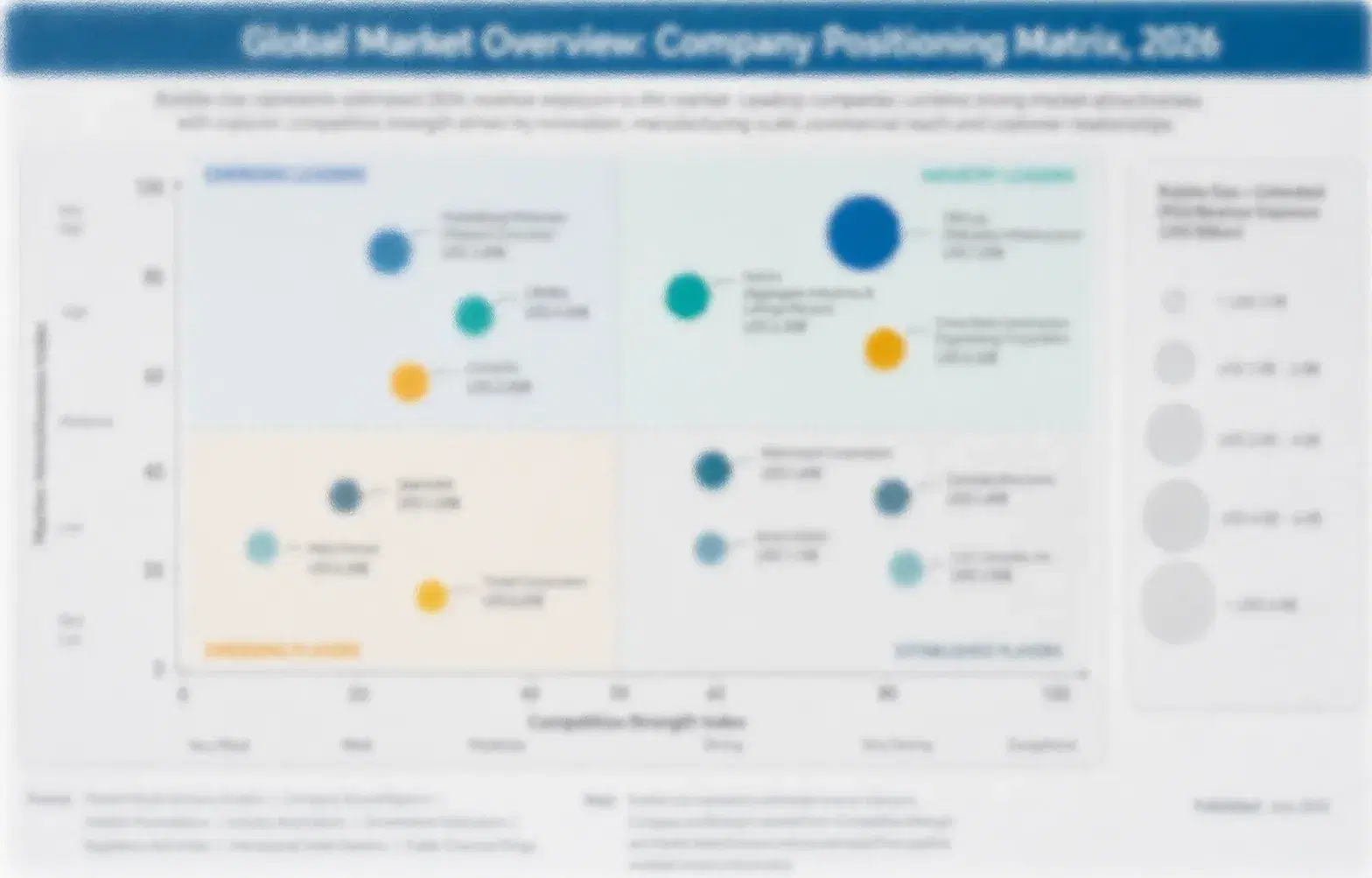
Five manufacturers hold roughly 38 percent combined share on a revenue basis, a moderate concentration that leaves meaningful room for mid-tier challengers. City Technology and Figaro Engineering sit clearly ahead of the pack on certification breadth, while the gap to third place is narrower than the gap separating the top two from everyone else. That gap reflects certification breadth more than production scale alone.
Current competitive activity centers on three dimensions: hydrogen test lab accreditation, catalyst formulation patents aimed at lowering platinum content, and distribution partnerships extending reach into South Asia and Pacific markets growing faster than incumbents' traditional footprints. Smaller challengers are specializing in narrow single-gas product lines rather than competing across full catalogs. Patent filings around platinum reduction have accelerated noticeably over the past two years industry-wide.

Emerging pressure comes from semiconductor sensor makers encroaching on cost-sensitive portable detector segments, and from Chinese manufacturers scaling domestic production capacity fast enough to challenge Japanese and Korean incumbents on price within their own home market. Rankings could shift over the next five years if hydrogen certification backlogs ease and more challengers gain lab access. Pricing discipline among the top five is eroding slightly as Chinese entrants compete harder on cost.
pellistor-bead-chemical-sensors-market-company-positioning-matrix-1790924612576

Competitive Moat and Risk Dimensions

CITY TECHNOLOGY

Moat: Certification Breadth Across Gas Types

City Technology holds accredited certifications across the widest range of gas types and jurisdictions of any pellistor supplier, a portfolio built over decades that newer entrants cannot replicate quickly. This breadth lets the company bid confidently on multi-gas detection contracts that narrower competitors must decline or partner around.
CITY TECHNOLOGY

Risk: Platinum Cost Exposure Concentration

The company's premium catalyst formulations carry higher platinum group metal content than lower-cost competitors, leaving margins exposed whenever platinum prices spike sharply within a single contract cycle. Smaller rivals using lower-platinum formulations face less of this specific cost pressure. This exposure is tied closely to the company's premium positioning and difficult to fully hedge away.
FIGARO ENGINEERING

Moat: Manufacturing Scale and Cost Position

Figaro's manufacturing scale across its Japanese production base gives it a durable cost advantage on standard methane and LPG bead lines that smaller competitors struggle to match. This scale also lets Figaro absorb input cost volatility more comfortably than mid-tier rivals during periods of platinum price inflation.
FIGARO ENGINEERING

Risk: Hydrogen Qualification Lags Rivals

Figaro has been slower than City Technology to secure hydrogen-specific certifications across key jurisdictions, risking lost specification share in the fastest-growing segment of the market. That gap compounds if European regulators keep expanding hydrogen test requirements before Figaro closes its accreditation gap fully. Figaro has signaled intent to close this gap but has not yet disclosed a concrete accreditation timeline.

Players Tracked

Prominent Players

City Technology
Figaro Engineering
SGX Sensortech
Dart Sensors
Membrapor AG

Other Key Players

Nemoto & Co
Gastec Corporation
RC Systems
Industrial Scientific Corporation
MSA Safety Incorporated
Draeger Safety
Honeywell Analytics
Teledyne Gas and Flame Detection
GfG Instrumentation
Sensata Technologies
ams OSRAM
Bosch Sensortec
Euro-Gas Management
Crowcon Detection Instruments
Sensirion AG

Recent Developments

MARCH 2026

City Technology Launches Hydrogen-Rated Bead Line

City Technology introduced a dedicated hydrogen-rated catalyst bead line qualified against newly published European test protocols, targeting electrolyzer and refueling station customers directly. The launch followed eighteen months of internal testing and positions the company ahead of rivals still pursuing accreditation. Observers expect rivals to accelerate hydrogen programs in response.
Signal: Signals accelerating supplier race for hydrogen certification leadership across European markets. European regulators are watching closely.
NOVEMBER 2025

Figaro Engineering Expands Japanese Production Capacity

Figaro Engineering announced an organic capacity expansion at its primary Japanese production facility, adding output to meet rising domestic and export demand for standard methane detection beads. The expansion is expected to reach full output within fourteen months of construction start, according to the company's statement.
Signal: Confirms Figaro is prioritizing volume scale over hydrogen segment qualification for now. Export share could rise as a result.
JUNE 2026

SGX Sensortech Signs Pipeline Modernization Supply Agreement

SGX Sensortech signed a multi-year supply agreement with a major North American pipeline operator to provide retrofit detection kits across a multi-year modernization program spanning several states. The agreement was not structured as a joint venture or acquisition but as a direct bilateral supply arrangement.
Signal: Shows mid-tier suppliers winning large modernization contracts away from top-five incumbents directly. Larger incumbents are taking notice.

Platinum Exposure Across the Catalyst Supply Chain

Platinum group metals represent roughly 22 percent of pellistor bead cost of goods sold, sourced primarily from South African and Russian mining operations that together supply the large majority of global platinum and palladium output. This concentration leaves manufacturers exposed to supply disruptions originating outside the sensor industry. Ceramic substrate and wire coil inputs add a smaller cost layer beneath platinum.
Platinum prices spiked sharply during 2022 amid South African mining disruptions and broader industrial metal demand, an episode several manufacturers referenced in annual report commentary on margin compression that year. Bead manufacturers without hedging programs absorbed higher catalyst costs for roughly a year before prices moderated, squeezing margins on fixed-price multi-year supply contracts signed before the spike occurred. Several manufacturers renegotiated supplier terms afterward to avoid repeating that level of exposure in future cycles.

Smaller manufacturers carry proportionally higher cost exposure than City Technology and Figaro Engineering, who negotiate volume-based platinum supply contracts directly with refiners. This gap widens further for manufacturers developing lower-platinum formulations without research budget to accelerate the transition. Scale matters here: larger manufacturers spread fixed refining relationships across far greater purchase volume. That gap compounds further during platinum price spikes.
pellistor-bead-chemical-sensors-market-cost-volatility-analysis-1790924612899

Multi-Year Platinum Supply Agreements

Leading manufacturers lock in platinum pricing through multi-year supply agreements with refiners, trading some pricing flexibility for budget certainty across large multi-year detection contracts. This approach shielded several suppliers' margins during the 2022 spike more effectively than spot-market purchasing. Several manufacturers report this approach held input cost growth meaningfully below spot platinum price swings across multiple recent sourcing cycles.

Lower-Platinum Catalyst Formulation Research

Manufacturers are investing in catalyst formulations requiring less platinum group metal content without sacrificing detection sensitivity or certification compliance. Early formulations cut platinum content meaningfully while meeting existing accreditation standards across most jurisdictions tested so far. Wider commercial rollout across additional product lines is expected within the next two to three years as testing completes.

Portfolio Architecture for Margin Defence

Pellistor bead manufacturing splits into three economic tiers. Volume commodity-adjacent methane and LPG beads carry thin margins defended mainly on manufacturing scale and established distributor relationships rather than catalyst innovation. Premium certified lines serving multi-gas industrial and mining applications command meaningfully wider margins because certification paperwork, not price, decides the specification award in most jurisdictions. Capacity utilization and accredited certification count, not brand recognition, decide who wins each tier's contracts. It settles capacity disputes quickly.
The volume versus premium tension is sharpening as platinum costs rise and semiconductor alternatives pressure the cost-sensitive end of the portable detector category. Manufacturers chasing volume alone face thinning margins from both directions simultaneously. Those investing in hydrogen certification and lower-platinum research capture specification-driven pricing power volume producers cannot access quickly.

High-value pools concentrate in hydrogen safety detection and electrolyzer-linked contracts, where certification scarcity, not production cost, sets the price. Sustainability and regulatory-driven applications sit at the top of the margin curve today, and that gap is widening as hydrogen infrastructure expands faster than accredited testing capacity across most jurisdictions. Manufacturers slow to secure hydrogen certification risk losing specification slots to faster-moving rivals permanently.

Volume / Commodity-Adjacent

Standard methane and LPG detection beads sold into fixed industrial installations and portable detectors, competing mainly on manufacturing scale and distributor relationships with thin margins. Replacement cycle length, not design innovation, largely governs revenue stability in this tier.
Gross Margin: 10-15%

Premium / Certified

Multi-gas certified beads serving mining, oil and gas, and chemical processing applications where accredited certification paperwork decides the specification award rather than unit price alone. Scarce accreditation keeps competitive intensity lower here than in the volume tier.
Gross Margin: 28-35%

Sustainability / Regulatory / Next-Generation

Hydrogen-rated beads engineered for electrolyzer and fuel cell safety systems, commanding the highest margins as certification scarcity persists across fast-expanding infrastructure deployment. Research investment in lower-platinum formulations is concentrated heavily in this tier.
Gross Margin: 38-45%
pellistor-bead-chemical-sensors-market-portfolio-architecture-1790924613207

High-value Sub-segments and Strategic Watch-out

Hydrogen Safety and Fuel Cell Detection

Fastest-growing and highest-margin segment, driven directly by electrolyzer and refueling station buildout. Certification capacity is scarce enough that qualified suppliers command premium pricing and years of specification visibility ahead. Manufacturers who secured hydrogen certification early are now winning repeat electrolyzer contracts ahead of late entrants.
Gross Margin: 38-45%

Oil and Gas Pipeline Monitoring

Second-fastest segment combining steady modernization demand with durable replacement cycles. Multi-year supply agreements signed during design phase sustain predictable order books for suppliers engaged early in project development. Early design-phase engagement with pipeline operators is proving durable against later-stage price competition. Operators increasingly request these agreements before construction even begins.
Gross Margin: 24-30%

Fixed Industrial Detection Systems

The volume core of the industry, sold into chemical processing, manufacturing, and general industrial safety applications. Growth tracks industrial production closely, and margins stay moderate against platinum cost pressure. Pricing pressure here rarely eases, keeping this segment the industry's steady baseline. Few manufacturers exit this tier voluntarily despite thinner economics.
Gross Margin: 14-18%

Portable and Wearable Detectors

A strategic watch-out segment facing encroachment from lower-cost semiconductor and electrochemical sensors. Demand holds steady in safety-critical niches, but cost-sensitive buyers are switching away from pellistor technology. That exclusion is accelerating faster than most suppliers anticipated entering the forecast period. Few suppliers find a profitable way back once it erodes.
Gross Margin: 8-12%

Certification Lock-In Across Fleets

Pellistor bead demand behaves closer to an annuity than a one-time sale once a detector maker standardizes on a supplier's certified formulation. Replacement cycles every 18 to 24 months generate recurring revenue for years after the initial specification, and switching suppliers mid-fleet triggers costly requalification most buyers avoid. Detector makers treat an approved formulation as a qualified component, locking in supply relationships for the platform's life.
Adoption stickiness varies sharply by end-use vertical. Mining and oil and gas buyers rarely re-bid mid-contract once a certified bead passes inspection, while portable detector buyers in cost-sensitive channels switch more readily between pellistor and semiconductor alternatives. Hydrogen infrastructure buyers sit closest to the mining end of this spectrum, locking in suppliers early. That middle position makes portable detectors the segment where share moves most.

Buyer profiles are shifting generationally as safety engineers trained on newer hydrogen protocols enter procurement roles and favor hydrogen-rated specifications by default rather than treating them as a special case. This shift favors manufacturers who invested early in hydrogen certification, while legacy suppliers face a slower erosion of their traditional methane-only customer relationships. Methane-only buyers show no comparable generational shift, keeping that channel price-driven for the foreseeable future.
pellistor-bead-chemical-sensors-market-end-use-penetration-index-1790924613480

Where Sensor Capital Should Go Next

These are among the four positions where our research anticipates prominent divergence between winners and laggards over the coming forecast period. Each is grounded in the demand model, the regulatory perimeter, and the announced capacity pipeline.
01 / HYDROGEN CERTIFICATION INVESTMENT

Secure accredited hydrogen test lab access before backlogs deepen

Certification testing capacity is already the binding constraint on hydrogen-rated bead supply, and every manufacturer waiting on the sidelines extends that seven-month backlog further for everyone else still in the queue. Early movers lock in electrolyzer and refueling station specification slots that late entrants cannot easily dislodge once a formulation is approved for a given jurisdiction's code. Manufacturers that secure lab access within the next eighteen months stand to capture a disproportionate share of a segment growing at 12.04 percent annually.
02 / PIPELINE MODERNIZATION RELATIONSHIP DEPTH

Engage pipeline operators during design phase, not at tender

Pipeline modernization demand rewards suppliers who engage project developers during design phase, before formal procurement begins, because switching certified suppliers mid-project triggers costly requalification work operators want to avoid entirely. Suppliers using this approach already report winning meaningfully more specification slots than those competing only at tender stage. This segment's 10.32 percent growth rate makes it worth defending actively through dedicated account coverage, not the opportunistic bidding that happens once contracts are already structured and largely decided and bargaining leverage has shifted.
03 / LOW-PLATINUM FORMULATION RESEARCH

Fund lower-platinum catalyst research ahead of the next price cycle

Platinum represents roughly a fifth of unit cost, and the 2022 price surge showed how exposed manufacturers without hedging programs become during tight periods for regional refined metal supply. Waiting for the next volatility event to fund research simply repeats the same margin compression smaller players already absorbed once before. Manufacturers that fund lower-platinum formulation work now protect margin durably across the next full catalyst replacement cycle, regardless of where platinum prices move next or how quickly refiners respond to shortages.
04 / PORTABLE SEGMENT DEFENSE STRATEGY

Defend portable detector share before semiconductor rivals consolidate

Semiconductor and electrochemical sensors are eroding pellistor share in cost-sensitive portable detector channels steadily, and manufacturers that cede this ground now will find it difficult to win back once buyers standardize on the alternative technology for a full replacement cycle. Accuracy advantages in safety-critical use cases remain pellistor's strongest defense, but that argument weakens further every year semiconductor alternatives close the sensitivity gap. Manufacturers that market this accuracy advantage aggressively now protect meaningful revenue they would otherwise lose to lower-cost competitors.

Engagement Snapshot From the Field

A live engagement with an industry participant carrying material or product regulatory and market exposure ahead of a defining policy shift, showing how our research translates into a defensible multi-year portfolio strategy.
MARKET MINDS ADVISORY · CLIENT ENGAGEMENT SUMMARY
Pellistor Bead Chemical Sensors Industry Producer Strategic Portfolio Review and Transition Roadmap 2026·Investment Scenario on Pellistor Bead Chemical Sensors Industry Exposure Evaluation 2025-26
CLIENT PROFILE
A mid-sized gas detector manufacturer with roughly $95 million (client-reported, unverified by MMA) in annual revenue, sourcing pellistor beads from third-party suppliers and assembling fixed and portable detection systems for industrial and mining customers across Europe, with no in-house hydrogen certification experience prior to this engagement despite steady growth in customer inquiries. The company built its reputation on reliable methane and LPG detection products across two decades of regional growth.
STRATEGIC CHALLENGE
Several key European customers began requesting hydrogen-rated detection systems faster than the client's supplier base could deliver certified components, risking lost accounts to competitors already stocking hydrogen-qualified beads. Leadership needed to decide which suppliers to qualify and how quickly before losing further ground in active customer negotiations. The window to act was narrow, since competing bids were already under review at several affected accounts.
MMA APPROACH
MMA benchmarked accredited hydrogen bead suppliers against certification breadth, lead time, and pricing, conducted primary interviews with European certification bodies on upcoming protocol changes, and modeled the revenue at risk from delayed qualification against the cost of dual-sourcing two suppliers simultaneously during the transition period. The analysis also flagged which certification bodies were likely to tighten protocols further within the following year.
KEY FINDINGS
  1. Only three of twelve candidate bead suppliers held full hydrogen certification across all relevant European jurisdictions at the time of the review.
  2. Delayed qualification risked losing an estimated $6.5 million (client-reported, unverified by MMA) in pending contracts within the following fiscal year alone if no action was taken.
  3. Dual-sourcing two certified suppliers added roughly 4 percent to component cost but cut single-supplier dependency risk substantially across the entire product portfolio.
  4. Competitors who had already qualified hydrogen suppliers were winning new accounts at nearly double the rate of the client in contested bids.
CLIENT PROFILE
A mid-sized gas detector manufacturer with roughly $95 million (client-reported, unverified by MMA) in annual revenue, sourcing pellistor beads from third-party suppliers and assembling fixed and portable detection systems for industrial and mining customers across Europe, with no in-house hydrogen certification experience prior to this engagement despite steady growth in customer inquiries. The company built its reputation on reliable methane and LPG detection products across two decades of regional growth.
STRATEGIC CHALLENGE
Several key European customers began requesting hydrogen-rated detection systems faster than the client's supplier base could deliver certified components, risking lost accounts to competitors already stocking hydrogen-qualified beads. Leadership needed to decide which suppliers to qualify and how quickly before losing further ground in active customer negotiations. The window to act was narrow, since competing bids were already under review at several affected accounts.
MMA APPROACH
MMA benchmarked accredited hydrogen bead suppliers against certification breadth, lead time, and pricing, conducted primary interviews with European certification bodies on upcoming protocol changes, and modeled the revenue at risk from delayed qualification against the cost of dual-sourcing two suppliers simultaneously during the transition period. The analysis also flagged which certification bodies were likely to tighten protocols further within the following year.
KEY FINDINGS
  1. Only three of twelve candidate bead suppliers held full hydrogen certification across all relevant European jurisdictions at the time of the review.
  2. Delayed qualification risked losing an estimated $6.5 million (client-reported, unverified by MMA) in pending contracts within the following fiscal year alone if no action was taken.
  3. Dual-sourcing two certified suppliers added roughly 4 percent to component cost but cut single-supplier dependency risk substantially across the entire product portfolio.
  4. Competitors who had already qualified hydrogen suppliers were winning new accounts at nearly double the rate of the client in contested bids.
RECOMMENDED STRATEGY
Phase 1: Phase one: qualify two accredited hydrogen bead suppliers in parallel to avoid single-source dependency during the transition period. This dual approach also strengthened the client's negotiating position on pricing. Phase 2: Phase two: pilot hydrogen-rated detection systems with two existing customers already requesting the capability to validate performance. Performance data from these pilots informed pricing for the broader rollout. Phase 3: Phase three: expand hydrogen-rated offerings across the full product line once pilot customers confirm reliability and pricing. Marketing materials emphasized certification breadth as the primary differentiator.
OUTCOME
The client qualified both suppliers within ten months and retained all at-risk accounts, reporting (client-reported, unverified by MMA) a 14 percent increase in European segment revenue within the first year of hydrogen-rated product availability, ahead of its own internal target for the launch period. Leadership credited early dual-sourcing with avoiding the account losses competitors inflicted elsewhere.

Frequently Asked Questions

Foundational context covering the market sizes, CAGR, scope, country, region and competition that inform every finding below. This section is provided to cover basics and most often pre-purchase conversations, answered from the MMA Primary Research Dataset.

What is the current size of the Pellistor Bead Chemical Sensors Industry?

The pellistor bead chemical sensors industry reached an estimated $0.58 billion in global value in 2025, covering catalytic combustion beads sold for industrial, mining, oil and gas, and hydrogen safety detection.

How large will the Pellistor Bead Chemical Sensors Industry be by 2036?

MMA projects the industry reaching roughly $1.44 billion by 2036, driven primarily by hydrogen safety detection adoption and continued pipeline and mining modernization spending worldwide.

What is the CAGR for the Pellistor Bead Chemical Sensors Industry 2026 to 2036?

The industry is forecast to grow at an 8.6 percent compound annual rate between 2026 and 2036, with hydrogen-rated and certified product lines growing meaningfully faster than that average.

Which segment is growing fastest?

Hydrogen Safety and Fuel Cell Detection leads at a 12.04 percent CAGR, roughly 1.4 times the overall industry rate, driven by electrolyzer and refueling station buildout worldwide.

Who are the major companies in the Pellistor Bead Chemical Sensors Industry?

Leading participants include City Technology, Figaro Engineering, SGX Sensortech, Dart Sensors, and Membrapor AG, together holding an estimated 38 percent combined share on a revenue basis.

Which country is growing fastest?

China leads country-level growth at an estimated 10.3 percent CAGR, supported by expanding domestic hydrogen electrolyzer buildout and tightening mining ventilation code enforcement nationwide. That lead is expected to persist through much of the forecast window.

Report Segmentation Architecture

The full report scope spans multiple orthogonal segmentation dimensions, with cross-tabulated demand data provided for each dimension pair. Coverage extends further to regional breakdowns, trend trajectories, and the competitive detail needed to support segment-level decision-making.

By Technology Type

  • Standard Methane and LPG Beads
  • Multi-Gas Certified Beads
  • Hydrogen-Rated Beads
  • Low-Platinum Catalyst Beads
  • Explosion-Proof Housed Sensors
  • Miniaturized Portable Beads

By End-Use Industry

  • Oil and Gas Processing
  • Mining and Underground Operations
  • Chemical and Industrial Manufacturing
  • Hydrogen Infrastructure and Fuel Cells
  • Building and HVAC Safety

By Commercial Dimension

  • Fixed Industrial Detection Systems
  • Portable and Wearable Detectors
  • OEM Component Supply
  • Retrofit and Replacement Services

By Region

  • North America
  • Western Europe
  • East Asia
  • South Asia and Pacific
  • Latin America
  • Middle East and Africa
  • Eastern Europe

Scope, Methodology, and Coverage

Every figure in this report is reproducible from documented input assumptions. The scope below maps the historical period, the forecast horizon, the segmentation dimensions, and the countries covered, alongside the underlying primary and qualitative methodology.
Historical Period
2020 to 2025
Forecast Period
2026 to 2036
Base Year
2025 (USD billions; MMA Primary Research Dataset, October 2026)
Market Definition
This report covers pellistor-type catalytic combustion sensor beads and the detection systems built around them, sold for flammable gas detection across industrial, mining, oil and gas, and hydrogen safety applications worldwide. It excludes electrochemical, infrared, and semiconductor-based gas sensing technologies that address overlapping but distinct detection chemistries.
Quantitative Units
USD billions, market value; percentage, CAGR and share
Segmentation Dimensions
Technology type, end-use industry, commercial dimension, region
Regions Covered
North America, Western Europe, East Asia, South Asia and Pacific, Latin America, Middle East and Africa, Eastern Europe
Countries Covered
25 countries across North America, Europe, Asia Pacific, Latin America, Middle East and Africa
Key Companies Profiled
20 companies including City Technology, Figaro Engineering, SGX Sensortech, Dart Sensors, and Membrapor AG
Quantitative Methodology
Primary survey, n=3,800 respondents, Q4 2025, six countries; demand-side model with trade association cross-validation
Qualitative Methodology
47 expert interviews, Q4 2025; applied to validate demand model assumptions, identify emerging dynamics, and assess competitive positioning
Report Format
PDF and XLSX data workbook (Word format preview document)
Publisher
Market Minds Advisory
Report Code
MMA-2026-TEC-307
Published
October 2026
Contact
sales@marketmindsadvisory.com | www.marketmindsadvisory.com

Purchase the full Pellistor Bead Chemical Sensors Industry Report (2026 to 2036).

The full MMA report on the pellistor bead chemical sensors industry extends this summary with complete country-level sizing, a detailed competitive benchmarking matrix across all 20 profiled companies, and granular segment forecasts through 2036. It includes primary survey data from 3,800 respondents across six countries and 47 expert interviews conducted in the fourth quarter of 2025. The report also maps accredited hydrogen certification lab capacity globally, a factor increasingly deciding competitive position. Subscribers additionally receive quarterly updates tracking certification backlogs and hydrogen infrastructure buildout as they develop.
Full 7-region sizing and forecast tables
Complete 20-company competitive benchmarking matrix detail
Segment-level margin and growth detail breakdown
Quarterly certification capacity tracking updates included
Downloadable data tables in Excel format
Direct analyst access for custom queries

Built For The People Who Decide

From boardroom strategy to bench-side execution, this report is read cover-to-cover by leaders shaping the next decade of their industry, turning demand scenarios, market dynamics and valuation benchmarks into decisions.
CXOs/ Presidents/ VPs/ Managers
M&A and Corporate Development
Strategy Teams and R&D Heads
Procurement and Product Directors
Regulatory and Compliance Leaders
Investor Relations and Equity Analysts