

Market Minds Advisory
Paraprobiotic Heat-Treated Lactobacillus plantarum BPL1 Postbiotic Market

Paraprobiotic Heat-Treated Lactobacillus plantarum BPL1 Postbiotic Market: Paraprobiotic Heat-Treated Lactobacillus plantarum BPL1 Postbiotic Market. Inactivated Cells, Metabolic Evidence and Regulatory Definition

Heat-treated Lactobacillus plantarum BPL1 offers shelf-stable, safe inactivated cells with metabolic evidence, but small trials, definition disputes and thin strain ownership keep the market narrow while food makers seek probiotic benefits without cold chain.

Lead Analyst

Published

September 2026

Make Smarter Decisions with Customized Research Insights

Request a free sample report and evaluate market opportunities, growth trends, and competitive dynamics relevant to your business needs.

2025 MARKET VALUE$0.1BMarket Size 2025
2036 FORECAST VALUE$0.5BBase Case , 2026 to 2036
CAGR 2026 TO 203614.0 %Bull 15.3% / Bear 12.7%
INCREMENTAL OPPORTUNITY$0.4BNet 10- year value creation
EXPANSION MULTIPLE3.71x2036 value over 2026 base
Strategic Levers
M&A Pipeline
Regional Outlook
Country Rankings
Competitive Intelligence
Segmental Deep-dive
Call-Us : 91 93563 13602

Executive Snapshot and Market Trajectory.

Heat-treated Lactobacillus plantarum BPL1 turns a live probiotic into an inactivated, shelf-stable cell preparation that survives baking, hot drinks and warm supply chains. Metabolic studies give it a clear story, yet trial sizes remain small and definitions of paraprobiotics and postbiotics are still unsettled among regulators. Buyers ask for proof.
Metabolic and Weight Management Paraprobiotics grow fastest as brands seek body composition support without live cultures, while gut and digestive products still carry the largest volume. East Asia holds the largest share because Japan built the earliest market for heat-killed lactic acid bacteria and China follows closely, with North America and Western Europe next on supplement demand. Strain owners control pricing. Metabolic buyers include weight management brands, pharmacies and clinics.
Competition is concentrated among strain owners and a few Japanese and European dairy and ingredient groups, with contract fermenters and finished-product brands sitting downstream. Regulatory treatment of inactivated microorganisms, novel food assessments in Europe, claims limits on the word probiotic and clinical dossier requirements shape entry, and buyers audit strain identity, inactivation validation and cell counts before signing multi-year supply agreements. Compliance cost favours larger strain owners with dossiers and safety files. Delays are common.
Market Definition
The market covers global sales of heat-inactivated Lactobacillus plantarum cell preparations, led by strain BPL1 and comparable heat-killed strains, as ingredients and in finished supplements, functional foods and beverages that are positioned as paraprobiotics or postbiotics. It excludes live probiotics, prebiotic fibres, synbiotic blends with live cultures, and purified metabolites such as short-chain fatty acids sold on their own.
Base Year Value
$0.1B in 2025 (MMA Primary Research Dataset, September 2026)
Forecast Period
2026 to 2036, eleven discrete annual values
CAGR
14.0% base case. Bull 15.3%. Bear 12.7%.
Fastest Growth Segment
Metabolic and Weight Management Paraprobiotics: 19.6% CAGR
Fastest Growth Country
India: 16.5% CAGR
Fastest Growth Region
South Asia and Pacific: 16.0% CAGR
Largest Region
East Asia: 38% of 2025 global value
Market Leaders
ADM, House Wellness Foods, Morinaga Milk Industry, Kirin Holdings, Novonesis. Source: MMA Analysis, company annual reports.
Primary Survey
n=3,800 procurement and R&D decision-makers, Q4 2025, six countries
Methodology
Demand-side build-up, cross-validated against public data, 47 expert interviews

Paraprobiotic Heat-Treated Lactobacillus plantarum BPL1 Postbiotic Market Forecast Scenarios

paraprobiotic-heat-treated-lactobacillus-plantarum-size-forecast-scenario-1789964231471
Between 2020 and 2025 the market grew at about 13.0% a year from a small base, helped by pandemic interest in immune health, wider acceptance of the ISAPP postbiotic definition and first metabolic trials on BPL1. Live probiotic supply problems in warm regions and stability failures in beverages pushed formulators toward inactivated cells, and Japanese demand stayed steady.
The base case rests on three commercial mechanisms. First, food and beverage makers add heat-treated cells to products that live cultures cannot survive, including baked snacks, coffee, sachets and gummies. Second, published human trials on body fat and metabolic markers give brands a science story that supports premium pricing. Third, regulators clarify postbiotic definitions, reducing claim risk. Producers plan fermentation capacity, dose studies and dossiers around these drivers, and buyers reward strain traceability.
The bull case reaches 15.3% if larger randomised trials confirm metabolic benefits and European regulators publish a clear pathway for inactivated microorganisms. The bear case falls to 12.7% if trials disappoint, definitions stay contested and live probiotic brands keep the premium shelf. Both cases assume stable trade and no new tariffs, and neither assumes a blockbuster indication.

Strain Evidence, Inactivation Validation and Regulatory Wording Set Paraprobiotic Returns

Paraprobiotics are inactivated microbial cells that keep some of the structure and signalling of the live organism without the need to survive the gut. Heat-treated Lactobacillus plantarum BPL1 is the reference case in this report, because it pairs a defined strain with human data on body fat, and because inactivation removes cold chain and safety concerns for vulnerable buyers. Evidence quality varies.
MARKET CONCENTRATION62% CR5Top five suppliers control most strain and ingredient sales
TYPICAL DAILY DOSE1-10 billion cellsCommon cell equivalent dose range in supplement servings
JAPAN SHARE36%Portion of paraprobiotic sales originating in Japanese brands
SHELF LIFE36 monthsTypical ambient shelf life without refrigeration or cold chain
FERMENTATION COST SHARE34% of COGSMedia, energy and inactivation within total production cost
CONTRACT LENGTH2-3 yearsTypical supply agreement term for strain-based ingredient customers
Value pools sit in three places. Metabolic and weight management products draw the newest capital and premium prices, since trials give brands a measurable story. Immune and gut products carry the largest volume, especially in Japan, where heat-killed lactic acid bacteria sell in drinks, tablets and foods. Skin and healthy ageing positioning add smaller pools that depend on early evidence and clean regulatory wording.
Supply is concentrated in strain owners and a few fermenters. Each strain sits under patents, deposit numbers and a clinical dossier, so buyers cannot swap suppliers without new studies. Fermentation, centrifugation, heat treatment and spray or freeze drying decide cost, and buyers hold two to three months of stock because regulatory files tie each product to a named plant and process.
"Heat-killed bacteria were the industry's embarrassment for years, and now they are its most practical idea. The winners will not be the firms with the biggest cell counts. They will be the firms that can prove the strain, prove the inactivation and prove the effect, in that order."
Senior Analyst, Microbiome and Postbiotic Ingredients Practice · MMA Paraprobiotic Heat-Treated Lactobacillus plantarum BPL1 Postbiotic Practice · September 2026

Market Trends

Metabolic Trials Position Heat-Treated BPL1 Beyond Gut Health

Human trials on Lactobacillus plantarum BPL1, including heat-treated preparations, have reported modest reductions in body fat and improvements in some metabolic markers in adults with overweight, and brands now sell BPL1 products for weight and metabolic support. Metabolic and Weight Management Paraprobiotics grow about 19.6% a year, and gross margins run 55% to 72%. The trend needs larger placebo-controlled studies, clear dose data and careful wording, and it rewards strain owners that fund academic collaborations, publish results openly and give brands compliant claim summaries that avoid promising weight loss. Buyers also ask for cell count verification.
Market Impact: ISAPP defined postbiotics in 2021
Shelf-Stable Inactivated Cells Enter Foods Live Cultures Cannot Survive

Live probiotics lose viability in heat, water and long shelf lives, so food makers add heat-treated cells to baked snacks, coffee, tea sachets, gummies and warm-filled drinks that avoid refrigeration. Immune and Respiratory Paraprobiotics grow about 16.8% a year, and gross margins run 48% to 65%. The trend needs cell integrity after processing, clean taste and colour, and validated inactivation that keeps identity intact, and it favours suppliers with application labs, stability data in each format and regulatory files across regions, since brand owners qualify one strain source for each product line. Retail acceptance is rising quickly.
Market Impact: Japan holds 36% of sales

Market Opportunities and Growth Drivers

Postbiotic Definition and Safety Profile Widen Acceptance Among Buyers

In 2021 the International Scientific Association for Probiotics and Prebiotics defined a postbiotic as a preparation of inactivated microorganisms and, or their components that confers a health benefit, giving inactivated cells a shared vocabulary. Heat-treated cells carry no viability risk for infants, older adults and immunocompromised buyers, and they need no cold chain. The driver sustains institutional interest and rewards suppliers that provide clear identity testing, inactivation validation and long-term safety data across regions with different rules, while pharmacists and clinicians gain confidence recommending products. Hospital and clinical nutrition buyers show early interest.
Market Impact: regulatory dossiers cost $1-4 million each

Japanese Heat-Killed Lactic Acid Bacteria Tradition Sustains Global Category Growth

Japan has sold heat-killed lactic acid bacteria in drinks, tablets and foods for decades, and companies such as House Wellness Foods, Kirin and Morinaga support them with clinical studies and foods with function claims. That consumer familiarity gives suppliers an existing category story for Chinese, Korean and Western markets. The driver sustains steady volume and rewards firms that transfer evidence across borders, register claims locally and partner with regional brands, while Spanish and European strain owners use Japanese acceptance as proof that consumers accept inactivated cells as a normal wellness ingredient in daily routines.
Market Impact: larger trials cost $2-6 million each

Market Restraints and Challenges

Contested Definitions and Regulatory Wording Limit Claims and Retail Access

Regulators disagree on how to treat inactivated microorganisms, and the European Union restricts the word probiotic in claims, leaving brands to use paraprobiotic or postbiotic terms that consumers barely know. The root cause is that food law was written for live cultures and novel foods. Brands face claim rejections, case-by-case novel food assessments and uneven labelling rules, and each dossier can cost $1 million to $4 million. Trade groups and strain owners respond by aligning terminology with ISAPP, sharing safety data and seeking early regulator meetings, though smaller brands cannot fund the process easily.
Market Impact: metabolic paraprobiotics grow 19.6% yearly

Small Trials and Strain Dependence Limit Evidence Transfer Across Products

Most paraprobiotic evidence covers a single strain at a single dose in small groups, so results for BPL1 do not transfer to other Lactobacillus plantarum products, and critics question effect sizes. The root cause is limited funding for large trials and strain-specific biology. Brands cannot borrow evidence, pricing rests on a few studies, and negative results could hurt the whole category. Strain owners respond with multi-centre trials, open data and mechanistic work, though studies take two to three years and cost $2 million to $6 million each, which few suppliers can fund alone.
Market Impact: immune paraprobiotics grow 16.8% yearly
3 additional market trends, 2 additional growth drivers, and 3 additional restraints and challenges are covered in the full report. Contact sales@marketmindsadvisory.com to access the complete intelligence.

Segment CAGR and Growth Architecture

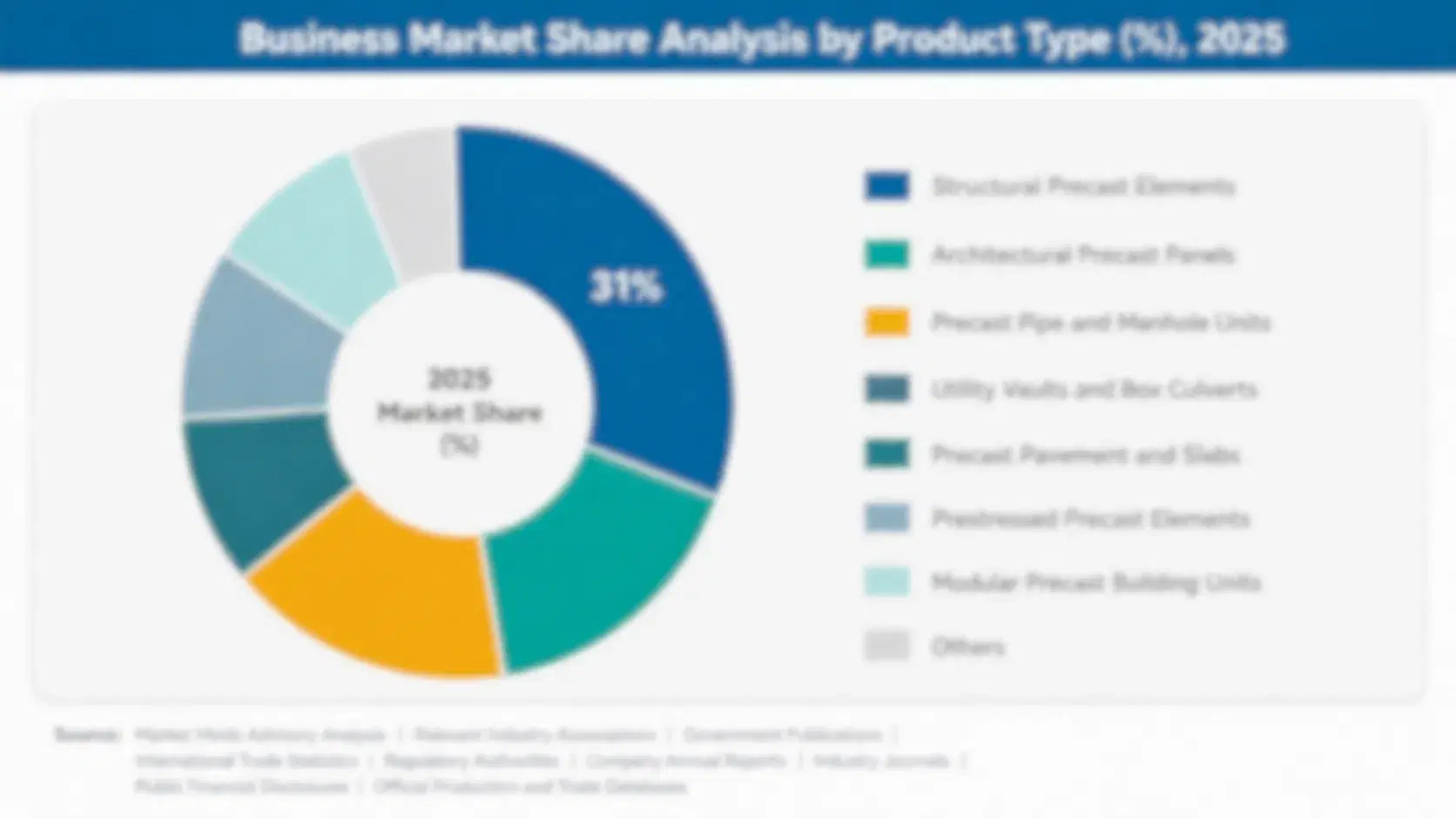
The global paraprobiotic heat-treated Lactobacillus plantarum market is segmented by health application, which shows where clinical evidence, claim wording and buyer trust create pricing power. Five segments cover metabolic and weight management, immune and respiratory, gut and digestive comfort, skin and beauty, and healthy ageing and cognitive products. Metabolic and immune products grow fastest.
paraprobiotic-heat-treated-lactobacillus-plantarum-market-share-analysis-1789964231782

Metabolic and Weight Management Paraprobiotics

Metabolic and Weight Management Paraprobiotics is the fastest-growing segment at 19.6% a year, about 1.40 times the overall market rate, from a small base. Human trials on heat-treated BPL1 give brands a measurable story on body fat and metabolic markers, and gross margins of 55% to 72% support investment in trials and formulation. Buyers include weight management brands, pharmacies and clinics that want non-drug options beside diet plans. Claims must avoid promising weight loss, and larger studies are needed, so suppliers with published data, clear dosing and compliant claim summaries hold the strongest positions. Competitors with live probiotics struggle to match stability in gummies, sachets and baked formats, which helps inactivated cells win product launches.
CAGR 19.6%

Immune and Respiratory Paraprobiotics

Immune and Respiratory Paraprobiotics grows at 16.8% a year, about 1.20 times the overall market rate, because Japanese and Chinese buyers already use heat-killed Lactobacillus plantarum for immune support and brands accept gross margins of 48% to 65%. Studies on respiratory symptoms, immune markers and vaccination response give suppliers claim pathways in Japan under foods with function claims, while European brands rely on general wording. Beverage, tablet and confectionery formats carry the volume, and children and older adults are core buyers because inactivated cells avoid viability concerns. Brands with local clinical data, cautious claims and steady supply hold price better than sellers of generic heat-killed lactic acid bacteria. Winter demand peaks.
CAGR 16.8%
Full segment breakdown across 5 segments available in the complete report.

Regional Architecture and Country Demand Map

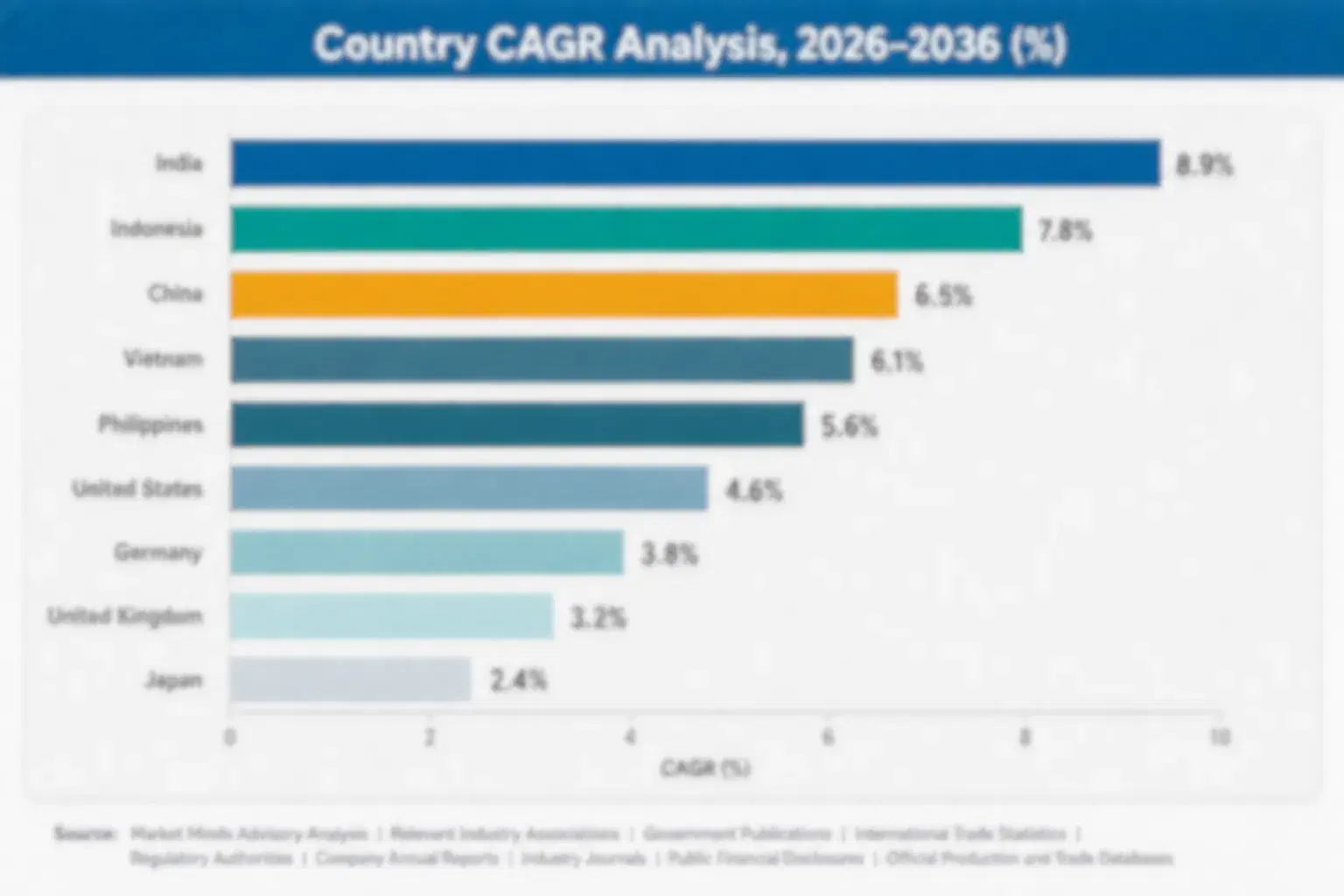
East Asia leads at 38% because Japan built the earliest market for heat-killed lactic acid bacteria and China follows closely, with North America at 24% on supplement demand. South Asia and Pacific grows fastest. Western Europe carries the strain owners but trails on claims wording.

North America

North America holds 24% share, inside its band, with growth at the global rate of 14.0%. American brands sell paraprobiotic and postbiotic supplements through online, pharmacy and specialty channels, and the FDA dietary supplement framework allows structure and function wording for inactivated ingredients with cautious claims. Heat-stable gummies, coffee sachets and protein bars carry most launches, and ADM supplies BPL1 to brands through its ingredient network. Retailers still favour live probiotic shelves, consumer awareness of the term postbiotic is low, and litigation risk over claims restrains returns. Clinics and pharmacists recommend products to buyers who avoid live cultures for safety reasons, and subscription channels support repeat purchase. Canada adds pharmacy sales.
Share: 24% | CAGR: 14.0% (2026 to 2036)

Western Europe

Western Europe holds 20% share, inside its band, with growth of 12.4%, below the global rate. Spain hosts the BPL1 strain owner and its research partners, while Denmark, France, Italy and Germany add ingredient and supplement companies. European Union rules restrict the word probiotic in claims, treat some inactivated cultures as novel foods and approve health claims slowly, so brands rely on cautious wording and clinical dossiers. Pharmacies and food supplement channels sell most products, and sustainability rules add cost. Suppliers with safety data, identity testing and clear dossiers hold premium accounts, while Nordic and Spanish buyers show the strongest interest in metabolic products. Belgium and the Netherlands host importers and blenders.
Share: 20% | CAGR: 12.4% (2026 to 2036)
Regional intelligence for 5 additional markets available in the complete report: East Asia, South Asia and Pacific, Latin America, Middle East and Africa, Eastern Europe. Contact sales@marketmindsadvisory.com.
paraprobiotic-heat-treated-lactobacillus-plantarum-country-cagr-analysis-1789964232102

Four Margin Routes for Paraprobiotic Producers

Margin in heat-treated paraprobiotics comes from strain-level evidence, validated inactivation, application support and multi-year supply agreements rather than commodity cell powder. The routes below apply to strain owners, fermenters and brand owners, and each can start inside one planning cycle, with clear measures in gross margin points, contract length and cost per billion cells. Payback runs two to three years.

Funding Larger Metabolic Trials That Support Claims and Premium Pricing

Metabolic evidence rests on small trials, so strain owners that fund placebo-controlled studies of 150 to 300 adults, publish results and share compliant claim summaries support price premiums of 15% to 25% and win contracts worth 10% to 15% of sales. Trials cost $2 million to $6 million each. Owners should share costs with brand partners, register protocols publicly, test the standard dose first and avoid weight loss claims that regulators reject. Results also arm sales teams with documents that shorten qualification at brand customers, and pharmacists ask for references before recommending products. Renewals follow each study cycle.
Market Impact: larger metabolic trials support price premiums of 15-25%

Building Application Labs for Baked, Coffee and Gummy Formats

Formulators choose inactivated cells for formats live cultures cannot survive, so suppliers that build application labs, publish stability data and offer ready formulas for baked snacks, coffee, gummies and warm-filled drinks win launches worth 12% to 20% of new product volume. Labs cost $1 million to $3 million. Suppliers should begin with the two formats that already attract launches, share cell count verification with each batch and train customer technical teams, since brand owners rarely switch strains after qualification. Faster launches also raise pull-through volume and build long relationships with contract manufacturers across regions.
Market Impact: application labs win launches worth 12-20% of volume

Securing Multi-Year Strain Supply Agreements With Brand Owners

Brand owners qualify one strain source per product, so suppliers that sign multi-year agreements with volume bands, price formulas and quality audit rights lock in demand and earn margins two to four points above spot sales. Agreements cover 60% to 80% of forecast volume and reduce planning risk. Programmes cost $0.5 million to $2 million in legal, audit and capacity planning. Suppliers should offer tiered pricing linked to volume, hold safety stock of validated lots and share fermentation forecasts, since buyers value continuity more highly after each supply disruption and reward reliable suppliers with longer terms.
Market Impact: multi-year strain agreements cover 60-80% of forecast volume

Cutting Fermentation and Drying Cost Through Yield and Energy Programmes

Fermentation media, heat treatment and drying account for about a third of cost, so producers that raise cell yield, recover heat and shift to spray drying where product allows cut cost per billion cells by 12% to 22% and protect margin against price pressure from Asian fermenters. Programmes cost $3 million to $10 million. Producers should start with plants serving the largest contracts, pilot new media on one line before scaling and share energy savings with customers through pricing formulas. Cost leaders can also serve private-label volume that smaller rivals cannot handle profitably.
Market Impact: fermentation programmes cut cost per billion cells by 12-22%

Who Controls the Margin Pool

The global market is concentrated, with a CR5 of 62%, because strain patents, clinical dossiers and validated inactivation processes are hard to replicate. This assessment measures participants on estimated paraprobiotic ingredient and finished product sales value, held constant across all players. ADM and House Wellness Foods lead through strain ownership and evidence, while Morinaga Milk Industry, Kirin Holdings and Novonesis follow, and the gap between the leader and the fifth player is moderate.
Competition runs on four dimensions today: strain-level clinical evidence, validated inactivation and identity testing, application support and regulatory dossiers. Strain owners win on evidence, Japanese dairy and beverage groups win on distribution and consumer familiarity, and global ingredient houses win on scale and technical service. Buyers compare cost per billion cells rather than cost per kilogram, and audits of strain identity and inactivation can remove a supplier within one cycle.

Emerging pressure comes from Asian fermenters offering generic heat-killed Lactobacillus plantarum, from postbiotic launches by live probiotic leaders, and from regulators that could tighten claims. Rankings shift where a strain owner publishes larger trials, wins a novel food opinion or secures a food giant contract, and consolidation of smaller strain owners continues as dossier costs rise.
paraprobiotic-heat-treated-lactobacillus-plantarum-company-positioning-matrix-1789964232401

Competitive Moat and Risk Dimensions

ADM

Moat: BPL1 Strain Ownership and Evidence

ADM, the American agribusiness group, owns the BPL1 strain through its Spanish biotechnology unit and sells heat-treated cell preparations with published human trials. Its strain ownership, clinical dossier and global ingredient network give it an advantage with brand owners, and its position supports premium pricing and multi-year contracts where evidence and identity records matter.
ADM

Risk: Single Strain Concentration Risk

ADM depends on one flagship strain for its paraprobiotic story, so weak trial results or claim rejections could hurt sales sharply. Smaller strain owners can move faster on niche evidence, and Asian fermenters offer generic cells at lower prices. Portfolio priorities across a large agribusiness may also limit investment.
HOUSE WELLNESS FOODS

Moat: Heat-Killed Lactobacillus Heritage

House Wellness Foods, a Japanese wellness company, sells products based on heat-killed Lactobacillus plantarum strain L-137 and supports them with immune studies. Its long consumer history, evidence base and Japanese distribution give it an advantage in the largest paraprobiotic market, and its position supports exports through licensing and ingredient sales to partners abroad.
HOUSE WELLNESS FOODS

Risk: Regional Concentration and Scale

House Wellness Foods relies heavily on Japan, so a slowdown in Japanese consumer spending would hit sales. Global reach is smaller than that of large ingredient houses, and regulatory differences outside Japan slow claims. Competitors with metabolic trials may capture new growth areas. Currency swings also affect export earnings.

Players Tracked

Prominent Players

ADM
House Wellness Foods
Morinaga Milk Industry
Kirin Holdings
Novonesis

Other Key Players

International Flavors & Fragrances
Lallemand
Biosearch Life
Probi
Kaneka
Meiji Holdings
Yakult Honsha
Nestlé Health Science
Danone
Kerry Group
Cargill
DSM-Firmenich
Wakamoto Pharmaceutical
Probiotical
Glanbia Nutritionals

Recent Developments

JANUARY 2026

ADM Announces Larger Placebo-Controlled Trial of Heat-Treated BPL1 in Adults With Overweight

ADM announced a larger placebo-controlled trial of heat-treated BPL1 in adults with overweight, according to company communications. It is a research programme, not an acquisition, and it tests whether earlier metabolic results hold in bigger groups. The trial includes independent oversight and safety monitoring. Funding terms were not disclosed.
Signal: Confirms strain owners are investing in larger trials because brands and regulators want stronger metabolic evidence before scaling.
FEBRUARY 2026

Kirin Holdings Launches Heat-Killed Lactic Acid Bacteria Beverage in Southeast Asian Markets

Kirin Holdings launched a heat-killed lactic acid bacteria beverage in Southeast Asian markets, according to company communications. It is a product launch, not an acquisition, and it tests export demand for Japanese immune positioning. The drink uses ambient distribution without refrigeration. Commercial terms were not disclosed.
Signal: Shows Japanese groups are exporting inactivated cell products because ambient distribution suits warm markets with weak cold chains.
MARCH 2026

Morinaga Milk Industry Signs Licensing Agreement for Heat-Killed Strain With European Supplement Brand

Morinaga Milk Industry signed a licensing agreement for a heat-killed strain with a European supplement brand, according to company communications. It is a licensing agreement, not an acquisition, and it tests Western appetite for Japanese strains. The agreement covers strain supply and clinical summaries. Financial terms were not disclosed.
Signal: Indicates Japanese strain owners are licensing to Western brands because inactivated cell evidence now travels across regulatory borders.

What Drives Paraprobiotic Costs

Fermentation media such as glucose, yeast extract and nitrogen sources account for roughly 20% of production cost, energy for fermentation, heat treatment and drying about 14%, harvesting, purification and testing about 16%, packaging and freight about 6%, and overheads, royalties and marketing about 44%. Sugars come from European, Brazilian and Asian suppliers, and fermentation plants sit mainly in Spain, Japan, Denmark and China.
The clearest recent shock came in 2022. Eurostat and IEA data show European natural gas prices rising several-fold after energy supply disruption, and MMA Estimate from expert interviews indicates that spray drying, freeze drying and heat treatment costs for European producers rose 25% to 40% during the period. Producers absorbed part of the increase, some shifted drying to lower-cost sites, and customers accepted surcharges only after several months.

The disadvantage falls on producers without long-term energy contracts or flexible drying capacity, because they cannot pass through swings on annual fixed prices. Large groups negotiate energy and media terms and run several plants. Exposure also varies by geography: European producers face gas prices, while Asian producers face sugar and labour costs and export scrutiny.
paraprobiotic-heat-treated-lactobacillus-plantarum-cost-volatility-analysis-1789964232709

Long-Term Energy and Media Contracts

Producers sign multi-year contracts for power, gas, glucose and yeast extract and hold two to three months of key inputs. These agreements cut exposure to input spikes of 15% to 30%. The main challenge is volume commitment when demand slows, so larger producers lead, while smaller producers buy spot and accept more margin volatility.

Yield Improvement and Process Optimisation

Producers invest in higher-yield media, tighter fermentation control and optimised heat treatment to cut cost per billion cells by 12% to 22%. The main challenge is validation time, since any process change needs identity and safety checks, so larger producers lead, while smaller producers share pilot capacity with partners. Payback usually arrives within three years.

Flexible Drying and Multi-Site Production

Producers qualify a second site or contract dryer and hold safety stock of validated lots for key customers. Multi-site production reduces outage and energy risk by about a third. The main challenge is duplicate validation cost and regulatory filings, so producers focus on flagship strains first and use toll processors where their own capacity is limited.

Portfolio Architecture for Margin Defence

Margins run from moderate returns on generic heat-killed Lactobacillus powders sold in volume to strong returns on strain-specific, clinically supported preparations sold with identity and inactivation data. Three tiers separate volume products, premium certified lines and next-generation solutions, and each tier draws on different strain rights, fermentation skills and regulatory dossiers in a concentrated market with limited price transparency for finished products.
The tension between volume and premium is sharp. Generic cells fill private-label and beverage orders at low prices but face constant Asian competition, while strain-specific products earn higher margins on smaller volumes and depend on trials, patents and audits. Producers that run only volume struggle when prices fall, while premium-only producers lose scale and reach. Mix management decides which risk dominates each year.

High-value pools concentrate in metabolic paraprobiotics sold under clinical dossiers and in immune products with local evidence in Japan and China. They gather where buyers pay for strain proof, inactivation validation and documented safety, not for the cell count itself. Skin and ageing products add a smaller pool, and strong suppliers hold all three. Each pool needs different sales skills and retailer relationships.

Volume / Commodity-Adjacent

Generic heat-killed Lactobacillus plantarum powders sold in volume to private-label brands, dairy groups and contract makers. Buyers focus on price per billion cells, contracts renew each year, and technical service is limited.
Gross Margin: 30%-42%

Premium / Certified

Strain-specific heat-treated preparations with certified identity, inactivation validation and third-party testing, sold to supplement brands and food makers. Buyers value consistency, stability data and audit records, and contracts run for two to three years.
Gross Margin: 45%-60%

Sustainability / Regulatory / Next-Generation

Clinically supported BPL1 and comparable strains with published human trials, patents and claim dossiers, sold to weight management, clinical and premium brands. Contracts run for several years and depend on evidence, safety files and supply security.
Gross Margin: 55%-72%
paraprobiotic-heat-treated-lactobacillus-plantarum-portfolio-architecture-1789964232992

High-value Sub-segments and Strategic Watch-out

Metabolic and Weight Management Paraprobiotics

Metabolic and weight management paraprobiotics combine the fastest growth with strong pricing, since brands seek non-drug options with measurable data and pay gross margins of 55% to 72%. Patents, trial data and claim discipline limit competition, and suppliers with larger studies win the biggest contracts.
Gross Margin: 55%-72%

Immune and Respiratory Paraprobiotics

Immune and respiratory paraprobiotics deliver firm growth and pricing, since Japanese and Chinese buyers already use heat-killed lactic acid bacteria and accept gross margins of 48% to 65% for tested strains. Local clinical data, stable formats and regulatory files form the entry barrier, and application labs decide who stays qualified.
Gross Margin: 48%-65%

Gut and Digestive Comfort Paraprobiotics

Gut and digestive comfort paraprobiotics are the volume core for supplements, dairy and beverages. Value grows about 13.0% a year, and fermentation cost, strain licensing and delivery reliability decide profit. Suppliers anchor sales on long relationships with dairy groups and brand owners, and customers usually renew contracts every year.
Gross Margin: 38%-52%

Healthy Ageing and Cognitive Paraprobiotics

Healthy ageing and cognitive paraprobiotics are the strategic watch-out, since growth of about 10.0% a year trails the leaders, evidence is early and claims are difficult. Producers should manage these lines selectively and steer investment toward metabolic and immune products with clearer data. Returns depend on selective investment.
Gross Margin: 30%-45%

Why Brands Rarely Switch Paraprobiotic Strains

Paraprobiotic demand behaves like an annuity attached to strain dossiers, stability files and clinical summaries. Once a brand qualifies a strain for a metabolic or immune product, reorders follow every quarter, and switching means new safety studies, label changes and lost credibility with clinicians. Buyers set annual volume plans around fermentation output, so suppliers with reliable lots earn steady volume and priority allocation. Trust, once earned, is slow to lose.
Adoption stickiness differs by end-use vertical. Clinic and pharmacy channels are the deepest, since products are recommended to patients and change only when advice changes. Functional food and beverage makers are moderately sticky, driven by product launches that fix strain and cell count on the label. Supplement brands are more fluid, changing strains when a new study or price appears, though evidence-backed contracts hold for two to three years.

Buyer profiles are shifting between generations. Older purchasing teams bought live cultures by colony count, while newer teams ask for strain identity, inactivation validation and stability without cold chain. Regulators and clinicians add a third group that sets claim and safety expectations. Suppliers that publish evidence and validation data win newer buyers.
paraprobiotic-heat-treated-lactobacillus-plantarum-end-use-penetration-index-1789964233306

MMA Verdict on Paraprobiotic Strategy

These are among the four positions where our research anticipates prominent divergence between winners and laggards over the coming forecast period. Each is grounded in the demand model, the regulatory perimeter, and the announced capacity pipeline.
01 / METABOLIC EVIDENCE STRATEGY

Fund Larger Metabolic Trials Before Regulators and Clinicians Discount Small Studies

Metabolic and Weight Management Paraprobiotics grows at 19.6% a year, about 1.40 times the overall market rate, and gross margins of 55% to 72% depend on evidence. Strain owners should invest $2 million to $6 million per trial of 150 to 300 adults, share costs with brands and publish results openly to support price premiums of 15% to 25%. Those that delay will lose contracts to better documented rivals over the next two years, while prepared owners hold pricing, dossiers and clinician trust.
02 / FORMAT APPLICATION STRATEGY

Build Application Labs for Heat-Stable Formats Before Live Probiotic Rivals Catch Up

Immune and Respiratory Paraprobiotics grows at 16.8% a year, about 1.20 times the overall market rate, and inactivated cells win formats that live cultures cannot survive. Suppliers should invest $1 million to $3 million in application labs, stability data and ready formulas for baked snacks, coffee, gummies and warm drinks, and capture launches worth 12% to 20% of new product volume. Those that delay will lose launches over the next two years, while early movers hold formulations, customer trust and premium prices.
03 / CONTRACT SECURITY STRATEGY

Sign Multi-Year Strain Agreements Before Brand Owners Diversify Toward Generic Cells

Brand owners qualify one strain source per product, and multi-year agreements covering 60% to 80% of forecast volume earn margins two to four points above spot sales. Suppliers should invest $0.5 million to $2 million in legal, audit and capacity planning, offer tiered pricing linked to volume and hold safety stock of validated lots. Those that delay will lose long-term customers to rivals over the next two years, while prepared suppliers hold volume, planning certainty and customer confidence through every supply cycle.
04 / FERMENTATION COST STRATEGY

Cut Fermentation and Drying Cost Before Asian Generic Cells Pressure Prices Further

Fermentation, heat treatment and drying account for about a third of cost, and Asian producers offer generic heat-killed cells at lower prices. Producers should invest $3 million to $10 million in cell yield, heat recovery and efficient drying, start with plants serving the largest contracts and cut cost per billion cells by 12% to 22%. Those that delay will lose volume tenders and margin over the next two years, while cost leaders hold utilisation, negotiating power and customer confidence through every price cycle.

Engagement Snapshot From the Field

A live engagement with an industry participant carrying material or product regulatory and market exposure ahead of a defining policy shift, showing how our research translates into a defensible multi-year portfolio strategy.
MARKET MINDS ADVISORY · CLIENT ENGAGEMENT SUMMARY
Paraprobiotic Heat-Treated Lactobacillus plantarum BPL1 Postbiotic Producer Strategic Portfolio Review and Transition Roadmap 2026·Investment Scenario on Paraprobiotic Heat-Treated Lactobacillus plantarum BPL1 Postbiotic Exposure Evaluation 2025-26
CLIENT PROFILE
The client is a mid-sized European probiotic and postbiotic ingredient company with annual sales near $60 million (client-reported, unverified by MMA), selling live cultures and a small range of heat-killed strains to supplement brands and dairy groups in Europe and Asia. About 85% of sales came from live cultures, cold chain cost was rising, and customers had asked for shelf-stable heat-treated options with strain-level evidence for weight and immune products.
STRATEGIC CHALLENGE
Gross margin on live cultures sat near 42% (client-reported, unverified by MMA), cold chain and stock loss had cut profit, and competitors offered inactivated strains to the same customers. Management had to decide whether to license a clinically supported strain, fund its own trial or build heat-treatment capacity, with limited capital and one main fermentation site. Key customers wanted new products within 12 months.
MMA APPROACH
MMA analysed sales, cost and customer data across 35 product lines, interviewed 12 formulators, clinicians and regulatory managers, and ran a buyer survey on evidence, format and price across three regions. It modelled margin by strain and scenario, compared licensing, trial and capacity options by payback and execution risk, and tested each against energy and price scenarios.
KEY FINDINGS
  1. A licence for a clinically supported heat-treated strain would cost about $2 million upfront and lift gross margin on converted lines from about 42% to about 60% (client-reported, unverified by MMA).
  2. A heat-treatment and drying upgrade at one site would cost about $4 million and remove cold chain cost worth about 6% of sales (client-reported, unverified by MMA).
  3. An application lab for baked, coffee and gummy formats would cost about $1.5 million and open launches worth about 11% of sales (client-reported, unverified by MMA).
  4. A co-funded trial with two brand partners would cost about $1.8 million net and support price premiums near 15% (client-reported, unverified by MMA).
CLIENT PROFILE
The client is a mid-sized European probiotic and postbiotic ingredient company with annual sales near $60 million (client-reported, unverified by MMA), selling live cultures and a small range of heat-killed strains to supplement brands and dairy groups in Europe and Asia. About 85% of sales came from live cultures, cold chain cost was rising, and customers had asked for shelf-stable heat-treated options with strain-level evidence for weight and immune products.
STRATEGIC CHALLENGE
Gross margin on live cultures sat near 42% (client-reported, unverified by MMA), cold chain and stock loss had cut profit, and competitors offered inactivated strains to the same customers. Management had to decide whether to license a clinically supported strain, fund its own trial or build heat-treatment capacity, with limited capital and one main fermentation site. Key customers wanted new products within 12 months.
MMA APPROACH
MMA analysed sales, cost and customer data across 35 product lines, interviewed 12 formulators, clinicians and regulatory managers, and ran a buyer survey on evidence, format and price across three regions. It modelled margin by strain and scenario, compared licensing, trial and capacity options by payback and execution risk, and tested each against energy and price scenarios.
KEY FINDINGS
  1. A licence for a clinically supported heat-treated strain would cost about $2 million upfront and lift gross margin on converted lines from about 42% to about 60% (client-reported, unverified by MMA).
  2. A heat-treatment and drying upgrade at one site would cost about $4 million and remove cold chain cost worth about 6% of sales (client-reported, unverified by MMA).
  3. An application lab for baked, coffee and gummy formats would cost about $1.5 million and open launches worth about 11% of sales (client-reported, unverified by MMA).
  4. A co-funded trial with two brand partners would cost about $1.8 million net and support price premiums near 15% (client-reported, unverified by MMA).
RECOMMENDED STRATEGY
Phase 1: Phase 1 (Months 1-9): Sign the strain licence, begin the heat-treatment upgrade and open talks with two brand partners on a shared trial. Phase 2: Phase 2 (Months 10-24): Launch heat-treated products to anchor customers, open the application lab and start the co-funded trial with independent oversight. Phase 3: Phase 3 (Months 25-42): Scale inactivated volumes, publish trial results and review energy and media contracts yearly as price data develop.
OUTCOME
Within 42 months, heat-treated products reached 31% of sales, blended gross margin rose from about 42% to about 53%, and cold chain cost fell by about 6% of revenue (client-reported, unverified by MMA). Trial results supported premium pricing, three multinational customers signed multi-year agreements, and application launches covered about 10% of sales.

Frequently Asked Questions

Foundational context covering the market sizes, CAGR, scope, country, region and competition that inform every finding below. This section is provided to cover basics and most often pre-purchase conversations, answered from the MMA Primary Research Dataset.

What is the current size of the Paraprobiotic Heat-Treated Lactobacillus plantarum BPL1 Postbiotic Market?

The global paraprobiotic heat-treated Lactobacillus plantarum BPL1 postbiotic market was valued at $0.12 billion in 2025 on an ingredient and finished-product sales basis. Growth reflects demand for shelf-stable cells, offset by small trials and contested definitions.

How large will the Paraprobiotic Heat-Treated Lactobacillus plantarum BPL1 Postbiotic Market be by 2036?

The market is projected to reach $0.51 billion by 2036, up from $0.14 billion in 2026. The increase of $0.37 billion reflects metabolic products, heat-stable formats and Asian growth.

What is the CAGR for the Paraprobiotic Heat-Treated Lactobacillus plantarum BPL1 Postbiotic Market 2026 to 2036?

The market is forecast to grow at a 14.0% CAGR from 2026 to 2036. The bull case reaches 15.3% and the bear case 12.7%, depending on trial results, regulatory clarity and live probiotic competition.

Which segment is growing fastest?

Metabolic and Weight Management Paraprobiotics is the fastest-growing segment at 19.6% CAGR, roughly 1.40 times the overall market rate. Immune and Respiratory Paraprobiotics follows at 16.8% CAGR each year.

Who are the major companies in the Paraprobiotic Heat-Treated Lactobacillus plantarum BPL1 Postbiotic Market?

Major companies include ADM, House Wellness Foods, Morinaga Milk Industry, Kirin Holdings and Novonesis. Lallemand, Biosearch Life, Probi, Kaneka and Meiji Holdings also hold positions in inactivated microbial ingredients.

Which country is growing fastest?

India is growing fastest at about 16.5% CAGR, because warm climates, weak cold chains and a rising metabolic disease burden favour shelf-stable inactivated cells. South Korea and Vietnam follow as functional food demand grows.

Report Segmentation Architecture

The full report scope spans multiple orthogonal segmentation dimensions, with cross-tabulated demand data provided for each dimension pair. Coverage extends further to regional breakdowns, trend trajectories, and the competitive detail needed to support segment-level decision-making.

By Primary Market Dimension

  • Metabolic and Weight Management Paraprobiotics
  • Immune and Respiratory Paraprobiotics
  • Gut and Digestive Comfort Paraprobiotics
  • Skin and Beauty Paraprobiotics
  • Healthy Ageing and Cognitive Paraprobiotics

By End-Use Industry

  • Dietary Supplements
  • Functional Foods and Beverages
  • Clinical and Medical Nutrition
  • Cosmetics and Personal Care

By Commercial Dimension

  • Strain and Ingredient Sales to Brand Owners
  • Contract Manufacturing and Private Label
  • Pharmacy and Health Retail
  • Online and Direct-to-Consumer
  • Clinic and Practitioner Channels

By Region

  • North America
  • Western Europe
  • East Asia
  • South Asia and Pacific
  • Latin America
  • Middle East and Africa
  • Eastern Europe

Scope, Methodology, and Coverage

Every figure in this report is reproducible from documented input assumptions. The scope below maps the historical period, the forecast horizon, the segmentation dimensions, and the countries covered, alongside the underlying primary and qualitative methodology.
Historical Period
2020 to 2025
Forecast Period
2026 to 2036
Base Year
2025 (USD billions; MMA Primary Research Dataset, September 2026)
Market Definition
The market covers global sales of heat-inactivated Lactobacillus plantarum cell preparations, led by strain BPL1 and comparable heat-killed strains, as ingredients and in finished supplements, functional foods and beverages that are positioned as paraprobiotics or postbiotics. It excludes live probiotics, prebiotic fibres, synbiotic blends with live cultures, and purified metabolites such as short-chain fatty acids sold on their own.
Quantitative Units
USD billions (ingredient and finished-product revenue); billions of cell equivalents for volume references
Segmentation Dimensions
By Health Application; By End-Use Industry; By Commercial Dimension; By Region
Regions Covered
North America, Western Europe, East Asia, South Asia and Pacific, Latin America, Middle East and Africa, Eastern Europe
Countries Covered
United States, Canada, Spain, Germany, France, Denmark, Italy, United Kingdom, Japan, China, South Korea, India, Australia, Vietnam, Brazil, Mexico, United Arab Emirates, South Africa, Poland, and additional markets relevant to this sector
Key Companies Profiled
ADM, House Wellness Foods, Morinaga Milk Industry, Kirin Holdings, Novonesis, International Flavors & Fragrances, Lallemand, Biosearch Life, Probi, Kaneka, Meiji Holdings, Yakult Honsha, Nestlé Health Science, Danone, Kerry Group, Cargill, DSM-Firmenich, Wakamoto Pharmaceutical, Probiotical, Glanbia Nutritionals
Quantitative Methodology
Primary survey, n=3,800 respondents, Q4 2025, six countries; demand-side model with trade association cross-validation
Qualitative Methodology
47 expert interviews, Q4 2025; applied to validate demand model assumptions, identify emerging dynamics, and assess competitive positioning
Report Format
PDF and XLSX data workbook (Word format preview document)
Publisher
Market Minds Advisory
Report Code
MMA-2026-HLT-174
Published
September 2026
Contact
sales@marketmindsadvisory.com | www.marketmindsadvisory.com

Purchase the full Paraprobiotic Heat-Treated Lactobacillus plantarum BPL1 Postbiotic Market Report (2026 to 2036).

The full report delivers a detailed assessment of the paraprobiotic heat-treated Lactobacillus plantarum BPL1 postbiotic market through 2036, covering health application, end-use and regional forecasts, competitive benchmarking of leading strain owners and ingredient houses, and input cost analysis. It combines MMA primary research, including a six-country survey of 3,800 respondents and 47 expert interviews, with public statistical and company data. Analysts also model trial outcome scenarios, regulatory timelines and energy price paths. Clients receive strain margin ranges, capacity maps and a case study on growth strategy. Supplier programme and contract frameworks are also included.
Ten-year health application demand forecasts by region
Media, energy, and drying cost tracking
Competitive benchmarking of leading paraprobiotic suppliers
Postbiotic definition and novel food rule tracker
Regional market comparative analysis and forecasts included
Quarterly primary survey data update access

Built For The People Who Decide

From boardroom strategy to bench-side execution, this report is read cover-to-cover by leaders shaping the next decade of their industry, turning demand scenarios, market dynamics and valuation benchmarks into decisions.
CXOs/ Presidents/ VPs/ Managers
M&A and Corporate Development
Strategy Teams and R&D Heads
Procurement and Product Directors
Regulatory and Compliance Leaders
Investor Relations and Equity Analysts