Market Minds Advisory
Paraffinic Transformer Oil Market

Paraffinic Transformer Oil Market: Paraffinic Transformer Oil Market. Global Sizing, Segmentation, and Competitive Analysis to 2036

Grid modernization investment and tightening transformer reliability standards are pushing utilities toward high-oxidation-stability paraffinic oil formulations over conventional naphthenic grades across new substation construction and aging fleet replacement programs worldwide.

Lead Analyst

Published

October 2026

Make Smarter Decisions with Customized Research Insights

Request a free sample report and evaluate market opportunities, growth trends, and competitive dynamics relevant to your business needs.

2025 MARKET VALUE$3.0BMarket Size 2025
2036 FORECAST VALUE$4.9BBase Case , 2026 to 2036
CAGR 2026 TO 20364.7 %Bull 6.0% / Bear 3.4%
INCREMENTAL OPPORTUNITY$1.8BNet 10- year value creation
EXPANSION MULTIPLE1.58x2036 value over 2026 base
Strategic Levers
M&A Pipeline
Regional Outlook
Country Rankings
Competitive Intelligence
Segmental Deep-dive
Call-Us : 91 93563 13602

Executive Snapshot and Market Trajectory.

Grid operators are specifying paraffinic transformer oil over naphthenic alternatives as oxidation stability becomes a direct driver of transformer service life and unplanned outage risk across aging distribution networks facing mounting reliability pressure from regulators, ratepayers, and insurance underwriters monitoring grid reliability closely.
High-oxidation-stability formulations are displacing conventional naphthenic oils across new substation construction and aging fleet replacement programs, driven by grid modernization investment in India, China, and the United States simultaneously across multiple grid segments. India is scaling domestic refining capacity rapidly to serve both its expanding grid infrastructure buildout and growing export markets across Southeast Asia and the Middle East simultaneously. This cross-border supply pattern is reshaping which refiners compete most effectively on delivered cost.
The competitive field spans global lubricant majors and specialized transformer oil refiners, with meaningful distance between suppliers holding proven oxidation stability data across multiple grid operators and smaller entrants still building utility qualification track records. Utility total cost of ownership calculations increasingly favor premium paraffinic grades despite higher unit cost given extended service life. Utility procurement teams increasingly factor extended service life directly into total lifecycle cost specifications.
Market Definition
The Paraffinic Transformer Oil Market covers petroleum-based insulating and cooling fluids engineered for power and distribution transformer applications. It excludes naphthenic transformer oils, synthetic ester fluids, and industrial lubricating oils outside electrical insulation applications.
Base Year Value
$3.0B in 2025 (MMA Primary Research Dataset, October 2026)
Forecast Period
2026 to 2036, eleven discrete annual values
CAGR
4.7% base case. Bull 6.0%. Bear 3.4%.
Fastest Growth Segment
High-Oxidation-Stability Paraffinic Oil for Grid Transformers: 6.8% CAGR
Fastest Growth Country
India: 6.1% CAGR
Fastest Growth Region
South Asia and Pacific: 6.8% CAGR
Largest Region
East Asia: 25% of 2025 global value
Market Leaders
Nynas, Ergon, Shell, Apar Industries, Savita Oil Technologies. Source: MMA Primary Research Dataset, July 2026.
Primary Survey
n=3,800 procurement and R&D decision-makers, Q4 2025, six countries
Methodology
Demand-side build-up, cross-validated against public data, 47 expert interviews

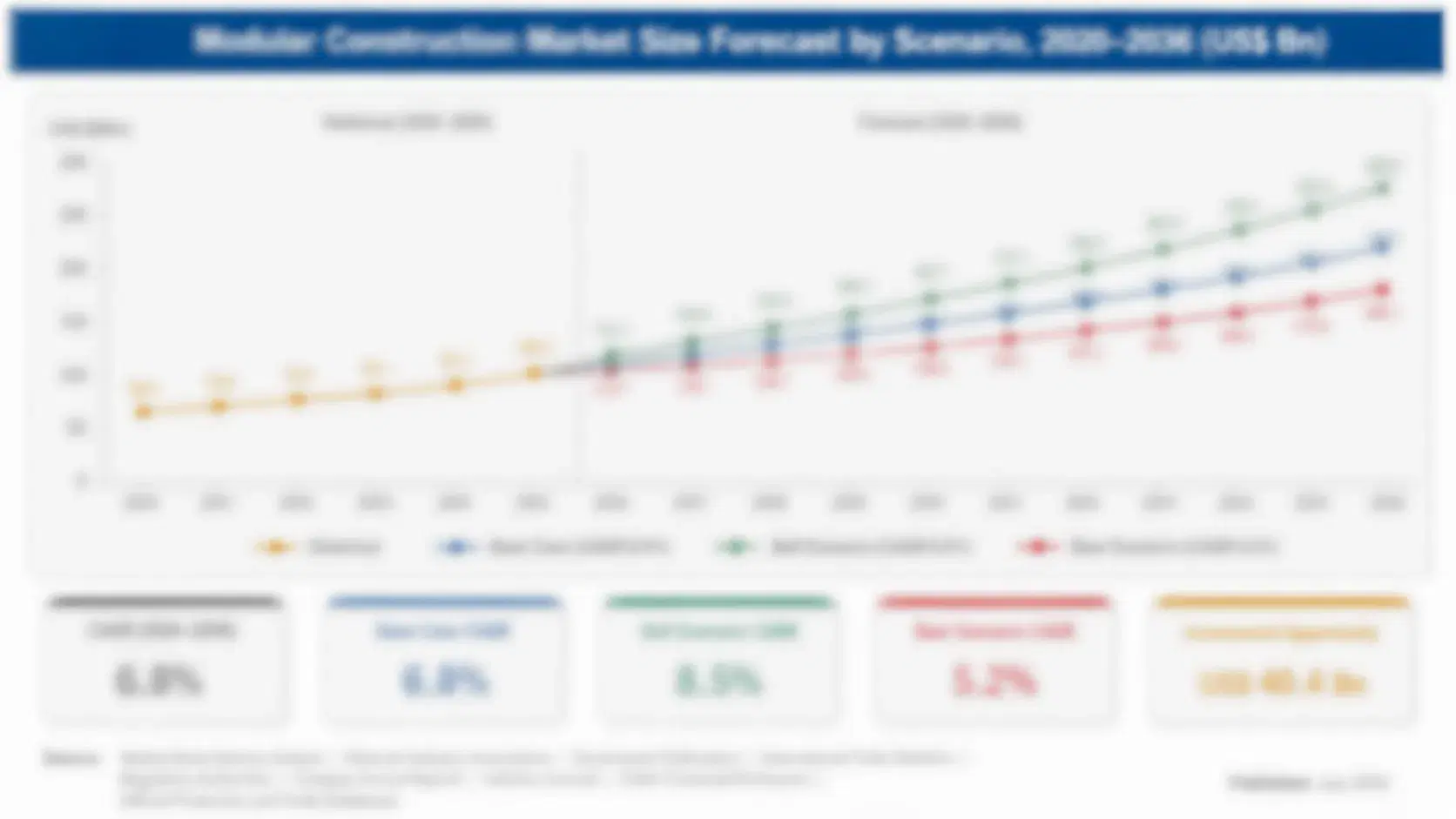
Paraffinic Transformer Oil Market Forecast Scenarios

paraffinic-transformer-oil-market-size-forecast-scenario-1791074349106
The 2020 to 2025 period saw paraffinic transformer oil demand grow steadily, tied to routine grid maintenance and transformer replacement cycles. Growth firmed toward the end of the period as grid modernization investment accelerated and utilities tightened oxidation stability specifications following documented reliability incidents, lifting the historical CAGR to 4.0% heading into the forecast window.
The base case assumes continued grid modernization investment, tightening utility reliability standards, and steady replacement of aging transformer fleets nearing scheduled refurbishment. These three mechanisms together support a 4.7% CAGR through 2036, with high-oxidation-stability paraffinic grades capturing a growing share of new transformer specifications as utilities prioritize extended service life over marginal oil cost differences during procurement. Utilities increasingly treat this upgrade as a strategic reliability investment rather than a discretionary maintenance expense.
The bull case centers on accelerated grid infrastructure investment in India and Southeast Asia, which could push growth toward 6.0%. The bear risk is a slowdown in utility capital spending, which would delay transformer replacement and compress growth toward 3.4% as operators defer non-critical fleet upgrades. as operators defer non-critical fleet upgrades and prioritize essential grid maintenance spending instead during that period.

Grid Reliability Economics Reshape Oil Specification Decisions

Paraffinic transformer oil has moved from a commodity refined product to a grid reliability specification decision as utilities face mounting pressure to extend transformer service life and reduce unplanned outage risk across aging distribution networks. Procurement teams increasingly treat oxidation stability as a core specification requirement rather than a late-stage sourcing choice resolved after transformer design is finalized. Insurance factors matter too.
MARKET CONCENTRATIONCR5 39%Reflects a moderately fragmented specialty lubricant supplier base
AVERAGE PRICE PER LITER$2.10 grid gradeReflects high-oxidation-stability grid grade formulation and production costs
TOP PRODUCING COUNTRY SHAREIndia 24%Largest single national transformer oil refining base by volume
CAPACITY UTILISATION71%Reflects cyclical grid infrastructure investment demand patterns annually
FEEDSTOCK SHARE COGS37%Base crude oil and specialty additive inputs dominate direct costs
REPLACEMENT CYCLE LENGTH25 to 35 yearsReflects typical transformer oil topping and full replacement interval
High-oxidation-stability formulations dominate new grid transformer installations given their proven ability to extend service intervals compared to conventional naphthenic alternatives that degrade faster under sustained thermal and electrical stress. India and China anchor global refining capacity at meaningfully different price and purity tiers, with India scaling aggressively to serve both domestic grid buildout and export demand. This cross-border manufacturing pattern is steadily reshaping which refiners compete most effectively on delivered cost.
Total cost of ownership calculations increasingly favor premium paraffinic grades despite higher upfront unit cost, as utilities factor in extended transformer service life and reduced unplanned maintenance expense over the asset's operating lifetime. This shift is reshaping which suppliers utilities select for new grid infrastructure projects, favoring those with proven oxidation stability data across multiple climate conditions. Smaller suppliers without comparable data struggle to win large contracts.
"Transformer oil used to be a commodity line item nobody questioned. Now it shows up in the grid reliability audit before it ever reaches the maintenance log."
Senior Analyst, Power Grid Materials and Fluids Practice · MMA Energy Practice · October 2026

Market Trends

Grid Modernization Investment Accelerates Oil Specification Upgrades

Grid modernization programs across India, China, and the United States are pushing utilities to specify high-oxidation-stability paraffinic oil as a default rather than an optional upgrade, as new substation projects increasingly demand documented extended service life data before approval. Several major grid operators have already updated their procurement specifications to require oxidation stability testing exceeding prior generation standards for all new transformer installations. This shift is pulling forward demand that would otherwise have materialized gradually over several additional years of normal replacement timing absent this specific modernization push. Suppliers meeting this demand first win disproportionate long-term contracts.
Market Impact: Adds 8% grid infrastructure spending

Reliability Incident Data Drives Specification Decisions

Utilities are increasingly using detailed transformer failure data to justify premium oil specification decisions that previously would have been rejected on unit cost grounds alone during procurement review. Several major grid operators have documented transformer failures tied to oxidation degradation costing tens of millions of dollars annually in outage-related expenses, providing the internal business case needed to switch suppliers. This data-driven approach is accelerating adoption timelines that would otherwise have taken several additional equipment generations to complete fully. Suppliers who moved early into field performance documentation are now winning preferential specification treatment broadly.
Market Impact: Extends service life 20 to 30%

Market Opportunities and Growth Drivers

Grid Infrastructure Buildout Sustains Transformer Oil Demand

Grid infrastructure investment continues expanding steadily across India, China, and Southeast Asia as electrification programs reach new regions, directly lifting demand for transformer oil across every new substation entering construction. Several major utilities have multiple large-scale grid expansion projects under construction simultaneously, each requiring substantial oil charge volume at commissioning. This infrastructure buildout gives oil suppliers multi-year demand visibility that is largely independent of transformer replacement cycles occurring across existing grid networks. India and Southeast Asia are adding capacity rapidly relative to other comparable developing grid infrastructure markets situated nearby.
Market Impact: Adds 20 to 35% unit cost

Extended Service Life Mandates Favor Premium Oil Grades

Utility regulators in multiple jurisdictions are extending minimum required transformer service life standards, placing greater reliability demands on insulating fluids that must now maintain performance across longer operating periods than earlier equipment generations required. This shift favors high-oxidation-stability paraffinic oils capable of maintaining insulation integrity across extended service windows without premature degradation. Utilities are responding by specifying premium oil grades upfront rather than risking costly unscheduled transformer failures that damage grid reliability metrics significantly. Regulators increasingly cite this reliability benefit independently when justifying new standards across multiple distinct regulatory jurisdictions.
Market Impact: Adds 3 to 6 months delay

Market Restraints and Challenges

Higher Unit Cost Slows Adoption At Budget-Constrained Utilities

High-oxidation-stability paraffinic oil costs meaningfully more per liter than standard naphthenic grades, and the root cause is the specialized refining process and additive chemistry these formulations require compared to conventional oil production. Smaller utilities and operators in budget-constrained emerging markets often delay adoption even where reliability data would justify the switch, prioritizing near-term capital cost over long-term maintenance savings. Suppliers are responding with blended formulations offering partial oxidation resistance at lower price points as a mitigation pathway for cost-constrained buyers. This gap tends to narrow only as reliability data accumulates further across more operating regions over time.
Market Impact: Affects 15,000 plus new substations

Limited Refining Capacity Creates Supply Constraints

High-purity paraffinic crude feedstock suitable for premium transformer oil refining remains concentrated in a handful of geographic sources, and the underlying cause is that not all crude oil grades contain sufficient paraffinic content for this specialized application. Refiners often face capacity constraints during periods of high demand, adding months to delivery timelines and raising spot market prices for buyers without long-term supply contracts. Suppliers are now investing in expanded refining capacity as a mitigation pathway intended to reduce this supply constraint over time. Expanding this capacity will require years of additional refinery investment across multiple source regions.
Market Impact: Cuts failure rates 30 to 40%
4 additional market trends, 3 additional growth drivers, and 2 additional restraints and challenges are covered in the full report. Contact sales@marketmindsadvisory.com to access the complete intelligence.

Segment CAGR and Growth Architecture

Paraffinic transformer oil splits along distinct formulation lines, from standard grades through high-oxidation-stability grid formulations. Five segments capture these approaches across the defined market scope, and the fastest-growing reflects utilities prioritizing extended transformer service life over marginal oil cost differences at specification. Each formulation carries distinct refining complexity and documented field performance implications that utilities weigh carefully.
paraffinic-transformer-oil-market-market-share-analysis-1791074349405

High-Oxidation-Stability Paraffinic Oil for Grid Transformers

High-oxidation-stability paraffinic oil for grid transformers is growing fastest because utilities increasingly treat extended service life as a core procurement requirement rather than a late-stage specification decision resolved after transformer design is largely finalized. These formulations use specialized refining processes and additive chemistry engineered for superior oxidation resistance while still delivering comparable insulation performance to standard grades across typical grid load conditions. Suppliers with proven oxidation stability data across multiple climate conditions are capturing disproportionate share of new specification wins, since utilities strongly prefer suppliers with documented field performance histories. This track record advantage compounds further as reference lists lengthen across successive grid contracts. Pricing premiums for proven formulations remain durable across most new specification bids today.
CAGR 6.8%

Standard Paraffinic Transformer Oil

Standard paraffinic transformer oil remains the installed base standard across most existing grid infrastructure, offering proven reliability and lower upfront cost than premium high-oxidation-stability alternatives without the extended service life premium that increasingly justifies the added expense on new installations. This segment continues generating steady replacement demand as the global grid infrastructure ages and approaches scheduled transformer replacement, though growth lags the premium segment given tightening reliability standards in key operating regions. Adoption of newer formulations remains limited among utilities who prioritize total installed cost over long-term maintenance savings. New entrants face a steep climb to compete for marquee large-scale grid awards. Volumes here should remain substantial given the sheer scale of the existing installed grid base.
CAGR 3.6%
Full segment breakdown across 5 segments available in the complete report.

Regional Architecture and Country Demand Map

East Asia leads on grid buildout and refining scale, while South Asia and the Pacific punch far above its typical band given India's aggressive electrification program and rapid new substation construction activity. North America and Western Europe trail given mature, slower-replacing grid infrastructure in both regions.

East Asia

China anchors regional refining given its scale advantage in petroleum processing and rapidly expanding domestic grid infrastructure supporting strong local transformer oil demand. South Korean and Japanese suppliers occupy a distinct premium tier, offering higher purity grades to utilities willing to pay for documented quality consistency. Domestic Chinese grid buildout and renewable integration infrastructure growth is itself a major demand driver, as transmission capacity expands rapidly across multiple provinces. This combination of refining scale and rising domestic specification standards gives East Asia the largest overall market by production volume, a lead that continues widening as grid infrastructure expands further across the region. South Korea contributes meaningful premium-tier demand given its advanced grid infrastructure.
Share: 25% | CAGR: 5.5% (2026 to 2036)

North America

This puts North America below its typical regional share band because the existing grid infrastructure here is mature and replacement driven, generating steady but comparatively modest new transformer oil demand relative to the scale of ongoing grid buildout occurring elsewhere globally. The United States anchors regional demand through utility-driven grid modernization investment and aging transformer fleet replacement across multiple regional transmission operators. Canada contributes a smaller but steady share tied to its own grid infrastructure maintenance programs. Growing renewable integration investment could eventually lift this share, though meaningful volume remains several years away from materializing at scale across most regional utilities. Current activity remains concentrated among a handful of established national utility suppliers rather than smaller entrants.
Share: 20% | CAGR: 5.0% (2026 to 2036)
Regional intelligence for 5 additional markets available in the complete report: Western Europe, South Asia and Pacific, Latin America, Middle East and Africa, Eastern Europe. Contact sales@marketmindsadvisory.com.
paraffinic-transformer-oil-market-country-cagr-analysis-1791074349725

Where Transformer Oil Margins Concentrate

Oil sale margins compress as standard formulations commoditize, pushing suppliers toward high-oxidation-stability specialization, field performance data partnerships, and refining capacity investment instead of competing purely on unit price. Two levers stand out as the clearest paths to durable margin capture over the forecast period for established suppliers today. Suppliers holding genuine field performance depth today stand to benefit most.

Build Documented Oxidation Stability Testing Programs

Suppliers that accumulate documented field performance data across multiple climate conditions and grid operators capture a disproportionate share of new specification wins, where utilities pay a premium of 15 to 25% over unproven competitors for the reduced failure risk this history represents. This advantage compounds steadily over time, since utilities increasingly require multi-year track records before approving a new oil supplier for safety-critical grid infrastructure applications across every major operating climate, grid type, and region currently served. Smaller rivals lacking comparable testing investment struggle to compete for the largest marquee grid contracts.
Market Impact: Adds 15 to 25% pricing premium in total

Expand High-Purity Paraffinic Refining Capacity Now

Suppliers that invest in dedicated high-purity paraffinic refining capacity capture materially higher margins on premium grid-grade orders than suppliers relying on blended or converted feedstock sources. This requires sustained capital investment of 20 to 40 million dollars in specialized refining infrastructure capable of processing paraffinic-rich crude sources consistently over multiple sustained years of continuous production output. Suppliers with established dedicated refining capacity are increasingly difficult for competitors to displace once embedded in a utility's own long-term supply agreement and preferred vendor list. Smaller suppliers without comparable refining investment struggle to compete for the largest premium grid orders available.
Market Impact: Lifts margins 20 to 30 points in total

Who Controls the Margin Pool

The competitive field is moderately fragmented, with a CR5 of 39% on reported oil revenue reflecting a market where numerous regional refiners compete alongside global lubricant majors. Nynas and Ergon lead on specialized transformer oil formulation depth and proven oxidation stability data, creating a meaningful gap between the leaders and mid-tier challengers like Apar Industries and regional refiners competing primarily on price. Smaller regional refiners compete mainly on price and delivery time.
Current competitive activity centers on expanding high-oxidation-stability refining capacity, as suppliers race to meet tightening grid reliability standards that standard formulations increasingly struggle to satisfy on the most demanding new substation specifications. Several players are also deepening direct relationships with major grid operators, aiming to lock in long-term supply agreements rather than competing purely in open spot market bidding. This shift favors suppliers with broad account management teams over pure product specialists.

Rankings are most likely to shift where Indian suppliers like Apar Industries continue narrowing the quality gap with Western incumbents on high-purity paraffinic refining while maintaining a meaningful cost advantage. Field performance documentation is emerging as a separate competitive battleground where traditional refiners face real pressure from newer entrants focused specifically on documented reliability data.
paraffinic-transformer-oil-market-company-positioning-matrix-1791074349981

Competitive Moat and Risk Dimensions

NYNAS

Moat: Specialized Formulation Engineering Depth

Nynas's exclusive focus on specialty naphthenic and paraffinic insulating fluids gives it specialized engineering depth that broader petroleum majors often cannot match on the most demanding grid applications, backed by decades of accumulated oxidation stability data and proven utility relationships built over many years. This specialization gives Nynas preferred status when utilities require the most demanding formulation documentation.
NYNAS

Risk: Smaller Scale Limits Capacity

Nynas's smaller overall production scale compared to broader petroleum majors limits its capacity to pursue every major grid infrastructure opportunity simultaneously, occasionally forcing it to prioritize selectively among competing utility contract opportunities available in a given period. These larger rivals occasionally win contracts purely through greater available production capacity and scale.
SHELL

Moat: Global Refining And Distribution Scale

Shell's extensive global refining and distribution network positions it well ahead of smaller specialized competitors on delivery reliability and supply continuity, drawing on decades of established relationships with major grid operators across every major operating region worldwide. This scale also gives Shell preferred status in large multinational utility procurement processes globally.
SHELL

Risk: Limited Transformer Oil Specialization

Shell's broader petroleum portfolio means less dedicated transformer oil-specific engineering depth compared to specialists like Nynas, a gap that could cost share among utilities prioritizing deep application knowledge over general refining breadth when awarding new grid specifications. Several major utility accounts have already shifted specification preference toward dedicated transformer oil specialists recently.

Players Tracked

Prominent Players

Nynas
Ergon
Shell
Apar Industries
Savita Oil Technologies

Other Key Players

Repsol
Hindustan Petroleum
Indian Oil Corporation
Lukoil
Gazpromneft
Panama Petrochem
Raj Petro Specialities
Sinopec Lubricant
PetroChina Lubricants
ExxonMobil
Total Energies
Idemitsu Kosan
SK Lubricants
Petronas Lubricants
Sonneborn

Recent Developments

APRIL 2026

Ergon acquired a specialized high-purity paraffinic refining facility based in India, adding production capacity aimed at expanding its share of South Asian grid infrastructure contracts requiring the strictest oxidation stability documentation currently available anywhere in the broader South Asian grid infrastructure and transformer market today.
Signal: Confirms acquisition remains the preferred route into specialized refining capacity rather than slower internal capacity expansion timelines alone.
SEPTEMBER 2025

Nynas entered a supply agreement with a major Indian grid operator to co-develop high-oxidation-stability formulations tailored to local climate conditions, combining Nynas's global engineering standards with the operator's detailed knowledge of regional grid load profiles, seasonal temperature extremes, humidity conditions, and precise transformer design specifications.
Signal: Signals growing recognition that co-development partnerships ease entry into emerging grid markets that favor regionally tailored formulation specifications.

Crude Feedstock and Additive Exposure

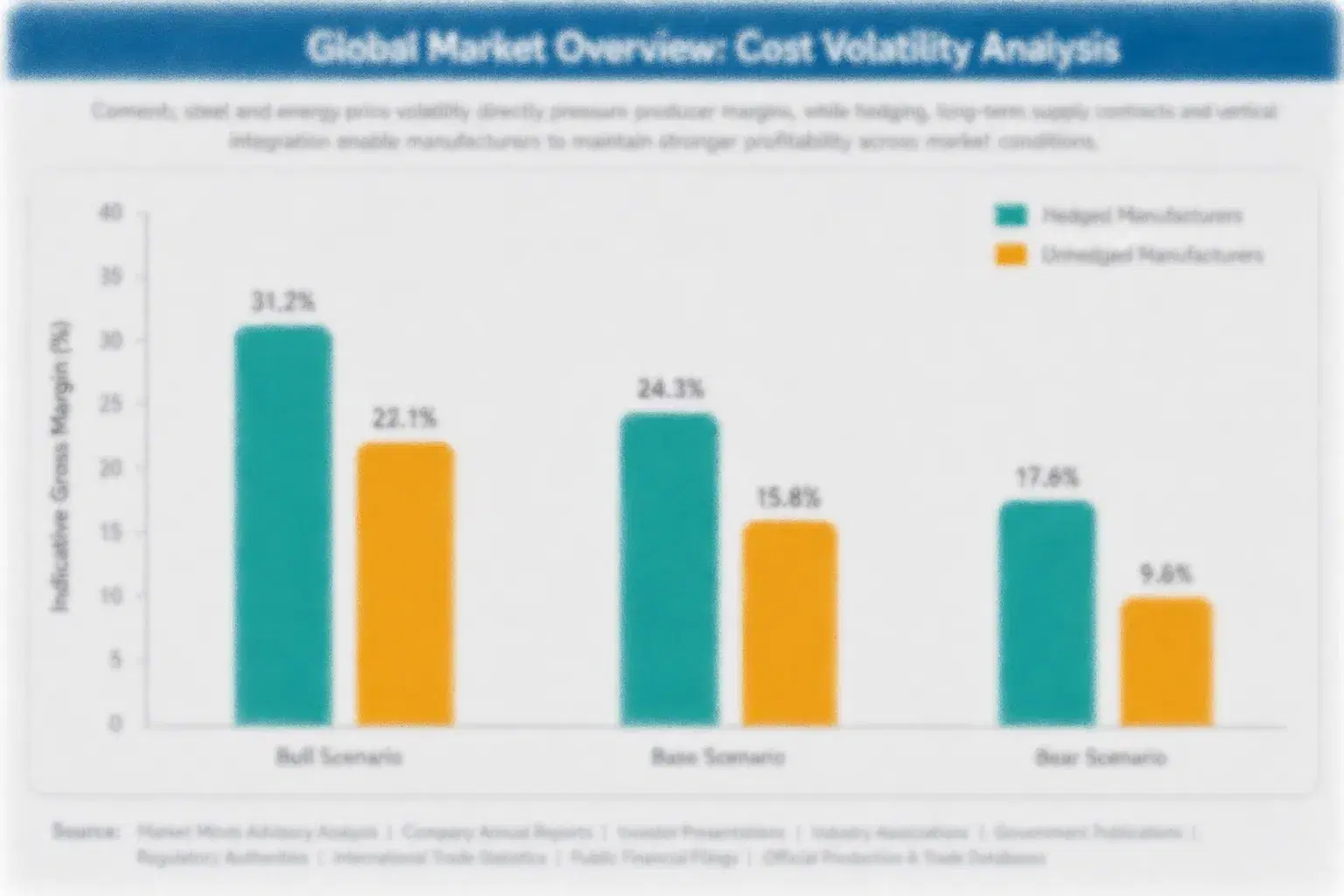
Base crude oil and specialty additive inputs account for roughly 37% of direct manufacturing cost of goods sold for paraffinic transformer oil, sourced primarily from paraffinic-rich crude producers concentrated in the Middle East, India, and the United States. Oxidation inhibitor and pour point depressant additives add a further meaningful cost share, subject to the same crude oil price volatility affecting broader petroleum product manufacturing.
Crude oil prices spiked sharply during 2022 following Russian export disruption affecting global supply balances, a volatility event documented in IEA oil market reporting and corroborated by Shell annual report disclosures citing higher feedstock costs that period. Suppliers that had not locked in multiyear crude supply contracts faced the sharpest margin compression, with some smaller refiners reporting meaningfully reduced output during the most volatile months of that period.

This cost exposure creates a durable competitive disadvantage for smaller refiners lacking the purchasing scale to negotiate multiyear crude supply agreements, forcing them to pass through volatility to utility customers faster than larger rivals with diversified procurement. Exposure also varies by geography, since refiners near low-cost paraffinic crude sources face less volatility risk than those relying on imported feedstock in other manufacturing regions.
paraffinic-transformer-oil-market-cost-volatility-analysis-1791074350332

Long-Term Paraffinic Crude Supply Contracts

Suppliers are increasingly locking long-term fixed-volume contracts with paraffinic crude producers near refining facilities, trading some pricing flexibility for protection against the kind of sharp 2022 style crude spikes that compressed smaller competitors' margins the most severely during that volatile period. This approach provides budget predictability that smaller competitors without comparable purchasing scale cannot easily replicate on their own.

Vertical Integration Into Additive Production

Several large suppliers are investing in vertical integration into oxidation inhibitor and additive production, reducing dependence on third-party additive suppliers and capturing margin previously paid to intermediaries while gaining better visibility into underlying feedstock cost trends over time. This strategy requires substantial upfront capital investment that only the largest suppliers can justify given current order volumes.

Portfolio Architecture for Margin Defence

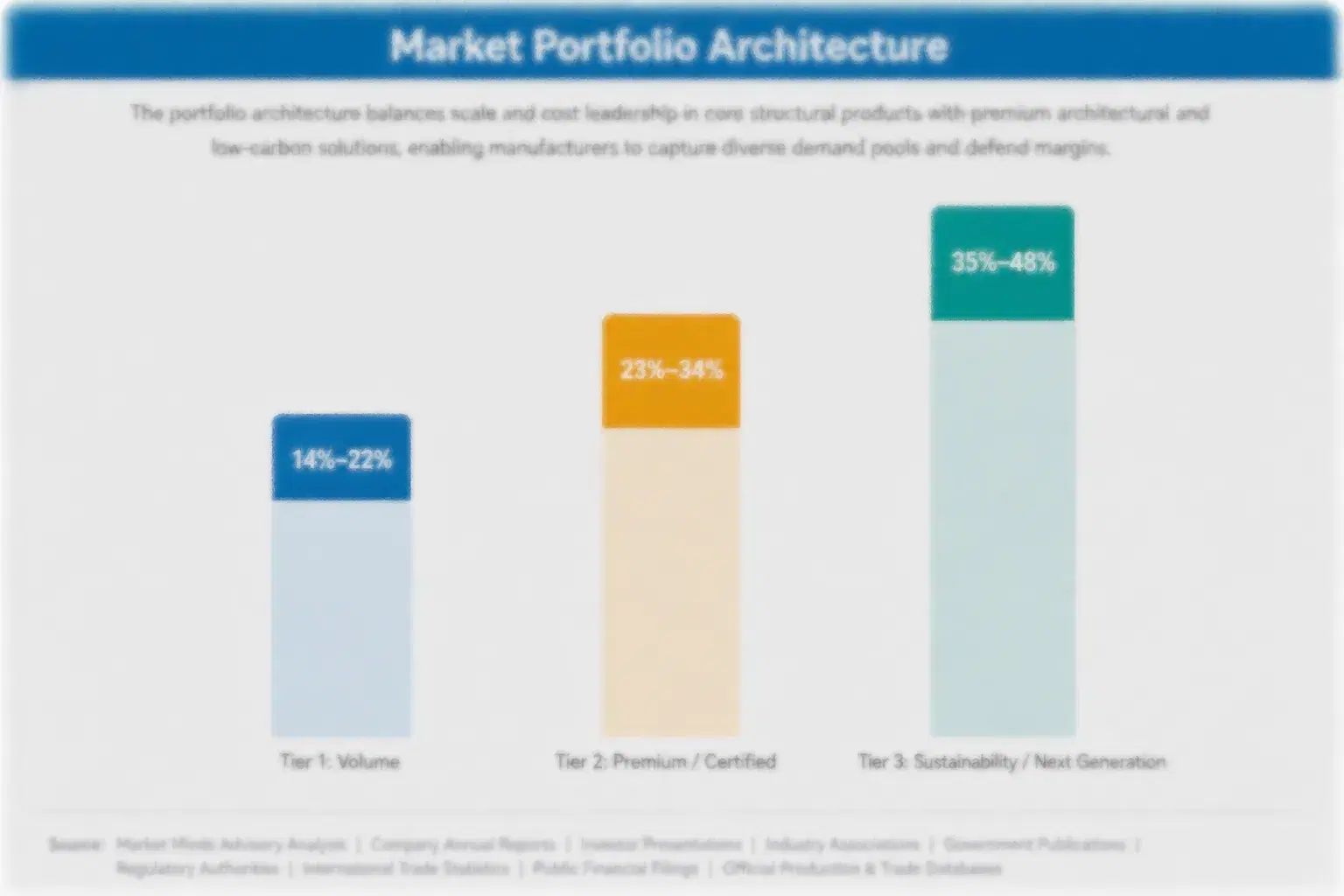
Paraffinic transformer oil margin economics split sharply across three tiers, from commodity standard formulations through certified premium grades to next-generation high-oxidation-stability and bio-based alternatives. The gap between tiers has widened as grid reliability standards push more volume toward the highest-margin premium technologies, reshaping where suppliers should concentrate capital and refining investment going forward. Volume-tier suppliers face the steepest margin pressure.
Volume-tier standard formulations carry gross margins around 14 to 22%, reflecting intense price competition among numerous refiners offering largely interchangeable commodity oil with minimal differentiation. Premium certified high-oxidation-stability grades earn 28 to 38% margins, rewarding suppliers with proven field performance records and documented reliability data that smaller rivals struggle to replicate at comparable scale. Pricing power flows to suppliers who can prove reliability.

The highest-value pools concentrate in next-generation bio-based and ultra-high-purity formulations, where margins reach 38 to 52% given the refining complexity and limited supplier base capable of meeting the strictest grid reliability and environmental standards. This volume versus premium tension increasingly determines which suppliers thrive, as those stuck competing in the commodity tier face eroding returns even as overall grid construction volume continues growing.

Standard paraffinic formulations sold largely on price, carrying gross margins around 14 to 22% amid intense regional competition and minimal product differentiation across most supplier offerings. Competition here is largely driven by cost rather than engineering differentiation of any kind.
Gross Margin

Certified high-oxidation-stability grades with documented field performance records, earning 28 to 38% gross margins from established suppliers with proven reliability data over many years of operation. These suppliers increasingly dominate new grid specification wins across major utility operators.
Gross Margin

Bio-based and ultra-high-purity formulations commanding 38 to 52% margins given refining complexity and a limited qualified supplier base able to meet the strictest reliability standards. These formulations represent the newest and most technically demanding category currently in the market.
Gross Margin
paraffinic-transformer-oil-market-portfolio-architecture-1791074350660

High-value Sub-segments and Strategic Watch-out

High-Oxidation-Stability Paraffinic Oil for Grid Transformers

High-value and fastest-growing, driven by expanding grid modernization investment pushing default specification of premium formulations across new substations entering construction today. Suppliers with proven multi-grid delivery records are capturing most of this strong growth opportunity. Orderbooks for qualified suppliers already extend years into the future.

Standard Paraffinic Transformer Oil

High-value with moderate but steady growth, anchored by installed base replacement cycles and utilities prioritizing total installed cost over long-term reliability during active decisions. Adoption of newer technology remains limited among utilities prioritizing total lifecycle cost. Replacement demand should stay steady rather than accelerating meaningfully going forward.

Naphthenic Transformer Oil

Volume core of the broader insulating fluid market, serving legacy applications where conversion has not yet occurred and price competition keeps margins compressed across most bids. Indian suppliers are steadily narrowing the quality gap on these standard commodity formulations today. Margins here remain the thinnest across the insulating fluid category.

Bio-Based Insulating Fluid Alternatives

Strategic watch-out as this emerging category could capture share from both ends of the market depending on how environmental and biodegradability requirements evolve across jurisdictions. Early movers in this niche could establish lasting technical specification leadership over rivals. This remains an early-stage niche worth monitoring closely over time.

Asset-Life Replacement Economics

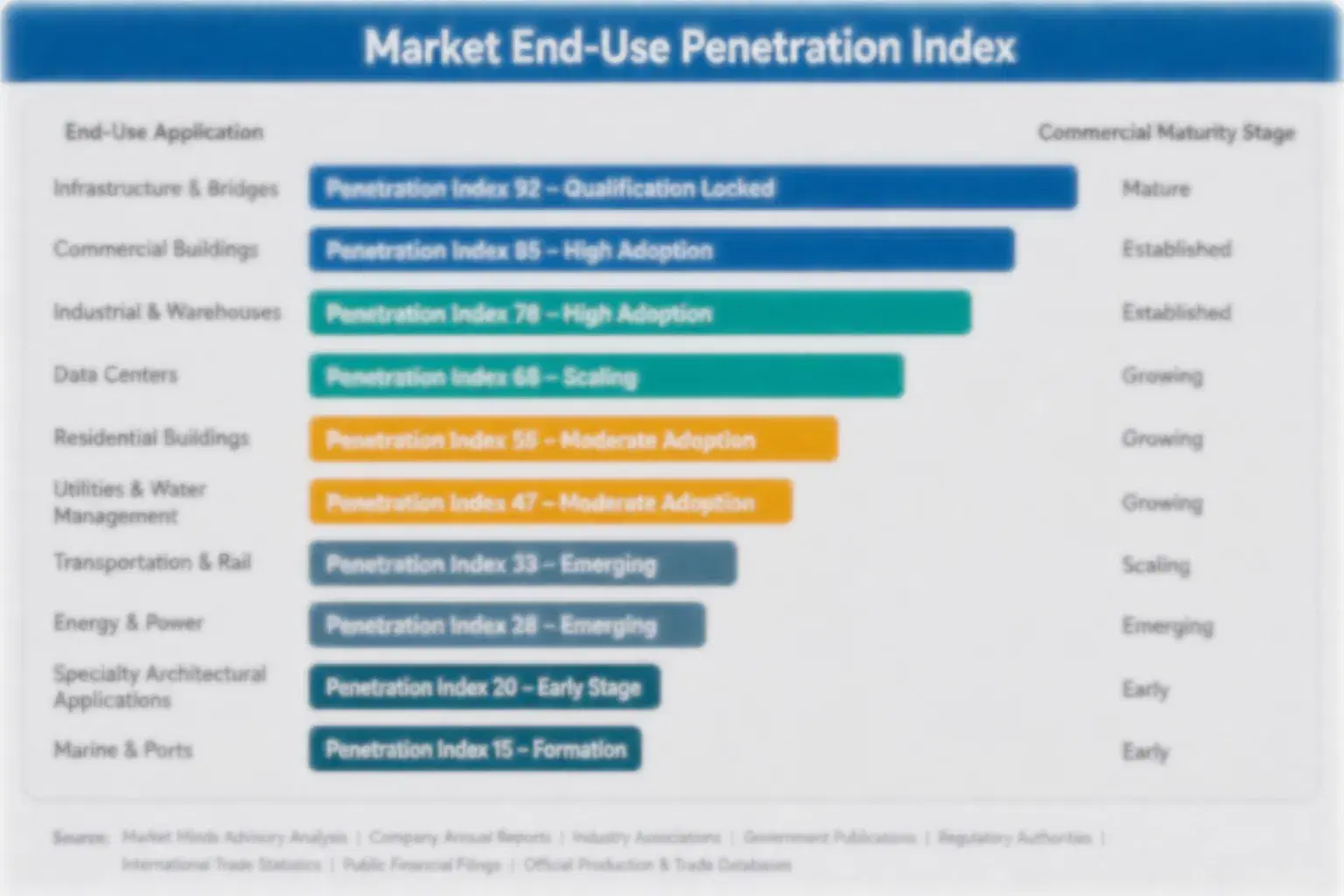
Paraffinic transformer oil demand runs on asset-life replacement economics rather than frequent repeat purchase, since an oil choice is locked in at transformer manufacturing and then supplies the entire topping volume for a transformer's twenty-five to thirty-five year operating life. Once a utility selects an oil supplier during transformer procurement, that relationship typically holds through decades of subsequent operation, giving incumbent suppliers rare long-term revenue visibility.
Adoption stickiness varies sharply by end-use vertical. Large grid operators rarely switch oil suppliers mid-asset-life, since requalification carries real cost and reliability risk that few utility engineers want to absorb once a transformer is energized and carrying load. Smaller municipal utilities switch more readily between suppliers, often weighting price and delivery speed over deep engineering history, since their standard distribution transformers carry less application-specific complexity than large grid transformers.

A generational shift in buyer profiles is underway as utility engineering teams increasingly weight documented oxidation stability data and field performance records more heavily than predecessors did, favoring suppliers that can demonstrate verified reliability over time. Younger grid engineers also rely more on digital asset monitoring platforms that flag oil degradation and maintenance needs automatically, shifting purchasing influence toward documented, data-driven supplier comparisons.
paraffinic-transformer-oil-market-end-use-penetration-index-1791074350982

The MMA Verdict

These are among the four positions where our research anticipates prominent divergence between winners and laggards over the coming forecast period. Each is grounded in the demand model, the regulatory perimeter, and the announced capacity pipeline.
01 / OXIDATION STABILITY INVESTMENT

Build documented field performance data now

Documented oxidation stability depth, not raw refining scale, is what determines access to the fastest-growing premium segment of this market through the forecast period. Suppliers lacking proven field performance records today are already losing specification wins to competitors with documented reliability data, and that gap widens as more grid operators tighten qualification requirements for new transformer installations. Building this capability now should be the first priority for any supplier targeting durable share gains across every major grid category and climate served.
02 / REFINING CAPACITY EXPANSION

Invest in dedicated paraffinic refining capacity now

Dedicated high-purity refining capacity represents a genuine competitive advantage on the most demanding grid-grade orders, and suppliers without specialized refining investment risk ceding specification entirely to competitors already offering the tightest purity documentation. Suppliers should pursue capacity investment now rather than waiting for utilities to mandate it, since early movers are already capturing premium pricing on documented quality. Delaying this investment risks permanent competitive disadvantage in the fastest-growing grid categories, where operators increasingly treat purity documentation as a baseline bid requirement.
03 / CRUDE SOURCING DIVERSIFICATION

Build diversified paraffinic crude sourcing now

Suppliers with diversified paraffinic crude sourcing hold a durable advantage over competitors dependent on a single supplier or region, since price spikes and supply disruptions hit concentrated procurement hardest during the most volatile periods. Suppliers should prioritize sourcing diversification across multiple regions, crude grades, and long-term supplier relationships rather than optimizing solely for lowest-cost single sourcing alone. This resilience increasingly separates reliable suppliers from those exposed to sudden margin shocks whenever commodity volatility strikes unexpectedly across any single sourcing region.
04 / INDIAN COMPETITION RESPONSE

Compete on documented purity, not price alone

Indian suppliers' cost advantage in commodity grade oil is rooted in lower labor and refining costs and is unlikely to close through pricing alone, so established producers competing purely on price in that tier are fighting for a shrinking, thinning-margin pool of business. The more durable path is competing on documented oxidation stability depth and utility engineering relationships where unit cost matters less than proven reliability. Chasing commodity volume defensively drains resources better spent building certified capacity and deeper utility relationships instead, where margins hold up far better.

Engagement Snapshot From the Field

A live engagement with an industry participant carrying material or product regulatory and market exposure ahead of a defining policy shift, showing how our research translates into a defensible multi-year portfolio strategy.
MARKET MINDS ADVISORY · CLIENT ENGAGEMENT SUMMARY
Paraffinic Transformer Oil Producer Strategic Portfolio Review and Transition Roadmap 2026·Investment Scenario on Paraffinic Transformer Oil Exposure Evaluation 2025-26
CLIENT PROFILE
The client is a regional electricity transmission operator serving a multi-state service territory in the United States, with annual revenue exceeding two billion dollars (client-reported, unverified by MMA). The company faced an aging transformer fleet with rising failure rates and needed to decide between standard oil topping and comprehensive conversion to high-oxidation-stability formulations across its highest-risk substations.
STRATEGIC CHALLENGE
The client's maintenance team favored continuing standard oil topping as a lower-cost interim solution, while its reliability engineering team pushed for comprehensive conversion to premium formulations given documented failure trends at aging substations. Internal disagreement centered on whether the capital investment required for conversion justified the avoided outage risk, and the client needed external, data-grounded input before finalizing its budget.
MMA APPROACH
MMA conducted structured interviews with seven qualified oil suppliers, benchmarking documented oxidation stability data, failure rate reduction evidence, and current supply capacity against the client's substation risk assessment. The team modeled total cost of ownership across conversion scenarios using MMA's primary survey dataset covering comparable regional grid modernization programs to quantify the avoided outage cost before the client made its final decision.
KEY FINDINGS
  1. Comprehensive conversion cost approached 25% more upfront than continued topping but addressed documented failure risk at aging substations. across the client's broader service territory.
  2. Two of seven suppliers evaluated lacked sufficient field performance data to satisfy the client's substation risk assessment requirements fully. for the client's substation configurations.
  3. Avoided outage costs from premium formulation conversion were projected to offset the upfront premium within approximately four years of operation. under the fleet's current loading conditions.
  4. Suppliers with dedicated grid operator account teams quoted meaningfully narrower delivery variance than generalist distributors bidding on the contract. given their established delivery history.
CLIENT PROFILE
The client is a regional electricity transmission operator serving a multi-state service territory in the United States, with annual revenue exceeding two billion dollars (client-reported, unverified by MMA). The company faced an aging transformer fleet with rising failure rates and needed to decide between standard oil topping and comprehensive conversion to high-oxidation-stability formulations across its highest-risk substations.
STRATEGIC CHALLENGE
The client's maintenance team favored continuing standard oil topping as a lower-cost interim solution, while its reliability engineering team pushed for comprehensive conversion to premium formulations given documented failure trends at aging substations. Internal disagreement centered on whether the capital investment required for conversion justified the avoided outage risk, and the client needed external, data-grounded input before finalizing its budget.
MMA APPROACH
MMA conducted structured interviews with seven qualified oil suppliers, benchmarking documented oxidation stability data, failure rate reduction evidence, and current supply capacity against the client's substation risk assessment. The team modeled total cost of ownership across conversion scenarios using MMA's primary survey dataset covering comparable regional grid modernization programs to quantify the avoided outage cost before the client made its final decision.
KEY FINDINGS
  1. Comprehensive conversion cost approached 25% more upfront than continued topping but addressed documented failure risk at aging substations. across the client's broader service territory.
  2. Two of seven suppliers evaluated lacked sufficient field performance data to satisfy the client's substation risk assessment requirements fully. for the client's substation configurations.
  3. Avoided outage costs from premium formulation conversion were projected to offset the upfront premium within approximately four years of operation. under the fleet's current loading conditions.
  4. Suppliers with dedicated grid operator account teams quoted meaningfully narrower delivery variance than generalist distributors bidding on the contract. given their established delivery history.
RECOMMENDED STRATEGY
Phase 1: Proceed with comprehensive conversion at the highest-risk substations identified in the reliability assessment rather than continuing standard topping. across the broader territory. Phase 2: Select suppliers with documented field performance data matching the client's specific climate conditions and transformer configurations closely. before finalizing any purchase orders. Phase 3: Negotiate a phased conversion schedule allowing pilot deployment at select substations before committing to full fleet-wide conversion volume. before committing to full installation.
OUTCOME
The client proceeded with comprehensive conversion across its highest-risk substations and reported a measurable reduction in transformer-related outage incidents within the first year of operation compared to the prior reporting period (client-reported, unverified by MMA). Reliability leadership described the conversion program as meaningfully more effective than anticipated.

Frequently Asked Questions

Foundational context covering the market sizes, CAGR, scope, country, region and competition that inform every finding below. This section is provided to cover basics and most often pre-purchase conversations, answered from the MMA Primary Research Dataset.

What is the current size of the Paraffinic Transformer Oil Market?

The Paraffinic Transformer Oil Market is valued at $2.95 billion in 2025. This base figure covers petroleum-based insulating fluids used in power and distribution transformer applications.

How large will the Paraffinic Transformer Oil Market be by 2036?

MMA projects the market will reach $4.89 billion by 2036. That represents a 1.58x expansion over the 2026 base as grid modernization and reliability pressures both intensify.

What is the CAGR for the Paraffinic Transformer Oil Market 2026 to 2036?

The market is forecast to grow at a 4.7% CAGR between 2026 and 2036. The bull case reaches 6.0% while the bear case falls to 3.4%, tied to utility capital spending.

Which segment is growing fastest?

High-Oxidation-Stability Paraffinic Oil for Grid Transformers leads at a 6.8% CAGR, roughly 1.45 times the overall market rate. Standard paraffinic oil follows at a slower pace.

Who are the major companies in the Paraffinic Transformer Oil Market?

Leading suppliers include Nynas, Ergon, Shell, Apar Industries, and Savita Oil Technologies. These five hold a combined CR5 of 39% on reported oil revenue industry-wide.

Which country is growing fastest?

India is the fastest-growing major market at a 6.1% CAGR. Aggressive grid electrification programs and rapid new substation construction activity are the primary drivers behind this pace.

Report Segmentation Architecture

The full report scope spans multiple orthogonal segmentation dimensions, with cross-tabulated demand data provided for each dimension pair. Coverage extends further to regional breakdowns, trend trajectories, and the competitive detail needed to support segment-level decision-making.
  • High-Oxidation-Stability Paraffinic Oil for Grid Transformers
  • Standard Paraffinic Transformer Oil
  • Naphthenic Transformer Oil
  • Bio-Based Insulating Fluid Alternatives
  • Synthetic Ester Insulating Fluids
  • Grid Transmission and Distribution Utilities
  • Industrial Power Generation
  • Renewable Energy Interconnection
  • Rail and Transit Electrification
  • Direct Chemical Supply to Utilities
  • Distribution Through Oil Wholesalers
  • Topping and Maintenance Service Contracts

By Region

  • North America
  • East Asia
  • Western Europe
  • South Asia and Pacific
  • Latin America
  • Middle East and Africa
  • Eastern Europe

Scope, Methodology, and Coverage

Every figure in this report is reproducible from documented input assumptions. The scope below maps the historical period, the forecast horizon, the segmentation dimensions, and the countries covered, alongside the underlying primary and qualitative methodology.
Historical Period
2020 to 2025
Forecast Period
2026 to 2036
Base Year
2025 (USD billions; MMA Primary Research Dataset, October 2026)
Market Definition
The Paraffinic Transformer Oil Market covers petroleum-based insulating and cooling fluids engineered for power and distribution transformer applications. It excludes naphthenic transformer oils, synthetic ester fluids, and industrial lubricating oils outside electrical insulation applications.
Quantitative Units
USD billions (current prices); CAGR in percent
Segmentation Dimensions
By Oil Formulation; By End-Use Industry; By Commercial Dimension; By Region
Regions Covered
North America, East Asia, Western Europe, South Asia and Pacific, Latin America, Middle East and Africa, Eastern Europe
Countries Covered
India, China, USA, Germany, France, UK, Russia, Saudi Arabia, UAE, South Africa, Brazil, Mexico, Poland, Japan, South Korea, Australia, Indonesia, Vietnam
Key Companies Profiled
Nynas, Ergon, Shell, Apar Industries, Savita Oil Technologies, Repsol, Hindustan Petroleum, Indian Oil Corporation, Lukoil, Gazpromneft, Panama Petrochem, Raj Petro Specialities, Sinopec Lubricant, PetroChina Lubricants, ExxonMobil, Total Energies, Idemitsu Kosan, SK Lubricants, Petronas Lubricants, Sonneborn
Quantitative Methodology
Primary survey, n=3,800 respondents, Q4 2025, six countries; demand-side model with trade association cross-validation
Qualitative Methodology
47 expert interviews, Q4 2025; applied to validate demand model assumptions, identify emerging dynamics, and assess competitive positioning
Report Format
PDF and XLSX data workbook (Word format preview document)
Publisher
Market Minds Advisory
Report Code
MMA-2026-ENE-205
Published
October 2026
Contact
sales@marketmindsadvisory.com | www.marketmindsadvisory.com

Purchase the full Paraffinic Transformer Oil Market Report (2026 to 2036).

This report delivers a complete sizing, segmentation, and competitive assessment of the global paraffinic transformer oil market through 2036. It covers demand drivers across grid transmission, distribution, and renewable interconnection applications, alongside the shift from standard formulations toward high-oxidation-stability and bio-based alternatives, with detailed regional analysis spanning all seven major world regions. Competitive profiling includes twenty leading suppliers assessed on a consistent revenue basis, with detailed input cost and portfolio margin analysis supporting capital allocation decisions. The analysis draws on primary survey data, expert interviews, and company disclosures gathered throughout 2025 and 2026.
Seven-region demand sizing data through 2036
Five-segment MECE market breakdown framework included
Twenty-company competitive benchmarking and risk profiling
Crude feedstock and additive cost exposure analysis
Three-tier portfolio margin analysis framework included
Anonymized client case study with measured outcomes

Built For The People Who Decide

From boardroom strategy to bench-side execution, this report is read cover-to-cover by leaders shaping the next decade of their industry, turning demand scenarios, market dynamics and valuation benchmarks into decisions.
CXOs/ Presidents/ VPs/ Managers
M&A and Corporate Development
Strategy Teams and R&D Heads
Procurement and Product Directors
Regulatory and Compliance Leaders
Investor Relations and Equity Analysts