Market Minds Advisory
Paper Tapes Market

Paper Tapes Market: Sold On Sustainability, Bought For Labour

Water-activated tape bonds into the corrugated fibre itself, so one strip does what three strips of plastic tape were doing, and the labour saving is what actually closes the sale.

Lead Analyst

Published

September 2026

Make Smarter Decisions with Customized Research Insights

Request a free sample report and evaluate market opportunities, growth trends, and competitive dynamics relevant to your business needs.

2025 MARKET VALUE$4.8BMarket Size 2025
2036 FORECAST VALUE$9.5BBase Case , 2026 to 2036
CAGR 2026 TO 20366.4 %Bull 7.6% / Bear 5.2%
INCREMENTAL OPPORTUNITY$4.4BNet 10- year value creation
EXPANSION MULTIPLE1.86x2036 value over 2026 base
Strategic Levers
M&A Pipeline
Regional Outlook
Country Rankings
Competitive Intelligence
Segmental Deep-dive
Call-Us : 91 93563 13602

Executive Snapshot and Market Trajectory

Two unrelated businesses share this category. Industrial masking tape is mature, technically demanding and sold on how cleanly it comes off after heat. Carton sealing paper tape is growing quickly on plastic substitution and on a labour argument that almost nobody markets properly. The labour saving dwarfs the price gap.
East Asia holds 30% of value because Chinese converting capacity for masking and packaging tapes is the largest anywhere and regional carton volumes have no equivalent, while Japanese producers supply the highest specification industrial grades globally. Reinforced water-activated tape grows at 9.6%, half again the market rate of 6.4%, since fibreglass reinforcement lets a single strip seal a heavy carton that plastic tape could not hold. A single reinforced strip replaces three plastic ones outright.
Concentration is low at 31% and the adoption barrier is not price. Water-activated tape needs a dispenser that wets and cuts it, which is a capital item on a packing bench, so a customer without one cannot buy the tape at any price. Whoever installs the machine effectively owns that bench for years afterward. Suppliers who place dispensers hold the account afterward, while those quoting tape alone rarely get near it.
Market Definition
The market covers paper-based adhesive tapes used in packaging, industrial and converting applications, including water-activated gummed kraft tape, reinforced water-activated tape, self-adhesive kraft paper tape, paper masking tape, paper splicing tape and double-sided paper tape. Filmic and plastic-backed tapes, cloth and duct tapes, foil tapes, labels and label stock, adhesives sold in bulk, and strapping are excluded. Tape dispensing machinery and contract converting services fall outside scope.
Base Year Value
$4.8B in 2025 (MMA Primary Research Dataset, August 2026)
Forecast Period
2026 to 2036, eleven discrete annual values
CAGR
6.4% base case. Bull 7.6%. Bear 5.2%.
Fastest Growth Segment
Reinforced Water-Activated Tape: 9.6% CAGR
Fastest Growth Country
India: 8.4% CAGR
Fastest Growth Region
South Asia and Pacific: 8.4% CAGR
Largest Region
East Asia: 30% of 2025 global value
Market Leaders
3M, Intertape Polymer Group, Nitto Denko, Shurtape Technologies, tesa SE. Source: MMA Analysis based on disclosed adhesive tape revenue, company annual reports 2025.
Primary Survey
n=3,800 procurement and R&D decision-makers, Q4 2025, six countries
Methodology
Demand-side build-up, cross-validated against public data, 47 expert interviews

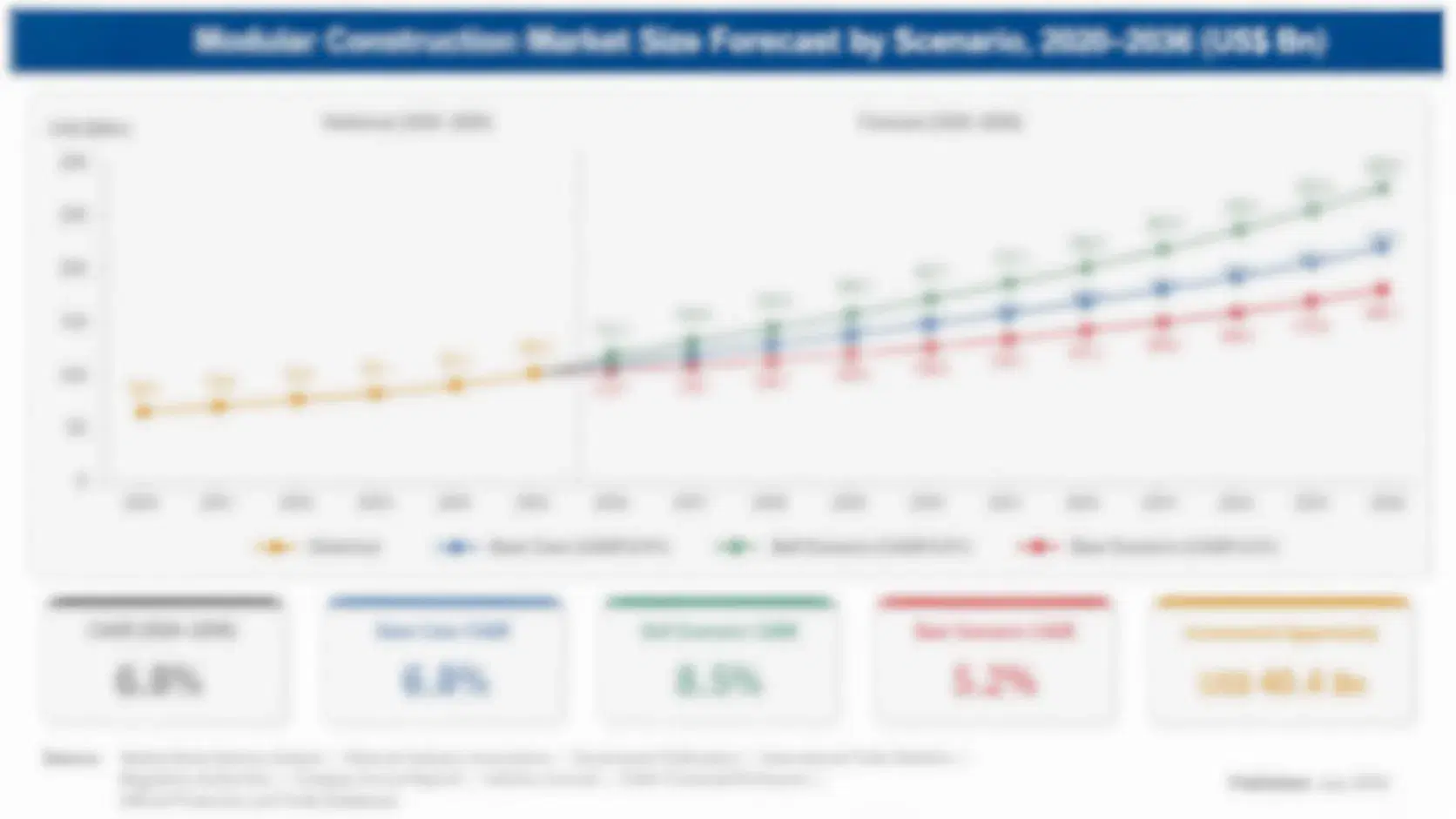
Paper Tapes Market Forecast Scenarios

paper-tapes-market-size-forecast-scenario-1787689976882
Growth from 2020 to 2025 ran at 5.4% and the two halves of this category behaved quite differently. Carton sealing volumes rose sharply through 2020 and 2021 with online order growth, then settled above where they started, while paper alternatives took share from plastic on both regulatory and brand pressure. Industrial masking demand tracked automotive refinish and construction activity and grew slowly throughout.
The 6.4% base case rests on three mechanisms. Plastic packaging regulation and extended producer responsibility fees keep pushing carton sealing toward paper, regardless of relative cost. Water-activated tape adoption continues wherever dispensers get placed, since one strip replaces three and the labour saving is substantial across a packing operation. And Asian e-commerce fulfilment keeps expanding, converting operations that used no sealing tape at all into ones consuming it continuously. Each mechanism works independently of the others.
The bull case at 7.6% turns on major fulfilment operators standardising on water-activated tape across their networks, which would place dispensers at scale and take the adoption barrier away in a single decision. The bear case at 5.2% is recyclers continuing to tolerate plastic tape contamination in practice, which removes the regulatory urgency that much of the substitution argument depends upon.

The Dispenser Is The Real Barrier

Water-activated tape works because the starch adhesive penetrates and bonds into the corrugated fibre rather than sticking to its surface. That produces a seal which cannot be lifted without visibly tearing the board, and it means one strip does what three strips of pressure-sensitive plastic tape were doing. A packer applying one strip instead of three saves time on every carton, and across a shift that saving dwarfs any difference in tape cost.
FIVE-FIRM CONCENTRATION31%Share of adhesive tape revenue held by leading manufacturers
GUMMED TAPE COST$0.09 per cartonTypical sealing cost using water activated tape per carton
TOP PRODUCING COUNTRYChina 28%Chinese share of global paper tape converting output annually
STRIPS PER CARTON3 to 1Plastic tape strips replaced by a single gummed strip
DISPENSER CAPITAL COST$1,900Typical price of an electric water activated tape dispenser
BAKE REMOVAL FAILURE4.2%Masking tape failures leaving residue after paint curing cycles
The obstacle is a machine rather than a price. Gummed tape has to be wetted and cut, which requires a dispenser costing around 1,900 dollars sitting on each packing bench. An operation with fifty benches faces a capital decision before it can buy a single roll. Adoption tracks dispenser placement rather than tape pricing as a result.
The masking half of this market runs on entirely different physics. A paper masking tape holding a paint line through a curing bake must come off cleanly afterward, and roughly 4.2% of failures leave residue that requires rework costing many times the tape. Automotive refinish, aerospace and coatings customers therefore buy on removal performance after heat rather than on adhesion or price.
"Everybody pitches the sustainability story and the customer nods politely. Show them one strip instead of three across a shift and they start asking how quickly you can install the dispensers."
Director, Adhesive Tapes and Packaging Materials Practice · MMA Packaging Practice · August 2026

Market Trends

Dispenser Placement Rather Than Tape Price Drives Adoption

Gummed tape cannot be used without a machine that wets and cuts it, and at around 1,900 dollars per bench a fulfilment operation with fifty stations faces a capital approval before it buys any tape. Suppliers who place, fund or lease dispensers convert that barrier into a service arrangement and hold the account for as long as the equipment sits there. Competitors quoting rolls against an installed base they did not place are competing for a decision that was effectively made when the machines arrived on the packing benches. Placement is the whole game.
Market Impact: Covers 24 regulated jurisdictions
Reinforced Grades Extend Paper Into Heavy Carton Sealing

Fibreglass reinforcement running through the gummed kraft layer gives a paper tape the tensile strength to hold heavy or over-packed cartons that plain paper could not. Growth at 9.6% comes from applications previously closed to paper entirely, including industrial distribution and heavy consumer goods. The tape costs considerably more per metre and still requires only one strip, which keeps the labour argument intact. Suppliers positioning reinforced grades as a premium version of standard gummed tape are missing that these are opening applications rather than upgrading existing ones. These are new applications, not upgrades.
Market Impact: Produces 28% of global output

Market Opportunities and Growth Drivers

Plastic Packaging Rules Push Carton Sealing Toward Paper

Extended producer responsibility fees and packaging regulation increasingly penalise plastic components on otherwise recyclable cartons, which moves sealing tape toward paper on compliance grounds rather than on performance or cost. Brand commitments have run ahead of regulation in several markets. Paper tape allows a carton into the recovered fibre stream without removal, and while most recyclers tolerate plastic tape in practice, the reputational argument works regardless. Compliance deadlines create demand on fixed dates, which suits suppliers who prepared capacity beforehand. Preparing capacity ahead of a deadline is worth more than any product advantage.
Market Impact: Stalls conversions at 1,900 dollars

Asian Fulfilment Expansion Creates Entirely New Consumption

Chinese parcel volumes have no equivalent anywhere and continue growing, while Indian and Southeast Asian fulfilment networks are being built now rather than converted from anything. Chinese converting output accounts for roughly 28% of global paper tape production and serves both domestic demand and export. Operations built recently specify sealing methods at design rather than inheriting them, which makes them unusually open to water-activated systems that established Western operations resist because of the dispenser investment. That difference matters commercially more than any regional price gap. Established Western operations resist the dispenser investment far more than new Asian ones do.
Market Impact: Weakens claims across 24 jurisdictions

Market Restraints and Challenges

Capital Barrier Blocks Conversion Regardless Of Tape Economics

A dispenser at roughly 1,900 dollars per packing bench turns a consumables decision into a capital approval, and an operation with many stations faces a sum that requires justification nobody has prepared. Root cause is that the tape and the equipment are bought by different processes with different approval thresholds. The commercial impact is stalled conversions where the operating case is entirely sound. Mitigation runs through leasing, placement and cost-per-carton contracting, which several suppliers now offer and most still do not. Very few converters offer any of those structures today.
Market Impact: Requires 1,900 dollars per bench

Recyclers Tolerate Plastic Tape In Practice

Paper tape lets a carton enter the recovered fibre stream without removal, and in practice most recycling operations process cartons sealed with plastic tape without difficulty. Root cause is that pulping equipment removes tape residue mechanically, which makes the contamination argument weaker than the industry presents it. The commercial impact is that regulatory urgency behind substitution is softer than marketing suggests, and cost-conscious buyers notice. Mitigation means leading with labour and tamper evidence, which are genuine advantages rather than contested environmental claims. Both are genuine rather than contested, which makes them considerably easier to defend.
Market Impact: Opens 40 kilogramme carton sealing
3 additional market trends, 4 additional growth drivers, and 2 additional restraints and challenges are covered in the full report. Contact sales@marketmindsadvisory.com to access the complete intelligence.

Segment CAGR and Growth Architecture

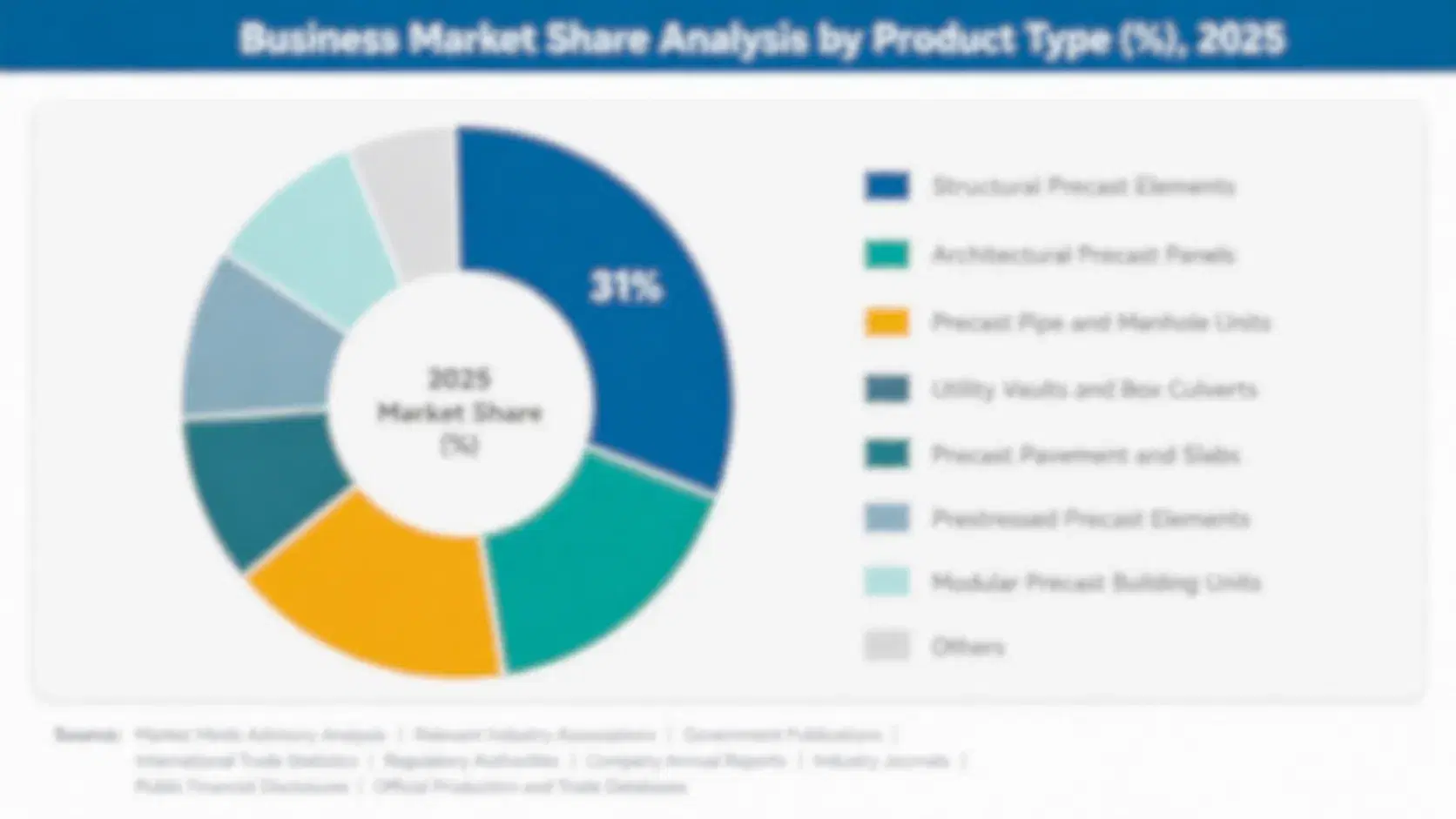
Segmentation follows tape construction: what the backing and adhesive system are and how the tape is activated, rather than which industry uses it or how it is sold. Six constructions cover the market without overlap, from gummed kraft through to double-sided paper tape. End-use industry and commercial arrangement are treated separately, since both cut across every construction.
paper-tapes-market-market-share-analysis-1787689977144

Reinforced Water-Activated Tape

Fibreglass filaments running through the gummed kraft give a paper tape tensile strength that plain paper cannot approach, which brings heavy and over-packed cartons into applications previously closed to paper altogether. Growth at 9.6%, half again the market rate of 6.4%, comes from opening new applications rather than from upgrading existing gummed tape users. Cost per metre is considerably higher and the single-strip labour advantage remains intact, so the total sealing cost frequently still favours it. Suppliers presenting reinforced grades as a premium variant of standard gummed tape are describing the product accurately and selling it into the wrong conversation entirely. Operations that dismissed paper years ago on strength grounds have not been approached since.
CAGR 9.6%

Water-Activated Gummed Kraft Tape

Starch adhesive activated by water penetrates into the corrugated fibre and bonds rather than adhering to the surface, which produces a seal that cannot be lifted without visibly damaging the board. Growth at 8.6% follows dispenser placement rather than tape pricing, since the tape is unusable without a machine costing around 1,900 dollars per bench. Tamper evidence and single-strip application are the genuine advantages, and both are operational rather than environmental. Suppliers leading with recyclability find customers agree politely and change nothing, while the labour arithmetic across a shift moves decisions considerably faster. Tamper evidence and single-strip application are both operational advantages rather than environmental ones. Recyclability earns polite agreement and changes nothing at all.
CAGR 8.6%
Full segment breakdown across 6 segments available in the complete report.

Regional Architecture and Country Demand Map

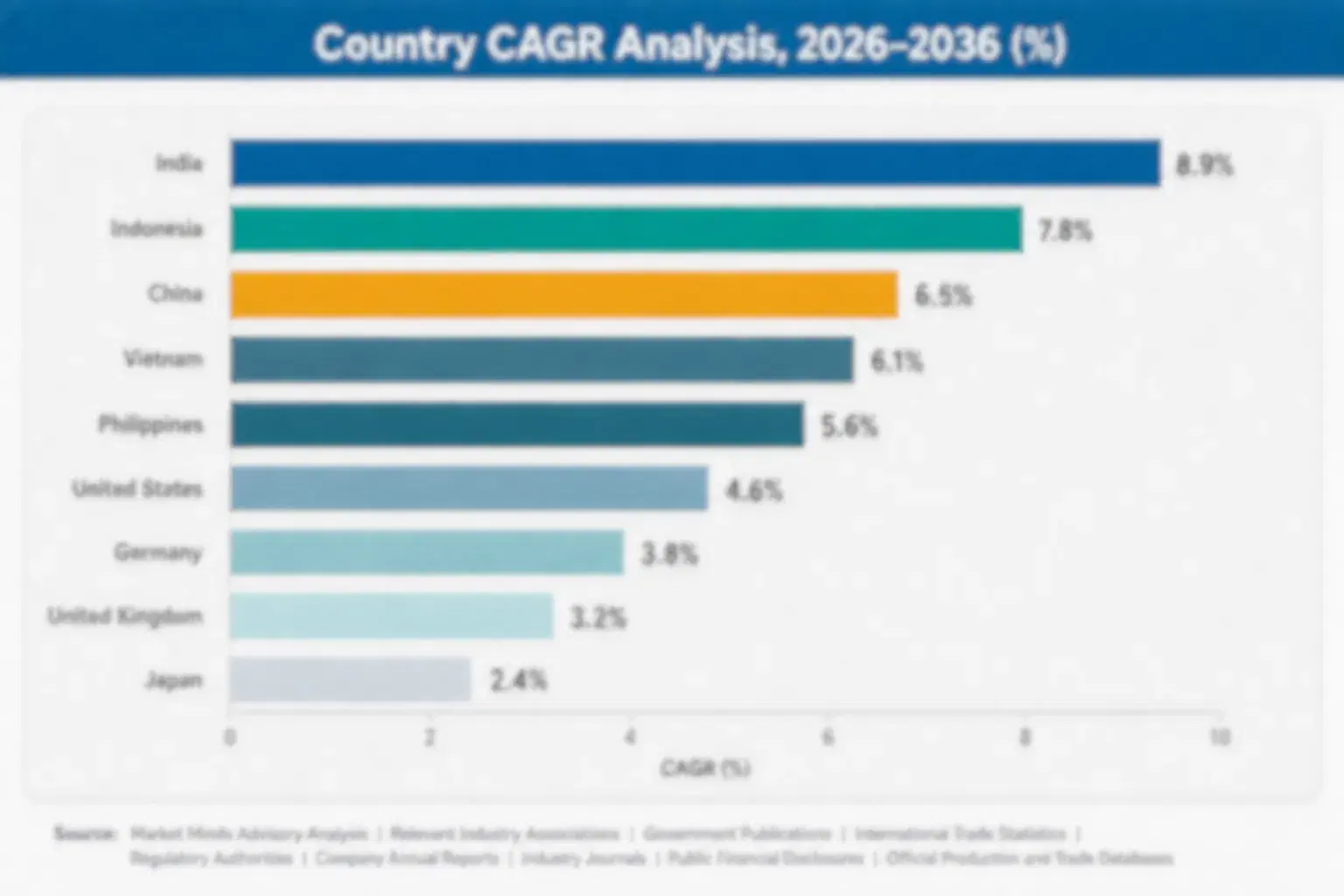
Geography follows converting capacity and carton volume rather than any technology position, since production capability is broadly comparable. East Asia leads on both output and consumption, North America drives water-activated adoption, and South Asia grows fastest of every region. Converting capacity and consumption happen to coincide here more than usual.

North America

American water-activated tape adoption is the most advanced anywhere, driven by large fulfilment operators who calculated the single-strip labour saving across enormous packing volumes and installed dispensers accordingly. Tamper evidence carried additional weight given parcel theft concerns. Industrial masking demand runs through automotive refinish, aerospace and construction, with removal performance after heat the deciding technical criterion. Canadian consumption follows similar patterns with a smaller converting base. Mexican demand has grown with nearshoring manufacturing and export packing, where cartons cross borders and tamper evidence carries genuine commercial value for shippers. Parcel theft made tamper evidence a commercial argument rather than a technical one, which accelerated adoption considerably beyond what the labour case alone would have achieved.
Share: 24% | CAGR: 5.8% (2026 to 2036)

Western Europe

European regulation and producer responsibility fees have pushed carton sealing substitution further here than anywhere, which makes paper tape adoption compliance-led rather than operationally led across much of the region. German and Italian converters supply high specification industrial masking grades used worldwide. British and Dutch fulfilment operations have adopted water-activated systems where parcel volumes justify dispenser investment. Nordic demand is smaller and quality-focused. Regional pricing is disciplined and tender-driven, and converters have absorbed more of the substitution cost than they have passed through to customers. Compliance rather than operating economics drives most conversion here, which produces adoption without the labour argument ever being properly made to anybody. The stronger case goes unmade.
Share: 22% | CAGR: 4.8% (2026 to 2036)
Regional intelligence for 5 additional markets available in the complete report: East Asia, South Asia and Pacific, Latin America, Middle East and Africa, Eastern Europe. Contact sales@marketmindsadvisory.com.
paper-tapes-market-country-cagr-analysis-1787689977449

Placing Machines To Sell Tape

A dispenser at roughly 1,900 dollars per bench blocks conversion regardless of tape economics, recyclers tolerate plastic tape in practice, and masking grades sell on removal after heat. Four levers work on capital structure, argument selection and technical positioning rather than on tape pricing. Tape pricing reaches none of those three problems at all.

Place Dispensers Rather Than Quote Tape Rolls

Water-activated tape is unusable without a machine costing around 1,900 dollars per packing bench, which converts a consumables purchase into a capital approval that stalls sound operating cases indefinitely. Suppliers who place, lease or fund dispensers remove that barrier entirely and hold the account for as long as the equipment remains installed. Competitors quoting rolls against an installed base they did not place are bidding on a decision effectively settled when the machines arrived. The investment is working capital rather than product development. Very few converters have built it. Placement is the position.
Market Impact: Removes a 1,900 dollar per bench capital barrier

Lead With Labour Arithmetic, Not Recyclability

One gummed strip replaces three strips of plastic tape, which saves time on every carton and compounds across a shift into a number a packing manager recognises immediately. Recyclers tolerate plastic tape in practice, so the environmental argument gets polite agreement and changes nothing. Suppliers who build the labour calculation from a customer's own carton throughput close conversions that sustainability presentations have failed to move for years. The requirement is a commercial team able to construct that model rather than deliver a message. One strip against 3 is arithmetic anybody can check.
Market Impact: Replaces 3 plastic strips with a single one

Sell Reinforced Grades As Application Openers

Fibreglass reinforcement lets paper tape seal cartons up to around 40 kilogrammes that plain gummed tape could never hold, which opens industrial distribution and heavy consumer goods to paper for the first time. Growth at 9.6% comes from those new applications rather than from existing gummed users trading up. Suppliers positioning reinforced tape as a premium variant are pitching to customers who already converted, while the genuine opportunity sits with operations that dismissed paper entirely on strength grounds and have never been approached since. Nobody is calling on them. That absence is the opportunity.
Market Impact: Opens carton sealing up to 40 kilogrammes each

Compete On Removal Performance In Masking Grades

A masking tape that leaves residue after a paint curing bake costs rework worth many times the tape, and roughly 4.2% of failures do exactly that. Automotive refinish, aerospace and coatings customers buy on clean removal after heat rather than on adhesion or price. Suppliers who test and document removal performance across curing profiles sell a specification rather than a product. That is an entirely different commercial discipline from carton sealing, and organisations running both through one sales team consistently underserve the technical half. The technical half is consistently underserved.
Market Impact: Prevents 4.2% of the masking tape removal failures

Who Controls the Margin Pool

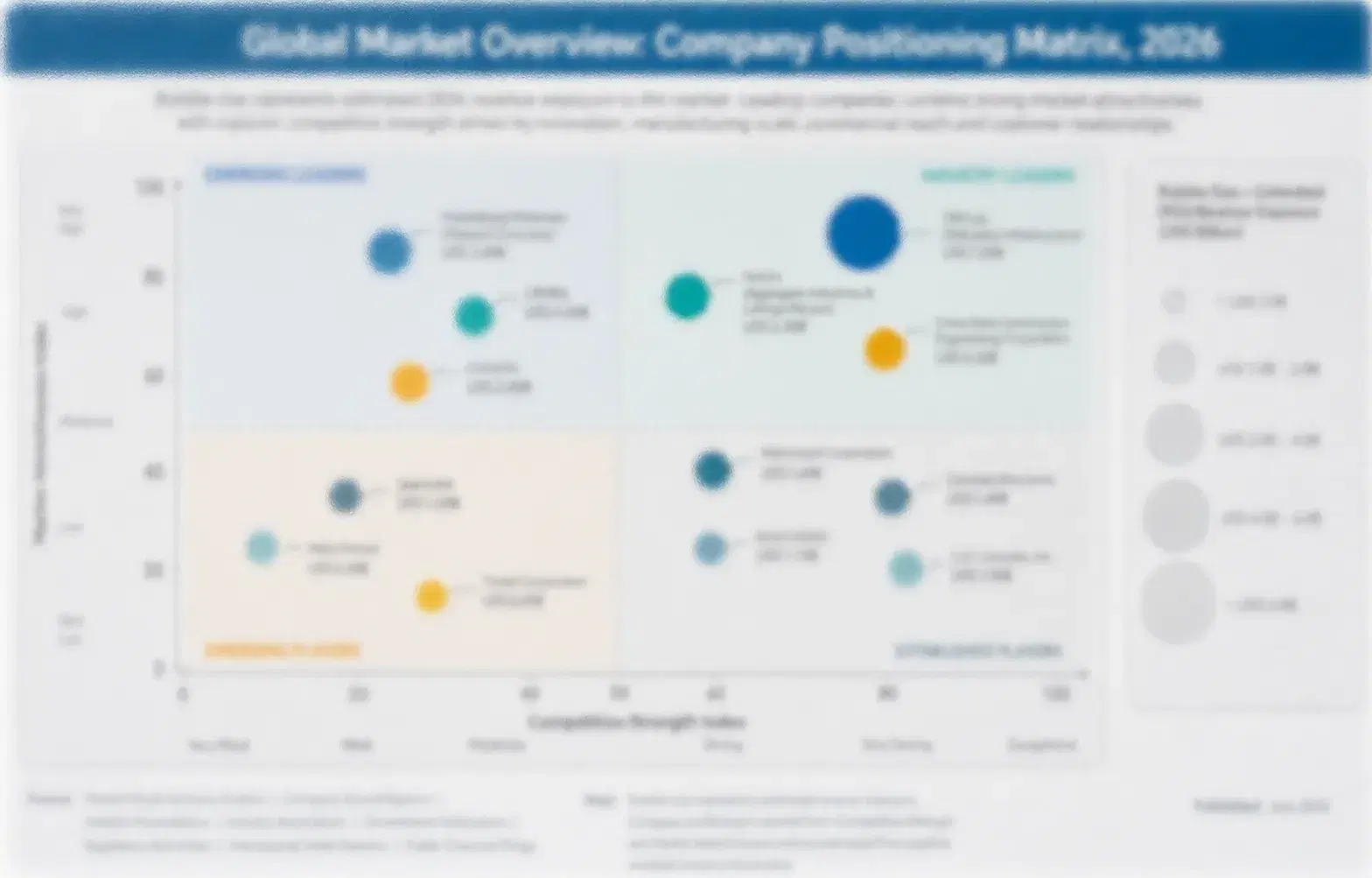
Measured on disclosed adhesive tape revenue, the five leading manufacturers hold a CR5 of 31%, which is low and reflects a category spanning technically demanding industrial grades and near-commodity carton sealing. 3M and Nitto lead in high specification masking and splicing tapes, while Intertape and Shurtape hold strong positions in North American packaging where water-activated adoption is furthest advanced. The two halves barely resemble each other commercially.
Three contests define activity. Industrial masking competes on removal performance after heat, documented across curing profiles, which is a technical sale reaching process engineers. Carton sealing competes on dispenser placement and labour arithmetic rather than on tape specification. Commodity self-adhesive kraft competes on price against Chinese converters whose cost position nobody in the West can match. A supplier organised for one of those contests is frequently absent from the others.

Pressure comes from Chinese converters moving upward from commodity grades into technical masking, and from the fact that whoever places a dispenser effectively holds that bench for years. Rankings shift through equipment placement rather than through competitive tape wins, which is unusual in a consumables category. Equipment placement rather than product wins moves share here.
paper-tapes-market-company-positioning-matrix-1787689977772

Competitive Moat and Risk Dimensions

3M

Moat: Masking Performance Documentation Depth

3M holds removal performance data across curing profiles, substrates and paint systems that competitors cannot assemble quickly, and process engineers specifying a masking tape for an automotive paint line are buying that evidence rather than the tape. Qualification on a paint line takes months and rarely gets revisited. A competitor faces a specification written around somebody else's documented performance.
3M

Risk: Carton Sealing Channel Gap

Water-activated carton sealing is decided by dispenser placement on packing benches, which is an equipment and service relationship rather than a technical specification sale. A company organised around industrial specification selling reaches process engineers rather than fulfilment operations managers. The fastest growing part of this category turns on equipment logistics instead.
INTERTAPE POLYMER GROUP

Moat: Dispenser Placement Installed Base

Intertape has placed water-activated dispensers across North American fulfilment operations, and each installed machine effectively commits that bench to compatible tape for years afterward. That is a considerably stronger position than any tape specification confers. A competitor with better tape must first persuade the customer to change equipment it did not pay for and does not want to disrupt.
INTERTAPE POLYMER GROUP

Risk: Technical Masking Position Limits

Industrial masking grades sell on documented removal performance after heat, which requires testing infrastructure and paint line qualification history built over decades. Packaging strength provides no advantage in that conversation whatsoever. Growth in the technical half of this category is therefore closed off, leaving a portfolio concentrated in the more price-exposed applications.

Players Tracked

Prominent Players

3M
Intertape Polymer Group
Nitto Denko
Shurtape Technologies
tesa SE

Other Key Players

Avery Dennison
Lintec
Scapa Group
Berry Global
Nichiban
Sekisui Chemical
Achem Technology
Vibac Group
Ranpak
Storopack
PPM Industries
Advance Tapes International
Ludlow Coated Products
Holland Manufacturing
Cantech

Recent Developments

MARCH 2025

Fulfilment operator standardises water-activated sealing across network

A fulfilment operator standardised on water-activated tape sealing across its distribution network, a capital and operations decision rather than any supplier partnership. The stated rationale was packing labour reduction from single-strip application together with tamper evidence, with recyclability mentioned as a secondary benefit rather than the driver.
Signal: Labour arithmetic rather than environmental positioning is what moves these decisions at any genuinely meaningful scale.
JULY 2025

Converter launches reinforced gummed tape for heavy carton applications

A tape converter launched a fibreglass reinforced gummed kraft grade aimed at cartons up to around forty kilogrammes, an internal product development rather than any acquisition. The grade targets industrial distribution applications that had previously been closed to paper tape entirely on tensile strength grounds.
Signal: Reinforced grades are opening applications rather than upgrading existing users, which is a different commercial motion.
NOVEMBER 2025

Automotive manufacturer requalifies masking tape after curing residue failures

An automotive manufacturer requalified its paint line masking tape following residue failures after curing that required panel rework. This was a supplier qualification decision rather than any corporate transaction, and documented removal performance across curing profiles decided the outcome rather than tape pricing. Price played no part.
Signal: Masking selection turns entirely on documented removal after heat, which price competition cannot influence at all.

What Paper Tape Costs

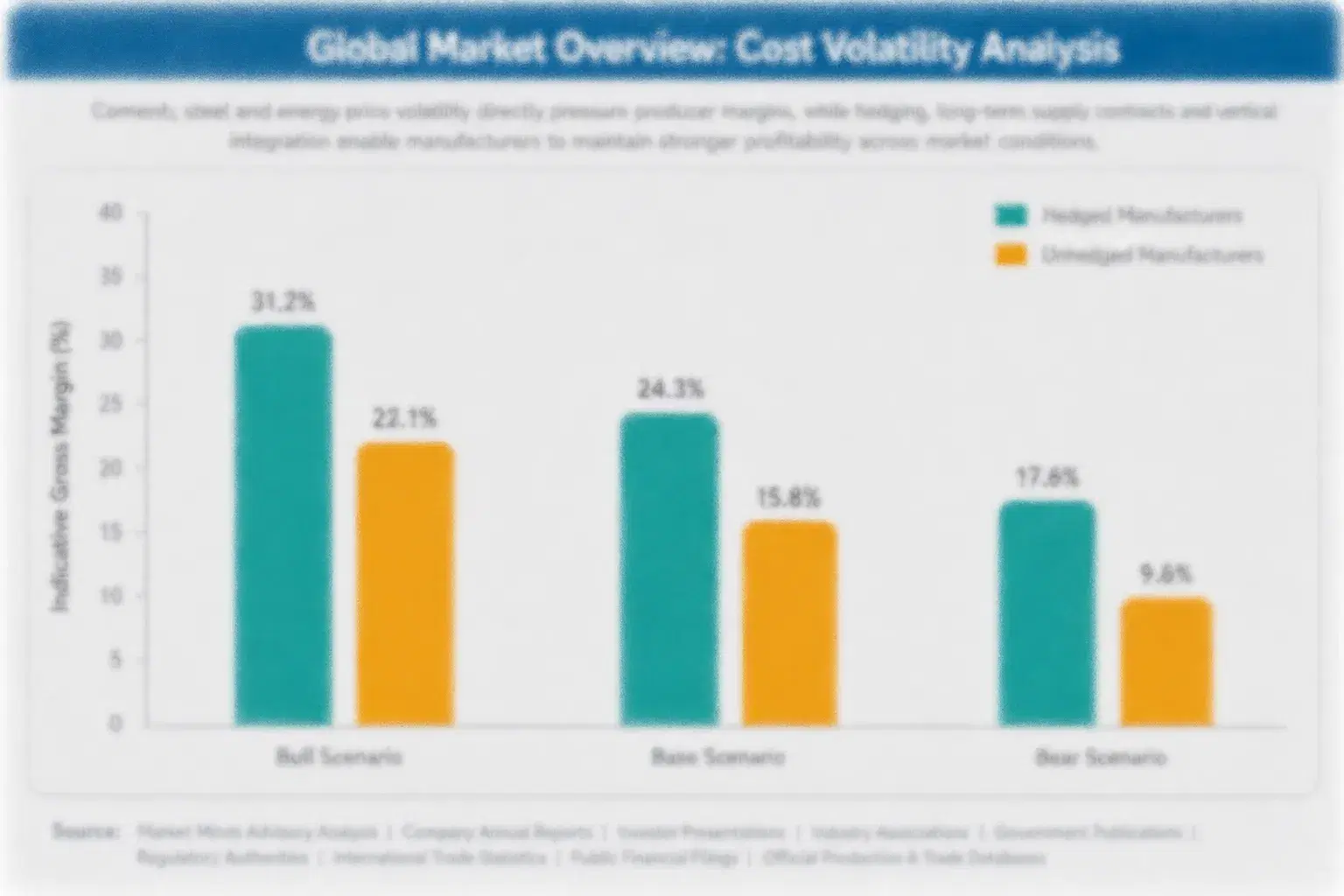
Backing paper and adhesive dominate. Kraft paper backing, starch or natural rubber adhesive and coating chemistry together run 48 to 55% of converting cost, with paper the largest single element across every construction here. Reinforced grades add fibreglass filament, which is a modest material cost carried by a considerably higher selling price. Masking grades carry costlier crepe paper and adhesives formulated for clean removal after heat.
The volatility that matters is pulp and energy driven. Kraft paper pricing moved sharply through 2021 and 2022 alongside European energy costs, and IEA industrial energy data documents the increases behind it. Nitto Denko and tesa disclosures describe raw material cost pressure across that period. Converters holding indexed contracts passed the movements through. Converters on fixed annual pricing absorbed those increases while dispenser placement was demanding capital from them at the same time.

Exposure divides by grade mix and manufacturing location. Commodity self-adhesive kraft producers carry paper pricing with almost no margin to absorb it. Masking converters carry crepe paper and specialised adhesive cost against selling prices that technical qualification protects. European converters carry energy-intensive coating operations that Asian competitors do not. On broadly comparable products, the customer notices only the price.
paper-tapes-market-cost-volatility-analysis-1787689978065

Index contracts to kraft paper and energy movements

Kraft paper pricing moved sharply through 2021 and 2022 and converters on fixed annual pricing absorbed it into thin margins. Indexed contracts meet resistance and get accepted once the alternative is explained properly. Negotiating the clause while paper pricing sits at the low end of its range is considerably easier than attempting it during a spike everybody can see.

Structure dispenser placement as leased capital

Placing dispensers removes the adoption barrier and consumes working capital that converters resist committing at scale. Leasing structures convert that into a recurring charge recovered through tape volume across the equipment life. Suppliers who financed placement properly hold accounts that competitors quoting tape alone have never been able to approach at any price. Working capital is the barrier converters cite.

Protect masking grades from packaging cost pressure

Masking tapes sell on documented removal performance and carry pricing that technical qualification protects, while carton sealing competes on price against Chinese converters. Managing the two as one cost pool invites packaging pressure into grades that do not face it. Separating them commercially preserves margin that a blended approach steadily erodes. Blended cost pools erode technical pricing quietly.

Portfolio Architecture for Margin Defence

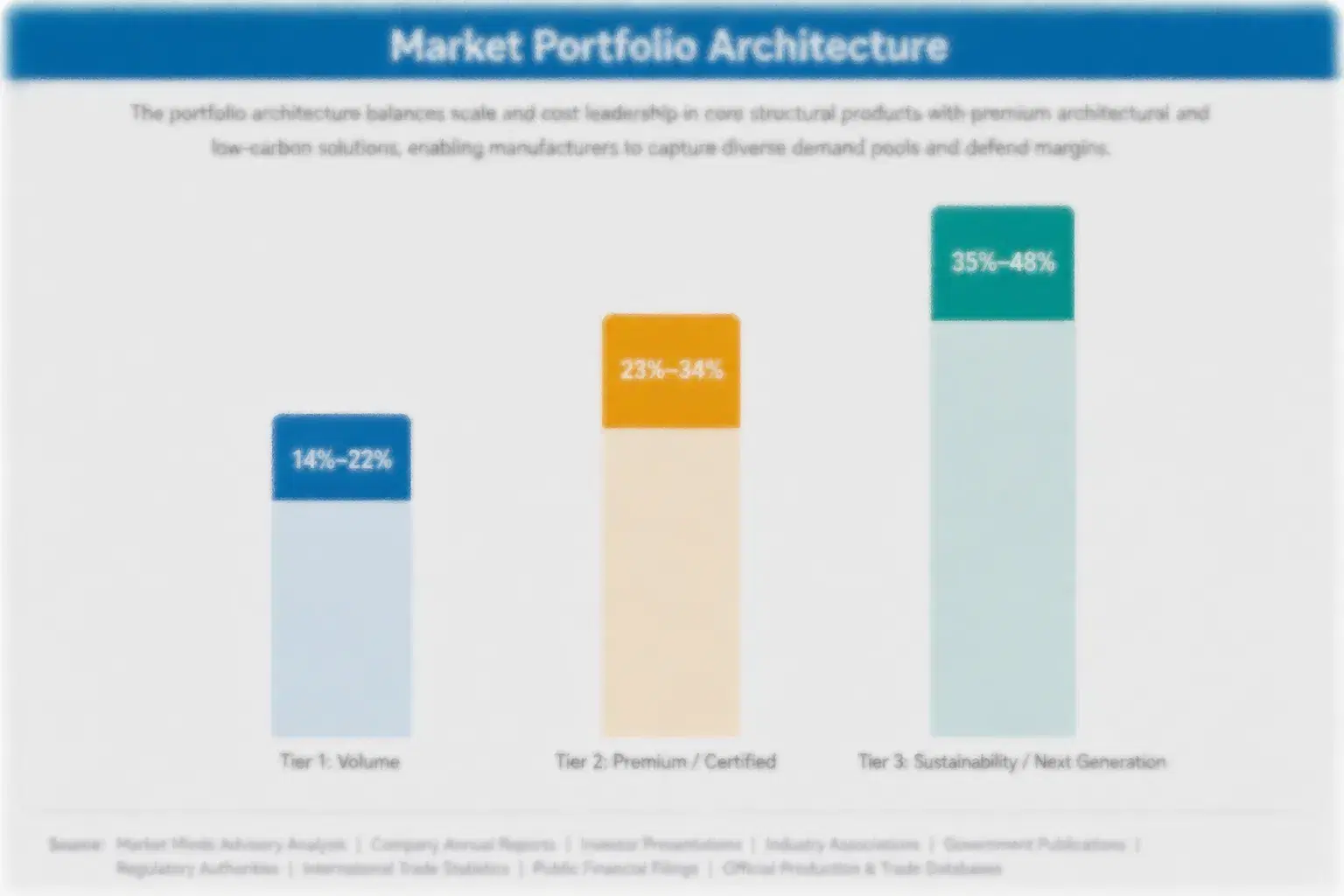
Margin follows whether the buyer has an alternative that performs identically. Commodity self-adhesive kraft is directly comparable and priced against Chinese converters who set the floor. Water-activated gummed tape earns better where a supplier placed the dispenser, because the equipment commits the bench. Reinforced grades earn more still on applications nothing else serves. Industrial masking earns most, protected by paint line qualification that takes months to complete.
The tension is that the two profitable positions require completely different organisations. Masking demands testing infrastructure, curing profile documentation and process engineering relationships. Water-activated carton sealing demands equipment logistics, financing structures and packing operations relationships. Companies running both through one commercial team consistently underserve whichever half is not their heritage, and competitors focused on one have taken share from generalists in both.

High-value pools sit in three places. Industrial masking grades with documented removal performance across curing profiles. Dispenser-placed water-activated accounts, where the equipment holds the volume. And reinforced grades sold into applications that dismissed paper on strength grounds and have not been approached since. All three require capability rather than product range, which is why generalist converters have struggled to hold any of them properly.

Volume / Commodity-Adjacent

Self-adhesive kraft paper tape and basic packaging grades sold on price against converters with comparable capability. The 7-point range separates producers with indexed paper contracts and integrated coating from those exposed to kraft pricing without any pass-through mechanism at all.
Gross Margin: 16-23%

Premium / Certified

Water-activated gummed kraft, double-sided paper tape and splicing grades where application knowledge and equipment compatibility matter. The 7-point spread separates suppliers holding placed dispenser installed bases from those quoting tape into benches somebody else equipped.
Gross Margin: 29-36%

Sustainability / Regulatory / Next-Generation

Reinforced water-activated grades and technically qualified industrial masking tapes. The 23-point range is wide because masking carries paint line qualification that protects pricing for years while reinforced packaging grades compete against plastic alternatives on total sealing cost.
Gross Margin: 33-56%
paper-tapes-market-portfolio-architecture-1787689978412

High-value Sub-segments and Strategic Watch-out

Qualified Industrial Masking

Highest value in the category, protected by paint line qualification taking months and documented removal performance across curing profiles that competitors cannot assemble quickly. The risk is that this business requires testing infrastructure and process engineering relationships packaging organisations do not possess. Few converters have either.
Gross Margin: 53-56%

Dispenser Placed Accounts

Strong value where the supplier placed the equipment, since an installed dispenser commits the packing bench to compatible tape for years afterward. The risk is working capital, because placement at scale consumes cash that converters resist committing without leasing structures behind it. Leasing solves the cash problem.
Gross Margin: 34-37%

Self-Adhesive Kraft Tape

The volume core, directly comparable and priced against Chinese converters whose cost position Western producers cannot match on these grades. Suppliers hold the line because this tonnage carries coating line utilisation through which higher value grades become economic to produce at all. Utilisation justifies keeping it.
Gross Margin: 17-20%

Recyclability Led Positioning

The strategic watch-out. Substitution arguments built on recyclability face recyclers who tolerate plastic tape in practice and buyers who eventually notice. The risk is a commercial position resting on a claim that softens, when the labour argument underneath it was always the stronger one. Buyers eventually notice this.
Gross Margin: 27-30%

Benches That Keep Consuming

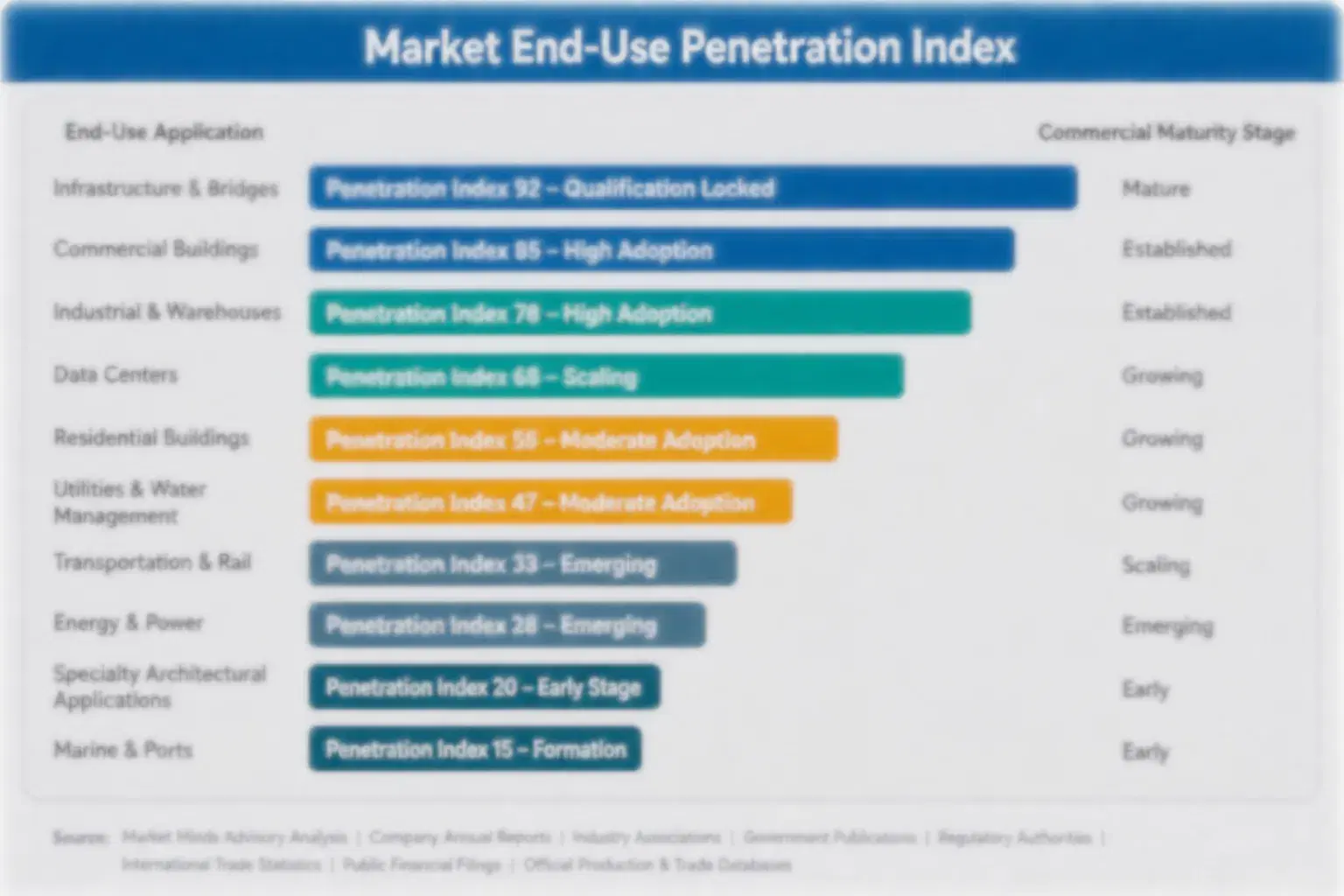
Tape is consumed with every carton sealed and every panel masked, and it never accumulates anywhere, which ties demand directly to a customer's throughput rather than to any decision they revisit. A packing bench running two shifts consumes rolls continuously and reorders without anybody thinking about it. That annuity justifies placement costs and thin commodity margins.
Stickiness depends on what sits on the bench or the paint line. A placed dispenser commits that station to compatible tape for the equipment's life, which is the strongest position available here and costs the supplier capital to establish. A qualified masking tape on an automotive paint line changes only when it fails, since requalification is expensive and disruptive. Self-adhesive kraft moves whenever somebody quotes lower, which is continuously.

The buyer differs so sharply between halves that most suppliers serve one properly. A packing operations manager wants labour saved per carton and equipment that keeps running. A paint shop process engineer wants documented removal after a specific curing profile and will not discuss price until that is settled. One organisation running both satisfies whichever half the company came from.
paper-tapes-market-end-use-penetration-index-1787689978736

Two Businesses, Two Arguments

These are among the four positions where our research anticipates prominent divergence between winners and laggards over the coming forecast period. Each is grounded in the demand model, the regulatory perimeter, and the announced capacity pipeline.
01 / EQUIPMENT PLACEMENT STRATEGY

Place the dispenser and the tape follows

Water-activated tape cannot be used without a machine costing around 1,900 dollars per packing bench, which turns a consumables purchase into a capital approval that stalls otherwise sound operating cases indefinitely. Suppliers who place, lease or fund those dispensers remove the barrier entirely and hold the account for as long as the equipment remains on the bench. Competitors quoting rolls into an installed base they did not place are bidding on a decision that was effectively settled when the machines arrived.
02 / LABOUR ARGUMENT SELECTION

One strip instead of three closes deals

A single gummed strip replaces three separate strips of pressure-sensitive plastic tape, saving time on every single carton and compounding across a shift into a figure any packing manager recognises immediately without needing persuasion. Recyclers tolerate plastic tape contamination in practice, so environmental arguments earn polite agreement from buyers and then change nothing at all. Suppliers who build that labour calculation directly from a customer's own carton throughput close conversions that sustainability presentations have failed to move for several years.
03 / APPLICATION OPENING SALES

Reinforced grades reach customers who said no

Fibreglass reinforcement lets paper tape seal cartons up to around 40 kilogrammes that plain gummed grades could never hold, opening industrial distribution and heavy consumer goods to paper sealing for the first time. Growth running at 9.6% comes from those genuinely new applications rather than from existing gummed tape users trading upward to a premium grade. The genuine opportunity therefore sits with operations that dismissed paper entirely on tensile strength grounds years ago and have not been approached by anybody since.
04 / TECHNICAL MASKING DISCIPLINE

Removal after heat is the whole specification

A masking tape leaving residue after a paint curing bake costs panel rework worth many times the tape itself, and roughly 4.2% of masking failures do precisely that on live production lines. Automotive refinish, aerospace and coatings customers therefore buy documented removal performance across curing profiles rather than adhesion, price or anything else on a datasheet. That is an entirely separate commercial discipline from carton sealing, and organisations running both halves through a single sales team consistently underserve the technical one.

Engagement Snapshot From the Field

A live engagement with an industry participant carrying material or product regulatory and market exposure ahead of a defining policy shift, showing how our research translates into a defensible multi-year portfolio strategy.
MARKET MINDS ADVISORY · CLIENT ENGAGEMENT SUMMARY
Paper Tapes Producer Strategic Portfolio Review and Transition Roadmap 2026·Investment Scenario on Paper Tapes Exposure Evaluation 2025-26
CLIENT PROFILE
A European paper tape converter supplying self-adhesive kraft, gummed and masking grades across 21 markets, with reported revenue of 132 million euros (client-reported, unverified by MMA). Roughly 61% came from commodity self-adhesive kraft sold on price. The company had launched a water-activated range two years earlier, promoted entirely on recyclability, and had placed no dispensers with any customer anywhere.
STRATEGIC CHALLENGE
Commodity margins had eroded steadily against imports and the water-activated range had achieved almost no volume despite considerable marketing investment. Management assumed the tape was priced too high. Nobody had examined whether customers could physically use the product, or what argument was actually moving conversions elsewhere in the market. The assumption proved wrong.
MMA APPROACH
MMA reviewed why water-activated quotations had not converted, contacting the prospects directly rather than relying on internal sales reporting. Fourteen expert interviews with packing operations managers and paint shop engineers established what drives selection in each half of the business. The analysis tested whether the barrier was price, argument or equipment, which management had assumed was price.
KEY FINDINGS
  1. Most prospects had no water-activated dispensers and no approved capital to buy them, so the tape quotation was irrelevant regardless of its price.
  2. Every converted account in the reviewed markets had received placed or leased dispensers from a competitor, which the client had never offered anybody.
  3. Recyclability messaging produced agreement and no action, while competitors closing business were presenting single-strip labour arithmetic instead. The argument itself was the problem rather than the product.
  4. Masking grades carried far better margins than assumed once separated from the blended packaging cost pool (client-reported, unverified by MMA). Packaging pressure had been eroding them invisibly.
CLIENT PROFILE
A European paper tape converter supplying self-adhesive kraft, gummed and masking grades across 21 markets, with reported revenue of 132 million euros (client-reported, unverified by MMA). Roughly 61% came from commodity self-adhesive kraft sold on price. The company had launched a water-activated range two years earlier, promoted entirely on recyclability, and had placed no dispensers with any customer anywhere.
STRATEGIC CHALLENGE
Commodity margins had eroded steadily against imports and the water-activated range had achieved almost no volume despite considerable marketing investment. Management assumed the tape was priced too high. Nobody had examined whether customers could physically use the product, or what argument was actually moving conversions elsewhere in the market. The assumption proved wrong.
MMA APPROACH
MMA reviewed why water-activated quotations had not converted, contacting the prospects directly rather than relying on internal sales reporting. Fourteen expert interviews with packing operations managers and paint shop engineers established what drives selection in each half of the business. The analysis tested whether the barrier was price, argument or equipment, which management had assumed was price.
KEY FINDINGS
  1. Most prospects had no water-activated dispensers and no approved capital to buy them, so the tape quotation was irrelevant regardless of its price.
  2. Every converted account in the reviewed markets had received placed or leased dispensers from a competitor, which the client had never offered anybody.
  3. Recyclability messaging produced agreement and no action, while competitors closing business were presenting single-strip labour arithmetic instead. The argument itself was the problem rather than the product.
  4. Masking grades carried far better margins than assumed once separated from the blended packaging cost pool (client-reported, unverified by MMA). Packaging pressure had been eroding them invisibly.
RECOMMENDED STRATEGY
Phase 1: Phase one: build a leased dispenser placement programme, since customers cannot buy the tape without equipment nobody has offered them. Phase 2: Phase two: replace recyclability messaging with a labour calculation built from each customer's own carton throughput and packing headcount. Recyclability changes nothing. Phase 3: Phase three: separate masking grades commercially from packaging, protecting pricing that the blended cost pool had been steadily eroding. Qualification protects that pricing.
OUTCOME
Dispenser placement began in two markets and water-activated volume grew from almost nothing within a year. Labour-based selling converted prospects that recyclability messaging had failed to move for two years (client-reported, unverified by MMA). Masking grades were separated commercially and their margin recovered materially without any price increase.

Frequently Asked Questions

Foundational context covering the market sizes, CAGR, scope, country, region and competition that inform every finding below. This section is provided to cover basics and most often pre-purchase conversations, answered from the MMA Primary Research Dataset.

What is the current size of the Paper Tapes Market?

The market was worth 4.8 billion dollars in 2025, covering gummed kraft, reinforced water-activated, self-adhesive kraft, masking, splicing and double-sided paper tapes. It reaches 5.11 billion dollars in 2026.

How large will the Paper Tapes Market be by 2036?

MMA forecasts 9.50 billion dollars by 2036, an increase of 4.39 billion dollars over the 2026 base. That represents an expansion multiple of 1.86 times across the forecast period.

What is the CAGR for the Paper Tapes Market 2026 to 2036?

The base case compounds at 6.4% annually. MMA's bull case reaches 7.6% if major fulfilment operators standardise on water-activated sealing, while the bear case sits at 5.2% on softening recyclability pressure.

Which segment is growing fastest?

Reinforced water-activated tape, at 9.6%, half again the market rate of 6.4%. Fibreglass reinforcement opens heavy carton applications that plain paper tape could never hold.

Who are the major companies in the Paper Tapes Market?

3M, Intertape Polymer Group, Nitto Denko, Shurtape Technologies and tesa SE lead on disclosed adhesive tape revenue. Avery Dennison, Lintec, Nichiban and Vibac hold strong positions in specific constructions.

Which country is growing fastest?

India at 8.4%, driven by organised retail and fulfilment networks expanding from a base where carton sealing was inconsistent. China remains the largest producer and consumer.

Report Segmentation Architecture

The full report scope spans multiple orthogonal segmentation dimensions, with cross-tabulated demand data provided for each dimension pair. Coverage extends further to regional breakdowns, trend trajectories, and the competitive detail needed to support segment-level decision-making.

By Tape Construction

  • Water-Activated Gummed Kraft Tape
  • Reinforced Water-Activated Tape
  • Self-Adhesive Kraft Paper Tape
  • Paper Masking Tape
  • Paper Splicing Tape
  • Double-Sided Paper Tape

By End-Use Industry

  • Online Retail Fulfilment
  • Industrial and Export Packing
  • Automotive Paint and Refinish
  • Construction and Decorating
  • Printing and Converting
  • Electronics Manufacturing

By Commercial Dimension

  • Placed Dispenser Programme
  • Distributor Supplied Volume
  • Direct Contract Supply
  • Technical Qualification Specified
  • Spot and Transactional Supply
  • Cost Per Carton Contract

By Region

  • North America
  • Western Europe
  • East Asia
  • South Asia and Pacific
  • Latin America
  • Middle East and Africa
  • Eastern Europe

Scope, Methodology, and Coverage

Every figure in this report is reproducible from documented input assumptions. The scope below maps the historical period, the forecast horizon, the segmentation dimensions, and the countries covered, alongside the underlying primary and qualitative methodology.
Historical Period
2020 to 2025
Forecast Period
2026 to 2036
Base Year
2025 (USD billions; MMA Primary Research Dataset, August 2026)
Market Definition
Scope covers paper-based adhesive tapes supplied for packaging, industrial and converting applications, spanning water-activated gummed kraft tape, fibreglass reinforced water-activated tape, self-adhesive kraft paper packaging tape, paper masking tape including crepe grades for paint and coating operations, paper splicing tape used in web converting, and double-sided paper tape. Filmic and plastic-backed tapes including polypropylene and polyvinyl chloride carton sealing tapes, cloth and duct tapes, foil and metal tapes, pressure-sensitive labels and label stock, and bulk adhesives are excluded. Tape dispensing machinery sold separately and contract converting services fall outside the boundary.
Quantitative Units
USD billions (current prices); tonnes converted; square metres supplied; dispensers placed; strips applied per carton
Segmentation Dimensions
By Tape Construction; By End-Use Industry; By Commercial Dimension; By Region
Regions Covered
North America, Western Europe, East Asia, South Asia and Pacific, Latin America, Middle East and Africa, Eastern Europe
Countries Covered
China, USA, Japan, Germany, India, Italy, France, UK, South Korea, Brazil, Poland, Mexico, Australia, Vietnam, Saudi Arabia
Key Companies Profiled
3M, Intertape Polymer Group, Nitto Denko, Shurtape Technologies, tesa SE, Avery Dennison, Lintec, Scapa Group, Berry Global, Nichiban, Sekisui Chemical, Achem Technology, Vibac Group, Ranpak, Storopack, PPM Industries, Advance Tapes International, Ludlow Coated Products, Holland Manufacturing, Cantech
Quantitative Methodology
Primary survey, n=3,800 respondents, Q4 2025, six countries; demand-side model with trade association cross-validation
Qualitative Methodology
47 expert interviews, Q4 2025; applied to validate demand model assumptions, identify emerging dynamics, and assess competitive positioning
Report Format
PDF and XLSX data workbook (Word format preview document)
Publisher
Market Minds Advisory
Report Code
MMA-2026-PAC-103
Published
August 2026
Contact
sales@marketmindsadvisory.com | www.marketmindsadvisory.com

Purchase the full Paper Tapes Market Report (2026 to 2036).

The full report runs to 165 pages and covers all six tape construction segments, seven regions and 20 profiled companies in detail. It includes the complete segment CAGR set, regional converting output and consumption data, and dispenser placement analysis across major fulfilment markets. Company profiles carry evaluation on disclosed adhesive tape revenue, with moat and risk assessment for the top five manufacturers. The competitive section extends to 14 tracked corporate developments across 2024 and 2025, each with commercial interpretation. Primary research inputs include a quantitative survey of 3,800 respondents and 47 expert interviews conducted in Q4 2025.
Six tape construction segments with individual CAGR forecasts
Seven regional markets with converting output and consumption data
Twenty company profiles on consistent revenue evaluation basis
Fourteen tracked corporate developments with commercial interpretation notes
Dispenser placement analysis across major fulfilment market operators
Masking qualification requirements mapped by curing profile and substrate

Built For The People Who Decide

From boardroom strategy to bench-side execution, this report is read cover-to-cover by leaders shaping the next decade of their industry, turning demand scenarios, market dynamics and valuation benchmarks into decisions.
CXOs/ Presidents/ VPs/ Managers
M&A and Corporate Development
Strategy Teams and R&D Heads
Procurement and Product Directors
Regulatory and Compliance Leaders
Investor Relations and Equity Analysts