Market Minds Advisory
Panko Breadcrumbs Market

Panko Breadcrumbs Market: Panko Breadcrumbs Market. Air Fryer Formats, Foodservice Crunch, and Gluten-Free Coatings Reshape Japanese-Style Breading.

Panko breadcrumbs sell crunch by the flake, but wheat and energy costs, oil uptake, air fryer performance, and gluten-free demand decide which bakers turn a Japanese-style coating into repeat supply contracts across foodservice and retail.

Lead Analyst

Published

September 2026

Make Smarter Decisions with Customized Research Insights

Request a free sample report and evaluate market opportunities, growth trends, and competitive dynamics relevant to your business needs.

2025 MARKET VALUE$1.6BMarket Size 2025
2036 FORECAST VALUE$3.0BBase Case , 2026 to 2036
CAGR 2026 TO 20365.8 %Bull 7.1% / Bear 4.5%
INCREMENTAL OPPORTUNITY$1.3BNet 10- year value creation
EXPANSION MULTIPLE1.76x2036 value over 2026 base
Strategic Levers
M&A Pipeline
Regional Outlook
Country Rankings
Competitive Intelligence
Segmental Deep-dive
Call-Us : 91 93563 13602

Executive Snapshot and Market Trajectory.

Panko is bread that was never meant to be eaten as bread. Bakers bake crustless loaves by electric current, shred them into airy flakes, and sell a coating that absorbs less oil and stays crisp longer, which is why fryers and air fryers alike prefer it.
Air-fry optimised panko grows fastest, because home air fryers and oven-crisp frozen foods need coatings that brown without deep oil, while gluten-free panko follows as allergen demand widens. East Asia holds the largest share, since Japan created the product and China, South Korea, and Thailand run the largest production base, with North America and Western Europe following. India leads country growth. Foodservice sets volume. Retail adds trial.
The industry is moderately fragmented, with Japanese flour millers, coating specialists, and regional bakeries competing on flake size, oil uptake, and supply reliability. Wheat prices, electricity cost, and acrylamide rules in the European Union shape recipes and margins, while foodservice chains and frozen food makers demand consistent crunch across hundreds of tonnes. Small bakers struggle to fund the specialised ovens. Large groups buy scale. Contracts run annually. Timing decides everything. Retailers ask for proof.
Market Definition
Panko breadcrumbs comprise coarse, airy breadcrumbs made from crustless bread baked by electrical resistance or similar processes, including standard white, whole grain and multigrain, gluten-free, seasoned and flavoured, air-fry optimised, and coarse foodservice panko, sold to foodservice operators, food manufacturers, and retail shoppers. The scope excludes fine dry breadcrumbs, batters and tempura mixes, croutons, and bread sold for direct consumption.
Base Year Value
$1.6B in 2025 (MMA Primary Research Dataset, September 2026)
Forecast Period
2026 to 2036, eleven discrete annual values
CAGR
5.8% base case. Bull 7.1%. Bear 4.5%.
Fastest Growth Segment
Air-Fry Optimised Panko: 9.0% CAGR
Fastest Growth Country
India: 8.4% CAGR
Fastest Growth Region
South Asia and Pacific: 7.9% CAGR
Largest Region
East Asia: 38% of 2025 global value
Market Leaders
Nisshin Seifun Group, Showa Sangyo, Kikkoman Corporation, Newly Weds Foods, Griffith Foods. Source: MMA Analysis, company annual reports.
Primary Survey
n=3,800 procurement and R&D decision-makers, Q4 2025, six countries
Methodology
Demand-side build-up, cross-validated against public data, 47 expert interviews

Panko Breadcrumbs Market Forecast Scenarios

panko-breadcrumbs-market-size-forecast-scenario-1789788724928
From 2020 to 2025, panko moved from a Japanese specialty toward a mainstream coating in global kitchens. Restaurant recovery after pandemic closures, frozen chicken and fish growth, and home air fryer adoption widened demand, while flour and energy cost spikes squeezed margins in 2022 and 2023. Growth ran slightly below today's pace, and price increases, not new volume, supplied part of the gain.
The base case rests on three commercial mechanisms. First, quick-service and casual dining chains keep adding crispy chicken, fish, and vegetable items that use panko for crunch and lower oil uptake. Second, frozen food makers reformulate coatings for air fryers and ovens, which raises panko content per pack. Third, gluten-free and whole grain ranges add premium volume in retail. Each mechanism compounds slowly, and none needs a breakout year. Producers plan around all three.
The bull case needs air fryer adoption to reach most households in Europe and Asia, which would multiply demand for oven-crisp frozen foods and retail panko. The bear case is a wheat and electricity price spike combined with weak restaurant traffic, which would squeeze margins and push buyers toward cheaper dry breadcrumbs. Buyers react within one season.

Flake Size and Oil Uptake Decide Panko Winners

Panko differs from ordinary breadcrumbs in how it is baked and how it behaves in the fryer. Bakers pass an electric current through the dough to produce bread with no crust, then shred it into large flakes with air pockets. Those flakes absorb less oil and stay crisp longer, so restaurants pay more for them, and the process needs specialised ovens that few producers own. Ovens are costly to build.
MARKET CONCENTRATION27% CR5Leading five producers hold a moderate combined share
WHEAT COST SHARE42%Portion of cost of goods taken by flour
ENERGY COST SHARE14%Portion of cost of goods taken by electricity and gas
FOODSERVICE SHARE46%Portion of demand sold to restaurants and catering operators
OIL UPTAKE ADVANTAGE20%Typical reduction in fried oil absorption versus fine breadcrumbs
SHELF LIFE12 monthsTypical shelf life of packaged panko under ambient storage
Flake size, moisture, and colour decide value. Chains specify flake dimensions to the millimetre, and frozen food makers test coatings across freezer storage, reheating, and air fryer cycles. Suppliers with inline sieving and colour control win contracts because complaints about soggy or dark coatings cost customers real money. Consistency across batches matters more than a lower price per tonne. Batch records matter.
Buyers judge panko on crunch retention, oil uptake, allergen control, and delivery reliability. Foodservice distributors want stable supply through peak seasons, while retailers want clear labelling for gluten-free and whole grain lines. Private label entered retail years ago and now takes a large share of supermarket volume, which caps premiums outside branded and specialty ranges. Contracts reward proof.
"Panko is a bet on oven engineering, not on flour. The producers who win are the ones who can hold flake size within a millimetre across a thousand tonnes, because a restaurant chain will change suppliers over one soggy batch of fried chicken."
Practice Lead, Coating and Breading Ingredients Practice · MMA Coating and Breading Ingredients Practice · September 2026

Market Trends

Air Fryer Adoption Drives Oven-Crisp Coatings for Frozen Foods

Surveys suggest air fryers now sit in roughly half of United States households and a fast-growing share of homes in Europe and Asia. Frozen food makers reformulate chicken, fish, and vegetable products with panko that browns without deep oil, and they test coatings across air fryer cycles. Oven-crisp lines use 10% to 25% more panko per pack because thicker coatings improve crunch. Suppliers add oil-in-flake and colour agents so coatings brown evenly, and brands that publish air fryer instructions win repeat purchase in supermarkets and online grocers. Repeat orders follow each season.
Market Impact: chain contracts typically run 12 months
Gluten-Free and Whole Grain Panko Extend Premium Retail Ranges

Retail shoppers now find gluten-free panko made from rice, corn, and pulse flours, and whole grain panko with higher fibre, beside standard packs. Gluten-free lines sell at 40% to 80% above white panko, and whole grain lines at 20% to 40% above. Producers need dedicated lines and allergen controls to avoid cross-contact, which raises capital cost. Texture remains the challenge, since rice-based flakes can turn hard, so brands blend starches and use finer sieving to hold a crisp and airy bite. Retailers group them beside health foods, which helps them win larger listings each year.
Market Impact: plants buy 2,000-5,000 tonnes yearly

Market Opportunities and Growth Drivers

Quick-Service Chains Add Crispy Chicken and Fish Menu Items

Global fried chicken chains keep opening restaurants, and menus now include crispy chicken sandwiches, katsu-style cutlets, and breaded fish or vegetable items that use panko for crunch. Each restaurant buys panko by the tonne through distributors, and chains specify flake size and colour to protect quality. Japanese curry and katsu chains expand in Southeast Asia and North America, while Western chains borrow the coating for premium items. Foodservice contracts typically run 12 months, which gives suppliers predictable volume and revenue across each planning cycle. Distributors carry safety stock through peak seasons.
Market Impact: wheat and power take 56%

Frozen Coated Foods and Convenience Meals Expand Volume Demand

Frozen chicken nuggets, fish fingers, croquettes, and vegetable bites all use breadcrumb coatings, and frozen food makers switch to panko for better crunch after reheating. Retailers in Europe and North America expand frozen aisles, while Asian cold chains reach smaller cities. A single frozen plant can buy 2,000 to 5,000 tonnes of coating a year. Suppliers that offer custom flake size and colour secure multi-year agreements, and they benefit as coated frozen products replace fresh cooking in busy households. Coated products also sell more each year through online grocers and meal kit services.
Market Impact: acrylamide controls add 2-3% to cost

Market Restraints and Challenges

Wheat and Electricity Costs Squeeze Margins Under Fixed Contracts

Wheat flour takes about 42% of cost of goods and electricity 14%, so a 20% rise in either removes several margin points. Foodservice and frozen food contracts fix prices for 6 to 12 months, and suppliers cannot pass costs through quickly. The root cause is that panko baking uses electricity heavily and wheat is traded globally. Mitigations include forward wheat contracts, energy hedging, solar installations at plants, and price adjustment clauses linked to published wheat indexes, though smaller bakers seldom win these terms. Contract renewals rarely reset prices quickly. Buyers resist surcharges.
Market Impact: air fryers in 50% of homes

Acrylamide Rules and Health Trends Limit Fried Coating Growth

European Union rules set benchmark levels for acrylamide in bakery coatings, and regulators expect producers to lower levels through recipe and process controls. Health-conscious shoppers also cut fried foods, which limits growth in deep-fried coatings in Western markets. The root cause is that browning creates acrylamide, and lighter colour reduces crunch appeal. Producers respond with enzyme treatments, lower sugar recipes, and tighter oven control, though each adds cost and can alter flavour that chefs expect from a golden panko coating. Chefs also resist lighter colour, so recipe changes need tasting trials with customers.
Market Impact: gluten-free lines sell 40-80% above white
3 additional market trends, 2 additional growth drivers, and 3 additional restraints and challenges are covered in the full report. Contact sales@marketmindsadvisory.com to access the complete intelligence.

Segment CAGR and Growth Architecture

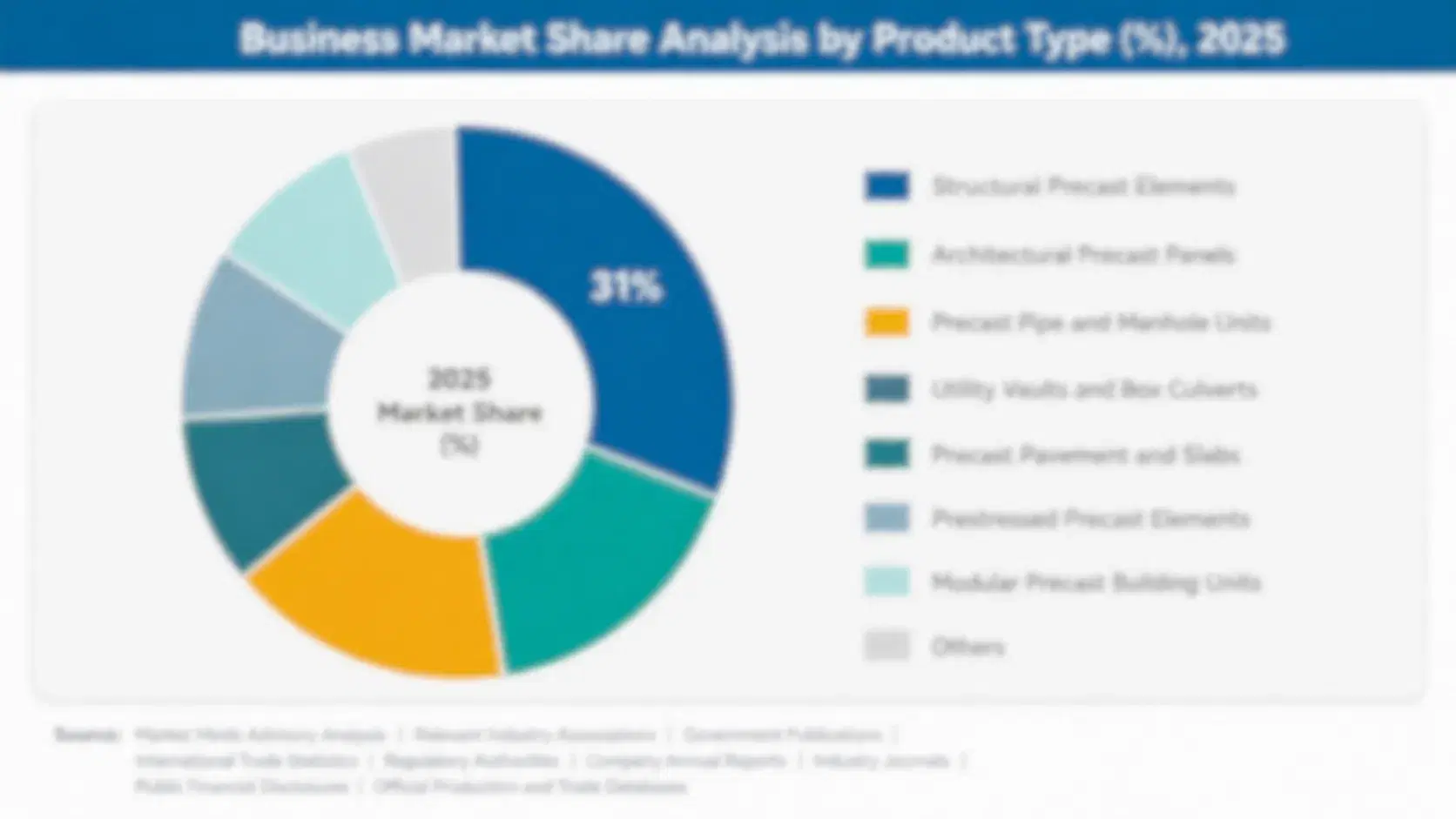
Panko breadcrumbs are segmented by formulation and format, which shows where technical difficulty and pricing power sit. Six segments cover standard white, whole grain and multigrain, gluten-free, seasoned and flavoured, air-fry optimised, and coarse foodservice panko. Two segments grow fastest, and each depends on a different driver, either home cooking equipment or allergen-driven demand.
panko-breadcrumbs-market-market-share-analysis-1789788725197

Air-Fry Optimised Panko

Air-fry optimised panko is the fastest-growing segment, at 9.0% a year, about 1.55 times the overall market rate. Home air fryers and oven-crisp frozen foods need coatings that brown without deep oil, so suppliers add oil-in-flake systems, colour agents, and denser flakes. Prices run 25% to 45% above standard panko. Frozen food makers buy in large volumes under multi-year contracts, while retail brands sell air fryer specific packs with cooking instructions. The main constraint is recipe testing, since coatings must perform across many appliances. Suppliers with pilot air fryer kitchens win specification with major frozen brands and retailers. Online grocers list the packs beside frozen sides, and recipe videos lift trial among first-time buyers.
CAGR 9.0%

Gluten-Free Panko

Gluten-free panko grows at 8.2% a year, because coeliac disease, wheat sensitivity, and lifestyle avoidance widen the buyer base beyond diagnosed patients. Producers use rice, corn, and pulse flours on dedicated lines, and prices run 40% to 80% above white panko. Restaurants add gluten-free menu items, and frozen makers launch gluten-free nuggets and fish fingers. Texture is the main obstacle, since rice flakes can turn hard, so suppliers blend starches and refine sieving. Allergen certification and dedicated lines protect trust, and brands with certified facilities win listings in health retailers and supermarkets. Chains list gluten-free coated chicken and fish on menus, and parents of allergic children reorder the same brand each month.
CAGR 8.2%
Full segment breakdown across 6 segments available in the complete report.

Regional Architecture and Country Demand Map

Panko value sits where the product was invented and where most flakes are baked. East Asia dominates through Japan, China, and Thailand, while North America and Western Europe follow through foodservice and frozen foods, and South Asia and Pacific grows fastest from a smaller base.

North America

North America holds 24% share, with the United States and Canada leading through fried chicken chains, frozen food plants, and retail panko sold beside standard breadcrumbs. Kikkoman, Newly Weds Foods, Griffith Foods, and private labels supply foodservice distributors and supermarkets. Air fryer ownership is the highest among major markets, which lifts oven-crisp frozen volume and retail packs. Canada adds frozen seafood and vegetable coatings. Growth tracks the global rate as air fryer adoption matures, and wheat and energy costs restrain margins in a market where many contracts fix prices for a year. Mexico adds growing fast-food demand. Costco and Walmart stock panko in large packs, and foodservice distributors such as Sysco carry coarse flakes.
Share: 24% | CAGR: 5.6% (2026 to 2036)

Western Europe

Western Europe holds 14% share, below its usual band, because breadcrumbs in Europe are largely fine dry crumbs and traditional coatings, and panko has entered mainly through Asian restaurants, frozen foods, and premium retail. The United Kingdom, Germany, France, and the Netherlands lead through frozen fish, chicken, and vegetable products, while Kerry and regional bakeries supply coatings. Acrylamide benchmark rules and energy costs restrain margins, so growth stays below the global rate. Air fryer adoption in the United Kingdom is strong and lifts oven-crisp lines, and retailers add gluten-free and whole grain packs beside standard panko in supermarkets. Tesco and Carrefour sell private label panko beside standard breadcrumbs, and Japanese restaurants in London and Paris buy imported flakes.
Share: 14% | CAGR: 4.5% (2026 to 2036)
Regional intelligence for 5 additional markets available in the complete report: East Asia, South Asia and Pacific, Latin America, Middle East and Africa, Eastern Europe. Contact sales@marketmindsadvisory.com.
panko-breadcrumbs-market-country-cagr-analysis-1789788725469

Four Margin Routes for Panko Producers

Margin in panko comes from air fryer performance, allergen-certified lines, contract structure, and energy control rather than volume alone. The routes below apply to flour millers, coating specialists, and regional bakeries, and each can be started inside one planning cycle, with clear measures in gross margin points, price per tonne, and oven utilisation across the calendar year.

Selling Air-Fry Optimised Panko to Frozen Food Brands

Air-fry optimised panko sells at 25% to 45% above standard flakes, and frozen food makers buy 2,000 to 5,000 tonnes a year under multi-year contracts. Suppliers that build pilot air fryer kitchens, publish browning data, and offer custom flake size and colour report margin gains of 4 to 7 points on those lines. Contracts also fix volume early, which lets plants buy wheat forward and plan oven schedules, while retailers reward tested coatings with better shelf space and longer supplier reviews. Frozen buyers audit plants yearly, so documented testing also shortens approval cycles.
Market Impact: air-fry lines lift blended margin 4 to 7 points

Building Dedicated Gluten-Free Lines With Certified Allergen Controls

Gluten-free panko sells at 40% to 80% above white panko, and certified lines give access to health retailers, restaurant chains, and frozen makers that cannot accept cross-contact risk. A dedicated line costs $3 million to $6 million, and payback typically runs three to four years at 60% utilisation. Producers that certify facilities, blend rice and pulse starches for a crisp bite, and audit suppliers protect trust, and they earn price premiums that mainstream competitors find hard to copy quickly. Restaurant chains audit allergen controls twice a year, so certified lines keep contracts longer.
Market Impact: certified lines earn 40-80% price premiums over white

Adding Wheat Index Clauses to Foodservice and Frozen Contracts

Wheat takes about 42% of cost of goods, so contracts that fix prices for 12 months leave producers exposed to swings of 20% or more. Suppliers that add price adjustment clauses linked to published wheat indexes protect two to four points of margin without losing customers, because large buyers accept transparent formulas. Clauses also reduce arguments at renewal, and they let producers hedge wheat forward with confidence, which stabilises gross margin at 24% to 30% across seasons and shortens negotiation time. Buyers also value the clause because it limits surprises at renewal.
Market Impact: index clauses protect 2-4 points of gross margin

Cutting Electricity Cost Through Heat Recovery and Solar Supply

Electricity takes about 14% of cost of goods because panko baking passes current through the dough, so plants gain from heat recovery, efficient dryers, and on-site solar. Upgrades that cut energy use by 10% to 15% save one to two points of margin, and solar supply contracts fix part of the price for 10 years or more. Payback runs three to five years, so large plants act first, while small bakers can join power purchase groups that pool volume and lower unit cost. Some plants also sell surplus solar power back to the grid.
Market Impact: energy upgrades save 1-2 points of cost of goods

Who Controls the Margin Pool

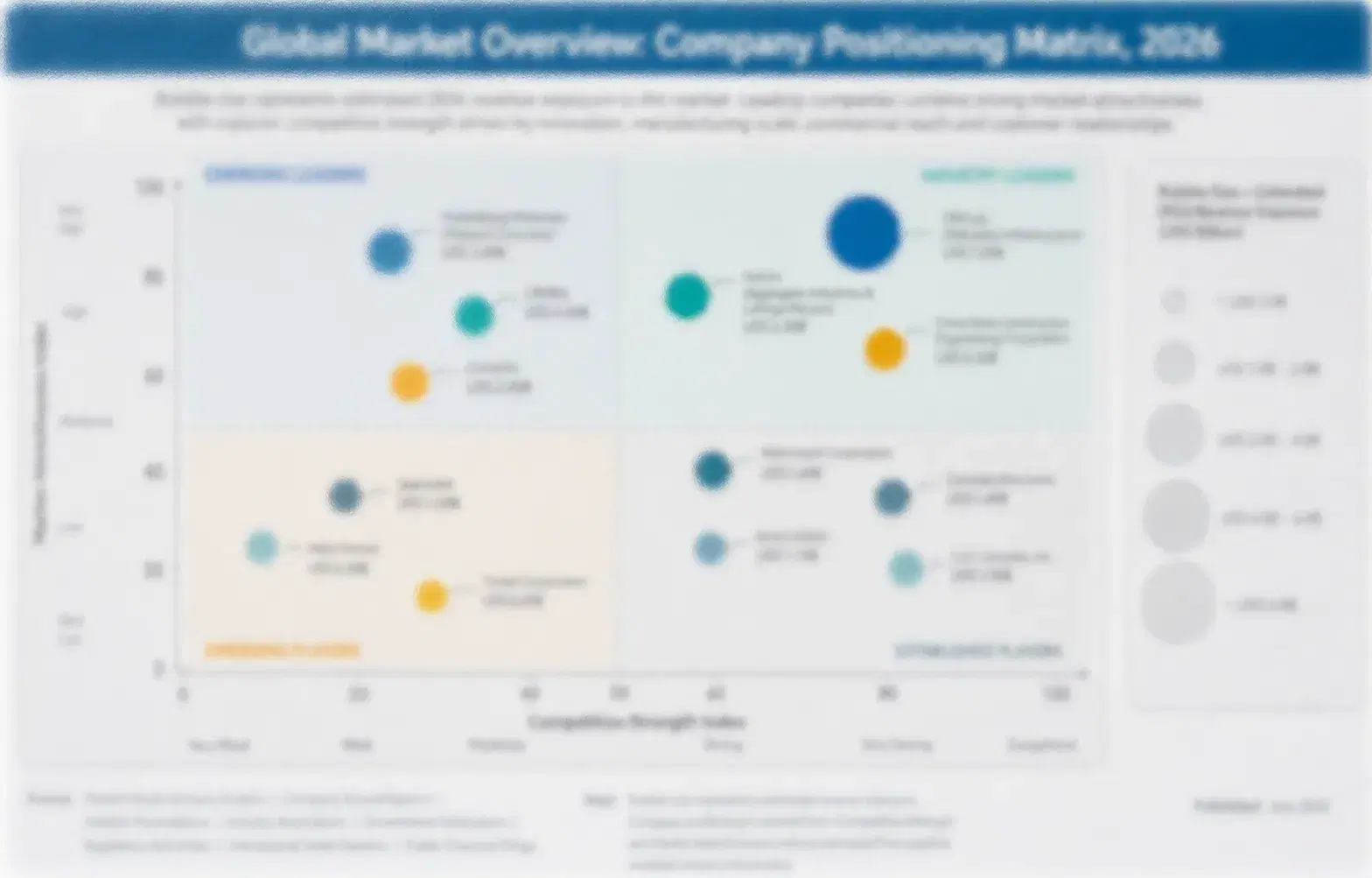
The panko industry is moderately fragmented, with a CR5 of 27%, and many regional bakeries and private label suppliers sit outside the leading five. This assessment measures participants on estimated panko production volume, held constant across all players. Nisshin Seifun Group leads through its flour milling base and Nisshin Foods panko range, while Showa Sangyo, Kikkoman Corporation, Newly Weds Foods, and Griffith Foods follow with a clear gap between leader and challengers.
Competition runs on four dimensions today: flake size and oil uptake, crunch retention through freezing and reheating, allergen control, and supply reliability. Japanese millers win on baking know-how and wheat access, while coating specialists win on custom blends for chains and frozen makers. Private labels copy standard white panko quickly.

Emerging pressure comes from Thai and Chinese producers that supply Japan and North America at lower cost, and from frozen food makers that consider bringing coating production in-house. Rankings shift where a producer secures wheat contracts, builds gluten-free capacity, or wins air fryer specification with major brands. Regional bakeries in India and Southeast Asia can move up quickly, since local chains value short lead times and flexible orders over global scale.
panko-breadcrumbs-market-company-positioning-matrix-1789788725734

Competitive Moat and Risk Dimensions

NISSHIN SEIFUN GROUP

Moat: Flour Milling Integration Advantage

Nisshin Seifun Group is Japan's largest flour miller, and its Nisshin Foods business sells panko to restaurants, food manufacturers, and retailers in Japan and abroad. Integration with milling gives it wheat access and cost control, while long relationships with frozen food makers and chains support specification and repeat contracts across cycles.
NISSHIN SEIFUN GROUP

Risk: Domestic Wheat Price Exposure

Nisshin Seifun Group buys much of its wheat under Japan's government-managed import system, so price revisions flow directly into panko costs and contracts. Its home market is mature, and overseas expansion requires new plants, energy supply, and local wheat sourcing, which raises capital needs and margin risk.
SHOWA SANGYO

Moat: Dedicated Panko Baking Capacity

Showa Sangyo operates flour, starch, and food ingredient businesses in Japan and supplies panko and coating mixes to foodservice and food manufacturers. Its long experience in electric baking and coating formulation gives it consistent flake quality, and its links with Japanese frozen food makers support export volume to Asia and North America.
SHOWA SANGYO

Risk: Energy Costs and Scale Limits

Showa Sangyo faces electricity and wheat cost inflation in Japan, which compresses margin on fixed-price contracts. It is smaller than the largest flour groups, so global expansion and gluten-free capacity compete for capital, and Thai and Chinese rivals undercut it on standard white panko in Asia.

Players Tracked

Prominent Players

Nisshin Seifun Group
Showa Sangyo
Kikkoman Corporation
Newly Weds Foods
Griffith Foods

Other Key Players

Kerry Group
Ajinomoto
Ingredion
Bunge
Conagra Brands
McCormick & Company
Kraft Heinz
Tyson Foods
Cargill
Charoen Pokphand Foods
Nippon Flour Mills
CJ CheilJedang
Ottogi
Mizkan
Ian's Natural Foods

Recent Developments

JANUARY 2026

Nisshin Foods Launches Air Fryer Panko Range for Japanese Retail Shelves

Nisshin Foods announced an air fryer panko range for Japanese retail, using oil-in-flake and colour systems that brown without deep oil, sold beside standard panko in supermarkets. It is a product launch, and it tests whether retail shoppers will pay premiums for coatings designed for air fryer cooking.
Signal: Confirms leading Japanese producers now design retail panko around home air fryer performance rather than deep frying.
FEBRUARY 2026

Kikkoman Expands Gluten-Free Panko Distribution in United States Supermarkets

Kikkoman expanded distribution of a gluten-free panko range across United States supermarket chains, using rice-based flakes made under allergen controls. It is a distribution expansion, and it tests whether mainstream shoppers will buy gluten-free panko beyond diagnosed coeliac buyers at prices well above white panko.
Signal: Shows global brands now push gluten-free panko into mainstream supermarket shelves to reach wider allergen-aware households.
MARCH 2026

Newly Weds Foods Adds Coating Capacity at a North American Plant

Newly Weds Foods announced added breading and coating capacity at a North American plant, targeting frozen chicken and fish customers that specify panko and oven-crisp systems. It is organic capacity expansion, and it positions the company to supply large frozen food makers with custom blends. Investment figures were not disclosed.
Signal: Indicates coating specialists are investing in capacity ahead of demand from frozen makers reformulating for air fryers.

What Drives Panko Production Costs

Wheat flour accounts for roughly 42% of cost of goods, electricity and gas about 14%, packaging 12%, and yeast, salt, and sugar about eight percent. Labour and maintenance take the rest. Wheat comes mainly from the United States, Canada, and Australia for Asian bakers, and from the Black Sea and the European Union for European ones, while electricity supply is regional and rises with grid costs.
The clearest recent shock came from wheat and power. Japan's Ministry of Agriculture, Forestry and Fisheries raised government wheat resale prices by roughly 17% in April 2022 and about 19% in October 2022, while electricity tariffs also rose sharply. Producers passed on part of the cost through increases of 8% to 15%, but fixed-price contracts left margins two to four points lower through the following year.

The competitive disadvantage falls on small bakeries, which buy wheat in small lots and cannot hedge electricity, so cost swings hit them directly. Large millers spread costs across many products and negotiate index clauses with customers. Exposure also varies by geography, since Japanese producers depend on managed wheat prices and Thai producers benefit from lower labour and power costs.
panko-breadcrumbs-market-cost-volatility-analysis-1789788726053

Adding Wheat Index Clauses and Forward Contracts With Customers

Producers agree price adjustment clauses linked to published wheat indexes and sign forward wheat contracts for six to 12 months. Large buyers accept transparent formulas because they reduce renewal disputes. Clauses protect two to four points of margin, though they need reliable data and trust between supplier and buyer. Small bakers seldom win such terms.

Investing in Heat Recovery and On-Site Solar Power Supply

Plants install heat recovery, efficient dryers, and solar panels to cut electricity cost per tonne. Energy accounts for about 14% of cost of goods, and upgrades reduce use by 10% to 15%. Payback runs three to five years, so larger producers adopt first. Solar contracts also fix part of the price for a decade.

Blending Flour Sources and Diversifying Wheat Origins Across Regions

Producers buy wheat from two or three origins and blend flour grades to hold flake quality while managing cost. Multi-origin buying cuts supply risk from a single harvest, and blends lower cost by 2% to 4% per tonne. The main risk is texture variation, so sensory panels and inline sieving check each batch before release.

Portfolio Architecture for Margin Defence

Margins run from thin returns on standard white panko sold to distributors and private label programmes to strong returns on air-fry optimised and gluten-free lines sold to frozen food makers and health retailers. Three tiers separate volume products, certified premium lines, and next-generation formats, and each tier draws on different buyer groups, flour systems, and contract terms. Gross margin depends heavily on oven utilisation and wheat cost.
The tension between volume and premium is sharp. Volume lines protect oven utilisation and distributor relationships but face constant price pressure from private labels and Asian exporters, while premium lines earn higher margins on smaller volumes and depend on allergen certification and testing. Producers that run only volume struggle to fund new lines, while producers that run only premium lack the tonnage to keep ovens full through the year.

High-value pools concentrate in air-fry optimised panko for frozen brands, gluten-free lines for health retail, and custom coatings for restaurant chains. They gather where buyers pay for performance, allergen safety, or trust rather than weight of product. Japanese restaurant chains, North American frozen makers, and Southeast Asian export plants add further value, since these buyers ask for documented specifications and reorder under annual contracts.

Volume / Commodity-Adjacent Tier

Standard white panko sold in bulk to foodservice distributors and private label programmes, with thin margins, wheat and electricity cost exposure, and constant price competition from Asian exporters and dry breadcrumbs, where buyers switch on price and delivery terms.
Gross Margin: 18%-28%

Premium / Certified Tier

Whole grain, seasoned, and coarse foodservice panko with specified flake size, colour control, and allergen management, sold to restaurant chains and retailers that require documented quality, reliable delivery, and stable supply across seasons and promotions.
Gross Margin: 26%-38%

Sustainability / Regulatory / Next-Generation Tier

Gluten-free and air-fry optimised panko backed by dedicated lines, allergen certification, and appliance testing, sold to frozen food brands and health retailers that pay premiums for crunch performance, safety, and consistent supply under multi-year contracts.
Gross Margin: 32%-46%
panko-breadcrumbs-market-portfolio-architecture-1789788726393

High-value Sub-segments and Strategic Watch-out

Air-Fry Optimised Panko

Air-fry optimised panko combines the fastest growth with strong pricing, since frozen brands pay 25% to 45% premiums for coatings that brown without deep oil. Appliance testing and multi-year contracts limit competition, and suppliers with pilot kitchens win specification. Repeat volume compounds. Prices hold firm.
Gross Margin: 32%-46%

Gluten-Free Panko

Gluten-free panko delivers strong growth and healthy pricing, since allergen-aware households and restaurants pay 40% to 80% premiums for safe, crisp coatings. Dedicated lines and certification form the entry barrier, and producers with audited facilities win health retailers and chains. Trust compounds over time. Volumes follow.
Gross Margin: 30%-42%

Standard White Panko

Standard white panko forms the volume core, sold to distributors and private label at thin margins. Growth is modest, at about 4.4% a year, as buyers shift toward air-fry and gluten-free ranges. Oven utilisation, wheat cost, and electricity decide profit, and retailers use it as a traffic line.
Gross Margin: 18%-28%

Seasoned and Flavoured Panko

Seasoned and flavoured panko is the strategic watch-out, since spice blends, cheese, and herb coatings depend on fashion and restaurant menu cycles. Brands should test flavours with chains and retailers before scaling, because shelf life, allergen labelling, and formulation cost can erode margin quickly. Evidence decides pace.
Gross Margin: 24%-36%

Why Panko Buyers Keep Ordering

Panko demand behaves like an annuity once a buyer specifies a coating. Restaurant chains and frozen food makers sign annual contracts, reorder weekly, and rarely switch a validated supplier, because a change of flake size can alter product quality and require new testing. Distributors add predictability, and retailers use last year's sales to fix shelf space, so successful ranges earn steadier orders than launches driven by promotion alone.
Adoption stickiness differs by vertical. Frozen food manufacturing is the deepest, since coatings are written into product specifications and validated across freezing, storage, and reheating. Restaurant chains are almost as loyal, because menu consistency across hundreds of outlets depends on the same flake. Independent restaurants and retail shoppers are shallower and switch on price, while private label buyers follow tender rounds.

Buyer profiles are shifting between generations. Older cooks use panko for katsu and traditional cutlets, while younger buyers care about air fryer results, gluten-free options, and short ingredient lists. Health-conscious households add a third group that wants lower fat coatings and whole grain flakes. Suppliers that publish cooking guides, list allergens clearly, and use social media for recipe ideas win younger buyers and keep them as their cooking habits develop.
panko-breadcrumbs-market-end-use-penetration-index-1789788726675

MMA Verdict on Panko Strategy

These are among the four positions where our research anticipates prominent divergence between winners and laggards over the coming forecast period. Each is grounded in the demand model, the regulatory perimeter, and the announced capacity pipeline.
01 / AIR-FRY COATING STRATEGY

Build Air Fryer Testing Capacity Before Frozen Brands Specify Rival Coatings

Air-fry optimised panko grows at 9.0% a year, about 1.55 times the market rate, and it carries price premiums of 25% to 45%, so early testing investment pays back inside roughly three years on most contracts. Winners build pilot air fryer kitchens, publish browning data, and offer custom flake size and colour to frozen brands before specifications are locked by major retailers. Suppliers that wait will find coatings already validated with rivals, and switching costs will protect those incumbents for many years.
02 / ALLERGEN LINE STRATEGY

Certify Dedicated Gluten-Free Lines to Reach Chains and Health Retailers

Gluten-free panko grows at 8.2% a year and sells at 40% to 80% above white panko, but buyers only list suppliers that can prove cross-contact controls and consistent texture in every batch. A dedicated line costs $3 million to $6 million and pays back in roughly three to four years at 60% average utilisation. Producers that delay certification will lose restaurant chains and health retailers to rivals that already hold audited facilities, stable rice-flake recipes, and trusted supply records with buyers.
03 / CONTRACT STRUCTURE STRATEGY

Add Wheat Index Clauses to Protect Margin Under Annual Foodservice Contracts

Wheat takes about 42% of cost of goods, and fixed 12-month contracts leave producers badly exposed when prices move 20% or more within a single year. Clauses linked to published wheat indexes protect two to four points of gross margin, and large buyers accept them because transparent formulas reduce renewal disputes and speed negotiations. Suppliers that keep fixed prices will absorb cost spikes, shrink margins, or lose accounts to competitors that hedge wheat forward with confidence and offer stable pricing terms.
04 / ENERGY EFFICIENCY STRATEGY

Invest in Heat Recovery and Solar Supply to Cut Baking Costs

Electricity takes about 14% of cost of goods because panko baking passes current through the dough, so energy upgrades are a direct and measurable margin lever. Heat recovery and efficient dryers reduce use by 10% to 15%, solar contracts fix part of the price for a decade, and payback runs three to five years for most plants. Producers that delay will face rising regional grid tariffs, weaker competitiveness against Thai and Chinese exporters, and tighter margins at every contract renewal cycle.

Engagement Snapshot From the Field

A live engagement with an industry participant carrying material or product regulatory and market exposure ahead of a defining policy shift, showing how our research translates into a defensible multi-year portfolio strategy.
MARKET MINDS ADVISORY · CLIENT ENGAGEMENT SUMMARY
Panko Breadcrumbs Producer Strategic Portfolio Review and Transition Roadmap 2026·Investment Scenario on Panko Breadcrumbs Exposure Evaluation 2025-26
CLIENT PROFILE
The client is a mid-sized Southeast Asian bakery ingredient manufacturer with annual sales near $190 million (client-reported, unverified by MMA), two plants, and a portfolio led by standard white and seasoned panko sold to distributors and private label programmes. It had one export market, no gluten-free line, and limited technical testing capacity for frozen food customers.
STRATEGIC CHALLENGE
Standard panko volumes were growing slowly, price competition from regional exporters was cutting margins, and wheat and electricity costs were rising under fixed contracts. Management needed to decide whether to invest in air fryer coatings, gluten-free capacity, or energy upgrades, with limited capital and only one oven line able to run new formats.
MMA APPROACH
MMA analysed sales and cost data across 45 products, interviewed 10 frozen food buyers, eight restaurant chain purchasers, and six equipment suppliers, and ran a customer survey on flake and allergen preferences across three markets. It modelled margin by product and channel, tested oven options against competitor benchmarks, and ranked investments by payback and execution risk.
KEY FINDINGS
  1. Air-fry optimised panko could reach 14% of sales within two years at margins 9 points above the core range (client-reported, unverified by MMA).
  2. A dedicated gluten-free line could add 8% of sales within three years at prices 55% above white panko, with payback near 42 months.
  3. Fixed 12-month contracts covered 70% of volume, and wheat index clauses could protect about three margin points when raw material prices moved sharply.
  4. Heat recovery and dryer upgrades could cut electricity use by 12% per tonne and lift plant margin by roughly one and a half points.
CLIENT PROFILE
The client is a mid-sized Southeast Asian bakery ingredient manufacturer with annual sales near $190 million (client-reported, unverified by MMA), two plants, and a portfolio led by standard white and seasoned panko sold to distributors and private label programmes. It had one export market, no gluten-free line, and limited technical testing capacity for frozen food customers.
STRATEGIC CHALLENGE
Standard panko volumes were growing slowly, price competition from regional exporters was cutting margins, and wheat and electricity costs were rising under fixed contracts. Management needed to decide whether to invest in air fryer coatings, gluten-free capacity, or energy upgrades, with limited capital and only one oven line able to run new formats.
MMA APPROACH
MMA analysed sales and cost data across 45 products, interviewed 10 frozen food buyers, eight restaurant chain purchasers, and six equipment suppliers, and ran a customer survey on flake and allergen preferences across three markets. It modelled margin by product and channel, tested oven options against competitor benchmarks, and ranked investments by payback and execution risk.
KEY FINDINGS
  1. Air-fry optimised panko could reach 14% of sales within two years at margins 9 points above the core range (client-reported, unverified by MMA).
  2. A dedicated gluten-free line could add 8% of sales within three years at prices 55% above white panko, with payback near 42 months.
  3. Fixed 12-month contracts covered 70% of volume, and wheat index clauses could protect about three margin points when raw material prices moved sharply.
  4. Heat recovery and dryer upgrades could cut electricity use by 12% per tonne and lift plant margin by roughly one and a half points.
RECOMMENDED STRATEGY
Phase 1: Phase 1 (Months 1-6): Build a pilot air fryer kitchen, add wheat index clauses to contract renewals, and begin heat recovery installation at the main plant. Phase 2: Phase 2 (Months 7-18): Launch air-fry optimised panko to two frozen food customers and start construction of a certified gluten-free line with allergen audits. Phase 3: Phase 3 (Months 19-30): Reduce low-margin distributor volume, expand air-fry capacity, and add export listings with Japanese and North American food manufacturers.
OUTCOME
Within 30 months, air-fry and gluten-free products reached 22% of sales, plant energy cost per tonne fell by 12%, and gross margin improved by five points (client-reported, unverified by MMA). The client signed multi-year agreements with three frozen food makers and secured audit approval from two health retailers, while distributors named it a preferred supplier.

Frequently Asked Questions

Foundational context covering the market sizes, CAGR, scope, country, region and competition that inform every finding below. This section is provided to cover basics and most often pre-purchase conversations, answered from the MMA Primary Research Dataset.

What is the current size of the Panko Breadcrumbs Market?

The global panko breadcrumbs market was valued at $1.6 billion in 2025. Growth is supported by frozen coated foods, quick-service chain expansion, and air fryer adoption across major markets.

How large will the Panko Breadcrumbs Market be by 2036?

The market is projected to reach $2.98 billion by 2036, up from $1.69 billion in 2026. The increase of $1.28 billion reflects air fryer coatings, gluten-free lines, and wider foodservice use.

What is the CAGR for the Panko Breadcrumbs Market 2026 to 2036?

The market is forecast to grow at a 5.8% CAGR from 2026 to 2036. The bull case reaches 7.1% and the bear case 4.5%, depending on air fryer adoption and wheat costs.

Which segment is growing fastest?

Air-Fry Optimised Panko is the fastest-growing segment at 9.0% CAGR, roughly 1.55 times the overall market rate. Gluten-Free Panko follows as the second-fastest segment at 8.2% CAGR each year.

Who are the major companies in the Panko Breadcrumbs Market?

Major companies include Nisshin Seifun Group, Showa Sangyo, Kikkoman Corporation, Newly Weds Foods, and Griffith Foods. Kerry Group, Ajinomoto, Ingredion, and private label suppliers also hold meaningful positions.

Which country is growing fastest?

India is the fastest-growing country at an 8.4% CAGR, driven by fried chicken chains, cloud kitchens, and frozen snack makers. Vietnam and Thailand follow through frozen seafood and export production.

Report Segmentation Architecture

The full report scope spans multiple orthogonal segmentation dimensions, with cross-tabulated demand data provided for each dimension pair. Coverage extends further to regional breakdowns, trend trajectories, and the competitive detail needed to support segment-level decision-making.

By Primary Market Dimension

  • Standard White Panko
  • Whole Grain and Multigrain Panko
  • Gluten-Free Panko
  • Seasoned and Flavoured Panko
  • Air-Fry Optimised Panko
  • Coarse Foodservice Panko

By End-Use Industry

  • Restaurants and Quick-Service Chains
  • Frozen Coated Food Manufacturing
  • Meat, Poultry, and Seafood Processing
  • Household Cooking
  • Catering and Institutional Kitchens

By Commercial Dimension

  • Foodservice Distributors
  • Direct Industrial Contracts
  • Supermarkets and Hypermarkets
  • Online and Specialty Retail
  • Private Label Programmes

By Region

  • North America
  • Western Europe
  • East Asia
  • South Asia and Pacific
  • Latin America
  • Middle East and Africa
  • Eastern Europe

Scope, Methodology, and Coverage

Every figure in this report is reproducible from documented input assumptions. The scope below maps the historical period, the forecast horizon, the segmentation dimensions, and the countries covered, alongside the underlying primary and qualitative methodology.
Historical Period
2020 to 2025
Forecast Period
2026 to 2036
Base Year
2025 (USD billions; MMA Primary Research Dataset, September 2026)
Market Definition
Panko breadcrumbs comprise coarse, airy breadcrumbs made from crustless bread baked by electrical resistance or similar processes, including standard white, whole grain and multigrain, gluten-free, seasoned and flavoured, air-fry optimised, and coarse foodservice panko, sold to foodservice operators, food manufacturers, and retail shoppers. The scope excludes fine dry breadcrumbs, batters and tempura mixes, croutons, and bread sold for direct consumption.
Quantitative Units
USD billions (current prices); kilotonnes for volume references
Segmentation Dimensions
By Formulation and Format; By End-Use Industry; By Commercial Dimension; By Region
Regions Covered
North America, Western Europe, East Asia, South Asia and Pacific, Latin America, Middle East and Africa, Eastern Europe
Countries Covered
USA, Canada, Mexico, Brazil, Argentina, Chile, UK, Germany, France, Netherlands, Poland, Romania, Turkey, Israel, South Africa, UAE, Japan, South Korea, China, Taiwan, Thailand, Vietnam, India, Australia, and additional markets relevant to this sector
Key Companies Profiled
Nisshin Seifun Group, Showa Sangyo, Kikkoman Corporation, Newly Weds Foods, Griffith Foods, Kerry Group, Ajinomoto, Ingredion, Bunge, Conagra Brands, McCormick & Company, Kraft Heinz, Tyson Foods, Cargill, Charoen Pokphand Foods, Nippon Flour Mills, CJ CheilJedang, Ottogi, Mizkan, Ian's Natural Foods
Quantitative Methodology
Primary survey, n=3,800 respondents, Q4 2025, six countries; demand-side model with trade association cross-validation
Qualitative Methodology
47 expert interviews, Q4 2025; applied to validate demand model assumptions, identify emerging dynamics, and assess competitive positioning
Report Format
PDF and XLSX data workbook (Word format preview document)
Publisher
Market Minds Advisory
Report Code
MMA-2026-AGR-372
Published
September 2026
Contact
sales@marketmindsadvisory.com | www.marketmindsadvisory.com

Purchase the full Panko Breadcrumbs Market Report (2026 to 2036).

The full report delivers a detailed assessment of global panko breadcrumbs through 2036, covering segment, regional, and country forecasts, competitive benchmarking of leading producers, and input cost analysis. It combines MMA primary research, including a six-country survey of 3,800 respondents and 47 expert interviews, with public trade and company data. Analysts also model air fryer adoption scenarios, wheat and power price paths, and gluten-free capacity economics. Clients receive segment margin ranges, channel maps, and a case study on portfolio strategy. Supplier and buyer contact frameworks are also included for negotiation planning.
Ten-year segment and regional demand forecasts
Wheat, electricity, and packaging price tracking
Competitive benchmarking of top twenty producers
Acrylamide and allergen rule tracker by country
Regional demand mechanism comparative analysis included
Quarterly primary survey data update access

Built For The People Who Decide

From boardroom strategy to bench-side execution, this report is read cover-to-cover by leaders shaping the next decade of their industry, turning demand scenarios, market dynamics and valuation benchmarks into decisions.
CXOs/ Presidents/ VPs/ Managers
M&A and Corporate Development
Strategy Teams and R&D Heads
Procurement and Product Directors
Regulatory and Compliance Leaders
Investor Relations and Equity Analysts