Market Minds Advisory
Pallet Stretch Wrapping Machine Market

Pallet Stretch Wrapping Machine Market: The Film Costs More Than The Machine

Across a wrapper's working life the film running through it costs several times what the machine did, yet almost every sales conversation in this industry is still about the machine specification instead.

Lead Analyst

Published

September 2026

Make Smarter Decisions with Customized Research Insights

Request a free sample report and evaluate market opportunities, growth trends, and competitive dynamics relevant to your business needs.

2025 MARKET VALUE$1.4BMarket Size 2025
2036 FORECAST VALUE$2.8BBase Case , 2026 to 2036
CAGR 2026 TO 20366.0 %Bull 7.2% / Bear 4.8%
INCREMENTAL OPPORTUNITY$1.2BNet 10- year value creation
EXPANSION MULTIPLE1.79x2036 value over 2026 base
Strategic Levers
M&A Pipeline
Regional Outlook
Country Rankings
Competitive Intelligence
Segmental Deep-dive
Call-Us : 91 93563 13602

Executive Snapshot and Market Trajectory

Over a decade of operation the stretch film consumed by a wrapper costs several times the capital price of the machine itself. A wrapper that pre-stretches film properly cuts that consumption substantially, which means the honest sale here is an arithmetic exercise rather than a specification sheet.
East Asia holds 30% of value on the strength of Chinese warehouse and distribution centre construction alongside domestic machinery manufacturing at scale, with Japanese and Korean retrofit demand adding steadily on top. Ring straddle wrappers grow at 9.0%, half again the market rate of 6.0%, because they wrap without rotating the load, which matters for unstable pallets and for inline speeds that turntables cannot reach. Turntables remain the volume here.
Concentration is moderate at 38% and the industry sells almost entirely on machine capability. Load containment force is the property that actually determines whether a pallet survives a trailer, an accepted test method for measuring it exists, and hardly anybody uses it. Wrapping quality is judged instead by whether the load looks wrapped, which is not the same thing at all. Judging wrapping by appearance rewards using more film rather than using it well.
Market Definition
The market covers machinery that applies stretch film or stretched film hoods to unitised palletised loads, including turntable stretch wrappers, rotary arm stretch wrappers, ring straddle stretch wrappers, horizontal and orbital wrappers, mobile robotic wrappers, and stretch hooding systems. Stretch film itself, pallets, strapping and banding equipment, shrink wrapping tunnels, palletising robots and conveyors, and warehouse management software are excluded. Contract packing and third party logistics services fall outside scope.
Base Year Value
$1.4B in 2025 (MMA Primary Research Dataset, August 2026)
Forecast Period
2026 to 2036, eleven discrete annual values
CAGR
6.0% base case. Bull 7.2%. Bear 4.8%.
Fastest Growth Segment
Ring Straddle Stretch Wrappers: 9.0% CAGR
Fastest Growth Country
India: 8.4% CAGR
Fastest Growth Region
South Asia and Pacific: 8.2% CAGR
Largest Region
East Asia: 30% of 2025 global value
Market Leaders
Signode, Lantech, Aetna Group, Duravant, Fromm Group. Source: MMA Analysis based on disclosed packaging machinery revenue, company annual reports 2025.
Primary Survey
n=3,800 procurement and R&D decision-makers, Q4 2025, six countries
Methodology
Demand-side build-up, cross-validated against public data, 47 expert interviews

Pallet Stretch Wrapping Machine Market Forecast Scenarios

pallet-stretch-wrapping-machine-market-size-forecast-scenario-1787689974181
Growth from 2020 to 2025 ran at 5.0% and warehouse labour drove more of it than throughput did. Distribution centre construction accelerated sharply through 2020 and 2021 as online retail expanded, and manual pallet wrapping proved one of the hardest tasks in those buildings to staff reliably. Film pricing rose considerably across the period, which turned pre-stretch from a technical feature into a purchasing argument.
The 6.0% base case rests on three mechanisms. Warehouse labour scarcity keeps pushing manual wrapping toward machines, since hand wrapping is slow, inconsistent and a recognised source of repetitive strain injury. Film cost inflation makes high pre-stretch machines pay back faster, which shortens capital approval cycles considerably. And Asian distribution capacity keeps expanding, converting operations that never wrapped mechanically into ones that specify inline systems from the outset. None of the three depends on the others.
The bull case at 7.2% turns on load containment testing entering retailer and carrier requirements, which would make wrapping performance auditable and force replacement of machines that cannot demonstrate it. The bear case at 4.8% is capital deferral in distribution operations, since an existing wrapper that still works is among the easiest purchases in a warehouse to postpone indefinitely.

Where The Money Actually Goes

Start with the arithmetic nobody puts in a quotation. A distribution operation wrapping a few hundred pallets a day spends roughly 5.8 times the machine's capital cost on stretch film across its working life. Powered pre-stretch elongates film up to about 300% before it reaches the load, which means the same containment comes from far less material. The dearer machine frequently costs less by year two, and few buyers see that calculation.
FIVE-FIRM CONCENTRATION38%Share of packaging machinery revenue held by leading manufacturers
SEMI-AUTOMATIC MACHINE PRICE$18,400Typical installed cost of a turntable wrapper in distribution
TOP PRODUCING COUNTRYChina 27%Chinese share of global pallet wrapping machine units built
FILM COST MULTIPLE5.8 timesLifetime film spend relative to the machine capital cost
ACHIEVABLE PRE-STRETCH300%Film elongation a well specified powered pre-stretch system delivers
CONTAINMENT FORCE TESTING9%Shippers who measure load containment rather than judging appearance
The quality measure that matters is equally neglected. Load containment force, the retained tension holding a pallet together, is what determines whether a load arrives intact, and roughly 9% of shippers actually measure it. Everyone else judges wrapping by appearance, which rewards using more film rather than using it well. A load in a lot of unstretched film looks reassuring and contains less.
Where the consequences land explains the neglect. A pallet that collapses in a trailer costs product, driver time, a rejected delivery and a customer complaint, and every one of those costs sits with logistics rather than with the engineer who specified the wrapper. The purchasing decision and the failure cost live in different budgets and frequently in different buildings.
"The wrapper is the cheapest thing in this equation and it gets all the attention. Show a plant manager what their film bill looks like over ten years and the conversation changes completely."
Director, Packaging Machinery and Logistics Equipment Practice · MMA Industrial Equipment Practice · August 2026

Market Trends

Film Pricing Turns Pre-Stretch Into A Purchasing Argument

Powered pre-stretch systems elongate film up to around 300% before application, delivering the same containment from substantially less material, and that capability was treated as a technical refinement for years. Film price increases changed it into a financial argument that a plant manager can follow without any packaging knowledge. Machines with strong pre-stretch now pay back within periods that capital committees approve readily. Manufacturers who learned to present the film calculation are closing sales that competitors selling on throughput and specification never reach at all. The arithmetic does the persuading.
Market Impact: Replaces 2 operator positions
Ring Wrappers Displace Turntables In Automated Lines

A ring straddle wrapper carries the film carriage around a stationary load rather than rotating the pallet, which suits unstable stacks, very light loads and inline speeds that turntables physically cannot reach. Growth at 9.0% follows distribution centre automation rather than any general replacement of existing equipment. The architecture costs considerably more and earns it back in throughput and in loads that would fall over on a turntable. Turntable machines remain the volume of this market and their share of new automated installations continues declining steadily. Turntable share of new automated work keeps falling.
Market Impact: Builds 27% of global units

Market Opportunities and Growth Drivers

Warehouse Labour Scarcity Pushes Manual Wrapping Out

Hand wrapping a pallet involves walking backwards around a load repeatedly while bent over, which is slow, produces wildly inconsistent containment and is a recognised cause of repetitive strain injury. Distribution operations struggling to staff shifts remove that task first because nobody wants it and the output is poor anyway. Automation here is therefore driven by labour availability rather than by throughput requirements, which means demand tracks warehouse employment conditions more closely than it tracks shipment volumes across most developed markets. Nobody wants the job and the output is poor regardless.
Market Impact: Leaves 91% judging by appearance

Asian Distribution Capacity Builds Wrapping In From The Start

Chinese warehouse and distribution centre construction continues at a scale nothing else matches, and those buildings specify inline wrapping during design rather than adding machines to an existing manual operation later. Building without a legacy is faster and produces higher specification installations. Chinese manufacturers build roughly 27% of global machine units and compete strongly on price across Asia and increasingly beyond it. Indian and Southeast Asian logistics construction is following the same pattern from a smaller base but at a considerably faster growth rate. First-fit specification behaves nothing like retrofit purchasing.
Market Impact: Splits costs across 2 budgets

Market Restraints and Challenges

Wrapping Quality Is Judged By Appearance Not Measurement

Load containment force determines whether a pallet survives transit and roughly 9% of shippers measure it, while everyone else judges wrapping by how it looks. Root cause is that an accepted test method exists but requires equipment and training that nobody has budgeted, and appearance is free to assess. The commercial impact is that machines using film efficiently look worse than machines using film wastefully, which penalises exactly the capability buyers should reward. Mitigation requires manufacturers to supply containment measurement as part of commissioning, which very few currently do. Very few builders supply it.
Market Impact: Cuts film use by 300%

The Buyer And The Damage Cost Sit In Different Budgets

A collapsed pallet costs product, driver time, a rejected delivery and a customer relationship, and all of that lands on logistics rather than on the packaging engineer who chose the wrapper. Root cause is organisational rather than technical: capital sits with operations and damage sits with distribution. The commercial impact is machines specified on price with no reference to the failures they will cause downstream. Mitigation involves selling to logistics and quality functions alongside engineering, which requires a different commercial organisation than most manufacturers run. Those functions are rarely called on at all.
Market Impact: Handles 120 pallets hourly
3 additional market trends, 4 additional growth drivers, and 2 additional restraints and challenges are covered in the full report. Contact sales@marketmindsadvisory.com to access the complete intelligence.

Segment CAGR and Growth Architecture

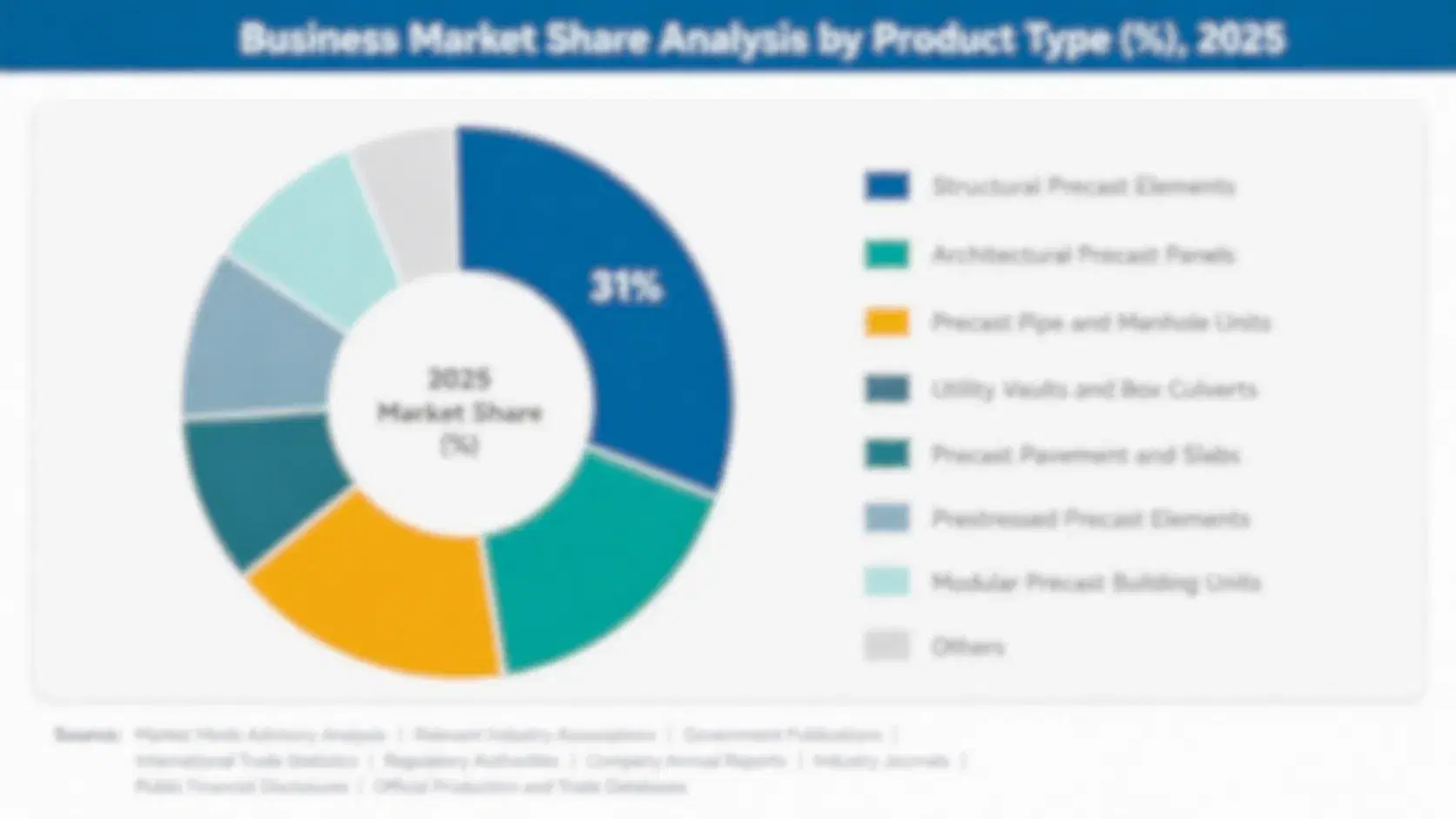
Segmentation follows machine architecture: how each system applies film to the load, rather than which goods are wrapped or which industry buys it. Six architectures cover the market without overlap, from turntable wrappers through to stretch hooding systems. End-use industry and commercial arrangement are treated separately, since both cut across every architecture here. Both cut across all six.
pallet-stretch-wrapping-machine-market-market-share-analysis-1787689974364

Ring Straddle Stretch Wrappers

A ring wrapper drives the film carriage around a stationary pallet rather than spinning the load, which removes the constraint that limits everything else in this market. Unstable stacks stay standing, very light loads do not shift, and line speeds reach levels a turntable cannot approach because nothing has to accelerate and stop. Growth at 9.0%, half again the market rate of 6.0%, comes from new automated distribution installations rather than from replacing existing equipment. The architecture costs considerably more and earns it back through throughput and through loads that would simply fall over on a rotating platform. Specification happens at facility design stage rather than at any tender, which closes the opportunity early.
CAGR 9.0%

Mobile Robotic Wrappers

A self-propelled wrapper that drives itself around a load on the warehouse floor requires no fixed installation, no dedicated floor space and no conveyor, which suits operations wrapping loads wherever they happen to be built. Growth at 7.4% comes largely from smaller distribution sites and from oversized loads that will not fit a turntable at all. Containment consistency is better than hand wrapping by a wide margin and below what a fixed machine achieves, which is the honest position. Manufacturers who present these as a step up from manual rather than as equivalent to fixed automation hold accounts considerably longer. Overstating that comparison costs accounts, and the honest framing holds them considerably longer.
CAGR 7.4%
Full segment breakdown across 6 segments available in the complete report.

Regional Architecture and Country Demand Map

Geography follows distribution capacity construction and warehouse labour cost rather than manufacturing output alone. East Asia leads on building volume and domestic machine production, North America on automation intensity, and South Asia grows fastest of all regions. Where machines are built and where value lands are separate questions.

North America

American demand is driven more by warehouse labour availability than by shipment growth, since wrapping is among the least popular tasks in any distribution building and the hardest to staff consistently. Automation intensity per site is the highest anywhere and inline systems are specified readily in new facilities. Film cost arguments land well with plant managers here because film is purchased centrally and the spend is visible. Canadian demand follows similar patterns with a smaller domestic manufacturing base. Mexican distribution capacity has expanded considerably with nearshoring, and new facilities frequently specify automated wrapping from the design stage. Film is bought centrally here and the spend is visible, which makes the operating cost argument land unusually well.
Share: 26% | CAGR: 5.4% (2026 to 2036)

Western Europe

European manufacturers hold a disproportionate share of global machine design and production, with Italian, German and Swiss builders supplying architectures used worldwide. Domestic demand is mature and driven by replacement rather than expansion, since distribution capacity is largely built out across the region. Load containment awareness is somewhat higher here than elsewhere, partly through transit packaging standards work that European bodies have pursued. Nordic and Dutch operations run high automation intensity. Regional purchasing is disciplined and price sensitive, which has pressed margins for domestic builders competing against Asian imports on comparable specifications. Domestic builders now compete against Asian imports on broadly comparable specifications, which has pressed margins considerably across the past decade.
Share: 23% | CAGR: 4.4% (2026 to 2036)
Regional intelligence for 5 additional markets available in the complete report: East Asia, South Asia and Pacific, Latin America, Middle East and Africa, Eastern Europe. Contact sales@marketmindsadvisory.com.
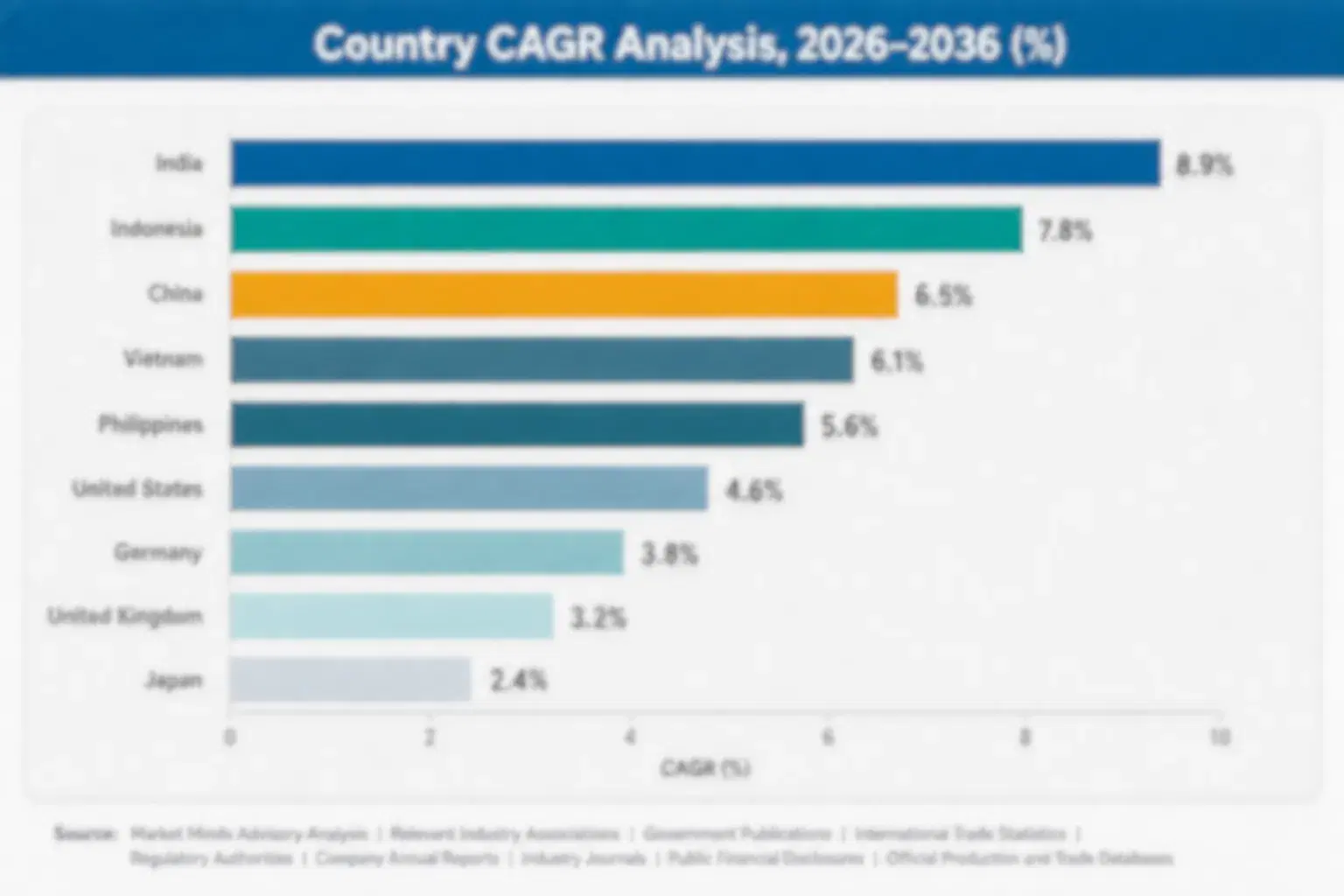
pallet-stretch-wrapping-machine-market-country-cagr-analysis-1787689974548

Selling The Film Bill Instead

Lifetime film spend runs about 5.8 times the machine cost, roughly 9% of shippers measure containment, and damage costs land in a budget the buyer does not control. Four levers work on economics, measurement and organisational reach rather than on machine specification, which every competitor can match. Specification arguments reach none of those three problems.

Quote The Film Bill, Not The Machine Price

A distribution operation spends roughly 5.8 times the machine's capital cost on stretch film across its working life, and powered pre-stretch at around 300% elongation cuts that consumption substantially. Presenting that calculation converts a capital comparison into an operating cost argument that a plant manager follows immediately and a finance function approves quickly. The requirement is a sales organisation able to build the customer's own film model from their pallet volumes, which takes training rather than product development and which almost no competitor currently does. Almost nobody in the industry does it.
Market Impact: Addresses the 5.8 times lifetime film cost multiple

Supply Containment Measurement During Machine Commissioning

Roughly 9% of shippers measure load containment force, and the rest judge wrapping by appearance, which rewards using more film rather than using it properly. A manufacturer supplying containment measurement during commissioning proves its machine performs and simultaneously creates the metric on which future comparisons will be made. That is a genuinely defensible position, since a competitor arriving later must then be measured on the same basis. The equipment is inexpensive and the commercial effect of owning the measurement standard is considerable. It costs very little and the commercial effect is considerable.
Market Impact: Reaches the 91% who never measure load containment

Sell Into Logistics As Well As Engineering

Pallet collapse costs product, driver time, rejected deliveries and customer relationships, and every one of those lands on distribution rather than on the engineer specifying the wrapper. Reaching logistics and quality functions puts damage cost into the purchasing conversation for the first time, which changes what specification gets approved. Roughly 9% of shippers currently measure containment, so most logistics teams have never been given the data to make the argument themselves. Supplying it turns a price-driven capital decision into a damage reduction case. That is a different argument entirely. Nobody supplies them that data.
Market Impact: Bridges 2 separate budget holders in one conversation

Design Ring Architecture Into Automated Line Offers

Ring straddle wrappers grow at 9.0% because they wrap without rotating the load, which handles unstable stacks and reaches inline speeds turntables physically cannot. New automated distribution installations increasingly specify this architecture at design stage rather than considering it later. Manufacturers whose automated line offer is built around rotating platforms are competing for retrofit work while the new-build specifications go elsewhere. Developing or acquiring ring capability is expensive and it decides participation in the only fast growing architecture available here. Retrofit work is what remains otherwise. The capability decides participation entirely.
Market Impact: Captures a 9.0% growing ring straddle machine architecture

Who Controls the Margin Pool

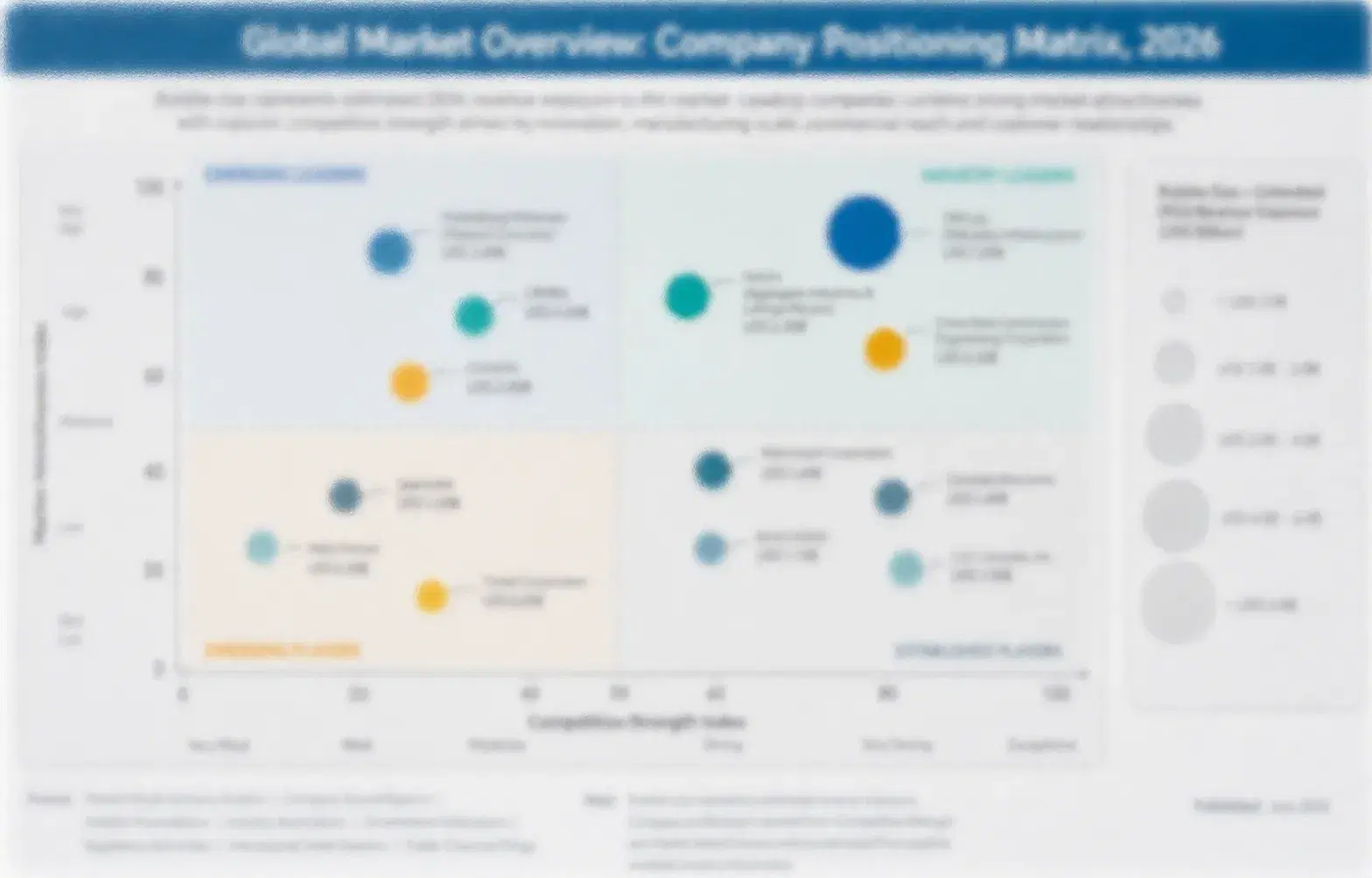
Measured on disclosed packaging machinery revenue, the five leading manufacturers hold a CR5 of 38%, which is moderate and reflects a market where regional builders hold genuine positions against global groups. Signode and Lantech lead in North America, Aetna and Fromm across Europe, and Chinese manufacturers dominate their own enormous domestic market while exporting increasingly into price-sensitive regions elsewhere. Regional builders hold genuine positions against much larger groups.
Three contests define activity. Semi-automatic turntable supply competes on price and dealer coverage, where machines are broadly comparable and service response decides most decisions. Automated inline systems compete on architecture and integration with conveying and palletising, which is a systems sale rather than a machine sale. Film efficiency competes on pre-stretch performance, which almost nobody quantifies for the customer despite it deciding lifetime cost. A builder strong in one contest is frequently irrelevant in the others.

Pressure comes from Chinese manufacturers whose cost position on conventional architectures is difficult to match and who are moving upward in specification steadily. Rankings shift wherever new automated facilities specify ring architecture at design stage, since that decision closes the opportunity to anybody without the capability well before any tender.
pallet-stretch-wrapping-machine-market-company-positioning-matrix-1787689974733

Competitive Moat and Risk Dimensions

SIGNODE

Moat: Unitised Load Systems Breadth

Signode supplies strapping, protective packaging and wrapping together, which places pallet wrapping inside a relationship covering most of how a customer secures a load. That breadth matters when a distribution operation wants one supplier accountable for whether pallets arrive intact. A wrapper specialist competes against a supplier already owning the rest of the problem.
SIGNODE

Risk: Chinese Cost Position Pressure

Conventional turntable and rotary arm architectures are broadly comparable across suppliers, and Chinese manufacturers hold cost positions that established Western builders cannot match on those machines. Breadth delays the effect without removing it. Defending the volume segment means competing on price from a permanently disadvantaged position while margin migrates toward automated systems instead.
LANTECH

Moat: Film Efficiency Engineering Depth

Lantech has built its position on film consumption and containment performance rather than on machine specification, which aligns with where a customer's actual money goes across a machine's life. That engineering focus produces measurable operating savings a competitor must match rather than merely claim. Customers who have seen their own film calculation rarely go back to comparing capital prices afterward.
LANTECH

Risk: Argument Requires Buyer Education

A commercial position resting on lifetime film economics only works if the buyer engages with the calculation, and many purchasing processes compare capital price and stop there. Educating a buyer takes time that a competitive tender frequently does not allow. The better argument loses regularly to the simpler one, particularly in price-driven regional markets.

Players Tracked

Prominent Players

Signode
Lantech
Aetna Group
Duravant
Fromm Group

Other Key Players

ITW Muller
Cyklop International
Atlanta Stretch
Technowrapp
Orion Packaging
Arpac
Youngsun Intelligent Equipment
Beumer Group
MSK Covertech
Phoenix Wrappers
Reisopack
Movitec
Tosa Group
Cousins Packaging
Highlight Industries

Recent Developments

FEBRUARY 2025

Distribution operator specifies ring wrappers across new automated facilities

A distribution operator specified ring straddle wrappers across newly built automated facilities, a capital procurement rather than any partnership or acquisition. The stated reason was load stability at inline speeds, since rotating pallets at the throughput required had produced load shifting that no turntable configuration resolved satisfactorily.
Signal: Architecture is being chosen at facility design stage, which closes the opportunity long before any competitive tender.
JUNE 2025

Machinery builder introduces containment force measurement into commissioning

A wrapping machinery builder began supplying load containment force measurement as a standard part of machine commissioning, an internal service change rather than any commercial transaction. Customers had been judging wrapping performance by appearance, which rewards film volume rather than the retained tension that actually holds a load together.
Signal: Whoever supplies the measurement defines the metric competitors are subsequently judged against, which is a durable position.
OCTOBER 2025

Chinese manufacturer expands automated wrapping system export capacity

A Chinese packaging machinery manufacturer expanded production capacity for automated wrapping systems aimed at export markets, an organic capital investment rather than any acquisition. The expansion targets higher specification architectures rather than the conventional turntable machines that had previously carried most Chinese export volume. Premium refuge is narrowing.
Signal: Chinese competition is moving upward in specification, which removes the premium refuge Western builders have relied upon.

What A Wrapper Costs To Build

Fabrication and bought-in components dominate. Steel structure, drives, motors, bearings and control electronics together run 44 to 51% of manufacturing cost for a conventional wrapper, with control systems and drives the largest purchased elements. Ring architectures cost considerably more to build because the carriage assembly and its drive are precision items rather than fabricated ones. Assembly labour and testing carry most of the remainder for every architecture here.
The volatility that matters is steel and electronics rather than anything specialised. Structural steel pricing moved sharply through 2021 and 2022, and industrial control component lead times extended well beyond what production schedules assumed during the same period. IEA industrial energy data documents the European energy costs behind it. Builders holding component allocation and forward steel positions delivered on quoted lead times. Spot buyers quoted longer deliveries and lost orders.

Exposure divides by manufacturing location and architecture. European builders carry energy-intensive fabrication cost that Asian competitors do not, on machines whose specifications are broadly comparable. Ring architecture producers carry precision component exposure and considerably better margins. Builders assembling from purchased subsystems carry control electronics availability risk directly. During 2022 that availability decided which builders could quote a delivery date anybody actually believed.
pallet-stretch-wrapping-machine-market-cost-volatility-analysis-1787689974920

Hold control component allocation against quoted lead times

Industrial control component lead times extended well past production assumptions through 2021 and 2022, and builders without allocation quoted deliveries they could not meet or lost orders on availability alone. Allocation agreements cost working capital and inventory risk. They also prevent the specific failure that costs an order outright, which in capital equipment usually means losing the whole facility.

Standardise fabrication across architecture families

A builder producing several architectures from unrelated frame designs carries fabrication cost and inventory that shared platforms would remove entirely. Standardising structural elements across families is design work taken once and it determines cost position for a decade. Competitors improving assembly efficiency later cannot reach a position established during original design. Design decisions taken once govern cost for a decade.

Move ring architecture volume toward premium margin

Ring straddle machines cost more to build and carry considerably better margins, and they grow at 9.0% against a market rate of 6.0%. Builders whose mix stays weighted toward conventional turntables compete against Chinese cost positions on machines that are broadly comparable. Shifting mix protects margin far more reliably than any manufacturing efficiency programme on conventional architectures.

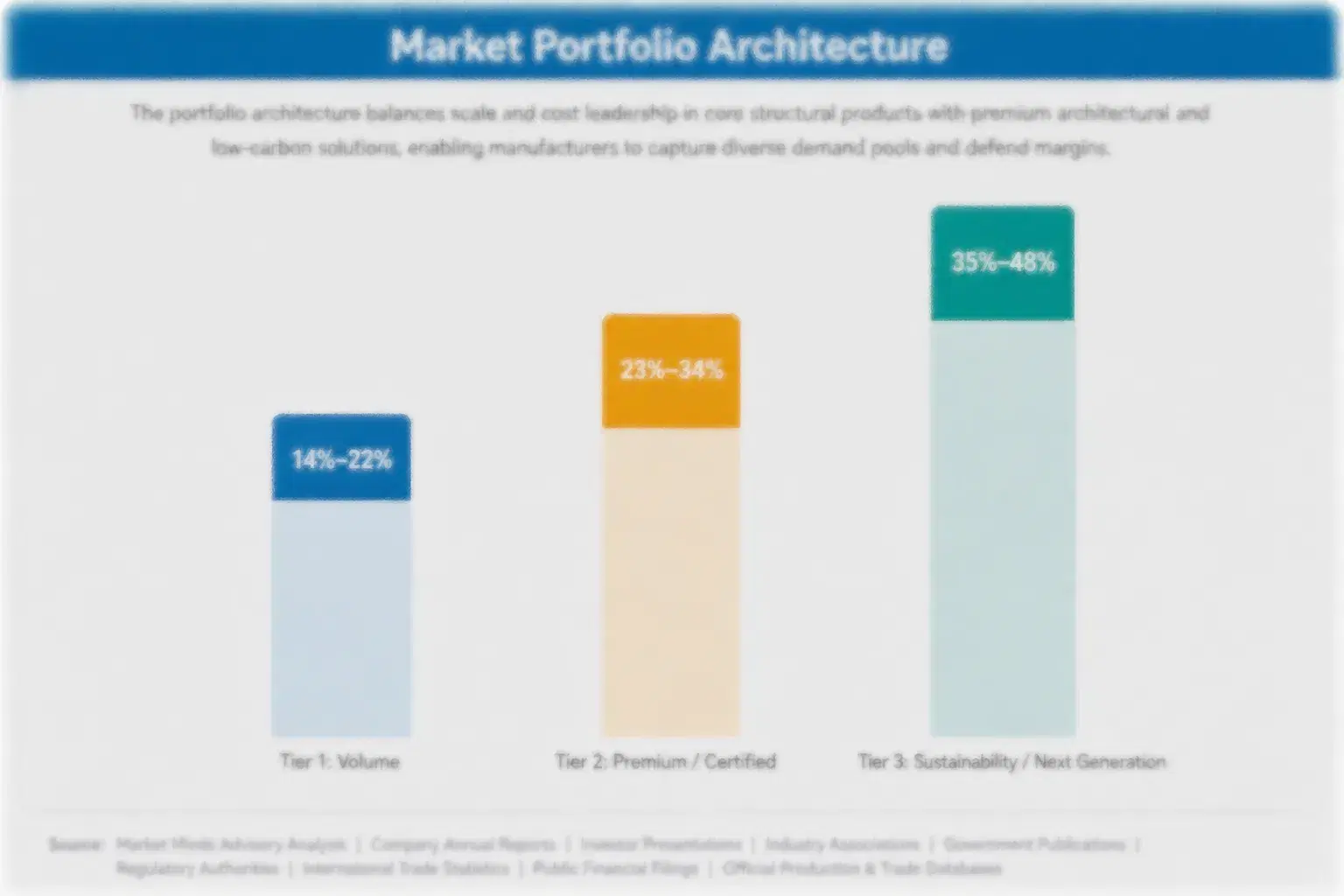
Portfolio Architecture for Margin Defence

Margin follows how comparable the machine is on a specification sheet. Semi-automatic turntables are directly comparable, widely available and priced against Chinese builders who set the floor. Rotary arm machines earn somewhat better on throughput and configuration. Ring architectures earn considerably more because capability rather than price decides selection. Stretch hooding earns well in the niches where a five-sided seal is genuinely required and nothing else serves.
The tension is that volume sits in the segment where cost position decides everything and Western builders are disadvantaged. Conventional machines carry factory utilisation and dealer relationships, and defending them means competing against manufacturers with lower underlying costs on products that are broadly identical. Builders who shifted mix toward ring architectures and film efficiency arguments have held margin. Those defending turntable volume on price have watched it erode steadily for a decade.

High-value pools sit in three places. Ring straddle architecture specified into new automated facilities at design stage. Film efficiency positioning, where a demonstrated operating saving justifies a capital premium. And containment measurement services, which are inexpensive to provide and define the metric on which every subsequent comparison happens.

Volume / Commodity-Adjacent

Semi-automatic turntable wrappers and basic rotary arm machines sold through dealers against directly comparable competitor products. The 7-point range separates builders with standardised fabrication platforms and component allocation from those exposed to steel and control electronics pricing without any forward position.
Gross Margin: 19-26%

Premium / Certified

Automated rotary arm systems, stretch hooding and integrated inline installations requiring conveying and control integration. The 7-point spread separates builders offering full systems integration and commissioning support from those supplying machines against a specification for somebody else to install.
Gross Margin: 31-38%

Sustainability / Regulatory / Next-Generation

Ring straddle architectures, high pre-stretch film efficiency systems and containment measurement services. The 18-point range is wide because ring machines carry precision manufacturing cost while measurement services carry almost none and command pricing on the commercial position they create.
Gross Margin: 34-52%
pallet-stretch-wrapping-machine-market-portfolio-architecture-1787689975112

High-value Sub-segments and Strategic Watch-out

Ring Straddle Architecture

Highest value and fastest growth at 9.0%, specified into new automated facilities at design stage where capability rather than price decides selection outright. The risk is that specification happens before any tender, so a builder without the architecture never sees the opportunity at all. Design timing decides it.
Gross Margin: 49-52%

Film Efficiency Positioning

Strong value where a demonstrated lifetime film saving justifies a capital premium against comparable machines. Lifetime film spend runs about 5.8 times machine cost. The risk is that buyers comparing capital price alone never engage with the calculation, and the better argument loses to the simpler one.
Gross Margin: 42-45%

Semi-Automatic Turntables

The volume core, directly comparable and priced against Chinese builders whose cost position Western manufacturers cannot match on these machines. Builders hold the line because this tonnage carries factory utilisation and dealer relationships through which higher specification systems are subsequently sold. Utilisation justifies keeping it.
Gross Margin: 20-23%

Conventional Architecture Dependency

The strategic watch-out. A mix weighted toward turntable and basic rotary arm machines faces Chinese competitors moving upward in specification while holding a cost advantage. The risk is a builder defending volume on price indefinitely while the growing architectures are specified elsewhere entirely. The erosion is continuous.
Gross Margin: 23-26%

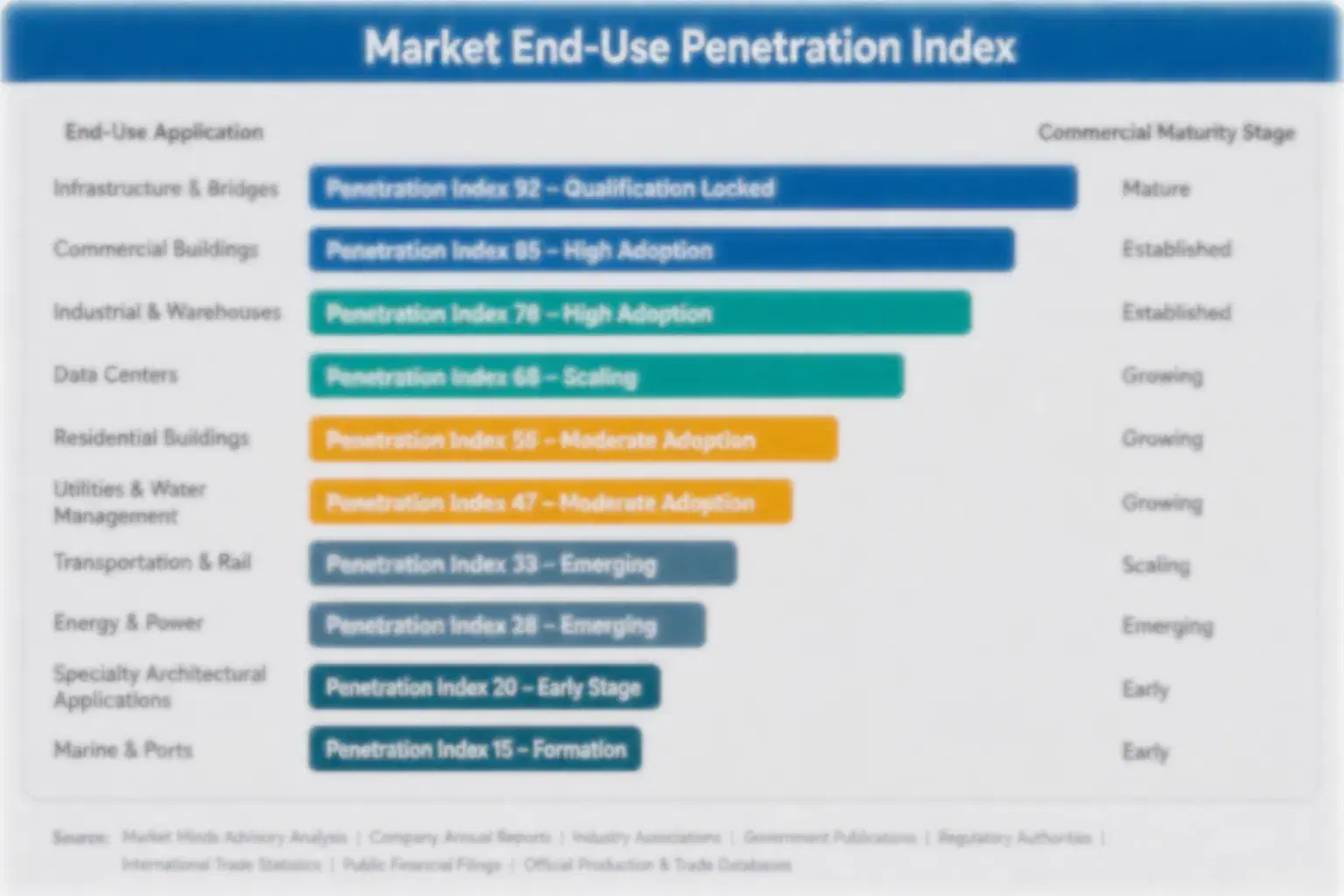
Machines That Outlast Decisions

A pallet wrapper installed in a distribution centre runs for fifteen years or more, and the purchasing decision is revisited only when it fails or when a facility is rebuilt. That makes machine revenue lumpy and infrequent while the film running through it recurs daily at roughly 5.8 times the capital cost across that life. The annuity belongs to whoever sells the film.
Stickiness depends on integration depth. A machine built into an automated line with conveying and control integration effectively never changes, since replacing it means revalidating a line. A standalone turntable is replaced by whoever quotes best when it eventually dies, with the incumbent holding only a modest service relationship advantage. Mobile robotic units move most freely of all, since they require no installation and carry no switching cost whatsoever.

The decision has moved earlier and further up the organisation than most builders have adjusted for. New automated facilities specify wrapping architecture during design, alongside conveying and palletising, which means the decision is taken by a systems integrator or facility engineer years before any purchase order. Calling on plant managers reaches people confirming somebody else's choice.
pallet-stretch-wrapping-machine-market-end-use-penetration-index-1787689975297

Where The Real Cost Sits

These are among the four positions where our research anticipates prominent divergence between winners and laggards over the coming forecast period. Each is grounded in the demand model, the regulatory perimeter, and the announced capacity pipeline.
01 / LIFETIME FILM ECONOMICS

Sell the operating bill, not the capital price

A distribution operation spends roughly 5.8 times the wrapper's capital cost on stretch film across the machine's working life, and powered pre-stretch at around 300% elongation cuts that consumption substantially and permanently. Presenting that calculation converts a capital price comparison into an operating cost argument that plant managers follow immediately and finance functions approve quickly. The requirement is a sales organisation capable of building the customer's own film model from their pallet volumes, which takes training rather than any product development at all.
02 / CONTAINMENT MEASUREMENT OWNERSHIP

Whoever measures it defines the comparison

Load containment force determines whether a pallet survives transit, and roughly 9% of shippers actually measure it while everyone else judges wrapping by how it looks. A manufacturer that supplies containment force measurement during commissioning proves its own machine performs and simultaneously establishes the metric on which every future comparison will be made. That position is genuinely defensible, because any competitor arriving afterward must then be assessed on exactly the same basis, using equipment that costs very little to provide.
03 / DAMAGE COST REACH

The failure lands in somebody else's budget

A collapsed pallet costs product, driver time, rejected deliveries and customer relationships, and every one of those costs lands on distribution rather than on the engineer who specified the wrapping machine. Reaching logistics and quality functions puts damage cost into the purchasing conversation for the first time and changes which specification actually gets approved. Most logistics teams have never been handed containment measurement data at all, so supplying it converts a price-driven capital decision into a damage reduction argument instead.
04 / DESIGN STAGE ARCHITECTURE

New facilities choose before the tender exists

Ring straddle wrappers grow at 9.0% because they wrap without rotating the load, handling unstable stacks and reaching inline speeds that turntable machines physically cannot achieve at any configuration. New automated distribution facilities now specify that architecture during building design rather than considering it at the procurement stage, which closes the opportunity before a tender is ever issued. Builders whose automated line offer is constructed entirely around rotating platforms are left competing for retrofit work while every new-build specification goes elsewhere.

Engagement Snapshot From the Field

A live engagement with an industry participant carrying material or product regulatory and market exposure ahead of a defining policy shift, showing how our research translates into a defensible multi-year portfolio strategy.
MARKET MINDS ADVISORY · CLIENT ENGAGEMENT SUMMARY
Pallet Stretch Wrapping Machine Producer Strategic Portfolio Review and Transition Roadmap 2026·Investment Scenario on Pallet Stretch Wrapping Machine Exposure Evaluation 2025-26
CLIENT PROFILE
A European packaging machinery builder supplying turntable and rotary arm pallet wrappers across 18 countries through a dealer network, with reported revenue of 96 million euros (client-reported, unverified by MMA). Roughly 74% came from semi-automatic turntable machines sold on capital price. The company had strong pre-stretch engineering that its dealers presented as a technical feature rather than as an operating saving.
STRATEGIC CHALLENGE
Turntable margins had eroded for five consecutive years against Chinese imports and management was pursuing manufacturing cost reduction to defend the position. A ring architecture had been evaluated and shelved as too expensive to develop. Nobody had examined why the company's genuine pre-stretch advantage was producing no pricing premium anywhere in the dealer network.
MMA APPROACH
MMA reviewed how dealers presented the pre-stretch capability against how customers described their purchasing criteria, which the company had never compared. Thirteen expert interviews with distribution managers, facility engineers and systems integrators established who chooses wrapping architecture and when. The analysis separated the pricing problem from the positioning problem, which management had treated as one issue.
KEY FINDINGS
  1. Dealers presented pre-stretch as a technical specification rather than as a film cost saving, so customers compared capital prices and chose the cheapest machine available.
  2. None of the dealers could build a customer film consumption model, and none had ever been trained or equipped to attempt one.
  3. Ring architecture was being specified by systems integrators at facility design stage, years before any tender the company's dealers would ever see.
  4. Training dealers to present lifetime film economics modelled a materially better return than the manufacturing cost programme underway (client-reported, unverified by MMA).
CLIENT PROFILE
A European packaging machinery builder supplying turntable and rotary arm pallet wrappers across 18 countries through a dealer network, with reported revenue of 96 million euros (client-reported, unverified by MMA). Roughly 74% came from semi-automatic turntable machines sold on capital price. The company had strong pre-stretch engineering that its dealers presented as a technical feature rather than as an operating saving.
STRATEGIC CHALLENGE
Turntable margins had eroded for five consecutive years against Chinese imports and management was pursuing manufacturing cost reduction to defend the position. A ring architecture had been evaluated and shelved as too expensive to develop. Nobody had examined why the company's genuine pre-stretch advantage was producing no pricing premium anywhere in the dealer network.
MMA APPROACH
MMA reviewed how dealers presented the pre-stretch capability against how customers described their purchasing criteria, which the company had never compared. Thirteen expert interviews with distribution managers, facility engineers and systems integrators established who chooses wrapping architecture and when. The analysis separated the pricing problem from the positioning problem, which management had treated as one issue.
KEY FINDINGS
  1. Dealers presented pre-stretch as a technical specification rather than as a film cost saving, so customers compared capital prices and chose the cheapest machine available.
  2. None of the dealers could build a customer film consumption model, and none had ever been trained or equipped to attempt one.
  3. Ring architecture was being specified by systems integrators at facility design stage, years before any tender the company's dealers would ever see.
  4. Training dealers to present lifetime film economics modelled a materially better return than the manufacturing cost programme underway (client-reported, unverified by MMA).
RECOMMENDED STRATEGY
Phase 1: Phase one: build a film consumption calculation tool and train the entire dealer network to construct it from a customer's own pallet volumes. Phase 2: Phase two: reopen the ring architecture decision, since absence from that segment excludes the company from new automated facility specifications entirely. Phase 3: Phase three: establish direct relationships with systems integrators, who choose wrapping architecture years before any dealer is contacted. Dealers are contacted last.
OUTCOME
Dealers using the film calculation achieved materially higher average selling prices within a year, and win rates improved against cheaper imports. Ring architecture development was restarted with a partner rather than internally (client-reported, unverified by MMA). Systems integrator relationships produced two facility specifications the company would previously never have seen.

Frequently Asked Questions

Foundational context covering the market sizes, CAGR, scope, country, region and competition that inform every finding below. This section is provided to cover basics and most often pre-purchase conversations, answered from the MMA Primary Research Dataset.

What is the current size of the Pallet Stretch Wrapping Machine Market?

The market was worth 1.45 billion dollars in 2025, covering turntable, rotary arm, ring straddle, horizontal, mobile robotic wrappers and stretch hooding systems. It reaches 1.54 billion dollars in 2026.

How large will the Pallet Stretch Wrapping Machine Market be by 2036?

MMA forecasts 2.75 billion dollars by 2036, an increase of 1.21 billion dollars over the 2026 base. That represents an expansion multiple of 1.79 times across the forecast period.

What is the CAGR for the Pallet Stretch Wrapping Machine Market 2026 to 2036?

The base case compounds at 6.0% annually. MMA's bull case reaches 7.2% if containment testing enters carrier requirements, while the bear case sits at 4.8% on capital deferral in distribution.

Which segment is growing fastest?

Ring straddle stretch wrappers, at 9.0%, half again the market rate of 6.0%. They wrap without rotating the load, which handles unstable pallets and reaches inline speeds turntables cannot.

Who are the major companies in the Pallet Stretch Wrapping Machine Market?

Signode, Lantech, Aetna Group, Duravant and Fromm Group lead on disclosed packaging machinery revenue. Cyklop, Atlanta Stretch, Youngsun and MSK Covertech hold strong regional or architecture positions.

Which country is growing fastest?

India at 8.4%, driven by organised logistics and warehousing expanding from a base where manual wrapping remains normal. China remains the largest producer and consumer.

Report Segmentation Architecture

The full report scope spans multiple orthogonal segmentation dimensions, with cross-tabulated demand data provided for each dimension pair. Coverage extends further to regional breakdowns, trend trajectories, and the competitive detail needed to support segment-level decision-making.

By Machine Architecture

  • Turntable Stretch Wrappers
  • Rotary Arm Stretch Wrappers
  • Ring Straddle Stretch Wrappers
  • Horizontal and Orbital Wrappers
  • Mobile Robotic Wrappers
  • Stretch Hooding Systems

By End-Use Industry

  • Retail Distribution Centres
  • Food and Beverage Production
  • Building Materials and Construction
  • Chemicals and Industrial Goods
  • Third Party Logistics Operations
  • Agricultural and Produce Packing

By Commercial Dimension

  • Direct Capital Purchase
  • Dealer Supplied Machine
  • Systems Integrator Specified
  • Facility Design Stage Selection
  • Equipment Lease Arrangement
  • Service Contract Attached Supply

By Region

  • North America
  • Western Europe
  • East Asia
  • South Asia and Pacific
  • Latin America
  • Middle East and Africa
  • Eastern Europe

Scope, Methodology, and Coverage

Every figure in this report is reproducible from documented input assumptions. The scope below maps the historical period, the forecast horizon, the segmentation dimensions, and the countries covered, alongside the underlying primary and qualitative methodology.
Historical Period
2020 to 2025
Forecast Period
2026 to 2036
Base Year
2025 (USD billions; MMA Primary Research Dataset, August 2026)
Market Definition
Scope covers machinery that applies stretch film or stretched film hoods to unitised palletised loads for transit containment, spanning turntable stretch wrappers, rotary arm stretch wrappers, ring straddle stretch wrappers, horizontal and orbital wrappers for long products, mobile robotic wrappers, and stretch hooding systems. Stretch film and film consumables, pallets and slip sheets, strapping and banding equipment, shrink wrapping tunnels and ovens, palletising robots, conveying systems and warehouse management software are excluded. Contract packing services, third party logistics operations and machine maintenance services purchased separately fall outside the boundary.
Quantitative Units
USD billions (current prices); machines shipped; pallets wrapped per hour; film consumption per pallet; load containment force
Segmentation Dimensions
By Machine Architecture; By End-Use Industry; By Commercial Dimension; By Region
Regions Covered
North America, Western Europe, East Asia, South Asia and Pacific, Latin America, Middle East and Africa, Eastern Europe
Countries Covered
China, USA, Germany, Italy, India, Japan, France, UK, Brazil, South Korea, Poland, Mexico, Australia, Vietnam, Saudi Arabia
Key Companies Profiled
Signode, Lantech, Aetna Group, Duravant, Fromm Group, ITW Muller, Cyklop International, Atlanta Stretch, Technowrapp, Orion Packaging, Arpac, Youngsun Intelligent Equipment, Beumer Group, MSK Covertech, Phoenix Wrappers, Reisopack, Movitec, Tosa Group, Cousins Packaging, Highlight Industries
Quantitative Methodology
Primary survey, n=3,800 respondents, Q4 2025, six countries; demand-side model with trade association cross-validation
Qualitative Methodology
47 expert interviews, Q4 2025; applied to validate demand model assumptions, identify emerging dynamics, and assess competitive positioning
Report Format
PDF and XLSX data workbook (Word format preview document)
Publisher
Market Minds Advisory
Report Code
MMA-2026-CON-132
Published
August 2026
Contact
sales@marketmindsadvisory.com | www.marketmindsadvisory.com

Purchase the full Pallet Stretch Wrapping Machine Market Report (2026 to 2036).

The full report runs to 160 pages and covers all six machine architecture segments, seven regions and 20 profiled companies in detail. It includes the complete segment CAGR set, regional installation and distribution capacity data, and lifetime film cost modelling across representative operating profiles. Company profiles carry evaluation on disclosed packaging machinery revenue, with moat and risk assessment for the top five builders. The competitive section extends to 14 tracked corporate developments across 2024 and 2025, each with commercial interpretation. Primary research inputs include a quantitative survey of 3,800 respondents and 47 expert interviews conducted in Q4 2025.
Six machine architecture segments with individual CAGR forecasts
Seven regional markets with installation and capacity data
Twenty company profiles on consistent revenue evaluation basis
Fourteen tracked corporate developments with commercial interpretation notes
Lifetime film cost modelling across representative operating profiles
Specification timing analysis across new build and retrofit installations

Built For The People Who Decide

From boardroom strategy to bench-side execution, this report is read cover-to-cover by leaders shaping the next decade of their industry, turning demand scenarios, market dynamics and valuation benchmarks into decisions.
CXOs/ Presidents/ VPs/ Managers
M&A and Corporate Development
Strategy Teams and R&D Heads
Procurement and Product Directors
Regulatory and Compliance Leaders
Investor Relations and Equity Analysts