Market Minds Advisory
North America Non Lethal Weapons Market

North America Non Lethal Weapons Market: North America Non Lethal Weapons: Subscription Contracts, Defensibility and Evidence Lock-In

Agencies here buy an annual per-officer plan rather than a device, which turned a durable goods business into a software subscription and made evidence migration the barrier nobody can price against.

Lead Analyst

Published

September 2026

Make Smarter Decisions with Customized Research Insights

Request a free sample report and evaluate market opportunities, growth trends, and competitive dynamics relevant to your business needs.

2025 MARKET VALUE$2.6BMarket Size 2025
2036 FORECAST VALUE$6.5BBase Case , 2026 to 2036
CAGR 2026 TO 20368.8 %Bull 10.0% / Bear 7.6%
INCREMENTAL OPPORTUNITY$3.7BNet 10- year value creation
EXPANSION MULTIPLE2.32x2036 value over 2026 base
Strategic Levers
M&A Pipeline
Regional Outlook
Country Rankings
Competitive Intelligence
Segmental Deep-dive
Call-Us : 91 93563 13602

Executive Snapshot and Market Trajectory.

This stopped being a product business in North America some years ago. Agencies buy a plan, not a device: an annual per-officer contract bundling hardware, recording, evidence management and refresh. The weapon is the entry point to a software subscription, and the subscription is where the money actually is.
Liability drives specification far more than performance does. Agencies are buying defensibility, so a device that produces a clean evidentiary record is worth more than one that works marginally better, and procurement documents increasingly say so in explicit terms. Entanglement and restraint projectile systems grow fastest at 13.2%, half again the market rate of 8.8%, on de-escalation policy rather than on any capability argument.
Five firms hold 61%, and the leader's position rests on a contract design rather than a patent. Once an agency's evidence sits in one vendor's platform, moving means migrating years of records that will be produced in court, which nobody does casually. That is a switching cost no competitor can price against, and it explains why challengers with genuinely better hardware have struggled to convert that advantage into share of any real consequence at all.
Market Definition
This report covers less-lethal weapons procured by law enforcement, correctional and security organisations across North America, together with the platform content bundled with them. Scope includes conducted energy devices, kinetic impact projectile systems, chemical irritant delivery systems, acoustic and optical distraction devices, entanglement and restraint projectile systems, and vehicle or vessel stopping devices. Excluded are protective equipment and riot control clothing, firearms and conventional ammunition, military munitions, public order vehicles, standalone digital evidence software sold without a device, and training services sold separately.
Base Year Value
$2.6B in 2025 (MMA Primary Research Dataset, September 2026)
Forecast Period
2026 to 2036, eleven discrete annual values
CAGR
8.8% base case. Bull 10.0%. Bear 7.6%.
Fastest Growth Segment
Entanglement And Restraint Projectile Systems: 13.2% CAGR
Fastest Growth Country
Canada: 11.2% CAGR
Fastest Growth Region
South Asia and Pacific: 10.8% CAGR
Largest Region
North America: 72% of 2025 global value
Market Leaders
Axon Enterprise, Byrna Technologies, Safariland Group, Combined Systems, PepperBall. Source: MMA Analysis based on unit shipments and contracted programme value, July 2026.
Primary Survey
n=3,800 procurement and R&D decision-makers, Q4 2025, six countries
Methodology
Demand-side build-up, cross-validated against public data, 47 expert interviews

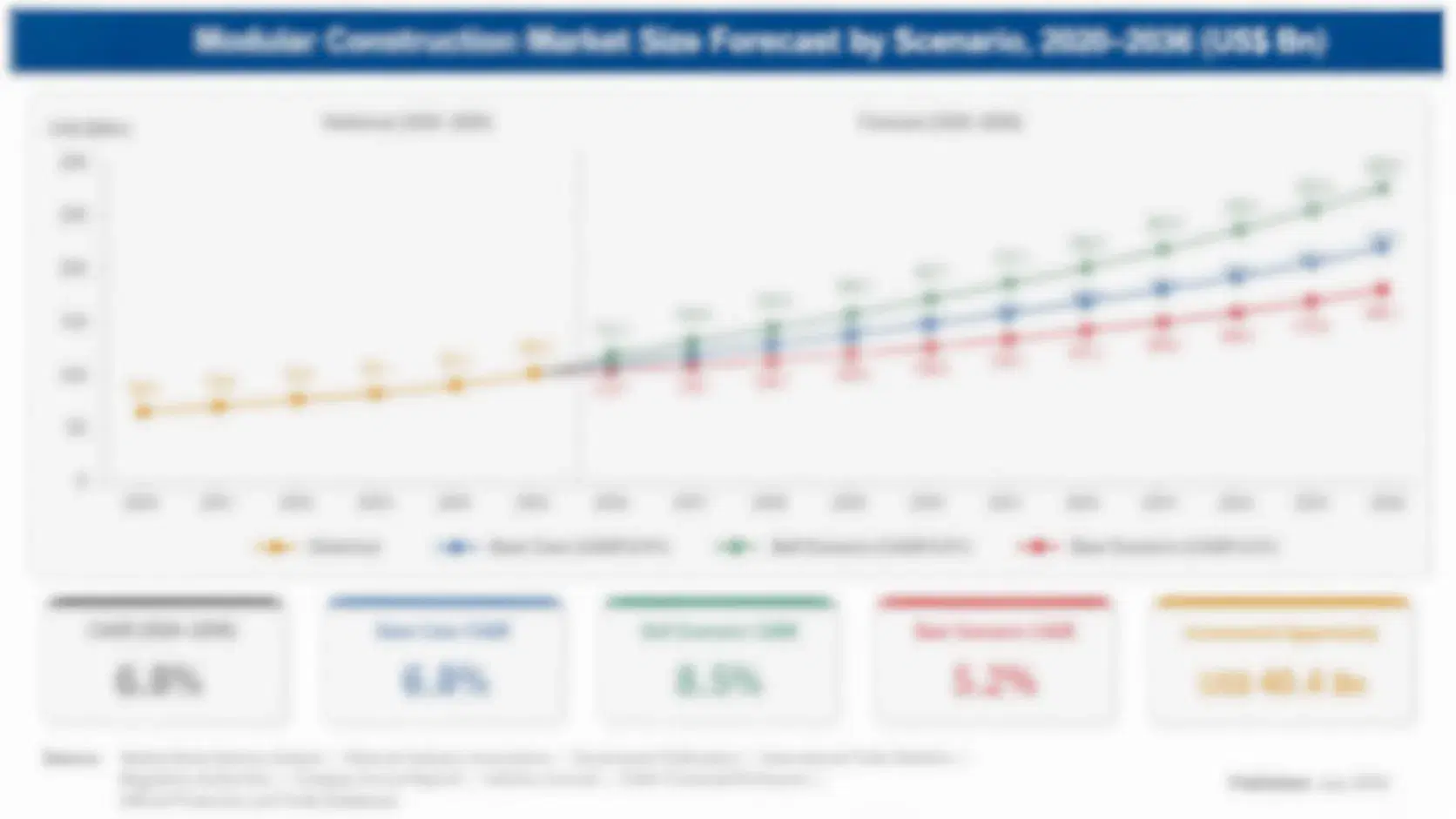
North America Non Lethal Weapons Market Forecast Scenarios

north-america-non-lethal-weapons-market-size-forecast-scenario-1789280574441
Growth averaged 7.5% across 2020 to 2025, and the commercial model changed more than the volume did. Agencies moved from buying devices outright toward bundled annual contracts covering hardware, recording and evidence management together, which smoothed revenue and lifted total spend per officer materially. Oversight reviews following high-profile incidents narrowed permitted use of several device categories while expanding interest in alternatives across the same period.
Base case growth of 8.8% rests on three mechanisms. Subscription contract renewal on roughly five-year terms converts hardware refresh into recurring revenue that no longer depends on a device wearing out. De-escalation policy adopted across many agencies creates demand for restraint devices that barely existed as a product category five years ago. And Canadian agencies are adopting bundled models later than United States ones, which leaves a whole national market still converting.
The bull case at 10.0% assumes directed energy and restraint categories gain broader policy acceptance and that Canadian conversion runs to the pace United States adoption did. The bear case at 7.6% follows from oversight moving the other way: further restriction on device categories, agencies deferring contract renewals under budget pressure, and litigation outcomes that make some products harder to justify.

Plans, Not Products

The commercial model here has almost nothing in common with the rest of public safety equipment. Agencies pay an annual per-officer figure averaging around USD 2,240 that bundles the device, recording hardware, evidence storage and scheduled refresh, and roughly 68% of market value now sits under recurring contract. Hardware has become a delivery mechanism for a service, which changes every assumption about pricing, replacement and competitive defence.
FIVE-FIRM CONCENTRATION61%Evidence platform lock-in defends the leading position durably
ANNUAL PER-OFFICER CONTRACTUSD 2,240Bundled device, recording and evidence management subscription value
SUBSCRIPTION REVENUE SHARE68%Portion of market value under recurring contract rather than purchase
CONTRACT REFRESH TERM5 yearsTypical hardware replacement interval set by agreement length
AGENCY RENEWAL RATE94%Share of bundled contracts renewed at the end of term
LITIGATION CITATION RATE41%Procurement documents referencing use of force defensibility requirements
Defensibility is what agencies are actually purchasing. Around 41% of procurement documents now reference use of force documentation or litigation requirements explicitly, and a device that produces a clean, timestamped and tamper-evident record is worth more than one that performs marginally better in a laboratory. Vendors have understood this for a decade; several competitors still pitch on stopping power against buyers who are quietly asking a lawyer's question.
Switching cost is the whole competitive story. An agency whose evidence sits in one vendor's platform faces migrating years of records that will be produced in court, with chain of custody questions attached to every file. Renewal rates near 94% reflect that reality rather than product satisfaction. Challengers with superior hardware find the advantage hard to convert, because the purchase is not about hardware.
"Competitors keep showing me a better device. The chief is not choosing a device, she is choosing where seven years of body camera footage lives, and no demonstration answers that."
Director, Public Safety Equipment Practice · MMA Public Safety Equipment / Less-Lethal Systems Practice · September 2026

Market Trends

Bundled Subscriptions Replace Outright Device Purchasing Entirely

Agencies have moved from capital purchase toward annual per-officer contracts covering device, recording, storage, evidence management and scheduled refresh together. The commercial effect is substantial: revenue recurs, hardware refresh becomes contractual rather than physical, and total spend per officer rises even where the device count does not. Around 68% of market value now sits under recurring contract rather than purchase orders. Vendors without a platform to bundle find themselves selling hardware into a buying process built around something they do not offer. Hardware alone no longer matches how these agencies buy.
Market Impact: Cited in 41% of procurements
De-Escalation Policy Creates Entirely New Device Categories

Agencies adopting formal de-escalation requirements need options between verbal command and conducted energy, and restraint projectile devices have grown into that gap from essentially nothing. Adoption is policy-led rather than performance-led, which means purchasing follows written use of force frameworks rather than field trials. That favours vendors whose products map cleanly onto a published policy continuum and disadvantages those selling on effectiveness alone. The category has moved from negligible to a defined line in most large agency budgets. Field trials decide far less here than a written policy framework does anywhere.
Market Impact: Converts 180 Canadian police services

Market Opportunities and Growth Drivers

Use Of Force Litigation Shapes Procurement Specification Directly

Agencies carry substantial civil liability exposure from use of force incidents, and settlements have reshaped how equipment is specified across the region. Around 41% of procurement documents now reference documentation or defensibility requirements explicitly, which pushes evaluation toward evidentiary quality rather than device performance. Legal counsel increasingly participates in equipment decisions alongside operational commanders. That shift rewards vendors offering integrated recording and evidence management and penalises those selling a device with no record attached to it. Nobody making these decisions has ever attended a supplier product demonstration, and none intends to.
Market Impact: Restricts use in 3 categories

Canadian Agency Adoption Of Bundled Models Runs Years Behind

Canadian police services have been slower to adopt bundled device and evidence contracts than United States agencies, partly because procurement rules favour competed capital purchase and partly because privacy legislation raised storage questions earlier. Those questions are now largely settled, and provincial and municipal services are converting. The effect is a national market moving through a transition the larger market completed years ago, which makes it the fastest growing part of the region. Roughly 180 Canadian services are expected to convert during the forecast period. Whichever vendor establishes first will hold those accounts for years.
Market Impact: Holds renewal rates at 94%

Market Restraints and Challenges

Oversight Review Narrows Permitted Use Of Several Categories

Medical and oversight review has restricted permitted deployment of several device categories, particularly around vulnerable populations, restrained subjects and repeated application. The root cause is that evidence about physiological effects accumulated faster than policy could absorb it, and agencies restrict rather than defend an uncertain position. Commercially this shrinks some product lines even while the category grows overall. Vendors are responding with device-level use limiting, automated deployment logging, and reformulated products designed around the specific findings that prompted restriction. Individual product lines shrink even as the wider category continues growing steadily.
Market Impact: Subscriptions reach 68% of value

Evidence Migration Risk Deters Agencies From Changing Vendors

An agency changing platform must migrate years of recordings and reports that will be produced in court, with chain of custody questions attached to every file and defence counsel likely to examine the transfer itself. The root cause is that evidentiary integrity depends on unbroken custody, which any migration by definition interrupts. Commercially this makes renewal rates near 94% an artefact of risk rather than satisfaction. Challengers are answering with migration guarantees, parallel running periods and indemnity offers covering evidentiary challenges arising from transfer. Satisfaction has very little to do with those renewal numbers.
Market Impact: Grows from near zero to 6%
4 additional market trends, 3 additional growth drivers, and 2 additional restraints and challenges are covered in the full report. Contact sales@marketmindsadvisory.com to access the complete intelligence.

Segment CAGR and Growth Architecture

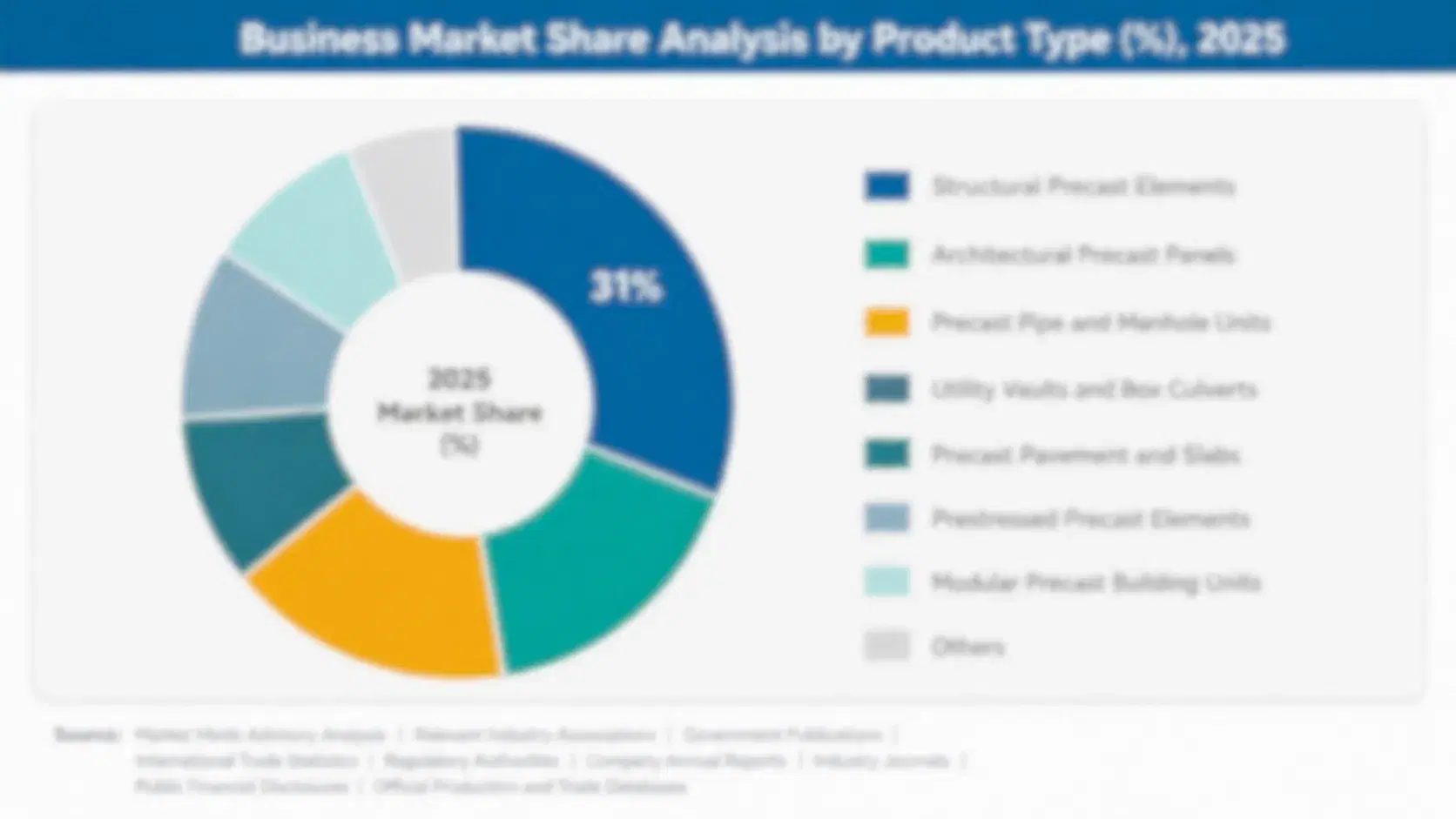
Devices are segmented here by category, because category determines the policy framework governing use, the supply industry behind it and the liability profile attached. Mixing device category with agency type or deployment scenario creates groups no use of force policy recognises. Six categories cover chemical irritants through to restraint projectiles, and growth between them tracks policy, not technology.
north-america-non-lethal-weapons-market-market-share-analysis-1789280574704

Entanglement And Restraint Projectile Systems

Growing at 13.2%, half again the market rate of 8.8%, this category barely existed as a product five years ago and now appears as a defined line in most large agency budgets. It exists because formal de-escalation policy created a requirement for options between verbal command and conducted energy, and nothing available filled that space. Adoption is therefore policy-led: agencies buy what maps onto their written use of force continuum rather than what performs best in demonstration. Unit volumes remain modest against established categories, and the commercial question is whether restraint devices become standard issue or stay a specialist supervisor-carried option. Policy documents rather than field trials decide who gets adopted.
CAGR 13.2%

Conducted Energy Devices

Conducted energy devices grow at 9.4% and carry almost all of the subscription revenue in this market, because the bundled per-officer contract was built around them and then extended outward. Growth comes from contract value per officer rather than from device count, since penetration among sworn officers is already high across the region. Oversight restriction on permitted deployment has trimmed some applications without materially affecting issue rates. The competitive position here is defended by evidence platform lock-in rather than by the device itself, which is why the category has resisted challenge from hardware that reviewers rate favourably. Reviewers rating competing hardware favourably has so far changed almost nothing about actual share.
CAGR 9.4%
Full segment breakdown across 6 segments available in the complete report.

Regional Architecture and Country Demand Map

This is a region-scoped report, so the regional table records where the devices and platform content serving North American agencies are manufactured rather than where demand sits. Domestic manufacture dominates, with European and Brazilian suppliers holding specific product positions that domestic firms have not contested.

North America

Domestic manufacture accounts for 72% of delivered content, far above the 22 to 32% band used for this region elsewhere in this report, because the subscription model that dominates this market was built domestically and the platform content behind it is developed here. Conducted energy devices, restraint projectiles and the recording and evidence management software bundled with them are overwhelmingly North American products. Canadian manufacture is small but growing alongside domestic adoption. Growth of 9.0% sits above the regional market rate, driven by subscription value per officer rising rather than by any increase in device counts across agencies. Almost all of the platform content behind the model is developed here as well.
Share: 72% | CAGR: 9.0% (2026 to 2036)

Western Europe

European supply holds 13%, below the 18 to 26% band applied elsewhere, and it concentrates in chemical irritant products, launchers and specialist projectiles where European manufacturers hold long-established positions. Swiss and French products in particular appear across North American agencies in categories domestic firms have not prioritised. European suppliers have largely not attempted the bundled subscription model, which leaves them selling hardware into a buying process organised around something else entirely. Growth of 7.3% trails the regional market rate, reflecting product positions that are stable rather than expanding within the regional buying model. Long-established product positions in categories domestic firms never prioritised explain most of what still remains here today.
Share: 13% | CAGR: 7.3% (2026 to 2036)
Regional intelligence for 5 additional markets available in the complete report: East Asia, Latin America, South Asia and Pacific, Middle East and Africa, Eastern Europe. Contact sales@marketmindsadvisory.com.
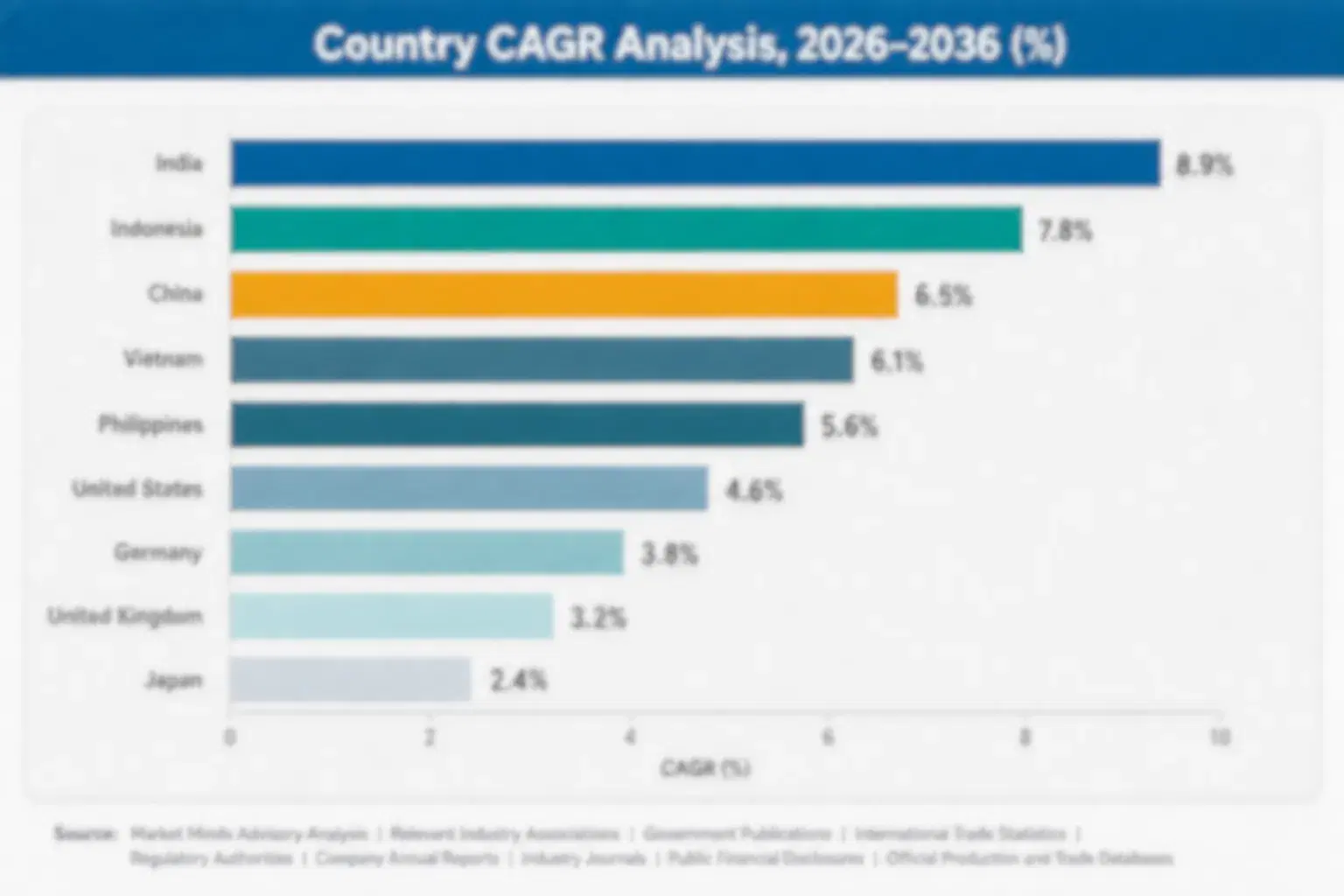
north-america-non-lethal-weapons-market-country-cagr-analysis-1789280574996

Where Non Lethal Suppliers Actually Earn

Device pricing is the visible number in this market and increasingly beside the point. Contract structure, evidence platform position and policy alignment decide economics instead. The four levers below reflect positions participants have used to improve returns measurably rather than to win device evaluations. Hardware is the entry ticket, not the business. Devices are the entry ticket.

Bundle Devices Into Annual Per-Officer Contracts

Selling a device once earns once. Bundling device, recording, storage, evidence management and scheduled refresh into an annual per-officer contract averaging around USD 2,240 converts the same customer into recurring revenue with renewal rates near 94%. Total spend per officer rises even where device counts do not, and hardware refresh becomes contractual rather than dependent on anything wearing out. Vendors on bundled contracts report lifetime revenue per agency roughly 3.4 times that of outright sale competitors serving comparable agencies. Replacement uncertainty disappears from the revenue forecast entirely under this model altogether.
Market Impact: Lifetime revenue per agency rises roughly 3.4 times

Hold The Evidence Platform, Not Just The Device

An agency whose recordings and reports sit in one vendor's platform cannot change supplier without migrating evidence that will be produced in court, with chain of custody questions on every file. That switching cost is not something a competitor can price against, and it is why renewal rates sit near 94% regardless of hardware comparisons. Vendors holding the platform report win rates roughly 2.9 times higher on competitive renewals than those offering devices alone, and they defend price rather than discounting. No hardware advantage overcomes a chain of custody problem anywhere.
Market Impact: Competitive renewal win rates roughly 2.9 times higher

Map Products Onto Written Use Of Force Policy

Agencies buy what fits their published use of force continuum, not what performs best in demonstration, and roughly 41% of procurement documents reference defensibility requirements explicitly. Vendors who engage with policy drafting and position products against specific continuum steps win selections that field trials do not decide. Participants doing this report specification win rates roughly 47% higher on new category adoption. The work is policy engagement and legal literacy rather than engineering, which most device manufacturers have never resourced at all. Legal literacy rather than engineering is what this actually requires.
Market Impact: Specification win rates run roughly 47% higher overall

Sell Migration Guarantees To Break Incumbent Lock-In

Challengers lose on evidence migration risk rather than on product merit, and agencies will not accept a chain of custody problem to obtain better hardware. Vendors offering funded migration, parallel running periods and indemnity covering evidentiary challenges arising from transfer remove the objection that actually blocks them. Challengers offering full migration packages have converted roughly 23% of contested renewals against near-zero conversion without them. The cost is real and it is the price of entry to any incumbent account. Without one a challenger simply never enters the conversation at all.
Market Impact: Converts roughly 23% of otherwise contested renewals overall

Who Controls the Margin Pool

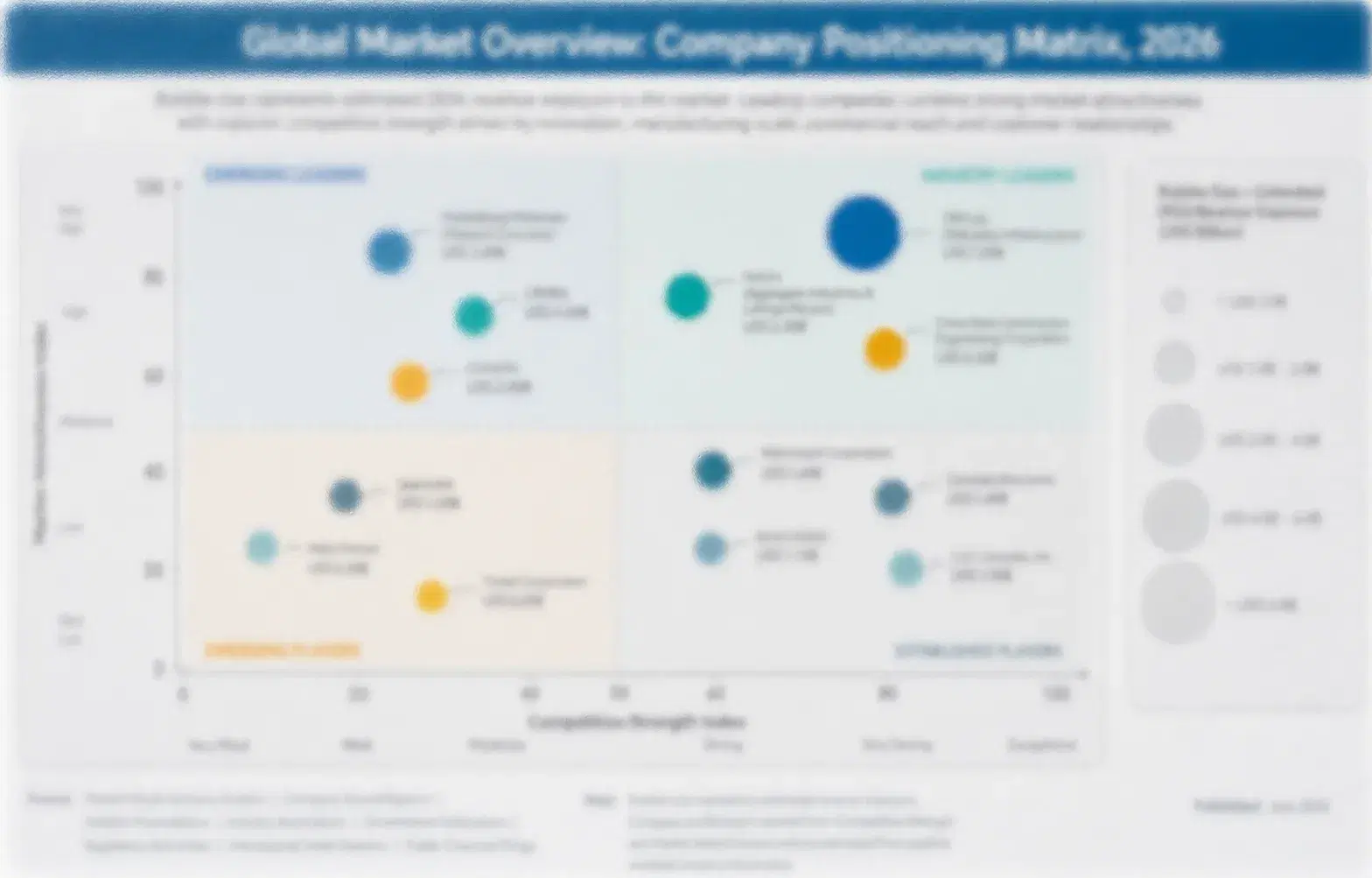
Concentration is 61% for the top five, measured on unit shipments and contracted programme value, the basis used throughout this section. The leading position rests on contract design and evidence platform ownership rather than on device technology or patents, which is unusual in public safety equipment and considerably more durable. The gap to the next tier reflects installed evidence estates rather than any measurable product advantage.
Competition currently turns on three dimensions. Platform ownership decides who captures recurring revenue rather than one-time sales. Policy alignment decides which products get written into use of force continua and therefore procured at all. And migration risk mitigation decides whether a challenger can enter an incumbent account under any circumstances. Device performance features in evaluations and rarely determines them.

Positions will move in the new categories rather than in the established ones. Restraint projectile systems grew from nothing because policy created a gap no incumbent product filled, and the same could happen again as de-escalation frameworks develop further. Challengers entering through a new category, then extending into recording and evidence content, have a route that direct assault on conducted energy device accounts has never provided.
north-america-non-lethal-weapons-market-company-positioning-matrix-1789280575280

Competitive Moat and Risk Dimensions

AXON ENTERPRISE

Moat: Evidence Platform Lock-In Position

The company holds the evidence management platform where a large share of regional agencies store recordings and reports, which creates a switching cost rooted in chain of custody rather than in convenience. An agency changing vendor must migrate court-producible evidence, and defence counsel will examine the transfer, which makes renewal near-automatic irrespective of competing hardware quality.
AXON ENTERPRISE

Risk: Concentrated Category Regulatory Exposure

A large share of revenue rests on one device category whose permitted use has already been narrowed by medical and oversight review in several jurisdictions. Further restriction would affect the anchor product around which the entire bundled contract is organised, and diversifying the bundle toward categories with different regulatory profiles takes years of policy engagement to achieve.
BYRNA TECHNOLOGIES

Moat: Adjacent Consumer Channel Position

Byrna sells into both law enforcement and consumer channels, which gives it volume economics and brand presence that pure agency suppliers lack, and a revenue base that does not depend on agency procurement cycles. The consumer channel also provides product feedback at volumes no agency programme generates, and it cushions the business against public sector budget timing.
BYRNA TECHNOLOGIES

Risk: No Evidence Platform Offering

The company competes on device merit into a buying process increasingly organised around evidence management and defensibility, where it has nothing to offer. Building or acquiring a platform means competing with an entrenched incumbent on switching costs rather than on product, and agencies rarely reopen that decision outside a renewal they are already unhappy about.

Players Tracked

Prominent Players

Axon Enterprise
Byrna Technologies
Safariland Group
Combined Systems
PepperBall

Other Key Players

Wrap Technologies
NonLethal Technologies
Genasys
Fox Labs International
Security Equipment Corporation
Mace Security International
Salt Supply
Piexon
Rheinmetall
Condor Non-Lethal Technologies
Verney-Carron
Amtec Less-Lethal Systems
Motorola Solutions
Digital Ally
Utility Associates

Recent Developments

APRIL 2025

Large municipal agency renews bundled device and evidence contract on five-year term

A large municipal police agency renewed its bundled device, recording and evidence management contract on a further five-year term without competitive tender, citing evidence migration risk. This was a contract renewal rather than any corporate transaction, and it illustrates how switching cost operates in practice.
Signal: Renewal without tender shows migration risk removing competition from decisions worth many millions of dollars each
OCTOBER 2024

Canadian provincial services begin converting to bundled subscription contracts

Several Canadian provincial police services moved from capital device purchase to bundled subscription contracts covering hardware, recording and evidence storage. These were procurement decisions rather than corporate events, and they mark a national market beginning a transition that the larger national market completed years ago already.
Signal: Canadian conversion opens the fastest growing part of the region to whichever vendor establishes itself there first
JANUARY 2025

Oversight body restricts conducted energy deployment against restrained subjects

A regional oversight body issued restrictions on conducted energy device deployment against restrained subjects and certain vulnerable groups, following medical review. This was a regulatory determination rather than a corporate event of any kind, and it narrows permitted use of this market's anchor product category considerably.
Signal: Narrowing permitted use of the anchor category threatens the bundle built around it more than the device

What Actually Drives Delivered Cost

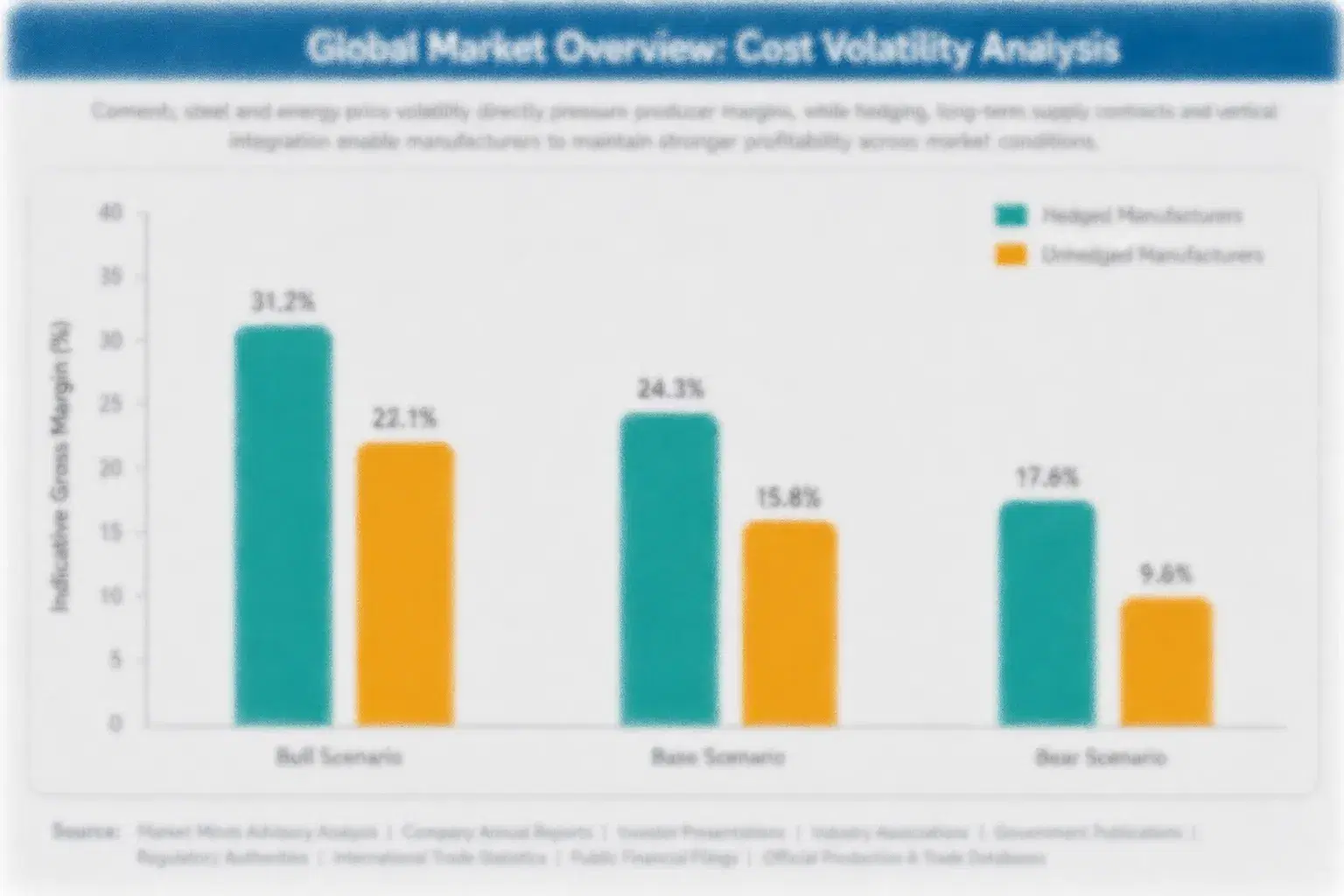
Four inputs dominate on the hardware side. Lithium cells and power electronics run roughly 21% of device cost, polymer housings and mechanical parts about 17%, camera modules with radio and processing electronics close to 26%, and assembly with certification testing the remaining 36%. Cells and electronic components originate overwhelmingly in East Asia, while assembly and certification sit domestically under procurement preferences.
The interesting feature here is how little any of it matters to the leading business model. Cell pricing declined over the period, with IEA battery price data showing the trend, while semiconductor lead times extended sharply from 2022 as SEMI data records. Axon and Byrna both discussed component cost and supply in annual reporting. For vendors on five-year bundled contracts, hardware cost is amortised inside a price set by software value rather than by materials.

That produces a genuine competitive asymmetry. Subscription vendors carry component cost inside a contract priced on evidence management value, so a 20% swing in cell prices barely moves their economics. Outright hardware sellers carry it directly against a price the buyer compares to competing devices. Identical input conditions therefore produce very different margin outcomes depending entirely on which business model a participant has chosen.
north-america-non-lethal-weapons-market-cost-volatility-analysis-1789280575583

Price contracts on platform value rather than hardware cost

A contract priced on evidence management and workflow value absorbs component cost movement that a device price cannot. This is the single most effective hedge available in this market and it is a commercial model decision rather than a procurement one. The requirement is a platform worth pricing against, which is precisely what hardware-only competitors lack and cannot assemble quickly.

Qualify second-source cells and camera modules early

Cells, camera modules and processing components sit on the longest lead times in a device programme, and qualifying an alternative cannot be done once a schedule is already slipping. Vendors holding qualified second sources maintained delivery through the constrained period after 2022. The cost is duplicate qualification and certification testing against parts that may never be ordered at all.

Design hardware refresh cycles around contract terms

Under bundled contracts, hardware refreshes on the five-year agreement rather than on wear, which lets a vendor plan component purchasing against a known schedule instead of unpredictable replacement demand. That visibility improves purchasing terms materially and reduces inventory risk. Outright sellers have no equivalent visibility, since replacement depends on device failure and agency budget timing together.

Portfolio Architecture for Margin Defence

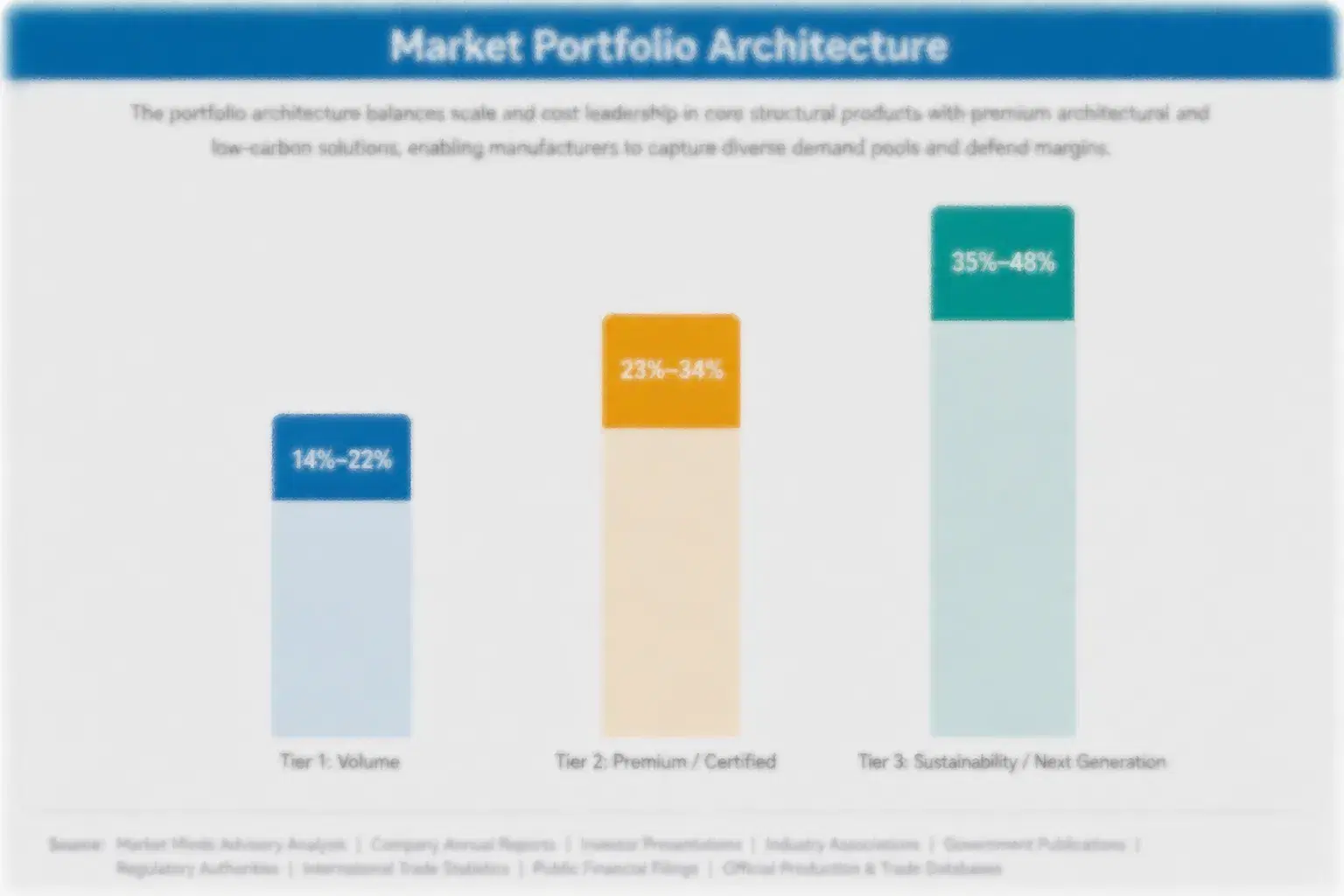
Margin architecture here divides by business model rather than by product. Outright device sales sit at the bottom, competing on specification against comparable hardware with full component exposure. Bundled hardware inside subscription contracts sits in the middle, where the device is amortised and the margin comes from the contract as a whole. Evidence management, storage and analytics content sits at the top, carrying software economics and no component cost at all.
The volume-versus-premium tension is unusual because the two models serve the same agencies. Volume means selling devices to whoever will buy them, competing on price and performance in categories where bundling has not taken hold. Premium means the annual per-officer relationship, where the device is almost incidental and the contract is the product. Vendors without a platform cannot reach the premium tier at all, however good their hardware happens to be.

High-value pools concentrate in three places: evidence management and storage content carrying software margins, policy-aligned new categories where no incumbent bundle exists yet, and migration services sold to challengers and agencies attempting to break an existing lock-in. Only the first of those is currently well served.

Volume / Commodity-Adjacent Tier

Outright device sales of chemical irritants, kinetic impact munitions and launchers competing on specification and price. Full component cost exposure with no contractual buffer. The nine point range reflects whether a vendor manufactures domestically or imports finished product.
Gross Margin: 22-31%

Premium / Certified Tier

Devices delivered inside bundled per-officer subscription contracts, where hardware is amortised across a five-year term. Contract value rather than device pricing sets the margin. The ten point range tracks how much platform content a vendor includes within the bundle.
Gross Margin: 34-44%

Sustainability / Regulatory / Next-Generation Tier

Evidence management, storage, analytics and policy-aligned new device categories with no established bundle. Software economics with no component cost exposure whatsoever. The eighteen point range spans a mature storage business and an emerging device category with unanchored pricing.
Gross Margin: 54-72%
north-america-non-lethal-weapons-market-portfolio-architecture-1789280575984

High-value Sub-segments and Strategic Watch-out

Evidence Management And Storage

Best margins in the market by a wide distance, carrying software economics and creating the switching cost that defends everything else a vendor sells into an agency. Growth tracks recording volume rather than device counts. The fourteen point range reflects how storage tiers are priced across contract sizes.
Gross Margin: 58-72%

Restraint Projectile Systems

Fastest growing at 13.2% with pricing entirely unanchored because no incumbent bundle covers this category yet. Adoption here is policy-led rather than performance-led throughout the region. The fourteen point range reflects genuinely immature pricing across a category that barely existed anywhere five years ago at all.
Gross Margin: 42-56%

Bundled Conducted Energy Contracts

The recurring core of market value, growing at 9.4% on contract value per officer rather than on device counts across agencies. Renewal rates near 94% make revenue unusually predictable. The ten point range reflects how much platform content sits inside each bundle across different agency sizes.
Gross Margin: 34-44%

Outright Munitions And Launcher Sales

Thinnest margins in the market, competing on specification and price in the categories bundling has not reached, and exposed to component cost with no contractual buffer at all. Brazilian and European imports compete hard here. The nine point range reflects domestic manufacture against imported finished product.
Gross Margin: 22-31%

What Agencies Pay Every Year

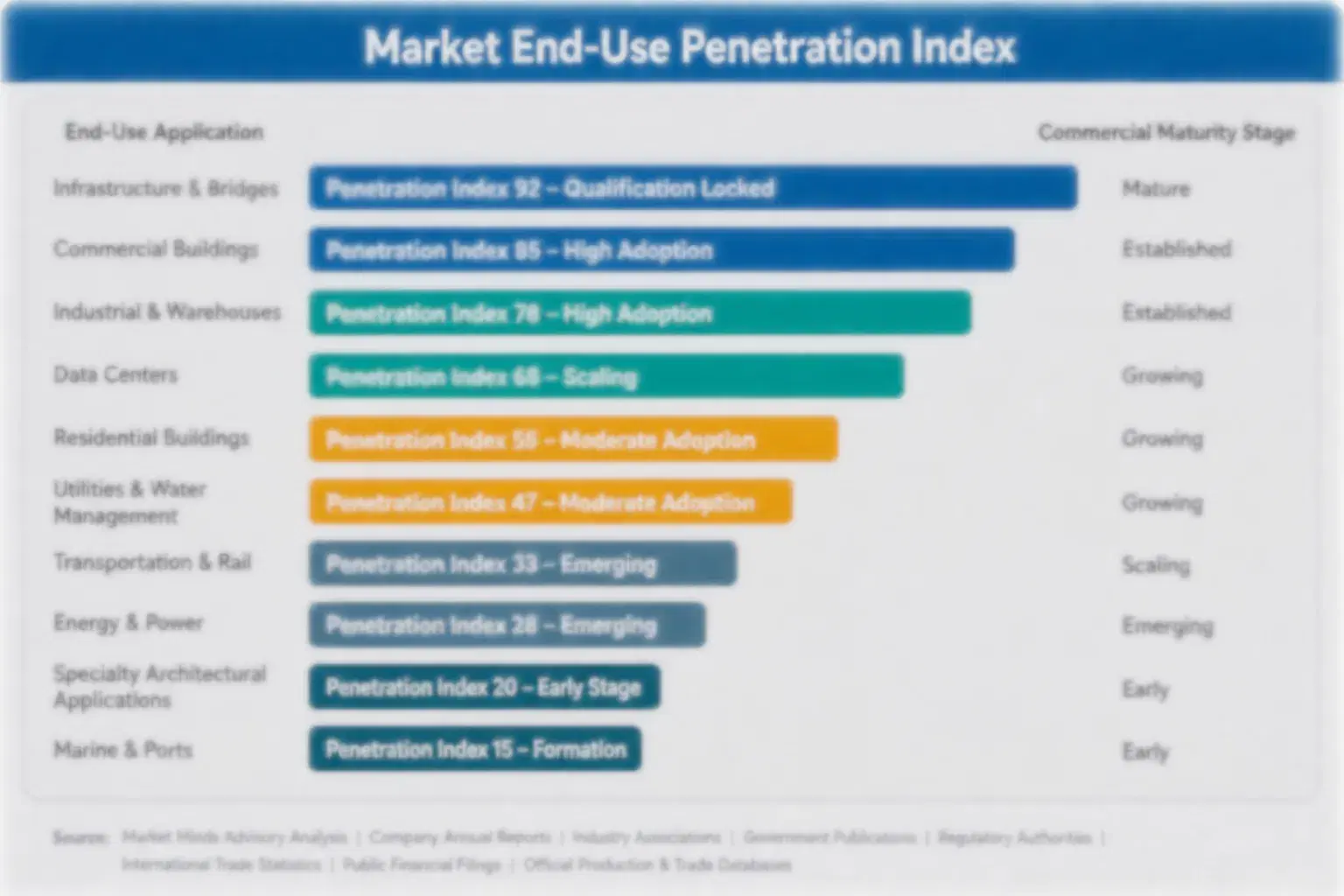
The annuity here is the contract itself rather than anything that wears out. An agency on a bundled per-officer agreement pays around USD 2,240 annually whether devices are deployed or not, and renewal rates near 94% reflect evidence migration risk rather than product satisfaction. Across a ten-year relationship that recurring value exceeds any plausible hardware purchase several times over, which is precisely why the model displaced outright sales so completely.
Adoption depth varies sharply by agency size. Large municipal and state agencies run the full relationship, including devices, recording, evidence management, analytics and training content, and they renew without tender because migration risk makes competition impractical. Mid-sized agencies buy bundles with less platform content. Small municipal and rural agencies often remain on outright purchase entirely, because per-officer subscription pricing is difficult to fund from a budget covering fifteen officers.

The buyer has changed in a way that most vendors underestimate. Devices were once specified by training and firearms staff assessing performance. They are increasingly specified by legal counsel, risk managers and policy staff assessing defensibility, and none of those people has ever attended a product demonstration.
north-america-non-lethal-weapons-market-end-use-penetration-index-1789280576302

Where Vendors Should Place Effort

These are among the four positions where our research anticipates prominent divergence between winners and laggards over the coming forecast period. Each is grounded in the demand model, the regulatory perimeter, and the announced capacity pipeline.
01 / CONTRACT MODEL CONVERSION

Move agencies onto per-officer subscriptions or stay a supplier

Bundling device, recording, storage, evidence management and refresh into an annual per-officer contract averaging around USD 2,240 converts what was a single sale into recurring revenue renewing at rates near 94%. Vendors on bundled contracts report lifetime revenue per agency roughly 3.4 times that of outright sale competitors serving comparable agency populations. Hardware refresh becomes contractual rather than dependent on anything wearing out, which removes exactly the replacement uncertainty that makes device businesses so difficult to forecast and to finance.
02 / EVIDENCE PLATFORM OWNERSHIP

Own where the footage lives or accept permanent challenger status

An agency whose recordings sit in one vendor's platform cannot change supplier without migrating court-producible evidence, with chain of custody questions on every file that defence counsel will examine closely. Platform holders report win rates roughly 2.9 times higher on competitive renewals and defend price rather than discounting. No amount of hardware advantage overcomes this, which is the single most important commercial fact about the North American market and it is the one that challengers keep underestimating year after year.
03 / POLICY ENGAGEMENT CAPABILITY

Write your product into the use of force continuum

Agencies buy what fits their published use of force policy rather than whatever wins a field trial demonstration, and roughly 41% of procurement documents now reference defensibility requirements explicitly. Vendors engaging with policy drafting and positioning products against specific continuum steps report specification win rates running roughly 47% higher on new category adoption. The capability required is policy literacy and legal engagement rather than engineering, and almost no device manufacturer in this market has ever resourced it properly at all.
04 / MIGRATION RISK REMOVAL

Fund the migration if you want into an incumbent account

Challengers lose on evidence migration risk rather than on product merit, because no agency accepts a chain of custody problem in exchange for better hardware. Vendors offering funded migration, parallel running and indemnity against evidentiary challenges arising from transfer have converted roughly 23% of contested renewals, against close to nothing at all without those offers in place. The cost is real and substantial, and it is simply the price of admission to any account that an incumbent vendor already holds.

Engagement Snapshot From the Field

A live engagement with an industry participant carrying material or product regulatory and market exposure ahead of a defining policy shift, showing how our research translates into a defensible multi-year portfolio strategy.
MARKET MINDS ADVISORY · CLIENT ENGAGEMENT SUMMARY
North America Non Lethal Weapons Producer Strategic Portfolio Review and Transition Roadmap 2026·Investment Scenario on North America Non Lethal Weapons Exposure Evaluation 2025-26
CLIENT PROFILE
A North American manufacturer of kinetic impact and chemical irritant products with roughly USD 210 million in annual revenue (client-reported, unverified by MMA), selling almost entirely through outright purchase. The company had developed a device that independent testing rated ahead of the market leader's equivalent, and had won almost no agency business with it across two years of selling effort.
STRATEGIC CHALLENGE
Management attributed the failure to incumbent relationships and had increased sales headcount twice. Loss review told a different story: agencies were not evaluating the device against the incumbent's at all, because the purchase decision sat inside a bundled contract renewal where no device comparison took place. The board needed to understand whether a better product could win under any circumstances.
MMA APPROACH
MMA reconstructed thirty recent agency decisions by process type, separating competitive device evaluations from bundled contract renewals, and modelled addressable opportunity under three strategies: continued device selling, platform partnership, and entry through a policy-led new category. Expert interviews with agency legal counsel and procurement staff established what actually decided renewals.
KEY FINDINGS
  1. Only four of thirty decisions reviewed involved any device comparison at all, with the remainder settled inside bundled contract renewals where hardware was never evaluated separately.
  2. Agency legal counsel participated in twenty-two of the thirty decisions, and not one of them had attended a product demonstration or reviewed independent test results.
  3. Evidence migration risk was cited unprompted by procurement staff in every renewal interview conducted, consistently ahead of price, performance or vendor relationship quality.
  4. Policy-led new categories showed win rates several times higher than contested device evaluations, because no incumbent bundle covered them and legal counsel had no migration objection.
CLIENT PROFILE
A North American manufacturer of kinetic impact and chemical irritant products with roughly USD 210 million in annual revenue (client-reported, unverified by MMA), selling almost entirely through outright purchase. The company had developed a device that independent testing rated ahead of the market leader's equivalent, and had won almost no agency business with it across two years of selling effort.
STRATEGIC CHALLENGE
Management attributed the failure to incumbent relationships and had increased sales headcount twice. Loss review told a different story: agencies were not evaluating the device against the incumbent's at all, because the purchase decision sat inside a bundled contract renewal where no device comparison took place. The board needed to understand whether a better product could win under any circumstances.
MMA APPROACH
MMA reconstructed thirty recent agency decisions by process type, separating competitive device evaluations from bundled contract renewals, and modelled addressable opportunity under three strategies: continued device selling, platform partnership, and entry through a policy-led new category. Expert interviews with agency legal counsel and procurement staff established what actually decided renewals.
KEY FINDINGS
  1. Only four of thirty decisions reviewed involved any device comparison at all, with the remainder settled inside bundled contract renewals where hardware was never evaluated separately.
  2. Agency legal counsel participated in twenty-two of the thirty decisions, and not one of them had attended a product demonstration or reviewed independent test results.
  3. Evidence migration risk was cited unprompted by procurement staff in every renewal interview conducted, consistently ahead of price, performance or vendor relationship quality.
  4. Policy-led new categories showed win rates several times higher than contested device evaluations, because no incumbent bundle covered them and legal counsel had no migration objection.
RECOMMENDED STRATEGY
Phase 1: Phase 1 (five months): Stop selling the device against incumbent conducted energy contracts and redirect that effort toward policy-led category opportunities instead. Phase 2: Phase 2 (14 months): Partner with an evidence platform provider so products can be bundled rather than sold as standalone hardware to agencies. Phase 3: Phase 3 (24 months): Build policy engagement capability and work with agencies drafting use of force continua before procurement begins.
OUTCOME
The client redirected effort to a policy-led category and won eleven agency adoptions within thirteen months, having won almost nothing in the preceding two years (client-reported, unverified by MMA). The platform partnership allowed bundled offers for the first time, and policy engagement work put the company into specification discussions it had never previously reached.

Frequently Asked Questions

Foundational context covering the market sizes, CAGR, scope, country, region and competition that inform every finding below. This section is provided to cover basics and most often pre-purchase conversations, answered from the MMA Primary Research Dataset.

What is the current size of the North America Non Lethal Weapons Market?

The market was worth USD 2.6 billion in 2025 and reaches USD 2.8 billion in 2026. That covers conducted energy devices, kinetic impact, chemical irritants, distraction devices, restraint projectiles and vehicle stopping systems.

How large will the North America Non Lethal Weapons Market be by 2036?

MMA forecasts USD 6.5 billion by 2036, an increase of USD 3.7 billion over the 2026 base. That represents an expansion multiple of 2.32 times across the forecast period.

What is the CAGR for the North America Non Lethal Weapons Market 2026 to 2036?

The base case CAGR is 8.8%, with a bull case of 10.0% if restraint categories gain broader policy acceptance and Canadian conversion accelerates. The bear case of 7.6% assumes further oversight restriction.

Which segment is growing fastest?

Entanglement and restraint projectile systems grow at 13.2%, half again the market rate of 8.8%. Formal de-escalation policy created a requirement between verbal command and conducted energy that no existing product filled.

Who are the major companies in the North America Non Lethal Weapons Market?

Axon Enterprise, Byrna Technologies, Safariland Group, Combined Systems and PepperBall lead on unit shipments and contracted programme value. Wrap Technologies, Genasys and NonLethal Technologies follow.

Which country is growing fastest?

Within this region-scoped report, Canada leads at 11.2% as provincial and municipal services convert to bundled subscription contracts years behind United States agencies. Countries outside North America are assessed only as supply sources.

Report Segmentation Architecture

The full report scope spans multiple orthogonal segmentation dimensions, with cross-tabulated demand data provided for each dimension pair. Coverage extends further to regional breakdowns, trend trajectories, and the competitive detail needed to support segment-level decision-making.

By Device Category

  • Conducted Energy Devices
  • Kinetic Impact Projectile Systems
  • Chemical Irritant Delivery Systems
  • Acoustic And Optical Distraction Devices
  • Entanglement And Restraint Projectile Systems
  • Vehicle And Vessel Stopping Devices

By End-Use Industry

  • Municipal Police Departments
  • State And Provincial Police Services
  • Federal Law Enforcement Agencies
  • Correctional Institutions
  • Private Security And Campus Services

By Commercial Dimension

  • Bundled Per-Officer Subscription
  • Outright Capital Purchase
  • Consumables And Cartridge Supply
  • Evidence Management And Storage Services

By Region

  • North America
  • Western Europe
  • East Asia
  • Latin America
  • South Asia and Pacific
  • Middle East and Africa
  • Eastern Europe

Scope, Methodology, and Coverage

Every figure in this report is reproducible from documented input assumptions. The scope below maps the historical period, the forecast horizon, the segmentation dimensions, and the countries covered, alongside the underlying primary and qualitative methodology.
Historical Period
2020 to 2025
Forecast Period
2026 to 2036
Base Year
2025 (USD billions; MMA Primary Research Dataset, September 2026)
Market Definition
This report covers less-lethal weapons procured by law enforcement, correctional and security organisations across North America, together with the platform content bundled with them under subscription contracts. Scope includes conducted energy devices, kinetic impact projectile systems, chemical irritant delivery systems, acoustic and optical distraction devices, entanglement and restraint projectile systems, and vehicle or vessel stopping devices. Excluded are protective equipment and riot control clothing, firearms and conventional ammunition, military munitions, public order vehicles, evidence software sold without any device, and separately sold training services.
Quantitative Units
USD billions (current prices); unit shipments; annual per-officer contract value; subscription revenue share
Segmentation Dimensions
By Device Category; By End-Use Industry; By Commercial Dimension; By Region
Regions Covered
North America, Western Europe, East Asia, Latin America, South Asia and Pacific, Middle East and Africa, Eastern Europe
Countries Covered
USA, Canada, Mexico, with device and component supply origin also assessed across Germany, France, Switzerland, UK, Italy, Brazil, China, Japan, South Korea, Taiwan, India, Australia, Israel, Poland and Czech Republic
Key Companies Profiled
Axon Enterprise, Byrna Technologies, Safariland Group, Combined Systems, PepperBall, Wrap Technologies, NonLethal Technologies, Genasys, Fox Labs International, Security Equipment Corporation, Mace Security International, Salt Supply, Piexon, Rheinmetall, Condor Non-Lethal Technologies, Verney-Carron, Amtec Less-Lethal Systems, Motorola Solutions, Digital Ally, Utility Associates
Quantitative Methodology
Primary survey, n=3,800 respondents, Q4 2025, six countries; demand-side model with trade association cross-validation
Qualitative Methodology
47 expert interviews, Q4 2025; applied to validate demand model assumptions, identify emerging dynamics, and assess competitive positioning
Report Format
PDF and XLSX data workbook (Word format preview document)
Publisher
Market Minds Advisory
Report Code
MMA-2026-CON-918
Published
September 2026
Contact
sales@marketmindsadvisory.com | www.marketmindsadvisory.com

Purchase the full North America Non Lethal Weapons Market Report (2026 to 2036).

The full report sizes the North American less-lethal weapons market across six device categories with unit shipments and contract values behind every figure, and assesses where devices and platform content are manufactured. It separates bundled subscription revenue from outright device sales throughout, because the two carry entirely different economics and are won through entirely different processes. Competitive analysis covers 20 participants on shipments and contracted programme value, including evidence platform ownership by vendor. Switching cost is quantified through renewal behaviour and migration outcomes rather than assumed. Policy alignment is assessed as a procurement determinant, since use of force continua decide what agencies can buy.
Six-category sizing with shipments and contract values
Subscription revenue separated from outright sales
Evidence platform ownership mapped by vendor
Switching cost quantified through renewal behaviour
Policy alignment assessed as procurement determinant
Canadian conversion timeline modelled by service type

Built For The People Who Decide

From boardroom strategy to bench-side execution, this report is read cover-to-cover by leaders shaping the next decade of their industry, turning demand scenarios, market dynamics and valuation benchmarks into decisions.
CXOs/ Presidents/ VPs/ Managers
M&A and Corporate Development
Strategy Teams and R&D Heads
Procurement and Product Directors
Regulatory and Compliance Leaders
Investor Relations and Equity Analysts