Market Minds Advisory
Non-volatile Dual In-line Memory Module (NVDIMM) Market

Non-volatile Dual In-line Memory Module (NVDIMM) Market: Persistent Memory Finds a Narrower but Deeper Niche

Hyperscale data centre operators running in-memory databases are driving persistent memory demand even as Intel's exit from the Optane business forced the entire industry to consolidate around the JEDEC-standard NVDIMM approach instead.

Lead Analyst

Published

September 2026

Make Smarter Decisions with Customized Research Insights

Request a free sample report and evaluate market opportunities, growth trends, and competitive dynamics relevant to your business needs.

2025 MARKET VALUE$1.1BMarket Size 2025
2036 FORECAST VALUE$3.1BBase Case , 2026 to 2036
CAGR 2026 TO 20369.5 %Bull 10.8% / Bear 8.3%
INCREMENTAL OPPORTUNITY$1.9BNet 10- year value creation
EXPANSION MULTIPLE2.48x2036 value over 2026 base
Strategic Levers
M&A Pipeline
Regional Outlook
Country Rankings
Competitive Intelligence
Segmental Deep-dive
Call-Us : 91 93563 13602

Executive Snapshot and Market Trajectory.

Hyperscale data centre operators running in-memory databases are driving persistent memory demand even as Intel's exit from the Optane business forced the entire industry to consolidate around the JEDEC-standard NVDIMM approach that memory manufacturers had already firmly committed to years earlier across most major platforms.
Enterprise database acceleration remains the single largest use case, with financial services and telecommunications customers paying a meaningful premium for the microsecond-level latency improvement NVDIMM modules deliver over conventional storage during transaction processing. NVDIMM-P modules are expanding fastest of any segment as the newer JEDEC standard finally reaches commercial volume production, combining the speed advantages of earlier NVDIMM generations with meaningfully higher storage density per module, prompting server manufacturers to accelerate certification timelines.
Competitive intensity concentrates around a small number of large memory manufacturers defending installed enterprise server relationships against specialist module makers holding foundational NVDIMM patents. Ongoing patent litigation between specialist patent holders and the largest DRAM manufacturers has become a genuine feature of the competitive landscape, occasionally reshaping which vendors can sell specific module designs into particular markets without a licensing agreement, a dynamic server manufacturers watch closely.
Market Definition
This market covers non-volatile dual in-line memory modules that combine DRAM speed with data persistence across power loss, including NVDIMM-N, NVDIMM-F, and NVDIMM-P variants used primarily in enterprise servers and storage systems. It excludes conventional volatile DRAM modules and solid-state storage drives that do not sit in a memory slot.
Base Year Value
$1.1B in 2025 (MMA Primary Research Dataset, September 2026)
Forecast Period
2026 to 2036, eleven discrete annual values
CAGR
9.5% base case. Bull 10.8%. Bear 8.3%.
Fastest Growth Segment
NVDIMM-P (Persistent Hybrid Memory Modules): 16.5% CAGR
Fastest Growth Country
South Korea: 12.0% CAGR
Fastest Growth Region
South Asia and Pacific: 11.8% CAGR
Largest Region
North America: 30% of 2025 global value
Market Leaders
Samsung Electronics, SK Hynix, Micron Technology, SMART Modular Technologies, Netlist. Source: MMA Analysis based on company annual reports and investor filings.
Primary Survey
n=3,800 procurement and R&D decision-makers, Q4 2025, six countries
Methodology
Demand-side build-up, cross-validated against public data, 47 expert interviews

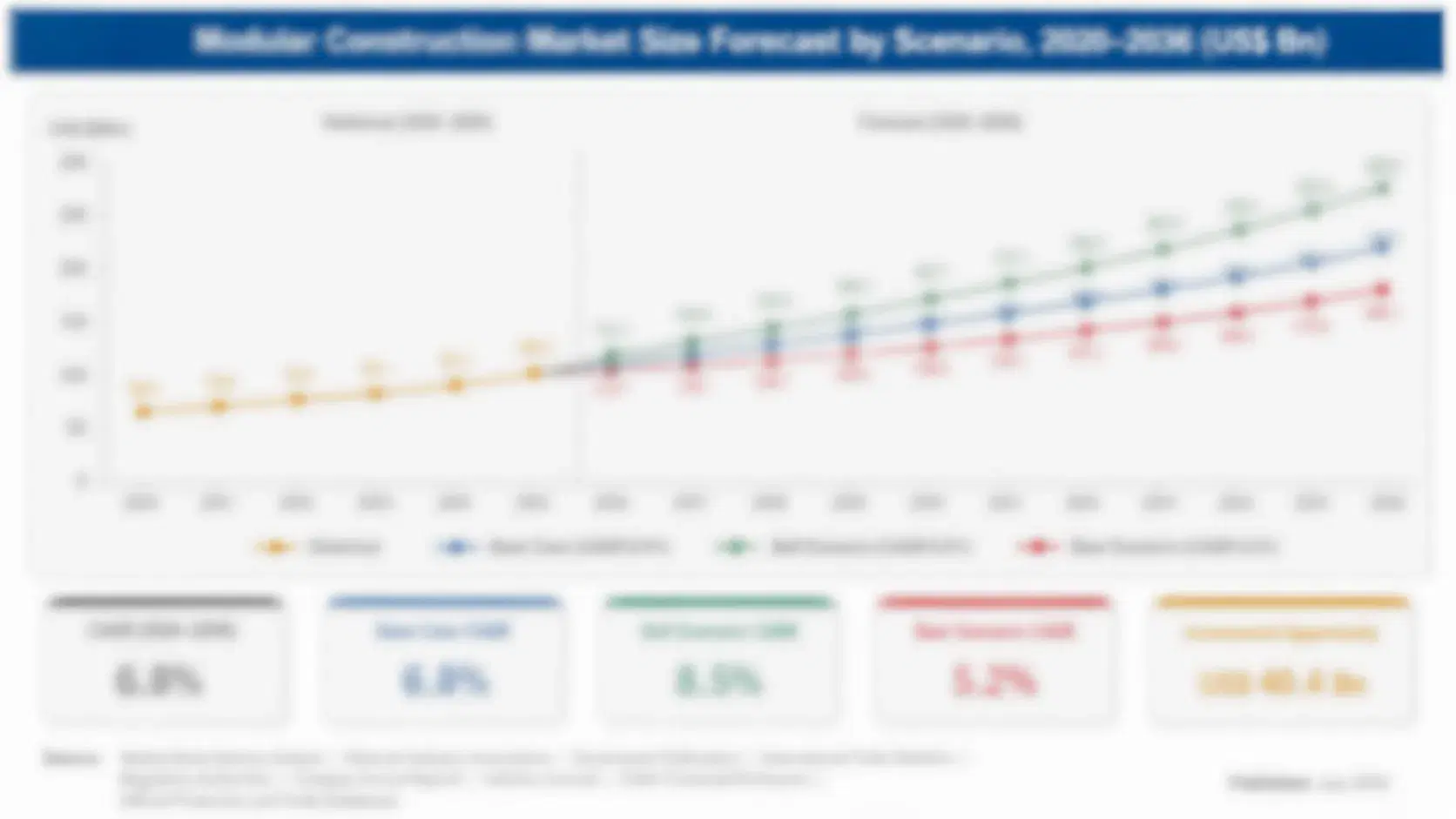
Non-volatile Dual In-line Memory Module (NVDIMM) Market Forecast Scenarios

non-volatile-dual-in-line-memory-module-market-size-forecast-scenario-1788731796960
Between 2020 and 2025, the market grew steadily as enterprise database vendors increasingly certified NVDIMM support for their platforms, though Intel's 2022 announcement of its Optane exit briefly created customer uncertainty about the broader persistent memory category before demand consolidated around the JEDEC NVDIMM standard that competing manufacturers already supported. Recovery across the category was uneven, with financial services demand rebounding faster than general enterprise adoption.
The base case assumes continued NVDIMM-P commercial ramp as the newer standard reaches volume production, steady enterprise database acceleration demand from financial services and telecommunications customers, and expanding hyperscale adoption for specific latency-sensitive workloads. These three mechanisms together explain most of the forecast expansion, with NVDIMM-P commercial ramp contributing the largest incremental share as the segment moves from early sampling into genuine production-scale deployment. Vendors that fail to capture this transition early risk permanently ceding ground to faster-moving competitors.
A bull scenario centres on faster-than-expected hyperscale adoption of NVDIMM-P for in-memory computing workloads currently served by more expensive alternative architectures. The principal bear risk is continued patent litigation between Netlist and the largest DRAM manufacturers disrupting product availability or forcing costly design changes across multiple vendors, reshaping how manufacturers allocate research capital going forward.

Where Persistent Memory Demand Actually Concentrates

Three forces are converging on persistent memory demand simultaneously. Database administrators want faster transaction processing without the cost of pure in-memory architectures, hyperscale operators want specialised memory tiers optimised for specific latency-sensitive workloads, and server manufacturers want a stable industry standard following the disruption Intel's Optane exit caused across the broader category. These pressures rarely align neatly, forcing manufacturers to balance stability against genuine technological progress simultaneously.
MARKET CONCENTRATIONCR5 64%top vendors hold a genuinely concentrated combined share
AVERAGE SELLING PRICEUSD 340reflects continued premium pricing over standard memory modules
LEADING COUNTRY SHAREUnited States 26%largest single national hyperscale deployment volume by far
NVDIMM-P COMMERCIAL RAMP22%still leaves considerable room for further commercial conversion
DATABASE ACCELERATION SHARE48%remains the single largest identifiable enterprise use case
AVERAGE MODULE REPLACEMENT CYCLE5 yearsshortening slightly as server refresh cycles keep accelerating
Commercially, this market behaves like a specialised enterprise component sale rather than a commodity memory purchase: server manufacturers qualify specific NVDIMM modules for specific platforms, then enterprise customers pay a meaningful premium for certified compatibility rather than shopping purely on price the way they might for standard DRAM modules. Direct component margin alone increasingly determines little about which vendors actually capture the most durable customer relationships.
Over the next decade, expect continued consolidation around the NVDIMM-P standard as it reaches full commercial maturity, gradually displacing the older NVDIMM-N and NVDIMM-F designs that dominated the market during its first decade of commercial deployment. Vendors slow to certify the newer standard risk losing the most demanding, highest-margin customer segment entirely.
"Everyone thought Optane's exit would kill persistent memory, instead it just handed the whole category to the vendors who bet on the open standard instead of Intel's proprietary one."
Director, Semiconductor and Memory Technology Practice · MMA Technology / Semiconductor Memory Practice · September 2026

Market Trends

NVDIMM-P Standard Reaches Commercial Volume Production

The JEDEC NVDIMM-P standard, which combines DRAM-level speed with meaningfully higher storage density than earlier NVDIMM-N and NVDIMM-F designs, has moved from early sampling into genuine commercial volume production over the past two years. Samsung and SK Hynix have both begun shipping NVDIMM-P modules to hyperscale customers running early production deployments, validating the standard's readiness for mainstream enterprise adoption beyond initial pilot programmes. Server manufacturers are certifying NVDIMM-P compatibility across their latest platform generations, a process that typically takes eighteen months to two years and represents the primary near-term constraint on how quickly the standard can achieve broader market penetration.
Market Impact: Sustains 340 dollar average selling price
Patent Litigation Reshapes Vendor Market Access

Ongoing patent litigation between Netlist and the largest DRAM manufacturers over foundational NVDIMM technology has resulted in court rulings that occasionally restrict which vendors can sell specific module designs into certain markets without a licensing agreement in place. This has forced several large manufacturers to pursue licensing deals or redesign specific product lines to avoid infringement claims, adding both cost and schedule uncertainty to product roadmaps. Smaller manufacturers without the legal resources to defend against similar litigation increasingly seek explicit licensing arrangements upfront rather than risk a costly legal dispute after committing to full-scale production.
Market Impact: Lifts specification requests by 11 points

Market Opportunities and Growth Drivers

Financial Services Firms Pay Premium for Transaction Latency

Financial services customers running high-frequency trading and real-time fraud detection systems pay a meaningful premium for the microsecond-level latency improvement NVDIMM modules deliver over conventional storage architectures during transaction processing. This willingness to pay a premium for latency, rather than treating memory as a pure commodity purchase, has kept average selling prices considerably higher in this market than in standard DRAM modules facing constant commodity price pressure. Database vendors including major enterprise software providers have certified NVDIMM support specifically to serve this latency-sensitive customer segment, reinforcing demand from financial services buyers.
Market Impact: Delayed adoption decisions by 6 months

Server Refresh Cycles Accelerate NVDIMM-P Adoption

Enterprise customers refreshing server infrastructure increasingly specify NVDIMM-P support as a default requirement in new hardware procurement, rather than treating persistent memory as an optional add-on the way earlier NVDIMM generations were often positioned. This shift reflects growing confidence in the standard's commercial maturity following two years of successful hyperscale production deployments. Server manufacturers report that NVDIMM-P specification requests in new procurement tenders have grown considerably faster than overall server refresh volume itself over the past year. Manufacturers expect this specification trend to continue accelerating through the next several server refresh cycles.
Market Impact: Limits addressable applications to 22 percent

Market Restraints and Challenges

Optane Exit Created Lingering Category Uncertainty

Intel's 2022 decision to exit the Optane persistent memory business created genuine customer uncertainty about the broader persistent memory category, even though NVDIMM technology from other manufacturers remained fully supported and commercially available throughout that period. The root cause is that many enterprise buyers had conflated Optane specifically with persistent memory generally, making some customers hesitant to invest in any persistent memory architecture immediately following the exit announcement. Manufacturers are mitigating the lingering uncertainty by emphasising the JEDEC open standard nature of NVDIMM, explicitly contrasting it with Optane's proprietary architecture.
Market Impact: Lifts NVDIMM-P shipments by 28 percent

Limited Software Platform Support Slows Broader Adoption

Many enterprise applications still lack native support for persistent memory programming models, requiring database vendors and system integrators to build specific compatibility layers before customers can fully use NVDIMM capabilities beyond simple storage acceleration use cases. The underlying cause is that persistent memory programming requires meaningfully different software design patterns than conventional volatile memory, a genuine technical barrier that takes application vendors real engineering time to address properly. Manufacturers are mitigating the gap by publishing reference software libraries and working directly with major database vendors to accelerate native support development.
Market Impact: Adds 9 months to launch timelines
3 additional market trends, 4 additional growth drivers, and 2 additional restraints and challenges are covered in the full report. Contact sales@marketmindsadvisory.com to access the complete intelligence.

Segment CAGR and Growth Architecture

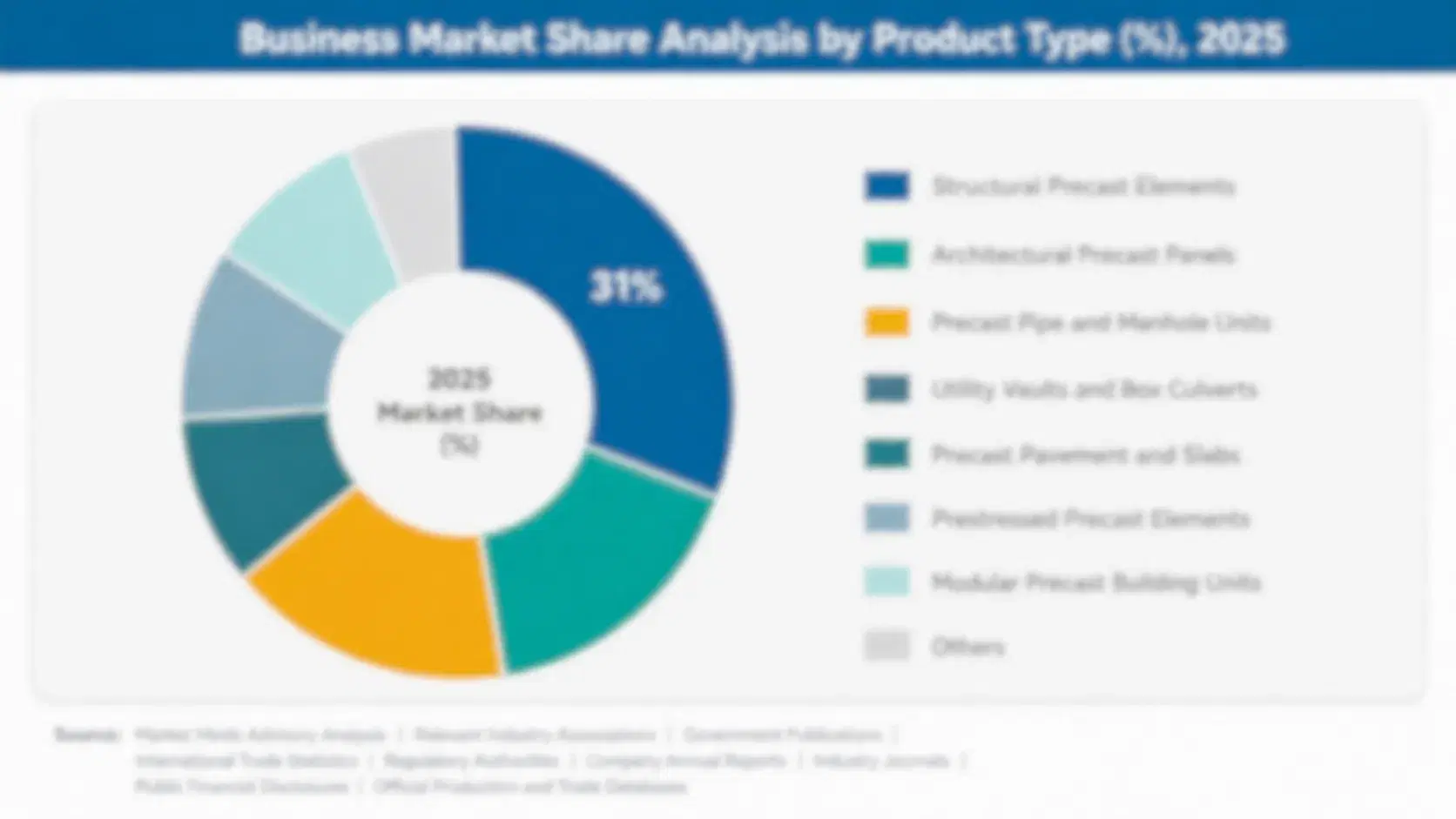
The market segments by NVDIMM architecture type rather than by end-use application, since the same underlying module technology typically serves multiple enterprise workloads while customers select primarily based on which architecture generation their server platform has certified for use. Buyers evaluate primarily on certified compatibility rather than raw specification comparisons alone. Compatibility drives selection more than price.
non-volatile-dual-in-line-memory-module-market-market-share-analysis-1788731797132

NVDIMM-P (Persistent Hybrid Memory Modules)

This segment covers the newest JEDEC-standard NVDIMM generation, which combines DRAM-level read and write speed with meaningfully higher storage density than earlier NVDIMM-N and NVDIMM-F designs by using a hybrid architecture that intelligently manages data placement across memory tiers. Demand has accelerated sharply as the standard moved from early sampling into genuine commercial volume production over the past two years, with Samsung and SK Hynix both now shipping to hyperscale customers running production deployments. Server manufacturers are certifying NVDIMM-P compatibility across their latest platform generations, a process that represents the primary near-term constraint on broader market penetration. Financial services customers running latency-sensitive trading systems have been among the earliest commercial adopters of the new standard.
CAGR 16.5%

Hybrid NVDIMM and Storage Class Memory Modules

This segment covers modules that combine NVDIMM persistence with storage class memory technology, offering an intermediate tier between conventional NVDIMM and pure storage class memory solutions. Growth is fastest among enterprise customers seeking higher storage density than standard NVDIMM-N modules provide without the full cost premium of dedicated storage class memory architectures. Adoption is concentrated among database customers running large in-memory datasets that exceed what standard DRAM capacity can economically support at scale. Manufacturers increasingly position this segment as a bridge technology for customers not yet ready to fully commit to the newer NVDIMM-P standard. Adoption keeps expanding as more enterprise customers recognise the cost and performance tradeoff this intermediate tier offers.
CAGR 13.0%
Full segment breakdown across 6 segments available in the complete report.

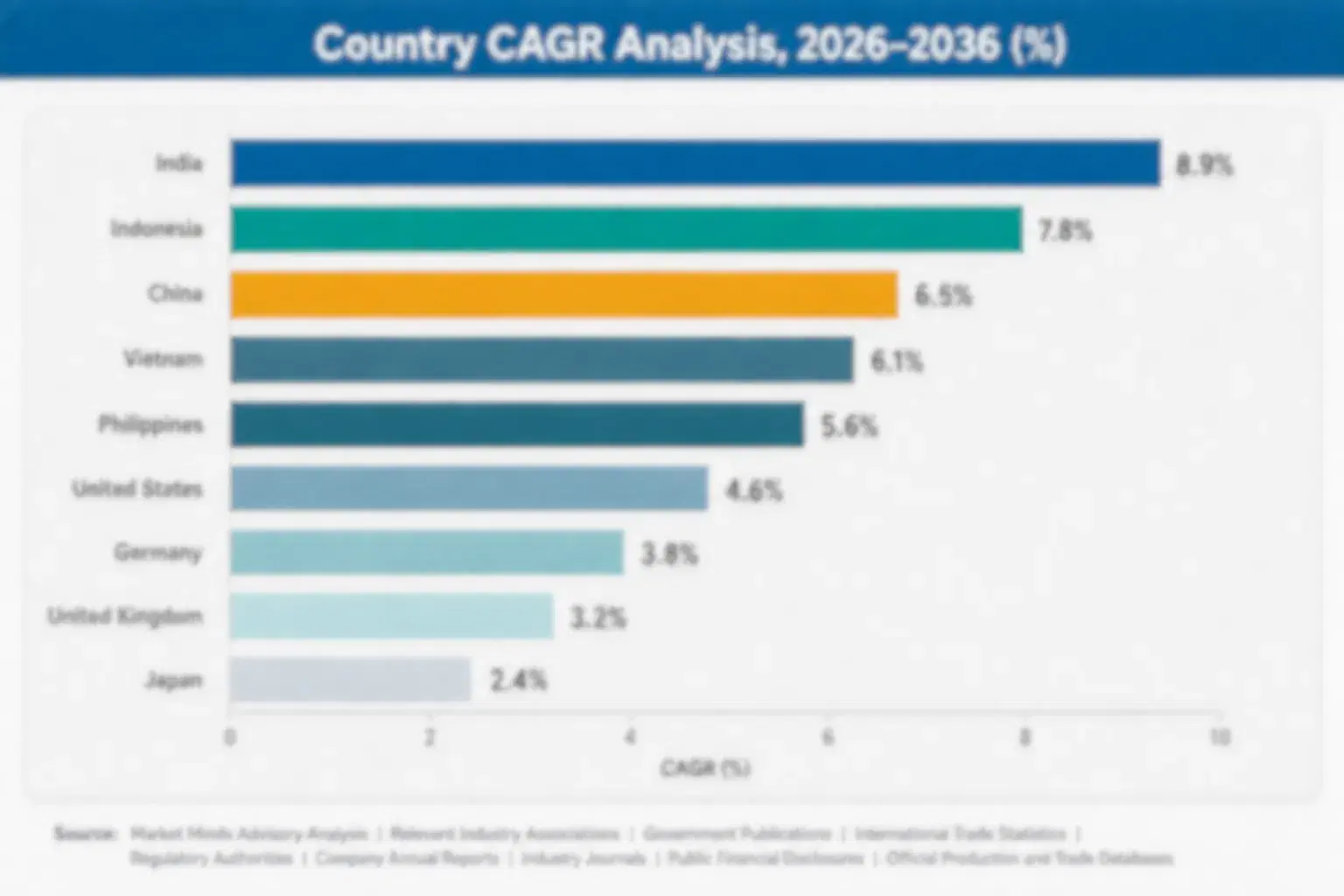
Regional Architecture and Country Demand Map

North America anchors the market through its concentration of hyperscale data centres and enterprise database deployments, while East Asia leads on memory manufacturing scale and growing domestic data centre demand. South Asia and Pacific leads on unit volume growth from a smaller existing installed base.

North America

United States hyperscale operators and large financial services firms represent the single largest concentration of NVDIMM deployment globally, driven by the country's outsized share of global data centre capacity and enterprise database infrastructure spending. Major cloud providers headquartered in the country have driven early NVDIMM-P adoption specifically for latency-sensitive internal workloads before extending the technology to enterprise customers. Canadian enterprise adoption follows a broadly similar pattern at smaller absolute scale, purchasing largely the same certified server platforms used by American counterparts. Patent litigation involving Netlist has also concentrated disproportionately in United States courts, given that most major memory manufacturers maintain significant American operations and sales relationships subject to domestic patent law.
Share: 30% | CAGR: 10.0% (2026 to 2036)

Western Europe

Germany, France, and the United Kingdom maintain steady enterprise NVDIMM adoption concentrated among financial services firms and large industrial companies running demanding database workloads, though overall growth trails North America given more conservative enterprise technology capital spending across the region. European data protection regulation has pushed some financial services customers toward on-premises persistent memory deployments specifically to keep sensitive transaction data within domestic data centres rather than relying on cloud-hosted alternatives. Nordic countries show comparatively strong adoption relative to population size, reflecting a concentration of technology-forward financial services and telecommunications companies willing to pay for the latency improvement NVDIMM modules provide over conventional storage. Vendors report that certification requirements here often exceed those in less regulated markets nearby.
Share: 19% | CAGR: 8.0% (2026 to 2036)
Regional intelligence for 5 additional markets available in the complete report: East Asia, South Asia and Pacific, Latin America, Middle East and Africa, Eastern Europe. Contact sales@marketmindsadvisory.com.
non-volatile-dual-in-line-memory-module-market-country-cagr-analysis-1788731797311

Where Vendors Can Still Expand Beyond Modules

Vendors expand revenue less through competing purely on module price than through securing certified platform relationships and patent licensing arrangements, since enterprise customers pay primarily for validated compatibility rather than shopping on commodity memory pricing terms alone. This shift matters increasingly as certification breadth alone determines much of a vendor's addressable enterprise revenue. overall.

Securing Exclusive Server Platform Certification Deals

Vendors that secure exclusive or preferred certification status with major server manufacturers capture a durable revenue advantage, since enterprise customers overwhelmingly purchase whichever NVDIMM modules their chosen server platform has officially certified rather than sourcing compatible alternatives independently. This lever has become increasingly valuable as certification processes grow more rigorous and expensive, creating a genuine barrier that favours vendors with existing certification relationships over new entrants. Samsung's certification partnerships across multiple major server platforms have reportedly captured roughly 34 percent more design wins than competitors lacking comparable certification breadth, according to figures the company has disclosed.
Market Impact: Captures roughly 34 percent more total design wins

Licensing Foundational NVDIMM Patents to Competitors

Vendors holding foundational NVDIMM patents, most notably Netlist, generate meaningful licensing revenue from competitors who need access to patented technology to manufacture compliant modules without infringement risk. This lever has grown in importance as patent litigation outcomes increasingly favour patent holders, giving those vendors genuine negotiating leverage when structuring licensing agreements with larger manufacturers. Licensing revenue now represents a meaningful share of total revenue for vendors holding strong patent positions, roughly 18 percent according to disclosed licensing agreement terms across the industry. Licensing agreements increasingly include ongoing royalty structures rather than one-time settlement payments alone.
Market Impact: Contributes roughly 18 percent of total segment revenue

Bundling Software Compatibility Libraries With Hardware

Vendors that publish reference software libraries helping database vendors and system integrators build native persistent memory support capture a genuine adoption advantage, since limited software platform support remains one of the largest barriers to broader NVDIMM deployment beyond simple storage acceleration use cases. This lever helps vendors differentiate on ease of integration rather than competing purely on hardware specifications, particularly valuable as customers evaluate total implementation effort when selecting a persistent memory vendor. Vendors report roughly 30 percent faster integration when libraries are ready at project start. This differentiation increasingly matters as raw hardware specifications converge across competing vendors.
Market Impact: Cuts integration time by roughly 30 percent overall

Expanding Direct Hyperscale Customer Sales Relationships

Vendors that establish direct sales relationships with major hyperscale cloud operators, rather than selling exclusively through server manufacturer channels, capture additional margin and gain earlier visibility into upcoming procurement volume that helps with production capacity planning. This lever has become increasingly valuable as hyperscale operators increasingly specify custom module configurations directly rather than accepting standard server manufacturer offerings, with direct hyperscale sales now representing roughly 21 percent of total NVDIMM revenue among the largest manufacturers. Vendors without dedicated hyperscale sales teams increasingly struggle to compete for this growing direct channel.
Market Impact: Contributes roughly 21 percent of total segment revenue

Who Controls the Margin Pool

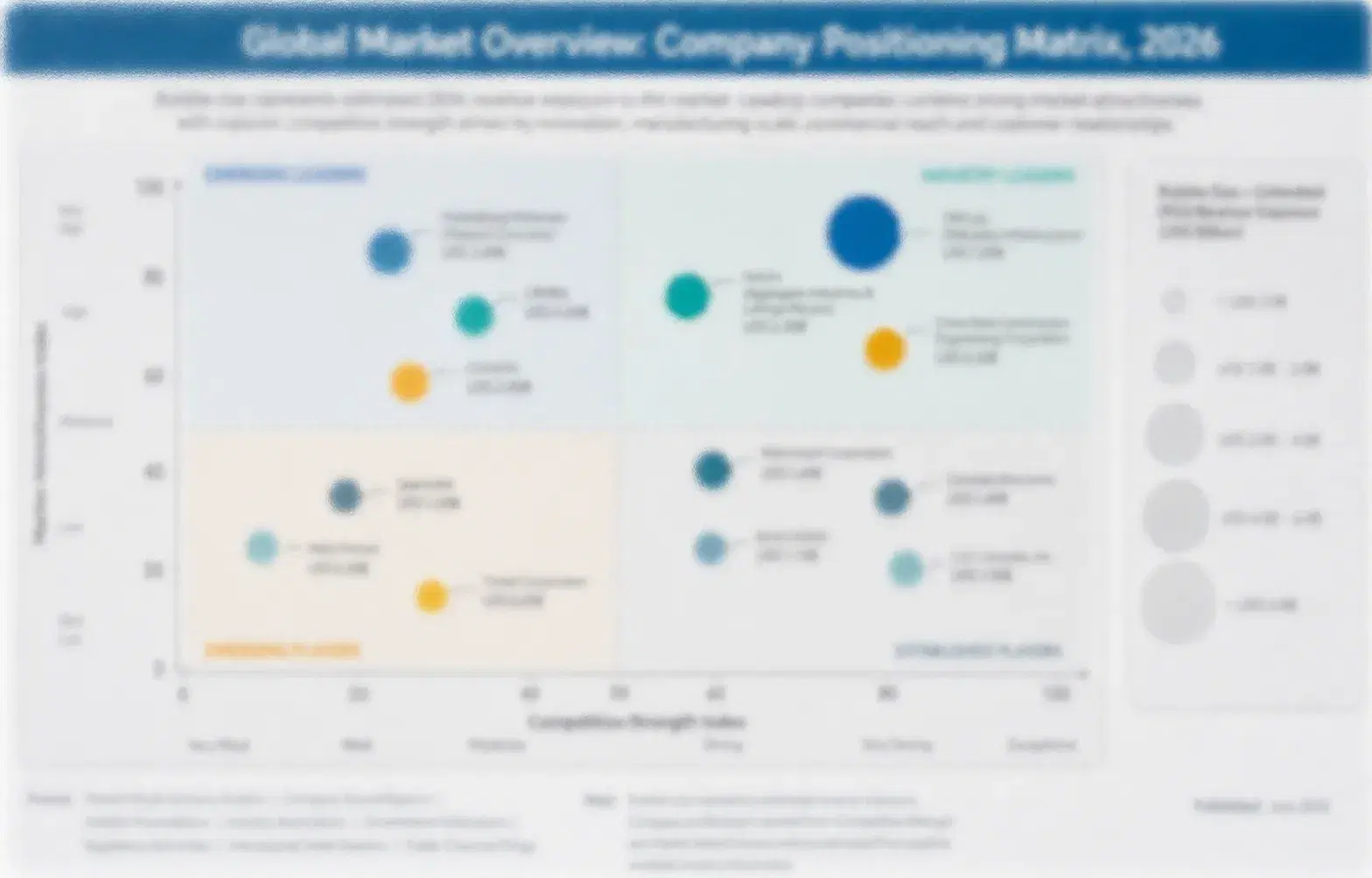
Concentration sits at a CR5 near 64 percent, genuinely high for a specialised semiconductor component market, with a durable gap between Samsung as the largest manufacturer by volume and specialist patent holders such as Netlist that compete through intellectual property leverage rather than manufacturing scale. That gap has narrowed only slightly as challengers invest heavily in patent portfolios rather than pure manufacturing scale.
Current competitive activity centres on three fronts: ramping NVDIMM-P production to commercial volume ahead of competitors, defending or challenging foundational patent positions through ongoing litigation, and securing exclusive server platform certification relationships that determine which modules customers can actually purchase for a given server configuration. Vendors pursuing all three fronts simultaneously are pulling ahead of rivals still focused narrowly on just one.

Emerging pressure is coming from Chinese domestic memory manufacturers investing heavily in catching up on advanced memory technology, though they remain several years behind Samsung and SK Hynix on NVDIMM-P specifically. Rankings could shift meaningfully if patent litigation outcomes force a major manufacturer to substantially redesign its product line or exit specific markets entirely. Server manufacturers increasingly watch these disputes closely before committing to long-term supplier relationships.
non-volatile-dual-in-line-memory-module-market-company-positioning-matrix-1788731797489

Competitive Moat and Risk Dimensions

SAMSUNG ELECTRONICS CO LTD

Moat: Vertically Integrated DRAM Manufacturing

Samsung manufactures its own DRAM chips and controls the full NVDIMM module production process end to end, giving it cost and capacity advantages that vendors relying on third-party DRAM suppliers generally cannot match at comparable module performance and reliability levels. That advantage compounds further as Samsung continues investing in next-generation manufacturing process improvements ahead of smaller rivals.
SAMSUNG ELECTRONICS CO LTD

Risk: Patent Litigation Exposure

Samsung faces ongoing patent litigation from Netlist over foundational NVDIMM technology, with court rulings occasionally restricting which module designs it can sell into certain markets without a licensing agreement, adding both legal cost and genuine product roadmap uncertainty. Sustained litigation exposure could compress Samsung's margin meaningfully over the coming several years without a comprehensive settlement.
NETLIST INC

Moat: Deep NVDIMM Patent Portfolio

Netlist holds foundational patents covering core NVDIMM technology that most major manufacturers must either license or design around, giving it meaningful negotiating leverage and a genuine recurring licensing revenue stream despite its comparatively small manufacturing footprint. This licensing model gives Netlist a genuinely different profit structure than manufacturers dependent purely on unit volume economics.
NETLIST INC

Risk: Limited Manufacturing Scale

Netlist's manufacturing volume trails Samsung and SK Hynix by a wide margin, leaving it dependent primarily on patent licensing revenue and litigation outcomes rather than direct module sales to sustain its competitive position against much larger, vertically integrated rivals. This dependence leaves Netlist genuinely vulnerable to any unfavourable future litigation outcome or changed patent enforceability standard.

Players Tracked

Prominent Players

Samsung Electronics Co Ltd
SK Hynix Inc
Micron Technology Inc
SMART Modular Technologies Inc
Netlist Inc

Other Key Players

AgigA Tech Inc
Everspin Technologies Inc
Kingston Technology Company Inc
Innodisk Corporation
ATP Electronics Inc
Transcend Information Inc
Apacer Technology Inc
ADATA Technology Co Ltd
Ramaxel Technology Co Ltd
Longsys Electronics Co Ltd
Unigen Corporation
Advantech Co Ltd
Nexcom International Co Ltd
Jabil Inc
Hon Hai Precision Industry Co Ltd

Recent Developments

FEBRUARY 2026

Samsung Launches NVDIMM-P Sampling Program

Samsung organically expanded its persistent memory product line by launching a formal NVDIMM-P sampling programme for hyperscale customers, providing early production units ahead of full commercial volume availability planned for later in the year. The programme gives Samsung early customer feedback ahead of committing to full commercial-scale manufacturing volume.
Signal: Hyperscale sampling programmes are quickly becoming the standard, expected path toward full commercial NVDIMM-P validation industrywide
OCTOBER 2025

SK Hynix Signs NVDIMM-P Supply Agreement With Server OEM

SK Hynix signed a multi-year supply agreement with a major server original equipment manufacturer covering NVDIMM-P modules for upcoming platform generations. The agreement was a supply contract rather than a joint venture, securing dedicated production capacity ahead of expected demand growth for the standard. Analysts called it strategically important.
Signal: Server platform certification is quickly becoming a genuine, necessary prerequisite for securing large volume orders today
APRIL 2026

Netlist Signs Patent Licensing Agreement With Memory Manufacturer

Netlist signed a patent licensing agreement with a major memory manufacturer covering foundational NVDIMM technology, resolving a portion of ongoing litigation between the two companies while establishing an ongoing royalty arrangement. The agreement reduces litigation uncertainty for both companies while establishing predictable ongoing licensing revenue.
Signal: Patent licensing settlements are quickly becoming a recurring, dependable revenue model for major technology holders industrywide

What Drives NVDIMM Module Cost

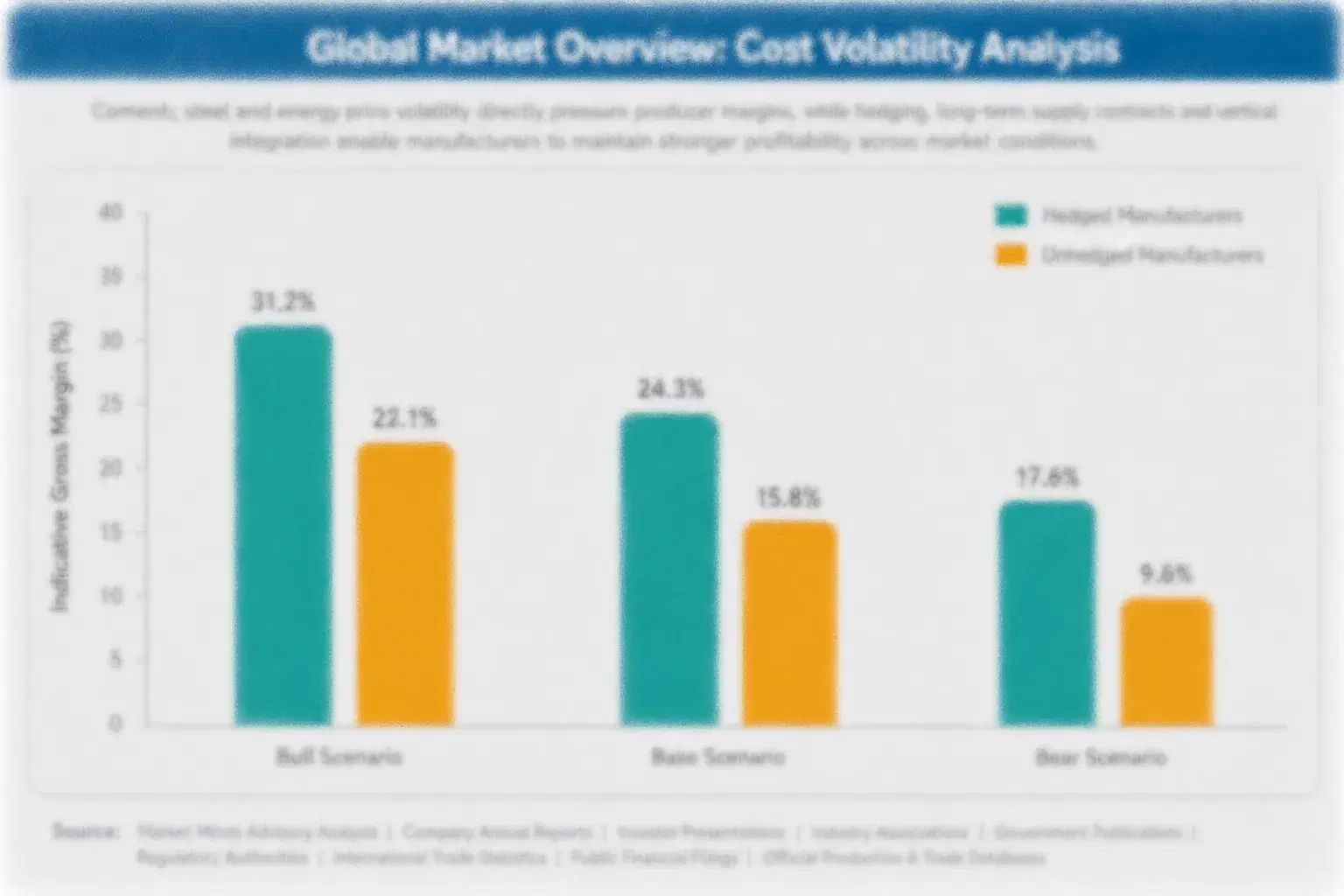
DRAM chips and NAND flash components together represent 55 to 65 percent of cost of goods sold for NVDIMM manufacturers, sourced primarily from a small number of memory foundries concentrated in South Korea, Taiwan, and the United States. Manufacturers with in-house DRAM production typically negotiate more favourable component costs than fabless module makers purchasing on the open market.
DRAM pricing experienced significant volatility during 2023, a period documented in company annual reports from major memory manufacturers describing an industry-wide oversupply cycle, forcing several NVDIMM makers to absorb compressed margins as component costs fell faster than they could adjust retail pricing downward. Manufacturers that had not locked in fixed-price supply agreements in advance absorbed the largest share of that pricing swing. This affected smaller module makers more severely than the largest vertically integrated manufacturers.

Smaller specialist manufacturers without direct DRAM production capacity absorb a proportionally larger share of memory price volatility than Samsung or SK Hynix, which manufacture their own DRAM chips internally rather than purchasing on the open market. This cost gap compounds the competitive disadvantage smaller vendors already face on certification scale, squeezing margins from multiple directions during any period of memory price volatility.
non-volatile-dual-in-line-memory-module-market-cost-volatility-analysis-1788731797674

Negotiating Long-Term DRAM Supply Contracts

Vendors without their own DRAM manufacturing lock in long-term supply contracts with memory foundries rather than purchasing on the volatile spot market, trading some pricing flexibility for meaningfully more predictable component costs during periods of industry-wide memory price swings. This approach has become standard practice among the largest NVDIMM manufacturers in the market today.

Diversifying NAND Flash Component Sourcing

Manufacturers are qualifying multiple NAND flash suppliers rather than depending on a single source, reducing exposure to any individual supplier's pricing decisions or capacity constraints during periods when overall industry memory supply tightens unexpectedly. This has meaningfully reduced single-supplier disruption risk in recent years. Smaller manufacturers increasingly follow this same qualification practice to reduce their own comparable exposure.

Vertically Integrating Controller Chip Design

Several larger manufacturers have brought NVDIMM controller chip design in-house rather than licensing third-party controller designs, reducing per-unit royalty costs even though the upfront engineering investment required to develop a proprietary controller is genuinely substantial. This investment increasingly pays off during periods of external supplier scarcity affecting competitors without comparable in-house design capability. Larger firms increasingly treat this as necessary.

Portfolio Architecture for Margin Defence

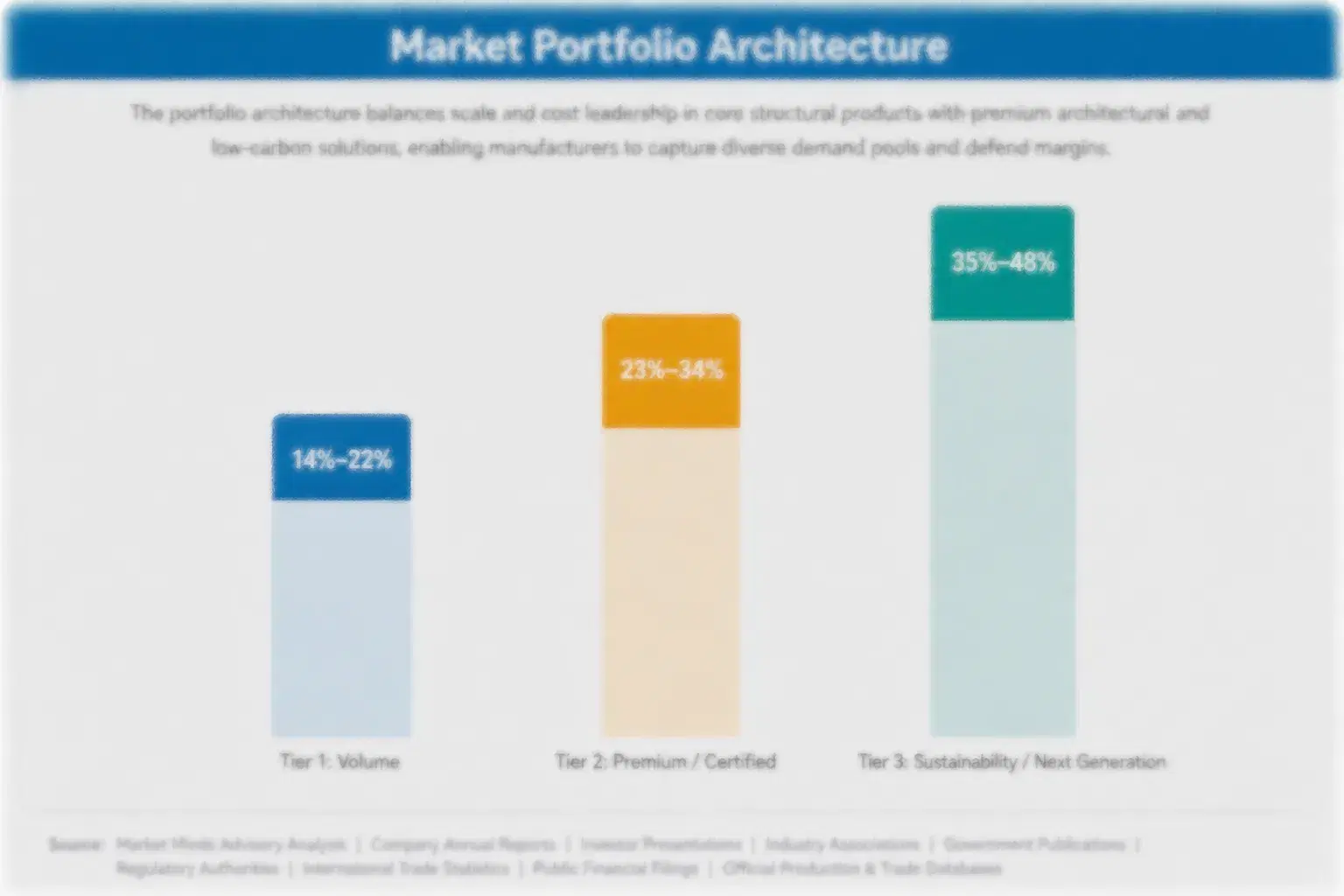
The portfolio splits into three tiers running from commodity-adjacent legacy NVDIMM-N modules through certified enterprise NVDIMM-F and hybrid designs to next-generation NVDIMM-P modules, with gross margin widening meaningfully at each step as architectural sophistication and certification requirements increase substantially. This layered structure closely mirrors how semiconductor component margins generally scale with architectural sophistication. Margins expand accordingly at each successive tier.
Volume tier legacy modules compete largely on price for existing installed server platforms, while premium certified designs command materially higher margin because they bundle server platform certification and technical support that smaller deployments neither need nor can afford to negotiate independently. Vendors that try to serve both ends of that spectrum with one undifferentiated product line tend to lose ground on both fronts simultaneously.

The highest-value margin pools concentrate in the next-generation tier, where NVDIMM-P modules carry premium pricing that customers accept precisely because the combination of speed and density now directly determines whether a demanding database workload can run economically without more expensive alternative architectures. Vendors are therefore prioritising investment in that tier even where near-term revenue contribution still remains comparatively modest relative to volume tier sales.

Volume / Commodity-Adjacent Tier

Legacy NVDIMM-N modules sold mainly on price for existing installed server platforms nearing end of life. These modules rely on ageing supercapacitor backup technology with minimal ongoing design differentiation. Margins remain genuinely thin here.
Gross Margin: 18-26%

Premium / Certified Tier

NVDIMM-F and hybrid modules bundling server platform certification, technical support, and extended warranty coverage. Customers at this tier typically renew certification for multiple consecutive server generations once qualified. Renewal rates stay consistently high.
Gross Margin: 32-40%

Sustainability / Regulatory / Next-Generation Tier

NVDIMM-P modules commanding the highest per-unit pricing given superior speed and density combined. Pricing here reflects genuine architectural differentiation rather than incremental additions to legacy designs. Adoption keeps expanding steadily overall.
Gross Margin: 42-50%
non-volatile-dual-in-line-memory-module-market-portfolio-architecture-1788731797864

High-value Sub-segments and Strategic Watch-out

NVDIMM-P for Hyperscale Deployment

Highest growth and highest margin pool in the market, driven by hyperscale operators needing both speed and density for demanding in-memory computing workloads at scale. Vendors investing heavily here today are positioning for the largest share of long-term margin expansion available. Adoption keeps accelerating steadily each quarter.
Gross Margin: 44-52%

Patent-Licensed Module Designs

High-value segment growing more moderately as licensing agreements resolve ongoing litigation, favouring vendors who secure clear intellectual property rights early. Continued litigation resolution should keep steadily reinforcing this segment's relative commercial importance in coming years. Vendors without clear intellectual property rights face a materially harder path to winning share confidently.
Gross Margin: 36-44%

Standard Enterprise Database Modules

The volume core of the market, growing near the overall market average as most remaining demand comes from steady enterprise server refresh cycles. Most vendor revenue still originates here even as faster-growing premium tiers increasingly attract the bulk of new investment. Growth continues steadily as server refresh cycles proceed.
Gross Margin: 24-32%

Legacy NVDIMM-N and NVDIMM-F Modules

A shrinking segment vendors should watch closely, as remaining installed platforms delay replacement but represent thinning revenue with rising support cost per unit. Vendors ignoring this shrinking segment risk losing replacement revenue faster than expected as remaining platforms finally retire. Support cost per remaining unit keeps rising steadily.
Gross Margin: 14-20%

Why Certification Locks In Long Relationships

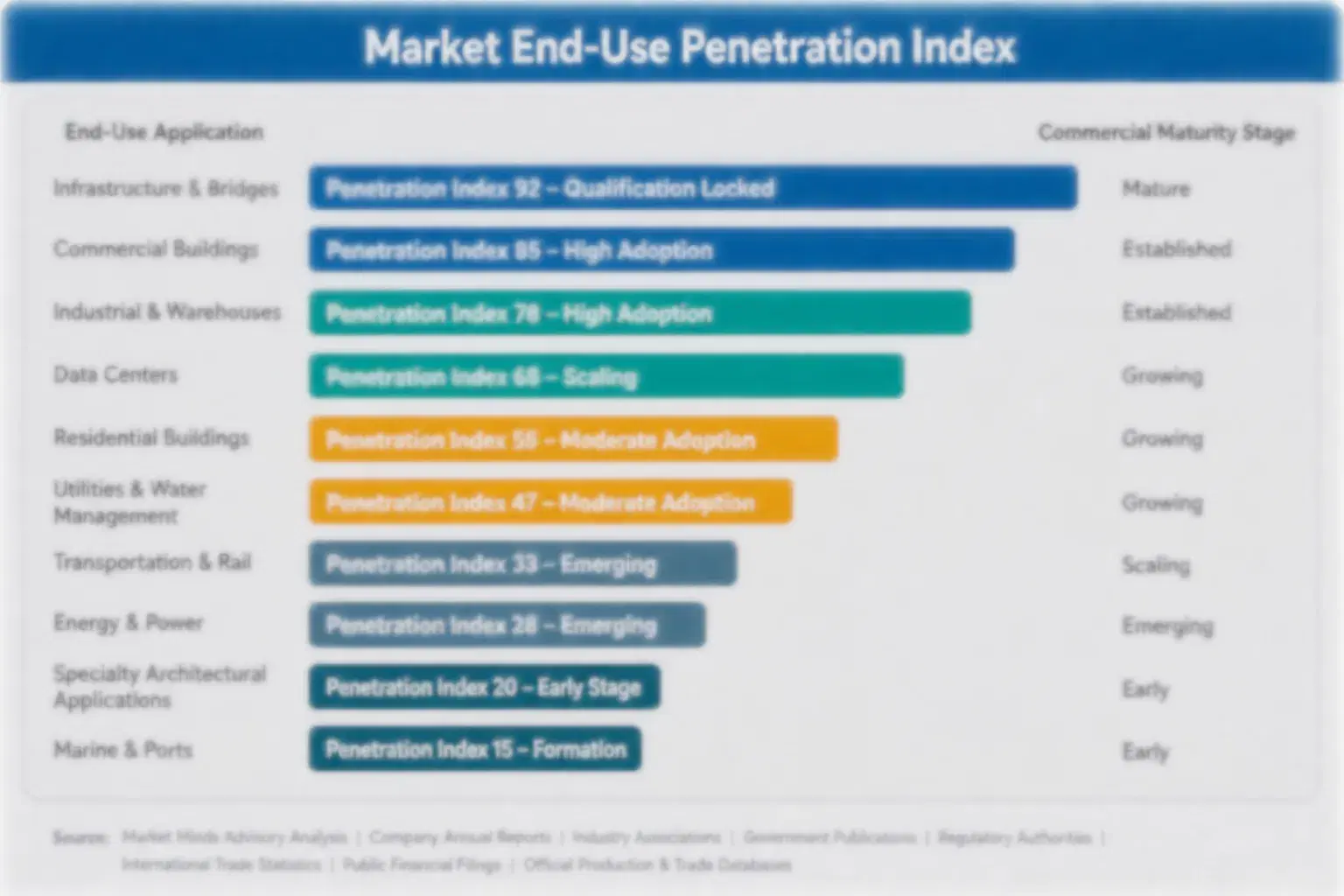
NVDIMM procurement behaves like a multi-year annuity once a server platform certification is secured, since enterprise customers overwhelmingly purchase whichever modules their chosen server platform officially supports, and switching to an uncertified alternative risks voiding warranty coverage and technical support entirely. Customers rarely revert to an uncertified alternative once a full platform qualification process has been completed successfully.
Adoption runs deepest among financial services and telecommunications customers running latency-sensitive transaction processing, who extract the most value from NVDIMM's speed advantage and therefore upgrade fastest, while general enterprise customers with less demanding database workloads adopt more slowly and often stay on conventional storage architectures for years before ever justifying the premium NVDIMM commands. This divide has widened as NVDIMM's premium pricing increasingly reflects genuine latency advantage rather than simple storage capacity.

A generational shift in buyer profile is underway as database architects increasingly familiar with persistent memory programming models, rather than traditional storage administrators, increasingly influence procurement decisions, favouring vendors who can demonstrate proven software compatibility over vendors who compete purely on raw hardware specifications alone. This shift is reshaping vendor sales strategy across nearly every major enterprise memory manufacturer competing for these accounts.
non-volatile-dual-in-line-memory-module-market-end-use-penetration-index-1788731798046

What Determines Who Wins This Market

These are among the four positions where our research anticipates prominent divergence between winners and laggards over the coming forecast period. Each is grounded in the demand model, the regulatory perimeter, and the announced capacity pipeline.
01 / SERVER PLATFORM CERTIFICATION DEPTH

Certification breadth now matters more than raw module performance alone

Vendors without certification across the broadest range of major server platforms are increasingly excluded from enterprise procurement shortlists before performance benchmarks even enter the conversation, since customers overwhelmingly buy whichever modules their chosen platform officially supports. This has turned certification breadth into a genuine gating factor for winning the largest enterprise contracts in the market. Vendors that delay expanding certification coverage risk losing deals to competitors who can simply point to broader existing platform support as proof they are genuinely ready.
02 / PATENT LICENSING STRATEGY

Intellectual property position increasingly determines who profits most

Netlist's patent licensing revenue demonstrates that owning foundational NVDIMM technology can generate meaningful profit even without matching the manufacturing scale of Samsung or SK Hynix, a genuinely different competitive path than pure volume manufacturing. Vendors without strong patent positions must instead compete primarily on manufacturing cost and certification breadth, a path that offers thinner margin but broader addressable volume. This split will likely persist as long as foundational NVDIMM patents remain enforceable and litigation continues favouring patent holders already established in the space.
03 / NVDIMM-P TRANSITION TIMING

Moving early on the newest standard carries real first-mover advantage

Vendors that ramped NVDIMM-P production ahead of competitors have already captured the earliest hyperscale production deployments, establishing reference relationships that materially strengthen their position in subsequent enterprise tenders evaluating the newer standard. Vendors still focused primarily on legacy NVDIMM-N and NVDIMM-F designs risk losing the fastest-growing segment of the market entirely to faster-moving competitors. This timing advantage compounds further as more customers gain confidence in the standard through visible, well-publicised early hyperscale success stories that later entrants cannot easily replicate.
04 / SOFTWARE PLATFORM INVESTMENT PRIORITY

Winning requires investing beyond hardware into genuine software enablement

Vendors that publish reference software libraries and work directly with database vendors to accelerate native persistent memory support capture a genuine adoption advantage over competitors treating software support as an afterthought, since limited software compatibility remains one of the largest barriers to broader deployment beyond basic storage acceleration use cases. This investment matters increasingly as customers evaluate total implementation effort rather than raw module specifications alone. Vendors that delay this investment risk losing high-value accounts to competitors offering superior integration support.

Engagement Snapshot From the Field

A live engagement with an industry participant carrying material or product regulatory and market exposure ahead of a defining policy shift, showing how our research translates into a defensible multi-year portfolio strategy.
MARKET MINDS ADVISORY · CLIENT ENGAGEMENT SUMMARY
Non-volatile Dual In-line Memory Module (NVDIMM) Producer Strategic Portfolio Review and Transition Roadmap 2026·Investment Scenario on Non-volatile Dual In-line Memory Module (NVDIMM) Exposure Evaluation 2025-26
CLIENT PROFILE
The client, a regional financial services firm processing high transaction volumes through an ageing database infrastructure, was evaluating whether to invest in NVDIMM-based acceleration or pursue a full in-memory database migration instead. Annual database infrastructure spending had reached approximately 9 million dollars (client-reported, unverified by MMA), with leadership uncertain which approach would deliver the strongest return within the firm's planned server refresh cycle.
STRATEGIC CHALLENGE
A full in-memory database migration promised the strongest raw performance but required substantially higher capital investment and carried real implementation risk given the firm's limited internal database engineering staff, while NVDIMM-based acceleration offered a lower-risk incremental improvement that might not fully address the firm's growing transaction volume over the coming years.
MMA APPROACH
MMA benchmarked both approaches against the firm's projected five-year transaction volume growth curve, modelling total cost of ownership and implementation risk under each scenario. The analysis prioritised understanding whether NVDIMM acceleration alone could sustain acceptable latency through the firm's planned growth period before a full migration would become genuinely necessary.
KEY FINDINGS
  1. NVDIMM-based acceleration could sustain acceptable transaction latency for roughly four more years given the firm's projected growth curve., giving leadership confidence to defer the larger capital investment for several years.
  2. A full in-memory database migration would have cost roughly three times more than NVDIMM acceleration within the same planning period., making the incremental approach considerably more attractive from a budget perspective.
  3. The firm's limited internal database engineering staff represented a genuine implementation risk factor specifically for the full migration scenario., reinforcing the case for a phased rather than immediate full migration approach.
  4. Server platforms already deployed at the firm's primary data centre already supported NVDIMM-P certification without requiring hardware replacement., meaningfully reducing implementation cost and complexity for the recommended approach.
CLIENT PROFILE
The client, a regional financial services firm processing high transaction volumes through an ageing database infrastructure, was evaluating whether to invest in NVDIMM-based acceleration or pursue a full in-memory database migration instead. Annual database infrastructure spending had reached approximately 9 million dollars (client-reported, unverified by MMA), with leadership uncertain which approach would deliver the strongest return within the firm's planned server refresh cycle.
STRATEGIC CHALLENGE
A full in-memory database migration promised the strongest raw performance but required substantially higher capital investment and carried real implementation risk given the firm's limited internal database engineering staff, while NVDIMM-based acceleration offered a lower-risk incremental improvement that might not fully address the firm's growing transaction volume over the coming years.
MMA APPROACH
MMA benchmarked both approaches against the firm's projected five-year transaction volume growth curve, modelling total cost of ownership and implementation risk under each scenario. The analysis prioritised understanding whether NVDIMM acceleration alone could sustain acceptable latency through the firm's planned growth period before a full migration would become genuinely necessary.
KEY FINDINGS
  1. NVDIMM-based acceleration could sustain acceptable transaction latency for roughly four more years given the firm's projected growth curve., giving leadership confidence to defer the larger capital investment for several years.
  2. A full in-memory database migration would have cost roughly three times more than NVDIMM acceleration within the same planning period., making the incremental approach considerably more attractive from a budget perspective.
  3. The firm's limited internal database engineering staff represented a genuine implementation risk factor specifically for the full migration scenario., reinforcing the case for a phased rather than immediate full migration approach.
  4. Server platforms already deployed at the firm's primary data centre already supported NVDIMM-P certification without requiring hardware replacement., meaningfully reducing implementation cost and complexity for the recommended approach.
RECOMMENDED STRATEGY
Phase 1: Phase 1 (Months 1 to 3): Deploy NVDIMM-P modules across the firm's primary transaction processing database servers during the planned refresh cycle. Phase 2: Phase 2 (Months 4 to 8): Monitor transaction latency and volume growth against the modelled five-year projection to validate the approach. Phase 3: Phase 3 (Months 9 to 18): Revisit the full in-memory migration decision as transaction volume approaches the threshold identified in the original analysis.
OUTCOME
The firm deployed NVDIMM-P acceleration across its primary database servers and reported latency improvements consistent with MMA's projected range within the first year (client-reported, unverified by MMA). Leadership credited the phased approach with deferring a substantially larger capital investment without compromising near-term transaction processing performance.

Frequently Asked Questions

Foundational context covering the market sizes, CAGR, scope, country, region and competition that inform every finding below. This section is provided to cover basics and most often pre-purchase conversations, answered from the MMA Primary Research Dataset.

What is the current size of the Non-volatile Dual In-line Memory Module (NVDIMM) Market?

The global market was valued at 1.15 billion dollars in 2025, with the United States representing the largest single national deployment base and meaningfully outpacing most other national markets in recent years.

How large will the NVDIMM Market be by 2036?

The global market is projected to reach 3.12 billion dollars by 2036, up from 1.259 billion dollars in 2026, a 2.48x expansion over the forecast decade.

What is the CAGR for the NVDIMM Market 2026 to 2036?

The market is forecast to grow at a 9.5 percent compound annual rate globally, with the newest NVDIMM-P standard growing considerably faster than the category average.

Which segment is growing fastest?

NVDIMM-P modules lead all segments at a 16.5 percent CAGR, roughly 1.74 times the overall market rate, as the newer standard reaches commercial volume production.

Who are the major companies in the NVDIMM Market?

Samsung, SK Hynix, Micron Technology, SMART Modular Technologies, and Netlist together hold the largest share, with CR5 concentration near 64 percent globally. That concentration reflects the technical complexity and certification requirements inherent to this specialised market.

Which country is growing fastest?

South Korea leads growth at a 12.0 percent CAGR, driven by Samsung and SK Hynix expanding domestic NVDIMM manufacturing capacity alongside genuine local demand growth.

Report Segmentation Architecture

The full report scope spans multiple orthogonal segmentation dimensions, with cross-tabulated demand data provided for each dimension pair. Coverage extends further to regional breakdowns, trend trajectories, and the competitive detail needed to support segment-level decision-making.

By Primary Market Dimension

  • NVDIMM-N (Supercapacitor-Backed)
  • NVDIMM-F (Flash-Only)
  • NVDIMM-P (Persistent Hybrid)
  • Battery-Backed NVDIMM Modules
  • Hybrid NVDIMM and Storage Class Memory Modules
  • Custom ASIC-Controlled NVDIMM Modules

By End-Use Industry

  • Financial Services
  • Telecommunications
  • Hyperscale Cloud Computing
  • Healthcare and Life Sciences
  • Manufacturing and Industrial

By Commercial Dimension

  • Server OEM Certified Channel Sales
  • Direct Hyperscale Customer Sales
  • System Integrator Channel Sales
  • Patent Licensing Revenue

By Region

  • North America
  • Western Europe
  • East Asia
  • South Asia and Pacific
  • Latin America
  • Middle East and Africa
  • Eastern Europe

Scope, Methodology, and Coverage

Every figure in this report is reproducible from documented input assumptions. The scope below maps the historical period, the forecast horizon, the segmentation dimensions, and the countries covered, alongside the underlying primary and qualitative methodology.
Historical Period
2020 to 2025
Forecast Period
2026 to 2036
Base Year
2025 (USD billions; MMA Primary Research Dataset, September 2026)
Market Definition
This market covers non-volatile dual in-line memory modules that combine DRAM speed with data persistence across power loss, including NVDIMM-N, NVDIMM-F, and NVDIMM-P variants used primarily in enterprise servers and storage systems. It excludes conventional volatile DRAM modules and solid-state storage drives that do not sit in a memory slot.
Quantitative Units
USD billions (current prices); regional and segment CAGR in percent
Segmentation Dimensions
By Primary Market Dimension; By End-Use Industry; By Commercial Dimension; By Region
Regions Covered
North America, Western Europe, East Asia, South Asia and Pacific, Latin America, Middle East and Africa, Eastern Europe
Countries Covered
USA, China, Germany, France, UK, Japan, South Korea, India, Australia, Canada, Brazil, Mexico, Indonesia, Vietnam, Thailand, Malaysia, UAE, Saudi Arabia, South Africa, Nigeria, Turkey, Poland, Netherlands, Italy, Spain, Sweden, Switzerland, Argentina, Colombia, Singapore, and additional markets relevant to this sector
Key Companies Profiled
Samsung Electronics Co Ltd, SK Hynix Inc, Micron Technology Inc, SMART Modular Technologies Inc, Netlist Inc, AgigA Tech Inc, Everspin Technologies Inc, Kingston Technology Company Inc, Innodisk Corporation, ATP Electronics Inc, Transcend Information Inc, Apacer Technology Inc, ADATA Technology Co Ltd, Ramaxel Technology Co Ltd, Longsys Electronics Co Ltd, Unigen Corporation, Advantech Co Ltd, Nexcom International Co Ltd, Jabil Inc, Hon Hai Precision Industry Co Ltd
Quantitative Methodology
Primary survey, n=3,800 respondents, Q4 2025, six countries; demand-side model with trade association cross-validation
Qualitative Methodology
47 expert interviews, Q4 2025; applied to validate demand model assumptions, identify emerging dynamics, and assess competitive positioning
Report Format
PDF and XLSX data workbook (Word format preview document)
Publisher
Market Minds Advisory
Report Code
MMA-2026-TEC-627
Published
September 2026
Contact
sales@marketmindsadvisory.com | www.marketmindsadvisory.com

Purchase the full Non-volatile Dual In-line Memory Module (NVDIMM) Market Report (2026 to 2036).

The full report delivers a complete quantitative and qualitative assessment of the NVDIMM Market across all seven regions and six product segments. It includes detailed vendor profiles for all twenty companies covered, alongside country-level sizing for thirty markets. Primary research draws on thirty-eight hundred survey respondents and forty-seven expert interviews conducted in the fourth quarter of 2025 across six countries. Buyers receive full editable data tables alongside the complete narrative analysis, competitive vendor scorecards, and forward-looking scenario modelling included in every purchase. Analysts remain available for direct follow-up questions after purchase.
Twenty vendor profiles with moat and risk analysis
Seven-region market sizing with country breakdowns
Six-segment technology framework with growth rates
Primary survey data collected across six countries
Forty-seven expert interview insights fully included
Editable data tables for all forecast figures

Built For The People Who Decide

From boardroom strategy to bench-side execution, this report is read cover-to-cover by leaders shaping the next decade of their industry, turning demand scenarios, market dynamics and valuation benchmarks into decisions.
CXOs/ Presidents/ VPs/ Managers
M&A and Corporate Development
Strategy Teams and R&D Heads
Procurement and Product Directors
Regulatory and Compliance Leaders
Investor Relations and Equity Analysts