Market Minds Advisory
NMN (Nicotinamide Mononucleotide) Market

NMN (Nicotinamide Mononucleotide) Market: NMN (Nicotinamide Mononucleotide) Market. Regulatory Status, Chinese Ingredient Capacity, and Longevity Evidence Shape NAD+ Precursor Returns.

NMN turns on shifting regulatory status, Chinese enzymatic and fermentation capacity, thin human evidence for ageing claims, stability and cold chain limits, nicotinamide riboside competition, and longevity brands chasing premium consumers.

Lead Analyst

Published

September 2026

Make Smarter Decisions with Customized Research Insights

Request a free sample report and evaluate market opportunities, growth trends, and competitive dynamics relevant to your business needs.

2025 MARKET VALUE$0.8BMarket Size 2025
2036 FORECAST VALUE$2.8BBase Case , 2026 to 2036
CAGR 2026 TO 203612.0 %Bull 13.3% / Bear 10.7%
INCREMENTAL OPPORTUNITY$1.9BNet 10- year value creation
EXPANSION MULTIPLE3.11x2036 value over 2026 base
Strategic Levers
M&A Pipeline
Regional Outlook
Country Rankings
Competitive Intelligence
Segmental Deep-dive
Call-Us : 91 93563 13602

Executive Snapshot and Market Trajectory.

NMN is a nucleotide precursor of NAD+ sold as a longevity supplement and ingredient, and value depends on regulatory status in major markets, Chinese production cost, human evidence for ageing and energy claims, and how far premium consumers accept high prices for unproven benefits. Evidence decides repeat purchase.
Liposomal and Sublingual NMN grows fastest as brands seek better absorption and premium positioning, while capsules and tablets still carry the largest volume. East Asia holds the largest share because Chinese producers make most NMN and Japanese consumers have bought it for years, and North America follows on longevity brand demand and online subscriptions. Buyers judge purity, testing and price per gram before they commit to a subscription plan.
Competition is concentrated among specialist ingredient makers and longevity brands: a Swiss-Chinese ingredient producer, a Chinese biotechnology producer, a Chinese enzymatic producer, an American nutrition ingredient group and an American longevity brand lead, measured here on estimated NMN ingredient and finished product sales value, while contract makers and online sellers fill gaps. Regulation, purity and evidence decide contracts. Regulators decide lawful status, so audited plants, legal reserves and clear labels shape who wins accounts.
Market Definition
The market covers global sales of nicotinamide mononucleotide products valued at ingredient and finished-brand revenue, including liposomal and sublingual NMN, NMN combination longevity formulas, NMN capsules and tablets, NMN powders, and bulk NMN ingredient sold to third-party brands, sold through online, pharmacy, clinic and direct channels. The scope excludes nicotinamide riboside, niacin, injectable NAD+ therapies and NAD+ precursors sold without NMN as the lead ingredient.
Base Year Value
$0.8B in 2025 (MMA Primary Research Dataset, September 2026)
Forecast Period
2026 to 2036, eleven discrete annual values
CAGR
12.0% base case. Bull 13.3%. Bear 10.7%.
Fastest Growth Segment
Liposomal and Sublingual NMN: 16.8% CAGR
Fastest Growth Country
Singapore: 15.0% CAGR
Fastest Growth Region
South Asia and Pacific: 14.0% CAGR
Largest Region
East Asia: 40% of 2025 global value
Market Leaders
Effepharm, Bontac Bioengineering, GeneHarbor Biotechnologies, ChromaDex, Elysium Health. Source: MMA Analysis, company annual reports.
Primary Survey
n=3,800 procurement and R&D decision-makers, Q4 2025, six countries
Methodology
Demand-side build-up, cross-validated against public data, 47 expert interviews

NMN (Nicotinamide Mononucleotide) Market Forecast Scenarios

nmn-nicotinamide-mononucleotide-market-size-forecast-scenario-1789955538508
Between 2020 and 2025, NMN grew quickly from a small base as longevity research and podcasts popularised NAD+ boosters and Chinese producers cut ingredient prices sharply. Regulatory uncertainty in the United States and Europe interrupted sales in some periods, and stability concerns exposed low quality products, so growth was strong but uneven across regions and product types. Podcasts and clinics amplified the trend.
The base case rests on three commercial mechanisms. First, ageing consumers and biohackers keep buying NAD+ precursors as part of daily routines and clinic protocols. Second, better delivery formats and combination products lift premium pricing. Third, clearer regulation and quality standards let established brands scale in pharmacies and online marketplaces. Producers plan capacity, stability testing and evidence programmes around these three drivers, and buyers reward audited purity and clear labelling.
The bull case needs supportive regulatory decisions and human trials that show benefits, which would open pharmacy and clinic channels and lift premium sales. The bear case is renewed regulatory restrictions combined with quality scandals, which would cut volumes and margins. Producers with audited plants, stability data and diversified markets would be best placed for either outcome.

Regulation, Purity, and Human Evidence Set NMN Returns

Producers make NMN by enzymatic synthesis or engineered fermentation, purify it to 99% or more, and sell it as bulk ingredient or finished capsules, powders and liposomal products through online, pharmacy, clinic and direct channels. China makes about 80% of ingredient, daily doses run 250 mg to 500 mg, and online channels take about 62% of finished sales. Regulation, purity and evidence therefore set returns. Stability limits shelf life.
MARKET CONCENTRATION36% CR5Top five suppliers hold a substantial combined market share
CHINA PRODUCTION SHARE80%Portion of global NMN ingredient output made in Chinese plants
TYPICAL DAILY DOSE250-500 mgCommon daily dose used in finished NMN supplements
INGREDIENT PURITY STANDARD99%+Typical purity demanded by reputable brand owners and testers
RETAIL PRICE PREMIUM3-6xPrice multiple of finished NMN over ordinary multivitamin products
ONLINE SALES SHARE62%Portion of finished sales made through online and direct channels
Regulatory status, purity, stability, price and evidence decide value. Brand owners judge ingredient cost and test reports, consumers judge brand trust and reviews, and regulators judge whether NMN is a lawful supplement ingredient. Effepharm wins on quality reputation, Bontac wins on scale, and ChromaDex wins on scientific credibility through its competing nicotinamide riboside. Quality scandals move customer loyalty quickly. Test reports matter most.
Buyers judge NMN on purity, third-party testing, dose, price, brand trust and evidence. Longevity enthusiasts want the newest products, clinic patients want physician guidance, and mainstream buyers want proven benefits. Price sensitivity is moderate. Reviews, podcasts and influencer recommendations decide shortlists, and many trial buyers stop when they notice no effect or find cheaper products that appear identical. Subscriptions shape repeat purchase.
"NMN is the rare supplement where the science is early, the ingredient is cheap to make and the consumer is willing to pay a lot. The brands that survive will be those that publish purity results and human data before the regulators and the reviewers do it for them."
Senior Analyst, Healthy Ageing and Specialty Nutrition Practice · MMA NMN (Nicotinamide Mononucleotide) Practice · September 2026

Market Trends

Liposomal and Sublingual Formats Promise Better Absorption at Premium Prices

Oral NMN can be degraded in the gut and liver, so brands offer sublingual tablets, powders and liposomal liquids that they say improve absorption. Liposomal and Sublingual NMN grows about 16.8% a year, and gross margins run 50% to 65% against 30% to 40% for basic capsules. The trend needs stability testing, since NMN degrades with heat and moisture, and clear evidence, and it rewards brands that publish bioavailability data and ship with cold packs or nitrogen-flushed packaging. Brands also offer smaller pack sizes so buyers finish product before potency falls and store it cool.
Market Impact: over-65 population passes 1 billion

Combination Longevity Formulas Pair NMN With Resveratrol, TMG and Actives

Brands sell stacks that pair NMN with resveratrol, pterostilbene, trimethylglycine, quercetin and other actives to support methylation and antioxidant claims, and physicians and clinics add them to protocols. NMN Combination Longevity Formulas grows about 14.4% a year, and gross margins run 45% to 58%. The trend needs clear labels and dose transparency, and it draws contract manufacturers and clinic distributors into supply relationships that stretch across several ingredients. Clinics in Japan, Singapore and the United States build protocols around NAD+ boosters and lifestyle advice, and stacks give brands larger orders and better retention.
Market Impact: ingredient prices fell over 50%

Market Opportunities and Growth Drivers

Ageing Populations and Longevity Culture Expand Premium Supplement Buyers

The world's population over 65 is expected to pass 1 billion around 2030, and longevity podcasts, clinics and wearable devices popularise daily supplements for healthy ageing. NMN sits at the centre of this culture because NAD+ levels decline with age. The driver sustains a large, affluent buyer base and rewards brands with credible dosing, transparent testing and physician endorsement that reassure buyers. Wearable devices, blood tests and clinic packages reinforce daily habits, and wealthy buyers in Japan, Singapore and the United States spend hundreds of dollars a year on ageing supplements.
Market Impact: regulatory disputes cut sales 30-50%

Chinese Capacity and Fermentation Advances Cut Ingredient Costs Sharply

Enzymatic and fermentation routes in China cut NMN ingredient prices by more than half between 2020 and 2025, which lets brands offer lower retail prices or higher margins. Producers such as Bontac and Effepharm expanded plants and improved purity. The driver widens access to ingredient and rewards producers with scale, audit records and cold storage, though lower prices also attract low quality entrants. Lower ingredient cost also lets larger food and supplement groups consider NMN, and Japanese and Korean companies fund research. Producers must still document purity, because buyers and retailers test products independently.
Market Impact: human studies cost $0.5-2 million each

Market Restraints and Challenges

Shifting Regulatory Status in Major Markets Creates Sales Uncertainty

The US FDA first said in 2022 that NMN was excluded from the dietary supplement definition because of drug investigations, and later reversed that position in 2025, while the EU has not authorised NMN as a novel food and China limits its use in food. The root cause is drug and novel ingredient rules. Brands respond with legal action and local formulations, though uncertainty can cut sales by 30% to 50% during disputes. Retailers and payment processors sometimes delist products during disputes, so brands need clear legal advice and diversified channels.
Market Impact: liposomal formats grow 16.8% yearly

Thin Human Evidence and Quality Problems Undermine Trust and Claims

Human trials show NMN raises blood NAD+ levels, but evidence for anti-ageing, energy and cardiovascular benefits is limited and mixed. Independent tests have also found products with low NMN content. The root cause is early science and weak enforcement. Brands respond with third-party testing and sponsored trials, though each human study can cost $0.5 million to $2 million and take 12 months, which small brands cannot fund. Reputable brands publish certificates of analysis, while some marketplace sellers offer diluted products, and buyers cannot tell the difference without testing on their own.
Market Impact: combination formulas grow 14.4% yearly
3 additional market trends, 2 additional growth drivers, and 4 additional restraints and challenges are covered in the full report. Contact sales@marketmindsadvisory.com to access the complete intelligence.

Segment CAGR and Growth Architecture

The global NMN market is segmented by product form, which shows where delivery, stability and evidence create pricing power in a moderately concentrated market. Five segments cover liposomal and sublingual NMN, NMN combination longevity formulas, bulk NMN ingredient for third-party brands, NMN capsules and tablets, and NMN powders. Liposomal and combination products grow fastest.
nmn-nicotinamide-mononucleotide-market-market-share-analysis-1789955538860

Liposomal and Sublingual NMN

Liposomal and Sublingual NMN is the fastest-growing segment at 16.8% a year, about 1.40 times the overall market rate, from a small base. Consumers who worry about absorption and stability pay for premium formats, so gross margins of 50% to 65% against 30% to 40% for basic capsules support bioavailability studies and cold chain packaging. Evidence for better uptake and stability is the main constraint, and brands that publish pharmacokinetic data, use nitrogen-flushed packs and ship quickly keep buyers on subscription plans. Pharmacokinetic studies suggest sublingual delivery can raise blood NAD+ levels, though independent replication is limited, and brands that use nitrogen-flushed packs and clear expiry dates keep subscribers satisfied through summer.
CAGR 16.8%

NMN Combination Longevity Formulas

NMN Combination Longevity Formulas grows at 14.4% a year, about 1.20 times the overall market rate, because consumers and clinics prefer stacks that pair NMN with resveratrol, TMG and antioxidants and brands accept gross margins of 45% to 58% for tested blends. Formulation science and dose transparency shape entry. Brands with clinic partnerships, physician advisers and clear labels hold price better than generic bundle sellers, and contract manufacturers value reliable ingredient lots for every blend. Clinics in Japan, Singapore and the United States use stacks in protocols that add methylation and antioxidant support, and average order values run higher than for single NMN. Regulators require each ingredient to be lawful in every market.
CAGR 14.4%
Full segment breakdown across 5 segments available in the complete report.

Regional Architecture and Country Demand Map

East Asia leads at 40% because China produces most NMN ingredient and Japanese consumers have bought it for years, with North America at 28% on longevity brand demand. South Asia and Pacific grows fastest as Singapore and Australian buyers expand. Western Europe trails on novel food rules.

North America

North America holds 28% share, inside its band, because American longevity brands such as Elysium, ProHealth and Renue by Science sell NMN and NAD+ products through online subscriptions, clinics and Amazon, and the FDA's 2025 position that NMN can be lawfully sold as a supplement reopened mainstream channels after a period of restriction. Growth runs at the global rate. Legal disputes, evidence scrutiny and counterfeit products restrain returns. Podcasts, physicians and online communities shape demand, and Amazon and brand websites host most sales, while clinics in California, Texas and Florida add protocols. State laws and retailer policies still differ, so brands watch legal status closely and diversify channels and payment providers to protect revenue.
Share: 28% | CAGR: 12.0% (2026 to 2036)

Western Europe

Western Europe holds 10% share, below its band, because the EU has not authorised NMN as a novel food and national authorities restrict sales, so brands rely on cosmetics, cross-border online sales and clinic channels, and German, Swiss and British consumers buy mainly through overseas websites, which justifies the out-of-band share. Growth trails the global rate. Regulatory risk, customs enforcement and limited pharmacy access restrain returns. Germany, Switzerland and the United Kingdom have affluent longevity buyers who order from American and Asian websites, and customs and consumer authorities sometimes seize shipments or warn retailers. Some brands sell NMN in cosmetics or as research compounds, but pharmacies and supermarkets generally do not stock oral NMN.
Share: 10% | CAGR: 10.5% (2026 to 2036)
Regional intelligence for 5 additional markets available in the complete report: East Asia, South Asia and Pacific, Latin America, Middle East and Africa, Eastern Europe. Contact sales@marketmindsadvisory.com.
nmn-nicotinamide-mononucleotide-market-country-cagr-analysis-1789955539166

Four Margin Routes for NMN Producers and Brands

Margin in NMN comes from liposomal formats, combination formulas, audited purity and diversified regulatory positioning rather than plain capsule volume. The routes below apply to ingredient producers, brand owners and contract manufacturers, and each can start inside one planning cycle, with clear measures in gross margin points, repeat purchase and accounts won. Payback runs about two years.

Shifting Basic Capsule Volume Into Liposomal and Sublingual NMN Formats

Liposomal and sublingual NMN earns gross margins of 50% to 65% against 30% to 40% for basic capsules, so brands that add bioavailability studies, stability testing and nitrogen-flushed packaging to shift 10% of volume into premium formats report gross margin gains of three to five points on the mix. Programmes cost $2 million to $6 million. Pilots with five online retailers and two clinic groups confirm demand, and payback typically arrives within 24 months as subscription volume builds. Subscribers on premium formats reorder more often and tolerate higher prices, which raises lifetime value per customer.
Market Impact: premium formats lift gross margin by 3-5 points

Publishing Third-Party Purity and Stability Results for Every Production Lot

Quality scandals and low-content products erode trust, so producers and brands that publish third-party purity, heavy metal and stability results for every lot lift conversion by 10% to 18% and support price premiums of 15% to 25%. Testing programmes cost $0.2 million to $0.8 million per year. Brands should test best-selling products first, where reputational risk is highest, and share results on product pages so buyers and retailers can verify claims. Retailers and marketplaces increasingly ask for certificates of analysis before listing NMN, so brands with test files keep listings when competitors are delisted.
Market Impact: lot testing supports price premiums of 15-25% for brands

Funding Human Studies That Support Energy and Healthy Ageing Claims

Evidence for benefits is limited, so producers and brands that fund placebo-controlled studies of 60 to 120 participants and publish results win physician support and clinic accounts worth 8% to 14% of sales. Studies cost $0.5 million to $2 million each. Brands should test the flagship dose first, where claims carry the most sales, and share results with regulators and retailers to defend market access in disputed jurisdictions and strengthen their negotiating position. Clinics value evidence from human studies when they build protocols, and physicians recommend products with published results to patients.
Market Impact: human studies win clinic accounts worth 8-14% of sales

Diversifying Regulatory Positioning Across Cosmetic, Clinic and Cross-Border Channels

Regulatory status changes quickly, so producers and brands that build sales across supplements, cosmetics, clinics and cross-border online channels cut exposure to single-market disputes that can reduce sales by 30% to 50%. Programmes cost $0.5 million to $2 million. Brands should map status by country every quarter, prioritise markets with clear rules, and keep legal reserves so that a restriction in one market does not halt working capital or supply commitments. Cosmetic and clinic channels also provide revenue when supplement channels face restrictions, and legal advice helps brands respond fast to enforcement letters or delisting notices.
Market Impact: channel diversification cuts dispute exposure of 30-50% sales

Who Controls the Margin Pool

The global NMN market is moderately concentrated, with a CR5 of 36%, and contract makers, online sellers and small Chinese producers sit outside the leading five. This assessment measures participants on estimated NMN ingredient and finished product sales value, held constant across all players. Effepharm leads through quality reputation, while Bontac Bioengineering, GeneHarbor Biotechnologies, ChromaDex and Elysium Health follow, with a narrow gap between the leader and the challengers.
Competition runs on four dimensions today: purity and testing, ingredient cost, evidence and clinical partnerships, and regulatory positioning. Swiss-Chinese and Chinese producers win on ingredient cost and quality, American brands win on consumer trust and online reach, and clinic partners win on physician guidance. Imitators copy popular formats quickly, so premiums outside tested and well-documented products erode within a year, and buyers compare price per gram closely.

Emerging pressure comes from nicotinamide riboside and other NAD+ precursors, new Chinese entrants, and regulators that decide whether NMN is a lawful supplement. Rankings shift where a producer wins a regulatory case, publishes human data or suffers a quality scandal. Challengers can move up quickly when leaders face testing failures, and rankings can move within a single planning cycle.
nmn-nicotinamide-mononucleotide-market-company-positioning-matrix-1789955539446

Competitive Moat and Risk Dimensions

EFFEPHARM

Moat: Quality Reputation and Ingredient Scale

Effepharm, a Swiss-Chinese ingredient producer, makes NMN in Chinese plants and sells it to supplement brands worldwide under the Uthever name, with strong quality systems, published safety data and long relationships with premium brands. Its quality reputation, safety files and customer trust give it a market advantage, and its position supports premium pricing for high-purity ingredient and technical support.
EFFEPHARM

Risk: Regulatory and Price Exposure

Effepharm depends on markets where NMN status can change quickly, and Chinese competitors can undercut on price. Customers may accept lower-cost ingredient if testing shows similar purity, and evidence gaps limit premium growth. Regulators in some markets may also restrict Chinese-made ingredient, and customers can dual-source to protect supply.
CHROMADEX

Moat: Scientific Credibility and Brand Reach

ChromaDex, an American nutrition ingredient group, sells Tru Niagen nicotinamide riboside and licenses NAD+ science through its ingredient business, with published clinical studies, patents and strong retailer relationships. Its scientific credibility, intellectual property and brand strength give it a market advantage, and its position supports partnerships with brands that want evidence-led NAD+ products.
CHROMADEX

Risk: Competing Precursor Positioning

ChromaDex sells nicotinamide riboside rather than NMN as its lead ingredient, so regulatory or consumer shifts toward NMN could divert sales. Litigation over patents and market access can absorb management time and cash, and brand owners may dual-source. Its brand also depends on retailer support in North America.

Players Tracked

Prominent Players

Effepharm
Bontac Bioengineering
GeneHarbor Biotechnologies
ChromaDex
Elysium Health

Other Key Players

ProHealth Longevity
Renue By Science
DoNotAge
Toniiq
Thorne HealthTech
Life Extension
NOW Foods
Jarrow Formulas
Herbalife
Amway
Nestlé Health Science
Kirin Holdings
Shiseido
Ajinomoto
Kyowa Hakko Bio

Recent Developments

JANUARY 2026

Effepharm Publishes Stability and Purity Data for High-Purity NMN Ingredient Grades Serving Premium Brands

Effepharm published stability and purity data for high-purity NMN ingredient grades serving premium brands, according to company communications. It is a technical publication, not an acquisition, and it tests demand for documented quality. The data cover several storage conditions and packaging types. Commercial terms were not disclosed.
Signal: Confirms leaders are publishing quality data because low-content products and stability problems have damaged trust in NMN.
FEBRUARY 2026

Bontac Bioengineering Expands Fermentation Capacity for NMN to Serve Export Customers in North America and Japan

Bontac Bioengineering expanded fermentation capacity for NMN to serve export customers in North America and Japan, according to company communications. It is an organic capacity expansion, not an acquisition, and it tests export demand. The expansion adds output at an existing Chinese plant. Investment terms were not disclosed.
Signal: Suggests Chinese producers keep adding capacity, which will pressure ingredient prices as regulatory clarity improves further.
MARCH 2026

Elysium Health Launches Sublingual NMN Combination Product With Published Bioavailability Study Through Online Subscription Channels

Elysium Health launched a sublingual NMN combination product with a published bioavailability study through online subscription channels, according to company communications. It is a product launch, not an acquisition, and it tests premium format demand. The study followed healthy adults over several weeks. Sales terms were not disclosed.
Signal: Indicates brands are pairing premium formats with evidence because buyers pay more when uptake and dose claims are supported.

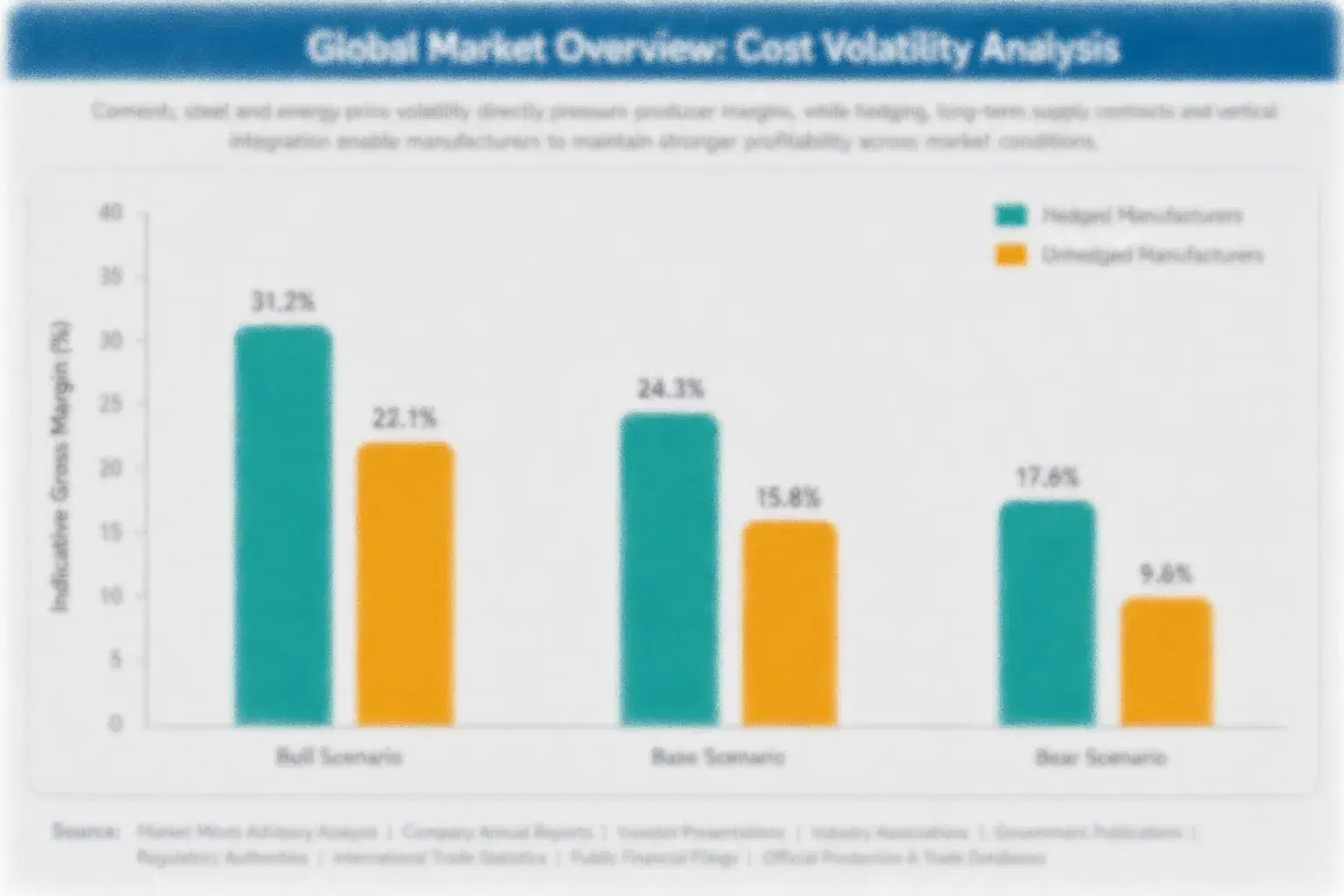
What Drives NMN Costs

Feedstock and enzymes account for roughly 30% of production cost, with nicotinamide, ribose, ATP sources and enzyme preparations leading, fermentation and utilities about 15%, purification, drying and testing about 20%, cold chain, packaging and freight about 10%, and overheads and marketing about 25%. Feedstocks come mainly from Chinese chemical and fermentation suppliers, and enzymes from Chinese, Japanese and European biotechnology firms.
The clearest recent shock came from price competition and quality. MMA Estimate from expert interviews indicates that NMN ingredient prices fell more than 50% between 2020 and 2025 as capacity expanded, which squeezed small producers and led some to cut purity. ChromaDex Annual Report 2024 also discussed regulatory disputes and market access issues for NAD+ precursors that affected demand and ingredient orders across several channels.

The competitive disadvantage falls on small producers and brands without audited plants, stability data or regulatory reserves, which cannot survive price wars or legal disputes. Large groups negotiate enzyme and feedstock terms and fund testing. Exposure also varies by geography, since Chinese producers buy local feedstock and energy while Western brands import ingredient and pay for testing, cold chain and legal compliance before they can sell finished products.
nmn-nicotinamide-mononucleotide-market-cost-volatility-analysis-1789955539728

Audited Plants and Third-Party Testing

Producers maintain audited plants and publish third-party purity and heavy metal results for every lot. Testing supports price premiums of 15% to 25%. The main challenge is cost, so producers test flagship lots first and extend testing to all lots as volume grows and customers demand stronger evidence. Results also help physicians recommend products with confidence.

Cold Chain and Stability Packaging

Producers and brands use nitrogen-flushed pouches, desiccants and cold shipping for sensitive formats to protect potency. Packaging cuts returns and protects reputation. The main challenge is cost per unit, so brands apply it first to liposomal and sublingual products and use bulk cold storage to spread costs. Cold shipping in summer months also reduces returns and complaints.

Multi-Route Enzymatic and Fermentation Supply

Brands qualify suppliers using both enzymatic and fermentation routes and keep two audited sources. Dual sourcing protects supply against plant shutdowns and quality failures. The main challenge is validation cost, so brands test flagship ingredients first and phase changes across ranges over 18 months. Dual sourcing also gives brands bargaining power on price and delivery terms.

Portfolio Architecture for Margin Defence

Margins run from moderate returns on bulk ingredient and basic capsules sold in volume to strong returns on liposomal, sublingual and combination products sold with testing, evidence and premium positioning. Three tiers separate volume products, premium certified lines and next-generation solutions, and each tier draws on different ingredient access, stability skill and regulatory positioning in a moderately concentrated market.
The tension between volume and premium is sharp. Bulk ingredient and basic capsules fill large orders from brand owners and online sellers and serve price-driven buyers but face Chinese price cutting and quality doubts, while liposomal and combination products earn higher margins on smaller volumes and depend on testing, evidence and brand credibility. Brands that run only volume struggle when prices fall, while brands that run only premium lose early volume. Mix management decides which risk dominates.

High-value pools concentrate in liposomal and sublingual NMN sold through subscriptions and clinics and in combination longevity formulas sold with physician advice. They gather where buyers pay for evidence, testing and convenience rather than price alone. Powders add a smaller pool with loyal biohacker buyers, and strong brands can hold both premiums and steady volume.

Volume / Commodity-Adjacent Tier

Bulk NMN ingredient and basic powders sold in volume to brand owners, distributors and online sellers. Buyers focus on price per gram and availability, and contracts renew annually with limited technical service.
Gross Margin: 30%-40%

Premium / Certified Tier

NMN capsules and tablets with third-party testing, clean labels, stability data and audit files, sold to pharmacies, online retailers and clinics. Buyers value certification and steady supply. Contracts run for several years.
Gross Margin: 38%-50%

Sustainability / Regulatory / Next-Generation Tier

Liposomal, sublingual and combination NMN products with bioavailability evidence, cold chain packaging and clinic partnerships, sold through subscriptions and clinics. Contracts run for several years. Volumes are growing quickly across clinics and online.
Gross Margin: 50%-65%
nmn-nicotinamide-mononucleotide-market-portfolio-architecture-1789955540013

High-value Sub-segments and Strategic Watch-out

Liposomal and Sublingual NMN

Liposomal and sublingual NMN combine the fastest growth with strong pricing, since consumers who worry about absorption pay for premium formats at gross margins of 50% to 65%. Stability and evidence limit competition, and brands with bioavailability data win subscriptions and repeat orders. Repeat orders follow.
Gross Margin: 50%-65%

NMN Combination Longevity Formulas

NMN combination longevity formulas deliver firm growth and pricing, since consumers and clinics prefer stacks with resveratrol, TMG and antioxidants and pay for tested blends at gross margins of 45% to 58%. Formulation science and dose transparency form the entry barrier, and brands with clinic partners win listings.
Gross Margin: 45%-58%

NMN Capsules and Tablets

NMN capsules and tablets are the volume core for brands with online reach and price discipline. Value grows about 10.5% a year, and ingredient cost, testing and delivery reliability decide profit. Brands anchor sales on long relationships with subscribers, pharmacies and clinic buyers, and customers renew regularly.
Gross Margin: 32%-44%

NMN Powders

NMN powders are the strategic watch-out, since growth of about 9.0% a year trails the leaders, stability is harder to guarantee and buyers compare powders with cheaper products. Brands should manage these lines selectively and steer capacity toward premium formats. Returns need careful review each year.
Gross Margin: 28%-38%

Why Longevity Buyers Keep Reordering

NMN demand behaves like a short annuity attached to daily longevity routines, subscription plans and trusted brand relationships. Once a buyer finds a product that fits a routine and feels credible, they reorder every month, and switching means new trust tests, price comparison and lost momentum. Buyers use last month's confidence in testing to fix renewals, so brands with clean records earn steadier volume. Subscription contracts often renew each quarter. Renewal timing follows subscription cycles.
Adoption stickiness differs by end-use vertical. Clinic patients on physician protocols are the deepest, since products are written into treatment plans and change only when advice changes. Longevity enthusiasts follow evidence and switch on new studies. Ageing consumers in Japan are moderate, while curious mainstream buyers are shallow. Athletes and biohackers buy in bursts around trends and events. Physicians often recommend starting doses.

Buyer profiles are shifting between generations. Older buyers chose NMN on doctor advice and Japanese brand heritage, while younger buyers ask for third-party testing, sublingual formats, podcast recommendations and subscription convenience. Regulators and physicians add a third group that sets claims and safety expectations. Brands that publish lot testing and human data win newer buyers.
nmn-nicotinamide-mononucleotide-market-end-use-penetration-index-1789955540281

MMA Verdict on NMN Strategy

These are among the four positions where our research anticipates prominent divergence between winners and laggards over the coming forecast period. Each is grounded in the demand model, the regulatory perimeter, and the announced capacity pipeline.
01 / PREMIUM FORMAT STRATEGY

Shift Capsule Volume Into Liposomal and Sublingual Formats Before Price Wars Bite

Liposomal and Sublingual NMN grows at 16.8% a year, about 1.40 times the overall market rate, and gross margins of 50% to 65% compare with 30% to 40% for basic capsules. Brands should commit $2 million to $6 million to bioavailability studies, stability testing and nitrogen-flushed packaging, and shift 10% of volume into premium formats to lift gross margin by three to five points. Those that stay in basic capsules will lose growth and pricing over the next two years, while early movers keep loyalty and premiums.
02 / QUALITY ASSURANCE STRATEGY

Publish Third-Party Lot Testing Before Quality Scandals Destroy Trust in NMN Products

Independent tests have found low-content products, buyers compare price per gram closely, and brands without published purity and stability results lose customers to better documented rivals. Brands should invest $0.2 million to $0.8 million a year in third-party testing, test best sellers first, publish results on product pages, and support price premiums of 15% to 25%. Those without testing will lose credibility and pricing over the next two years, while prepared brands hold premium pricing, loyalty, retailer confidence and customer trust across every buying cycle.
03 / HUMAN EVIDENCE STRATEGY

Fund Human Studies Before Regulators and Physicians Discount Unsupported Ageing Claims

Human evidence for anti-ageing and energy benefits is limited, regulators watch claims, and brands without studies lose clinic accounts worth 8% to 14% of sales to better evidenced rivals. Brands should invest $0.5 million to $2 million per study of 60 to 120 participants, test the flagship dose first, publish results, and share findings with clinics and retailers. Those that delay will lose credibility and shelf space over the next two years, while prepared brands hold premium pricing, physician support and customer trust across every buying cycle.
04 / REGULATORY DIVERSIFICATION STRATEGY

Diversify Channels and Legal Reserves Before the Next Reversal Cuts NMN Sales

Regulatory status changed in the United States and remains unauthorised in Europe, disputes can cut sales by 30% to 50%, and brands relying on one market or channel risk sudden revenue and supply losses. Brands should invest $0.5 million to $2 million in multi-channel sales across supplements, cosmetics, clinics and cross-border online channels, map status quarterly, and hold legal reserves. Those that delay will lose sales and working capital over the next two years, while prepared brands hold volume, pricing and customer confidence across every jurisdiction.

Engagement Snapshot From the Field

A live engagement with an industry participant carrying material or product regulatory and market exposure ahead of a defining policy shift, showing how our research translates into a defensible multi-year portfolio strategy.
MARKET MINDS ADVISORY · CLIENT ENGAGEMENT SUMMARY
NMN (Nicotinamide Mononucleotide) Producer Strategic Portfolio Review and Transition Roadmap 2026·Investment Scenario on NMN (Nicotinamide Mononucleotide) Exposure Evaluation 2025-26
CLIENT PROFILE
The client is a mid-sized American longevity supplement brand with annual sales near $60 million (client-reported, unverified by MMA), selling NMN capsules and NAD+ combination products through its own website, Amazon and physician clinics. It offered no liposomal or sublingual products, relied on one Chinese ingredient supplier, and had seen sales fall 30% during a regulatory dispute before partial recovery. Physicians kept asking for evidence.
STRATEGIC CHALLENGE
Rivals launched premium formats with bioavailability data, buyers questioned NMN quality after independent tests, and the client's single supplier raised prices after a plant inspection. Management needed to decide whether to build a liposomal line, publish third-party testing, or fund a human study, with limited capital and dependence on one supplier. Investors wanted answers within six months.
MMA APPROACH
MMA analysed sales, cost and review data across 25 products, interviewed 10 physicians, retailers and ingredient suppliers, and ran a buyer survey on purity, format and price across three regions. It modelled margin by product and scenario and ranked options by payback and execution risk, and tested each option against regulatory and supply disruptions.
KEY FINDINGS
  1. A liposomal and sublingual line would earn gross margins near 58% against 34% for capsules and cost about $3 million to launch (client-reported, unverified by MMA).
  2. Third-party lot testing on all products would cost about $0.4 million a year and support price premiums of about 15%. Testing partners are already identified.
  3. A human study would cost about $1.2 million and win clinic accounts worth about 10% of sales within 12 months. Two clinic groups have agreed to participate.
  4. A second audited ingredient supplier and cosmetic channel would cost about $0.8 million and cut exposure to disruption sharply. Qualification could take four months.
CLIENT PROFILE
The client is a mid-sized American longevity supplement brand with annual sales near $60 million (client-reported, unverified by MMA), selling NMN capsules and NAD+ combination products through its own website, Amazon and physician clinics. It offered no liposomal or sublingual products, relied on one Chinese ingredient supplier, and had seen sales fall 30% during a regulatory dispute before partial recovery. Physicians kept asking for evidence.
STRATEGIC CHALLENGE
Rivals launched premium formats with bioavailability data, buyers questioned NMN quality after independent tests, and the client's single supplier raised prices after a plant inspection. Management needed to decide whether to build a liposomal line, publish third-party testing, or fund a human study, with limited capital and dependence on one supplier. Investors wanted answers within six months.
MMA APPROACH
MMA analysed sales, cost and review data across 25 products, interviewed 10 physicians, retailers and ingredient suppliers, and ran a buyer survey on purity, format and price across three regions. It modelled margin by product and scenario and ranked options by payback and execution risk, and tested each option against regulatory and supply disruptions.
KEY FINDINGS
  1. A liposomal and sublingual line would earn gross margins near 58% against 34% for capsules and cost about $3 million to launch (client-reported, unverified by MMA).
  2. Third-party lot testing on all products would cost about $0.4 million a year and support price premiums of about 15%. Testing partners are already identified.
  3. A human study would cost about $1.2 million and win clinic accounts worth about 10% of sales within 12 months. Two clinic groups have agreed to participate.
  4. A second audited ingredient supplier and cosmetic channel would cost about $0.8 million and cut exposure to disruption sharply. Qualification could take four months.
RECOMMENDED STRATEGY
Phase 1: Phase 1 (Months 1-6): Qualify a second audited supplier, start third-party lot testing and open clinic talks on new formats. Phase 2: Phase 2 (Months 7-24): Launch the liposomal and sublingual line, fund the human study and add a cosmetic channel. Report monthly. Phase 3: Phase 3 (Months 25-42): Grow clinic accounts, review supplier terms yearly and cap any single supplier share. Report results to the board yearly.
OUTCOME
Within 42 months, premium formats reached 32% of sales, lot testing lifted conversion, and a second supplier removed single-source risk (client-reported, unverified by MMA). Gross margin rose by five points, profit exceeded plan by about 3%, and five clinic groups signed multi-year supply agreements after the human study results.

Frequently Asked Questions

Foundational context covering the market sizes, CAGR, scope, country, region and competition that inform every finding below. This section is provided to cover basics and most often pre-purchase conversations, answered from the MMA Primary Research Dataset.

What is the current size of the NMN (Nicotinamide Mononucleotide) Market?

The global NMN market was valued at $0.80 billion in 2025 on an ingredient and finished-brand revenue basis. Growth is supported by longevity interest and cheaper ingredient, offset by regulatory uncertainty and thin human evidence.

How large will the NMN (Nicotinamide Mononucleotide) Market be by 2036?

The market is projected to reach $2.78 billion by 2036, up from $0.90 billion in 2026. The increase of $1.89 billion reflects premium formats, combination products and Asian growth.

What is the CAGR for the NMN (Nicotinamide Mononucleotide) Market 2026 to 2036?

The market is forecast to grow at a 12.0% CAGR from 2026 to 2036. The bull case reaches 13.3% and the bear case 10.7%, depending on regulatory decisions, human evidence and ingredient prices.

Which segment is growing fastest?

Liposomal and Sublingual NMN is the fastest-growing segment at 16.8% CAGR, roughly 1.40 times the overall market rate. NMN Combination Longevity Formulas follows at 14.4% CAGR each year as clinics add stacks.

Who are the major companies in the NMN (Nicotinamide Mononucleotide) Market?

Major companies include Effepharm, Bontac Bioengineering, GeneHarbor Biotechnologies, ChromaDex and Elysium Health. ProHealth Longevity, Renue By Science, DoNotAge, Toniiq and Thorne HealthTech also hold positions in NMN.

Which country is growing fastest?

Singapore is growing fastest at about 15.0% CAGR, because wealthy longevity buyers, clinics and online platforms are widening NMN use and the country serves as a regional distribution hub. Australia and Japan follow as adoption grows.

Report Segmentation Architecture

The full report scope spans multiple orthogonal segmentation dimensions, with cross-tabulated demand data provided for each dimension pair. Coverage extends further to regional breakdowns, trend trajectories, and the competitive detail needed to support segment-level decision-making.

By Primary Market Dimension

  • Liposomal and Sublingual NMN
  • NMN Combination Longevity Formulas
  • Bulk NMN Ingredient for Third-Party Brands
  • NMN Capsules and Tablets
  • NMN Powders

By End-Use Industry

  • Healthy Ageing and Longevity
  • Energy and Metabolic Support
  • Sports and Recovery
  • Clinic and Physician Protocols
  • Beauty and Skin Health

By Commercial Dimension

  • Online Subscription and Direct Sales
  • Online Marketplaces
  • Pharmacies and Specialty Retail
  • Clinics and Practitioners
  • Ingredient Sales to Brand Owners

By Region

  • North America
  • Western Europe
  • East Asia
  • South Asia and Pacific
  • Latin America
  • Middle East and Africa
  • Eastern Europe

Scope, Methodology, and Coverage

Every figure in this report is reproducible from documented input assumptions. The scope below maps the historical period, the forecast horizon, the segmentation dimensions, and the countries covered, alongside the underlying primary and qualitative methodology.
Historical Period
2020 to 2025
Forecast Period
2026 to 2036
Base Year
2025 (USD billions; MMA Primary Research Dataset, September 2026)
Market Definition
The market covers global sales of nicotinamide mononucleotide products valued at ingredient and finished-brand revenue, including liposomal and sublingual NMN, NMN combination longevity formulas, NMN capsules and tablets, NMN powders, and bulk NMN ingredient sold to third-party brands, sold through online, pharmacy, clinic and direct channels. The scope excludes nicotinamide riboside, niacin, injectable NAD+ therapies and NAD+ precursors sold without NMN as the lead ingredient.
Quantitative Units
USD billions (ingredient and finished-brand revenue); tonnes of ingredient for volume references
Segmentation Dimensions
By Product Form; By End-Use Industry; By Commercial Dimension; By Region
Regions Covered
North America, Western Europe, East Asia, South Asia and Pacific, Latin America, Middle East and Africa, Eastern Europe
Countries Covered
United States, Canada, United Kingdom, Germany, France, Switzerland, Japan, South Korea, China, Singapore, India, Australia, Indonesia, Brazil, Mexico, United Arab Emirates, Saudi Arabia, South Africa, Poland, Turkey, and additional markets relevant to this sector
Key Companies Profiled
Effepharm, Bontac Bioengineering, GeneHarbor Biotechnologies, ChromaDex, Elysium Health, ProHealth Longevity, Renue By Science, DoNotAge, Toniiq, Thorne HealthTech, Life Extension, NOW Foods, Jarrow Formulas, Herbalife, Amway, Nestlé Health Science, Kirin Holdings, Shiseido, Ajinomoto, Kyowa Hakko Bio
Quantitative Methodology
Primary survey, n=3,800 respondents, Q4 2025, six countries; demand-side model with trade association cross-validation
Qualitative Methodology
47 expert interviews, Q4 2025; applied to validate demand model assumptions, identify emerging dynamics, and assess competitive positioning
Report Format
PDF and XLSX data workbook (Word format preview document)
Publisher
Market Minds Advisory
Report Code
MMA-2026-HLT-155
Published
September 2026
Contact
sales@marketmindsadvisory.com | www.marketmindsadvisory.com

Purchase the full NMN (Nicotinamide Mononucleotide) Market Report (2026 to 2036).

The full report delivers a detailed assessment of the NMN market through 2036, covering product form, end-use and regional forecasts, competitive benchmarking of leading producers and brands, and input cost analysis. It combines MMA primary research, including a six-country survey of 3,800 respondents and 47 expert interviews, with public statistical and company data. Analysts also model regulatory scenarios, evidence outcomes and ingredient price paths. Clients receive segment margin ranges, supply maps and a case study on product strategy. Supplier programme and contract frameworks are also included for planning.
Ten-year product form demand forecasts by region
Feedstock, enzyme, and packaging cost tracking
Competitive benchmarking of leading NMN producers
Regulatory status tracker by country and channel
Regional market comparative analysis and forecasts included
Quarterly primary survey data update access

Built For The People Who Decide

From boardroom strategy to bench-side execution, this report is read cover-to-cover by leaders shaping the next decade of their industry, turning demand scenarios, market dynamics and valuation benchmarks into decisions.
CXOs/ Presidents/ VPs/ Managers
M&A and Corporate Development
Strategy Teams and R&D Heads
Procurement and Product Directors
Regulatory and Compliance Leaders
Investor Relations and Equity Analysts