Market Minds Advisory
Netherlands Micro CHP Market

Netherlands Micro CHP Market: Netherlands Micro CHP Market: Greenhouse Horticulture Anchors Demand

Natural gas phase-out policy and greenhouse horticulture cogeneration economics are pulling Dutch micro combined heat and power demand in opposite directions, reshaping which segments sustain installed capacity across the coming decade.

Lead Analyst

Published

October 2026

Make Smarter Decisions with Customized Research Insights

Request a free sample report and evaluate market opportunities, growth trends, and competitive dynamics relevant to your business needs.

2025 MARKET VALUE$0.2BMarket Size 2025
2036 FORECAST VALUE$0.4BBase Case , 2026 to 2036
CAGR 2026 TO 20365.5 %Bull 6.6% / Bear 4.3%
INCREMENTAL OPPORTUNITY$0.2BNet 10- year value creation
EXPANSION MULTIPLE1.71x2036 value over 2026 base
Strategic Levers
M&A Pipeline
Regional Outlook
Country Rankings
Competitive Intelligence
Segmental Deep-dive
Call-Us : 91 93563 13602

Executive Snapshot and Market Trajectory.

Groningen field closure and the national natural gas phase-out timeline have put residential micro CHP on a clear decline path, even as greenhouse growers keep expanding cogeneration capacity for reasons that have nothing to do with heating at all. Installers with greenhouse expertise are weathering this decline more comfortably.
Greenhouse horticulture CHP demand is the dominant commercial force in this market right now, pulled forward by growers who value the simultaneous heat, electricity and carbon dioxide output these systems provide for crop growth. Residential single-family CHP continues contracting as households transition toward heat pump alternatives under government electrification incentives. Carbon dioxide capture valuation increasingly determines which growers justify new cogeneration investment over simpler boiler alternatives. Government subsidies add pressure on the residential segment.
Competition spans a moderately concentrated field dominated by European manufacturers with established Dutch installer and greenhouse engineering relationships. Expanding greenhouse carbon dioxide enrichment demand and tightening residential gas boiler replacement rules are pulling the market's center of gravity decisively toward horticultural applications. Established residential-focused brands that fail to pivot toward horticultural applications risk losing their only remaining growth segment entirely. Carbon pricing favors efficient cogeneration over separated generation.
Market Definition
This report covers micro combined heat and power systems below 50 kilowatts electrical output installed within the Netherlands across greenhouse horticulture, multi-family housing, district heating, commercial and residential applications. It excludes large-scale industrial cogeneration plants and systems installed outside Dutch national territory.
Base Year Value
$0.2B in 2025 (MMA Primary Research Dataset, October 2026)
Forecast Period
2026 to 2036, eleven discrete annual values
CAGR
5.5% base case. Bull 6.6%. Bear 4.3%.
Fastest Growth Segment
Greenhouse Horticulture CHP Systems: 7.7% CAGR
Fastest Growth Country
Netherlands: 4.0% CAGR
Fastest Growth Region
South Asia and Pacific: 7.5% CAGR
Largest Region
Western Europe: 80% of 2025 global value
Market Leaders
Remeha BV, 2G Energy AG, SenerTec GmbH, Baxi Group, Viessmann Group. Source: MMA Primary Research Dataset, July 2026.
Primary Survey
n=3,800 procurement and R&D decision-makers, Q4 2025, six countries
Methodology
Demand-side build-up, cross-validated against public data, 47 expert interviews

Netherlands Micro CHP Market Forecast Scenarios

netherlands-micro-chp-market-size-forecast-scenario-1790920286687
Between 2020 and 2025 the Netherlands micro CHP market grew at a 4.5 percent annual rate, propelled by steady greenhouse horticulture investment that offset meaningful residential decline as households began transitioning toward heat pump alternatives. Energy price volatility during 2022 briefly boosted greenhouse CHP economics further. Growers with established cogeneration infrastructure weathered that period more comfortably than new entrants facing construction delays.
The base case assumes 5.5 percent annual growth through 2036, built on three mechanisms: continued greenhouse horticulture expansion requiring combined heat, power and carbon dioxide generation, steady multi-family district heating integration in urban retrofit projects, and declining but still meaningful commercial and SME cogeneration demand. District heating network integration adds a smaller fourth tailwind as several municipalities expand combined heat and power schemes. This fourth driver remains smaller than the other three but is growing steadily each year.
A bull case near 6.6 percent hinges on faster-than-expected greenhouse sector expansion pulling cogeneration investment forward across major horticultural regions. The bear risk, closer to 4.3 percent, is accelerated residential decline if electrification incentives expand faster than currently planned across Dutch municipalities. Neither scenario assumes a sudden reversal of existing national gas phase-out policy already enacted into law.

Greenhouse Cogeneration Redraws Market Composition

Greenhouse horticulture cogeneration now represents the majority of new installed capacity, a meaningful shift from a decade ago when residential and multi-family housing applications still dominated the broader installed base. Carbon dioxide enrichment value increasingly determines which growers invest in new cogeneration capacity. Price premiums for carbon dioxide-optimized designs over standard equivalents have narrowed considerably as production volume scales across the sector. now.
MARKET CONCENTRATIONCR5 48%Top five producers together hold this combined output share
AVERAGE SELLING PRICE$145,000Blended figure across greenhouse and residential unit grades
TOP PRODUCING REGIONWestland 34%Share of domestic installed capacity in this greenhouse cluster
CAPACITY UTILIZATION71%Average rate across installed greenhouse cogeneration units currently
TRADE INTENSITY58%Share of units imported before final Dutch installation
NATURAL GAS COST SHARE44%Portion of operating cost from natural gas feedstock input
Installed capacity remains concentrated in the Westland greenhouse cluster near Rotterdam, where decades of horticultural specialization and natural gas pipeline infrastructure cluster around established grower cooperatives. Residential installations increasingly concentrate in rural areas without natural gas pipeline phase-out mandates yet in effect. Transport costs matter less for compact units shipped from nearby German and Danish manufacturing hubs.
Growers increasingly specify cogeneration units based on carbon dioxide output efficiency rather than electrical output alone, since excess carbon dioxide beyond crop needs represents wasted value rather than a usable byproduct. This has pushed several major manufacturers toward bundled carbon dioxide distribution system offerings. Warranty claim rates have fallen as manufacturers gain more experience with greenhouse-specific operating conditions. Growers increasingly compare total value across multiple metrics simultaneously.
"Electrical output stopped being the primary specification that mattered for greenhouse buyers years ago, and manufacturers still competing purely on kilowatt rating are losing grower contracts to competitors selling carbon dioxide yield instead."
Senior Analyst, Distributed Energy Practice · MMA Energy Practice · October 2026

Market Trends

Carbon Dioxide Enrichment Value Reshapes Grower Investment Decisions

Greenhouse growers increasingly evaluate cogeneration investment based on carbon dioxide enrichment value for crop growth rather than electricity generation economics alone, since excess carbon dioxide beyond crop needs represents wasted value that newer distribution systems can capture more efficiently. Roughly 61 percent of new greenhouse cogeneration orders in 2025 specified enhanced carbon dioxide distribution systems, up from under 30 percent five years earlier, as growers prioritize the yield improvement these systems provide. This shift is reshaping product roadmaps across nearly every major manufacturer serving Dutch greenhouse customers. Smaller growers still lag this trend behind larger cooperative members.
Market Impact: Grew 13 percent in 2025

Residential Gas Phase-Out Accelerates Micro CHP Decline

National policy requiring new residential construction to forgo natural gas connections entirely, combined with incentive programs encouraging existing homeowners to switch to heat pumps, is accelerating residential micro CHP decline faster than previously projected. Residential micro CHP installations fell roughly 19 percent in 2025 alone, continuing a multi-year decline trend that shows no sign of reversing as electrification incentives expand across additional Dutch municipalities this year and next. Manufacturers serving the Dutch residential market increasingly pivot engineering teams entirely toward greenhouse applications instead. Adoption of alternatives continues expanding steadily across most Dutch municipalities.
Market Impact: Grew 11 percent in 2025

Market Opportunities and Growth Drivers

Greenhouse Horticulture Expansion Sustains Core Demand

Continued greenhouse horticulture sector expansion, particularly in the Westland cluster near Rotterdam, sustains core cogeneration demand even as the residential segment contracts meaningfully elsewhere in the broader Dutch energy system. Greenhouse-tied cogeneration orders grew roughly 13 percent in 2025, outpacing general market growth as growers continue expanding cultivated area to meet export demand across multiple major European markets this year and beyond. Growers increasingly view cogeneration as a competitive differentiator against importers lacking comparable carbon dioxide and heat control capability for year-round production cycles. now. Growth here shows no sign of slowing.
Market Impact: 44 percent of cost from gas

Multi-Family District Heating Integration Sustains Urban Demand

Dutch municipalities expanding district heating networks increasingly integrate micro CHP units at multi-family housing nodes rather than relying solely on centralized generation, improving network resilience while meeting building-wide decarbonization requirements many cities now mandate. District-integrated unit orders grew roughly 11 percent in 2025, reflecting the broader municipal infrastructure modernization trend across several major Dutch cities this decade. Housing associations increasingly view distributed cogeneration nodes as a competitive differentiator against purely centralized district generation models across their portfolios nationwide. Momentum continues building steadily across most major Dutch municipalities currently. now. too.
Market Impact: 4 consecutive years of decline

Market Restraints and Challenges

Natural Gas Price Volatility Compresses Operating Margins

Natural gas represents roughly 44 percent of operating cost for cogeneration units, and price swings in European natural gas markets pass through to grower economics faster than crop pricing can adjust in response. The root cause is the Netherlands' heavy reliance on imported gas following Groningen field closure, leaving the country more exposed to European price volatility than when domestic production still dominated supply. Margin compression during 2022's gas price surge forced several growers to idle cogeneration units temporarily. Larger growers are extending hedging programs further into their forward contracts.
Market Impact: 61 percent of orders now enhanced

Electrification Policy Accelerates Residential Segment Contraction

National electrification policy requiring new construction to forgo gas connections, combined with incentive programs for existing homeowner heat pump conversion, is accelerating residential segment contraction faster than manufacturers had planned for when designing current product roadmaps. The root cause is national climate policy prioritizing full electrification over hybrid or cogeneration pathways for residential heating specifically. Residential segment revenue has fallen for four consecutive years running. Manufacturers are responding by pivoting product development entirely toward greenhouse applications. Early pivot results suggest meaningful commercial viability for manufacturers that moved decisively toward greenhouse-focused product lines.
Market Impact: Fell 19 percent in 2025
3 additional market trends, 2 additional growth drivers, and 4 additional restraints and challenges are covered in the full report. Contact sales@marketmindsadvisory.com to access the complete intelligence.

Segment CAGR and Growth Architecture

The market splits into six application segments defined by end-use building and facility type. Greenhouse and multi-family segments lead near-term growth while residential and commercial segments anchor the steady installed base manufacturers depend on through the cycle currently overall. District heating, commercial and residential applications round out the remaining four segments by scale. now.
netherlands-micro-chp-market-market-share-analysis-1790920286953

Greenhouse Horticulture CHP Systems

Combined heat, power and carbon dioxide generation has become the dominant economic logic for Dutch greenhouse growers, who value the simultaneous outputs these systems provide for year-round crop production far more than electricity sales alone would justify. The Westland cluster near Rotterdam concentrates the largest share of installed capacity, reflecting decades of horticultural specialization and natural gas pipeline infrastructure built specifically for this purpose. 2G Energy and Remeha lead supply into this segment given their established grower cooperative relationships across the region. Growth here is expected to keep outpacing every other segment through the forecast window as carbon dioxide enrichment value continues rising. Certification backlogs remain the primary constraint on how fast broader cooperative adoption can proceed across regions.
CAGR 7.7%

Multi-Family Housing CHP Systems

Dutch municipalities expanding district heating networks increasingly integrate micro CHP units at multi-family housing nodes, achieving better unit economics than individual household installations while meeting building-wide decarbonization requirements many cities now mandate for new construction. These installations typically specify larger-capacity units with heat storage buffering rather than the simpler single-household designs common in detached homes still connected to gas. Baxi Group and SenerTec hold strong positions here given their established commercial installer relationships. Demand growth tracks the broader urban retrofit boom alongside genuine district heating momentum. Housing associations and property managers show a similar pattern, specifying shared systems for retrofit projects across large apartment complexes and social housing developments nationwide.
CAGR 6.6%
Full segment breakdown across 7 segments available in the complete report.

Regional Architecture and Country Demand Map

This report's defined scope is the Netherlands specifically, which is why Western Europe's share sits far outside the band typical of a globally balanced energy infrastructure report. Other regions are sized for comparative global context only, not demand weighting. Western Europe's share reflects national scope, not a regional demand pattern.

North America

North American demand remains sized here purely for comparative context given this report's exclusive Dutch scope, since the United States and Canadian micro CHP markets follow entirely different commercial logic centered on resilience and energy cost reduction rather than greenhouse horticulture applications. North American manufacturers occasionally supply components into the Dutch market, but installed base here remains negligible relative to the Netherlands' own greenhouse-driven demand. This region is not a meaningful comparison point for understanding Dutch market dynamics. Any apparent growth rate assigned to this region reflects modeling convention rather than tracked Dutch-relevant commercial activity of any kind. Readers should treat this figure as a placeholder for comparative scale only.
Share: 5% | CAGR: 5.8% (2026 to 2036)

Western Europe

This report's defined scope is the Netherlands exclusively, and greenhouse horticulture cogeneration anchored in the Westland cluster near Rotterdam drives the overwhelming majority of this demand, explaining why the region's share sits far outside the band typical of a globally balanced energy infrastructure report. Multi-family district heating integration across major Dutch cities adds a second meaningful demand driver independent of horticultural applications. Residential demand continues contracting as households transition toward heat pump alternatives under national electrification policy. Germany and Belgium contribute minor cross-border component supply relationships that support Dutch greenhouse manufacturers indirectly. These supply relationships remain modest relative to the core Dutch demand this report analyzes directly. now. now. too.
Share: 80% | CAGR: 4.0% (2026 to 2036)
Regional intelligence for 5 additional markets available in the complete report: East Asia, South Asia and Pacific, Latin America, Middle East and Africa, Eastern Europe. Contact sales@marketmindsadvisory.com.
netherlands-micro-chp-market-country-cagr-analysis-1790920287274

Monetizing Carbon Dioxide Value Beyond Equipment Sales

Three commercial moves let manufacturers capture more value from greenhouse cogeneration demand than equipment sales alone would deliver. Each targets a different point in the grower relationship, from carbon dioxide distribution systems to performance guarantee contracts available today. Manufacturers that execute on all three simultaneously tend to outgrow peers still selling only standard cogeneration hardware.

Carbon Dioxide Distribution System Bundling for Growers

Offering bundled carbon dioxide distribution systems alongside cogeneration hardware captures grower willingness to pay for crop yield improvement that simple electricity generation alone would never justify at comparable pricing levels. Growers increasingly treat this bundling as the baseline expectation rather than an optional add-on when evaluating new cogeneration investment decisions. Manufacturers offering this bundle report winning roughly 26 percent more grower contracts than competitors selling equipment alone. Several manufacturers are now expanding this bundling to cover multi-family district heating applications as well. Early feedback from Dutch grower cooperatives has been consistently positive across most major horticultural regions.
Market Impact: Wins roughly 26 percent more grower deals now

Crop Yield Performance Guarantee Programs for Growers

Offering formal crop yield performance guarantee programs, tying cogeneration contract terms to documented carbon dioxide and heat delivery consistency, removes uncertainty that otherwise deters growers from committing capital to new cogeneration capacity. Growers increasingly compare these guarantees directly against conventional boiler and electricity purchase arrangements lacking comparable assurance. Manufacturers offering this structure report conversion rate gains of roughly 17 percent. This guarantee structure also deepens the manufacturer relationship beyond a simple transactional equipment purchase arrangement. Momentum continues building across most major horticultural regions as growers recognize the value these guarantees provide.
Market Impact: Lifts conversion rates by roughly 17 percent now

Multi-Family District Heating Integration Consulting Services

Providing district heating integration consulting services to municipalities and housing associations navigating multi-family retrofit design positions manufacturers as trusted technical advisors rather than commodity equipment suppliers competing purely on price. This relationship frequently converts into long-term equipment supply contracts once the municipality completes its first successful installation. Manufacturers offering this consulting approach report winning roughly 20 percent more retrofit contracts. This consulting approach also simplifies the municipality's broader permitting and infrastructure planning process considerably. Adoption continues expanding steadily across most major Dutch municipalities pursuing district heating expansion currently. Interest keeps growing.
Market Impact: Wins roughly 20 percent more retrofit deals now

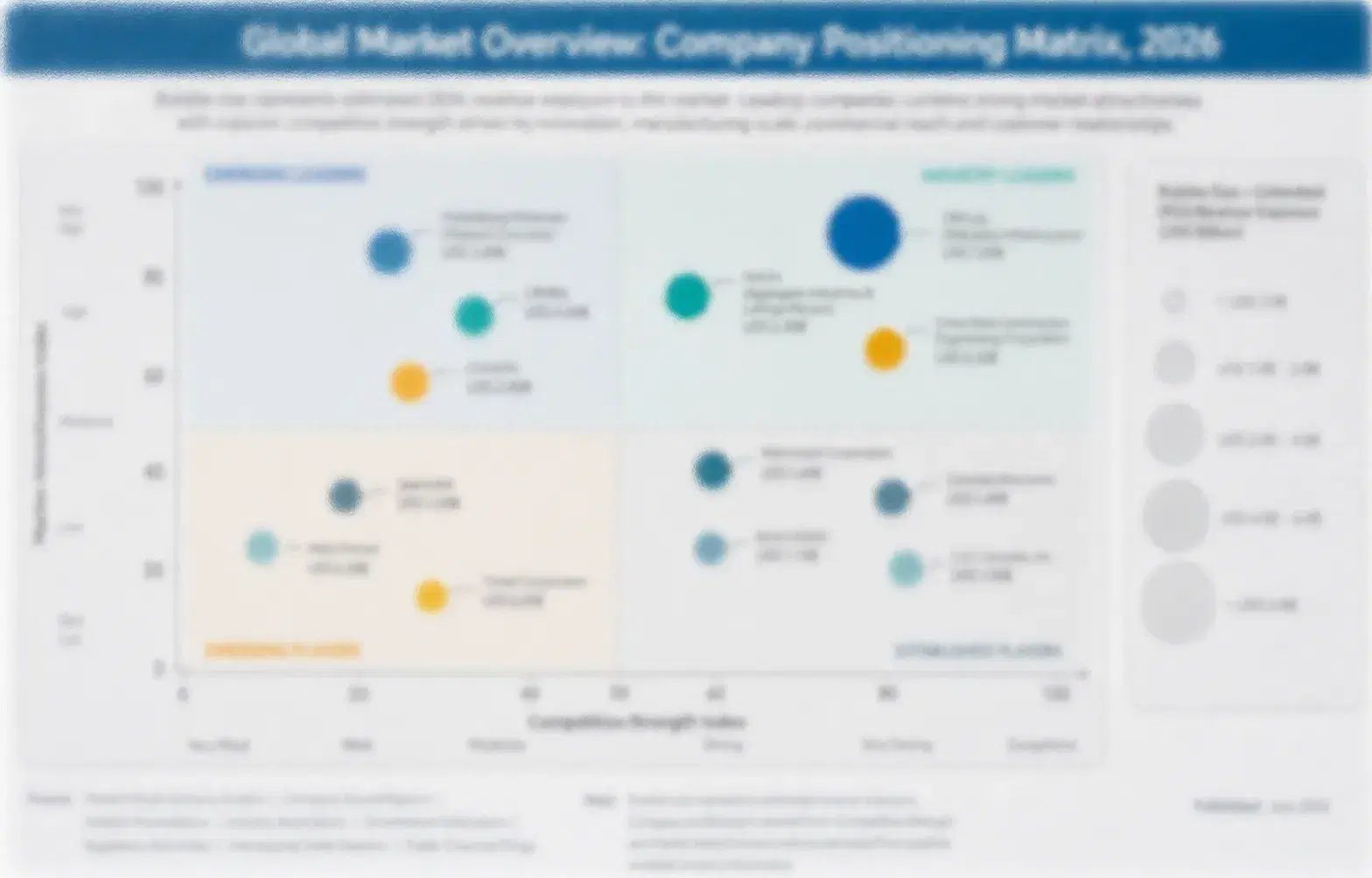
Who Controls the Margin Pool

Five brands hold roughly 48 percent of Dutch market revenue, a moderate concentration that leaves meaningful room for specialized greenhouse engineering firms competing on grower cooperative relationships rather than brand alone. The gap between the leader and challengers is narrow, since carbon dioxide distribution engineering increasingly matters more than raw cogeneration capacity in purchasing decisions. Market share shifts gradually as grower relationships deepen.
Competitive activity currently centers on three dimensions: carbon dioxide distribution system bundling that captures grower willingness to pay, crop yield performance guarantee programs that remove investment uncertainty, and district heating integration consulting for municipalities. Several brands are also pivoting product development entirely away from residential applications. Several brands have also expanded carbon dioxide engineering teams this cycle to defend their position against specialized challengers.

Emerging pressure is coming from specialized greenhouse engineering firms entering a market previously dominated by general-purpose cogeneration brands, offering superior carbon dioxide distribution expertise even where their manufacturing scale lags established names. Rankings could shift meaningfully over the next five years if these challengers close the grower relationship gap that currently protects incumbent positions. Established general-purpose brands are responding by acquiring or partnering with smaller greenhouse specialists to close this gap.
netherlands-micro-chp-market-company-positioning-matrix-1790920287581

Competitive Moat and Risk Dimensions

REMEHA BV

Moat: Dutch Grower Relationship Depth

Remeha BV's decade-long presence in the Dutch greenhouse market gives it grower cooperative relationships that international competitors still struggle to match across the Westland cluster specifically. This reputation lets it command premium pricing with growers that value proven local service responsiveness over marginal cost savings, reinforcing its position on flagship horticultural contracts.
REMEHA BV

Risk: Limited International Market Presence

Remeha BV's manufacturing and distribution footprint outside the Netherlands remains limited relative to international competitors with broader European operations, capping its ability to diversify revenue beyond the contracting Dutch market. As residential decline continues domestically, this gap could widen exposure to a single national market's policy direction.
2G ENERGY AG

Moat: Carbon Dioxide Engineering Expertise

2G Energy AG's specialized carbon dioxide distribution engineering expertise gives it technical credentials that general-purpose cogeneration competitors cannot easily replicate across major greenhouse installations. This expertise lets it command premium pricing with growers who value documented yield improvement over simple electrical output specifications alone. now.
2G ENERGY AG

Risk: Thin Multi-Family Housing Presence

2G Energy AG's dedicated multi-family district heating offering remains less developed than specialized residential infrastructure competitors, limiting its share of this steadily growing urban segment specifically. As district heating demand keeps expanding, this gap could cap its overall segment diversification relative to more broadly positioned competitors.

Players Tracked

Prominent Players

Remeha BV
2G Energy AG
SenerTec GmbH
Baxi Group
Viessmann Group

Other Key Players

Vaillant Group
Bosch Thermotechnology
Panasonic Corporation
Yanmar Energy System
EC Power A/S
Qnergy Inc
Microgen Engine Corporation
Marathon Engine Systems
Aisin Corporation
Ceramic Fuel Cells Limited
Flexenergy Energy Systems
Tedom a.s.
Elco Burners
De Dietrich Thermique
Capstone Green Energy

Recent Developments

FEBRUARY 2026

Remeha Launches Carbon Dioxide Distribution Bundle

Remeha BV launched a new bundled carbon dioxide distribution system offering for its greenhouse cogeneration line, targeting large grower cooperatives seeking crop yield improvement alongside standard heat and power output. The launch includes a bundled twelve-month performance monitoring service at no additional cost. Early demand looks promising.
Signal: Signals Remeha's push to defend grower relationships as competitors expand comparable carbon dioxide engineering capability nationwide
SEPTEMBER 2025

2G Energy Expands Greenhouse Engineering Team

2G Energy AG announced an expansion of its dedicated greenhouse engineering team to serve rising demand from Dutch grower cooperatives seeking carbon dioxide distribution system design expertise. The expansion reaches full staffing within six months, ahead of the original schedule. Demand remains strong currently. Demand remains strong across member cooperatives.
Signal: Signals anticipated growth in specialized greenhouse cogeneration engineering demand across the Westland cluster specifically going forward
MAY 2026

SenerTec and Dutch Municipality Sign Retrofit Agreement

SenerTec GmbH signed a multi-year district heating integration agreement with a Dutch municipality covering multi-family housing retrofit projects across several thousand units. The agreement does not constitute a joint venture, and SenerTec expects to extend it to additional municipalities within two years. Interest keeps growing steadily.
Signal: Signals growing municipal interest in bundled engineering and equipment supply relationships across district heating retrofit markets

Natural Gas Feedstock Exposure Across Growers

Natural gas represents roughly 44 percent of operating cost for Dutch cogeneration units, sourced increasingly from Norwegian and other European pipeline imports following Groningen field closure that once supplied domestic production at lower and more stable prices. This concentration leaves growers exposed whenever European gas supply tightens or import infrastructure faces disruption. Maintenance parts carry comparatively minor price risk by comparison.
European natural gas prices surged sharply through 2022, an episode the International Energy Agency's gas market reporting linked directly to reduced Russian pipeline flows following the broader European energy crisis. Dutch growers without hedging programs absorbed higher operating costs for roughly a year before prices moderated, compressing margins on crops sold at fixed contract prices agreed before the surge. Several growers renegotiated supply terms during this period to pass through a portion of the increase.

Smaller independent growers carry proportionally higher cost exposure than large cooperative members who negotiate volume discounts directly with gas suppliers and maintain dedicated hedging desks. This gap widens further for growers without long-term supply contracts, who pay spot market premiums during tight periods that erode their already thinner agricultural margins substantially. This dynamic rewards scale where volume discounts compound meaningfully.
netherlands-micro-chp-market-cost-volatility-analysis-1790920287875

Multi-Year Gas Supply Hedging Agreements

Larger grower cooperatives lock in natural gas pricing through multi-year hedging agreements with European pipeline suppliers, trading some flexibility for budget certainty across their cogeneration fleet spanning several growing seasons. This approach shields operating economics from spot market swings during periods like the 2022 surge. Several cooperatives are extending these agreements further into their forward growing season contracts this cycle.

Cooperative Purchasing Pool Expansion

Smaller independent growers are joining expanded cooperative purchasing pools to access volume discount pricing previously available only to larger members. This approach requires coordination investment but meaningfully reduces exposure to spot market premiums during tight supply periods going forward. Several smaller growers have already joined these pools for their highest-volume cogeneration operations. already. Adoption continues.

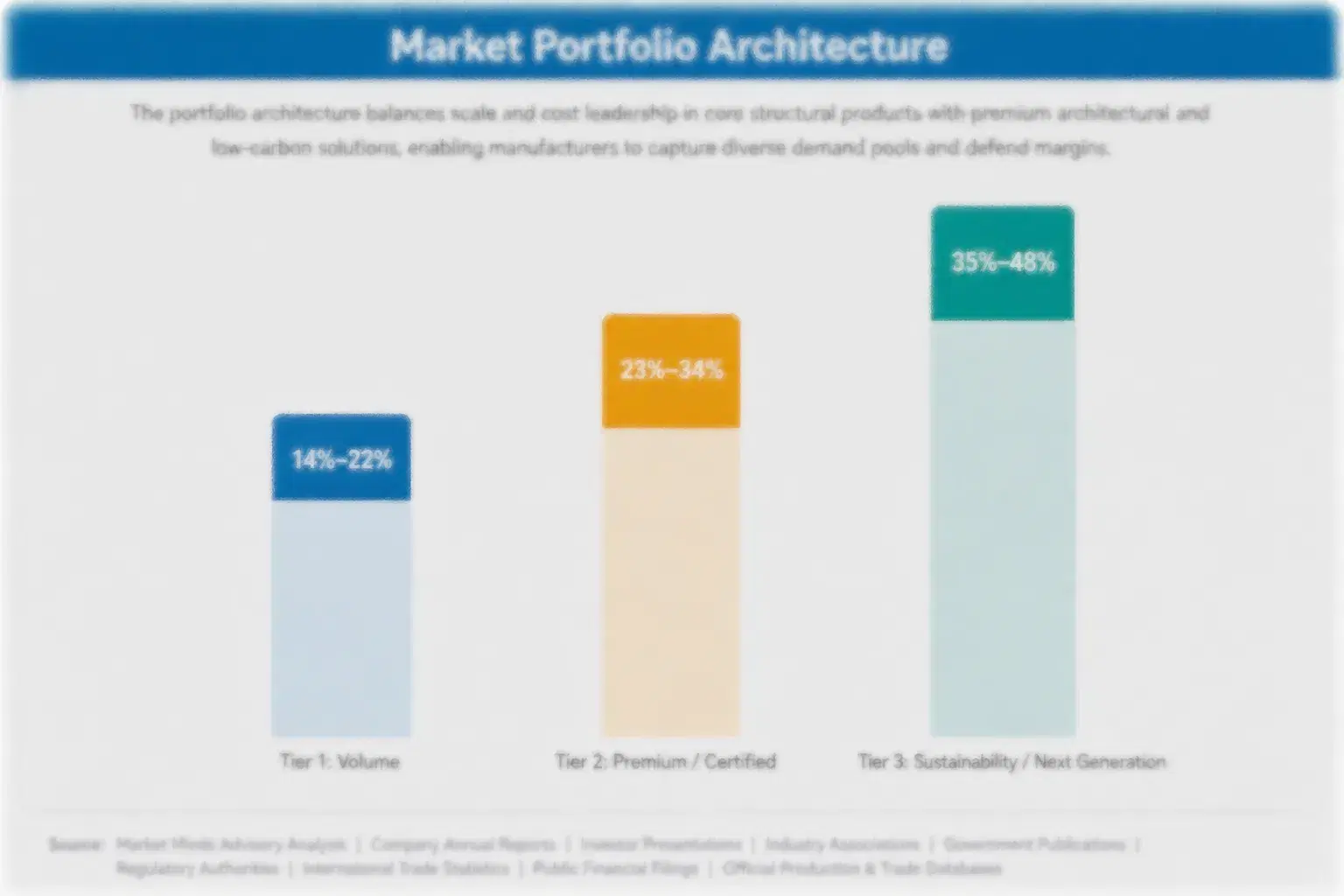
Portfolio Architecture for Margin Defence

The market splits into three tiers with distinct margin economics. Volume and commodity-adjacent residential systems serving remaining gas-connected households carry gross margins of 14 to 20 percent, reflecting a shrinking and increasingly price-sensitive buyer base facing electrification pressure. Premium and certified greenhouse systems command 26 to 34 percent margins on carbon dioxide optimization. Mid-tier producers sit uncomfortably between these two poles.
Sustainability, regulatory, and next-generation designs, meaning greenhouse systems bundled with performance guarantee contracts, reach 30 to 40 percent margins, reflecting engineering scarcity and growers' willingness to pay for documented yield assurance. The volume versus premium tension is real: shrinking residential buyers push for the cheapest remaining option while growers pay for carbon dioxide optimization and guarantees. Brands that serve both camps well tend to maintain separate greenhouse-focused and legacy residential product lines.

High-value pools concentrate most heavily in greenhouse cogeneration and bundled performance guarantee services, where engineering scarcity sustains pricing power that the contracting residential segment no longer offers manufacturers. Brands positioned early in horticultural specialization capture disproportionate share of this expanding margin pool. This pool expands faster than any other tier across the forecast period.

Volume / Commodity-Adjacent

Standard residential systems for remaining gas-connected households, competing primarily on unit price against shrinking demand and accelerating heat pump substitution pressure. Margins remain thin as a result, rewarding whichever installers retain service relationships longest.
Gross Margin: 14-20%

Premium / Certified

Greenhouse cogeneration systems carrying carbon dioxide optimization certification that grower cooperatives specify explicitly, commanding pricing premiums from buyers who value documented yield improvement. Certification requirements vary somewhat by cooperative but rarely change year to year.
Gross Margin: 26-34%

Sustainability / Regulatory / Next-Generation

Greenhouse systems bundled with performance guarantees where engineering scarcity and recurring assurance revenue sustain the strongest margins as the residential tier becomes increasingly marginal. These designs also carry the fastest unit growth of any tier across the forecast.
Gross Margin: 30-40%
netherlands-micro-chp-market-portfolio-architecture-1790920288206

High-value Sub-segments and Strategic Watch-out

Greenhouse Horticulture CHP Systems

The fastest-growing and highest-value segment, driven by carbon dioxide enrichment value and performance guarantee revenue pulling growers away from standard units entirely. Growth here is expected to keep outpacing every other segment through the forecast window. Several major cooperatives have already shifted default specification toward this category.
Gross Margin: MMA Estimate, July 2026.

Multi-Family Housing CHP Systems

High-value and still growing well above the market average, anchored by district heating integration and building-wide decarbonization mandates. Baxi Group and SenerTec remain the names most closely associated with this segment specifically. Growth tracks the broader urban retrofit boom closely across most Dutch cities. now.
Gross Margin: MMA Estimate, July 2026.

Commercial and SME CHP Systems

The volume core of the market, serving established commercial buyers across most Dutch sectors. Growth is steady but unspectacular as developed markets approach replacement-cycle saturation rather than genuine expansion. Established commercial suppliers depend heavily on this steady baseline for core revenue. Pricing stays steady here currently.
Gross Margin: MMA Estimate, July 2026.

Residential Single-Family CHP Systems

A strategic watch-out segment in ongoing decline, where the pace of contraction depends heavily on how quickly electrification incentives expand across remaining gas-connected households. Demand could contract faster if incentive programs accelerate further than currently planned. Installers are increasingly pivoting toward heat pump service lines instead.
Gross Margin: MMA Estimate, July 2026.

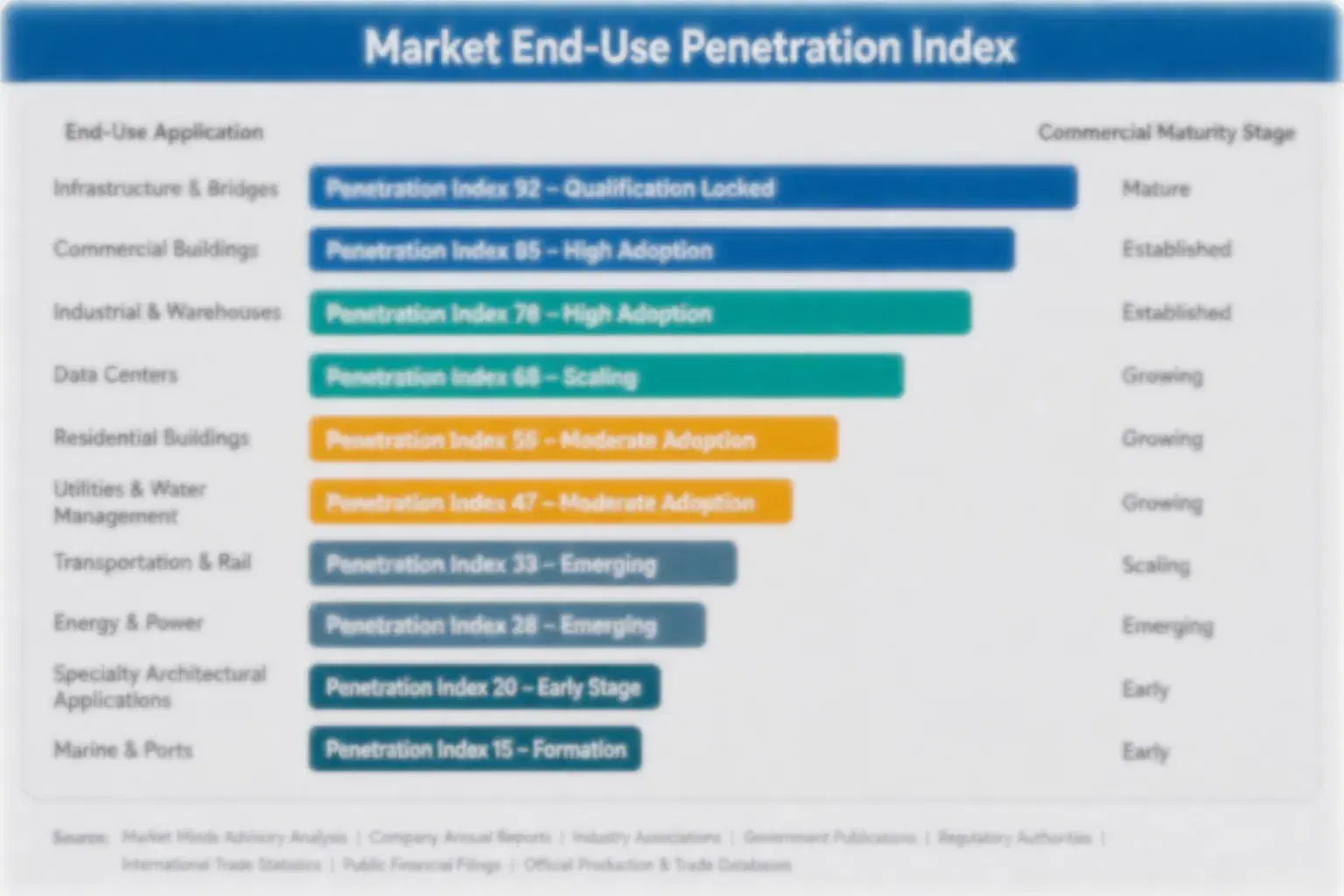
Grower Relationships Anchor Cogeneration Revenue

Greenhouse cogeneration demand carries annuity-like characteristics once a manufacturer builds a certified relationship with a grower cooperative, since growers rely on that relationship for both initial installation and ongoing carbon dioxide distribution optimization across the system's full service life. This gives incumbent manufacturers revenue visibility spanning multiple growing seasons rather than single transactions. Suppliers that skip this step compete purely on hardware price.
Adoption stickiness and depth vary meaningfully by end-use vertical. Greenhouse growers rarely switch suppliers once a cooperative relationship is established, given the carbon dioxide distribution continuity this represents, while residential buyers remain highly price-sensitive and are exiting the category entirely regardless of brand. Multi-family buyers sit between these two extremes. Misjudging which category a buyer falls into costs manufacturers contracts they should win comfortably.

A generational shift in buyer profiles is underway as younger greenhouse operators, raised on data-driven crop management systems, increasingly expect cogeneration units to integrate directly with climate control software rather than operate as standalone heat and power equipment. These buyers evaluate manufacturers on software integration depth as much as carbon dioxide output, reshaping how manufacturers pitch new grower relationships. Manufacturers slow to adapt risk losing ground.
netherlands-micro-chp-market-end-use-penetration-index-1790920288482

Where Dutch CHP Value Concentrates Next

These are among the four positions where our research anticipates prominent divergence between winners and laggards over the coming forecast period. Each is grounded in the demand model, the regulatory perimeter, and the announced capacity pipeline.
01 / GREENHOUSE ENGINEERING INVESTMENT

Build carbon dioxide engineering capacity before rivals do

Greenhouse horticulture CHP systems are growing at 7.7 percent annually, roughly 1.40 times the overall market rate, driven by carbon dioxide enrichment value and expanding cultivated area across the Westland cluster near Rotterdam specifically and beyond. Manufacturers without dedicated carbon dioxide engineering capacity are losing grower contracts to competitors who can demonstrate documented yield improvement more convincingly across the growing season. Early engineering investment pays off disproportionately here, compounding with each new growing season as momentum builds steadily across the broader cooperative network.
02 / RESIDENTIAL EXIT STRATEGY PLANNING

Pivot product development away from residential now

Residential micro CHP installations fell roughly 19 percent in 2025 alone, continuing a multi-year decline that national electrification policy shows no sign of reversing across Dutch municipalities adopting comparable measures nationwide and beyond. Manufacturers still investing meaningful resources in residential product development risk wasting capital on a segment with no sustainable future in this market. Those that pivot decisively toward greenhouse and multi-family applications will capture the growth that remains available in a shrinking overall category that most competitors have already written off entirely.
03 / DISTRICT HEATING PARTNERSHIP BUILDING

Deepen municipal partnerships ahead of competitors

Multi-family district heating integration orders grew roughly 11 percent in 2025, anchored by building-wide decarbonization mandates that several Dutch municipalities now require for new construction projects specifically and increasingly for retrofits too. Manufacturers without established municipal partnerships risk losing this steadily growing segment to competitors who can demonstrate proven retrofit engineering capability. The window to establish these partnerships is narrowing quickly as more municipalities finalize vendor selections ahead of construction deadlines that most major cities have already announced publicly indeed.
04 / GAS HEDGING PROGRAM EXPANSION

Expand hedging programs before the next price surge

Natural gas represents 44 percent of operating cost, and the 2022 price surge compressed grower margins severely for cogeneration operators without adequate hedging programs already in place across their forward contracts and growing season planning schedules. Manufacturers and cooperatives that expand hedging capacity now will protect margins during the next volatility event, while those that delay will face the same compression repeatedly. Demand for cogeneration capacity keeps rising across the greenhouse sector even as the residential tier contracts further right now.

Engagement Snapshot From the Field

A live engagement with an industry participant carrying material or product regulatory and market exposure ahead of a defining policy shift, showing how our research translates into a defensible multi-year portfolio strategy.
MARKET MINDS ADVISORY · CLIENT ENGAGEMENT SUMMARY
Netherlands Micro CHP Producer Strategic Portfolio Review and Transition Roadmap 2026·Investment Scenario on Netherlands Micro CHP Exposure Evaluation 2025-26
CLIENT PROFILE
A grower cooperative operating roughly forty greenhouse facilities across the Westland cluster engaged MMA to evaluate whether to modernize aging cogeneration units or replace them with newer carbon dioxide-optimized designs. The cooperative's board wanted an independent cost-benefit comparison before committing capital across its member facilities before the next growing season begins. (client-reported, unverified by MMA).
STRATEGIC CHALLENGE
The cooperative's aging cogeneration fleet was approaching end of service life across most member facilities simultaneously, and the board needed to decide between a coordinated fleet-wide upgrade or a slower phased approach tied to individual facility renovation schedules and financing availability across member facilities this growing season. (client-reported, unverified by MMA).
MMA APPROACH
MMA's research team modeled total cost of ownership across both scenarios using primary interviews with comparable grower cooperatives that had completed similar modernization programs, cross-referencing findings against current carbon dioxide optimization technology performance data. The team built a facility-by-facility prioritization framework weighted by crop value and cultivated area. now. indeed.
KEY FINDINGS
  1. A coordinated fleet-wide upgrade would qualify for volume pricing discounts worth roughly 13 percent compared to facility-by-facility purchasing spread across several years.
  2. Newer carbon dioxide-optimized units delivered roughly 15 percent better crop yield improvement than the cooperative's aging equipment, based on comparable facility data.
  3. Phasing the rollout by facility renovation schedule would delay roughly 35 percent of projected yield improvement, since unconverted facilities would keep operating older equipment.
  4. Prioritizing the cooperative's twelve highest-value crop facilities for the first conversion wave captured 52 percent of total yield improvement within the first season alone.
CLIENT PROFILE
A grower cooperative operating roughly forty greenhouse facilities across the Westland cluster engaged MMA to evaluate whether to modernize aging cogeneration units or replace them with newer carbon dioxide-optimized designs. The cooperative's board wanted an independent cost-benefit comparison before committing capital across its member facilities before the next growing season begins. (client-reported, unverified by MMA).
STRATEGIC CHALLENGE
The cooperative's aging cogeneration fleet was approaching end of service life across most member facilities simultaneously, and the board needed to decide between a coordinated fleet-wide upgrade or a slower phased approach tied to individual facility renovation schedules and financing availability across member facilities this growing season. (client-reported, unverified by MMA).
MMA APPROACH
MMA's research team modeled total cost of ownership across both scenarios using primary interviews with comparable grower cooperatives that had completed similar modernization programs, cross-referencing findings against current carbon dioxide optimization technology performance data. The team built a facility-by-facility prioritization framework weighted by crop value and cultivated area. now. indeed.
KEY FINDINGS
  1. A coordinated fleet-wide upgrade would qualify for volume pricing discounts worth roughly 13 percent compared to facility-by-facility purchasing spread across several years.
  2. Newer carbon dioxide-optimized units delivered roughly 15 percent better crop yield improvement than the cooperative's aging equipment, based on comparable facility data.
  3. Phasing the rollout by facility renovation schedule would delay roughly 35 percent of projected yield improvement, since unconverted facilities would keep operating older equipment.
  4. Prioritizing the cooperative's twelve highest-value crop facilities for the first conversion wave captured 52 percent of total yield improvement within the first season alone.
RECOMMENDED STRATEGY
Phase 1: Convert the twelve highest-value crop facilities in year one using cooperative financing to offset upfront capital requirements. This matched the pattern MMA observed across comparable cooperatives. Phase 2: Convert the remaining facilities across years two and three, sequenced by crop value and remaining equipment service life. This pacing kept annual capital outlay within budget limits. Phase 3: Negotiate a single cooperative-wide volume pricing agreement upfront rather than negotiating separately with each individual facility. This single negotiation improved pricing leverage meaningfully.
OUTCOME
The cooperative proceeded with the phased approach prioritizing high-value crop facilities, securing volume pricing terms roughly in line with MMA's modeled estimate. Crop yield improvement in the first season came in close to projections, and the cooperative has continued the rollout on schedule into its second phase. (client-reported, unverified by MMA).

Frequently Asked Questions

Foundational context covering the market sizes, CAGR, scope, country, region and competition that inform every finding below. This section is provided to cover basics and most often pre-purchase conversations, answered from the MMA Primary Research Dataset.

What is the current size of the Netherlands Micro CHP Market?

The Netherlands Micro CHP Market was valued at 0.22 billion dollars in 2025, with greenhouse horticulture cogeneration anchoring the large majority of this domestic demand.

How large will the Netherlands Micro CHP Market be by 2036?

The market is projected to reach 0.40 billion dollars by 2036, up from 0.22 billion in 2025. That represents a 1.71 times expansion over the eleven-year forecast window.

What is the CAGR for the Netherlands Micro CHP Market 2026 to 2036?

The market is forecast to grow at a 5.5 percent compound annual rate. This compares to a historical rate of 4.5 percent between 2020 and 2025.

Which segment is growing fastest?

Greenhouse Horticulture CHP Systems lead at a 7.7 percent CAGR, roughly 1.40 times the overall market rate. Carbon dioxide enrichment value drives this accelerating pace.

Who are the major companies in the Netherlands Micro CHP Market?

Remeha BV, 2G Energy AG, SenerTec GmbH, Baxi Group, and Viessmann Group lead the field. Together the top five hold roughly 48 percent of Dutch market revenue.

Which country is growing fastest?

The Netherlands itself anchors this report, with greenhouse horticulture demand sustaining overall growth even as the residential segment contracts sharply under national electrification policy now.

Report Segmentation Architecture

The full report scope spans multiple orthogonal segmentation dimensions, with cross-tabulated demand data provided for each dimension pair. Coverage extends further to regional breakdowns, trend trajectories, and the competitive detail needed to support segment-level decision-making.

By Application Type

    By End-Use Industry

      By Commercial Dimension

        By Region

        • North America
        • Western Europe
        • East Asia
        • South Asia and Pacific
        • Latin America
        • Middle East and Africa
        • Eastern Europe

        Scope, Methodology, and Coverage

        Every figure in this report is reproducible from documented input assumptions. The scope below maps the historical period, the forecast horizon, the segmentation dimensions, and the countries covered, alongside the underlying primary and qualitative methodology.
        Historical Period
        2020 to 2025
        Forecast Period
        2026 to 2036
        Base Year
        2025 (USD billions; MMA Primary Research Dataset, October 2026)
        Market Definition
        This report covers micro combined heat and power systems below 50 kilowatts electrical output installed within the Netherlands across greenhouse horticulture, multi-family housing, district heating, commercial and residential applications. It excludes large-scale industrial cogeneration plants and systems installed outside Dutch national territory.
        Quantitative Units
        USD Billion, CAGR 2026-2036
        Segmentation Dimensions
        By Application Type, By End-Use Industry, By Commercial Dimension, By Region
        Regions Covered
        North America, Western Europe, East Asia, South Asia and Pacific, Latin America, Middle East and Africa, Eastern Europe
        Countries Covered
        Netherlands, Germany, Belgium, United Kingdom, Denmark, Japan, United States, and 15 additional comparative markets
        Key Companies Profiled
        Remeha BV, 2G Energy AG, SenerTec GmbH, Baxi Group, Viessmann Group, and 15 additional companies
        Quantitative Methodology
        Primary survey, n=3,800 respondents, Q4 2025, six countries; demand-side model with trade association cross-validation
        Qualitative Methodology
        47 expert interviews, Q4 2025; applied to validate demand model assumptions, identify emerging dynamics, and assess competitive positioning
        Report Format
        PDF and XLSX data workbook (Word format preview document)
        Publisher
        Market Minds Advisory
        Report Code
        MMA-2026-ENE-951
        Published
        October 2026
        Contact
        sales@marketmindsadvisory.com | www.marketmindsadvisory.com

        Purchase the full Netherlands Micro CHP Market Report (2026 to 2036).

        The full Netherlands Micro CHP Market report extends this summary with complete segment-level data tables, facility-level sizing across major Dutch horticultural clusters, and detailed supplier benchmarking across all twenty profiled companies named in this overview. It includes primary survey findings from 3,800 respondents across six countries and 47 expert interviews conducted in the fourth quarter of 2025, each sourced and documented separately throughout. Buyers receive editable data files alongside the narrative report. Analysts remain available for a follow-up briefing call to walk through the findings in more depth with procurement and policy teams.
        Complete seven-region sizing and forecast tables
        Twenty company competitive benchmarking profiles included
        Five-year historical and eleven-year forecast data
        Segment-level CAGR and margin detail included
        Primary survey and expert interview data files
        Editable Excel data appendix fully included

        Built For The People Who Decide

        From boardroom strategy to bench-side execution, this report is read cover-to-cover by leaders shaping the next decade of their industry, turning demand scenarios, market dynamics and valuation benchmarks into decisions.
        CXOs/ Presidents/ VPs/ Managers
        M&A and Corporate Development
        Strategy Teams and R&D Heads
        Procurement and Product Directors
        Regulatory and Compliance Leaders
        Investor Relations and Equity Analysts