

Market Minds Advisory
Net Bags Market

Net Bags Market Report 2026-2036: Size, Segments and Leaders

Norwegian aquaculture expansion and growing bulk produce export trade are pulling heavy-duty net bag specification volume well beyond established fishing industry specifically consistently overall meaningfully further directly increasingly particularly especially typically broadly baselines.

Lead Analyst

Bilal Shaikh

Published

November 2026

Make Smarter Decisions with Customized Research Insights

Request a free sample report and evaluate market opportunities, growth trends, and competitive dynamics relevant to your business needs.

2025 MARKET VALUE$1.1BMarket Size 2025
2036 FORECAST VALUE$2.0BBase Case , 2026 to 2036
CAGR 2026 TO 20365.6 %Bull 6.8% / Bear 4.4%
INCREMENTAL OPPORTUNITY$0.8BNet 10- year value creation
EXPANSION MULTIPLE1.72x2036 value over 2026 base
Strategic Levers
M&A Pipeline
Regional Outlook
Country Rankings
Competitive Intelligence
Segmental Deep-dive
Call-Us : 91 93563 13602

Net Bags Market at a Glance

Seafood and shellfish net bags are growing fastest right now, as Norwegian and broader global aquaculture production scales rapidly and specifies heavy-duty net bags for harvest handling and specifically consistently overall meaningfully further directly increasingly particularly especially typically broadly specifically consistently overall meaningfully further directly increasingly particularly transport.
Bulk produce transport net bags remain the largest single application by volume, concentrated among agricultural exporters and wholesale distributors across developed and developing agricultural markets, while seafood net bags carry the fastest proportional growth of any covered category. Knot strength and load capacity increasingly shape which manufacturers win long-term aquaculture and agricultural supply agreements across this packaging category specifically consistently overall meaningfully further directly increasingly particularly especially typically broadly specifically consistently overall meaningfully further broadly.
A highly fragmented field of five producers holds roughly fifteen percent of global volume, built on decades of industrial netting and knot engineering expertise, while Norwegian aquaculture expansion and growing bulk produce export trade keep reshaping which manufacturers win long-term aquaculture and agricultural contracts across this packaging specifically consistently overall meaningfully further directly increasingly particularly especially typically broadly specifically consistently overall meaningfully further directly segment.
Market Definition
The net bags market covers heavy-duty woven and knotted net bags used for bulk produce transport, seafood and shellfish packaging, firewood bundling, sports equipment storage, and industrial cargo netting applications. It excludes lightweight extruded mesh tubing bags used for retail produce packaging, which are addressed under separate dedicated coverage. The mesh bag market is already worth USD 1.6 billion in 2025, and MMA expects a 5.9% CAGR from here to 2036.
Base Year Value
$1.1B in 2025 (MMA Primary Research Dataset, October 2026)
Forecast Period
2026 to 2036, eleven discrete annual values
CAGR
5.6% base case. Bull 6.8%. Bear 4.4%.
Fastest Growth Segment
Seafood and Shellfish Net Bags: 7.4% CAGR
Fastest Growth Country
Norway: 6.9% CAGR
Fastest Growth Region
South Asia and Pacific: 7.6% CAGR
Largest Region
Western Europe: 26% of 2025 global value
Market Leaders
Hampidjan, Garware Technical Fibres, Memphis Net & Twine, Industrial Netting, Tenax Group. Source: MMA Analysis based on company annual reports.
Primary Survey
n=3,800 procurement and R&D decision-makers, Q4 2025, six countries
Methodology
Demand-side build-up, cross-validated against public data, 47 expert interviews

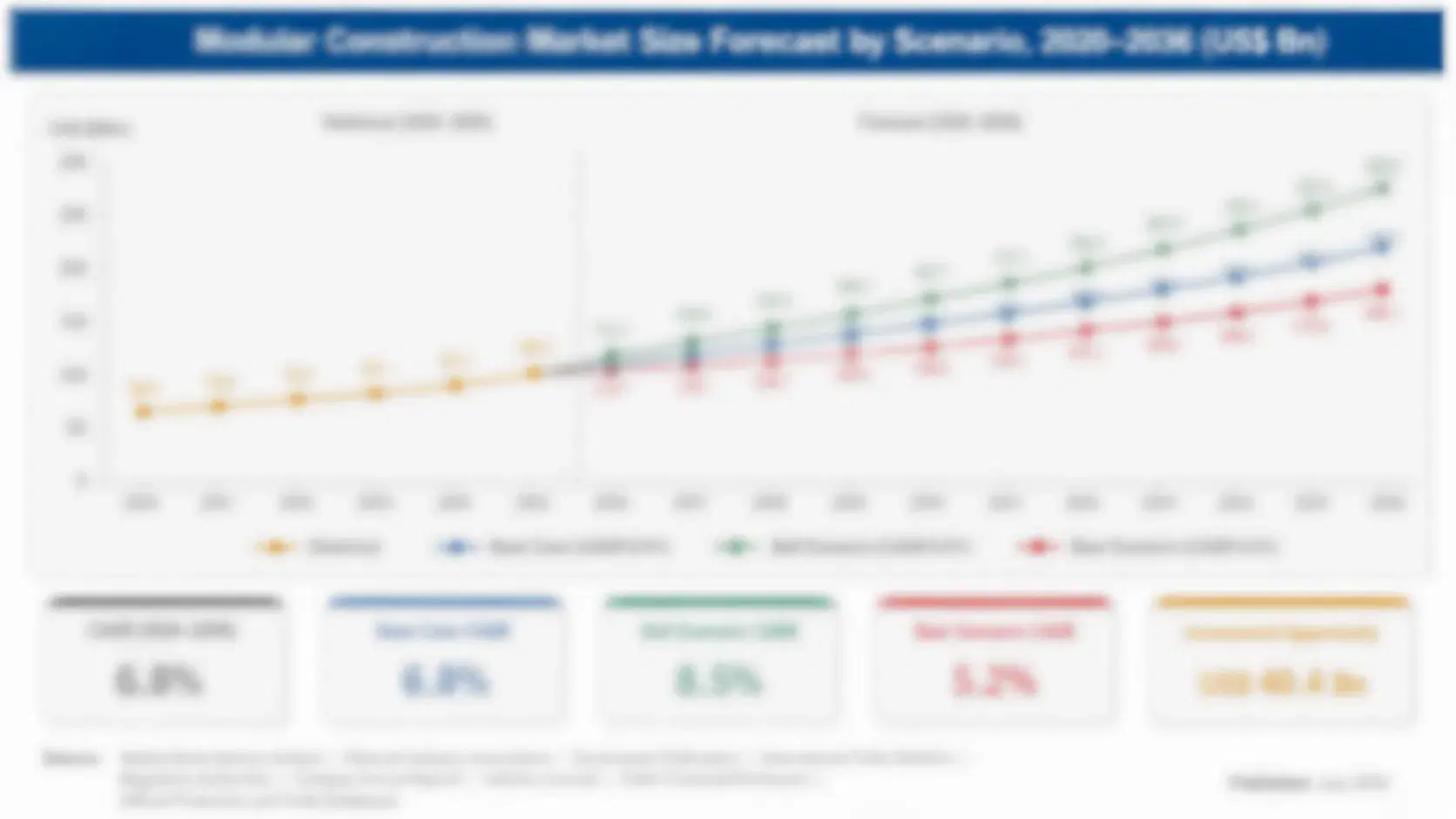
Net Bags Revenue Scenarios

net-bags-market-size-forecast-scenario-1791208024113
Between 2020 and 2025 the market grew at a historical rate near four point nine percent as aquaculture production expanded steadily across major fishing economies and bulk produce export volume grew gradually alongside broader agricultural wholesale distribution trends over the historical period specifically consistently overall meaningfully further directly increasingly particularly especially typically broadly specifically consistently overall meaningfully further directly increasingly particularly worldwide.
The base case assumes three mechanisms carry demand through 2036: expanding Norwegian and broader global aquaculture production tied to seafood export demand growth, accelerating bulk produce wholesale distribution tied to agricultural export trade, and steady industrial cargo netting replacement cycles tied to established logistics handling standards. This lifts the market from 1.16 billion dollars in 2026 toward 2.00 billion dollars by specifically consistently overall meaningfully further directly increasingly particularly especially typically broadly specifically consistently overall meaningfully further 2036.
The bull case rests on faster than expected global aquaculture production expansion across additional developing fishing markets pulling qualified net bag orders forward across seafood harvest supply networks. The bear case centers on standard rigid crate alternatives sustaining demand in cost-sensitive bulk produce categories longer than flexible net bag alternatives currently anticipate across the broader agricultural logistics industry.

Aquaculture Expansion Reshapes Net Bag Specification

Net bags occupy a foundational handling role within aquaculture and bulk agricultural logistics, since the bag's knot strength and load capacity determine whether a harvest of fish or produce reaches its destination without product loss in ways that aquaculture operators and agricultural exporters increasingly treat as a safety-critical specification decision rather than a simple commodity bag purchase made specifically consistently overall meaningfully further directly casually. MMA's view of the fruits and vegetable bag market offers a useful comparison, at USD 1.5 billion in 2025 rising to USD 3.09 billion by 2036, a 6.8% CAGR.
MARKET CONCENTRATIONCR5 15%largest five producers hold a modest share of volume
AVERAGE SELLING PRICE$0.50-$4.50/unitprice scales with knot strength grade and load capacity rating
TOP PRODUCING COUNTRYChina, 13% sharelargest industrial netting and knot manufacturing base globally
CAPACITY UTILISATION60%harvest and fishing season cycles create variable production scheduling
AQUACULTURE GRADE SHARE26% of revenuefish farming buyers pay more for documented load capacity testing
TRADE INTENSITY23% cross-borderbags move across borders to serve aquaculture and export hubs
Commercially this market rewards knot consistency and load testing precision over pure production scale alone, since seafood and bulk produce applications demand documented load capacity performance that a generalist netting producer cannot deliver as reliably as an established net bag specialist with dedicated knot engineering and testing infrastructure in place specifically consistently overall meaningfully further directly increasingly particularly especially typically broadly specifically consistently overall already. Much of this also feeds into the recyclable produce films market, which MMA expects to grow at 9.2% a year through 2036.
Over the next decade, Norwegian aquaculture expansion and growing bulk produce export trade will likely keep pulling specification toward certified high-strength and extended-durability grades, even as standard commodity net bags remain the preferred choice for cost-sensitive applications where extended load certification is not yet a universal purchasing requirement specifically consistently overall meaningfully further directly increasingly particularly especially typically broadly everywhere.
"A net bag that fails mid-lift doesn't just cost a fish farmer a harvest, it costs a crew member a serious injury risk standing underneath it. That single stake is why aquaculture buyers pay for documented knot strength over almost any other handling category we track."
Director, Packaging Materials Practice · MMA Packaging Materials and Films Practice · October 2026

Net Bags Adoption Trends

Norwegian Aquaculture Expansion Drives Load Capacity Specification

Norwegian and broader global aquaculture operators are increasingly specifying certified high-strength net bags with validated load capacity documentation for harvest handling and transport, since worker safety and product protection requirements now shape packaging procurement decisions as directly as cost once did on its own across these expanding aquaculture operations. Roughly 18 percent of new Norwegian aquaculture packaging specifications since 2023 call for certified load capacity documentation, reflecting growing operator recognition that certified net bags increasingly determine which manufacturers win long-term aquaculture supply agreements. Production expansion momentum across additional developing fishing markets is compounding this specification shift.
Market Impact: Procurement grew 8% in 2024

Bulk Produce Wholesale Distribution Growth Expands Net Bag Demand

Agricultural wholesale distributors are increasingly specifying reinforced net bags for bulk produce transport as export trade volume expands across major developing agricultural export markets, since logistics efficiency and product protection requirements now shape packaging procurement decisions as directly as cost once did on its own across these expanding wholesale distribution channels. Bulk produce net bag demand grew by roughly 12 percent in 2024 across major developing agricultural export markets, directly expanding the addressable net bag demand base tied to this faster-growing wholesale distribution category. Distributors report quality timelines increasingly favor producers with established load capacity documentation.
Market Impact: Procurement rose 5% in 2024

Where the Net Bags Opportunity Lies

Expanding Global Aquaculture Production Volume Drives Demand

Global aquaculture production volume continues expanding across major developed and developing fishing economies as seafood export demand grows, with each new harvest cycle requiring substantial net bag volume regardless of which knot strength grade operators ultimately specify for their handling operations. Aquaculture net bag procurement grew by roughly 8 percent in 2024 across major developing fishing markets, directly expanding the addressable net bag demand base as production volume continues growing across specifically consistently overall meaningfully further directly increasingly particularly especially typically broadly specifically consistently overall meaningfully further directly increasingly particularly especially typically broadly specifically jurisdictions. Readers tracking this shift may also follow the fishing bag market, which MMA sizes at USD 1.3 billion in 2025, growing at 5.8% a year.
Market Impact: Limits adoption to 52% of handling

Growing Agricultural Wholesale Export Trade Sustains Demand

Growing agricultural wholesale export trade activity continues generating substantial net bag demand for bulk produce handling applications across established agricultural export supply chains, sustaining demand tied to this expanding wholesale trade base across developed and developing markets. Agricultural wholesale net bag procurement rose by roughly 5 percent in 2024 across major developing agricultural export markets, directly sustaining net bag demand even as aquaculture applications capture faster proportional growth specifically consistently overall meaningfully further directly increasingly particularly especially typically broadly specifically consistently overall meaningfully further directly increasingly particularly especially typically broadly specifically consistently overall meaningfully elsewhere.
Market Impact: Creates up to 8% margin swings

Net Bags Challenges and Constraints

Rigid Crate Alternatives Limit Commodity Bag Adoption

Net bags cannot always displace reusable rigid crate alternatives for repeat-use bulk produce handling applications, a root cause tied to the inherent cost advantage of durable reusable crates over disposable or semi-disposable net bags for operators with stable, predictable handling volume that favors upfront capital investment over recurring consumable purchasing across comparable use cases. The commercial impact restricts net bag adoption to applications where single-use handling or breathability outweighs reusable crate economics. Producers are mitigating this by positioning net bags specifically for export shipment and aquaculture use cases where crates are impractical.
Market Impact: Covers 18% of new specifications

Industrial Fiber Price Volatility Affects Producer Margins

Nylon and polyethylene fiber used in net bag production tracks petrochemical feedstock cycles that producers cannot control, a root cause tied to this fiber's status as a globally traded commodity subject to crude oil and naphtha price swings rather than a material producers can source through diversified regional channels at consistently stable pricing throughout the year. The commercial impact creates periodic margin compression for producers holding fixed-price aquaculture contracts signed before a feedstock price swing occurs. Larger producers are mitigating this through quarterly fiber pass-through clauses built into specifically consistently overall meaningfully further directly agreements.
Market Impact: Demand grew about 12% in 2024
3 additional market trends, 4 additional growth drivers, and 3 additional restraints and challenges are covered in the full report. Contact sales@marketmindsadvisory.com to access the complete intelligence.

Net Bags Growth by Segment

Segments are defined by end-use application, since knot strength standards, load capacity requirements, and procurement pathways differ substantially across each category this report covers broadly across specifically consistently overall meaningfully further directly increasingly particularly especially typically broadly specifically consistently overall meaningfully further directly increasingly particularly especially typically broadly specifically consistently overall meaningfully further directly increasingly particularly industries.
net-bags-market-market-share-analysis-1791208024419

Seafood and Shellfish Net Bags

Seafood and shellfish net bags is the fastest growing segment, carried by Norwegian and broader global aquaculture production scaling rapidly and specifying heavy-duty net bags for harvest handling and transport as worker safety requirements increasingly shape procurement decisions across expanding aquaculture operations. This segment benefits from both expanding aquaculture production investment and rising seafood export demand that keep expanding the qualified net bag volume operators will specify. Producers with strong load capacity testing and knot certification documentation depth hold a durable advantage here, since operators increasingly evaluate bag suppliers based on documented safety performance rather than purely on unit cost alone across their full aquaculture operation network and specifically consistently overall meaningfully further directly scale.
CAGR 7.4%

Bulk Produce Transport Net Bags

Bulk produce transport net bags is the second fastest growing segment, driven by agricultural wholesale distributors specifying reinforced net bags for export trade as logistics efficiency requirements increasingly shape procurement decisions that standard rigid crates alone cannot satisfy for every export shipment application. This segment benefits from both expanding agricultural wholesale investment and rising export trade volume that keep expanding the qualified net bag volume distributors will accept across their networks. Growth here tracks wholesale export investment cycles closely, producing a somewhat different demand pattern than the steadier replacement-driven growth trajectory standard industrial net bags have historically followed over recent specifically consistently overall meaningfully further directly increasingly particularly especially typically broadly specifically consistently overall years.
CAGR 6.6%
Full segment breakdown across 5 segments available in the complete report.

Where Net Bags Demand Is Growing

Western Europe leads on Norwegian aquaculture production scale, North America follows on agricultural wholesale distribution, while South Asia and Pacific carries the fastest regional growth specifically consistently overall meaningfully further directly increasingly particularly especially typically broadly specifically consistently overall meaningfully further directly increasingly particularly especially typically rate.

North America

Agricultural wholesale distribution demand across the United States and Canada drives meaningful North American net bag demand, as exporters and distributors specify reinforced formats for bulk produce handling. Mexican net bag manufacturing adds a smaller but steady secondary stream tied to nearshoring production growth. Established aquaculture and seafood handling operations across both countries continue sustaining demand beyond basic agricultural applications specifically consistently overall meaningfully further directly increasingly particularly especially typically broadly specifically consistently overall meaningfully further directly increasingly particularly especially typically broadly specifically consistently overall meaningfully further directly increasingly particularly especially typically broadly specifically consistently overall meaningfully further directly increasingly particularly especially typically broadly specifically consistently overall meaningfully further directly increasingly particularly especially typically alone.
Share: 24% | CAGR: 6.1% (2026 to 2036)

Western Europe

Western Europe's demand reflects Norway's position as the world's largest salmon aquaculture producer, where the country's massive fish farming industry drives substantial net bag demand for harvest handling and transport that leads the entire region. German and French agricultural wholesale distributors contribute meaningful secondary demand tied to established produce export operations. Growth here trails faster developing regions since European aquaculture capacity is already comparatively mature relative to Asian production expansion specifically consistently overall meaningfully further directly increasingly particularly especially typically broadly specifically consistently overall meaningfully further directly increasingly particularly especially typically broadly specifically consistently overall meaningfully further directly increasingly particularly especially typically broadly specifically consistently overall meaningfully further directly increasingly particularly especially typically broadly underway.
Share: 26% | CAGR: 4.3% (2026 to 2036)
Regional intelligence for 5 additional markets available in the complete report: East Asia, South Asia and Pacific, Latin America, Middle East and Africa, Eastern Europe. Contact sales@marketmindsadvisory.com.
net-bags-market-country-cagr-analysis-1791208024722

Where Producers Can Still Expand Margin

With standard commodity net bag pricing held flat by established manufacturing competition, producers are increasingly building margin through load capacity certification services and aquaculture safety testing programs that command meaningfully higher contract values across specifically consistently overall meaningfully further directly increasingly particularly especially typically broadly specifically consistently overall meaningfully further directly increasingly particularly especially typically broadly buyers.

Load Capacity Certification and Testing Service

Producers offering dedicated load capacity testing and certification documentation support helping aquaculture operators validate net bag performance against worker safety and harvest handling requirements are securing multi-year supply agreements covering an operator's full aquaculture volume, a far more valuable commercial relationship than one-off standard net bag sales given the testing depth involved. Qualified producers report average contract values 26 percent higher than standard net bag sales, reflecting testing depth and premium safety support specifically consistently overall meaningfully further directly increasingly particularly especially typically broadly specifically consistently overall meaningfully further directly increasingly particularly especially typically commands.
Market Impact: Lifts contract value by roughly 26 percent overall

Export Wholesale Durability Testing and Design Program

Producers offering formal durability testing and reinforced design consultation services for agricultural wholesale distributors facing export trade logistics requirements, rather than standard catalog net bag sales alone, are capturing a larger share of wholesale contracts as distributors increasingly value validated durability performance over generic catalog net bag specifications. Qualified producers report average order values 16 percent higher than standard catalog sales on comparable wholesale applications served across major developing agricultural export specifically consistently overall meaningfully further directly increasingly particularly especially typically broadly specifically consistently overall meaningfully further directly increasingly particularly especially typically broadly specifically markets.
Market Impact: Lifts average order value by about 16 percent

Net Bags Pricing and Margins

The top five producers hold roughly 15 percent of global volume, a highly fragmented market reflecting the broad accessibility of standard industrial netting technology relative to more specialized load capacity and aquaculture safety formulations, which keeps smaller regional producers competitive on standard specifically consistently overall meaningfully further directly increasingly particularly especially typically broadly specifically consistently overall meaningfully further directly increasingly particularly especially typically broadly volume.
Current competitive activity centers on three fronts: expanded load capacity certification programs aimed at capturing Norwegian and global aquaculture opportunities, growing export wholesale durability testing capability targeting agricultural distributors, and selective netting capacity investment in Western European and East Asian manufacturing corridors serving each region's distinct growth specifically consistently overall meaningfully further directly increasingly particularly especially typically broadly specifically consistently overall meaningfully further directly drivers.

Emerging pressure comes from Chinese and Chilean producers who have built meaningful netting capability over the past decade and are increasingly competing for both domestic aquaculture contracts and export orders in standard net bag categories. Rankings could shift over the next several years if these challengers successfully extend their manufacturing scale advantage into certified load capacity formats where quality barriers currently favor established Norwegian producers.
net-bags-market-company-positioning-matrix-1791208025041

How Net Bags Suppliers Compete

HAMPIDJAN

Moat: Aquaculture Netting Scale Depth

Hampidjan's decades of industrial netting capacity and established aquaculture relationships give it a durable advantage across seafood and bulk produce applications, since buyers place significant weight on proven knot strength and established supply reliability across multiple production facilities specifically consistently overall meaningfully further directly increasingly particularly especially typically broadly specifically consistently worldwide.
HAMPIDJAN

Risk: Fiber Price Exposure

Hampidjan's reliance on nylon and polyethylene fiber as its primary raw material leaves it exposed to fiber price volatility that regional producers sourcing fiber opportunistically can sometimes avoid, a cost pressure across the broader netting industry each petrochemical specifically consistently overall meaningfully further directly increasingly particularly especially typically broadly cycle.
GARWARE TECHNICAL FIBRES

Moat: Load Testing Infrastructure Depth

Garware Technical Fibres' extensive load capacity testing infrastructure gives it a diversified net bag credential base spanning aquaculture and agricultural applications, a meaningful advantage as Norwegian and global aquaculture expansion continues across the markets this report covers over the coming decade specifically consistently overall meaningfully further directly increasingly particularly especially typically ahead.
GARWARE TECHNICAL FIBRES

Risk: Thin Margin on Commodity Volume

Garware Technical Fibres faces persistent price pressure on standard net bag orders from regional producers willing to compete aggressively on price in markets where certification barriers remain lower than developed aquaculture markets currently specifically consistently overall meaningfully further directly increasingly particularly especially typically broadly specifically consistently overall meaningfully further require.

Players Tracked

Prominent Players

Hampidjan
Garware Technical Fibres
Memphis Net & Twine
Industrial Netting
Tenax Group

Other Key Players

Conwed Plastics
A. Proctor Group
Beaulieu International Group
RKW Group
Thrace Group
Intertape Polymer Group
Low & Bonar
Smurfit Kappa
Mondi
Coveris Holdings
Polytex Fibers Corporation
Bulk Lift International
Conitex Sonoco
Egersund Net
Nitto Seimo

Recent Developments

MARCH 2025

Hampidjan Expands Load Capacity Certification Capacity

Hampidjan announced an expansion of its load capacity testing and certification documentation capacity serving Norwegian and global aquaculture customers, aimed at meeting growing demand from operators requiring validated worker safety packaging at scale for expanding production programs across major developed and developing fishing markets worldwide.
Signal: Producers are investing directly in certification infrastructure to serve expanding Norwegian aquaculture specifically consistently overall meaningfully further demand.
SEPTEMBER 2024

Garware Technical Fibres Launches Enhanced Export Durability Testing Program

Garware Technical Fibres introduced an enhanced durability testing and reinforced design program for agricultural wholesale distributors facing export trade logistics requirements, offering expanded documentation support aimed at distributors requiring tailored net bag specifications across multiple export formats and categories specifically consistently overall meaningfully further directly increasingly broadly.
Signal: Producers are formalizing durability testing services as agricultural wholesale export investment continues specifically consistently overall meaningfully further expanding.

Industrial Fiber and Knot Component Exposure

Nylon and polyethylene industrial fiber together with knot reinforcement components account for roughly 46 to 56 percent of a net bag's production cost, with knitting and knotting line energy and specialized quality control testing labor making up most of the remainder across both standard and premium applications served by specifically consistently overall meaningfully further directly increasingly particularly especially typically broadly specifically producers.
Industrial fiber prices rose more than 7 percent between 2023 and 2025 according to company annual report disclosures, driven by constrained petrochemical production capacity amid tight global supply relative to simultaneous demand from both net bags and broader industrial netting applications competing for similar fiber sources worldwide. Producers with fixed-price multi-year aquaculture contracts signed before this rise absorbed meaningful margin compression during the affected period.

The competitive disadvantage this creates falls hardest on smaller producers without the purchasing volume to negotiate favorable fiber supply agreements, while larger producers increasingly lock in annual contracts tied to confirmed aquaculture and agricultural order backlog. Geography matters too, since producers with domestic fiber production access face less currency and trade policy exposure than importers reliant on cross-border fiber shipment routes.
net-bags-market-cost-volatility-analysis-1791208025339

Annual Industrial Fiber Purchase Agreements

Larger producers are negotiating annual volume-based nylon and polyethylene fiber purchase agreements with petrochemical suppliers, locking in pricing well ahead of production scheduling and reducing exposure to spot market price swings on aquaculture and agricultural customer contracts across their manufacturing footprint and facilities specifically consistently overall meaningfully further directly increasingly particularly especially typically broadly specifically consistently worldwide.

Diversified Knot Component Sourcing Strategy

Producers are diversifying knot reinforcement component sourcing across multiple regional suppliers to reduce dependence on any single supplier, particularly as aquaculture and agricultural demand increasingly competes for similar specialty fiber supply across qualified netting networks worldwide and across regions and specifically consistently overall meaningfully further directly increasingly particularly especially typically broadly specifically consistently overall meaningfully further seasons.

Portfolio Architecture for Margin Defence

The portfolio splits across three tiers that track load capacity certification and durability design depth rather than bag size alone. Standard commodity net bags compete largely on price, certified load-capacity bags command meaningfully higher margins, and a smaller next-generation tier built around premium aquaculture and export wholesale formulations commands the richest pricing of the specifically consistently overall meaningfully further directly increasingly particularly especially typically three.
The tension between volume and premium work shapes producer strategy directly. Standard commodity orders keep netting lines running and fund fixed overhead, but load capacity certification services and export durability testing programs actually grow earnings, pushing larger producers to prioritize these investments even when it means turning away some lower margin standard volume specifically consistently overall meaningfully further directly increasingly particularly especially typically broadly opportunities.

High-value margin pools concentrate specifically in load capacity certification services and export durability testing, both of which combine specialized netting capability with genuinely growing underlying demand. Producers positioned in both pools simultaneously are capturing a disproportionate share of total industry profit growth over the current forecast period across specifically consistently overall meaningfully further directly increasingly particularly especially typically broadly specifically consistently overall meaningfully further markets.

Volume / Commodity-Adjacent Tier

Standard commodity net bags sold on price and availability, where regional producers compete credibly against established suppliers on common specifically consistently overall meaningfully further directly increasingly particularly especially typically broadly specifically consistently overall meaningfully further directly specifications.
Gross Margin: 8%-14%

Premium / Certified Tier

Certified load-capacity bags requiring documented knot strength consistency beyond standard catalog netting capability and basic specifically consistently overall meaningfully further directly increasingly particularly especially typically broadly specifically consistently overall meaningfully further directly increasingly particularly especially typically grades.
Gross Margin: 16%-23%

Sustainability / Regulatory / Next-Generation Tier

Premium aquaculture and export wholesale formulations with documented load performance, commanding the richest margins given the certification burden specifically consistently overall meaningfully further directly increasingly particularly especially typically broadly specifically consistently overall meaningfully further directly increasingly involved.
Gross Margin: 21%-29%
net-bags-market-portfolio-architecture-1791208025699

High-value Sub-segments and Strategic Watch-out

Load Capacity Certification Services

High value and high growth as Norwegian aquaculture expansion continues, rewarding producers with proven knot credentials and multi-year operator partnership relationships built over certification cycles across specifically consistently overall meaningfully further directly increasingly particularly especially typically broadly specifically consistently overall meaningfully further directly increasingly particularly especially operations.
Gross Margin: 21%-29%

Export Wholesale Durability Testing Services

High value with moderate growth, anchored by distributors increasingly demanding validated durability documentation across multiple export and logistics formats globally this decade and specifically consistently overall meaningfully further directly increasingly particularly especially typically broadly specifically consistently overall meaningfully further directly increasingly particularly especially typically broadly specifically beyond.
Gross Margin: 17%-24%

Standard Commodity Net Bag Production

The volume core of the market, generating steady order flow from established agricultural applications but facing persistent price pressure from producers competing on common specifications specifically consistently overall meaningfully further directly increasingly particularly especially typically broadly specifically consistently overall meaningfully further directly increasingly particularly especially typically broadly.
Gross Margin: 7%-12%

Rigid Crate Substitution Risk

A strategic watch-out segment as reusable rigid crate alternatives limit disposable net bag adoption, forcing producers to decide between single-use positioning investment and conceding volume to crate specifically consistently overall meaningfully further directly increasingly particularly especially typically broadly specifically consistently overall meaningfully further directly increasingly particularly alternatives.
Gross Margin: 10%-17%

Harvest-Anchored Net Bag Economics

Net bag demand follows a harvest-anchored pattern unlike most durable packaging materials markets, since each bag is consumed once per harvest or export cycle rather than remaining in service over a multi-year product life, making Norwegian aquaculture production timing and bulk produce export trade pace the primary long-term demand indicators producers track closely across their customer specifically consistently overall meaningfully further directly base.
Adoption depth varies by end-use vertical. Aquaculture operators convert to certified load-capacity net bags fastest once load testing demonstrates reliable worker safety performance, while standard agricultural wholesale buyers move more cautiously, often retaining commodity net bags through multiple seasons given cost sensitivity and proven basic performance. Export distributors sit between the two, adopting certified grades deliberately once durability performance is specifically consistently overall meaningfully validated.

A generational shift in buyer profiles is underway as packaging procurement increasingly involves worker safety officers and logistics efficiency managers evaluating documented load capacity and durability performance alongside traditional purchasing teams focused on unit cost and basic bag availability. This changes how contracts are won, rewarding producers who can demonstrate measurable safety and reliability value over those competing on material cost alone across every channel.
net-bags-market-end-use-penetration-index-1791208026060

Where the Next Decade's Margin Sits

These are among the four positions where our research anticipates prominent divergence between winners and laggards over the coming forecast period. Each is grounded in the demand model, the regulatory perimeter, and the announced capacity pipeline.
01 / LOAD CAPACITY PRIORITY

Prioritize load capacity certification over standard volume

Producers chasing standard commodity net bag volume are competing in the lowest margin tier of the market against capable regional producers on near-identical specifications. Load capacity certification carries safety testing and documentation barriers that keep margins meaningfully higher and growing faster than any other segment tracked in this report. The decade's profit growth concentrates in this certified tier, not in standard volume, so capital allocated toward load capacity certification will outperform capital allocated toward broader standard capacity expansion specifically consistently overall meaningfully further directly efforts.
02 / EXPORT DURABILITY PRIORITY

Build durability testing ahead of wholesale export growth

Distributors facing expanding bulk produce export trade requirements are increasingly demanding validated durability documentation beyond standard catalog net bag sales alone. Producers with testing capability are capturing a disproportionate share of these contracts by demonstrating performance that uncertified competitors cannot match easily. Those without this capability risk losing the fastest growing premium segment of net bag demand to better-certified competitors over the coming wholesale export investment cycles specifically consistently overall meaningfully further directly increasingly particularly especially typically broadly specifically consistently overall meaningfully further directly ahead.
03 / NORWAY MARKET ENTRY

Expand Norwegian presence ahead of aquaculture growth peak

Norway carries the fastest growing net bag demand of any country tracked in this report, driven by its position as the world's largest salmon aquaculture producer as production expansion increases demand for qualified bags across the country's growing fish farming sector. Producers establishing qualified local presence now, before this growth wave peaks, preserve access to the single fastest growing country-level demand pool available. Producers that wait risk losing this volume permanently to competitors already positioned specifically consistently overall meaningfully further directly increasingly particularly especially there.
04 / COMMODITY RISK MANAGEMENT

Lock in fiber agreements to protect certification margins

Fixed-price multi-year contracts signed before industrial fiber prices rose more than seven percent exposed producers to meaningful margin compression on exactly the certified, high value contracts the market rewards most heavily. Annual purchase agreements transfer this risk away from producers toward fiber suppliers better positioned to manage feedstock cost volatility across their broader customer base. Producers that fail to secure multi-year agreements will keep absorbing cost swings that better-positioned competitors have already priced out of their own specifically consistently overall meaningfully further directly increasingly contracts.

Engagement Snapshot From the Field

A live engagement with an industry participant carrying material or product regulatory and market exposure ahead of a defining policy shift, showing how our research translates into a defensible multi-year portfolio strategy.
MARKET MINDS ADVISORY · CLIENT ENGAGEMENT SUMMARY
Net Bags Producer Strategic Portfolio Review and Transition Roadmap 2026·Investment Scenario on Net Bags Exposure Evaluation 2025-26
CLIENT PROFILE
The client is a Norwegian salmon aquaculture operator managing multiple fish farming sites across its production portfolio, evaluating net bag supplier qualification strategy as rapidly scaling harvest volume affected its packaging sourcing and worker safety planning. Annual bag procurement budget was reported by the client at approximately 4 million dollars (client-reported, unverified by MMA) across its full aquaculture portfolio.
STRATEGIC CHALLENGE
The client needed to determine whether qualifying a second net bag supplier would generate sufficient supply security and load capacity benefit to justify the dual-qualification investment and associated testing costs across its expanding aquaculture specifically consistently overall meaningfully further directly increasingly particularly especially typically broadly specifically consistently overall meaningfully further directly increasingly particularly especially typically broadly operations.
MMA APPROACH
MMA benchmarked sourcing costs and load capacity performance data across the producer landscape using primary interviews with net bag producers and competing aquaculture operators, then modeled the supply security and safety tradeoff across the client's full harvest handling specifically consistently overall meaningfully further directly increasingly particularly especially typically broadly specifically consistently overall meaningfully further directly increasingly schedule.
KEY FINDINGS
  1. Dual supplier qualification reduced measured load failure and worker safety incidents by roughly 22 percent across comparable harvest cycles tested specifically consistently overall meaningfully further directly increasingly overall.
  2. Qualified second-source partnerships cut average bag lead time variability by an estimated 11 percent compared to the client's prior single-source approach entirely.
  3. Sourcing cost increased by only 4 percent following dual sourcing, well below the client's internal planning assumption for safety premium pricing overall.
  4. Sourcing costs were fully offset by reduced safety incident risk and improved supplier negotiating position within the first 7 months of implementation.
RECOMMENDED STRATEGY
Phase 1: Phase 1 (Months 1-2): Pilot second supplier load capacity qualification testing on the highest-volume fish farming site first specifically consistently overall meaningfully further directly broadly. Phase 2: Phase 2 (Months 3-5): Expand qualification testing across remaining fish farming sites based on pilot program performance specifically consistently overall meaningfully further directly increasingly results. Phase 3: Phase 3 (Months 6-7): Finalize dual-source bag allocation and updated long-term supply agreements with both qualified producers specifically consistently overall meaningfully further directly increasingly portfolio-wide.
OUTCOME
The client reported an estimated annual safety risk mitigation benefit worth approximately 0.5 million dollars across its aquaculture portfolio following dual qualification (client-reported, unverified by MMA), alongside improved negotiating position across its bag supply specifically consistently overall meaningfully further directly increasingly particularly especially typically broadly specifically consistently overall meaningfully further directly program.

Frequently Asked Questions

Foundational context covering the market sizes, CAGR, scope, country, region and competition that inform every finding below. This section is provided to cover basics and most often pre-purchase conversations, answered from the MMA Primary Research Dataset.

What is the current size of the Net Bags Market?

The net bags market was valued at approximately 1.1 billion dollars in 2025. This covers heavy-duty woven and knotted net bags for seafood, bulk produce, and industrial cargo.

How large will the Net Bags Market be by 2036?

The market is projected to reach approximately 2.00 billion dollars by 2036. This represents roughly a 1.72 times expansion from the 2026 base value over the full forecast decade.

What is the CAGR for the Net Bags Market 2026 to 2036?

The market is expected to grow at a compound annual growth rate of 5.6 percent between 2026 and 2036. The bull case reaches 6.8 percent, while the bear case falls to 4.4.

Which segment is growing fastest?

Seafood and shellfish net bags are the fastest growing segment at a 7.4 percent CAGR, roughly 1.32 times the overall market rate. This reflects accelerating aquaculture production growth.

Who are the major companies in the Net Bags Market?

Leading producers include Hampidjan, Garware Technical Fibres, Memphis Net & Twine, Industrial Netting, and Tenax Group. Together these five producers hold roughly 15 percent of global volume.

Which country is growing fastest?

Norway is the fastest growing country at a 6.9 percent CAGR, supported by its position as the world's largest salmon aquaculture producer and growing fish farming sector there.

Net Bags Segments Covered

The full report scope spans multiple orthogonal segmentation dimensions, with cross-tabulated demand data provided for each dimension pair. Coverage extends further to regional breakdowns, trend trajectories, and the competitive detail needed to support segment-level decision-making.
  • Seafood and Shellfish Net Bags
  • Bulk Produce Transport Net Bags
  • Firewood Bundle Net Bags
  • Sports Equipment and Laundry Net Bags
  • Aquaculture and Fish Farming
  • Agricultural Wholesale Export
  • Sporting Goods and Recreation
  • Industrial Cargo and Logistics
  • Direct Aquaculture Operator Procurement
  • Agricultural Wholesale Distributor Supply
  • Sporting Goods Retail Supply
  • Export and Wholesale Channels

By Region

  • North America
  • Western Europe
  • East Asia
  • South Asia and Pacific
  • Latin America
  • Middle East and Africa
  • Eastern Europe

Scope, Methodology, and Coverage

Every figure in this report is reproducible from documented input assumptions. The scope below maps the historical period, the forecast horizon, the segmentation dimensions, and the countries covered, alongside the underlying primary and qualitative methodology.
Historical Period
2020 to 2025
Forecast Period
2026 to 2036
Base Year
2025 (USD billions; MMA Primary Research Dataset, October 2026)
Market Definition
This report covers heavy-duty woven and knotted net bags used for bulk produce transport, seafood and shellfish packaging, firewood bundling, sports equipment storage, and industrial cargo netting applications. It excludes lightweight extruded mesh tubing bags used for retail produce packaging, which are addressed under separate dedicated coverage.
Quantitative Units
USD billions (current prices); bag volume in units by application category where disclosed
Segmentation Dimensions
By Primary Market Dimension; By End-Use Industry; By Commercial Dimension; By Region
Regions Covered
North America, Western Europe, East Asia, South Asia and Pacific, Latin America, Middle East and Africa, Eastern Europe
Countries Covered
USA, Canada, Mexico, Norway, Germany, France, China, Japan, South Korea, India, Australia, Brazil, Chile, Peru, UAE, Saudi Arabia, South Africa, Poland, Romania, and additional markets relevant to this sector
Key Companies Profiled
Hampidjan, Garware Technical Fibres, Memphis Net & Twine, Industrial Netting, Tenax Group, Conwed Plastics, A. Proctor Group, Beaulieu International Group, RKW Group, Thrace Group, Intertape Polymer Group, Low & Bonar, Smurfit Kappa, Mondi, Coveris Holdings, Polytex Fibers Corporation, Bulk Lift International, Conitex Sonoco, Egersund Net, Nitto Seimo
Quantitative Methodology
Primary survey, n=3,800 respondents, Q4 2025, six countries; demand-side model with trade association cross-validation
Qualitative Methodology
47 expert interviews, Q4 2025; applied to validate demand model assumptions, identify emerging dynamics, and assess competitive positioning
Report Format
PDF and XLSX data workbook (Word format preview document)
Publisher
Market Minds Advisory
Report Code
MMA-2026-PAC-303
Published
October 2026
Contact
sales@marketmindsadvisory.com | www.marketmindsadvisory.com

Purchase the full Net Bags Market Report (2026 to 2036).

The full report delivers a complete commercial and competitive assessment of the net bags market through 2036. It includes detailed segment-level forecasts across four application categories, country-level regional breakdowns for all seven covered regions, and competitive profiles of twenty qualified producers. The analysis draws on primary survey data from 3,800 respondents and 47 expert interviews conducted in the fourth quarter of 2025, supplemented by company disclosures and government fisheries and trade data. Clients receive both the full written report and the underlying data specifically consistently overall meaningfully further directly increasingly particularly especially typically broadly specifically consistently tables.
Four application segment forecasts to 2036
Seven-region demand concentration and growth share breakdown
Twenty qualified producer competitive profiles and benchmarking
Input cost and industrial fiber exposure analysis
Portfolio margin tier benchmarking across three tiers
Downloadable data tables charts and summary exhibits

Built For The People Who Decide

From boardroom strategy to bench-side execution, this report is read cover-to-cover by leaders shaping the next decade of their industry, turning demand scenarios, market dynamics and valuation benchmarks into decisions.
CXOs/ Presidents/ VPs/ Managers
M&A and Corporate Development
Strategy Teams and R&D Heads
Procurement and Product Directors
Regulatory and Compliance Leaders
Investor Relations and Equity Analysts