Market Minds Advisory
Naturally Derived Fatty Alcohol Market

Naturally Derived Fatty Alcohol Market: Naturally Derived Fatty Alcohol Market. Feedstock Volatility, Deforestation Rules, and Specialty Grades Reshape Oleochemical Value.

Naturally derived fatty alcohols anchor shampoo, detergent, and lubricant formulas, but palm kernel price swings, export policy, deforestation rules, and capacity overbuild decide which producers turn certified feedstock into margin as buyers demand traceability.

Lead Analyst

Published

September 2026

Make Smarter Decisions with Customized Research Insights

Request a free sample report and evaluate market opportunities, growth trends, and competitive dynamics relevant to your business needs.

2025 MARKET VALUE$4.9BMarket Size 2025
2036 FORECAST VALUE$9.1BBase Case , 2026 to 2036
CAGR 2026 TO 20365.8 %Bull 7.1% / Bear 4.5%
INCREMENTAL OPPORTUNITY$3.9BNet 10- year value creation
EXPANSION MULTIPLE1.76x2036 value over 2026 base
Strategic Levers
M&A Pipeline
Regional Outlook
Country Rankings
Competitive Intelligence
Segmental Deep-dive
Call-Us : 91 93563 13602

Executive Snapshot and Market Trajectory.

Fatty alcohols are the quiet backbone of shampoo, detergent, and lotion. Natural ones start as palm kernel or coconut oil, which means every bottle carries a forest question that buyers now ask before they ask about price. The chemistry is settled. The provenance is not settled yet.
Specialty branched and Guerbet alcohols grow fastest, since personal care and lubricant makers pay for light-feel, low-irritation, bio-based ingredients. South Asia and Pacific holds the largest share, because Malaysia, Indonesia, and the Philippines supply palm kernel and coconut feedstock and host the leading production plants, with East Asia and North America following. India leads country growth. Feedstock sets cost. Certification sets access. Chain length sets price.
Competition is concentrated among Southeast Asian integrated producers and a few European and American chemical groups, with two palm-based oleochemical leaders, a Singapore-listed trader, a German chemical major, and a specialist oleochemical maker competing alongside regional plants on feedstock access, certification, and delivery. Palm kernel prices, export policy, and deforestation rules shape margins, while consumer goods groups demand traceable supply. Integrated producers own feedstock. Chemical majors own applications. Regulators own the paperwork. Small plants follow.
Market Definition
Naturally derived fatty alcohols comprise linear and branched alcohols produced from palm kernel oil, coconut oil, and other natural fats and oils, including short-chain, lauryl-myristyl, cetyl-stearyl, long-chain, and specialty Guerbet grades, sold to makers of surfactants, personal care products, detergents, lubricants, and other industrial applications. The scope excludes synthetic petrochemical fatty alcohols, finished surfactants and ethoxylates, and fatty acids sold as such.
Base Year Value
$4.9B in 2025 (MMA Primary Research Dataset, September 2026)
Forecast Period
2026 to 2036, eleven discrete annual values
CAGR
5.8% base case. Bull 7.1%. Bear 4.5%.
Fastest Growth Segment
Specialty Branched and Guerbet Alcohols: 9.6% CAGR
Fastest Growth Country
India: 9.0% CAGR
Fastest Growth Region
South Asia and Pacific: 7.8% CAGR
Largest Region
South Asia and Pacific: 26% of 2025 global value
Market Leaders
Wilmar International, KLK Oleo, Musim Mas, BASF, Emery Oleochemicals. Source: MMA Analysis, company annual reports.
Primary Survey
n=3,800 procurement and R&D decision-makers, Q4 2025, six countries
Methodology
Demand-side build-up, cross-validated against public data, 47 expert interviews

Naturally Derived Fatty Alcohol Market Forecast Scenarios

naturally-derived-fatty-alcohol-market-size-forecast-scenario-1789809376428
From 2020 to 2025, naturally derived fatty alcohols grew as consumer goods groups moved toward bio-based ingredients, Asian personal care and detergent demand rose, and new plants started in Malaysia and Indonesia. Palm kernel and coconut oil prices spiked in 2021 and 2022, and producers passed on part of the increase through contract formulas. Growth ran a little below the forecast pace as feedstock costs and capacity additions
The base case rests on three commercial mechanisms. First, personal care and detergent makers switch from synthetic to natural fatty alcohols as bio-based claims and traceability rules spread. Second, specialty branched and Guerbet grades win share in cosmetics and lubricants where performance justifies higher prices. Third, rising incomes in India, Southeast Asia, and Africa lift demand for shampoo and laundry products. Each mechanism compounds slowly, and none needs a breakout year. Buyers reward consistency over novelty.
The bull case needs stable feedstock prices and clear deforestation rules, which would lift certified volumes and let producers raise prices. The bear case is a run of export bans and poor harvests combined with capacity overbuild, which would squeeze spreads, idle plants, and push buyers back to cheaper synthetic alcohols. Offtake contracts decide renewal.

Feedstock Access, Certification, and Chain-Length Mix Decide Fatty Alcohol Winners

Naturally derived fatty alcohols span several production models. Producers crush palm kernels and coconuts for oil, split the oil into fatty acid methyl esters, and hydrogenate them at high pressure with catalysts to make alcohols. They then distil the mix into chain cuts such as lauryl, myristyl, cetyl, and stearyl, and some plants upgrade cuts into branched and Guerbet specialties for cosmetics and lubricants.
MARKET CONCENTRATION46% CR5Leading five producers hold a sizeable combined share
FEEDSTOCK COST SHARE62%Portion of goods cost taken by palm kernel oils
CERTIFIED VOLUME SHARE48%Portion of volume sold with sustainability certification attached
AVERAGE DELIVERED PRICE$1,650/tTypical delivered price per tonne of lauryl alcohol
SOUTHEAST ASIAN SUPPLY82%Portion of natural fatty alcohol output made in Southeast Asia
PLANT UTILISATION RATE74%Typical share of nameplate capacity actually running each year
Feedstock access, certification, and chain-length mix decide value. Buyers judge fatty alcohols by chain distribution, colour, purity, and traceability, so a producer needs secure palm kernel or coconut supply, hydrogenation capacity, and certification systems. Integrated producers own plantations and crushing, while chemical majors own application know-how. Producers with certified feedstock, flexible plants, and specialty grades win because spreads shrink whenever new commodity capacity starts.
Buyers judge fatty alcohols on chain distribution, purity, colour, certification, price, and delivery. Surfactant makers want lauryl-myristyl in volume at low cost, while cosmetics brands want cetyl-stearyl and specialty grades with clean labels and traceability. Price sensitivity is high in commodity cuts and lower in specialty grades, which pushes producers toward indexed contracts, segregated certified supply, and joint development with consumer goods groups.
"Natural fatty alcohols are a commodity with a conscience, and buyers pay for the conscience only when they can audit it. Producers that can trace a drum to a plantation will keep the accounts that value traceability. Palm kernel prices, not chemistry, set the year."
Senior Analyst, Chemicals and Specialty Materials Practice · MMA Natural Fatty Alcohols from Palm Kernel and Coconut Oil Practice · September 2026

Market Trends

Consumer Goods Groups Switch From Synthetic to Natural Fatty Alcohols

Personal care, home care, and detergent makers are moving from petrochemical fatty alcohols toward naturally derived grades to support bio-based claims, renewable carbon targets, and consumer preference. Natural grades carry premiums of 10% to 25% over synthetic in some contracts, and multinationals sign multi-year supply agreements for certified volumes. Renewable carbon content, verified by carbon-14 testing, supports labels. The trend needs certified feedstock and traceability systems, and it rewards producers with plantation links, segregated supply chains, and audit-ready data for consumer goods groups. Supply reliability decides producer rankings. Margins follow feedstock discipline.
Market Impact: Asian personal care volumes grow 5-8%

Specialty Guerbet and Branched Alcohols Gain in Cosmetics and Lubricants

Cosmetics brands and lubricant makers use Guerbet and branched alcohols as light-feel emollients, solvents, and base stocks because they stay liquid at low temperatures and are stable against oxidation. Specialty grades sell at premiums of 40% to 120% over lauryl alcohol and earn gross margins of 26% to 38%. Biodegradable lubricants for marine and forestry uses add demand. The trend needs Guerbet reactors and application laboratories, and it rewards producers with technical service, co-development, and consistent quality across batches. Procurement teams review suppliers every season. Audit records protect future sales. Cost control separates leaders from followers.
Market Impact: certified supply reaches 48% of volume

Market Opportunities and Growth Drivers

Rising Personal Care and Home Care Demand in Asia

Shampoo, body wash, and laundry detergent volumes are growing 5% to 8% a year in India, Indonesia, Vietnam, Nigeria, and Egypt as incomes rise, urbanisation continues, and modern retail expands. Every tonne of finished surfactant uses roughly 0.3 tonnes of fatty alcohol, so consumer volumes convert directly into feedstock demand. Regional consumer goods plants and contract manufacturers sign supply agreements with nearby oleochemical producers. The driver lifts volumes in Asia and Africa and supports capacity investments in Malaysia, Indonesia, and India, though price sensitivity limits premium specialty use. Clear specifications build buyer trust.
Market Impact: feedstock prices swing 30-80% yearly

Bio-Based and Renewable Carbon Targets Support Natural Ingredient Demand

Consumer goods groups have set targets for renewable carbon and deforestation-free supply, and regulators in Europe and elsewhere tighten sustainability rules for chemicals. Naturally derived fatty alcohols meet renewable carbon claims with a verified bio-based content near 100%, while synthetic alcohols rely on petroleum. Certified volumes reached about 48% of supply and are rising. The driver supports premiums and long contracts for certified producers, and it pushes conventional suppliers to invest in traceability, audits, and mass-balance or segregated supply chains to hold accounts. Small plants feel every feedstock swing. Logistics reach compounds over time.
Market Impact: plants run at 74% utilisation

Market Restraints and Challenges

Palm Kernel Price Swings and Export Policy Squeeze Producer Margins

Palm kernel and coconut oil take about 62% of cost of goods, and export bans, levies, and poor harvests have moved feedstock prices by 30% to 80% within a year, as Indonesia's 2022 export ban showed. The root cause is concentrated tropical oil production and policy that responds to domestic food prices. Producers pass on part of the increase through index-linked formulas, but buyers resist changes. Mitigation includes plantation-linked supply, contracts across Indonesia, Malaysia, and the Philippines, and indexed pricing, though small plants lack integration. Buyers reward consistency over novelty. Offtake contracts decide renewal.
Market Impact: natural grades earn 10-25% premiums

Deforestation Rules and Capacity Overbuild Compress Spreads and Raise Cost

The European Union Deforestation Regulation and buyer commitments require traceable, deforestation-free palm derivatives, and compliance costs run to 2% to 5% of sales for producers that must map supply to plantations. At the same time Southeast Asian capacity expanded faster than demand, and plants run at about 74% utilisation, so spreads compress when new capacity starts. Mitigation includes satellite monitoring, certified segregated supply, downstream specialty grades, and flexible plants, though these steps take capital. Supply reliability decides producer rankings. Margins follow feedstock discipline. Procurement teams review suppliers every season. Audit records protect future sales.
Market Impact: specialty grades sell 40-120% higher
3 additional market trends, 2 additional growth drivers, and 4 additional restraints and challenges are covered in the full report. Contact sales@marketmindsadvisory.com to access the complete intelligence.

Segment CAGR and Growth Architecture

Naturally derived fatty alcohols are segmented by chain length and grade, which shows where performance, feedstock use, and pricing power sit. Five segments cover specialty branched and Guerbet alcohols, lauryl-myristyl alcohols, cetyl-stearyl alcohols, short-chain caprylic-capric alcohols, and long-chain alcohols. Two segments grow fastest on performance and volume demand. Cost control separates leaders from followers.
naturally-derived-fatty-alcohol-market-market-share-analysis-1789809376728

Specialty Branched and Guerbet Alcohols

Specialty Branched and Guerbet Alcohols is the fastest-growing segment at 9.6% a year, about 1.66 times the overall market rate. Cosmetics brands and lubricant makers use them as light-feel emollients, solvents, and low-temperature base stocks, and grades sell at premiums of 40% to 120% over lauryl alcohol. Reactor capacity and application know-how are the main constraints, since Guerbet processing needs specialised equipment and technical service. Producers with laboratories and co-development programmes win, while commodity producers struggle to enter, and biodegradable lubricant rules add volume. Clear specifications build buyer trust. Small plants feel every feedstock swing. Logistics reach compounds over time. Buyers reward consistency over novelty. Offtake contracts decide renewal. Supply reliability decides producer rankings.
CAGR 9.6%

Lauryl-Myristyl Alcohols

Lauryl-Myristyl Alcohols grow at 6.6% a year, because C12-C14 cuts are the main feedstock for sulphated and ethoxylated surfactants used in shampoo, body wash, and laundry detergents, and rising incomes in India, Southeast Asia, and Africa lift volumes. Prices average about $1,650 a tonne and move with palm kernel oil. Feedstock cost and capacity overbuild are the main constraints, since spreads compress when new plants start. Integrated producers with plantation links hold cost advantages, and certified volumes earn premiums over uncertified supply. Margins follow feedstock discipline. Procurement teams review suppliers every season. Audit records protect future sales. Cost control separates leaders from followers. Clear specifications build buyer trust. Small plants feel every feedstock swing.
CAGR 6.6%
Full segment breakdown across 5 segments available in the complete report.

Regional Architecture and Country Demand Map

Fatty alcohol value follows feedstock geography, production plants, and consumer goods demand. South Asia and Pacific leads through Southeast Asian palm kernel and coconut supply, East Asia follows through surfactant manufacturing, North America and Western Europe hold mature shares, and India grows fastest. Logistics reach compounds over time.

South Asia and Pacific

South Asia and Pacific holds 26% share, above its usual band, because Malaysia, Indonesia, and the Philippines supply palm kernel and coconut feedstock and host most natural fatty alcohol plants, and India adds fast-growing surfactant demand, so production and trade value concentrate in the region. Wilmar International, KLK Oleo, Musim Mas, Godrej Industries, and Ecogreen Oleochemicals lead. Growth exceeds the global rate as capacity and consumer demand expand. Export policy, feedstock swings, and capacity overbuild restrain margins. Buyers reward consistency over novelty. Offtake contracts decide renewal. Supply reliability decides producer rankings. Margins follow feedstock discipline. Procurement teams review suppliers every season. Audit records protect future sales. Cost control separates leaders from followers.
Share: 26% | CAGR: 7.8% (2026 to 2036)

East Asia

East Asia holds 24% share, with China, Japan, South Korea, and Taiwan leading through the world's largest surfactant, detergent, and personal care manufacturing base and heavy imports of Southeast Asian alcohols. Kao Corporation, Chinese producers, and imports from Wilmar and KLK Oleo supply. Growth runs above the global rate as bio-based demand and premium personal care expand. Import duties, price competition from domestic and synthetic alcohols, and volatile Chinese demand restrain margins, and Japanese buyers push for traceable supply. Clear specifications build buyer trust. Small plants feel every feedstock swing. Logistics reach compounds over time. Buyers reward consistency over novelty. Offtake contracts decide renewal. Supply reliability decides producer rankings. Margins follow feedstock discipline.
Share: 24% | CAGR: 6.8% (2026 to 2036)
Regional intelligence for 5 additional markets available in the complete report: North America, Western Europe, Latin America, Middle East and Africa, Eastern Europe. Contact sales@marketmindsadvisory.com.
naturally-derived-fatty-alcohol-market-country-cagr-analysis-1789809377039

Four Margin Routes for Fatty Alcohol Producers

Margin in naturally derived fatty alcohols comes from specialty grades, feedstock integration, certified supply, and flexible plants rather than commodity volume alone. The routes below apply to integrated Asian producers, European chemical groups, and regional plants, and each can start inside one planning cycle, with clear measures in gross margin points, certified share, and utilisation.

Building Guerbet and Branched Specialty Lines for Cosmetics and Lubricants

Specialty grades sell at premiums of 40% to 120% over lauryl alcohol and earn gross margins of 26% to 38% against 12% to 20% for commodity cuts, so producers that add Guerbet reactors and application laboratories report gross margin gains of 5 to 9 points on the mix. Reactors cost $10 million to $30 million. Cosmetics and biodegradable lubricant buyers add volume. Pilot supply to two customers typically confirms demand within one year. Supply reliability decides producer rankings. Margins follow feedstock discipline. Procurement teams review suppliers every season. Audit records protect future sales.
Market Impact: specialty lines lift gross margin by 5-9 points

Securing Plantation-Linked Feedstock and Indexed Contracts

Palm kernel and coconut oil take about 62% of cost of goods, and feedstock prices can swing 30% to 80% within a year, so producers that secure plantation-linked supply, contract across three countries, and write index-linked pricing into sales contracts cut margin volatility by roughly half. Integration adds 3 to 6 points of gross margin over merchant buyers. Producers that skip planning absorb 12% more cost in volatile years and lose customers. Cost control separates leaders from followers. Clear specifications build buyer trust. Small plants feel every feedstock swing. Logistics reach compounds over time.
Market Impact: integration and indexing cut margin volatility by roughly 50%

Building Traceable Certified Supply Chains for Consumer Goods Groups

Certified volumes reached about 48% of supply, and buyers under the European Union Deforestation Regulation require traceable feedstock, so producers that map supply to plantation level, hold segregated certified volumes, and use satellite monitoring win premiums of 5% to 15% and multi-year contracts. Compliance costs 2% to 5% of sales. Small plants can join smallholder programmes. Producers should audit suppliers each quarter and share verified data with customers. Buyers reward consistency over novelty. Offtake contracts decide renewal. Supply reliability decides producer rankings. Margins follow feedstock discipline. Procurement teams review suppliers every season.
Market Impact: traceable certified supply earns premiums of 5-15% yearly

Running Flexible Integrated Plants to Hold Utilisation Above 80%

Plants run at about 74% utilisation, so producers that operate flexible sites that switch between chain cuts, integrate downstream into derivatives, and lock long-term offtake with consumer goods groups lift utilisation above 80% and protect spreads. Flexibility adds $5 million to $15 million in capital but raises gross margin by 3 to 5 points. Small plants can partner with integrated producers for toll processing. Producers should review capacity plans against demand each half year. Audit records protect future sales. Cost control separates leaders from followers. Clear specifications build buyer trust. Small plants feel every feedstock swing.
Market Impact: flexible plants lift utilisation from 74% above 80%

Who Controls the Margin Pool

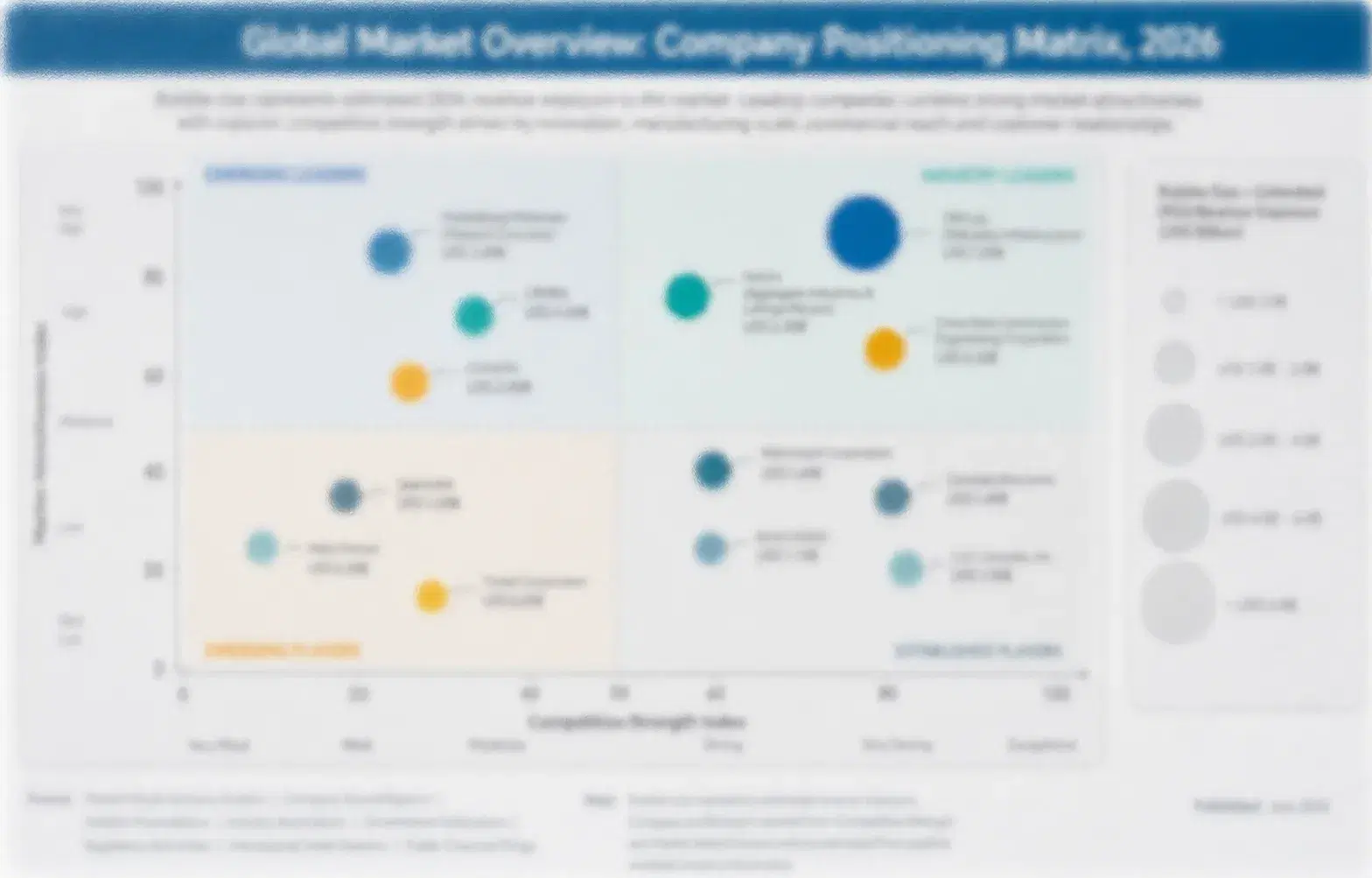
The naturally derived fatty alcohol market is concentrated, with a CR5 of 46%, and regional plants, Indian producers, and specialty houses sit outside the leading five. This assessment measures participants on estimated natural fatty alcohol production capacity, held constant across all players. Wilmar International leads through plantation-linked feedstock and scale, while KLK Oleo, Musim Mas, BASF, and Emery Oleochemicals follow, with a clear gap between the leader and the challengers.
Competition runs on four dimensions today: feedstock access and cost, certification and traceability, chain-length flexibility, and specialty grade range. Large integrated producers win on plantations, scale, and multi-plant supply, while chemical majors win on application knowledge and customer relationships. Imitators cannot copy plantation links quickly, so cost premiums erode slowly, and price competition appears in annual contracts with consumer goods groups. Logistics reach compounds over time.

Emerging pressure comes from new Indian and Indonesian capacity, synthetic alcohol makers offering lower prices, and fermentation-based and other bio-based routes to fatty alcohols. Rankings shift where a producer secures certified feedstock, wins a multinational contract, or adds specialty capacity. Regional producers in India and Indonesia can move up quickly, since local feedstock and demand growth matter more
naturally-derived-fatty-alcohol-market-company-positioning-matrix-1789809377356

Competitive Moat and Risk Dimensions

WILMAR INTERNATIONAL

Moat: Plantation Links and Scale

Wilmar International runs plantations, crushing, refining, and oleochemical plants across Southeast Asia, which gives it feedstock security and cost advantages that merchant buyers cannot match. Its scale in fatty alcohols, traceability systems, and long contracts with consumer goods groups support pricing power, and its trading arm gives visibility on feedstock and product spreads across markets.
WILMAR INTERNATIONAL

Risk: Scrutiny and Feedstock Exposure

Wilmar faces intense scrutiny of palm supply chains, so a traceability failure or campaign can damage customer relationships. Export policy and palm kernel price swings squeeze margins, and capacity additions across the region compress spreads, while specialty competitors with stronger application support attract premium cosmetics accounts. Buyers reward consistency over novelty.
KLK OLEO

Moat: Integrated Chain and Specialty Depth

KLK Oleo is the oleochemical arm of a Malaysian plantation group and operates plants in Malaysia, Germany, and other sites, with strength in fatty alcohols, derivatives, and specialty grades. Its integration with plantations, European production, and technical service to personal care and lubricant customers give it feedstock security and application depth that smaller producers lack.
KLK OLEO

Risk: Capital Needs and Regional Concentration

KLK Oleo needs capital for specialty expansion and traceability, and it depends heavily on Malaysian feedstock and policy. Its scale is smaller than the largest rival in commodity cuts, so spread compression hits harder, while European plants face high energy cost and competition from imports. Offtake contracts decide renewal.

Players Tracked

Prominent Players

Wilmar International
KLK Oleo
Musim Mas
BASF
Emery Oleochemicals

Other Key Players

Godrej Industries
Ecogreen Oleochemicals
Oleon
Moeve
Sasol
Kao Corporation
Croda International
Stepan Company
Evonik Industries
Procter and Gamble Chemicals
IOI Oleochemical
Apical Group
Vantage Specialty Chemicals
Berg and Schmidt
Cargill

Recent Developments

JANUARY 2026

Wilmar International Launches Segregated Certified Fatty Alcohol Range for Consumer Goods Customers

Wilmar International launched a segregated certified fatty alcohol range with plantation-level traceability data for consumer goods customers. It is a product launch, and it tests whether large producers can capture premiums of 5% to 15% for verified supply. Sales volumes were not disclosed. Supply reliability decides producer rankings.
Signal: Confirms that leading producers are selling segregated certified fatty alcohols with traceability data for premium contracts.
FEBRUARY 2026

KLK Oleo Expands Specialty Alcohol Capacity in Germany for Cosmetics Customers

KLK Oleo announced organic expansion of specialty alcohol and derivative capacity in Germany for cosmetics and lubricant customers. It is a capacity expansion, not an acquisition, and it tests whether Asian groups can hold premium positions in European specialty markets. Investment figures were not disclosed. Margins follow feedstock discipline.
Signal: Indicates Asian producers are investing in European specialty capacity to serve premium cosmetics and lubricant customers.
MARCH 2026

Musim Mas Signs Multi-Year Supply Agreement With Consumer Goods Group

Musim Mas signed a multi-year supply agreement with a consumer goods group for certified lauryl and cetyl alcohols with indexed pricing. It is a supply agreement, not a joint venture, and it tests whether indexed contracts can stabilise spreads. Contract volumes were not disclosed. Audit records protect future sales.
Signal: Suggests consumer goods groups and producers are using multi-year indexed contracts to manage feedstock volatility and certification.

What Drives Fatty Alcohol Production Costs

Palm kernel and coconut oil account for roughly 62% of cost of goods, energy for hydrogenation and distillation about 10%, hydrogen and catalysts about 8%, packaging and logistics about 8%, labour and maintenance about 6%, and certification and compliance about 6%. Feedstock comes mainly from Indonesia, Malaysia, and the Philippines, hydrogen from on-site production, and catalysts from a few global suppliers, so exposure differs by input.
The clearest recent shock came from export policy. The United States Department of Agriculture Foreign Agricultural Service reported that Indonesia's 2022 palm oil export ban and levies moved palm and palm kernel prices sharply, and Wilmar International and KLK reported in annual documents that feedstock volatility weighed on oleochemical margins. Producers raised prices through indexed formulas and drew on plantation supply, which cushioned integrated sites but hurt merchant buyers.

The competitive disadvantage falls on non-integrated plants, which buy palm kernel at spot prices and cannot pass on swings quickly. Integrated producers own plantations, sign long contracts, and spread costs across derivatives. Exposure also varies by geography, since Southeast Asian plants sit near feedstock while European and American plants bear freight and compliance costs. Clear specifications build buyer trust. Logistics reach compounds over time.
naturally-derived-fatty-alcohol-market-cost-volatility-analysis-1789809377643

Securing Plantation-Linked Feedstock and Multi-Country Contracts

Producers secure plantation-linked feedstock, contract palm kernel and coconut oil across three countries, and hold safety stock. Integration reduces cost swings by roughly half, though it needs capital and volume commitments that only larger producers usually provide. Terms often run one to three years, delivery reliability matters, and buyers should approve early. Buyers reward consistency over novelty.

Writing Index-Linked Pricing Into Customer Contracts

Producers write index-linked pricing into multi-year contracts that adjust prices with palm kernel and coconut oil indices. Index clauses cut margin swings by 15% to 30% in volatile years. The main challenge is customer acceptance, so producers publish index sources, offer caps and floors, and pair pricing with certified supply and technical service. Offtake contracts decide renewal.

Mapping Supply to Plantations and Using Satellite Monitoring

Producers map supply to plantation level, hold segregated certified volumes, and use satellite monitoring and third-party audits to prove deforestation-free status. Compliance adds 2% to 5% to cost but supports premiums of 5% to 15%. The main risk is smallholder coverage, so producers fund traceability tools and training for suppliers. Supply reliability decides producer rankings.

Portfolio Architecture for Margin Defence

Margins run from thin returns on commodity lauryl and cetyl-stearyl cuts sold to surfactant makers to strong returns on specialty branched and Guerbet alcohols sold with application support. Three tiers separate volume products, certified premium lines, and next-generation formats, and each tier draws on different buyer groups, feedstock sources, and certification terms. Audit records protect future sales. Cost control separates leaders from followers.
The tension between volume and premium is sharp. Volume lines protect plant utilisation and customer relationships but face constant price pressure from new capacity and synthetic alcohols, while premium lines earn higher margins on smaller volumes and depend on certification, application knowledge, and reactors. Producers that run only volume struggle to fund traceability, while producers that run only premium lack the scale to hold feedstock contracts and absorb price shocks.

High-value pools concentrate in specialty Guerbet and branched alcohols and segregated certified supply sold to cosmetics brands and lubricant makers. They gather where buyers pay for performance, traceability, and renewable carbon claims rather than tonnes. Multinational consumer goods groups, biodegradable lubricant makers, and premium skin care brands add further value, since these buyers ask for reliable supply and audit-ready data.

Volume / Commodity-Adjacent Tier

Lauryl-myristyl and cetyl-stearyl cuts sold to surfactant and detergent makers under indexed contracts, with thin margins, feedstock and energy exposure, and constant price competition, where buyers switch on price, delivery terms, and annual tender results.
Gross Margin: 12%-20%

Premium / Certified Tier

Certified segregated fatty alcohols with plantation-level traceability, renewable carbon testing, and audit-ready data, sold to consumer goods groups that require reliable supply, documented provenance, and stable pricing across contract periods. Clear specifications build buyer trust.
Gross Margin: 18%-28%

Sustainability / Regulatory / Next-Generation Tier

Specialty Guerbet and branched alcohols with bio-based content, biodegradability data, and application support, sold to cosmetics and lubricant makers that pay premiums for light-feel performance and stronger renewable carbon claims. Small plants feel every feedstock swing.
Gross Margin: 26%-38%
naturally-derived-fatty-alcohol-market-portfolio-architecture-1789809377966

High-value Sub-segments and Strategic Watch-out

Specialty Branched and Guerbet Alcohols

Specialty branched and Guerbet alcohols combine the fastest growth with strong pricing, since cosmetics and lubricant buyers pay 40% to 120% premiums for light-feel and low-temperature performance. Reactors and technical service limit competition, and producers with laboratories win accounts. Volume compounds as biodegradable lubricant rules widen.
Gross Margin: 26%-38%

Lauryl-Myristyl Alcohols

Lauryl-myristyl alcohols deliver solid growth and moderate pricing, since surfactant demand in India, Southeast Asia, and Africa keeps volumes rising. Feedstock access forms the entry barrier, and integrated producers win cost advantages. Repeat purchase builds through multi-year indexed contracts with consumer goods groups. Logistics reach compounds over time.
Gross Margin: 14%-24%

Cetyl-Stearyl Alcohols

Cetyl-stearyl alcohols form the volume core for cosmetics and emulsifiers, sold at moderate margins. Growth is steady, at about 5.2% a year, as personal care volumes rise. Feedstock cost, certification, and customer negotiation decide profit, and producers use the segment to anchor long-term contracts and plant utilisation.
Gross Margin: 14%-24%

Short-Chain Caprylic-Capric Alcohols

Short-chain caprylic-capric alcohols are the strategic watch-out, since volumes are small, feedstock yield is low, and growth trails the market at about 4.6% a year. Producers should test flavour, fragrance, and solvent niches before scaling, because feedstock cost and customer concentration can erode margin quickly. Offtake contracts decide renewal.
Gross Margin: 10%-18%

Why Buyers Keep Renewing Alcohol Contracts

Fatty alcohol demand behaves like an annuity attached to shampoo and detergent formulas. Once a consumer goods group qualifies a producer's chain distribution and certification, it repeats the purchase every month, and switching means new formulation and audit work. Buyers use last year's supplier performance to fix renewals, so successful producers earn steadier volume than launches driven by price alone. Supply reliability decides producer rankings.
Adoption stickiness differs by end-use vertical. Cosmetics and premium personal care are the deepest, since formulas and claims lock in specific grades, and they change only when supply or quality fails. Detergent and surfactant makers are almost as loyal once contracts are indexed. Lubricant buyers are shallower and switch on price and performance, while industrial users follow tender cycles. Margins follow feedstock discipline.

Buyer profiles are shifting between generations. Older procurement teams choose fatty alcohols for cost and delivery and trust established producers, while younger sustainability teams care about traceability, renewable carbon, and deforestation-free proof. Premium cosmetics brands add a third group that wants specialty performance. Producers that publish plantation data and offer audited supply win these buyers and keep them as rules tighten.
naturally-derived-fatty-alcohol-market-end-use-penetration-index-1789809378286

MMA Verdict on Fatty Alcohol Strategy

These are among the four positions where our research anticipates prominent divergence between winners and laggards over the coming forecast period. Each is grounded in the demand model, the regulatory perimeter, and the announced capacity pipeline.
01 / SPECIALTY ALCOHOL POSITIONING

Build Guerbet and Branched Lines Before Commodity Cuts Lose Margin

Specialty branched and Guerbet alcohols grow at 9.6% a year, about 1.66 times the overall market rate, and producers that supply light-feel bio-based emollients and lubricant bases earn gross margins of 26% to 38% against 12% to 20% for commodity lauryl alcohol. Winners will invest in Guerbet reactors, application laboratories, and customer co-development with personal care brands. Producers that stay in commodity chain cuts will fight on feedstock spread, and rivals with specialty ranges will capture the higher-value cosmetic and lubricant accounts.
02 / FEEDSTOCK SECURITY STRATEGY

Secure Plantation-Linked Feedstock and Index Contracts Before Export Shocks Erode Margin

Palm kernel and coconut oil take about 62% of cost of goods, and export bans, levies, and poor harvests have moved feedstock prices by 30% to 80% within a year, as Indonesia's 2022 export ban showed. Producers should secure feedstock through plantation-linked supply, contract across Indonesia, Malaysia, and the Philippines, and pass through cost with index-linked pricing. Those that buy palm kernel on the spot market will absorb volatility and lose contracts, and rivals with integrated feedstock and indexed contracts will hold margin through every policy shock.
03 / TRACEABILITY COMPLIANCE STRATEGY

Map Supply to Plantations Before Deforestation Rules Exclude Uncertified Volumes

The European Union Deforestation Regulation and buyer commitments require traceable, deforestation-free palm derivatives, and 48% of volume already ships with certification, so uncertified supply risks exclusion from major consumer goods contracts. Producers should map supply to plantation level, hold segregated certified volumes, and invest in satellite monitoring and third-party audits. Those that cannot trace feedstock will lose European and multinational accounts, and rivals with verified supply chains will win premiums of 5% to 15% as compliance tightens across major consumer markets.
04 / CAPACITY DISCIPLINE STRATEGY

Run Flexible Integrated Plants Before Capacity Overbuild Compresses Spreads

Southeast Asian capacity expanded faster than demand, and plants run at about 74% utilisation, so spreads between feedstock and product compress whenever new capacity starts. Producers should focus on downstream derivatives and specialty grades, run flexible plants that switch between chain cuts, and lock long-term offtake with consumer goods groups. Those that add commodity capacity will face thin spreads and idle plants, and rivals with flexible, integrated sites will keep utilisation and margin through capacity cycles over the next planning period.

Engagement Snapshot From the Field

A live engagement with an industry participant carrying material or product regulatory and market exposure ahead of a defining policy shift, showing how our research translates into a defensible multi-year portfolio strategy.
MARKET MINDS ADVISORY · CLIENT ENGAGEMENT SUMMARY
Naturally Derived Fatty Alcohol Producer Strategic Portfolio Review and Transition Roadmap 2026·Investment Scenario on Naturally Derived Fatty Alcohol Exposure Evaluation 2025-26
CLIENT PROFILE
The client is a mid-sized Indonesian oleochemical producer with annual sales near $340 million (client-reported, unverified by MMA), one fatty alcohol plant, and a portfolio of lauryl-myristyl and cetyl-stearyl cuts sold to surfactant makers in Asia. It bought palm kernel oil on spot markets, held no certification, and had two customers accounting for 40% of volume.
STRATEGIC CHALLENGE
Export levies had raised feedstock cost by 35%, a European buyer had asked for deforestation-free proof, and new regional capacity had cut spreads by 20%. Management needed to decide whether to add a specialty line, certify supply, or integrate feedstock, with limited capital and only one reactor able to run new grades.
MMA APPROACH
MMA analysed plant and sales data across 14 grades, interviewed 10 consumer goods buyers, eight feedstock suppliers, and six reactor engineers, and reviewed certification and regulation requirements across three markets. It modelled margin by grade and customer, tested feedstock and utilisation scenarios, and ranked options by payback period and execution risk. Procurement teams review suppliers every season.
KEY FINDINGS
  1. A Guerbet specialty line could reach 8% of volume in three years at margins near 32% against 14% for commodity cuts (client-reported, unverified by MMA).
  2. Certified segregated supply for two European customers could earn premiums of 8% and protect contracts worth 25% of sales. Audit records protect future sales.
  3. Plantation-linked supply covering 45% of feedstock and indexed pricing could cut margin volatility by about half. Cost control separates leaders from followers. Clear specifications build buyer trust.
  4. Flexible reactor scheduling could lift utilisation from 72% to about 82% and reduce dependence on the top two customers. Small plants feel every feedstock swing.
CLIENT PROFILE
The client is a mid-sized Indonesian oleochemical producer with annual sales near $340 million (client-reported, unverified by MMA), one fatty alcohol plant, and a portfolio of lauryl-myristyl and cetyl-stearyl cuts sold to surfactant makers in Asia. It bought palm kernel oil on spot markets, held no certification, and had two customers accounting for 40% of volume.
STRATEGIC CHALLENGE
Export levies had raised feedstock cost by 35%, a European buyer had asked for deforestation-free proof, and new regional capacity had cut spreads by 20%. Management needed to decide whether to add a specialty line, certify supply, or integrate feedstock, with limited capital and only one reactor able to run new grades.
MMA APPROACH
MMA analysed plant and sales data across 14 grades, interviewed 10 consumer goods buyers, eight feedstock suppliers, and six reactor engineers, and reviewed certification and regulation requirements across three markets. It modelled margin by grade and customer, tested feedstock and utilisation scenarios, and ranked options by payback period and execution risk. Procurement teams review suppliers every season.
KEY FINDINGS
  1. A Guerbet specialty line could reach 8% of volume in three years at margins near 32% against 14% for commodity cuts (client-reported, unverified by MMA).
  2. Certified segregated supply for two European customers could earn premiums of 8% and protect contracts worth 25% of sales. Audit records protect future sales.
  3. Plantation-linked supply covering 45% of feedstock and indexed pricing could cut margin volatility by about half. Cost control separates leaders from followers. Clear specifications build buyer trust.
  4. Flexible reactor scheduling could lift utilisation from 72% to about 82% and reduce dependence on the top two customers. Small plants feel every feedstock swing.
RECOMMENDED STRATEGY
Phase 1: Phase 1 (Months 1-6): Map suppliers to plantations, begin certification, and write indexed pricing into the two largest contracts. Logistics reach compounds over time. Phase 2: Phase 2 (Months 7-18): Sign plantation-linked supply for 45% of feedstock and build the Guerbet line with two pilot customers. Buyers reward consistency over novelty. Phase 3: Phase 3 (Months 19-30): Extend certified supply to five customers, add flexible scheduling, and review utilisation and margin quarterly. Offtake contracts decide renewal.
OUTCOME
Within 30 months, specialty and certified products reached 22% of volume, margin volatility fell by 46%, and gross margin on the range rose to 21% (client-reported, unverified by MMA). The client retained both European contracts, lifted utilisation to 81%, and customers named it a preferred traceable fatty alcohol supplier.

Frequently Asked Questions

Foundational context covering the market sizes, CAGR, scope, country, region and competition that inform every finding below. This section is provided to cover basics and most often pre-purchase conversations, answered from the MMA Primary Research Dataset.

What is the current size of the Naturally Derived Fatty Alcohol Market?

The global naturally derived fatty alcohol market was valued at $4.9 billion in 2025. Growth is supported by bio-based demand, Asian personal care volumes, and specialty grades despite feedstock volatility and capacity overbuild.

How large will the Naturally Derived Fatty Alcohol Market be by 2036?

The market is projected to reach $9.1 billion by 2036, up from $5.2 billion in 2026. The increase of $3.9 billion reflects specialty alcohols, certified supply, and emerging market demand.

What is the CAGR for the Naturally Derived Fatty Alcohol Market 2026 to 2036?

The market is forecast to grow at a 5.8% CAGR from 2026 to 2036. The bull case reaches 7.1% and the bear case 4.5%, depending on feedstock prices and deforestation rules.

Which segment is growing fastest?

Specialty Branched and Guerbet Alcohols is the fastest-growing segment at 9.6% CAGR, roughly 1.66 times the overall market rate. Lauryl-Myristyl Alcohols follows as the second-fastest segment at 6.6% CAGR each year.

Who are the major companies in the Naturally Derived Fatty Alcohol Market?

Major companies include Wilmar International, KLK Oleo, Musim Mas, BASF, and Emery Oleochemicals. Godrej Industries, Ecogreen Oleochemicals, Oleon, Kao Corporation, and Croda International also hold meaningful positions.

Which country is growing fastest?

India is the fastest-growing country at a 9.0% CAGR, driven by rising personal care and detergent volumes and new oleochemical capacity. Indonesia and Vietnam follow through feedstock supply and consumer goods growth.

Report Segmentation Architecture

The full report scope spans multiple orthogonal segmentation dimensions, with cross-tabulated demand data provided for each dimension pair. Coverage extends further to regional breakdowns, trend trajectories, and the competitive detail needed to support segment-level decision-making.

By Primary Market Dimension

  • Specialty Branched and Guerbet Alcohols
  • Lauryl-Myristyl Alcohols
  • Cetyl-Stearyl Alcohols
  • Short-Chain Caprylic-Capric Alcohols
  • Long-Chain Alcohols

By End-Use Industry

  • Personal Care and Cosmetics
  • Home Care and Detergents
  • Industrial Surfactants
  • Lubricants and Metalworking
  • Pharmaceuticals and Other Uses

By Commercial Dimension

  • Direct Long-Term Contracts
  • Spot and Tender Sales
  • Distributor Sales
  • Toll Processing Services
  • Certified Segregated Programmes

By Region

  • South Asia and Pacific
  • East Asia
  • North America
  • Western Europe
  • Latin America
  • Middle East and Africa
  • Eastern Europe

Scope, Methodology, and Coverage

Every figure in this report is reproducible from documented input assumptions. The scope below maps the historical period, the forecast horizon, the segmentation dimensions, and the countries covered, alongside the underlying primary and qualitative methodology.
Historical Period
2020 to 2025
Forecast Period
2026 to 2036
Base Year
2025 (USD billions; MMA Primary Research Dataset, September 2026)
Market Definition
Naturally derived fatty alcohols comprise linear and branched alcohols produced from palm kernel oil, coconut oil, and other natural fats and oils, including short-chain, lauryl-myristyl, cetyl-stearyl, long-chain, and specialty Guerbet grades, sold to makers of surfactants, personal care products, detergents, lubricants, and other industrial applications through direct contracts and distributors. The scope excludes synthetic petrochemical fatty alcohols, finished surfactants and ethoxylates, and fatty acids sold as such.
Quantitative Units
USD billions (sales value); thousand tonnes for volume references
Segmentation Dimensions
By Chain Length and Grade; By End-Use Industry; By Commercial Dimension; By Region
Regions Covered
South Asia and Pacific, East Asia, North America, Western Europe, Latin America, Middle East and Africa, Eastern Europe
Countries Covered
Malaysia, Indonesia, Philippines, India, China, Japan, South Korea, Thailand, Vietnam, United States, Canada, Germany, France, Spain, Brazil, Colombia, Mexico, Nigeria, South Africa, and additional markets relevant to this sector
Key Companies Profiled
Wilmar International, KLK Oleo, Musim Mas, BASF, Emery Oleochemicals, Godrej Industries, Ecogreen Oleochemicals, Oleon, Moeve, Sasol, Kao Corporation, Croda International, Stepan Company, Evonik Industries, Procter and Gamble Chemicals, IOI Oleochemical, Apical Group, Vantage Specialty Chemicals, Berg and Schmidt, Cargill
Quantitative Methodology
Primary survey, n=3,800 respondents, Q4 2025, six countries; demand-side model with trade association cross-validation
Qualitative Methodology
47 expert interviews, Q4 2025; applied to validate demand model assumptions, identify emerging dynamics, and assess competitive positioning
Report Format
PDF and XLSX data workbook (Word format preview document)
Publisher
Market Minds Advisory
Report Code
MMA-2026-CHM-444
Published
September 2026
Contact
sales@marketmindsadvisory.com | www.marketmindsadvisory.com

Purchase the full Naturally Derived Fatty Alcohol Market Report (2026 to 2036).

The full report delivers a detailed assessment of global naturally derived fatty alcohols through 2036, covering segment, regional, and country forecasts, competitive benchmarking of leading producers, and input cost analysis. It combines MMA primary research, including a six-country survey of 3,800 respondents and 47 expert interviews, with public trade and company data. Analysts also model feedstock scenarios, deforestation rule paths, and specialty grade adoption. Clients receive segment margin ranges, channel maps, and a case study on portfolio strategy. Buyer and distributor contact frameworks are also included for negotiation planning.
Ten-year segment and regional demand forecasts
Palm kernel, coconut, and energy price tracking
Competitive benchmarking of top twenty producers
Deforestation and certification rule tracker with updates
Regional demand mechanism comparative analysis included
Quarterly primary survey data update access

Built For The People Who Decide

From boardroom strategy to bench-side execution, this report is read cover-to-cover by leaders shaping the next decade of their industry, turning demand scenarios, market dynamics and valuation benchmarks into decisions.
CXOs/ Presidents/ VPs/ Managers
M&A and Corporate Development
Strategy Teams and R&D Heads
Procurement and Product Directors
Regulatory and Compliance Leaders
Investor Relations and Equity Analysts