Market Minds Advisory
Natural Chew Pet Treats Market

Natural Chew Pet Treats Market: Natural Chew Pet Treats Market. Bully Sticks, Antler, Yak Cheese and Plant-Based Chews for Dogs

Natural chews sell an unprocessed, single-ingredient promise that rawhide never could, so sourcing transparency and digestibility safety data decide which brands keep shelf space as owners scrutinise every chew ingredient.

Lead Analyst

Published

September 2026

Make Smarter Decisions with Customized Research Insights

Request a free sample report and evaluate market opportunities, growth trends, and competitive dynamics relevant to your business needs.

2025 MARKET VALUE$2.1BMarket Size 2025
2036 FORECAST VALUE$4.7BBase Case , 2026 to 2036
CAGR 2026 TO 20367.5 %Bull 8.9% / Bear 6.1%
INCREMENTAL OPPORTUNITY$2.4BNet 10- year value creation
EXPANSION MULTIPLE2.06x2036 value over 2026 base
Strategic Levers
M&A Pipeline
Regional Outlook
Country Rankings
Competitive Intelligence
Segmental Deep-dive
Call-Us : 91 93563 13602

Executive Snapshot and Market Trajectory.

Natural chew pet treats are single-ingredient or minimally processed chews made from animal parts, dairy or plant materials, marketed as an unprocessed alternative to rawhide and synthetic chews. Owners buy them because a chew with one recognisable ingredient feels safer than a rawhide sheet of unknown origin.
Yak and Himalayan Cheese Chews grow fastest as the category's viral popularity converts casual buyers into repeat purchasers, while bully sticks and beef tendon chews carry the largest volumes. North America leads because rawhide safety scares and specialty retail concentrate demand, with Western Europe close behind. Gross margins run 28% to 56%, and raw material sourcing and drying processing shape profit. Margins stay tight. Owners reward reliable results. Raw material costs stay high.
Five groups hold about 29% of value, led by Redbarn Pet Products, Himalayan Dog Chew and Earth Animal, so specialist natural chew brands compete with global pet food groups launching dedicated lines. Pet food safety law, digestibility safety standards and retailer audits govern positioning, and owners check sourcing, safety records and palatability before committing to a brand for regular chew rotation. Certification records matter more each year.
Market Definition
The market covers global manufacturer revenue from natural chew pet treats, defined as single-ingredient or minimally processed chews for dogs made from animal, dairy or plant materials without synthetic additives, in bully sticks and beef tendon chews, antler and bone chews, yak and Himalayan cheese chews, dried fish and marine chews, and plant-based natural chews, sold through retail and online channels and valued at manufacturer revenue. It excludes rawhide chews, dental-function chews with active ingredients, and complete pet foods.
Base Year Value
$2.1B in 2025 (MMA Primary Research Dataset, September 2026)
Forecast Period
2026 to 2036, eleven discrete annual values
CAGR
7.5% base case. Bull 8.9%. Bear 6.1%.
Fastest Growth Segment
Yak and Himalayan Cheese Chews: 10.5% CAGR
Fastest Growth Country
China: 11.2% CAGR
Fastest Growth Region
South Asia and Pacific: 9.3% CAGR
Largest Region
North America: 38% of 2025 global value
Market Leaders
Redbarn Pet Products, Himalayan Dog Chew, Earth Animal, Best Bully Sticks, Bones and Chews. Source: MMA Analysis, company annual reports.
Primary Survey
n=3,800 procurement and R&D decision-makers, Q4 2025, six countries
Methodology
Demand-side build-up, cross-validated against public data, 47 expert interviews

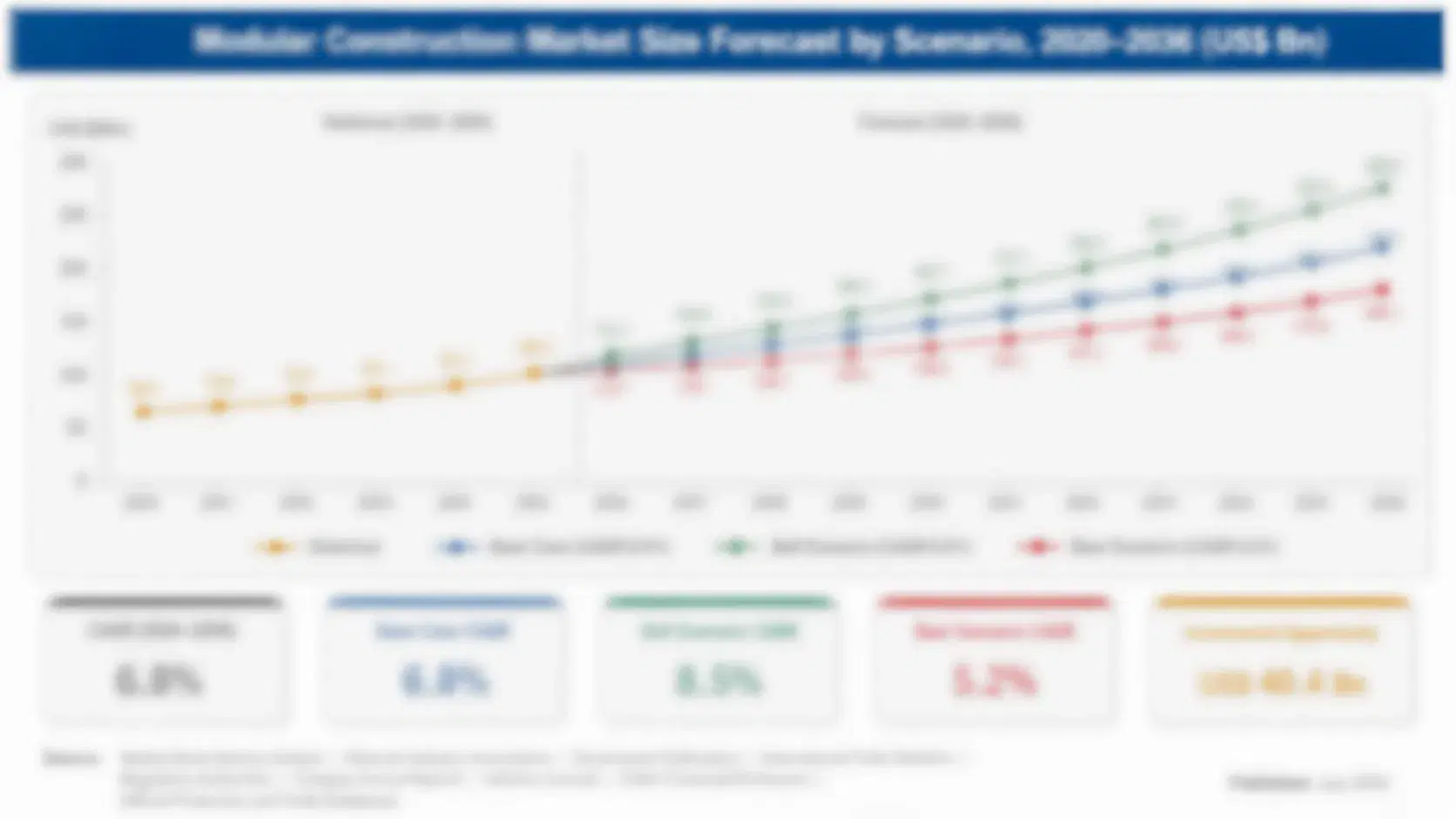
Natural Chew Pet Treats Market Forecast Scenarios

natural-chew-pet-treats-market-size-forecast-scenario-1790050519487
From 2020 to 2025 natural chew treat revenue grew at about 6.0% a year. Pandemic pet adoption lifted 2020 and 2021 demand, rawhide safety scares accelerated the shift toward natural alternatives in 2021 and 2022, and yak cheese chews then gained viral popularity through social media through 2023 and 2024. Bully sticks dominated volume throughout.
The base case of 7.5% rests on three named mechanisms. Owner distrust of rawhide safety, reinforced by choking and digestive blockage reports, continues pushing purchases toward single-ingredient natural alternatives. Social media virality around novel formats such as yak cheese chews converts casual browsers into category buyers faster than traditional marketing. Veterinary dental and digestive health guidance increasingly favours natural, digestible chew formats over synthetic alternatives. Each mechanism is visible in retail sales data, social platform trends and veterinary guidance over the last three years.
The bull case reaches 8.9% if rawhide safety concerns intensify further and viral format trends continue emerging. The bear case falls to 6.1% if pet food volumes slow, raw material costs spike and owners trade down to cheaper alternatives. Both cases assume stable pet food safety rules and no major recall. Retailers watch both cases.

Rawhide Distrust, Sourcing Transparency and Digestibility Safety Set Returns

Manufacturers source animal parts, dairy or plant materials, clean and dry them through controlled processes without synthetic preservatives, and package with disclosed single-ingredient labelling. Sourcing transparency and digestibility safety decide acceptance, and each batch must pass choking and blockage risk assessment, since natural chews carry real safety scrutiny despite their clean-label positioning. Retailers audit suppliers and safety records every year before renewing listings.
MARKET CONCENTRATION29% CR5Top five participants hold under one third of category value
BULLY STICK SHARE42%Portion of revenue from bully sticks and beef tendon chews
ONLINE SALES SHARE36%Portion of category revenue sold through online retail channels
RAW MATERIAL COST SHARE44% of COGSAnimal, dairy or plant raw material inputs within manufacturing cost
DIGESTIBILITY SAFETY TESTING SHARE9% of COGSChoking and blockage safety testing within total manufacturing cost
TYPICAL PACK PRICE$6-22Typical shelf price for a natural chew multi-pack
Value concentrates in five places. Yak and Himalayan cheese chews grow fastest. Bully sticks and beef tendon chews carry the largest volumes, antler and bone chews serve long-lasting durability positioning, dried fish and marine chews serve novel protein and omega-3 positioning, and plant-based natural chews serve owners avoiding animal products entirely. Sourcing and process details stay closely guarded within each brand.
Supply combines specialist natural chew brands and global pet food groups. Redbarn and Best Bully Sticks run dedicated natural chew operations with sourcing transparency, Himalayan Dog Chew pioneered the yak cheese category, and large pet food groups increasingly launch natural chew sub-brands to capture rawhide-averse owners. Retail listings take months to win and require documented sourcing and safety testing. Buyers compare cost per unit before awarding listings.
"A natural chew sells the absence of a label, not the presence of one. The brands that will win are the ones whose single ingredient actually is what it says, sourced from a supply chain an owner could trace if they cared to, because this category exists entirely on the trust that rawhide burned through."
Senior Analyst, Pet Nutrition and Animal Consumer Products Practice · MMA Natural Chew Pet Treats Practice · September 2026

Market Trends

Yak Cheese Chews Convert Viral Popularity Into Sustained Category Demand

Yak and Himalayan cheese chews gained significant social media attention for their unusual format and long-lasting durability, and this viral exposure has converted into sustained repeat purchase as owners discover the format's genuine appeal beyond novelty, with brands such as Himalayan Dog Chew and Redbarn scaling production to meet demand. Yak and Himalayan Cheese Chews grow about 10.5% a year, and gross margins run 42% to 56%. The trend needs consistent dairy sourcing and production scale, and it rewards brands with credibility. Buyers judge brands on sourcing, safety records and palatability results.
Market Impact: natural treat spending rises 8% yearly

Plant-Based Chews Address Owners Avoiding Animal-Derived Products Entirely

Owners increasingly seek plant-based chew alternatives for dogs with sensitivities to animal proteins or personal preferences against animal-derived treats, and brands now formulate sweet potato, vegetable fibre and other plant-based chews engineered for durability comparable to animal-based options. Plant-Based Natural Chews grow about 8.2% a year, and gross margins run 34% to 46%. The trend needs texture engineering to match animal chew durability, and it rewards brands with speed, while durability perception still favours animal-based formats among most owners. Brands with scale and clear plans hold the strongest positions. Early movers set the standard that later entrants must match.
Market Impact: social platforms drive 30% of discovery

Market Opportunities and Growth Drivers

Rawhide Safety Scares Continue Pushing Owners Toward Natural Alternatives

Choking and digestive blockage reports linked to rawhide chews have accumulated over several years, and veterinary and consumer advocacy warnings continue circulating widely, pushing owners toward natural alternatives perceived as safer despite carrying their own digestibility risks. The American Pet Products Association reports sustained growth in natural and minimally processed treat spending. The driver rewards brands with safety testing documentation and sourcing transparency, and it supports steady category growth, while natural chews still require genuine safety validation rather than assumed safety from natural positioning alone. Early movers set the standard that later entrants must match.
Market Impact: raw material takes 44% of cost

Social Media Virality Accelerates Category Discovery and Trial Purchase

Novel chew formats increasingly gain rapid visibility through social media platforms where owners share videos of dogs engaging with unusual chews, and this organic discovery channel converts casual viewers into first-time buyers faster than traditional pet retail marketing ever achieved. The driver rewards brands with visually distinctive products and social media presence, and it supports rapid trial purchase for novel formats, though converting viral trial into sustained repeat purchase still depends on genuine product performance. Retailers reward brands that respond quickly to owner feedback and audits. Progress should be reviewed every quarter against the agreed targets.
Market Impact: safety incidents cut repeat sales 15%

Market Restraints and Challenges

Raw Material Sourcing Costs and Supply Consistency Squeeze Margins

Animal, dairy and plant raw material inputs make up about 44% of manufacturing cost, and sourcing consistent, safety-testable single-ingredient raw material at scale costs more than blended commodity sourcing, according to industry cost data, while yak cheese and antler supply chains remain far less developed than mainstream livestock supply. The root cause is the sourcing discipline the category's clean-label premise depends on combined with less mature novel material supply chains. Brands can pass through only part of the increase, so margins fall two to four points. Brands respond with supplier consolidation and diversified sourcing.
Market Impact: yak cheese chews grow 10.5% yearly

Digestibility Safety Concerns Require Ongoing Testing and Size Guidance

Natural chews carry genuine choking and digestive blockage risk despite their clean-label positioning, and brands face ongoing scrutiny to prove safety through testing and clear size and supervision guidance rather than relying on natural sourcing alone to imply safety, according to veterinary advisory data. The root cause is the physical hardness and shape of many natural chews regardless of ingredient purity. A safety incident damages brand trust severely despite the category's natural positioning. Brands respond with size-specific guidance, digestibility testing and supervised feeding recommendations. Smaller brands carry the heaviest exposure and have the least room to adjust.
Market Impact: plant-based chews grow 8.2% yearly
3 additional market trends, 2 additional growth drivers, and 4 additional restraints and challenges are covered in the full report. Contact sales@marketmindsadvisory.com to access the complete intelligence.

Segment CAGR and Growth Architecture

The natural chew pet treats market is segmented by material source, which shows where sourcing, margins and owner use differ. Five segments cover bully sticks and beef tendon chews, antler and bone chews, yak and Himalayan cheese chews, dried fish and marine chews and plant-based natural chews. Yak cheese chews grow fastest, while bully sticks carry the largest volumes.
natural-chew-pet-treats-market-market-share-analysis-1790050519662

Yak and Himalayan Cheese Chews

Yak and Himalayan Cheese Chews is the fastest-growing segment at 10.5% a year, about 1.40 times the overall market rate. Owners buy long-lasting dairy-based chews originally sourced from Himalayan yak and cow milk production, appealing for both durability and novel format appeal that drove initial social media discovery, and prices run 80% to 150% above bully sticks per unit given sourcing scarcity. Gross margins of 42% to 56% reward brands with consistent dairy sourcing and production scale. Growth depends on sustained format appeal, sourcing infrastructure and trial evidence, while dairy sourcing scarcity limits speed of expansion. Early movers set the standard that later entrants must match. Retailers reward brands that respond quickly to owner feedback and audits.
CAGR 10.5%

Plant-Based Natural Chews

Plant-Based Natural Chews grows at 8.2% a year, about 1.20 times the overall market rate, because owners avoiding animal-derived treats or managing sensitivities seek durable plant-based alternatives engineered to match animal chew chewing satisfaction. Brands use texture engineering and ingredient sourcing to differentiate. Gross margins of 34% to 46% support brands with formulation science and reach. Growth depends on durability perception, ingredient sourcing and price, and brands with reliable texture consistency hold the strongest positions. Retailers reward brands that respond quickly to owner feedback and audits. Progress should be reviewed every quarter against the agreed targets. Smaller brands carry the heaviest exposure and have the least room to adjust. Buyers judge brands on sourcing, safety records and palatability results.
CAGR 8.2%
Full segment breakdown across 5 segments available in the complete report.

Regional Architecture and Country Demand Map

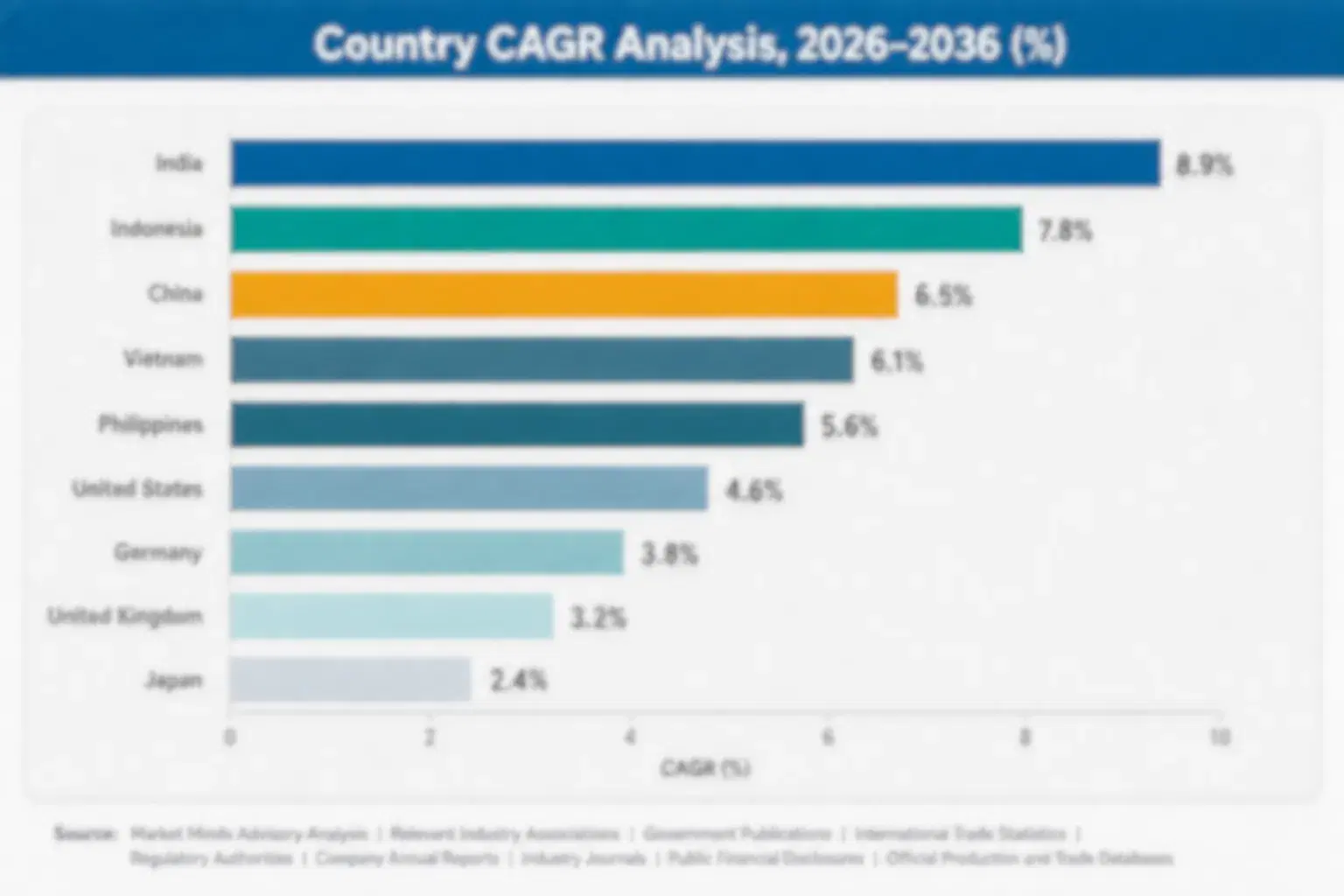
North America leads at 38% because rawhide safety scares and specialty retail concentrate demand, while Western Europe holds 23% through similar safety awareness. East Asia holds 15%. South Asia and Pacific holds 8%. Latin America holds 9% and grows fastest. Middle East and Africa holds 4%. Eastern Europe holds 3%.

North America

North America holds 38% share, above its band, and growth of 6.9%, close to the global rate. The United States drove the initial rawhide safety backlash and hosts the world's most developed natural chew specialty retail infrastructure, which justifies the out-of-band share, and Redbarn, Himalayan Dog Chew and Earth Animal supply. Buyers demand sourcing transparency and digestibility safety testing. Retailers also review safety records and audit results before every annual listing renewal. Volumes stay steady, and brands compete mainly on sourcing proof, documentation and delivery reliability. Distributors handle most shipments and set order sizes. Currency moves and freight rates change landed cost each quarter. Brands offering multi-year terms win repeat volume.
Share: 38% | CAGR: 6.9% (2026 to 2036)

Western Europe

Western Europe holds 23% share, inside its band, and growth of 5.9%, below the global rate. Because North America and Western Europe take the top two slots, the commercial reason is safety awareness: Germany, France and the United Kingdom combine strong pet safety consciousness with premium specialty retail, with global groups and regional brands supplying. Mature volumes temper growth. Retailers also review safety records and audit results before every annual listing renewal. Volumes stay steady, and brands compete mainly on sourcing proof, documentation and delivery reliability. Distributors handle most shipments and set order sizes. Currency moves and freight rates change landed cost each quarter. Brands offering multi-year terms win repeat volume.
Share: 23% | CAGR: 5.9% (2026 to 2036)
Regional intelligence for 5 additional markets available in the complete report: East Asia, South Asia and Pacific, Latin America, Middle East and Africa, Eastern Europe. Contact sales@marketmindsadvisory.com.
natural-chew-pet-treats-market-country-cagr-analysis-1790050519846

Four Margin Routes for Natural Chew Treat Brands

Margin in natural chews comes from yak cheese scaling, plant-based innovation, safety documentation and cost control on raw material sourcing rather than volume alone. The routes below apply to specialist brands and global pet food groups, and each can start inside one planning cycle, with measures in gross margin points and cost per unit.

Scaling Yak Cheese Chew Production for Sustained Category Demand

Owners want durable, novel format chews, so brands that scale yak cheese chew production with consistent dairy sourcing win sales worth 10% to 18% of revenue at gross margins of 42% to 56%. Programmes cost $2 million to $10 million. Brands should secure consistent dairy sourcing, validate durability standards and publish sourcing data, since supply gaps break the momentum a viral category depends on. Management should assign one owner to each programme from the start. Early results also help persuade sceptical buyers. Costs are recovered faster in larger plants. Payback runs about three years.
Market Impact: yak cheese production adds sales worth 10-18% of revenue

Building Safety Documentation and Digestibility Testing Programmes

Retailers and owners want proof of digestibility safety, so brands that build safety documentation and testing programmes win contracts worth 8% to 15% of revenue at gross margins of 32% to 46%. Programmes cost $1 million to $6 million. Brands should fund digestibility testing, publish size and supervision guidance and secure retailer safety approvals, since one safety incident can end a category-wide reputation. Early results also help persuade sceptical buyers. Costs are recovered faster in larger plants. Payback runs about three years. Management should assign one owner to each programme from the start.
Market Impact: safety documentation wins contracts worth 8-15% of revenue

Launching Plant-Based Chews for Owners Avoiding Animal Products

Owners avoiding animal-derived treats want durable alternatives, so brands that launch texture-engineered plant-based chews win contracts worth 8% to 14% of revenue at premiums of 5% to 15% per unit. Programmes cost $2 million to $8 million. Brands should invest in texture engineering, secure consistent plant sourcing and protect formulations, since generic plant-based chews copy successful texture innovations quickly. Costs are recovered faster in larger plants. Payback runs about three years. Management should assign one owner to each programme from the start. Early results also help persuade sceptical buyers. Retail buyers confirm interest before full-scale launch.
Market Impact: plant-based chews win contracts worth 8-14% of revenue

Diversifying Raw Material Sourcing Across Species and Regions

Raw materials make up about 44% of cost, so brands that diversify sourcing across species, materials and regions cut cost and supply swings by 15% to 30% and protect margins worth 5% to 9% of profit. Programmes cost $0.5 million to $4 million. Brands should qualify multiple raw material sources, test alternative species and monitor supply availability closely, since single-source dependence raises formulation risk. Payback runs about three years. Management should assign one owner to each programme from the start. Early results also help persuade sceptical buyers. Costs are recovered faster in larger plants.
Market Impact: diversified sourcing cuts total cost swings by 15-30% yearly

Who Controls the Margin Pool

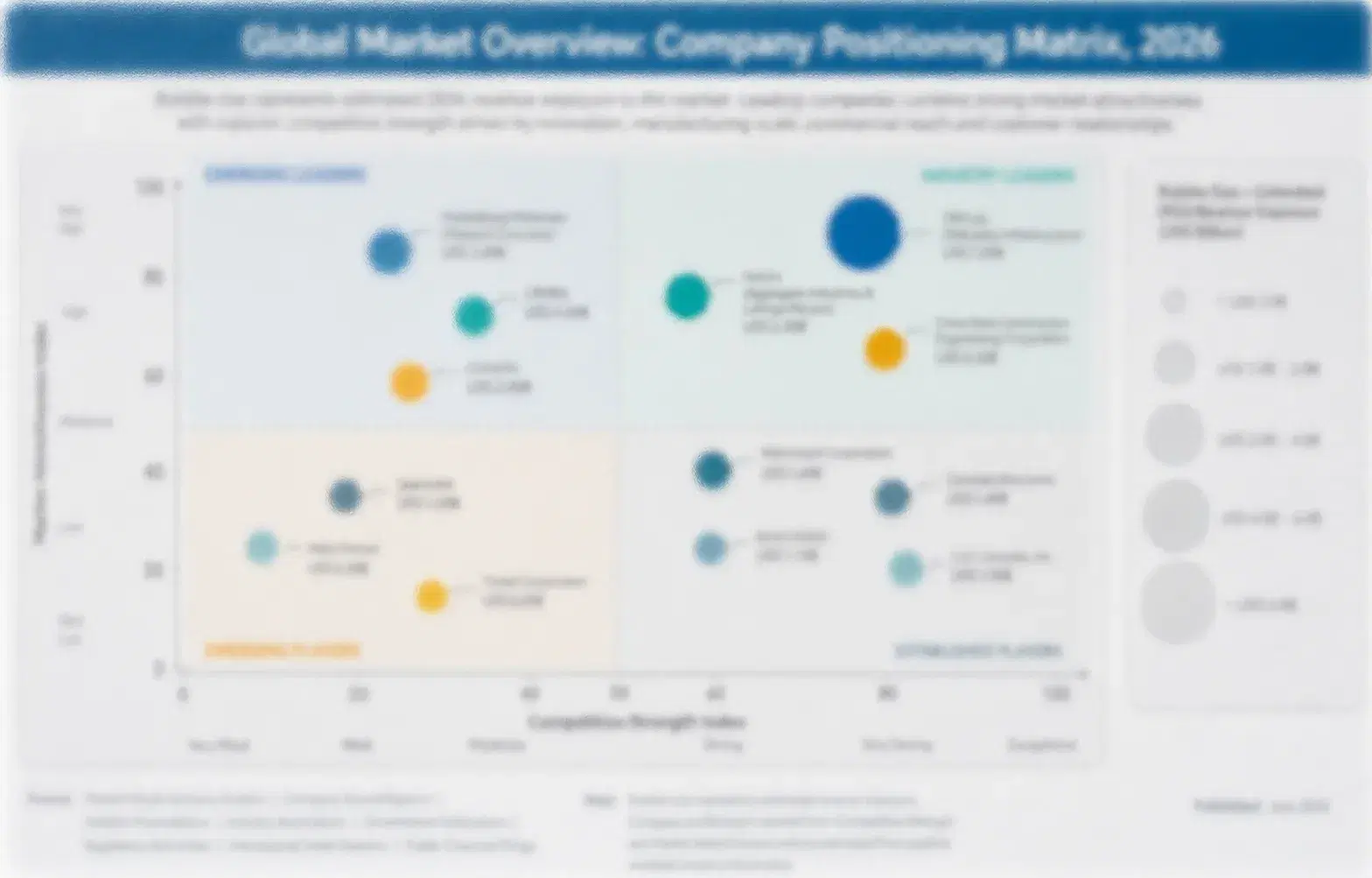
The natural chew pet treats market is fragmented, with a CR5 of 29%, because specialist natural chew brands compete with global pet food groups launching dedicated sub-brands across many material sources and formats. This assessment measures participants on estimated natural chew treat revenue, held constant across all players. Redbarn Pet Products and Himalayan Dog Chew lead through category focus and sourcing credibility, Earth Animal, Best Bully Sticks and Bones and Chews follow, and the gap to the fifth player is moderate.
Competition runs on four dimensions today: sourcing transparency and traceability, digestibility safety documentation, format innovation and viral appeal, and price per unit. Specialist brands win on category focus and sourcing credibility, global groups win on distribution and marketing scale, and format innovators win on novelty and social media presence. Buyers compare sourcing documentation, safety records and format appeal.

Emerging pressure comes from viral novel formats creating sudden category shifts in owner attention, from global groups launching credible dedicated sub-brands and from raw material costs that favour diversified sourcing. Rankings shift where a brand secures novel material supply, wins safety certification credibility or builds the next viral format, and consolidation continues as small brands face sourcing and safety costs.
natural-chew-pet-treats-market-company-positioning-matrix-1790050520026

Competitive Moat and Risk Dimensions

REDBARN PET PRODUCTS

Moat: Category Breadth and Sourcing Scale

Redbarn Pet Products built its brand around a broad natural chew portfolio spanning bully sticks, yak cheese and other formats, giving it category breadth that narrower specialists lack. Its category breadth, sourcing scale and retail relationships give it strong access to owners across multiple natural chew formats, and its scale supports continued expansion into emerging format categories.
REDBARN PET PRODUCTS

Risk: Format Dependence and Sourcing Risk

Redbarn Pet Products depends on continued natural chew category growth and faces sourcing risk across multiple material types simultaneously as it maintains breadth. Raw material costs squeeze margins, format-specific specialists compete on deeper category credibility, and rule changes can shift demand quickly. Investors expect steady returns and disciplined capital use.
HIMALAYAN DOG CHEW

Moat: Category Origin and Brand Recognition

Himalayan Dog Chew pioneered the yak cheese chew category and holds strong brand recognition as the format's origin brand, giving it credibility advantages as the segment scales. Its category origin story, brand recognition and dairy sourcing relationships give it strong access to owners seeking authentic yak cheese products, and its focus supports continued category leadership.
HIMALAYAN DOG CHEW

Risk: Narrow Focus and Competitive Entry

Himalayan Dog Chew's narrow category focus limits diversification as competitors including larger pet food groups enter the yak cheese format with broader distribution reach. Dairy sourcing costs squeeze margins, broader natural chew brands compete on portfolio breadth, and rule changes can shift demand quickly. Investors expect steady returns and careful capital use.

Players Tracked

Prominent Players

Redbarn Pet Products
Himalayan Dog Chew
Earth Animal
Best Bully Sticks
Bones and Chews

Other Key Players

Nootie
Pawstruck
Barkworthies
Dingo Brands
Wholesome Hide
Free Range Bully Sticks
Whimzees
Merrick Pet Care
Fruitables
Ark Naturals
Loving Pets
Jones Natural Chews
Natural Farm
123 Treats
Farmer's Menu

Recent Developments

JANUARY 2026

Specialist Brand Expands Yak Cheese Chew Production Capacity to Meet Sustained Viral Category Demand

A specialist brand expanded yak cheese chew production capacity to meet sustained viral category demand, according to company communications. It is an organic capacity expansion, not an acquisition, and it tests sourcing readiness. The facility adds production lines. Financial terms were not disclosed. Rollout follows retailer reviews.
Signal: Confirms brands are scaling yak cheese capacity because viral demand has converted into sustained repeat purchase behaviour.
FEBRUARY 2026

Pet Food Group Launches Plant-Based Natural Chew Line Engineered for Durability Comparable to Animal Chews

A pet food group launched a plant-based natural chew line engineered for durability comparable to animal chews, according to company communications. It is a product launch, not an acquisition, and it tests plant-based demand. The line uses texture engineering. Sales terms were not disclosed. Rollout follows retailer reviews.
Signal: Shows pet food groups are widening plant-based lines because owners avoiding animal products want comparable chewing satisfaction.
MARCH 2026

Veterinary Association Publishes Updated Guidance on Natural Chew Digestibility Safety and Size Selection

A veterinary association published updated guidance on natural chew digestibility safety and size selection, according to public announcements. It is a clinical guidance publication, not a commercial deal, and it tests safety standards. The guidance covers size and supervision recommendations. Adoption timing across clinics remains open.
Signal: Indicates veterinary bodies are formalising safety guidance because natural positioning alone does not guarantee digestibility safety.

Raw Material, Processing and Safety Cost Exposure

Animal, dairy and plant raw material inputs account for roughly 44% of manufacturing cost, drying and processing energy about 14%, packaging about 12%, labour and overheads about 14%, digestibility safety testing about 9%, and logistics about 7%. Common raw materials come from the United States, Brazil and Nepal, and yak cheese sourcing specifically from Himalayan dairy producers. Small brands carry the heaviest exposure.
The clearest recent shock came in 2022 and 2023. USDA data show beef and dairy prices rising sharply, supply disruptions affected specialty sourcing regions, and IEA data show energy costs spiking, which lifted processing and drying costs. Brands absorbed part of the increase, raised pack prices slowly and cut promotions, which compressed margins. Some relief came in 2024 and 2025 as raw material prices eased.

The disadvantage falls on small brands without raw material contracts, processing capacity or co-packer relationships, because they pay more per kilogram and cannot spread fixed safety testing cost. Exposure varies by player type: broad category brands hold scale and diversified sourcing, format-specific specialists depend on single-material contracts, and novel format pioneers depend on limited supplier networks. Pricing power decides who absorbs the shock.
natural-chew-pet-treats-market-cost-volatility-analysis-1790050520212

Multi-Year Raw Material Contracts With Sourcing Diversification

Brands sign multi-year raw material contracts and diversify sourcing across species and regions to cut cost swings of 15% to 30% per year. The main challenge is volume commitment and sourcing consistency, so brands test alternatives early. Procurement teams monitor prices each month against budgets, and managers review terms every year. Reviews happen on a fixed schedule.

Shared Digestibility Testing and Safety Documentation Infrastructure

Brands share digestibility testing infrastructure and safety documentation systems across product lines to cut testing cost per unit by 10% to 20%. The main challenge is coordinating testing schedules across multiple formats, so brands plan testing carefully. Quality teams verify results weekly. Teams document results for future audits. Costs are tracked against budget monthly. Reviews happen on a fixed schedule.

Pack Format Standardisation and Lightweight Packaging

Brands standardise pack formats and cut packaging weight to lower packaging cost by 8% to 15% and simplify sourcing. The main challenge is shelf appeal and barrier performance, so brands test new packaging with owners first. Results are reviewed each year, and audits confirm standards. Costs are tracked against budget monthly. Suppliers are re-evaluated on a fixed cycle.

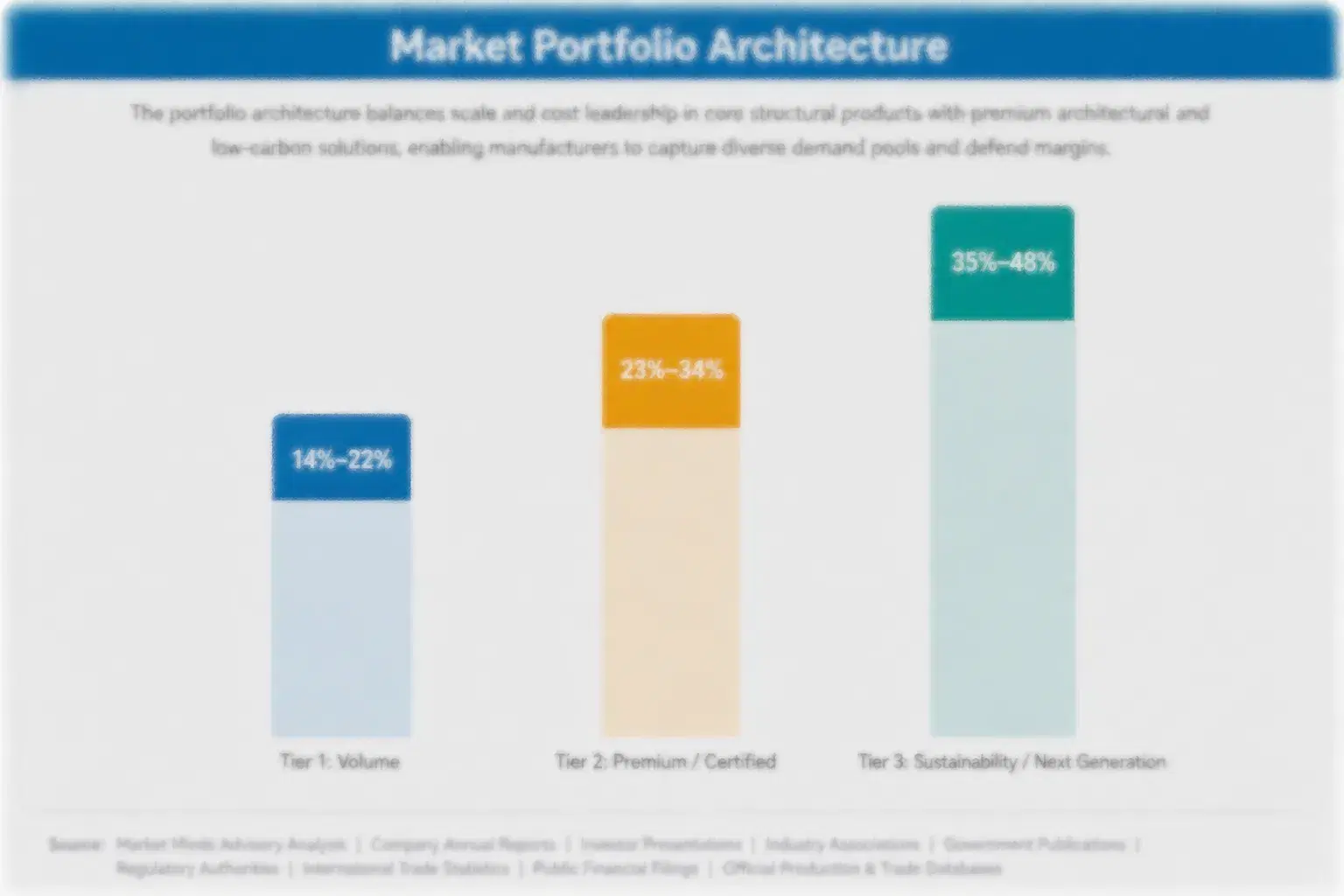
Portfolio Architecture for Margin Defence

Margins run from moderate returns on standard bully sticks to strong returns on yak cheese and plant-based formats sold with sourcing transparency and safety credibility. Three tiers separate volume products, premium certified products and next-generation solutions, and each draws on different raw material access, processing capability and retail relationships in a fragmented market. Margin gaps between tiers run to 28 points.
The tension between volume and premium is sharp. Standard bully sticks fill production capacity at moderate prices and face raw material cost swings, while yak cheese and plant-based formats earn higher margins on smaller volumes and depend on sourcing credibility, safety documentation and viral appeal. Brands that run only standard volume suffer when raw material costs rise, while premium-only brands struggle to fund broad distribution.

High-value pools concentrate in yak and Himalayan cheese chews and in plant-based natural chews sold through specialty retail and online channels. They gather where owners pay for verified sourcing, digestibility safety and novel format appeal, not for volume alone. Antler and bone chews add a durability-focused pool, and strong brands hold more than one, though each needs different sourcing skills.

Volume / Commodity-Adjacent

Standard bully sticks and beef tendon chews sold on price per unit through grocery and mass retail. Buyers focus on cost and availability, listings follow annual reviews, and differentiation is limited by shared sourcing and standard processing.
Gross Margin: 28%-40%

Premium / Certified

Antler, bone and dried fish chews with audited sourcing and safety records sold through specialty retail and online channels. Buyers value proof of sourcing, digestibility safety and consistent supply, and listings run for one or more years with regular reviews.
Gross Margin: 34%-46%

Sustainability / Regulatory / Next-Generation

Yak and Himalayan cheese chews and plant-based formats sold to safety-conscious and trend-aware owners through specialty and online channels. Sales depend on sourcing transparency, digestibility testing and viral format credibility across regions, and brands must show reliable capacity and clean safety records.
Gross Margin: 42%-56%
natural-chew-pet-treats-market-portfolio-architecture-1790050520403

High-value Sub-segments and Strategic Watch-out

Yak and Himalayan Cheese Chews

Yak and Himalayan cheese chews combine the fastest growth with the strongest pricing, since owners accept gross margins of 42% to 56% for durable, novel format chews with strong social media appeal. Consistent dairy sourcing and production scale form the entry barrier, and brands with credible supply lead.
Gross Margin: 42%-56%

Plant-Based Natural Chews

Plant-based natural chews deliver solid growth with premium pricing, since owners support gross margins of 34% to 46% for durable, animal-product-free alternatives. Texture engineering and sourcing consistency limit competition, though durability perception adds risk. Reviews occur each season. Retailers renew listings each year. Prices follow formats and channels.
Gross Margin: 34%-46%

Bully Sticks and Beef Tendon Chews

Bully sticks and beef tendon chews are the volume core, with value growing about 5.4% a year. Raw material cost, processing consistency and private label competition decide profit, and specialist brands and global groups hold most sales. Retailers renew listings yearly at prices linked to competing bids.
Gross Margin: 28%-40%

Antler and Bone Chews

Antler and bone chews are the strategic watch-out, since growth of about 4.6% a year trails the leaders, durability-focused positioning increasingly competes with newer formats and supply constraints limit scale. Brands should manage ranges selectively and steer investment toward yak cheese and plant-based formats with clearer buyers.
Gross Margin: 30%-42%

Why Owners Keep Buying Natural Chews

Natural chew demand behaves like an annuity attached to every feeding routine, reinforced by the format's role as both treat and entertainment. Once an owner finds a chew their dog enjoys and trusts as safely sourced, purchases repeat every few weeks, and switching means risking a refused chew or reopening safety research. Retailers set listings around velocity, so brands with steady repeat earn recurring revenue, and subscription channels lock in volume further. Trust, once earned, takes years to lose.
Adoption stickiness differs by owner vertical. Owners who abandoned rawhide specifically over safety concerns are the deepest, since the purchase is grounded in active risk avoidance rather than habit. Trend-following owners are moderately sticky, driven by novelty and social validation. Casual owners are more fluid, buying on promotion and switching formats readily, though a genuinely satisfying chew holds repeat purchase for several seasons.

Buyer profiles are shifting between generations. Older owners saw chews as a simple occupier treat, while younger owners research sourcing proactively, discover formats through social media and shop online with subscriptions. Veterinarians and retailers add a third group that shapes safety expectations. Brands that publish clear sourcing and safety data win newer owners.
natural-chew-pet-treats-market-end-use-penetration-index-1790050520586

MMA Verdict: Natural Chew Treat Strategy

These are among the four positions where our research anticipates prominent divergence between winners and laggards over the coming forecast period. Each is grounded in the demand model, the regulatory perimeter, and the announced capacity pipeline.
01 / YAK CHEESE SCALING STRATEGY

Scale Yak Cheese Production Before Viral Demand Outpaces Available Category Supply

Owners want durable, novel format chews, and brands that scale yak cheese chew production with consistent dairy sourcing win sales worth 10% to 18% of revenue at gross margins of 42% to 56%. Brands should invest $2 million to $10 million, secure consistent dairy sourcing and validate durability standards. Those that delay will lose category momentum and shelf space over the next two years, while early movers hold clearly higher prices and durably stronger margins across every retailer review and seasonal reset.
02 / SAFETY DOCUMENTATION STRATEGY

Build Digestibility Testing Before a Safety Incident Damages Category-Wide Trust

Retailers and owners want proof of digestibility safety, and brands that build safety documentation and testing programmes win contracts worth 8% to 15% of revenue at gross margins of 32% to 46%. Brands should invest $1 million to $6 million, fund digestibility testing and publish size and supervision guidance. Those that delay will lose listings and retailer trust over the next two years, while early movers hold much stronger owner ties, safety credibility and better margins across every renewal cycle.
03 / PLANT-BASED FORMAT DISCIPLINE

Launch Plant-Based Chews Before Owners Avoiding Animal Products Settle on Rivals

Owners avoiding animal-derived treats want durable alternatives, and brands that launch texture-engineered plant-based chews win contracts worth 8% to 14% of revenue at premiums of 5% to 15% per unit. Brands should invest $2 million to $8 million, invest steadily in texture engineering and secure consistent, well-documented plant sourcing. Those that delay will lose listings and shelf trials over the next two years, while early movers hold clearly stronger owner loyalty, sourcing credibility and better margins across every seasonal review.
04 / RAW MATERIAL SUPPLY STRATEGY

Diversify Raw Material Sourcing Before Supply Swings Erode Natural Chew Margins

Raw materials make up about 44% of cost, and brands that diversify sourcing across species, materials and regions cut cost and supply swings by 15% to 30% and protect margins worth 5% to 9% of profit. Brands should invest $0.5 million to $4 million, qualify multiple raw material sources and test alternative species. Those that delay will pay rising input bills and lose pricing power over the next two years, while early movers hold lower costs and steadier margins across every budget cycle.

Engagement Snapshot From the Field

A live engagement with an industry participant carrying material or product regulatory and market exposure ahead of a defining policy shift, showing how our research translates into a defensible multi-year portfolio strategy.
MARKET MINDS ADVISORY · CLIENT ENGAGEMENT SUMMARY
Natural Chew Pet Treats Producer Strategic Portfolio Review and Transition Roadmap 2026·Investment Scenario on Natural Chew Pet Treats Exposure Evaluation 2025-26
CLIENT PROFILE
The client is a venture-backed North American natural chew startup with annual revenue near $28 million (client-reported, unverified by MMA), selling yak cheese chews and bully sticks through direct-to-consumer and specialty retail channels, facing pressure to scale dairy sourcing and expand retail distribution ahead of its next funding round. The founding team previously worked in specialty pet retail and consumer products before launching the brand.
STRATEGIC CHALLENGE
Investors required demonstrated sourcing scale and expanded retail distribution within 18 months to support the next funding round (client-reported, unverified by MMA), the startup's yak cheese supplier relationships remained limited and management had to decide between building direct sourcing or partnering with a larger distributor. Investors wanted assurance before committing further capital.
MMA APPROACH
MMA analysed sourcing options, cost and retail distribution trade-offs across three scale-up scenarios, interviewed 12 retailers, dairy sourcing contacts and investors, and modelled cost and timeline trade-offs between direct sourcing and distributor partnership across six countries. It compared options against the funding round timeline and retail distribution targets. Findings were validated against comparable direct-to-consumer scale-up cases from adjacent categories.
KEY FINDINGS
  1. Direct sourcing relationships with two Himalayan dairy suppliers would secure supply faster than a distributor partnership within the funding timeline (client-reported, unverified by MMA).
  2. Two major specialty retailers expressed interest in expanded shelf space pending confirmed production capacity (client-reported, unverified by MMA). This finding shaped the sequencing of the distribution rollout plan.
  3. Diversifying sourcing across two dairy regions would reduce single-source supply risk substantially (client-reported, unverified by MMA). This finding informed the supplier qualification timeline set for phase one.
  4. Documented digestibility safety testing significantly improved retailer and investor confidence in the growth plan (client-reported, unverified by MMA). This finding supported the safety-first sequencing built into the strategy.
CLIENT PROFILE
The client is a venture-backed North American natural chew startup with annual revenue near $28 million (client-reported, unverified by MMA), selling yak cheese chews and bully sticks through direct-to-consumer and specialty retail channels, facing pressure to scale dairy sourcing and expand retail distribution ahead of its next funding round. The founding team previously worked in specialty pet retail and consumer products before launching the brand.
STRATEGIC CHALLENGE
Investors required demonstrated sourcing scale and expanded retail distribution within 18 months to support the next funding round (client-reported, unverified by MMA), the startup's yak cheese supplier relationships remained limited and management had to decide between building direct sourcing or partnering with a larger distributor. Investors wanted assurance before committing further capital.
MMA APPROACH
MMA analysed sourcing options, cost and retail distribution trade-offs across three scale-up scenarios, interviewed 12 retailers, dairy sourcing contacts and investors, and modelled cost and timeline trade-offs between direct sourcing and distributor partnership across six countries. It compared options against the funding round timeline and retail distribution targets. Findings were validated against comparable direct-to-consumer scale-up cases from adjacent categories.
KEY FINDINGS
  1. Direct sourcing relationships with two Himalayan dairy suppliers would secure supply faster than a distributor partnership within the funding timeline (client-reported, unverified by MMA).
  2. Two major specialty retailers expressed interest in expanded shelf space pending confirmed production capacity (client-reported, unverified by MMA). This finding shaped the sequencing of the distribution rollout plan.
  3. Diversifying sourcing across two dairy regions would reduce single-source supply risk substantially (client-reported, unverified by MMA). This finding informed the supplier qualification timeline set for phase one.
  4. Documented digestibility safety testing significantly improved retailer and investor confidence in the growth plan (client-reported, unverified by MMA). This finding supported the safety-first sequencing built into the strategy.
RECOMMENDED STRATEGY
Phase 1: Phase 1 (Months 1-6): Secure direct sourcing relationships with two dairy suppliers and complete digestibility safety testing documentation. This phase also included initial retailer safety data sharing. Phase 2: Phase 2 (Months 7-15): Expand retail distribution with the two interested specialty chains and diversify sourcing across dairy regions. Marketing support ramped alongside the distribution expansion. Phase 3: Phase 3 (Months 16-24): Extend retail distribution nationally and formalise sourcing documentation for the next funding round. Documentation was compiled continuously throughout the phase.
OUTCOME
Within 24 months, retail distribution expanded substantially, dairy sourcing diversified across two regions and the startup closed its next funding round successfully (client-reported, unverified by MMA). The startup credited the sourcing investment with strengthening both sales and investor confidence. Retailer relationships strengthened as documented safety data reassured category buyers and investors alike.

Frequently Asked Questions

Foundational context covering the market sizes, CAGR, scope, country, region and competition that inform every finding below. This section is provided to cover basics and most often pre-purchase conversations, answered from the MMA Primary Research Dataset.

What is the current size of the Natural Chew Pet Treats Market?

The global natural chew pet treats market was valued at $2.1 billion in 2025 on a manufacturer revenue basis. Growth comes from rawhide safety concerns, viral format popularity and plant-based innovation, and faces raw material costs and digestibility safety scrutiny.

How large will the Natural Chew Pet Treats Market be by 2036?

The market is projected to reach $4.65 billion by 2036, up from $2.26 billion in 2026. The increase of $2.40 billion reflects yak cheese chews, plant-based formats and Asian demand.

What is the CAGR for the Natural Chew Pet Treats Market 2026 to 2036?

The market is forecast to grow at a 7.5% CAGR from 2026 to 2036. The bull case reaches 8.9% and the bear case 6.1%, depending on rawhide safety concerns, viral trends and raw material costs.

Which segment is growing fastest?

Yak and Himalayan Cheese Chews is the fastest-growing segment at 10.5% CAGR, roughly 1.40 times the overall market rate. Plant-Based Natural Chews follows at 8.2% CAGR, led by owners avoiding animal products.

Who are the major companies in the Natural Chew Pet Treats Market?

Major companies include Redbarn Pet Products, Himalayan Dog Chew, Earth Animal, Best Bully Sticks and Bones and Chews. Nootie, Pawstruck, Barkworthies, Dingo Brands and Whimzees also hold meaningful positions.

Which country is growing fastest?

China is growing fastest at about 11.2% CAGR, because rapid pet food premiumisation and rising safety awareness expand together. Brazil and India follow through similar retail and safety-driven growth.

Report Segmentation Architecture

The full report scope spans multiple orthogonal segmentation dimensions, with cross-tabulated demand data provided for each dimension pair. Coverage extends further to regional breakdowns, trend trajectories, and the competitive detail needed to support segment-level decision-making.

By Primary Market Dimension

  • Bully Sticks and Beef Tendon Chews
  • Antler and Bone Chews
  • Yak and Himalayan Cheese Chews
  • Dried Fish and Marine Chews
  • Plant-Based Natural Chews

By End-Use Industry

  • Rawhide-Averse Owner Households
  • Trend-Following Owner Households
  • Safety-Conscious Veterinary-Referred Owners
  • Premium and Specialty Retail Buyers

By Commercial Dimension

  • Grocery and Mass Retail
  • Specialty Pet Stores
  • Online and Subscription Channels
  • Veterinary Clinics
  • Direct-to-Consumer Sales

By Region

  • North America
  • Western Europe
  • East Asia
  • South Asia and Pacific
  • Latin America
  • Middle East and Africa
  • Eastern Europe

Scope, Methodology, and Coverage

Every figure in this report is reproducible from documented input assumptions. The scope below maps the historical period, the forecast horizon, the segmentation dimensions, and the countries covered, alongside the underlying primary and qualitative methodology.
Historical Period
2020 to 2025
Forecast Period
2026 to 2036
Base Year
2025 (USD billions; MMA Primary Research Dataset, September 2026)
Market Definition
The market covers global manufacturer revenue from natural chew pet treats, defined as single-ingredient or minimally processed chews for dogs made from animal, dairy or plant materials without synthetic additives, in bully sticks and beef tendon chews, antler and bone chews, yak and Himalayan cheese chews, dried fish and marine chews, and plant-based natural chews, sold through retail and online channels and valued at manufacturer revenue. It excludes rawhide chews, dental-function chews with active ingredients, and complete pet foods.
Quantitative Units
USD billions (manufacturer revenue); million kilograms for volume references
Segmentation Dimensions
By Material Source; By Owner Type; By Commercial Dimension; By Region
Regions Covered
North America, Western Europe, East Asia, South Asia and Pacific, Latin America, Middle East and Africa, Eastern Europe
Countries Covered
United States, Canada, Mexico, United Kingdom, Germany, France, Italy, Netherlands, Spain, China, Japan, South Korea, India, Australia, New Zealand, Nepal, Brazil, Argentina, Chile, Saudi Arabia, United Arab Emirates, Turkey, South Africa, Poland, Czechia, Romania, and additional markets relevant to this sector
Key Companies Profiled
Redbarn Pet Products, Himalayan Dog Chew, Earth Animal, Best Bully Sticks, Bones and Chews, Nootie, Pawstruck, Barkworthies, Dingo Brands, Wholesome Hide, Free Range Bully Sticks, Whimzees, Merrick Pet Care, Fruitables, Ark Naturals, Loving Pets, Jones Natural Chews, Natural Farm, 123 Treats, Farmer's Menu
Quantitative Methodology
Primary survey, n=3,800 respondents, Q4 2025, six countries; demand-side model with trade association cross-validation
Qualitative Methodology
47 expert interviews, Q4 2025; applied to validate demand model assumptions, identify emerging dynamics, and assess competitive positioning
Report Format
PDF and XLSX data workbook (Word format preview document)
Publisher
Market Minds Advisory
Report Code
MMA-2026-AGR-372
Published
September 2026
Contact
sales@marketmindsadvisory.com | www.marketmindsadvisory.com

Purchase the full Natural Chew Pet Treats Market Report (2026 to 2036).

The full report delivers a detailed assessment of the global natural chew pet treats market through 2036, covering material source, owner type, channel and regional forecasts, competitive benchmarking of leading specialist brands and pet food groups, and input cost analysis. It combines MMA primary research, including a six-country survey of 3,800 respondents and 47 expert interviews, with public statistical and company data. Analysts also model raw material, processing and safety testing cost scenarios. Clients receive segment margin ranges, format trend trackers and a case study on scale-up strategy. Buyer negotiation frameworks are also included.
Ten-year material source and channel demand forecasts
Raw material, processing and safety testing cost tracking
Competitive benchmarking of leading natural chew brands
Pet food safety and digestibility regulation tracker
Regional comparative analysis and forecasts included
Quarterly primary survey data update access

Built For The People Who Decide

From boardroom strategy to bench-side execution, this report is read cover-to-cover by leaders shaping the next decade of their industry, turning demand scenarios, market dynamics and valuation benchmarks into decisions.
CXOs/ Presidents/ VPs/ Managers
M&A and Corporate Development
Strategy Teams and R&D Heads
Procurement and Product Directors
Regulatory and Compliance Leaders
Investor Relations and Equity Analysts