Market Minds Advisory
Mushroom Stems Market

Mushroom Stems Market: Mushroom Stems Market. By-Product Valorization and Meat Extender Demand Reshape Mushroom Farm Economics.

Mushroom farms are turning trimmed stems from a disposal cost into meat extenders, umami bases, and fiber ingredients, while moisture, seasonality, and food safety rules decide which growers and processors can capture the value.

Lead Analyst

Published

September 2026

Make Smarter Decisions with Customized Research Insights

Request a free sample report and evaluate market opportunities, growth trends, and competitive dynamics relevant to your business needs.

2025 MARKET VALUE$0.9BMarket Size 2025
2036 FORECAST VALUE$2.1BBase Case , 2026 to 2036
CAGR 2026 TO 20368.0 %Bull 9.2% / Bear 6.8%
INCREMENTAL OPPORTUNITY$1.1BNet 10- year value creation
EXPANSION MULTIPLE2.16x2036 value over 2026 base
Strategic Levers
M&A Pipeline
Regional Outlook
Country Rankings
Competitive Intelligence
Segmental Deep-dive
Call-Us : 91 93563 13602

Executive Snapshot and Market Trajectory.

Mushroom stems used to be waste. Growers trim them from button, shiitake, and oyster mushrooms before packing, and they went to compost or feed. Food makers now buy them as fiber-rich, umami-heavy ingredients for blended burgers, broths, and seasonings, and farms are building processing lines to capture that value.
Blended meat extenders and umami bases are growing fastest, helped by demand for lower-fat, lower-cost, and more sustainable meat products, while dried and powdered stems supply seasoning makers. East Asia produces the most mushrooms and therefore the most stems, Poland is the fastest-growing processing hub in Europe, and North America drives premium blended products through retailers and foodservice chains. Cold chain reach and drying capacity decide which regions can serve buyers. Volumes stay regionally concentrated.
Competition rests on collection logistics, drying efficiency, and food safety rather than brand, because stems arrive wet, perish quickly, and can carry microbial load. Farms with integrated packing lines and dryers capture the best margins, while independent processors that buy stems from many farms must manage variable quality, seasonal supply, and tight customer specifications. Buyers pay for consistency above all else. Farms that cannot document hygiene lose contracts quickly.
Market Definition
Mushroom stems comprise the trimmed lower stems of cultivated mushrooms, including button, cremini, portobello, shiitake, and oyster, collected as a by-product of packing and sold fresh, frozen, dried, powdered, or as extracts and blended ingredients for food, feed, and functional uses. The scope excludes whole mushrooms sold as produce, spent substrate, wild-foraged fungi, and finished retail mushroom products.
Base Year Value
$0.9B in 2025 (MMA Primary Research Dataset, September 2026)
Forecast Period
2026 to 2036, eleven discrete annual values
CAGR
8.0% base case. Bull 9.2%. Bear 6.8%.
Fastest Growth Segment
Blended Meat Extender Ingredients: 11.5% CAGR
Fastest Growth Country
Poland: 9.8% CAGR
Fastest Growth Region
South Asia and Pacific: 10.0% CAGR
Largest Region
East Asia: 34% of 2025 global value
Market Leaders
Monterey Mushrooms, Costa Group, Greenyard, Okechamp, Sylvan. Source: MMA Analysis, company annual reports.
Primary Survey
n=3,800 procurement and R&D decision-makers, Q4 2025, six countries
Methodology
Demand-side build-up, cross-validated against public data, 47 expert interviews

Mushroom Stems Market Forecast Scenarios

mushroom-stems-market-size-forecast-scenario-1789752422467
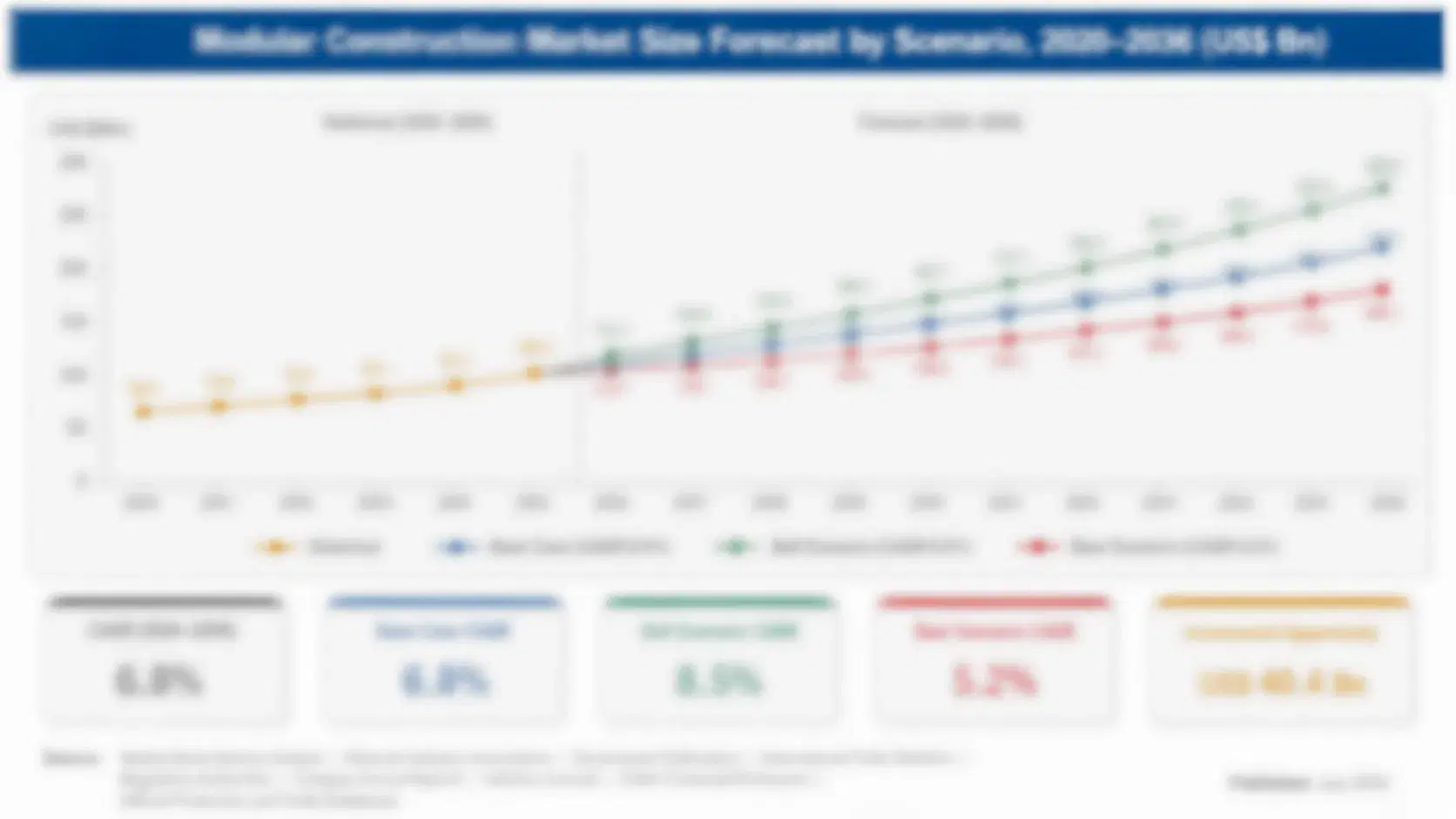
Between 2020 and 2025, mushroom stem markets grew steadily from a small base as farms and food makers looked for lower-cost fiber and umami ingredients, and blended meat and mushroom products entered retail and foodservice. Growth averaged 7.0% a year, with dried and powdered stems leading, though inconsistent collection and quality limited scale and kept many growers sending stems to compost.
The base case assumes 8.0% annual growth through 2036, built on three mechanisms: continued adoption of blended meat and mushroom products that cut cost and fat while improving perceived sustainability, expansion of drying, milling, and extraction capacity at large mushroom farms and processors, and growing demand for natural umami and fiber ingredients as food makers replace additives with recognizable clean-label alternatives. Better cold chain handling raises usable yield. Each mechanism compounds the others over time.
The bull case, reaching 9.2%, needs faster adoption of blended products and stronger regulatory support for by-product valorization. The bear case, falling to 6.8%, reflects food safety incidents, weak consumer acceptance of blended labeling, and low-cost competing ingredients such as soy protein and vegetable fibers that limit pricing for stem-based products. Either scenario leaves the base trajectory largely intact.

Collection Logistics and Drying Determine By-Product Value

Mushroom stems are a by-product with real value once handled properly. Farms cut stems to make caps look uniform, and the trimmed stems carry the same fiber, protein, and flavor compounds as the cap, only with a tougher texture. Fresh stems spoil within days, so processors must chill, chop, dry, or freeze them quickly, and the economics depend on collecting stems close to where they are cut.
MARKET CONCENTRATION24% CR5Top suppliers hold a modest combined share of volume
AVERAGE SELLING PRICE$2.10 per kgDried and powdered grades sell far above fresh stems
TOP PRODUCING COUNTRY62% shareLeading producer supplies most of world mushroom output
STEM YIELD RATE12%Roughly one eighth of harvest weight is trimmed as stems
DIVERTED STEM SHARE28%Only a minority of stems reach food or feed uses
ENERGY COST SHARE24% of COGSDrying fuel is a major expense for dried grades
Food uses are the fastest-growing outlet. Chopped stems blend with ground meat to lower fat and cost while keeping juiciness, and dried stems are milled into powders that add savory depth to soups, snacks, and sauces. Extracts concentrate glutamates and nucleotides that create umami, letting food makers cut salt or replace yeast extract, though allergen labeling and consistent flavor remain technical hurdles.
Other outlets absorb the rest. Some stems become animal feed or pet food fiber, others go to compost, biogas, or soil products, and small volumes are processed into chitin and beta-glucan extracts. Higher-value food uses pay several times more, so farms with packing lines and dryers steer stems toward food and functional ingredients, while smaller growers still treat them as waste.
"Every mushroom farm throws away the same ingredient food companies are trying to buy. The gap between those two facts is a drying line and a food safety certificate."
Practice Lead, Food Ingredients and Agricultural By-Products Practice · MMA Food Ingredients and Agricultural By-Products Practice · September 2026

Market Trends

Blended Meat and Mushroom Products Create New Stem Demand

Food makers and retailers are launching burgers, meatballs, and sausages that blend ground beef, pork, or chicken with finely chopped mushrooms, cutting fat and cost while improving perceived healthfulness and sustainability. Mushroom stems are attractive because they are cheaper than caps and provide fiber and moisture retention. Suppliers add chopping, freezing, and pasteurization lines, and chefs and school caterers adopt blended recipes to meet nutrition and climate goals. Meat processors report that blends with 20% mushroom content match consumer taste panels, and that gives retailers a credible route to cost savings without labeling problems or complaints.
Market Impact: natural umami launches up 19% yearly

Mushroom Farms Integrate Drying and Milling to Capture Stem Value

Large mushroom farms are installing dryers, mills, and extraction equipment so stems can be turned into shelf-stable powders and flavor bases rather than sold cheaply as feed. Vertical integration lets farms control collection, cold chain, and quality, and it reduces dependence on outside processors. Investment in drying, energy recovery, and food safety systems is rising, and some farms sign supply agreements with seasoning and soup makers before building capacity. Payback on a drying line falls between three and five years for farms producing 5,000 tonnes of stems, so scale matters and smaller growers look to shared regional facilities.
Market Impact: disposal costs rose 25% since 2021

Market Opportunities and Growth Drivers

Clean-Label Umami Demand Pulls Mushroom Powder Into Seasonings

Food companies are replacing yeast extract, monosodium glutamate, and artificial flavor enhancers with natural umami sources, and dried mushroom stem powder and extract fit clean-label positioning. Retailers and consumers favor recognizable ingredients, and mushrooms carry a healthy image. Suppliers that offer consistent, allergen-free powders with declared glutamate content win contracts from soup, sauce, snack, and plant-based food makers that want flavor without long ingredient lists. Several soup makers have already reformulated with mushroom powder, and 45% of new savory launches in 2025 carried natural flavor claims, which pushes suppliers to scale up drying capacity quickly.
Market Impact: stems spoil within 72 hours

Food Waste and Circular Economy Targets Reward By-Product Valorization

Regulators and retailers in Europe and North America are setting food waste and circular economy targets, and mushroom farms face rising compost disposal costs and pressure to reduce waste. Diverting stems to food and feed uses cuts disposal fees, improves sustainability reporting, and supports premium positioning for growers. Government programs and retailers sometimes fund valorization projects, which lowers capital risk for farms building drying and processing capacity. Farms that divert stems avoid landfill and compost fees, and retailers increasingly ask suppliers to report waste diversion rates, so valorization moves from a nice option to a purchasing requirement.
Market Impact: pasteurization adds 9% to processing cost

Market Restraints and Challenges

High Moisture and Rapid Spoilage Limit Collection Reach

Fresh stems contain roughly ninety percent water and spoil within a few days, so collection, chilling, and processing must happen quickly after trimming. The root cause is high moisture and enzymatic browning combined with dispersed farms and small daily volumes. Many stems are discarded before they reach processors. Mitigation includes on-farm chilling, mobile collection routes, quick freezing, and dryers installed at packing houses. Small farms rarely have chilling at packing lines, and the cost of daily collection can exceed the value of the stems, so a large share of potential volume never leaves the farm gate.
Market Impact: blended launches up 33% in 2025

Microbial and Foreign Matter Risks Raise Food Safety Costs

Stems can carry more soil and bacteria than caps because they are cut near the substrate, and food buyers require strict pathogen limits, foreign matter control, and allergen documentation. The root cause is close contact with casing soil and compost. Failures lead to rejected lots and recalls. Processors respond with washing lines, steam pasteurization, metal detection, and lot testing, which raise cost and shut out small collectors. Food buyers also demand full lot traceability, and a single positive test can halt shipments for days, so processors keep buffer stock and accept lower plant utilization during audits.
Market Impact: farm-level dryers expanding 12% annually
3 additional market trends, 4 additional growth drivers, and 3 additional restraints and challenges are covered in the full report. Contact sales@marketmindsadvisory.com to access the complete intelligence.

Segment CAGR and Growth Architecture

Mushroom stems are segmented by product form and end use, because moisture level, processing depth, and food safety standard determine price, shelf life, and buyer type more directly than mushroom species does. Blended meat extender and umami products are drawing most new investment as food makers seek cheaper, cleaner ingredients that improve taste and nutrition.
mushroom-stems-market-market-share-analysis-1789752422794

Blended Meat Extender Ingredients

Blended meat extender ingredients are the fastest-growing segment, covering finely chopped, cooked, or frozen stems and stem-based pastes sold to meat processors, foodservice chains, and retailers for burgers, meatballs, and sausages. The ingredient adds moisture and fiber, lowers fat, and cuts cost per portion, while keeping mouthfeel and flavor close to all-meat recipes. Processors must control texture, cook loss, and microbial load, and food companies are running trials with school and hospital caterers to prove consumer acceptance and meet nutrition standards. Pricing typically follows the meat price it displaces, so the segment benefits when beef and pork costs rise, and volume commitments from foodservice chains give suppliers visibility for capacity planning over several seasons ahead.
CAGR 11.5%

Umami Extract and Broth Bases

Umami extract and broth bases are the second-fastest segment, produced by hot-water extraction and concentration of stems, then blended into seasonings, soups, and sauces. They deliver savory depth from natural glutamates and nucleotides, allowing food makers to cut salt and replace yeast extract or artificial enhancers. Producers need extraction, concentration, and spray drying equipment, plus laboratory testing for glutamate content, so specialist ingredient houses and large mushroom groups with processing capability lead the segment. Prices are set per kilogram of glutamate equivalent, so producers with higher extraction yields earn better margins. Demand comes mainly from Asian seasoning makers and European soup manufacturers, and the technology gap between leading extractors and small plants is widening as buyers tighten flavor specifications.
CAGR 9.5%
Full segment breakdown across 6 segments available in the complete report.

Regional Architecture and Country Demand Map

Mushroom stem value follows mushroom farming and processing capacity. East Asia produces the most stems, Poland leads European volumes, and North America and Western Europe drive premium blended meat and clean-label seasoning demand supported by circular economy targets. Regional shares reflect farm output and processing depth, not retail spending.

North America

North America holds 22% share, with the United States and Canada producing large volumes of button and cremini mushrooms, and stems collected at packing houses in Pennsylvania, California, and Ontario. Blended burger and meatball programs in schools, hospitals, and quick-service chains are the main growth driver, and retailers promote them for health and sustainability. Growers weigh compost costs against processing investment, and larger farms lead integration into drying and freezing. Regulatory clarity from the FDA on by-product ingredients helps, and the presence of large meat processors with existing blending experience shortens qualification cycles. Suppliers also benefit from strong cold chain infrastructure, though distances between farms and dryers raise transport costs for wet stems.
Share: 22% | CAGR: 8.5% (2026 to 2036)

Western Europe

Western Europe holds 18% share, with the Netherlands, Ireland, France, and Spain among major mushroom producers and processors of caps and stems. Retailers and food companies pursue circular economy goals, and EU waste rules encourage valorization, so dried and powdered stems enter seasonings and soups. Higher labor and energy costs favor larger processors, and premium organic and sustainability claims support pricing for European stem ingredients. Germany and France lead industrial demand for seasonings and soups, while Nordic retailers push upcycled ingredient claims. Energy prices remain the main constraint, since drying costs rose sharply after 2022, and processors respond by favoring frozen blended products and heat recovery that keep margins acceptable through volatile winters.
Share: 18% | CAGR: 6.5% (2026 to 2036)
Regional intelligence for 5 additional markets available in the complete report: East Asia, South Asia and Pacific, Latin America, Middle East and Africa, Eastern Europe. Contact sales@marketmindsadvisory.com.
mushroom-stems-market-country-cagr-analysis-1789752423132

Four Margin Levers Behind Mushroom Stem Profits

Margin in mushroom stems comes from turning a low-value by-product into shelf-stable, food-grade ingredients rather than selling wet stems as feed or compost. Farms and processors that dry and mill stems, sell blended ingredients to meat and food makers, secure collection routes, and certify food safety earn several times the return of disposal. Each route needs different capital.

Upgrading Stems From Feed and Compost to Food Ingredients

Dried and powdered food-grade stems sell for 8 to 12 times the value of stems sold as compost or animal feed, because seasoning, soup, and snack makers pay for natural umami and fiber. Upgrading requires washing, drying, milling, and certification, which need capital, but farms report attractive returns once volumes reach a few hundred tonnes per year. Early movers secure supply agreements with food companies that later entrants will find hard to win. A farm processing 5,000 tonnes of stems a year can turn a disposal cost into meaningful annual profit.
Market Impact: food-grade stems earn 8 to 12 times compost value

Building Blended Meat Extender Programs With Processors

Selling chopped or frozen stems to meat processors and chains for blended burgers and meatballs earns 20% to 35% more per tonne than dried powder sold as seasoning, because the ingredient replaces cheaper meat and adds moisture. Programs need cold chain handling, microbial control, and joint recipe trials, but they create stable annual volume commitments. Suppliers that qualify with major foodservice and school caterers gain sticky relationships that competitors find difficult to displace. Contracts of three years or more are common, and buyers often share recipe data to speed up approval, which lowers commercial risk for suppliers entering the segment.
Market Impact: blended programs add 20% to 35% margin per tonne

Securing Collection Routes and On-Farm Chilling to Protect Yield

Stems spoil within about 72 hours, so processors that install chilling at packing houses and organize daily collection routes recover up to 30% more usable volume than those relying on ad hoc pickups. Investments in insulated bins, refrigerated vans, and route planning are modest compared with drying lines, and they lower waste and improve quality. Farms that share routes across neighbors spread costs and build a steadier supply for processors. Shared routes among three neighboring farms can cut per-tonne collection cost by roughly 18%, and simple temperature logging gives processors proof of handling for their food safety audits.
Market Impact: chilling and routing recover up to 30% more volume

Certifying Food Safety to Reach Multinational Ingredient Buyers

Food companies reject lots that fail pathogen or foreign matter tests, and multinational buyers award contracts only to suppliers with audited systems and lot traceability. Processors that invest in washing lines, steam pasteurization, metal detection, and certification win accounts priced roughly 8% higher and avoid costly recalls. The investment is a few percent of revenue, but it opens contracts that uncertified collectors and small farms cannot access. Third-party audits under recognised schemes take about six months to complete, so early movers gain a lead, and buyers often fund part of the upgrade in return for volume guarantees.
Market Impact: certified processors earn roughly 8% higher prices on food contracts

Who Controls the Margin Pool

Mushroom stems are fragmented, with the top five suppliers holding about 24% of global revenue, the basis used throughout this section. Monterey Mushrooms, Costa Group, Greenyard, Okechamp, and Sylvan lead large-scale mushroom production and stem volumes, while many farms, cooperatives, and specialist processors supply local food makers and feed markets. Concentration is low because stems are generated wherever mushrooms are grown.
Competitive activity centers on three fronts: integrating drying and milling into large mushroom farms, building blended meat extender programs with processors and foodservice chains, and securing food safety certification that opens multinational contracts. Ingredient houses invest in extraction and spray drying for umami bases, while some farms partner with meat processors, and collection cooperatives are forming in regions with many small growers.

Emerging pressure comes from Chinese and Polish processors offering low-cost dried stem powders, from soy and vegetable fiber suppliers competing in blended products, and from retailers demanding traceable sustainability claims. Food safety incidents could reshuffle rankings. Rankings shift most through acquisitions of drying plants and ingredient specialists, which give buyers new capacity and technical skill, and let sellers exit low-margin compost and feed outlets.
mushroom-stems-market-company-positioning-matrix-1789752423455

Competitive Moat and Risk Dimensions

MONTEREY MUSHROOMS

Moat: Farm Scale and Packing Integration

Monterey Mushrooms operates some of the largest button and cremini farms in North America, with integrated packing houses where stems are generated in large daily volumes, giving it captive supply and cold chain control. This scale supports investment in drying and freezing lines and lets it sign multi-year programs with food companies.
MONTEREY MUSHROOMS

Risk: Fresh Produce Focus Limits Expertise

Monterey's core business is fresh mushrooms sold to grocers, so ingredient development for blended meat and seasoning products competes for capital and management attention. Specialist ingredient houses may move faster on extraction and flavor systems, and retailer pricing pressure on fresh mushrooms limits funds for by-product investment.
GREENYARD

Moat: European Processing and Distribution Network

Greenyard combines fresh produce sourcing with processing and frozen food capacity across Europe, giving it access to mushroom farms, food safety systems, and retailer relationships that support stem valorization. Its logistics network and quality certification help it serve food manufacturers with consistent specifications, and it can cross-sell blended ingredients with existing frozen and fresh vegetable supply to retail customers.
GREENYARD

Risk: Complex Portfolio Dilutes Stem Focus

Greenyard's wide portfolio of fresh, frozen, and prepared foods means mushroom stems are a small opportunity competing for attention and capital with larger categories. Retailer pricing pressure, energy costs, and weather-driven supply swings affect margins, and specialists focused only on mushroom ingredients may build deeper technical capability.

Players Tracked

Prominent Players

Monterey Mushrooms
Costa Group
Greenyard
Okechamp
Sylvan

Other Key Players

Highline Mushrooms
Walsh Mushroom Company
Amycel LLC
Ecovegetal S.L.
Shanghai Finc Bio-Tech
China Green Holdings
Zhangzhou Yuandong Food Co
Bonduelle Group
MycoTechnology
Ajinomoto Co.
Kerry Group
Symrise AG
Givaudan
Doehler Group
Sunrise Fresh Mushrooms

Recent Developments

MARCH 2026

Monterey Mushrooms Adds Stem Drying and Milling Line

Monterey Mushrooms completed an organic capacity expansion at a packing house, adding drying and milling equipment to convert trimmed stems into food-grade powder. The project is internal capital spending, not an acquisition. It cuts compost disposal costs and creates a new ingredient line for seasoning makers.
Signal: Shows leading mushroom farms investing in on-site drying to turn stems into higher-value food ingredients quickly.
OCTOBER 2025

Greenyard Signs Blended Burger Supply Agreement

Greenyard signed a multi-year supply agreement with a European meat processor for frozen chopped mushroom stems used in blended burgers and meatballs. The deal is a supply contract, not an equity transaction. It gives the processor reliable supply and gives Greenyard predictable demand for its stems.
Signal: Confirms multi-year contracts are becoming standard for supplying mushroom stems to blended meat product makers across Europe.
JANUARY 2026

Costa Group Acquires Mushroom Ingredient Processor

Costa Group completed the acquisition of a mushroom ingredient processor producing dried powders and extracts from stems and culls. The purchase adds spray drying capacity, food safety certification, and customers in seasoning and soup manufacturing. Management said the plant will receive stems from Costa's own farms.
Signal: Reflects large mushroom growers buying ingredient processors to capture by-product value and reach food manufacturers directly.

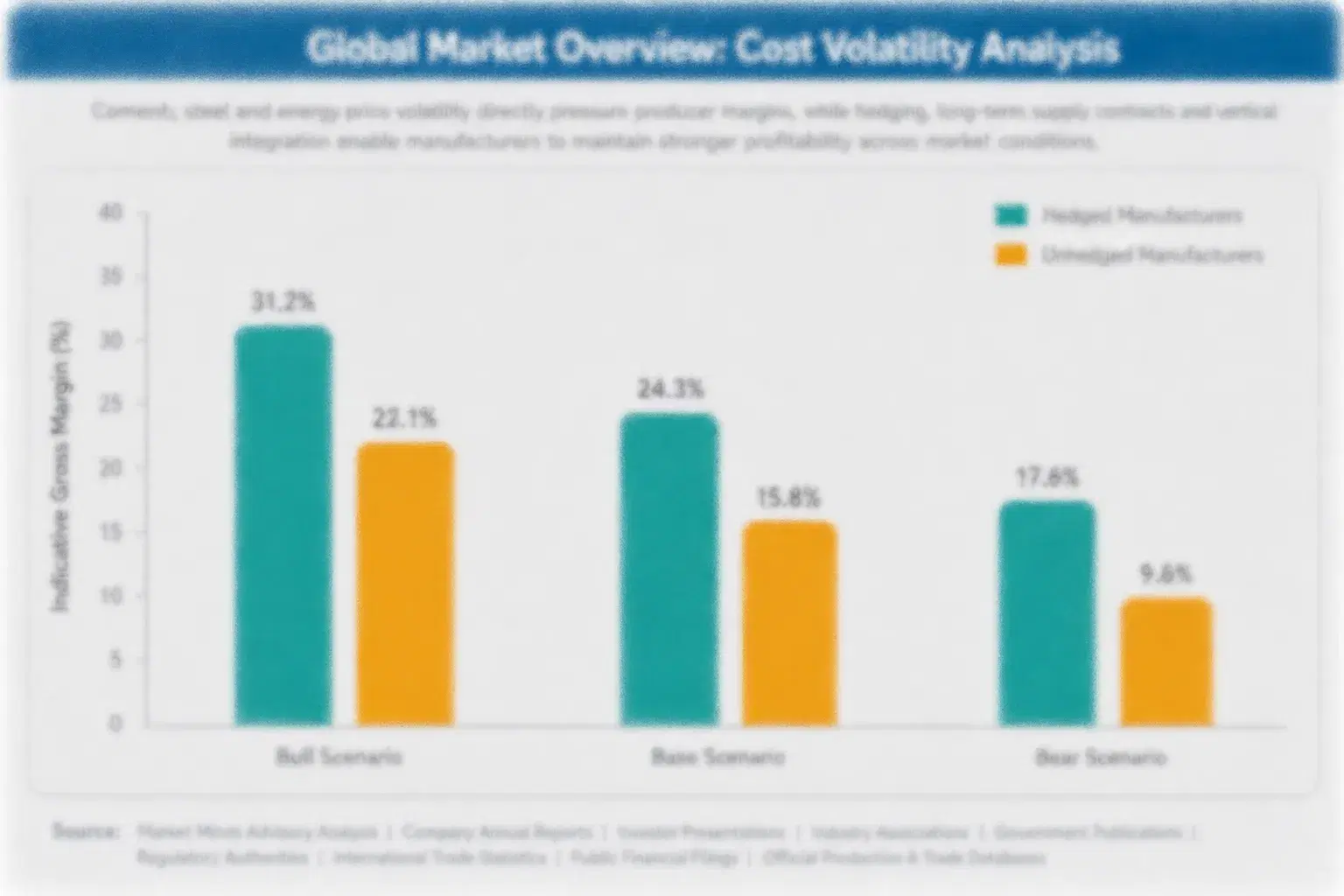
What Drives Mushroom Stem Costs

Trimmed stems are a by-product, so raw material cost is low, roughly 10% to 15% of cost of goods for processors that buy from farms, and near zero for farms handling their own. Collection labor and cold chain, drying energy, milling, packaging, and testing make up most of the remainder, with drying fuel alone reaching about 24% of cost for powders.
Natural gas and electricity prices spiked in 2022 across Europe, according to European Commission energy market reports, and mushroom farms and dryers faced sharply higher energy bills. Greenyard's 2022 annual report cited elevated energy, transport, and packaging costs as pressures across its operations, and mushroom processors responded with price adjustments, energy contracts, and investment in heat recovery to protect margins on dried products. Some processors passed on part of the increase to customers.

Exposure varies by player type and geography. Farms with own dryers and heat recovery absorb energy shocks better than independent processors buying spot fuel. Producers in regions with cheaper electricity and gas, such as parts of Eastern Europe and East Asia, hold cost advantages, while Western European and Japanese processors rely on premium products and blended programs to defend margins.
mushroom-stems-market-cost-volatility-analysis-1789752423817

Installing Heat Recovery and Efficient Dryers

Heat exchangers, better insulation, and modern low-temperature dryers cut energy use per tonne of dried stems, and some farms use waste heat from compost or refrigeration plants. Savings of 15% to 25% are common, and lower emissions support sustainability claims. Capital cost is meaningful, but payback usually arrives within a few years, especially when energy prices stay elevated.

Signing Multi-Year Energy Contracts and Renewable Supply

Farms and processors negotiate fixed-price energy contracts and add solar or biogas generation to hedge fuel costs. Contracts reduce surprise cost spikes but limit gains when prices fall, and renewable systems need capital and space. Larger operators benefit most because they can commit to significant volumes and finance projects that smaller collectors cannot afford.

Shifting Mix Toward Frozen and Blended Products

Frozen chopped stems for meat blending need far less energy than dried powders, so shifting part of volume to frozen products lowers exposure to fuel prices. The approach requires freezing capacity and cold storage, and buyers must accept frozen supply chains, but it also opens higher-margin blended programs and reduces the share of stems tied to energy-intensive drying.

Portfolio Architecture for Margin Defence

Mushroom stem margins run from negligible or negative spreads on stems sold as compost or feed to rich returns on blended meat extenders, umami extracts, and certified food-grade powders, with gross margin rising several-fold between the volume tier and the top tier. Processing depth, food safety certification, and customer programs add pricing power over the same trimmed stems, and buyers pay for reliability because contamination risk is costly.
Volume and premium pull in different directions. Feed and compost outlets absorb large volumes with little effort but earn thin returns, while food-grade products earn far higher margins on smaller volumes yet need washing, drying, testing, and cold chain. Farms must decide how much capital to commit to processing, and many start with frozen blended ingredients before moving into dried powders and extracts.

High-value pools concentrate in blended meat extender programs with foodservice and school caterers, natural umami extracts for seasoning and soup makers, and certified organic or traceable powders for clean-label brands. These segments benefit from documented quality, recurring orders, and limited competition from small collectors. Suppliers that combine farm scale, drying capacity, and food safety systems hold advantages that are hard to replicate.

Volume / Commodity-Adjacent Tier

Fresh or dried stems sold as animal feed, pet food fiber, or compost input on price, with thin or negative spreads, high moisture handling costs, and dependence on local disposal and feed markets worldwide.
Gross Margin: 2%-10%

Premium / Certified Tier

Food-grade dried powders and frozen chopped stems with organic or food safety certification, sold under annual contracts to seasoning, soup, and meat processors that require documentation, consistent moisture, and reliable delivery.
Gross Margin: 25%-35%

Sustainability / Regulatory / Next-Generation Tier

Umami extracts, blended meat extender ingredients, and functional stem extracts with traceable farms, low-carbon drying claims, and nutrition documentation, positioned ahead of circular economy rules and retailer sustainability requirements across markets.
Gross Margin: 32%-45%
mushroom-stems-market-portfolio-architecture-1789752424105

High-value Sub-segments and Strategic Watch-out

Blended Meat Extender Ingredients

Blended meat extender ingredients combine the fastest growth in the category with strong pricing power, because meat processors and caterers use stems to cut fat and cost while keeping moisture and flavor. Suppliers with cold chain handling and microbial control are winning multi-year programs, though texture consistency needs constant attention.
Gross Margin: 30%-42%

Umami Extract and Broth Bases

Umami extracts and broth bases offer strong growth and healthy premiums as food makers replace yeast extract and additives with natural savory ingredients. Capacity is limited, and suppliers that test glutamate content and allergen status gain durable relationships with soup, sauce, and snack manufacturers seeking clean-label positioning.
Gross Margin: 32%-45%

Dried and Powdered Stems

Dried and powdered stems remain the volume core of the food-grade category, moving the largest tonnage to seasoning, snack, and soup makers. Margins are moderate and exposed to drying fuel costs, and buyers negotiate hard, so returns depend on energy efficiency, collection routes, and food safety discipline rather than differentiation.
Gross Margin: 25%-32%

Feed and Compost Substitution

Animal feed, pet food fiber, compost, and biogas outlets are the main strategic watch-out, since they offer easy disposal with almost no processing investment, and farms facing tight capital or weak food buyer interest may default to them, wasting valuable stems and slowing food-grade supply growth.
Gross Margin: n/a (substitution risk)

Why Food Makers Keep Stem Suppliers

Mushroom stem demand behaves like an annuity for suppliers that pass buyer qualification. Once a meat processor or seasoning maker validates a stem ingredient for flavor, moisture, and microbial safety in a product, reformulating risks recipe failures and retailer approval delays, so orders repeat weekly or monthly. Annual agreements reinforce this pattern, and buyers often accept modest price increases to protect supply and production schedules.
Stickiness varies by end-use vertical. Meat processors and school caterers running blended programs show the deepest loyalty because recipes, nutrition data, and consumer acceptance are tied to a specific supplier's product. Seasoning and soup makers switch less often once specifications are validated, while feed and compost buyers purchase mainly on price and availability, making that segment volatile and less attractive for stem suppliers to plan around.

Buyer profiles are shifting generationally. Younger product developers and procurement leaders prioritize sustainability, upcycled ingredient credentials, and clean labels, and they favor suppliers that document waste reduction and carbon savings. Older buyers still anchor volume on price and long relationships. Suppliers must serve both groups, but growth is concentrated among brands seeking upcycled and blended products that meet climate and nutrition commitments.
mushroom-stems-market-end-use-penetration-index-1789752424384

MMA Verdict on Mushroom Stem Strategy

These are among the four positions where our research anticipates prominent divergence between winners and laggards over the coming forecast period. Each is grounded in the demand model, the regulatory perimeter, and the announced capacity pipeline.
01 / DRYING LINE INVESTMENT

Invest in On-Farm Drying to Capture By-Product Value

Food-grade stems sell for eight to twelve times the value of compost or feed, yet most farms still discard them because collection and drying capacity is missing. Farms that install chilling, drying, and milling lines now will lock in supply agreements with seasoning and soup makers ahead of later entrants. MMA recommends committing within the next two years, before ingredient houses build competing capacity and stem supply contracts fill, which is why early action matters more than the exact equipment chosen at the site.
02 / MEAT EXTENDER PROGRAM DEVELOPMENT

Build Blended Meat Programs With Processors and Caterers

Blended meat extender ingredients grow about 1.4 times faster than the market and earn 20% to 35% more margin per tonne than dried powder, with stable annual volumes from school and foodservice programs. Frozen chopped stems need less energy than dried powders, so the entry cost is lower. MMA advises starting with frozen blended supply to one processor, then expanding as recipes prove out and volumes build, because early volume commitments shape which recipes suppliers help design and where processors place new capacity.
03 / COLLECTION LOGISTICS DISCIPLINE

Chill and Route Stems Daily to Protect Usable Yield

Stems spoil within about 72 hours, and ad hoc collection wastes up to 30% of potential volume, which directly reduces margin from processing investments. Insulated bins, refrigerated vans, and shared routes across neighboring farms cost little compared with dryers and pay back quickly. MMA regards collection and cold chain as the foundation of every stem valorization business, since even the best dryer cannot rescue spoiled feedstock, and farms that skip this step usually pay for it through lower yield and weaker contracts.
04 / FOOD SAFETY CERTIFICATION PRIORITY

Certify Food Safety to Reach Multinational Ingredient Buyers

Multinational food companies reject lots that fail pathogen or foreign matter tests and award contracts only to suppliers with audited systems and traceability. Washing lines, steam pasteurization, metal detection, and certification cost a few percent of revenue but earn prices roughly 8% higher and open large contracts. MMA sees certification as the cheapest insurance against market access loss, especially for farms moving from feed markets into food ingredients, particularly where buyers already audit suppliers every year and expect documented hygiene records.

Engagement Snapshot From the Field

A live engagement with an industry participant carrying material or product regulatory and market exposure ahead of a defining policy shift, showing how our research translates into a defensible multi-year portfolio strategy.
MARKET MINDS ADVISORY · CLIENT ENGAGEMENT SUMMARY
Mushroom Stems Producer Strategic Portfolio Review and Transition Roadmap 2026·Investment Scenario on Mushroom Stems Exposure Evaluation 2025-26
CLIENT PROFILE
The client is a mid-sized European mushroom grower with three farms and roughly $95 million in annual revenue (client-reported, unverified by MMA), selling button and cremini mushrooms to supermarkets and foodservice. It generated about 6,000 tonnes of trimmed stems a year, most of which went to compost and animal feed at low or negative net value after transport and disposal fees.
STRATEGIC CHALLENGE
Rising compost disposal fees and retailer sustainability targets were pressuring margins, while food companies asked about mushroom stems for blended products. Leadership needed a by-product strategy that raised value per tonne without large capital risk, reduced waste, and met retailer food safety standards for any food-grade ingredient supply. The board wanted a decision within a year.
MMA APPROACH
MMA mapped stem volumes and quality across the three farms, benchmarked six processors on drying, freezing, and food safety capability, and interviewed meat processors, seasoning makers, and school caterers about specifications and price points. The engagement also modeled the economics of frozen blended supply, on-farm drying, and a partnership with an existing ingredient processor.
KEY FINDINGS
  1. Frozen chopped stems for meat blending earned about 14 times the net value of compost and required only cold storage and a chopping line.
  2. Two meat processors and one school caterer indicated they would sign annual programs if stems met microbial limits and consistent moisture specifications.
  3. On-farm chilling and daily collection would lift usable stem volume from about 55% to about 80% of trimmed weight across the three farms.
  4. Drying stems into powder needed roughly four times the capital of freezing, and payback depended on securing at least two seasoning customers first.
CLIENT PROFILE
The client is a mid-sized European mushroom grower with three farms and roughly $95 million in annual revenue (client-reported, unverified by MMA), selling button and cremini mushrooms to supermarkets and foodservice. It generated about 6,000 tonnes of trimmed stems a year, most of which went to compost and animal feed at low or negative net value after transport and disposal fees.
STRATEGIC CHALLENGE
Rising compost disposal fees and retailer sustainability targets were pressuring margins, while food companies asked about mushroom stems for blended products. Leadership needed a by-product strategy that raised value per tonne without large capital risk, reduced waste, and met retailer food safety standards for any food-grade ingredient supply. The board wanted a decision within a year.
MMA APPROACH
MMA mapped stem volumes and quality across the three farms, benchmarked six processors on drying, freezing, and food safety capability, and interviewed meat processors, seasoning makers, and school caterers about specifications and price points. The engagement also modeled the economics of frozen blended supply, on-farm drying, and a partnership with an existing ingredient processor.
KEY FINDINGS
  1. Frozen chopped stems for meat blending earned about 14 times the net value of compost and required only cold storage and a chopping line.
  2. Two meat processors and one school caterer indicated they would sign annual programs if stems met microbial limits and consistent moisture specifications.
  3. On-farm chilling and daily collection would lift usable stem volume from about 55% to about 80% of trimmed weight across the three farms.
  4. Drying stems into powder needed roughly four times the capital of freezing, and payback depended on securing at least two seasoning customers first.
RECOMMENDED STRATEGY
Phase 1: Phase 1 (Months 1-4): Install chilling and daily collection routes and commission a chopping and freezing line at the largest farm. Phase 2: Phase 2 (Months 5-10): Qualify food safety systems and sign annual blended meat supply programs with two processors and one caterer. Phase 3: Phase 3 (Months 11-24): Add a drying and milling line if seasoning contracts reach agreed volume thresholds across the network.
OUTCOME
Within twenty-four months, the client diverted about 70% of stems to food and feed ingredients and reduced compost costs by an estimated 62% (client-reported, unverified by MMA), earning new net revenue equal to roughly 3% of farm sales. Two blended meat programs and one caterer contract were signed, and no food safety rejections occurred during the ramp-up period.

Frequently Asked Questions

Foundational context covering the market sizes, CAGR, scope, country, region and competition that inform every finding below. This section is provided to cover basics and most often pre-purchase conversations, answered from the MMA Primary Research Dataset.

What is the current size of the Mushroom Stems Market?

The global mushroom stems market was valued at $0.9 billion in 2025. This covers trimmed cultivated mushroom stems sold fresh, frozen, dried, or as extracts and blended ingredients.

How large will the Mushroom Stems Market be by 2036?

MMA projects the market will reach approximately $2.1 billion by 2036. This represents cumulative growth of roughly $1.1 billion over the full ten-year forecast window.

What is the CAGR for the Mushroom Stems Market 2026 to 2036?

The market is forecast to grow at an 8.0% compound annual rate between 2026 and 2036. The bull case reaches 9.2% while the bear case falls to 6.8%.

Which segment is growing fastest?

Blended Meat Extender Ingredients is the fastest-growing segment at 11.5% CAGR, roughly 1.4 times the overall market rate. Umami Extract and Broth Bases follows as the second-fastest segment at 9.5%.

Who are the major companies in the Mushroom Stems Market?

Leading companies include Monterey Mushrooms, Costa Group, Greenyard, Okechamp, and Sylvan. These five players together hold an estimated 24% of total global market revenue today.

Which country is growing fastest?

Poland is the fastest-growing major market, expanding at approximately 9.8% CAGR each year. Large mushroom output, lower processing costs, and proximity to Western food makers are driving this above-market growth.

Report Segmentation Architecture

The full report scope spans multiple orthogonal segmentation dimensions, with cross-tabulated demand data provided for each dimension pair. Coverage extends further to regional breakdowns, trend trajectories, and the competitive detail needed to support segment-level decision-making.

By Primary Market Dimension

  • Blended Meat Extender Ingredients
  • Umami Extract and Broth Bases
  • Dried and Powdered Stems
  • Fresh and Frozen Stems
  • Animal Feed and Pet Food Fiber
  • Stem-Derived Functional Extracts

By End-Use Industry

  • Meat and Poultry Processing
  • Seasonings, Soups, and Sauces
  • Snacks and Plant-Based Foods
  • Animal Feed and Pet Food
  • Nutraceuticals and Functional Ingredients

By Commercial Dimension

  • Direct Processor Supply Programs
  • Ingredient Distributor Channels
  • Farm-Level Feed and Compost Sales
  • Export Trade Channels

By Region

  • North America
  • Western Europe
  • East Asia
  • South Asia and Pacific
  • Latin America
  • Middle East and Africa
  • Eastern Europe

Scope, Methodology, and Coverage

Every figure in this report is reproducible from documented input assumptions. The scope below maps the historical period, the forecast horizon, the segmentation dimensions, and the countries covered, alongside the underlying primary and qualitative methodology.
Historical Period
2020 to 2025
Forecast Period
2026 to 2036
Base Year
2025 (USD billions; MMA Primary Research Dataset, September 2026)
Market Definition
Mushroom stems comprise the trimmed lower stems of cultivated mushrooms, including button, cremini, portobello, shiitake, and oyster, collected as a by-product of packing and sold fresh, frozen, dried, powdered, or as extracts and blended ingredients for food, feed, and functional uses. The scope excludes whole mushrooms sold as produce, spent substrate, wild-foraged fungi, and finished retail mushroom products.
Quantitative Units
USD billions (current prices); metric tons for volume references
Segmentation Dimensions
By Product Form and Processing Depth; By End-Use Industry; By Commercial Dimension; By Region
Regions Covered
North America, Western Europe, East Asia, South Asia and Pacific, Latin America, Middle East and Africa, Eastern Europe
Countries Covered
USA, China, Germany, France, UK, Japan, South Korea, India, Australia, Canada, Brazil, Mexico, Indonesia, Vietnam, Thailand, Malaysia, UAE, Saudi Arabia, South Africa, Egypt, Turkey, Poland, Netherlands, Ireland, Italy, Spain, Hungary, Chile, Switzerland, Singapore, and additional markets relevant to this sector
Key Companies Profiled
Monterey Mushrooms, Costa Group, Greenyard, Okechamp, Sylvan, Highline Mushrooms, Walsh Mushroom Company, Amycel LLC, Ecovegetal S.L., Shanghai Finc Bio-Tech, China Green Holdings, Zhangzhou Yuandong Food Co, Bonduelle Group, MycoTechnology, Ajinomoto Co., Kerry Group, Symrise AG, Givaudan, Doehler Group, Sunrise Fresh Mushrooms
Quantitative Methodology
Primary survey, n=3,800 respondents, Q4 2025, six countries; demand-side model with trade association cross-validation
Qualitative Methodology
47 expert interviews, Q4 2025; applied to validate demand model assumptions, identify emerging dynamics, and assess competitive positioning
Report Format
PDF and XLSX data workbook (Word format preview document)
Publisher
Market Minds Advisory
Report Code
MMA-2026-AGR-244
Published
September 2026
Contact
sales@marketmindsadvisory.com | www.marketmindsadvisory.com

Purchase the full Mushroom Stems Market Report (2026 to 2036).

The full report delivers a detailed assessment of global mushroom stem supply, processing technology, and competitive positioning through 2036. It includes segment forecasts by product form and processing depth, country-level data for all seven world regions, and profiles of the twenty companies most relevant to farming and ingredient processing. Analysts also receive input cost modeling and portfolio margin benchmarking built from MMA's primary research dataset. A scenario planning module lets subscribers stress-test bull and bear assumptions against their own sourcing plans. Quarterly updates keep the whole dataset current throughout.
Ten-year segment and regional demand forecasts
Stem volume and processing capacity tracking
Competitive benchmarking of top twenty suppliers
Energy and logistics cost sensitivity modeling tools
Regional demand mechanism comparative analysis included
Quarterly primary survey data update access

Built For The People Who Decide

From boardroom strategy to bench-side execution, this report is read cover-to-cover by leaders shaping the next decade of their industry, turning demand scenarios, market dynamics and valuation benchmarks into decisions.
CXOs/ Presidents/ VPs/ Managers
M&A and Corporate Development
Strategy Teams and R&D Heads
Procurement and Product Directors
Regulatory and Compliance Leaders
Investor Relations and Equity Analysts