

Market Minds Advisory
Mushroom Gummy Market

Mushroom Gummy Market: Mushroom Gummy Market. Cognitive Wellness Demand and Extract Standardization Reshape a Fast-Growing Supplement Format.

Focus, calm, and immunity claims are pulling lion's mane, cordyceps, and reishi into chewable gummies, while extract potency, sugar content, pectin supply, and claim enforcement decide which supplement brands scale and which lose retailer trust.

Lead Analyst

Published

September 2026

Make Smarter Decisions with Customized Research Insights

Request a free sample report and evaluate market opportunities, growth trends, and competitive dynamics relevant to your business needs.

2025 MARKET VALUE$0.7BMarket Size 2025
2036 FORECAST VALUE$2.7BBase Case , 2026 to 2036
CAGR 2026 TO 203613.0 %Bull 14.3% / Bear 11.7%
INCREMENTAL OPPORTUNITY$1.9BNet 10- year value creation
EXPANSION MULTIPLE3.39x2036 value over 2026 base
Strategic Levers
M&A Pipeline
Regional Outlook
Country Rankings
Competitive Intelligence
Segmental Deep-dive
Call-Us : 91 93563 13602

Executive Snapshot and Market Trajectory.

Mushroom gummies turn a bitter, earthy ingredient into an easy daily chew. Shoppers who dislike capsules or powders buy them for focus, stress, sleep, and immunity, and brands are adding lion's mane, cordyceps, and reishi to gummy formats sold through supermarkets, pharmacies, and online subscriptions every single day.
Lion's mane and cordyceps products are growing fastest as consumers link mushrooms to cognition and energy, while reishi and multi-mushroom blends anchor sleep and immunity ranges. North America leads sales through direct-to-consumer brands and mass retail, East Asia is expanding through functional food channels, and Australia is the fastest-growing major market as pharmacies and online retailers widen listings. Contract gummy plants in the United States and Canada supply many brands with pectin-based formulas.
Competition rests on extract quality, sugar and pectin formulation, and claim discipline more than brand alone, because gummies contain little active per piece and many products deliver token doses. Retailers and regulators scrutinize labels and testing, so suppliers with standardized extracts, contract manufacturing scale, and documented potency hold clear advantages over marketers that buy powder on the spot market. Private label programs are copying premium formulas quickly.
Market Definition
Mushroom gummies comprise chewable gelled supplements containing extracts or powders of functional mushrooms such as lion's mane, reishi, cordyceps, chaga, turkey tail, and blends, sold through retail, pharmacy, and online channels. The scope excludes mushroom capsules, powders, tinctures, and beverages, culinary mushrooms, and gummies without a declared mushroom ingredient.
Base Year Value
$0.7B in 2025 (MMA Primary Research Dataset, September 2026)
Forecast Period
2026 to 2036, eleven discrete annual values
CAGR
13.0% base case. Bull 14.3%. Bear 11.7%.
Fastest Growth Segment
Lion's Mane Gummies: 16.0% CAGR
Fastest Growth Country
Australia: 16.8% CAGR
Fastest Growth Region
South Asia and Pacific: 15.0% CAGR
Largest Region
North America: 42% of 2025 global value
Market Leaders
Church & Dwight, Unilever, Host Defense, Goli Nutrition, Om Mushroom Superfood. Source: MMA Analysis, company annual reports.
Primary Survey
n=3,800 procurement and R&D decision-makers, Q4 2025, six countries
Methodology
Demand-side build-up, cross-validated against public data, 47 expert interviews

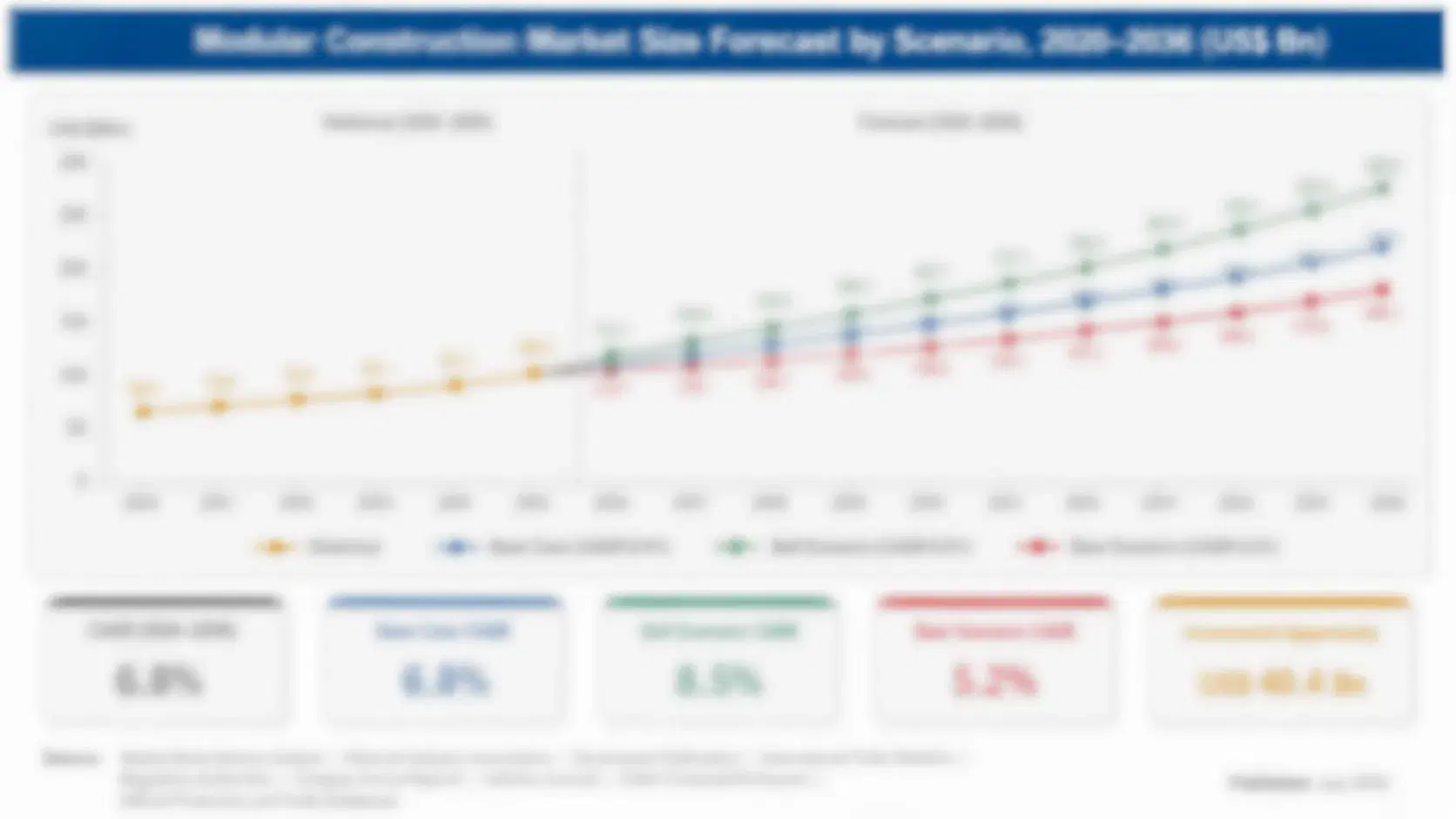
Mushroom Gummy Market Forecast Scenarios

mushroom-gummy-market-size-forecast-scenario-1789752418766
Between 2020 and 2025, mushroom gummies grew rapidly from a very small base as wellness brands launched lion's mane and multi-mushroom chews and social media promoted cognitive and stress benefits. Growth averaged 12.0% a year, with online direct-to-consumer sales leading, though inconsistent extract quality, added sugar concerns, and regulatory warnings on claims slowed adoption among conservative retail buyers.
The base case assumes 13.0% annual growth through 2036, built on three mechanisms: continued expansion of the gummy format among consumers who prefer chewables to capsules, adoption of standardized mushroom extracts with declared beta-glucan and active content that meet retailer testing requirements, and broader distribution through pharmacies, warehouse clubs, and supermarkets in North America, Australia, and Asia. Clinical research on cognition and immunity supports premium pricing. Improved gummy manufacturing also helps.
The bull case, reaching 14.3%, needs stronger clinical evidence and wider retailer acceptance of mushroom claims. The bear case, falling to 11.7%, reflects tighter enforcement on labels and testing, consumer concerns about sugar and additives, and competition from capsules, powders, and functional beverages that deliver larger doses at lower cost per active gram. Either case reshapes pricing.

Extract Quality and Claim Discipline Divide Gummy Brands

A mushroom gummy is a supplement delivery format with a functional mushroom ingredient inside. Fruiting body extracts or powders are mixed into a pectin or gelatin base with sweeteners, flavors, and colors, then deposited, cooled, and packaged. The format appeals because it tastes pleasant and needs no water, but each piece can hold only a few hundred milligrams of active material, which limits dose and drives the quality debate.
MARKET CONCENTRATION36% CR5Top brands hold a large combined share of sales
AVERAGE SELLING PRICE$0.85 per servingMushroom gummies sell well above standard vitamin chews
TOP SELLING COUNTRY47% shareLeading market accounts for nearly half of global sales
ONLINE CHANNEL SHARE44%Direct sales and marketplaces carry most category volume
EXTRACT COST SHARE31% of COGSMushroom extract is the largest single ingredient cost
TESTED PRODUCT SHARE38%Fewer than half of products publish batch potency results
Ingredient quality separates serious brands from imitators. Buyers ask whether products use fruiting bodies or mycelium grown on grain, whether extracts are standardized for beta-glucans, and whether lots are tested for heavy metals and microbes. Brands that publish assays and use hot-water or dual extracts command premiums, while low-cost imitators use unstandardized powders, which invites retailer scrutiny and regulator warning letters.
Formulation choices shape the category. Sugar-free and low-sugar gummies use allulose, stevia, or sugar alcohols to answer health concerns, and vegan pectin bases replace gelatin for plant-based positioning. Mushroom flavors are strong, so brands use fruit flavors, botanicals, and stacking with vitamins, adaptogens, and nootropics, creating blended products that are harder to compare but easier to market on lifestyle benefits.
"A gummy is a great way to sell a mushroom and a poor way to deliver one. The brands that publish their extract numbers will outlast the ones that only publish their flavors."
Practice Lead, Dietary Supplements and Functional Foods Practice · MMA Dietary Supplements and Functional Foods Practice · September 2026

Market Trends

Standardized Extracts and Batch Testing Become Retail Entry Requirements

Brands are moving from vague mushroom powder claims to standardized extracts with declared beta-glucan levels and, in some cases, lion's mane erinacines or hericenones. Retailers and consumer groups encourage batch testing, and suppliers publish certificates of analysis, heavy metal results, and dose per gummy. Standardization raises ingredient cost, but it helps brands defend pricing, reduces recall risk, and supports listings at pharmacies and large grocery chains that require documentation. Larger buyers now write minimum active levels into supply contracts and audit extract suppliers directly, which favors farms and extractors that already hold organic and food safety certificates.
Market Impact: lion's mane sales growing 16% yearly

Low-Sugar and Vegan Pectin Formulations Displace Traditional Gummy Recipes

Consumers and regulators are scrutinizing added sugar in supplements, and brands respond with low-sugar, sugar-free, and vegan pectin gummies that use allulose, monk fruit, and stevia. Reformulating is technically difficult because sugar provides texture, and shelf life can suffer, so manufacturers invest in new pectin systems and depositing lines. Sugar-free ranges command premiums and win listings with health-focused retailers and clinicians recommending supplements. Consumers also read labels for artificial colors, so brands adopt fruit and vegetable colors, and some use monk fruit and allulose blends that cut sugar sharply while keeping the soft chew shoppers expect.
Market Impact: gummy share of supplements reached 27%

Market Opportunities and Growth Drivers

Cognitive and Stress Wellness Interest Lifts Mushroom Demand

Consumers report interest in focus, memory, mood, and stress support, and lion's mane and cordyceps have become symbols of natural cognitive and energy products, amplified by social media and podcasts. Small clinical studies and traditional use provide credible narratives, though evidence remains limited. Brands use these narratives to sell daily gummies through subscriptions, and repeat purchase rates are strong among users who report noticeable benefits. Podcasts, clinicians, and online communities discuss nootropic stacks, and retailers build cognitive wellness sections, so gummy brands can reach buyers who might never have tried mushrooms in coffee, tea, or capsules.
Market Impact: typical gummy holds 300 mg extract

Gummy Format Convenience Widens the Mushroom Supplement Audience

Many adults dislike swallowing capsules or mixing powders, and gummies offer a familiar, enjoyable format that increases compliance, especially for younger consumers and those taking multiple supplements. Retailers give gummy sections prominent space, and contract manufacturers have built capacity for gummy production. Because bitterness and mushroom aroma are masked by flavor and sweetener, brands can expand from enthusiasts to mainstream shoppers who would not try mushroom powders. Contract manufacturers now run dedicated vegan pectin lines and offer low-minimum runs, which lowers barriers for small brands and lets them test flavors and stacks quickly before committing to larger production.
Market Impact: warning letters up 40% since 2023

Market Restraints and Challenges

Low Active Dose per Gummy Undermines Consumer Results

A gummy holds only a few hundred milligrams of active material, so many products include too little extract to match doses used in research, and some rely on unstandardized powders or mycelium on grain. The root cause is limited space in the format combined with cost pressure. Consumers may see no effect and stop buying. Suppliers respond with concentrated extracts, two-piece servings, and clear dose labeling. Some brands now split servings into two gummies and use concentrated extracts, but the higher cost narrows margins, and consumers comparing dose per dollar often conclude capsules deliver better value.
Market Impact: tested products reached 38% of sales

Claim Enforcement and Testing Scrutiny Raise Compliance Costs

Regulators and retailers scrutinize supplement claims, and marketing that implies treatment of disease or cognitive decline has triggered warning letters and delistings. The root cause is limited clinical evidence combined with aggressive social media promotion. Enforcement risk grows as the category scales. Brands respond with compliant structure and function wording, independent testing, and investment in small trials, though these steps raise cost and slow launches. Retailers may require evidence dossiers, and state regulators have targeted misleading nootropic claims, so brands hire regulatory advisers, avoid disease language, and build compliance programs that smaller marketplace sellers often cannot afford.
Market Impact: sugar-free launches up 31% in 2025
3 additional market trends, 4 additional growth drivers, and 3 additional restraints and challenges are covered in the full report. Contact sales@marketmindsadvisory.com to access the complete intelligence.

Segment CAGR and Growth Architecture

Mushroom gummies are segmented by primary mushroom ingredient, because the species determines the health claim, ingredient cost, and buyer type more directly than flavor or gelling base does. Lion's mane and cordyceps products are attracting most investment as brands focus on cognition and energy, the most commercially attractive wellness themes for daily supplement use.
mushroom-gummy-market-market-share-analysis-1789752419091

Lion's Mane Gummies

Lion's mane gummies are the fastest-growing segment, positioned for focus, memory, and mental clarity, with consumers drawn to research on nerve growth factor and cognitive function. Brands use fruiting body extracts standardized for beta-glucans and sometimes for erinacines, and price per serving is well above standard vitamin gummies. Supply is tighter than for reishi because quality lion's mane requires careful cultivation, and suppliers with dedicated farms and extraction capacity are signing multi-year contracts with fast-growing supplement brands seeking cognitive positioning. Because lion's mane is difficult to grow at scale and extracts vary by strain and part of the mushroom used, brands publish source details and assays, and suppliers report that premium lots often sell out before harvest.
CAGR 16.0%

Cordyceps Gummies

Cordyceps gummies are the second-fastest segment, promoted for energy, stamina, and athletic recovery, and appealing to fitness-oriented consumers. Cordyceps militaris, which can be cultivated on grain or insect-free substrates, is the common commercial species, and extracts are standardized for cordycepin in some products. Brands stack cordyceps with caffeine-free energy blends, electrolytes, and vitamins, and sports nutrition and online retailers give it strong exposure, while supply is more abundant than for lion's mane, keeping price per dose competitive. Athletes and gym-goers use them pre-workout, and brands pair cordyceps with electrolytes and B vitamins for stackable energy products. Because supply is broader, private label and marketplace brands compete aggressively on price, which pushes premium brands to prove potency and cultivation quality.
CAGR 14.5%
Full segment breakdown across 6 segments available in the complete report.

Regional Architecture and Country Demand Map

Mushroom gummy value follows supplement retail depth and consumer wellness spending. North America leads through gummy manufacturing scale and direct-to-consumer brands, East Asia adds functional food channels, and Australia grows fastest as pharmacies and online sellers widen mushroom listings. Emerging markets are growing fastest from small bases.

North America

North America holds 42% share, above its usual band, because the United States pioneered supplement gummies, hosts the largest direct-to-consumer wellness brands and contract gummy manufacturers, and has retail distribution through pharmacies, warehouse clubs, and mass merchants that no other region matches. Church & Dwight, Unilever, and Host Defense lead scale, and consumers spend heavily on cognitive and stress products. Regulatory attention from federal agencies and state attorneys general makes documentation increasingly important. Warehouse clubs, pharmacies, and online marketplaces carry the widest ranges, and private label programs are appearing, which pressures prices on generic gummies. State attorneys general and federal agencies have targeted misleading nootropic claims, so leading brands publish potency data and keep marketing language conservative.
Share: 42% | CAGR: 13.5% (2026 to 2036)

Western Europe

Western Europe holds 18% share, with the United Kingdom, Germany, and France leading demand through pharmacies, health food chains, and online retailers. European Union novel food and health claim rules are strict, so brands emphasize compliance, organic certification, and quality testing, and many products avoid specific cognitive claims. Sugar taxes and consumer concern about additives push brands toward sugar-free and vegan pectin gummies, though slower launch cycles limit growth relative to North America. Pharmacies in Germany and France and health chains in the United Kingdom carry a growing selection, and sugar-free formulas are especially valued. Novel food classification, health claim rules, and labeling requirements slow launches, so brands lean on organic and vegan certification.
Share: 18% | CAGR: 11.5% (2026 to 2036)
Regional intelligence for 5 additional markets available in the complete report: East Asia, South Asia and Pacific, Latin America, Middle East and Africa, Eastern Europe. Contact sales@marketmindsadvisory.com.
mushroom-gummy-market-country-cagr-analysis-1789752419406

Four Margin Levers Behind Mushroom Gummy Profits

Margin in mushroom gummies comes from extract quality, formulation, and channel choice rather than unit volume, since generic vitamin gummies compete on price. Brands that use standardized extracts, low-sugar formulas, subscription models, and published testing earn returns well above marketers selling unstandardized powder gummies through marketplaces. Testing and trust matter throughout each sales season for repeat buyers.

Shifting Mix Toward Standardized Fruiting Body Extracts

Gummies made with standardized fruiting body extracts sell at 30% to 60% higher prices per serving than products using unstandardized powder or mycelium on grain, because buyers pay for declared beta-glucans and active markers. Extract costs are higher, but brands recover them through pricing and lower return rates. Suppliers with dedicated farms and extraction capacity are signing multi-year contracts, and early movers hold quality advantages that later entrants find difficult to match. Repeat purchase rates are also higher among buyers who notice effects, which lowers acquisition cost and improves payback on the extract premium within several months of launch.
Market Impact: standardized extracts earn 30% to 60% price premium

Building Subscription Programs to Raise Repeat Purchase Rates

Subscription customers reorder every thirty days, and brands with subscription programs report repeat purchase rates 20 to 30 points higher than one-time buyers, which cuts customer acquisition cost and lifts lifetime value. Programs need reliable fulfillment, flexible plans, and educational content, but they smooth demand and improve forecasting for production. Direct relationships also give brands data on dose response and flavor preferences that guide new products and reduce launch risk. Email and messaging programs that remind subscribers to reorder, adjust dose, or try new flavors further reduce churn, and annual plans lock in revenue.
Market Impact: subscribers reorder 20 to 30 points more often

Launching Low-Sugar and Vegan Pectin Formulations

Sugar-free and low-sugar mushroom gummies sell at 10% to 25% higher prices than conventional recipes and win listings with health-focused retailers, dietitians, and clinics that avoid high-sugar supplements. Vegan pectin bases also widen appeal to plant-based and halal buyers. Development requires new sweetener systems and depositing trials, and shelf life needs careful testing, but successful launches build loyalty and reduce direct comparison with cheaper imitators in crowded marketplaces. Clinicians and dietitians recommend sugar-free supplements to patients, which creates referral traffic, and retailers reward low-sugar ranges with promotional support in wellness aisles during seasonal health campaigns.
Market Impact: low-sugar lines earn 10% to 25% price premium

Publishing Batch Testing to Win Pharmacy and Grocery Listings

Pharmacies, grocery chains, and warehouse clubs increasingly require potency, heavy metal, and microbial results before listing supplements, and brands that publish batch data win accounts priced about 8% higher and face fewer recalls. Accredited laboratory testing costs a few percent of revenue, but it protects brands against warning letters and strengthens negotiating position. Transparent data also supports marketing and helps brands hold prices when low-cost imitators appear. Published data also shortens buyer audits and lets brands answer retailer questions quickly, which protects listings that could otherwise be lost after a single unexplained laboratory result or social media complaint.
Market Impact: documented lots earn roughly 8% higher prices overall

Who Controls the Margin Pool

Mushroom gummies are moderately concentrated, with the top five brands holding about 36% of global revenue, the basis used throughout this section. Church & Dwight and Unilever bring mass retail scale, Host Defense and Om Mushroom Superfood lead in mushroom-specialist positioning, Goli builds on gummy reach, and many small direct-to-consumer brands and private label programs fill the long tail. Consolidation remains limited so far.
Competitive activity centers on three fronts: securing standardized extract supply and contract manufacturing capacity, launching lion's mane and cordyceps ranges with clear dosing, and building subscription and retail programs with credible testing. Large consumer health groups acquire specialist brands, while specialists partner with gummy manufacturers, and brands add adaptogens and nootropics to differentiate. Retailer scrutiny raises the value of documented quality.

Emerging pressure comes from private label programs at pharmacies and warehouse clubs, from inexpensive marketplace brands using unstandardized powders, and from capsule and powder makers offering higher doses. Claim enforcement could remove weaker brands. Rankings shift most through acquisitions of specialist mushroom brands and extract suppliers, which give buyers ingredient credibility and sellers a route to scale, so consolidation is likely to accelerate.
mushroom-gummy-market-company-positioning-matrix-1789752419772

Competitive Moat and Risk Dimensions

CHURCH & DWIGHT

Moat: Mass Retail Gummy Manufacturing Scale

Church & Dwight owns leading supplement gummy brands and manufacturing capability, with distribution through pharmacies, mass merchants, and warehouse clubs that specialist brands cannot easily reach. Its scale in ingredients, depositing lines, and marketing supports rapid launches of mushroom lines, and established retailer relationships give it shelf space and promotional support that protect volume against newer competitors.
CHURCH & DWIGHT

Risk: Credibility Gap With Mushroom Enthusiasts

Church & Dwight's mass market identity may lack credibility with buyers who want mushroom-specialist brands using high-dose fruiting body extracts, and lower-priced products may use less active material. Specialist competitors can move faster on standardization and clinical claims, and regulatory scrutiny of mass market supplements could raise compliance costs across its portfolio.
HOST DEFENSE

Moat: Mushroom Specialist Brand Heritage

Host Defense built its reputation as a mushroom-only supplement brand with decades of experience in cultivation, extraction, and consumer education, giving it credibility with informed buyers and retailers. Its focus on fruiting body products and organic certification supports premium pricing, and its ability to explain species and dose in detail creates loyalty that generalist supplement brands struggle to replicate.
HOST DEFENSE

Risk: Limited Scale in Gummies

Host Defense has less gummy manufacturing capacity and mass retail reach than large consumer health groups, so it may struggle to match promotional intensity and price. Rapid growth by new gummy entrants could dilute its specialist positioning, and dependence on a narrow set of ingredients exposes it to supply disruption or price swings.

Players Tracked

Prominent Players

Church & Dwight
Unilever
Host Defense
Goli Nutrition
Om Mushroom Superfood

Other Key Players

Real Mushrooms
Gaia Herbs
Four Sigmatic
Nature's Bounty Company
NOW Foods
Nature's Way
Garden of Life
Swanson Health Products
Jarrow Formulas
Life Extension
Nammex
Ryze Superfoods
Mushroom Science
Natrol
Sunrise Naturals

Recent Developments

MARCH 2026

Church & Dwight Launches Lion's Mane Gummy Range

Church & Dwight launched a lion's mane and multi-mushroom gummy range through pharmacies and mass merchants, using a standardized fruiting body extract with published beta-glucan content. The launch is internal product development, not an acquisition. It tests premium pricing in mass retail and expands the cognitive wellness portfolio.
Signal: Shows large consumer health groups entering mushroom gummies with standardized extracts and mass retail distribution in mass retail.
OCTOBER 2025

Host Defense Signs Multi-Year Extract Supply Agreement

Host Defense signed a multi-year supply agreement with a fruiting body extract producer to secure standardized lion's mane and cordyceps extracts for gummies, fixing volumes and potency specifications. The deal is a supply contract, not an equity transaction. It gives the brand predictable supply and the supplier stable demand.
Signal: Confirms multi-year supply contracts are becoming standard for scarce standardized mushroom extract ingredients across supplement brands.
JANUARY 2026

Unilever Acquires Mushroom Wellness Brand

Unilever completed the acquisition of a mushroom wellness brand selling gummies and powders through online and specialty channels. The purchase adds recipes, extract sourcing relationships, and a loyal subscriber base. Management said the brand will keep its identity while gaining access to Unilever's retail distribution and purchasing scale in supplements.
Signal: Reflects large consumer groups buying mushroom specialist brands to gain credibility and speed to market in supplements.

What Drives Mushroom Gummy Costs

Mushroom extract accounts for roughly 30% to 35% of cost of goods, with pectin or gelatin, sweeteners, flavors, colors, and other actives making up another quarter. Contract manufacturing fees, packaging bottles and labels, and testing make up most of the remainder, and extract is bought from farms and extractors in China, the United States, and Europe. Testing adds a small share.
Sugar and citrus pectin prices rose sharply in 2022 and 2023 after weather and energy shocks, according to USDA Economic Research Service sugar and sweetener reports, and freight costs from Asia also increased. Church & Dwight's 2023 annual report cited higher raw material, packaging, and transportation costs as pressures on its consumer brands, and supplement makers responded with price increases, smaller counts per bottle, and reformulation. Prices stayed elevated afterwards.

Exposure varies by player type. Brands with contracted extract supply and long manufacturing agreements absorb shocks better than marketplace sellers buying spot ingredients. Large consumer health groups can negotiate ingredient prices and use own gummy plants, while small brands pay premiums to contract manufacturers and face minimum order quantities that tie up cash. Freight adds further variation.
mushroom-gummy-market-cost-volatility-analysis-1789752420106

Signing Multi-Year Extract and Manufacturing Agreements

Brands agree volumes and potency specifications with extract producers and contract manufacturers, fixing prices and securing capacity during peak demand. This reduces spot exposure but requires volume commitments and quality monitoring, and price risk remains if spot prices fall. Larger brands benefit most because they can commit to substantial volumes and negotiate favorable terms.

Qualifying Alternative Pectin and Sweetener Sources

Brands and manufacturers qualify pectin from several suppliers and test alternative sweeteners, so shortages or price spikes do not stop production. Qualification takes time because each pectin behaves differently in gummy formulas, but it protects continuity and supports sugar reduction claims. Larger manufacturers have technical staff to run trials, while small brands rely on contract partners.

Reformulating Servings and Pack Counts to Protect Margin

Brands adjust serving size, gummy count per bottle, and price points to absorb cost increases without losing key price thresholds, and bundle subscriptions to spread fixed cost. This approach protects margin but risks customer complaints if doses shrink, so leading brands communicate changes clearly and keep active content per serving constant while adjusting only packaging and counts.

Portfolio Architecture for Margin Defence

Mushroom gummy margins run from thin spreads on generic marketplace products using unstandardized powder to rich returns on standardized, tested, and subscription-led products, with gross margin roughly tripling between the volume tier and the top tier. Extract quality, formulation, and brand credibility add pricing power over the same gummy manufacturing process, and buyers pay for trust because dose and claim doubts are widespread. Mix decides returns.
Volume and premium pull in different directions. Low-priced gummies fill contract manufacturing lines and marketplace listings but earn thin margins and face rising enforcement risk, while standardized extract products earn better returns on smaller volumes yet need testing, education, and marketing investment. Brands must decide how to allocate cash between price-led growth and quality-led positioning, and most favor the latter. Balancing both is essential.

High-value pools concentrate in lion's mane and cordyceps gummies with standardized extracts, low-sugar and vegan pectin ranges, and subscription products sold through direct channels and pharmacies. These segments benefit from documented quality, repeat purchasing, and limited competition from unstandardized imitators. Brands that combine ingredient credibility, manufacturing partnerships, and direct customer relationships hold advantages that are hard to replicate.

Volume / Commodity-Adjacent Tier

Generic mushroom gummies made with unstandardized powder or mycelium on grain and sold through marketplaces on price, with thin spreads, limited testing, and heavy exposure to regulatory action and retailer delisting across regions worldwide.
Gross Margin: 20%-32%

Premium / Certified Tier

Gummies with standardized fruiting body extracts, organic certification, and published potency and safety results, sold through pharmacies, grocers, and direct channels that require documentation and consistent quality across production lots.
Gross Margin: 45%-58%

Sustainability / Regulatory / Next-Generation Tier

Low-sugar, vegan pectin, and clinically supported mushroom gummies with traceable farms and compliant claims, positioned ahead of stricter enforcement, sugar rules, and retailer requirements for verified potency and ethical ingredient sourcing worldwide.
Gross Margin: 52%-65%
mushroom-gummy-market-portfolio-architecture-1789752420382

High-value Sub-segments and Strategic Watch-out

Lion's Mane Gummies

Lion's mane gummies combine the fastest growth in the category with strong pricing power, because consumers link the ingredient to focus and memory and pay premiums for standardized extracts. Supply of quality fruiting body extract is tight, so brands with secured contracts and testing data are winning distribution.
Gross Margin: 52%-65%

Cordyceps Gummies

Cordyceps gummies offer strong growth and healthy premiums among fitness-oriented buyers seeking energy and stamina, supported by ample cultivated supply and sports nutrition distribution. Competition is intense and formulas are easy to copy, so brands differentiate through standardization, stacking with electrolytes, and subscription programs that lift repeat purchase rates.
Gross Margin: 45%-58%

Generic Multi-Mushroom Gummies

Generic multi-mushroom gummies remain the volume core of the category, moving the largest unit volumes through marketplaces and mass retail. Margins are thin relative to premium products and enforcement risk is high because many products use low-dose or unstandardized ingredients, so returns depend on manufacturing scale and compliance discipline.
Gross Margin: 20%-32%

Capsule and Powder Substitution

Mushroom capsules, powders, and functional beverages deliver higher doses at lower cost per active gram and represent the main strategic watch-out, since consumers who question gummy potency or sugar content may switch formats, and clinicians often recommend capsules or extracts rather than sweetened chews for measured dosing.
Gross Margin: n/a (substitution risk)

Why Wellness Buyers Keep Reordering

Mushroom gummy demand behaves like an annuity for brands that earn trust. Once a consumer finds a gummy that tastes acceptable and seems to help with focus, stress, or sleep, switching risks a worse taste or lower quality, so reorders follow. Subscription programs reinforce this pattern with thirty-day cycles, and brands often raise prices modestly without losing subscribers who value routine and convenience. Reorders follow easily.
Stickiness varies by end-use vertical. Daily cognitive users show the deepest loyalty because they build habits and track perceived benefits, while immunity buyers purchase seasonally and switch more readily. Pharmacy and retail shoppers rely on brand trust and packaging, and marketplace buyers switch on price and reviews, making that segment volatile for brands to plan around and expensive to serve. Bulk buyers switch fastest.

Buyer profiles are shifting generationally. Younger consumers discover mushroom gummies through social media, expect ingredient transparency and testing, and favor low-sugar formats, while older adults concerned about memory and immunity rely on pharmacist advice and established supplement brands. Brands must serve both cohorts, but growth is concentrated among younger buyers who prize convenience, taste, and stacked functional ingredients.
mushroom-gummy-market-end-use-penetration-index-1789752420791

MMA Verdict on Mushroom Gummy Strategy

These are among the four positions where our research anticipates prominent divergence between winners and laggards over the coming forecast period. Each is grounded in the demand model, the regulatory perimeter, and the announced capacity pipeline.
01 / EXTRACT STANDARDIZATION INVESTMENT

Standardize Extracts Before Retailers Demand Proof

Standardized fruiting body extracts sell at 30% to 60% higher prices than unstandardized powders, and retailers are beginning to require potency data before listing supplements. Brands that secure standardized supply and publish assays now will win pharmacy and grocery accounts ahead of imitators. MMA recommends committing within the next two years, before testing requirements spread and unstandardized products lose access to mainstream shelves, because pharmacies and grocers are already drafting documentation requirements that unstandardized products will not be able to meet.
02 / SUBSCRIPTION PROGRAM DEVELOPMENT

Build Subscription Programs to Raise Repeat Purchase

Subscribers reorder 20 to 30 points more often than one-time buyers, and subscription programs cut acquisition cost and improve production forecasting. Brands relying purely on marketplace sales face rising advertising cost and low loyalty. MMA advises building subscription and direct programs alongside retail distribution, since direct customer data also guides dose, flavor, and product decisions and gives brands leverage in retailer negotiations when private label competition intensifies, and direct customers also supply the reviews and data that help brands earn retail listings later.
03 / FORMULATION REFORMULATION PRIORITY

Launch Low-Sugar and Vegan Pectin Gummies Early

Sugar-free and low-sugar mushroom gummies earn 10% to 25% higher prices and win listings with clinicians and health-focused retailers that avoid sweetened supplements. Reformulation is technically demanding, and brands that master pectin and sweetener systems early will hold advantages that later entrants find hard to copy. MMA recommends moving within the next two product cycles, before sugar concerns become a baseline expectation, because retailers and clinicians increasingly favor sugar-free supplements and switching later means reformulating already approved products and retesting shelf life.
04 / CLAIM COMPLIANCE DISCIPLINE

Publish Batch Testing and Keep Claims Conservative

Regulators and retailers are scrutinizing supplement claims and testing, and warning letters have risen sharply since 2023. Brands that publish batch results and use compliant structure and function wording avoid delistings and win accounts priced about 8% higher. MMA regards documented quality and disciplined claims as the cheapest insurance against enforcement risk, especially for fast-growing brands scaling quickly through social media, and fast-growing brands that scale through social media without documentation are the most exposed to sudden retailer delistings and platform bans.

Engagement Snapshot From the Field

A live engagement with an industry participant carrying material or product regulatory and market exposure ahead of a defining policy shift, showing how our research translates into a defensible multi-year portfolio strategy.
MARKET MINDS ADVISORY · CLIENT ENGAGEMENT SUMMARY
Mushroom Gummy Producer Strategic Portfolio Review and Transition Roadmap 2026·Investment Scenario on Mushroom Gummy Exposure Evaluation 2025-26
CLIENT PROFILE
The client is a North American direct-to-consumer supplement brand with roughly $42 million in annual revenue (client-reported, unverified by MMA), selling mushroom gummies and powders through its website, marketplaces, and a few specialty retailers. Its top gummy used unstandardized lion's mane powder from one supplier, and a retailer had asked for potency testing before agreeing to broader listings.
STRATEGIC CHALLENGE
Independent testing on one lot found lion's mane beta-glucan content well below the label, threatening a retailer expansion and inviting reputational risk on social media. Leadership needed a sourcing and formulation strategy that secured standardized extract, documented potency, and controlled cost without losing gummy taste that customers liked. Speed mattered greatly.
MMA APPROACH
MMA benchmarked seven extract suppliers on standardization, testing practices, and capacity, interviewed retail buyers about documentation requirements, and ran sensory panels comparing extract-based and powder-based prototypes. The engagement also modeled the cost impact of switching to standardized extract and adding a low-sugar variant with vegan pectin. Findings were shared with management.
KEY FINDINGS
  1. Only three of the seven suppliers assessed published lot-level beta-glucan and heavy metal results, and all three already supplied established supplement brands.
  2. Switching to standardized fruiting body extract reduced required extract mass per serving by about 35%, offsetting most of the higher price per kilogram.
  3. Sensory panels rated the low-sugar vegan pectin prototype equal to the current gummy on taste and slightly higher on texture among all testers.
  4. Two national retailers said they would expand listings only if potency results accompanied each production lot before agreeing to broader national shelf expansion.
CLIENT PROFILE
The client is a North American direct-to-consumer supplement brand with roughly $42 million in annual revenue (client-reported, unverified by MMA), selling mushroom gummies and powders through its website, marketplaces, and a few specialty retailers. Its top gummy used unstandardized lion's mane powder from one supplier, and a retailer had asked for potency testing before agreeing to broader listings.
STRATEGIC CHALLENGE
Independent testing on one lot found lion's mane beta-glucan content well below the label, threatening a retailer expansion and inviting reputational risk on social media. Leadership needed a sourcing and formulation strategy that secured standardized extract, documented potency, and controlled cost without losing gummy taste that customers liked. Speed mattered greatly.
MMA APPROACH
MMA benchmarked seven extract suppliers on standardization, testing practices, and capacity, interviewed retail buyers about documentation requirements, and ran sensory panels comparing extract-based and powder-based prototypes. The engagement also modeled the cost impact of switching to standardized extract and adding a low-sugar variant with vegan pectin. Findings were shared with management.
KEY FINDINGS
  1. Only three of the seven suppliers assessed published lot-level beta-glucan and heavy metal results, and all three already supplied established supplement brands.
  2. Switching to standardized fruiting body extract reduced required extract mass per serving by about 35%, offsetting most of the higher price per kilogram.
  3. Sensory panels rated the low-sugar vegan pectin prototype equal to the current gummy on taste and slightly higher on texture among all testers.
  4. Two national retailers said they would expand listings only if potency results accompanied each production lot before agreeing to broader national shelf expansion.
RECOMMENDED STRATEGY
Phase 1: Phase 1 (Months 1-3): Qualify two extract suppliers with published testing and negotiate multi-year contracts with potency specifications with legal review. Phase 2: Phase 2 (Months 4-9): Reformulate the lead gummy with standardized extract and launch a low-sugar vegan pectin variant with sensory testing. Phase 3: Phase 3 (Months 10-15): Publish lot results online and use them to secure two national retail expansions and subscription growth.
OUTCOME
Within fifteen months, the client secured two national retail expansions and raised repeat purchase rates by an estimated 18% (client-reported, unverified by MMA), while ingredient cost per serving fell about 9% through contracted pricing and higher extract efficiency. Every lot met labeled potency, and the published testing program supported premium pricing across channels.

Frequently Asked Questions

Foundational context covering the market sizes, CAGR, scope, country, region and competition that inform every finding below. This section is provided to cover basics and most often pre-purchase conversations, answered from the MMA Primary Research Dataset.

What is the current size of the Mushroom Gummy Market?

The global mushroom gummy market was valued at $0.7 billion in 2025. This covers chewable supplements containing functional mushroom extracts or powders sold through retail, pharmacy, and online channels.

How large will the Mushroom Gummy Market be by 2036?

MMA projects the market will reach approximately $2.7 billion by 2036. This represents cumulative growth of roughly $1.9 billion over the full ten-year forecast window.

What is the CAGR for the Mushroom Gummy Market 2026 to 2036?

The market is forecast to grow at a 13.0% compound annual rate between 2026 and 2036. The bull case reaches 14.3% while the bear case falls to 11.7%.

Which segment is growing fastest?

Lion's Mane Gummies is the fastest-growing segment at 16.0% CAGR, roughly 1.2 times the overall market rate. Cordyceps Gummies follows as the second-fastest segment at 14.5%.

Who are the major companies in the Mushroom Gummy Market?

Leading companies include Church & Dwight, Unilever, Host Defense, Goli Nutrition, and Om Mushroom Superfood. These five players together hold an estimated 36% of total global market revenue today.

Which country is growing fastest?

Australia is the fastest-growing major market, expanding at approximately 16.8% CAGR each year. Pharmacy and online retailer listings and high interest in cognitive wellness are driving this above-market growth.

Report Segmentation Architecture

The full report scope spans multiple orthogonal segmentation dimensions, with cross-tabulated demand data provided for each dimension pair. Coverage extends further to regional breakdowns, trend trajectories, and the competitive detail needed to support segment-level decision-making.

By Primary Market Dimension

  • Lion's Mane Gummies
  • Cordyceps Gummies
  • Reishi Gummies
  • Multi-Mushroom Blend Gummies
  • Turkey Tail and Chaga Gummies
  • Culinary Mushroom Functional Gummies

By End-Use Industry

  • Cognitive and Focus Support
  • Stress and Sleep Support
  • Immune Health Support
  • Energy and Sports Nutrition
  • Beauty and Digestive Wellness

By Commercial Dimension

  • Direct-to-Consumer Subscriptions
  • Online Marketplace Sales
  • Pharmacy and Mass Retail
  • Private Label Manufacturing

By Region

  • North America
  • Western Europe
  • East Asia
  • South Asia and Pacific
  • Latin America
  • Middle East and Africa
  • Eastern Europe

Scope, Methodology, and Coverage

Every figure in this report is reproducible from documented input assumptions. The scope below maps the historical period, the forecast horizon, the segmentation dimensions, and the countries covered, alongside the underlying primary and qualitative methodology.
Historical Period
2020 to 2025
Forecast Period
2026 to 2036
Base Year
2025 (USD billions; MMA Primary Research Dataset, September 2026)
Market Definition
Mushroom gummies comprise chewable gelled supplements containing extracts or powders of functional mushrooms such as lion's mane, reishi, cordyceps, chaga, turkey tail, and blends, sold through retail, pharmacy, and online channels. The scope excludes mushroom capsules, powders, tinctures, and beverages, culinary mushrooms, and gummies without a declared mushroom ingredient.
Quantitative Units
USD billions (current prices); serving units for volume references
Segmentation Dimensions
By Primary Mushroom Ingredient; By Wellness Use Case; By Commercial Dimension; By Region
Regions Covered
North America, Western Europe, East Asia, South Asia and Pacific, Latin America, Middle East and Africa, Eastern Europe
Countries Covered
USA, China, Germany, France, UK, Japan, South Korea, India, Australia, Canada, Brazil, Mexico, Indonesia, Vietnam, Thailand, Malaysia, UAE, Saudi Arabia, South Africa, Nigeria, Turkey, Poland, Netherlands, Italy, Spain, Sweden, Switzerland, New Zealand, Colombia, Singapore, and additional markets relevant to this sector
Key Companies Profiled
Church & Dwight, Unilever, Host Defense, Goli Nutrition, Om Mushroom Superfood, Real Mushrooms, Gaia Herbs, Four Sigmatic, Nature's Bounty Company, NOW Foods, Nature's Way, Garden of Life, Swanson Health Products, Jarrow Formulas, Life Extension, Nammex, Ryze Superfoods, Mushroom Science, Natrol, Sunrise Naturals
Quantitative Methodology
Primary survey, n=3,800 respondents, Q4 2025, six countries; demand-side model with trade association cross-validation
Qualitative Methodology
47 expert interviews, Q4 2025; applied to validate demand model assumptions, identify emerging dynamics, and assess competitive positioning
Report Format
PDF and XLSX data workbook (Word format preview document)
Publisher
Market Minds Advisory
Report Code
MMA-2026-HLT-243
Published
September 2026
Contact
sales@marketmindsadvisory.com | www.marketmindsadvisory.com

Purchase the full Mushroom Gummy Market Report (2026 to 2036).

The full report delivers a detailed assessment of global mushroom gummy demand, ingredient supply, and competitive positioning through 2036. It includes segment forecasts by mushroom ingredient, country-level data for all seven world regions, and profiles of the twenty companies most relevant to brands and manufacturing. Analysts also receive input cost modeling and portfolio margin benchmarking built from MMA's primary research dataset. A scenario planning module lets subscribers stress-test bull and bear assumptions against their own sourcing plans. Quarterly updates keep the whole dataset current throughout.
Ten-year segment and regional demand forecasts
Extract standardization and testing trend tracking
Competitive benchmarking of top twenty brands
Ingredient and packaging cost sensitivity modeling tools
Regional demand mechanism comparative analysis included
Quarterly primary survey data update access

Built For The People Who Decide

From boardroom strategy to bench-side execution, this report is read cover-to-cover by leaders shaping the next decade of their industry, turning demand scenarios, market dynamics and valuation benchmarks into decisions.
CXOs/ Presidents/ VPs/ Managers
M&A and Corporate Development
Strategy Teams and R&D Heads
Procurement and Product Directors
Regulatory and Compliance Leaders
Investor Relations and Equity Analysts