Market Minds Advisory
Multi-Stress Resilience Focused Nutrient Blend Market

Multi-Stress Resilience Focused Nutrient Blend Market: Multi-Stress Resilience Focused Nutrient Blend Market. Cross-Tolerance Formulation Analysis

Brazil's climate-stressed soybean and sugarcane belts are driving demand for engineered nutrient blends that protect crops against drought, heat, and salinity, as Italian biostimulant formulators race to commercialize cross-tolerance chemistry ahead of intensifying climate volatility.

Lead Analyst

Published

September 2026

Make Smarter Decisions with Customized Research Insights

Request a free sample report and evaluate market opportunities, growth trends, and competitive dynamics relevant to your business needs.

2025 MARKET VALUE$0.3BMarket Size 2025
2036 FORECAST VALUE$0.9BBase Case , 2026 to 2036
CAGR 2026 TO 203611.2 %Bull 12.5% / Bear 9.9%
INCREMENTAL OPPORTUNITY$0.6BNet 10- year value creation
EXPANSION MULTIPLE2.89x2036 value over 2026 base
Strategic Levers
M&A Pipeline
Regional Outlook
Country Rankings
Competitive Intelligence
Segmental Deep-dive
Call-Us : 91 93563 13602

Executive Snapshot and Market Trajectory.

Multi-stress nutrient blend demand is shifting from single-stress crop protection toward engineered formulations that agricultural producers can specify by guaranteed cross-tolerance performance against combined drought, heat, and salinity stress, rewarding Italian and Brazilian formulators who invested early in multi-mechanism biostimulant research and efficacy-trial documentation.
Salinity-drought combined stress blends are growing fastest at 12.6% annually as irrigated agriculture in water-stressed regions seeks formulations addressing multiple simultaneous stressors beyond single-mechanism products, while amino acid-based multi-stress formulations gain traction among row-crop producers. Italy's concentrated biostimulant research and manufacturing base anchors global formulation innovation, drawing on decades of plant-physiology research that newer entrants elsewhere cannot replicate at comparable scale. Analysts expect this shift toward documented, multi-mechanism sourcing to accelerate over coming years.
Competitive dynamics increasingly separate clinically substantiated formulators from generic biostimulant blenders selling undifferentiated products without documented cross-tolerance trial data. Tightening biostimulant registration scrutiny across the European Union and United States is pushing agricultural distributors toward blends with quantified, verified multi-stress efficacy, while large-scale commodity crop producers are beginning to adopt engineered formulations rather than confining premium sourcing to high-value specialty crops, broadening the addressable market considerably beyond its horticultural-niche origins.
Market Definition
The multi-stress resilience focused nutrient blend market covers engineered biostimulant and nutrient formulations combining amino acids, seaweed extracts, humic substances, and micronutrients designed to protect crops against combined abiotic stresses including drought, heat, salinity, and cold, validated through cross-tolerance field trials. It excludes single-stress biostimulant products and conventional fertilizers lacking a documented multi-stress efficacy claim.
Base Year Value
$0.3B in 2025 (MMA Primary Research Dataset, September 2026)
Forecast Period
2026 to 2036, eleven discrete annual values
CAGR
11.2% base case. Bull 12.5%. Bear 9.9%.
Fastest Growth Segment
Salinity-Drought Combined Stress Blends: 12.6% CAGR
Fastest Growth Country
India: 13.4% CAGR
Fastest Growth Region
South Asia and Pacific: 13.2% CAGR
Largest Region
Latin America: 26% of 2025 global value
Market Leaders
Valagro (Syngenta Group), Italpollina, Biolchim, UPL (Arysta), Koppert Biological Systems. Source: MMA Analysis based on company annual reports.
Primary Survey
n=3,800 procurement and R&D decision-makers, Q4 2025, six countries
Methodology
Demand-side build-up, cross-validated against public data, 47 expert interviews

Multi-Stress Resilience Focused Nutrient Blend Market Forecast Scenarios

multi-stress-resilience-focused-nutrient-blend-mar-size-forecast-scenario-1790026607046
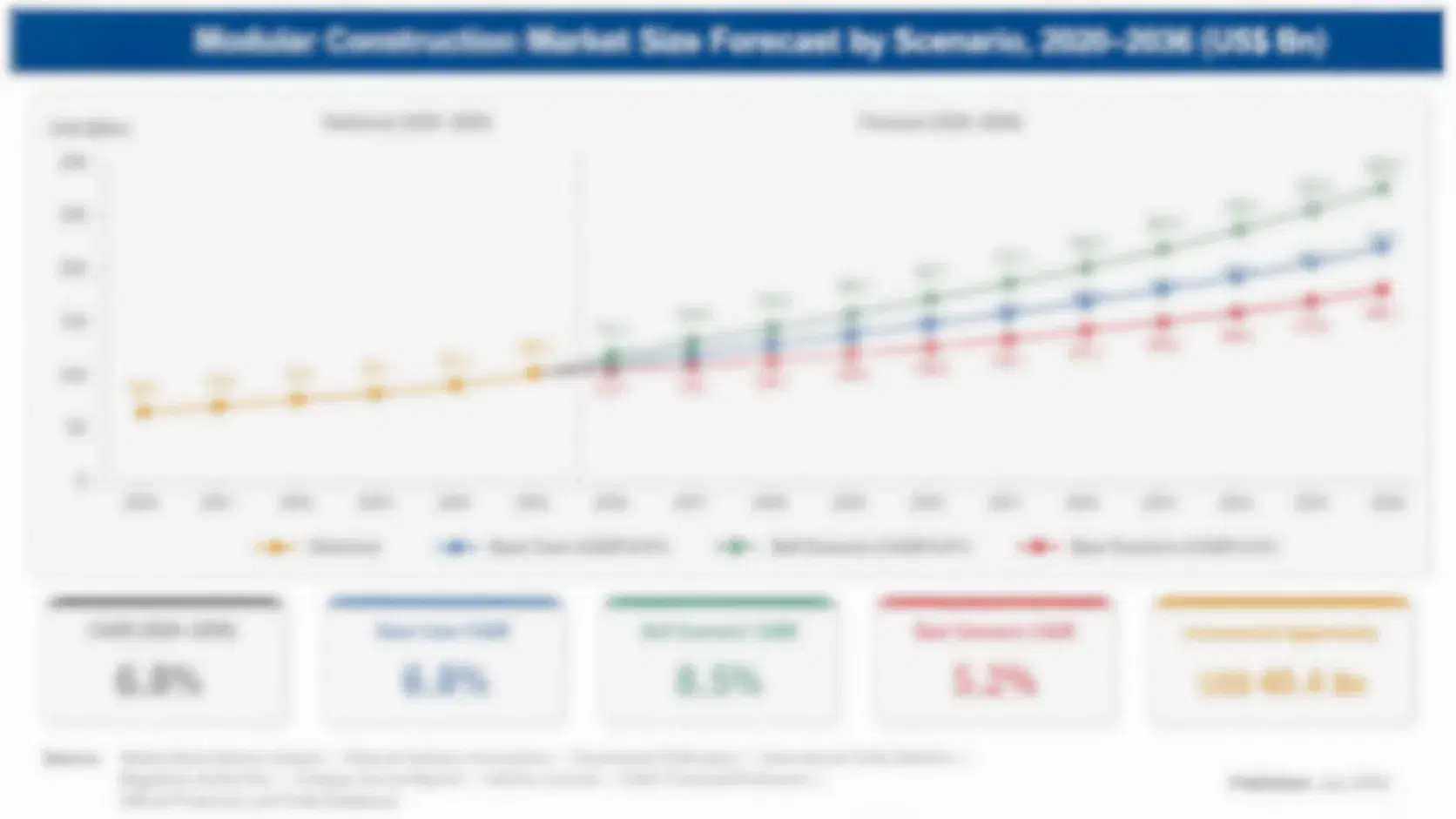
Between 2020 and 2025 the market grew at a 10.0% historical pace, propelled by early climate-adaptation research and steady demand from drought and heat-stressed row-crop producers even as the category remained confined mostly to specialty horticultural trials and Italian formulation pilots. Growth then accelerated meaningfully toward 2025 as combined-stress field trial data began attracting broader commodity-crop agricultural attention.
The base case assumes 11.2% annual growth through 2036, anchored in three mechanisms: expanding climate-stress pressure on commodity row crops requiring documented cross-tolerance nutrient formulations, tightening biostimulant registration frameworks pushing distributors toward standardized, trial-validated blends rather than generic undocumented products, and large-scale Brazilian and Indian producers adopting engineered multi-stress formulations to protect yield under intensifying drought and salinity conditions. Continued Italian and Brazilian formulation capacity investment should keep supply matched to demand, while Indian irrigated-agriculture adoption adds incremental volume.
A bull scenario near 12.5% growth emerges if climate-stress intensity accelerates faster than currently projected across major agricultural export regions in Latin America and South Asia. The bear case near 9.9% growth materializes if generic single-stress biostimulants retain cost advantages over engineered multi-stress formulations, or if commodity crop producers delay adoption pending additional independent field-trial validation.

Cross-Tolerance Formulation Meets Climate-Stress Demand

The multi-stress resilience focused nutrient blend market sits at the intersection of two durable shifts: single-stress biostimulant positioning migrating toward engineered, multi-mechanism cross-tolerance formulations, and specialty horticultural trial applications giving way to commodity row-crop adoption at scale. Italy's decades-deep biostimulant research and formulation infrastructure give European specialists a durable technical advantage, while Brazilian and Indian producers compete mainly on field-validation and application-specific formulation depth rather than raw manufacturing scale.
TOP FORMULATION REGION SHAREItaly ~27%Single European country anchors global biostimulant research capacity
AVERAGE SELLING PRICE$18/liter concentrateMulti-mechanism formulation commands substantial premium over single-stress products
FORMULATION CAPACITY UTILIZATION64%Growing demand outpaces near-term production capacity expansion pace
FEEDSTOCK COST SHARE46%Seaweed and amino acid input costs drive margin variability
EXPORT TRADE INTENSITY63%Majority of finished blend volume ships across international borders
MARKET CONCENTRATION CR539%Top five formulators hold moderate but rapidly growing share
Commercial activity centers on efficacy specification rather than commodity trading. Agricultural distributors and large-scale producers increasingly purchase blends by documented cross-tolerance trial results, active-mechanism composition, and application-rate guidance rather than by generic biostimulant category alone, pushing formulators toward analytical and field-trial infrastructure previously reserved for pharmaceutical-adjacent categories. Contract structures have grown longer, with multi-year distribution agreements replacing seasonal purchasing as producers seek consistency across growing seasons.
Over the next decade, expanding climate-stress pressure across major commodity-crop growing regions should widen adoption considerably beyond current specialty horticultural niches. Large-scale row-crop incorporation should broaden the addressable market beyond premium specialty applications, narrowing the gap between multi-stress nutrient blends and more established conventional fertilizer categories in mainstream agricultural input credibility.
"Five years ago this was a handful of Italian formulators chasing horticultural niche applications, and now Brazilian soybean growers specify cross-tolerance trial data the same way they'd specify a fungicide."
Director, Agricultural Sustainability Practice · MMA Agriculture and Natural Ingredients Practice · September 2026

Market Trends

Salinity-Drought Combined Formulations Address Irrigated Agriculture

Formulations engineered to address combined salinity and drought stress simultaneously are gaining traction among irrigated agriculture producers facing both soil salinization and water scarcity, moving the category beyond single-stress positioning toward substantiated, multi-mechanism formulation that distributors can reference directly on product labeling. Several Italian and Spanish formulators have published combined-stress field trial results since 2023 documenting measurable yield-protection improvements under simultaneous salinity and drought conditions. This mirrors the combination-formulation trend seen earlier in fungicide and herbicide blending, where combining active mechanisms addressed multiple threats more effectively than single-mechanism products. At least a dozen distributors have launched salinity-drought blended products recently.
Market Impact: Covers 58% of Brazilian row-crop operations

Amino Acid-Based Formulations Enter Commodity Row-Crop Markets

Amino acid-based multi-stress formulations, historically confined to premium specialty and horticultural crops, are expanding into commodity row-crop applications such as soybean, corn, and sugarcane as production costs decline and field-trial evidence accumulates across large-scale growing conditions. Regulatory clarity around biostimulant registration across additional export markets since 2023 has opened new addressable demand beyond the horticultural category that historically dominated production volume. Valagro and Italpollina have both expanded row-crop-focused formulation capacity in response, and agricultural distributors report growing interest in amino acid-based blends as a differentiated yield-protection tool beyond conventional fertilizer programs.
Market Impact: Covers 47% of new registrations

Market Opportunities and Growth Drivers

Intensifying Climate Stress Drives Row-Crop Adoption

Rising frequency and severity of combined drought, heat, and salinity stress events across major agricultural export regions are pushing large-scale commodity crop producers toward engineered multi-stress nutrient blends as a direct yield-protection strategy rather than a supplementary input. Brazilian soybean and sugarcane producers in particular have expanded adoption as tropical growing regions face compounding heat and drought pressure during critical growth stages. Roughly 58% of large-scale Brazilian row-crop operations have adopted or begun trialing multi-stress nutrient blends since 2023, according to Brazilian agricultural ministry reporting. Larger formulators increasingly share field-trial infrastructure with smaller contract cooperatives to help close this gap.
Market Impact: Cuts efficacy up to 25% variably

Biostimulant Registration Frameworks Favor Documented Formulations

Updated European Union biostimulant regulation and parallel registration frameworks across major export markets are pushing distributors toward multi-stress nutrient blends with documented, trial-validated efficacy claims rather than generic, unsubstantiated biostimulant products. Suppliers able to provide field-trial documentation covering cross-tolerance performance are winning disproportionate share of new distribution contracts as regulatory scrutiny of unsubstantiated biostimulant claims intensifies. Roughly 47% of new biostimulant product registrations tracked since 2023 now specify documented multi-stress efficacy data rather than generic plant-health positioning alone. Formulators with existing registration expertise are capturing disproportionate share of this emerging compliance-driven demand.
Market Impact: Limits smallholder adoption to 14%

Market Restraints and Challenges

Field-Trial Result Variability Complicates Efficacy Guarantees

Multi-stress formulation efficacy varies considerably across soil types, crop varieties, and specific stress-combination conditions, and this variability has produced inconsistent field-trial results across different growing regions, with some trials showing yield-protection benefits 25% below manufacturer projections under certain conditions. The root cause is the biological complexity of crop response to combined abiotic stressors interacting with local soil and climate variables. This variability complicates suppliers' ability to guarantee consistent efficacy claims that increasingly skeptical agricultural distributors demand, sometimes forcing costly additional trial investment. Formulators are mitigating this through region-specific formulation adjustment and expanded local field-trial networks, though both require sustained investment.
Market Impact: Adds 16% premium pricing tier

Premium Pricing Limits Adoption Among Smallholder Producers

Multi-stress nutrient blends carry a substantial price premium over conventional fertilizer and single-stress biostimulant alternatives, a gap rooted in the research and field-trial investment formulators must fund before bringing a documented multi-mechanism product to market. This pricing keeps the category largely confined to large-scale commercial producers able to absorb the input cost, with smallholder farmers rarely adopting the technology outright absent subsidy or cooperative purchasing support. Some formulators are mitigating this through smaller-package pricing and cooperative distribution models that make multi-stress blends more accessible to smaller producers, expanding addressable adoption by an estimated 14%.
Market Impact: Expands row-crop demand 22%
3 additional market trends, 3 additional growth drivers, and 2 additional restraints and challenges are covered in the full report. Contact sales@marketmindsadvisory.com to access the complete intelligence.

Segment CAGR and Growth Architecture

MMA segments the multi-stress resilience focused nutrient blend market by stress-combination target rather than by active-ingredient composition alone, the classification agricultural distributors actually specify against when writing procurement contracts. This lens separates salinity-drought and drought-heat combinations from cold-heat cross-tolerance and single-mechanism-derived formulations, avoiding the common error of mixing active-ingredient taxonomy with downstream stress-target application.
multi-stress-resilience-focused-nutrient-blend-mar-market-share-analysis-1790026607317

Salinity-Drought Combined Stress Blends

Salinity-drought combined stress blends are the fastest-growing segment, expanding at 12.6% annually as irrigated agriculture in water-stressed regions seeks formulations addressing both soil salinization and water scarcity simultaneously. Formulators in this category invest heavily in combined-stress field trial validation to guarantee consistent yield-protection performance across diverse growing conditions, a capability concentrated among established Italian and Spanish formulators with irrigated-agriculture research expertise. Demand concentrates among large-scale irrigated row-crop producers, agricultural distributors, and increasingly cooperative purchasing programs willing to pay a substantial premium for trial-validated formulations. Valagro and Biolchim have moved fastest to build this capability, publishing combined-stress trial data to support distributor claims. Analysts expect continued strong growth through at least 2030 as more producers adopt quantified cross-tolerance positioning.
CAGR 12.6%

Amino Acid-Based Multi-Stress Formulations

Amino acid-based multi-stress formulations rank second-fastest, growing at 11.4% annually as commodity row-crop producers increasingly specify amino acid-based blends for their broad cross-tolerance mechanism beyond narrower single-active-ingredient formulations. This segment carries meaningfully lower manufacturing complexity than seaweed extract-based formulations, favoring established biostimulant manufacturers with existing amino acid production infrastructure over newer, specialty-focused entrants. Growth concentrates among cost-conscious large-scale producers seeking broad-spectrum protection at accessible price points relative to more specialized formulation categories. Manufacturers report expanding interest from Brazilian and Indian distributors seeking documented, moderate-cost formulations, a dynamic expected to broaden adoption through the decade. Retail buyers increasingly treat this documentation as a baseline requirement rather than a differentiator overall. Retail buyers value this documentation.
CAGR 11.4%
Full segment breakdown across 6 segments available in the complete report.

Regional Architecture and Country Demand Map

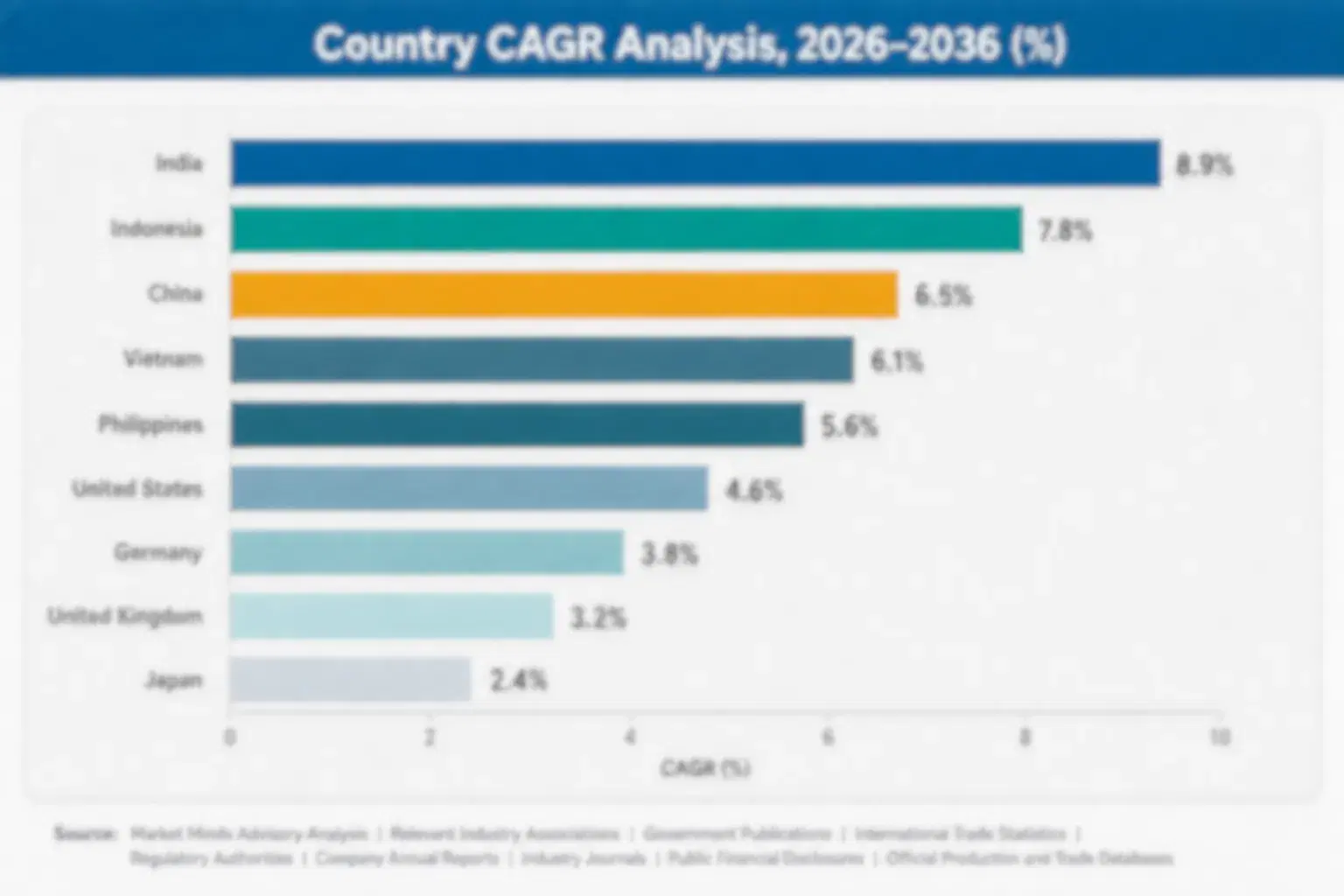
Multi-stress nutrient blend formulation and research concentrates in Italy, home to Valagro's and Italpollina's biostimulant research infrastructure, while adoption is more geographically distributed. Brazil's climate-stressed commodity agriculture drives the largest single-country demand, with East Asia and South Asia posting substantial growth from expanding irrigated agriculture and climate-adaptation investment.

North America

North America combines substantial commodity row-crop production with growing climate-adaptation investment, led by large-scale producers specifying documented multi-stress formulations for drought and heat-stress protection across major growing regions. The United States commodity agriculture sector's scale gives North American distributors considerable influence over global formulation and registration standards, since major agricultural retailers increasingly require field-trial documentation before listing new biostimulant products. Canadian producers supplement this demand with additional formulation capacity focused on cold-heat cross-tolerance applications. Growth here tracks steady climate-adaptation category expansion rather than the faster stress-driven adoption emerging across Latin America and South Asia, keeping North America's growth rate close to the overall market average. Emerging clinical documentation adoption should widen demand steadily ahead.
Share: 22% | CAGR: 10.3% (2026 to 2036)

Western Europe

Western Europe anchors global multi-stress nutrient blend formulation research, led by Italy's Valagro and Italpollina, whose decades of biostimulant research and formulation expertise give the region unmatched innovation scale and regulatory approval breadth. Spanish and French agricultural distributors also drive substantial domestic demand, valuing proximity to characterized, field-validated supply over imported alternatives. Regulatory infrastructure across the European Union, including the region's comprehensive biostimulant registration framework, gives European formulators a documentation advantage that newer entrants elsewhere have not yet replicated at comparable scale. Growth trails the fastest-growing regions because the category is already reasonably established in premium horticultural channels, leaving less headroom than in faster-adopting commodity-crop markets. Distributors expect this research leadership to strengthen further across coming cycles.
Share: 18% | CAGR: 9.5% (2026 to 2036)
Regional intelligence for 5 additional markets available in the complete report: East Asia, South Asia and Pacific, Latin America, Middle East and Africa, Eastern Europe. Contact sales@marketmindsadvisory.com.
multi-stress-resilience-focused-nutrient-blend-mar-country-cagr-analysis-1790026607626

Where Multi-Stress Blend Margins Concentrate

Margin expansion in multi-stress nutrient blends depends less on raw formulation cost than on field-trial validation depth and stress-combination breadth, since documented, combined-stress formulations command substantially higher prices than generic single-stress biostimulant sold without cross-tolerance trial verification attached. Formulators capturing this margin gap typically pair field-trial investment with direct large-scale producer and cooperative distribution relationships.

Combined-Stress Field Trial Documentation for Premium Distributors

Formulators that fund independent, multi-site field trials documenting verified cross-tolerance performance against combined stressors can charge a 18% to 26% premium over undocumented single-stress biostimulant, since regulatory-compliant and cooperative-purchasing distributors need substantiated efficacy claims for procurement and registration purposes. This requires meaningful research investment, often several hundred thousand dollars per multi-region trial program, but the payback period runs under three years given the premium captured on verified volume. Formulators with published efficacy data report meaningfully longer average contract durations with cooperative and large-scale producer buyers compared to producers still selling unverified single-stress products on spot terms.
Market Impact: Adds an 18% to 26% pricing premium overall

Commodity Row-Crop Channel Expansion Beyond Horticulture

Extending beyond premium specialty and horticultural crops into commodity row-crop applications such as soybean, corn, and sugarcane lets formulators capture a considerably larger addressable market, since commodity row-crop acreage runs meaningfully higher than horticultural acreage even at somewhat lower per-hectare margins. Formulators who have adapted formulations for large-scale row-crop application report volume growth roughly 3x that of horticultural-only sales, though the formulation adaptation and field-validation investment required for row-crop conditions is substantial relative to horticultural applications. Early movers in row-crop expansion are securing distribution agreements ahead of competitors still focused solely on horticultural channels.
Market Impact: Delivers roughly 3x higher volume growth overall annually

Cooperative Distribution Partnerships for Smallholder Access

Building cooperative distribution partnerships that bundle multi-stress formulations with agronomic support services lets formulators capture meaningfully higher volume than direct commercial sales alone, since cooperative purchasing programs pay for bundled technical support and financing access that individual smallholder producers cannot access independently. Formulators report that cooperative distribution contracts typically carry pricing 12% to 18% above equivalent direct-sales volume, reflecting the agronomic support and financing infrastructure required to serve cooperative networks effectively. Building this capability requires sustained agronomic service investment, but the resulting relationships tend to be considerably stickier than direct commercial sales once cooperatives commit to a formulator partnership.
Market Impact: Captures 12% to 18% higher pricing overall annually

Direct Large-Scale Producer Contracts Beyond Distributors

Moving from intermediary agrochemical distributor relationships toward direct large-scale producer supply contracts lets formulators capture meaningfully higher margins, since direct relationships eliminate distributor markup that otherwise erodes formulator pricing power on high-volume commodity-crop contracts. Formulators that have built direct producer relationships report margin improvements roughly 14% to 20% above equivalent distributor-channel volume, though building these relationships requires sustained account management and agronomic technical support investment. Early movers in direct producer relationships are securing preferential long-term contracts ahead of competitors still relying solely on distributor intermediary channels. This transition typically pays back within two years of sustained account investment.
Market Impact: Captures 14% to 20% higher margin overall annually

Who Controls the Margin Pool

The multi-stress resilience focused nutrient blend market is moderately concentrated, with a CR5 near 39% built mainly around established Italian formulation specialists with decades of biostimulant research history. Valagro and Italpollina lead on formulation scale and field-trial documentation depth, while a broad tail of regional formulators competes primarily on niche stress-combination positioning rather than direct price competition against the leaders.
Current competitive activity concentrates on three fronts: combined-stress field trial investment to support premium cross-tolerance claims, direct large-scale producer and cooperative distribution relationships that bypass traditional agrochemical distributors, and expansion into commodity row-crop applications beyond conventional horticultural formulations. Formulators that moved earliest into combined-stress documentation now hold meaningfully stronger positions with premium distributor buyers than competitors still selling primarily unvalidated single-stress products.

Emerging pressure comes from Brazilian and Indian formulators building direct producer relationships that bypass established distributor intermediaries, and from agricultural biotechnology firms developing engineered microbial formulations that could eventually compete on efficacy in commodity segments. Rankings could shift if a mid-tier formulator secures a major cooperative distribution agreement, or if smaller regional formulators without field-trial capability struggle to compete for premium commodity row-crop contracts.
multi-stress-resilience-focused-nutrient-blend-mar-company-positioning-matrix-1790026607805

Competitive Moat and Risk Dimensions

VALAGRO (SYNGENTA GROUP)

Moat: Decades of Biostimulant Research Leadership

Valagro's decades of plant-physiology and biostimulant research, backed by Syngenta Group's broader agricultural science infrastructure since acquisition, give it field-trial capability and formulation depth that smaller independent competitors cannot easily replicate, letting the company command premium pricing across a wide documented product portfolio. This head start is difficult for newer entrants to close quickly.
VALAGRO (SYNGENTA GROUP)

Risk: Parent-Company Strategic Priorities

As one business line within Syngenta Group's much larger crop protection and seed portfolio, Valagro's biostimulant investment priorities can shift based on broader corporate strategy decisions made at the parent level, potentially slowing responsiveness compared to independently focused specialty biostimulant competitors. Smaller specialists able to focus resources narrowly can move faster in fast-growing segments.
ITALPOLLINA

Moat: Vertically Integrated Amino Acid Production

Italpollina controls substantial dedicated amino acid production infrastructure rather than relying entirely on third-party feedstock suppliers, giving it more predictable input costs and formulation consistency than smaller competitors dependent on spot-market amino acid purchases during periods of raw-material volatility. This integration is difficult for smaller competitors to replicate independently.
ITALPOLLINA

Risk: Narrower Geographic Distribution Reach

Italpollina's distribution network, while strong across Europe and Latin America, remains less developed across North America and Asia relative to larger diversified competitors, potentially limiting the company's ability to capture share in the fastest-growing South Asian and East Asian markets as quickly as better-distributed rivals.

Players Tracked

Prominent Players

Valagro (Syngenta Group)
Italpollina
Biolchim
UPL (Arysta)
Koppert Biological Systems

Other Key Players

Isagro
Rovensa
Lallemand Plant Care
Biostadt India
Haifa Group
BASF
Corteva Agriscience
Bayer
FMC Corporation
Andermatt Group
Symborg
BioAtlantis
Fertinagro Biotech
Atlantica Agricola
De Sangosse

Recent Developments

FEBRUARY 2025

Valagro Expands Combined-Stress Field Trial Network in Brazil

Valagro expanded its combined-stress field trial network across major Brazilian soybean and sugarcane growing regions, adding validation infrastructure aimed at supporting cooperative distribution partners seeking documented cross-tolerance performance data ahead of expected 2025 demand growth in commodity row-crop applications. The expansion serves growing cooperative demand for documented, field-validated formulations overall.
Signal: Signals continued formulator investment in Latin American field-validation infrastructure. among established Italian competitors overall. overall. across the industry.
SEPTEMBER 2024

Italpollina Launches Salinity-Drought Combined Formulation Line

Italpollina launched a new salinity-drought combined stress formulation line targeting irrigated agriculture distributors, investing in field-trial validation across Spanish and Italian growing regions to compete against single-stress biostimulant suppliers in the growing combined-stress category. Buyers value this documentation depth. Retail interest continues rising. Adoption continues broadening.
Signal: Reflects growing formulator investment in combined-stress field validation capability. over less-validated alternatives overall. overall. across the industry.
MAY 2025

UPL Signs Multi-Year Brazilian Cooperative Distribution Agreement

UPL entered a multi-year distribution agreement with a major Brazilian agricultural cooperative to supply multi-stress nutrient blends across the cooperative's member-farm network, securing predictable volume commitments through 2028 in exchange for preferential pricing and agronomic support terms. Competitors are watching this arrangement closely as cooperative interest grows.
Signal: Reflects growing buyer preference for direct, contracted cooperative distribution relationships. ahead of smaller competitors overall. overall.

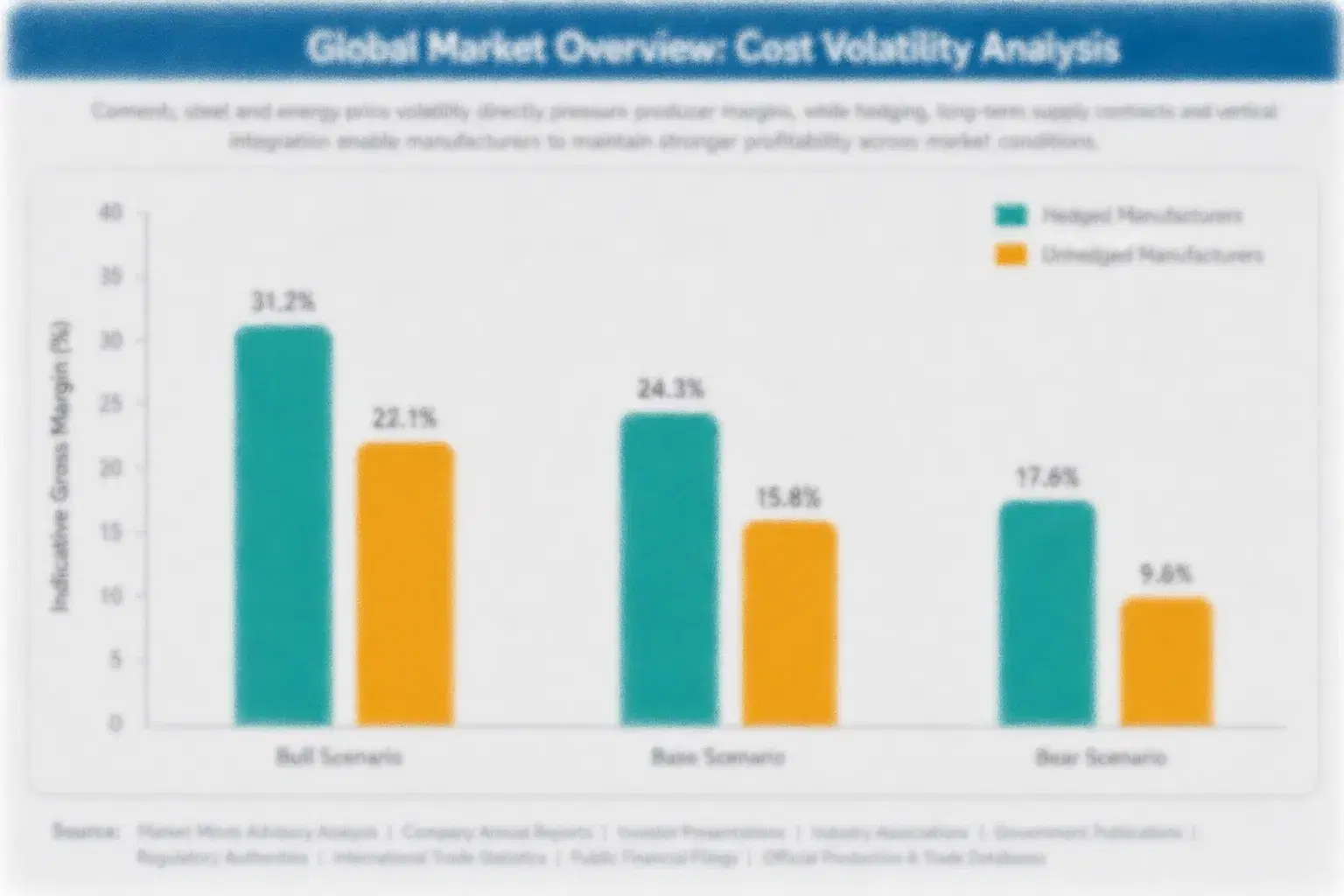
Amino Acid and Seaweed Extract Cost Exposure

Amino acid and seaweed extract inputs account for roughly 46% of total processing cost of goods sold, with amino acids sourced from protein-hydrolysate processing and seaweed extract sourced from global marine harvest regions. Formulators purchase these inputs through a mix of long-term supply contracts and spot commodity purchasing, with seaweed extract pricing in particular tracking marine harvest conditions more closely than typical agricultural commodity indices.
The 2022 to 2023 marine harvest disruption illustrated this exposure clearly, when reduced seaweed harvest volumes across major growing regions cut extract availability well below the prior five-year average, according to European marine resource reporting. Formulators without diversified seaweed sourcing faced sharp spot-price increases during that period, while larger formulators with amino acid-based formulation flexibility and forward-purchasing agreements absorbed the shortfall with comparatively less disruption to downstream customer pricing.

This exposure disadvantages smaller independent formulators lacking input diversification or forward-purchasing capability, since a sustained seaweed or amino acid price spike can force them into costly spot-market purchasing or margin-eroding contract renegotiation. Larger, vertically diversified formulators like Valagro and Italpollina weather these swings more comfortably, spreading sourcing across multiple input types and geographies that smaller regional formulators generally cannot replicate.
multi-stress-resilience-focused-nutrient-blend-mar-cost-volatility-analysis-1790026607991

Input Diversification Across Amino Acid and Seaweed Sources

Formulators are diversifying sourcing across multiple amino acid production facilities and seaweed harvest regions to reduce dependence on any single supply source, since conditions affecting these inputs do not always move in tandem across different geographies, providing a natural hedge against a severe single-source supply shortfall. Larger formulators coordinate this diversification centrally across their global sourcing networks.

Forward Purchasing and Long-Term Supply Agreements

Larger formulators increasingly lock in input pricing through forward purchasing agreements spanning twelve to twenty-four months, insulating processing margins from short-term commodity price volatility, a capability smaller independent formulators without comparable balance-sheet scale generally cannot access on equivalent terms. This capability has become a meaningful differentiator. This capability has become a meaningful competitive differentiator.

Formulation Flexibility Across Active-Ingredient Ratios

Some formulators design blends with flexible active-ingredient ratios that can shift proportionally toward more available inputs during a supply shortfall, maintaining overall cross-tolerance positioning without fully halting production during a single-ingredient price spike or shortage. Several formulators are extending this flexibility to smaller partner producers as well, reducing overall supply risk. This reduces overall supply risk.

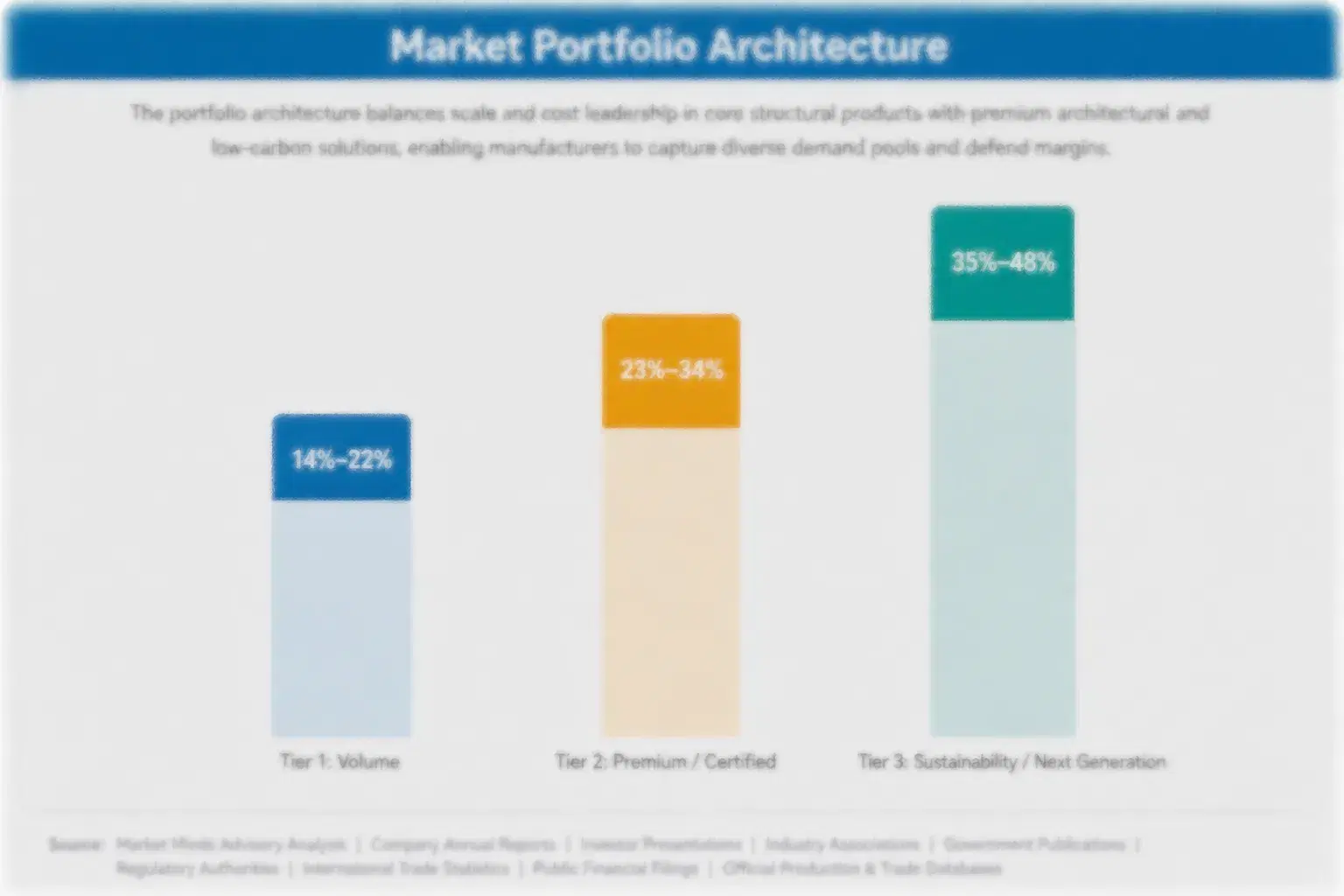
Portfolio Architecture for Margin Defence

The multi-stress resilience focused nutrient blend portfolio splits into three tiers by field-trial validation depth and stress-combination breadth. Volume and commodity-adjacent single-stress formulations carry the thinnest margins, since buyers treat them as substitutable, narrowly documented inputs. Premium and certified formats, including combined-stress and cooperative-validated formulations, command meaningfully higher margins by serving buyers who specify field-trial documentation as a procurement requirement. Buyers increasingly recognize this tier separation when negotiating annual distribution terms.
Tension between volume and premium tiers centers on capital allocation: formulators chasing single-stress commodity volume compete mainly on price and manufacturing scale, while formulators chasing premium positioning invest in combined-stress field trial research, registration compliance, and cooperative distribution infrastructure that smaller volume-focused competitors rarely fund. Larger formulators increasingly run both tiers simultaneously, using single-stress volume to fund field-trial investment in higher-margin combined-stress segments. This dual-tier operating model has become standard practice among larger Italian formulators.

High-value margin pools concentrate in combined-stress and cooperative-validated formulations sold directly to large-scale commodity producers and irrigated-agriculture cooperatives, where buyers pay meaningfully above single-stress pricing for documented cross-tolerance evidence rather than negotiating primarily on volume discounts. Independent formulators without field-trial capability generally remain confined to the lower-margin volume tier.

Volume / Commodity-Adjacent Tier

Single-stress biostimulant formulations sold largely undifferentiated to mid-tier agricultural distributors competing mainly on price rather than combined-stress documentation depth, with regional formulators facing thin margins against substitutable single-mechanism alternatives in cost-sensitive commodity-crop categories.
Gross Margin: 15%-23%

Premium / Certified Tier

Combined-stress formulations with third-party field-trial validation sold to large-scale commercial producers and agricultural cooperatives requiring documented cross-tolerance evidence and consistent efficacy across successive growing seasons. Buyers increasingly treat this documentation as a baseline purchasing requirement rather than an optional add-on.
Gross Margin: 30%-40%

Sustainability / Regulatory / Next-Generation Tier

Multi-mechanism, extensively field-validated formulations sold to climate-stressed commodity producers requiring published, peer-reviewed efficacy evidence, representing the fastest-growing and highest-margin portfolio segment as biostimulant regulatory scrutiny increases across major agricultural export markets.
Gross Margin: 38%-50%
multi-stress-resilience-focused-nutrient-blend-mar-portfolio-architecture-1790026608184

High-value Sub-segments and Strategic Watch-out

Combined-Stress Field-Validated Row-Crop Formulations

Extensively field-validated combined-stress formulations sold into large-scale commodity row-crop applications command the portfolio's strongest margins and fastest growth, as cooperatives increasingly specify documented cross-tolerance evidence on purchasing contracts. Formulators with established field-trial infrastructure are best positioned to capture this expanding demand pool each successive cycle overall today worldwide.
Gross Margin: 40%-50%

Amino Acid-Based Standard Row-Crop Formulations

Amino acid-based formulations sold into mainstream commodity row-crop channels deliver strong, steady margins without the growth intensity of combined-stress positioning, serving an established Brazilian and North American premium distribution base that continues expanding gradually, a pattern likely to persist further ahead. Retailers report stable reorder patterns.
Gross Margin: 30%-38%

Single-Stress Horticultural Formulations

Undifferentiated single-stress formulations remain a meaningful volume category by revenue, sold primarily to horticultural producers on price and application familiarity rather than combined-stress documentation depth, anchoring formulator revenue even as margins stay considerably thinner than premium formats command. Formulator revenue depends heavily on sustaining this volume base.
Gross Margin: 15%-21%

Synthetic and Engineered Microbial Alternatives

Emerging engineered microbial and synthetic cross-tolerance technologies could eventually undercut nutrient blend pricing in commodity applications if efficacy and cost improve enough, a squeeze intensifying further each cycle ahead as agricultural biotechnology firms scale toward commercial volume. Formulators are monitoring pilot-scale cost curves closely for early warning signs.
Gross Margin: n/a

Recurring Specification, Not Seasonal Purchasing

Multi-stress nutrient blends increasingly function as a specified crop-protection input rather than a seasonally purchased commodity, with large-scale producers and cooperatives locking in multi-year distribution relationships tied to defined stress-combination coverage, field-trial validation, and agronomic support requirements. This specification-driven purchasing model generates more predictable, recurring revenue for formulators than traditional seasonal biostimulant sales, exposed to weather-driven demand and spot-market pricing swings.
Adoption depth varies considerably by end-use vertical. Large-scale commodity row-crop producers show the deepest specification commitment, embedding documented cross-tolerance requirements directly into agronomic programs that are costly to reformulate around a different supplier. Cooperative-affiliated mid-scale producers show moderate stickiness, valuing consistent efficacy but retaining more substitution flexibility. Smallholder producers remain the least committed, treating multi-stress blends as one discretionary input among several given cost sensitivity.

Buyer profiles are shifting generationally as younger agronomic and procurement teams at large-scale producers prioritize documented field-trial evidence and quantified cross-tolerance claims over legacy supplier relationships built primarily on price, a shift favoring formulators that invested early in field-trial and registration infrastructure over those competing primarily on commodity cost. Formulators that anticipate this shift early stand to capture disproportionate share of future contract renewals.
multi-stress-resilience-focused-nutrient-blend-mar-end-use-penetration-index-1790026608367

Where MMA Sees the Opportunity

These are among the four positions where our research anticipates prominent divergence between winners and laggards over the coming forecast period. Each is grounded in the demand model, the regulatory perimeter, and the announced capacity pipeline.
01 / FIELD TRIAL INVESTMENT PRIORITY

Build combined-stress documentation before competitors close the gap

Formulators that invest early in combined-stress field trial validation are capturing premium pricing that single-stress competitors cannot access, and this advantage compounds as more cooperative and large-scale buyers make documented cross-tolerance evidence a baseline procurement requirement rather than an optional differentiator. Italian leaders have moved fastest, but well-capitalized Brazilian and Indian formulators still have a genuine window to build comparable capability before the gap becomes permanently difficult to close. Formulators that wait risk relegation to lower-margin single-stress commodity sales, and this window will not stay open indefinitely.
02 / ROW-CROP CHANNEL EXPANSION

Commodity row crops offer the clearest new volume pool

Commodity row-crop producers represent the most accessible path for formulators to capture volume growth that runs considerably above traditional horticultural economics, and early movers are already securing distribution agreements ahead of slower-moving competitors. The formulation and field-validation investment required for row-crop-scale application is real but modest relative to the volume uplift available, particularly for formulators who already have combined-stress trial data. Waiting risks ceding this category to microbial-technology-focused entrants without established formulation credibility, and analysts see this window closing gradually as more competitors enter.
03 / COOPERATIVE DISTRIBUTION TRANSITION

Move from direct commercial sales into cooperative partnerships

Formulators still selling primarily through direct commercial channels are leaving meaningful volume on the table, since cooperative distribution partnerships deliver considerably higher aggregate volume once agronomic support investment is complete. Valagro and UPL have already demonstrated this transition is commercially viable at scale, providing a credible template for smaller direct-sales-focused formulators to follow. Analysts expect this distribution transition to accelerate as more formulators recognize the volume opportunity, favoring early movers considerably over later entrants who will face a narrower opportunity.
04 / NON-ITALIAN FIELD-TRIAL ACCESS

Field-trial capability remains underbuilt outside Italy and Brazil

Cooperative and large-scale commercial buyers pay a meaningful premium for fully documented, combined-stress validated formulations, yet field-trial capability remains concentrated among a relatively small number of larger Italian and Brazilian formulators with the resources to manage multi-region validation programs. Formulators elsewhere who invest in field-trial infrastructure now can capture disproportionate access to this premium channel before larger competitors extend their validation programs further. This represents a genuine near-term window rather than a permanent advantage, one formulators should move on now.

Engagement Snapshot From the Field

A live engagement with an industry participant carrying material or product regulatory and market exposure ahead of a defining policy shift, showing how our research translates into a defensible multi-year portfolio strategy.
MARKET MINDS ADVISORY · CLIENT ENGAGEMENT SUMMARY
Multi-Stress Resilience Focused Nutrient Blend Producer Strategic Portfolio Review and Transition Roadmap 2026·Investment Scenario on Multi-Stress Resilience Focused Nutrient Blend Exposure Evaluation 2025-26
CLIENT PROFILE
The client is a large Brazilian agricultural cooperative representing several hundred member soybean and sugarcane farms, reporting approximately $620 million in annual revenue (client-reported, unverified by MMA). The cooperative had relied on conventional single-stress biostimulant products but sought to formalize multi-stress formulator relationships as member farms faced increasingly compounded drought and heat stress during critical growing seasons.
STRATEGIC CHALLENGE
The cooperative faced rising crop-yield volatility tied to compounding climate-stress events and lacked visibility into which formulators could reliably provide field-validated, combined-stress nutrient blends at the volume required across hundreds of member farms. Existing single-stress product relationships offered no documented protection against the compounded stress conditions member farms increasingly experienced during critical growth stages.
MMA APPROACH
MMA conducted a supplier landscape assessment covering major Italian, Spanish, and Brazilian multi-stress formulators, evaluating field-trial documentation, formulation breadth, and cooperative distribution experience. The engagement modeled yield-protection value under multiple adoption scenarios and benchmarked pricing terms across single-stress and combined-stress formulation categories to identify partners capable of supporting the cooperative's climate-resilience objectives at member-farm scale.
KEY FINDINGS
  1. Formulators with documented combined-stress field trials commanded a meaningful price premium over single-stress suppliers, but delivered substantially stronger yield-protection results under compounded stress conditions.
  2. Adopting combined-stress formulations carried an estimated 19% input cost increase relative to conventional single-stress products (client-reported, unverified by MMA), though yield-protection benefits more than offset this cost differential.
  3. Diversifying across two separate formulator relationships reduced projected worst-case supply-disruption risk by an estimated 31% compared to single-supplier dependence (client-reported, unverified by MMA).
  4. Multi-year distribution contracts with bundled agronomic support proved more cost-effective than annual spot purchasing across the modeled five-year planning horizon overall across the full contract term overall.
CLIENT PROFILE
The client is a large Brazilian agricultural cooperative representing several hundred member soybean and sugarcane farms, reporting approximately $620 million in annual revenue (client-reported, unverified by MMA). The cooperative had relied on conventional single-stress biostimulant products but sought to formalize multi-stress formulator relationships as member farms faced increasingly compounded drought and heat stress during critical growing seasons.
STRATEGIC CHALLENGE
The cooperative faced rising crop-yield volatility tied to compounding climate-stress events and lacked visibility into which formulators could reliably provide field-validated, combined-stress nutrient blends at the volume required across hundreds of member farms. Existing single-stress product relationships offered no documented protection against the compounded stress conditions member farms increasingly experienced during critical growth stages.
MMA APPROACH
MMA conducted a supplier landscape assessment covering major Italian, Spanish, and Brazilian multi-stress formulators, evaluating field-trial documentation, formulation breadth, and cooperative distribution experience. The engagement modeled yield-protection value under multiple adoption scenarios and benchmarked pricing terms across single-stress and combined-stress formulation categories to identify partners capable of supporting the cooperative's climate-resilience objectives at member-farm scale.
KEY FINDINGS
  1. Formulators with documented combined-stress field trials commanded a meaningful price premium over single-stress suppliers, but delivered substantially stronger yield-protection results under compounded stress conditions.
  2. Adopting combined-stress formulations carried an estimated 19% input cost increase relative to conventional single-stress products (client-reported, unverified by MMA), though yield-protection benefits more than offset this cost differential.
  3. Diversifying across two separate formulator relationships reduced projected worst-case supply-disruption risk by an estimated 31% compared to single-supplier dependence (client-reported, unverified by MMA).
  4. Multi-year distribution contracts with bundled agronomic support proved more cost-effective than annual spot purchasing across the modeled five-year planning horizon overall across the full contract term overall.
RECOMMENDED STRATEGY
Phase 1: Phase 1 (Months 1 to 3): Complete formulator field-trial documentation audits and negotiate multi-year framework agreements with two Italian and one Brazilian formulator. Phase 2: Phase 2 (Months 4 to 9): Roll out combined-stress formulations gradually across member farms while building yield-outcome tracking and agronomic support infrastructure. Phase 3: Phase 3 (Months 10 to 18): Formalize cooperative-wide adoption and expand agronomic support programs using the new documented climate-resilience positioning.
OUTCOME
The cooperative achieved combined-stress formulation adoption across approximately 68% of member farms within 18 months, supporting measurably improved yield stability during subsequent drought and heat-stress growing seasons (client-reported, unverified by MMA). Reported yield-protection value across the member-farm base reached approximately $14 million annually following the rollout (client-reported, unverified by MMA).

Frequently Asked Questions

Foundational context covering the market sizes, CAGR, scope, country, region and competition that inform every finding below. This section is provided to cover basics and most often pre-purchase conversations, answered from the MMA Primary Research Dataset.

What is the current size of the Multi-Stress Resilience Focused Nutrient Blend Market?

The market reached approximately $0.32 billion in 2026, following a 2025 base value of $0.29 billion. Growth reflects intensifying climate-stress pressure on major commodity-crop growing regions.

How large will the Multi-Stress Resilience Focused Nutrient Blend Market be by 2036?

MMA projects the market will reach approximately $0.93 billion by 2036, roughly 2.89 times its 2026 value. This reflects expanding commodity row-crop adoption and continued field-trial validation.

What is the CAGR for the Multi-Stress Resilience Focused Nutrient Blend Market 2026 to 2036?

The market is projected to grow at an 11.2% compound annual growth rate between 2026 and 2036. Bull and bear scenarios range from 12.5% to 9.9% depending on climate-stress intensity.

Which segment is growing fastest?

Salinity-drought combined stress blends are the fastest-growing segment, expanding at 12.6% annually, roughly 1.13 times the overall market rate. Amino acid-based multi-stress formulations follow closely at 11.4% annual growth.

Who are the major companies in the Multi-Stress Resilience Focused Nutrient Blend Market?

Leading companies include Valagro, Italpollina, Biolchim, UPL, and Koppert Biological Systems, combining formulation research depth with field-trial validation scale. Market concentration remains moderate, with a CR5 near 39%.

Which country is growing fastest?

India is growing fastest at 13.4% annually, driven by rapid irrigated agriculture expansion facing salinity and drought stress. Australia's established dryland farming sector also supports strong regional growth.

Report Segmentation Architecture

The full report scope spans multiple orthogonal segmentation dimensions, with cross-tabulated demand data provided for each dimension pair. Coverage extends further to regional breakdowns, trend trajectories, and the competitive detail needed to support segment-level decision-making.

By Stress-Combination Target

  • Drought-Heat Combined Stress Blends
  • Salinity-Drought Combined Stress Blends
  • Cold-Heat Cross-Tolerance Blends
  • Amino Acid-Based Multi-Stress Formulations
  • Seaweed Extract-Based Multi-Stress Formulations
  • Humic-Fulvic Acid Multi-Stress Formulations

By End-Use Crop Category

  • Row Crops and Grains
  • Horticultural and Specialty Crops
  • Sugarcane and Industrial Crops
  • Fruit and Vegetable Production

By Commercial Dimension

  • Direct Large-Scale Producer Contracts
  • Cooperative Distribution Partnerships
  • Agrochemical Distributor Channels
  • Export-Market Certified Supply

By Region

  • North America
  • Western Europe
  • East Asia
  • South Asia and Pacific
  • Latin America
  • Middle East and Africa
  • Eastern Europe

Scope, Methodology, and Coverage

Every figure in this report is reproducible from documented input assumptions. The scope below maps the historical period, the forecast horizon, the segmentation dimensions, and the countries covered, alongside the underlying primary and qualitative methodology.
Historical Period
2020 to 2025
Forecast Period
2026 to 2036
Base Year
2025 (USD billions; MMA Primary Research Dataset, September 2026)
Market Definition
The multi-stress resilience focused nutrient blend market covers engineered biostimulant and nutrient formulations combining amino acids, seaweed extracts, humic substances, and micronutrients designed to protect crops against combined abiotic stresses including drought, heat, salinity, and cold, validated through cross-tolerance field trials. It excludes single-stress biostimulant products and conventional fertilizers lacking a documented multi-stress efficacy claim.
Quantitative Units
USD billions (current prices); liters and metric tons of formulated blend volume where applicable
Segmentation Dimensions
By Stress-Combination Target; By End-Use Crop Category; By Commercial Dimension; By Region
Regions Covered
North America, Western Europe, East Asia, South Asia and Pacific, Latin America, Middle East and Africa, Eastern Europe
Countries Covered
USA, China, Germany, France, UK, Japan, South Korea, India, Australia, Canada, Brazil, Mexico, Indonesia, Vietnam, Thailand, Malaysia, UAE, Saudi Arabia, South Africa, Nigeria, Turkey, Poland, Netherlands, Italy, Spain, Sweden, Switzerland, Argentina, Colombia, Singapore, and additional markets relevant to this sector
Key Companies Profiled
Valagro (Syngenta Group), Italpollina, Biolchim, UPL (Arysta), Koppert Biological Systems, Isagro, Rovensa, Lallemand Plant Care, Biostadt India, Haifa Group, BASF, Corteva Agriscience, Bayer, FMC Corporation, Andermatt Group, Symborg, BioAtlantis, Fertinagro Biotech, Atlantica Agricola, De Sangosse
Quantitative Methodology
Primary survey, n=3,800 respondents, Q4 2025, six countries; demand-side model with trade association cross-validation
Qualitative Methodology
47 expert interviews, Q4 2025; applied to validate demand model assumptions, identify emerging dynamics, and assess competitive positioning
Report Format
PDF and XLSX data workbook (Word format preview document)
Publisher
Market Minds Advisory
Report Code
MMA-2026-AGR-644
Published
September 2026
Contact
sales@marketmindsadvisory.com | www.marketmindsadvisory.com

Purchase the full Multi-Stress Resilience Focused Nutrient Blend Market Report (2026 to 2036).

This report provides a comprehensive analysis of the global multi-stress resilience focused nutrient blend market, covering sizing, segmentation, and regional dynamics across the 2026 to 2036 forecast period. It profiles twenty leading companies including Valagro and Italpollina, benchmarking competitive positioning across formulation scale and field-trial validation capability. The analysis examines Italy's biostimulant research leadership, Brazil's climate-stressed commodity agriculture demand, and pricing dynamics across volume, premium, and next-generation portfolio tiers. Regional deep-dives cover all seven MMA-defined geographies, with particular attention to Latin American demand concentration and European formulation leadership.
Seven-region market sizing with defined CAGR ranges
Twenty-company competitive benchmarking on formulation scale
Segment-level growth analysis across six stress-combination targets
Input cost exposure and mitigation strategy assessment
Revenue lever analysis with quantified margin impact
Anonymized case study on cooperative distribution strategy

Built For The People Who Decide

From boardroom strategy to bench-side execution, this report is read cover-to-cover by leaders shaping the next decade of their industry, turning demand scenarios, market dynamics and valuation benchmarks into decisions.
CXOs/ Presidents/ VPs/ Managers
M&A and Corporate Development
Strategy Teams and R&D Heads
Procurement and Product Directors
Regulatory and Compliance Leaders
Investor Relations and Equity Analysts