Market Minds Advisory
Multi-Deck Refrigerated Display Cases Market

Multi-Deck Refrigerated Display Cases Market: Multi-Deck Refrigerated Display Cases Market. Global Sizing, Segmentation, and Competitive Analysis to 2036

F-gas phase-down regulations and tightening supermarket refrigerant leak rules are forcing retailers across Europe and North America to replace HFC-charged display cases with natural refrigerant systems years ahead of planned equipment retirement schedules.

Lead Analyst

Published

October 2026

Make Smarter Decisions with Customized Research Insights

Request a free sample report and evaluate market opportunities, growth trends, and competitive dynamics relevant to your business needs.

2025 MARKET VALUE$5.4BMarket Size 2025
2036 FORECAST VALUE$10.3BBase Case , 2026 to 2036
CAGR 2026 TO 20366.0 %Bull 7.3% / Bear 4.7%
INCREMENTAL OPPORTUNITY$4.5BNet 10- year value creation
EXPANSION MULTIPLE1.79x2036 value over 2026 base
Strategic Levers
M&A Pipeline
Regional Outlook
Country Rankings
Competitive Intelligence
Segmental Deep-dive
Call-Us : 91 93563 13602

Executive Snapshot and Market Trajectory.

Supermarket chains are replacing HFC display cases years ahead of schedule as F-gas regulation turns refrigerant leak compliance into a direct store operating cost rather than a distant future concern buried somewhere in a routine facilities maintenance plan scheduled for later review and budget approval.
Natural refrigerant systems using CO2 and hydrocarbons are displacing HFC-charged multi-deck cases across new store construction and major remodels, driven by tightening European Union F-gas phase-down schedules and growing United States EPA leak rate enforcement affecting large grocery chains nationwide and most regional operators as well. China is scaling domestic manufacturing capacity rapidly to supply both its rapidly expanding retail grocery footprint and growing export markets across Southeast Asia and the Middle East simultaneously.
The competitive field spans global refrigeration conglomerates and regional case fabricators, with meaningful distance between suppliers holding proven natural refrigerant integration experience across multiple store formats and smaller entrants still building compliance track records across fewer completed store rollouts. Retailer total cost of ownership calculations increasingly favor natural refrigerant systems despite higher upfront equipment cost given avoided compliance penalties and meaningful energy savings realized over the full equipment operating lifetime.
Market Definition
The Multi-Deck Refrigerated Display Cases Market covers open-front and closed-door vertical refrigerated merchandising cases used in supermarket and grocery retail settings. It excludes standalone reach-in coolers, walk-in cold rooms, and food service display equipment outside retail grocery applications.
Base Year Value
$5.4B in 2025 (MMA Primary Research Dataset, October 2026)
Forecast Period
2026 to 2036, eleven discrete annual values
CAGR
6.0% base case. Bull 7.3%. Bear 4.7%.
Fastest Growth Segment
Natural Refrigerant Multi-Deck Cases for Low-GWP Compliance: 9.4% CAGR
Fastest Growth Country
China: 8.1% CAGR
Fastest Growth Region
South Asia and Pacific: 8.0% CAGR
Largest Region
North America: 27% of 2025 global value
Market Leaders
Hussmann Corporation, Epta Group, Carrier Commercial Refrigeration, Arneg Group, AHT Cooling Systems. Source: MMA Primary Research Dataset, July 2026.
Primary Survey
n=3,800 procurement and R&D decision-makers, Q4 2025, six countries
Methodology
Demand-side build-up, cross-validated against public data, 47 expert interviews

Multi-Deck Refrigerated Display Cases Market Forecast Scenarios

multi-deck-refrigerated-display-cases-market-size-forecast-scenario-1791074339575
The 2020 to 2025 period saw multi-deck display case demand grow steadily, tied to store construction and standard equipment replacement cycles. Growth accelerated toward the end of the period as F-gas phase-down deadlines pushed retailers to retrofit HFC systems ahead of schedule, lifting the historical CAGR to 5.0% heading into the forecast window. Retailer adoption pace varied considerably by region during this period.
The base case assumes continued F-gas phase-down enforcement, expanding natural refrigerant infrastructure in supermarket chains, and steady retrofit replacement of aging HFC cases nearing scheduled end-of-life. These three mechanisms together support a 6.0% CAGR through 2036, with CO2 and hydrocarbon systems capturing a growing share of new store specifications as retailers prioritize regulatory compliance over marginal equipment cost differences during store design. Retailers increasingly treat this transition as a strategic priority rather than a discretionary upgrade.
The bull case centers on accelerated EPA leak rate enforcement in the United States, which could push growth toward 7.3%. The bear risk is a global retail capital spending slowdown, which would delay store remodels and compress growth toward 4.7% as retailers defer non-critical equipment upgrades and prioritize essential store maintenance spending instead during that period.

Regulatory Compliance Reshapes Display Case Specification

Multi-deck display cases have moved from a routine store fixture purchase to a regulatory compliance decision as retailers face mounting leak rate penalties and phase-down deadlines for traditional HFC refrigerants. Store design teams increasingly treat refrigerant selection as a core planning requirement rather than a standardized equipment order placed without broader strategic consideration of future compliance costs and penalty exposure.
MARKET CONCENTRATIONCR5 41%Reflects a moderately concentrated commercial refrigeration supplier base
AVERAGE CASE PRICE$12,500 per unitReflects standard multi-deck case configuration and sizing cost
TOP PRODUCING COUNTRY SHAREChina 23%Largest single national case manufacturing base by volume
CAPACITY UTILISATION75%Reflects cyclical retail store construction and remodel demand
FEEDSTOCK SHARE COGS33%Steel, glass, and compressor components dominate direct costs
REPLACEMENT CYCLE LENGTH10 to 12 yearsReflects typical display case equipment service life span
CO2 transcritical systems dominate new natural refrigerant installations in Europe given mature supply chains and installer expertise, while hydrocarbon systems gain share in smaller format stores where charge size limits favor propane-based designs. China and the United States anchor global case manufacturing at meaningfully different price and technology tiers, with China scaling rapidly to serve both domestic retail growth and growing export markets across Southeast Asia.
Total cost of ownership calculations increasingly favor natural refrigerant systems despite higher upfront equipment cost, as retailers factor in avoided compliance penalties and meaningfully lower energy consumption over the equipment lifetime. This shift is reshaping which suppliers retailers select for new store rollouts, favoring those with proven natural refrigerant integration experience across multiple store formats, climates, and regional regulatory frameworks.
"A refrigerant leak used to be a maintenance ticket. Now it shows up as a line item in the compliance audit before it ever reaches facilities."
Senior Analyst, Commercial Refrigeration Systems Practice · MMA Construction and Industrial Equipment Practice · October 2026

Market Trends

F-Gas Phase-Down Accelerates Retrofit Timeline Schedules

European Union F-gas phase-down schedules are forcing supermarket chains to replace HFC-charged display cases years ahead of normal equipment replacement cycles, as the cost of maintaining aging HFC systems rises sharply alongside shrinking refrigerant supply quotas. Retailers in multiple member states are now budgeting for complete fleet conversion to natural refrigerants within defined compliance windows rather than waiting for standard equipment end of life. This regulatory pressure is pulling forward demand that would otherwise have materialized gradually over several additional years of normal replacement timing absent this specific phase-down schedule.
Market Impact: Adds 8% new store construction
EPA Leak Rate Enforcement Expands Compliance Scope

United States Environmental Protection Agency leak rate enforcement under updated regulations is pushing grocery chains toward natural refrigerant systems with inherently lower leak risk than traditional HFC designs operating under tighter reporting requirements. Retailers face escalating penalties for exceeding permitted leak rates, making natural refrigerant conversion an increasingly attractive risk mitigation strategy beyond pure cost considerations alone. This regulatory shift is accelerating adoption timelines that would otherwise have taken several additional years to materialize across the broader retail sector absent this specific enforcement escalation currently underway across multiple state jurisdictions.
Market Impact: Cuts energy costs 20 to 30%

Market Opportunities and Growth Drivers

Grocery Store Construction Growth Sustains Case Demand

New supermarket and grocery store construction continues expanding steadily across China, India, and Southeast Asia as retail infrastructure modernizes, directly lifting demand for multi-deck display cases across every new store format entering construction. Major grocery chains have multiple large-format stores under construction or in advanced planning simultaneously, each requiring substantial case volume at opening. This construction growth gives case suppliers multi-year demand visibility that is largely independent of remodel cycles occurring simultaneously across existing store networks. India and Vietnam are adding capacity rapidly relative to other developing retail markets nearby.
Market Impact: Adds 25 to 40% unit cost

Energy Efficiency Mandates Expand Natural Refrigerant Appeal

Energy efficiency mandates across major grocery markets increasingly favor natural refrigerant systems given their superior thermodynamic efficiency compared to traditional HFC designs operating under similar load conditions. Retailers calculating total energy cost over equipment lifetime increasingly find natural refrigerant systems deliver meaningful operating cost savings that offset higher upfront equipment prices within reasonable payback periods. This economic case is pulling adoption forward independent of regulatory compliance pressure alone, as retailers recognize the standalone business value these systems provide. Operators increasingly cite this efficiency benefit independently when justifying equipment capital budgets internally.
Market Impact: Adds 2 to 4 weeks delay

Market Restraints and Challenges

High Upfront Cost Delays Natural Refrigerant Conversion

Natural refrigerant systems cost meaningfully more upfront than conventional HFC cases, and the root cause is the specialized high-pressure CO2 components and leak detection systems these designs require compared to simpler HFC architecture. Smaller grocery chains and independent retailers in cost-sensitive markets often delay conversion even where regulation would eventually require it, prioritizing capital budget flexibility over long-term compliance exposure. Suppliers are responding with hybrid case designs offering partial natural refrigerant adoption at lower price points as a mitigation pathway for cost-constrained buyers. This gap tends to narrow only as regulatory enforcement becomes consistently stricter across more jurisdictions over time.
Market Impact: Affects 200,000 plus legacy cases

Limited Technician Training Delays Service And Installation

Natural refrigerant systems require technicians trained in high-pressure CO2 handling and hydrocarbon safety protocols, and the underlying cause is that vocational refrigeration training has not kept pace with the technology shift away from simpler HFC systems. Retailers in regions with limited technician availability face longer installation and service wait times, eroding some of the operational benefit these systems are supposed to deliver. Suppliers are increasingly bundling remote monitoring and technician training programs into service contracts as a mitigation pathway. Expanding training capacity will require sustained vocational investment across multiple regions and years ahead.
Market Impact: Cuts leak penalties 40 to 60%
4 additional market trends, 3 additional growth drivers, and 2 additional restraints and challenges are covered in the full report. Contact sales@marketmindsadvisory.com to access the complete intelligence.

Segment CAGR and Growth Architecture

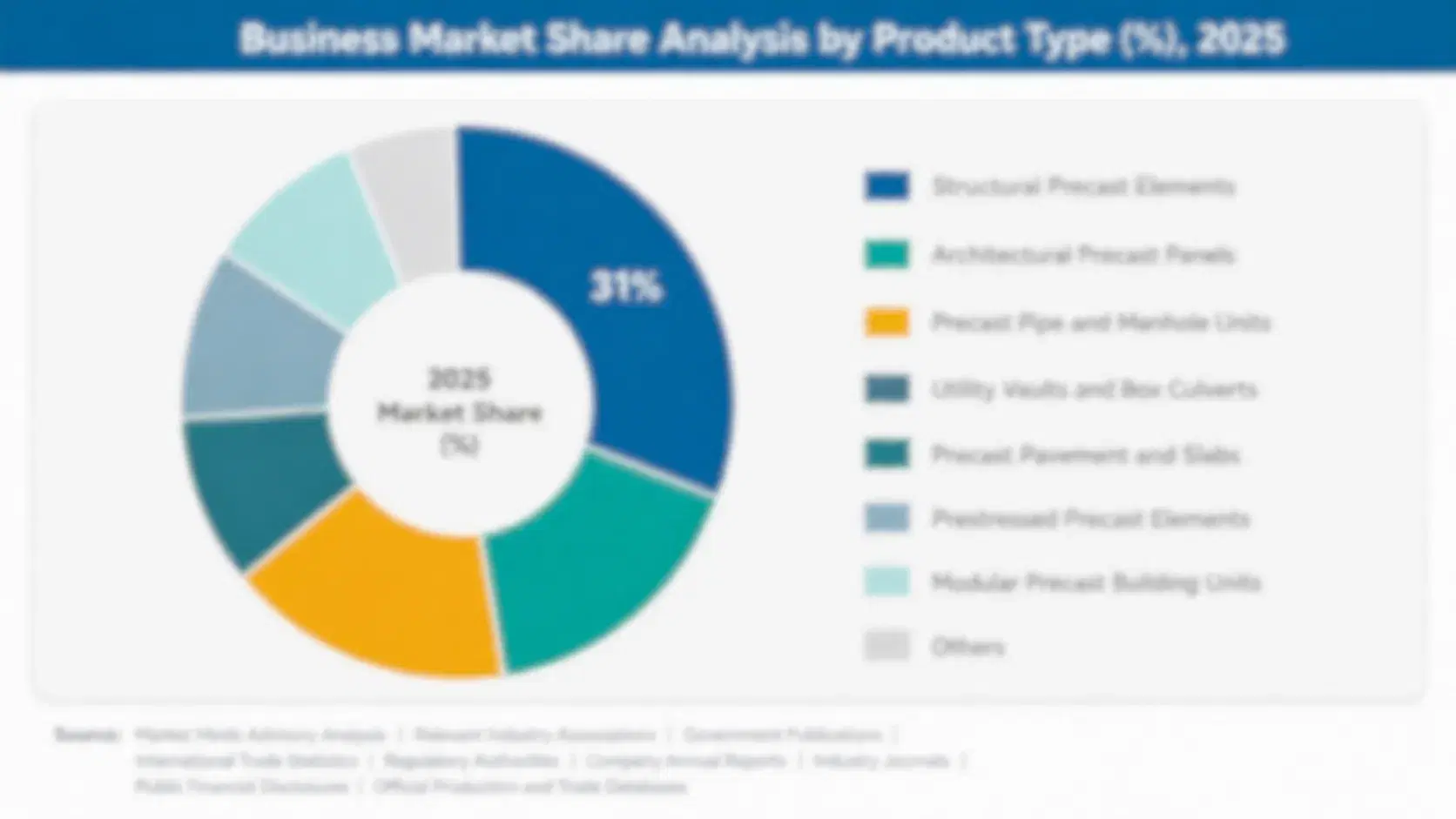
Multi-deck display cases split along distinct refrigerant technology lines, from conventional HFC systems through transitional low-GWP blends to full natural refrigerant designs. Five segments capture these approaches across the defined market scope, and the fastest-growing reflects retailers prioritizing regulatory compliance over marginal equipment cost differences. Each segment carries distinct installation and service implications that retailers increasingly weigh carefully.
multi-deck-refrigerated-display-cases-market-market-share-analysis-1791074339879

Natural Refrigerant Multi-Deck Cases for Low-GWP Compliance

Natural refrigerant multi-deck cases for low-GWP compliance are growing fastest because retailers increasingly treat refrigerant selection as a core compliance requirement rather than a late-stage equipment specification decision resolved after store design is largely finalized. These systems use CO2 or hydrocarbon refrigerants engineered for near-zero global warming potential while still delivering comparable cooling performance to conventional HFC designs across typical supermarket load conditions. Suppliers with proven natural refrigerant integration experience across multiple store formats are capturing disproportionate share of new specification wins, since retailers strongly prefer suppliers with documented compliance track records. This track record advantage compounds further as reference lists lengthen across successive store rollouts. New entrants face a steep climb to compete for marquee chain-wide awards.
CAGR 9.4%

Conventional HFC Multi-Deck Cases

Conventional HFC systems remain the installed base standard across most existing stores, offering proven reliability and lower upfront cost than natural refrigerant alternatives without the compliance premium that increasingly justifies the added expense on new installations. This segment continues generating steady replacement demand as the global store fleet ages and approaches scheduled equipment replacement, though growth lags the natural refrigerant segment given tightening regulation in key operating regions. Adoption of newer technology remains limited among retailers who prioritize total installed cost over long-term compliance exposure. Suppliers here compete mainly on price and proven reliability rather than advanced compliance differentiation of any kind. Volume here should remain substantial given the sheer scale of the existing installed store base.
CAGR 4.5%
Full segment breakdown across 5 segments available in the complete report.

Regional Architecture and Country Demand Map

North America leads narrowly on sheer retail store count and construction volume, while East Asia follows closely given its case manufacturing scale and rapidly expanding domestic grocery footprint. Western Europe trails on growth despite regulatory leadership, since most large chains there have already converted to natural refrigerants.

North America

The United States anchors regional demand through its concentration of large grocery chains continuing store construction and remodel activity nationwide, with EPA leak rate enforcement accelerating natural refrigerant adoption at an increasing pace across both new builds and existing fleet conversions. California has adopted its own stricter refrigerant regulations ahead of federal timelines, creating a leading-edge compliance market within the broader national picture. Canada contributes a smaller but steady share tied to its own grocery retail expansion and similar regulatory direction. This combination of regulatory layering and sheer store count gives North America a uniquely intense compliance market that continues driving sustained equipment replacement demand across every major grocery chain operating nationwide.
Share: 27% | CAGR: 6.6% (2026 to 2036)

East Asia

China anchors regional fabrication given its scale advantage in case manufacturing and its rapidly expanding domestic grocery and convenience retail footprint supporting strong local demand. South Korean and Japanese suppliers occupy a distinct premium tier, offering higher energy efficiency standards to retailers willing to pay for documented performance consistency. Domestic Chinese retail construction growth is itself a major demand driver, as e-commerce-adjacent grocery delivery infrastructure expands across major cities. This combination of manufacturing scale and rising domestic specification standards gives East Asia a growing overall case market by installed volume, a lead that continues widening as retail formats modernize further. South Korea contributes meaningful premium-tier demand given its advanced retail infrastructure and sustainability-focused chains.
Share: 26% | CAGR: 7.1% (2026 to 2036)
Regional intelligence for 5 additional markets available in the complete report: Western Europe, South Asia and Pacific, Latin America, Middle East and Africa, Eastern Europe. Contact sales@marketmindsadvisory.com.
multi-deck-refrigerated-display-cases-market-country-cagr-analysis-1791074340215

Where Display Case Margins Concentrate

Case sale margins compress as standard HFC designs commoditize, pushing suppliers toward natural refrigerant specialization, energy efficiency data, and compliance consulting services instead of competing purely on unit price. Two levers stand out as the clearest paths to durable margin capture over the forecast period for established case suppliers today. Suppliers holding genuine compliance expertise today stand to benefit most.

Build Natural Refrigerant Integration Expertise Now

Suppliers that develop proven CO2 and hydrocarbon integration expertise capture a disproportionate share of new store specifications, where retailers pay a premium of 15 to 25% over unproven competitors for the reduced installation risk this track record represents across complex high-pressure refrigeration systems. This advantage compounds steadily over time, since major grocery chains increasingly require documented multi-store delivery references before approving a new case supplier for chain-wide conversion programs spanning hundreds of individual store locations. Smaller rivals lacking comparable testing investment struggle to compete for the largest marquee chain awards.
Market Impact: Adds 15 to 25% pricing premium in total

Expand Energy Efficiency Data And Compliance Consulting

Suppliers that build dedicated compliance consulting capability capture deeper account relationships and materially higher specification win rates than suppliers competing purely on case price alone. This requires building technical teams, at an investment of 1 to 2 million dollars annually, capable of modeling total cost of ownership and regulatory exposure for retailer risk management committees evaluating competing bids. Suppliers with established consulting programs are increasingly difficult for competitors to displace once embedded in a customer's own internal procurement process and preferred vendor list. Smaller suppliers without comparable technical teams struggle to build this level of trust with risk management buyers.
Market Impact: Lifts win rate 20 to 30 points higher

Who Controls the Margin Pool

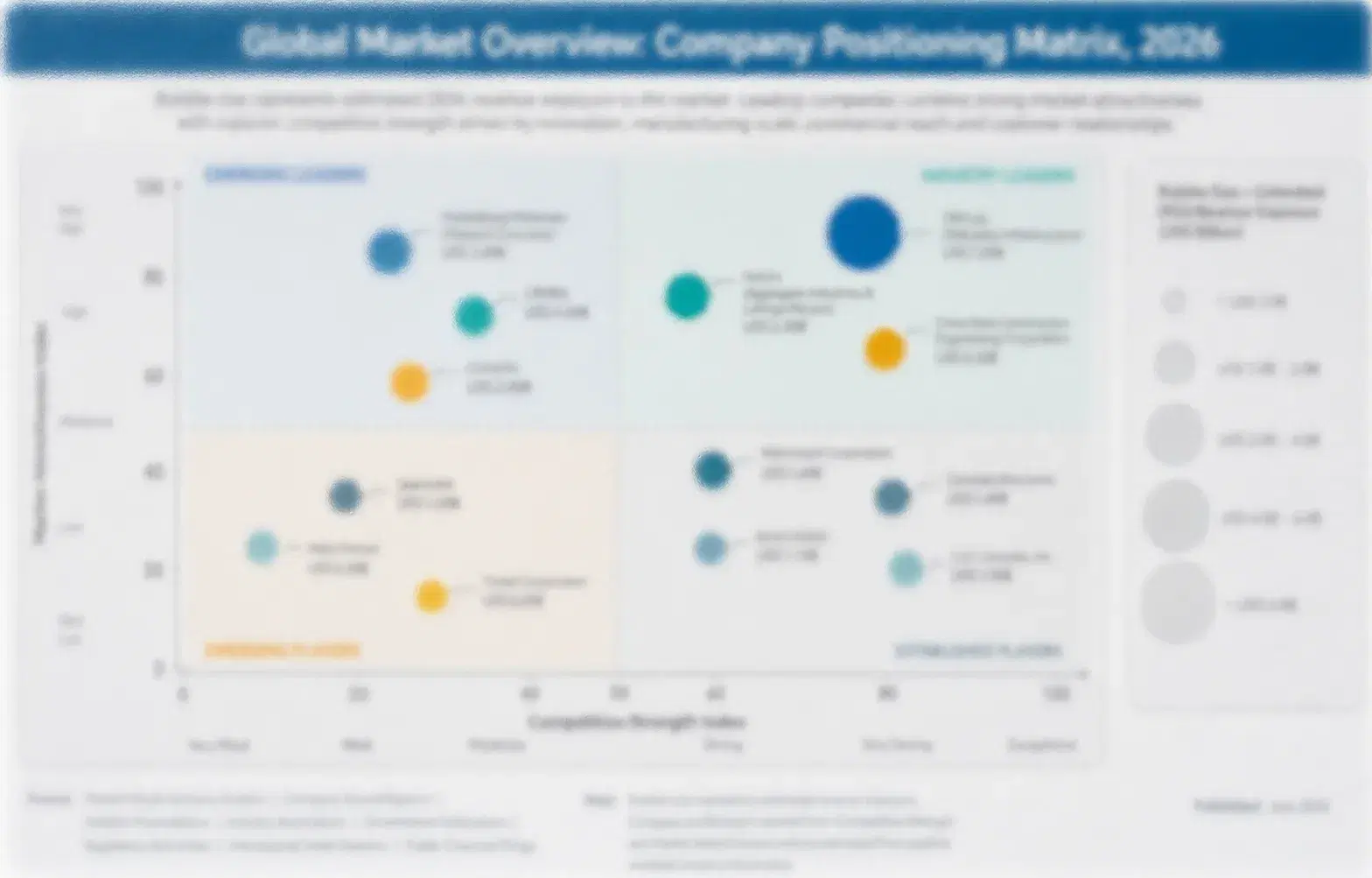
The competitive field is moderately concentrated, with a CR5 of 41% on reported case revenue reflecting the limited number of firms with proven natural refrigerant integration depth at scale. Hussmann and Epta lead on manufacturing scale and documented compliance data, creating a meaningful gap between the leaders and challengers like Carrier and regional fabricators competing primarily on price and delivery speed. Smaller fabricators compete mainly on price and delivery time.
Current competitive activity centers on expanding CO2 and hydrocarbon system manufacturing capacity, as suppliers race to meet tightening F-gas regulation that conventional HFC designs increasingly cannot satisfy on new store specifications. Several players are also deepening direct relationships with major grocery chains, aiming to lock in chain-wide conversion contracts rather than competing store by store in open bidding processes. This shift favors suppliers with broad account management teams over pure product specialists.

Rankings are most likely to shift where Chinese suppliers like Haier Commercial Refrigeration continue narrowing the technology gap with Western incumbents on natural refrigerant manufacturing while maintaining a meaningful cost advantage. Compliance consulting capability is emerging as a separate competitive battleground where traditional case manufacturers face real pressure from newer entrants focused specifically on regulatory risk reduction.
multi-deck-refrigerated-display-cases-market-company-positioning-matrix-1791074340483

Competitive Moat and Risk Dimensions

HUSSMANN CORPORATION

Moat: Broad North American Distribution

Hussmann's extensive North American manufacturing and service network positions it well ahead of smaller regional competitors on delivery speed and installation support, drawing on decades of established relationships with major grocery chains across the continent that newer entrants cannot easily replicate. This history also gives Hussmann preferred status in large national chain procurement processes.
HUSSMANN CORPORATION

Risk: Slower International Expansion

Hussmann has a notably smaller international footprint compared to Epta and Carrier, a gap that could limit its ability to capture growing demand in India, Southeast Asia, and the Middle East where some of the fastest market growth is currently concentrated and competitors are investing heavily.
EPTA GROUP

Moat: Natural Refrigerant Engineering Depth

Epta's early and sustained investment in natural refrigerant engineering gives it a documented track record across European markets that competitors are still building, positioning it well for specification wins as F-gas regulation tightens further across additional jurisdictions over the coming years. This early positioning is becoming increasingly valuable as more jurisdictions tighten standards.
EPTA GROUP

Risk: Limited North American Presence

Epta's smaller North American manufacturing and service footprint compared to Hussmann limits its ability to compete for large chain-wide contracts in that market, a gap that could cost meaningful share as EPA leak rate enforcement accelerates natural refrigerant demand there as well. Expanding meaningfully would require substantial capital investment over several years.

Players Tracked

Prominent Players

Hussmann Corporation
Epta Group
Carrier Commercial Refrigeration
Arneg Group
AHT Cooling Systems

Other Key Players

Zero Zone
Southern Store Fixtures
Tyler Refrigeration
Hillphoenix
Bonnet Neve
Costan
Criocabin
Guangzhou Icesource Refrigeration
Haier Commercial Refrigeration
Qingdao Hicon Refrigeration
Dover Food Retail
ISA Group
Linde Refrigeration
Mafirol
Enofrigo

Recent Developments

APRIL 2026

Carrier Commercial Refrigeration acquired a specialized CO2 transcritical systems integrator based in the Netherlands, adding engineering capability aimed at expanding its share of European grocery chain conversion contracts requiring the strictest refrigerant compliance currently available anywhere in the broader European grocery retail construction market today.
Signal: Confirms acquisition remains the preferred route into specialized natural refrigerant capability rather than slower internal engineering development timelines alone.
SEPTEMBER 2025

Hussmann entered a supply agreement with a major Chinese grocery retail chain to co-develop natural refrigerant case designs tailored to local store formats, combining Hussmann's global engineering standards with the retailer's detailed knowledge of regional store store layout preferences, climate conditions, and local energy pricing structures.
Signal: Signals growing willingness among legacy case suppliers to partner locally rather than cede share to newer entrants.

Steel and Compressor Component Exposure

Steel, glass, and compressor components account for roughly 33% of direct manufacturing cost of goods sold for multi-deck display cases, sourced primarily from base metals producers and compressor manufacturers concentrated in China, Italy, and the United States. High-pressure CO2 components add a further meaningful cost share for natural refrigerant systems, subject to the same base metals volatility affecting broader commercial refrigeration manufacturing.
Steel prices spiked sharply during 2021 and 2022 as post-pandemic demand recovery outpaced mining and refining capacity, a disruption documented in IEA industrial metals reporting and corroborated by Hussmann annual report disclosures citing higher raw material costs during that period. Suppliers that had not locked in multiyear steel supply contracts faced the sharpest margin compression, with some smaller fabricators reporting delayed deliveries tied directly to component shortages.

This cost exposure creates a durable competitive disadvantage for smaller fabricators lacking the purchasing scale to negotiate multiyear metals supply agreements, forcing them to pass through volatility to retailer customers faster than larger rivals with diversified procurement. Exposure also varies by geography, since suppliers manufacturing domestically in China face less currency and freight risk than those importing compressor components into other manufacturing regions.
multi-deck-refrigerated-display-cases-market-cost-volatility-analysis-1791074340774

Multiyear Steel and Component Supply Contracts

Suppliers are increasingly locking multiyear fixed-volume contracts with steel and compressor producers, trading some pricing flexibility for protection against the kind of sharp 2021 and 2022 style metals spikes that compressed smaller competitors' margins the most severely during that volatile period. This approach provides budget predictability that smaller competitors without comparable purchasing scale cannot easily replicate on their own.

Compressor Supplier Diversification Strategy

Several large suppliers are diversifying compressor sourcing across multiple manufacturers and regions, reducing dependence on any single supplier and limiting exposure to localized production disruptions or component shortages affecting any one specific manufacturing facility. This diversification strategy requires maintaining qualification across multiple compressor manufacturers simultaneously, adding modest additional system design and sourcing complexity overall.

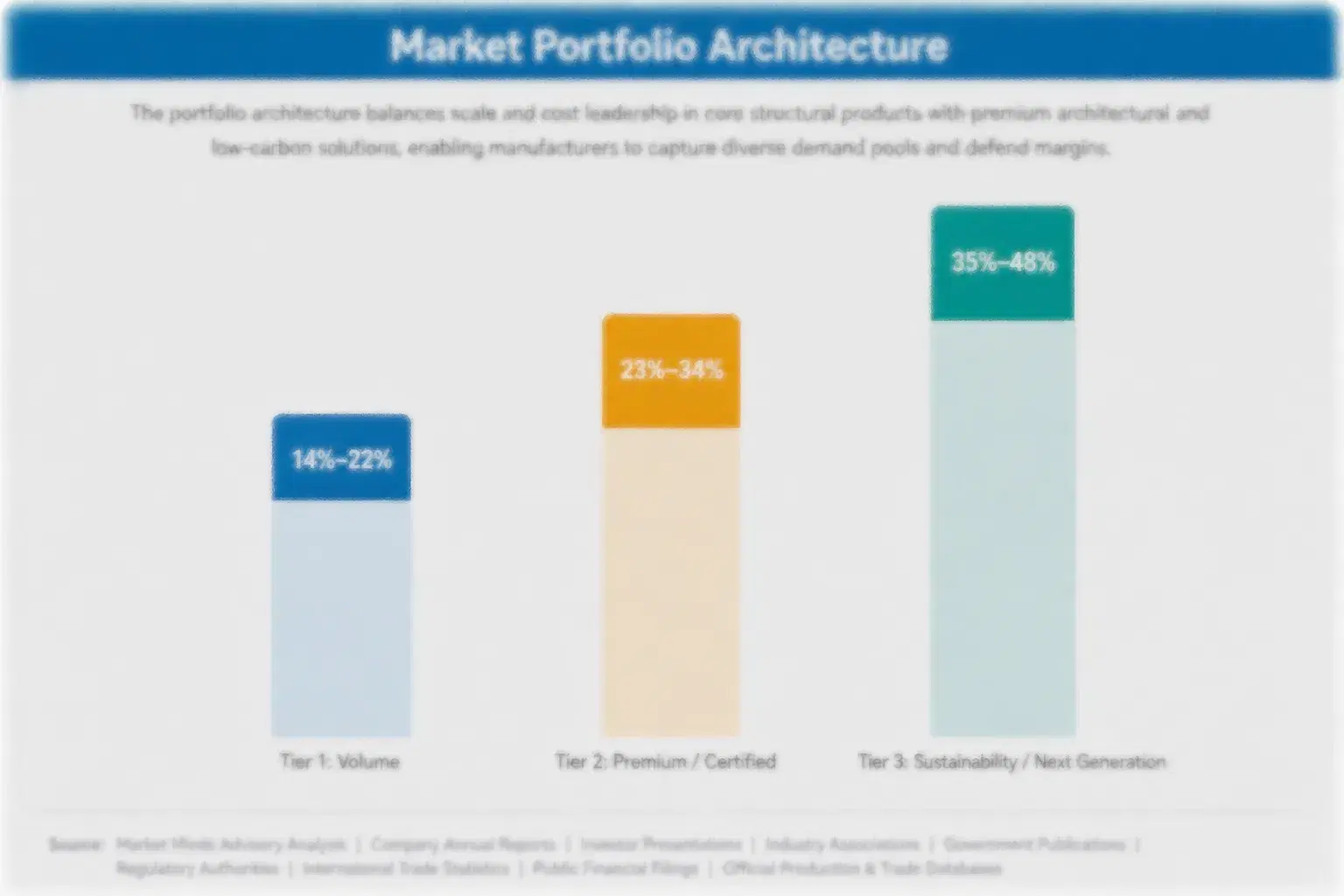
Portfolio Architecture for Margin Defence

Multi-deck display case margin economics split sharply across three tiers, from commodity HFC systems through certified low-GWP transitional designs to premium natural refrigerant equipment. The gap between tiers has widened as regulatory mandates push more volume toward the highest-margin natural refrigerant technologies, reshaping where suppliers should concentrate capital and engineering investment going forward. Volume-tier suppliers face the steepest margin pressure.
Volume-tier HFC systems carry gross margins around 16 to 24%, reflecting intense price competition among numerous suppliers offering largely interchangeable equipment with minimal differentiation. Premium certified natural refrigerant systems earn 30 to 40% margins, rewarding suppliers with proven integration records and documented energy efficiency performance that smaller rivals struggle to replicate at comparable scale. Pricing power increasingly flows to suppliers who can prove reliability rather than those simply offering the lowest unit cost.

The highest-value pools concentrate in CO2 transcritical systems with full compliance documentation, where margins reach 40 to 54% given the engineering complexity and limited supplier base capable of meeting the strictest regulatory and efficiency standards. This volume versus premium tension increasingly determines which suppliers thrive, as those stuck competing in the commodity tier face eroding returns even as overall store construction volume continues growing.

Standard HFC display cases sold largely on price, carrying gross margins around 16 to 24% amid intense regional competition and minimal product differentiation across most supplier offerings available. Competition here is largely driven by cost rather than engineering differentiation of any kind.
Gross Margin

Certified natural refrigerant systems with documented integration records, earning 30 to 40% gross margins from established suppliers with proven energy efficiency performance data over many years. These suppliers increasingly dominate new store specification wins across major grocery chains.
Gross Margin

CO2 transcritical systems with full compliance documentation commanding 40 to 54% margins given engineering complexity and a limited qualified supplier base able to meet the strictest standards. These systems represent the newest and most technically demanding category currently in the market.
Gross Margin
multi-deck-refrigerated-display-cases-market-portfolio-architecture-1791074341082

High-value Sub-segments and Strategic Watch-out

Natural Refrigerant Multi-Deck Cases for Low-GWP Compliance

High-value and fastest-growing, driven by expanding F-gas and EPA enforcement pushing default specification of natural refrigerant designs across new and retrofitted stores entering construction today. Suppliers with proven multi-store delivery records are capturing most of this growth opportunity. Orderbooks for qualified suppliers already extend years into the future.

Conventional HFC Multi-Deck Cases

High-value with moderate but steady growth, anchored by installed base replacement cycles and retailers prioritizing total installed cost over long-term compliance exposure during active decisions. Adoption of newer technology remains limited among retailers prioritizing total lifecycle cost. Replacement demand should stay steady rather than accelerating meaningfully going forward.

Low-GWP Transitional Blend Cases

Volume core of the market, serving retailers seeking lower emissions without the full cost premium of natural refrigerant systems while compliance deadlines approach gradually across jurisdictions. Chinese suppliers are steadily narrowing the quality gap on these standard commodity designs. Margins here remain moderate given the transitional nature of this category.

Open-Front Impulse Merchandising Cases

Strategic watch-out as open-front formats face efficiency pressure from enclosed door designs offering meaningfully better energy performance in markets prioritizing both compliance and cost savings. This remains a transitional category worth monitoring as efficiency standards tighten. Few suppliers currently invest further in this declining format.

Store-Life Replacement Economics

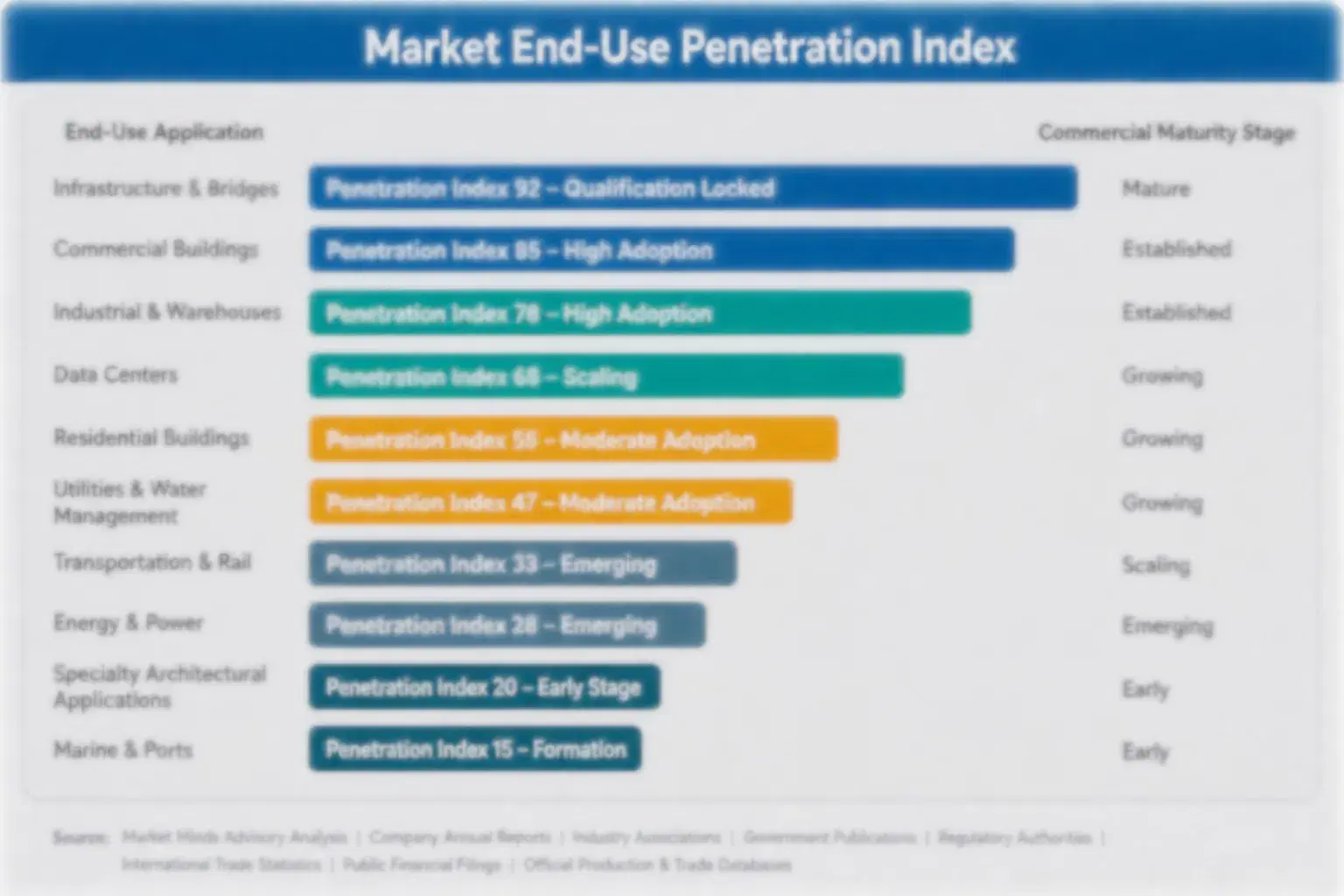
Multi-deck display case demand runs on store-life replacement economics rather than frequent repeat purchase, since a case is locked into store layout during construction and then operates for ten to twelve years before scheduled replacement. Once a retailer selects a case supplier during construction or major remodel, that relationship typically holds through the equipment's full operating life, giving incumbent suppliers durable, multiyear revenue visibility tied to each store's renovation cycle.
Adoption stickiness varies sharply by end-use vertical. Large grocery chains rarely switch case suppliers mid-rollout, since requalification carries real cost and compliance risk that few procurement teams want to absorb during active chain-wide conversion programs. Independent and smaller retailers switch more readily between projects, often weighting price and delivery speed over deep engineering history, since standard store formats carry less application-specific complexity than large-format supermarkets.

A generational shift in buyer profiles is underway as retail facilities teams increasingly weight documented energy efficiency data and compliance performance more heavily than predecessors did, favoring suppliers that can demonstrate verified delivery performance over time. Younger procurement managers also rely more on digital monitoring platforms that flag refrigerant leaks and compliance risk automatically, shifting purchasing influence toward documented, data-driven supplier comparisons.
multi-deck-refrigerated-display-cases-market-end-use-penetration-index-1791074341370

The MMA Verdict

These are among the four positions where our research anticipates prominent divergence between winners and laggards over the coming forecast period. Each is grounded in the demand model, the regulatory perimeter, and the announced capacity pipeline.
01 / NATURAL REFRIGERANT INVESTMENT

Build CO2 and hydrocarbon integration depth now

Natural refrigerant engineering depth, not conventional manufacturing scale, is what determines access to the fastest-growing segment of this market through the forecast period. Suppliers lacking proven integration records today are already losing specification wins to competitors with documented compliance data, and that gap widens as more jurisdictions tighten F-gas regulation even further. Building this capability now should be the first priority for any supplier targeting durable share gains in regulated markets worldwide over the next decade of tightening environmental standards.
02 / COMPLIANCE CONSULTING EXPANSION

Build compliance consulting capability before rivals do

Compliance consulting capability represents a genuine competitive advantage on chain-wide conversion decisions, and suppliers without dedicated technical teams risk ceding specification entirely to competitors already offering documented total cost of ownership analysis. Suppliers should pursue consulting investment now rather than waiting for retailers to demand it, since early movers are already capturing premium pricing on their documented technical expertise. Delaying this investment risks permanent competitive disadvantage in the fastest-growing specification categories, where retailers increasingly treat documentation as a baseline bid requirement.
03 / METALS PROCUREMENT SCALE

Build diversified steel and compressor sourcing now

Suppliers with diversified metals and component sourcing hold a durable advantage against competitors dependent on a single supplier or region, since price spikes and disruptions hit concentrated procurement hardest during volatile periods. Suppliers should prioritize sourcing diversification across multiple regions and component manufacturers rather than optimizing solely for lowest-cost single sourcing alone. This resilience increasingly separates reliable suppliers from those exposed to sudden margin shocks whenever commodity volatility strikes unexpectedly across any single sourcing region or broader market cycle entirely.
04 / CHINESE COMPETITION RESPONSE

Compete on documented compliance, not price alone

Chinese suppliers' cost advantage in commodity HFC cases is rooted in lower labor and component costs and is unlikely to close through pricing alone, so established producers competing purely on price in that tier are fighting for a shrinking, thinning-margin pool of business. The more durable path is competing on documented natural refrigerant integration and compliance consulting depth where unit cost matters less than proven reliability. Chasing commodity volume defensively drains resources better spent building certified capacity and deeper underwriting relationships instead, where margins hold up far better.

Engagement Snapshot From the Field

A live engagement with an industry participant carrying material or product regulatory and market exposure ahead of a defining policy shift, showing how our research translates into a defensible multi-year portfolio strategy.
MARKET MINDS ADVISORY · CLIENT ENGAGEMENT SUMMARY
Multi-Deck Refrigerated Display Cases Producer Strategic Portfolio Review and Transition Roadmap 2026·Investment Scenario on Multi-Deck Refrigerated Display Cases Exposure Evaluation 2025-26
CLIENT PROFILE
The client is a regional grocery chain operating over one hundred fifty stores across the eastern United States, with annual revenue exceeding three billion dollars (client-reported, unverified by MMA). The company faced EPA leak rate compliance deadlines across a significant portion of its existing store fleet and needed to decide between phased natural refrigerant conversion and continued HFC maintenance for several aging store formats.
STRATEGIC CHALLENGE
The client's facilities team favored a gradual conversion approach limited to new store construction, while its risk and sustainability teams pushed for accelerated fleet-wide conversion to avoid mounting leak penalties. Internal disagreement centered on whether the capital investment required for accelerated conversion justified the avoided compliance cost, and the client needed external, data-grounded input before finalizing its budget.
MMA APPROACH
MMA conducted structured interviews with six qualified case suppliers, benchmarking conversion cost estimates, documented energy savings data, and current installation capacity against the client's compliance timeline. The team modeled total cost of ownership across conversion scenarios using MMA's primary survey dataset covering comparable regional chain conversions to determine which pace better protected the client's long-term operating budget.
KEY FINDINGS
  1. Accelerated conversion cost approached 35% more upfront than the gradual approach but avoided an estimated two years of mounting leak penalties. over the projected deployment schedule.
  2. Three of six suppliers evaluated had limited experience with the client's specific store format and refrigeration load requirements. at the scale the client required.
  3. Energy savings from natural refrigerant systems were projected to offset the accelerated conversion premium within approximately four years of operation. under the client's usage profile.
  4. Suppliers with dedicated grocery chain account teams quoted meaningfully narrower delivery variance than generalist competitors bidding on the same contract. given their established delivery history.
CLIENT PROFILE
The client is a regional grocery chain operating over one hundred fifty stores across the eastern United States, with annual revenue exceeding three billion dollars (client-reported, unverified by MMA). The company faced EPA leak rate compliance deadlines across a significant portion of its existing store fleet and needed to decide between phased natural refrigerant conversion and continued HFC maintenance for several aging store formats.
STRATEGIC CHALLENGE
The client's facilities team favored a gradual conversion approach limited to new store construction, while its risk and sustainability teams pushed for accelerated fleet-wide conversion to avoid mounting leak penalties. Internal disagreement centered on whether the capital investment required for accelerated conversion justified the avoided compliance cost, and the client needed external, data-grounded input before finalizing its budget.
MMA APPROACH
MMA conducted structured interviews with six qualified case suppliers, benchmarking conversion cost estimates, documented energy savings data, and current installation capacity against the client's compliance timeline. The team modeled total cost of ownership across conversion scenarios using MMA's primary survey dataset covering comparable regional chain conversions to determine which pace better protected the client's long-term operating budget.
KEY FINDINGS
  1. Accelerated conversion cost approached 35% more upfront than the gradual approach but avoided an estimated two years of mounting leak penalties. over the projected deployment schedule.
  2. Three of six suppliers evaluated had limited experience with the client's specific store format and refrigeration load requirements. at the scale the client required.
  3. Energy savings from natural refrigerant systems were projected to offset the accelerated conversion premium within approximately four years of operation. under the client's usage profile.
  4. Suppliers with dedicated grocery chain account teams quoted meaningfully narrower delivery variance than generalist competitors bidding on the same contract. given their established delivery history.
RECOMMENDED STRATEGY
Phase 1: Proceed with accelerated conversion for stores facing the nearest compliance deadlines rather than waiting for scheduled remodel cycles to arrive. Phase 2: Select suppliers with documented grocery chain experience matching the client's specific store formats and refrigeration load profiles closely. before finalizing any purchase orders. Phase 3: Negotiate a phased installation schedule allowing pilot deployment at select stores before committing to full fleet-wide conversion volume. before committing to full installation.
OUTCOME
The client proceeded with accelerated conversion across its highest-risk stores and reported avoiding projected leak penalties while achieving energy savings tracking ahead of initial projections within the first year of operation (client-reported, unverified by MMA). Facilities leadership described the rollout as smoother than earlier conversions attempted.

Frequently Asked Questions

Foundational context covering the market sizes, CAGR, scope, country, region and competition that inform every finding below. This section is provided to cover basics and most often pre-purchase conversations, answered from the MMA Primary Research Dataset.

What is the current size of the Multi-Deck Refrigerated Display Cases Market?

The Multi-Deck Refrigerated Display Cases Market is valued at $5.4 billion in 2025. This base figure covers vertical refrigerated merchandising cases used across supermarket and grocery retail settings.

How large will the Multi-Deck Refrigerated Display Cases Market be by 2036?

MMA projects the market will reach $10.251 billion by 2036. That represents a 1.79x expansion over the 2026 base as F-gas regulation and leak enforcement both intensify.

What is the CAGR for the Multi-Deck Refrigerated Display Cases Market 2026 to 2036?

The market is forecast to grow at a 6.0% CAGR between 2026 and 2036. The bull case reaches 7.3% while the bear case falls to 4.7%, tied to global retail capital spending.

Which segment is growing fastest?

Natural Refrigerant Multi-Deck Cases for Low-GWP Compliance lead at a 9.4% CAGR, roughly 1.57 times the overall market rate. Conventional HFC cases follow at a slower pace.

Who are the major companies in the Multi-Deck Refrigerated Display Cases Market?

Leading suppliers include Hussmann Corporation, Epta Group, Carrier Commercial Refrigeration, Arneg Group, and AHT Cooling Systems. These five hold a combined CR5 of 41% on reported case revenue.

Which country is growing fastest?

China is the fastest-growing major market at an 8.1% CAGR. Rapidly expanding domestic grocery retail construction and growing case export manufacturing capacity are the primary drivers.

Report Segmentation Architecture

The full report scope spans multiple orthogonal segmentation dimensions, with cross-tabulated demand data provided for each dimension pair. Coverage extends further to regional breakdowns, trend trajectories, and the competitive detail needed to support segment-level decision-making.
  • Natural Refrigerant Multi-Deck Cases for Low-GWP Compliance
  • Conventional HFC Multi-Deck Cases
  • Low-GWP Transitional Blend Cases
  • Open-Front Impulse Merchandising Cases
  • Closed-Door Vertical Display Cases
  • Large Format Supermarkets
  • Convenience and Small Format Stores
  • Discount and Warehouse Retail
  • Specialty and Organic Grocery Retail
  • Direct Equipment Sales
  • Compliance Consulting and Retrofit Services
  • Maintenance and Monitoring Service Contracts

By Region

  • North America
  • East Asia
  • Western Europe
  • South Asia and Pacific
  • Latin America
  • Middle East and Africa
  • Eastern Europe

Scope, Methodology, and Coverage

Every figure in this report is reproducible from documented input assumptions. The scope below maps the historical period, the forecast horizon, the segmentation dimensions, and the countries covered, alongside the underlying primary and qualitative methodology.
Historical Period
2020 to 2025
Forecast Period
2026 to 2036
Base Year
2025 (USD billions; MMA Primary Research Dataset, October 2026)
Market Definition
The Multi-Deck Refrigerated Display Cases Market covers open-front and closed-door vertical refrigerated merchandising cases used in supermarket and grocery retail settings. It excludes standalone reach-in coolers, walk-in cold rooms, and food service display equipment outside retail grocery applications.
Quantitative Units
USD billions (current prices); CAGR in percent
Segmentation Dimensions
By Refrigerant Technology; By End-Use Industry; By Commercial Dimension; By Region
Regions Covered
North America, East Asia, Western Europe, South Asia and Pacific, Latin America, Middle East and Africa, Eastern Europe
Countries Covered
USA, China, Germany, France, Italy, UK, Japan, South Korea, India, Australia, Canada, Brazil, Mexico, Saudi Arabia, UAE, South Africa, Poland, Russia
Key Companies Profiled
Hussmann Corporation, Epta Group, Carrier Commercial Refrigeration, Arneg Group, AHT Cooling Systems, Zero Zone, Southern Store Fixtures, Tyler Refrigeration, Hillphoenix, Bonnet Neve, Costan, Criocabin, Guangzhou Icesource Refrigeration, Haier Commercial Refrigeration, Qingdao Hicon Refrigeration, Dover Food Retail, ISA Group, Linde Refrigeration, Mafirol, Enofrigo
Quantitative Methodology
Primary survey, n=3,800 respondents, Q4 2025, six countries; demand-side model with trade association cross-validation
Qualitative Methodology
47 expert interviews, Q4 2025; applied to validate demand model assumptions, identify emerging dynamics, and assess competitive positioning
Report Format
PDF and XLSX data workbook (Word format preview document)
Publisher
Market Minds Advisory
Report Code
MMA-2026-CON-178
Published
October 2026
Contact
sales@marketmindsadvisory.com | www.marketmindsadvisory.com

Purchase the full Multi-Deck Refrigerated Display Cases Market Report (2026 to 2036).

This report delivers a complete sizing, segmentation, and competitive assessment of the global multi-deck refrigerated display cases market through 2036. It covers demand drivers across large format supermarkets, convenience stores, and specialty retail applications, alongside the shift from conventional HFC designs toward natural refrigerant systems, with detailed regional analysis spanning all seven major world regions. Competitive profiling includes twenty leading suppliers assessed on a consistent revenue basis, with detailed input cost and portfolio margin analysis supporting capital allocation decisions. The analysis draws on primary survey data, expert interviews, and company disclosures gathered throughout 2025 and 2026.
Seven-region demand sizing data through 2036
Five-segment MECE market breakdown framework included
Twenty-company competitive benchmarking and risk profiling
Steel and compressor component cost exposure analysis
Three-tier portfolio margin analysis framework included
Anonymized client case study with measured outcomes

Built For The People Who Decide

From boardroom strategy to bench-side execution, this report is read cover-to-cover by leaders shaping the next decade of their industry, turning demand scenarios, market dynamics and valuation benchmarks into decisions.
CXOs/ Presidents/ VPs/ Managers
M&A and Corporate Development
Strategy Teams and R&D Heads
Procurement and Product Directors
Regulatory and Compliance Leaders
Investor Relations and Equity Analysts