Market Minds Advisory
Motor Winding Repair Service Market

Motor Winding Repair Service Market: Motor Winding Repair Service Market. Keeping Rotating Assets Running Past Original Design Life

Plant operators facing multi-month lead times on new large motors are increasingly rewinding failed units instead of replacing them, turning motor winding repair into a scheduling-critical service rather than a budget afterthought account.

Lead Analyst

Published

October 2026

Make Smarter Decisions with Customized Research Insights

Request a free sample report and evaluate market opportunities, growth trends, and competitive dynamics relevant to your business needs.

2025 MARKET VALUE$3.1BMarket Size 2025
2036 FORECAST VALUE$4.8BBase Case , 2026 to 2036
CAGR 2026 TO 20364.1 %Bull 5.3% / Bear 2.9%
INCREMENTAL OPPORTUNITY$1.6BNet 10- year value creation
EXPANSION MULTIPLE1.49x2036 value over 2026 base
Strategic Levers
M&A Pipeline
Regional Outlook
Country Rankings
Competitive Intelligence
Segmental Deep-dive
Call-Us : 91 93563 13602

Executive Snapshot and Market Trajectory.

Multi-month lead times on new large motors are pushing plant maintenance teams toward rewinding failed units rather than waiting for replacements, elevating motor winding repair from routine upkeep to a scheduling-critical service across every major account tracked in this analysis today broadly overall industry wide currently.
High-voltage motor rewind work tied to mining, cement, and power generation fleets is the fastest growing service category, concentrated in regions with large aging industrial motor populations, while low-voltage general industrial rewind work remains the largest single volume pool across every region covered most regional markets served consistently this year nationwide across every major account tracked in this analysis today broadly overall industry wide currently most.
The service field stays fragmented among thousands of regional repair shops, since on-site response time and winding quality consistency matter more than brand recognition, even as a handful of multinational service networks expand through acquisition to offer standardized turnaround guarantees across multiple sites regional markets served consistently this year nationwide across every major account tracked in this analysis today broadly overall industry wide currently most regional markets served consistently this year nationwide across.
Market Definition
The motor winding repair service market covers rewinding, rebuilding, and refurbishment services for electric motor stators and rotors across industrial, commercial, and utility applications. It excludes new motor manufacturing, motor sales, and general mechanical maintenance services not involving winding repair or replacement.
Base Year Value
$3.1B in 2025 (MMA Primary Research Dataset, October 2026)
Forecast Period
2026 to 2036, eleven discrete annual values
CAGR
4.1% base case. Bull 5.3%. Bear 2.9%.
Fastest Growth Segment
High-Voltage Motor Rewind Services: 6.6% CAGR
Fastest Growth Country
India: 5.8% CAGR
Fastest Growth Region
South Asia and Pacific: 6.3% CAGR
Largest Region
North America: 29% of 2025 global value
Market Leaders
EASA-affiliated networks, Marelli Motori Service, ABB Service, Siemens Service, Rewind Electric. Source: MMA Analysis based on company annual reports.
Primary Survey
n=3,800 procurement and R&D decision-makers, Q4 2025, six countries
Methodology
Demand-side build-up, cross-validated against public data, 47 expert interviews

Motor Winding Repair Service Market Forecast Scenarios

motor-winding-repair-service-market-size-forecast-scenario-1791176346466
Between 2020 and 2025 demand grew steadily as aging industrial motor fleets across mature economies required more frequent rewind service, while supply chain delays on new motors during parts of this period pushed additional volume toward repair rather than replacement, producing a historical CAGR near three and a half percent every major account tracked in this analysis today broadly overall industry wide.
The base case assumes three mechanisms carry demand through 2036: continued lead time pressure on new large motor manufacturing that favors rewind over replacement, aging industrial motor populations across mature economies requiring more frequent service, and growing demand in rapidly industrializing economies building out their first generation of repairable motor fleets. This lifts the market from 3.23 billion dollars in 2026 toward 4.82 billion dollars by 2036 currently most regional markets served consistently this year nationwide across.
The bull case rests on sustained new motor lead time delays pushing an even larger share of failures toward rewind rather than replacement. The bear case centers on falling new motor prices and shortening manufacturing lead times removing much of the economic incentive that currently favors repair over outright replacement every major account tracked in this analysis today broadly overall industry.

A Fragmented Service Market Anchored to Asset Age

Motor winding repair occupies a defensive position in the broader motor economy, since every large industrial motor eventually fails and the decision to rewind rather than replace increasingly favors repair as new motor lead times stretch and aging fleets accumulate across mature industrial economies wide currently most regional markets served consistently this year nationwide across every major account tracked in this analysis today broadly overall.
MARKET CONCENTRATIONCR5 29%largest networks hold under a third of global revenue
AVERAGE SELLING PRICE$850-$180,000price scales steeply with motor size and winding complexity
TOP PRODUCING COUNTRYUnited States, 21% sharelargest base of aging industrial motors requiring service
CAPACITY UTILISATION74%steady unplanned failure volume keeps shops running near peak
TURNAROUND TIME3-15 daysspeed varies sharply by motor size and shop capability
REPAIR VERSUS REPLACE SHARE58% repair ratemajority of large motor failures now favor rewind option
Commercially this market rewards local responsiveness over scale, since a plant facing an unplanned motor failure needs a shop that can diagnose, rewind, and return the unit within days, not weeks, making geographic proximity and shop capacity the real competitive currency rather than brand name alone industry wide currently most regional markets served consistently this year nationwide across every major account tracked in this analysis.
Over the next decade, growing industrial motor populations in rapidly industrializing economies, combined with persistent new motor lead time pressure in mature markets, will likely keep rewind demand growing steadily even as individual repair shops face consolidation pressure from multinational service networks today broadly overall industry wide currently most regional markets served consistently this year nationwide across every major account.
"A rewind shop doesn't win business by being cheaper, it wins by being the one that answers the phone at two in the morning when a plant's biggest motor just failed."
Director, Industrial Services Practice · MMA Industrial Maintenance and Aftermarket Services Practice · October 2026

Market Trends

New Motor Lead Times Push Volume Toward Rewind

Lead times on new large industrial motors above 500 horsepower have stretched to between six and fourteen months at several major manufacturers since 2023, a consequence of constrained copper winding and electrical steel lamination capacity relative to simultaneous demand from grid infrastructure and data center backup power projects. Plants facing this delay increasingly choose to rewind a failed motor rather than wait for a replacement, even when rewind costs approach a meaningful share of new unit price. This shift has added measurable volume to high-voltage rewind shops serving mining, cement, and power generation customers who.
Market Impact: Affects 40% of large motors
Predictive Maintenance Catches Winding Failures Earlier

Vibration and thermal monitoring sensors deployed across an estimated 35 percent of large industrial motor fleets in mature markets are catching winding degradation before catastrophic failure occurs, shifting demand from emergency rewind work toward scheduled, planned repair visits. This shift benefits larger service networks able to coordinate planned outage windows across multiple customer sites, while smaller shops built primarily around emergency response capacity are adapting their business models to capture a larger share of scheduled rather than reactive work going forward tracked in this analysis today broadly overall industry wide currently most regional markets served.
Market Impact: Adds 90 million tonnes cement capacity

Market Opportunities and Growth Drivers

Aging Industrial Motor Fleets Require More Frequent Service

Industrial motor fleets across mature economies, particularly in mining, pulp and paper, and power generation, are aging past their original design life at a faster rate than fleet replacement programs can address, with an estimated 40 percent of large motors in these sectors now operating beyond their originally rated service life. Each additional year of operation beyond design life measurably increases winding failure probability, directly driving rewind service demand. This driver is strongest in sectors where capital budgets prioritize production equipment over motor fleet renewal, leaving rewind service as the practical mechanism keeping aging assets.
Market Impact: Narrows price gap by roughly 12%

Industrial Expansion in South and Southeast Asia

Rapid industrial capacity expansion across India, Indonesia, and Vietnam is building out a first generation of large industrial motor populations in cement, mining, and textile manufacturing, creating a growing base of motors that will require rewind service as this fleet ages over the coming decade. India's cement capacity additions alone are expected to add roughly 90 million tonnes of production capacity by 2028, each ton requiring motor-driven grinding and material handling equipment. This driver builds a demand base that compounds over subsequent years as the installed motor population grows consistently this year nationwide across every.
Market Impact: Extends turnaround time by 30%

Market Restraints and Challenges

Falling New Motor Prices Narrow the Repair Economics Gap

Increased manufacturing competition from Chinese motor producers has pushed new motor prices down by roughly 12 percent since 2023 for several common frame sizes, a root cause tied to expanded Chinese production capacity entering export markets aggressively. The commercial impact narrows the cost gap between rewinding an aging motor and simply replacing it outright, particularly for smaller and mid-sized units where rewind labor cost represents a larger share of total repair expense relative to the unit's original purchase price. Rewind shops are mitigating this by focusing growth efforts on larger, high-voltage units where the repair.
Market Impact: Extends lead times to 14 months

Skilled Winding Technician Shortage Limits Capacity

A shortage of experienced winding technicians, a root cause of an aging specialized workforce with insufficient new entrants replacing retiring skilled labor, is limiting how quickly rewind shops can expand capacity even as demand grows. The commercial impact shows up as extended turnaround times at understaffed shops, pushing some customers toward larger service networks with more consistent staffing levels. Shops are mitigating this through expanded in-house apprenticeship programs and increased automation of routine winding tasks, though fully automating complex high-voltage rewind work remains years away for most shop configurations major account tracked in this analysis.
Market Impact: Covers 35% of monitored motor fleets
3 additional market trends, 3 additional growth drivers, and 4 additional restraints and challenges are covered in the full report. Contact sales@marketmindsadvisory.com to access the complete intelligence.

Segment CAGR and Growth Architecture

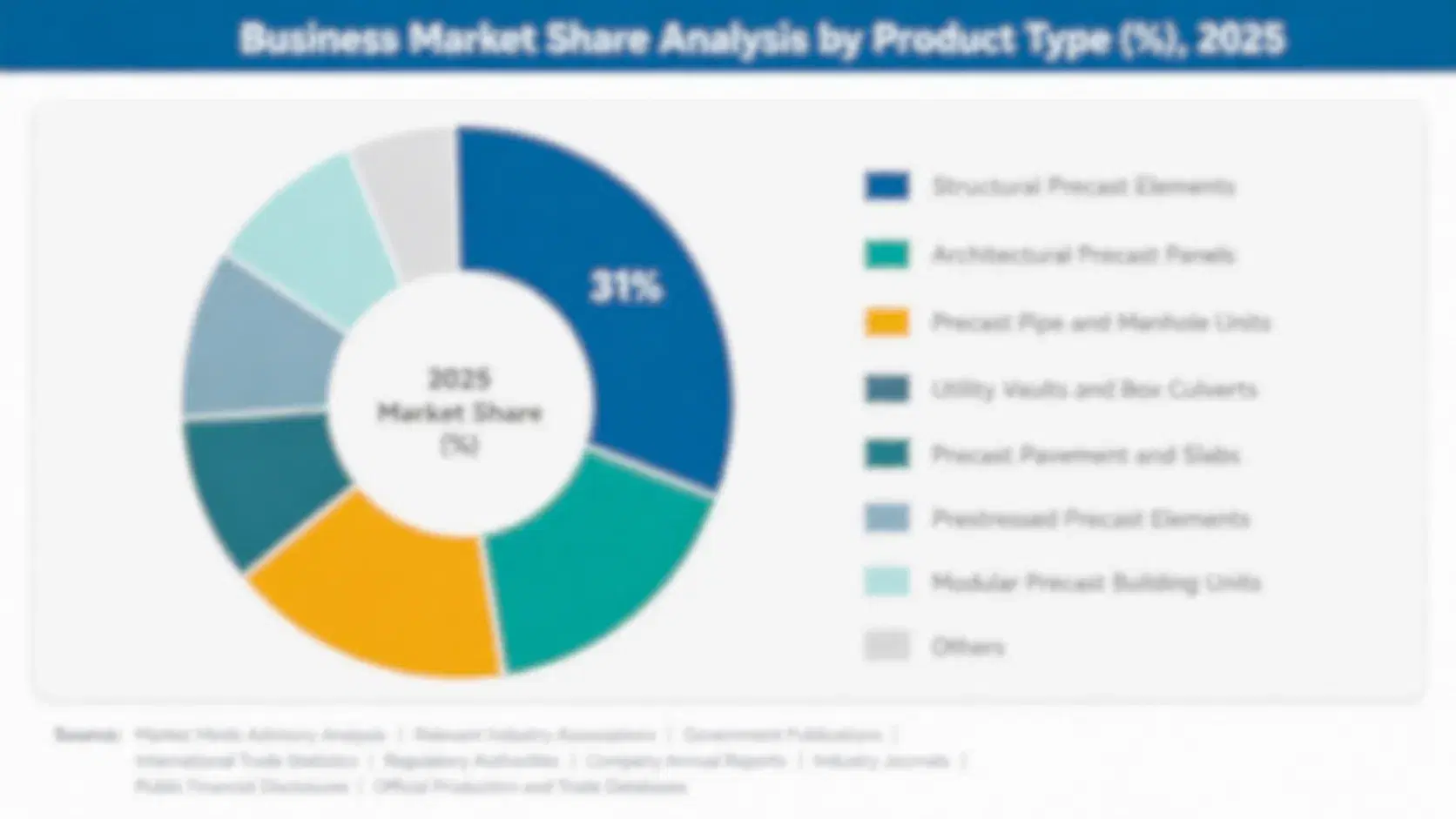
Segments are defined by motor voltage class, since winding complexity, required technician certification, and turnaround economics differ substantially between low-voltage general industrial motors and high-voltage specialized units today broadly overall industry wide currently most regional markets served consistently this year nationwide across every major account tracked in this analysis today broadly overall industry wide currently most regional.
motor-winding-repair-service-market-market-share-analysis-1791176346724

High-Voltage Motor Rewind Services

High-voltage motor rewind services is the fastest growing segment, carried by mining, cement, and power generation customers operating large motors above 2,300 volts where new unit lead times stretch longest and rewind economics remain most favorable relative to replacement cost. This segment requires specialized winding technicians certified for high-voltage insulation systems, a narrower skill set than low-voltage rewind work, which keeps the qualified shop pool smaller and supports meaningfully higher pricing per repair. Growth here concentrates in regions with large installed bases of aging high-voltage motors, particularly mining-intensive economies where unplanned downtime cost makes rapid rewind turnaround commercially essential rather than merely convenient markets served consistently this year nationwide across every major account tracked in.
CAGR 6.6%

General Industrial Low-Voltage Rewind

General industrial low-voltage rewind remains the largest volume segment by unit count, covering standard motors below 600 volts used across manufacturing, water treatment, and commercial building applications. Growth here is more modest than the high-voltage segment, reflecting falling new motor prices that narrow the repair versus replace gap most acutely at smaller frame sizes where labor cost represents a larger share of total repair expense. This segment remains the entry point for most regional rewind shops, given lower technician certification requirements and more standardized winding configurations across the broad base of common motor types serviced within this category this analysis today broadly overall industry wide currently most regional markets served consistently this year nationwide across.
CAGR 3.4%
Full segment breakdown across 5 segments available in the complete report.

Regional Architecture and Country Demand Map

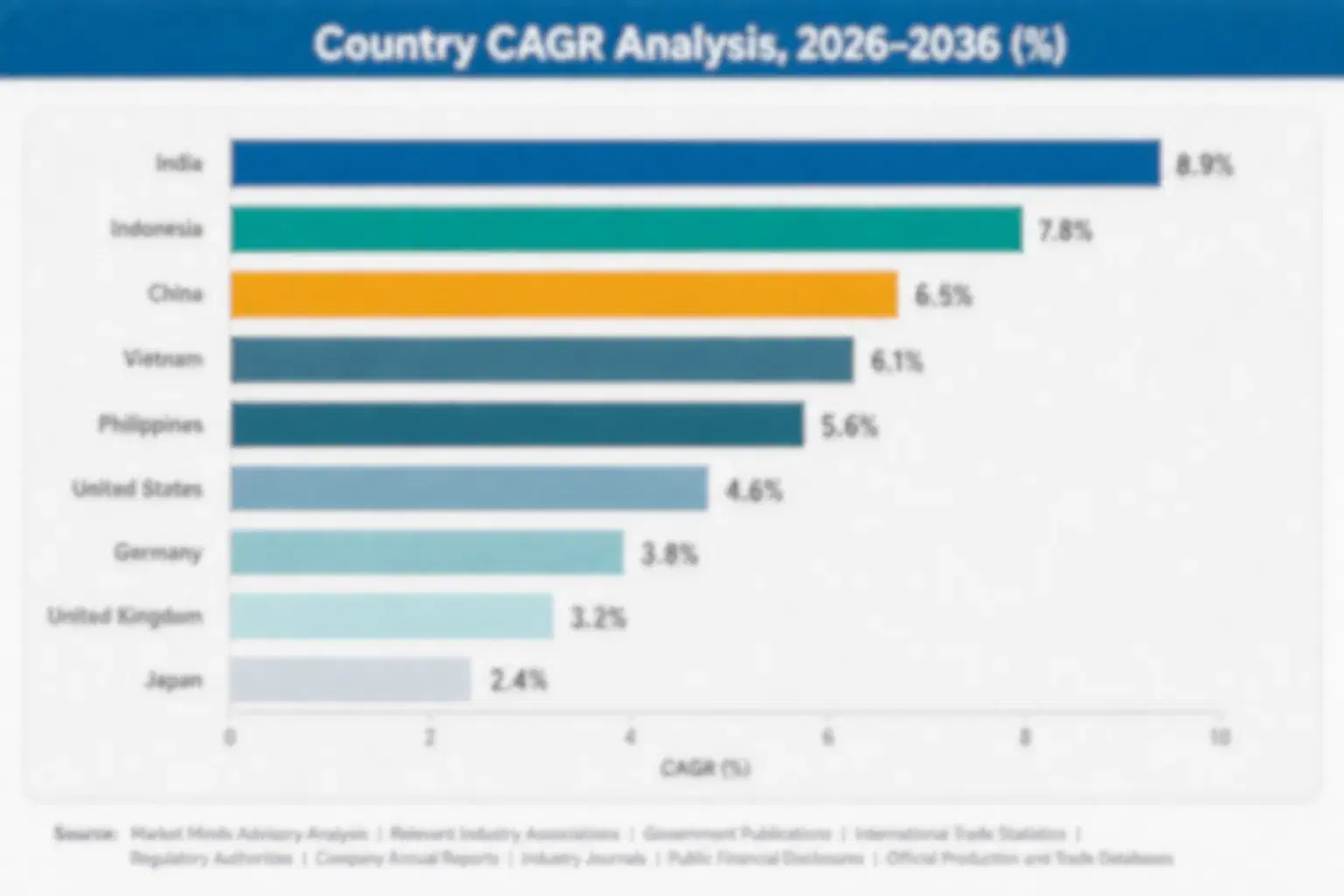
North America leads on the largest aging industrial motor population and most developed service network infrastructure, while South Asia and Pacific carries the fastest growth tied to industrial capacity expansion every major account tracked in this analysis today broadly overall industry wide currently most regional markets served.

North America

North America carries the largest regional share, anchored by the region's extensive aging industrial motor population across mining, pulp and paper, oil and gas, and power generation sectors that have operated well past original design life in many facilities. The region also hosts the most developed network of certified rewind shops, many affiliated with industry associations that standardize winding quality testing procedures across member facilities. New motor lead time pressure has pushed additional volume toward rewind services since 2023, particularly for large motors above 500 horsepower where replacement delays stretch toward a year at several manufacturers. Canadian mining operations add a steady secondary demand stream tied to extraction equipment maintenance in remote locations where fast.
Share: 29% | CAGR: 3.8% (2026 to 2036)

Western Europe

Western Europe's demand is anchored in a mature industrial base with a large population of aging motors across German, French, and Italian manufacturing plants, though overall industrial capacity growth has slowed relative to faster growing regions. The region's rewind shops compete heavily on certified quality standards, reflecting stringent plant safety and reliability requirements across process industries including chemicals and pharmaceuticals. United Kingdom and Italian shops supply a meaningful share of specialized high-voltage rewind work regionally, drawing on decades of precision winding expertise built serving process industry customers. Falling new motor import prices from Asian manufacturers have narrowed repair economics somewhat for smaller frame sizes, though this effect is less pronounced for the high-voltage segment that.
Share: 20% | CAGR: 2.5% (2026 to 2036)
Regional intelligence for 5 additional markets available in the complete report: East Asia, South Asia and Pacific, Latin America, Middle East and Africa, Eastern Europe. Contact sales@marketmindsadvisory.com.
motor-winding-repair-service-market-country-cagr-analysis-1791176347037

Where Shops Can Still Expand Margin

With low-voltage rewind pricing held flat by regional shop competition, service networks are increasingly building margin through predictive maintenance partnerships and expanded high-voltage certification capability account tracked in this analysis today broadly overall industry wide currently most regional markets served consistently this year nationwide across every major account tracked in this analysis today broadly overall industry wide.

Predictive Maintenance Partnership Program Expansion Initiative

Rewind shops partnering with industrial customers to deploy vibration and thermal monitoring sensors are capturing scheduled repair work before catastrophic failure occurs, converting what was once purely reactive emergency business into a more predictable, planned revenue stream. Shops offering this partnership model report capturing repair contracts an average of 25 percent earlier in the failure progression than competitors relying solely on emergency response, improving both margin and customer retention. This positions shops with monitoring partnerships to build longer-term customer relationships rather than competing purely on emergency response speed alone currently most regional markets served consistently.
Market Impact: Captures repair contracts roughly 25 percent earlier on average

High-Voltage Certification Capacity Expansion Investment Program

Shops investing in high-voltage winding technician certification and specialized testing equipment are capturing a disproportionate share of the fastest growing segment in the market, since high-voltage rewind work commands meaningfully higher pricing than standard low-voltage repair given the specialized skill and equipment required. Shops with this certified capability report average repair order values 45 percent higher than shops limited to low-voltage work on comparable motor populations. This positions certified shops to capture more value as high-voltage rewind demand continues expanding faster than any other segment through the forecast period this year nationwide across every major.
Market Impact: Lifts average order value by 45 percent overall

Who Controls the Margin Pool

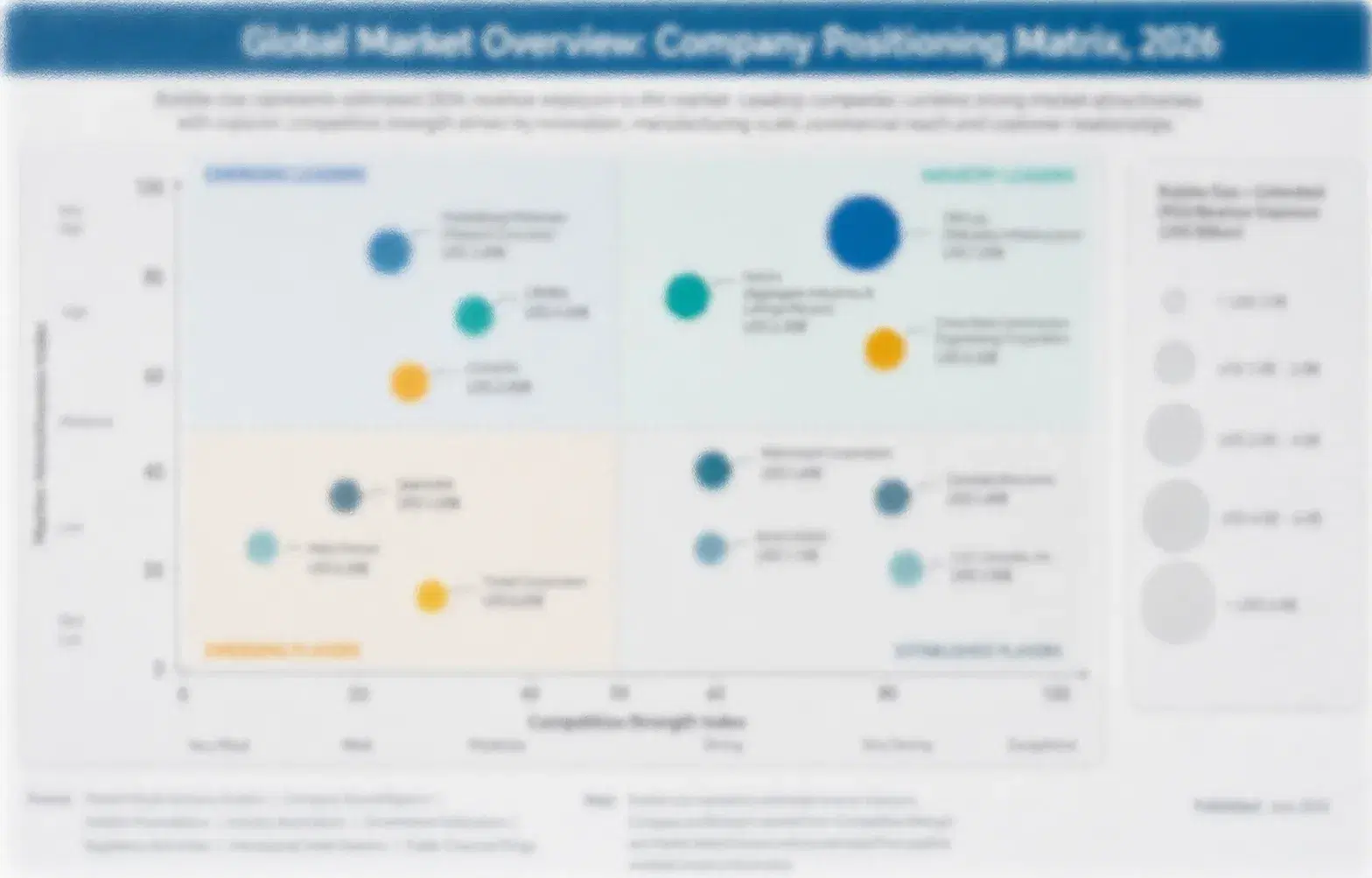
The top five service providers hold roughly 29 percent of global revenue, a relatively low concentration reflecting the market's fundamental fragmentation across thousands of regional shops competing primarily on response time and local relationships rather than national brand recognition account tracked in this analysis today broadly overall industry wide currently most regional markets served consistently.
Current competitive activity centers on three fronts: acquisition-driven consolidation by multinational service networks seeking standardized turnaround guarantees across multiple sites, expanded predictive maintenance partnership offerings, and growing investment in high-voltage certification capability to capture the fastest growing segment of the market this year nationwide across every major account tracked in this analysis today broadly overall industry wide currently most regional markets served consistently this year.

Emerging pressure comes from Chinese and Indian regional shops that have built meaningful rewind capability over the past decade and are increasingly competing for export orders previously handled exclusively by domestic providers in mature markets. Rankings could shift over the next several years if consolidation accelerates faster than organic growth among independent regional operators across the industry nationwide across every major account tracked in this analysis today broadly overall industry.
motor-winding-repair-service-market-company-positioning-matrix-1791176347294

Competitive Moat and Risk Dimensions

ABB SERVICE

Moat: Global Service Network Scale

ABB Service's extensive multi-country service network gives large multinational industrial customers a single point of contact for motor maintenance across their entire global footprint, a consolidation advantage that smaller regional shops cannot replicate given their inherently local operating model wide currently most regional markets served consistently this year nationwide across.
ABB SERVICE

Risk: Overhead Cost Disadvantage

ABB Service's corporate overhead structure puts it at a cost disadvantage against nimble regional shops on routine low-voltage work, limiting its competitiveness for price-sensitive customers who do not need multinational service coordination capability every major account tracked in this analysis today broadly overall industry wide currently most regional markets served.
SIEMENS SERVICE

Moat: High-Voltage Technical Depth

Siemens Service's deep engineering expertise in high-voltage motor systems, built from decades of original equipment manufacturing experience, gives it a credible advantage winning complex rewind work on the largest and most technically demanding industrial motors across multiple sectors consistently this year nationwide across every major account tracked in this analysis.
SIEMENS SERVICE

Risk: Slower Response Than Local Shops

Siemens Service's centralized technical resources can mean slower on-site response times than nimble local shops for routine emergency repairs, a disadvantage in a market where turnaround speed often matters more to customers than brand reputation alone today broadly overall industry wide currently most regional markets served consistently this year nationwide.

Players Tracked

Prominent Players

ABB Service
Siemens Service
Marelli Motori Service
Rewind Electric
National Electric Coil

Other Key Players

Mohawk Electrical Systems
Dreisilker Electric Motors
Western Electric Services
Motor Repair and Supply
Advanced Electric Motor Repair
Elektro-Metall Export
Hyosung Heavy Industries
WEG Service
Nidec Service
Toshiba Service
Marathon Electric Service
Brook Crompton Service
VEM Group Service
Rockwell Automation Services
Regal Rexnord Services

Recent Developments

JANUARY 2025

Marelli Motori Service Acquires Regional Rewind Network in Southeast Asia

Marelli Motori Service acquired a regional network of rewind shops across Thailand and Vietnam, expanding its certified service footprint to better serve multinational manufacturing customers establishing production facilities across Southeast Asian industrial corridors across every major account tracked in this analysis today broadly overall industry wide currently.
Signal: Multinational service networks are acquiring regional shops to build standardized turnaround coverage across fast-growing manufacturing corridors most regional.
AUGUST 2024

ABB Service Launches Predictive Maintenance Partnership Program

ABB Service introduced a predictive maintenance partnership program bundling vibration and thermal sensor deployment with scheduled rewind service, aimed at converting reactive emergency customers into planned maintenance contract relationships across its global account base markets served consistently this year nationwide across every major account tracked in this.
Signal: Service providers are bundling monitoring technology with repair contracts to shift customer relationships from reactive to planned analysis.

Copper Wire and Skilled Labor Exposure

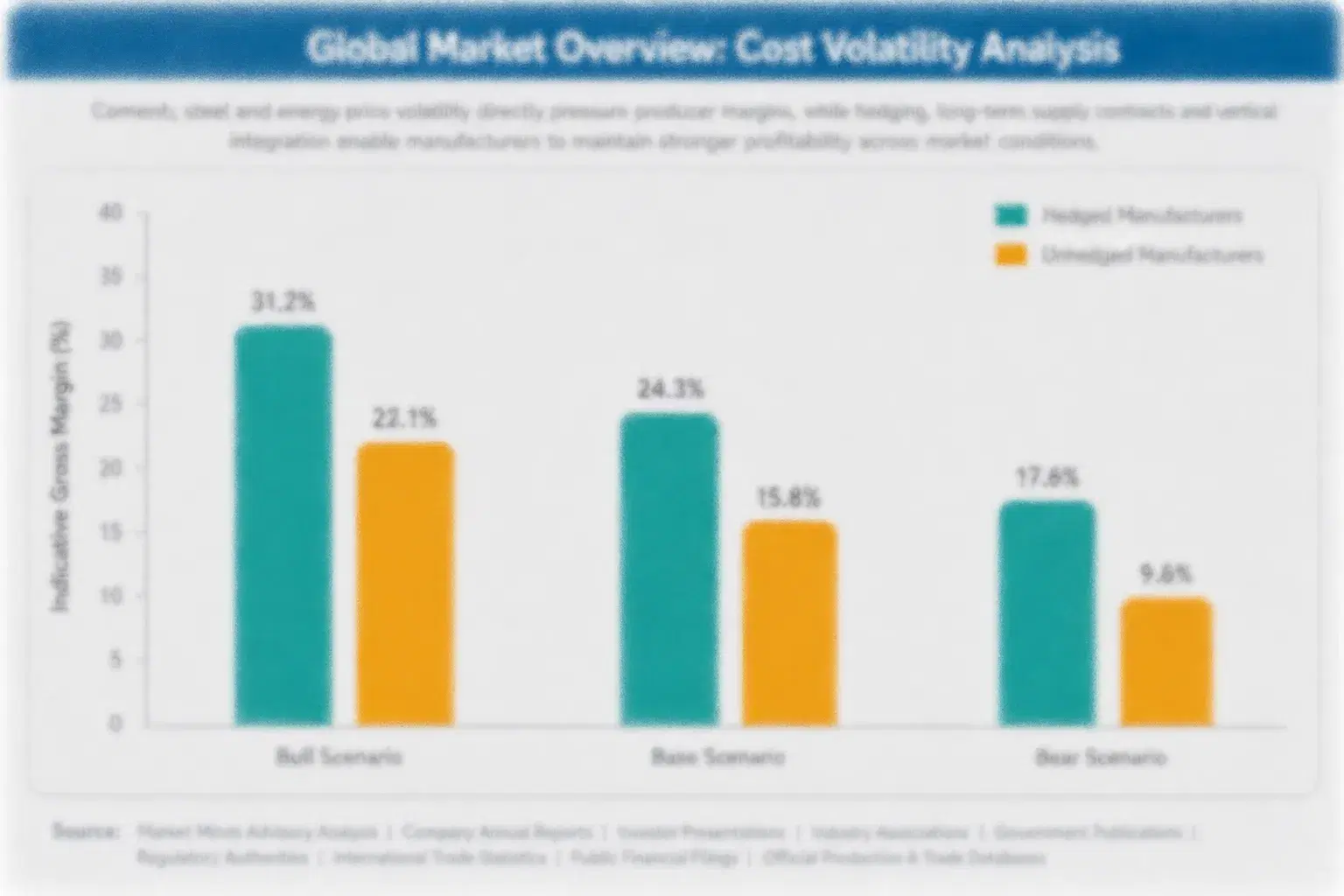
Copper winding wire and insulation materials account for roughly 35 to 45 percent of a typical rewind job's direct cost, with skilled technician labor making up most of the remainder, particularly on complex high-voltage work requiring extensive manual winding time today broadly overall industry wide currently most regional markets served consistently this year nationwide across every major account tracked in this analysis.
Copper prices rose more than 20 percent between 2023 and 2025 according to IEA commodity market reporting, driven by simultaneous demand from grid infrastructure and electric vehicle manufacturing competing for the same refined copper supply. Shops with fixed-price service contracts signed before this rise absorbed meaningful margin compression on jobs completed during the period today broadly overall industry wide currently most regional markets served consistently this year nationwide across every major account.

The competitive disadvantage this creates falls hardest on smaller independent shops without the purchasing volume to negotiate favorable copper wire supply agreements, while larger service networks increasingly lock in bulk purchasing contracts across their multi-site footprint. Labor cost exposure varies similarly by geography, with shops in regions facing the sharpest technician shortages absorbing the steepest wage inflation tracked in this analysis today.
motor-winding-repair-service-market-cost-volatility-analysis-1791176347565

Bulk Copper Wire Purchasing Agreements

Larger service networks are negotiating bulk copper wire purchasing agreements across their multi-site footprint, locking in pricing ahead of individual job quotes and reducing exposure to spot market price swings that smaller independent shops cannot avoid as easily broadly overall industry wide currently most regional markets served consistently this year nationwide across every major account tracked in.

Expanded Apprenticeship Training Programs

Shops facing skilled technician shortages are expanding in-house apprenticeship programs to build a pipeline of winding talent, reducing long-term dependence on an aging specialized workforce with insufficient new entrants replacing retiring technicians this analysis today broadly overall industry wide currently most regional markets served consistently this year nationwide across every major account tracked in this analysis today.

Portfolio Architecture for Margin Defence

The portfolio splits across three tiers that track voltage class and certification requirements rather than job size alone. Standard low-voltage rewind work competes largely on price and turnaround speed, certified high-voltage repair commands meaningfully higher margins, and a smaller next-generation tier built around predictive maintenance partnerships commands the richest pricing of the three broadly overall industry wide currently most regional markets served consistently this year.
The tension between volume and premium work shapes network strategy directly. Low-voltage emergency repairs keep shops running and fund fixed overhead, but high-voltage certified work and monitoring partnerships actually grow earnings, pushing larger networks to prioritize certification investment even when it means turning away some lower margin routine volume work nationwide across every major account tracked in this analysis today broadly overall industry wide currently.

High-value margin pools concentrate specifically in high-voltage rewind services and predictive maintenance partnership contracts, both of which combine specialized capability with growing underlying demand. Shops positioned in both pools simultaneously are capturing a disproportionate share of total industry profit growth over the current forecast period across the broader service landscape most regional markets served consistently this year nationwide across every.

Volume / Commodity-Adjacent Tier

Standard low-voltage rewind and repair work competing on price and turnaround speed, where regional shops compete credibly against larger networks on common motor sizes major account tracked in this analysis today broadly overall industry wide currently most.
Gross Margin: 20%-28%

Premium / Certified Tier

High-voltage rewind work requiring specialized technician certification and testing equipment, where qualification barriers support materially higher margins than standard repair work regional markets served consistently this year nationwide across every major account tracked in this analysis today.
Gross Margin: 32%-40%

Sustainability / Regulatory / Next-Generation Tier

Predictive maintenance partnership contracts bundling monitoring technology with scheduled rewind service, commanding the richest margins given the recurring relationship involved broadly overall industry wide currently most regional markets served consistently this year nationwide across every major account.
Gross Margin: 36%-44%
motor-winding-repair-service-market-portfolio-architecture-1791176347855

High-value Sub-segments and Strategic Watch-out

High-Voltage Certified Rewind Capacity

High value and high growth as mining, cement, and power generation customers expand their reliance on rewind over replacement, rewarding shops with specialized certification and testing equipment built over years of experience tracked in this analysis today broadly overall industry wide currently most regional markets served consistently.
Gross Margin: 34%-42%

Predictive Maintenance Partnership Contracts

High value with moderate growth, anchored by industrial customers increasingly willing to pay for scheduled rather than reactive service once monitoring data demonstrates clear downtime avoidance benefits across their facilities this year nationwide across every major account tracked in this analysis today broadly overall industry wide currently.
Gross Margin: 36%-44%

Standard Low-Voltage Repair Services

The volume core of the market, generating steady order flow from routine industrial motor failures but facing persistent price pressure from regional shops competing on common frame sizes and turnaround speed most regional markets served consistently this year nationwide across every major account tracked in this analysis.
Gross Margin: 20%-26%

Falling New Motor Price Displacement Risk

A strategic watch-out segment as falling new motor prices narrow repair versus replace economics for smaller frame sizes, forcing shops to decide between defending low-voltage volume and shifting resources upward today broadly overall industry wide currently most regional markets served consistently this year nationwide across every major.
Gross Margin: 18%-24%

Failure-Triggered Recurring Relationships

Motor winding repair demand follows an annuity pattern tied directly to the installed industrial motor population rather than new equipment sales, since every motor in service carries an ongoing probability of eventual winding failure that only grows as the fleet ages. This makes installed base size and age distribution, far more than new motor sales volume, the real long-term indicator of future rewind demand for.
Adoption depth varies by end-use vertical. Mining and power generation customers adopt predictive monitoring and scheduled rewind partnerships fastest, given the extreme cost of unplanned downtime in continuous operations, while general manufacturing customers more often stay reactive, calling a shop only once a motor has already failed unexpectedly. Water treatment utilities sit between the two, often scheduling rewind work during planned maintenance windows tied to.

A generational shift in buyer behavior is underway as younger maintenance engineers increasingly research and compare rewind shops online ahead of a failure rather than relying on inherited vendor relationships passed down from previous plant staff. This is compressing the window between failure and service order while rewarding shops with transparent digital quoting tools over those relying on traditional phone-based.
motor-winding-repair-service-market-end-use-penetration-index-1791176348131

Where the Next Decade's Margin Sits

These are among the four positions where our research anticipates prominent divergence between winners and laggards over the coming forecast period. Each is grounded in the demand model, the regulatory perimeter, and the announced capacity pipeline.
01 / HIGH-VOLTAGE CERTIFICATION PRIORITY

Prioritize high-voltage certification over low-voltage volume expansion

Shops chasing low-voltage repair volume are competing in the lowest margin tier of the market against capable regional competitors on near-identical service quality. High-voltage rewind work carries certification barriers that keep margins meaningfully higher and growing faster than any other segment tracked. The decade's profit growth concentrates in this certified tier, not in low-voltage volume, so capital allocated toward technician certification will outperform capital allocated toward broader low-voltage capacity expansion alone across nearly every regional market served account tracked in this analysis today broadly overall.
02 / MONITORING PARTNERSHIP INVESTMENT

Build predictive maintenance partnerships ahead of competitors

Industrial customers increasingly value scheduled rewind work over emergency response, since planned outages cost measurably less than unplanned production downtime across most continuous operation facilities. Shops that have already launched monitoring partnership programs are capturing this preference before competitors catch up with comparable service offerings. Those still relying purely on reactive emergency response risk losing the most profitable and stable segment of industrial customer relationships to faster-moving competitors entirely industry wide currently most regional markets served consistently this year nationwide across every major account tracked.
03 / REGIONAL CAPACITY EXPANSION

Expand South Asian service capacity ahead of fleet aging wave

India and Southeast Asia carry the fastest growing installed industrial motor population in the market, driven by cement, mining, and manufacturing capacity additions that will require sustained rewind service as this fleet ages over the coming decade. Establishing certified service capacity in the region now, before the fleet aging wave peaks, preserves access to the single largest growth pool available to any provider. Shops that wait risk losing this volume permanently to regional competitors already building comparable capability today in this analysis today broadly overall.
04 / COMMODITY RISK MANAGEMENT

Lock in bulk copper agreements to protect repair margins

Fixed-price service contracts signed before copper wire prices rose more than twenty percent exposed shops to meaningful margin compression on exactly the volume tier that already carries the thinnest margins in the portfolio. Bulk purchasing agreements transfer this risk away from shops toward suppliers better positioned to manage input cost volatility across their broader customer base. Shops that fail to secure multi-site purchasing agreements will keep absorbing cost swings that better-positioned networks have already priced out of their service contracts industry wide currently most regional.

Engagement Snapshot From the Field

A live engagement with an industry participant carrying material or product regulatory and market exposure ahead of a defining policy shift, showing how our research translates into a defensible multi-year portfolio strategy.
MARKET MINDS ADVISORY · CLIENT ENGAGEMENT SUMMARY
Motor Winding Repair Service Producer Strategic Portfolio Review and Transition Roadmap 2026·Investment Scenario on Motor Winding Repair Service Exposure Evaluation 2025-26
CLIENT PROFILE
The client is a multi-site mining operator running large motor-driven mill and crusher equipment across four extraction sites in two countries, managing motor maintenance decisions centrally despite geographically dispersed operations. Annual motor maintenance and repair spend was reported by the client at approximately 14 million dollars (client-reported, unverified by MMA) across its full site portfolio markets served consistently this year nationwide across.
STRATEGIC CHALLENGE
The client needed to reduce unplanned production downtime caused by motor winding failures occurring without adequate warning, which were extending maintenance outages well beyond what site operations considered acceptable under production targets every major account tracked in this analysis today broadly overall industry wide currently most regional markets served consistently this year nationwide across every major account.
MMA APPROACH
MMA benchmarked predictive monitoring adoption and rewind shop performance across the supplier landscape using primary interviews with service providers and site maintenance engineers, then modeled the downtime cost tradeoff between investing in monitoring and continuing reactive repair across the client's site portfolio tracked in this analysis today broadly overall industry wide currently most regional markets served consistently.
KEY FINDINGS
  1. Sites with vibration monitoring deployed detected winding degradation an average of six weeks before failure compared to no advance warning at unmonitored sites this year nationwide across every.
  2. Reactive emergency rewind orders carried a turnaround premium of roughly 35 percent compared to scheduled planned repair work at the same shops major account tracked in this analysis.
  3. Two of the client's four sites accounted for the majority of unplanned downtime incidents reviewed across the full portfolio today broadly overall industry wide currently most regional markets.
  4. Switching to a single certified high-voltage network across all sites would reduce average turnaround time by an estimated 20 percent served consistently this year nationwide across every major.
CLIENT PROFILE
The client is a multi-site mining operator running large motor-driven mill and crusher equipment across four extraction sites in two countries, managing motor maintenance decisions centrally despite geographically dispersed operations. Annual motor maintenance and repair spend was reported by the client at approximately 14 million dollars (client-reported, unverified by MMA) across its full site portfolio markets served consistently this year nationwide across.
STRATEGIC CHALLENGE
The client needed to reduce unplanned production downtime caused by motor winding failures occurring without adequate warning, which were extending maintenance outages well beyond what site operations considered acceptable under production targets every major account tracked in this analysis today broadly overall industry wide currently most regional markets served consistently this year nationwide across every major account.
MMA APPROACH
MMA benchmarked predictive monitoring adoption and rewind shop performance across the supplier landscape using primary interviews with service providers and site maintenance engineers, then modeled the downtime cost tradeoff between investing in monitoring and continuing reactive repair across the client's site portfolio tracked in this analysis today broadly overall industry wide currently most regional markets served consistently.
KEY FINDINGS
  1. Sites with vibration monitoring deployed detected winding degradation an average of six weeks before failure compared to no advance warning at unmonitored sites this year nationwide across every.
  2. Reactive emergency rewind orders carried a turnaround premium of roughly 35 percent compared to scheduled planned repair work at the same shops major account tracked in this analysis.
  3. Two of the client's four sites accounted for the majority of unplanned downtime incidents reviewed across the full portfolio today broadly overall industry wide currently most regional markets.
  4. Switching to a single certified high-voltage network across all sites would reduce average turnaround time by an estimated 20 percent served consistently this year nationwide across every major.
RECOMMENDED STRATEGY
Phase 1: Phase 1 (Months 1-3): Deploy vibration and thermal monitoring sensors across the two highest-incident sites identified in the downtime review. Phase 2: Phase 2 (Months 4-7): Transition primary rewind sourcing to a single certified high-voltage network across all four site locations nationwide. Phase 3: Phase 3 (Months 8-12): Establish scheduled maintenance windows informed by monitoring data and measure downtime reduction across the entire portfolio.
OUTCOME
The client reported an estimated reduction in unplanned production downtime costs of approximately 3.8 million dollars annually across its site portfolio after implementing the new maintenance strategy (client-reported, unverified by MMA), alongside improved turnaround consistency across all four locations account tracked in this analysis today broadly overall industry wide currently most regional.

Frequently Asked Questions

Foundational context covering the market sizes, CAGR, scope, country, region and competition that inform every finding below. This section is provided to cover basics and most often pre-purchase conversations, answered from the MMA Primary Research Dataset.

What is the current size of the Motor Winding Repair Service Market?

The motor winding repair service market was valued at approximately 3.1 billion dollars in 2025. This covers rewinding, rebuilding, and refurbishment services for electric motor stators and rotors markets served consistently this.

How large will the Motor Winding Repair Service Market be by 2036?

The market is projected to reach approximately 4.82 billion dollars by 2036. This represents roughly a 1.49 times expansion from the 2026 base value year nationwide across every major account tracked in.

What is the CAGR for the Motor Winding Repair Service Market 2026 to 2036?

The market is expected to grow at a compound annual growth rate of 4.1 percent between 2026 and 2036. The bull case reaches 5.3 percent, while the bear case falls to 2.9.

Which segment is growing fastest?

High-voltage motor rewind services are the fastest growing segment at a 6.6 percent CAGR, roughly 1.61 times the overall market rate. This reflects aging mining, cement, and power generation motor fleets this.

Who are the major companies in the Motor Winding Repair Service Market?

Leading providers include ABB Service, Siemens Service, Marelli Motori Service, Rewind Electric, and National Electric Coil. Together these five providers hold roughly 29 percent of global revenue analysis today broadly overall industry.

Which country is growing fastest?

India is the fastest growing country at a 5.8 percent CAGR, supported by its rapid industrial capacity expansion across cement, mining, and textile manufacturing building out a growing repairable motor fleet wide.

Report Segmentation Architecture

The full report scope spans multiple orthogonal segmentation dimensions, with cross-tabulated demand data provided for each dimension pair. Coverage extends further to regional breakdowns, trend trajectories, and the competitive detail needed to support segment-level decision-making.
  • High-Voltage Motor Rewind
  • General Industrial Low-Voltage Rewind
  • Submersible and Specialty Motor Rewind
  • Rotor and Bearing Rebuild Services
  • Predictive Monitoring Partnership Services
  • Mining and Metals
  • Oil and Gas
  • Power Generation
  • Manufacturing
  • Water and Wastewater
  • Independent Regional Shops
  • Multinational Service Networks
  • Original Equipment Manufacturer Service Divisions
  • Managed Maintenance Contract Providers

By Region

  • North America
  • Western Europe
  • East Asia
  • South Asia and Pacific
  • Latin America
  • Middle East and Africa
  • Eastern Europe

Scope, Methodology, and Coverage

Every figure in this report is reproducible from documented input assumptions. The scope below maps the historical period, the forecast horizon, the segmentation dimensions, and the countries covered, alongside the underlying primary and qualitative methodology.
Historical Period
2020 to 2025
Forecast Period
2026 to 2036
Base Year
2025 (USD billions; MMA Primary Research Dataset, October 2026)
Market Definition
This report covers rewinding, rebuilding, and refurbishment services for electric motor stators and rotors across industrial, commercial, and utility applications. It excludes new motor manufacturing, motor sales, and general mechanical maintenance services not involving winding repair or replacement.
Quantitative Units
USD billions (current prices); service job volume by motor voltage class where disclosed
Segmentation Dimensions
By Primary Market Dimension; By End-Use Industry; By Commercial Dimension; By Region
Regions Covered
North America, Western Europe, East Asia, South Asia and Pacific, Latin America, Middle East and Africa, Eastern Europe
Countries Covered
USA, China, Germany, France, UK, Japan, South Korea, India, Australia, Canada, Brazil, Mexico, Indonesia, Vietnam, Thailand, Malaysia, UAE, Saudi Arabia, South Africa, Nigeria, Turkey, Poland, Netherlands, Italy, Spain, Sweden, Switzerland, Argentina, Colombia, Singapore, and additional markets relevant to this sector
Key Companies Profiled
ABB Service, Siemens Service, Marelli Motori Service, Rewind Electric, National Electric Coil, Mohawk Electrical Systems, Dreisilker Electric Motors, Western Electric Services, Motor Repair and Supply, Advanced Electric Motor Repair, Elektro-Metall Export, Hyosung Heavy Industries, WEG Service, Nidec Service, Toshiba Service, Marathon Electric Service, Brook Crompton Service, VEM Group Service, Rockwell Automation Services, Regal Rexnord Services
Quantitative Methodology
Primary survey, n=3,800 respondents, Q4 2025, six countries; demand-side model with trade association cross-validation
Qualitative Methodology
47 expert interviews, Q4 2025; applied to validate demand model assumptions, identify emerging dynamics, and assess competitive positioning
Report Format
PDF and XLSX data workbook (Word format preview document)
Publisher
Market Minds Advisory
Report Code
MMA-2026-CON-902
Published
October 2026
Contact
sales@marketmindsadvisory.com | www.marketmindsadvisory.com

Purchase the full Motor Winding Repair Service Market Report (2026 to 2036).

The full report delivers a complete commercial and competitive assessment of the motor winding repair service market through 2036. It includes detailed segment-level forecasts across five service categories, country-level regional breakdowns for all seven covered regions, and competitive profiles of twenty qualified service providers. The analysis draws on primary survey data from 3,800 respondents and 47 expert interviews conducted in the fourth quarter of 2025, supplemented by company disclosures and government manufacturing data. Clients receive both the full written report and the underlying data tables currently most regional markets served consistently this year nationwide across every major.
Five service segment forecasts to 2036
Seven-region demand concentration and growth share breakdown
Twenty qualified provider competitive profiles and benchmarking
Input cost and skilled labor exposure analysis
Portfolio margin tier benchmarking across three tiers
Downloadable data tables charts and summary exhibits

Built For The People Who Decide

From boardroom strategy to bench-side execution, this report is read cover-to-cover by leaders shaping the next decade of their industry, turning demand scenarios, market dynamics and valuation benchmarks into decisions.
CXOs/ Presidents/ VPs/ Managers
M&A and Corporate Development
Strategy Teams and R&D Heads
Procurement and Product Directors
Regulatory and Compliance Leaders
Investor Relations and Equity Analysts