Market Minds Advisory
Molded Fiber Lids and Cold-Drink Service Packaging Market

Molded Fiber Lids and Cold-Drink Service Packaging Market 2026-2036

Quick-service chains are swapping plastic cold-drink lids and service packaging for molded fiber alternatives as compostability mandates spread across major developed and emerging markets nationwide industry-wide, reshaping molder investment priorities broadly today.

Lead Analyst

Bilal Shaikh

Published

November 2026

Make Smarter Decisions with Customized Research Insights

Request a free sample report and evaluate market opportunities, growth trends, and competitive dynamics relevant to your business needs.

2025 MARKET VALUE$0.9BMarket Size 2025
2036 FORECAST VALUE$2.7BBase Case , 2026 to 2036
CAGR 2026 TO 20369.8 %Bull 11.1% / Bear 8.5%
INCREMENTAL OPPORTUNITY$1.6BNet 10- year value creation
EXPANSION MULTIPLE2.55x2036 value over 2026 base
Strategic Levers
M&A Pipeline
Regional Outlook
Country Rankings
Competitive Intelligence
Segmental Deep-dive
Call-Us : 91 93563 13602

Molded Fiber Lids and Cold-Drink Service Packaging Market Outlook

Molded fiber lid demand is accelerating fast as quick-service chains eliminate plastic cold-drink lids and service packaging entirely to comply with compostability mandates tightening across major markets, with volume shifting faster than most molders initially expected across every major account.
Cold cup lidding remains the largest application, with molded fiber cold cup lids now the fastest-growing category as chains race to meet compostability thresholds across the United States, European Union, and beyond. The United States, China, and Germany anchor demand concentration, together accounting for a disproportionate share of global fiber packaging consumption, reinforced by decades of molding line investment built up steadily over time. Export accounts in Southeast Asia are adding incremental volume as regional.
Competition increasingly centers on moisture resistance and compostability certification rather than price alone, with five molders controlling meaningful combined share across the category's largest quick-service and foodservice accounts worldwide. Plastic elimination is reshaping supplier selection criteria faster than any prior packaging transition in this category, forcing even established molders to accelerate pulp molding reinvestment Smaller regional molders face mounting pressure to consolidate or exit the category within the next several years.
Market Definition
The Molded Fiber Lids and Cold-Drink Service Packaging Market covers pulp-molded lids, cold cup accessories, and service packaging items used across quick-service and retail foodservice channels. It excludes hot beverage cup lids and separately reported plastic and compostable PLA lid formats.
Base Year Value
$0.9B in 2025 (MMA Primary Research Dataset, October 2026)
Forecast Period
2026 to 2036, eleven discrete annual values
CAGR
9.8% base case. Bull 11.1%. Bear 8.5%.
Fastest Growth Segment
Molded Fiber Cold Cup Lids: 12.3% CAGR
Fastest Growth Country
India: 11.2% CAGR
Fastest Growth Region
South Asia and Pacific: 11.8% CAGR
Largest Region
North America: 30% of 2025 global value
Market Leaders
Led by Huhtamaki, Genpak LLC, Pactiv Evergreen, Eco-Products Inc., and Footprint International. Source: MMA Analysis.
Primary Survey
n=3,800 procurement and R&D decision-makers, Q4 2025, six countries
Methodology
Demand-side build-up, cross-validated against public data, 47 expert interviews

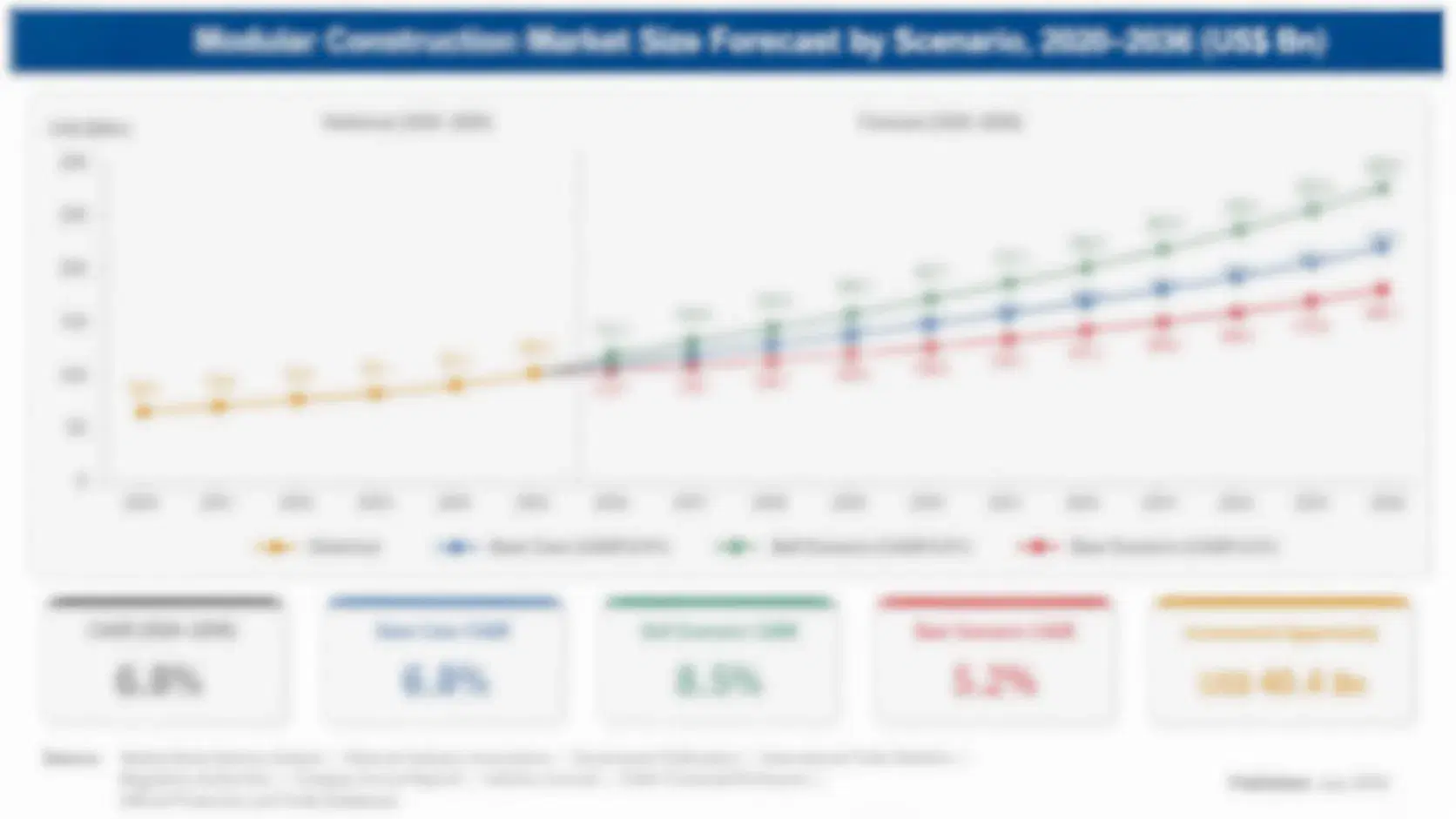
Molded Fiber Lids and Cold-Drink Service Packaging Revenue Scenarios

molded-fiber-lids-and-cold-drink-service-packaging-size-forecast-scenario-1791276906294
Molded fiber lid demand grew steadily between 2020 and 2025, recovering from pandemic-era foodservice disruption and settling into a high single-digit growth pattern across most major markets tracked carefully. A historical CAGR of 8.3 percent reflects this recovery, with volume recovering fastest across premium cold-drink export accounts specifically, with recovery broadest across American and Western European cold-drink accounts specifically.
The base case rests on three mechanisms: continued compostability mandates forcing plastic lid elimination across quick-service and foodservice categories, rising per-capita cold beverage consumption in emerging Asian markets, and gradual retirement of legacy plastic lids as molders scale fiber molding tooling capacity. These three forces together support a steady 9.8 percent CAGR through 2036 across most regional accounts and applications tracked in this report specifically Tooling investment cycles among major molders reinforce this trajectory further across most.
A faster-than-expected United States municipal compostability enforcement timeline is the named bull catalyst, pushing molded fiber adoption higher sooner than chains had planned across the category. The named bear risk is prolonged foodservice volume softness if consumer spending weakens meaningfully across key developed export markets broadly today Either scenario leaves the category's long-term conversion trajectory intact, even as near-term volume swings year to year.

Molded Fiber Packaging Commercial Benchmarks

Molded fiber lid molders are navigating a decade-long packaging shift as quick-service chains accelerate conversion away from plastic lids to comply with compostability requirements taking full effect across major jurisdictions. This conversion wave is compressing tooling reinvestment timelines that molders previously planned to spread across several years of gradual transition, forcing smaller molders to decide quickly whether to invest in new tooling capacity. MMA's outlook for the fiber lids market points to USD 4.24 billion by 2036, a 6.6% annual growth rate.
MARKET CONCENTRATIONCR5 40%Top five molders hold meaningful combined global market share.
AVERAGE SELLING PRICE$0.019/unitBlended across standard and premium molded fiber lid formats.
TOP PRODUCING COUNTRYUSA 22%Reflects deep pulp molding and tooling capability concentrated there.
CAPACITY UTILIZATION70%Varies with seasonal cold beverage and foodservice demand patterns.
PLASTIC LID CONVERSION SHARE31%Share of lid volume already converted to molded fiber formats.
PULP INPUT COST43% of COGSPrimary molded pulp feedstock dominates total lid production cost.
Cold cup lidding remains the dominant application, with American and Chinese molders driving the bulk of unit volume across mature export markets and increasingly across emerging South Asian production markets too. Molded fiber cold cup lids add the fastest incremental demand, while bowl and takeaway container applications remain a smaller but stable niche nationwide broadly. Hot food service packaging is emerging as a secondary growth pocket worth watching closely across export regions. Measured on its own, the molded fiber cup market is valued by MMA at USD 1.1 billion in 2025, heading to USD 3.08 billion by 2036.
Moisture resistance and compostability certification increasingly separate molders more than price positioning alone, as brands demand consistent compliance across production runs spanning multiple filling sites globally. Molders investing early in fiber molding capacity are capturing share from slower-moving competitors still running legacy plastic lid production lines nationwide broadly. That gap is likely to widen further as brand owners formalize compostability specifications across global supplier contracts. The plastic lid market is already worth USD 4.5 billion in 2025, and MMA expects a 5.5% CAGR from here to 2036.
"Drop a molded fiber lid in a backyard compost pile and it is gone in weeks, try that with a plastic one and you will still be waiting when the next lawn gets mowed."
Senior Analyst, Sustainable Packaging Practice · MMA Sustainable Foodservice Packaging Practice · October 2026

Molded Fiber Lids and Cold-Drink Service Packaging Market Trends

United States Municipal Composting Mandate Lid Substitution

Expanding United States municipal composting and single-use plastics ordinances are pushing quick-service chains to eliminate plastic cold-drink lids entirely ahead of binding compliance deadlines phasing in progressively across major metropolitan areas. This shift began among the largest American coffee and quick-service chains roughly two years ago and is now spreading to mid-tier regional brands across secondary cities as well. Molders unable to demonstrate certified compostability performance are increasingly excluded from new brand contracts outright, even when their pricing remains competitive against legacy plastic alternatives. The practical effect is consolidating purchasing volume toward a smaller group of molders capable.
Market Impact: Adds 10% incremental Asian volume
Virgin Pulp Price Volatility Reshaping Molder Sourcing

Virgin pulp price swings over the past three years are pushing fiber lid molders to reconsider sourcing footprints that had been stable for more than a decade, hedging against import cost volatility and extended shipping lead times from primary pulp producers. Domestic pulp mills in the United States and Brazil are capturing incremental processing volume as molders diversify away from concentrated Scandinavian and Canadian pulp supply chains. This realignment is forcing some molders to requalify pulp suppliers mid-contract, a costly and technically disruptive process that favors larger molders with in-house fiber engineering capability. Smaller independent molders lacking that. The molded fiber pulp packaging market moves on similar drivers, with MMA projecting a 7.6% CAGR over 2026-2036.
Market Impact: Lifts retail segment 11% share gain

Molded Fiber Lids and Cold-Drink Service Packaging Supplier Priorities

Rising Cold Beverage Consumption Across Emerging Asia

Per-capita cold beverage consumption is rising steadily across China, India, and Southeast Asia as quick-service chain footprint expands and disposable income grows across urban middle-class households seeking convenient packaged beverages daily. Quick-service chains entering these markets are standardizing on molded fiber lid formats already proven in mature Western markets rather than developing region-specific alternatives, accelerating demand for globally scalable fiber supply. Molders with established manufacturing presence across both mature and emerging markets are capturing a disproportionate share of this expansion as chains prefer suppliers already familiar with their specification requirements. This dynamic is reshaping molder capacity investment priorities.
Market Impact: Limits conversion to 54% of volume

Retail Grocery Foodservice Expansion Lifting Lid Demand

Retail grocery foodservice counters are expanding rapidly across North America and Western Europe, directly lifting demand for the molded fiber lids and service packaging that cover cold beverage and prepared food containers sold through grab-and-go channels. Retailers launching new foodservice offerings are increasingly specifying lids with enhanced moisture resistance without plastic, a requirement that favors molders with advanced pulp molding capability. This category's rapid menu rotation rewards molders able to turn around new lid specifications quickly, favoring agile mid-sized suppliers over slower-moving incumbents in certain accounts specifically. The shift is gradually raising the average specification floor across the.
Market Impact: Blocks entry below 38M unit scale

Molded Fiber Lids and Cold-Drink Service Packaging Growth Barriers

Moisture Resistance Gap Versus Plastic Lids

Molded fiber lids still lag plastic lids on moisture resistance for certain extended-hold cold beverage and condensation-prone applications, limiting conversion speed for brands unwilling to compromise product integrity during extended display periods. The root cause is the inherent trade-off between compostability, which favors uncoated fiber structures, and moisture resistance, which historically depended on a continuous plastic resin layer to prevent fiber softening from condensation. Brands serving extended retail display conditions face the sharpest version of this restraint, since structural failure risk rises meaningfully with any moisture compromise. Molders are mitigating this through advanced fiber density engineering and bio-based.
Market Impact: Converts 2.6 billion lids annually

Pulp Molding Retooling Costs Limiting Small Molder Entry

Converting an existing lid production line to produce molded fiber formats at commercial scale requires capital investment that smaller regional molders often cannot justify against uncertain brand order volumes still finalizing their compostability transition timelines. The root cause is the precision pulp molding and pressing equipment required to achieve consistent moisture performance on fiber substrates, equipment carrying meaningful upfront cost and multi-month qualification lead times. This barrier is concentrating molded fiber production among molders large enough to amortize retooling cost across multiple brand customers simultaneously. Some smaller molders are mitigating this through toll molding partnerships with larger molders.
Market Impact: Shifts 12% to new mills
3 additional market trends, 4 additional growth drivers, and 2 additional restraints and challenges are covered in the full report. Contact sales@marketmindsadvisory.com to access the complete intelligence.

Molded Fiber Lids and Cold-Drink Service Packaging Growth by Segment

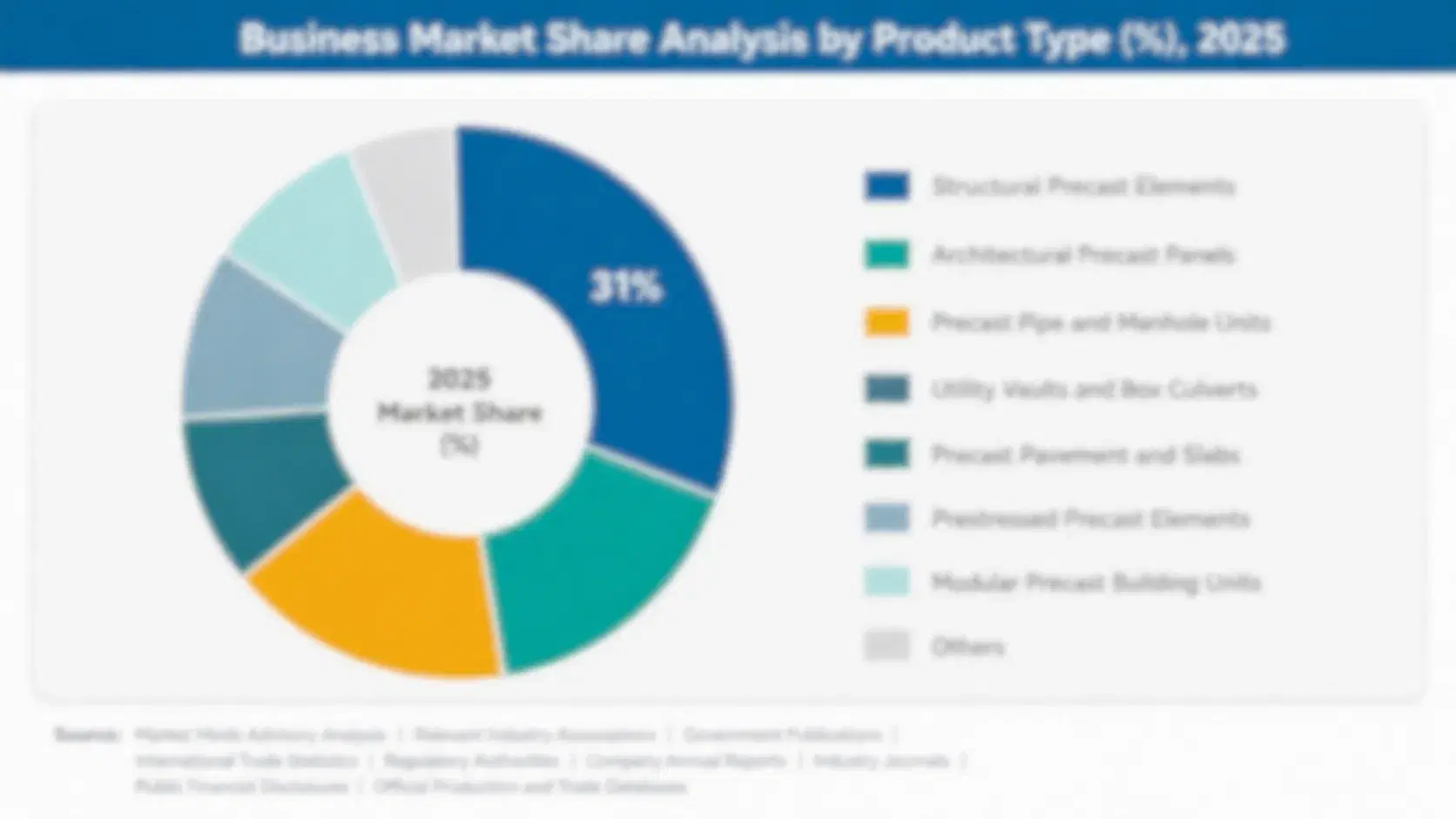
Molded fiber lid demand splits across application-defined segments shaped by container temperature exposure and compostability compliance mandates. Cold beverage applications dominate volume, while retail foodservice and bowl segments add differentiated growth profiles across emerging export geographies today. Hot food service packaging rounds out the category as a smaller, geographically concentrated niche nationwide today overall.
molded-fiber-lids-and-cold-drink-service-packaging-market-share-analysis-1791276906576

Molded Fiber Cold Cup Lids

Molded fiber cold cup lids are growing fastest as quick-service chains race to meet United States municipal compostability thresholds ahead of binding compliance deadlines phasing in across major metropolitan areas progressively. Brand owners serving these regulated channels are specifying certified fiber lids with enhanced moisture resistance well beyond what legacy plastic formats typically required, pushing average selling prices meaningfully higher within this subsegment specifically. Molders able to certify compostability performance under extended display conditions are capturing a growing share of this premium-priced volume, while molders limited to legacy plastic tooling remain confined to lower-margin accounts outside regulated markets. This segment is expected to maintain its lead across the full forecast window as regulatory enforcement continues tightening broadly.
CAGR 12.3%

Retail Foodservice and Bowl Lidding

Retail foodservice and bowl lidding remains a large segment by absolute volume, anchored by residential and commuter cold beverage consumption across North America, Western Europe, and increasingly South Asian urban markets with expanding grab-and-go footprints. Demand here tracks retail grocery spending closely, with chains and franchise operators driving seasonal ordering patterns that favor molders capable of flexible, rapid-turnaround production scheduling around peak consumption windows. Average selling prices in this segment remain more compressed than cold cup formats given intense retail price competition among the major grocery brands supplying grab-and-go and dine-in channels simultaneously. Molders serving this segment compete primarily on cost efficiency and delivery reliability rather than premium certification, a materially different competitive basis than.
CAGR 9.0%
Full segment breakdown across 7 segments available in the complete report.

Molded Fiber Lids and Cold-Drink Service Packaging Demand by Region

Molded fiber lid demand concentrates around North America's dense quick-service footprint and binding municipal composting ordinances, while South Asia and Pacific posts the fastest regional growth tracked, driven by binding composting mandates and rapid Asian quick-service expansion across emerging markets today nationwide broadly as well.

North America

North America leads global molded fiber lid demand, anchored by the United States' dense quick-service and convenience footprint, home to municipal composting ordinances in New York, San Francisco, and Seattle that are forcing chains to eliminate plastic lids faster than any other region tracked entirely. Canadian quick-service chains add meaningful incremental volume, increasingly aligning packaging specifications with American brand owners operating cross-border supply chains. Retail private-label cold beverage growth is pushing cost-conscious operators toward standardized molded fiber formats that balance moisture resistance against price, a dynamic shaping molder product mix decisions. Mexico's growing quick-service sector adds a smaller but steadily expanding volume base. Flexible production scheduling remains a key differentiator for molders serving the fastest-moving private-label accounts today.
Share: 30% | CAGR: 9.5% (2026 to 2036)

Western Europe

Western Europe's molded fiber lid demand centers on Germany and the United Kingdom, where the European Union's Single-Use Plastics Directive is accelerating conversion away from plastic lids across quick-service and foodservice brands faster than most other mature regions tracked. France and the Netherlands contribute meaningful incremental volume through their roles as regional foodservice distribution hubs serving the broader European market. Scandinavian pulp mills supply a significant share of the molded fiber feedstock used across regional converting operations. Growth here trails North America as the conversion wave matures and mature foodservice markets limit further expansion nationwide. Austria and Switzerland add further specialty fiber lid volume into this picture nationwide as well.
Share: 20% | CAGR: 8.4% (2026 to 2036)
Regional intelligence for 5 additional markets available in the complete report: East Asia, South Asia and Pacific, Latin America, Middle East and Africa, Eastern Europe. Contact sales@marketmindsadvisory.com.
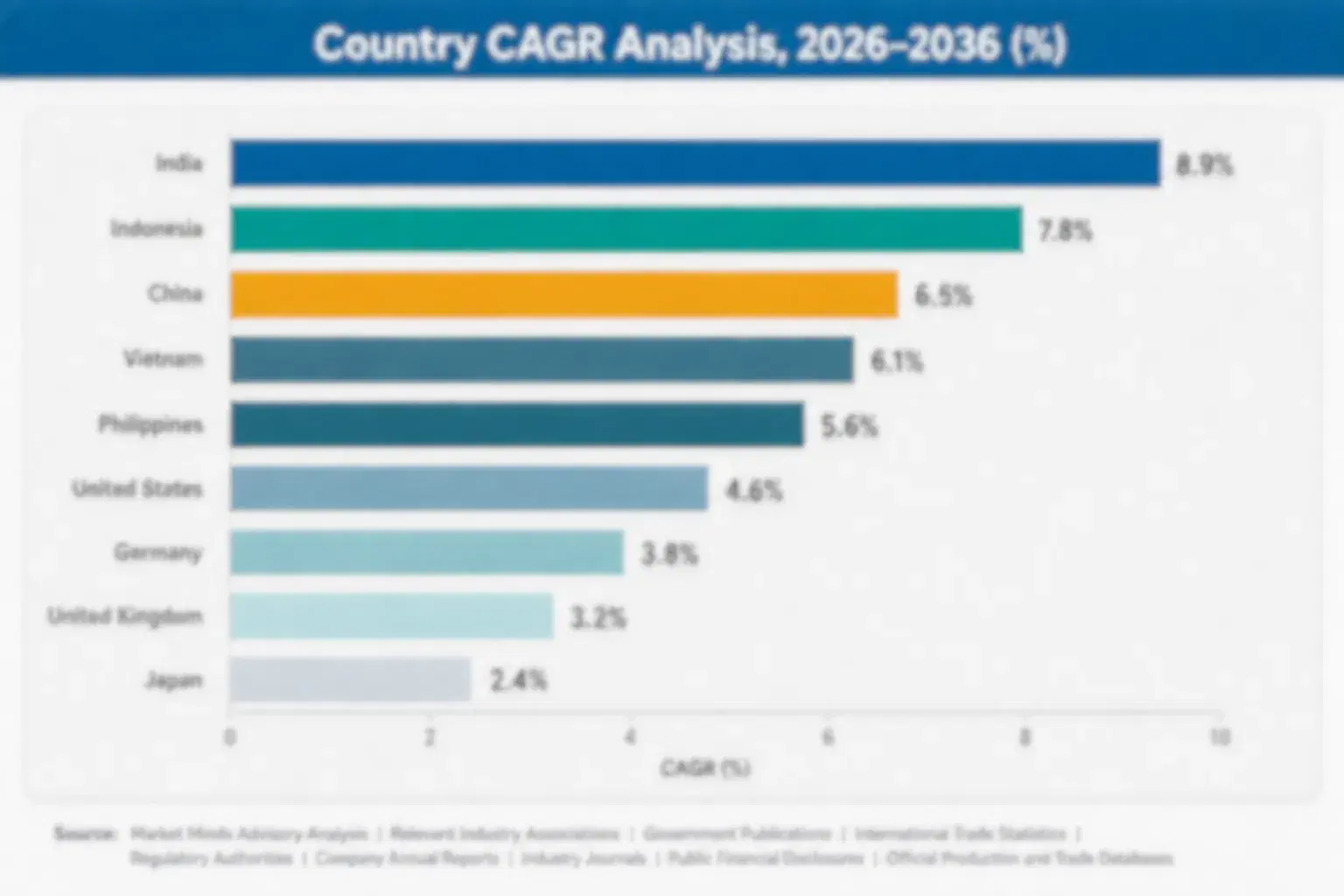
molded-fiber-lids-and-cold-drink-service-packaging-country-cagr-analysis-1791276906856

Capturing Premium Value in Molded Fiber Lids

Molders can capture incremental margin by moving beyond commodity lid production toward certified compostability services and moisture performance support that brand owners increasingly require before awarding contracts eventually too, a shift already underway among the five leading molders positioning ahead of broader industry adoption, especially across accounts facing the tightest compliance deadlines right now broadly.

Certified Compostability Documentation as a Paid Service

Molders offering documented compostability certification as a standalone paid service are capturing premium pricing from quick-service chains unwilling to run their own in-house compliance verification programs. This service converts what was once a free pre-sales qualification step into a billable technical offering, with leading molders now charging a per-specification certification fee that adds measurable incremental revenue beyond the underlying lid sale itself. Brands value the independent verification this provides when defending compostability claims to municipal regulators and retail customers. Early adopters among the top five molders report certification fees now averaging 4 to 6 percent of total contract.
Market Impact: Adds 4 to 6 points of account margin

Advanced Moisture Resistance Engineering for Extended-Hold Formats

Molders developing advanced moisture resistance engineering that closes the performance gap between fiber and legacy plastic lids are winning premium-priced contracts from chains unwilling to compromise structural integrity during conversion. This capability requires specialized fiber density research that most mid-tier molders cannot perform in-house, concentrating this premium revenue stream among the handful of molders with dedicated engineering laboratories. Brands are willing to pay a meaningful premium over standard fiber lids given the high cost of a customer complaint from a collapsed lid, with certified advanced-resistance lids commanding roughly a 9 percent price premium.
Market Impact: Lifts contract value by 9 to 11 percent

Molded Fiber Lids and Cold-Drink Service Packaging Profit Pools

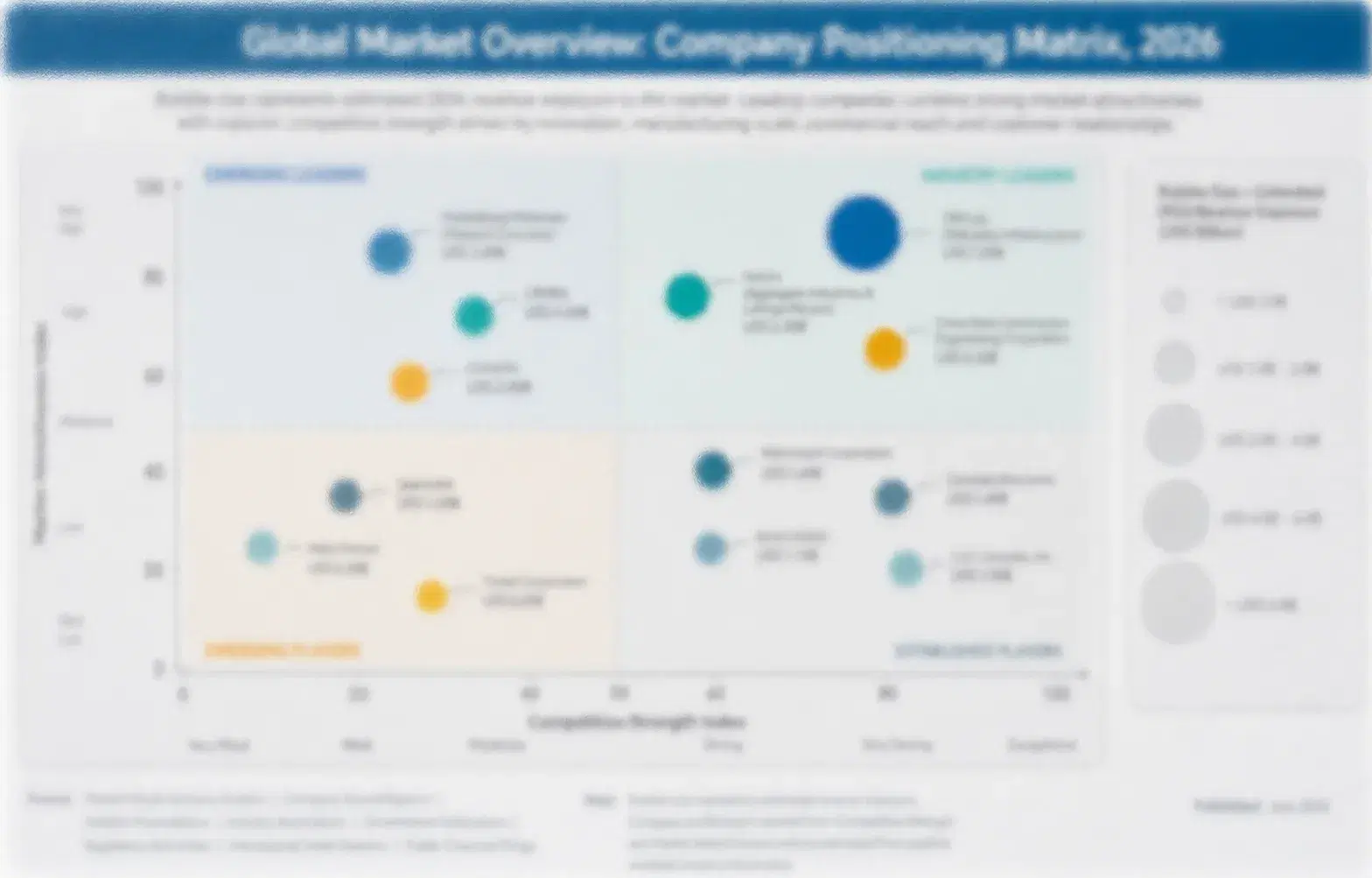
Molded fiber lid production remains moderately concentrated, with the top five molders controlling 40 percent of global production capacity assessed on a consistent shipment volume basis industry-wide. Huhtamaki and Genpak LLC lead the category by meaningful distance, while the gap between these two leaders and the next tier of challengers has widened as tooling investment requirements climb steadily overall broadly today.
Current competitive activity centers on certified compostability performance and moisture resistance capability rather than price alone, as quick-service and foodservice brands formalize supplier qualification requirements across their largest accounts. Several mid-tier molders have announced capacity expansions targeting fiber production specifically, while smaller regional molders increasingly pursue toll molding partnerships with larger molders to access fiber capability they could not otherwise justify independently today.

Rankings are most likely to shift among the third through fifth-ranked molders as compostability certification capability becomes a more decisive qualification criterion across major brand accounts globally. Molders slow to invest in advanced fiber tooling infrastructure risk losing share to faster-moving regional challengers, particularly across the fast-growing South Asian and East Asian export corridors where qualification timelines are compressing rapidly now.
molded-fiber-lids-and-cold-drink-service-packaging-company-positioning-matrix-1791276907153

Molded Fiber Lids and Cold-Drink Service Packaging Competitive Moats

HUHTAMAKI

Moat: Global Molding Scale

Huhtamaki operates molded fiber tooling capacity across more manufacturing sites globally than any single competitor, letting it absorb large multi-region brand contracts that smaller molders cannot fulfill alone. This scale advantage compounds as brands increasingly prefer single molders capable of consistent specification compliance across every production geography they operate in currently.
HUHTAMAKI

Risk: Legacy Line Conversion Cost

A significant share of Huhtamaki's existing capacity still runs older plastic lid tooling requiring costly retrofits to meet newer compostability standards. Slower-moving competitors investing directly in new-generation pulp molding lines could close the specification gap faster than Huhtamaki's retrofit-heavy capital plan allows across certain regional plants currently.
GENPAK LLC

Moat: Deep Quick-Service Relationships

Genpak has supplied several of the largest American quick-service chains for multiple decades, giving it entrenched relationships that competitors struggle to displace even with modestly better pricing or marginally faster lead times. This incumbency advantage is particularly strong across long-running cold beverage program contracts nationwide.
GENPAK LLC

Risk: Limited Export Market Presence

Genpak's production footprint skews heavily domestic American, leaving it comparatively exposed as the fastest-growing demand increasingly concentrates in export-oriented Southeast Asian and South Asian corridors. Competitors with established export-grade certification capability are better positioned to capture this faster-growing portion of global demand instead across these fast-growing export corridors specifically.

Players Tracked

Prominent Players

Huhtamaki
Genpak LLC
Pactiv Evergreen
Eco-Products Inc.
Footprint International

Other Key Players

International Paper
WestRock
Graphic Packaging International
Georgia-Pacific
Detmold Group
Dart Container
Solo Cup Company
BioPak
D&W Fine Pack
Novolex Holdings
Benders Paper Cups
Cup Print Limited
Vegware Limited
Letica Corporation
Zume Inc.

Recent Developments

JUNE 2026

Huhtamaki announced an organic capacity expansion at its Wisconsin facility, adding dedicated molded fiber tooling lines to serve growing quick-service chain demand from Midwest-based operators shifting away from legacy plastic lid structures ahead of regulatory deadlines, representing a significant capital commitment to the region's compostable foodservice packaging supply chain specifically.
Signal: Signals continued domestic investment in compostability certification capability across key manufacturing regions nationwide this year, industry-wide.
JANUARY 2026

Pactiv Evergreen completed the acquisition of a mid-sized Indian fiber molder, gaining immediate access to pulp molding capacity and an established domestic distribution network across India's rapidly expanding quick-service base, strengthening Pactiv's position ahead of continued double-digit growth across the broader South Asian quick-service market.
Signal: Marks accelerating consolidation targeting fast-growing South Asian production capacity and distribution reach directly this year specifically.

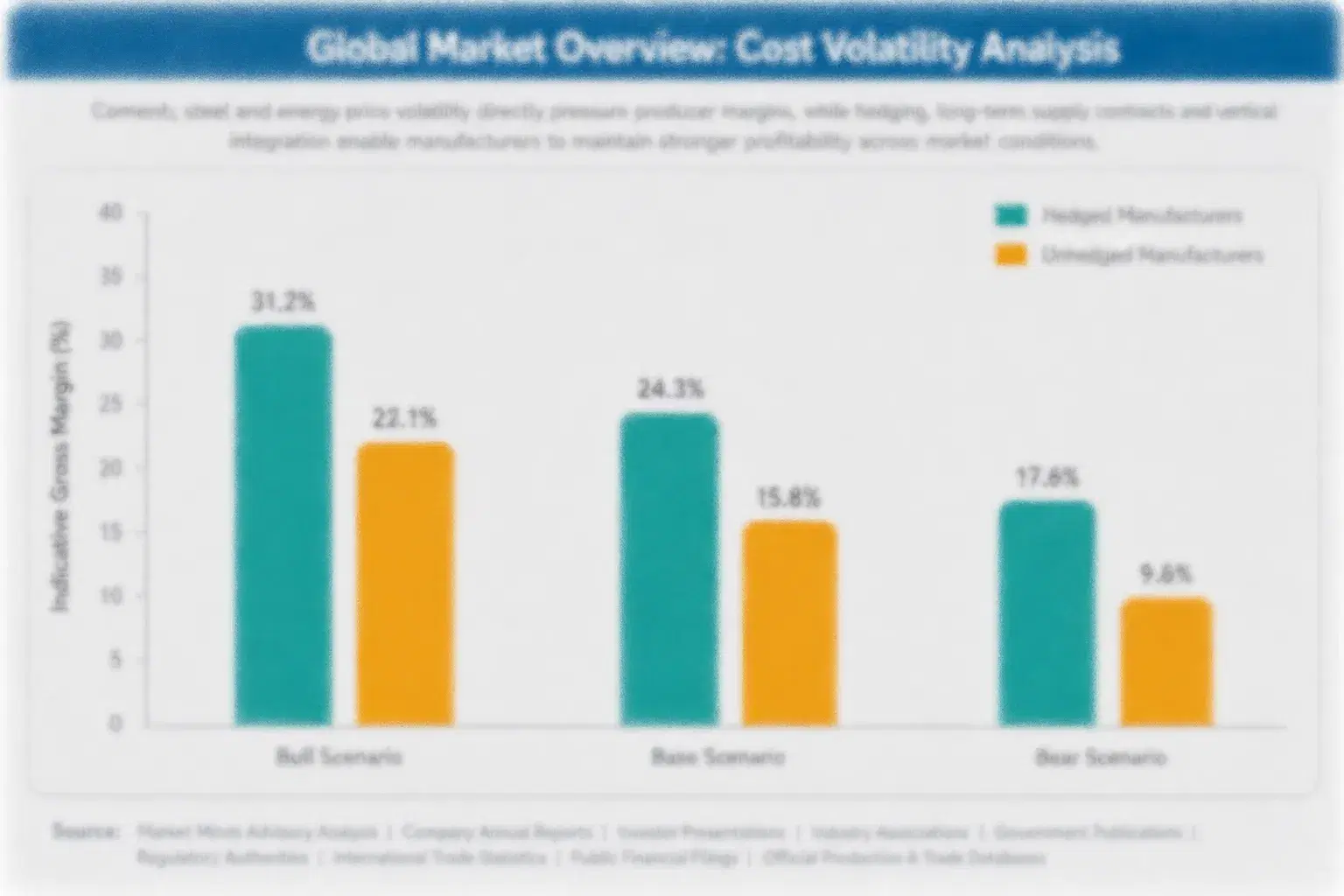
Virgin Pulp Cost Exposure

Virgin pulp accounts for roughly 43 percent of total molded fiber lid production cost, sourced primarily from a concentrated group of large pulp mills in Scandinavia, North America, and increasingly Brazil and Indonesia. Bio-based coatings, adhesives, and pressing tooling amortization make up most of the remaining cost base, with limited substitution available given the specific molding and moisture-resistance properties lid-grade pulp requires for reliable performance.
Pulp pricing swung sharply in 2022 and 2023 as mill energy costs and global capacity adjustments moved input costs higher before partially retreating, according to International Energy Agency industrial commodity tracking data covering that period. Molders without multi-year supply contracts absorbed much of this volatility directly, several reporting meaningful margin compression during the peak pricing months documented in that IEA dataset specifically across the industry.

This cost structure disadvantages smaller independent molders lacking the purchasing scale to negotiate multi-year fixed pricing with major pulp mills, forcing them to buy at spot prices during volatile periods when larger competitors have already locked in favorable terms. The disadvantage is most pronounced across Latin American and African markets where local pulp production remains limited, leaving molders there more exposed to import price swings than.
molded-fiber-lids-and-cold-drink-service-packaging-cost-volatility-analysis-1791276907531

Multi-Year Pulp Supply Contracts

Larger molders are increasingly locking in multi-year fixed-price virgin pulp supply agreements with integrated pulp mills, trading some pricing flexibility for protection against the sharp volatility that characterized the 2022 to 2023 period across most major markets nationwide. Several leading molders have already secured three-year agreements covering the bulk of their projected volume needs nationwide.

Dual-Sourcing Across Regional Pulp Mills

Molders are qualifying second and third pulp suppliers across different geographies specifically to avoid dependency on any single mill, reducing exposure to localized disruptions or energy cost shifts affecting one particular sourcing region broadly today. This approach has proven especially valuable for molders serving export accounts spanning multiple continents simultaneously nationwide today broadly now.

Portfolio Architecture for Margin Defence

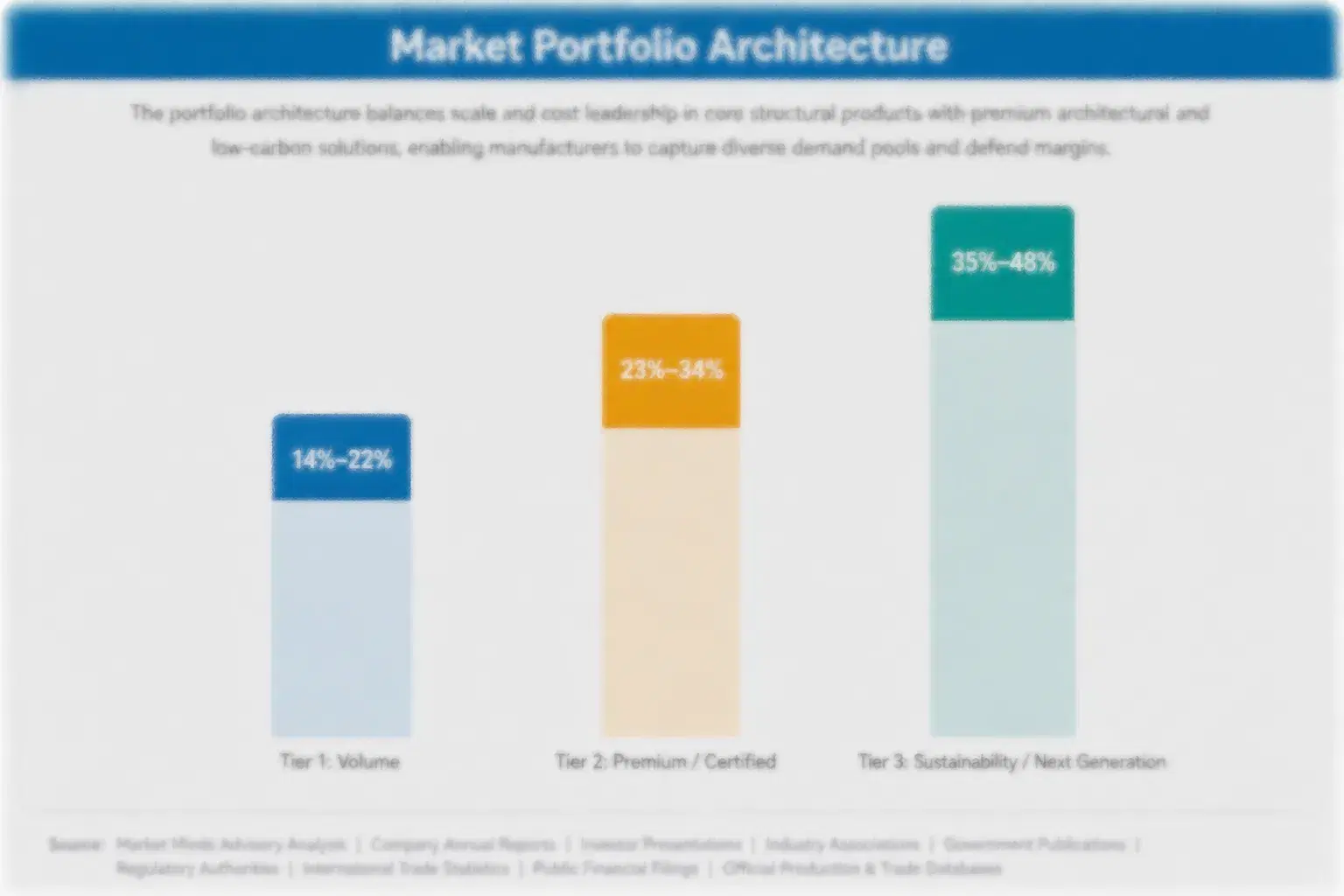
Molded fiber lid economics split across three tiers defined by compostability certification level and moisture resistance requirement, with gross margins ranging from thin commodity-level returns on standard formats to meaningfully richer margins on certified premium and advanced-resistance formats requiring documented compliance testing, a spread wide enough that molder mix within a given account can swing overall profitability meaningfully across the category.
Volume remains concentrated in the commodity-adjacent tier serving standard quick-service applications, where intense retail price competition compresses margins even as unit volume stays large and relatively stable across most economic cycles tracked carefully. Premium and certified formats carry substantially richer margins but represent a smaller share of total unit volume currently. This volume-value tension defines much of the category's current capital allocation debate among the largest molders.

High-value margin pools concentrate specifically around compostability certification and advanced moisture resistance applications, where brand owners pay meaningfully more for documented compliance assurance rather than accepting standard-grade product on faith. Molders positioned to serve this smaller but durably more profitable tier are capturing a disproportionate share of total category profit relative to their unit volume share. Molders lacking certification capability remain confined to the thinner-margin volume tier regardless of their overall production.

Standard plastic and transitional fiber lids sold into retail channels, where intense brand competition and large contracted volumes keep margins compressed but stable. This tier represents the largest unit volume but the thinnest margin band in the category.
Gross Margin

Molded fiber lids carrying documented compostability certification, commanding meaningfully higher margins from brands requiring verified compliance before awarding contracts. This tier is expanding steadily as more brand programs adopt certification requirements nationwide.
Gross Margin

Advanced-resistance molded fiber lids certified for extended-hold cold beverage applications, plus emerging bio-based coating formats, commanding the category's richest margins from brands facing tightening packaging regulation. This tier remains smallest by volume but offers the strongest margin upside available.
Gross Margin
molded-fiber-lids-and-cold-drink-service-packaging-portfolio-architecture-1791276907811

High-value Sub-segments and Strategic Watch-out

Molded Fiber Cold Cup Lids

Fastest-growing and highest-value segment, driven by compostability compliance requirements from quick-service chains racing to meet municipal policy deadlines, where demand for certified compliance assurance keeps rising steadily. Molders investing early in advanced moisture resistance are best positioned to capture this premium today nationwide now too.

Retail Foodservice and Bowl Lidding

Large, high-value segment with moderate growth, anchored by stable North American and Western European retail demand, though intense retail price competition keeps margins meaningfully thinner than cold cup lids. Retail price competition keeps this segment's margin ceiling well below the premium tier nonetheless overall today.

Hot Food Service Packaging

Stable volume core segment tied to steady hot food consumption cycles, generating consistent baseline demand without the premium pricing dynamics found in certified compostable formats. Seasonal ordering patterns keep this segment's volume predictable even without meaningful year over year growth nationwide nationwide broadly now too.

Legacy Plastic Lid Conversion Risk

Strategic watch-out as brand owners accelerate conversion away from older plastic formats, leaving molders slow to invest in fiber molding tooling exposed to meaningful share loss over the coming decade. Molders should monitor brand conversion announcements closely to avoid holding obsolete tooling capacity going forward.

Annuity Demand Economics

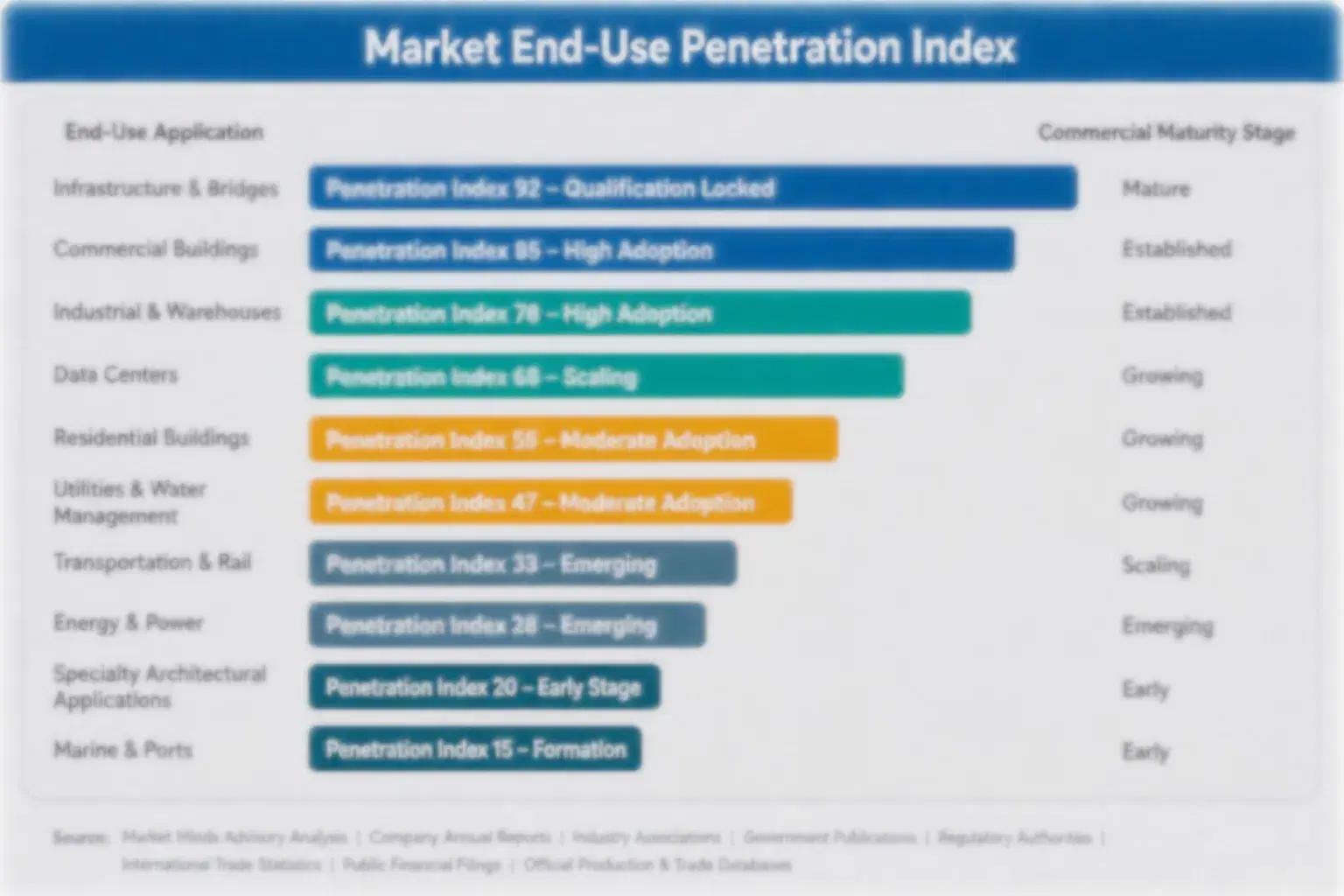
Molded fiber lid demand behaves like an annuity for molders that win brand qualification, since quick-service and foodservice chains rarely switch molders mid-contract given the cost and risk of requalifying moisture performance and structural integrity across an entire production line. Qualified molders typically retain accounts for multiple years once certified, generating predictable repeat volume that justifies the upfront tooling investment required to enter this category.
Adoption stickiness varies meaningfully by end-use vertical: standard retail foodservice brands switch molders more readily given lower certification stakes, while cold beverage and export-focused chains rarely switch once a molder has proven reliable moisture performance across multiple production runs and filling cycles. This depth of stickiness in the premium tier is precisely why certification-based revenue levers command pricing that volume-tier molders cannot replicate.

A generational shift in buyer profiles is underway as procurement increasingly moves from relationship-based purchasing toward documented compliance verification, favoring molders that can produce testing data on demand rather than relying on long-standing personal relationships with brand purchasing managers. Younger procurement teams entering quick-service and foodservice brands are notably more comfortable switching molders when documentation gaps appear, a meaningful change from prior purchasing generations.
molded-fiber-lids-and-cold-drink-service-packaging-end-use-penetration-index-1791276908121

Where to Compete Next

These are among the four positions where our research anticipates prominent divergence between winners and laggards over the coming forecast period. Each is grounded in the demand model, the regulatory perimeter, and the announced capacity pipeline.
01 / COMPOSTABILITY CERTIFICATION INVESTMENT

Build documented compostability certification before brands mandate it

Molders that invest now in compostability certification infrastructure will qualify for premium contracts before municipal enforcement deadlines make this table stakes industry-wide. Waiting until certification becomes a universal requirement means competing against molders who already built the compliance track record and brand trust needed to win. The window to differentiate on this capability is narrowing as more of the top five molders announce similar investment plans, particularly among those serving the largest regulated quick-service accounts, where compliance timelines leave little room for delay across the category.
02 / ADVANCED MOISTURE RESISTANCE DEVELOPMENT

Prioritize resistance research to close the plastic performance gap

Advanced moisture resistance engineering is becoming the clearest differentiator between molders capturing premium extended-hold cold beverage contracts and those confined to standard volume unable to command certification pricing. Molders without this capability are increasingly locked out of the fastest-growing portion of global demand regardless of their domestic production scale or pricing competitiveness. Building this capability now, ahead of broader industry adoption, offers a meaningful window to capture disproportionate share, especially for molders with existing relationships in premium cold beverage markets already.
03 / CERTIFICATION SERVICE EXPANSION

Convert compliance verification into a standalone billable service

Molders still offering compostability verification as a free pre-sales step are leaving meaningful revenue on the table that competitors are already capturing through standalone certification fees. Converting this into a billable service requires modest incremental investment in testing documentation and reporting infrastructure relative to the margin upside it creates across premium accounts. The molders moving first on this will set pricing norms that latecomers will struggle to challenge later, especially once a handful of accounts come to expect it as standard practice industry-wide.
04 / VIRGIN PULP SUPPLY RESILIENCE

Lock multi-year pulp contracts before the next volatility cycle

Virgin pulp price volatility has repeatedly compressed margins for molders lacking long-term supply agreements, and nothing about the underlying market structure suggests this risk is diminishing over the coming decade. Securing multi-year fixed-price contracts now, while mills have available capacity to negotiate favorable terms, protects margin during the next inevitable volatility cycle. Molders that wait until prices spike again will find mills far less willing to offer favorable multi-year terms, a cost gap that compounds meaningfully across multiple contract cycles over time.

Engagement Snapshot From the Field

A live engagement with an industry participant carrying material or product regulatory and market exposure ahead of a defining policy shift, showing how our research translates into a defensible multi-year portfolio strategy.
MARKET MINDS ADVISORY · CLIENT ENGAGEMENT SUMMARY
Molded Fiber Lids and Cold-Drink Service Packaging Producer Strategic Portfolio Review and Transition Roadmap 2026·Investment Scenario on Molded Fiber Lids and Cold-Drink Service Packaging Exposure Evaluation 2025-26
CLIENT PROFILE
The client is a mid-sized North American molded fiber lid molder supplying quick-service chains primarily across the United States and Canada, seeking to evaluate whether to invest in advanced moisture resistance capability ahead of a planned capacity expansion decision facing the leadership team currently, with annual revenue in the low hundreds of millions and longstanding supply relationships across its home region's quick-service customer base.
STRATEGIC CHALLENGE
Leadership needed to decide whether advanced resistance engineering investment would generate sufficient incremental contract volume to justify the capital outlay, given uncertainty about how quickly their regional quick-service customers would pursue full plastic elimination ahead of regulatory deadlines. The board required a defensible financial case before committing capital given competing priorities across the molder's broader expansion roadmap.
MMA APPROACH
MMA conducted primary interviews with the client's top accounts and benchmarked competitor certification investments, then modeled incremental contract value under three regulatory enforcement scenarios to inform the capacity expansion business case presented to the board. The engagement concluded with a phased investment roadmap tailored to the client's balance sheet constraints and risk tolerance.
KEY FINDINGS
  1. The client's top three accounts were actively evaluating full plastic elimination within 18 months, a timeline that materially shaped the urgency of the capacity decision (client-reported, unverified by MMA).
  2. Competitor certification investment had already captured an estimated 5 percent of the client's addressable regional volume, concentrated mostly among the fastest-growing quick-service accounts (client-reported, unverified by MMA).
  3. Molded fiber lids with certified moisture resistance commanded a price premium meaningfully above the client's current standard-grade pricing structure, reflecting the certification premium brands were already willing to pay (client-reported, unverified by MMA).
  4. Internal capacity modeling showed certification tooling could be amortized within three years under moderate conversion growth assumptions, comfortably within the molder's standard capital payback threshold (client-reported, unverified by MMA).
CLIENT PROFILE
The client is a mid-sized North American molded fiber lid molder supplying quick-service chains primarily across the United States and Canada, seeking to evaluate whether to invest in advanced moisture resistance capability ahead of a planned capacity expansion decision facing the leadership team currently, with annual revenue in the low hundreds of millions and longstanding supply relationships across its home region's quick-service customer base.
STRATEGIC CHALLENGE
Leadership needed to decide whether advanced resistance engineering investment would generate sufficient incremental contract volume to justify the capital outlay, given uncertainty about how quickly their regional quick-service customers would pursue full plastic elimination ahead of regulatory deadlines. The board required a defensible financial case before committing capital given competing priorities across the molder's broader expansion roadmap.
MMA APPROACH
MMA conducted primary interviews with the client's top accounts and benchmarked competitor certification investments, then modeled incremental contract value under three regulatory enforcement scenarios to inform the capacity expansion business case presented to the board. The engagement concluded with a phased investment roadmap tailored to the client's balance sheet constraints and risk tolerance.
KEY FINDINGS
  1. The client's top three accounts were actively evaluating full plastic elimination within 18 months, a timeline that materially shaped the urgency of the capacity decision (client-reported, unverified by MMA).
  2. Competitor certification investment had already captured an estimated 5 percent of the client's addressable regional volume, concentrated mostly among the fastest-growing quick-service accounts (client-reported, unverified by MMA).
  3. Molded fiber lids with certified moisture resistance commanded a price premium meaningfully above the client's current standard-grade pricing structure, reflecting the certification premium brands were already willing to pay (client-reported, unverified by MMA).
  4. Internal capacity modeling showed certification tooling could be amortized within three years under moderate conversion growth assumptions, comfortably within the molder's standard capital payback threshold (client-reported, unverified by MMA).
RECOMMENDED STRATEGY
Phase 1: Phase one: commission third-party compostability testing to document current lid performance under municipal compliance verification standards across every regulated line. Phase 2: Phase two: pursue a co-investment arrangement with the client's largest account to partially fund advanced moisture resistance tooling installation and qualification testing. Phase 3: Phase three: launch certified fiber capacity and actively pursue qualification with two additional regulation-facing quick-service brand accounts within the following operating year.
OUTCOME
The client proceeded with a phased certification investment, securing co-investment commitment from its largest account within six months and winning qualification with one additional regulation-facing brand (client-reported, unverified by MMA), validating the capacity expansion thesis ahead of full-scale rollout. Leadership credited the phased approach with reducing execution risk relative to a single large upfront investment.

Frequently Asked Questions

Foundational context covering the market sizes, CAGR, scope, country, region and competition that inform every finding below. This section is provided to cover basics and most often pre-purchase conversations, answered from the MMA Primary Research Dataset.

What is the current size of the Molded Fiber Lids and Cold-Drink Service Packaging Market?

The global Molded Fiber Lids and Cold-Drink Service Packaging Market is valued at approximately 0.95 billion dollars in 2025. Growth is driven primarily by quick-service chains eliminating plastic lids.

How large will the Molded Fiber Lids and Cold-Drink Service Packaging Market be by 2036?

The market is projected to reach approximately 2.66 billion dollars by 2036. This reflects a sustained 9.8 percent compound annual growth rate across the full forecast period.

What is the CAGR for the Molded Fiber Lids and Cold-Drink Service Packaging Market 2026 to 2036?

The market is forecast to grow at a 9.8 percent CAGR between 2026 and 2036. Molded fiber cold cup lids are expected to grow faster than this overall average.

Which segment is growing fastest?

Molded fiber cold cup lids are the fastest-growing segment, expanding at roughly 12.3 percent annually. United States municipal composting mandates are the primary driver behind this segment's accelerated growth.

Who are the major companies in the Molded Fiber Lids and Cold-Drink Service Packaging Market?

Huhtamaki, Genpak LLC, Pactiv Evergreen, Eco-Products Inc., and Footprint International lead the market. Together these five molders hold roughly 40 percent of global production capacity.

Which country is growing fastest?

India is the fastest-growing country, expanding at approximately 11.2 percent annually. Rapid quick-service chain expansion and growing cold beverage retail footprints are the main drivers nationwide.

Molded Fiber Lids and Cold-Drink Service Packaging Segments Covered

The full report scope spans multiple orthogonal segmentation dimensions, with cross-tabulated demand data provided for each dimension pair. Coverage extends further to regional breakdowns, trend trajectories, and the competitive detail needed to support segment-level decision-making.

By Product Type

  • Standard Molded Fiber Lids
  • High-Barrier Molded Fiber Lids
  • Insulated Molded Fiber Service Packaging

By End-Use Industry

  • Quick-Service Restaurants
  • Coffee Chains and Cafes
  • Institutional Foodservice
  • Retail Grocery Foodservice

By Commercial Dimension

  • Direct Brand Supply
  • Co-Packer Supply
  • Distributor Channel Supply

By Region

  • North America
  • Western Europe
  • East Asia
  • South Asia and Pacific
  • Latin America
  • Middle East and Africa
  • Eastern Europe

Scope, Methodology, and Coverage

Every figure in this report is reproducible from documented input assumptions. The scope below maps the historical period, the forecast horizon, the segmentation dimensions, and the countries covered, alongside the underlying primary and qualitative methodology.
Historical Period
2020 to 2025
Forecast Period
2026 to 2036
Base Year
2025 (USD billions; MMA Primary Research Dataset, October 2026)
Market Definition
The Molded Fiber Lids and Cold-Drink Service Packaging Market covers pulp-molded lids, cold cup accessories, and service packaging items used across quick-service and retail foodservice channels. It excludes hot beverage cup lids and separately reported plastic and compostable PLA lid formats.
Quantitative Units
USD billions, unit volume in millions of units, CAGR percent
Segmentation Dimensions
Product type, end-use industry, commercial dimension, region
Regions Covered
North America, Western Europe, East Asia, South Asia and Pacific, Latin America, Middle East and Africa, Eastern Europe
Countries Covered
United States, Canada, Germany, United Kingdom, China, India, Japan, South Korea, Brazil, Mexico, Saudi Arabia, South Africa, Poland, Vietnam
Key Companies Profiled
Huhtamaki, Genpak LLC, Pactiv Evergreen, Eco-Products Inc., Footprint International
Quantitative Methodology
Primary survey, n=3,800 respondents, Q4 2025, six countries; demand-side model with trade association cross-validation
Qualitative Methodology
47 expert interviews, Q4 2025; applied to validate demand model assumptions, identify emerging dynamics, and assess competitive positioning
Report Format
PDF and XLSX data workbook (Word format preview document)
Publisher
Market Minds Advisory
Report Code
MMA-2026-PAC-292
Published
October 2026
Contact
sales@marketmindsadvisory.com | www.marketmindsadvisory.com

Purchase the full Molded Fiber Lids and Cold-Drink Service Packaging Market Report (2026 to 2036).

This report provides a comprehensive, data-driven assessment of the global Molded Fiber Lids and Cold-Drink Service Packaging Market, covering sizing, segmentation, regional dynamics, and competitive positioning through 2036. It draws on MMA's proprietary primary research, including a 3,800-respondent survey and 47 expert interviews conducted in the fourth quarter of 2025. Analysts examine plastic elimination trends, input cost exposure, and revenue diversification opportunities across the quick-service and foodservice packaging value chain. The report is designed to support strategic planning, investment, and partnership decisions for molders, brand owners, and investors operating in this category.
Full market sizing and ten-year forecast
Five-segment MECE segmentation analysis and framework
Seven-region demand share breakdown and outlook
Competitive benchmarking of the top molders
Input cost and virgin pulp exposure assessment
Revenue lever and portfolio margin analysis

Built For The People Who Decide

From boardroom strategy to bench-side execution, this report is read cover-to-cover by leaders shaping the next decade of their industry, turning demand scenarios, market dynamics and valuation benchmarks into decisions.
CXOs/ Presidents/ VPs/ Managers
M&A and Corporate Development
Strategy Teams and R&D Heads
Procurement and Product Directors
Regulatory and Compliance Leaders
Investor Relations and Equity Analysts