

Market Minds Advisory
Mini Frozen Dessert Novelties Market

Mini Frozen Dessert Novelties Market: Mini Frozen Dessert Novelties Market. Portion Control, Mochi Bites and Multipack Economics

Bite-size frozen novelties are turning indulgence into a portion-controlled treat, with mochi bites, mini cones and multipacks lifting value, while cocoa spikes, rice costs and wrapping-heavy production now decide which brands hold margin.

Lead Analyst

Published

September 2026

Make Smarter Decisions with Customized Research Insights

Request a free sample report and evaluate market opportunities, growth trends, and competitive dynamics relevant to your business needs.

2025 MARKET VALUE$4.6BMarket Size 2025
2036 FORECAST VALUE$9.2BBase Case , 2026 to 2036
CAGR 2026 TO 20366.5 %Bull 7.8% / Bear 5.2%
INCREMENTAL OPPORTUNITY$4.3BNet 10- year value creation
EXPANSION MULTIPLE1.88x2036 value over 2026 base
Strategic Levers
M&A Pipeline
Regional Outlook
Country Rankings
Competitive Intelligence
Segmental Deep-dive
Call-Us : 91 93563 13602

Executive Snapshot and Market Trajectory.

Mini frozen dessert novelties are bite-size ice cream treats such as mochi bites, mini cones, small bars, ice cream balls and cookie sandwiches, sold singly or in multipacks. Shoppers buy them for portion control and variety. Small size lets brands charge more per gram, and shops give them freezer space.
Mochi and Rice-Cake Ice Cream Bites grow fastest as shoppers look for chewy textures, portion control and novelty flavours, while mini cones and small bars still carry large sales through multipacks. East Asia leads because Japanese, Korean and Chinese makers created the mochi format and sell the largest volumes, with North America following. Gross margins run 24% to 42%, and dairy, cocoa and wrapping costs shape profit. Prices shift with each season.
Five groups hold about 39% of value, led by Lotte, Meiji, Ezaki Glico, Unilever and Froneri, so scale in cold chain, packaging and freezer placement shapes a moderately concentrated field. Food standards of identity, choking-risk warnings for chewy formats, added sugar labelling, food safety controls and retailer audits govern positioning, and buyers check plant records, ingredient origin and delivery reliability before granting freezer space to any new range.
Market Definition
The market covers mini frozen dessert novelties, defined as bite-size or small-portion frozen desserts such as mochi ice cream bites, mini cones and cups, ice cream balls, small bars and sticks and mini sandwiches, sold singly or in multipacks in retail, convenience, foodservice and online channels worldwide and valued at producer sales revenue. It excludes standard-size novelties, ice cream tubs and pints, water-ice popsicles, frozen cakes and pies and dedicated plant-based dessert ranges.
Base Year Value
$4.6B in 2025 (MMA Primary Research Dataset, September 2026)
Forecast Period
2026 to 2036, eleven discrete annual values
CAGR
6.5% base case. Bull 7.8%. Bear 5.2%.
Fastest Growth Segment
Mochi and Rice-Cake Ice Cream Bites: 9.1% CAGR
Fastest Growth Country
China: 9.8% CAGR
Fastest Growth Region
South Asia and Pacific: 8.5% CAGR
Largest Region
East Asia: 34% of 2025 global value
Market Leaders
Lotte, Meiji, Ezaki Glico, Unilever, Froneri. Source: MMA Analysis, company annual reports.
Primary Survey
n=3,800 procurement and R&D decision-makers, Q4 2025, six countries
Methodology
Demand-side build-up, cross-validated against public data, 47 expert interviews

Mini Frozen Dessert Novelties Market Forecast Scenarios

mini-frozen-dessert-novelties-market-size-forecast-scenario-1789981800672
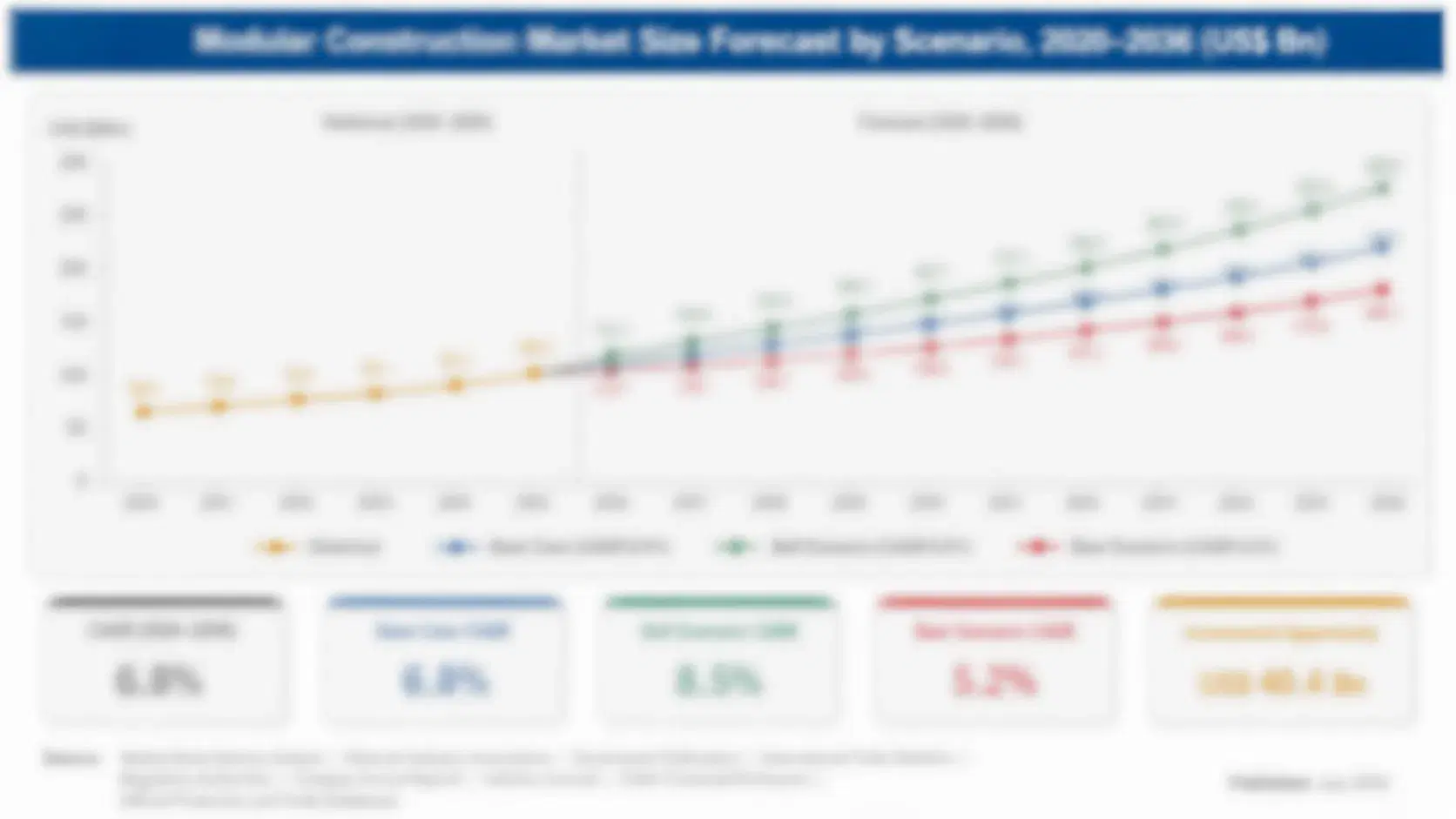
From 2020 to 2025 global mini frozen dessert novelty sales grew at about 6.0% a year. Home eating during the pandemic lifted multipack sales, mochi bites moved from specialty stores into mainstream freezers in the United States and Europe, and Asian makers added new flavours and formats. Growth eased in 2023 as cocoa and dairy costs lifted prices, although portion-control and premium ranges kept adding buyers.
The base case of 6.5% rests on three named mechanisms. Portion-control demand pushes health-minded shoppers toward mini formats, which lifts volume among buyers who avoid full-size treats. Mochi and bite-size ranges raise average price per gram, which lifts value even when volume is flat. Convenience stores, warehouse clubs and delivery platforms widen multipack and single-serve access. Each mechanism is visible in retailer set changes, launch data and freezer investment over the last three years.
The bull case reaches 7.8% if mochi and bites scale in mainstream Western retail and cocoa costs ease. The bear case falls to 5.2% if cocoa, dairy and packaging costs stay high and consumers trade down to standard tubs. Both cases assume stable cold chain capacity and no new sugar taxes in major markets. Neither case changes planned capacity.

Portion Control, Mochi Bites and Wrapping Costs Set Mini Frozen Novelty Returns

Mini novelties are made like ice cream but formed, coated and wrapped in small units. Mochi bites wrap ice cream in a sheet of glutinous rice dough made from rice flour and sugar, which stays soft when frozen. Mini cones and bars are moulded or extruded, coated in chocolate and wrapped individually, so packaging lines and wrapping speed decide cost as much as recipes do.
MARKET CONCENTRATION39% CR5Top five groups hold just under two fifths of sales
MULTIPACK SHARE57%Portion of retail value sold in multipack formats
IMPULSE CHANNEL SHARE33%Portion of category value sold through convenience and kiosks
PACKAGING SHARE OF COGS18%Wrappers, trays and cartons within total production cost
DAIRY AND COCOA COST34% of COGSMilk, cream, sugar and cocoa within total production cost
FREEZER SHELF LIFE12-18 monthsTypical storage life of mini novelties under proper cold chain
Value concentrates in three places. Mini bars, sticks and cones carry large sales through multipacks in grocery and warehouse clubs. Bite-size balls, pops and cookie sandwiches grow steadily, sold as party packs and single-serve treats. Mochi and rice-cake bites grow fastest, sold in trays of six to twelve at premium prices, where chewy texture and flavours such as matcha, mango and strawberry attract young shoppers and social media attention.
Supply is regional. Milk and cream come from local dairy farms and cooperatives, sugar from domestic and imported sources, cocoa from Ghana, Cote d'Ivoire and Ecuador, glutinous rice flour from Thailand, Japan and Vietnam, and wrappers and trays from film and board converters. Cold chain logistics keep goods at minus 18 degrees, and qualifying a new supplier takes six to twelve months.
"Small ice cream sells big ideas: fewer calories, more variety and better pictures on a phone. Brands that make a bite feel like an event, and price it accordingly, will beat the ones that just shrink a cone."
Senior Analyst, Packaged Foods and Frozen Foods Practice · MMA Mini Frozen Dessert Novelties Practice · September 2026

Market Trends

Mochi Bites Move From Specialty Stores Into Mainstream Retail

Mochi ice cream bites, created in Japan and popularised in the United States by brands such as My/Mo and Bubbies, now sell in supermarkets, warehouse clubs and convenience stores in trays of six to twelve. Mochi and Rice-Cake Ice Cream Bites grow about 9.1% a year, and gross margins run 32% to 42%. The trend needs rice dough that stays soft when frozen, stable flavours and strong packaging, and it rewards brands with research capability and retailer relationships, while choking-risk warnings and rice flour costs limit growth, and private label copies popular flavours.
Market Impact: minis carry 60-100 calories each

Portion-Control and Multipack Formats Attract Health-Minded Shoppers and Families

Brands sell mini cones, bars and bites in multipacks that let shoppers control portions and share treats, aimed at health-minded adults and families. Bite-Size Balls, Pops and Cookie Bites grow about 7.8% a year, and gross margins run 28% to 38%. The trend needs precise portioning, individual wrapping and clear nutrition labelling, and it rewards brands with packaging capability and retailer relationships, while wrapping adds 15% to 20% of cost, and consumers question plastic waste from individual wrappers. Brands with recyclable wrappers and clear labelling win the strongest retailer listings across seasons.
Market Impact: premiums reach 30-80% over standard bars

Market Opportunities and Growth Drivers

Portion Control and Sugar Awareness Push Shoppers Toward Small Treats

Shoppers worry about sugar and calories, so they choose small frozen treats of 60 to 100 calories over full-size bars and tubs. Mini formats let them enjoy a treat without guilt and share packs with families. The driver rewards brands with clear calorie labelling, wide ranges and strong flavours, and it supports higher prices per gram, while private label copies popular formats, and shoppers question the higher cost per gram of small units when budgets tighten in downturns and inflationary years. Retailers respond with larger multipacks and calorie labels that make choices easier.
Market Impact: packaging adds 18% of cost

Social Media, Novelty Flavours and Asian Food Culture Lift Discovery

Young shoppers discover mochi, matcha and fruit-filled bites through social media and Asian grocery chains, and brands launch limited flavours quickly to keep interest. Japanese and Korean makers export new formats to the United States and Europe. The driver rewards brands with fast innovation, strong packaging and retailer access, and it supports premium pricing of 30% to 80% above standard novelties, while trends fade quickly, and limited editions add cost and waste. Brands that test flavours in Asian grocery chains before wider launches reduce waste and learn faster than rivals that launch broadly at once.
Market Impact: paper wrappers raise cost 10-20%

Market Restraints and Challenges

Cocoa, Dairy, Rice Flour and Wrapping Costs Squeeze Margins

Milk, cream, sugar and cocoa make up about 34% of production cost, and packaging adds about 18% because each unit is wrapped, while cocoa prices rose several times over in 2023 and 2024 and Japanese rice prices rose sharply in 2024 and 2025. The root cause is weather, disease and small unit sizes. Retail prices adjust slowly because shoppers resist increases, so margins compress by two to five points. Makers respond with recipe changes, price rises and lighter wrappers, though these steps take months. Smaller makers feel this pressure most every year.
Market Impact: mochi bites grow 9.1% yearly

Choking-Risk Warnings, Labelling Rules and Plastic Waste Limit Format Growth

Chewy mochi and small bites carry choking risks for children and older adults, and regulators and retailers require warnings and age guidance, while single-use wrappers draw criticism and plastic rules in Europe and several US states. The root cause is product texture and wrapper-heavy formats. Makers respond with clearer labels, smaller pieces, softer doughs and recyclable or paper wrappers, though redesign takes nine to 18 months and costs $1 million to $5 million per line, and paper wrappers can raise unit cost by 10% to 20%. Smaller lines feel this cost most.
Market Impact: bites and pops grow 7.8% yearly
3 additional market trends, 2 additional growth drivers, and 4 additional restraints and challenges are covered in the full report. Contact sales@marketmindsadvisory.com to access the complete intelligence.

Segment CAGR and Growth Architecture

The global mini frozen dessert novelty market is segmented by format, which shows where texture, pricing and channel access differ. Five segments cover mochi and rice-cake bites, bite-size balls and pops, mini cones and cups, mini bars and sticks and mini sandwiches and cakes. Mochi and bites grow fastest, while mini bars and cones carry large multipack sales.
mini-frozen-dessert-novelties-market-market-share-analysis-1789981801018

Mochi and Rice-Cake Ice Cream Bites

Mochi and Rice-Cake Ice Cream Bites is the fastest-growing segment at 9.1% a year, about 1.40 times the overall market rate. Brands sell ice cream wrapped in soft rice dough in trays of six to twelve through supermarkets, warehouse clubs and Asian grocery chains, and shoppers accept prices well above standard novelties. Gross margins of 32% to 42% reward brands with dough technology, flavour innovation and retailer relationships. Growth depends on texture when frozen, choking-risk labelling and reliable cold chain, while rice flour and dairy costs squeeze margins. Manufacturers with strong brands and dedicated lines hold the strongest positions. Buyers also value clear allergen labels and consistent portions across every store.
CAGR 9.1%

Bite-Size Balls, Pops and Cookie Bites

Bite-Size Balls, Pops and Cookie Bites grows at 7.8% a year, about 1.20 times the overall market rate, because families and health-minded adults buy small chocolate-coated balls, pops and cookie sandwiches in party packs and single-serve cups for portion control and sharing. Brands use precise portioning and individual wrapping to differentiate. Gross margins of 28% to 38% support brands with packaging capability and strong retailer ties. Growth depends on taste, clear nutrition labelling and reliable cold chain, and manufacturers with consistent quality, flexible packs and dependable delivery hold the strongest positions with grocery chains and online sellers. Suppliers must also manage wrapper cost closely, since packaging adds about 18% of production cost.
CAGR 7.8%
Full segment breakdown across 5 segments available in the complete report.

Regional Architecture and Country Demand Map

East Asia leads at 34% because Japanese, Korean and Chinese makers created the mochi format and sell the largest volumes, while North America holds 28% through mochi, multipacks and warehouse clubs. Western Europe holds 15%. South Asia and Pacific grows fastest. Other regions trail on share and growth.

North America

North America holds 28% share, inside its band, with growth at the global rate of 6.5%. United States and Canadian shoppers buy mochi bites, mini cones and multipack bars through supermarkets, warehouse clubs and convenience stores, and Unilever, Froneri, Wells Enterprises, My/Mo and Bubbies supply large accounts from domestic and imported plants. Buyers focus on FDA labelling, allergen management and FSMA controls, and retailers review supplier scorecards, freezer placement and promotion support each year with chains in California, Texas, Illinois and Ontario, where most purchasing decisions are made. Regional makers and Asian importers in California and Texas hold loyal followings, and large accounts often dual-source to protect supply through peak summer weeks and holiday promotions.
Share: 28% | CAGR: 6.5% (2026 to 2036)

Western Europe

Western Europe holds 15% share, below its band, which is justified because European shoppers still buy mostly full-size novelties and tubs, and mochi and mini formats remain a smaller specialty category in most markets outside the United Kingdom, France and Germany. Growth of 5.0% trails the global rate. Because East Asia and North America take the top two slots here, Western Europe acts as an emerging buyer. Unilever, Froneri and Asian imports supply premium retailers. EU labelling and plastic packaging rules shape products, and suppliers with BRCGS certificates hold the strongest positions. Discount retailers press for lower prices, and buyers demand recyclable packaging and third-party audits across each annual review cycle, so suppliers with dependable logistics keep listings.
Share: 15% | CAGR: 5.0% (2026 to 2036)
Regional intelligence for 5 additional markets available in the complete report: East Asia, South Asia and Pacific, Latin America, Middle East and Africa, Eastern Europe. Contact sales@marketmindsadvisory.com.
mini-frozen-dessert-novelties-market-country-cagr-analysis-1789981801486

Four Margin Routes for Mini Frozen Novelty Makers

Margin in mini frozen novelties comes from mochi and bite positioning, wrapper and packaging cost control, cocoa protection and retailer partnerships rather than volume alone. The routes below apply to national brands, regional makers and contract manufacturers, and each can start inside one planning cycle, with clear measures in gross margin points and cost per unit.

Building Mochi and Rice-Cake Bite Ranges With Dedicated Dough Lines

Shoppers pay for chewy novelty, so brands that launch mochi and rice-cake bites with dedicated dough lines and stable flavours win listings worth 8% to 15% of category volume at gross margins of 32% to 42%. Development costs $2 million to $8 million per line. Makers should test dough texture after freezing, publish choking-risk guidance clearly and rotate flavours with retailers, since texture decides repeat purchase, and shoppers abandon bites that harden. Product teams should track repeat purchase weekly. Nutrition data must also stay consistent across every market and retail chain.
Market Impact: mochi ranges win listings worth 8-15% of volume

Cutting Wrapper and Packaging Cost With Lighter and Recyclable Materials

Packaging adds about 18% of cost, so makers that redesign wrappers, switch to paper or recyclable film and optimise multipack cartons cut packaging cost per unit by 8% to 15% and protect listings under plastic rules. Redesign costs $1 million to $5 million per line. Makers should test seal strength and freezer performance, work with retailers on rules and phase changes across ranges, since paper wrappers can raise unit cost by 10% to 20%, and failed seals cause freezer burn and returns. Packaging teams should track seal failures weekly across lines.
Market Impact: lighter wrappers cut packaging cost 8-15% per unit

Protecting Margins With Cocoa Hedging and Multi-Source Dairy Contracts

Milk, cream, sugar and cocoa make up about 34% of cost and prices move with harvests and weather, so makers that hedge cocoa, sign multi-source dairy and rice flour contracts and qualify reformulated coatings cut margin volatility by 30% to 50%. Programmes cost $0.5 million to $3 million in working capital. Makers should hold three to six months of cover, review terms yearly and pass through index changes with a lag of one to two quarters, since spikes otherwise compress margins. Finance teams should track landed cost weekly against index moves.
Market Impact: cocoa hedging cuts margin volatility by 30-50% overall

Winning Warehouse Club and Multipack Programmes to Fill Plants

Warehouse clubs and grocers want dependable suppliers of large multipacks, so manufacturers that offer club-size packs, private-label bites and steady delivery win multi-year programmes worth 12% to 20% of plant volume, which lifts utilisation and covers fixed costs. Programmes need investment of $1 million to $6 million in lines and packaging. Makers should share cost data, agree price formulas linked to cocoa and dairy indices and align forecasts with retail plans, since retailers press for lower prices. Suppliers should keep spare capacity for seasonal launches, and contracts should include volume bands for both sides.
Market Impact: club programmes win 12-20% of plant volume annually

Who Controls the Margin Pool

The global mini frozen dessert novelty market is moderately concentrated, with a CR5 of 39%, because a few Asian and multinational groups control cold chain, packaging capability and freezer placement while many regional makers serve local demand. This assessment measures participants on estimated mini frozen novelty sales value worldwide, held constant across all players. Lotte and Meiji lead through brands and Asian retail reach, Ezaki Glico, Unilever and Froneri follow, and the gap between the leader and the fifth player is moderate.
Competition runs on four dimensions today: texture and flavour innovation, freezer space at retail, price in multipack and private-label programmes and packaging cost and sustainability. Large groups win on brands and cold chain, specialist makers win on mochi and flavour speed, and contract makers win on cost. Retailers compare sales per shelf metre, delivery record and promotion support.

Emerging pressure comes from private label in multipacks, from American mochi brands that scale in Western retail and from Chinese groups that build large local networks. Rankings shift where a brand solves dough texture at scale, wins a club programme or cuts wrapper cost without losing freezer performance, and consolidation continues as smaller makers face rising costs and packaging rules.
mini-frozen-dessert-novelties-market-company-positioning-matrix-1789981801855

Competitive Moat and Risk Dimensions

LOTTE

Moat: Mochi Heritage and Asian Reach

Lotte is a Japanese and Korean confectionery and ice cream group, with Yukimi Daifuku mochi ice cream and a wide range of small novelties sold through convenience stores and supermarkets across Asia. Its dough technology, flavour research and retail relationships give it credibility, and its confectionery scale supports investment in packaging, cold chain and new formats for export.
LOTTE

Risk: Regional Concentration and Costs

Lotte earns most ice cream revenue in Japan and Korea, where mature markets limit growth and rice, dairy and cocoa costs squeeze margins. Currency swings raise import costs, and American and Chinese mochi brands can move faster in export markets. Investors expect steady returns. Rivals move fast.
UNILEVER

Moat: Global Brands and Retail Reach

Unilever's ice cream business includes minis and bite-size lines such as Magnum minis and Cornetto bites, sold in dozens of countries with strong brand equity, research capability and retail reach. Its premium positioning, flavour innovation and freezer placement give it credibility with grocers and convenience chains, and its scale supports investment in plant automation, packaging and sustainability programmes.
UNILEVER

Risk: Portfolio Separation and Focus

Unilever's ice cream operations have been separated from its wider business, which can disrupt supply chains, distribution contracts and management focus during transition. Cocoa and dairy cost rises squeeze margins, private label copies popular formats and specialist mochi brands may win newer buyers. Investors expect steady returns.

Players Tracked

Prominent Players

Lotte
Meiji
Ezaki Glico
Unilever
Froneri

Other Key Players

Morinaga
Akagi Nyugyo
Mikawaya
Bubbies Ice Cream
Nestle
Mars
General Mills
Wells Enterprises
Blue Bell Creameries
Turkey Hill Dairy
Mengniu Dairy
Inner Mongolia Yili
Amul
Fonterra
Emmi

Recent Developments

JANUARY 2026

Leading Ice Cream Maker Expands Mochi Bite Range With New Flavours for Western Grocery Chains

A leading ice cream maker expanded its mochi bite range with new flavours for Western grocery chains, according to company communications. It is a product expansion, not an acquisition, and it tests mochi demand. The range uses new dough technology. Sales terms were not disclosed. Timing remains open to change.
Signal: Confirms leading groups are targeting Western shoppers because mochi bites widen frozen dessert occasions beyond specialty stores.
FEBRUARY 2026

Japanese Confectionery Group Invests in Automated Wrapping Line to Increase Mini Novelty Production Capacity

A Japanese confectionery group invested in an automated wrapping line to increase mini novelty production capacity, according to company communications. It is an organic capacity expansion, not an acquisition, and it tests multipack demand. The line uses recyclable film. Investment terms were not disclosed. Timing remains open to change.
Signal: Shows Asian makers are scaling wrapping capacity because individual wrapping drives cost and speed in small novelty production.
MARCH 2026

North American Warehouse Club Launches Private-Label Mini Cone and Bite Multipack Made by Contract Manufacturers

A North American warehouse club launched a private-label mini cone and bite multipack made by contract manufacturers, according to company communications. It is a supply programme, not a joint venture, and it tests retail demand. The pack covers 24 units. Financial terms were not disclosed. Timing remains open to change.
Signal: Indicates retailers are building own-brand multipacks because shoppers accept private label when quality and pack value improve.

Dairy, Cocoa and Wrapper Costs

Milk, cream and milk powder account for roughly 17% of production cost, sugar and sweeteners about 7%, cocoa and coatings about 10%, rice flour and doughs about 5%, packaging and wrappers about 18%, energy for freezing and storage about 8%, and labour, logistics and overheads about 35%. Milk comes from local dairy farms, cocoa from Ghana, Cote d'Ivoire and Ecuador, and rice flour from Thailand and Japan.
The clearest recent shock came in 2023 to 2025. IMF commodity price data show cocoa prices rising several times over after poor West African harvests, while Japan's Ministry of Agriculture, Forestry and Fisheries data show rice prices rising sharply, and EIA data show industrial energy prices staying elevated. Makers absorbed part of the increase because retail prices adjusted slowly, which compressed margins. Some relief came late in 2025.

The disadvantage falls on small and mid-sized makers without scale, hedging capability or club programme volume, because they cannot pass through swings quickly and buy in small lots. Exposure varies by player type: large groups hold contracts and hedges, specialist mochi makers face rice and dairy price moves directly, and contract manufacturers carry retailer price caps until renewal dates arrive.
mini-frozen-dessert-novelties-market-cost-volatility-analysis-1789981802202

Cocoa Hedging and Multi-Origin Sourcing

Makers hedge cocoa with forward contracts and qualify Ecuadorian, Brazilian and West African supply to cut cost swings of 20% to 40% from harvest shocks. The main challenge is hedging cost and contract rigidity, so makers hedge in stages and review cover each quarter. Treasury teams report exposure to management monthly. Reviews occur each quarter.

Rice Flour and Dairy Contracts With Index Formulas

Makers sign rice flour and milk contracts linked to regional benchmarks and smooth spikes of 10% to 25% over a year. The main challenge is volume commitments during weak sales, so makers agree flexible bands and review terms each year. Approved supplier lists stay current for each plant and each buyer. Managers approve each step.

Retail Price Formulas and Pack Redesign

Makers negotiate price formulas with retailers that link prices to cocoa and dairy indices, and redesign packs and unit counts to hold shelf prices, recovering 40% to 60% of cost increases. The main challenge is retailer resistance and shopper sensitivity, so makers test changes on small ranges first. Renewals follow published indices every half year.

Portfolio Architecture for Margin Defence

Margins run from thin returns on private-label mini bars to strong returns on mochi bites and premium bite-size ranges sold with brand support. Three tiers separate volume products, premium certified lines and next-generation solutions, and each draws on different dairy access, dough capability and retailer relationships in a category where a few groups hold most freezer space.
The tension between volume and premium is sharp. Mini bars, cones and multipacks fill grocery and club freezers at low prices and face constant cost pressure, while mochi and premium bites earn higher margins on smaller volumes and depend on texture, brand trust and cold chain quality. Makers that run only volume suffer when cocoa and packaging costs spike, while premium-only makers struggle to reach scale beyond specialty channels.

High-value pools concentrate in mochi and rice-cake bites and in bite-size balls and pops for grocery, club stores and online sellers. They gather where buyers pay for texture, novelty and portion control, not for freezing alone. Sustainable packaging and Asian growth markets add a smaller pool, and strong makers hold more than one, though each needs different lines, skills and retailer relationships to serve well.

Volume / Commodity-Adjacent

Mini bars, sticks and cones in multipacks sold on price per unit to grocery, discount stores and private-label programmes. Buyers focus on cost and promotions, contracts follow annual tenders, and technical differentiation is limited by shared recipes and packaging formats.
Gross Margin: 24%-32%

Premium / Certified

Branded mochi bites, bite-size balls and cookie sandwiches sold through grocery, Asian retailers, club stores and online channels. Buyers value texture, flavour novelty and brand trust, and listings run for one to two years with regular reviews of sales per shelf metre and quality complaints.
Gross Margin: 30%-42%

Sustainability / Regulatory / Next-Generation

Mini novelties in recyclable or paper wrappers, lower-sugar and functional bites with verified nutrition claims, sold to health-minded shoppers and online buyers. Contracts depend on compliant labelling, packaging supply and consistent delivery performance across regions.
Gross Margin: 28%-38%
mini-frozen-dessert-novelties-market-portfolio-architecture-1789981802481

High-value Sub-segments and Strategic Watch-out

Mochi and Rice-Cake Ice Cream Bites

Mochi and rice-cake bites combine the fastest growth with the strongest pricing, since shoppers accept gross margins of 32% to 42% for chewy novelty and flavour. Dough technology, dedicated lines and labelling form the entry barrier, and brands with retailer ties and stable rice flour hold the strongest positions.
Gross Margin: 32%-42%

Bite-Size Balls, Pops and Cookie Bites

Bite-size balls, pops and cookie bites deliver solid growth with premium pricing, since families and health-minded shoppers accept gross margins of 28% to 38% for portion control. Precise portioning and individual wrapping limit competition, though wrapping adds cost. Reviews occur each year. Prices follow indices.
Gross Margin: 28%-38%

Mini Bars and Sticks

Mini bars and sticks are the volume core, with value growing about 6.0% a year. Cocoa and dairy cost, wrapping efficiency and freezer placement decide profit, and large groups hold most sales. Retailers renew listings yearly at prices linked to competing private-label multipacks across grocery, club and convenience channels.
Gross Margin: 24%-34%

Mini Sandwiches and Cakes

Mini sandwiches and cakes are the strategic watch-out, since growth of about 5.0% a year trails the leaders, cookie and cake costs are volatile and private labels compete on price. Makers should manage the line selectively and steer investment toward mochi and bite formats with clearer buyers.
Gross Margin: 22%-32%

Why Shoppers Keep Buying Small Treats

Mini frozen novelty demand behaves like an annuity attached to household habits. Once a household finds a bite or mini bar it likes, repeat purchase follows every week or two, and switching means trying an untested brand or buying a full-size treat. Retailers set annual freezer plans around sell-through, so brands with stable quality earn priority space. Cold chain reliability supports the habit, because shoppers trust bites that arrive without ice crystals.
Adoption stickiness differs by end-use vertical. Households with children are the deepest, since summer routines and party occasions are built around a few trusted brands. Health-minded shoppers are moderately sticky, driven by portion size, taste and price. Foodservice and convenience buyers are sticky once ranges are set, though they change suppliers when prices rise, and cafes and restaurants rarely switch during a menu cycle.

Buyer profiles are shifting between generations. Older buyers bought small novelties as children's treats, while younger buyers ask about texture, flavour novelty, portion size and origin, and discover products through social media. Solo households and delivery users add a third group that wants small portions and variety. Makers that publish clear nutrition and origin data win newer buyers.
mini-frozen-dessert-novelties-market-end-use-penetration-index-1789981802746

MMA Verdict: Mini Novelty Strategy

These are among the four positions where our research anticipates prominent divergence between winners and laggards over the coming forecast period. Each is grounded in the demand model, the regulatory perimeter, and the announced capacity pipeline.
01 / MOCHI RANGE STRATEGY

Build Mochi and Rice-Cake Bite Ranges Before Rivals Define Chewy Freezer Space

Shoppers pay for chewy novelty, and mochi bites with dedicated dough lines win listings worth 8% to 15% of category volume at gross margins of 32% to 42%. Makers should invest $2 million to $8 million per line, test dough texture after freezing and publish choking-risk guidance clearly. Those that delay will lose freezer space over the next two years, while early movers hold premium prices, stronger margins and lasting shelf presence across every range review and annual retailer negotiation with grocery chains.
02 / PACKAGING COST STRATEGY

Redesign Wrappers Before Plastic Rules and Cost Pressure Erase Margins

Packaging adds about 18% of cost, and lighter or recyclable wrappers cut packaging cost per unit by 8% to 15% and protect listings under plastic rules. Makers should invest $1 million to $5 million per line, test seal strength and freezer performance and work with retailers on rules. Those that delay will face forced changes over the next two years, while early movers hold lower costs, retailer goodwill and stronger listings across every regulatory deadline, packaging trial and annual range review.
03 / COCOA COST PROTECTION

Hedge Cocoa and Diversify Dairy and Rice Sources Before Shocks Erase Margins

Milk, cream, sugar and cocoa make up about 34% of cost, and hedging with multi-source contracts cuts margin volatility by 30% to 50%. Makers should invest $0.5 million to $3 million in working capital, hold three to six months of cover and review terms yearly. Those that delay will absorb spikes of 20% to 40% over the next two years, while early movers hold protected margins, steady supply and stronger negotiating positions across every harvest, price revision and annual budget review for management.
04 / MULTIPACK PARTNERSHIP STRATEGY

Win Club and Multipack Programmes Before Rivals Lock In Freezer Space

Warehouse clubs and grocers want dependable multipack suppliers, and programmes with steady delivery win contracts worth 12% to 20% of plant volume. Makers should invest $1 million to $6 million in lines and packaging and agree price formulas linked to cocoa and dairy indices. Those that delay will lose programmes over the next two years, while early movers hold multi-year contracts, higher utilisation and stronger relationships across every store roll-out, annual range review and price negotiation with national grocery and club chains.

Engagement Snapshot From the Field

A live engagement with an industry participant carrying material or product regulatory and market exposure ahead of a defining policy shift, showing how our research translates into a defensible multi-year portfolio strategy.
MARKET MINDS ADVISORY · CLIENT ENGAGEMENT SUMMARY
Mini Frozen Dessert Novelties Producer Strategic Portfolio Review and Transition Roadmap 2026·Investment Scenario on Mini Frozen Dessert Novelties Exposure Evaluation 2025-26
CLIENT PROFILE
The client is a regional Asian frozen novelty manufacturer with annual sales near $150 million (client-reported, unverified by MMA), producing mini bars, cones and multipacks for convenience stores, supermarkets and export buyers. About 70% of sales came from standard minis, margins had tightened, and management wanted a plan to grow mochi and premium bites without losing distributor relationships.
STRATEGIC CHALLENGE
Standard mini margins sat near 16% (client-reported, unverified by MMA), cocoa cost had risen about 55% over two years and a mochi trial had failed on dough texture after freezing. Management had to decide whether to reformulate, redesign wrappers or launch a branded mochi range, with limited capital and two plants. Key export buyers wanted new samples within nine months.
MMA APPROACH
MMA analysed sales, cost and sensory test data across 40 products, interviewed 15 distributors, retail buyers and food technologists, and ran a shopper survey on texture, flavour and price across three countries. It modelled margin by product and channel, compared dough, packaging and hedging options by payback and execution risk, and tested each against cocoa and packaging price scenarios.
KEY FINDINGS
  1. A new dough formulation and dedicated line would keep softness after 12 months and lift repeat purchase by about 18% (client-reported, unverified by MMA).
  2. Lighter recyclable wrappers would cut packaging cost per unit by about 10% and pay back within three years (client-reported, unverified by MMA).
  3. Cocoa hedging with multi-source contracts would cut margin volatility by about 35% across three years and every plant in operation (client-reported, unverified by MMA).
  4. A branded mochi range for export retailers would cost about $4 million and reach margins about 10 points above standard minis (client-reported, unverified by MMA).
CLIENT PROFILE
The client is a regional Asian frozen novelty manufacturer with annual sales near $150 million (client-reported, unverified by MMA), producing mini bars, cones and multipacks for convenience stores, supermarkets and export buyers. About 70% of sales came from standard minis, margins had tightened, and management wanted a plan to grow mochi and premium bites without losing distributor relationships.
STRATEGIC CHALLENGE
Standard mini margins sat near 16% (client-reported, unverified by MMA), cocoa cost had risen about 55% over two years and a mochi trial had failed on dough texture after freezing. Management had to decide whether to reformulate, redesign wrappers or launch a branded mochi range, with limited capital and two plants. Key export buyers wanted new samples within nine months.
MMA APPROACH
MMA analysed sales, cost and sensory test data across 40 products, interviewed 15 distributors, retail buyers and food technologists, and ran a shopper survey on texture, flavour and price across three countries. It modelled margin by product and channel, compared dough, packaging and hedging options by payback and execution risk, and tested each against cocoa and packaging price scenarios.
KEY FINDINGS
  1. A new dough formulation and dedicated line would keep softness after 12 months and lift repeat purchase by about 18% (client-reported, unverified by MMA).
  2. Lighter recyclable wrappers would cut packaging cost per unit by about 10% and pay back within three years (client-reported, unverified by MMA).
  3. Cocoa hedging with multi-source contracts would cut margin volatility by about 35% across three years and every plant in operation (client-reported, unverified by MMA).
  4. A branded mochi range for export retailers would cost about $4 million and reach margins about 10 points above standard minis (client-reported, unverified by MMA).
RECOMMENDED STRATEGY
Phase 1: Phase 1 (Months 1-9): Reformulate the dough for texture, sign cocoa hedges and pilot lighter wrappers on selected lines at the main plant. Phase 2: Phase 2 (Months 10-24): Commission the dedicated mochi line, launch the branded range with two export retailers and secure club programmes. Phase 3: Phase 3 (Months 25-42): Extend improved recipes and wrappers across the range, review contracts yearly and decide on further premium capacity.
OUTCOME
Within 42 months, mochi and premium bites reached 34% of sales, margins rose by about eight points and repeat purchase improved on all reformulated items (client-reported, unverified by MMA). Packaging cost per unit fell, two retailers signed multi-year agreements, and the mochi range grew through export and online channels.

Frequently Asked Questions

Foundational context covering the market sizes, CAGR, scope, country, region and competition that inform every finding below. This section is provided to cover basics and most often pre-purchase conversations, answered from the MMA Primary Research Dataset.

What is the current size of the Mini Frozen Dessert Novelties Market?

The global mini frozen dessert novelty market was valued at $4.6 billion in 2025 on a producer sales revenue basis. Growth is driven by portion control and mochi formats, and held back by cocoa, rice and wrapper costs.

How large will the Mini Frozen Dessert Novelties Market be by 2036?

The market is projected to reach $9.20 billion by 2036, up from $4.90 billion in 2026. The increase of $4.30 billion reflects mochi bites, bite-size ranges and multipack growth.

What is the CAGR for the Mini Frozen Dessert Novelties Market 2026 to 2036?

The market is forecast to grow at a 6.5% CAGR from 2026 to 2036. The bull case reaches 7.8% and the bear case 5.2%, depending on cocoa prices, packaging rules and mochi adoption in Western retail.

Which segment is growing fastest?

Mochi and Rice-Cake Ice Cream Bites is the fastest-growing segment at 9.1% CAGR, roughly 1.40 times the overall market rate. Bite-Size Balls, Pops and Cookie Bites follows at 7.8% CAGR.

Who are the major companies in the Mini Frozen Dessert Novelties Market?

Major companies include Lotte, Meiji, Ezaki Glico, Unilever and Froneri. Morinaga, Akagi Nyugyo, Mikawaya, Bubbies Ice Cream and Nestle also hold meaningful positions in specific channels.

Which country is growing fastest?

China is growing fastest at about 9.8% CAGR, because convenience store expansion, e-commerce and local mochi production grow together. South Korea and India follow from rising incomes.

Report Segmentation Architecture

The full report scope spans multiple orthogonal segmentation dimensions, with cross-tabulated demand data provided for each dimension pair. Coverage extends further to regional breakdowns, trend trajectories, and the competitive detail needed to support segment-level decision-making.

By Primary Market Dimension

  • Mochi and Rice-Cake Bites
  • Bite-Size Balls, Pops and Cookie Bites
  • Mini Cones and Cups
  • Mini Bars and Sticks
  • Mini Sandwiches and Cakes

By End-Use Industry

  • Household Retail
  • Convenience Stores and Kiosks
  • Restaurants and Cafes
  • Warehouse Clubs and Institutions

By Commercial Dimension

  • Grocery and Club Store Sales
  • Private-Label Programmes
  • Online and Delivery Sales
  • Foodservice Distribution
  • Contract Manufacturing

By Region

  • North America
  • Western Europe
  • East Asia
  • South Asia and Pacific
  • Latin America
  • Middle East and Africa
  • Eastern Europe

Scope, Methodology, and Coverage

Every figure in this report is reproducible from documented input assumptions. The scope below maps the historical period, the forecast horizon, the segmentation dimensions, and the countries covered, alongside the underlying primary and qualitative methodology.
Historical Period
2020 to 2025
Forecast Period
2026 to 2036
Base Year
2025 (USD billions; MMA Primary Research Dataset, September 2026)
Market Definition
The market covers mini frozen dessert novelties, defined as bite-size or small-portion frozen desserts such as mochi ice cream bites, mini cones and cups, ice cream balls, small bars and sticks and mini sandwiches, sold singly or in multipacks in retail, convenience, foodservice and online channels worldwide and valued at producer sales revenue. It excludes standard-size novelties, ice cream tubs and pints, water-ice popsicles, frozen cakes and pies and dedicated plant-based dessert ranges.
Quantitative Units
USD billions (producer sales revenue); units and litres for volume references
Segmentation Dimensions
By Format; By End-Use Channel; By Commercial Dimension; By Region
Regions Covered
North America, Western Europe, East Asia, South Asia and Pacific, Latin America, Middle East and Africa, Eastern Europe
Countries Covered
Japan, South Korea, China, Thailand, Vietnam, India, Indonesia, Australia, United States, Canada, Mexico, United Kingdom, France, Germany, Italy, Spain, Brazil, Argentina, Chile, United Arab Emirates, Saudi Arabia, Turkey, South Africa, Poland, and additional markets relevant to this sector
Key Companies Profiled
Lotte, Meiji, Ezaki Glico, Unilever, Froneri, Morinaga, Akagi Nyugyo, Mikawaya, Bubbies Ice Cream, Nestle, Mars, General Mills, Wells Enterprises, Blue Bell Creameries, Turkey Hill Dairy, Mengniu Dairy, Inner Mongolia Yili, Amul, Fonterra, Emmi
Quantitative Methodology
Primary survey, n=3,800 respondents, Q4 2025, six countries; demand-side model with trade association cross-validation
Qualitative Methodology
47 expert interviews, Q4 2025; applied to validate demand model assumptions, identify emerging dynamics, and assess competitive positioning
Report Format
PDF and XLSX data workbook (Word format preview document)
Publisher
Market Minds Advisory
Report Code
MMA-2026-AGR-241
Published
September 2026
Contact
sales@marketmindsadvisory.com | www.marketmindsadvisory.com

Purchase the full Mini Frozen Dessert Novelties Market Report (2026 to 2036).

The full report delivers a detailed assessment of the global mini frozen dessert novelty market through 2036, covering format, channel and regional forecasts, competitive benchmarking of leading national brands, specialist makers and contract manufacturers, and input cost analysis. It combines MMA primary research, including a six-country survey of 3,800 respondents and 47 expert interviews, with public statistical and company data. Analysts also model cocoa prices, packaging rules and mochi adoption scenarios. Clients receive segment margin ranges, supply maps and a case study on growth strategy. Retailer negotiation frameworks are also included.
Ten-year format and regional demand forecasts
Dairy, cocoa and wrapper cost tracking
Competitive benchmarking of leading mini novelty makers
Packaging and food labelling rule tracker
Regional comparative analysis and forecasts included
Quarterly primary survey data update access

Built For The People Who Decide

From boardroom strategy to bench-side execution, this report is read cover-to-cover by leaders shaping the next decade of their industry, turning demand scenarios, market dynamics and valuation benchmarks into decisions.
CXOs/ Presidents/ VPs/ Managers
M&A and Corporate Development
Strategy Teams and R&D Heads
Procurement and Product Directors
Regulatory and Compliance Leaders
Investor Relations and Equity Analysts