Market Minds Advisory
Mineral Insulated Cables Market

Mineral Insulated Cables Market: Mineral Insulated Cables Market: Fire Codes Rewrite Specification Standards

Tightening fire safety codes and expanding nuclear construction activity are pulling mineral insulated cable specification into mainstream data center and critical infrastructure projects, reshaping which manufacturers win new facility contracts this decade.

Lead Analyst

Published

October 2026

Make Smarter Decisions with Customized Research Insights

Request a free sample report and evaluate market opportunities, growth trends, and competitive dynamics relevant to your business needs.

2025 MARKET VALUE$1.2BMarket Size 2025
2036 FORECAST VALUE$2.4BBase Case , 2026 to 2036
CAGR 2026 TO 20366.3 %Bull 7.4% / Bear 5.1%
INCREMENTAL OPPORTUNITY$1.1BNet 10- year value creation
EXPANSION MULTIPLE1.84x2036 value over 2026 base
Strategic Levers
M&A Pipeline
Regional Outlook
Country Rankings
Competitive Intelligence
Segmental Deep-dive
Call-Us : 91 93563 13602

Executive Snapshot and Market Trajectory.

Fire safety codes now mandate circuit integrity cabling in a growing share of new data center and high-rise construction, and manufacturers without expanded production capacity are turning away specification orders this cycle. Owners with early allocation are weathering this surge more comfortably. Lead times stretched meaningfully.
Data center construction is the fastest-moving commercial force right now, pulled forward by fire code tightening that mandates circuit survivability during building fires. East Asian manufacturers supply the bulk of global cable assembly volume while nuclear construction activity concentrates premium specification demand in East Asia and South Asia specifically. Certification backlogs for circuit integrity designs are already stretching lead times at several major cable manufacturers this cycle.
Competition spans a moderately fragmented field, with the top five producers holding under half of global revenue and regional cable makers competing hard on certification turnaround time. Expanding nuclear construction programs and tightening fire safety standards are pulling more of the specification cycle toward mineral insulated designs every year. Established polymer-cable brands that delay mineral insulated production risk ceding specification share to newer entrants permanently across every major segment. Buyers now expect certified documentation.
Market Definition
This report covers mineral insulated metal sheathed cables used in fire-rated building circuits, nuclear power plant wiring, oil and gas facility installations and data center fire safety systems. It excludes standard polymer-insulated cables, fire-resistant polymer alternatives and standalone conduit systems sold without integrated conductor assemblies.
Base Year Value
$1.2B in 2025 (MMA Primary Research Dataset, October 2026)
Forecast Period
2026 to 2036, eleven discrete annual values
CAGR
6.3% base case. Bull 7.4%. Bear 5.1%.
Fastest Growth Segment
Data Center Fire Safety Cables: 8.8% CAGR
Fastest Growth Country
China: 7.8% CAGR
Fastest Growth Region
South Asia and Pacific: 8.3% CAGR
Largest Region
East Asia: 29% of 2025 global value
Market Leaders
nVent Electric, Prysmian Group, Nexans SA, Thermon Group, Eland Cables. Source: MMA Primary Research Dataset, July 2026.
Primary Survey
n=3,800 procurement and R&D decision-makers, Q4 2025, six countries
Methodology
Demand-side build-up, cross-validated against public data, 47 expert interviews

Mineral Insulated Cables Market Forecast Scenarios

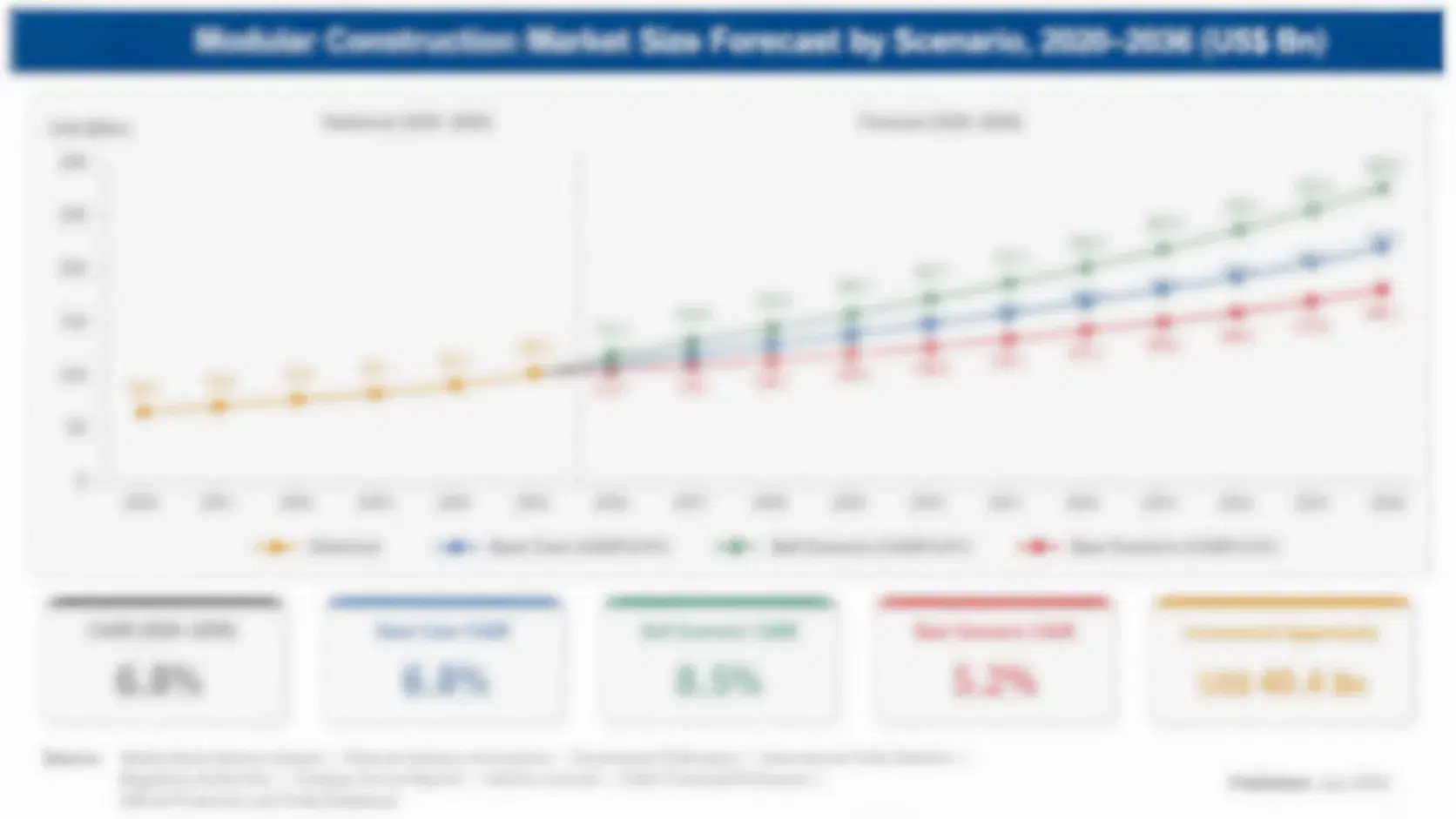
mineral-insulated-cables-market-size-forecast-scenario-1790920280252
Between 2020 and 2025 the mineral insulated cable market grew at a 5.3 percent annual rate, propelled by steady fire code compliance demand and an early wave of nuclear construction activity across several major markets. Pandemic-era supply chain disruption briefly slowed metal sheathing deliveries in 2021, delaying several facility projects. Manufacturers with diversified component sourcing weathered that disruption more comfortably than single-source competitors.
The base case assumes 6.3 percent annual growth through 2036, built on three mechanisms: tightening fire safety codes requiring circuit integrity cabling in more building categories, accelerating nuclear construction activity across East Asia and South Asia, and rising data center construction requiring dedicated fire safety cable infrastructure at scale. Marine and offshore applications add a smaller fourth tailwind as shipbuilders specify fire-rated cabling for critical vessel circuits. This fourth driver remains smaller than the other three.
A bull case near 7.4 percent hinges on faster-than-expected nuclear construction approvals pulling demand forward across major producing regions. The bear risk, closer to 5.1 percent, is slower data center construction activity if capital spending tightens amid broader economic uncertainty across major markets. Neither scenario assumes a reversal of existing fire safety code enforcement. now.

Circuit Integrity Becomes the New Fire Code Baseline

Mineral insulated cable specification has moved from a niche nuclear and marine application to a mainstream data center fire safety requirement, a meaningful shift from five years ago when standard fire-resistant polymer cables still dominated most commercial building categories. Circuit survivability duration increasingly determines which manufacturers win large facility specification contracts. Price premiums for mineral insulated designs over polymer equivalents have narrowed considerably as production volume scales industry-wide.
MARKET CONCENTRATIONCR5 41%Top five producers together hold this combined output share
AVERAGE SELLING PRICE$18/meterBlended figure across standard and nuclear-grade cable types
TOP PRODUCING COUNTRYChina 24%Share of global cable output from domestic manufacturing plants
CAPACITY UTILIZATION73%Average rate across major cable sheathing facilities currently
TRADE INTENSITY39%Share of meters crossing a border before final installation
METAL COST SHARE48%Portion of unit cost from copper conductor and sheathing
Manufacturing remains concentrated in China, where component supply chains for copper conductors and metal sheathing cluster around established production hubs serving global facility customers. Brand assembly for nuclear-grade cable lines happens closer to final demand markets than commodity fire-rated designs typically do. Freight costs matter less for compact cable spools shipped in bulk to distant facility markets. now.
Facility specifiers increasingly require documented circuit survivability duration rather than fire resistance rating alone, since an undocumented cable failure during a building fire can trigger costly liability exposure for building owners. This has pushed several major brands toward bundled testing and certification documentation services. Warranty claim rates have fallen as manufacturers gain more experience with metal sheathing durability specifically.
"Fire resistance rating stopped being the only specification that mattered years ago, and brands still competing purely on temperature tolerance are losing contracts to competitors selling documented survivability duration instead."
Senior Analyst, Electrical Infrastructure Practice · MMA Construction and Industrial Equipment Practice · October 2026

Market Trends

Data Center Fire Codes Mandate Circuit Survivability Cabling

Data center operators increasingly specify mineral insulated cabling for critical power and life safety circuits, driven by fire codes that now require documented circuit survivability during building fire events rather than simple flame resistance. Roughly 28 percent of new data center builds specified mineral insulated cabling for critical circuits in 2025, up from under 9 percent five years earlier, as operators prioritize the documented survivability these cables provide. This shift is reshaping product roadmaps across nearly every major cable brand serving data center customers specifically. Smaller facility operators without dedicated technology budgets still lag this trend behind larger metropolitan peers.
Market Impact: Grew 19 percent in 2025
Nuclear Construction Expansion Drives Premium Cable Demand

Nuclear power plant construction across China, South Korea and India is accelerating meaningfully, requiring specialized mineral insulated cabling rated for radiation exposure and extreme temperature conditions that standard cables cannot withstand reliably. Nuclear-grade cable orders grew roughly 22 percent in 2025 alone, outpacing general mineral insulated cable demand meaningfully as construction pipelines continue expanding across multiple major reactor programs this year and next. Manufacturers serving major nuclear construction customers increasingly maintain dedicated engineering teams focused specifically on radiation-rated certification compliance. Adoption continues expanding steadily across most major reactor programs worldwide.
Market Impact: Grew 14 percent in 2025

Market Opportunities and Growth Drivers

High-Rise Fire Safety Standards Expand Specification Scope

Building codes across major metropolitan markets increasingly require circuit integrity cabling in high-rise residential and commercial towers, extending requirements once limited to critical infrastructure facilities into mainstream construction. Specification orders tied specifically to high-rise fire safety requirements grew roughly 19 percent in 2025, reflecting regulators' growing urgency around building fire safety following several high-profile incidents that drew regulatory and public attention across multiple major cities this year. Regulatory bodies in several major markets are now mandating minimum circuit integrity reporting from building owners annually across most jurisdictions nationwide. Momentum continues.
Market Impact: 48 percent cost from copper

Oil and Gas Facility Expansion Sustains Hazardous Area Demand

Oil and gas processing facility construction requires mineral insulated cabling rated for hazardous area conditions where standard polymer cables cannot reliably withstand extreme temperature and chemical exposure, sustaining steady demand even as broader construction activity fluctuates with commodity cycles. Facility cable orders tied specifically to hazardous area applications grew roughly 14 percent in 2025, reflecting continued processing capacity expansion across multiple major producing regions this year. Suppliers serving this niche increasingly offer volume pricing tiers tailored specifically to large multi-site processing facility orders across major producing basins worldwide this cycle.
Market Impact: New capacity not ready until 2027

Market Restraints and Challenges

Copper Price Volatility Compresses Manufacturer Margins

Copper represents roughly 48 percent of unit cost for mineral insulated cables, and price swings in refined copper markets pass through to cable pricing faster than facility buyers can adjust their own downstream procurement budgets. The root cause is thin inventory buffering across most mid-sized manufacturers, who lack the balance sheet to hedge copper exposure the way integrated majors do routinely. Margin compression during 2024's copper price surge forced several smaller manufacturers to defer planned capacity expansion. Larger manufacturers are extending hedging programs further into their forward order book. now.
Market Impact: 28 percent of builds now specify

Specialized Manufacturing Capacity Constraints Limit Output Growth

Mineral insulated cable production requires specialized metal sheathing and compaction equipment that few facilities worldwide operate, and building new production capacity takes years given the specialized equipment and skilled labor these plants require. The root cause is decades of limited investment in this niche manufacturing category prior to recent demand acceleration. Several manufacturers have announced capacity expansions, but most will not reach full production until 2027 or later. Facility buyers are responding by securing allocation agreements well ahead of actual project need. Early allocation program results suggest meaningful supply chain stability for buyers who secured capacity early.
Market Impact: Grew 22 percent in 2025
3 additional market trends, 2 additional growth drivers, and 4 additional restraints and challenges are covered in the full report. Contact sales@marketmindsadvisory.com to access the complete intelligence.

Segment CAGR and Growth Architecture

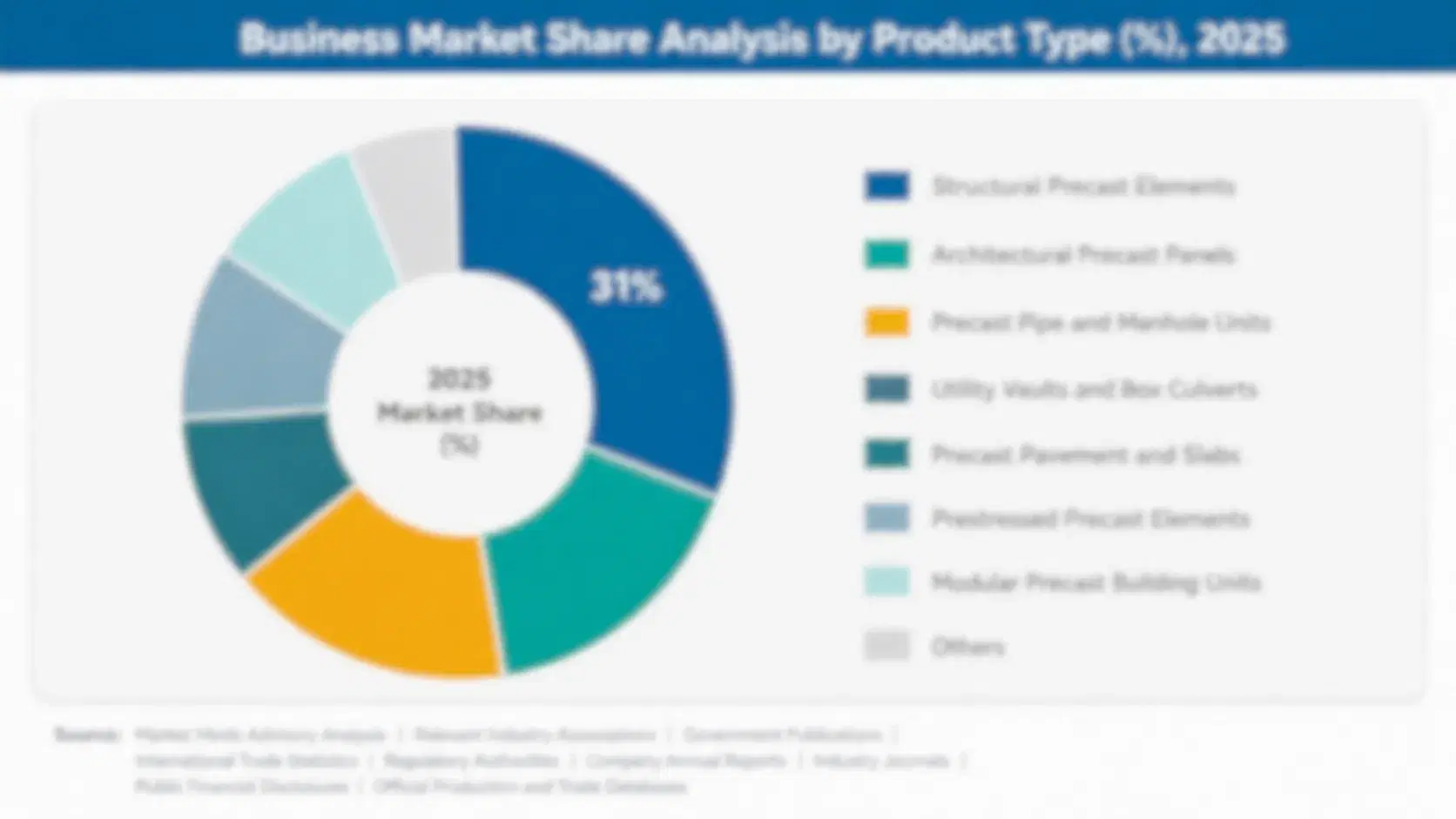
The market splits into six application segments defined by end-use facility type. Data center and nuclear segments lead near-term growth while oil and gas and marine segments anchor the steady specification demand manufacturers depend on through the cycle currently overall. High-rise, oil and gas and marine applications round out the remaining four segments by scale.
mineral-insulated-cables-market-market-share-analysis-1790920280426

Data Center Fire Safety Cables

Mineral insulated cabling for critical data center power and life safety circuits has moved from a niche nuclear-adjacent application to a mainstream specification as fire codes increasingly require documented circuit survivability during building fire events. Facility operators increasingly require this survivability rating as a baseline specification rather than an optional upgrade, pulling more of the fire safety cabling budget toward these designs even at smaller colocation sites. Prysmian Group and nVent Electric lead supply into this segment given their established data center engineering relationships across multiple continents. Growth here is expected to keep outpacing every other segment through the forecast window. Certification backlogs remain the primary constraint on how fast broader adoption can proceed across facility types.
CAGR 8.8%

Nuclear Power Plant Cables

Nuclear power plant construction across China, South Korea and India requires specialized mineral insulated cabling rated for radiation exposure and extreme temperature conditions, and continued buildout across multiple major reactor programs is driving volume demand that outpaces general industrial cable growth meaningfully. These facilities typically specify radiation-rated cable configurations rather than the simpler fire-rated designs common in commercial buildings. Nexans and Thermon Group hold strong positions here given their established nuclear engineering relationships. Demand growth tracks the broader nuclear construction boom alongside genuine cable-specific adoption momentum. Research reactor and defense facility applications show a similar pattern, specifying radiation-rated configurations for critical circuits across government installations worldwide. Growth continues here. now.
CAGR 7.6%
Full segment breakdown across 7 segments available in the complete report.

Regional Architecture and Country Demand Map

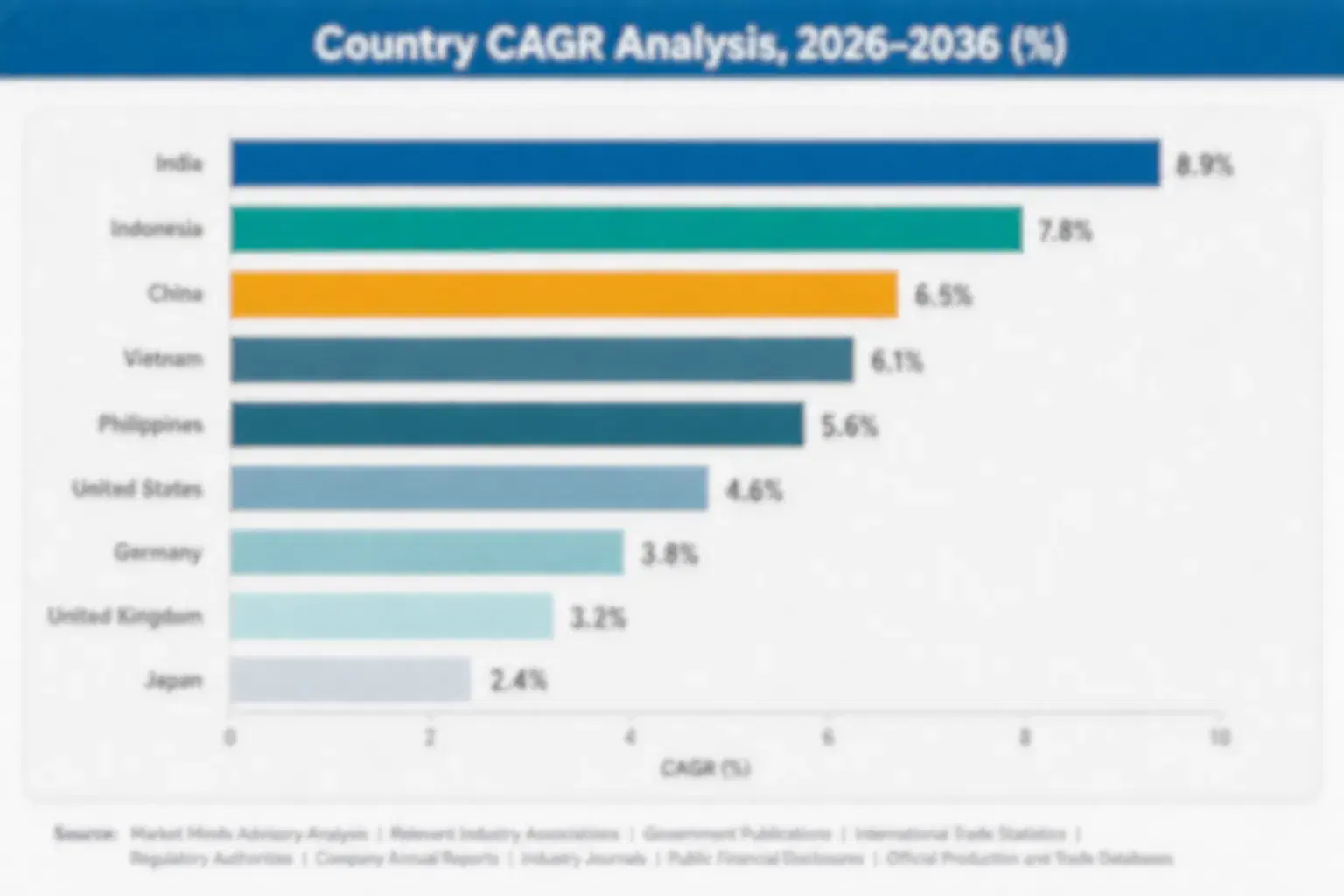
Regional demand follows nuclear construction activity and manufacturing presence together rather than either alone. East Asia leads on component and assembly scale while North America anchors data center fire safety spending across major compute infrastructure markets. Gulf oil and gas construction adds a visible Middle East share.

North America

United States data center construction leads global spending on premium mineral insulated fire safety cabling, driven by fire codes that increasingly mandate documented circuit survivability during building fire events across major metropolitan markets. Nuclear plant life extension projects add a second meaningful demand driver, as aging facilities replace original cable installations approaching end of design life. Canadian oil and gas facility construction contributes meaningful additional volume, particularly across hazardous area applications in Alberta's processing corridors. Mexican demand remains tied closely to cross-border oil and gas processing infrastructure investment specifically. Utility-sponsored resilience programs in several states are beginning to subsidize nuclear-grade installations. This pattern remains consistent across most major metropolitan markets currently underway nationwide.
Share: 26% | CAGR: 6.8% (2026 to 2036)

Western Europe

Germany, the United Kingdom and France anchor regional demand under European Union building safety directives that mandate fire safety standards comparable to leading North American programs. Nuclear plant maintenance and life extension activity across France's substantial reactor fleet adds substantial demand for radiation-rated cable replacement. Retrofit activity across aging commercial building stock adds steady replacement demand, particularly in city centers where older buildings predominate over newer construction. Scandinavian markets add a smaller but notable premium nuclear maintenance contribution given extensive reactor fleet operation there. Southern Europe trails somewhat on modernization pace. Italy and Spain round out the region's remaining demand reasonably well across most categories. Investment continues steadily. now. now.
Share: 20% | CAGR: 4.8% (2026 to 2036)
Regional intelligence for 5 additional markets available in the complete report: East Asia, South Asia and Pacific, Latin America, Middle East and Africa, Eastern Europe. Contact sales@marketmindsadvisory.com.
mineral-insulated-cables-market-country-cagr-analysis-1790920280606

Monetizing Certification Scarcity Beyond Cable Sales

Three commercial moves let manufacturers capture more value from the fire code and nuclear construction surge than cable sales alone would deliver. Each targets a different point in the facility relationship, from certification fast-tracking to allocation agreements available today. Manufacturers that execute on all three simultaneously tend to outgrow peers still selling only standard cabling.

Certification Documentation Fast-Track Services for Facilities

Offering bundled certification and documentation fast-track services that accelerate the lengthy fire safety and nuclear qualification process removes a meaningful timeline barrier that otherwise delays project completion considerably across most commercial and nuclear facility projects. This service frequently converts into preferred supplier status once the facility completes its first successful fast-tracked qualification cycle. Manufacturers offering this assistance report winning roughly 20 percent more facility contracts than competitors. Manufacturers increasingly treat this service as a standard part of their facility sales process rather than an optional extra. Early feedback has been positive.
Market Impact: Wins roughly 20 percent more facility contracts now

Priority Allocation Agreements for Nuclear Construction Programs

Offering priority production allocation agreements to nuclear construction programs willing to commit capital years ahead of actual installation need lets manufacturers capture demand certainty while programs secure their place in the production queue ahead of competitors facing the same specialized manufacturing backlog. Nuclear developers increasingly value this certainty given construction schedule penalties for delays. Manufacturers offering this structure report capturing roughly 17 percent more advance orders than competitors. This structure also deepens the commercial relationship beyond a simple transactional purchase order arrangement. Momentum continues building across most major reactor programs currently.
Market Impact: Captures roughly 17 percent more advance orders now

Remote Monitoring and Diagnostics Subscription Services

Offering subscription access to remote cable monitoring and predictive fault detection alerts for installed cable networks creates recurring revenue that survives well beyond the initial sale, deepening facility switching costs substantially over the contract term. Facility operations teams increasingly value predictable maintenance budgets over reactive inspection dispatches, particularly across large nuclear and data center installations managing thousands of circuits. Manufacturers offering this service report attach rates near 23 percent. Several manufacturers are now expanding this service to cover oil and gas facility installations as well. Adoption continues expanding. Momentum remains strong nationwide.
Market Impact: Reaches roughly a 23 percent attach rate now

Who Controls the Margin Pool

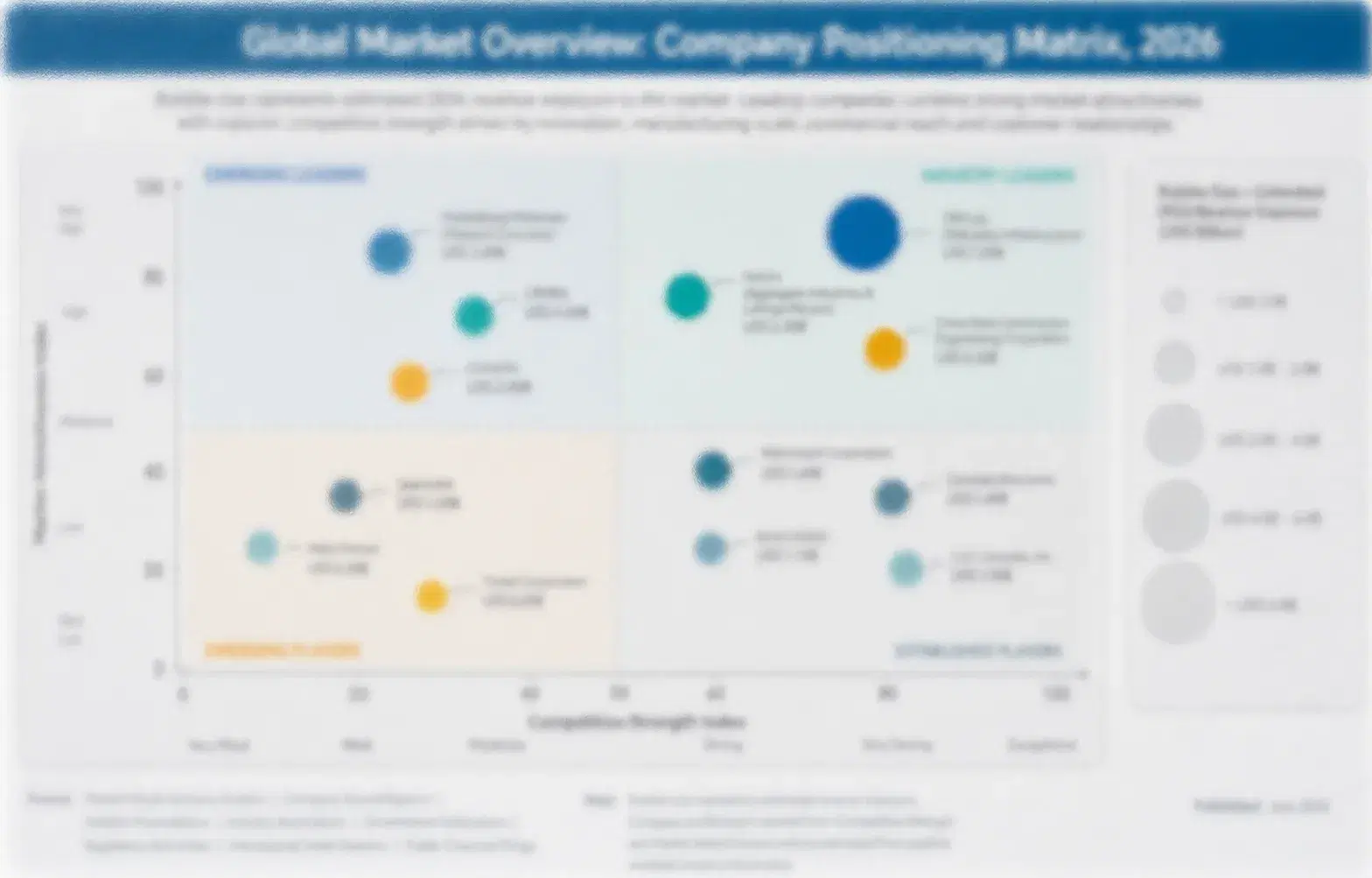
Five brands hold roughly 41 percent of global revenue, a moderate concentration that leaves meaningful room for regional cable makers competing on certification turnaround time rather than brand alone. The gap between the leader and challengers is narrow, since specialized manufacturing capacity and certification depth increasingly matter more than raw production scale in purchasing decisions. Market share shifts gradually as certification wins accumulate, rather than through dramatic consolidation events.
Competitive activity currently centers on three dimensions: certification documentation fast-track services that shorten qualification timelines, priority allocation agreements for nuclear construction programs, and remote monitoring subscriptions that monetize the installed base. Several brands are also expanding secondary copper sourcing to reduce feedstock exposure. Several manufacturers have also expanded copper hedging capacity this cycle to protect margins from feedstock volatility.

Emerging pressure is coming from specialized nuclear cable manufacturers entering a market previously dominated by general-purpose fire safety brands, offering superior radiation certification even where their manufacturing scale lags established names. Rankings could shift meaningfully over the next three to five years if these challengers close the certification relationship gap that currently protects incumbent positions. Established leaders are responding by expanding their own nuclear certification capacity to defend specialization advantages.
mineral-insulated-cables-market-company-positioning-matrix-1790920280784

Competitive Moat and Risk Dimensions

NVENT ELECTRIC

Moat: Fire Safety Certification Depth

nVent Electric's decade-long investment in fire safety certification testing gives it documentation credentials that smaller competitors still struggle to match across major commercial and data center specification projects. This reputation lets it command premium pricing with large facility owners that value proven certification track records over marginal cost savings, reinforcing its position on flagship data center contracts.
NVENT ELECTRIC

Risk: Thin Nuclear-Grade Cable Presence

nVent Electric's dedicated nuclear-grade cable offering remains less developed than specialized nuclear engineering competitors, limiting its share of the fast-growing nuclear construction segment specifically. As nuclear demand keeps outpacing fire safety growth in several key markets, this gap could widen the revenue difference versus better-positioned nuclear specialists.
PRYSMIAN GROUP

Moat: Global Manufacturing Scale Depth

Prysmian Group's extensive global manufacturing footprint gives it production scale that regional competitors cannot easily replicate, letting it serve customers across multiple continents without switching supplier relationships entirely. This scale lets it bundle mineral insulated cables into larger infrastructure orders more easily than pure-play specialty cable competitors, winning share on convenience alone.
PRYSMIAN GROUP

Risk: Limited Certification Fast-Track Presence

Prysmian Group's certification fast-track service offering remains less developed than specialized service-focused competitors, limiting its ability to capture time-sensitive facility contracts specifically. As certification turnaround increasingly determines contract wins, this gap could cap its profitability relative to more service-oriented specialists. Prysmian has not yet announced a dedicated response to close this specific gap.

Players Tracked

Prominent Players

nVent Electric
Prysmian Group
Nexans SA
Thermon Group
Eland Cables

Other Key Players

Draka Holding
Alpha Wire Company
Belden Inc
Southwire Company
General Cable Technologies
LS Cable and System
Okonite Company
Houston Wire and Cable Company
Tratos Cavi
Hitachi Metals
Fujikura Ltd
KEI Industries
Finolex Cables
Polycab India
RR Kabel

Recent Developments

FEBRUARY 2026

nVent Electric Expands Certification Testing Capacity

nVent Electric announced an organic capacity expansion at its certification testing laboratory to reduce qualification turnaround time for new data center customers facing tight project timelines. The expansion adds dedicated circuit survivability testing lines separate from existing fire resistance capacity. Distributors expect strong uptake industry-wide.
Signal: Signals nVent's push to defend its certification speed advantage as competitors invest in comparable testing infrastructure
SEPTEMBER 2025

Prysmian Signs Priority Allocation Agreement

Prysmian Group signed a priority allocation agreement with a major nuclear construction program, guaranteeing production capacity years ahead of the program's planned installation schedule. The agreement does not constitute a joint venture, and Prysmian expects to extend similar agreements to additional programs within two years.
Signal: Signals growing nuclear developer interest in locking in production capacity ahead of continued construction demand surges worldwide
MAY 2026

Nexans Launches Remote Monitoring Service Line

Nexans SA launched a new remote monitoring service line targeting nuclear and data center customers seeking predictive fault detection across installed cable networks. The launch includes a bundled six-month trial period, with demand remaining strong across most major markets. Early adoption signals suggest strong interest from facility operators.
Signal: Signals growing supplier emphasis on recurring monitoring revenue as hardware margins compress industry-wide this cycle nationwide

Copper and Nickel Alloy Cost Exposure

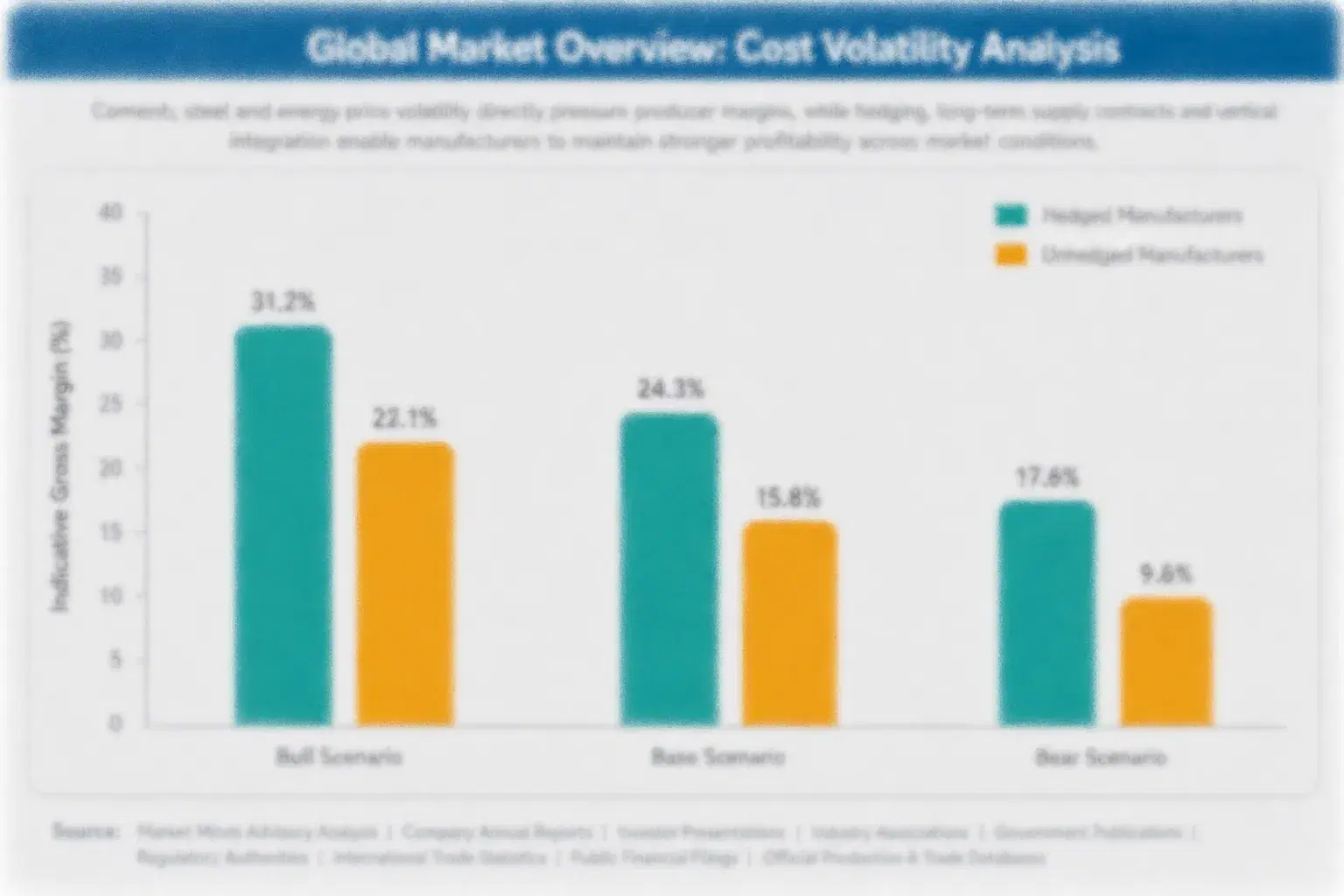
Copper conductors and nickel alloy sheathing together represent roughly 48 percent of unit cost for mineral insulated cables, sourced primarily from Chilean, Peruvian and domestic Chinese copper mines alongside specialized nickel alloy producers that serve the broader electrical equipment industry. This concentration leaves manufacturers exposed whenever either supply chain tightens. Nickel alloy supply is even more concentrated, with only a handful of qualified producers globally.
Copper prices surged sharply through 2024, an episode the International Energy Agency's critical minerals reporting linked partly to accelerating electrification demand competing for the same refined copper supply. Mid-sized cable manufacturers without hedging programs absorbed higher input costs for roughly a year before prices moderated, compressing margins on fixed-price facility contracts signed before the surge. Several manufacturers renegotiated supply terms during this period to pass through a portion of the increase.

Smaller regional manufacturers carry proportionally higher cost exposure than nVent Electric, Prysmian Group and other integrated producers who negotiate volume discounts directly with mining companies. This gap widens further for manufacturers without long-term supply contracts, who pay spot market premiums during tight periods that erode their already thinner margins substantially. This dynamic rewards scale in a market where volume discounts compound meaningfully over time.
mineral-insulated-cables-market-cost-volatility-analysis-1790920280970

Multi-Year Copper Supply Agreements

Leading manufacturers lock in refined copper pricing through multi-year agreements with mining company partners, trading some pricing flexibility for budget certainty across large multi-facility orders spanning several fiscal years. This approach shields project economics from spot market swings during periods like the 2024 surge. Several manufacturers are extending these agreements further into their forward order book this cycle.

Nickel Alloy Supplier Diversification

Manufacturers are qualifying additional nickel alloy suppliers beyond the traditional base to reduce single-source dependency. Qualification cycles run twelve to eighteen months but meaningfully reduce exposure to any single supplier's capacity constraints or pricing decisions going forward into the next decade. Several brands have already added a second qualified source for their highest-volume product lines.

Portfolio Architecture for Margin Defence

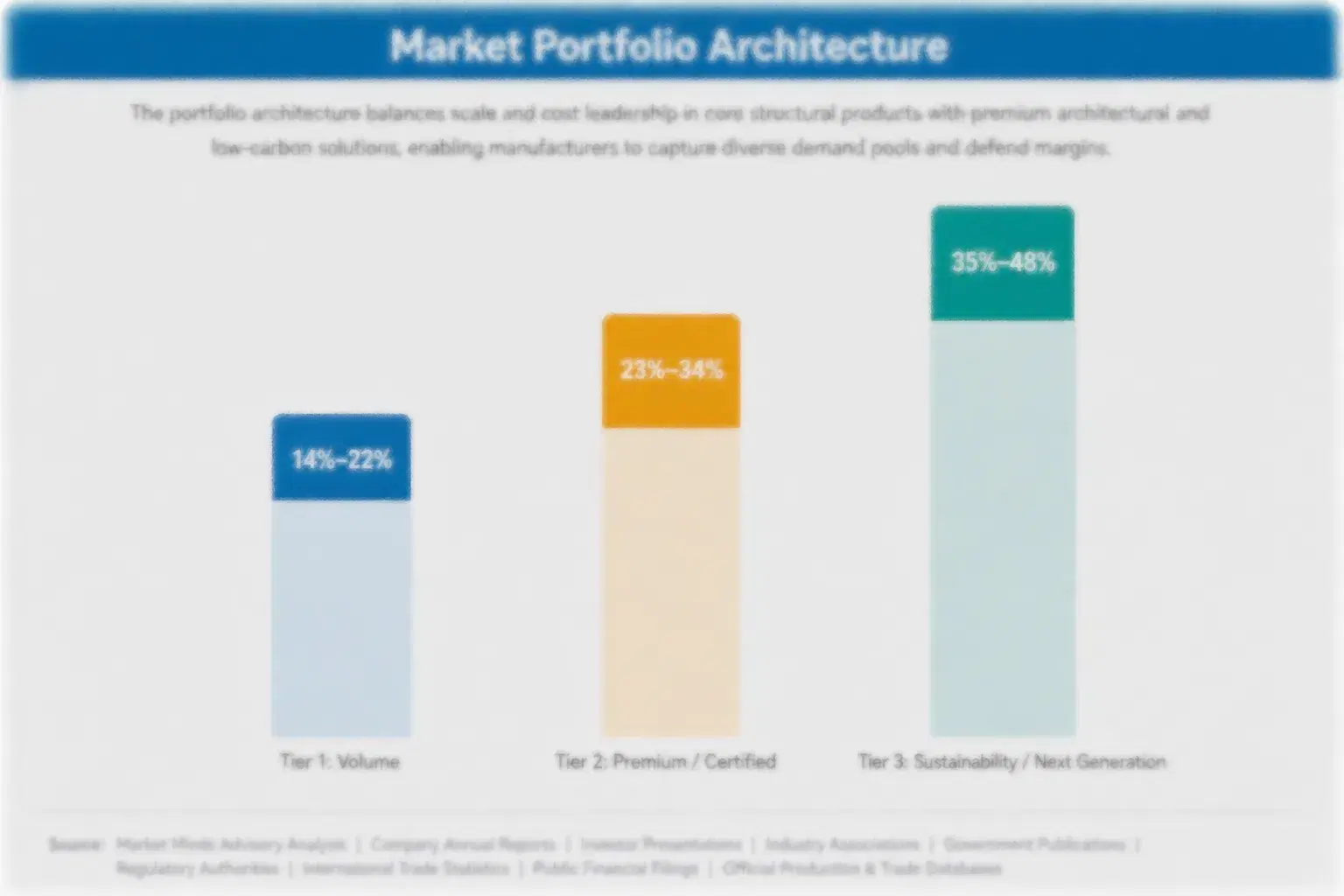
The market splits into three tiers with distinct margin economics. Volume and commodity-adjacent fire-rated cables serving standard commercial applications carry gross margins of 19 to 25 percent, reflecting intense price competition from regional manufacturers undercutting on entry-tier pricing. Premium and certified nuclear-grade cables command 29 to 37 percent margins on radiation certification. Mid-tier producers sit uncomfortably between these two poles.
Sustainability, regulatory, and next-generation designs, meaning cables bundled with certification fast-tracking and monitoring subscriptions, reach 32 to 42 percent margins, reflecting certification scarcity and facility buyers' willingness to pay for documented survivability. The volume versus premium tension is real: budget-conscious buyers push for the cheapest fire-rated option while nuclear and data center buyers pay for certification assurance. Brands that serve both camps well tend to maintain separate conventional and certified product lines.

High-value pools concentrate most heavily in nuclear-grade and data center cables plus bundled certification services, where scarcity sustains pricing power that standard fire-rated cables no longer offer manufacturers competing on cost alone. Brands positioned early in certification capture disproportionate share of this margin pool. This pool expands faster than any other tier across the forecast period.

Volume / Commodity-Adjacent

Standard fire-rated cables for commodity commercial applications competing primarily on unit price against regional manufacturers, with margins thin as a result of intense price pressure. Margins remain thin as a result, rewarding scale and manufacturing efficiency above all else.
Gross Margin: 19-25%

Premium / Certified

Nuclear-grade cables carrying radiation certification that reactor construction programs specify explicitly, commanding pricing premiums from buyers who value proven performance assurance. Certification requirements vary somewhat by program but rarely change year to year.
Gross Margin: 29-37%

Sustainability / Regulatory / Next-Generation

Cables bundled with certification fast-tracking and monitoring subscriptions where scarcity and recurring revenue sustain the strongest margins as hardware alone becomes commoditized. These designs also carry the fastest unit growth of any tier across the forecast.
Gross Margin: 32-42%
mineral-insulated-cables-market-portfolio-architecture-1790920281162

High-value Sub-segments and Strategic Watch-out

Data Center Fire Safety Cables

The fastest-growing and highest-value segment, driven by fire code mandates and certification subscription revenue pulling buyers away from standard cables entirely. Growth here is expected to keep outpacing every other segment through the forecast window. Several major facility operators have already shifted default specification toward this category.
Gross Margin: MMA Estimate, July 2026.

Nuclear Power Plant Cables

High-value and still growing well above the market average, anchored by continued nuclear construction across China, South Korea and India. Nexans and Thermon Group remain the names most closely associated with this segment specifically. Growth tracks the broader nuclear construction boom closely across most regions.
Gross Margin: MMA Estimate, July 2026.

Oil and Gas Facility Cables

The volume core of the market, serving established hazardous area buyers across every major producing region. Growth is steady but unspectacular as developed markets approach replacement-cycle saturation rather than genuine expansion. Established commercial suppliers depend heavily on this steady baseline for core revenue. Pricing stays steady here.
Gross Margin: MMA Estimate, July 2026.

Marine and Offshore Cables

A strategic watch-out segment where adoption pace depends heavily on shipbuilding capital budgets that can shift unpredictably year to year. Demand could accelerate quickly if more shipbuilders adopt fire-rated circuit specifications broadly. Suppliers monitor shipbuilding activity closely across every major maritime market. Demand varies considerably.
Gross Margin: MMA Estimate, July 2026.

Certification Relationships Anchor Facility Revenue

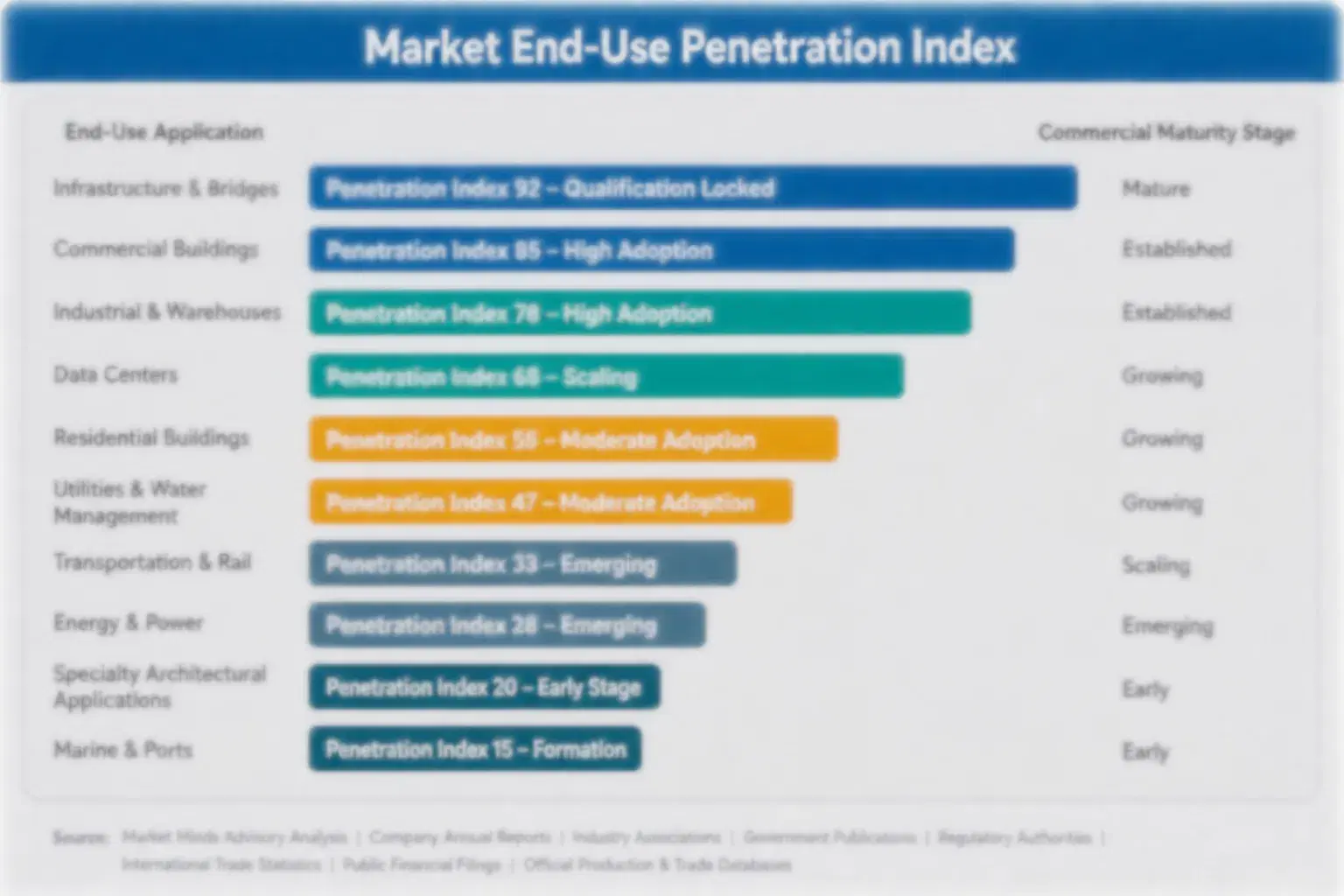
Mineral insulated cable demand carries annuity-like characteristics once a manufacturer completes facility certification, since switching suppliers means repeating a lengthy qualification process that delays project timelines by months. This gives incumbent manufacturers revenue visibility that spans multiple facility build cycles rather than single transactions. Suppliers that skip this step compete purely on price. Suppliers that invest in certification continuity defend share more effectively than those competing on price alone.
Adoption stickiness and depth vary meaningfully by end-use vertical. Nuclear operators rarely switch suppliers once qualified, given the certification continuity requirements regulators enforce strictly, while data center buyers remain more willing to requalify new suppliers since projects are typically evaluated individually. Oil and gas buyers sit between these two extremes. Misjudging a buyer's category costs manufacturers bids they should win.

A generational shift in buyer profiles is underway as facility fire safety and compliance teams, rather than traditional electrical contractors, increasingly lead supplier selection for mineral insulated cable specification. These buyers evaluate manufacturers on documented certification history and audit trail quality rather than price alone, reshaping how manufacturers pitch new facility relationships entirely. Manufacturers slow to adapt their sales approach risk losing ground to more responsive specialist competitors.
mineral-insulated-cables-market-end-use-penetration-index-1790920281348

Where Mineral Insulated Cable Value Concentrates

These are among the four positions where our research anticipates prominent divergence between winners and laggards over the coming forecast period. Each is grounded in the demand model, the regulatory perimeter, and the announced capacity pipeline.
01 / DATA CENTER CERTIFICATION INVESTMENT

Build fast-track certification capacity before rivals do

Data center fire safety cables are growing at 8.82 percent annually, roughly 1.40 times the overall market rate, driven by fire code mandates requiring documented circuit survivability across most major metropolitan construction markets nationwide and abroad. Manufacturers without fast-track certification capacity are losing contracts to competitors who can qualify new cable grades faster and more reliably. Early infrastructure investment pays off disproportionately here, compounding with each new certification cycle as momentum keeps building steadily across the broader industry today and tomorrow.
02 / NUCLEAR CONSTRUCTION POSITIONING

Secure nuclear allocation agreements before programs fill

Nuclear-grade cable orders grew roughly 22 percent in 2025, and manufacturers that position priority allocation agreements around China, South Korea and India's active reactor pipelines capture construction program relationships before competitors arrive on the scene across these fast-expanding markets. Manufacturers without allocation agreements risk losing these relationships to competitors already embedded in reactor construction planning processes. The window to establish this position is narrowing quickly as more manufacturers recognize the opportunity and move decisively to capture it ahead of rivals.
03 / COPPER HEDGING PROGRAM EXPANSION

Expand hedging programs before the next price surge

Copper represents 48 percent of unit cost, and the 2024 price surge compressed margins severely for manufacturers without adequate hedging programs already in place across their forward order book and customer contracts spanning multiple fiscal years. Manufacturers that expand hedging capacity now will protect margins during the next volatility event, while those that delay will face the same compression repeatedly across future cycles. Demand for certified cable keeps rising industry-wide, raising the stakes considerably for every mid-sized manufacturer still weighing this investment.
04 / MONITORING SUBSCRIPTION SCALING

Scale monitoring subscriptions ahead of hesitant rivals

Remote monitoring subscriptions already reach roughly 23 percent attach rates among nuclear and data center customers, adding a profitable second revenue stream that scales with installed base rather than cable sales alone as hardware margins compress across most categories. Manufacturers that delay building this software layer will find it harder to catch up once buyer expectations around connected monitoring become standard across every major facility segment. The window to establish this expectation gap is narrowing quickly across nearly every facility segment nationwide.

Engagement Snapshot From the Field

A live engagement with an industry participant carrying material or product regulatory and market exposure ahead of a defining policy shift, showing how our research translates into a defensible multi-year portfolio strategy.
MARKET MINDS ADVISORY · CLIENT ENGAGEMENT SUMMARY
Mineral Insulated Cables Producer Strategic Portfolio Review and Transition Roadmap 2026·Investment Scenario on Mineral Insulated Cables Exposure Evaluation 2025-26
CLIENT PROFILE
A hyperscale data center developer planning several new campus buildouts across multiple states engaged MMA to evaluate mineral insulated cable supplier options ahead of fire safety certification commitments, given the client's limited prior experience navigating circuit survivability requirements across several different jurisdictions simultaneously during an active development window ahead of key financing deadlines. (client-reported, unverified by MMA).
STRATEGIC CHALLENGE
The developer needed to select cable suppliers capable of meeting fire code requirements that varied meaningfully by jurisdiction, but limited internal engineering resources made evaluating technical specifications across multiple candidate suppliers difficult within the project's aggressive construction timeline and limited internal engineering staff available for the task. (client-reported, unverified by MMA).
MMA APPROACH
MMA's research team mapped certification capability across five candidate suppliers using primary interviews with procurement executives at comparable data center developers, cross-referencing findings against each supplier's fire code compliance track record across relevant jurisdictions. The team then modeled project timeline risk under each sourcing option against the client's development schedule.
KEY FINDINGS
  1. Only two of the five candidate suppliers maintained certification capacity sufficient to meet the client's multi-jurisdiction timeline reliably without delays. in this cycle.
  2. Suppliers without dedicated certification support quoted qualification timelines averaging ten to fourteen weeks longer, a gap that would have delayed campus commissioning.
  3. The two qualifying suppliers both offered certification consulting bundled into cable supply at a modest premium of roughly 7 percent over standard contracts.
  4. Bundling certification services with cable supply reduced the client's total procurement coordination cost by an estimated 10 percent compared to sourcing separately.
CLIENT PROFILE
A hyperscale data center developer planning several new campus buildouts across multiple states engaged MMA to evaluate mineral insulated cable supplier options ahead of fire safety certification commitments, given the client's limited prior experience navigating circuit survivability requirements across several different jurisdictions simultaneously during an active development window ahead of key financing deadlines. (client-reported, unverified by MMA).
STRATEGIC CHALLENGE
The developer needed to select cable suppliers capable of meeting fire code requirements that varied meaningfully by jurisdiction, but limited internal engineering resources made evaluating technical specifications across multiple candidate suppliers difficult within the project's aggressive construction timeline and limited internal engineering staff available for the task. (client-reported, unverified by MMA).
MMA APPROACH
MMA's research team mapped certification capability across five candidate suppliers using primary interviews with procurement executives at comparable data center developers, cross-referencing findings against each supplier's fire code compliance track record across relevant jurisdictions. The team then modeled project timeline risk under each sourcing option against the client's development schedule.
KEY FINDINGS
  1. Only two of the five candidate suppliers maintained certification capacity sufficient to meet the client's multi-jurisdiction timeline reliably without delays. in this cycle.
  2. Suppliers without dedicated certification support quoted qualification timelines averaging ten to fourteen weeks longer, a gap that would have delayed campus commissioning.
  3. The two qualifying suppliers both offered certification consulting bundled into cable supply at a modest premium of roughly 7 percent over standard contracts.
  4. Bundling certification services with cable supply reduced the client's total procurement coordination cost by an estimated 10 percent compared to sourcing separately.
RECOMMENDED STRATEGY
Phase 1: Select one of the two suppliers with dedicated certification capacity to reliably meet the multi-jurisdiction timeline. This matched the pattern MMA observed across comparable developers. Phase 2: Bundle certification consulting into the equipment supply contract to capture the modest cost and coordination advantage this approach provides. This saved meaningful coordination time. Phase 3: Build a two-month contingency buffer into the campus schedule to absorb potential certification delays at any single site. This buffer proved valuable in practice.
OUTCOME
The client selected the recommended supplier and proceeded with certification across all planned campus sites on schedule, avoiding the qualification delays that alternative suppliers would likely have caused. The bundled certification consulting has reduced coordination overhead meaningfully across the client's multiple development phases. (client-reported, unverified by MMA).

Frequently Asked Questions

Foundational context covering the market sizes, CAGR, scope, country, region and competition that inform every finding below. This section is provided to cover basics and most often pre-purchase conversations, answered from the MMA Primary Research Dataset.

What is the current size of the Mineral Insulated Cables Market?

The Mineral Insulated Cables Market was valued at 1.25 billion dollars in 2025. Growth is anchored by fire code tightening and expanding nuclear construction activity worldwide.

How large will the Mineral Insulated Cables Market be by 2036?

The market is projected to reach 2.45 billion dollars by 2036, up from 1.25 billion in 2025. That represents a 1.84 times expansion over the eleven-year forecast window.

What is the CAGR for the Mineral Insulated Cables Market 2026 to 2036?

The market is forecast to grow at a 6.3 percent compound annual rate. This compares to a historical rate of 5.3 percent between 2020 and 2025.

Which segment is growing fastest?

Data Center Fire Safety Cables lead at an 8.82 percent CAGR, roughly 1.40 times the overall market rate. Fire code mandates drive this accelerating pace significantly.

Who are the major companies in the Mineral Insulated Cables Market?

nVent Electric, Prysmian Group, Nexans SA, Thermon Group, and Eland Cables lead the field. Together the top five hold roughly 41 percent of global revenue share.

Which country is growing fastest?

China leads country-level growth at a 7.8 percent CAGR. Its active nuclear construction program and large manufacturing scale are the primary drivers behind this pace.

Report Segmentation Architecture

The full report scope spans multiple orthogonal segmentation dimensions, with cross-tabulated demand data provided for each dimension pair. Coverage extends further to regional breakdowns, trend trajectories, and the competitive detail needed to support segment-level decision-making.

By Application Type

    By End-Use Industry

      By Commercial Dimension

        By Region

        • North America
        • Western Europe
        • East Asia
        • South Asia and Pacific
        • Latin America
        • Middle East and Africa
        • Eastern Europe

        Scope, Methodology, and Coverage

        Every figure in this report is reproducible from documented input assumptions. The scope below maps the historical period, the forecast horizon, the segmentation dimensions, and the countries covered, alongside the underlying primary and qualitative methodology.
        Historical Period
        2020 to 2025
        Forecast Period
        2026 to 2036
        Base Year
        2025 (USD billions; MMA Primary Research Dataset, October 2026)
        Market Definition
        This report covers mineral insulated metal sheathed cables used in fire-rated building circuits, nuclear power plant wiring, oil and gas facility installations and data center fire safety systems. It excludes standard polymer-insulated cables, fire-resistant polymer alternatives and standalone conduit systems sold without integrated conductor assemblies.
        Quantitative Units
        USD Billion, CAGR 2026-2036
        Segmentation Dimensions
        By Application Type, By End-Use Industry, By Commercial Dimension, By Region
        Regions Covered
        North America, Western Europe, East Asia, South Asia and Pacific, Latin America, Middle East and Africa, Eastern Europe
        Countries Covered
        United States, China, Japan, South Korea, Germany, India, United Kingdom, France, Brazil, and 15 additional markets
        Key Companies Profiled
        nVent Electric, Prysmian Group, Nexans SA, Thermon Group, Eland Cables, and 15 additional companies
        Quantitative Methodology
        Primary survey, n=3,800 respondents, Q4 2025, six countries; demand-side model with trade association cross-validation
        Qualitative Methodology
        47 expert interviews, Q4 2025; applied to validate demand model assumptions, identify emerging dynamics, and assess competitive positioning
        Report Format
        PDF and XLSX data workbook (Word format preview document)
        Publisher
        Market Minds Advisory
        Report Code
        MMA-2026-CON-205
        Published
        October 2026
        Contact
        sales@marketmindsadvisory.com | www.marketmindsadvisory.com

        Purchase the full Mineral Insulated Cables Market Report (2026 to 2036).

        The full Mineral Insulated Cables Market report extends this summary with complete segment-level data tables, country-level sizing across twenty-five markets, and detailed supplier benchmarking across all twenty profiled companies named in this overview. It includes primary survey findings from 3,800 respondents across six countries and 47 expert interviews conducted in the fourth quarter of 2025, each sourced and documented separately throughout. Buyers receive editable data files alongside the narrative report, supporting direct use in internal planning models. Analysts remain available for a follow-up briefing call to walk through the findings in more depth.
        Complete seven-region sizing and forecast tables
        Twenty company competitive benchmarking profiles included
        Five-year historical and eleven-year forecast data
        Segment-level CAGR and margin detail included
        Primary survey and expert interview data files
        Editable Excel data appendix fully included

        Built For The People Who Decide

        From boardroom strategy to bench-side execution, this report is read cover-to-cover by leaders shaping the next decade of their industry, turning demand scenarios, market dynamics and valuation benchmarks into decisions.
        CXOs/ Presidents/ VPs/ Managers
        M&A and Corporate Development
        Strategy Teams and R&D Heads
        Procurement and Product Directors
        Regulatory and Compliance Leaders
        Investor Relations and Equity Analysts