Market Minds Advisory
Milking Salve Market

Milking Salve Market: Milking Salve Market. Pre-Milking Teat Dips, Post-Milking Barrier Salves and Udder Conditioning Products

Milking salve protects teat skin through thousands of milking cycles a year, so mastitis prevention efficacy and skin conditioning data decide which suppliers hold dairy contracts as herd consolidation raises per-farm stakes.

Lead Analyst

Published

September 2026

Make Smarter Decisions with Customized Research Insights

Request a free sample report and evaluate market opportunities, growth trends, and competitive dynamics relevant to your business needs.

2025 MARKET VALUE$0.4BMarket Size 2025
2036 FORECAST VALUE$0.7BBase Case , 2026 to 2036
CAGR 2026 TO 20364.5 %Bull 5.9% / Bear 3.1%
INCREMENTAL OPPORTUNITY$0.2BNet 10- year value creation
EXPANSION MULTIPLE1.55x2036 value over 2026 base
Strategic Levers
M&A Pipeline
Regional Outlook
Country Rankings
Competitive Intelligence
Segmental Deep-dive
Call-Us : 91 93563 13602

Executive Snapshot and Market Trajectory.

Milking salve is a protective ointment applied to cattle teats before or after milking to condition skin, prevent chapping and reduce mastitis-causing bacteria entry. Dairy farms buy it because cracked teat skin is an open door for infection. A single mastitis case costs more than a season's supply.
Natural and Organic Salves grow fastest as dairy processors push clean-label sourcing standards down to farm-level inputs, while pre-milking teat dip salves carry the largest volumes. North America leads because large-scale dairy operations and structured mastitis prevention protocols concentrate demand, with Western Europe second. Gross margins run 20% to 46%, and active ingredient and packaging costs shape profit. Margins stay firm. Farmers reward reliable results. Active costs stay high. Efficacy records shape every contract.
Five groups hold about 31% of value, led by GEA Group, DeLaval and Ecolab, so dairy hygiene equipment majors compete with specialist salve formulators across a fragmented field. Feed and animal health safety law, mastitis prevention standards and buyer audits govern positioning, and dairy farms check efficacy data, safety records and consistency before switching suppliers or renewing seasonal contracts. Buyers compare cost per unit.
Market Definition
The market covers global manufacturer revenue from milking salve, defined as topical ointments and dips applied to cattle teats for skin conditioning and mastitis prevention around milking, in pre-milking teat dip salves, post-milking barrier salves, medicated and antiseptic salves, natural and organic salves, and udder conditioning creams, sold to dairy farms, cooperatives and distributors and valued at manufacturer revenue. It excludes systemic mastitis medications, general dairy hygiene equipment and cleaning chemicals sold separately.
Base Year Value
$0.4B in 2025 (MMA Primary Research Dataset, September 2026)
Forecast Period
2026 to 2036, eleven discrete annual values
CAGR
4.5% base case. Bull 5.9%. Bear 3.1%.
Fastest Growth Segment
Natural and Organic Salves: 6.3% CAGR
Fastest Growth Country
India: 6.9% CAGR
Fastest Growth Region
South Asia and Pacific: 6.4% CAGR
Largest Region
North America: 28% of 2025 global value
Market Leaders
GEA Group, DeLaval, Ecolab, ABS Global, Neogen. Source: MMA Analysis, company annual reports.
Primary Survey
n=3,800 procurement and R&D decision-makers, Q4 2025, six countries
Methodology
Demand-side build-up, cross-validated against public data, 47 expert interviews

Milking Salve Market Forecast Scenarios

milking-salve-market-size-forecast-scenario-1790050513000
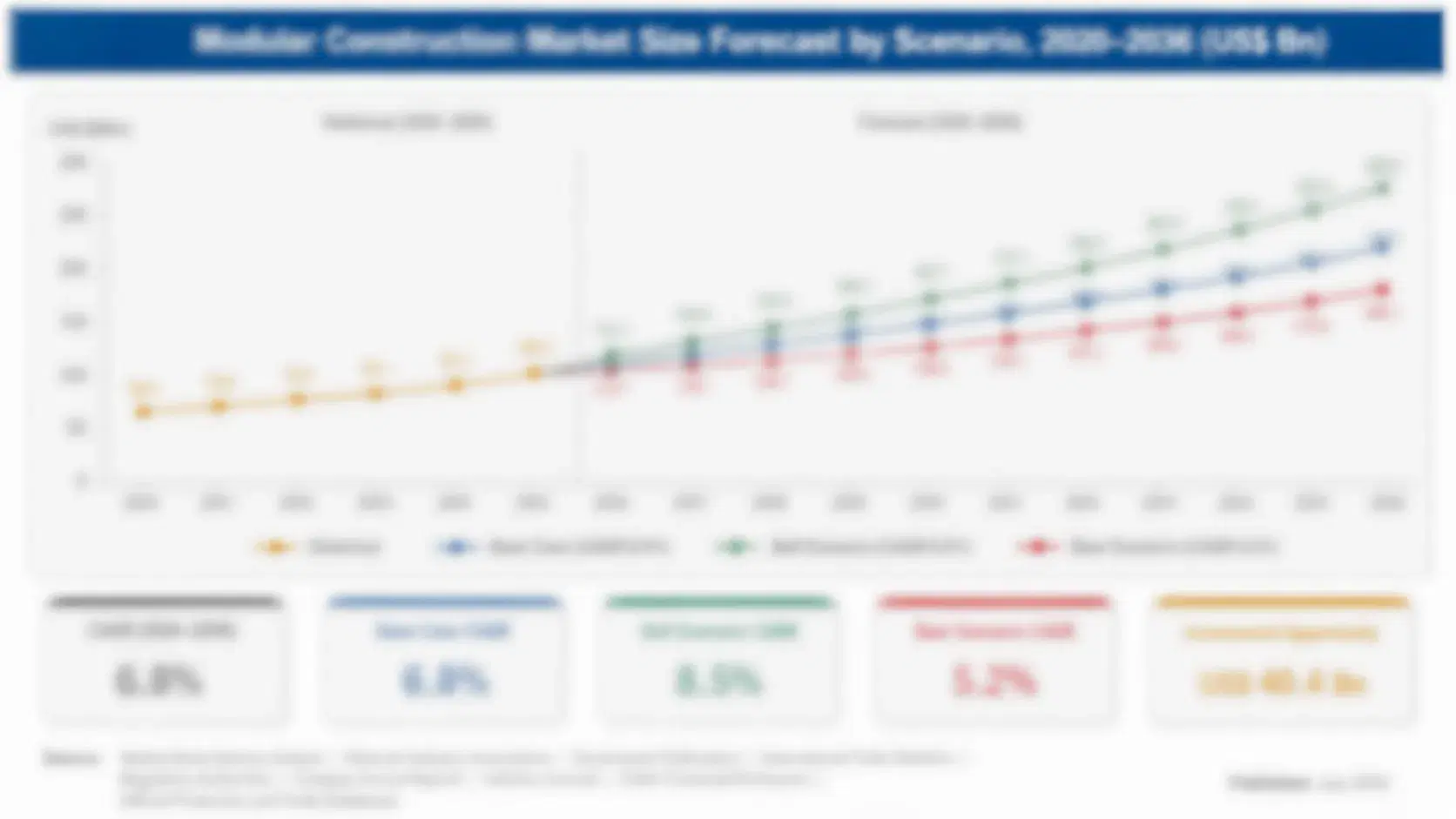
From 2020 to 2025 milking salve revenue grew at about 3.0% a year. Pandemic disruption slowed 2020 farm spending, milk price recovery supported input purchases in 2021 and 2022, and price normalisation then slowed growth in 2023 and 2024. Pre-milking teat dip salves dominated volume, while natural and organic formulations gained share among clean-label-conscious dairies. Natural salves were smaller but grew faster.
The base case of 4.5% rests on three named mechanisms. Herd consolidation raises average farm size and favours structured mastitis prevention protocols that use salve systematically rather than occasionally. Dairy processor clean-label sourcing standards increasingly extend to farm-level inputs including teat care products. Rising labour costs push farms toward automated milking systems that require salve formulations compatible with robotic application. Each mechanism is visible in herd data, processor sourcing standards and equipment adoption over the last three years.
The bull case reaches 5.9% if mastitis prevention protocols tighten and clean-label sourcing accelerates. The bear case falls to 3.1% if milk prices fall, herds shrink and farms cut discretionary input spending. Both cases assume stable animal health regulation and no major mastitis outbreak crisis. Neither case assumes a change in cooperative concentration. Both assume steady animal health rules.

Herd Consolidation, Clean-Label Sourcing and Robotic Milking Set Salve Returns

Formulators blend emollients, antiseptic actives and film-forming agents into a salve or dip, package it for farm application, and dairy workers apply it by hand or through automated dispensing systems integrated with milking equipment. Efficacy data and skin compatibility decide acceptance, and each formulation must balance antiseptic strength with skin conditioning, since a harsh formula that cracks skin defeats its own purpose. Farms audit suppliers and efficacy records every year before renewing contracts.
MARKET CONCENTRATION31% CR5Top five participants hold under one third of category value
PRE-MILKING SHARE46%Portion of revenue from pre-milking teat dip salves
LARGE FARM CLIENT SHARE58%Portion of revenue sold to large-scale dairy operations
ACTIVE INGREDIENT COST SHARE36% of COGSEmollient and antiseptic inputs within total manufacturing cost
TYPICAL APPLICATION FREQUENCY2-3 times dailyTypical frequency of salve application per milking cycle
MASTITIS REDUCTION RANGE15-35%Typical reduction in clinical mastitis incidence from consistent use
Value concentrates in five places. Natural and organic salves grow fastest. Pre-milking teat dip salves carry the largest volumes, post-milking barrier salves serve extended protection between milkings, medicated and antiseptic salves serve active mastitis management, and udder conditioning creams serve general skin health without antiseptic claims. Formulation and process details stay closely guarded within each supplier.
Supply combines dairy hygiene equipment majors and specialist salve formulators. GEA Group, DeLaval and Ecolab bundle salve with broader milking equipment and hygiene programmes, ABS Global and Neogen add dedicated animal health formulation depth, and regional formulators serve local cooperative demand. Dairy farms qualify products over seasons and track mastitis incidence closely. Buyers compare cost per unit before awarding contracts.
"A milking salve earns its price twice a day, every day, on every cow in the parlour. The suppliers that will grow are the ones whose formula holds up through a robotic dispenser and a winter cold snap alike, because a farm switches salve only when the mastitis numbers force the conversation."
Senior Analyst, Dairy Animal Health and Hygiene Practice · MMA Milking Salve Practice · September 2026

Market Trends

Clean-Label Sourcing Standards Extend From Milk to Farm-Level Inputs

Dairy processors increasingly extend clean-label and natural sourcing standards beyond milk composition to farm-level inputs including teat care products, and formulators such as GEA and specialist natural brands now market salves with disclosed, naturally derived ingredient lists to meet processor sourcing audits. Natural and Organic Salves grow about 6.3% a year, and gross margins run 30% to 46%. The trend needs reformulation investment and efficacy validation, and it rewards suppliers with credibility. Buyers judge suppliers on efficacy data, safety records and consistency. Suppliers with scale and clear plans hold the strongest positions.
Market Impact: herds shrink 2-3% yearly

Robotic Milking Systems Require Dispenser-Compatible Salve Formulations

Automated and robotic milking systems continue expanding across dairy operations seeking labour cost relief, and these systems require salve formulations engineered for consistent automated dispensing rather than hand application, creating a distinct formulation and viscosity requirement. Post-Milking Barrier Salves engineered for automated dispensing grow about 5.4% a year, and gross margins run 24% to 36%. The trend needs equipment compatibility testing, and it rewards suppliers with speed, while smaller formulators struggle to match integration requirements. Suppliers with scale and clear plans hold the strongest positions. Early movers set the standard that later entrants must match.
Market Impact: premiums pay 2-5 cents per litre

Market Opportunities and Growth Drivers

Herd Consolidation Favours Structured Mastitis Prevention Protocols

Dairy herds continue consolidating into fewer, larger commercial operations worldwide, and these larger farms increasingly implement structured mastitis prevention protocols with systematic salve application tracked against somatic cell count data, rather than the occasional use common on smaller operations. The driver rewards suppliers with efficacy data and protocol support, and it supports steady demand growth as consolidation continues, though the majority of global dairy farms remain smaller operations with less systematic input use. Early movers set the standard that later entrants must match. Dairies reward suppliers that respond quickly to mastitis and audit needs.
Market Impact: actives take 36% of manufacturing cost

Rising Milk Quality Premiums Reward Low Somatic Cell Count Herds

Dairy processors increasingly pay quality premiums tied to somatic cell count, which directly reflects udder health and mastitis prevalence, and farms pursuing these premiums invest more systematically in teat care products including salve as part of udder health management. The driver rewards suppliers with proven mastitis reduction data, and it supports demand growth tied to processor payment structures, though premium structures vary significantly by processor and region. Dairies reward suppliers that respond quickly to mastitis and audit needs. Progress should be reviewed every quarter against the agreed targets. Buyers judge suppliers on efficacy data, safety records and consistency.
Market Impact: outcomes vary 15-25% by farm

Market Restraints and Challenges

Active Ingredient Costs and Formulation Complexity Squeeze Margins

Emollient and antiseptic active ingredients make up about 36% of manufacturing cost, and prices for specialty emollients and antiseptic actives have shown volatility tied to broader specialty chemical markets, according to industry pricing data, while natural formulation reformulation adds complexity relative to conventional synthetic actives. The root cause is dependence on specialty chemical and natural ingredient markets shared with cosmetic and personal care industries. Suppliers can pass through only part of the increase, so margins fall two to four points. Suppliers respond with multi-source contracts and formulation efficiency. Progress should be reviewed every quarter against the agreed targets.
Market Impact: natural salves grow 6.3% yearly

Inconsistent Farm-Level Application Limits Measured Efficacy Outcomes

Salve effectiveness depends heavily on consistent farm-level application technique and frequency, and inconsistent worker application undermines measured mastitis reduction outcomes even with an effective formulation, according to industry association guidance. The root cause is the gap between laboratory efficacy data and variable real-world farm application practice. Farms attribute disappointing results to the product rather than application inconsistency. Suppliers respond with farm training programmes and application technique documentation. Smaller suppliers carry the heaviest exposure and have the least room to adjust. Buyers judge suppliers on efficacy data, safety records and consistency.
Market Impact: dispenser-compatible salves grow 5.4% yearly
3 additional market trends, 2 additional growth drivers, and 4 additional restraints and challenges are covered in the full report. Contact sales@marketmindsadvisory.com to access the complete intelligence.

Segment CAGR and Growth Architecture

The milking salve market is segmented by product type, which shows where formulation, margins and farm use differ. Five segments cover pre-milking teat dip salves, post-milking barrier salves, medicated and antiseptic salves, natural and organic salves and udder conditioning creams. Natural salves grow fastest, while pre-milking salves carry the largest volumes. Buyers weigh cost against proof.
milking-salve-market-market-share-analysis-1790050513264

Natural and Organic Salves

Natural and Organic Salves is the fastest-growing segment at 6.3% a year, about 1.40 times the overall market rate. Dairy farms responding to processor clean-label sourcing standards buy naturally derived emollient and antiseptic formulations with disclosed ingredient lists, and prices run 20% to 45% above conventional salve per unit. Gross margins of 30% to 46% reward suppliers with reformulation capability and efficacy validation. Growth depends on processor sourcing standards, farm compliance pressure and trial data, while reformulation cost limits speed of adoption. Early movers set the standard that later entrants must match. Dairies reward suppliers that respond quickly to mastitis and audit needs. Progress should be reviewed every quarter against the agreed targets.
CAGR 6.3%

Post-Milking Barrier Salves

Post-Milking Barrier Salves grows at 5.4% a year, about 1.20 times the overall market rate, because farms increasingly want extended protection between milkings alongside pre-milking preparation, and automated milking system adoption raises demand for dispenser-compatible formulations engineered for consistent application. Suppliers use viscosity engineering and equipment compatibility testing to differentiate. Gross margins of 24% to 36% support suppliers with technical service and reach. Growth depends on automation adoption, protocol sophistication and price, and suppliers with reliable consistency hold the strongest positions. Dairies reward suppliers that respond quickly to mastitis and audit needs. Progress should be reviewed every quarter against the agreed targets. Smaller suppliers carry the heaviest exposure and have the least room to adjust.
CAGR 5.4%
Full segment breakdown across 5 segments available in the complete report.

Regional Architecture and Country Demand Map

North America leads at 28% because large-scale operations and structured protocols concentrate demand, while Western Europe holds 25%. East Asia holds 17%. South Asia and Pacific holds 15% and grows fastest. Latin America holds 9%. Middle East and Africa and Eastern Europe hold 3% each.

North America

North America holds 28% share, inside its band, and growth of 4.0%, close to the global rate. The United States runs large-scale dairy operations with structured mastitis prevention protocols and widespread robotic milking adoption, and GEA, DeLaval, Ecolab and ABS Global supply through established dealer networks. Consolidated dairies buy in volume, and buyers demand efficacy data and application support. Buyers also review efficacy records and audit results before every annual contract renewal. Volumes stay steady, and suppliers compete mainly on efficacy proof, documentation and delivery reliability. Distributors handle most shipments and set order sizes. Currency moves and freight rates change landed cost each quarter. Suppliers offering multi-year terms win repeat volume.
Share: 28% | CAGR: 4.0% (2026 to 2036)

Western Europe

Western Europe holds 25% share, inside its band, and growth of 3.4%, below the global rate. The Netherlands, Germany and France run intensive dairy sectors with strong processor clean-label sourcing standards extending to farm inputs, and GEA and DeLaval run major manufacturing here. Mature adoption tempers growth, and buyers demand ingredient disclosure and efficacy documentation. Buyers also review efficacy records and audit results before every annual contract renewal. Volumes stay steady, and suppliers compete mainly on efficacy proof, documentation and delivery reliability. Distributors handle most shipments and set order sizes. Currency moves and freight rates change landed cost each quarter. Suppliers offering multi-year terms win repeat volume. Distributors set order sizes.
Share: 25% | CAGR: 3.4% (2026 to 2036)
Regional intelligence for 5 additional markets available in the complete report: East Asia, South Asia and Pacific, Latin America, Middle East and Africa, Eastern Europe. Contact sales@marketmindsadvisory.com.
milking-salve-market-country-cagr-analysis-1790050513604

Four Margin Routes for Milking Salve Suppliers

Margin in milking salve comes from natural reformulation, dispenser-compatible products, mastitis protocol partnerships and cost control on active ingredients rather than volume alone. The routes below apply to dairy hygiene majors and specialist formulators, and each can start inside one planning cycle, with measures in gross margin points and cost per unit. Reviews are quarterly.

Reformulating Toward Natural Ingredients for Processor Sourcing Standards

Processors want disclosed, naturally derived farm inputs, so suppliers that reformulate toward natural ingredients with validated efficacy win sales worth 8% to 15% of revenue at gross margins of 30% to 46%. Programmes cost $1 million to $6 million. Suppliers should validate natural formulation efficacy, secure ingredient disclosure documentation and publish trial data, since unproven reformulations lose farm trust after one poor mastitis season. Management should assign one owner to each programme from the start. Early results also help persuade sceptical buyers. Costs are recovered faster in larger groups. Payback runs about three years.
Market Impact: natural reformulation adds sales worth 8-15% of revenue

Engineering Dispenser-Compatible Formulations for Robotic Milking Systems

Automated milking systems need consistent viscosity formulations, so suppliers that engineer dispenser-compatible salve win contracts worth 6% to 12% of revenue at gross margins of 24% to 36%. Programmes cost $1 million to $5 million. Suppliers should test equipment compatibility, partner with milking system manufacturers and validate consistent dispensing, since incompatible formulations cause equipment fouling and farm complaints. Early results also help persuade sceptical buyers. Costs are recovered faster in larger groups. Payback runs about three years. Management should assign one owner to each programme from the start. Payback runs about three years.
Market Impact: dispenser-compatible salve wins contracts worth 6-12% of revenue

Building Mastitis Prevention Protocol Partnerships With Dairy Cooperatives

Cooperatives want proven protocols to lower member somatic cell counts, so suppliers that build protocol partnerships with training support win volume worth 6% to 12% of revenue at gross margins of 22% to 34%. Programmes cost $0.5 million to $4 million. Suppliers should train farm applicators, track mastitis outcome data and publish protocol results, since inconsistent farm application undermines even a strong formulation. Costs are recovered faster in larger groups. Payback runs about three years. Management should assign one owner to each programme from the start. Early results also help persuade sceptical buyers.
Market Impact: protocol partnerships win volume worth 6-12% of revenue

Diversifying Active Ingredient Sourcing Across Suppliers and Regions

Active ingredients make up about 36% of cost, so suppliers that diversify sourcing across multiple suppliers and regions cut cost and supply swings by 15% to 30% and protect margins worth 5% to 8% of profit. Programmes cost $0.5 million to $3 million. Suppliers should qualify multiple ingredient sources, test alternative emollients and monitor specialty chemical markets closely, since single-source dependence raises risk during shortages. Payback runs about three years. Management should assign one owner to each programme from the start. Early results also help persuade sceptical buyers. Costs are recovered faster in larger groups.
Market Impact: diversified sourcing cuts cost swings by 15-30% yearly

Who Controls the Margin Pool

The milking salve market is fragmented, with a CR5 of 31%, because dairy hygiene equipment majors bundle salve with broader milking systems while specialist formulators and regional producers serve local cooperative demand. This assessment measures participants on estimated milking salve revenue, held constant across all players. GEA Group and DeLaval lead through integrated milking equipment and hygiene programme bundling, Ecolab, ABS Global and Neogen follow, and the gap to the fifth player is moderate.
Competition runs on four dimensions today: mastitis prevention efficacy data, equipment compatibility and dispenser integration, farm training and protocol support, and price per unit. Equipment majors win on bundled programme integration, animal health specialists win on formulation depth and trial credibility, and regional producers win on local price and proximity. Buyers compare mastitis outcome data, consistency and delivery reliability.

Emerging pressure comes from natural reformulation displacing conventional actives on processor sourcing pressure, from robotic milking adoption requiring dispenser-compatible formulations and from active ingredient costs that favour diversified suppliers. Rankings shift where a supplier validates natural reformulation efficacy, wins equipment compatibility certification or builds cooperative protocol partnerships, and consolidation continues as small formulators face reformulation and testing costs.
milking-salve-market-company-positioning-matrix-1790050513924

Competitive Moat and Risk Dimensions

GEA GROUP

Moat: Integrated Equipment and Hygiene Bundling

GEA Group bundles milking salve and teat care products with its broader milking equipment and hygiene programme portfolio, giving it integrated access to dairy farms already using its equipment. Its equipment integration, dealer network and hygiene programme depth give it strong access to large commercial dairies, and its scale supports continued investment in dispenser-compatible formulation.
GEA GROUP

Risk: Bundled Dependence and Formulation Pressure

GEA Group's salve business depends partly on equipment relationships rather than standalone formulation credibility, so specialist animal health suppliers can compete on trial data and efficacy alone. Active ingredient costs squeeze margins, natural reformulation demands ongoing investment, and rule changes can shift demand quickly. Investors expect steady returns and disciplined capital use.
DELAVAL

Moat: Robotic Milking Integration and Reach

DeLaval combines robotic milking system leadership with dispenser-compatible salve formulations engineered specifically for automated application, giving it a technical integration advantage as automation adoption grows. Its robotic system leadership, dealer reach and formulation engineering give it strong access to automation-forward dairies, and its scale supports continued investment in compatible formulation development.
DELAVAL

Risk: Automation Dependence and Competitive Pressure

DeLaval's salve advantage ties closely to its robotic milking system adoption rate, so slower automation uptake in some markets limits the formulation's differentiation value. Active ingredient costs squeeze margins, equipment-agnostic specialists compete on trial credibility, and rule changes can shift demand quickly. Investors expect steady returns and careful capital use.

Players Tracked

Prominent Players

GEA Group
DeLaval
Ecolab
ABS Global
Neogen

Other Key Players

Boumatic
Fullwood Packo
Lely
IBA Animal Health
ImmuCell Corporation
Vetoquinol
Zoetis
Kersia Group
Diamond V
Uniform-Agri
Dairymaster
Agri-Labs
West Agro
Parry America
Ecolab Dairy Care

Recent Developments

JANUARY 2026

Dairy Hygiene Supplier Launches Natural Teat Salve Line Validated for Processor Clean-Label Sourcing Standards

A dairy hygiene supplier launched a natural teat salve line validated for processor clean-label sourcing standards, according to company communications. It is a product launch, not an acquisition, and it tests natural formulation demand. The line uses disclosed ingredients. Sales terms were not disclosed. Rollout follows farm reviews.
Signal: Confirms suppliers are widening natural formulations because processor sourcing standards increasingly extend to farm-level teat care inputs.
FEBRUARY 2026

Equipment Manufacturer Expands Dispenser-Compatible Salve Production Capacity to Serve Robotic Milking Adoption

An equipment manufacturer expanded dispenser-compatible salve production capacity to serve robotic milking adoption, according to company communications. It is an organic capacity expansion, not an acquisition, and it tests supply readiness. The facility adds production lines. Financial terms were not disclosed. Rollout follows farm reviews. Early tests came first.
Signal: Shows manufacturers are scaling dispenser-compatible capacity because automated milking system adoption continues expanding across major dairy regions.
MARCH 2026

Dairy Cooperative Publishes Mastitis Prevention Protocol Results From Multi-Farm Salve Application Study

A dairy cooperative published mastitis prevention protocol results from a multi-farm salve application study, according to public announcements. It is a protocol publication, not a commercial deal, and it tests efficacy evidence. The study covers several member farms. Peer review status was not disclosed. Rollout follows farm reviews.
Signal: Indicates cooperatives are documenting protocol outcomes because members increasingly want evidence-based teat care programme recommendations. Buyers confirm results.

Active Ingredient, Packaging and Formulation Cost Exposure

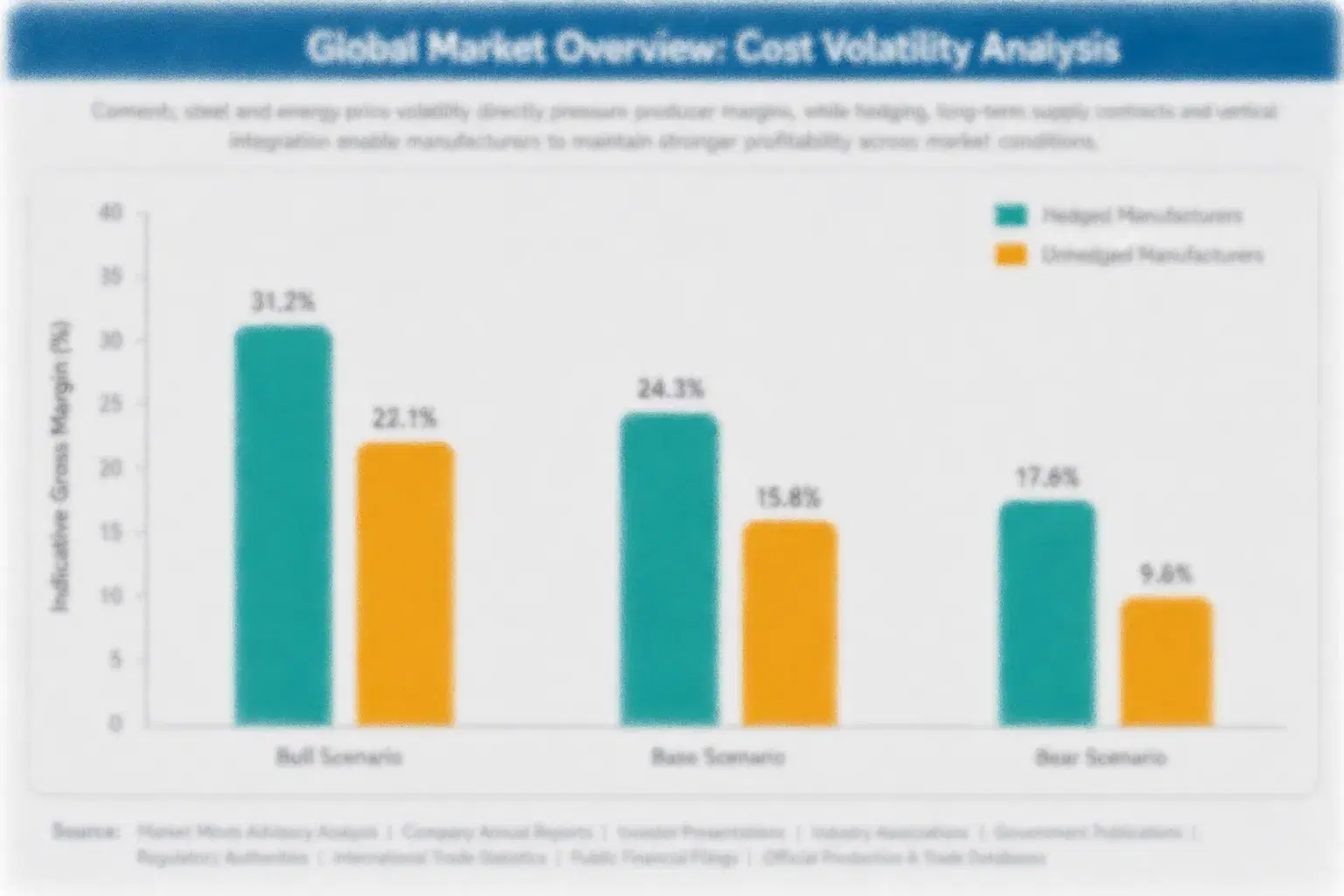
Emollient and antiseptic active ingredients account for roughly 36% of manufacturing cost, packaging about 18%, labour and quality control about 16%, formulation and stability testing about 14%, processing energy about 8%, and logistics about 8%. Emollients come from specialty chemical and natural ingredient producers in Europe and the United States, and antiseptic actives from specialty chemical suppliers. Small formulators carry the heaviest exposure.
The clearest recent shock came in 2022 and 2023. Specialty chemical prices rose sharply tied to broader petrochemical and natural ingredient market volatility, according to industry pricing data, and IEA data show energy costs affecting formulation and packaging operations. Suppliers absorbed part of the increase, raised prices gradually and diversified sourcing, which compressed margins. Some relief came in 2024 as specialty chemical prices eased somewhat.

The disadvantage falls on small formulators without diversified sourcing, reformulation capability or dealer relationships, because they pay spot prices for actives and cannot spread fixed testing cost across sufficient volume. Exposure varies by player type: equipment majors hold bundled distribution advantage, specialist formulators depend on trial credibility, and regional producers depend on local ingredient access. Reformulation investment decides who captures clean-label demand.
milking-salve-market-cost-volatility-analysis-1790050514290

Diversified Active Ingredient Sourcing Across Suppliers

Suppliers diversify emollient and antiseptic sourcing across multiple suppliers and regions to cut cost swings of 15% to 30% per year. The main challenge is validating alternative actives against efficacy standards, so suppliers test gradually. Procurement teams monitor prices each month against budgets, and managers review sourcing mix yearly. Managers approve each shift in sourcing mix across every supplier region.

Natural Ingredient Reformulation and Stability Testing

Suppliers invest in natural ingredient reformulation and extended stability testing to meet clean-label standards while maintaining efficacy, cutting reformulation risk by 20% to 35%. The main challenge is capital of $1 million to $6 million and validation time, so suppliers stage investment. Scientists monitor stability data weekly. Scientists track stability weekly and report results to management every quarter.

Packaging Standardisation and Lightweight Format Investment

Suppliers standardise packaging formats and cut material weight to lower packaging cost by 8% to 15% and simplify sourcing. The main challenge is farm-level application compatibility, so suppliers test new packaging with dairies first. Results are reviewed each year, and audits confirm standards. Dairies test new packaging before wider rollout begins each season across every region.

Portfolio Architecture for Margin Defence

Margins run from moderate returns on standard conventional salve to strong returns on natural and dispenser-compatible formulations sold with efficacy credibility and equipment integration. Three tiers separate volume products, premium certified products and next-generation solutions, and each draws on different formulation science, equipment integration and cooperative relationships in a fragmented market. Margin gaps between tiers run to 26 points. Buyers reward proof.
The tension between volume and premium is sharp. Standard conventional salve fills production capacity at moderate prices and faces active ingredient cost swings, while natural and dispenser-compatible formulations earn higher margins on smaller volumes and depend on reformulation credibility, equipment integration and farm trust. Suppliers that run only conventional volume suffer when active costs rise, while premium-only suppliers struggle to reach cost-conscious smaller farms. Trust decides renewal.

High-value pools concentrate in natural and organic salves and in dispenser-compatible barrier salves for automated milking systems. They gather where farms pay for measured mastitis reduction, sourcing credibility and equipment reliability, not for salve volume alone. Medicated and antiseptic salves add a clinical management pool, and strong suppliers hold more than one, though each needs different formulation skills. Reviews continue each cycle.

Volume / Commodity-Adjacent

Standard pre-milking teat dip salves sold on price per unit to farms and distributors through established channels. Buyers focus on cost and availability, contracts follow seasonal reviews, and differentiation is limited by shared formulations.
Gross Margin: 20%-30%

Premium / Certified

Medicated and antiseptic salves with efficacy data and consistent formulations sold to commercial dairy farms and cooperatives. Buyers value proof of mastitis reduction, consistency and reliable supply, and contracts run for one or more seasons with regular reviews.
Gross Margin: 26%-36%

Sustainability / Regulatory / Next-Generation

Natural and organic salves and dispenser-compatible barrier formulations sold to processor-audited and automation-forward farms. Sales depend on ingredient disclosure, equipment compatibility and trial evidence across regions, and suppliers must show reliable capacity to hold accounts.
Gross Margin: 30%-46%
milking-salve-market-portfolio-architecture-1790050514566

High-value Sub-segments and Strategic Watch-out

Natural and Organic Salves

Natural and organic salves combine the fastest growth with the strongest pricing, since processor-audited farms accept gross margins of 30% to 46% for disclosed, naturally derived formulations. Reformulation capability and efficacy validation form the entry barrier, and suppliers with credible trial data lead. Farms renew contracts each year.
Gross Margin: 30%-46%

Post-Milking Barrier Salves

Post-milking barrier salves deliver solid growth with premium pricing, since automation-forward farms support gross margins of 24% to 36% for dispenser-compatible formulations. Viscosity engineering and equipment compatibility limit competition, though integration cost adds risk. Reviews occur each season. Farms renew contracts each year. Prices follow products and channels.
Gross Margin: 24%-36%

Pre-Milking Teat Dip Salves

Pre-milking teat dip salves are the volume core, with value growing about 3.4% a year. Active ingredient cost, formulation consistency and price competition decide profit, and equipment majors and regional formulators hold most sales. Farms renew contracts seasonally at prices linked to competing bids. Farms renew contracts each year.
Gross Margin: 20%-30%

Medicated and Antiseptic Salves

Medicated and antiseptic salves are the strategic watch-out, since growth of about 2.8% a year trails the leaders, clinical management applications serve narrower niches and natural formulations increasingly absorb broader preventive demand. Suppliers should manage ranges selectively and steer investment toward natural and dispenser-compatible products with clearer buyers.
Gross Margin: 22%-32%

Why Dairy Farms Keep Buying Salve

Milking salve demand behaves like an annuity attached to every milking cycle on every cow. Once a farm qualifies a product's efficacy against its own mastitis data, orders repeat with every milking, and switching means risking somatic cell counts during a critical protocol adjustment period. Contracts run around volume, seasonal cycles and protocol validation, so suppliers with reliable consistency earn recurring revenue. Trust, once earned, takes years to lose.
Adoption stickiness differs by end-use vertical. Large commercial dairies tracking somatic cell count against processor premiums are the deepest, since salve is embedded in a measured protocol and switching risks quality payment. Mid-sized cooperativemember farms are moderately sticky, driven by cost and general mastitis prevention needs. Small farms are more fluid, buying on price and applying inconsistently, though a mastitis outbreak holds interest in proven suppliers for several seasons.

Buyer profiles are shifting between generations. Older farmers applied salve on habit without close outcome tracking, while younger dairy managers track somatic cell count data closely, ask about natural sourcing and compare suppliers on documented efficacy. Cooperatives and processors add a third group that sets sourcing standards. Suppliers that publish clear efficacy and consistency data win newer buyers.
milking-salve-market-end-use-penetration-index-1790050514841

MMA Verdict: Milking Salve Strategy

These are among the four positions where our research anticipates prominent divergence between winners and laggards over the coming forecast period. Each is grounded in the demand model, the regulatory perimeter, and the announced capacity pipeline.
01 / NATURAL REFORMULATION STRATEGY

Reformulate Toward Natural Ingredients Before Processors Standardise on Rival Suppliers

Processors want disclosed, naturally derived farm inputs, and suppliers that reformulate toward natural ingredients with validated efficacy win sales worth 8% to 15% of revenue at gross margins of 30% to 46%. Suppliers should invest $1 million to $6 million, validate natural formulation efficacy and secure ingredient disclosure documentation. Those that delay will lose processor-audited farms over the next two years, while early movers hold clearly and durably higher prices and stronger margins across every season, review, audit and negotiation.
02 / AUTOMATION INTEGRATION STRATEGY

Engineer Dispenser-Compatible Salve Before Robotic Adoption Locks In Rival Suppliers

Automated milking systems need consistent viscosity formulations, and suppliers that engineer dispenser-compatible salve win contracts worth 6% to 12% of revenue at gross margins of 24% to 36%. Suppliers should invest $1 million to $5 million, test equipment compatibility thoroughly and partner closely with milking system manufacturers. Those that delay will lose valuable contracts and standing over the next two years, while early movers hold much stronger, deeper and lasting ties and clearly better margins across every review, season and negotiation.
03 / PROTOCOL PARTNERSHIP DISCIPLINE

Build Cooperative Protocol Partnerships Before Rivals Own the Mastitis Data Relationship

Cooperatives want proven protocols to lower member somatic cell counts, and suppliers that build protocol partnerships with training support win volume worth 6% to 12% of revenue at gross margins of 22% to 34%. Suppliers should invest $0.5 million to $4 million, train farm applicators and track mastitis outcome data. Those that delay will lose valuable cooperative relationships over the next two years, while early movers hold clearly and durably stronger loyalty and better margins across every review and negotiation.
04 / ACTIVE INGREDIENT SUPPLY STRATEGY

Diversify Active Ingredient Sourcing Before Shortages Erode Salve Supplier Margins Again

Active ingredients make up about 36% of cost, and suppliers that diversify sourcing across multiple suppliers and regions cut cost and supply swings by 15% to 30% and protect margins worth 5% to 8% of profit. Suppliers should invest $0.5 million to $3 million, qualify multiple ingredient sources and test alternative emollients. Those that delay will pay rising input bills over the next two years, while early movers hold lower costs and stronger margins across every production cycle and annual budget review.

Engagement Snapshot From the Field

A live engagement with an industry participant carrying material or product regulatory and market exposure ahead of a defining policy shift, showing how our research translates into a defensible multi-year portfolio strategy.
MARKET MINDS ADVISORY · CLIENT ENGAGEMENT SUMMARY
Milking Salve Producer Strategic Portfolio Review and Transition Roadmap 2026·Investment Scenario on Milking Salve Exposure Evaluation 2025-26
CLIENT PROFILE
The client is a regional North American dairy cooperative with about 8,500 milking cows across 45 member farms and annual milking salve spending near $2.4 million (client-reported, unverified by MMA), facing elevated somatic cell counts across the membership that threatened processor quality premiums and required a coordinated intervention before the next quality review period. The board wanted a defensible improvement plan.
STRATEGIC CHALLENGE
Rising somatic cell counts across the membership threatened significant quality premium losses at the next processor review (client-reported, unverified by MMA), individual farm salve purchasing was fragmented and inconsistent, and management had to decide on a coordinated supplier and protocol strategy with limited timeline before the review. The board wanted a defensible improvement plan.
MMA APPROACH
MMA analysed somatic cell count, salve usage and application consistency data across 45 member farms, interviewed 14 farmers, veterinarians and suppliers, and ran a supplier comparison on efficacy data, protocol support and training capability across six countries. It modelled outcome improvement and cost by coordinated programme design. It compared options against the fixed processor review timeline.
KEY FINDINGS
  1. A coordinated single-supplier protocol with standardised application training would reduce somatic cell counts across the membership within one quarter (client-reported, unverified by MMA).
  2. Farm-level application inconsistency accounted for a substantial share of the elevated counts rather than product efficacy alone and supported the coordination case (client-reported, unverified by MMA).
  3. Consolidated purchasing volume would cut per-unit salve cost meaningfully compared with fragmented individual farm purchasing across all member farms (client-reported, unverified by MMA).
  4. Regular outcome tracking and farmer feedback loops sustained compliance better than a one-time training session alone and sustained the improvement (client-reported, unverified by MMA).
CLIENT PROFILE
The client is a regional North American dairy cooperative with about 8,500 milking cows across 45 member farms and annual milking salve spending near $2.4 million (client-reported, unverified by MMA), facing elevated somatic cell counts across the membership that threatened processor quality premiums and required a coordinated intervention before the next quality review period. The board wanted a defensible improvement plan.
STRATEGIC CHALLENGE
Rising somatic cell counts across the membership threatened significant quality premium losses at the next processor review (client-reported, unverified by MMA), individual farm salve purchasing was fragmented and inconsistent, and management had to decide on a coordinated supplier and protocol strategy with limited timeline before the review. The board wanted a defensible improvement plan.
MMA APPROACH
MMA analysed somatic cell count, salve usage and application consistency data across 45 member farms, interviewed 14 farmers, veterinarians and suppliers, and ran a supplier comparison on efficacy data, protocol support and training capability across six countries. It modelled outcome improvement and cost by coordinated programme design. It compared options against the fixed processor review timeline.
KEY FINDINGS
  1. A coordinated single-supplier protocol with standardised application training would reduce somatic cell counts across the membership within one quarter (client-reported, unverified by MMA).
  2. Farm-level application inconsistency accounted for a substantial share of the elevated counts rather than product efficacy alone and supported the coordination case (client-reported, unverified by MMA).
  3. Consolidated purchasing volume would cut per-unit salve cost meaningfully compared with fragmented individual farm purchasing across all member farms (client-reported, unverified by MMA).
  4. Regular outcome tracking and farmer feedback loops sustained compliance better than a one-time training session alone and sustained the improvement (client-reported, unverified by MMA).
RECOMMENDED STRATEGY
Phase 1: Phase 1 (Months 1-2): Select a coordinated supplier and roll out standardised application training across all 45 member farms immediately. Phase 2: Phase 2 (Months 3-6): Track somatic cell count outcomes weekly and provide farm-level feedback ahead of the processor review. Farmers reviewed the data closely. Phase 3: Phase 3 (Months 7-12): Formalise the coordinated protocol as standard cooperative practice and extend outcome tracking permanently. Results guide future practice.
OUTCOME
Within 12 months, somatic cell counts across the membership fell meaningfully, the cooperative retained its processor quality premiums and member compliance with the standardised protocol reached a strong majority of farms (client-reported, unverified by MMA). The cooperative credited coordinated training with the improvement more than the product switch alone.

Frequently Asked Questions

Foundational context covering the market sizes, CAGR, scope, country, region and competition that inform every finding below. This section is provided to cover basics and most often pre-purchase conversations, answered from the MMA Primary Research Dataset.

What is the current size of the Milking Salve Market?

The global milking salve market was valued at $0.42 billion in 2025 on a manufacturer revenue basis. Growth comes from herd consolidation, clean-label sourcing standards and robotic milking adoption, and faces active ingredient costs and inconsistent farm application.

How large will the Milking Salve Market be by 2036?

The market is projected to reach $0.68 billion by 2036, up from $0.44 billion in 2026. The increase of $0.24 billion reflects natural formulations, dispenser-compatible salve and Asian demand.

What is the CAGR for the Milking Salve Market 2026 to 2036?

The market is forecast to grow at a 4.5% CAGR from 2026 to 2036. The bull case reaches 5.9% and the bear case 3.1%, depending on mastitis prevention protocols and clean-label sourcing pace.

Which segment is growing fastest?

Natural and Organic Salves is the fastest-growing segment at 6.3% CAGR, roughly 1.40 times the overall market rate. Post-Milking Barrier Salves follows at 5.4% CAGR, led by robotic milking adoption.

Who are the major companies in the Milking Salve Market?

Major companies include GEA Group, DeLaval, Ecolab, ABS Global and Neogen worldwide. Boumatic, Fullwood Packo, ImmuCell Corporation, Vetoquinol and Kersia Group also hold meaningful positions.

Which country is growing fastest?

India is growing fastest at about 6.9% CAGR, because its enormous dairy sector gradually adopts structured teat care alongside farm commercialisation. Brazil and China follow through similar dairy consolidation trends.

Report Segmentation Architecture

The full report scope spans multiple orthogonal segmentation dimensions, with cross-tabulated demand data provided for each dimension pair. Coverage extends further to regional breakdowns, trend trajectories, and the competitive detail needed to support segment-level decision-making.

By Primary Market Dimension

  • Pre-Milking Teat Dip Salves
  • Post-Milking Barrier Salves
  • Medicated and Antiseptic Salves
  • Natural and Organic Salves
  • Udder Conditioning Creams

By End-Use Industry

  • Large Commercial Dairy Farms
  • Mid-Sized Cooperative Member Farms
  • Small Independent Dairy Farms
  • Automated and Robotic Milking Operations

By Commercial Dimension

  • Direct Sales to Cooperatives
  • Equipment Dealer Bundled Sales
  • Distributor Networks
  • Multi-Year Protocol Contracts
  • Farm Training Service Bundles

By Region

  • North America
  • Western Europe
  • East Asia
  • South Asia and Pacific
  • Latin America
  • Middle East and Africa
  • Eastern Europe

Scope, Methodology, and Coverage

Every figure in this report is reproducible from documented input assumptions. The scope below maps the historical period, the forecast horizon, the segmentation dimensions, and the countries covered, alongside the underlying primary and qualitative methodology.
Historical Period
2020 to 2025
Forecast Period
2026 to 2036
Base Year
2025 (USD billions; MMA Primary Research Dataset, September 2026)
Market Definition
The market covers global manufacturer revenue from milking salve, defined as topical ointments and dips applied to cattle teats for skin conditioning and mastitis prevention around milking, in pre-milking teat dip salves, post-milking barrier salves, medicated and antiseptic salves, natural and organic salves, and udder conditioning creams, sold to dairy farms, cooperatives and distributors and valued at manufacturer revenue. It excludes systemic mastitis medications, general dairy hygiene equipment and cleaning chemicals sold separately.
Quantitative Units
USD billions (manufacturer revenue); million units for volume references
Segmentation Dimensions
By Product Type; By Farm Type; By Commercial Dimension; By Region
Regions Covered
North America, Western Europe, East Asia, South Asia and Pacific, Latin America, Middle East and Africa, Eastern Europe
Countries Covered
United States, Canada, Mexico, Netherlands, Germany, France, United Kingdom, Ireland, Denmark, China, Japan, South Korea, India, Australia, New Zealand, Vietnam, Brazil, Argentina, Chile, Saudi Arabia, Egypt, South Africa, Poland, Ukraine, Hungary, and additional markets relevant to this sector
Key Companies Profiled
GEA Group, DeLaval, Ecolab, ABS Global, Neogen, Boumatic, Fullwood Packo, Lely, IBA Animal Health, ImmuCell Corporation, Vetoquinol, Zoetis, Kersia Group, Diamond V, Uniform-Agri, Dairymaster, Agri-Labs, West Agro, Parry America, Ecolab Dairy Care
Quantitative Methodology
Primary survey, n=3,800 respondents, Q4 2025, six countries; demand-side model with trade association cross-validation
Qualitative Methodology
47 expert interviews, Q4 2025; applied to validate demand model assumptions, identify emerging dynamics, and assess competitive positioning
Report Format
PDF and XLSX data workbook (Word format preview document)
Publisher
Market Minds Advisory
Report Code
MMA-2026-AGR-370
Published
September 2026
Contact
sales@marketmindsadvisory.com | www.marketmindsadvisory.com

Purchase the full Milking Salve Market Report (2026 to 2036).

The full report delivers a detailed assessment of the global milking salve market through 2036, covering product type, farm type, channel and regional forecasts, competitive benchmarking of leading dairy hygiene majors and specialist formulators, and input cost analysis. It combines MMA primary research, including a six-country survey of 3,800 respondents and 47 expert interviews, with public statistical and company data. Analysts also model active ingredient, packaging and formulation cost scenarios. Clients receive segment margin ranges, protocol trackers and a case study on mastitis reduction strategy. Buyer negotiation frameworks are also included.
Ten-year product type and farm demand forecasts
Active ingredient, packaging and formulation cost tracking
Competitive benchmarking of leading milking salve suppliers
Mastitis prevention and animal health regulation tracker
Regional comparative analysis and forecasts included
Quarterly primary survey data update access

Built For The People Who Decide

From boardroom strategy to bench-side execution, this report is read cover-to-cover by leaders shaping the next decade of their industry, turning demand scenarios, market dynamics and valuation benchmarks into decisions.
CXOs/ Presidents/ VPs/ Managers
M&A and Corporate Development
Strategy Teams and R&D Heads
Procurement and Product Directors
Regulatory and Compliance Leaders
Investor Relations and Equity Analysts