Market Minds Advisory
Milk Ingredients Market

Milk Ingredients Market: Milk Ingredients Market. Functional and Bioactive Formats Redraw the Value Pool

Clinical nutrition and functional beverage manufacturers demanding documented bioactive milk fractions are pushing global processors toward traceable, clinically validated sourcing, reshaping which suppliers win long-term formulation contracts across most major national markets each cycle.

Lead Analyst

Published

September 2026

Make Smarter Decisions with Customized Research Insights

Request a free sample report and evaluate market opportunities, growth trends, and competitive dynamics relevant to your business needs.

2025 MARKET VALUE$48.5BMarket Size 2025
2036 FORECAST VALUE$91.1BBase Case , 2026 to 2036
CAGR 2026 TO 20365.9 %Bull 7.1% / Bear 4.7%
INCREMENTAL OPPORTUNITY$39.8BNet 10- year value creation
EXPANSION MULTIPLE1.77x2036 value over 2026 base
Strategic Levers
M&A Pipeline
Regional Outlook
Country Rankings
Competitive Intelligence
Segmental Deep-dive
Call-Us : 91 93563 13602

Executive Snapshot and Market Trajectory.

Specialty functional and milk-protein-concentrate formats are expanding fastest across the global milk ingredients market, as clinical nutrition and functional beverage manufacturers demanding documented bioactive fractions push processors toward traceable, clinically validated sourcing, a pattern strengthening across most premium formulation channels each quarter overall.
Western Europe holds the largest share of measured shipment volume, anchored by an established milk-powder and milk-protein-concentrate export base and rapidly expanding functional-ingredient processing footprint across established Normandy and Friesland corridors, with specialty and milk-protein-concentrate formats growing fastest as clinical-documentation adoption expands rapidly across most active formulation deployments globally, while India stands out as the fastest-growing individual country in overall consumption pace, reinforcing its expanding dairy-processing footprint nationwide across most major states today.
The competitive field is fragmented, with the top five suppliers holding just under two-fifths of total measured shipment volume on a shipment-tonnage basis, reflecting the substantial fractionation and clinical-validation capital required to compete at large formulation scale. Suppliers with documented bioactive-fraction traceability are capturing disproportionate share across most active functional-nutrition programs worldwide, a pattern reshaping formulation decisions each year across the category and across most adjacent programs internationally today.
Market Definition
Base Year Value
$48.5B in 2025 (MMA Primary Research Dataset, September 2026)
Forecast Period
2026 to 2036, eleven discrete annual values
CAGR
5.9% base case. Bull 7.1%. Bear 4.7%.
Fastest Growth Segment
Specialty/Functional Milk-Derived Ingredients: 9.5% CAGR
Fastest Growth Country
India: 9.0% CAGR
Fastest Growth Region
South Asia and Pacific: 7.9% CAGR
Largest Region
Western Europe: 26% of 2025 global value
Market Leaders
Primary Survey
n=3,800 procurement and R&D decision-makers, Q4 2025, six countries
Methodology
Demand-side build-up, cross-validated against public data, 47 expert interviews

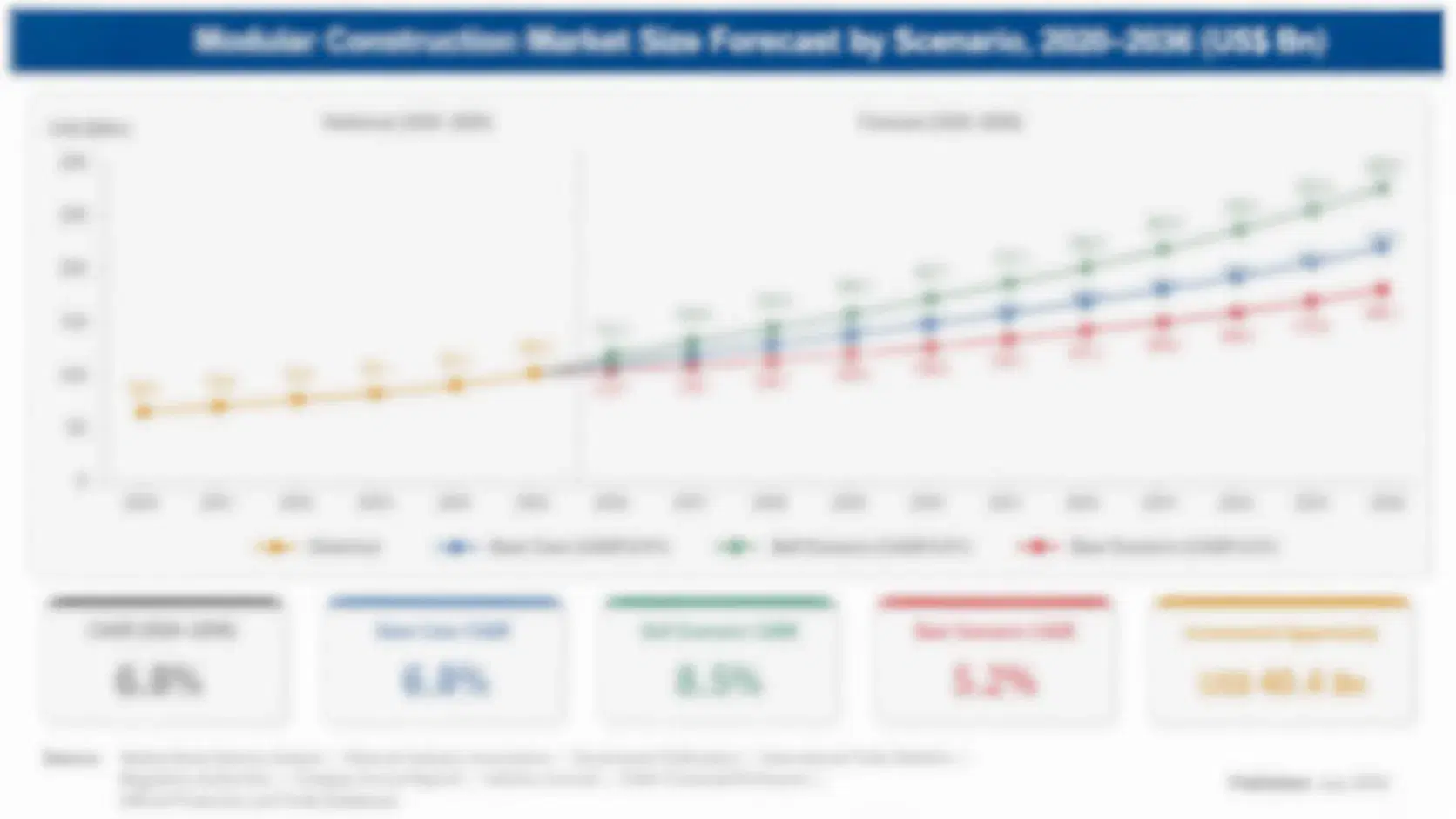
Milk Ingredients Market Forecast Scenarios

milk-ingredients-market-size-forecast-scenario-1789831445290
Between 2020 and 2025, milk ingredient shipment volume grew at an estimated 5.0% annually as skim-milk-powder and whole-milk-powder formats tracked expanding mainstream manufacturing footprint while specialty and milk-protein-concentrate formats began accelerating alongside expanding clinical-documentation mandates internationally. Fonterra and Arla both expanded clinical-testing capacity through the period to meet growing manufacturer demand, with several additional pilot lines commissioned since 2023.
MMA's base case projects 5.9% annual growth to 2036 on three mechanisms: expanding specialty adoption requiring documented bioactive-fraction traceability across diverse functional-nutrition-tier specifications, continued milk-protein-concentrate format growth tied to rising sports-nutrition demand, and steady milk-powder demand across mainstream manufacturing segments, with suppliers increasingly funding pilot clinical-validation programs to validate this pathway. Rising Indian and Southeast Asian dairy-processing capacity is adding a meaningful fourth growth channel into the next decade, further reinforcing the overall trajectory.
A bull catalyst comes from faster-than-expected specialty commercialization across additional functional-nutrition formulation programs requiring documented bioactive-fraction coverage at greater scale. The bear risk is base-dairy price disruption. If European and North American dairy-commodity volatility disrupts base ingredient availability faster than expected, premium-tier expansion could plateau well below projected demand within the next several years overall.

Clinical Documentation Becomes the Formulation Standard

Specialty and milk-protein-concentrate formulations solve a problem that standard milk-powder formats cannot address at comparable clinical-documentation and consistency standing: turning conventional milk-fractionation and clinical-validation processes into verified, batch-tested formulation capacity across large distributed functional-nutrition and clinical manufacturing operations, and how well a supplier documents bioactive-fraction traceability increasingly determines which suppliers win prominent formulation contracts.
MARKET CONCENTRATION38%Reflects a fragmented, traceability-driven landscape overall nationwide today
AVERAGE SELLING PRICE$5.80 per kilogramReflects blended pricing across commodity and specialty formats
TOP PRODUCING COUNTRYNew ZealandReflects concentrated milk-powder export manufacturing heritage overall regionally
INSTALLED BASE UTILIZATION76%Reflects a maturing category with steady formulation demand growth
FEEDSTOCK COST SHARE49% of COGSRaw milk and butterfat-derivative input costs dominate overall spending
REPLACEMENT CYCLE18 to 24 month product-refresh cadenceReflects typical timing between routine manufacturer product-refresh cycles
Commercially, digital documentation and clinical-validation standing increasingly separate premium winners from mass-market competitors. Major functional-beverage and clinical-nutrition manufacturers specify formulation partners by documented bioactive-fraction and traceability data, while smaller regional processors still fund more exploratory purchases for entry-tier bulk formulations. Suppliers serving both markets effectively run two distinct commercial relationships with very different documentation requirements and regulatory-compliance expectations across their broader formulation portfolios.
Over the next decade, expect specialty and milk-protein-concentrate demand to grow meaningfully faster than standard milk-powder demand, since most volume upside comes from clinical sophistication rather than growth in overall tonnage numbers itself. Suppliers investing in documented clinical-validation standing are best positioned to capture this expanding demand as specification requirements tighten across the category and across additional adjacent functional-nutrition verticals internationally today, a pattern likely to strengthen further.
"Formulation selection used to be judged mainly on price per kilogram at buyer meetings. Now a functional-beverage manufacturer wants documented bioactive-fraction and clinical-validation data across dozens of batches before it commits to a supplier, and that transparency requirement is reshaping which suppliers win the best formulation contracts."
Director, Milk Ingredients Sourcing Practice · MMA Milk-Derived Powder Practice · September 2026

Market Trends

Manufacturers Push Documented Clinical Validation Standards

Functional-beverage and clinical-nutrition manufacturers replacing generic mass-market milk-ingredient programs under mounting consumer verification pressure are increasingly specifying suppliers with documented clinical-validation standing over legacy equivalents in formulation-partner decisions across most major functional-nutrition programs. Fonterra and Arla have both expanded certified clinical-testing capacity over the past two years to serve this growing manufacturer demand. At least a dozen major manufacturers have qualified new certified clinical partnerships since 2023, and suppliers report this shift is meaningfully expanding addressable premium demand across multiple product categories, with several additional manufacturers evaluating comparable programs soon internationally.
Market Impact: Sustains 3%+ nutrition-linked growth yearly
Milk Protein Concentrate Reformulation Expands Growth Rapidly

Manufacturers expanding sports-nutrition and high-protein mandates are increasingly specifying milk-protein-concentrate compound formats with documented clinical validation over standard milk-powder equivalents in specification decisions across most major formulation deployments nationwide. Lactalis and FrieslandCampina have both expanded milk-protein-concentrate production capacity over the past two years to serve this growing demand. At least several major manufacturers have qualified new certified concentrate suppliers since 2023, and suppliers report this shift is meaningfully expanding addressable demand across a previously underdeveloped high-protein segment internationally, with additional manufacturers entering active development soon across allied programs internationally nationwide.
Market Impact: Sustains 2%+ manufacturing-linked growth yearly

Market Opportunities and Growth Drivers

Rising Functional Nutrition Demand Sustains Core Consumption

Persistent global functional-beverage and clinical-nutrition manufacturing demand and discretionary spending expectation expansion across multiple major European and North American formulation programs continues sustaining demand for milk ingredients used in mainstream daily nutrition and beverage manufacturing occasions throughout the food-processing industry internationally. Industry data show functional-nutrition manufacturing spending has grown considerably across major national channels over the past several years, directly supporting mass-market and premium-tier demand broadly across most established formulation programs. Suppliers report this tailwind provides meaningful stability underpinning the category's growth trajectory, even as specialty demand accelerates faster across most premium-tier formulation applications today.
Market Impact: Delays product certification by 4 months

Infant Nutrition Manufacturing Expansion Sustains Volume Growth

Continued infant-nutrition and specialty-formula manufacturing expansion and consumer standard adoption growth across expanding European, North American, and Asian formulation programs sustains steady demand for milk ingredients used in everyday nutrition and beverage manufacturing purchases across most major regional budgets internationally. Trade data show infant-nutrition manufacturing spending has grown considerably across major national channels over the past several years and across multiple product categories. Suppliers report this baseline demand provides meaningful commercial stability underpinning the broader category's overall growth trajectory, particularly for suppliers with established formulation relationships serving major format-constrained accounts internationally today across most product tiers.
Market Impact: Compresses margins by 4+ points yearly

Market Restraints and Challenges

Clinical Validation Complexity Limits National Adoption

Many suppliers face lingering clinical-validation constraints affecting new specialty-formulation deployment timelines, because certification systems require specialized bioactive-fraction audit protocols under evolving international food-safety authentication frameworks that many regional suppliers have not yet developed, extending development timelines and limiting the pace at which new suppliers can enter established formulation procurement frameworks. This constraint complicates market entry for suppliers lacking established audit networks. Suppliers without proven consistency track records face the steepest entry risk. Suppliers are mitigating this by pursuing single-manufacturer certification first to build a credible track record before expanding into additional markets further.
Market Impact: Commands 14%+ premium for certified suppliers

Base Dairy Feedstock Price Volatility Compresses Margins

Many suppliers face raw-milk and butterfat-derivative feedstock procurement cost volatility tied to broader European and North American dairy-commodity cycles, and the root cause is that manufacturing depends on specific seasonal-output and climate-sensitive inputs whose pricing fluctuates independently of finished formulation demand conditions across most programs. This volatility complicates long-term pricing arrangements with formulation customers expecting stable contracted delivery costs. Suppliers without long-term feedstock supply contracts face the steepest margin risk. Suppliers are mitigating this by qualifying alternative sourcing partnerships across multiple regional dairies simultaneously, several having begun this over the past two years.
Market Impact: Adds 11%+ segment demand growth annually
4 additional market trends, 3 additional growth drivers, and 4 additional restraints and challenges are covered in the full report. Contact sales@marketmindsadvisory.com to access the complete intelligence.

Segment CAGR and Growth Architecture

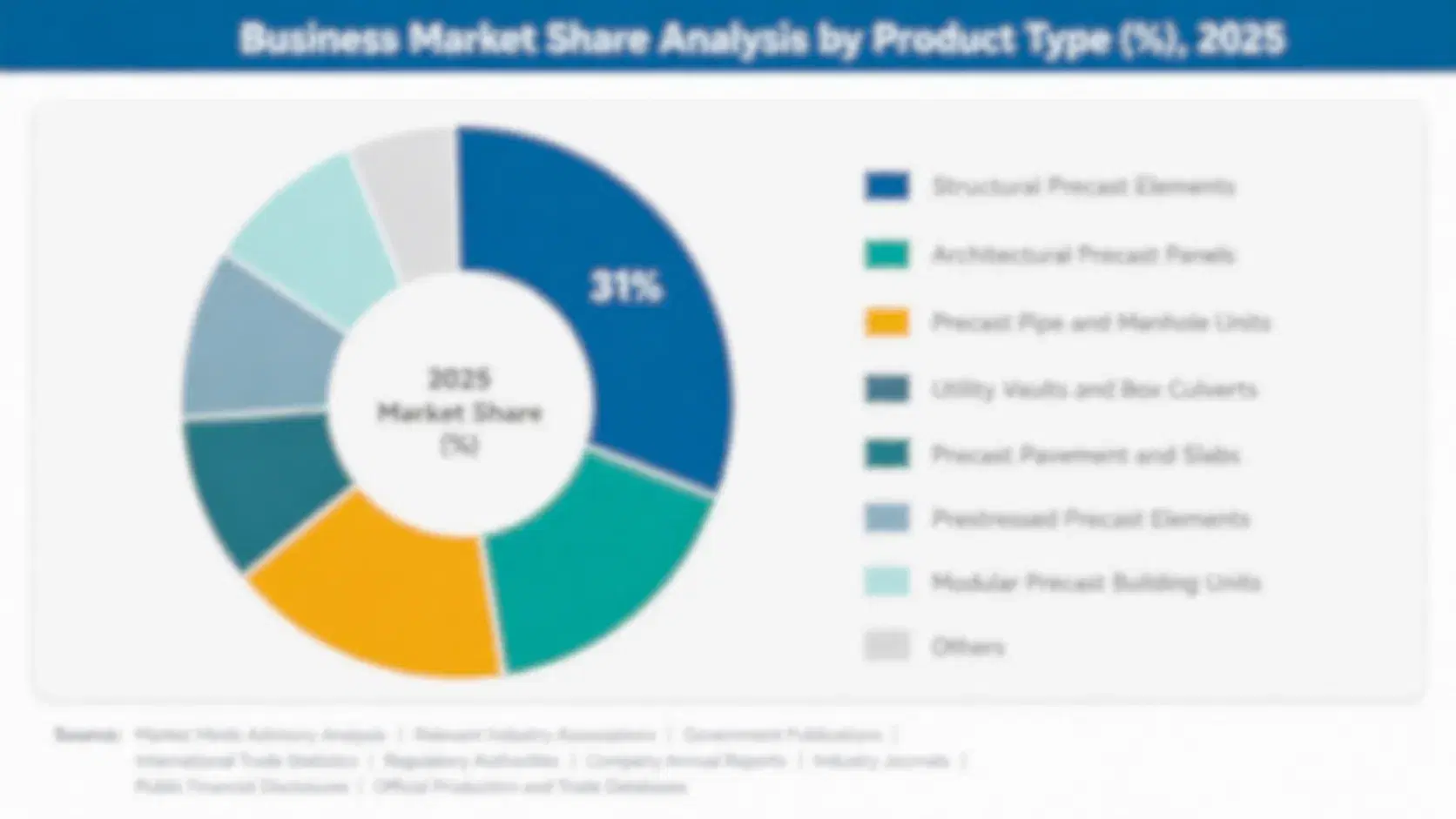
The milk ingredients market is segmented primarily by ingredient type, the single classification logic determining fractionation architecture, formulation-partner merchandising format, and overall commercial relationship across the entire category internationally today. Reasoning through all six segments keeps commercial comparisons consistent across suppliers and manufacturers worldwide each season, and that consistency matters more as clinical-documentation scrutiny intensifies further.
milk-ingredients-market-market-share-analysis-1789831445463

Specialty/Functional Milk-Derived Ingredients

Specialty functional milk-derived ingredients including bioactive fractions and milk-fat-globule-membrane compounds formulated through controlled clinical-fractionation processes are the fastest-growing segment as functional-beverage manufacturers increasingly specify documented clinical-validation standing over standard milk-powder equivalents across major premium-focused formulation deployments. Fonterra and Arla both dominate this segment through established bioactive-fractionation technology capability that powder-focused suppliers have not developed to the same degree. Manufacturers increasingly specify functional platforms by documented clinical-trial and traceability data rather than accepting generic milk-derivative claims, reflecting growing consumer sophistication across programs. Formulation costs remain above standard-grade units, but premium margins and expanding clinical demand more than compensate suppliers with genuine bioactive-fractionation technology capability across most active premium-focused programs and allied functional-nutrition initiatives internationally today, reinforcing the segment's growth.
CAGR 9.5%

Milk Protein Concentrates and Isolates

Milk protein concentrates and isolates produced through controlled ultrafiltration and diafiltration processes are scaling quickly as global sports-nutrition category awareness expands, requiring documented protein-density and solubility performance beyond standard milk-powder specifications across major formulation deployments. Lactalis and FrieslandCampina both maintain established co-formulation-integration relationships that powder-focused suppliers have not developed to the same extent. Manufacturers increasingly specify concentrate platforms by documented density and solubility data rather than accepting generic claims, reflecting growing procurement sophistication across programs. Pricing sits meaningfully above standard-grade material, supporting steady adoption among manufacturers expanding sports-nutrition-wide coverage access, and that demand pattern continues strengthening across major regional formulation budgets as functional-ingredient positioning accelerates further across several additional allied markets internationally today.
CAGR 7.5%
Full segment breakdown across 6 segments available in the complete report.

Regional Architecture and Country Demand Map

Western Europe holds the largest share of measured shipment volume, anchored by an established milk-powder and milk-protein-concentrate export base nationwide across major production corridors, with South Asia and Pacific posting the fastest regional growth rate overall today as manufacturing capacity expands further across several national markets.

North America

The United States drives a meaningful share of regional demand through its deeply established milk-powder and milk-protein-concentrate export sector, supplying domestic and export-grade facilities across established Wisconsin and Idaho production corridors nationwide, home to substantial fractionation research and export-quality delivery capacity globally across multiple dedicated clinical-testing laboratories near Madison and Twin Falls, including several pilot production lines serving major formulation accounts and functional-nutrition partnerships across the broader distribution network. Canada's growing milk-ingredient manufacturing sector sustains additional regional demand tied to broader functional-nutrition growth nationwide today, while Mexican import demand adds a smaller but steadily expanding contribution to the wider regional total each year, and formulation buyers across the corridor continue favoring suppliers with documented certification standing.
Share: 22% | CAGR: 6.7% (2026 to 2036)

Western Europe

France drives a meaningful share of regional demand through its deeply established milk-powder headquarters and clinical-fractionation sector, supplying domestic and export-grade brands across several distribution facilities nationwide, home to substantial clinical-validation research and quality-testing capacity across multiple metropolitan processing hubs near Normandy and Brittany, including several dedicated certification laboratories serving major accounts and export partners across the continent. The Netherlands' growing milk-ingredient manufacturing sector and Ireland's expanding formulation channel both sustain additional regional demand nationwide today, and regulatory standards across the European Union continue tightening steadily, with Germany adding a smaller but steadily rising contribution to the wider regional total each year, and Belgium's expanding formulation-export channel contributing further incremental gains.
Share: 26% | CAGR: 4.4% (2026 to 2036)
Regional intelligence for 5 additional markets available in the complete report: East Asia, South Asia and Pacific, Latin America, Middle East and Africa, Eastern Europe. Contact sales@marketmindsadvisory.com.
milk-ingredients-market-country-cagr-analysis-1789831445641

Where Suppliers Capture Formulation Margin

Margin capture in milk ingredients increasingly depends on documented clinical traceability rather than raw tonnage-volume alone. Suppliers that deliver verified bioactive-fraction data, faster manufacturer onboarding support, and format-specific technical service are commanding meaningfully better pricing than suppliers competing purely on standard bulk units everywhere it matters most, a gap that keeps widening steadily each passing year.

Building Out Certified Clinical Traceability Systems

Suppliers that invest in certified clinical-traceability capacity are capturing premium pricing from functional-nutrition buyers facing limited qualified supplier options for documented bioactive-focused applications across most active formulation programs. Fonterra's expanded certified portfolio, broadened in 2024, reportedly commands a 14 to 20 percent price premium over standard uncertified equivalent supplier. Suppliers without dedicated certification capability are increasingly partnering with accredited testing labs to access comparable quality, and that certification depth took years of process investment to build across the category. Manufacturing buyers rarely revisit this decision once made across the broader category.
Market Impact: Commands a full 14 to 20 percent premium

Developing New Bioactive Fraction Testing Systems

Suppliers that develop dedicated bioactive-fraction testing systems, including specialized clinical validation, are capturing premium positioning among functional-nutrition buyers facing tightening authenticity underwriting requirements across most major programs internationally. Verification-capable suppliers reportedly command 11 to 17 percent faster qualification timelines than suppliers offering only standard-grade equivalent material. This digital investment requires sustained engineering infrastructure that smaller suppliers often cannot justify pursuing independently, and that gap tends to widen as buyers increasingly demand full traceability validation before deployment approval across additional programs. Later movers rarely catch up to this lead across the broader category.
Market Impact: Secures 11 to 17 percent faster qualification cycles

Expanding Dedicated Manufacturer Technical Support Fully

Suppliers that expand dedicated manufacturer technical support, including sensory-panel and reformulation guidance, are capturing premium positioning among buyers seeking faster deployment delivery without in-house clinical-verification expertise across most active programs. Support-capable suppliers reportedly capture 9 to 15 percent more addressable contract demand than suppliers offering only standard equivalent distribution. This support investment requires sustained technical infrastructure that smaller suppliers often cannot justify funding independently, leaving them confined to shrinking commodity segments as contract demand continues expanding steadily across most major buyers and allied support partnership programs internationally today, with buyers reporting noticeably higher satisfaction overall.
Market Impact: Captures 9 to 15 percent more addressable demand

Diversifying Base Dairy Feedstock Sourcing Regionally

Suppliers that diversify raw-milk and butterfat-derivative feedstock sourcing across multiple regional dairies simultaneously are capturing premium positioning among customers seeking supply flexibility without exposure to single-source European and North American dairy-commodity pricing or availability constraints. Multi-source suppliers reportedly secure 8 to 14 percent longer-term customer contracts than suppliers offering only single-source equivalent production. This diversification requires sustained procurement investment across multiple qualified dairy partnerships that smaller suppliers often cannot justify pursuing independently, and that gap tends to widen as component volatility concentrates single-source suppliers further across the category and most major national accounts served today.
Market Impact: Secures 8 to 14 percent longer contract terms

Who Controls the Margin Pool

Five suppliers hold just under two-fifths of measured shipment volume on a shipment-tonnage basis, a fragmented position reflecting the substantial fractionation and clinical-validation capital required to compete at formulation-partner scale. The gap between suppliers with documented clinical-traceability standing and those competing on generic milk-ingredient platforms alone is widening as manufacturers tighten specification requirements. That documentation gap increasingly predicts which suppliers win prominent formulation contracts.
Current competitive activity centers on three fronts: certified clinical-traceability capacity expansion to capture premium demand, bioactive-fraction testing development to serve provenance-conscious customers, and manufacturer technical support development to serve mainstream customers across the category. Fonterra and Arla have both announced meaningful investment across these fronts over the past two years, with several additional suppliers reportedly evaluating comparable programs soon.

Emerging pressure is coming from specialized fractionation-reformulation makers improving both clinical sophistication and direct-to-manufacturer export integration capability, threatening the heritage positioning established milk-ingredient majors have historically held in large formulation accounts. Rankings could shift meaningfully over the next several years if these specialized reformulation suppliers successfully close the documentation and regulatory-compliance gap that currently favors established, larger suppliers with deeper heritage-brand infrastructure internationally.
milk-ingredients-market-company-positioning-matrix-1789831445820

Competitive Moat and Risk Dimensions

FONTERRA CO-OPERATIVE GROUP LIMITED

Moat: Established Heritage Brand Trust

Fonterra maintains established heritage brand trust built across its pioneering milk-ingredient product lines, giving it formulation-partner positioning advantages that newer entrants cannot easily replicate. That heritage equity lets the company command premium contract placement and buyer trust across multiple national formulation channels simultaneously, an advantage few rivals can match easily.
FONTERRA CO-OPERATIVE GROUP LIMITED

Risk: Concentrated Regional Supply Base

Fonterra's exposure to a concentrated Oceania dairy-sourcing base means dedicated capacity expansion sometimes carries more weather-related supply risk relative to competitors with more geographically diversified sourcing footprints. Formulation-partner buyers seeking the deepest available supply resilience may increasingly look toward multi-region specialists over the company's more concentrated regional roadmap overall.
ARLA FOODS AMBA

Moat: Deep Formulation Partner Distribution

Arla maintains deep formulation-partner relationships and export-testing infrastructure built across its broader milk-ingredient portfolio, giving it cost and qualification speed advantages that smaller specialized competitors cannot easily replicate. That infrastructure lets the company offer global manufacturers a faster, more credible product-refresh pathway across multiple partnership programs simultaneously.
ARLA FOODS AMBA

Risk: Intense Category Competitive Pressure

Arla's exposure to intense competitive pressure from Fonterra and emerging specialized fractionation-reformulation suppliers means the company carries meaningful margin-compression risk when pursuing market share gains relative to competitors with more focused product-innovation cycles. Sustained price competition could compress the company's margins more than digitally focused competitors positioned across established formulation partnerships.

Players Tracked

Prominent Players

Fonterra Co-operative Group Limited
Arla Foods amba
Groupe Lactalis
Royal FrieslandCampina NV
Glanbia plc

Other Key Players

Nestle SA
Danone SA
Kerry Group plc
Saputo Inc
Land O'Lakes Inc
Dairy Farmers of America Inc
Agropur Cooperative
Yili Group
Meiji Holdings Co Ltd
Bega Cheese Limited
Westland Milk Products
Synlait Milk Limited
DMK Group
Sodiaal Union
Idaho Milk Products

Recent Developments

OCTOBER 2024

Fonterra Expands Certified Clinical Traceability Capacity

Fonterra expanded its certified clinical-traceability capacity in October 2024, targeting growing manufacturer demand for documented bioactive-fraction performance across multiple major premium-focused programs and deployment commitments internationally, covering several new certified quality-testing lines. The expansion reportedly increased certified output capacity by roughly nine percent within two quarters.
Signal: Signals heritage suppliers are investing well ahead of confirmed clinical-driven adoption timelines industrywide across allied programs.
MARCH 2024

Arla Launches Bioactive Fraction Testing Program

Arla launched an expanded bioactive-fraction testing program in March 2024, combining specialized clinical validation and dedicated technical liaison teams to accelerate manufacturer qualification across major accounts already active internationally, per its own public disclosures, with early feedback described as favorable across several pilot accounts overall.
Signal: Signals bioactive-fraction testing integration speed is emerging as a genuine competitive differentiator across allied programs industrywide today.
JULY 2025

Lactalis Announces Manufacturer Technical Support Investment

Lactalis announced an expanded manufacturer technical support investment in July 2025, targeting buyers seeking documented sensory-panel and reformulation guidance across multiple major distribution partnership programs, with dedicated technical teams assigned to several key accounts already operating internationally across allied clinical-focused programs today, with onboarding already underway worldwide.
Signal: Signals manufacturer technical support is emerging as a genuine competitive differentiator across allied programs and markets today.

Base Dairy Feedstock Exposure

Raw-milk and butterfat-derivative feedstock procurement costs account for roughly forty-nine percent of total operating cost, reflecting the core operational feedstock required for milk-ingredient manufacturing across both mass-market and premium deployment tiers, with pricing tracking broader global dairy-commodity cycles and sourcing concentrated among qualified dairies near major Normandy and Wisconsin production hubs. Long-standing relationships secure favorable delivery terms.
Raw-milk and butterfat-derivative feedstock procurement costs rose during 2022 and 2023 following broader global weather and agricultural commodity supply chain disruption, according to USDA reporting and company annual disclosures, increasing milk-ingredient manufacturing operating costs across the category. Suppliers without long-term feedstock supply contracts faced the steepest cost increases, since qualifying alternative sourcing partnerships requires extended technical validation before substitution becomes possible at full national scale across the category.

Smaller suppliers relying on open-market feedstock purchases carry meaningfully more cost exposure than larger, vertically integrated suppliers like Fonterra or Arla, which can shift sourcing across multiple qualified dairies when one underperforms. This exposure disadvantage compounds for suppliers competing on price against integrated competitors with deeper sourcing relationships and negotiating scale across broader portfolios internationally, and across most major national markets today.
milk-ingredients-market-cost-volatility-analysis-1789831446007

Diversify Base Dairy Supplier Contracts

Larger suppliers are qualifying raw-milk and butterfat-derivative feedstock supply from multiple regional dairies simultaneously rather than relying on a single dairy, reducing the odds that one disruption cuts total production availability. This diversification adds procurement complexity but has measurably reduced cost volatility for adopters facing broader global dairy-commodity disruption across their national footprint today.

Negotiate Index Linked Supply Agreements

Suppliers are negotiating longer-term index-linked supply agreements directly with integrated commodity partners, reducing exposure to spot market price volatility affecting the broader dairy-commodity sector. Suppliers that started earliest are locking in more favorable long-term pricing terms across their largest accounts internationally, and that early advantage is proving difficult for later movers to close quickly.

Invest in Vertically Integrated Sourcing Infrastructure

Larger suppliers are investing in dedicated vertically integrated sourcing infrastructure and dairy-partnership development to reduce dependence on volatile external processing pricing, reducing exposure to fragmented supply chain volatility across multiple sourcing regions. This approach requires sustained capital investment but has improved overall cost resilience for adopters facing volatile dairy-commodity markets across several regions internationally today.

Portfolio Architecture for Margin Defence

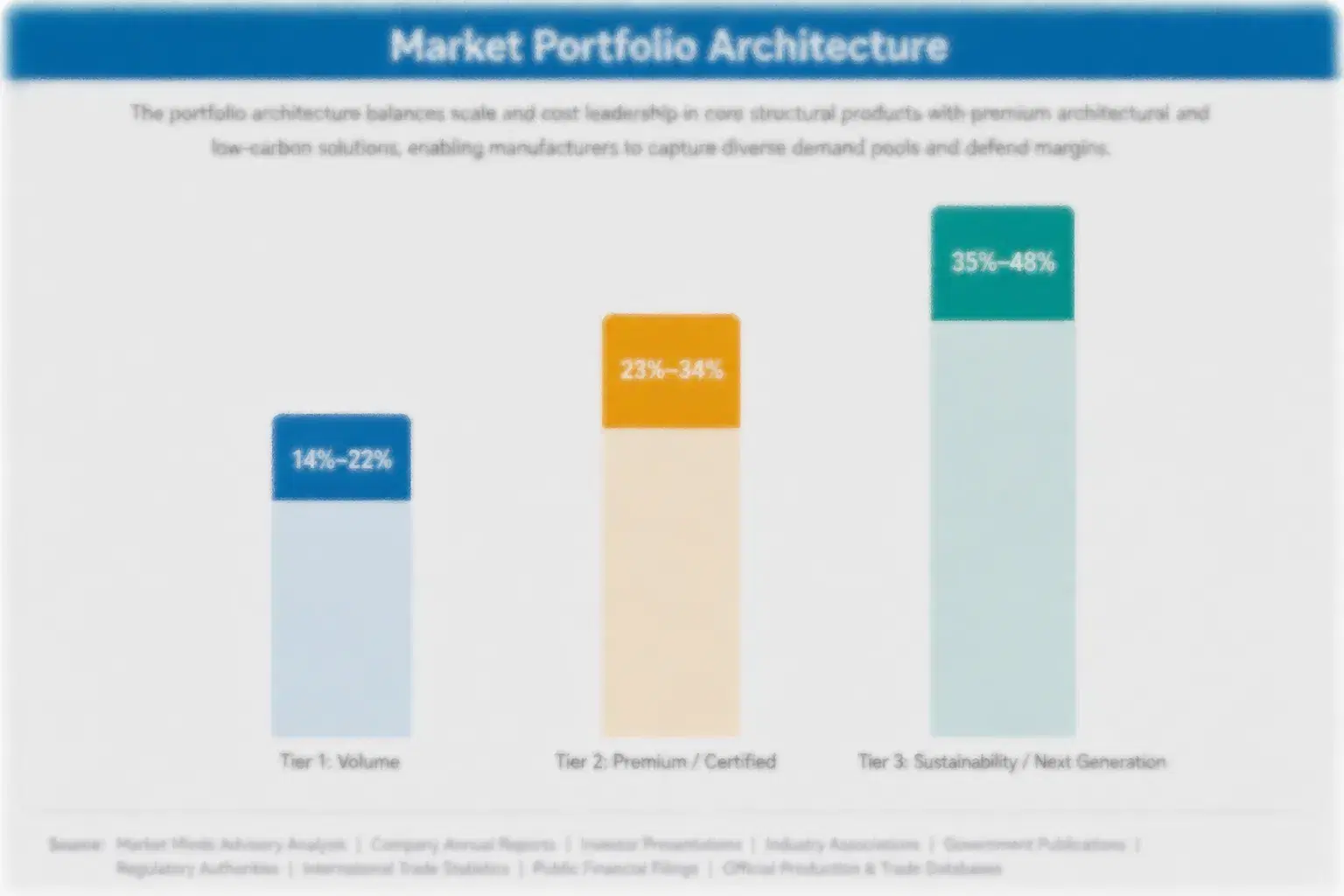
Suppliers operate a three-tier portfolio spanning standard mass-market-grade skim-milk-powder and whole-milk-powder formulations sold largely on price into mainstream manufacturing customers, certified premium-grade milk-protein-concentrate and casein formulations commanding premium pricing from major beverage and nutrition brands, and next-generation specialty functional platforms for the highest-margin premium-integration accounts. Gross margins vary across these tiers, from modest levels on standard-grade units to well above thirty percent on qualified specialty formulations, with the widest margins going to suppliers offering genuine differentiation.
The volume versus premium tension is intensifying as more suppliers chase specialty and milk-protein-concentrate margins, but standard mass-market-grade skim-milk-powder and whole-milk-powder formulations still represent meaningful contracted volume across the category's large mainstream manufacturing customer base and remains necessary for covering fixed operational overhead costs. Suppliers that abandon standard volume too quickly risk underutilizing capacity built for broad commercial scale across smaller regional accounts internationally.

High-value margin pools concentrate specifically in specialty products sold to clinical-nutrition buyers and in milk-protein-concentrate platforms sold to sports-nutrition manufacturers facing expanding clinical-documentation requirements. Standard mass-market-grade skim-milk-powder and whole-milk-powder formulations remain the volume anchor but carry thinner margins as competition intensifies among established majors and emerging specialized reformulation suppliers.

Volume / Commodity-Adjacent Tier

Standard mass-market-grade skim-milk-powder and whole-milk-powder formulations sold primarily on price into mainstream manufacturing customers, representing meaningful contracted volume but the thinnest margins across the entire supplier portfolio, with competition remaining intense across most regional distribution channels internationally.
Gross Margin: 9-15%

Premium / Certified Tier

Certified premium-grade milk-protein-concentrate and casein formulations sold into major beverage and nutrition brands, commanding premium pricing through documented clinical and sourcing requirements requiring extended validation cycles internationally today, a window that continues expanding as demand grows steadily.
Gross Margin: 17-23%

Sustainability / Regulatory / Next-Generation Tier

Next-generation specialty functional platforms positioned for premium-integration manufacturing accounts paying the category's highest per-unit prices for verified clinical performance and shelf-life compliance. Demand keeps expanding as clinical-documentation adoption accelerates further internationally across allied programs industrywide today.
Gross Margin: 24-30%
milk-ingredients-market-portfolio-architecture-1789831446199

High-value Sub-segments and Strategic Watch-out

Specialty and Functional Ingredient Formats

Specialty functional milk-ingredient formats are capturing the highest margins in the category as clinical-documentation requirements expand steadily, and established suppliers are defending this premium positioning through accumulated fractionation expertise competitors cannot easily replicate quickly internationally, a lead likely to persist for several more years given accumulated relationships.
Gross Margin: 23-29%

Certified Milk Protein Casein Formats

Milk-protein-concentrate and casein premium formulations are gaining share as manufacturer adoption expands, though qualification credibility remains concentrated among a small number of established suppliers with years of accumulated trust, leaving room for capable challengers as more programs launch across the category internationally, with momentum favoring early movers here.
Gross Margin: 16-22%

Standard Milk Powder Products

Standard mass-market-grade skim-milk-powder and whole-milk-powder formulations sold into mainstream manufacturing customers remains the category's volume core, anchored by established relationships but facing steady margin pressure from component cost volatility across most operating regions and facilities. National competition continues intensifying today, with several new entrants emerging steadily.
Gross Margin: 8-14%

Legacy Uncertified Bulk Products

Unverified legacy uncertified bulk products sold without documented clinical-traceability standing face rising buyer scrutiny amid growing quality transparency concerns, a segment reputable suppliers should actively avoid entirely as standards tighten across most allied programs. This risk keeps growing steadily each year overall as certification rules tighten further industrywide.
Gross Margin: 2-6%

Manufacturing Cycles Meet Dairy Commitments

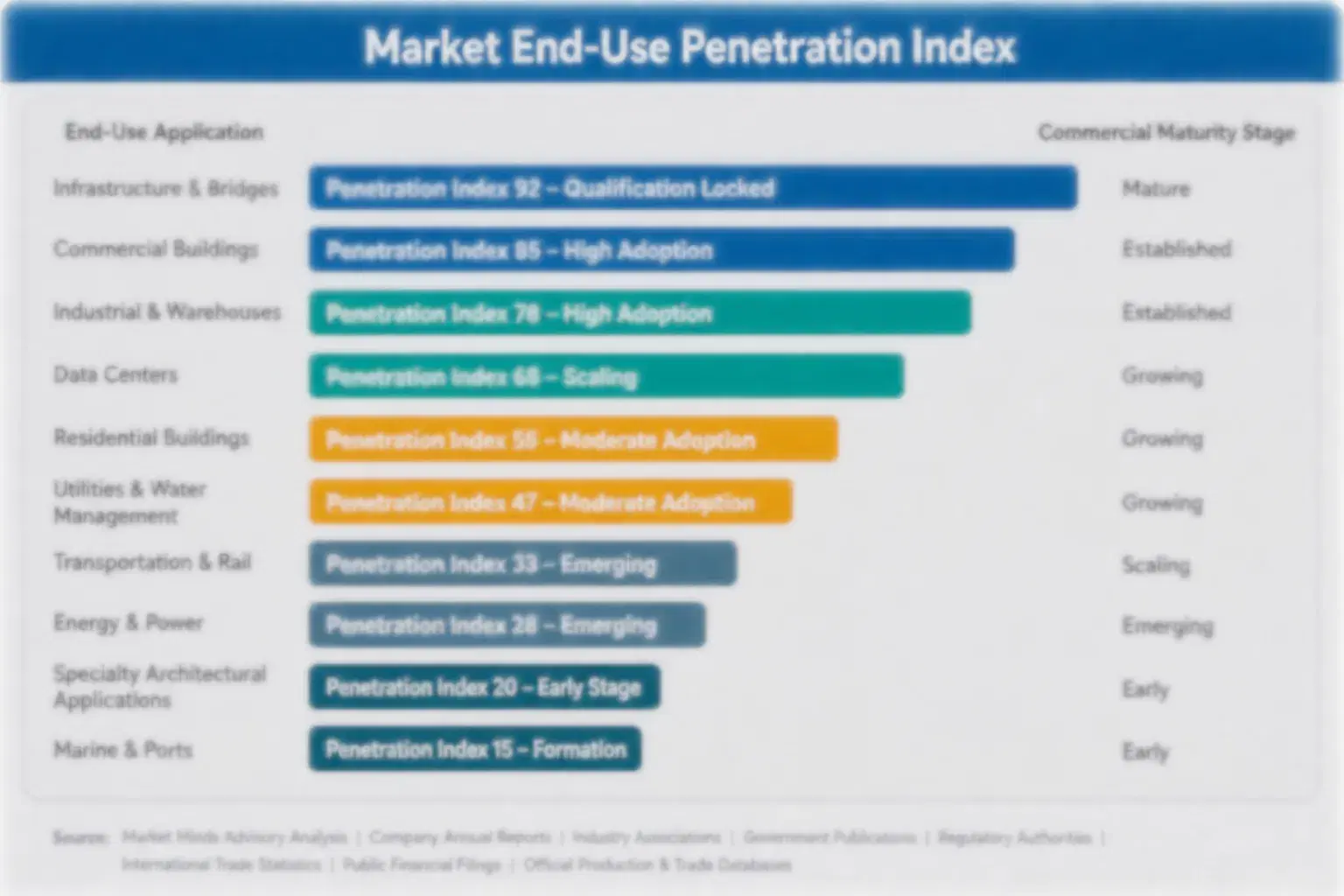
Milk-ingredient demand behaves like a contract-locked relationship rather than a recurring commodity purchase, because large functional-nutrition and clinical manufacturing accounts typically standardize on a specific qualified supplier across an entire multi-year sourcing-portfolio cycle rather than switching suppliers opportunistically between purchases. That structure gives incumbent suppliers durable, multi-year revenue visibility once a formulation-partner win is secured, though it also means losing an initial qualification decision locks a competitor out of that manufacturer's full commitment for years, a visibility that makes this category attractive to suppliers seeking predictable revenue.
Adoption depth varies sharply by end-use vertical. Large functional-nutrition and clinical manufacturing institutions adopt new suppliers relatively cautiously given extended contract qualification and clinical-traceability requirements, while smaller regional processors move considerably faster, switching suppliers whenever price or availability considerations favor doing so without meaningful procurement burden or committee-level approval processes.

Generational buyer shifts are visible mainly among newer digitally native procurement officers building sourcing performance and clinical-traceability data directly into their purchasing specifications, while legacy mass-market buyers remain anchored to established suppliers they have used successfully across previous product generations spanning years of reliable performance and consistent supply internationally.
milk-ingredients-market-end-use-penetration-index-1789831446385

Where Milk Ingredient Value Concentrates

These are among the four positions where our research anticipates prominent divergence between winners and laggards over the coming forecast period. Each is grounded in the demand model, the regulatory perimeter, and the announced capacity pipeline.
01 / CLINICAL TRACEABILITY STANDING

Build certified capacity ahead of manufacturer demand

Manufacturing buyers continue seeking documented certified suppliers with genuine clinical-traceability capability across their largest premium-focused programs today across the industry overall internationally. Fonterra has already demonstrated meaningful commercial traction with its expanded certified portfolio, confirming genuine buyer demand for this specialized capability across allied programs and across several adjacent categories across the market. MMA recommends suppliers without comparable certification capacity invest in it now, before premium demand consolidates around already-established certification leaders across additional product categories and distribution channels globally.
02 / BIOACTIVE FRACTION TESTING

Build testing systems ahead of manufacturer growth

Manufacturing buyers increasingly demand faster, fully validated bioactive qualification pathways from suppliers facing extended internal clinical cycles across most major premium-focused markets internationally today. Arla has already demonstrated meaningful commercial traction through its expanded testing program, confirming genuine buyer demand for this qualification speed advantage across allied programs. MMA recommends suppliers without comparable clinical infrastructure invest in it now, before established competitors further consolidate relationships tied to qualification speed, since buyers rarely revisit an established supplier relationship once proven reliable across successive product generations.
03 / MANUFACTURER TECHNICAL SUPPORT

Build support programs ahead of distribution growth

Beverage and nutrition brands continue expanding support infrastructure requiring documented sensory-panel and reformulation guidance across an increasing number of simultaneous deployment programs today. Early movers in manufacturer technical support are positioned to define the standard other competitors will eventually need to match across comparable accounts and allied programs. MMA recommends suppliers without comparable support infrastructure invest in it now, while this advantage remains commercially underdeveloped across much of the fragmented supplier base, a window that will likely close within the next several years.
04 / MULTI SOURCE DIVERSIFICATION

Diversify component sourcing ahead of volatility risk

Base dairy-feedstock cost volatility risk continues rising as global dairy-commodity output constraints tighten across major production markets, limiting how quickly suppliers can add new production capacity across allied premium-focused programs internationally. Lactalis has already demonstrated meaningful commercial traction through its expanded diversification investment, confirming genuine customer demand for supply flexibility and reduced single-source risk. MMA recommends suppliers without comparable diversification invest in it now, before established competitors further consolidate this fast-growing multi-source advantage, a window steadily narrowing with each passing quarter.

Engagement Snapshot From the Field

A live engagement with an industry participant carrying material or product regulatory and market exposure ahead of a defining policy shift, showing how our research translates into a defensible multi-year portfolio strategy.
MARKET MINDS ADVISORY · CLIENT ENGAGEMENT SUMMARY
Milk Ingredients Producer Strategic Portfolio Review and Transition Roadmap 2026·Investment Scenario on Milk Ingredients Exposure Evaluation 2025-26
CLIENT PROFILE
The client is a mid-sized regional European functional beverage manufacturer generating an estimated eleven million dollars in annual milk-ingredient procurement spending (client-reported, unverified by MMA), managing multiple premium-focused product-integration programs requiring consistent certified supplier supply across a large multi-market distribution portfolio. The client faced a decision about whether to qualify a second certified supplier to reduce single-source dependency risk going forward.
STRATEGIC CHALLENGE
Growing clinical-documentation performance requirements were creating supply concentration risk with the client's existing single certified milk-ingredient supplier, while competing regional manufacturers had already qualified multiple suppliers and were reporting improved customer-satisfaction outcomes, creating pressure on the client's own sourcing strategy and raising internal questions about its existing single-source procurement model going forward.
MMA APPROACH
MMA conducted a structured evaluation of certified milk-ingredient supplier options, benchmarking documented clinical-traceability data, available formulation capacity, and total qualification cost against the client's existing single-source model and market-portfolio timeline requirements. The evaluation incorporated direct component audits of candidate suppliers' bioactive-fraction testing and certification operations across their core manufacturing sites.
KEY FINDINGS
  1. The client's existing single-source supply model carried meaningfully higher deployment disruption risk exposure than a qualified dual-source alternative, based on independent supply chain risk benchmarking.
  2. Projected qualification costs favored pursuing a second supplier across the majority of the client's active clinical-certification programs based on documented volume growth data.
  3. Two of three evaluated suppliers offered sufficient formulation capacity and documented clinical-traceability standing to support the client's market-portfolio timeline requirements without meaningful delay.
  4. The client's dual-source qualification program reportedly reduced return-rate escalation incidents by roughly five percent within the first eighteen months (client-reported, unverified by MMA).
CLIENT PROFILE
The client is a mid-sized regional European functional beverage manufacturer generating an estimated eleven million dollars in annual milk-ingredient procurement spending (client-reported, unverified by MMA), managing multiple premium-focused product-integration programs requiring consistent certified supplier supply across a large multi-market distribution portfolio. The client faced a decision about whether to qualify a second certified supplier to reduce single-source dependency risk going forward.
STRATEGIC CHALLENGE
Growing clinical-documentation performance requirements were creating supply concentration risk with the client's existing single certified milk-ingredient supplier, while competing regional manufacturers had already qualified multiple suppliers and were reporting improved customer-satisfaction outcomes, creating pressure on the client's own sourcing strategy and raising internal questions about its existing single-source procurement model going forward.
MMA APPROACH
MMA conducted a structured evaluation of certified milk-ingredient supplier options, benchmarking documented clinical-traceability data, available formulation capacity, and total qualification cost against the client's existing single-source model and market-portfolio timeline requirements. The evaluation incorporated direct component audits of candidate suppliers' bioactive-fraction testing and certification operations across their core manufacturing sites.
KEY FINDINGS
  1. The client's existing single-source supply model carried meaningfully higher deployment disruption risk exposure than a qualified dual-source alternative, based on independent supply chain risk benchmarking.
  2. Projected qualification costs favored pursuing a second supplier across the majority of the client's active clinical-certification programs based on documented volume growth data.
  3. Two of three evaluated suppliers offered sufficient formulation capacity and documented clinical-traceability standing to support the client's market-portfolio timeline requirements without meaningful delay.
  4. The client's dual-source qualification program reportedly reduced return-rate escalation incidents by roughly five percent within the first eighteen months (client-reported, unverified by MMA).
RECOMMENDED STRATEGY
Phase 1: Phase 1 (Weeks 1 to 6): Benchmark certified suppliers against documented clinical testing, formulation capacity, and total qualification cost across candidates. Phase 2: Phase 2 (Weeks 7 to 14): Validate projected quality impact against the client's specific active market-portfolio deployment plan in full detail. Phase 3: Phase 3 (Weeks 15 to 26): Finalize supplier selection, complete qualification testing, and begin the phased dual-source transition process across all markets.
OUTCOME
The client successfully qualified a second certified milk-ingredient supplier and reduced return-rate escalation incidents by roughly five percent within the first eighteen months of the program (client-reported, unverified by MMA). The qualification also strengthened the client's negotiating position with its original supplier on contract terms going forward.

Frequently Asked Questions

Foundational context covering the market sizes, CAGR, scope, country, region and competition that inform every finding below. This section is provided to cover basics and most often pre-purchase conversations, answered from the MMA Primary Research Dataset.

What is the current size of the Milk Ingredients Market?

The milk ingredients market is valued at approximately $48.5 billion in 2025, driven by steady manufacturing demand alongside accelerating specialty growth across premium formulation channels.

How large will the Milk Ingredients Market be by 2036?

MMA projects the market will reach approximately $91.11 billion by 2036, roughly 1.77 times its 2026 base value. Specialty and milk-protein-concentrate formats will account for a growing share of that expansion.

What is the CAGR for the Milk Ingredients Market 2026 to 2036?

The market is expected to grow at a compound annual growth rate of 5.9% between 2026 and 2036. Bull and bear scenarios range from 4.7% to 7.1% depending on clinical commercialization pace.

Which segment is growing fastest?

Specialty/Functional Milk-Derived Ingredients is the fastest-growing segment, expanding at roughly 9.5% annually, about 1.61 times the overall market rate. Clinical-documentation-driven premiumization demand is the primary driver.

Who are the major companies in the Milk Ingredients Market?

Fonterra, Arla, Lactalis, FrieslandCampina, and Glanbia lead measured shipment volume, together holding just under two-fifths of the fragmented global market overall today across the industry.

Which country is growing fastest?

India is growing fastest, driven by its rapidly expanding dairy-processing and functional-nutrition sector, with continued distribution investment reinforcing this growth over the coming decade. Australia and Singapore follow as secondary growth contributors within their region.

Report Segmentation Architecture

The full report scope spans multiple orthogonal segmentation dimensions, with cross-tabulated demand data provided for each dimension pair. Coverage extends further to regional breakdowns, trend trajectories, and the competitive detail needed to support segment-level decision-making.

By Ingredient Type

  • Skim Milk Powder
  • Whole Milk Powder
  • Milk Protein Concentrates and Isolates
  • Casein and Caseinates
  • Specialty/Functional Milk-Derived Ingredients

By End-Use Industry

  • Functional Beverage Manufacturers
  • Sports and Clinical Nutrition Manufacturers
  • Infant Formula Manufacturers
  • Bakery and Confectionery Manufacturers

By Commercial Dimension

  • Direct Manufacturer Contract Channels
  • Distributor and Wholesale Partnerships
  • Private Label Formulation Channels
  • Certification and Authenticity Contract Channels

By Region

  • North America
  • Western Europe
  • East Asia
  • South Asia and Pacific
  • Latin America
  • Middle East and Africa
  • Eastern Europe

Scope, Methodology, and Coverage

Every figure in this report is reproducible from documented input assumptions. The scope below maps the historical period, the forecast horizon, the segmentation dimensions, and the countries covered, alongside the underlying primary and qualitative methodology.
Historical Period
2020 to 2025
Forecast Period
2026 to 2036
Base Year
2025 (USD billions; MMA Primary Research Dataset, September 2026)
Market Definition
The milk ingredients market covers skim milk powder, whole milk powder, milk protein concentrates, casein, and specialty functional milk-derived fractions sold to functional-beverage, sports-nutrition, infant-formula, and food manufacturers globally. It excludes finished dairy and beverage products, and excludes non-milk plant-based functional ingredients such as pea or soy protein.
Quantitative Units
USD billions (current prices); metric-ton-equivalent volumes of milk ingredients sold annually where applicable
Segmentation Dimensions
By Ingredient Type; By End-Use Industry; By Commercial Dimension; By Region
Regions Covered
North America, Western Europe, East Asia, South Asia and Pacific, Latin America, Middle East and Africa, Eastern Europe
Countries Covered
France, Netherlands, Ireland, Germany, United States, Canada, Mexico, China, Japan, South Korea, India, Australia, Singapore, New Zealand, Brazil, Argentina, South Africa, United Arab Emirates, Saudi Arabia, Poland, Hungary, Romania, and additional markets relevant to this sector for comparison purposes
Key Companies Profiled
Fonterra Co-operative Group Limited, Arla Foods amba, Groupe Lactalis, Royal FrieslandCampina NV, Glanbia plc, Nestle SA, Danone SA, Kerry Group plc, Saputo Inc, Land O'Lakes Inc, Dairy Farmers of America Inc, Agropur Cooperative, Yili Group, Meiji Holdings Co Ltd, Bega Cheese Limited, Westland Milk Products, Synlait Milk Limited, DMK Group, Sodiaal Union, Idaho Milk Products
Quantitative Methodology
Primary survey, n=3,800 respondents, Q4 2025, six countries; demand-side model with trade association cross-validation
Qualitative Methodology
47 expert interviews, Q4 2025; applied to validate demand model assumptions, identify emerging dynamics, and assess competitive positioning
Report Format
PDF and XLSX data workbook (Word format preview document)
Publisher
Market Minds Advisory
Report Code
MMA-2026-AGR-104
Published
September 2026
Contact
sales@marketmindsadvisory.com | www.marketmindsadvisory.com

Purchase the full Milk Ingredients Market Report (2026 to 2036).

This report delivers a complete assessment of the milk ingredients market across all major ingredient types, industries, and geographic regions through 2036, with a focused lens on the fastest-growing specialty segment. It includes competitive profiling of twenty companies and segmentation distinguishing milk-powder, milk-protein-concentrate, casein, and specialty categories. Regional demand modeling spans all seven MMA-covered geographies with quantified regional benchmarks. Buyers will find quantified forecasts for market size, segment growth, and regional CAGR alongside analysis of clinical-documentation constraints, cost volatility, and functional-nutrition dynamics affecting manufacturer buyer decisions internationally.
Twenty-company competitive profiling with moat and risk analysis
Seven-region demand model with quantified regional benchmarks
Ingredient type segmentation across six MECE categories
Quantified revenue lever framework for margin capture strategies
Base dairy feedstock cost exposure analysis
Case study on European beverage manufacturer supplier qualification

Built For The People Who Decide

From boardroom strategy to bench-side execution, this report is read cover-to-cover by leaders shaping the next decade of their industry, turning demand scenarios, market dynamics and valuation benchmarks into decisions.
CXOs/ Presidents/ VPs/ Managers
M&A and Corporate Development
Strategy Teams and R&D Heads
Procurement and Product Directors
Regulatory and Compliance Leaders
Investor Relations and Equity Analysts