Market Minds Advisory
Microbiome Fiber Supplement Market

Microbiome Fiber Supplement Market: Microbiome Fiber Supplement Market. Fibre Intake Gaps, Tolerance Limits, and Targeted Prebiotic Formulas Shape Brand Returns.

Microbiome fibre supplements turn on American fibre intake gaps, digestive tolerance limits, chicory and guar crop swings, narrow European claims, GLP-1 drug user demand, and brands moving from psyllium powders toward targeted prebiotic fibres and

Lead Analyst

Published

September 2026

Make Smarter Decisions with Customized Research Insights

Request a free sample report and evaluate market opportunities, growth trends, and competitive dynamics relevant to your business needs.

2025 MARKET VALUE$6.0BMarket Size 2025
2036 FORECAST VALUE$12.6BBase Case , 2026 to 2036
CAGR 2026 TO 20367.0 %Bull 8.2% / Bear 5.8%
INCREMENTAL OPPORTUNITY$6.2BNet 10- year value creation
EXPANSION MULTIPLE1.97x2036 value over 2026 base
Strategic Levers
M&A Pipeline
Regional Outlook
Country Rankings
Competitive Intelligence
Segmental Deep-dive
Call-Us : 91 93563 13602

Executive Snapshot and Market Trajectory.

Microbiome fibre supplements supply psyllium, inulin, oligosaccharides, partially hydrolysed guar gum, resistant starch and other fibres that feed gut bacteria, sold as powders, capsules, gummies and drinks. Value depends on fibre intake gaps, digestive tolerance, ingredient supply and how well brands prove microbiome benefits each season.
Targeted Microbiome Fibres grows fastest as buyers seek specific fibres such as partially hydrolysed guar gum, xylo-oligosaccharides and resistant starch that promise gentler and more selective gut benefits, while psyllium and bulking fibres still carry the volume. North America holds the largest share because American fibre gaps and gummy adoption are large, and East Asia follows on Japanese fibre heritage. Buyers review suppliers every season.
Competition is concentrated at ingredient level and fragmented at brand level: an American consumer goods group, a British consumer health company, a German ingredient supplier, a Japanese fibre producer and a Swiss-owned nutrition group lead, measured here on estimated fibre supplement sales volume, while hundreds of brands fill the gaps. Buyers judge tolerance, evidence and price, and ingredient access shapes margin more than brand does. Supply contracts decide renewal. Delivery reliability decides supplier rankings too.
Market Definition
The market covers global sales of dietary fibre and prebiotic fibre supplements valued at brand level, including psyllium and traditional bulking fibres, inulin, FOS and GOS prebiotic fibres, targeted microbiome fibres such as PHGG, XOS and resistant starch, fibre gummies, chews and ready-to-drink formats, and human milk oligosaccharide and next-generation prebiotics, sold through retail, pharmacy, online and practitioner channels. The scope excludes fibre-fortified foods, laxative drugs and bulk ingredient sales.
Base Year Value
$6.0B in 2025 (MMA Primary Research Dataset, September 2026)
Forecast Period
2026 to 2036, eleven discrete annual values
CAGR
7.0% base case. Bull 8.2%. Bear 5.8%.
Fastest Growth Segment
Targeted Microbiome Fibres: 9.8% CAGR
Fastest Growth Country
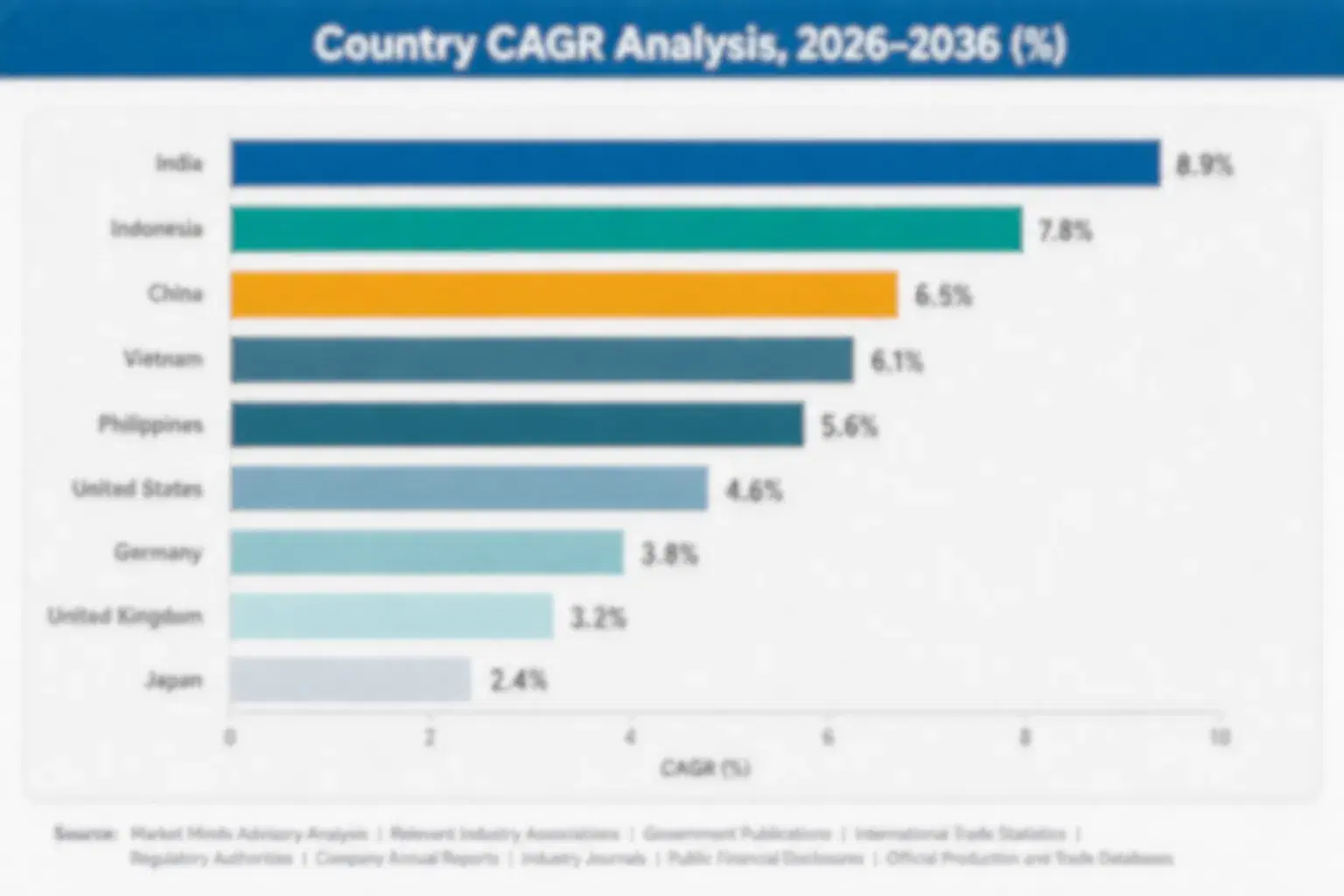
India: 10.0% CAGR
Fastest Growth Region
South Asia and Pacific: 9.0% CAGR
Largest Region
North America: 34% of 2025 global value
Market Leaders
Procter & Gamble, Haleon, Beneo, Matsutani Chemical, Nestlé Health Science. Source: MMA Analysis, company annual reports.
Primary Survey
n=3,800 procurement and R&D decision-makers, Q4 2025, six countries
Methodology
Demand-side build-up, cross-validated against public data, 47 expert interviews

Microbiome Fiber Supplement Market Forecast Scenarios

microbiome-fiber-supplement-market-size-forecast-scenario-1789939861892
Between 2020 and 2025, fibre supplement value grew as gut health interest surged, gummies moved into mass retail and online sales expanded. Chicory root prices swung, digestive tolerance complaints held back some brands, and targeted fibres and gummies gained share while psyllium powders held steady with habitual buyers. Margins follow process discipline. Test records protect future sales. Cost control separates leaders from followers.
The base case rests on three commercial mechanisms. First, fibre intake gaps and microbiome awareness keep pulling new buyers into the category. Second, brands widen targeted fibre, gummy and drink formats for tolerance and convenience. Third, clinical evidence and clear dosing keep pharmacy buyers loyal to credible brands. Brands plan fibre contracts, tolerance testing and clinical studies around these three drivers. Clear specifications build buyer trust. Small brands feel every price swing.
The bull case needs stronger microbiome evidence and faster adoption among GLP-1 users, which would lift volume and ease margins. The bear case is a chicory price spike combined with tolerance complaints, which would squeeze margins and slow retailer listings. Scale compounds over time. Audits repeat every year. Buyers review suppliers every season. Supply contracts decide renewal.

Fibre Gaps, Tolerance Limits, and Targeted Formulas Set Microbiome Fibre Outcomes

Producers extract fibres from psyllium husk, chicory root, guar, corn and other crops and make oligosaccharides by enzymes, then brands blend them into powders, capsules, gummies and drinks. Fibre ingredients take 15% to 28% of finished cost, Americans eat about 15 grams of fibre a day against a daily value of 28 grams, and gummies take about 21% of sales. Tolerance, evidence and format therefore set returns.
MARKET CONCENTRATION30% CR5Top five brands hold a moderate combined share
INGREDIENT COST SHARE15-28%Portion of finished cost taken by fibres and functional actives
TOP CONSUMING COUNTRYUnited States 33%Largest national source of fibre supplement sales value
DAILY FIBRE GAP13 gramsTypical shortfall between American intake and recommended fibre level
GUMMY FORMAT SHARE21%Portion of sales sold as gummies and chewable formats
ONLINE SALES SHARE36%Portion of supplement sales made through online and direct channels
Tolerance, dose, taste, evidence and price decide value. Pharmacists judge evidence and tolerability, retailers audit claims and testing, shoppers judge bloating and regularity, and regulators check bowel function claims. Procter & Gamble wins on Metamucil brand reach, Haleon wins on Benefiber convenience, and Beneo wins on prebiotic science. Gas complaints move buyers quickly. Delivery reliability decides supplier rankings. Margins follow process discipline.
Buyers judge fibre supplements on tolerance, results, taste, price and convenience. Older buyers want regularity and clear advice, younger buyers want gut health and gummies, GLP-1 users want gentle fibre, and pharmacists want evidence. Price sensitivity is moderate. Reviews and audits decide shortlists, and most programmes need several months of negotiation before first orders. Test records protect future sales. Cost control separates leaders from followers.
"Everyone needs more fibre and almost everyone stops taking it because it makes them gassy. The brands that pick the right fibre, ramp the dose gently and prove what it does for the gut will keep a customer for years, while the rest will keep selling sacks of psyllium."
Senior Analyst, Nutraceuticals and Digestive Health Practice · MMA Microbiome Fiber Supplement Practice · September 2026

Market Trends

Targeted Fibres for Microbiome Health Lead Premium Innovation

Buyers and clinicians look for fibres that are gentler and more selective than psyllium, such as partially hydrolysed guar gum, xylo-oligosaccharides, acacia and resistant starch, and brands use clinical data and microbiome testing to support premium pricing. Targeted Microbiome Fibres grows about 9.8% a year, and gross margins run 45% to 62% against 32% to 44% for psyllium and bulking fibres. The trend needs evidence, formulation skill and supply access. Clear specifications build buyer trust. Small brands feel every price swing. Scale compounds over time. Audits repeat every year. Buyers review suppliers every season.
Market Impact: Americans eat about 15 grams daily

Fibre Gummies, Chews, and Drinks Replace Powders for Everyday Use

Consumers who dislike gritty powders choose fibre gummies, chews and ready-to-drink products that fit daily routines, and brands use soluble fibres and pectin systems to deliver doses in small servings. Fibre Gummies, Chews and Ready-to-Drink grows about 8.4% a year. The trend needs formulation skill, dose delivery and taste, and it rewards brands that solve the low fibre content per gummy problem with multi-piece servings. Supply contracts decide renewal. Delivery reliability decides supplier rankings. Margins follow process discipline. Test records protect future sales. Cost control separates leaders from followers. Clear specifications build buyer trust.
Market Impact: fibre daily value is 28 grams

Market Opportunities and Growth Drivers

Fibre Intake Gaps Anchor Demand for Supplemental Fibre

Most adults eat far less fibre than recommended, and health guidance links fibre with heart, gut and metabolic health, so supplements fill a large and visible gap. Americans eat about 15 grams daily against a recommended level near 28 grams. The driver sustains firm demand and rewards brands with clear regularity benefits, easy formats, wide retail distribution and pharmacist recommendation that repeats across seasons and age groups. Small brands feel every price swing. Scale compounds over time. Audits repeat every year. Buyers review suppliers every season. Supply contracts decide renewal. Delivery reliability decides supplier rankings.
Market Impact: many users quit within 3 months

Microbiome Science and GLP-1 Users Widen Prebiotic Fibre Demand

Microbiome research made prebiotic fibres a mainstream topic, and people using GLP-1 drugs often report constipation and eat less fibre-rich food, so clinicians and dietitians recommend fibre supplements. The fibre daily value is 28 grams. The driver supports demand for gentle, targeted fibres and rewards brands with clinical framing, tolerance data and partnerships with dietitians and telehealth platforms. Margins follow process discipline. Test records protect future sales. Cost control separates leaders from followers. Clear specifications build buyer trust. Small brands feel every price swing. Scale compounds over time. Audits repeat every year.
Market Impact: chicory root prices swung 25%

Market Restraints and Challenges

Digestive Tolerance Problems and Gas Limit Fibre Dose and Retention

Fermentable fibres produce gas and bloating, especially when doses rise quickly, and users often stop before benefits appear. The root cause is bacterial fermentation and individual sensitivity. Brands respond with titration guides and gentler fibres, though many users quit within 3 months and negative reviews hurt online brands that rely on subscriptions and repeat orders. Buyers review suppliers every season. Supply contracts decide renewal. Delivery reliability decides supplier rankings. Margins follow process discipline. Test records protect future sales. Cost control separates leaders from followers. Clear specifications build buyer trust. Small brands feel every price swing.
Market Impact: targeted fibre segment grows 9.8% yearly

Chicory Harvest Swings and Sweetener Costs Compress Fibre Margins

Inulin and FOS depend on chicory harvests in Belgium, the Netherlands and France, and gummy bases add sweetener and pectin costs. The root cause is concentrated crop supply and weather. Brands respond with contracts and blends, though chicory root prices swung about 25% and ingredient cost rises squeeze margins on fibre gummies and powders sold at retailer prices. Scale compounds over time. Audits repeat every year. Buyers review suppliers every season. Supply contracts decide renewal. Delivery reliability decides supplier rankings. Margins follow process discipline. Test records protect future sales. Cost control separates leaders from followers.
Market Impact: convenience segment grows 8.4% yearly
3 additional market trends, 2 additional growth drivers, and 4 additional restraints and challenges are covered in the full report. Contact sales@marketmindsadvisory.com to access the complete intelligence.

Segment CAGR and Growth Architecture

The global microbiome fibre supplement market is segmented by fibre type and format, which shows where tolerance, evidence and convenience create pricing power in a moderately concentrated market. Five segments cover psyllium and bulking fibres, inulin, FOS and GOS prebiotics, targeted microbiome fibres, gummies, chews and drinks, and human milk oligosaccharides and next-generation prebiotics.
microbiome-fiber-supplement-market-market-share-analysis-1789939862067

Targeted Microbiome Fibres

Targeted Microbiome Fibres is the fastest-growing segment at 9.8% a year, about 1.40 times the overall market rate, from a small base. Buyers and clinicians pay for gentler, more selective fibres such as PHGG, XOS and resistant starch, so gross margins of 45% to 62% against 32% to 44% for psyllium support formulation and clinical spend. Evidence and supply access are the main constraints. Brands with proven fibres win. Clear specifications build buyer trust. Small brands feel every price swing. Scale compounds over time. Audits repeat every year. Buyers review suppliers every season. Supply contracts decide renewal. Delivery reliability decides supplier rankings. Margins follow process discipline. Test records protect future sales. Cost control separates leaders from followers.
CAGR 9.8%

Fibre Gummies, Chews and Ready-to-Drink Formats

Fibre Gummies, Chews and Ready-to-Drink Formats grows at 8.4% a year, about 1.20 times the overall market rate, because consumers who dislike gritty powders pay for tasty, portable formats, and brands accept gross margins of 50% to 66% for convenient delivery. Dose delivery and taste shape entry. Brands with multi-piece servings and strong retail partnerships hold price better than powder sellers. Clear specifications build buyer trust. Small brands feel every price swing. Scale compounds over time. Audits repeat every year. Buyers review suppliers every season. Supply contracts decide renewal. Delivery reliability decides supplier rankings. Margins follow process discipline. Test records protect future sales. Cost control separates leaders from followers. Clear specifications build buyer trust.
CAGR 8.4%
Full segment breakdown across 5 segments available in the complete report.

Regional Architecture and Country Demand Map

North America leads at 34% because American fibre gaps, gummy adoption and GLP-1 demand are large, with East Asia at 26% on Japanese fibre heritage. South Asia and Pacific grows fastest as Indian psyllium brands and online gut health sales expand. Small brands feel every price swing.

North America

North America holds 34% share, above its 22% to 32% band, because the United States has the largest fibre supplement spending, with Procter & Gamble's Metamucil, Haleon's Benefiber, Nestlé and store brands on retail shelves, most adults fall short of recommended fibre, and GLP-1 drug users add new demand, which justifies the out-of-band share. Growth runs slightly below the global rate. Tolerance complaints, private label and price competition restrain margins. Scale compounds over time. Audits repeat every year. Buyers review suppliers every season. Supply contracts decide renewal. Delivery reliability decides supplier rankings. Margins follow process discipline. Test records protect future sales. Cost control separates leaders from followers. Clear specifications build buyer trust.
Share: 34% | CAGR: 6.8% (2026 to 2036)

East Asia

East Asia holds 26% share, inside its band, because Japan has long promoted fibre through Matsutani's indigestible dextrin and foods for specified health uses, Chinese consumers are adopting prebiotic fibre products through e-commerce, and Korean gut health brands add fibre blends. Growth runs above the global rate. Claims rules, local competition and cross-border e-commerce limits restrain margins, and sales depend on brands with drugstore and online reach. Small brands feel every price swing. Scale compounds over time. Audits repeat every year. Buyers review suppliers every season. Supply contracts decide renewal. Delivery reliability decides supplier rankings. Margins follow process discipline. Test records protect future sales. Cost control separates leaders from followers. Clear specifications build buyer trust.
Share: 26% | CAGR: 8.0% (2026 to 2036)
Regional intelligence for 5 additional markets available in the complete report: Western Europe, South Asia and Pacific, Latin America, Middle East and Africa, Eastern Europe. Contact sales@marketmindsadvisory.com.
microbiome-fiber-supplement-market-country-cagr-analysis-1789939862247

Four Margin Routes for Fibre Supplement Brands

Margin in microbiome fibre supplements comes from targeted fibres and gummies, better tolerance, secured chicory and guar supply and clinical evidence rather than plain psyllium volume. The routes below apply to brands, ingredient suppliers and contract manufacturers, and each can start inside one planning cycle, with clear measures in gross margin points, customer lifetime and qualified accounts.

Shifting Volume Into Targeted Microbiome Fibres and Fibre Gummies

Targeted fibres and gummies earn gross margins of 45% to 66% against 32% to 44% for psyllium and bulking fibre products, so brands that add targeted fibre formulation, clinical support and contract capacity to shift 10% of volume into these products report gross margin gains of three to five points on the mix. Conversion programmes cost $10 million to $38 million. Pilots with five retailers confirm demand. Supply contracts decide renewal. Delivery reliability decides supplier rankings. Margins follow process discipline. Test records protect future sales. Cost control separates leaders from followers. Clear specifications build buyer trust.
Market Impact: premium mix shift lifts gross margin by 3-5 points

Improving Tolerance Through Dose Titration and Blend Design

Fibre causes gas and bloating and many users quit within three months, so brands that invest in tolerance testing, titration guides and gentler fibre blends lift customer lifetime by 15% to 25% each year and improve reviews. Programmes cost $3 million to $12 million. Brands should target new users and ageing buyers first, where sensitivity is highest and where a good first month decides whether customers stay. Small brands feel every price swing. Scale compounds over time. Audits repeat every year. Buyers review suppliers every season. Supply contracts decide renewal. Delivery reliability decides supplier rankings.
Market Impact: tolerance design lifts customer lifetime by 15-25% annually

Securing Chicory and Guar Fibre Supply Through Contracts

Chicory root prices swung about 25% and guar crops follow weather, so brands that sign supply contracts, qualify second sources and hold inventory cover cut ingredient cost swings by 8% to 14% each year. Programmes cost $2 million to $9 million. Brands should start with Belgian, Dutch and Indian suppliers already supplying the largest volumes and with the cleanest quality records and stable delivery performance. Margins follow process discipline. Test records protect future sales. Cost control separates leaders from followers. Clear specifications build buyer trust. Small brands feel every price swing. Scale compounds over time.
Market Impact: supply contracts cut ingredient cost swings by 8-14% annually

Funding Microbiome Studies and Bowel Function Claims Substantiation

Evidence beyond bowel function is mixed and European regulators authorise narrow claims, so brands that invest in clinical studies, microbiome testing and claims reviews lift qualified accounts by 12% to 20% each year and defend premium prices. Programmes cost $4 million to $15 million. Brands should target pharmacy and practitioner channels first, where evidence decides recommendations and where buyers pay more for products with proof. Audits repeat every year. Buyers review suppliers every season. Supply contracts decide renewal. Delivery reliability decides supplier rankings. Margins follow process discipline. Test records protect future sales.
Market Impact: clinical studies lift qualified accounts by 12-20% annually

Who Controls the Margin Pool

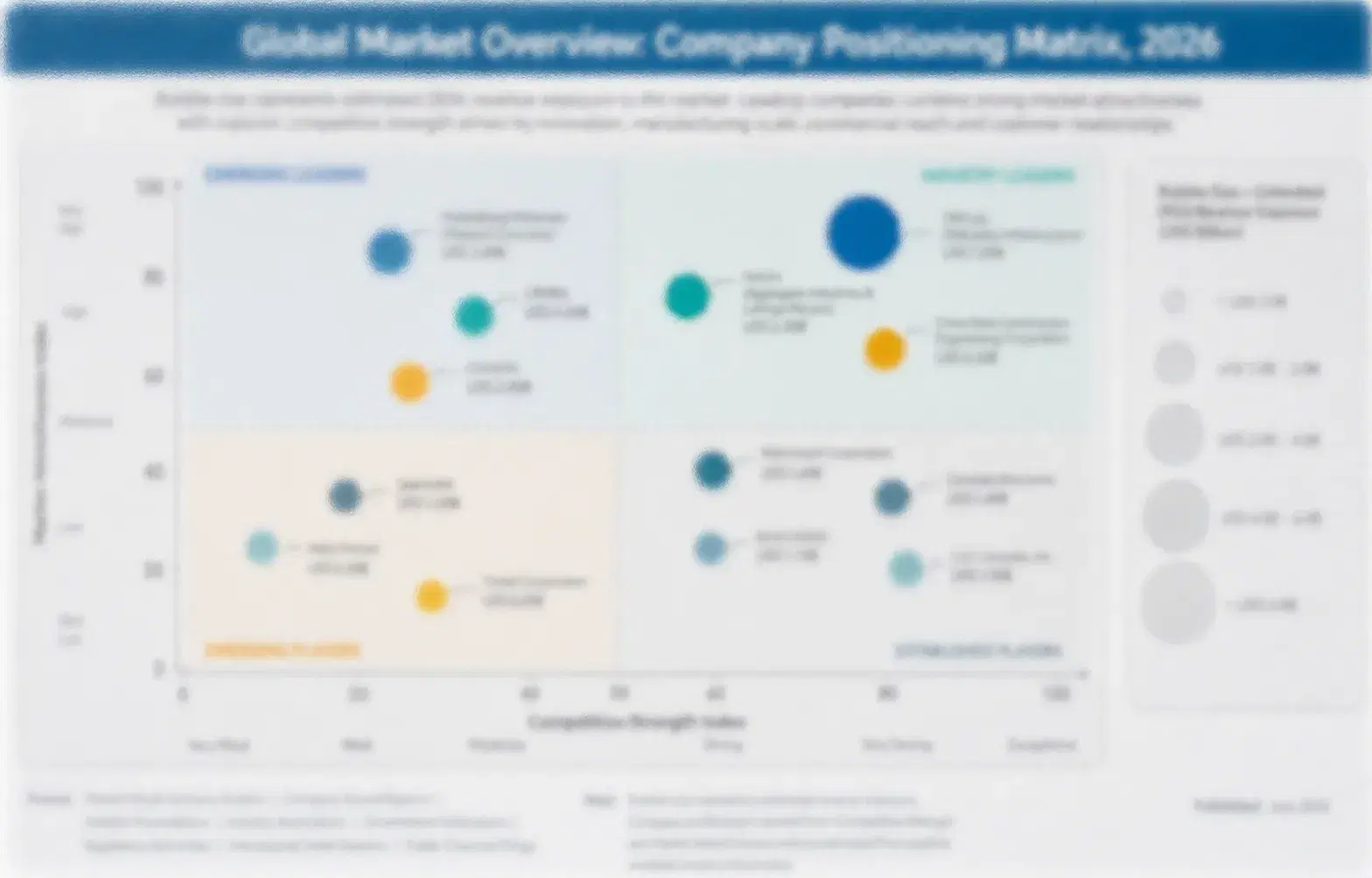
The global microbiome fibre supplement market is moderately concentrated, with a CR5 of 30%, and hundreds of pharmacy, retailer and online brands sit outside the leading five. This assessment measures participants on estimated fibre supplement sales volume, held constant across all players. Procter & Gamble leads through Metamucil reach, while Haleon, Beneo, Matsutani Chemical and Nestlé Health Science follow, with a modest gap between the leader and the challengers.
Competition runs on four dimensions today: fibre access and cost, tolerance and format innovation, clinical evidence and claims, and brand trust and retail reach. Consumer goods groups win on reach, ingredient suppliers win on science and supply, and Japanese producers win on heritage. Imitators copy psyllium powders quickly, so premiums outside targeted fibres, gummies and evidence-backed products erode within a season. Cost control separates leaders from followers.

Emerging pressure comes from online brands that launch targeted fibre gummies quickly, private label fibre at mass retailers, and telehealth channels that recommend fibre to GLP-1 users. Rankings shift where a brand wins a pharmacy programme, publishes convincing evidence or secures fibre supply through long contracts. Challengers can move up quickly when rivals face tolerance complaints or supply shocks.
microbiome-fiber-supplement-market-company-positioning-matrix-1789939862426

Competitive Moat and Risk Dimensions

PROCTER & GAMBLE

Moat: Metamucil Brand Reach

Procter & Gamble, an American consumer goods group, sells the Metamucil psyllium fibre range through retail, pharmacies and online channels, with decades of brand history, large marketing resources and strong retailer relationships. Its brand reach, category knowledge and retail distribution give it a market advantage, and its position supports stable listings and repeat purchase across older buyers and
PROCTER & GAMBLE

Risk: Psyllium Category Maturity

Procter & Gamble relies on psyllium, a mature category facing gummy and targeted fibre competition, so growth and margin can narrow. Brands with newer fibres and formats can win younger buyers. Clear specifications build buyer trust. Small brands feel every price swing. Scale compounds over time. Audits repeat every year.
BENEO

Moat: Prebiotic Ingredient Science

Beneo, a Belgian-German ingredient company within the SĂĽdzucker group, produces chicory inulin and oligofructose under the Orafti brand and supplies supplement, food and beverage customers with prebiotic fibres backed by clinical research. Its ingredient science, chicory sourcing and clinical evidence give it a market advantage, and its position supports premium pricing and long supply agreements with brand owners.
BENEO

Risk: Chicory Crop Exposure

Beneo depends on chicory harvests and European energy costs, so weather and price swings can cut margin. Suppliers with several fibre sources can hold price better. Buyers review suppliers every season. Supply contracts decide renewal. Delivery reliability decides supplier rankings. Margins follow process discipline. Test records protect future sales.

Players Tracked

Prominent Players

Procter & Gamble
Haleon
Beneo
Matsutani Chemical
Nestlé Health Science

Other Key Players

Reckitt
Cargill
Tate & Lyle
Ingredion
Cosucra
Sensus
Roquette
Fuji Oil
dsm-firmenich
Novonesis
Bayer Consumer Health
Metagenics
NOW Foods
Organic India
Church & Dwight

Recent Developments

JANUARY 2026

Procter & Gamble Extends Metamucil Range With Fibre Gummies and Targeted Prebiotic Products

Procter & Gamble extended its Metamucil range with fibre gummies and targeted prebiotic products, according to company communications. It is a range extension, not an acquisition, and it tests convenience demand. Sales terms were not disclosed. Cost control separates leaders from followers. Clear specifications build buyer trust.
Signal: Suggests legacy psyllium brands are moving into gummies and targeted fibres to defend share against newer online rivals.
FEBRUARY 2026

Haleon Launches Gentle Fibre Blend With Titration Guide for New Fibre Users and GLP-1 Patients

Haleon launched a gentle fibre blend with a titration guide for new fibre users and GLP-1 patients, according to company communications. It is a product launch, not an acquisition, and it tests tolerance-led demand. Sales terms were not disclosed. Small brands feel every price swing. Scale compounds over time.
Signal: Confirms consumer health groups are designing fibre products around tolerance and drug user needs to improve retention.
MARCH 2026

Beneo Signs Multi-Year Chicory Supply Agreements With European Growers for Prebiotic Fibre

Beneo signed multi-year chicory supply agreements with European growers for prebiotic fibre, according to company communications. It is a supply agreement, not a joint venture or acquisition, and it tests supply security. Terms were not disclosed. Audits repeat every year. Buyers review suppliers every season. Supply contracts decide renewal.
Signal: Indicates ingredient producers are locking in chicory supply through longer agreements to reduce weather-driven price swings.

What Drives Fibre Supplement Costs

Fibre ingredients account for roughly 15% to 28% of finished cost, gummy bases, sweeteners and flavours about 15%, contract manufacturing about 20%, packaging about 10%, testing about 5%, and marketing and freight about 28%. Psyllium comes mainly from India, chicory fibre from Belgium, the Netherlands and France, and guar from India. Cost control separates leaders from followers. Clear specifications build buyer trust.
The clearest recent shock came from crop and energy costs. The SĂĽdzucker Annual Report 2024 described higher energy and raw material costs across its segments, and India's Ministry of Agriculture crop statistics showed volatile guar and psyllium output, so ingredient prices rose by 8% to 15% and brands absorbed part of the increase. Small brands feel every price swing. Scale compounds over time. Audits repeat every year. Buyers review suppliers every season.

The competitive disadvantage falls on small brands without fibre contracts, tolerance testing or evidence, which cannot hold retailer listings through price spikes and negative reviews. Large groups own supplier relationships, run testing laboratories and spread cost across many products. Exposure also varies by geography, since European brands sit near chicory while American brands import fibre. Supply contracts decide renewal.
microbiome-fiber-supplement-market-cost-volatility-analysis-1789939862611

Fibre Supply Contracts and Second Sources

Brands sign contracts with chicory, guar and psyllium producers and qualify second sources. Contracts cut ingredient cost swings by 8% to 14% each year. The main challenge is minimum volume commitments, so brands stage contracts with two suppliers first and keep spot access in weak-harvest years. Delivery reliability decides supplier rankings. Margins follow process discipline.

Tolerance Testing and Dose Titration Design

Brands test tolerance, design titration guides and blend gentler fibres. Programmes lift customer lifetime by 15% to 25% each year. The main challenge is dose, since gentler fibres may need larger servings, so brands offer multi-piece servings and educate new users on gradual increases. Test records protect future sales. Cost control separates leaders from followers.

Mix Shift Toward Targeted Fibres and Gummies

Brands shift range toward targeted fibres and gummies that carry higher margins and answer tolerance concerns. A shift of 10% of volume lifts gross margin by three to five points. The main challenge is capital and evidence, so brands run pilots early and keep psyllium for core buyers. Clear specifications build buyer trust. Small brands feel every price swing.

Portfolio Architecture for Margin Defence

Margins run from moderate returns on psyllium powders and basic inulin products sold in volume to strong returns on targeted fibres and gummies sold with evidence and brand support. Three tiers separate volume products, premium evidence-backed lines and next-generation formats, and each tier draws on different fibre access, formulation skill and channel relationships in a moderately concentrated market. Supply contracts decide renewal.
The tension between volume and premium is sharp. Psyllium powders, inulin and FOS products fill large retailer and pharmacy orders and serve habit-driven buyers but face tolerance complaints and private label, while targeted fibres and gummies earn higher margins on smaller volumes and depend on evidence, taste and marketing. Brands that run only volume struggle when private label grows, while brands that run only premium lose early volume. Delivery reliability decides supplier rankings.

High-value pools concentrate in targeted microbiome fibres sold to pharmacies, practitioners and evidence-led buyers and in fibre gummies, chews and drinks sold to everyday and online consumers. They gather where buyers pay for tolerance, evidence and convenience rather than grams of fibre. Human milk oligosaccharides add a next-generation pool. Margins follow process discipline. Test records protect future sales.

Volume / Commodity-Adjacent Tier

Psyllium and traditional bulking fibres and basic inulin, FOS and GOS products sold in volume to retailers, pharmacies and private label programmes at moderate margins. Cost control separates leaders from followers. Clear specifications build buyer trust.
Gross Margin: 32%-44%

Premium / Certified Tier

Targeted microbiome fibres with named ingredients, clinical summaries, tolerance data and audit files, sold to pharmacies, practitioners and premium retailers. Small brands feel every price swing. Scale compounds over time. Audits repeat every year.
Gross Margin: 45%-62%

Sustainability / Regulatory / Next-Generation Tier

Fibre gummies, chews and drinks and human milk oligosaccharide products with tested taste, multi-piece dosing and clear labels, sold to online, retail and telehealth buyers. Buyers review suppliers every season. Supply contracts decide renewal.
Gross Margin: 50%-66%
microbiome-fiber-supplement-market-portfolio-architecture-1789939862801

High-value Sub-segments and Strategic Watch-out

Targeted Microbiome Fibres

Targeted microbiome fibres combine the fastest growth with strong pricing, since buyers and clinicians pay for gentler, more selective fibres such as PHGG, XOS and resistant starch at gross margins of 45% to 62%. Evidence and supply access limit competition, and brands with proven fibres win.
Gross Margin: 45%-62%

Fibre Gummies, Chews and Ready-to-Drink Formats

Fibre gummies, chews and ready-to-drink formats deliver firm growth and pricing, since consumers who dislike gritty powders pay for tasty, portable products at gross margins of 50% to 66%. Dose delivery and taste form the entry barrier, and brands with multi-piece servings and strong retail partnerships win shelf space.
Gross Margin: 50%-66%

Psyllium and Traditional Bulking Fibres

Psyllium and traditional bulking fibres are the volume core for brands with retail reach and Indian sourcing. Value grows about 4.6% a year, and psyllium cost, taste and delivery reliability decide profit. Brands anchor sales on long relationships with pharmacies, retailers and older buyers who use fibre daily.
Gross Margin: 32%-44%

Inulin, FOS and GOS Prebiotic Fibres

Inulin, FOS and GOS prebiotic fibres are the strategic watch-out, since growth of about 7.0% a year matches the market but tolerance complaints are common, chicory prices swing and buyers move toward targeted fibres. Brands should manage these lines selectively and steer capacity toward gentler products.
Gross Margin: 36%-50%

Why Buyers Keep Fibre Brands

Fibre demand behaves like an annuity attached to daily routines, pharmacist recommendations and subscription orders. Once a buyer finds a brand whose tolerance, results and taste it accepts, it repeats the purchase every month, and switching means new trials, digestive risk and possible loss of routine. Buyers use last month's experience to fix renewals, so brands with clean records earn steadier volume. Delivery reliability decides supplier rankings.
Adoption stickiness differs by end-use vertical. Clinician-recommended regimens and older regularity buyers are the deepest, since products are written into routines and change only when tolerance fails. Daily gut health subscribers follow evidence. Retail shoppers are moderate and switch on price, while impulse buyers are shallow. Margins follow process discipline. Test records protect future sales. Cost control separates leaders from followers. Clear specifications build buyer trust.

Buyer profiles are shifting between generations. Older buyers chose fibre on doctor advice and regularity, while younger buyers ask for microbiome benefits, gummies, clean labels, influencer proof and online convenience, and drug users ask for gentle fibre. Regulators and retailers add a third group that sets claims rules. Brands that publish tolerance data win newer buyers. Small brands feel every price swing.
microbiome-fiber-supplement-market-end-use-penetration-index-1789939862984

MMA Verdict on Fibre Supplement Strategy

These are among the four positions where our research anticipates prominent divergence between winners and laggards over the coming forecast period. Each is grounded in the demand model, the regulatory perimeter, and the announced capacity pipeline.
01 / TARGETED FIBRE STRATEGY

Build Targeted Fibre and Gummy Lines Before Retailers Lock In Shelf Space

Targeted Microbiome Fibres grows at 9.8% a year, about 1.40 times the overall market rate, and gross margins of 45% to 62% compare with 32% to 44% for psyllium and bulking fibre products. Brands should commit $10 million to $38 million to targeted fibre formulation, clinical support and contract capacity, and shift 10% of volume into targeted fibres and gummies to lift gross margin by three to five points. Those that stay in psyllium will lose premium growth, while early movers keep shelf space and loyalty.
02 / TOLERANCE DESIGN STRATEGY

Fix Tolerance Before Bloating Drives Buyers Away From Fibre Supplements

Fibre causes gas and bloating when doses rise too fast, many users quit within three months, and brands without dose titration and gentle blends lose repeat purchases and reviews. Brands should invest $3 million to $12 million in tolerance testing, titration guides and gentler fibre blends, target new users and ageing buyers first, and lift customer lifetime by 15% to 25% each year. Those that ignore tolerance will lose customers, while prepared brands hold reviews, premium pricing and long supply agreements across every season.
03 / FIBRE SUPPLY STRATEGY

Secure Chicory and Guar Supply Before Harvest Swings Squeeze Fibre Margins

Chicory root and guar crops swing with weather, chicory root prices swung by about 25% in a year, and brands without contracts or second sources absorb every swing. Brands should invest $2 million to $9 million in supply contracts, second-source qualification and inventory cover, target Belgian, Dutch and Indian suppliers first, and cut ingredient cost swings by 8% to 14% each year. Those without cover will lose margin, while prepared brands hold cost position and long supply agreements across every cycle.
04 / CLINICAL CLAIMS STRATEGY

Fund Microbiome Studies Before Skeptical Buyers Discount Prebiotic Fibre Claims

Evidence for prebiotic fibre benefits beyond bowel function is mixed, European regulators authorise only narrow claims, and brands without microbiome studies lose credibility with clinicians and retailers. Brands should invest $4 million to $15 million in clinical studies, microbiome testing and claims reviews, target pharmacy and practitioner channels first, and lift qualified accounts by 12% to 20% each year. Those without studies will lose listings, while prepared brands hold access, premium pricing and long supply agreements across every buying season ahead.

Engagement Snapshot From the Field

A live engagement with an industry participant carrying material or product regulatory and market exposure ahead of a defining policy shift, showing how our research translates into a defensible multi-year portfolio strategy.
MARKET MINDS ADVISORY · CLIENT ENGAGEMENT SUMMARY
Microbiome Fiber Supplement Producer Strategic Portfolio Review and Transition Roadmap 2026·Investment Scenario on Microbiome Fiber Supplement Exposure Evaluation 2025-26
CLIENT PROFILE
The client is a mid-sized American digestive health brand with annual sales near $85 million (client-reported, unverified by MMA), selling psyllium and inulin powders through pharmacies, mass retail and online channels. It bought fibre from three suppliers, ran no gummy line, and had faced falling repeat purchase, negative reviews about bloating and a 28% chicory price rise.
STRATEGIC CHALLENGE
Repeat purchase fell as users quit over gas, online rivals launched targeted fibre gummies, and a pharmacy chain asked for evidence on prebiotic claims. Management needed to decide whether to launch gentler targeted blends, add gummies through a contract manufacturer, or fund a study, with limited working capital and one retailer holding 30% of sales.
MMA APPROACH
MMA analysed sales, cost and review data across 24 products, interviewed nine fibre, pharmacy and gastroenterology experts and four ingredient suppliers, and ran a buyer survey on tolerance, format and price across three countries. It modelled margin by product and fibre price scenario and ranked options by payback and execution risk. Scale compounds over time.
KEY FINDINGS
  1. Targeted PHGG blends would earn gross margins near 52% against 36% for psyllium and need formulation and clinical costs of about $3 million (client-reported, unverified by MMA).
  2. Fibre gummies through a contract manufacturer would lift repeat purchase by about 14% among younger buyers. Audits repeat every year. Buyers review suppliers every season.
  3. Titration guides and gentler blends would cut early cancellations by about a fifth. Supply contracts decide renewal. Delivery reliability decides supplier rankings. Margins follow process discipline.
  4. Fibre contracts with two suppliers would cut cost swings by about 10%. Test records protect future sales. Cost control separates leaders from followers. Clear specifications build buyer trust.
CLIENT PROFILE
The client is a mid-sized American digestive health brand with annual sales near $85 million (client-reported, unverified by MMA), selling psyllium and inulin powders through pharmacies, mass retail and online channels. It bought fibre from three suppliers, ran no gummy line, and had faced falling repeat purchase, negative reviews about bloating and a 28% chicory price rise.
STRATEGIC CHALLENGE
Repeat purchase fell as users quit over gas, online rivals launched targeted fibre gummies, and a pharmacy chain asked for evidence on prebiotic claims. Management needed to decide whether to launch gentler targeted blends, add gummies through a contract manufacturer, or fund a study, with limited working capital and one retailer holding 30% of sales.
MMA APPROACH
MMA analysed sales, cost and review data across 24 products, interviewed nine fibre, pharmacy and gastroenterology experts and four ingredient suppliers, and ran a buyer survey on tolerance, format and price across three countries. It modelled margin by product and fibre price scenario and ranked options by payback and execution risk. Scale compounds over time.
KEY FINDINGS
  1. Targeted PHGG blends would earn gross margins near 52% against 36% for psyllium and need formulation and clinical costs of about $3 million (client-reported, unverified by MMA).
  2. Fibre gummies through a contract manufacturer would lift repeat purchase by about 14% among younger buyers. Audits repeat every year. Buyers review suppliers every season.
  3. Titration guides and gentler blends would cut early cancellations by about a fifth. Supply contracts decide renewal. Delivery reliability decides supplier rankings. Margins follow process discipline.
  4. Fibre contracts with two suppliers would cut cost swings by about 10%. Test records protect future sales. Cost control separates leaders from followers. Clear specifications build buyer trust.
RECOMMENDED STRATEGY
Phase 1: Phase 1 (Months 1-6): Launch titration guides and sign fibre contracts with two suppliers. Small brands feel every price swing. Scale compounds over time. Phase 2: Phase 2 (Months 7-24): Launch targeted PHGG blends and gummies through a contract manufacturer. Audits repeat every year. Buyers review suppliers every season. Phase 3: Phase 3 (Months 25-42): Fund a microbiome study and enter pharmacy programmes and review terms yearly. Supply contracts decide renewal. Delivery reliability decides supplier rankings.
OUTCOME
Within 42 months, targeted fibres and gummies reached a quarter of sales, early cancellations fell by about a fifth, and cost swings fell by about 10% (client-reported, unverified by MMA). Gross margin rose by four points, and profit exceeded plan by about 3%. Margins follow process discipline. Test records protect future sales.

Frequently Asked Questions

Foundational context covering the market sizes, CAGR, scope, country, region and competition that inform every finding below. This section is provided to cover basics and most often pre-purchase conversations, answered from the MMA Primary Research Dataset.

What is the current size of the Microbiome Fiber Supplement Market?

The global microbiome fibre supplement market was valued at $6.00 billion in 2025 on a brand-value basis. Growth is supported by fibre intake gaps and microbiome awareness, offset by tolerance complaints and chicory price swings.

How large will the Microbiome Fiber Supplement Market be by 2036?

The market is projected to reach $12.63 billion by 2036, up from $6.42 billion in 2026. The increase of $6.21 billion reflects targeted fibres, gummies and GLP-1 user demand.

What is the CAGR for the Microbiome Fiber Supplement Market 2026 to 2036?

The market is forecast to grow at a 7.0% CAGR from 2026 to 2036. The bull case reaches 8.2% and the bear case 5.8%, depending on microbiome evidence, fibre prices and tolerance solutions.

Which segment is growing fastest?

Targeted Microbiome Fibres is the fastest-growing segment at 9.8% CAGR, roughly 1.40 times the overall market rate. Fibre Gummies, Chews and Ready-to-Drink Formats follows at 8.4% CAGR each year.

Who are the major companies in the Microbiome Fiber Supplement Market?

Major companies include Procter & Gamble, Haleon, Beneo, Matsutani Chemical and Nestlé Health Science. Reckitt, Cargill, Tate & Lyle, Ingredion and Cosucra also hold positions in fibre supplements and ingredients.

Which country is growing fastest?

India is growing fastest at about 10.0% CAGR, because psyllium producers, online gut health brands and rising fibre awareness are expanding the category. Indonesia and China follow as e-commerce grows.

Report Segmentation Architecture

The full report scope spans multiple orthogonal segmentation dimensions, with cross-tabulated demand data provided for each dimension pair. Coverage extends further to regional breakdowns, trend trajectories, and the competitive detail needed to support segment-level decision-making.

By Primary Market Dimension

  • Psyllium and Traditional Bulking Fibres
  • Inulin, FOS and GOS Prebiotic Fibres
  • Targeted Microbiome Fibres
  • Fibre Gummies, Chews and Ready-to-Drink Formats
  • Human Milk Oligosaccharides and Next-Generation Prebiotics

By End-Use Industry

  • Regularity and Digestive Comfort
  • Microbiome and Gut Health
  • Heart and Metabolic Health
  • GLP-1 Support
  • Weight Management

By Commercial Dimension

  • Pharmacies
  • Mass Retail
  • Online and Direct Subscriptions
  • Practitioner Channels
  • Telehealth Channels

By Region

  • North America
  • East Asia
  • Western Europe
  • South Asia and Pacific
  • Latin America
  • Middle East and Africa
  • Eastern Europe

Scope, Methodology, and Coverage

Every figure in this report is reproducible from documented input assumptions. The scope below maps the historical period, the forecast horizon, the segmentation dimensions, and the countries covered, alongside the underlying primary and qualitative methodology.
Historical Period
2020 to 2025
Forecast Period
2026 to 2036
Base Year
2025 (USD billions; MMA Primary Research Dataset, September 2026)
Market Definition
The market covers global sales of dietary fibre and prebiotic fibre supplements valued at brand level, including psyllium and traditional bulking fibres, inulin, FOS and GOS prebiotic fibres, targeted microbiome fibres such as PHGG, XOS and resistant starch, fibre gummies, chews and ready-to-drink formats, and human milk oligosaccharide and next-generation prebiotics, sold through retail, pharmacy, online and practitioner channels. The scope excludes fibre-fortified foods, laxative drugs and bulk ingredient sales.
Quantitative Units
USD billions (brand value); billions of servings for volume references
Segmentation Dimensions
By Fibre Type and Format; By End-Use Industry; By Commercial Dimension; By Region
Regions Covered
North America, East Asia, Western Europe, South Asia and Pacific, Latin America, Middle East and Africa, Eastern Europe
Countries Covered
United States, Canada, Japan, China, South Korea, Belgium, Netherlands, Germany, France, United Kingdom, Australia, India, Indonesia, Thailand, Brazil, Mexico, Argentina, Saudi Arabia, United Arab Emirates, South Africa, Poland, Turkey, and additional markets relevant to this sector
Key Companies Profiled
Procter & Gamble, Haleon, Beneo, Matsutani Chemical, Nestlé Health Science, Reckitt, Cargill, Tate & Lyle, Ingredion, Cosucra, Sensus, Roquette, Fuji Oil, dsm-firmenich, Novonesis, Bayer Consumer Health, Metagenics, NOW Foods, Organic India, Church & Dwight
Quantitative Methodology
Primary survey, n=3,800 respondents, Q4 2025, six countries; demand-side model with trade association cross-validation
Qualitative Methodology
47 expert interviews, Q4 2025; applied to validate demand model assumptions, identify emerging dynamics, and assess competitive positioning
Report Format
PDF and XLSX data workbook (Word format preview document)
Publisher
Market Minds Advisory
Report Code
MMA-2026-HLT-994
Published
September 2026
Contact
sales@marketmindsadvisory.com | www.marketmindsadvisory.com

Purchase the full Microbiome Fiber Supplement Market Report (2026 to 2036).

The full report delivers a detailed assessment of the microbiome fibre supplement market through 2036, covering fibre type, end-use and regional forecasts, competitive benchmarking of leading brands and ingredient suppliers, and input cost analysis. It combines MMA primary research, including a six-country survey of 3,800 respondents and 47 expert interviews, with public statistical and company data. Analysts also model fibre price scenarios, claims paths and gummy adoption. Clients receive segment margin ranges, supply maps and a case study on format and tolerance strategy. Supplier programme and contract frameworks are also included for planning.
Ten-year fibre type and end-use demand forecasts
Chicory, guar, and psyllium cost tracking
Competitive benchmarking of leading fibre brands
Claims and dosing rule tracker with updates
Regional market comparative analysis and forecasts included
Quarterly primary survey data update access

Built For The People Who Decide

From boardroom strategy to bench-side execution, this report is read cover-to-cover by leaders shaping the next decade of their industry, turning demand scenarios, market dynamics and valuation benchmarks into decisions.
CXOs/ Presidents/ VPs/ Managers
M&A and Corporate Development
Strategy Teams and R&D Heads
Procurement and Product Directors
Regulatory and Compliance Leaders
Investor Relations and Equity Analysts