Market Minds Advisory
Micro-Dosing Sachet Fillers Market

Micro-Dosing Sachet Fillers Market Revenue Forecast 2026-2036

Personalized nutrition subscriptions and single-use sampling formats are pulling filling-line orders away from bulk formats, forcing machine builders to master milligram-level dosing accuracy few conventional fillers were ever built to hold.

Lead Analyst

Bilal Shaikh

Published

November 2026

Make Smarter Decisions with Customized Research Insights

Request a free sample report and evaluate market opportunities, growth trends, and competitive dynamics relevant to your business needs.

2025 MARKET VALUE$0.6BMarket Size 2025
2036 FORECAST VALUE$1.4BBase Case , 2026 to 2036
CAGR 2026 TO 20368.4 %Bull 9.7% / Bear 7.1%
INCREMENTAL OPPORTUNITY$0.8BNet 10- year value creation
EXPANSION MULTIPLE2.24x2036 value over 2026 base
Strategic Levers
M&A Pipeline
Regional Outlook
Country Rankings
Competitive Intelligence
Segmental Deep-dive
Call-Us : 91 93563 13602

Micro-Dosing Sachet Fillers Market Outlook

Demand for micro-dosing sachet fillers is accelerating sharply as nutraceutical brands abandon bulk bottles entirely for single-serve formats that carry milligram-precise actives at a meaningful premium price per individual dose shipped to consumers across dozens of markets worldwide, reshaping how contract manufacturers now plan their annual capital spending decisions.
Powder and granule dosing heads built around servo-driven augers and digital load cells now deliver sub-two-percent fill variance at speeds above two hundred sachets a minute, which lets contract manufacturers justify unit-dose production runs that bottling economics once ruled out entirely, particularly across personalized supplement, functional beverage mix, and pharmaceutical sample channels concentrated heavily in Western Europe and increasingly spreading across North America and East Asia as well this cycle.
Five equipment groups hold roughly thirty-eight percent of global shipments between them, yet challengers from China and India are closing the accuracy gap fast with lower-cost servo platforms of their own, while tightening pharmacopeia dosing-uniformity rules push established players toward vision-inspection add-ons that smaller, less capitalized rivals cannot yet replicate at comparable cost, speed, reliability, or documented regulatory track record across major pharmaceutical export markets globally.
Market Definition
The market covers rotary and vertical form-fill-seal machines engineered specifically for milligram-to-gram dosing accuracy of powders, granules, and low-viscosity liquids into single-serve sachets and stick-packs. It excludes general-purpose bulk sachet fillers without validated micro-dosing accuracy and excludes the sachet film or laminate itself.
Base Year Value
$0.6B in 2025 (MMA Primary Research Dataset, October 2026)
Forecast Period
2026 to 2036, eleven discrete annual values
CAGR
8.4% base case. Bull 9.7%. Bear 7.1%.
Fastest Growth Segment
Powder and Granule Micro-Dosing Fillers: 10.6% CAGR
Fastest Growth Country
China: 10.1% CAGR
Fastest Growth Region
South Asia and Pacific: 10.4% CAGR
Largest Region
Western Europe: 26% of 2025 global value
Market Leaders
IMA Group, Romaco, Bosch Packaging Technology, Sacmi, and Syntegon lead global shipments. Source: MMA Analysis based on company annual reports.
Primary Survey
n=3,800 procurement and R&D decision-makers, Q4 2025, six countries
Methodology
Demand-side build-up, cross-validated against public data, 47 expert interviews

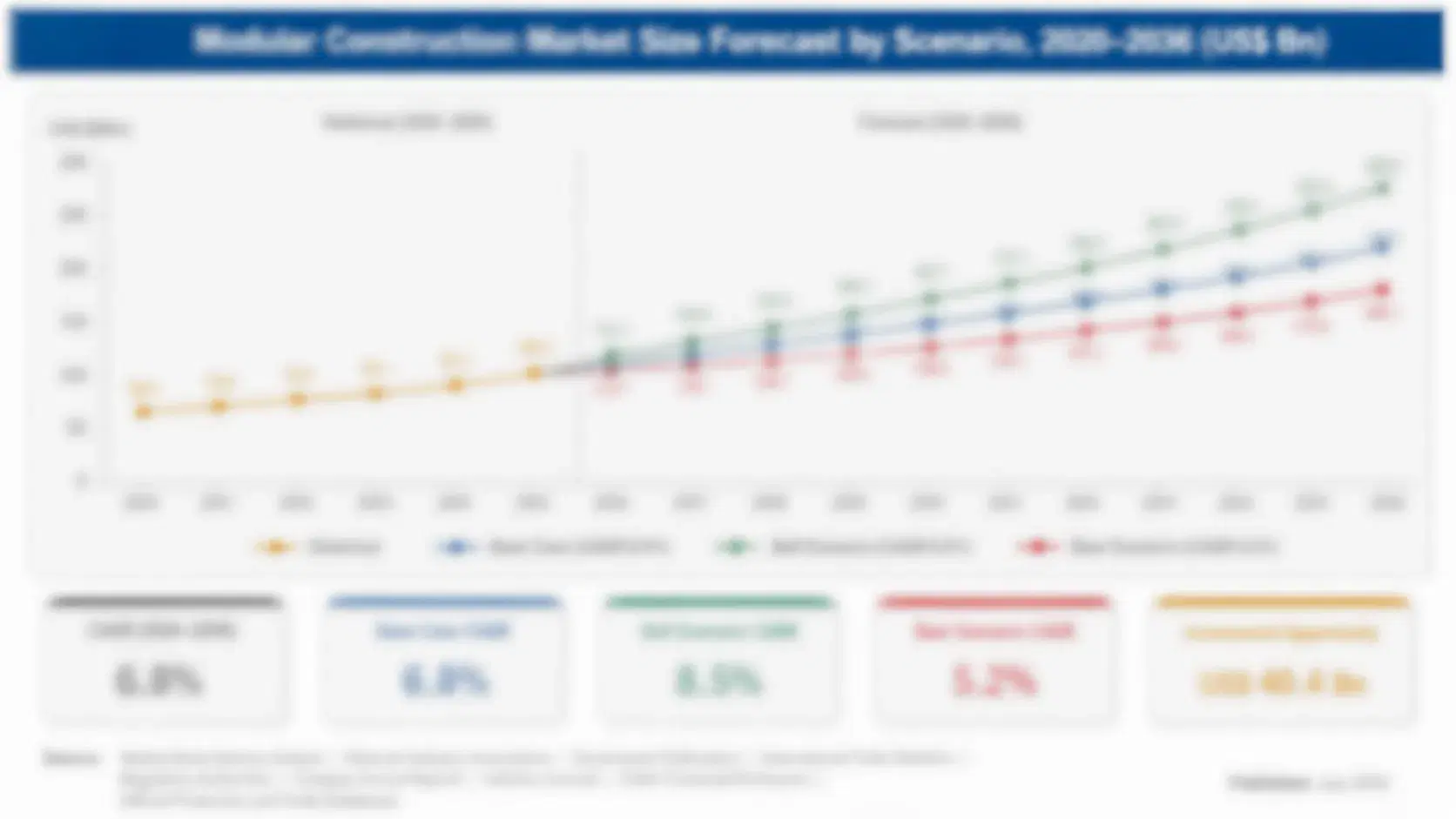
Micro-Dosing Sachet Fillers Growth Scenarios to 2036

micro-dosing-sachet-fillers-market-size-forecast-scenario-1791470866030
Between 2020 and 2025 the category grew at roughly 7.4% annually, driven first by pandemic-era vitamin and immunity-supplement sachets, then by steadier expansion in personal care sampling and pharmaceutical unit-dose packaging as personalized nutrition subscriptions scaled rapidly across multiple consumer markets worldwide, lifting baseline equipment demand well beyond its earlier, narrower niche positioning of just a few years earlier.
The base case assumes 8.4% compound growth through 2036, driven by three reinforcing mechanisms: first, nutraceutical brands converting bottled SKUs into dosed sachets to support subscription personalization at meaningful scale; second, pharmaceutical manufacturers adopting validated micro-dosing lines for low-volume specialty drugs facing stricter content-uniformity rules worldwide; and third, personal care brands expanding sampling programs requiring sub-gram dosing accuracy at genuinely high line speed across both established and fast-emerging consumer markets alike.
The bull case rests on additional categories, especially functional beverage powders and pet nutraceuticals, adopting sachet formats considerably faster than currently expected across major consumer markets. The bear case centers on raw-material cost inflation compressing margins enough that smaller brands delay conversion from bottles, slowing machine orders even as underlying consumer demand for single-serve formats keeps expanding steadily regardless.

Precision Dosing Reshapes Single-Serve Packaging Economics

Manufacturers that once treated fill accuracy as a secondary specification now rank it ahead of raw throughput, because a missed dosing tolerance on a pharmaceutical or active-ingredient sachet triggers batch rejection that costs far more than the machine itself ever could. That shift has pulled capital spending toward rotary platforms carrying inline checkweighing and vision inspection as standard rather than optional equipment across most new orders.
MARKET CONCENTRATION (CR5)38%Top five builders hold just over a third of shipments
AVERAGE SYSTEM PRICE$340,000Mid-range validated rotary dosing line typically costs this much
TOP PRODUCING COUNTRY SHARE27%Germany leads global precision dosing equipment output by far
CAPACITY UTILIZATION71%Installed base running meaningfully below full rated output capacity
FEEDSTOCK COST SHARE34% of COGSPrecision load cells and servo drive components dominate cost
AVERAGE EQUIPMENT REPLACEMENT CYCLE9-11 yearsTypical working life before full line gets replaced entirely
Contract manufacturers serving nutraceutical and personal care brands increasingly specify dosing heads validated for at least three distinct powder densities on the same production line, since subscription brands rotate formulations seasonally and cannot justify a dedicated machine per product category. That flexibility requirement now shapes nearly every new equipment order placed above the entry tier across this fast-growing category.
Component cost remains the central constraint on margin across the industry today. Servo motors, precision load cells, and vision systems sourced mainly from Germany and Japan account for roughly a third of total bill of materials, leaving builders exposed to currency swings and component lead times that lengthened materially after the 2022 supply disruptions rattled global electronics sourcing broadly across every major equipment category.
"The accuracy bar in this category keeps climbing faster than most brand owners expect, and machines bought three years ago already struggle to hold tolerances the newest supplement formulations demand."
Director, Packaging Automation Practice · MMA Packaging Automation / Precision Unit-Dose Filling Equipment Practice · October 2026

What Is Changing in Micro-Dosing Sachet Fillers

Subscription Nutraceuticals Drive Rapid Sachet Conversion

Direct-to-consumer supplement brands are converting bottled SKUs into single-serve sachets to support monthly personalization programs that bundle different actives for each subscriber. This format shift requires dosing heads capable of switching between powder densities within a single production shift without full mechanical changeover, a capability only the newest servo-driven platforms deliver reliably. European contract manufacturers report sachet-line bookings up sharply as subscription brands scale beyond pilot volumes, and the trend is spreading to North American co-packers serving the same customer base through white-label arrangements signed over the past eighteen months across several categories. Buyers can benchmark this against the sachet filler market, which MMA values at USD 0.5 billion in 2025.
Market Impact: Adds 95 million sample units yearly
Pharmacopeia Dosing-Uniformity Rules Keep Steadily Tightening

Regulatory bodies overseeing pharmaceutical unit-dose packaging have tightened content-uniformity testing requirements for low-dose actives, pushing manufacturers toward inline checkweighing and statistical process control rather than periodic batch sampling. Equipment builders that already embed vision inspection and closed-loop weight feedback into their dosing heads are winning validation-sensitive pharmaceutical accounts faster than rivals still selling open-loop mechanical augers. The requirement is spreading beyond prescription unit-dose packs into over-the-counter supplement sachets, as several national regulators signal intent to extend uniformity testing to self-affirmed dietary ingredient categories within the forecast window across export markets. MMA's outlook for the pharmaceutical unit dose packaging market points to USD 7.42 billion by 2036, a 6.8% annual growth rate.
Market Impact: Adds 12,000 new line installations

Micro-Dosing Sachet Fillers Market Opportunities

Personal Care Sampling Programs Scale Globally

Cosmetics and personal care brands are expanding single-use sampling programs well beyond traditional magazine inserts, shipping precisely dosed serum and cream sachets directly through e-commerce subscription boxes and retail sampling walls. Each sampling campaign now requires production runs in the tens of millions of units, a volume that justifies dedicated micro-dosing lines rather than manual fill stations brands relied on previously. Beauty conglomerates in Western Europe and South Korea are committing capital to in-house sachet capacity instead of outsourcing, reshaping purchase patterns that equipment builders now serve directly across several regional markets.
Market Impact: Adds 6 to 9 points

Functional Beverage Powders Expand Stick-Pack Demand

Functional beverage brands selling electrolyte, collagen, and nootropic powders have standardized on stick-pack formats that require dosing accuracy within a few percent to maintain labeled active content across a shelf life exceeding eighteen months. Beverage co-packers are retrofitting existing lines with precision dosing heads rather than building new facilities, since the conversion cost is substantially lower than a greenfield line and delivers comparable throughput once vision inspection is added. Category growth in North America and East Asia is outpacing overall sachet-filler demand by a wide margin this forecast cycle across most tracked markets.
Market Impact: Delays adoption by 14 months

Micro-Dosing Sachet Fillers Challenges and Constraints

Precision Component Costs Limit Entry-Tier Margins Sharply

Servo motors, high-resolution load cells, and machine vision modules together can account for a third or more of a dosing line's bill of materials, a cost structure that squeezes margins hardest on entry-tier machines sold into price-sensitive personal care and food sachet applications. The root cause is a concentrated supplier base for precision components, mostly in Germany and Japan, which limits the bargaining leverage smaller equipment builders can exercise on unit cost. Some manufacturers are mitigating the squeeze by qualifying secondary component suppliers in China and by redesigning dosing heads to use fewer, higher-capacity load cells per line.
Market Impact: Adds 180 million sachet lines yearly

Validation Timelines Slow Pharmaceutical Line Adoption

Pharmaceutical customers require extensive process validation, often spanning twelve to eighteen months, before a new micro-dosing line can enter commercial production, a timeline that discourages brands from switching equipment vendors even when a competing machine offers better accuracy or cost. The root cause is regulatory risk aversion: a failed validation run delays drug supply and invites regulatory scrutiny that outweighs any efficiency gain from switching suppliers. Builders are responding by offering parallel validation support services and pre-qualified component libraries that shorten documentation timelines by several months across most accounts they currently serve.
Market Impact: Cuts batch rejection rates 60%
3 additional market trends, 4 additional growth drivers, and 2 additional restraints and challenges are covered in the full report. Contact sales@marketmindsadvisory.com to access the complete intelligence.

Fastest-Growing Micro-Dosing Sachet Fillers Segments

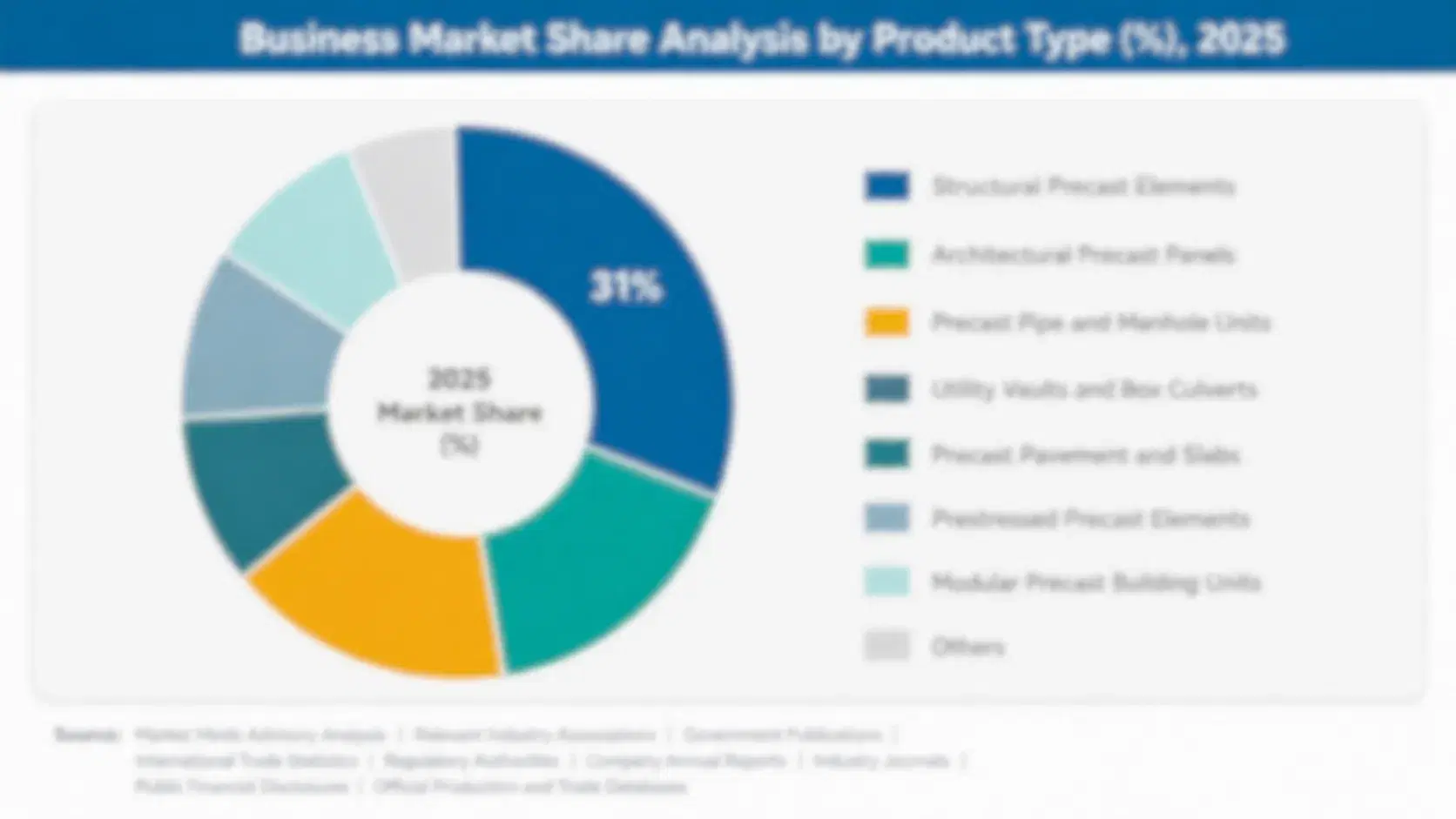
The market segments by dosing mechanism and the specific material form each line handles, since powder, granule, and liquid dosing require fundamentally different head designs, metering principles, and validation protocols across end-use industries, regulatory regimes, and commercial channels served by equipment builders operating worldwide today across both established pharmaceutical accounts and fast-emerging subscription-brand nutraceutical accounts alike.
micro-dosing-sachet-fillers-market-market-share-analysis-1791470866314

Powder and Granule Micro-Dosing Fillers

Powder and granule dosing lines represent the largest and fastest-growing segment, serving nutraceutical, functional beverage, and over-the-counter pharmaceutical sachet production where free-flowing or slightly cohesive materials dominate. Servo-driven auger and vibratory-tray mechanisms have largely displaced simple volumetric cups because subscription brands rotate powder densities frequently and need recalibration in minutes rather than hours. Growth here outpaces the overall market by roughly two and a half points as contract manufacturers add dedicated powder lines to capture subscription-personalization volume that bottling capacity cannot economically serve. Builders are extending density-switching ranges so one line handles both a light botanical blend and a denser mineral formulation without a hardware swap, a capability now central to new line specifications across Western Europe broadly.
CAGR 10.6%

Liquid and Gel Micro-Dosing Fillers

Liquid and gel dosing lines serve personal care sampling, liquid nutraceutical shots, and low-viscosity pharmaceutical formulations where peristaltic or piston-driven metering must hold tight volumetric tolerance despite viscosity drift across a production shift. Demand is rising fastest in personal care sampling, where serum and cream formulations require heated dosing heads to maintain consistent viscosity before fill. Builders serving this segment increasingly bundle nitrogen-flush capability to protect oxidation-sensitive actives, a feature that was optional five years ago and is now standard on premium liquid lines sold into Western European cosmetics hubs and South Korean beauty export production. Peristaltic systems dominate lower-viscosity liquid shots, while piston-driven metering increasingly serves thicker cream and gel formulations requiring tighter fill-weight tolerance across premium accounts.
CAGR 9.3%
Full segment breakdown across 5 segments available in the complete report.

Micro-Dosing Sachet Fillers Regional Outlook

Western Europe leads on unit-dose nutraceutical and cosmetics sampling production concentrated in Germany, France, and Italy, while East Asia and North America close the gap through subscription-brand and beverage co-packer conversion, with South Asia and Pacific posting the fastest regional growth of any tracked region.

North America

North America's subscription nutraceutical brands have reshaped co-packer buying patterns across the United States and Canada, pushing contract manufacturers to add dedicated powder sachet lines rather than share bottling capacity across formats. Functional beverage stick-pack demand reinforces the same equipment specification, since both categories need density-switching flexibility on a single line. Pharmaceutical unit-dose packaging adds a steadier secondary demand base concentrated among specialty generic manufacturers in the Midwest, where tightening uniformity rules are prompting earlier-than-planned line replacement across several mid-size facilities this forecast cycle and beyond. Pharmaceutical specialty generic manufacturers concentrated in the Midwest are also replacing older equipment earlier than originally planned as uniformity enforcement tightens across the broader prescription and over-the-counter supplement categories they serve.
Share: 24% | CAGR: 7.9% (2026 to 2036)

Western Europe

Western Europe commands the largest regional share because Germany, France, and Italy concentrate both precision component manufacturing and finished cosmetics or nutraceutical sachet production at a scale no other region matches. German equipment builders supply load cells and servo drives domestically, shortening lead times for regional converters. Personal care sampling campaigns run by conglomerates headquartered in Paris and Milan require tens of millions of dosed units annually, a volume commitment that has kept regional capacity utilization above the global average even as growth decelerates from its post-pandemic peak this cycle. Italian and French personal care brands additionally run some of the largest sampling programs tracked anywhere, reinforcing the region's lead on both production depth and precision component manufacturing capacity.
Share: 26% | CAGR: 6.9% (2026 to 2036)
Regional intelligence for 5 additional markets available in the complete report: East Asia, South Asia and Pacific, Latin America, Middle East and Africa, Eastern Europe. Contact sales@marketmindsadvisory.com.
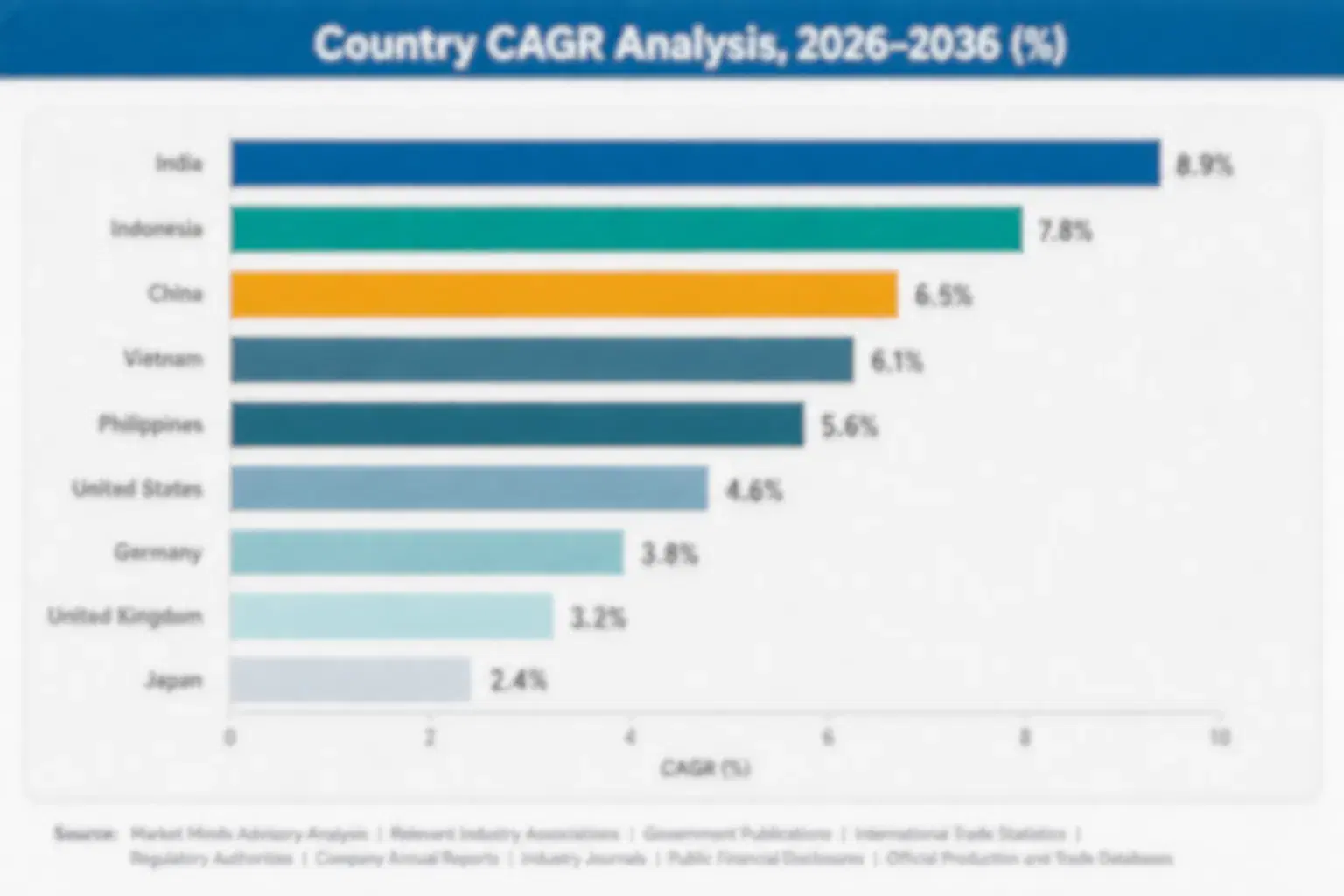
micro-dosing-sachet-fillers-market-country-cagr-analysis-1791470866596

Capturing Value Beyond the Base Dosing Line

Equipment builders are finding that the dosing line itself increasingly functions as a platform for recurring revenue, since validation support, component upgrades, and digital monitoring services now generate margin that the base machine sale alone cannot match. Builders treating these layers as core strategy rather than afterthought capture disproportionate share of total account value over time.

Packaging Validation Support Into Service Contracts

Builders are packaging multi-month validation support, covering documentation, statistical process control setup, and regulatory submission assistance, as a paid service attached to pharmaceutical and nutraceutical line sales. This shortens customer time-to-production by several months and creates a recurring revenue stream independent of machine throughput. Early adopters report service contracts now representing close to a fifth of total account revenue over a line's working life, a share rising as uniformity rules tighten. Pricing typically runs $40,000 to $80,000 annually per validated line. Customers increasingly treat this support as a prerequisite rather than a negotiable add-on.
Market Impact: Adds roughly 18% of total lifetime account revenue

Selling Retrofit Vision Inspection Upgrade Kits

A large installed base of older volumetric and mechanical-auger lines lacks inline checkweighing or vision inspection, creating a substantial retrofit opportunity as uniformity rules tighten across pharmaceutical and increasingly nutraceutical sachet production. Builders selling modular vision and checkweigh kits compatible with competitor machines are capturing upgrade revenue without needing a full line replacement sale, a lower-friction path that shortens the sales cycle considerably. Retrofit kit margins run higher than new-line margins since engineering cost was recovered earlier. A single kit typically sells for $25,000 to $45,000 depending on line speed required.
Market Impact: Represents about $220 million in total retrofit demand

Licensing Density-Switching Recipe Software Independently Now

Recipe-management software that lets a single dosing line switch between validated powder density profiles within minutes is increasingly sold as a licensed add-on rather than bundled into base machine price, particularly to subscription-brand contract manufacturers running frequent formulation changeovers. This software layer carries minimal marginal production cost once developed, making it one of the highest-margin revenue lines available to equipment builders, and usage-based licensing models are starting to replace flat one-time software fees on newer platform generations across the industry. Annual licensing fees typically run $8,000 to $15,000 per line, scaling with the number of validated recipe profiles stored.
Market Impact: Carries roughly 70% gross margin on software licenses

Bundling Spare Parts Into Multi-Year Agreements

Load cells, servo motors, and dosing-head wear components require periodic replacement to maintain tolerance, and builders bundling multi-year spare parts agreements at line purchase are locking in recurring revenue that would otherwise go to third-party component distributors. Bundled agreements also strengthen retention, since switching parts suppliers mid-contract carries validation risk pharmaceutical and nutraceutical customers prefer to avoid, typically running $18,000 to $32,000 annually per line. Bundled multi-year agreements typically run $30,000 to $60,000 annually per line depending on duty cycle and component wear rate. Larger accounts increasingly negotiate these bundles at contract renewal rather than purchasing components piecemeal through distributors.
Market Impact: Adds roughly 11% recurring parts revenue annually overall

Who Captures Micro-Dosing Sachet Fillers Value

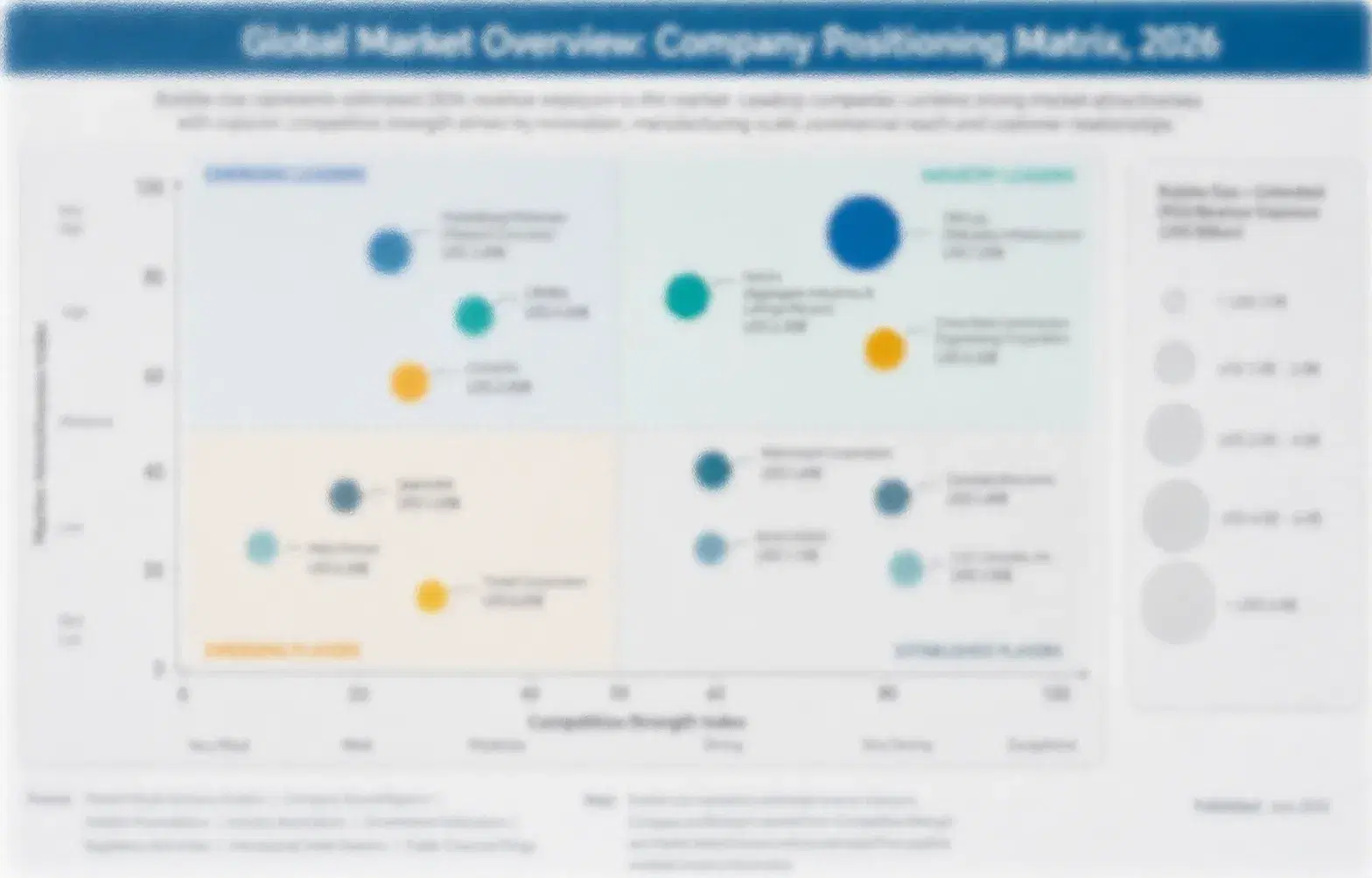
Market concentration sits at a modest CR5 of 38%, reflecting a market still fragmented enough for well-capitalized regional challengers to win share from established European leaders, with IMA Group and Romaco holding the clearest scale advantage through broad pharmaceutical and nutraceutical validation track records. That gap reflects decades of accumulated validation investment smaller specialists cannot replicate quickly.
Current competitive activity centers on three fronts: accuracy and validation credentials rather than headline throughput figures, since pharmaceutical and nutraceutical customers increasingly select equipment based on documented dosing-uniformity performance; bundled vision inspection and statistical process control software sold as unified platforms; and density-switching recipe management increasingly treated as a baseline rather than optional feature. Equipment makers increasingly compete on total formulation flexibility rather than per-unit machine price alone.

Rankings are most likely to shift as lower-cost Asian challengers extend their accuracy credentials into validation-sensitive pharmaceutical accounts currently dominated by European incumbents. A second pressure point is software: builders that fail to offer density-switching recipe management risk losing subscription-brand contract manufacturing accounts to rivals who treat software as a core platform feature rather than an afterthought bolted onto an existing mechanical design all participants are evaluated on global annual unit shipment volume.
micro-dosing-sachet-fillers-market-company-positioning-matrix-1791470866882

Micro-Dosing Sachet Fillers Supplier Positioning

IMA GROUP

Moat: Pharmaceutical Validation Depth

Decades of pharmaceutical dosing-line installations give IMA an unmatched documentation library that shortens customer validation timelines considerably, a credential rivals cannot replicate quickly since it depends on accumulated regulatory submission history across dozens of jurisdictions and drug categories worldwide, built over many years of direct field experience.
IMA GROUP

Risk: Premium Pricing Vulnerability

IMA's pricing sits well above Asian challengers on comparable accuracy specifications, leaving it exposed on price-sensitive nutraceutical and personal care accounts where validation depth matters less than total cost of ownership over the equipment's full working life and replacement cycle, a gap narrowing each year.
ROMACO

Moat: Modular Platform Flexibility

Romaco's modular dosing-head architecture lets customers switch between powder, granule, and liquid configurations on a shared chassis, reducing capital risk for contract manufacturers uncertain which format will dominate their order book two years out, a flexibility advantage few rivals currently match at comparable price. at scale.
ROMACO

Risk: Scale Disadvantage Versus IMA

Romaco's smaller installed base limits the service network density and spare-parts availability that large pharmaceutical customers increasingly demand, a gap that becomes more visible as IMA expands regional service centers across emerging production hubs it has not yet matched at comparable depth or speed. across all served geographies.

Players Tracked

Prominent Players

IMA Group
Romaco
Bosch Packaging Technology
Sacmi
Syntegon

Other Key Players

Uhlmann Group
Marchesini Group
Multivac Group
ACG Pharmapack
Cam Packaging Systems
Fuji Machinery
Ishida Co. Ltd.
Yamato Scale
Shanghai NJP Machinery
Jornen Machinery
Econ Pharmaceutical Machinery
Hangzhou Mingrui Machinery
Sepha Group
Fillmore Packaging Systems
Wenzhou Zhongke Machinery

Recent Developments

MARCH 2026

IMA Group Acquires Vision-Inspection Systems Maker

IMA Group completed the acquisition of a mid-size Italian vision-inspection systems maker to embed checkweighing technology directly into its pharmaceutical dosing platforms rather than continuing to source it from third-party suppliers, strengthening its validation documentation offering considerably going forward across accounts. The combined platform reaches customers within two quarters.
Signal: Signals vertical integration into inspection technology deepening across the pharmaceutical dosing platform portfolio industrywide this cycle
SEPTEMBER 2025

Romaco Forms South Asian Localization Joint Venture

Romaco announced a joint venture with an Indian contract manufacturing equipment distributor to localize assembly and service support for its modular dosing platforms across South Asian pharmaceutical export markets, reducing lead times meaningfully for regional customers this cycle. Service response times are expected to improve markedly for regional accounts.
Signal: Signals regional localization strategy expanding further into South Asian pharmaceutical export markets considerably this forecast cycle
JANUARY 2026

Syntegon Secures Multi-Year Nutraceutical Supply Agreement

Syntegon secured a multi-year supply agreement with a major European nutraceutical contract manufacturer to deliver a dedicated fleet of density-switching powder dosing lines across three production sites starting this year, reinforcing its subscription-brand account base considerably. The agreement also includes ongoing validation documentation support across all three sites.
Signal: Signals subscription-brand account consolidation accelerating steadily across the broader equipment industry each passing quarter going forward

Precision Component Exposure

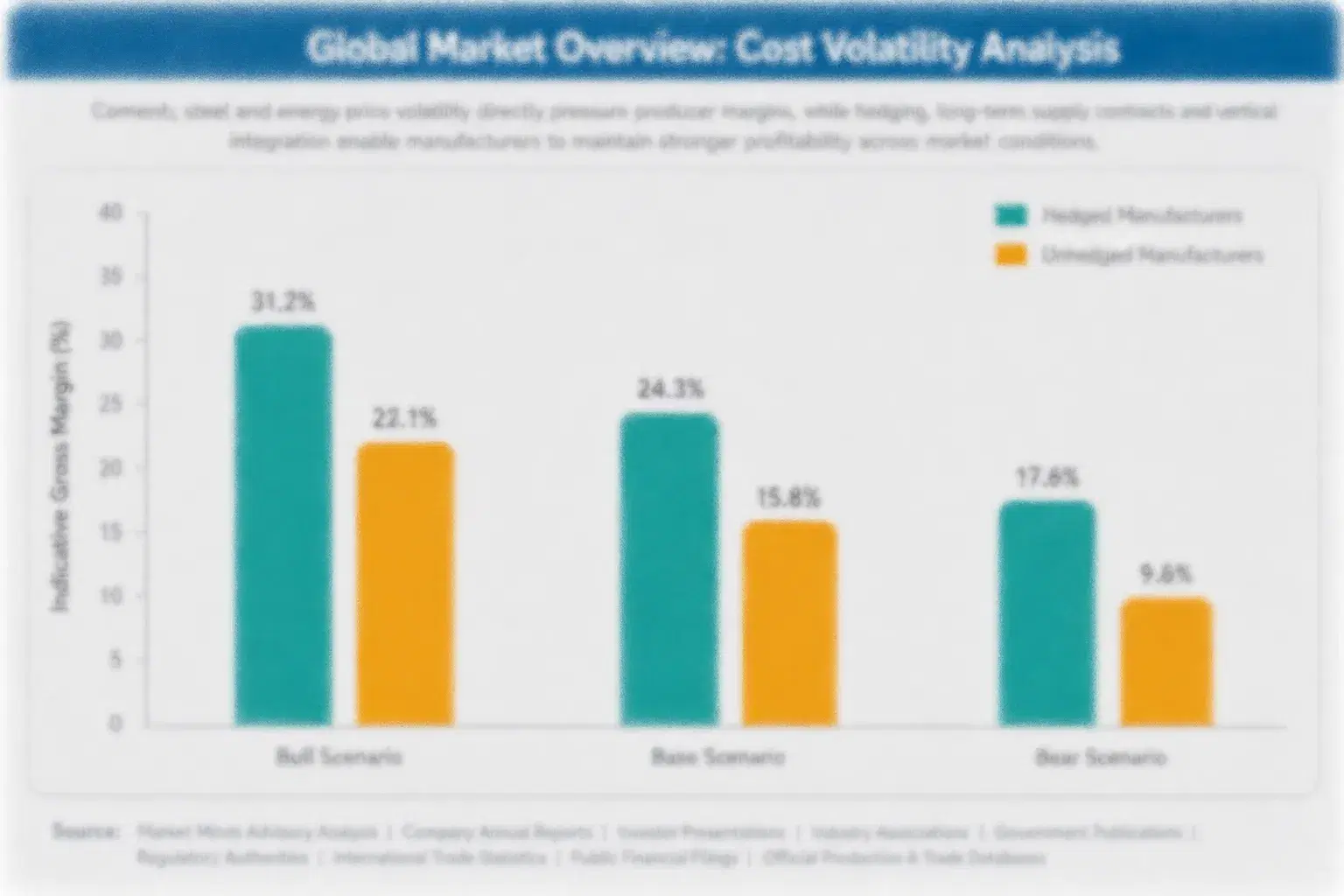
Servo motors, high-resolution load cells, and machine vision modules together represent roughly 34% of a dosing line's cost of goods sold, with the bulk of that supply concentrated among German and Japanese precision component manufacturers who hold specialized tolerances few other suppliers can match consistently. Precision gearing and sensor calibration add further cost concentration among a smaller set of specialized global suppliers.
Component lead times stretched considerably following the 2021 to 2022 global semiconductor shortage, when servo drive electronics became difficult to source on normal schedules; several equipment builders reported order backlogs extending past a year, according to IEA supply chain commentary and company annual report disclosures from the period documenting the disruption's commercial severity. Makers with diversified sourcing relationships shortened the resulting delay considerably compared with single-supplier competitors.

Smaller equipment builders carry disproportionate exposure to this cost structure because they lack the purchasing volume to negotiate favorable component pricing that scale players secure, a disadvantage compounded in Asian markets where currency volatility against the euro and yen adds further margin unpredictability to already thin entry-tier pricing. This advantage is widening as larger makers secure better terms through volume.
micro-dosing-sachet-fillers-market-cost-volatility-analysis-1791470867212

Qualifying Secondary Component Suppliers

Builders are validating secondary servo motor and load cell suppliers in China and Taiwan to reduce dependence on German and Japanese sources, cutting lead-time risk though requiring additional calibration testing before deployment across new platforms. This diversification also shortens delivery timelines for customers in validation-sensitive pharmaceutical accounts. Pharmaceutical accounts particularly value the shortened lead times this diversification delivers.

Redesigning Heads for Fewer Components

Engineering teams are consolidating dosing-head designs around fewer, higher-capacity load cells and shared servo platforms across product lines, lowering unit component count without sacrificing the accuracy customers require from new equipment across validated pharmaceutical and nutraceutical production lines. Fewer load cells also simplify calibration and cut ongoing maintenance cost meaningfully for most customers served.

Portfolio Architecture for Margin Defence

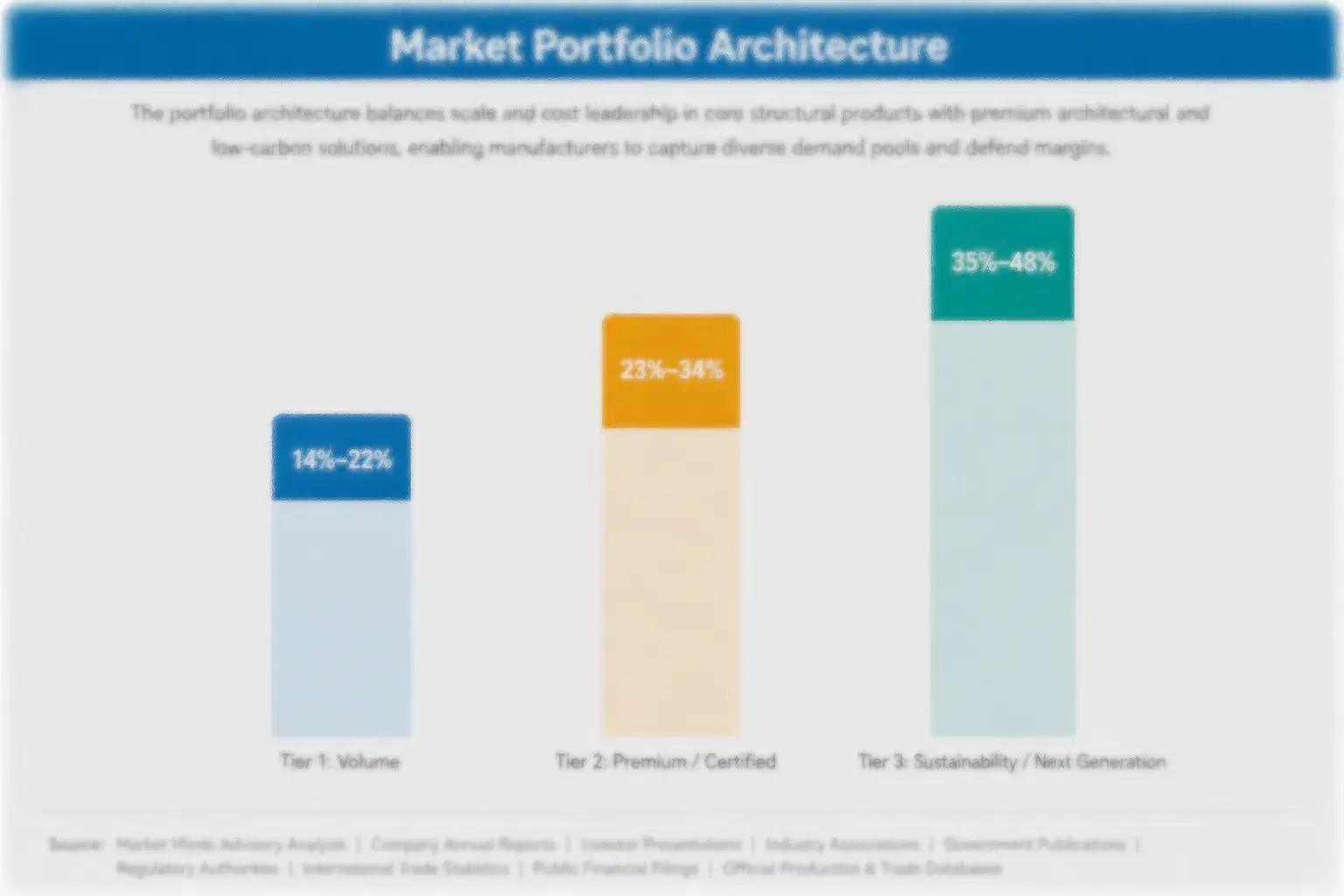
The market organizes into three tiers: a volume tier built on mechanical volumetric dosing sold on price, a premium tier built on servo-driven precision dosing with inline inspection that commands a validation-driven price premium, and a next-generation tier built on fully flexible multi-format platforms still expanding beyond the largest early-adopter accounts. Gross margin in the next-generation tier can run meaningfully above the volume tier's level. This structure mirrors the broader shift toward validation-driven purchasing across pharmaceutical and nutraceutical accounts.
Volume tier competition remains intensely price-driven, with builders competing mainly on upfront cost against increasingly capable Asian challengers who have closed much of the historical accuracy gap. Premium and regulatory tier demand is growing meaningfully faster as pharmaceutical and nutraceutical customers pay for documented accuracy rather than raw throughput, creating real tension over how quickly to shift capacity. Asian challengers compete almost entirely on price within the volume tier today.

High-value margin pools concentrate around validation-sensitive pharmaceutical accounts and subscription-brand nutraceutical contract manufacturing, both of which reward builders who combine mechanical accuracy with software and service credentials rather than mechanical performance alone across their full account base. Builders lacking either software or validation depth find themselves excluded from higher-margin accounts.

Volume / Commodity-Adjacent Tier

Mechanical volumetric dosing lines sold primarily on upfront price into food and basic personal care sachet applications with limited accuracy requirements and minimal service attachment revenue beyond the base equipment sale itself.
Gross Margin: 12-18%

Premium / Certified Tier

Servo-driven precision dosing with inline checkweighing sold into pharmaceutical and nutraceutical accounts requiring documented accuracy, validation support, and ongoing statistical process control services bundled directly into the equipment contract. at comparable scale.
Gross Margin: 28-36%

Sustainability / Regulatory / Next-Generation Tier

Platforms bundling vision inspection, statistical process control, and digital traceability documentation for the tightest regulatory accounts facing the most demanding compliance requirements across pharmaceutical and nutraceutical categories tracked industrywide. this cycle.
Gross Margin: 34-42%
micro-dosing-sachet-fillers-market-portfolio-architecture-1791470867513

High-value Sub-segments and Strategic Watch-out

Pharmaceutical Validation-Grade Dosing

High-value, high-growth segment combining strict uniformity rules with premium pricing power, as regulators extend content-uniformity testing requirements into previously lighter-touch supplement categories across export markets. Equipment makers with strong validation libraries are best positioned to capture this expanding high-value pool. Pricing power keeps strengthening as regulatory scope widens.
Gross Margin: 32-40%

Subscription Nutraceutical Contract Manufacturing

High-value, moderate-growth segment anchored by recurring validation and software licensing revenue as personalized subscription brands scale production volume. Builders offering density-switching software and bundled service contracts are capturing the bulk of this growing recurring-revenue opportunity. Account retention stays strong once validation and software layers are embedded into the relationship.
Gross Margin: 27-34%

Food and Basic Personal Care Sachets

Volume core segment competing mainly on price, providing steady unit volume but limited margin expansion as Asian challengers undercut established builders. Margin expansion here depends mainly on volume scale rather than technology differentiation, since buyers remain highly price-sensitive. Margin expansion here depends mainly on volume scale rather than technology differentiation.
Gross Margin: 13-19%

Mechanical Volumetric Legacy Lines

Strategic watch-out segment facing accelerating obsolescence as tightening uniformity rules push customers toward servo-driven platforms within the forecast window. Builders still selling only mechanical equipment risk losing these accounts entirely as uniformity enforcement spreads across more categories. Builders slow to diversify risk losing these accounts entirely as enforcement spreads further.
Gross Margin: 11-16%

Validation Lock-In Drives Recurring Demand

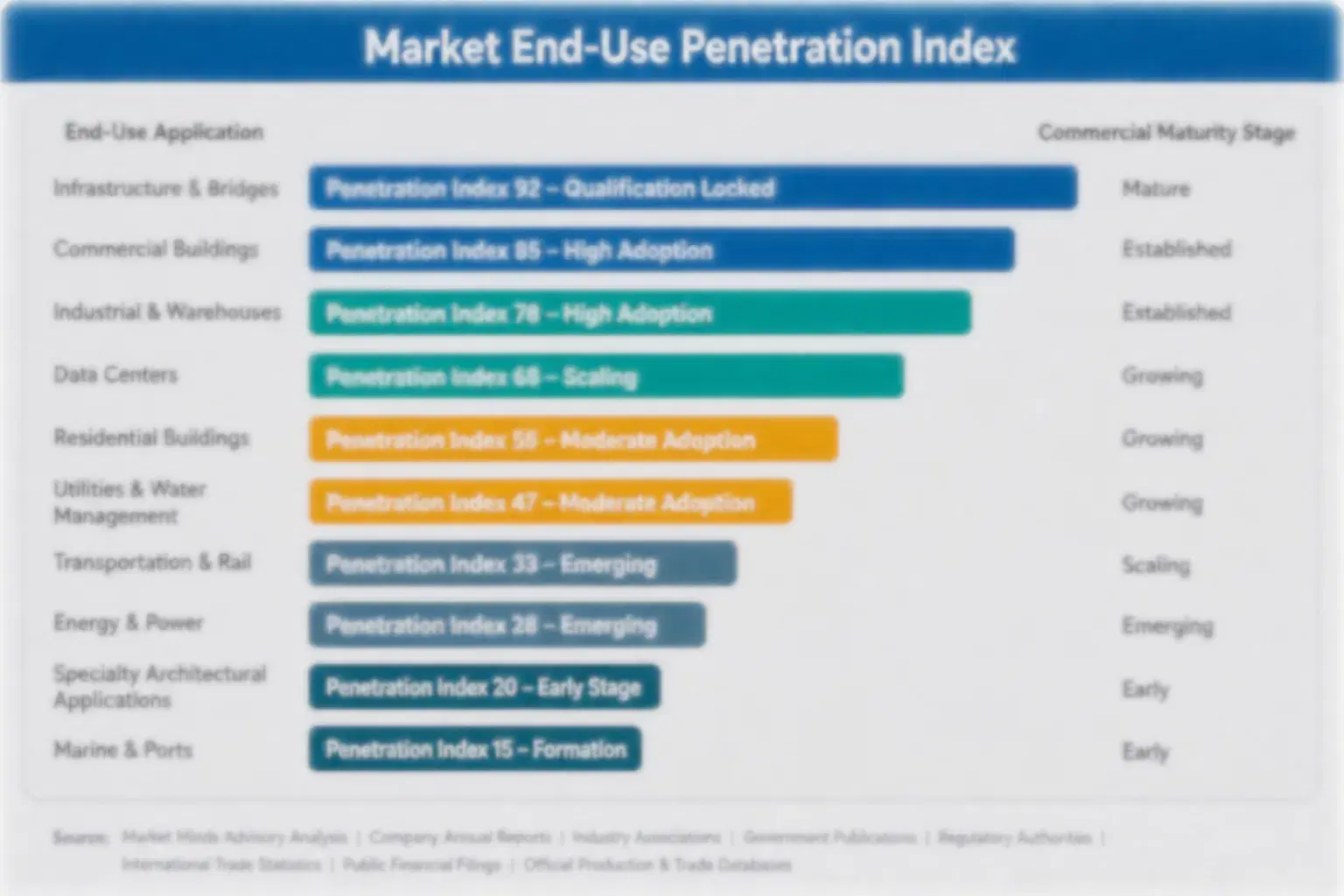
Once a manufacturer validates a dosing line for a specific formulation, the resulting supplier relationship behaves like an annuity for many years afterward, since switching equipment makers again requires repeating extensive validation testing, a costly and time-consuming process manufacturers avoid absent a serious reliability failure or new formulation requirement. That annuity quality is why equipment makers invest heavily in winning the initial validation relationship.
Adoption depth varies by end-use vertical. Pharmaceutical customers validate once and rarely switch for a decade or more, while personal care and food sachet customers rotate equipment more readily since their validation burden is lighter and their formulation changes more frequently to match seasonal sampling campaigns and shifting consumer preferences across markets. Contract manufacturers serving both segments often run mixed fleets reflecting this difference directly.

Buyer profiles are shifting generationally as procurement teams raised on digital manufacturing dashboards now expect real-time dosing accuracy data and predictive maintenance alerts bundled into the equipment purchase, an expectation older mechanical-line customers rarely voiced but newer subscription-brand buyers treat as a baseline requirement rather than a premium feature worth paying extra for today. Builders slow to adapt risk losing these modernizing accounts to more digitally fluent competitors.
micro-dosing-sachet-fillers-market-end-use-penetration-index-1791470867793

Where Builders Should Place Bets Next

These are among the four positions where our research anticipates prominent divergence between winners and laggards over the coming forecast period. Each is grounded in the demand model, the regulatory perimeter, and the announced capacity pipeline.
01 / PLATFORM FLEXIBILITY INVESTMENT

Invest in density-switching capability across powder formats

Subscription nutraceutical brands rotate formulations seasonally across dozens of active ingredients and will not justify dedicated machines per product, so builders that cannot switch densities within minutes lose these accounts to rivals who can do so reliably at comparable cost. This capability is becoming a baseline requirement rather than a genuine differentiator across most premium accounts. Builders still selling single-density platforms risk being excluded from request-for-proposal shortlists entirely within the next several years as buyers standardize specifications around flexible, multi-density equipment.
02 / VALIDATION SERVICES BUNDLING

Bundle regulatory validation support into pharmaceutical sales

Pharmaceutical customers pay a meaningful premium for shortened validation timelines, and builders offering documentation and statistical process control support alongside the machine capture recurring service revenue that pure equipment sales cannot match on their own across the account lifetime. This bundling strategy also deepens account lock-in considerably over time. Customers who rely on a builder's validation documentation face real switching cost if they later consider a competing platform for their production lines, regulatory submissions, and ongoing quality audits across every facility they operate.
03 / COMPONENT SOURCING STRATEGY

Qualify secondary suppliers to reduce margin exposure

Concentrated servo motor and load cell sourcing from Germany and Japan leaves builders exposed to currency swings and lead-time shocks that eroded margins sharply after 2022 across the broader equipment industry. Diversifying toward qualified Chinese and Taiwanese component suppliers reduces that exposure meaningfully over time without sacrificing accuracy. This shift requires additional calibration testing before full deployment across validated pharmaceutical and nutraceutical production lines already running at considerable scale across multiple facilities worldwide, a cost builders should plan for early.
04 / ASIAN MARKET ENTRY EXPANSION

Expand service networks across South Asia and East Asia

The fastest regional growth is concentrated in South Asia and Pacific and East Asia, where generic pharmaceutical exporters and nutraceutical contract manufacturers are adopting validated dosing lines rapidly across their expanding production networks. Builders without local service and spare-parts infrastructure in these regions will lose meaningful share to domestic challengers over the coming years. Those rivals already offer faster response times and lower total cost of ownership to increasingly price-sensitive regional buyers across export markets, a gap that widens further each year without action.

Engagement Snapshot From the Field

A live engagement with an industry participant carrying material or product regulatory and market exposure ahead of a defining policy shift, showing how our research translates into a defensible multi-year portfolio strategy.
MARKET MINDS ADVISORY · CLIENT ENGAGEMENT SUMMARY
Micro-Dosing Sachet Fillers Producer Strategic Portfolio Review and Transition Roadmap 2026·Investment Scenario on Micro-Dosing Sachet Fillers Exposure Evaluation 2025-26
CLIENT PROFILE
A mid-size contract manufacturer based in Western Europe producing nutraceutical and functional beverage sachets for a dozen subscription-brand customers, operating four production lines and facing pressure to add formulation-switching flexibility without expanding its physical footprint or headcount materially this cycle. The client had not previously benchmarked its equipment performance against comparable facilities elsewhere in its sector.
STRATEGIC CHALLENGE
The client's existing mechanical volumetric lines could not switch between powder densities fast enough to serve subscription brands rotating formulations monthly, causing missed delivery windows and lost accounts to competitors with more flexible servo-driven equipment already installed on site. Leadership needed clarity before the next capital planning cycle began in earnest across the organization.
MMA APPROACH
MMA benchmarked five servo-driven platforms against the client's actual formulation rotation schedule, modeling changeover time, accuracy variance, and total cost of ownership across a seven-year horizon rather than relying on vendor-supplied throughput specifications alone. MMA also interviewed the client's finance team to confirm actual input cost trajectories under existing supplier contracts.
KEY FINDINGS
  1. The top-ranked platform reduced formulation changeover time from ninety minutes to under fifteen minutes, directly addressing the client's core delivery-window problem (client-reported, unverified by MMA).
  2. Total cost of ownership favored a mid-priced challenger over the incumbent premium brand once service contract and spare-parts costs were modeled across seven years (client-reported, unverified by MMA).
  3. Two of the five platforms evaluated lacked sufficient density range to handle the client's full product mix, eliminating them despite competitive headline pricing (client-reported, unverified by MMA).
  4. Validation documentation support included in one vendor's bid shortened the client's internal qualification timeline by roughly ten weeks versus self-managed validation (client-reported, unverified by MMA).
CLIENT PROFILE
A mid-size contract manufacturer based in Western Europe producing nutraceutical and functional beverage sachets for a dozen subscription-brand customers, operating four production lines and facing pressure to add formulation-switching flexibility without expanding its physical footprint or headcount materially this cycle. The client had not previously benchmarked its equipment performance against comparable facilities elsewhere in its sector.
STRATEGIC CHALLENGE
The client's existing mechanical volumetric lines could not switch between powder densities fast enough to serve subscription brands rotating formulations monthly, causing missed delivery windows and lost accounts to competitors with more flexible servo-driven equipment already installed on site. Leadership needed clarity before the next capital planning cycle began in earnest across the organization.
MMA APPROACH
MMA benchmarked five servo-driven platforms against the client's actual formulation rotation schedule, modeling changeover time, accuracy variance, and total cost of ownership across a seven-year horizon rather than relying on vendor-supplied throughput specifications alone. MMA also interviewed the client's finance team to confirm actual input cost trajectories under existing supplier contracts.
KEY FINDINGS
  1. The top-ranked platform reduced formulation changeover time from ninety minutes to under fifteen minutes, directly addressing the client's core delivery-window problem (client-reported, unverified by MMA).
  2. Total cost of ownership favored a mid-priced challenger over the incumbent premium brand once service contract and spare-parts costs were modeled across seven years (client-reported, unverified by MMA).
  3. Two of the five platforms evaluated lacked sufficient density range to handle the client's full product mix, eliminating them despite competitive headline pricing (client-reported, unverified by MMA).
  4. Validation documentation support included in one vendor's bid shortened the client's internal qualification timeline by roughly ten weeks versus self-managed validation (client-reported, unverified by MMA).
RECOMMENDED STRATEGY
Phase 1: Phase 1 (Months 1 to 3): Pilot the top-ranked platform on a single production line to validate real-world changeover performance before committing further capital. Phase 2: Phase 2 (Months 4 to 9): Expand the new platform across two additional lines while retaining one legacy line for high-volume standing orders. Phase 3: Phase 3 (Months 10 to 13): Renegotiate service and spare-parts contracts across the full fleet to consolidate vendor relationships and reduce cost.
OUTCOME
The client reported reduced missed-delivery incidents and secured two new subscription-brand contracts within eight months of the pilot line entering production, though MMA has not independently verified these client-reported commercial outcomes (client-reported, unverified by MMA). Leadership credits the phased approach with avoiding disruption to ongoing production commitments across all three sites.

Frequently Asked Questions

Foundational context covering the market sizes, CAGR, scope, country, region and competition that inform every finding below. This section is provided to cover basics and most often pre-purchase conversations, answered from the MMA Primary Research Dataset.

What is the current size of the Micro-Dosing Sachet Fillers Market?

The market reached an estimated $0.58 billion in 2025, reflecting rising demand from nutraceutical, pharmaceutical, and personal care sampling applications requiring precise unit-dose accuracy across expanding global subscription channels.

How large will the Micro-Dosing Sachet Fillers Market be by 2036?

MMA projects the market will reach approximately $1.41 billion by 2036, roughly 2.24 times its 2026 base of $0.63 billion as validation-driven adoption expands across pharmaceutical and nutraceutical accounts.

What is the CAGR for the Micro-Dosing Sachet Fillers Market 2026 to 2036?

The base case projects 8.4% compound annual growth, with a bull case of 9.7% and a bear case of 7.1% depending on component cost and adoption pace.

Which segment is growing fastest?

Powder and granule micro-dosing fillers lead at 10.6% CAGR, roughly 1.26 times the overall market rate, driven by subscription nutraceutical brands rotating formulations frequently across their product catalogs.

Who are the major companies in the Micro-Dosing Sachet Fillers Market?

IMA Group, Romaco, Bosch Packaging Technology, Sacmi, and Syntegon lead global shipments, together holding roughly 38% combined share of the installed equipment base across most tracked markets.

Which country is growing fastest?

China leads national growth at an estimated 10.1% CAGR, driven by expanding export-oriented nutraceutical contract manufacturing capacity serving Western brand customers across multiple product categories.

How the Micro-Dosing Sachet Fillers Market Is Segmented

The full report scope spans multiple orthogonal segmentation dimensions, with cross-tabulated demand data provided for each dimension pair. Coverage extends further to regional breakdowns, trend trajectories, and the competitive detail needed to support segment-level decision-making.

By Primary Market Dimension

  • Powder and Granule Micro-Dosing Fillers
  • Liquid and Gel Micro-Dosing Fillers
  • Vertical Form-Fill-Seal Platforms
  • Rotary Dosing Platforms
  • Hybrid Multi-Format Lines

By End-Use Industry

  • Nutraceuticals and Dietary Supplements
  • Pharmaceuticals
  • Personal Care and Cosmetics
  • Functional Beverages
  • Food Ingredients

By Commercial Dimension

  • Contract Manufacturers
  • Direct Brand-Owned Production
  • OEM Equipment Distribution
  • Aftermarket Retrofit and Service

By Region

  • North America
  • Western Europe
  • East Asia
  • South Asia and Pacific
  • Latin America
  • Middle East and Africa
  • Eastern Europe

Scope, Methodology, and Coverage

Every figure in this report is reproducible from documented input assumptions. The scope below maps the historical period, the forecast horizon, the segmentation dimensions, and the countries covered, alongside the underlying primary and qualitative methodology.
Historical Period
2020 to 2025
Forecast Period
2026 to 2036
Base Year
2025 (USD billions; MMA Primary Research Dataset, October 2026)
Market Definition
This report covers rotary and vertical form-fill-seal machines engineered for milligram-to-gram dosing accuracy of powders, granules, and low-viscosity liquids into single-serve sachets and stick-packs. It excludes general bulk sachet fillers without validated micro-dosing accuracy, the sachet film and laminate materials themselves, and downstream cartoning or case-packing equipment.
Quantitative Units
USD billions (current prices); installed machine units; typical fill weight accuracy by percentage
Segmentation Dimensions
By Primary Market Dimension; By End-Use Industry; By Commercial Dimension; By Region
Regions Covered
North America, Western Europe, East Asia, South Asia and Pacific, Latin America, Middle East and Africa, Eastern Europe
Countries Covered
USA, China, Germany, France, UK, Japan, South Korea, India, Australia, Canada, Brazil, Mexico, Indonesia, Vietnam, Thailand, Malaysia, UAE, Saudi Arabia, South Africa, Nigeria, Turkey, Poland, Netherlands, Italy, Spain, Sweden, Switzerland, Argentina, Colombia, Singapore, and additional markets relevant to this sector
Key Companies Profiled
IMA Group, Romaco, Bosch Packaging Technology, Sacmi, Syntegon, Uhlmann Group, Marchesini Group, Multivac Group, ACG Pharmapack, Cam Packaging Systems, Fuji Machinery, Ishida Co. Ltd., Yamato Scale, Shanghai NJP Machinery, Jornen Machinery, Econ Pharmaceutical Machinery, Hangzhou Mingrui Machinery, Sepha Group, Fillmore Packaging Systems, Wenzhou Zhongke Machinery
Quantitative Methodology
Primary survey, n=3,800 respondents, Q4 2025, six countries; demand-side model with trade association cross-validation
Qualitative Methodology
47 expert interviews, Q4 2025; applied to validate demand model assumptions, identify emerging dynamics, and assess competitive positioning
Report Format
PDF and XLSX data workbook (Word format preview document)
Publisher
Market Minds Advisory
Report Code
MMA-2026-PAC-737
Published
October 2026
Contact
sales@marketmindsadvisory.com | www.marketmindsadvisory.com

Purchase the full Micro-Dosing Sachet Fillers Market Report (2026 to 2036).

This report provides a comprehensive analysis of the global micro-dosing sachet fillers market. It covers market sizing, segmentation by dosing mechanism and end-use industry, and regional demand architecture across all seven world regions tracked. It benchmarks leading equipment builders competitively and details revenue diversification strategies, input cost exposure, and portfolio economics across volume, premium, and regulatory equipment tiers. A dedicated chapter models validation lock-in dynamics and recurring service revenue opportunity by account type. Findings draw on primary survey data and expert interviews conducted in Q4 2025.
Ten-year market sizing and growth forecast
Seven-region demand architecture and sizing detail
Five-segment MECE segmentation breakdown and analysis
Competitive benchmarking across twenty equipment builders
Revenue lever and portfolio tier economics analysis
Anonymized client case study with recommendations

Built For The People Who Decide

From boardroom strategy to bench-side execution, this report is read cover-to-cover by leaders shaping the next decade of their industry, turning demand scenarios, market dynamics and valuation benchmarks into decisions.
CXOs/ Presidents/ VPs/ Managers
M&A and Corporate Development
Strategy Teams and R&D Heads
Procurement and Product Directors
Regulatory and Compliance Leaders
Investor Relations and Equity Analysts