Market Minds Advisory
Meringues & Meringue Nests Market

Meringues & Meringue Nests Market: Meringues & Meringue Nests Market. Egg Cost Volatility, Vegan Formulations, and Dessert Foodservice Demand Reshape Baked Sugar-Foam Supply.

Meringue is egg white, sugar, and three hours of low heat, which leaves it exposed to egg price spikes, breakage, and humidity, so vegan foams, shelf-stable formats, and dessert chain demand decide who earns margin.

Lead Analyst

Published

September 2026

Make Smarter Decisions with Customized Research Insights

Request a free sample report and evaluate market opportunities, growth trends, and competitive dynamics relevant to your business needs.

2025 MARKET VALUE$2.3BMarket Size 2025
2036 FORECAST VALUE$4.3BBase Case , 2026 to 2036
CAGR 2026 TO 20365.8 %Bull 7.1% / Bear 4.5%
INCREMENTAL OPPORTUNITY$1.8BNet 10- year value creation
EXPANSION MULTIPLE1.76x2036 value over 2026 base
Strategic Levers
M&A Pipeline
Regional Outlook
Country Rankings
Competitive Intelligence
Segmental Deep-dive
Call-Us : 91 93563 13602

Executive Snapshot and Market Trajectory.

Meringue is one of the few baked products made from two ingredients, and both are exposed. Egg white prices swing with avian influenza, sugar follows commodity markets, and a three-hour low oven consumes energy. The category survives on craft, dessert tradition, and a look and crunch nothing else matches.
Vegan and aquafaba meringues grow fastest, because plant-based dessert demand, egg allergy concerns, and egg price shocks push bakers toward chickpea and pea protein foams, while nests, kisses, and pavlova bases anchor volume in supermarkets and foodservice. Western Europe holds the largest share, since the United Kingdom, France, Italy, and Germany share deep meringue traditions and large dessert markets, with North America and East Asia following. India leads country growth. Dessert cafes add demand.
Competition is fragmented. Dr. Oetker, Puratos, Wilton Brands, Bakels, and Rich Products supply retail, foodservice, and bakery components alongside thousands of regional bakeries and specialist makers. Advantage comes from egg purchasing, breakage control, and channel reach rather than brands. Regulation matters through allergen labelling, pasteurised egg rules, and plant-based claims, and buyers reward crisp texture, consistent shape, and stable pricing through egg cycles.
Market Definition
Meringues and meringue nests comprise baked foams of whipped egg white or plant-based protein and sugar, dried at low temperature into crisp products, including nests and shells, kisses and cookies, pavlova bases, vegan and aquafaba meringues, inclusions and toppings, and filled or flavoured meringues sold through retail, bakery, and foodservice channels. The scope excludes meringue powder, liquid egg white ingredients, marshmallow, and wet-topped pastries such as lemon meringue pie.
Base Year Value
$2.3B in 2025 (MMA Primary Research Dataset, September 2026)
Forecast Period
2026 to 2036, eleven discrete annual values
CAGR
5.8% base case. Bull 7.1%. Bear 4.5%.
Fastest Growth Segment
Vegan and Aquafaba Meringues: 11.2% CAGR
Fastest Growth Country
India: 9.0% CAGR
Fastest Growth Region
South Asia and Pacific: 7.9% CAGR
Largest Region
Western Europe: 34% of 2025 global value
Market Leaders
Dr. Oetker, Puratos, Wilton Brands, Bakels, Rich Products Corporation. Source: MMA Analysis, company annual reports.
Primary Survey
n=3,800 procurement and R&D decision-makers, Q4 2025, six countries
Methodology
Demand-side build-up, cross-validated against public data, 47 expert interviews

Meringues & Meringue Nests Market Forecast Scenarios

meringues-and-meringue-nests-market-size-forecast-scenario-1789778745854
From 2020 to 2025, meringue moved between craft treat and mass dessert component. Home baking during lockdowns lifted retail nests and pavlova bases, dessert cafes and social media made towering meringue creations popular, and vegan formulations arrived. Growth averaged 5.0% a year, though egg price spikes during avian influenza outbreaks and energy cost inflation squeezed margins and delayed price rises at smaller bakers.
The base case assumes 5.8% annual growth through 2036, built on three named mechanisms: expansion of dessert cafes, hotel banqueting, and casual dining chains that use nests and pavlova bases as plated components, wider retail listings of shelf-stable filled meringues in Europe, North America, and Asia, and plant-based meringue launches that reduce egg exposure and reach vegan buyers. Packaging that cuts breakage reinforces each mechanism. Better packaging also cuts waste.
The bull case, at 7.1%, needs faster vegan adoption and stable egg prices that support promotions. The bear case, at 4.5%, reflects egg and sugar cost spikes, weaker dessert spending, and packaging losses. Either path leaves the dessert component demand intact, though mix would differ. Analysts watch egg prices and plant-protein costs most closely, since each moves margin sharply.

Egg Purchasing and Breakage Control Decide Meringue Winners

Meringue is made by whipping egg whites with sugar into a stable foam, piping it into nests, kisses, or discs, and drying it at 90 to 120 degrees Celsius for two to four hours until crisp. Precise sugar ratios, whipping time, and humidity control decide texture. Because the product is mostly air, it is light, fragile, and sensitive to moisture, which shapes packaging, distribution, and shelf life.
MARKET CONCENTRATION19% CR5Leading five suppliers hold a small combined share
EGG WHITE COST SHARE24%Egg white is the largest single input cost line
TRANSIT BREAKAGE RATE6%Typical share of product lost to breakage in distribution
BAKE CYCLE3 hoursTypical low-temperature drying time for full crisp nests
FOODSERVICE CHANNEL SHARE41%Portion of sales made to cafes, hotels, and restaurants
SHELF LIFE9 monthsTypical stable period for sealed nests in dry storage
Buyers use meringue in several ways. Households buy nests and pavlova bases for desserts, cafes and hotels use nests as plated bases, ice cream makers and confectioners buy pieces as inclusions, and bakeries add crushed meringue to cakes and tarts. Retailers stock packs in bakery and dessert aisles, and pricing follows egg cost cycles, pack size, and formats such as mini nests and flavoured kisses.
Suppliers sit at several levels. Large groups such as Dr. Oetker, Puratos, Wilton Brands, Bakels, and Rich Products sell retail and foodservice components, egg product companies supply liquid and dried egg white, and specialist bakers make premium and local products. Customers judge them on breakage rates, crisp texture, egg safety documentation, and price stability, and retailers and chains control shelf space and specifications.
"Meringue makers are in the egg business whether they admit it or not. The suppliers that survived the last two influenza seasons did so through purchasing discipline and plant-based options, not through better piping."
Practice Lead, Baked Confectionery Practice · MMA Baked Confectionery Practice · September 2026

Market Trends

Aquafaba and Plant-Protein Foams Reduce Egg Exposure for Vegan Buyers

Bakers are replacing egg white with aquafaba, the cooking liquid from chickpeas, and with pea, potato, and rapeseed proteins that whip into stable foams. Suppliers such as Roquette, Cosucra, and Avebe sell foaming proteins, and vegan meringues have launched at retailers including Waitrose, Tesco, and Whole Foods. Plant-based meringues sell at 20% to 40% above egg versions and remove exposure to egg price swings. The challenge is stability, since plant foams collapse under humidity and heat, so bakers add hydrocolloids. Cost per kilogram of plant protein foam is now within 10% of egg white at recent prices.
Market Impact: foodservice takes 41% of sales
Shelf-Stable Filled Meringues Extend Retail Reach Beyond Baking Aisles

Manufacturers are launching filled meringues with fruit, chocolate, and nut fillings, sealed in protective trays that cut breakage from 8% to 3% and extend shelf life to nine months. Products such as meringue sandwiches and snack pots sell in supermarkets, convenience stores, and airport retail, priced at £2 to £4 per pack. Flavour launches, including lemon, raspberry, and salted caramel, attract younger buyers who use social media to share dessert ideas. Sealed formats need barrier packaging that adds 10% to 15% to cost, and chocolate coatings help protect against moisture, though they raise price points and complexity.
Market Impact: 2% of children have egg allergy

Market Opportunities and Growth Drivers

Dessert Cafes and Hotels Use Nests and Pavlova as Components

Dessert cafes, casual dining chains, and hotels use ready-made meringue nests and pavlova bases because they need no skilled labour, keep for months, and give plated desserts height and crunch. Foodservice accounts for about 41% of sales, and a large hotel group can use 200,000 nests a year. Chains such as Pizza Express, Marks and Spencer cafes, and Marriott properties list meringue-based desserts on menus. Dessert menu growth in the United Kingdom, Australia, and the Gulf lifts demand, and suppliers that deliver consistent shape and crisp texture win multi-year contracts as kitchens shrink and skilled pastry labour becomes scarce.
Market Impact: egg prices doubled during 2022-2023

Growing Vegan and Allergen-Aware Dessert Demand Widens the Buyer Base

Plant-based food sales in Europe grew at more than 6% a year through 2024, according to Eurostat and national retail data, and dessert makers are extending vegan claims to baked products. Around 2% of children in Europe and North America have egg allergy, according to European Academy of Allergy and Clinical Immunology estimates, and schools and caterers request egg-free options. Vegan meringues also serve religious dietary needs, such as dishes avoiding eggs during certain fasting periods. Retailers such as Sainsbury's and Carrefour list vegan dessert components, and this widens buyer groups beyond traditional meringue eaters.
Market Impact: breakage averages 5-8% in distribution

Market Restraints and Challenges

Egg White Price Spikes From Avian Influenza Outbreaks Erode Margins

United States wholesale egg prices more than doubled between 2022 and early 2023 after avian influenza culled tens of millions of laying hens, and European prices also rose sharply, according to United States Department of Agriculture and European Commission data. The root cause is concentrated flock exposure to disease and slow rebuilding. Meringue makers use large volumes of egg white, so cost spikes cut margins by 5 to 10 points. Mitigation includes forward contracts, pasteurised liquid egg white from multiple suppliers, and plant protein foams, though sourcing shifts need retailer approval, and price increases reach shelves slowly.
Market Impact: vegan meringues sell 20-40% above egg

Breakage and Humidity Losses Raise Cost and Limit Distribution Reach

Meringue is fragile and absorbs moisture, so breakage in distribution averages 5% to 8% and can reach 15% for long routes, according to industry interviews. The root cause is the brittle foam structure and its low density. Bakers respond with protective trays, rigid cartons, barrier films, and shorter routes, but protective packaging adds 10% to 15% to cost and extra weight to freight. Humid climates need sealed packs and dry storage, which raise cost for exporters to tropical markets, and retailers reject damaged goods, so some bakers limit shipping to short distances and regional accounts.
Market Impact: trays cut breakage to 3%
3 additional market trends, 2 additional growth drivers, and 3 additional restraints and challenges are covered in the full report. Contact sales@marketmindsadvisory.com to access the complete intelligence.

Segment CAGR and Growth Architecture

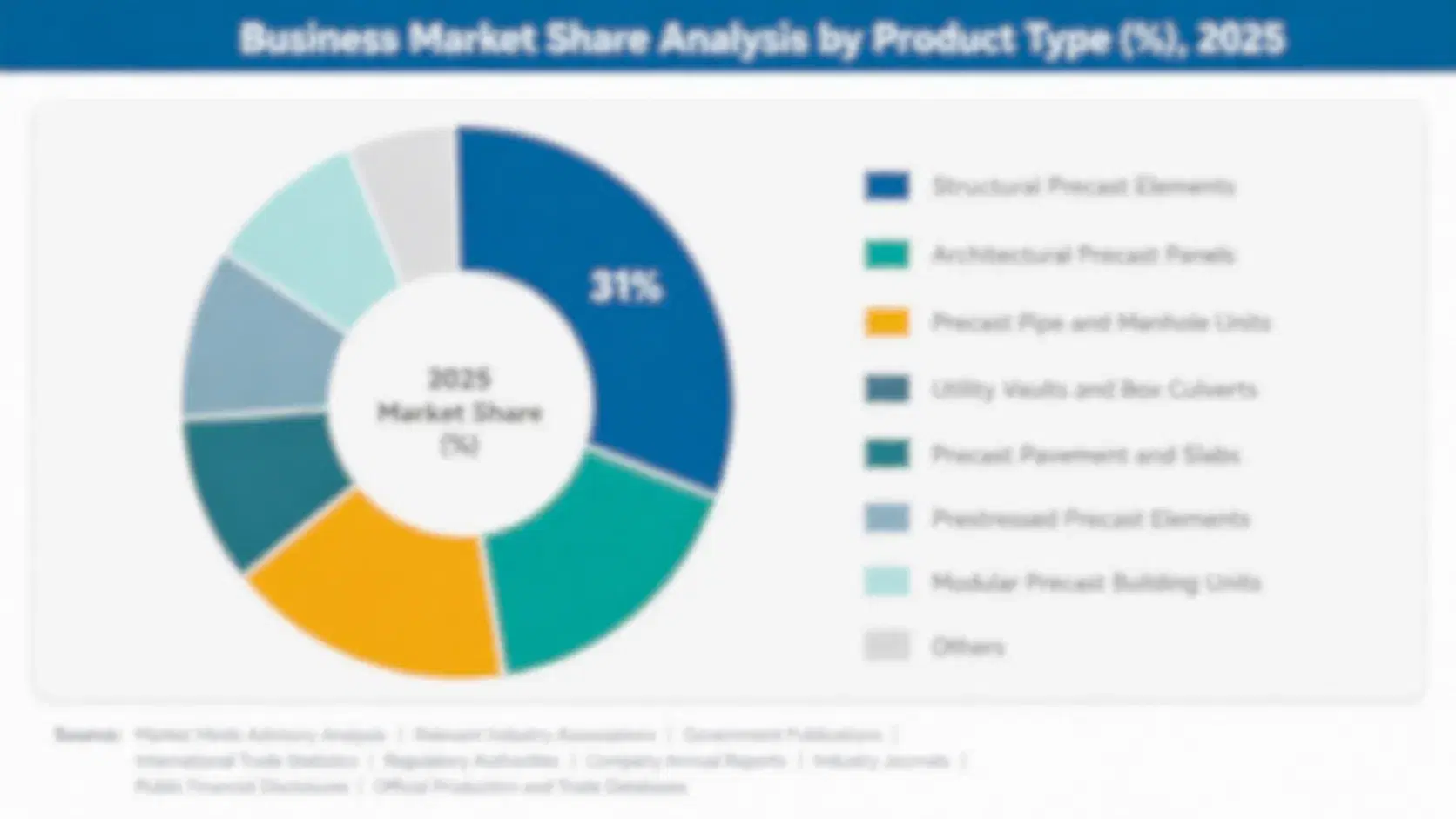
Meringues and meringue nests are segmented by product form, because foam base, shape, filling, price, shelf life, and buyer group differ more between nests and shells, kisses and cookies, pavlova bases, vegan and aquafaba, inclusions and toppings, and premium filled meringues than they do by pack size. Vegan and inclusion formats attract most investment. Nests anchor volume.
meringues-and-meringue-nests-market-market-share-analysis-1789778746174

Vegan and Aquafaba Meringues

Vegan and aquafaba meringues are the fastest-growing segment, made from chickpea cooking liquid, pea and potato proteins, and hydrocolloids that whip into foams without egg. Retailers such as Waitrose, Tesco, and Whole Foods list them at 20% to 40% above egg versions, and cafes use them for vegan desserts. The segment removes egg price exposure and reaches allergy-aware buyers. Growth depends on stability under humidity and on taste that matches egg meringue, so bakers invest in protein blends and process control. Suppliers such as Roquette and Cosucra provide foaming proteins, and premium brands defend price through provenance and clean label stories. Foam stability data helps buyers approve new launches faster.
CAGR 11.2%

Meringue Inclusions and Toppings

Meringue inclusions and toppings are the second-fastest segment, made of crushed or small meringue pieces sold to ice cream makers, confectioners, cereal brands, and bakeries as a crunchy addition. Ben and Jerry's, Haagen-Dazs, and premium chocolate brands use meringue pieces in flavours and bars, and cafes use crushed pieces on desserts. Volumes are large, and pieces are sold by weight in bulk bags at lower prices than whole nests, which suits broken product. Growth depends on ice cream and snack innovation, and suppliers that offer consistent piece size, dry storage stability, and allergen documentation win supply contracts from large manufacturers. Broken nests from packing lines supply much of the raw material.
CAGR 8.6%
Full segment breakdown across 6 segments available in the complete report.

Regional Architecture and Country Demand Map

Meringue value follows dessert tradition, egg cost, and foodservice reach. Western Europe leads through the United Kingdom, France, Italy, and Germany, North America and East Asia follow through retail and dessert cafes, and India is the fastest-growing country as bakery cafes and hotels expand. Growth stays broad.

North America

North America holds 24% share, with the United States and Canada selling meringue cookies, nests, and pavlova bases through supermarkets, bakery chains, and holiday baking sections, with peak demand in November and December. Dr. Oetker, Wilton Brands, Rich Products, and specialty bakeries supply retail and foodservice, and restaurant chains use meringue components in plated desserts. Egg price volatility, breakage in long distribution routes, and competition from cookies and mousse restrain returns, though vegan launches and dessert menu growth keep growth near the global rate. Online bakeries and grocery delivery add trial volume. Costco and Kroger stock holiday nests, and pastry chefs in restaurant groups use ready-made components to offset skilled labour shortages during peak dessert seasons.
Share: 24% | CAGR: 5.9% (2026 to 2036)

Western Europe

Western Europe holds 34% share, above its usual band, because the United Kingdom, France, Italy, Germany, and the Nordics share the deepest meringue traditions, including Eton mess, meringue nests, and macaron-adjacent patisserie, and hosts the largest supermarket ranges and dessert foodservice sector, so per-capita consumption is higher than in any other region. Dr. Oetker, Puratos, Bakels, Vandemoortele, and Lantmannen Unibake lead, alongside artisan bakeries. Mature volumes, egg prices, and energy costs hold growth below the global rate, though vegan ranges add value. Retailers list nests year-round. Retailers such as Tesco, Sainsbury's, and Carrefour sell nests and pavlova bases, and artisan bakeries in Paris and London supply patisserie shops that value handmade texture. Vegan ranges add premium listings.
Share: 34% | CAGR: 4.5% (2026 to 2036)
Regional intelligence for 5 additional markets available in the complete report: East Asia, South Asia and Pacific, Latin America, Middle East and Africa, Eastern Europe. Contact sales@marketmindsadvisory.com.
meringues-and-meringue-nests-market-country-cagr-analysis-1789778746535

Four Margin Routes for Meringue Suppliers

Margin in meringue comes from managing egg exposure and breakage, not from piping skill. Suppliers that launch vegan lines, cut breakage with better packaging, win foodservice component contracts, and sell broken product as inclusions earn more per kilogram than those competing on price against local bakeries and seasonal retail promotions. Execution decides these outcomes.

Launching Vegan and Aquafaba Lines to Cut Egg Exposure

Vegan meringues sell at 20% to 40% above egg versions and remove egg white, which is 24% of cost of goods. A baker producing 500 tonnes a year can lift gross margin by 4 to 7 points by moving 30% of volume to plant foams, worth $0.5 million to $1.5 million a year. Development costs $200,000 to $600,000 per range, and retailers give vegan sections dedicated space. Foaming protein suppliers provide application support, and plant foams also reduce allergen risks, which helps sales to schools and caterers that ban egg.
Market Impact: vegan lines add 4 to 7 gross margin points

Cutting Breakage Through Protective Packaging and Regional Baking Hubs

Breakage averages 5% to 8% of volume and reaches 15% on long routes, so protective trays and rigid cartons that cut losses to 3% save $1 million to $3 million a year for a baker producing 1,000 tonnes. Packaging adds 10% to 15% to cost, but the net gain is 2 to 4 margin points. Regional baking hubs shorten routes and lower freight, and retailers penalise damaged goods with chargebacks. Barrier films also extend shelf life to nine months, which lets bakers sell through slower accounts and export markets with fewer returns.
Market Impact: packaging cuts breakage to 3% and adds 2-4 points

Winning Multi-Year Foodservice Contracts for Nests and Pavlova Bases

Hotels, cafes, and casual dining chains use nests as plated bases, and a large group can buy 200,000 to 500,000 nests a year. Contracts of two to three years with index-linked egg pricing lock in volume, and foodservice gross margins run 4 to 6 points above retail packs because of larger runs and fewer promotions. Chefs value consistent shape and crisp texture, and kitchens with skilled pastry shortages prefer ready-made components. Once a chain builds a menu around one supplier's nest size, replacement needs new plating trials and menu reprinting.
Market Impact: foodservice contracts earn 4 to 6 more margin points

Selling Broken and Off-Size Product as Inclusions and Toppings

Broken and off-size meringue is a byproduct that can be sold as inclusions to ice cream makers, confectioners, and cereal brands at 60% to 80% of whole nest price rather than being scrapped. A baker with 6% breakage converts $0.4 million to $1.2 million of waste into revenue for each 1,000 tonnes. Bulk bags sell to manufacturers on annual contracts, and consistent piece sizes command premiums. Buyers value dry storage stability and allergen documentation, and this channel improves plant yield without new capital, which lifts overall margin. Yield gains compound across plants.
Market Impact: inclusions recover $0.4 to $1.2 million per 1,000 tonnes

Who Controls the Margin Pool

The meringue industry is highly fragmented among specialist bakers and regional producers, with the top five suppliers holding about 19% of global revenue, the basis used throughout this section. Dr. Oetker, Puratos, Wilton Brands, Bakels, and Rich Products Corporation lead through retail and foodservice components, ingredient systems, and distribution, while thousands of regional bakeries and artisan makers hold local share through freshness, craft, and short delivery routes.
Competition centers on three dimensions: egg and ingredient purchasing, measured by cost per kilogram of finished product and contract security; breakage and shelf life; and channel reach across supermarkets, dessert chains, hotels, and industrial customers. Leaders sign multi-year supply agreements with chains and invest in packaging, while challengers compete on vegan formulations, flavours, and local freshness that large groups cannot always match.

Emerging pressure comes from plant-protein specialists launching vegan meringues, from ice cream and snack makers integrating meringue production, and from private-label suppliers matching branded quality at lower prices. Rankings shift where suppliers secure egg contracts, cut breakage, or lose to cheaper local supply. Acquisitions of regional bakers and plant-based specialists will reorder positions faster than organic growth, particularly as egg volatility pushes smaller producers to seek scale.
meringues-and-meringue-nests-market-company-positioning-matrix-1789778746809

Competitive Moat and Risk Dimensions

DR. OETKER

Moat: Retail Brand Trust and Reach

Dr. Oetker is a German family-owned food group with baking products, dessert mixes, and decorations sold in supermarkets across more than 40 countries, and its brand carries strong trust among home bakers. Its retail relationships, purchasing scale, and technical knowledge in baking mixes let it place meringue-related products, from nests and shells to mixes, on shelves during seasonal peaks.
DR. OETKER

Risk: Retail Concentration and Seasonality

Dr. Oetker relies on a few large retailers and seasonal baking peaks, so promotions and listing decisions affect volume directly. Private-label suppliers and local bakeries can undercut on price, and egg price swings squeeze margins. Home baking trends can also shift quickly, leaving inventory exposed after peak seasons.
PURATOS

Moat: Patisserie Ingredient Systems and Support

Puratos, a Belgian bakery ingredient group, supplies patisserie systems, whipping agents, and dessert components to bakeries and foodservice customers in more than 100 countries, with application centers that support pastry chefs. Its technical service, customer relationships, and plant-based research give it credibility with bakers that use meringue in desserts, and it can offer vegan foam systems alongside egg-based products.
PURATOS

Risk: Broad Portfolio and Price Pressure

Puratos serves many bakery categories, so meringue competes for investment with larger product lines. Egg suppliers and regional bakers can undercut on price, and large customers may split volume across suppliers. Vegan foam entrants may also take share among plant-based buyers if larger suppliers move too slowly.

Players Tracked

Prominent Players

Dr. Oetker
Puratos
Wilton Brands
Bakels
Rich Products Corporation

Other Key Players

Michael Foods
Cargill
Ovostar Union
Igreca
Actini
Sanovo Group
Dawn Foods
Zeelandia
Vandemoortele
Lantmannen Unibake
Bakemark
Kerry Group
Corbion
Ingredion
Roquette

Recent Developments

FEBRUARY 2026

Puratos Introduces Plant-Based Foam System for Vegan Meringue Production

Puratos introduced a plant-based foam system designed for vegan meringue and pavlova production, using pulse protein and hydrocolloids that whip and bake to a crisp texture without egg. It is a product launch. It targets patisserie and industrial bakers facing egg price volatility, and gives customers a documented option.
Signal: Confirms ingredient houses now compete on plant-based foam systems for egg-free meringue production at large industrial scale.
NOVEMBER 2025

Dr. Oetker Expands Seasonal Meringue Nest Range Across European Supermarkets

Dr. Oetker expanded its seasonal meringue nest and mini pavlova range across supermarkets in several European countries, using protective trays that cut breakage and extend display life. It is a range extension. It gives retailers ready-made dessert components for the holiday peak and tests demand for larger pack formats.
Signal: Shows leading brands now investing in protective packaging to widen meringue retail distribution across major European markets.
JULY 2025

Rich Products Signs Foodservice Supply Agreements for Dessert Components in the Gulf

Rich Products Corporation signed supply agreements with hotel and restaurant groups in the Gulf to provide dessert components, including meringue nests, through regional distribution partners. They are supply contracts. They widen Rich's foodservice reach, shorten delivery times, and support hotel banqueting growth in cities where skilled pastry labour is scarce.
Signal: Shows global suppliers now locking in Gulf hospitality demand through regional distribution and multi-year agreements across cities.

What Drives Meringue Costs

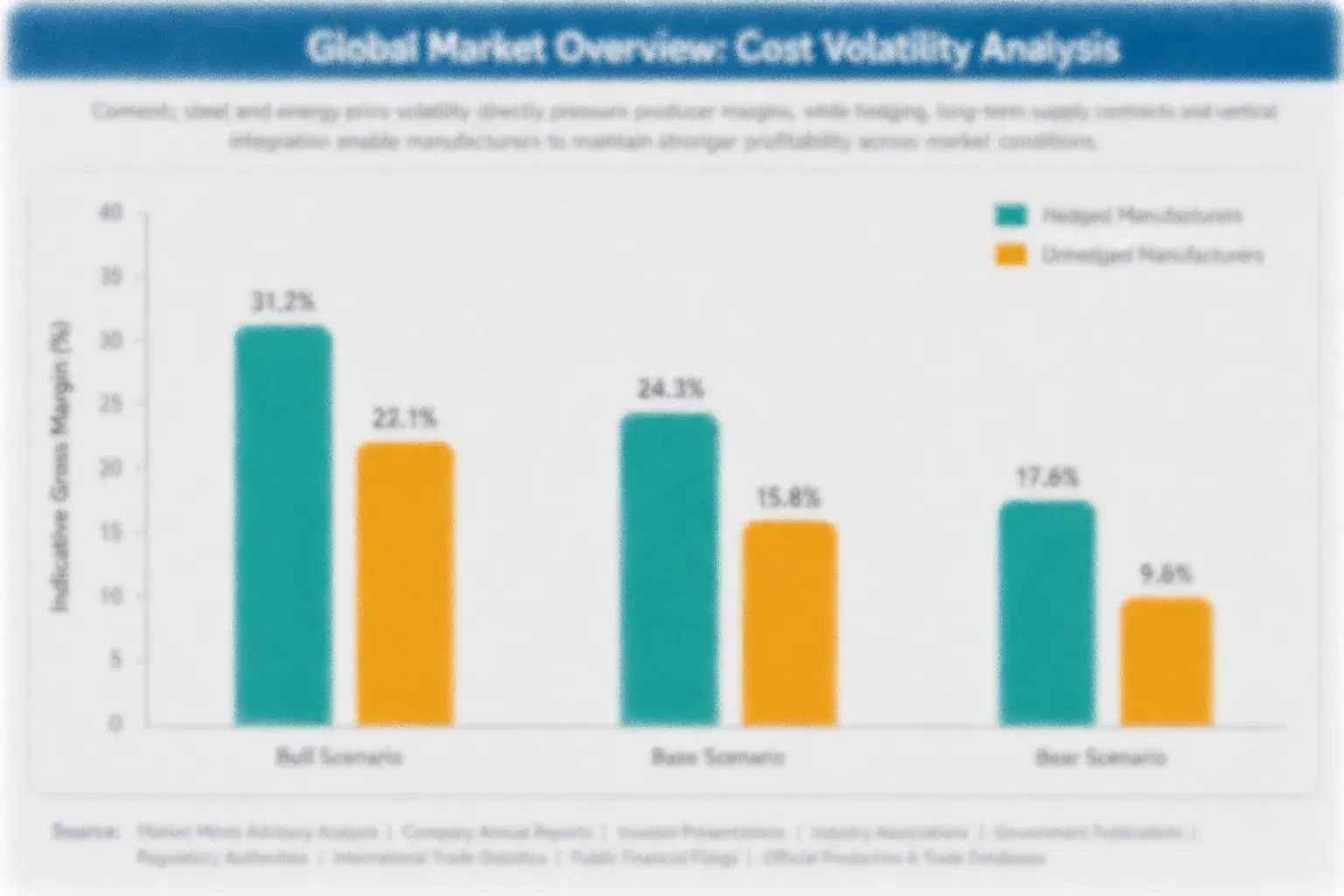
Egg white accounts for roughly 24% of cost of goods and sugar about 22%, with egg white sourced from large egg producers in the United States, the Netherlands, Poland, and Ukraine, and sugar from Brazil, India, and European beet processors. Energy for long low-temperature baking adds about 12%, and packaging, labour, and freight make up the rest, so egg, sugar, and energy together determine margin for meringue producers.
Egg prices spiked in 2022 and early 2023, according to the United States Department of Agriculture, as avian influenza culled tens of millions of laying hens, and European gas prices surged, according to the International Energy Agency, raising egg white cost by 60% to 100% and oven energy cost by 20% to 40%. Bakers cut promotions and delayed price rises. Margins narrowed for several quarters.

The disadvantage falls on producers without scale or egg contracts. Large groups with multi-year egg supply agreements and heat recovery absorb shocks, while small bakers buy spot egg white and run older ovens. Exposure varies by geography: European bakers face energy costs, North American bakers face egg supply risk, and vegan and premium filled lines pass costs through more easily than plain nests sold on price.
meringues-and-meringue-nests-market-cost-volatility-analysis-1789778747007

Contracting Pasteurised Egg White Across Suppliers and Regions

Producers sign annual and multi-year agreements for pasteurised liquid egg white with several suppliers in different regions, mixing fixed and index-linked prices to spread risk. Diversifying across the United States, Europe, and Asia reduces exposure to a single outbreak. Forward buying lets bakers plan production and hold retailer prices through festive peaks without emergency purchases.

Shifting Part of Volume to Plant-Based Foam Formulations

Producers move 20% to 40% of volume to aquafaba and pulse protein foams, which cost within 10% of egg white at recent prices and avoid egg outbreaks entirely. This adds development cost and stability challenges in humid conditions. It also opens vegan shelves, and retailers reward the diversification with dedicated space that supports steady volumes.

Installing Heat Recovery and Efficient Drying Ovens

Producers install heat recovery, insulated ovens, and dehumidified drying rooms to cut energy per tonne, since long low-temperature baking is a major cost after egg and sugar. Modern systems reduce energy use by 15% to 25%, though they need capital and technical training. Lower energy intensity also supports carbon claims that retailers request in supplier scorecards and tenders.

Portfolio Architecture for Margin Defence

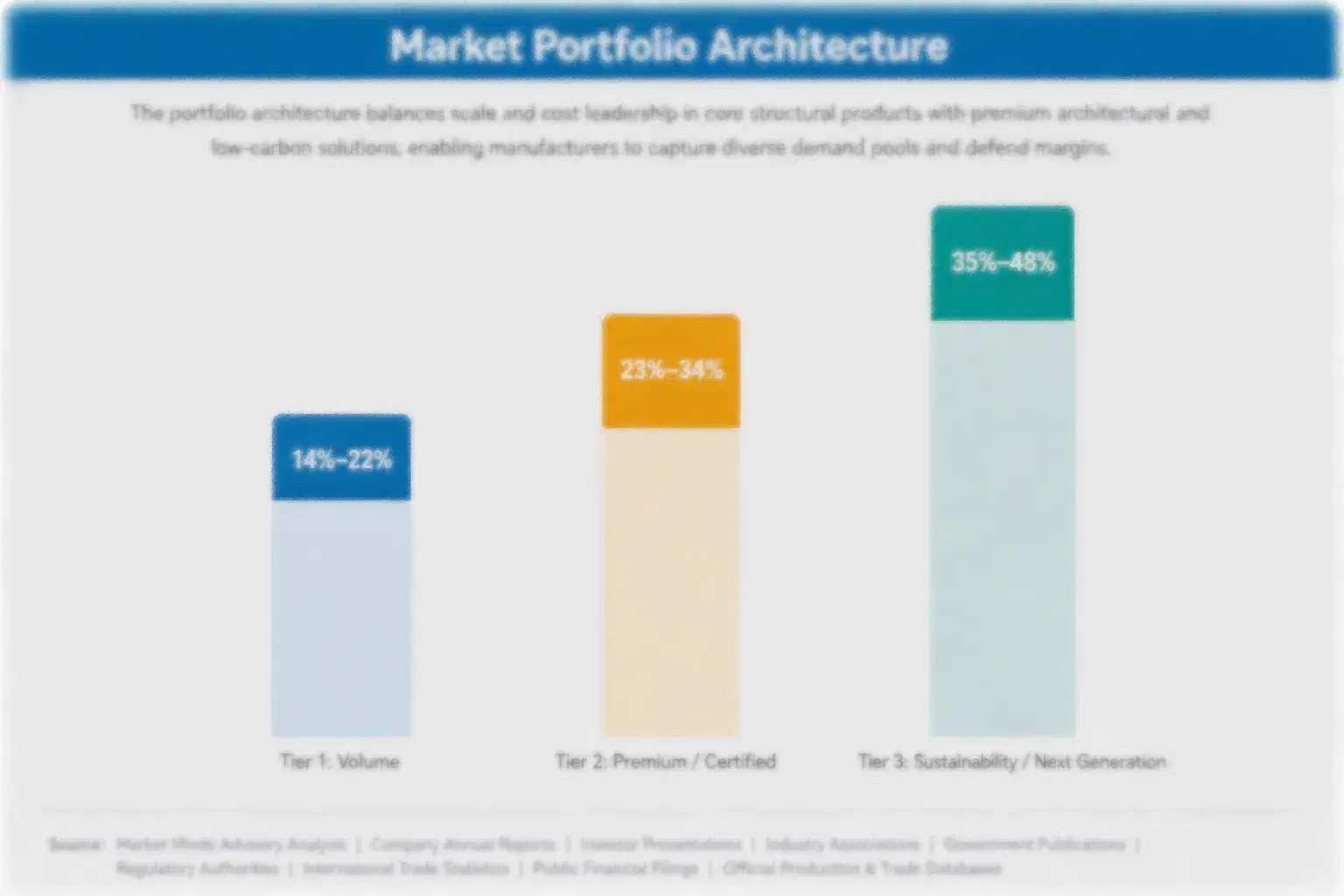
Margins run from thin returns on plain nests and kisses sold in bulk to strong profits on vegan, filled, and premium flavoured ranges sold with dessert positioning, with gross margin roughly doubling between the volume tier and the top tier. Egg purchasing, breakage control, and packaging create pricing power, and buyers pay more for a component that arrives intact and looks the same in every box.
Volume and premium pull in different directions. Plain nests and kisses sell in large lots to price-driven retailers and foodservice buyers at thin margins and face seasonal promotions and egg swings, while vegan and filled meringues sell in smaller lots at much higher margins but need formulation work, protective packaging, and shelf-life data. Suppliers must decide how much capital to commit to premium lines and how quickly to move, since chains reset menus slowly.

High-value pools concentrate in vegan and aquafaba meringues for allergy-aware and plant-based buyers, meringue inclusions for ice cream and snack makers, and foodservice contracts for hotels and dessert chains. These segments benefit from recurring orders, documented performance, and limited competition from home bakers. Suppliers that combine egg purchasing, packaging expertise, and channel relationships hold advantages that rivals cannot copy quickly.

Volume / Commodity-Adjacent Tier

Plain nests, shells, and kisses sold in bulk to supermarkets and wholesalers, with thin margins, egg and energy cost exposure, and seasonal price competition from private label and regional bakeries, where buyers switch when prices move by a few percent.
Gross Margin: 18%-28%

Premium / Certified Tier

Consistent-shape nests and pavlova bases with pasteurised egg documentation, allergen controls, and protective packaging, sold under annual contracts to hotels, chains, and retailers that require documented food safety, reliable delivery, and stable supply across dessert seasons.
Gross Margin: 28%-40%

Sustainability / Regulatory / Next-Generation Tier

Vegan and aquafaba meringues, filled shelf-stable snacks, and flavoured premium kisses with clean label recipes and barrier packaging, positioned for vegan sections, dessert cafes, and export markets where buyers pay premiums for convenience, allergen safety, and provenance.
Gross Margin: 36%-52%
meringues-and-meringue-nests-market-portfolio-architecture-1789778747197

High-value Sub-segments and Strategic Watch-out

Vegan and Aquafaba Meringues

Vegan and aquafaba meringues combine the fastest growth with strong pricing, since plant-based and allergy-aware buyers pay 20% to 40% premiums and egg price exposure disappears. Foaming protein know-how and humidity stability limit competition, and brands with strong taste scores win dedicated shelf space. Repeat purchase follows.
Gross Margin: 36%-52%

Meringue Inclusions and Toppings

Meringue inclusions and toppings offer high value with solid growth, because ice cream makers, confectioners, and cereal brands buy crunchy pieces in bulk on annual contracts. Piece size consistency and dry storage stability limit scale, though bakers that convert breakage into inclusions defend margin and improve yield across plants.
Gross Margin: 28%-42%

Meringue Nests and Shells

Meringue nests and shells form the volume core, sold to households, hotels, and dessert chains who want a plated base without pastry labour. Margins are moderate and exposed to egg and energy swings, but steady demand supports scale, and bakers with egg contracts and protective packaging hold cost advantages.
Gross Margin: 20%-34%

Premium Filled and Flavoured Meringues

Premium filled and flavoured meringues are a strategic watch-out, valued for snack and gifting positioning but limited by small volumes, barrier packaging cost, and seasonal demand. Social media trends could expand or restrict interest, so bakers should track retailer reorders and margins carefully before committing capital.
Gross Margin: 30%-50%

Why Dessert Kitchens Keep Meringue Suppliers

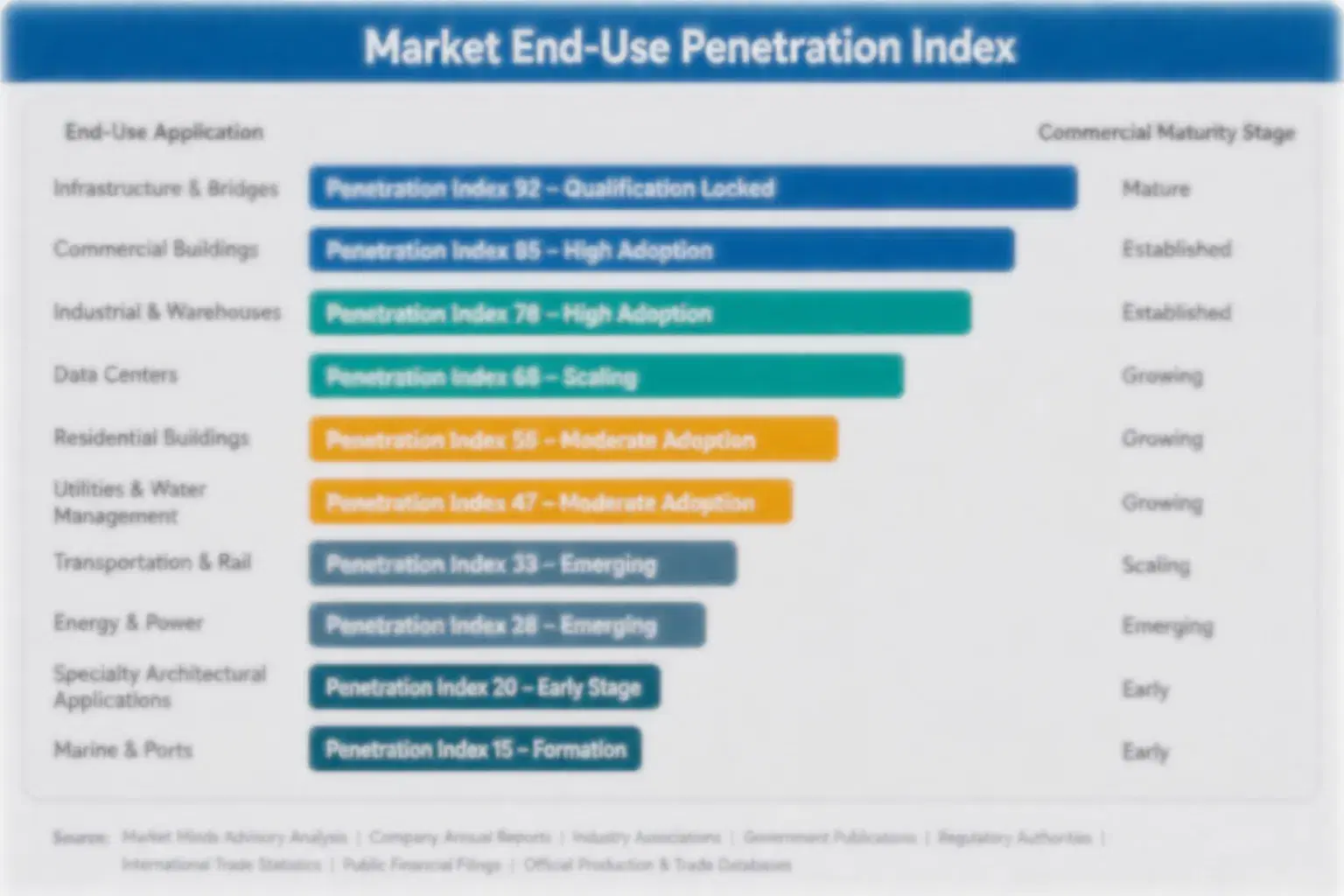
Meringue demand behaves like an annuity once a kitchen builds a dessert around a nest. Hotels plate the same dessert every weekend, cafes reorder monthly, and retailers keep a fixed seasonal set. Suppliers that hold an account for years earn steady volume, and renewals follow performance and egg-linked price formulas rather than open tenders, because a supplier change means a new nest size, new plating trials, and new breakage risk in the middle of a season.
Stickiness varies by vertical. Hotel banqueting and restaurant chains with fixed menus are deepest, since nest dimensions and plating design lock in suppliers. Retail brands are next, because shoppers repeat holiday baking habits. Ice cream and snack makers buying inclusions are moderate, tied to recipes, while bakery cafes buying loose product are shallower, moving between suppliers on price.

Buyer profiles are shifting. Older buyers baked meringue at home for holidays, while younger consumers see dessert on social media, order from cafes, and expect vegan and flavoured options. They compare ingredient lists, share photos, and switch quickly if products arrive broken, so suppliers that publish ingredients, protect crispness in transit, and offer vegan lines keep loyalty across age groups.
meringues-and-meringue-nests-market-end-use-penetration-index-1789778747381

MMA Verdict on Meringue Strategy

These are among the four positions where our research anticipates prominent divergence between winners and laggards over the coming forecast period. Each is grounded in the demand model, the regulatory perimeter, and the announced capacity pipeline.
01 / VEGAN RANGE STRATEGY

Launch Vegan Meringues Before Egg Prices Spike Again and Shelves Fill

Vegan and aquafaba meringues grow at 11.2% a year, about 1.93 times the market rate, and sell at 20% to 40% above egg versions. Egg white is 24% of cost of goods. MMA recommends launching two vegan lines and moving 30% of volume to plant foams within 18 months, because retailers list a limited number of vegan desserts per section, and early suppliers hold shelf space and foaming protein contracts that later entrants struggle to secure without paying premium prices.
02 / BREAKAGE REDUCTION STRATEGY

Cut Breakage With Protective Packaging Before Retailers Tighten Chargebacks

Breakage averages 5% to 8% of volume and packaging that cuts losses to 3% saves $1 million to $3 million a year per 1,000 tonnes. Packaging adds 10% to 15% to cost. MMA advises piloting rigid trays and barrier films on the top three products within 12 months and building regional baking hubs within two years, because retailers penalise damaged goods, and suppliers with lower breakage keep listings that competitors lose during seasonal peaks, when damaged cartons cost far more than any packaging saving.
03 / FOODSERVICE CONTRACT STRATEGY

Lock Multi-Year Hotel and Dessert Chain Contracts With Egg-Linked Pricing

Foodservice takes 41% of sales, and contracts earn 4 to 6 more margin points than retail packs. A large hotel group buys up to 500,000 nests a year. MMA recommends signing multi-year programmes with three hotel or chain accounts using index-linked egg pricing within 18 months, because chefs build menus around one nest size, switching means plating trials and reprinting, and pastry labour shortages keep ready-made components in demand, which supports stable pricing even when retailers push promotional discounts on plain packs.
04 / INPUT COST STRATEGY

Contract Egg White Across Regions and Cut Oven Energy Before Costs Spike

Egg white is 24% of cost of goods, and 2022 spikes raised egg white cost by 60% to 100%. Heat recovery cuts oven energy by 15% to 25%. MMA advises contracting 60% of egg white across two regions and installing heat recovery on the largest ovens within two years, because producers that hold margins through egg shocks retain retailer listings that rivals lose, and lenders reward that stability with lower borrowing costs, which helps them fund new drying ovens ahead of demand.

Engagement Snapshot From the Field

A live engagement with an industry participant carrying material or product regulatory and market exposure ahead of a defining policy shift, showing how our research translates into a defensible multi-year portfolio strategy.
MARKET MINDS ADVISORY · CLIENT ENGAGEMENT SUMMARY
Meringues & Meringue Nests Producer Strategic Portfolio Review and Transition Roadmap 2026·Investment Scenario on Meringues & Meringue Nests Exposure Evaluation 2025-26
CLIENT PROFILE
The client is a mid-sized European dessert component manufacturer with two plants and roughly $140 million in annual revenue (client-reported, unverified by MMA), producing meringue nests, pavlova bases, and biscuit components for supermarkets, hotels, and dessert chains. Meringue represented 46% of sales, with gross margin near 20% (client-reported, unverified by MMA). Plant utilisation averaged 74% (client-reported, unverified by MMA).
STRATEGIC CHALLENGE
Egg white prices had risen by 70% in two years, breakage averaged 9% of volume on export routes, two hotel groups asked for vegan options, and oven energy costs had risen by 30%. Leadership needed a plan that protected margin, added vegan capability, and cut breakage without a large capital programme or loss of existing retail listings.
MMA APPROACH
MMA analysed cost and yield data for 24 products, interviewed hotel buyers, retailers, and egg suppliers, benchmarked six competitors on breakage and egg sourcing, and modeled economics for vegan foams, protective packaging, and heat recovery under high, base, and low egg price scenarios. Analysts also observed both plants. Findings were validated with client managers.
KEY FINDINGS
  1. Protective rigid trays and barrier films would cut breakage from 9% to about 4% and save about $3 million a year (client-reported, unverified by MMA).
  2. Vegan foams could reach 10% of volume within two years at margins 8 points above egg nests, based on customer interviews at three hotel groups.
  3. Heat recovery on four ovens would cut energy per tonne by 18%, saving about $1.2 million a year, based on supplier quotes.
  4. Selling broken product as inclusions to ice cream makers would recover about $0.8 million a year, according to buyer discussions at four manufacturers.
CLIENT PROFILE
The client is a mid-sized European dessert component manufacturer with two plants and roughly $140 million in annual revenue (client-reported, unverified by MMA), producing meringue nests, pavlova bases, and biscuit components for supermarkets, hotels, and dessert chains. Meringue represented 46% of sales, with gross margin near 20% (client-reported, unverified by MMA). Plant utilisation averaged 74% (client-reported, unverified by MMA).
STRATEGIC CHALLENGE
Egg white prices had risen by 70% in two years, breakage averaged 9% of volume on export routes, two hotel groups asked for vegan options, and oven energy costs had risen by 30%. Leadership needed a plan that protected margin, added vegan capability, and cut breakage without a large capital programme or loss of existing retail listings.
MMA APPROACH
MMA analysed cost and yield data for 24 products, interviewed hotel buyers, retailers, and egg suppliers, benchmarked six competitors on breakage and egg sourcing, and modeled economics for vegan foams, protective packaging, and heat recovery under high, base, and low egg price scenarios. Analysts also observed both plants. Findings were validated with client managers.
KEY FINDINGS
  1. Protective rigid trays and barrier films would cut breakage from 9% to about 4% and save about $3 million a year (client-reported, unverified by MMA).
  2. Vegan foams could reach 10% of volume within two years at margins 8 points above egg nests, based on customer interviews at three hotel groups.
  3. Heat recovery on four ovens would cut energy per tonne by 18%, saving about $1.2 million a year, based on supplier quotes.
  4. Selling broken product as inclusions to ice cream makers would recover about $0.8 million a year, according to buyer discussions at four manufacturers.
RECOMMENDED STRATEGY
Phase 1: Phase 1 (Months 1-6): Sign egg contracts with three suppliers, pilot protective trays on export products, and begin inclusion sales trials with two buyers. Phase 2: Phase 2 (Months 7-18): Launch two vegan lines, install heat recovery on four ovens, and sign multi-year contracts with two hotel groups. Phase 3: Phase 3 (Months 19-30): Extend vegan and filled products to retail, review egg-linked pricing each quarter, and evaluate acquisition of a regional bakery.
OUTCOME
Within 30 months, breakage fell from 9% to 4%, vegan and inclusion products reached about 14% of sales, and gross margin rose from 20% to about 27% (client-reported, unverified by MMA). Two hotel groups signed three-year contracts, energy cost per tonne fell, and the board approved a second vegan line for the following year.

Frequently Asked Questions

Foundational context covering the market sizes, CAGR, scope, country, region and competition that inform every finding below. This section is provided to cover basics and most often pre-purchase conversations, answered from the MMA Primary Research Dataset.

What is the current size of the Meringues & Meringue Nests Market?

The global meringues and meringue nests market was valued at $2.3 billion in 2025. This covers nests, shells, kisses, pavlova bases, vegan meringues, and inclusions sold through retail, bakery, and foodservice channels.

How large will the Meringues & Meringue Nests Market be by 2036?

MMA projects the market will reach approximately $4.3 billion by 2036. This represents cumulative growth of roughly $1.8 billion over the full ten-year forecast window.

What is the CAGR for the Meringues & Meringue Nests Market 2026 to 2036?

The market is forecast to grow at a 5.8% compound annual rate between 2026 and 2036. The bull case reaches 7.1% while the bear case falls to 4.5%.

Which segment is growing fastest?

Vegan and Aquafaba Meringues is the fastest-growing segment at 11.2% CAGR, roughly 1.93 times the overall market rate. Meringue Inclusions and Toppings follows as the second-fastest segment at 8.6% CAGR each year.

Who are the major companies in the Meringues & Meringue Nests Market?

Leading companies include Dr. Oetker, Puratos, Wilton Brands, Bakels, and Rich Products Corporation. These five suppliers together hold an estimated 19% of total global market revenue, based on MMA analysis of company disclosures.

Which country is growing fastest?

India is the fastest-growing major market, expanding at approximately 9.0% CAGR each year. Bakery cafe expansion, hotel banqueting growth, and rising incomes are driving this above-market growth across the country.

Report Segmentation Architecture

The full report scope spans multiple orthogonal segmentation dimensions, with cross-tabulated demand data provided for each dimension pair. Coverage extends further to regional breakdowns, trend trajectories, and the competitive detail needed to support segment-level decision-making.

By Primary Market Dimension

  • Vegan and Aquafaba Meringues
  • Meringue Inclusions and Toppings
  • Meringue Nests and Shells
  • Meringue Kisses and Cookies
  • Pavlova Bases and Discs
  • Premium Filled and Flavoured Meringues

By End-Use Industry

  • Household Consumption
  • Hotels and Banqueting
  • Cafes and Restaurants
  • Ice Cream and Confectionery Manufacturing
  • Bakeries and Patisseries

By Commercial Dimension

  • Supermarket and Retail Packs
  • Foodservice Supply Contracts
  • Industrial Ingredient Supply
  • Online and Specialty Retail

By Region

  • North America
  • Western Europe
  • East Asia
  • South Asia and Pacific
  • Latin America
  • Middle East and Africa
  • Eastern Europe

Scope, Methodology, and Coverage

Every figure in this report is reproducible from documented input assumptions. The scope below maps the historical period, the forecast horizon, the segmentation dimensions, and the countries covered, alongside the underlying primary and qualitative methodology.
Historical Period
2020 to 2025
Forecast Period
2026 to 2036
Base Year
2025 (USD billions; MMA Primary Research Dataset, September 2026)
Market Definition
Meringues and meringue nests comprise baked foams of whipped egg white or plant-based protein and sugar, dried at low temperature into crisp products, including nests and shells, kisses and cookies, pavlova bases, vegan and aquafaba meringues, inclusions and toppings, and filled or flavoured meringues sold through retail, bakery, and foodservice channels. The scope excludes meringue powder, liquid egg white ingredients, marshmallow, and wet-topped pastries such as lemon meringue pie.
Quantitative Units
USD billions (current prices); tonnes for volume references
Segmentation Dimensions
By Product Form; By End-Use Industry; By Commercial Dimension; By Region
Regions Covered
North America, Western Europe, East Asia, South Asia and Pacific, Latin America, Middle East and Africa, Eastern Europe
Countries Covered
USA, Canada, Mexico, Brazil, Argentina, Chile, UK, France, Italy, Germany, Netherlands, Poland, Czechia, Turkey, South Africa, UAE, Japan, South Korea, China, India, Australia, New Zealand, and additional markets relevant to this sector
Key Companies Profiled
Dr. Oetker, Puratos, Wilton Brands, Bakels, Rich Products Corporation, Michael Foods, Cargill, Ovostar Union, Igreca, Actini, Sanovo Group, Dawn Foods, Zeelandia, Vandemoortele, Lantmannen Unibake, Bakemark, Kerry Group, Corbion, Ingredion, Roquette
Quantitative Methodology
Primary survey, n=3,800 respondents, Q4 2025, six countries; demand-side model with trade association cross-validation
Qualitative Methodology
47 expert interviews, Q4 2025; applied to validate demand model assumptions, identify emerging dynamics, and assess competitive positioning
Report Format
PDF and XLSX data workbook (Word format preview document)
Publisher
Market Minds Advisory
Report Code
MMA-2026-AGR-345
Published
September 2026
Contact
sales@marketmindsadvisory.com | www.marketmindsadvisory.com

Purchase the full Meringues & Meringue Nests Market Report (2026 to 2036).

The full report delivers a detailed assessment of global meringue and meringue nest demand, product mix, and competitive positioning through 2036. It includes segment forecasts by product form, country-level data for all seven world regions, and profiles of the twenty companies most relevant to meringue supply. Analysts also receive input cost modeling and portfolio margin benchmarking built from MMA's primary research dataset. A scenario planning module lets subscribers stress-test bull and bear assumptions against egg prices, energy costs, and vegan adoption. Quarterly updates keep the whole dataset current throughout the subscription year for every subscriber.
Ten-year segment and regional demand forecasts
Egg white and energy price tracking
Competitive benchmarking of top twenty suppliers
Breakage and packaging cost benchmark database
Regional demand mechanism comparative analysis included
Quarterly primary survey data update access

Built For The People Who Decide

From boardroom strategy to bench-side execution, this report is read cover-to-cover by leaders shaping the next decade of their industry, turning demand scenarios, market dynamics and valuation benchmarks into decisions.
CXOs/ Presidents/ VPs/ Managers
M&A and Corporate Development
Strategy Teams and R&D Heads
Procurement and Product Directors
Regulatory and Compliance Leaders
Investor Relations and Equity Analysts