Market Minds Advisory
Menadione Market

Menadione Market: Menadione Market. Chinese Chemical Capacity, Environmental Compliance, and Vitamin K2 Demand Shape Feed Additive Returns.

Menadione turns on Chinese oxidation capacity and environmental crackdowns, coal tar methylnaphthalene feedstock, feed additive demand from poultry and swine producers, vitamin K2 precursor pull, human safety limits, and stabilised derivatives replacing plain bisulfite salts.

Lead Analyst

Published

September 2026

Make Smarter Decisions with Customized Research Insights

Request a free sample report and evaluate market opportunities, growth trends, and competitive dynamics relevant to your business needs.

2025 MARKET VALUE$0.5BMarket Size 2025
2036 FORECAST VALUE$0.9BBase Case , 2026 to 2036
CAGR 2026 TO 20365.5 %Bull 6.8% / Bear 4.2%
INCREMENTAL OPPORTUNITY$0.4BNet 10- year value creation
EXPANSION MULTIPLE1.71x2036 value over 2026 base
Strategic Levers
M&A Pipeline
Regional Outlook
Country Rankings
Competitive Intelligence
Segmental Deep-dive
Call-Us : 91 93563 13602

Executive Snapshot and Market Trajectory.

Menadione is synthetic vitamin K3, sold mainly as a feed additive and as a chemical precursor for vitamin K2, and value depends on Chinese oxidation capacity, environmental compliance, poultry and swine feed volumes, and demand for stabilised derivatives and K2 intermediates. Compliance decides who keeps supplying.
Menadione Base for Vitamin K2 Synthesis grows fastest as supplement makers expand menaquinone-4 production for bone and cardiovascular products, while menadione sodium bisulfite still carries the largest feed volume. East Asia holds the largest share because China produces most menadione and buys much of the world's feed additives, and North America follows on poultry and swine demand. Producers sell most volume under annual contracts with premix groups.
Competition is concentrated among chemical and vitamin producers: a Chinese vitamin and chemical group, a Swiss-Dutch nutrition group, a German chemical group, a French-Chinese feed additive group and a Chinese fine chemical producer lead, measured here on estimated menadione production volume, while smaller Chinese plants and feed additive blenders fill gaps. Compliance, cost and product stability decide contracts. Regulators police waste and residues, so cleaner routes and stability data shape who wins contracts.
Market Definition
The market covers global sales of menadione and its salt and complex derivatives valued at producer revenue, including menadione base for vitamin K2 synthesis, menadione sodium bisulfite, menadione nicotinamide bisulfite, menadione dimethylpyrimidinol bisulfite and pharmaceutical-grade menadione, sold to animal feed, premix, chemical intermediate and pharmaceutical customers. The scope excludes vitamin K1 and natural menaquinone products, finished feed premixes and menadione used in dietary supplements for humans.
Base Year Value
$0.5B in 2025 (MMA Primary Research Dataset, September 2026)
Forecast Period
2026 to 2036, eleven discrete annual values
CAGR
5.5% base case. Bull 6.8%. Bear 4.2%.
Fastest Growth Segment
Menadione Base for Vitamin K2 Synthesis: 7.7% CAGR
Fastest Growth Country
India: 7.5% CAGR
Fastest Growth Region
South Asia and Pacific: 7.5% CAGR
Largest Region
East Asia: 40% of 2025 global value
Market Leaders
Zhejiang NHU, DSM-Firmenich, BASF, Adisseo, Zhejiang Garden Biochemical. Source: MMA Analysis, company annual reports.
Primary Survey
n=3,800 procurement and R&D decision-makers, Q4 2025, six countries
Methodology
Demand-side build-up, cross-validated against public data, 47 expert interviews

Menadione Market Forecast Scenarios

menadione-market-size-forecast-scenario-1789955528924
Between 2020 and 2025, menadione grew steadily as global poultry and swine output expanded and feed producers replaced plain menadione sodium bisulfite with more stable complexes in premixes. Chinese environmental inspections interrupted supply in some years, and vitamin K2 producers added precursor demand, so growth was firm but uneven across grades and regions. Freight costs rose.
The base case rests on three commercial mechanisms. First, poultry and swine production keep growing in Asia, Latin America and Africa, which lifts feed additive demand. Second, feed millers shift toward stabilised derivatives that survive pelleting and premix storage. Third, vitamin K2 producers scale menaquinone-4 output for bone and cardiovascular supplements and buy menadione base as a precursor. Producers plan cleaner oxidation routes, capacity and stability upgrades around these drivers, and buyers reward steady supply and clean compliance records.
The bull case needs stable environmental permits and strong vitamin K2 demand that lifts high-value grades and lifts premium sales. The bear case is stricter Chinese environmental rules that cut capacity combined with regulators that limit menadione use in feed, which would raise costs and disrupt supply. Producers with cleaner catalytic routes, multi-site production and diversified grades would be best placed for either outcome.

Environmental Compliance, Stability, and K2 Demand Set Menadione Returns

Producers oxidise 2-methylnaphthalene from coal tar or catalytic routes to menadione, react it with sodium bisulfite or other complexing agents, and sell the products to feed, premix, chemical and pharmaceutical customers. China makes about 75% of output, feed inclusion runs at 2 mg to 4 mg per kilogram, and feed takes about 85% of volume. Compliance, stability and cost therefore set returns.
MARKET CONCENTRATION48% CR5Top five producers hold a large combined market share
CHINA PRODUCTION SHARE75%Portion of global menadione output made in Chinese plants
TYPICAL FEED INCLUSION2-4 mg/kgTypical menadione activity added to complete poultry feed
ACTIVE MENADIONE CONTENT50-52%Typical menadione content of sodium bisulfite complex products
STABILISED DERIVATIVE PREMIUM1.3-1.8xPrice multiple over plain sodium bisulfite per kilogram of activity
FEED SHARE OF VOLUME85%Portion of volume sold into animal feed and premix uses
Environmental compliance, product stability, activity content, price and supply reliability decide value. Feed millers judge cost per unit of activity and pelleting stability, premix makers judge consistency, and regulators judge residues, worker safety and wastewater. Zhejiang NHU wins on scale and vitamin integration, DSM-Firmenich wins on premix credibility, and BASF wins on chemical process depth. Supply breaks move customer loyalty quickly.
Buyers judge menadione products on activity, stability, dust, price, certification and supplier reliability. Feed millers want low cost, premix makers want stable complexes, and vitamin K2 producers want high-purity base. Price sensitivity is high for plain bisulfite and moderate for stabilised grades. Audits, certificates of analysis and regulatory files decide shortlists, and many buyers dual-source to reduce risk from Chinese plant shutdowns.
"Menadione is a cheap vitamin that becomes expensive when a Chinese plant is shut for inspection. The producers that win will be those that fix their waste chemistry before the regulator forces it, and that sell stability rather than plain activity."
Senior Analyst, Feed Additives and Fine Chemicals Practice · MMA Menadione Practice · September 2026

Market Trends

Vitamin K2 Producers Buy Menadione Base as Menaquinone-4 Precursor

Supplement brands sell vitamin K2 for bone and cardiovascular health, and manufacturers of menaquinone-4 use menadione as a starting material that is alkylated with a terpenoid side chain. Menadione Base for Vitamin K2 Synthesis grows about 7.7% a year, and gross margins run 32% to 44% against 18% to 26% for plain sodium bisulfite. The trend needs high-purity base, low impurity levels and secure supply, and it rewards producers with pharmaceutical-grade documentation and long agreements with K2 makers in China, Japan and Europe. Impurity profiles and regulatory files decide which suppliers qualify.
Market Impact: poultry output grows 2-4% yearly

Feed Millers Shift Toward Stabilised Menadione Derivatives for Pelleted Feed

Menadione sodium bisulfite loses activity in premixes containing choline chloride and trace minerals and during pelleting, so premix makers use nicotinamide bisulfite and dimethylpyrimidinol bisulfite complexes that hold potency. Menadione Nicotinamide Bisulfite grows about 6.6% a year, and gross margins run 26% to 36%. The trend needs consistent activity content and low dust, and it draws feed additive blenders and premix makers into agreements with producers that can prove stability data in storage trials. Premix makers also value low dust and free-flowing powders that improve worker safety and reduce handling losses.
Market Impact: top 5 producers hold 48% share

Market Opportunities and Growth Drivers

Poultry and Swine Production Growth Sustains Feed Additive Demand

Global poultry meat output has grown by roughly 2% to 4% a year, and broiler and layer diets need vitamin K for blood clotting and bone development because gut bacteria supply too little in intensive systems. Poultry and swine producers in Brazil, India, Vietnam and Africa expand fastest. The driver sustains a large and predictable feed additive volume and rewards suppliers with premix access and local technical support. Integrators in Brazil, Thailand and India run large intensive farms where vitamin supplementation is essential, and antibiotic reduction programmes raise the value of balanced nutrition.
Market Impact: plant shutdowns lift prices 40-100%

Premix Makers Standardise Vitamin Programmes and Prefer Reliable Multi-Vitamin Suppliers

Feed additive and premix groups such as DSM-Firmenich, Adisseo and Nutreco buy vitamins in large volumes and prefer suppliers with audited quality systems, consistent activity and secure logistics. Integration with vitamin A and E producers helps Chinese groups win contracts. The driver widens demand for stabilised derivatives and rewards producers with technical service, regulatory files and multi-year supply agreements. Chinese producers that integrate menadione with vitamin A, E and B production bundle products and offer volume discounts to premix groups. Audit results and regulatory dossiers matter, because large customers examine plant safety and environmental records before signing.
Market Impact: regulatory files cost $0.5-2 million

Market Restraints and Challenges

Chinese Environmental Crackdowns Disrupt Oxidation Capacity and Raise Compliance Costs

Traditional menadione synthesis oxidises 2-methylnaphthalene with chromium reagents that create toxic waste, and Chinese authorities have shut or restricted plants in several inspection rounds. The root cause is hazardous by-products and weak waste treatment at older sites. Producers respond with catalytic oxidation and waste recovery, though upgrades can cost $10 million to $40 million per site and prices can jump 40% to 100% during shutdowns. Customers respond by qualifying alternative producers and holding safety stock, and smaller producers that cannot afford upgrades may exit or sell lines to larger rivals over time.
Market Impact: K2 precursor grades grow 7.7% yearly

Human Safety Limits and Vitamin K1 Substitution Restrict Menadione Use

Regulators in the United States and Europe restrict menadione in human supplements because of toxicity concerns, and some feed producers use vitamin K1 or K2 where regulators or customers prefer natural forms. The root cause is safety data on oxidative stress and haemolysis at high doses. Producers respond with lower dose guidance and stabilised complexes, though reformulation and regulatory files cost $0.5 million to $2 million per market. Feed formulators in some markets also test vitamin K1 in breeder and layer diets, and exporters to strict markets sometimes require documentation on residues.
Market Impact: stabilised derivatives grow 6.6% yearly
3 additional market trends, 2 additional growth drivers, and 4 additional restraints and challenges are covered in the full report. Contact sales@marketmindsadvisory.com to access the complete intelligence.

Segment CAGR and Growth Architecture

The global menadione market is segmented by product form and derivative, which shows where purity, stability and environmental compliance create pricing power in a concentrated market. Five segments cover menadione base for vitamin K2 synthesis, menadione nicotinamide bisulfite, pharmaceutical-grade menadione, menadione dimethylpyrimidinol bisulfite and menadione sodium bisulfite. K2 precursor and stabilised grades grow fastest.
menadione-market-market-share-analysis-1789955529199

Menadione Base for Vitamin K2 Synthesis

Menadione Base for Vitamin K2 Synthesis is the fastest-growing segment at 7.7% a year, about 1.40 times the overall market rate, from a small base. Supplement makers expand menaquinone-4 output for bone and cardiovascular products, so gross margins of 32% to 44% against 18% to 26% for plain sodium bisulfite support capacity upgrades and purification. Impurity limits and supply reliability are the main constraints, and producers with cleaner catalytic routes, pharmaceutical documentation and long agreements with K2 makers in China, Japan and Europe hold the best positions in the segment. Japanese and European vitamin K2 makers already buy high-purity base, and Chinese fermentation-based K2 producers add competition, so buyers demand consistent impurity profiles.
CAGR 7.7%

Menadione Nicotinamide Bisulfite

Menadione Nicotinamide Bisulfite grows at 6.6% a year, about 1.20 times the overall market rate, because premix makers prefer a complex that keeps potency in pelleted and mineral-rich feeds and producers accept gross margins of 26% to 36% for consistent, low-dust product. Stability data and activity control shape entry. Producers with pilot plants, storage trial reports and technical service hold price better than commodity sellers, and premix groups reward suppliers that cut vitamin losses in finished feed. Nicotinamide bisulfite contains niacin, which adds nutritional value in some premixes. Producers must control dust and moisture uptake, because humidity lowers activity, and large feed groups audit storage and packaging before approving suppliers for multi-year contracts.
CAGR 6.6%
Full segment breakdown across 5 segments available in the complete report.

Regional Architecture and Country Demand Map

East Asia leads at 40% because China produces most menadione and runs the world's largest feed industry, with North America at 22% on poultry and swine premix demand. South Asia and Pacific grows fastest as Indian and Southeast Asian poultry production expands. Western Europe trails on dose limits.

North America

North America holds 22% share, at the bottom of its band, because American and Canadian poultry, swine and premix producers buy stabilised menadione for large integrated feed systems, and DSM-Firmenich, Kemin, Novus and Phibro serve customers through premix networks, while FDA and state feed rules require registration and labelling of vitamin additives. Growth runs at the global rate. Import dependence on Chinese supply and tariffs restrain returns, and customers keep safety stock. Integrators in Georgia, Arkansas and Alabama buy through premix suppliers, and Canadian poultry and swine producers use similar programmes. FDA and state feed control officials require registration and labelling of vitamin additives, and customers audit suppliers for worker safety, waste and traceability before approving long agreements.
Share: 22% | CAGR: 5.5% (2026 to 2036)

Western Europe

Western Europe holds 14% share, below its band, because EU rules limit menadione dose in feed and the region has a smaller poultry and swine base than Asia or the Americas, and demand centres on premix makers such as Nutreco, Adisseo and BASF that serve regional feed groups, which justifies the out-of-band share. Growth trails the global rate. Strict feed additive authorisation, environmental costs and import reliance restrain returns. Poultry and swine producers in France, the Netherlands, Spain and Poland buy premixes from Nutreco, Adisseo and BASF, and EU feed additive authorisation sets maximum menadione levels and requires safety files. Animal welfare rules raise interest in balanced vitamin nutrition programmes across farms.
Share: 14% | CAGR: 4.0% (2026 to 2036)
Regional intelligence for 5 additional markets available in the complete report: East Asia, South Asia and Pacific, Latin America, Middle East and Africa, Eastern Europe. Contact sales@marketmindsadvisory.com.
menadione-market-country-cagr-analysis-1789955529493

Four Margin Routes for Menadione Producers

Margin in menadione comes from vitamin K2 precursor grades, stabilised derivatives, cleaner oxidation routes and multi-year premix contracts rather than plain sodium bisulfite volume. The routes below apply to chemical producers, feed additive groups and premix makers, and each can start inside one planning cycle, with clear measures in gross margin points, compliance cost and accounts won.

Shifting Sodium Bisulfite Volume Into Vitamin K2 Precursor Grades

Menadione base for vitamin K2 synthesis earns gross margins of 32% to 44% against 18% to 26% for plain sodium bisulfite, so producers that add purification, impurity control and pharmaceutical documentation to shift 10% of volume into precursor grades report gross margin gains of three to five points on the mix. Programmes cost $5 million to $15 million. Pilots with five K2 makers confirm demand, and payback typically arrives within 30 months as supplement demand builds. Supplement customers value long agreements that fix volumes and price bands for two to three years.
Market Impact: precursor mix shift lifts gross margin by 3-5 points

Investing in Cleaner Catalytic Oxidation to Cut Waste and Risk

Chromium-based oxidation creates toxic waste and invites shutdowns, so producers that install catalytic oxidation, waste recovery and closed-loop water systems cut environmental cost per tonne by 15% to 25% and avoid shutdown losses that can reach 40% to 100% price spikes for customers. Programmes cost $10 million to $40 million per site. Producers should upgrade the largest plant first, where volume is highest, and document results for regulators and customers. Regulators and large customers increasingly ask for environmental audits, so producers with documented cleaner routes gain preferred supplier status and longer contracts.
Market Impact: cleaner oxidation cuts environmental cost per tonne by 15-25%

Expanding Stabilised Derivative Ranges With Storage and Pelleting Trial Data

Premix makers lose vitamin K activity in mineral-rich feeds, so producers that offer nicotinamide and dimethylpyrimidinol bisulfite complexes with storage and pelleting trial data win accounts worth 10% to 16% of sales and price premiums of 30% to 80% per unit of activity. Programmes cost $2 million to $6 million. Producers should start with best-selling premix formulas, where losses are visible, and share results with technical teams at large feed groups. Trial data also help premix makers cut overdosing, which lowers cost, and producers that share data early become preferred suppliers.
Market Impact: stabilised grades win accounts worth 10-16% of sales

Securing Feedstock and Multi-Site Production to Protect Supply Continuity

Coal tar methylnaphthalene supply and plant shutdowns can halt output, so producers that sign feedstock contracts, hold safety stock of two to three months and run a second site in another region protect customers against disruptions and hold price during shortages. Programmes cost $3 million to $10 million. Producers should secure feedstock for the largest grades first, where volume is highest, and audit suppliers yearly to keep records complete. Customers reward reliability, because a missed shipment can halt a feed mill, and producers with regional stock win first choice of orders.
Market Impact: multi-site supply protects margin against 40-100% price spikes

Who Controls the Margin Pool

The global menadione market is concentrated, with a CR5 of 48%, and smaller Chinese plants, feed additive blenders and premix makers sit outside the leading five. This assessment measures participants on estimated menadione production volume, held constant across all players. Zhejiang NHU leads through scale and vitamin integration, while DSM-Firmenich, BASF, Adisseo and Zhejiang Garden Biochemical follow, with a narrow gap between the leader and the challengers.
Competition runs on four dimensions today: environmental compliance and cost, product stability and activity, premix reach and technical service, and vitamin K2 precursor purity. Chinese vitamin groups win on scale and cost, European groups win on premix reach and credibility, and specialty producers win on purity. Imitators copy popular grades quickly, so premiums outside stable and well-documented products erode within a year, and buyers dual-source.

Emerging pressure comes from stricter Chinese environmental rules, new capacity for vitamin K2, and regulators that limit menadione in some markets. Rankings shift where a producer completes a cleaner route, wins a K2 supply contract or suffers a shutdown. Challengers can move up quickly when leaders face inspections, and rankings can move within a single planning cycle.
menadione-market-company-positioning-matrix-1789955529790

Competitive Moat and Risk Dimensions

ZHEJIANG NHU

Moat: Scale and Vitamin Integration

Zhejiang NHU, a Chinese vitamin and fine chemical group, produces vitamins, flavours and chemical intermediates at large scale and sells to feed additive and premix groups worldwide, with integrated supply chains and low cost. Its scale, integration and cost position give it a market advantage, and its position supports competitive pricing and secure supply for large premix customers.
ZHEJIANG NHU

Risk: Environmental Regulation Exposure

Zhejiang NHU operates in a Chinese regulatory environment where inspections and stricter waste rules can cut capacity and raise cost. Western customers also worry about concentration of supply, and may qualify alternative producers or hold larger safety stock. Feedstock supply from coal tar streams also depends on steel and coke industry output.
DSM-FIRMENICH

Moat: Premix Reach and Quality Credibility

DSM-Firmenich, a Swiss-Dutch nutrition and flavour group, sells vitamins and premixes to animal nutrition customers worldwide, with strong technical service, regulatory expertise and long relationships with feed millers and integrators. Its premix reach, service and credibility give it a market advantage, and its position supports premium pricing for stabilised vitamin products and integrated programmes.
DSM-FIRMENICH

Risk: Cost Gap to Chinese Producers

DSM-Firmenich competes against Chinese producers with lower costs, so buyers of plain vitamin products can switch on price. Restructuring of the animal nutrition business and higher European costs add margin pressure, and customers may prefer single-supplier deals. Vitamin sales also depend on animal nutrition cycles that swing with livestock disease.

Players Tracked

Prominent Players

Zhejiang NHU
DSM-Firmenich
BASF
Adisseo
Zhejiang Garden Biochemical

Other Key Players

Vertellus
Kemin Industries
Novus International
Phibro Animal Health
Alltech
Nutreco
Evonik Industries
Cargill
ADM
Balchem
Prinova Group
Jubilant Ingrevia
Lonza
Vitamerica
Innovad

Recent Developments

JANUARY 2026

Zhejiang NHU Completes Catalytic Oxidation Upgrade at Menadione Plant to Cut Waste and Meet Inspections

Zhejiang NHU completed a catalytic oxidation upgrade at its menadione plant to cut waste and meet inspections, according to company communications. It is a process upgrade, not an acquisition, and it tests cleaner production economics. The upgrade adds waste recovery and closed-loop water treatment. Investment terms were not disclosed.
Signal: Confirms leaders are investing in cleaner routes because environmental inspections threaten capacity at older Chinese plants.
FEBRUARY 2026

DSM-Firmenich Introduces Stabilised Menadione Premix Range With Pelleting and Storage Trial Data for Poultry Feed

DSM-Firmenich introduced a stabilised menadione premix range with pelleting and storage trial data for poultry feed, according to company communications. It is a product launch, not an acquisition, and it tests demand for stable derivatives. The range targets integrators in Asia and Latin America. Sales terms were not disclosed.
Signal: Suggests premix groups are competing on stability data because activity losses in mineral-rich feed drive customer switching.
MARCH 2026

Adisseo Signs Long-Term Menadione Derivative Supply Agreements With Asian and European Premix Customers

Adisseo signed long-term menadione derivative supply agreements with Asian and European premix customers, according to company communications. It is a supply agreement, not an acquisition, and it tests customer loyalty as capacity tightens. The agreements cover annual volumes and quality specifications. Terms were not disclosed.
Signal: Indicates producers are locking customers early because shutdown risks make secure supply more valuable than spot price.

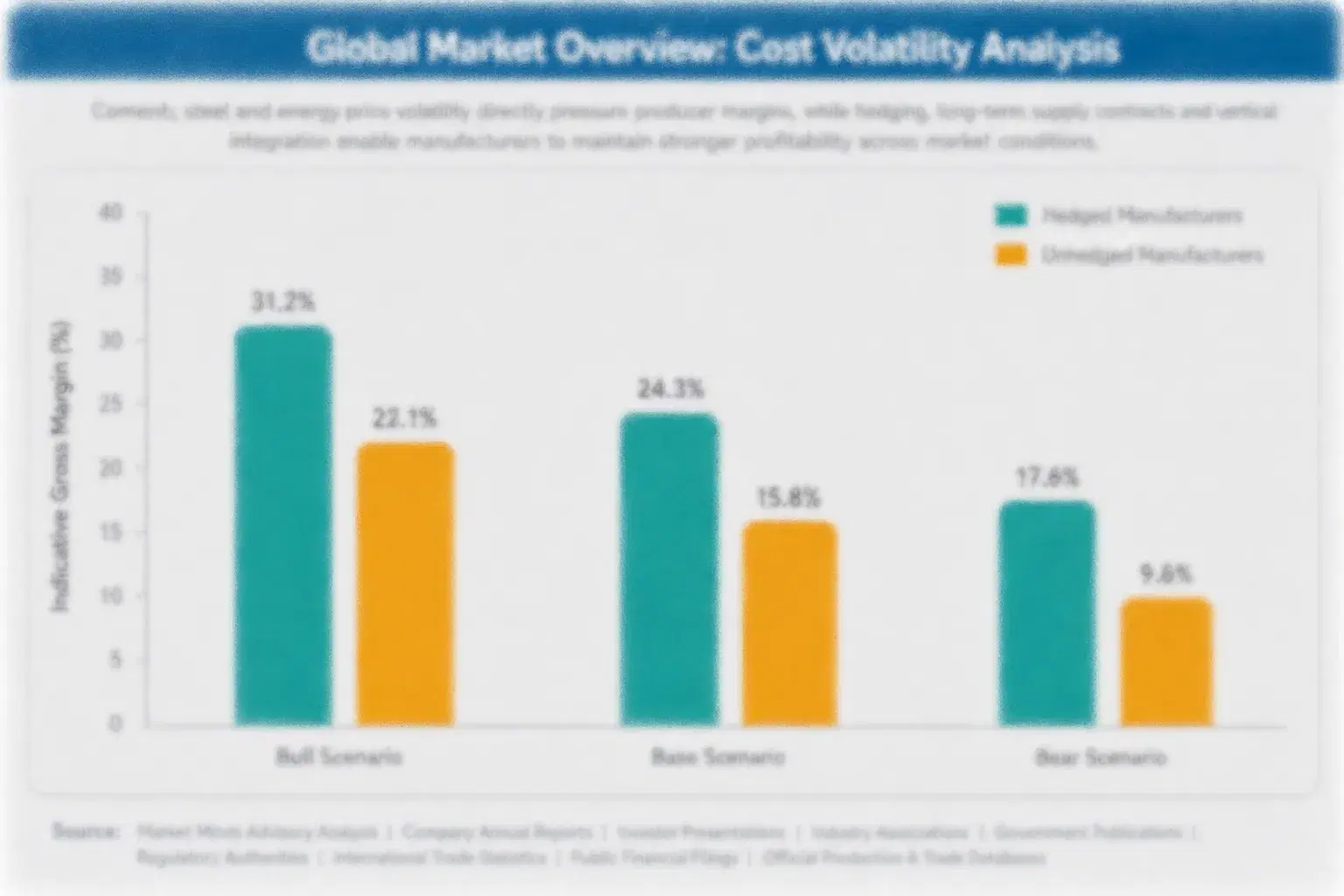
What Drives Menadione Costs

Feedstock and reagents account for roughly 40% of production cost, with 2-methylnaphthalene, sodium bisulfite and oxidants leading, energy and utilities about 15%, waste treatment and environmental compliance about 15%, labour, packaging and testing about 12%, and freight and overheads about 18%. Methylnaphthalene comes mainly from Chinese and Japanese coal tar streams, and bisulfite and nicotinamide from Chinese chemical producers.
The clearest recent shock came from Chinese environmental inspections. MMA Estimate from expert interviews indicates that menadione prices rose 40% to 100% during inspection-related shutdowns in 2021 and 2022, so feed additive groups raised prices by 10% to 20% and qualified alternative sources. BASF Annual Report 2024 also cited energy and raw material cost pressure across its chemical businesses, and freight added cost for exporters.

The competitive disadvantage falls on small producers without waste treatment or feedstock contracts, which cannot meet inspections or absorb cost swings. Large groups negotiate feedstock and energy terms and invest in cleaner routes. Exposure also varies by geography, since Chinese plants face inspections and coal tar cost swings while European plants face higher energy and labour costs and stricter waste rules.
menadione-market-cost-volatility-analysis-1789955530083

Cleaner Catalytic Oxidation and Waste Recovery

Producers install catalytic oxidation, chromium recovery and closed-loop water systems to cut waste and pass inspections. Upgrades cut environmental cost per tonne by 15% to 25%. The main challenge is capital, so larger producers lead, while smaller producers seek partnerships, tolling agreements or exit from older lines within several years. Partnerships also share cost and risk.

Feedstock Contracts and Safety Stock

Producers sign multi-year contracts for methylnaphthalene and reagents and hold two to three months of stock at plants and customer hubs. Contracts and stock cut exposure to price spikes of 40% to 100%. The main challenge is working capital, so producers phase stock builds and share storage with distributors. Distributors near customers hold part of stock.

Multi-Site and Multi-Region Production

Producers run plants in more than one province or region so one inspection or shutdown does not halt supply. Multi-site production protects customers and lets producers hold price. The main challenge is capital, so producers use tolling arrangements and partner sites to reach a second location. Tolling agreements also help producers avoid heavy upfront investment in new sites.

Portfolio Architecture for Margin Defence

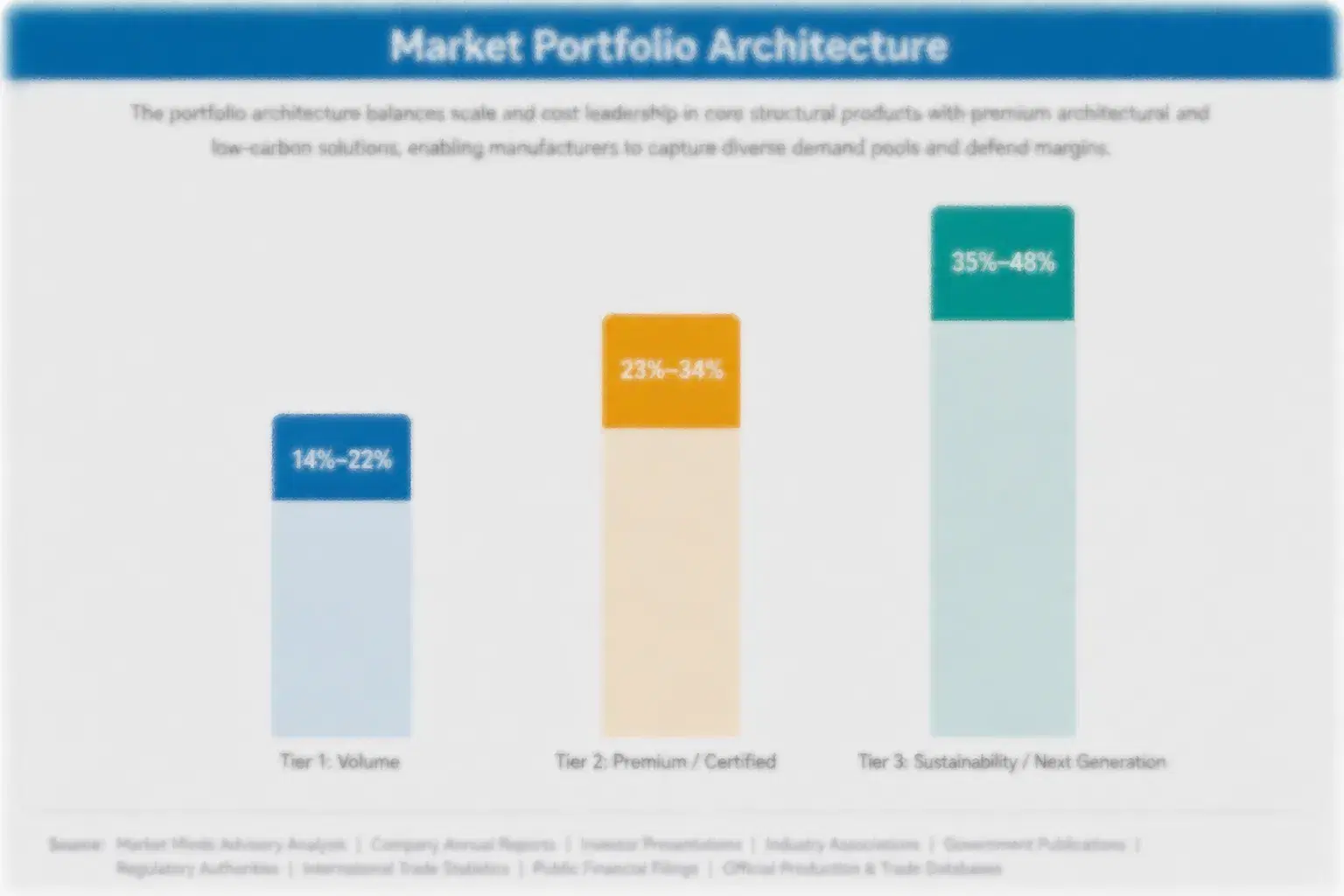
Margins run from moderate returns on plain sodium bisulfite and dimethylpyrimidinol grades sold in volume to strong returns on vitamin K2 precursor and pharmaceutical grades sold with purity files and regulatory documentation. Three tiers separate volume products, premium certified lines and next-generation solutions, and each tier draws on different environmental compliance, purification capacity and premix relationships in a concentrated chemical market.
The tension between volume and premium is sharp. Plain bisulfite salts fill large feed and premix orders and serve price-driven buyers but face Chinese price swings and environmental risk, while precursor and stabilised grades earn higher margins on smaller volumes and depend on purity, stability data and customer credibility. Producers that run only volume struggle when prices fall or plants close, while producers that run only premium lose early volume. Mix management decides which risk dominates.

High-value pools concentrate in menadione base for vitamin K2 synthesis sold to supplement ingredient makers and in stabilised nicotinamide bisulfite sold to premix groups. They gather where buyers pay for purity, activity retention and steady supply rather than price alone. Pharmaceutical-grade menadione adds a smaller pool with strong documentation needs, and strong producers can hold both premiums and steady volume.

Volume / Commodity-Adjacent Tier

Menadione sodium bisulfite and dimethylpyrimidinol bisulfite sold in volume to feed mills, premix makers and distributors. Buyers focus on price per unit of activity, and contracts renew annually. Margins depend on feedstock cost.
Gross Margin: 18%-26%

Premium / Certified Tier

Nicotinamide bisulfite and stabilised complexes with storage trial data, certificates of analysis, feed safety certification and audit files, sold to premix groups and integrators. Buyers value certification and steady supply.
Gross Margin: 26%-36%

Sustainability / Regulatory / Next-Generation Tier

High-purity menadione base and pharmaceutical-grade material with impurity profiles, cleaner catalytic routes and regulatory files, sold to vitamin K2 makers and pharmaceutical customers. Contracts run for several years. Volumes are growing fastest.
Gross Margin: 32%-44%
menadione-market-portfolio-architecture-1789955530441

High-value Sub-segments and Strategic Watch-out

Menadione Base for Vitamin K2 Synthesis

Menadione base for vitamin K2 synthesis combines the fastest growth with strong pricing, since supplement makers expand menaquinone-4 output and pay for purity at gross margins of 32% to 44%. Impurity control and supply reliability limit competition, and producers with pharmaceutical files win long agreements.
Gross Margin: 32%-44%

Menadione Nicotinamide Bisulfite

Menadione nicotinamide bisulfite delivers firm growth and pricing, since premix makers prefer a complex that keeps potency in pelleted and mineral-rich feed and pay for stability at gross margins of 26% to 36%. Storage data and activity control form the entry barrier, and producers with trial reports win listings.
Gross Margin: 26%-36%

Menadione Sodium Bisulfite

Menadione sodium bisulfite is the volume core for producers with scale and cost control. Value grows about 4.5% a year, and feedstock cost, compliance and delivery reliability decide profit. Producers anchor sales on long relationships with feed mills and large premix groups, and customers renew contracts every year.
Gross Margin: 18%-26%

Pharmaceutical-Grade Menadione

Pharmaceutical-grade menadione is the strategic watch-out, since growth of about 5.5% a year trails the leaders, human use is restricted in major markets and volumes are small. Producers should manage these lines selectively and steer capacity toward K2 precursor and stabilised grades. Returns need careful review yearly.
Gross Margin: 28%-38%

Why Feed Groups Keep Buying Menadione

Menadione demand behaves like a short annuity attached to feed formulations, premix specifications and trusted supplier relationships. Once a premix group qualifies a grade for a product, it reorders every month, and switching means new stability trials, regulatory checks and paperwork. Customers use last year's supply record to fix renewals, so producers with clean compliance records earn steadier volume. Contracts often run for one to three years and follow feed formula changes.
Adoption stickiness differs by end-use vertical. Large poultry and swine integrators with fixed premix specifications are the deepest, since vitamin programmes are written into feed plans and change only when supply fails. Premix makers follow price and stability. Vitamin K2 producers are moderate, while spot feed additive traders are shallow. Pharmaceutical customers buy small volumes but stay loyal to approved suppliers.

Buyer profiles are shifting between generations. Older feed groups chose vitamins on supplier relationships and technical service, while younger integrators and traders ask for environmental compliance evidence, traceable production, digital ordering and dual-source options. Regulators and customers add a third group that sets safety and waste expectations. Producers that publish compliance data and stability trials win newer customers.
menadione-market-end-use-penetration-index-1789955530744

MMA Verdict on Menadione Strategy

These are among the four positions where our research anticipates prominent divergence between winners and laggards over the coming forecast period. Each is grounded in the demand model, the regulatory perimeter, and the announced capacity pipeline.
01 / K2 PRECURSOR STRATEGY

Shift Volume Into K2 Precursor Grades Before Feed Prices Erode Bisulfite Margins

Menadione Base for Vitamin K2 Synthesis grows at 7.7% a year, about 1.40 times the overall market rate, and gross margins of 32% to 44% compare with 18% to 26% for plain sodium bisulfite. Producers should commit $5 million to $15 million to purification, impurity control and pharmaceutical documentation, and shift 10% of volume into precursor grades to lift gross margin by three to five points. Those that stay in plain bisulfite will lose growth and pricing over the next two years, while early movers keep customers and premiums.
02 / ENVIRONMENTAL COMPLIANCE STRATEGY

Invest in Cleaner Oxidation Before Inspections Shut Capacity and Customers Switch

Chromium-based oxidation creates toxic waste, authorities have shut plants in inspection rounds, and producers without cleaner routes face shutdowns that lift prices by 40% to 100% and drive customers away. Producers should invest $10 million to $40 million per site in catalytic oxidation, waste recovery and closed-loop water, upgrade the largest plant first, and cut environmental cost per tonne by 15% to 25%. Those that delay will lose customers and capacity over the next two years, while prepared producers hold margin, volume and regulator trust.
03 / STABILITY DERIVATIVE STRATEGY

Expand Stabilised Derivative Ranges Before Premix Groups Lock In Rival Suppliers

Premix makers lose vitamin K activity in mineral-rich feeds, stabilised complexes command price premiums of 30% to 80% per unit of activity, and producers without trial data lose accounts worth 10% to 16% of sales. Producers should invest $2 million to $6 million in nicotinamide and dimethylpyrimidinol complexes and storage and pelleting trials, start with best-selling premix formulas, and share results with large feed groups. Those that delay will lose positioning and pricing over the next two years, while prepared producers hold premium pricing, customer trust and contract renewals.
04 / SUPPLY CONTINUITY STRATEGY

Secure Feedstock and a Second Site Before the Next Shutdown Hits Supply

Coal tar methylnaphthalene supply and plant shutdowns can halt output, premix groups dual-source when supply breaks, and producers without safety stock and a second site lose accounts and pricing during shortages. Producers should invest $3 million to $10 million in feedstock contracts, two to three months of stock and a second plant, secure the largest grades first, and audit suppliers yearly. Those that delay will lose customers and margin over the next two years, while prepared producers hold volume, pricing and customer confidence across every contract cycle.

Engagement Snapshot From the Field

A live engagement with an industry participant carrying material or product regulatory and market exposure ahead of a defining policy shift, showing how our research translates into a defensible multi-year portfolio strategy.
MARKET MINDS ADVISORY · CLIENT ENGAGEMENT SUMMARY
Menadione Producer Strategic Portfolio Review and Transition Roadmap 2026·Investment Scenario on Menadione Exposure Evaluation 2025-26
CLIENT PROFILE
The client is a mid-sized Chinese vitamin and fine chemical producer with annual sales near $210 million (client-reported, unverified by MMA), selling menadione sodium bisulfite and other feed vitamins to domestic premix groups and export distributors. It offered no K2 precursor or stabilised grades, operated an older oxidation line, and had seen margins fall five points as inspections raised costs and buyers pressed on price.
STRATEGIC CHALLENGE
Customers asked for stabilised derivatives and high-purity base, an inspection round forced a temporary line shutdown, and the client's sodium bisulfite faced price pressure from larger Chinese rivals. Management needed to decide whether to upgrade oxidation, build a stabilised derivative line, or pursue K2 precursor customers, with limited capital and dependence on one older plant. Customers wanted answers within six months.
MMA APPROACH
MMA analysed sales, cost and compliance data across 25 products, interviewed 10 premix buyers, K2 makers and regulatory specialists, and ran a buyer survey on stability, purity and price across three regions. It modelled margin by grade and scenario and ranked options by payback and execution risk, and tested each option against inspection and feedstock disruptions.
KEY FINDINGS
  1. A catalytic oxidation upgrade would cost about $18 million and cut environmental cost per tonne by about 20% while removing shutdown risk (client-reported, unverified by MMA).
  2. A stabilised derivative line would earn gross margins near 34% against 20% for sodium bisulfite and cost about $6 million to build.
  3. A K2 precursor purification unit would cost about $9 million and open accounts worth about 12% of sales. The unit could start within 18 months.
  4. Feedstock contracts and two months of safety stock would cost about $3 million and cut exposure to price spikes of about 50%.
CLIENT PROFILE
The client is a mid-sized Chinese vitamin and fine chemical producer with annual sales near $210 million (client-reported, unverified by MMA), selling menadione sodium bisulfite and other feed vitamins to domestic premix groups and export distributors. It offered no K2 precursor or stabilised grades, operated an older oxidation line, and had seen margins fall five points as inspections raised costs and buyers pressed on price.
STRATEGIC CHALLENGE
Customers asked for stabilised derivatives and high-purity base, an inspection round forced a temporary line shutdown, and the client's sodium bisulfite faced price pressure from larger Chinese rivals. Management needed to decide whether to upgrade oxidation, build a stabilised derivative line, or pursue K2 precursor customers, with limited capital and dependence on one older plant. Customers wanted answers within six months.
MMA APPROACH
MMA analysed sales, cost and compliance data across 25 products, interviewed 10 premix buyers, K2 makers and regulatory specialists, and ran a buyer survey on stability, purity and price across three regions. It modelled margin by grade and scenario and ranked options by payback and execution risk, and tested each option against inspection and feedstock disruptions.
KEY FINDINGS
  1. A catalytic oxidation upgrade would cost about $18 million and cut environmental cost per tonne by about 20% while removing shutdown risk (client-reported, unverified by MMA).
  2. A stabilised derivative line would earn gross margins near 34% against 20% for sodium bisulfite and cost about $6 million to build.
  3. A K2 precursor purification unit would cost about $9 million and open accounts worth about 12% of sales. The unit could start within 18 months.
  4. Feedstock contracts and two months of safety stock would cost about $3 million and cut exposure to price spikes of about 50%.
RECOMMENDED STRATEGY
Phase 1: Phase 1 (Months 1-6): Sign feedstock contracts, build safety stock and begin the catalytic oxidation upgrade. Assign a project lead and set targets. Phase 2: Phase 2 (Months 7-24): Build the stabilised derivative line, run storage trials and open talks with K2 makers. Report progress monthly. Phase 3: Phase 3 (Months 25-42): Add the purification unit, review contracts yearly and cap any single customer share. Report results to the board yearly.
OUTCOME
Within 42 months, stabilised and precursor grades reached 30% of sales, environmental cost per tonne fell by about 20%, and no inspection shutdowns occurred (client-reported, unverified by MMA). Gross margin rose by four points, profit exceeded plan by about 3%, and two K2 makers signed multi-year supply agreements.

Frequently Asked Questions

Foundational context covering the market sizes, CAGR, scope, country, region and competition that inform every finding below. This section is provided to cover basics and most often pre-purchase conversations, answered from the MMA Primary Research Dataset.

What is the current size of the Menadione Market?

The global menadione market was valued at $0.50 billion in 2025 on a producer revenue basis. Growth is supported by poultry and swine feed demand and vitamin K2 production, offset by environmental crackdowns and safety restrictions.

How large will the Menadione Market be by 2036?

The market is projected to reach $0.90 billion by 2036, up from $0.53 billion in 2026. The increase of $0.37 billion reflects K2 precursor grades, stabilised derivatives and Asian growth.

What is the CAGR for the Menadione Market 2026 to 2036?

The market is forecast to grow at a 5.5% CAGR from 2026 to 2036. The bull case reaches 6.8% and the bear case 4.2%, depending on environmental rules, feed demand and vitamin K2 growth.

Which segment is growing fastest?

Menadione Base for Vitamin K2 Synthesis is the fastest-growing segment at 7.7% CAGR, roughly 1.40 times the overall market rate. Menadione Nicotinamide Bisulfite follows at 6.6% CAGR each year as premix makers prefer stable complexes.

Who are the major companies in the Menadione Market?

Major companies include Zhejiang NHU, DSM-Firmenich, BASF, Adisseo and Zhejiang Garden Biochemical. Vertellus, Kemin Industries, Novus International, Phibro Animal Health and Alltech also hold positions in menadione products.

Which country is growing fastest?

India is growing fastest at about 7.5% CAGR, because poultry integration and premix demand are expanding and domestic and Chinese suppliers serve growing feed mills. Vietnam and Indonesia follow as livestock output rises.

Report Segmentation Architecture

The full report scope spans multiple orthogonal segmentation dimensions, with cross-tabulated demand data provided for each dimension pair. Coverage extends further to regional breakdowns, trend trajectories, and the competitive detail needed to support segment-level decision-making.

By Primary Market Dimension

  • Menadione Base for Vitamin K2 Synthesis
  • Menadione Nicotinamide Bisulfite
  • Menadione Dimethylpyrimidinol Bisulfite
  • Menadione Sodium Bisulfite
  • Pharmaceutical-Grade Menadione

By End-Use Industry

  • Poultry Feed
  • Swine Feed
  • Aquaculture and Ruminant Feed
  • Vitamin K2 Manufacturing
  • Pharmaceutical and Chemical Intermediates

By Commercial Dimension

  • Direct Sales to Premix Groups
  • Feed Additive Distributors
  • Integrated Livestock Producers
  • Chemical Intermediate Contracts
  • Trading Companies

By Region

  • North America
  • Western Europe
  • East Asia
  • South Asia and Pacific
  • Latin America
  • Middle East and Africa
  • Eastern Europe

Scope, Methodology, and Coverage

Every figure in this report is reproducible from documented input assumptions. The scope below maps the historical period, the forecast horizon, the segmentation dimensions, and the countries covered, alongside the underlying primary and qualitative methodology.
Historical Period
2020 to 2025
Forecast Period
2026 to 2036
Base Year
2025 (USD billions; MMA Primary Research Dataset, September 2026)
Market Definition
The market covers global sales of menadione and its salt and complex derivatives valued at producer revenue, including menadione base for vitamin K2 synthesis, menadione sodium bisulfite, menadione nicotinamide bisulfite, menadione dimethylpyrimidinol bisulfite and pharmaceutical-grade menadione, sold to animal feed, premix, chemical intermediate and pharmaceutical customers. The scope excludes vitamin K1 and natural menaquinone products, finished feed premixes and menadione used in dietary supplements for humans.
Quantitative Units
USD billions (producer revenue); thousands of tonnes for volume references
Segmentation Dimensions
By Product Form and Derivative; By End-Use Industry; By Commercial Dimension; By Region
Regions Covered
North America, Western Europe, East Asia, South Asia and Pacific, Latin America, Middle East and Africa, Eastern Europe
Countries Covered
United States, Canada, United Kingdom, Germany, France, Netherlands, Spain, Japan, South Korea, China, India, Vietnam, Thailand, Indonesia, Brazil, Mexico, Argentina, Saudi Arabia, Egypt, Turkey, and additional markets relevant to this sector
Key Companies Profiled
Zhejiang NHU, DSM-Firmenich, BASF, Adisseo, Zhejiang Garden Biochemical, Vertellus, Kemin Industries, Novus International, Phibro Animal Health, Alltech, Nutreco, Evonik Industries, Cargill, ADM, Balchem, Prinova Group, Jubilant Ingrevia, Lonza, Vitamerica, Innovad
Quantitative Methodology
Primary survey, n=3,800 respondents, Q4 2025, six countries; demand-side model with trade association cross-validation
Qualitative Methodology
47 expert interviews, Q4 2025; applied to validate demand model assumptions, identify emerging dynamics, and assess competitive positioning
Report Format
PDF and XLSX data workbook (Word format preview document)
Publisher
Market Minds Advisory
Report Code
MMA-2026-CHM-153
Published
September 2026
Contact
sales@marketmindsadvisory.com | www.marketmindsadvisory.com

Purchase the full Menadione Market Report (2026 to 2036).

The full report delivers a detailed assessment of the menadione market through 2036, covering product form, end-use and regional forecasts, competitive benchmarking of leading producers, and input cost analysis. It combines MMA primary research, including a six-country survey of 3,800 respondents and 47 expert interviews, with public statistical and company data. Analysts also model environmental inspection scenarios, feed demand and K2 growth paths. Clients receive segment margin ranges, supply maps and a case study on portfolio strategy. Supplier programme and contract frameworks are also included for planning.
Ten-year product form demand forecasts by region
Feedstock, energy, and compliance cost tracking
Competitive benchmarking of leading menadione producers
Chinese inspection and plant status tracker
Regional market comparative analysis and forecasts included
Quarterly primary survey data update access

Built For The People Who Decide

From boardroom strategy to bench-side execution, this report is read cover-to-cover by leaders shaping the next decade of their industry, turning demand scenarios, market dynamics and valuation benchmarks into decisions.
CXOs/ Presidents/ VPs/ Managers
M&A and Corporate Development
Strategy Teams and R&D Heads
Procurement and Product Directors
Regulatory and Compliance Leaders
Investor Relations and Equity Analysts