Market Minds Advisory
Marine Oligosaccharides Market

Marine Oligosaccharides Market: Marine Oligosaccharides Market. Enzymatic Depolymerization, Crop Elicitor Demand, and Gut Health Ingredients Reshape Marine Bioprocessing.

Marine oligosaccharides are moving from lab-scale bioactives into commercial crop, feed, and nutrition ingredients, while enzyme cost, seaweed and shell feedstock supply, and inconsistent chain-length specifications decide which producers win multi-year supply contracts.

Lead Analyst

Published

September 2026

Make Smarter Decisions with Customized Research Insights

Request a free sample report and evaluate market opportunities, growth trends, and competitive dynamics relevant to your business needs.

2025 MARKET VALUE$1.1BMarket Size 2025
2036 FORECAST VALUE$3.4BBase Case , 2026 to 2036
CAGR 2026 TO 203610.8 %Bull 12.1% / Bear 9.6%
INCREMENTAL OPPORTUNITY$2.2BNet 10- year value creation
EXPANSION MULTIPLE2.79x2036 value over 2026 base
Strategic Levers
M&A Pipeline
Regional Outlook
Country Rankings
Competitive Intelligence
Segmental Deep-dive
Call-Us : 91 93563 13602

Executive Snapshot and Market Trajectory.

A marine polysaccharide is a long chain that does very little until someone cuts it short. Enzymes and acids turn seaweed and shell polymers into short-chain oligosaccharides, and chain length decides whether the product works as a plant elicitor, a prebiotic, or nothing at all. Precision, not tonnage, sets price.
Alginate oligosaccharides grow fastest, driven by crop elicitors, feed additives, and gut health supplements, while chitooligosaccharides anchor volume through agriculture and nutraceutical use. East Asia holds the largest share because China, Japan, and Korea run most seaweed farming, shell processing, and enzymatic production, and North America and Western Europe follow through supplement and biostimulant demand. Vietnam leads country growth as shell and seaweed supply expand. Feedstock supply and enzyme cost shape margins. Supply stays tight.
Competition is moderately concentrated, with Chinese and Japanese specialists, alginate and chitosan majors, and small enzyme technology firms sharing supply. Advantage comes from feedstock access, controlled depolymerization, and chain-length analytics rather than price alone. Regulation drives change, since novel food, fertilizer, and feed additive rules push buyers toward documented suppliers. Buyers reward consistent degree of polymerization, low endotoxin, and dependable delivery across batches.
Market Definition
Marine oligosaccharides are short-chain carbohydrates with a degree of polymerization typically between two and 20, produced by enzymatic, chemical, or physical depolymerization of marine polysaccharides such as chitin, chitosan, alginate, fucoidan, agar, carrageenan, and chondroitin, sold as ingredients for agriculture, feed, nutrition, cosmetics, and biomedical uses. The scope excludes high-molecular-weight hydrocolloids, marine proteins and peptides, and finished consumer products.
Base Year Value
$1.1B in 2025 (MMA Primary Research Dataset, September 2026)
Forecast Period
2026 to 2036, eleven discrete annual values
CAGR
10.8% base case. Bull 12.1%. Bear 9.6%.
Fastest Growth Segment
Alginate Oligosaccharides: 15.2% CAGR
Fastest Growth Country
Vietnam: 14.0% CAGR
Fastest Growth Region
South Asia and Pacific: 12.9% CAGR
Largest Region
East Asia: 46% of 2025 global value
Market Leaders
Qingdao BZ Oligo Biotech, Kunpo Biotechnology, Kitto Life, Yaizu Suisankagaku Industry, Kimica Corporation. Source: MMA Analysis, company annual reports.
Primary Survey
n=3,800 procurement and R&D decision-makers, Q4 2025, six countries
Methodology
Demand-side build-up, cross-validated against public data, 47 expert interviews

Marine Oligosaccharides Market Forecast Scenarios

marine-oligosaccharides-market-size-forecast-scenario-1789764307754
Between 2020 and 2025, marine oligosaccharides grew steadily as Chinese and Korean producers scaled enzymatic plants, agricultural buyers tested elicitors that trigger plant defense, and supplement makers added chitooligosaccharides and alginate oligosaccharides to gut health products. Growth averaged 9.7% a year, with alginate and fucoidan grades outpacing generic chitooligosaccharides, though inconsistent chain-length control and limited clinical evidence held back adoption among cautious buyers.
The base case assumes 10.8% annual growth through 2036, built on three named mechanisms: wider use of alginate and chitosan oligosaccharides as crop elicitors and biostimulants in vegetables, fruit, and rice as regulators press for lower chemical input, expanding use in feed and aquafeed as producers replace antibiotics, and cheaper enzymes and continuous reactors that lower production cost per kilogram. Tighter analytics support pricing. Each mechanism reinforces the others. Scale lowers cost.
The bull case, at 12.1%, needs faster regulatory approvals for food and feed uses and clear clinical evidence on gut health benefits. The bear case, at 9.6%, reflects inconsistent field results, regulatory delays, and buyers shifting toward cheaper plant extracts and inulin-type prebiotics in cost-sensitive uses. Either scenario leaves the underlying demand base intact, though pricing and mix would differ noticeably.

Chain-Length Control and Feedstock Access Decide Oligosaccharide Winners

Marine oligosaccharides are made by cutting long polymers from crustacean shells, brown seaweed, red seaweed, or cartilage into short chains. Enzymes such as chitosanase, alginate lyase, and agarase do the cutting under controlled temperature and pH, then membranes and chromatography sort chain lengths. Spray-drying finishes the product. Degree of polymerization decides function.
MARKET CONCENTRATION29% CR5Leading five producers hold a moderate combined share
AVERAGE INGREDIENT PRICE$28 per kgMarine oligosaccharides sell at a large premium to polymers
ENZYME SHARE OF COGS18%Enzymes are a significant and volatile cost line
FEEDSTOCK SHARE OF COGS35%Seaweed and shell raw materials are the largest cost line
CONVERSION YIELD60%Only part of polymer weight becomes usable oligosaccharide
TOP PRODUCER SHARE55%China supplies more than half of global production volume
Buyers use marine oligosaccharides in different ways. Agricultural firms apply them as plant elicitors and growth promoters, feed makers add them to aquafeed and livestock diets for gut health and immunity, supplement brands market them as prebiotics and joint support, and cosmetics and biomedical firms use them for skin and wound applications. Specifications cover polymerization range, purity, endotoxin, heavy metals, and microbial counts on every lot.
The industry is moderately concentrated in Asia and fragmented elsewhere. Chinese specialists such as Qingdao BZ Oligo and Kunpo run large enzymatic plants, Japanese and Korean firms such as Yaizu Suisankagaku and Kitto Life serve nutrition buyers, and alginate producers such as Kimica supply feedstock and derivatives. Feedstock cost, approval rules, and clinical evidence shape investment, and long-term contracts are widening the buyer base for standardized grades worldwide.
"Marine oligosaccharides are sold on biology, but the bill of materials is set by enzymes and yield. The producers that win will be the ones who can hold a narrow chain-length window at scale and prove it with chromatography on every batch."
Practice Lead, Specialty Chemicals and Marine Bioingredients Practice · MMA Specialty Chemicals and Marine Bioingredients Practice · September 2026

Market Trends

Alginate Oligosaccharides Enter Crop Elicitor and Feed Additive Programs

Alginate oligosaccharides made by cutting brown seaweed alginate with alginate lyase are moving into crop and feed programs, since short chains trigger plant defense and root growth responses and support gut health in animals. Trials in rice, vegetables, and fruit report yield gains of 5% to 12% at low application rates, and feed studies in shrimp and poultry show improved survival and feed conversion. Producers sell liquid and powder grades with defined chain length distributions, and technical teams support field trials. Enzymatic production needs controlled reactors and analytics, so only producers with laboratories can supply large distributors consistently.
Market Impact: EU banned prophylactic antibiotics from 2022
Continuous Enzymatic Reactors and Immobilized Enzymes Cut Production Cost

Producers are shifting from batch tanks toward continuous membrane reactors and immobilized enzymes that can be reused across many cycles, cutting enzyme cost and improving chain-length control. Enzyme cost is about 18% of cost of goods, and reuse of immobilized enzymes for 20 to 50 cycles can lower that share by half, according to process studies from Chinese and Korean institutes. Better analytics such as HPLC and mass spectrometry allow tighter specifications, and buyers pay premiums for narrow distributions. Capital cost is high and process know-how is proprietary, so larger producers lead adoption.
Market Impact: prebiotic supplements grow about 10% yearly

Market Opportunities and Growth Drivers

Pressure to Reduce Synthetic Inputs and Antibiotics Raises Additive Demand

Regulators and food buyers are pushing farmers to cut chemical fertilizer, pesticide, and antibiotic use, and marine oligosaccharides offer biological alternatives that trigger plant immunity or support animal gut health. The European Union banned routine prophylactic antibiotic use in livestock from 2022, according to European Commission regulation, and China has phased out growth-promoting antibiotics in feed. Feed makers and growers test oligosaccharides as substitutes, and distributors add them to biological portfolios. Even small inclusion rates create sizeable volumes at scale, and brands value marine origin and low residue profiles in premium programs.
Market Impact: analytics cost 3-6% of sales

Gut Health and Prebiotic Supplement Growth Lifts Oligosaccharide Demand

Consumers link gut health to immunity and wellbeing, and prebiotic supplements are among the fastest-growing nutrition categories, so brands seek novel oligosaccharides beyond inulin and galactooligosaccharides. Chitooligosaccharides and alginate oligosaccharides are studied for effects on gut microbiota, glucose metabolism, and joint health, according to published nutrition studies, though evidence remains early. Japanese, Korean, and Chinese supplement makers sell them in capsules and drinks, and Western brands are testing formulas. Novel food approvals gate entry to Europe, while existing dietary ingredient routes in the United States allow faster launches for some grades.
Market Impact: dossiers cost $200,000-$1 million

Market Restraints and Challenges

Inconsistent Chain-Length Control and Limited Standardization Undermine Buyer Confidence

Products labeled as oligosaccharides vary widely in degree of polymerization, purity, and residual polymer, and field or clinical results differ accordingly, according to analytical comparisons and buyer feedback. The root cause is variable feedstock, differing enzymes, and limited shared analytical standards across producers. Inconsistent lots lead to poor trial results and lost accounts. Mitigation includes HPLC and mass spectrometry release testing, narrow specification bands, reference standards, and third-party certification, though analytics cost 3% to 6% of sales and smaller producers often lack equipment and expertise. Buyers now insist on chromatograms with each shipment.
Market Impact: crop trials report 5-12% yield gains

Regulatory Complexity and Limited Clinical Evidence Slow Approvals

Novel food, feed additive, and fertilizer rules differ by country and require safety and efficacy data, and few marine oligosaccharides have large human trials, according to regulatory guidance and published reviews. The root cause is small company scale and the high cost of dossiers and clinical studies. Approvals take one to three years and cost $200,000 to $1 million per product. Mitigation includes joint industry dossiers, academic partnerships, and staged launches in markets with faster pathways, though claims remain limited and marketing must stay within approved wording. Approvals rarely transfer across borders.
Market Impact: immobilized enzymes reused 20-50 cycles
3 additional market trends, 4 additional growth drivers, and 2 additional restraints and challenges are covered in the full report. Contact sales@marketmindsadvisory.com to access the complete intelligence.

Segment CAGR and Growth Architecture

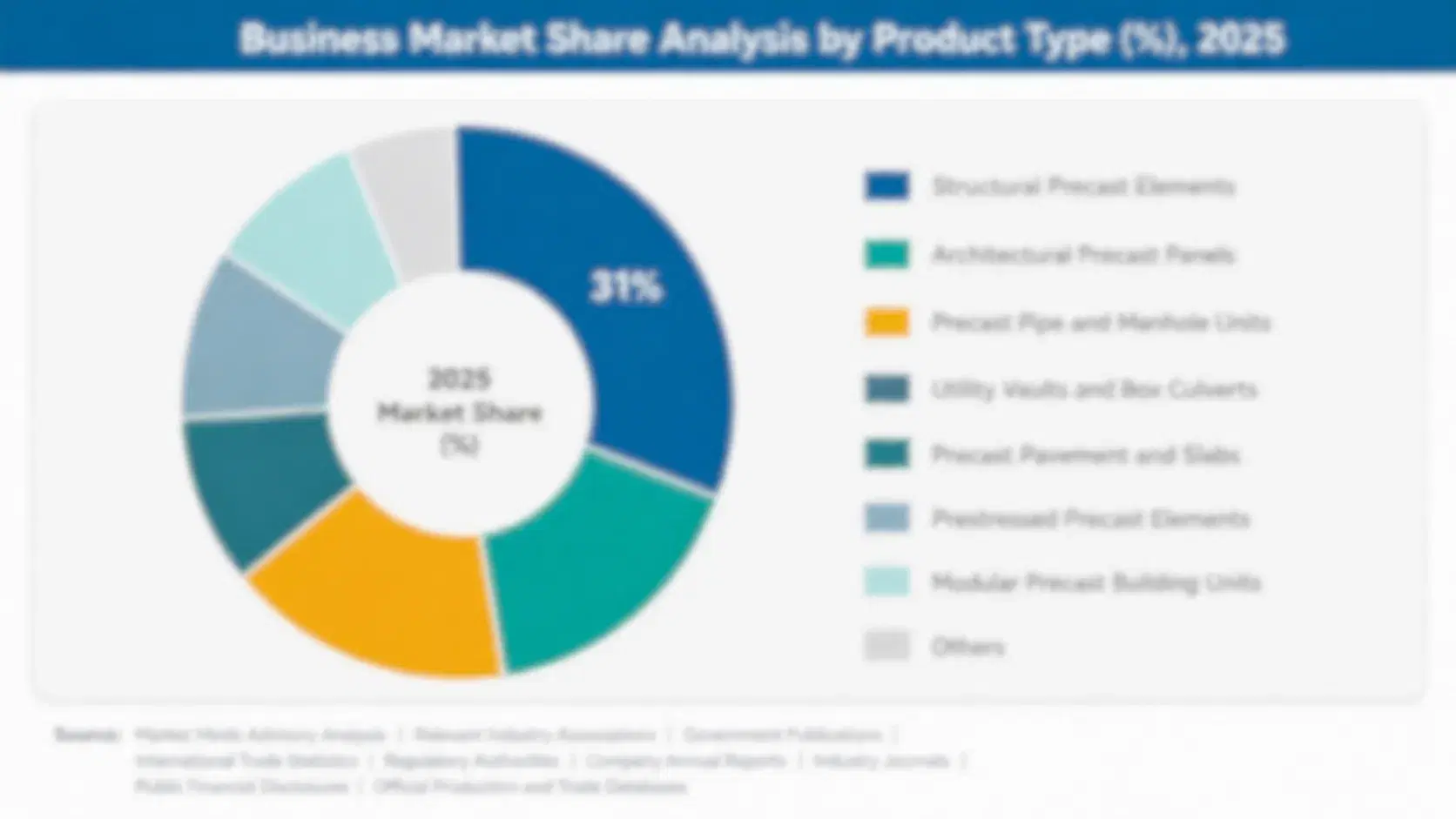
Marine oligosaccharides are segmented by source polymer, because feedstock, enzymes, chain-length behavior, and regulatory pathway differ more sharply between alginate, chitin and chitosan, fucoidan, agar, carrageenan, and glycosaminoglycan products than they do by end use. Alginate oligosaccharides attract the most investment as crop and feed buyers convert antibiotic and input reduction goals into supply agreements with producers.
marine-oligosaccharides-market-market-share-analysis-1789764308066

Alginate Oligosaccharides

Alginate oligosaccharides are the fastest-growing segment, made by treating brown seaweed alginate with alginate lyase or acid hydrolysis to yield short chains of guluronic and mannuronic acid. Agricultural firms use them as plant elicitors, feed makers use them for gut health and disease resistance in shrimp and fish, and supplement brands test them for wellness claims. Costs are higher than plain alginate because enzymes and purification add expense, so adoption started in premium programs. Suppliers with chain-length analytics, trial data, and reliable seaweed supply win large accounts, and buyers run two to three seasons of trials before committing to volume. Enzyme choice and reaction time also set the guluronic to mannuronic ratio buyers request.
CAGR 15.2%

Chitooligosaccharides

Chitooligosaccharides are the second-fastest segment and the largest by volume, made by hydrolyzing chitosan from shrimp and crab shells with chitosanase or acids into water-soluble short chains. Agriculture uses them as biostimulants and antifungal elicitors, nutraceutical brands sell them for joint, gut, and metabolic health, and cosmetics firms use them for skin conditioning. Shell supply from Chinese, Vietnamese, and Thai processors is abundant, but allergy labeling for shellfish matters, and purity and deacetylation degree vary. Suppliers with certified plants, standardized grades, and low endotoxin levels win multi-year contracts from large ingredient buyers. Fungal chitin routes now offer shellfish-free grades for allergy-sensitive brands, though costs run higher and volumes remain modest so far.
CAGR 13.0%
Full segment breakdown across 6 segments available in the complete report.

Regional Architecture and Country Demand Map

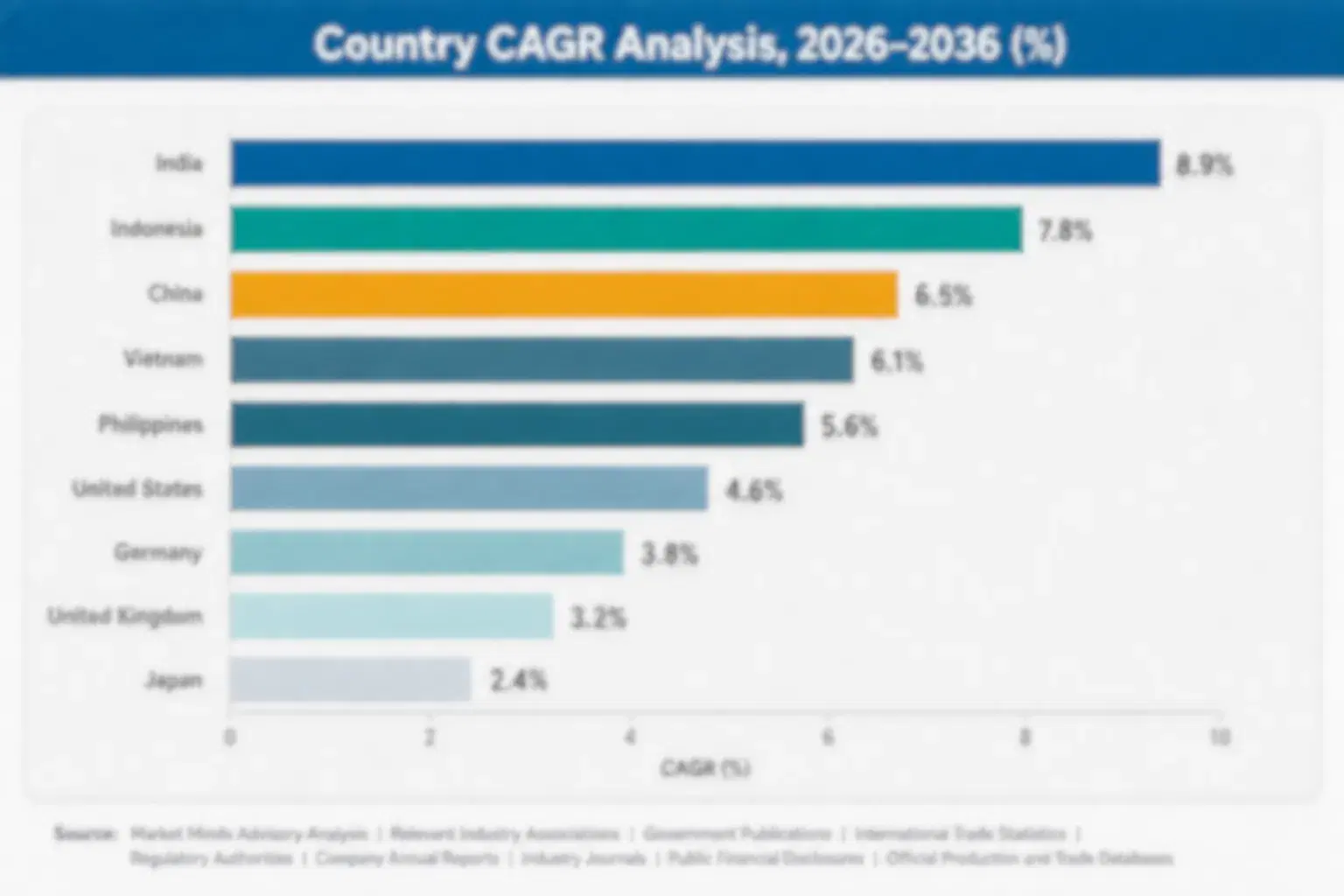
Marine oligosaccharide value follows seaweed and shell feedstock geography, enzymatic production capacity, and nutrition and agriculture demand. East Asia leads through Chinese, Japanese, and Korean production, North America and Western Europe follow through supplement and biostimulant demand, and Vietnam is the fastest-growing country as feedstock and processing expand.

North America

North America holds 17% share, below its usual band, because the United States and Canada consume marine oligosaccharides mainly in supplements and premium biostimulants while most production and feedstock processing occurs in Asia, so value is smaller than in East Asia. Supplement brands and ingredient distributors import chitooligosaccharides and alginate grades, and a few American and Canadian firms run small enzymatic plants near seaweed and shellfish supply in Maine, Nova Scotia, and Alaska. Dietary ingredient notification routes and biostimulant registration rules shape purchasing. Import dependence and limited clinical data restrain growth, though gut health demand keeps the region slightly ahead of the global rate. California growers also trial elicitors. Shellfish-free grades sell well.
Share: 17% | CAGR: 11.4% (2026 to 2036)

Western Europe

Western Europe holds 16% share, below its usual band, because France, Iceland, Norway, Germany, and the United Kingdom host alginate and chitosan producers and biostimulant companies, while marine oligosaccharide volumes remain small. Algaia and Acadian supply seaweed materials, Primex in Iceland processes shell chitosan, and Heppe Medical Chitosan in Germany serves biomedical buyers. Novel food rules and the Fertilising Products Regulation shape purchasing, and higher energy cost holds growth below the global rate, though antibiotic reduction and sustainability programs add steady demand. Dutch and Danish feed companies also test alginate oligosaccharides in aquafeed and pig diets. Spanish and Italian biostimulant makers also license alginate grades for vegetable growers across the Mediterranean.
Share: 16% | CAGR: 9.5% (2026 to 2036)
Regional intelligence for 5 additional markets available in the complete report: East Asia, South Asia and Pacific, Latin America, Middle East and Africa, Eastern Europe. Contact sales@marketmindsadvisory.com.
marine-oligosaccharides-market-country-cagr-analysis-1789764308378

Four Margin Routes for Marine Oligosaccharide Producers

Margin in marine oligosaccharides comes from moving beyond crude hydrolysates toward narrow chain-length grades, registered products, and application-tuned programs that crop, feed, and nutrition buyers cannot easily replace. Producers that secure feedstock contracts, cut enzyme cost, complete dossiers, and tie specifications to customer trials earn more per kilogram than sellers competing on price alone.

Reducing Enzyme Cost With Immobilized Enzymes and Continuous Reactors

Enzymes represent 18% of cost of goods, so producers that adopt immobilized enzymes reused across 20 to 50 cycles and continuous membrane reactors cut that cost by up to half and add 4 to 7 points of gross margin. Reactor upgrades cost $2 million to $6 million per plant and pay back within four seasons on large volume grades. Better control also narrows chain-length distributions, which supports premium pricing, and technical teams that share release data reduce buyer doubt. Buyers audit annually and validate specifications through pilot lots before scaling volumes.
Market Impact: immobilized enzymes add 4 to 7 margin points

Securing Seaweed and Shell Feedstock Through Multi-Year Contracts

Feedstock is 35% of cost of goods, and prices swing with weather, disease, and processing waste availability, so producers that sign multi-year contracts with seaweed farmers and shell processors in China, Vietnam, and Chile protect supply and margin. Contracts cost 3% to 6% above spot in normal years but avoid price spikes that erode margin by 8 to 12 points in poor years. Dried feedstock storage costs $200,000 to $800,000 per site, and customers reward reliable supply because a shortage halts reactor schedules. Contracts renew every season. Contracts renew each season.
Market Impact: feedstock contracts protect 8 to 12 margin points

Completing Novel Food and Feed Dossiers for Premium Markets

Approvals act as barriers to entry, so producers that complete novel food and feed additive dossiers earn multi-year contracts and premium pricing in Europe and other regulated markets. Dossiers cost $200,000 to $1 million per product and take one to three years, but approved products sell at 20% to 40% above unapproved rivals and reach large brands. Regulatory teams that track rule changes can file ahead of competitors, and once a brand lists an approved ingredient, switching means new trials and paperwork. Joint dossiers also spread cost across partners. Dossiers take years.
Market Impact: approved products earn 20% to 40% price premiums

Selling Standardized Grades With Analytical Certificates to Nutrition Brands

Supplement and cosmetic brands pay 30% to 60% above generic grades for oligosaccharides with narrow chain-length distributions, low endotoxin, and certificates of analysis. Analytical laboratories cost $500,000 to $1.5 million and add 3% to 6% to sales cost, but they shorten customer approval cycles and reduce recall risk. Producers that supply reference standards, stability data, and technical support win multi-year contracts, and repeat orders rise when lots match specifications. Brand teams also value organic and shellfish-free options, which widen the accessible market. Brands also request annual stability studies for every shipped grade.
Market Impact: standardized grades earn 30% to 60% price premiums

Who Controls the Margin Pool

The marine oligosaccharide industry is moderately concentrated, with the top five producers holding about 29% of global revenue, the basis used throughout this section. Qingdao BZ Oligo Biotech, Kunpo Biotechnology, Kitto Life, Yaizu Suisankagaku Industry, and Kimica Corporation lead through enzymatic know-how, feedstock access, and customer relationships, while many small Asian plants and start-ups compete in niches. Concentration reflects technical capability, not brand alone.
Competition centers on three dimensions: feedstock supply through seaweed and shell contracts, chain-length control and analytical proof of quality, and approvals and dossiers for food, feed, and agricultural uses. Leaders sign multi-year agreements with distributors and nutrition brands, while challengers compete on price and local service. Organic and shellfish-free claims add another layer of differentiation. Consistency decides listings across agricultural and nutrition channels.

Emerging pressure comes from Vietnamese and Indian plants adding enzymatic capacity, from alginate and chitosan majors integrating forward into oligosaccharides, and from enzyme companies partnering with brands. Rankings shift where producers cut enzyme cost, win approvals, or lose to lower-cost generic grades. Acquisitions of regional specialists and university licensing will reorder positions faster than organic growth, especially as buyers look for supply that reduces dependence on one country.
marine-oligosaccharides-market-company-positioning-matrix-1789764308715

Competitive Moat and Risk Dimensions

QINGDAO BZ OLIGO BIOTECH

Moat: Chinese Enzymatic Production Scale

Qingdao BZ Oligo Biotech is a Chinese specialist in marine oligosaccharides, with enzymatic plants that produce chitooligosaccharides, alginate oligosaccharides, and related products at commercial scale. Its access to Chinese seaweed and shell feedstock, its process know-how, and its long relationships with agricultural and nutrition buyers give it cost advantages, and its range of chain-length grades serves many applications.
QINGDAO BZ OLIGO BIOTECH

Risk: Quality Perception and Export Barriers

Buyers in Europe and North America scrutinize Chinese ingredients for consistency, endotoxin, and documentation, and approvals for food and feed uses are slow. Price competition from small Chinese plants can compress margin, and if trade rules or residue findings tighten, BZ Oligo may struggle to win large Western accounts without independent certification.
YAIZU SUISANKAGAKU INDUSTRY

Moat: Japanese Marine Bioactive Research Depth

Yaizu Suisankagaku Industry is a Japanese marine ingredients company with a long record in marine extracts, functional foods, and analytical science. Its research base, quality systems, and relationships with Japanese supplement and food makers give it credibility with premium buyers, and its focus on documented benefits supports higher prices for well-characterized marine oligosaccharide and related grades.
YAIZU SUISANKAGAKU INDUSTRY

Risk: Higher Cost and Scale Limits

Yaizu operates in a higher-cost Japanese environment, so its prices exceed Chinese producers, and its volumes are small relative to global agricultural and feed demand. If buyers prioritize cost over documentation, or if new Asian entrants match its analytics, it may struggle to defend premium positions outside Japan.

Players Tracked

Prominent Players

Qingdao BZ Oligo Biotech
Kunpo Biotechnology
Kitto Life
Yaizu Suisankagaku Industry
Kimica Corporation

Other Key Players

Primex
Heppe Medical Chitosan
IFF
Cargill
Roquette
Algaia
Acadian Plant Health
Marinova
Maruha Nichiro
Nippon Suisan Kaisha
Kyowa Hakko Bio
Ajinomoto
Jarrow Formulas
Swanson Health
Now Foods

Recent Developments

MARCH 2026

Qingdao BZ Oligo Expands Continuous Enzymatic Production Capacity in China

Qingdao BZ Oligo Biotech completed an organic capacity expansion at its Chinese plant, adding continuous membrane reactors and immobilized enzyme lines for alginate and chitosan oligosaccharides. The project is internal capital spending, not an acquisition or joint venture. It raises output for feed and agricultural buyers and improves batch consistency.
Signal: Shows Chinese producers investing in continuous processing to lower cost and improve consistency for large agricultural and feed buyers.
OCTOBER 2025

Kitto Life Signs Multi-Year Marine Feedstock Agreements With Korean Seaweed Cooperatives

Kitto Life signed multi-year feedstock agreements with seaweed cooperatives and shell processors in Korea, covering volumes, quality, and price formulas for marine oligosaccharide production. The deals are commercial contracts, not equity stakes. They give its plants predictable supply, share harvest risk with cooperatives, and support traceability programs for nutrition customers.
Signal: Confirms oligosaccharide producers are locking in seaweed and shell feedstock through multi-year agreements to protect margin and supply.
JANUARY 2026

Yaizu Suisankagaku Launches Standardized Alginate Oligosaccharide Grade for Nutrition Brands

Yaizu Suisankagaku Industry launched a standardized alginate oligosaccharide grade with defined chain-length distribution and full analytical documentation, sold to supplement and functional food makers. The launch is a product introduction, not an acquisition. It extends its marine ingredient range and tests demand for premium documented grades.
Signal: Shows Japanese marine ingredient firms using analytical documentation to differentiate premium oligosaccharide grades in nutrition markets.

What Drives Marine Oligosaccharide Costs

Seaweed and crustacean shell feedstock accounts for roughly 35% of cost of goods, sourced mainly from China, Vietnam, Korea, Chile, and Norway, with enzymes at about 18%. Energy, membranes, solvents, laboratory testing, packaging, and freight add most of the remainder, so feedstock price, enzyme cost, and conversion yield near 60% together determine gross margin for producers supplying agricultural, feed, and nutrition buyers.
Feedstock and energy costs spiked in 2022 and 2023, according to FAO aquaculture reports and International Energy Agency electricity data, as typhoons cut seaweed farm output, shrimp shell supply tightened, and power costs rose for drying and membrane filtration. Producers with fixed-price contracts absorbed losses, others added surcharges to ingredient prices, and some buyers switched temporarily to cheaper plant extracts. Margins narrowed noticeably as customers negotiated harder on renewals.

Exposure varies by player type and geography. Integrated producers with feedstock contracts, owned enzyme programs, and continuous reactors absorb shocks better than small plants buying spot feedstock and commercial enzymes. Chinese plants face policy and energy risk, European plants face electricity and labor risk, and premium standardized and approved lines pass costs through more easily than commodity crude hydrolysates sold in bulk.
marine-oligosaccharides-market-cost-volatility-analysis-1789764308998

Signing Multi-Year Feedstock Contracts Across Several Origins

Producers negotiate multi-year agreements with seaweed farmers and shell processors in China, Vietnam, Korea, and Chile, mixing fixed and harvest-linked prices to spread risk across geographies. Diversifying origins reduces exposure to any single typhoon or disease event, and quality clauses secure molecular weight, ash, and heavy metal limits. Contracted supply also lets producers plan reactor schedules and cut spot purchases.

Investing in Immobilized Enzymes and Heat Recovery Systems

Suppliers install immobilized enzyme reactors, membrane filtration, and heat recovery that cut enzyme and energy cost per kilogram by 15% to 30%. Lower input use protects margin from price spikes and meets buyer sustainability targets, though capital cost is high and payback takes years. Producers offset investment through energy incentives, premium pricing, and index-linked contracts with large buyers.

Passing Costs Through Index-Linked Pricing With Major Customers

Large distributors and feed makers agree to formulas linking ingredient price to published feedstock and energy indices plus a fixed processing margin, so cost swings are shared rather than absorbed by producers. Quarterly resets keep buyers informed and reduce disputes. Premium standardized and approved lines use annual pricing, since customers value stable supply and accept modest increases.

Portfolio Architecture for Margin Defence

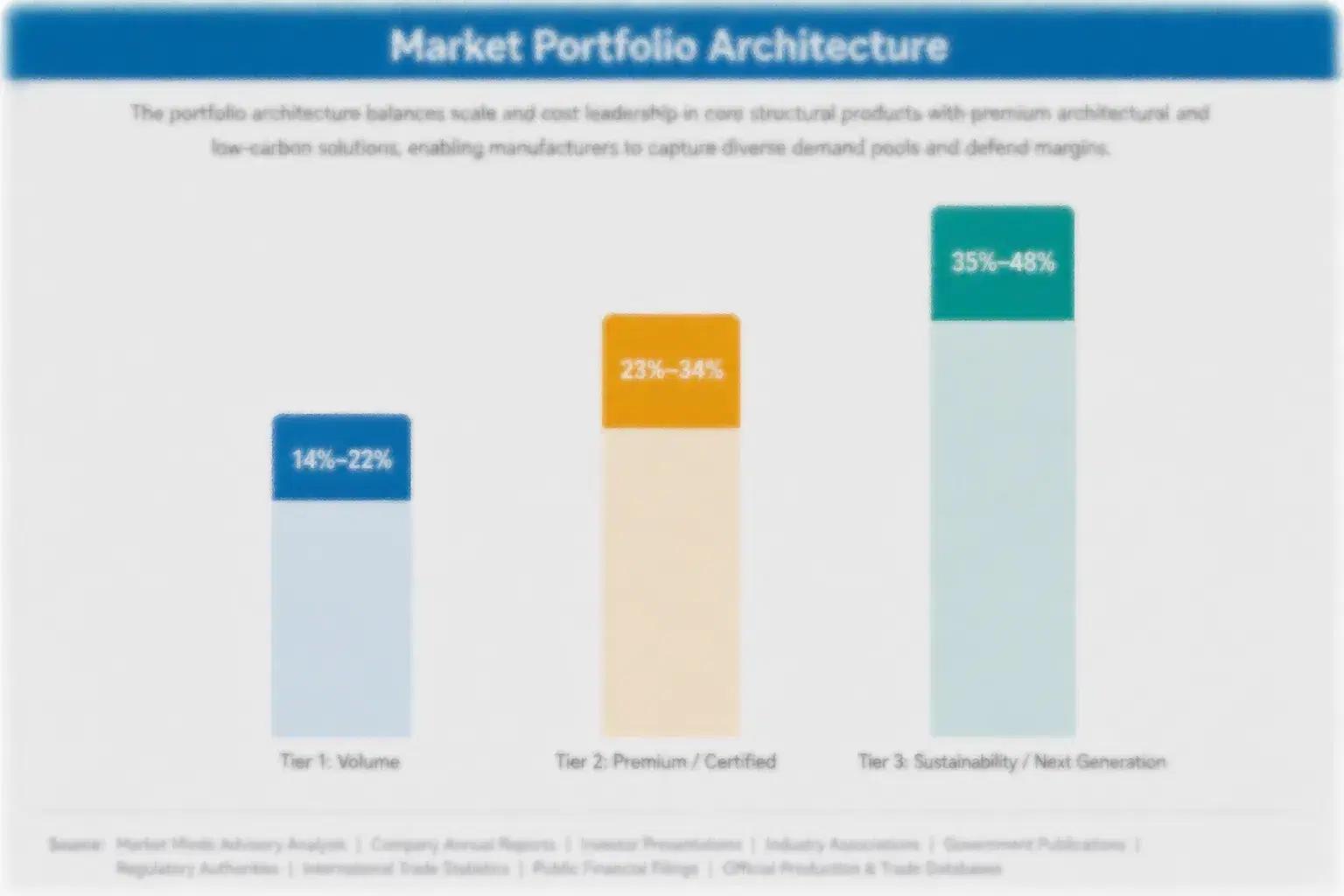
Margins run from thin returns on crude hydrolysates and broad-distribution products sold in bulk to strong profits on narrow chain-length grades, approved ingredients, and analytically certified lots sold with technical support, with gross margin roughly doubling between the volume tier and the top tier. Approvals, release analytics, and documented trials add pricing power over the same feedstock, and buyers pay for reliability because a failed batch can ruin a field trial or a product launch.
Volume and premium pull in different directions. Crude hydrolysates and broad grades sell in large lots to price-driven feed and fertilizer blenders at thin margins and face constant pressure from Chinese producers and plant extracts. Narrow grades, approved products, and certified lots sell in smaller lots at much higher margins but need laboratories, dossiers, and marketing, so producers must choose how much capital to commit to premium positioning.

High-value pools concentrate in alginate oligosaccharides for crop and feed programs, chitooligosaccharides for nutraceuticals, and fucoidan grades for premium supplements. These segments benefit from recurring orders, documented performance, and limited competition from small plants. Producers combining feedstock contracts, enzyme know-how, and customer trials hold advantages that are difficult to replicate quickly.

Volume / Commodity-Adjacent Tier

Crude hydrolysates and broad-distribution oligosaccharide mixes sold in bulk to feed and fertilizer blenders, with thin margins, feedstock price exposure, and competition from Chinese producers and plant extracts worldwide, where buyers switch when prices move.
Gross Margin: 18%-28%

Premium / Certified Tier

Standardized oligosaccharide grades with chain-length analytics and certificates, sold under annual contracts to distributors and nutrition brands that require documented purity, consistent polymerization, low endotoxin, and reliable delivery each season.
Gross Margin: 32%-44%

Sustainability / Regulatory / Next-Generation Tier

Approved, narrow-distribution, and shellfish-free oligosaccharides with dossiers and clinical or field data, positioned for antibiotic reduction, gut health, and lower input farming across regulated markets, supported by analytics and certified supply chains.
Gross Margin: 40%-60%
marine-oligosaccharides-market-portfolio-architecture-1789764309190

High-value Sub-segments and Strategic Watch-out

Alginate Oligosaccharides

Alginate oligosaccharides combine the fastest growth with strong pricing, as crop, feed, and nutrition buyers pay premiums for defined chain lengths and documented effects. Enzyme know-how and analytics limit competition, and producers with trial data and reliable seaweed supply win multi-year contracts from large distributors and feed accounts.
Gross Margin: 40%-60%

Chitooligosaccharides

Chitooligosaccharides offer high value with strong growth, since biostimulant, nutraceutical, and cosmetic makers pay steady premiums for purity and consistent deacetylation. Shell supply is abundant, though shellfish allergy labeling and purity control matter, and shellfish-free routes from fungal chitin are widening the premium buyer base.
Gross Margin: 32%-50%

Fucoidan and Fucoidan Oligosaccharides

Fucoidan and its oligosaccharides form a premium niche, sold to supplement and biomedical buyers who value sulfated structures and brown seaweed origin. Margins are high but volumes are small, and species variation, extraction cost, and limited trials restrain scale, so suppliers need careful positioning and documentation.
Gross Margin: 36%-56%

Carrageenan Oligosaccharides

Carrageenan oligosaccharides are a strategic watch-out, with early interest as antiviral and immune ingredients but limited approvals, unclear evidence, and regulatory scrutiny of related carrageenan food additives. Changing rules and slow trials could restrict volume, so producers should track applications and claims carefully. Margins remain uncertain.
Gross Margin: 20%-38%

Why Buyers Stay With Oligosaccharide Suppliers

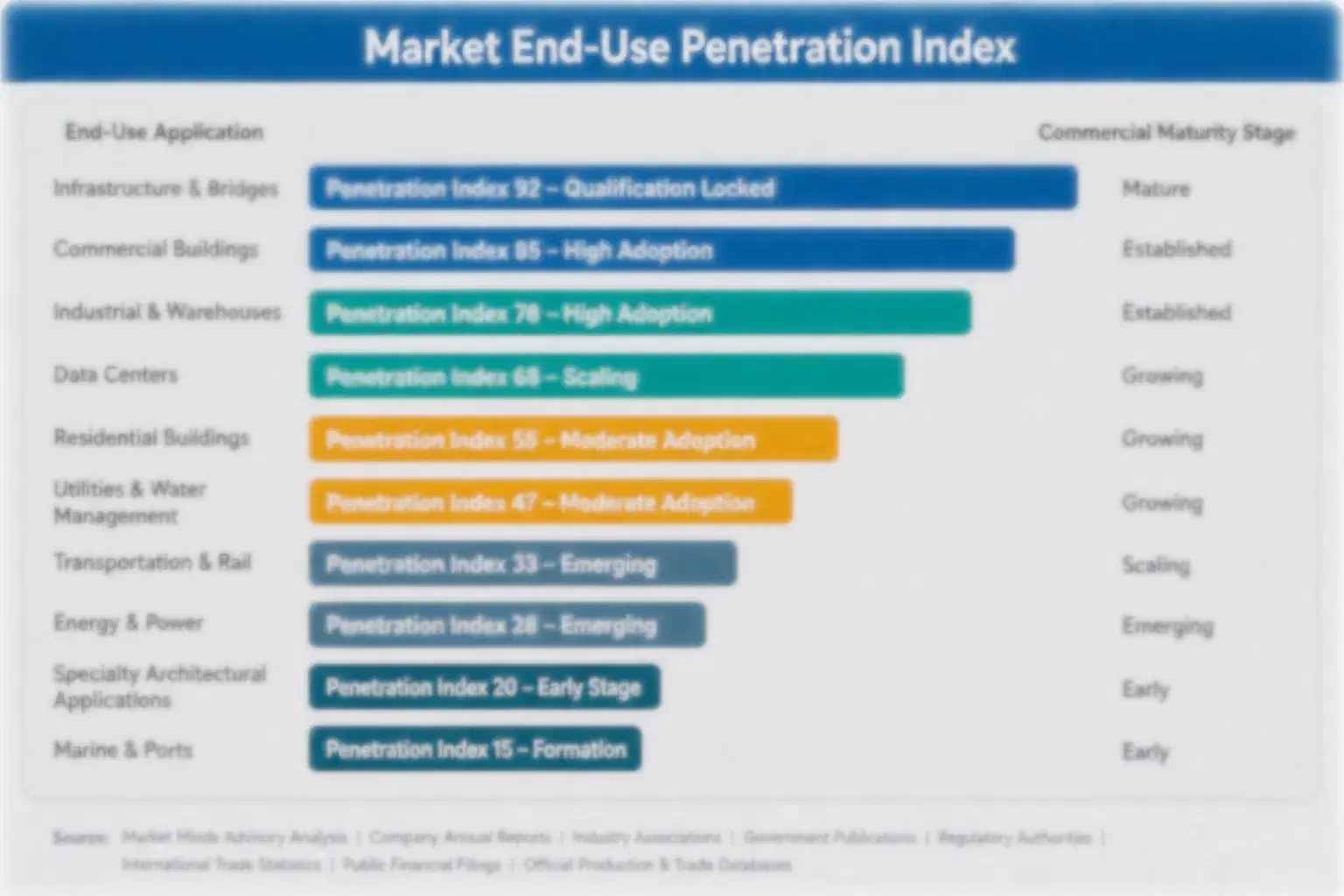
Marine oligosaccharide demand behaves like an annuity once a distributor, feed mill, or nutrition brand approves a supplier. Chain-length distributions, purity, and application rates are tied to a specific product, so switching means new trials, possible dossier updates, and risk of poor results. Suppliers that serve the same account for years earn steady volume, and annual contracts renew at modest price changes rather than open tenders.
Stickiness varies by vertical. Nutrition and cosmetic brands with approved formulas are the deepest, since dossiers and stability data make switching costly. Feed mills and aquafeed groups are next, because trial data and approvals raise switching cost. Fertilizer blenders and distributors are shallower, moving between suppliers when price or availability changes, and retail buyers rotate private label suppliers every few years, though those relationships remain cautious after quality incidents.

Buyer profiles are shifting. Older buyers focused on price, bulk hydrolysates, and long-standing relationships, while younger formulators and agronomists look for narrow-distribution, approved, and traceable oligosaccharides with analytical support and digital ordering. Online platforms let small brands source niche lots, and gut health communities amplify demand through social media, so suppliers that answer with clear data and technical help keep loyalty across generations.
marine-oligosaccharides-market-end-use-penetration-index-1789764309373

MMA Verdict on Marine Oligosaccharide Strategy

These are among the four positions where our research anticipates prominent divergence between winners and laggards over the coming forecast period. Each is grounded in the demand model, the regulatory perimeter, and the announced capacity pipeline.
01 / ENZYME COST REDUCTION

Adopt Immobilized Enzymes Before Price Competition Intensifies

Enzymes represent 18% of cost of goods, and immobilized enzymes reused across 20 to 50 cycles cut that cost by up to half. Reactor upgrades cost $2 million to $6 million per plant. MMA recommends upgrading the largest plants first and validating narrow chain-length control within two years, because lower cost protects margin against Chinese price competition, and producers that hold specifications at scale win permanent customers from rivals that cannot, while consistent release data also reduce buyer doubt, and customers also gain proof for audits.
02 / FEEDSTOCK SECURITY STRATEGY

Contract Seaweed and Shell Feedstock Across Origins

Feedstock is 35% of cost of goods, and producers buying on spot markets lose 8 to 12 margin points in bad years. Multi-year contracts cost 3% to 6% above spot but protect supply. MMA advises contracting at least 60% of annual feedstock needs across three origins within two years, since distributors and feed mills reward reliable supply, and producers that keep reactors running during shortages win customers from rivals that cannot, while steady sourcing also protects margin across several seasons.
03 / REGULATORY APPROVAL STRATEGY

Complete Novel Food and Feed Dossiers Before Rivals Do

Approved products earn 20% to 40% above unapproved rivals, and dossiers cost $200,000 to $1 million each. Rules are tightening in Europe and Asia. MMA recommends filing the highest-volume alginate and chitosan grades first, ideally through joint dossiers that spread cost, since approvals raise switching costs, protect against new entrants, and give sales teams a credible answer when brands compare suppliers, while approved status also opens lists that only carry registered ingredients, and regulatory teams can plan launches several years ahead.
04 / ALGINATE SEGMENT FOCUS

Prioritize Alginate Oligosaccharides for Crop and Feed Buyers

Alginate oligosaccharides grow at 15.2% a year, about 1.41 times the market rate, and standardized grades earn 30% to 60% above generic products. Anchor programs decide who leads in this young market. MMA advises building two application programs with anchor distributors and one aquafeed group within 18 months, because buyers that qualify one alginate supplier rarely add a second, and early entrants gain trial data and reference customers that late entrants struggle to match, while traceability records also speed responses during audits.

Engagement Snapshot From the Field

A live engagement with an industry participant carrying material or product regulatory and market exposure ahead of a defining policy shift, showing how our research translates into a defensible multi-year portfolio strategy.
MARKET MINDS ADVISORY · CLIENT ENGAGEMENT SUMMARY
Marine Oligosaccharides Producer Strategic Portfolio Review and Transition Roadmap 2026·Investment Scenario on Marine Oligosaccharides Exposure Evaluation 2025-26
CLIENT PROFILE
The client is a mid-sized Chinese marine ingredient producer with one enzymatic plant and a chitooligosaccharide business generating roughly $28 million in annual revenue (client-reported, unverified by MMA), selling broad-distribution grades to fertilizer blenders and feed makers in Asia. Gross margin sat near 22% (client-reported, unverified by MMA), and enzyme cost swings and price competition had erased profit in one of the last three years.
STRATEGIC CHALLENGE
Price competition from small plants squeezed margin, buyers complained about chain-length inconsistency, larger competitors were launching alginate and standardized grades, and two European distributors asked for documented, approved supply the client could not provide. Leadership needed a plan that lowered cost, justified analytics and dossier spending, and lifted margin without overextending capital. The board wanted a decision within nine months.
MMA APPROACH
MMA benchmarked 10 producers on cost, analytics, and approvals, interviewed distributors, feed mills, and nutrition brands about premium willingness, and modeled the economics of immobilized enzymes, an analytical laboratory, an alginate line, and an EU dossier under bull, base, and bear demand scenarios. Analysts also reviewed the client's customer mix and pricing history to identify which accounts would pay for standardized grades.
KEY FINDINGS
  1. Immobilized enzymes reused across 30 cycles would cut enzyme cost by about 45% and add roughly five points of gross margin, according to the cost model, with payback near four seasons.
  2. An analytical laboratory costing about $1 million (client-reported, unverified by MMA) would narrow chain-length variation and open European distributor accounts worth roughly 25% of current sales.
  3. An alginate oligosaccharide line could sell at 60% above chitooligosaccharide grades and take 15% of volume within three seasons, since interviewed buyers confirmed willingness to pay.
  4. An EU novel food dossier would cost about $500,000 per product and take 24 months, though it needed local partners and clinical or safety data in the first two years.
CLIENT PROFILE
The client is a mid-sized Chinese marine ingredient producer with one enzymatic plant and a chitooligosaccharide business generating roughly $28 million in annual revenue (client-reported, unverified by MMA), selling broad-distribution grades to fertilizer blenders and feed makers in Asia. Gross margin sat near 22% (client-reported, unverified by MMA), and enzyme cost swings and price competition had erased profit in one of the last three years.
STRATEGIC CHALLENGE
Price competition from small plants squeezed margin, buyers complained about chain-length inconsistency, larger competitors were launching alginate and standardized grades, and two European distributors asked for documented, approved supply the client could not provide. Leadership needed a plan that lowered cost, justified analytics and dossier spending, and lifted margin without overextending capital. The board wanted a decision within nine months.
MMA APPROACH
MMA benchmarked 10 producers on cost, analytics, and approvals, interviewed distributors, feed mills, and nutrition brands about premium willingness, and modeled the economics of immobilized enzymes, an analytical laboratory, an alginate line, and an EU dossier under bull, base, and bear demand scenarios. Analysts also reviewed the client's customer mix and pricing history to identify which accounts would pay for standardized grades.
KEY FINDINGS
  1. Immobilized enzymes reused across 30 cycles would cut enzyme cost by about 45% and add roughly five points of gross margin, according to the cost model, with payback near four seasons.
  2. An analytical laboratory costing about $1 million (client-reported, unverified by MMA) would narrow chain-length variation and open European distributor accounts worth roughly 25% of current sales.
  3. An alginate oligosaccharide line could sell at 60% above chitooligosaccharide grades and take 15% of volume within three seasons, since interviewed buyers confirmed willingness to pay.
  4. An EU novel food dossier would cost about $500,000 per product and take 24 months, though it needed local partners and clinical or safety data in the first two years.
RECOMMENDED STRATEGY
Phase 1: Phase 1 (Months 1-6): Install immobilized enzyme reactors, build the analytical laboratory, and sign feedstock contracts for 60% of needs. Phase 2: Phase 2 (Months 7-18): Launch the alginate oligosaccharide line, begin the joint EU dossier, and pilot standardized grades with two European distributors. Phase 3: Phase 3 (Months 19-30): Scale standardized volume, sign multi-year agreements with anchor customers, and review pricing formulas every quarter with each anchor customer.
OUTCOME
Within 30 months, standardized and alginate grades reached about 30% of revenue, and gross margin rose from 22% to about 32% (client-reported, unverified by MMA). Enzyme cost fell sharply after the reactor upgrade, two European distributors signed three-year agreements, and the board approved a second production line for the following year.

Frequently Asked Questions

Foundational context covering the market sizes, CAGR, scope, country, region and competition that inform every finding below. This section is provided to cover basics and most often pre-purchase conversations, answered from the MMA Primary Research Dataset.

What is the current size of the Marine Oligosaccharides Market?

The global marine oligosaccharides market was valued at $1.1 billion in 2025. This covers alginate, chitin and chitosan, fucoidan, agar, carrageenan, and glycosaminoglycan oligosaccharides made from marine polymers.

How large will the Marine Oligosaccharides Market be by 2036?

MMA projects the market will reach approximately $3.4 billion by 2036. This represents cumulative growth of roughly $2.2 billion over the full ten-year forecast window.

What is the CAGR for the Marine Oligosaccharides Market 2026 to 2036?

The market is forecast to grow at a 10.8% compound annual rate between 2026 and 2036. The bull case reaches 12.1% while the bear case falls to 9.6%.

Which segment is growing fastest?

Alginate Oligosaccharides is the fastest-growing segment at 15.2% CAGR, roughly 1.41 times the overall market rate. Chitooligosaccharides follows as the second-fastest segment at 13.0% CAGR each year.

Who are the major companies in the Marine Oligosaccharides Market?

Leading companies include Qingdao BZ Oligo Biotech, Kunpo Biotechnology, Kitto Life, Yaizu Suisankagaku Industry, and Kimica Corporation. These five suppliers together hold an estimated 29% of total global market revenue, based on MMA analysis of company disclosures.

Which country is growing fastest?

Vietnam is the fastest-growing major market, expanding at approximately 14.0% CAGR each year. Rising shell and seaweed supply and new enzymatic plants are driving this above-market growth across the country.

Report Segmentation Architecture

The full report scope spans multiple orthogonal segmentation dimensions, with cross-tabulated demand data provided for each dimension pair. Coverage extends further to regional breakdowns, trend trajectories, and the competitive detail needed to support segment-level decision-making.

By Primary Market Dimension

  • Alginate Oligosaccharides
  • Chitooligosaccharides
  • Fucoidan and Fucoidan Oligosaccharides
  • Agaro-Oligosaccharides
  • Carrageenan Oligosaccharides
  • Glycosaminoglycan Oligosaccharides

By End-Use Industry

  • Agriculture and Biostimulants
  • Animal and Aquaculture Feed
  • Dietary Supplements and Nutrition
  • Cosmetics and Personal Care
  • Biomedical and Wound Care

By Commercial Dimension

  • Ingredient Supply Contracts
  • Distributor Programs
  • Private Label Programs
  • Direct Brand Partnerships

By Region

  • North America
  • Western Europe
  • East Asia
  • South Asia and Pacific
  • Latin America
  • Middle East and Africa
  • Eastern Europe

Scope, Methodology, and Coverage

Every figure in this report is reproducible from documented input assumptions. The scope below maps the historical period, the forecast horizon, the segmentation dimensions, and the countries covered, alongside the underlying primary and qualitative methodology.
Historical Period
2020 to 2025
Forecast Period
2026 to 2036
Base Year
2025 (USD billions; MMA Primary Research Dataset, September 2026)
Market Definition
Marine oligosaccharides are short-chain carbohydrates with a degree of polymerization typically between two and 20, produced by enzymatic, chemical, or physical depolymerization of marine polysaccharides such as chitin, chitosan, alginate, fucoidan, agar, carrageenan, and chondroitin, sold as ingredients for agriculture, feed, nutrition, cosmetics, and biomedical uses. The scope excludes high-molecular-weight hydrocolloids, marine proteins and peptides, and finished consumer products.
Quantitative Units
USD billions (current prices); tonnes of oligosaccharide product for volume references
Segmentation Dimensions
By Source Polymer; By End-Use Industry; By Commercial Dimension; By Region
Regions Covered
North America, Western Europe, East Asia, South Asia and Pacific, Latin America, Middle East and Africa, Eastern Europe
Countries Covered
USA, Canada, Mexico, Chile, Peru, Brazil, France, Iceland, Norway, Germany, UK, Netherlands, Poland, Ukraine, Russia, South Africa, Morocco, Egypt, UAE, Saudi Arabia, China, Japan, South Korea, Vietnam, Indonesia, India, Australia, and additional markets relevant to this sector
Key Companies Profiled
Qingdao BZ Oligo Biotech, Kunpo Biotechnology, Kitto Life, Yaizu Suisankagaku Industry, Kimica Corporation, Primex, Heppe Medical Chitosan, IFF, Cargill, Roquette, Algaia, Acadian Plant Health, Marinova, Maruha Nichiro, Nippon Suisan Kaisha, Kyowa Hakko Bio, Ajinomoto, Jarrow Formulas, Swanson Health, Now Foods
Quantitative Methodology
Primary survey, n=3,800 respondents, Q4 2025, six countries; demand-side model with trade association cross-validation
Qualitative Methodology
47 expert interviews, Q4 2025; applied to validate demand model assumptions, identify emerging dynamics, and assess competitive positioning
Report Format
PDF and XLSX data workbook (Word format preview document)
Publisher
Market Minds Advisory
Report Code
MMA-2026-CHM-285
Published
September 2026
Contact
sales@marketmindsadvisory.com | www.marketmindsadvisory.com

Purchase the full Marine Oligosaccharides Market Report (2026 to 2036).

The full report delivers a detailed assessment of global marine oligosaccharide demand, source mix, and competitive positioning through 2036. It includes segment forecasts by source polymer, country-level data for all seven world regions, and profiles of the twenty companies most relevant to marine bioprocessing. Analysts also receive input cost modeling and portfolio margin benchmarking built from MMA's primary research dataset. A scenario planning module lets subscribers stress-test bull and bear assumptions against enzyme cost and regulatory outcomes. Quarterly updates keep the whole dataset current throughout the subscription year.
Ten-year segment and regional demand forecasts
Feedstock and enzyme cost tracking across origins
Competitive benchmarking of top twenty producers
Approval and enzyme cost sensitivity modeling tools
Regional demand mechanism comparative analysis included
Quarterly primary survey data update access

Built For The People Who Decide

From boardroom strategy to bench-side execution, this report is read cover-to-cover by leaders shaping the next decade of their industry, turning demand scenarios, market dynamics and valuation benchmarks into decisions.
CXOs/ Presidents/ VPs/ Managers
M&A and Corporate Development
Strategy Teams and R&D Heads
Procurement and Product Directors
Regulatory and Compliance Leaders
Investor Relations and Equity Analysts