Market Minds Advisory
Marigold Essential Oil Market

Marigold Essential Oil Market: Marigold Essential Oil Market. Crop Yield, Phototoxicity Limits, and Natural Ingredient Demand Shape Distillation Returns.

Marigold essential oil turns on African and Latin American farm supply, low distillation yields, IFRA phototoxicity limits on tagetes, natural fragrance and flavour demand, and fragrance houses locking origin supply against currency risk.

Lead Analyst

Published

September 2026

Make Smarter Decisions with Customized Research Insights

Request a free sample report and evaluate market opportunities, growth trends, and competitive dynamics relevant to your business needs.

2025 MARKET VALUE$0.2BMarket Size 2025
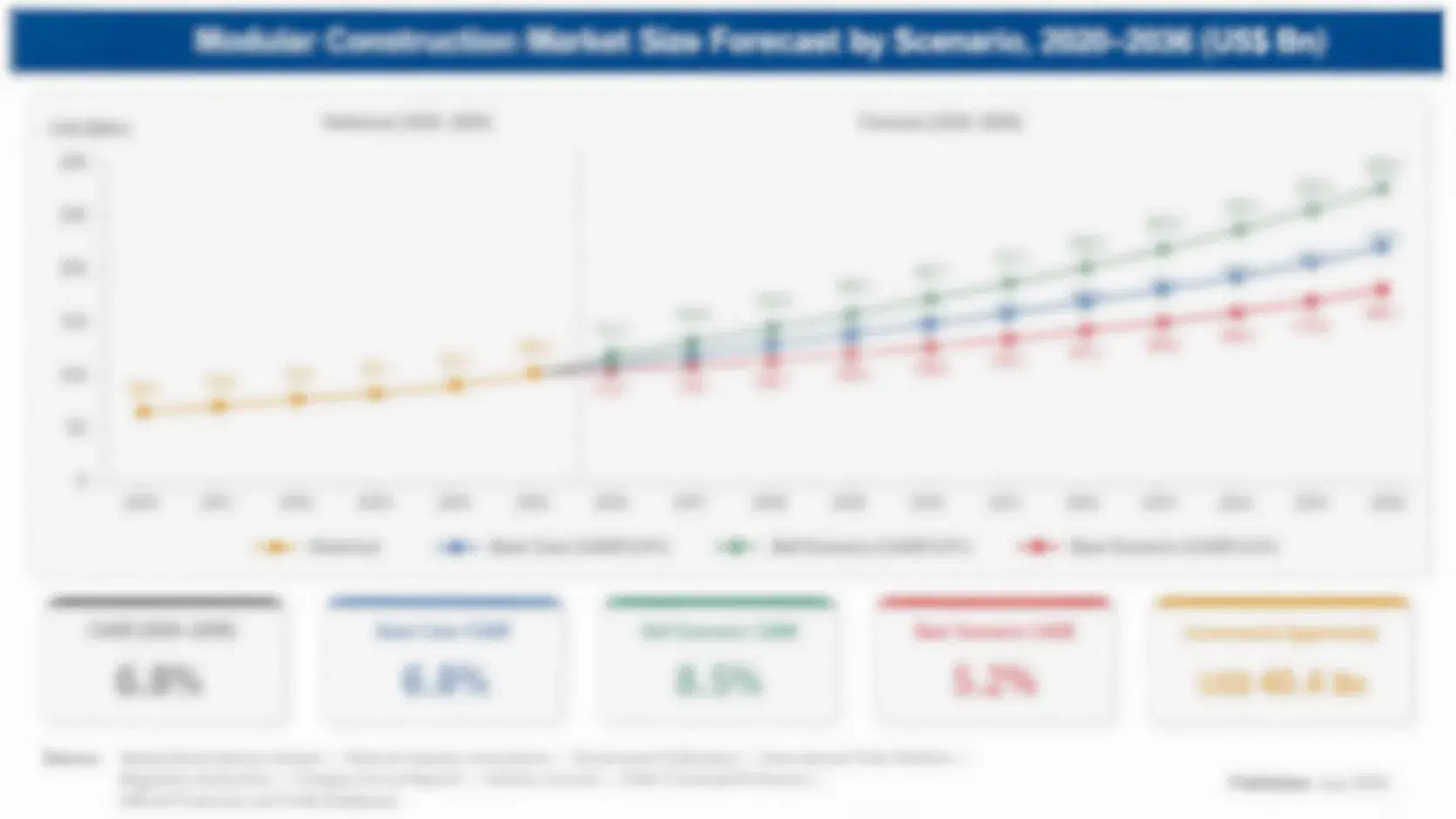
2036 FORECAST VALUE$0.4BBase Case , 2026 to 2036
CAGR 2026 TO 20366.0 %Bull 7.3% / Bear 4.7%
INCREMENTAL OPPORTUNITY$0.2BNet 10- year value creation
EXPANSION MULTIPLE1.79x2036 value over 2026 base
Strategic Levers
M&A Pipeline
Regional Outlook
Country Rankings
Competitive Intelligence
Segmental Deep-dive
Call-Us : 91 93563 13602

Executive Snapshot and Market Trajectory.

Marigold essential oil is a steam-distilled botanical, mainly from Tagetes minuta, sold to fragrance, flavour, cosmetic and agricultural customers, and value depends on farm supply, low oil yield, safety limits on phototoxic components, and how far natural claims lift demand. Safety files and harvests decide contracts each year.
Cosmetic and Aromatherapy-Grade Marigold Oil grows fastest as natural personal care and wellness brands seek botanical oils with a documented origin, while flavour and fragrance grades still carry most volume. Middle East and Africa holds the largest share because South Africa, Zimbabwe, Kenya and Egypt grow and distil much of the world's supply, and Western Europe follows on fragrance demand. Brand owners judge scent and safety files first.
Competition is concentrated among fragrance and flavour houses: a Swiss-Dutch flavour and fragrance group, a Swiss fragrance group, a German flavour and fragrance group, an American flavour and fragrance group and a French natural ingredient house lead, measured here on estimated marigold essential oil sales value, while African distillers, traders and aromatherapy brands fill gaps. Regulators police allergens, so contract farms, toxicology files and batch consistency shape who wins accounts. Origin security decides many renewals.
Market Definition
The market covers global sales of essential oil distilled from marigold species, chiefly Tagetes minuta, Tagetes patula and Tagetes erecta, valued at producer and trader revenue, including cosmetic and aromatherapy-grade oil, flavour-grade oil, fragrance-grade oil, agricultural and biopesticide-grade oil, and calendula oil and carbon dioxide extracts, sold to fragrance, flavour, cosmetic, wellness and agricultural customers. The scope excludes lutein pigment extracts from marigold petals, dried flowers and infused carrier oils.
Base Year Value
$0.2B in 2025 (MMA Primary Research Dataset, September 2026)
Forecast Period
2026 to 2036, eleven discrete annual values
CAGR
6.0% base case. Bull 7.3%. Bear 4.7%.
Fastest Growth Segment
Cosmetic and Aromatherapy-Grade Marigold Oil: 8.4% CAGR
Fastest Growth Country
India: 8.0% CAGR
Fastest Growth Region
South Asia and Pacific: 8.0% CAGR
Largest Region
Middle East and Africa: 28% of 2025 global value
Market Leaders
DSM-Firmenich, Givaudan, Symrise, IFF, Robertet. Source: MMA Analysis, company annual reports.
Primary Survey
n=3,800 procurement and R&D decision-makers, Q4 2025, six countries
Methodology
Demand-side build-up, cross-validated against public data, 47 expert interviews

Marigold Essential Oil Market Forecast Scenarios

marigold-essential-oil-market-size-forecast-scenario-1789955521889
Between 2020 and 2025, marigold essential oil grew steadily as natural fragrance and flavour demand lifted interest in fruity, green and herbal top notes, and wellness brands added tagetes to aromatherapy blends. Weather and currency swings in producing countries disrupted supply in some years, so growth was firm but uneven across grades and regions. Freight delays also disrupted shipments.
The base case rests on three commercial mechanisms. First, fragrance and flavour houses keep adding natural botanicals with a documented origin and a sustainability story. Second, cosmetic and wellness brands widen use of marigold oil in blends that benefit from its distinctive scent. Third, agricultural research on marigold oil as a biopesticide opens a small but growing industrial channel. Producers plan contract farming, distillation upgrades and safety files around these drivers, and buyers reward steady supply and traceable origin.
The bull case needs stable harvests and new safety data that let brands use marigold oil in more categories without breaching phototoxicity limits. The bear case is drought or currency crises in producing countries combined with tighter IFRA restrictions, which would cut volumes and margins. Producers with contract farms, multi-origin supply and toxicology files would be best placed for either outcome.

Farm Supply, Distillation Yield, and Safety Limits Set Marigold Oil Returns

Farmers grow Tagetes minuta and related species, distillers steam the fresh herb to recover oil, and traders and fragrance houses grade and sell it to fragrance, flavour, cosmetic, wellness and agricultural customers. Africa supplies about 45% of oil, yields run only 0.2% to 0.4%, and aromatherapy channels take about 22% of revenue. Crop supply and safety rules therefore set returns. Fuel choice affects cost.
MARKET CONCENTRATION35% CR5Top five suppliers hold a substantial combined market share
AFRICA SUPPLY SHARE45%Portion of global oil production grown and distilled in Africa
TYPICAL OIL YIELD0.2-0.4%Typical oil recovered from fresh herb weight during steam distillation
HARVEST TO OIL CYCLE4-5 monthsTypical time from planting to distilled oil availability
NATURAL PRICE PREMIUM1.5-2.5xPrice multiple over synthetic aroma chemical substitutes per kilogram
AROMATHERAPY CHANNEL SHARE22%Portion of revenue sold through aromatherapy and wellness brands
Farm supply, oil quality, safety compliance, traceability and price decide value. Perfumers and flavourists judge scent and consistency, brand owners judge claims and safety files, and regulators judge phototoxicity and allergen limits. Givaudan and DSM-Firmenich win on perfumery reach, Symrise wins on flavour and natural sourcing programmes, and African distillers win on cost. Harvest failures move customer loyalty quickly. Samples and gas chromatography reports come first.
Buyers judge marigold oil on scent profile, batch consistency, safety, origin story and price. Perfumers want top notes, flavourists want fruit and tobacco notes, wellness brands want natural appeal, and agricultural users want efficacy. Price sensitivity is moderate for fragrance and high for agricultural grades. Audits, gas chromatography reports and samples decide shortlists, and many buyers keep two origins to reduce supply risk.
"Marigold oil is loved by perfumers and feared by toxicologists. The suppliers that keep the business will be those that grow it consistently, test it rigorously, and stay inside the safety limits without asking regulators to move the line."
Senior Analyst, Botanical Oils and Aroma Ingredients Practice · MMA Marigold Essential Oil Practice · September 2026

Market Trends

Wellness Brands Add Marigold Oil to Natural Botanical Blends

Independent skincare, home fragrance and aromatherapy brands look for distinctive natural notes, and marigold oil offers a fruity, green and herbal scent that stands out in blends. Cosmetic and Aromatherapy-Grade Marigold Oil grows about 8.4% a year, and gross margins run 40% to 52% against 22% to 30% for fragrance-grade oil sold in bulk. The trend needs low-phototoxicity specifications, clear dilution guidance and traceable origin, and it rewards distillers that offer small lots, certificates of analysis and organic certification to wellness brands. Online sellers also value clear labels that state botanical name and origin.
Market Impact: natural oils earn 1.5-2.5x premiums

Flavour Houses Use Tagetes Oil for Fruit and Tobacco Notes

Flavourists use tiny amounts of tagetes oil to build tropical fruit, apple and tobacco notes in beverages, confectionery and tobacco products, and natural flavour rules in Europe and North America favour distilled botanicals. Flavour-Grade Tagetes Oil grows about 7.2% a year, and gross margins run 32% to 44%. The trend needs compliance with flavouring rules and safe use levels, and it draws flavour houses into long supply agreements with African distillers that can guarantee batch consistency and traceable origin. Tobacco flavour demand is shrinking in some markets, so suppliers shift effort toward beverages and confectionery.
Market Impact: contract farms cut supply gaps 20%

Market Opportunities and Growth Drivers

Natural Fragrance and Flavour Demand Lifts Botanical Oil Volumes

Consumers and retailers push brands to replace synthetic aroma chemicals with natural botanicals, and fragrance and flavour houses respond with natural ingredient programmes and sourcing partnerships. Natural oils sell at 1.5 to 2.5 times the price of synthetic substitutes per kilogram. The driver sustains a steady buyer base and rewards distillers that provide consistent quality, sustainability data and traceable origin that brand owners can quote in marketing. Retailers publish natural ingredient targets, and suppliers that offer verified origin, organic certification and stable pricing win preferred status with large fragrance houses.
Market Impact: toxicology files cost $0.1-0.4 million

Contract Farming and Smallholder Programmes Improve Supply Reliability

Fragrance houses and traders run contract farming programmes in South Africa, Zimbabwe, Kenya and Peru that provide seed, training and guaranteed offtake to smallholders, and buyers value the social and environmental stories that come with them. Programmes stabilise yields and quality. The driver rewards suppliers with field staff and distillation capacity, and it lets brand owners offer verified ethical sourcing in marketing and reports. Farmers earn steadier income, and distillers gain data on planting dates and harvest timing that help plan campaigns. Certification bodies audit programmes, giving buyers evidence for sustainability claims.
Market Impact: poor seasons cut output 20-40%

Market Restraints and Challenges

Phototoxicity Limits Restrict Marigold Oil Use in Finished Products

IFRA standards restrict tagetes oil because some components can cause skin sensitisation and phototoxic reactions, and EU cosmetics rules require allergen labelling for several fragrance constituents. The root cause is the chemistry of ocimenones and related compounds. Brands respond by using very low doses and by avoiding leave-on products, though these limits cap volume per formula and require toxicology files that cost $0.1 million to $0.4 million per supplier. Fragrance houses drop or cap tagetes when new evidence appears, so suppliers must monitor standards and update customers, which small distillers struggle to do.
Market Impact: cosmetic grade oil grows 8.4% yearly

Weather, Currency, and Low Yields Make Supply Volatile

Marigold crops depend on rainfall and temperature, yields of only 0.2% to 0.4% oil mean large herb volumes are needed, and currency crises in producing countries disrupt farm payments and exports. The root cause is smallholder farming and thin infrastructure. Suppliers respond with irrigation, contracts and multi-origin sourcing, though poor seasons can cut output by 20% to 40% and lift prices sharply for customers. Buyers keep two origins and hold stock, but small distillers cannot smooth supply, and customers may replace marigold notes with synthetic aroma chemicals in tight years, which can cut volume permanently.
Market Impact: flavour grade oil grows 7.2% yearly
3 additional market trends, 2 additional growth drivers, and 4 additional restraints and challenges are covered in the full report. Contact sales@marketmindsadvisory.com to access the complete intelligence.

Segment CAGR and Growth Architecture

The global marigold essential oil market is segmented by application grade, which shows where safety compliance, batch consistency and traceability create pricing power in a moderately concentrated market. Five segments cover cosmetic and aromatherapy-grade oil, flavour-grade oil, agricultural and biopesticide-grade oil, calendula oil and carbon dioxide extracts, and fragrance-grade oil. Cosmetic and flavour grades grow fastest.
marigold-essential-oil-market-market-share-analysis-1789955522157

Cosmetic and Aromatherapy-Grade Marigold Oil

Cosmetic and Aromatherapy-Grade Marigold Oil is the fastest-growing segment at 8.4% a year, about 1.40 times the overall market rate, from a small base. Wellness and natural personal care brands seek distinctive botanical scents with traceable origin, so gross margins of 40% to 52% against 22% to 30% for bulk fragrance-grade oil support small-lot service and testing. Safety limits, dilution guidance and allergen labelling are the main constraints, and distillers with organic certification, gas chromatography reports and toxicology files win repeat orders from independent brands and online retailers across several regions. Online retailers and independent perfumers buy in small lots, so distillers that pack samples and ship quickly capture demand that large houses ignore.
CAGR 8.4%

Flavour-Grade Tagetes Oil

Flavour-Grade Tagetes Oil grows at 7.2% a year, about 1.20 times the overall market rate, because flavour houses use tiny doses to build fruit and tobacco notes and accept gross margins of 32% to 44% for consistent, compliant oil. Flavouring regulations and safe use levels shape entry. Distillers with food safety certification, batch records and long supply agreements hold price better than traders, and buyers value suppliers that can guarantee the same aroma profile across several harvest seasons. Tobacco and beverage buyers value the fruit and tobacco character, and Symrise, Givaudan and Mane hold long relationships with African distillers. Use is limited to parts per million, so volume per customer is small but repeat orders are steady.
CAGR 7.2%
Full segment breakdown across 5 segments available in the complete report.

Regional Architecture and Country Demand Map

Middle East and Africa leads at 28% because South Africa, Zimbabwe, Kenya and Egypt grow and distil much of the world's tagetes oil, with North America at 22% on aromatherapy demand. South Asia and Pacific grows fastest as Indian farmers add supply. East Asia and Eastern Europe remain small.

North America

North America holds 22% share, at the bottom of its band, because American aromatherapy and natural personal care brands such as doTERRA, Young Living and Plant Therapy buy marigold oil through distributors, and fragrance and flavour houses in New Jersey and New York use tagetes in compounds, while IFRA standards and FDA flavour rules set use levels. Growth runs at the global rate. Regulatory limits, private label pressure and import dependence on African and Latin American suppliers restrain returns. Independent aromatherapy brands and Etsy sellers buy small lots through online distributors, and Costco and Whole Foods carry essential oil kits, which widens consumer reach but raises label and safety scrutiny.
Share: 22% | CAGR: 6.0% (2026 to 2036)

Western Europe

Western Europe holds 20% share, inside its band, because Grasse and Geneva fragrance houses such as Givaudan, Robertet and Symrise use tagetes oil in perfumery and flavour compounds, and German and French cosmetic brands buy natural oils, while the EU cosmetics regulation and IFRA standards restrict allergen and phototoxic components. Growth trails the global rate. Strict compliance costs, natural sourcing scrutiny and higher labour costs restrain margins. Perfumers in Grasse still prize tagetes for its fruity green top note, and German flavour houses use it at tiny doses in beverages. Suppliers must supply IFRA certificates, allergen declarations and origin records, and retail buyers audit them, while sustainability reporting rules add cost for small importers and distributors.
Share: 20% | CAGR: 4.5% (2026 to 2036)
Regional intelligence for 5 additional markets available in the complete report: East Asia, South Asia and Pacific, Latin America, Middle East and Africa, Eastern Europe. Contact sales@marketmindsadvisory.com.
marigold-essential-oil-market-country-cagr-analysis-1789955522467

Four Margin Routes for Marigold Oil Suppliers

Margin in marigold essential oil comes from cosmetic-grade lots, compliant flavour oil, contract farming and higher distillation yield rather than plain bulk fragrance oil. The routes below apply to distillers, traders and fragrance houses, and each can start inside one planning cycle, with clear measures in gross margin points, accounts won and supply security. Payback runs about two years.

Shifting Bulk Fragrance Oil Into Cosmetic and Aromatherapy-Grade Lots

Cosmetic and aromatherapy-grade marigold oil earns gross margins of 40% to 52% against 22% to 30% for bulk fragrance-grade oil, so distillers that add small-lot packing, gas chromatography reports and organic certification to shift 10% of volume into cosmetic lots report gross margin gains of three to five points on the mix. Programmes cost $0.5 million to $1.5 million. Pilots with five wellness brands confirm demand, and payback typically arrives within 24 months as repeat orders build across online channels. Wellness brands also reorder by season, which smooths distiller cash flow throughout the year.
Market Impact: cosmetic lots lift gross margin by 3-5 points

Building Toxicology Files That Keep Marigold Oil Inside Safety Limits

IFRA and cosmetic rules restrict tagetes oil, so suppliers that fund phototoxicity and sensitisation testing, publish safe use levels and provide dilution guidance keep accounts worth 10% to 16% of sales and avoid delistings. Studies cost $0.1 million to $0.4 million per supplier. Suppliers should test the flagship grade first, where volume is highest, and share files with fragrance houses and brand owners so formulators can stay inside limits confidently across new products. Files also shorten customer audits, because fragrance houses reuse the same documents across several compounds and regions, which cuts approval time by several weeks.
Market Impact: safety files protect accounts worth 10-16% of sales

Expanding Contract Farming With Seed, Training and Guaranteed Offtake

Yields and quality vary across smallholders, so suppliers that provide certified seed, agronomy training and guaranteed offtake in South Africa, Zimbabwe, Kenya and Peru cut supply gaps by about 20% and lift oil yield by 10% to 15%. Programmes cost $0.5 million to $2 million per region. Suppliers should expand the best-performing farms first, where quality is highest, and use farm data to plan harvests and distillation schedules ahead of peak seasons. Better data on planting and harvest timing also helps distillers schedule stills, which reduces idle time and fuel waste.
Market Impact: contract farming lifts oil yield by 10-15% per season

Upgrading Distillation Efficiency and Storage to Lift Recovery and Consistency

Small distillers lose oil to poor condensers and uneven heating, so suppliers that add stainless steel stills, better condensers and controlled storage lift recovery by 10% to 20% and cut batch variation that buyers penalise. Programmes cost $0.3 million to $1.2 million per site. Suppliers should upgrade the largest stills first, where volume is highest, and share gas chromatography results with customers so quality gains translate into better contract prices. Consistent batches also reduce rejected lots, and buyers reward suppliers that document each batch with gas chromatography profiles matching the agreed specification.
Market Impact: distillation upgrades lift recovery by 10-20% per site

Who Controls the Margin Pool

The global marigold essential oil market is moderately concentrated, with a CR5 of 35%, and African distillers, regional traders and aromatherapy brands sit outside the leading five. This assessment measures participants on estimated marigold essential oil sales value, held constant across all players. DSM-Firmenich leads through perfumery and flavour reach, while Givaudan, Symrise, IFF and Robertet follow, with a narrow gap between the leader and the challengers.
Competition runs on four dimensions today: farm access and yield, safety compliance and documentation, batch consistency, and customer reach. Fragrance houses win on perfumery relationships, French natural houses win on origin stories, and African distillers win on cost. Imitators copy popular grades quickly, so premiums outside audited and well-documented oil erode within a year, and buyers weigh each supplier against alternative origins.

Emerging pressure comes from synthetic aroma chemicals that mimic tagetes notes, stricter IFRA rules, and Indian and Latin American distillers that add capacity. Rankings shift where a supplier secures contract farms, proves safety or wins a large fragrance account. Challengers can move up quickly when leaders face harvest failures, quality complaints or regulatory changes in a small niche.
marigold-essential-oil-market-company-positioning-matrix-1789955522812

Competitive Moat and Risk Dimensions

DSM-FIRMENICH

Moat: Perfumery Reach and Sourcing Programmes

DSM-Firmenich, a Swiss-Dutch fragrance, flavour and nutrition group, sells natural ingredients to perfumers and flavourists worldwide and runs sourcing programmes with farmers in several countries, with research capability, safety expertise and deep customer relationships. Its reach, expertise and programmes give it a market advantage, and its position supports secure supply and new natural ingredient launches for perfumery and flavour customers.
DSM-FIRMENICH

Risk: Small Niche Priority Risk

DSM-Firmenich manages thousands of ingredients, so a niche oil such as marigold may not receive investment priority against larger natural ingredients. Regulatory limits on tagetes oil also cap volumes, and specialist distillers can win accounts that need small lots and flexible service. Customers may also dual-source to protect supply.
GIVAUDAN

Moat: Fragrance Leadership and Natural Sourcing

Givaudan, a Swiss fragrance and flavour group, blends natural ingredients into perfumes and flavours for global consumer brands and runs origin sourcing programmes, with research capability, wide customer relationships and strong regulatory teams. Its leadership, sourcing and compliance skills give it a market advantage, and its position supports rapid adoption of new botanical ingredients in fine fragrance and personal care.
GIVAUDAN

Risk: Regulatory and Supply Exposure

Givaudan relies on natural botanicals whose supply swings with weather and currency, and tightened IFRA limits could cut use of tagetes in fine fragrance. Competitors with alternative natural or synthetic notes can substitute quickly, and customers may dual-source. Marigold is a small ingredient in its portfolio, so investment stays modest.

Players Tracked

Prominent Players

DSM-Firmenich
Givaudan
Symrise
IFF
Robertet

Other Key Players

Takasago International
Mane
Sensient Technologies
Bordas
Berje
Lebermuth
Ultra International
Kancor Ingredients
Flavex Naturextrakte
doTERRA
Young Living
Plant Therapy
Mountain Rose Herbs
Eden Botanicals
Bio-Botanica

Recent Developments

JANUARY 2026

DSM-Firmenich Expands Contract Farming for Tagetes in Southern Africa With Smallholder Training Programmes

DSM-Firmenich expanded contract farming for tagetes in southern Africa with smallholder training programmes, according to company communications. It is a sourcing programme, not an acquisition, and it tests supply reliability. The programme covers seed, training and guaranteed offtake for several hundred farmers. Investment terms were not disclosed.
Signal: Confirms leaders are investing in farm programmes because weather and currency swings threaten supply of natural oils.
FEBRUARY 2026

Givaudan Adds Traceable Marigold Oil to Natural Ingredient Portfolio for Fine Fragrance and Personal Care

Givaudan added traceable marigold oil to its natural ingredient portfolio for fine fragrance and personal care, according to company communications. It is a portfolio addition, not an acquisition, and it tests demand for traceable botanicals. The oil carries gas chromatography reports and origin records. Sales terms were not disclosed.
Signal: Suggests fragrance houses are using traceability to defend natural oils against synthetic substitutes and safety criticism.
MARCH 2026

Symrise Signs Long-Term Tagetes Oil Supply Agreements With Distillers in Kenya and Egypt

Symrise signed long-term tagetes oil supply agreements with distillers in Kenya and Egypt, according to company communications. It is a supply agreement, not an acquisition, and it tests sourcing security. The agreements cover annual volumes and quality specifications across several seasons. Terms were not disclosed.
Signal: Indicates flavour and fragrance groups are locking multi-origin supply early because crop failures can cut output sharply.

What Drives Marigold Oil Costs

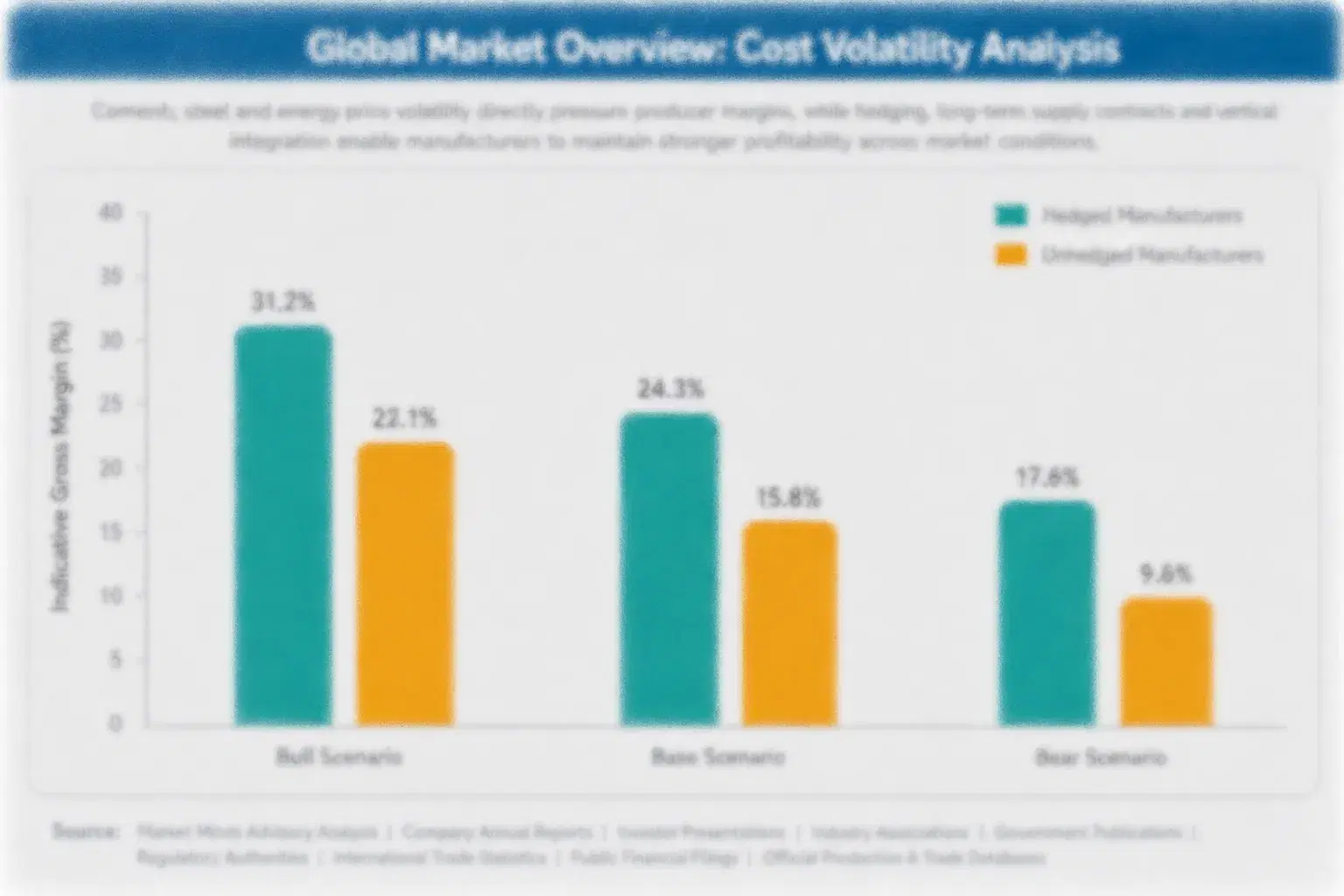
Fresh herb accounts for roughly 35% of production cost, farm labour and harvest about 15%, distillation energy and fuel about 15%, testing, packing and certification about 10%, and freight, trader margin and overheads about 25%. Herb comes mainly from South Africa, Zimbabwe, Kenya, Egypt, India and Peru, and distillation fuel is often wood, coal or diesel with regional price differences.
The clearest recent shock came from weather and currency swings. MMA Estimate from expert interviews indicates that drought and currency devaluation cut Zimbabwean and South African tagetes output by 20% to 40% in poor seasons, so oil prices rose 25% to 45% and buyers shifted volume to Kenya, Egypt and India. Fuel prices added cost for distillers, and freight rates rose for small consignments. Some buyers accepted higher prices for guaranteed volumes.

The competitive disadvantage falls on small distillers and traders without contract farms or fuel efficiency, which cannot buy at peak season or fund toxicology files. Large groups negotiate freight and hold stock. Exposure also varies by geography, since African distillers buy local herb and fuel while European compounders import oil and pay for testing, freight and safety compliance before they can use it.
marigold-essential-oil-market-cost-volatility-analysis-1789955523101

Contract Farms With Guaranteed Offtake

Suppliers sign multi-year contracts with smallholder groups and provide seed, training and guaranteed prices. Contracts cut supply gaps by about 20% and protect against price spikes of 25% to 45%. The main challenge is volume commitment, so larger buyers lock terms first, while smaller buyers purchase through traders at a premium. Contracts renew every year.

Multi-Origin Sourcing Across Africa, India and Peru

Buyers qualify oil from South Africa, Kenya, Egypt, India and Peru so they can shift volume when weather or currency shocks hit one origin. Sourcing spreads risk and price exposure. The main challenge is validation cost, so buyers test flagship grades first and phase changes across ranges over two seasons. Freight costs vary by origin and season.

Toxicology and Compliance Programmes

Suppliers fund phototoxicity and sensitisation tests, publish safe use levels and provide dilution guidance to fragrance houses and brand owners. Programmes protect accounts worth 10% to 16% of sales. The main challenge is cost, so suppliers test the flagship grade first and share results across customers after regulatory review. Files are updated when standards change.

Portfolio Architecture for Margin Defence

Margins run from moderate returns on bulk fragrance-grade oil and agricultural-grade oil sold in volume to strong returns on cosmetic-grade and flavour-grade oil sold with safety files, traceable origin and small-lot service. Three tiers separate volume products, premium certified lines and next-generation solutions, and each tier draws on different farm access, distillation quality and customer relationships in a moderately concentrated niche market.
The tension between volume and premium is sharp. Bulk fragrance and agricultural oils fill large orders from compounders and farm users and serve price-driven buyers but face weather swings and safety limits, while cosmetic and flavour grades earn higher margins on smaller volumes and depend on toxicology files, batch consistency and customer credibility. Suppliers that run only volume struggle when prices fall, while suppliers that run only premium lose early volume. Mix management decides which risk dominates.

High-value pools concentrate in cosmetic and aromatherapy-grade oil sold to wellness brands and in flavour-grade oil sold to flavour houses under long agreements. They gather where buyers pay for safety documentation, origin stories and consistent scent rather than price alone. Calendula oil and carbon dioxide extracts add a smaller pool with strong natural cosmetic appeal.

Volume / Commodity-Adjacent Tier

Bulk fragrance-grade and agricultural-grade marigold oil sold in volume to compounders, traders and farm input customers. Buyers focus on price and availability, and contracts renew annually with limited technical service.
Gross Margin: 22%-30%

Premium / Certified Tier

Flavour-grade and organic certified oil with batch records, gas chromatography reports, food safety certificates and audit files, sold to flavour houses and natural brands. Buyers value certification and steady supply.
Gross Margin: 32%-44%

Sustainability / Regulatory / Next-Generation Tier

Cosmetic and aromatherapy-grade oil with toxicology files, traceable contract farms and small-lot service, sold to wellness brands and online retailers. Contracts run for several years and follow product launches. Volumes are small.
Gross Margin: 40%-52%
marigold-essential-oil-market-portfolio-architecture-1789955523390

High-value Sub-segments and Strategic Watch-out

Cosmetic and Aromatherapy-Grade Marigold Oil

Cosmetic and aromatherapy-grade marigold oil combines the fastest growth with strong pricing, since wellness brands seek distinctive botanical scents and pay for small lots and safety files at gross margins of 40% to 52%. Toxicology cost and dilution guidance limit competition, and distillers with organic certification win repeat orders.
Gross Margin: 40%-52%

Flavour-Grade Tagetes Oil

Flavour-grade tagetes oil delivers firm growth and pricing, since flavour houses use tiny doses for fruit and tobacco notes and pay for compliance at gross margins of 32% to 44%. Food safety certification and batch consistency form the entry barrier, and distillers with long agreements win repeat orders.
Gross Margin: 32%-44%

Fragrance-Grade Tagetes Oil

Fragrance-grade tagetes oil is the volume core for suppliers with farm access and scale. Value grows about 5.5% a year, and herb cost, yield and delivery reliability decide profit. Suppliers anchor sales on long relationships with compounders in Grasse, Geneva and New Jersey, and customers renew contracts yearly.
Gross Margin: 22%-30%

Agricultural and Biopesticide-Grade Marigold Oil

Agricultural and biopesticide-grade marigold oil is the strategic watch-out, since growth of about 6.5% a year trails the leaders, efficacy data are limited and farm buyers compare it with cheaper synthetic products. Suppliers should manage these lines selectively and steer capacity toward cosmetic and flavour grades.
Gross Margin: 18%-28%

Why Formulators Keep Buying Marigold Oil

Marigold oil demand behaves like a short annuity attached to perfume and flavour formulas, safety files and trusted supplier relationships. Once a perfumer or flavourist approves an oil for a compound, it stays in the formula and the customer reorders every season, and switching means new scent trials, stability tests and paperwork. Customers use last harvest's quality to fix renewals, so suppliers with clean records earn steadier volume. Contracts often run for one to three years.
Adoption stickiness differs by end-use vertical. Fine fragrance and flavour compounds with approved oils are the deepest, since formulas are locked and change only when supply fails. Cosmetic and aromatherapy brands are moderate and reorder by season. Agricultural users follow price and efficacy, while trend-driven start-ups are shallow. Tobacco flavour buyers stay loyal to approved origins and specifications, though regulation is shrinking that channel.

Buyer profiles are shifting between generations. Older perfumers chose natural oils on supplier relationships and origin heritage, while younger brands ask for traceable farms, organic certification, small lots, online ordering and sustainability data. Regulators and toxicologists add a third group that sets safe use expectations. Suppliers that publish safety data and farm records win newer customers.
marigold-essential-oil-market-end-use-penetration-index-1789955523670

MMA Verdict on Marigold Oil Strategy

These are among the four positions where our research anticipates prominent divergence between winners and laggards over the coming forecast period. Each is grounded in the demand model, the regulatory perimeter, and the announced capacity pipeline.
01 / COSMETIC GRADE STRATEGY

Shift Bulk Oil Into Cosmetic Lots Before Wellness Brands Choose Other Botanicals

Cosmetic and Aromatherapy-Grade Marigold Oil grows at 8.4% a year, about 1.40 times the overall market rate, and gross margins of 40% to 52% compare with 22% to 30% for bulk fragrance-grade oil. Distillers should commit $0.5 million to $1.5 million to small-lot packing, gas chromatography reports and organic certification, and shift 10% of volume into cosmetic lots to lift gross margin by three to five points. Those that stay in bulk oil will lose growth and pricing over the next two years, while early movers keep customers and premiums.
02 / SAFETY COMPLIANCE STRATEGY

Build Toxicology Files Before Tighter IFRA Limits Force Marigold Oil Out

IFRA and cosmetic rules restrict tagetes oil, fragrance houses drop ingredients that lack safety files, and suppliers without phototoxicity and sensitisation data lose accounts worth 10% to 16% of sales. Suppliers should invest $0.1 million to $0.4 million per supplier in testing, publish safe use levels, test the flagship grade first, and provide dilution guidance. Those without files will lose customers and pricing over the next two years, while prepared suppliers hold premium pricing, loyalty, customer confidence and formula approvals across every contract cycle.
03 / FARM SUPPLY STRATEGY

Expand Contract Farming Before Drought and Currency Shocks Cut Marigold Oil Supply

Yields and quality vary across smallholders, poor seasons cut output by 20% to 40%, and suppliers without contract farms face price spikes of 25% to 45% that erase margin. Suppliers should invest $0.5 million to $2 million per region in certified seed, training and guaranteed offtake, expand the best farms first, and lift oil yield by 10% to 15%. Those that delay will lose supply and pricing over the next two years, while prepared suppliers hold margin, volume and customer trust across every harvest season.
04 / DISTILLATION UPGRADE STRATEGY

Upgrade Stills and Storage Before Batch Variation Costs Suppliers Fragrance Accounts

Small distillers lose oil to poor condensers and uneven heating, buyers penalise batch variation, and suppliers without controlled storage and gas chromatography records lose accounts to consistent rivals. Suppliers should invest $0.3 million to $1.2 million per site in stainless steel stills, condensers and storage, upgrade the largest stills first, and lift recovery by 10% to 20%. Those that delay will lose positioning over the next two years, while prepared suppliers hold pricing, customer trust and contract renewals across every harvest and buying cycle.

Engagement Snapshot From the Field

A live engagement with an industry participant carrying material or product regulatory and market exposure ahead of a defining policy shift, showing how our research translates into a defensible multi-year portfolio strategy.
MARKET MINDS ADVISORY · CLIENT ENGAGEMENT SUMMARY
Marigold Essential Oil Producer Strategic Portfolio Review and Transition Roadmap 2026·Investment Scenario on Marigold Essential Oil Exposure Evaluation 2025-26
CLIENT PROFILE
The client is a mid-sized southern African essential oil distiller with annual sales near $28 million (client-reported, unverified by MMA), selling tagetes and other botanical oils to fragrance houses, traders and aromatherapy brands. It offered no organic or toxicology-backed grades, relied on 300 smallholders with unstable yields, and had seen margins fall five points as drought cut supply and buyers pressed on price. Customers kept asking for safety files.
STRATEGIC CHALLENGE
Fragrance customers asked for toxicology files and traceable origin, drought cut harvests in the last season, and the client's bulk oil faced price pressure from Egyptian and Indian rivals. Management needed to decide whether to fund safety testing, expand contract farming, or upgrade its stills, with limited capital and dependence on a few smallholder groups. Customers wanted answers within six months.
MMA APPROACH
MMA analysed sales, cost and yield data across 20 products, interviewed 10 fragrance buyers, distillers and regulatory specialists, and ran a buyer survey on quality, safety and price across three regions. It modelled margin by grade and scenario and ranked options by payback and execution risk, and tested each option against harvest variability.
KEY FINDINGS
  1. Toxicology testing and organic certification would cost about $0.4 million and open cosmetic accounts earning gross margins near 46% against 26% for bulk oil (client-reported, unverified by MMA).
  2. Contract farming with seed and training for 300 growers would cost about $1.2 million and lift oil yield by about 12% within two seasons.
  3. Stainless steel stills and controlled storage would cost about $0.8 million and lift recovery by about 15%. The upgrade could start at the largest still.
  4. Small-lot packing and online ordering would cost about $0.3 million and attract new wellness brand accounts within 12 months. Two online retailers asked for samples.
CLIENT PROFILE
The client is a mid-sized southern African essential oil distiller with annual sales near $28 million (client-reported, unverified by MMA), selling tagetes and other botanical oils to fragrance houses, traders and aromatherapy brands. It offered no organic or toxicology-backed grades, relied on 300 smallholders with unstable yields, and had seen margins fall five points as drought cut supply and buyers pressed on price. Customers kept asking for safety files.
STRATEGIC CHALLENGE
Fragrance customers asked for toxicology files and traceable origin, drought cut harvests in the last season, and the client's bulk oil faced price pressure from Egyptian and Indian rivals. Management needed to decide whether to fund safety testing, expand contract farming, or upgrade its stills, with limited capital and dependence on a few smallholder groups. Customers wanted answers within six months.
MMA APPROACH
MMA analysed sales, cost and yield data across 20 products, interviewed 10 fragrance buyers, distillers and regulatory specialists, and ran a buyer survey on quality, safety and price across three regions. It modelled margin by grade and scenario and ranked options by payback and execution risk, and tested each option against harvest variability.
KEY FINDINGS
  1. Toxicology testing and organic certification would cost about $0.4 million and open cosmetic accounts earning gross margins near 46% against 26% for bulk oil (client-reported, unverified by MMA).
  2. Contract farming with seed and training for 300 growers would cost about $1.2 million and lift oil yield by about 12% within two seasons.
  3. Stainless steel stills and controlled storage would cost about $0.8 million and lift recovery by about 15%. The upgrade could start at the largest still.
  4. Small-lot packing and online ordering would cost about $0.3 million and attract new wellness brand accounts within 12 months. Two online retailers asked for samples.
RECOMMENDED STRATEGY
Phase 1: Phase 1 (Months 1-6): Fund toxicology tests, expand contract farming and open talks with cosmetic customers. Assign a project lead and set targets. Phase 2: Phase 2 (Months 7-24): Upgrade stills and storage, obtain organic certification and launch small-lot packing and online ordering. Report progress to the board monthly. Phase 3: Phase 3 (Months 25-42): Grow cosmetic-grade sales, review farm contracts yearly and cap any single customer share. Report results to the board yearly.
OUTCOME
Within 42 months, cosmetic and certified oil reached 27% of sales, oil yield rose by about 12%, and supply held through one poor season (client-reported, unverified by MMA). Gross margin rose by four points, profit exceeded plan by about 3%, and two fragrance houses signed multi-year supply agreements for new compounds.

Frequently Asked Questions

Foundational context covering the market sizes, CAGR, scope, country, region and competition that inform every finding below. This section is provided to cover basics and most often pre-purchase conversations, answered from the MMA Primary Research Dataset.

What is the current size of the Marigold Essential Oil Market?

The global marigold essential oil market was valued at $0.22 billion in 2025 on a producer and trader revenue basis. Growth is supported by natural fragrance demand and wellness brands, offset by safety limits and weather-driven supply swings.

How large will the Marigold Essential Oil Market be by 2036?

The market is projected to reach $0.42 billion by 2036, up from $0.23 billion in 2026. The increase of $0.18 billion reflects cosmetic grades, flavour oil and Asian growth.

What is the CAGR for the Marigold Essential Oil Market 2026 to 2036?

The market is forecast to grow at a 6.0% CAGR from 2026 to 2036. The bull case reaches 7.3% and the bear case 4.7%, depending on harvests, safety rules and natural ingredient demand.

Which segment is growing fastest?

Cosmetic and Aromatherapy-Grade Marigold Oil is the fastest-growing segment at 8.4% CAGR, roughly 1.40 times the overall market rate. Flavour-Grade Tagetes Oil follows at 7.2% CAGR each year.

Who are the major companies in the Marigold Essential Oil Market?

Major companies include DSM-Firmenich, Givaudan, Symrise, IFF and Robertet. Takasago International, Mane, Sensient Technologies, Bordas and Berje also hold positions in marigold oil and related botanical oils.

Which country is growing fastest?

India is growing fastest at about 8.0% CAGR, because farmers and distillers are adding capacity and domestic fragrance and wellness brands are widening use. Kenya and Peru follow as contract farming expands.

Report Segmentation Architecture

The full report scope spans multiple orthogonal segmentation dimensions, with cross-tabulated demand data provided for each dimension pair. Coverage extends further to regional breakdowns, trend trajectories, and the competitive detail needed to support segment-level decision-making.

By Primary Market Dimension

  • Cosmetic and Aromatherapy-Grade Marigold Oil
  • Flavour-Grade Tagetes Oil
  • Fragrance-Grade Tagetes Oil
  • Agricultural and Biopesticide-Grade Marigold Oil
  • Calendula Oil and Carbon Dioxide Extracts

By End-Use Industry

  • Fine Fragrance and Perfumery
  • Flavour and Beverage
  • Cosmetics and Personal Care
  • Aromatherapy and Wellness
  • Agriculture and Pest Management

By Commercial Dimension

  • Direct Sales to Fragrance Houses
  • Essential Oil Traders and Distributors
  • Online Aromatherapy Retail
  • Contract Compounders
  • Agricultural Input Distributors

By Region

  • North America
  • Western Europe
  • East Asia
  • South Asia and Pacific
  • Latin America
  • Middle East and Africa
  • Eastern Europe

Scope, Methodology, and Coverage

Every figure in this report is reproducible from documented input assumptions. The scope below maps the historical period, the forecast horizon, the segmentation dimensions, and the countries covered, alongside the underlying primary and qualitative methodology.
Historical Period
2020 to 2025
Forecast Period
2026 to 2036
Base Year
2025 (USD billions; MMA Primary Research Dataset, September 2026)
Market Definition
The market covers global sales of essential oil distilled from marigold species, chiefly Tagetes minuta, Tagetes patula and Tagetes erecta, valued at producer and trader revenue, including cosmetic and aromatherapy-grade oil, flavour-grade oil, fragrance-grade oil, agricultural and biopesticide-grade oil, and calendula oil and carbon dioxide extracts, sold to fragrance, flavour, cosmetic, wellness and agricultural customers. The scope excludes lutein pigment extracts from marigold petals, dried flowers and infused carrier oils.
Quantitative Units
USD billions (producer and trader revenue); tonnes for volume references
Segmentation Dimensions
By Application Grade; By End-Use Industry; By Commercial Dimension; By Region
Regions Covered
North America, Western Europe, East Asia, South Asia and Pacific, Latin America, Middle East and Africa, Eastern Europe
Countries Covered
United States, Canada, United Kingdom, Germany, France, Switzerland, Netherlands, Japan, South Korea, China, India, Australia, Brazil, Peru, Argentina, Mexico, South Africa, Zimbabwe, Kenya, Egypt, and additional markets relevant to this sector
Key Companies Profiled
DSM-Firmenich, Givaudan, Symrise, IFF, Robertet, Takasago International, Mane, Sensient Technologies, Bordas, Berje, Lebermuth, Ultra International, Kancor Ingredients, Flavex Naturextrakte, doTERRA, Young Living, Plant Therapy, Mountain Rose Herbs, Eden Botanicals, Bio-Botanica
Quantitative Methodology
Primary survey, n=3,800 respondents, Q4 2025, six countries; demand-side model with trade association cross-validation
Qualitative Methodology
47 expert interviews, Q4 2025; applied to validate demand model assumptions, identify emerging dynamics, and assess competitive positioning
Report Format
PDF and XLSX data workbook (Word format preview document)
Publisher
Market Minds Advisory
Report Code
MMA-2026-CHM-151
Published
September 2026
Contact
sales@marketmindsadvisory.com | www.marketmindsadvisory.com

Purchase the full Marigold Essential Oil Market Report (2026 to 2036).

The full report delivers a detailed assessment of the marigold essential oil market through 2036, covering application grade, end-use and regional forecasts, competitive benchmarking of leading suppliers, and input cost analysis. It combines MMA primary research, including a six-country survey of 3,800 respondents and 47 expert interviews, with public statistical and company data. Analysts also model harvest scenarios, safety rule outcomes and currency paths. Clients receive segment margin ranges, supply maps and a case study on portfolio strategy. Supplier programme and contract frameworks are also included for planning.
Ten-year application grade demand forecasts by region
Herb, fuel, and freight cost tracking
Competitive benchmarking of leading marigold oil suppliers
IFRA and allergen rule tracker across regions
Regional market comparative analysis and forecasts included
Quarterly primary survey data update access

Built For The People Who Decide

From boardroom strategy to bench-side execution, this report is read cover-to-cover by leaders shaping the next decade of their industry, turning demand scenarios, market dynamics and valuation benchmarks into decisions.
CXOs/ Presidents/ VPs/ Managers
M&A and Corporate Development
Strategy Teams and R&D Heads
Procurement and Product Directors
Regulatory and Compliance Leaders
Investor Relations and Equity Analysts