Market Minds Advisory
Manual Lifting Light Tower Market

Manual Lifting Light Tower Market: Manual Lifting Light Tower Market: Rental Fleets Drive Replacement Demand

Rising disaster response deployment frequency and expanding construction rental fleets are pulling light tower specification toward LED and hybrid designs, reshaping which manufacturers win fleet replacement contracts across every major region this cycle.

Lead Analyst

Published

October 2026

Make Smarter Decisions with Customized Research Insights

Request a free sample report and evaluate market opportunities, growth trends, and competitive dynamics relevant to your business needs.

2025 MARKET VALUE$1.4BMarket Size 2025
2036 FORECAST VALUE$2.5BBase Case , 2026 to 2036
CAGR 2026 TO 20365.8 %Bull 6.9% / Bear 4.6%
INCREMENTAL OPPORTUNITY$1.1BNet 10- year value creation
EXPANSION MULTIPLE1.76x2036 value over 2026 base
Strategic Levers
M&A Pipeline
Regional Outlook
Country Rankings
Competitive Intelligence
Segmental Deep-dive
Call-Us : 91 93563 13602

Executive Snapshot and Market Trajectory.

Disaster response deployments now happen often enough that rental fleets keep dedicated light tower inventory on standby year round, and manufacturers without rapid fulfillment capability are losing fleet replacement contracts this cycle. Rental companies that invested early in rapid-deployment logistics are capturing contracts slower rivals cannot.
Rental fleet replacement is the dominant commercial force right now, pulled forward by aging diesel tower inventory that rental companies are retiring faster than planned. North American rental fleets drive the bulk of premium LED and hybrid tower spending while East Asian manufacturers supply the majority of global unit assembly volume. Certification backlogs for hybrid designs are already stretching lead times at several major equipment makers this cycle.
Competition spans a moderately fragmented field, with the top five producers holding under half of global revenue and regional equipment makers competing hard on rental fleet service relationships. Expanding disaster response contracts and tightening emissions standards on diesel generators are pulling more of the replacement cycle toward LED and hybrid designs every year. Established diesel-only brands that delay hybrid integration risk ceding fleet contracts to newer digital-first entrants permanently. Buyers now expect quiet hybrid operation.
Market Definition
This report covers towable and trailer-mounted manual lifting light towers used in construction, disaster response, municipal and resource extraction applications, including diesel, LED and solar hybrid designs. It excludes permanently installed stadium and roadway lighting, standalone portable lamps and automated mast systems sold as building fixtures.
Base Year Value
$1.4B in 2025 (MMA Primary Research Dataset, October 2026)
Forecast Period
2026 to 2036, eleven discrete annual values
CAGR
5.8% base case. Bull 6.9%. Bear 4.6%.
Fastest Growth Segment
Emergency and Disaster Response Lighting: 8.1% CAGR
Fastest Growth Country
India: 7.8% CAGR
Fastest Growth Region
South Asia and Pacific: 7.8% CAGR
Largest Region
North America: 30% of 2025 global value
Market Leaders
Generac Holdings, Atlas Copco, Doosan Portable Power, Wacker Neuson, Multiquip Inc. Source: MMA Primary Research Dataset, July 2026.
Primary Survey
n=3,800 procurement and R&D decision-makers, Q4 2025, six countries
Methodology
Demand-side build-up, cross-validated against public data, 47 expert interviews

Manual Lifting Light Tower Market Forecast Scenarios

manual-lifting-light-tower-market-size-forecast-scenario-1790915976144
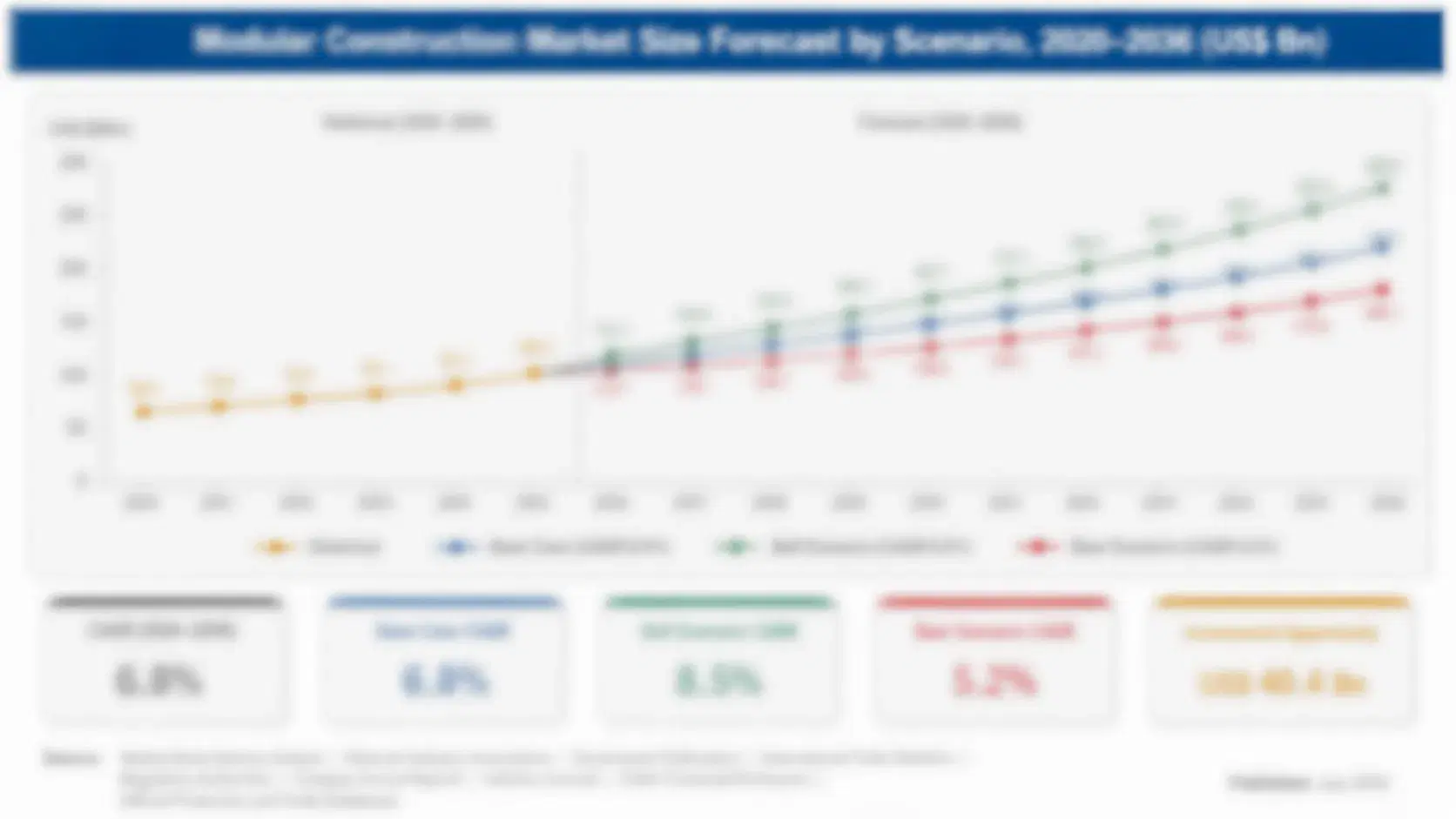
Between 2020 and 2025 the manual lifting light tower market grew at a 4.8 percent annual rate, propelled by steady construction rental demand and an early wave of LED retrofit investment across aging diesel fleets. Pandemic-era construction delays briefly slowed new rental equipment orders in 2020 and 2021. Rental companies with diversified fleet sourcing weathered that disruption more comfortably than single-source operators.
The base case assumes 5.8 percent annual growth through 2036, built on three mechanisms: rising disaster response deployment frequency requiring dedicated standby rental inventory, continued construction and infrastructure buildout requiring temporary site lighting at scale, and tightening emissions standards pushing fleet operators toward LED and hybrid replacement units. Oil and gas field lighting adds a smaller fourth tailwind as drilling activity in several major producing regions continues at a steady pace.
A bull case near 6.9 percent hinges on faster-than-expected disaster response contract expansion pulling rental fleet investment forward across major markets. The bear risk, closer to 4.6 percent, is slower construction activity if interest rates remain elevated and new building starts continue softening. Neither scenario assumes a sudden reversal of existing emissions standards already enacted across major developed markets.

Hybrid Designs Redraw Fleet Replacement Economics

LED and hybrid light towers now ship in a growing share of new rental fleet orders, a meaningful shift from five years ago when diesel metal halide designs still dominated nearly every segment outside premium disaster response contracts. Fuel efficiency and noise reduction increasingly determine which manufacturers win large rental fleet orders. Price premiums for hybrid designs over diesel equivalents have narrowed considerably as production volume scales industry-wide.
MARKET CONCENTRATIONCR5 40%Top five producers together hold this combined output share
AVERAGE SELLING PRICE$9,200Blended figure across diesel and LED hybrid tower designs
TOP PRODUCING COUNTRYChina 25%Share of global unit output from domestic assembly plants
CAPACITY UTILIZATION66%Average rate across major equipment assembly facilities currently
TRADE INTENSITY38%Share of units crossing a border before final rental delivery
COMPONENT COST SHARE31%Portion of unit cost from LED fixtures and battery systems
Manufacturing remains concentrated in China, where component supply chains for LED fixtures and battery systems cluster around established assembly hubs serving global rental fleet customers. Brand assembly for premium hybrid lines happens closer to final demand markets than commodity diesel designs typically do. Freight costs matter less for compact tower units shipped in bulk to distant rental fleet markets.
Rental fleet operators increasingly specify towers based on fuel consumption and noise rating rather than light output alone, since a noisy or fuel-hungry unit can trigger complaints at residential-adjacent construction sites. This has pushed several major brands toward bundled telematics and remote monitoring service offerings. Warranty claim rates have fallen as manufacturers gain more experience with battery and LED systems specifically.
"Light output stopped being the differentiator years ago, and brands still competing purely on lumens are losing fleet orders to competitors selling fuel savings and noise reduction instead."
Senior Analyst, Construction Equipment Practice · MMA Construction and Industrial Equipment Practice · October 2026

Market Trends

Rental Fleets Standardize on Hybrid LED Tower Designs

Rental equipment companies increasingly standardize new fleet purchases around hybrid LED towers that combine battery storage with smaller diesel generators, replacing the pure diesel metal halide units that once dominated fleet rosters entirely. Roughly 36 percent of new rental fleet orders specified hybrid designs in 2025, up from under 15 percent five years earlier, as operators prioritize the fuel savings and reduced noise these units provide. This shift is reshaping product roadmaps across nearly every major equipment brand serving construction rental customers specifically. Smaller rental operators without dedicated capital budgets still lag this trend considerably behind larger national chains.
Market Impact: Grew 17 percent in 2025

Disaster Response Contracts Expand Standby Fleet Requirements

Government and utility disaster response contracts increasingly require rental companies to maintain dedicated standby light tower inventory ready for rapid deployment following hurricanes, wildfires and other extreme weather events across multiple regions. Standby fleet inventory tied specifically to disaster response contracts grew roughly 27 percent in 2025 alone, reflecting the increasing frequency of qualifying events that trigger activation clauses in these contracts across several major jurisdictions this year and next. Manufacturers serving major disaster response customers increasingly maintain dedicated rapid-deployment logistics teams focused specifically on activation readiness. Adoption continues expanding steadily.
Market Impact: Grew 14 percent in 2025

Market Opportunities and Growth Drivers

Infrastructure Construction Boom Sustains Rental Demand

Continued infrastructure and data center construction across major logistics corridors requires temporary site lighting at a scale that keeps rental fleet utilization rates elevated across most major equipment categories, including light towers specifically. Rental orders tied directly to large infrastructure projects grew roughly 17 percent in 2025, outpacing general construction rental growth meaningfully as developers continue breaking ground on multi-year infrastructure programs across several major metropolitan markets this year. Suppliers serving this niche increasingly offer volume pricing tiers tailored specifically to large multi-site infrastructure project orders. Growth here shows no sign of slowing.
Market Impact: 18-week battery cell lead times

Oil and Gas Field Activity Sustains Portable Lighting Demand

Drilling and extraction activity across several major producing regions requires portable lighting at remote field sites without permanent power infrastructure, sustaining steady demand even as broader construction activity fluctuates with economic cycles. Field lighting orders tied specifically to oil and gas operations grew roughly 14 percent in 2025, reflecting continued drilling activity across multiple major basins nationwide and internationally this year and into next. Suppliers serving this niche increasingly offer ruggedized designs tailored specifically to remote field site conditions. Demand remains strong nationwide. Momentum continues building across most major basins.
Market Impact: 9-year average replacement age

Market Restraints and Challenges

Battery Cell Supply Shortages Delay Hybrid Production Schedules

Hybrid light tower production depends on specialized battery cells that compete for allocation against electric vehicle and grid storage manufacturers drawing on the same limited supply base. The root cause is concentrated battery cell fabrication capacity serving many competing industries simultaneously, leaving light tower makers competing for allocation against much larger buyers. Lead times stretched to roughly eighteen weeks during 2024 shortage periods. Manufacturers are now qualifying secondary cell suppliers to reduce this exposure going forward. Smaller manufacturers without diversified sourcing remain the most exposed to future allocation-driven delivery delays overall.
Market Impact: 36 percent of orders now hybrid

Rental Fleet Residual Value Pressure Limits Replacement Pace

Diesel light towers retain meaningful residual value well beyond their optimal replacement age, and rental fleet operators often delay hybrid conversion until diesel units fully depreciate rather than retiring them early. The root cause is the capital-intensive nature of fleet ownership, which rewards operators who extend asset life regardless of newer technology availability. Average fleet replacement age now exceeds nine years at many rental companies. Manufacturers are responding with trade-in programs that soften this replacement resistance. Early trade-in program results suggest meaningful acceleration in replacement decisions among previously hesitant fleet operators.
Market Impact: Grew 27 percent in 2025
3 additional market trends, 2 additional growth drivers, and 4 additional restraints and challenges are covered in the full report. Contact sales@marketmindsadvisory.com to access the complete intelligence.

Segment CAGR and Growth Architecture

The market splits into six application segments defined by end-use deployment context. Disaster response and construction segments lead near-term growth while municipal and mining segments anchor the steady rental demand manufacturers depend on through the cycle currently overall. Oil and gas, mining and event lighting applications round out the remaining four segments by scale.
manual-lifting-light-tower-market-market-share-analysis-1790915976317

Emergency and Disaster Response Lighting

Light towers held in standby rental inventory specifically for hurricane, wildfire and other extreme weather response have moved from an occasional rental category to a dedicated fleet segment as governments and utilities increasingly contract for guaranteed activation capacity ahead of disaster season. Rental companies now maintain year-round standby fleets rather than scrambling to source units after an event occurs, fundamentally changing fleet planning economics. Generac Holdings and Multiquip lead supply into this segment given their established disaster response logistics relationships across multiple states. Growth here is expected to keep outpacing every other segment through the forecast window as qualifying events continue increasing in frequency. Certification backlogs remain the primary constraint on how fast broader standby fleet adoption can proceed.
CAGR 8.1%

Construction Site Lighting

Infrastructure and data center construction across major logistics corridors requires temporary site lighting at a scale that keeps rental fleet utilization elevated, and continued buildout in both categories is driving volume demand that outpaces general construction rental growth meaningfully. These projects typically specify hybrid units for extended overnight shifts rather than the simpler diesel designs common on smaller residential sites. Atlas Copco and Doosan Portable Power hold strong positions here given their established construction fleet relationships. Demand growth tracks the broader infrastructure construction boom alongside genuine light tower-specific adoption momentum. Municipal road and utility maintenance projects show a similar pattern, specifying hybrid units for overnight work zones across major metropolitan road networks.
CAGR 7.0%
Full segment breakdown across 7 segments available in the complete report.

Regional Architecture and Country Demand Map

Regional demand follows rental fleet concentration and disaster response frequency together rather than manufacturing scale alone. North America leads on rental fleet installed base while East Asia anchors manufacturing and construction volume across its dense manufacturing base. Qatar and Gulf construction activity add a smaller but visible Middle East contribution.

North America

United States rental fleets hold the largest concentration of light tower installed capacity globally, a commercial driver that puts this region ahead of East Asia's manufacturing scale specifically because disaster response contracts here require dedicated standby inventory that utility and government customers pay premium rates to guarantee. Hurricane and wildfire response contracts across Gulf Coast and Western states add substantial demand for rapid-deployment hybrid units. Infrastructure and data center construction across major logistics corridors contributes meaningful additional volume, particularly where compute infrastructure buildout concentrates. Canadian rental fleets are following comparable hybrid conversion timelines, extending similar demand drivers across the broader North American market. Mexico trails both neighbors on fleet modernization pace.
Share: 30% | CAGR: 6.8% (2026 to 2036)

Western Europe

Germany, the United Kingdom and France anchor regional demand under European Union emissions standards that favor hybrid and LED designs over conventional diesel units in new rental fleet orders. Construction activity tied to infrastructure renewal programs adds steady replacement demand, particularly in city centers where road and utility maintenance projects require overnight work zone lighting. Disaster response demand here trails North America meaningfully, reflecting lower frequency of qualifying extreme weather events across most member states. Scandinavian markets add a smaller but notable premium hybrid contribution given strict emissions enforcement there. Southern Europe trails somewhat on conversion pace. Italy and Spain round out the region's remaining demand reasonably well across most categories.
Share: 18% | CAGR: 4.3% (2026 to 2036)
Regional intelligence for 5 additional markets available in the complete report: East Asia, South Asia and Pacific, Latin America, Middle East and Africa, Eastern Europe. Contact sales@marketmindsadvisory.com.
manual-lifting-light-tower-market-country-cagr-analysis-1790915976495

Monetizing Standby Readiness Beyond Equipment Sales

Three commercial moves let manufacturers capture more value from rental fleet and disaster readiness demand than equipment sales alone would deliver. Each targets a different point in the fleet relationship, from telematics subscriptions to activation guarantee programs available today. Manufacturers that execute on all three simultaneously tend to outgrow peers still selling only standard equipment.

Telematics Subscription Services for Rental Fleet Managers

Offering subscription access to remote telematics and predictive maintenance alerts for installed light tower fleets creates recurring revenue that survives well beyond the initial equipment sale, deepening rental fleet switching costs substantially over the contract term. Fleet managers increasingly value predictable maintenance budgets over reactive field dispatches, particularly across large rental networks managing hundreds of units simultaneously. Manufacturers offering this service report attach rates near 24 percent among large rental customers. Several manufacturers are now expanding this service to cover disaster response standby fleets as well. Early feedback has been positive.
Market Impact: Reaches roughly a 24 percent attach rate now

Disaster Activation Guarantee Programs for Governments

Offering formal activation guarantee programs to governments and utilities, promising dedicated unit delivery within a fixed timeframe following a qualifying disaster declaration, commands premium pricing over standard rental arrangements that lack this assurance. Governments increasingly specify activation guarantees in their own disaster preparedness contracts following recent response delay episodes that drew public criticism. Manufacturers offering this structure report pricing premiums of roughly 13 percent over comparable standard rental contracts. This guarantee structure also deepens the government relationship beyond a simple transactional rental arrangement. Momentum continues building across most major government accounts currently.
Market Impact: Commands roughly a 13 percent pricing premium now

Trade-In Modernization Programs for Aging Diesel Fleets

Offering structured trade-in programs that credit aging diesel unit residual value toward new hybrid purchases removes the replacement resistance that otherwise keeps fleet operators holding older units well past their optimal service life. This program frequently converts into long-term equipment supply relationships once the fleet operator completes its first successful trade-in cycle. Manufacturers offering this program report accelerating fleet conversion by roughly 20 percent faster than standard replacement timelines. Manufacturers increasingly treat this program as a standard part of their fleet sales process rather than an optional extra. Adoption continues expanding.
Market Impact: Accelerates fleet conversion by roughly 20 percent now

Who Controls the Margin Pool

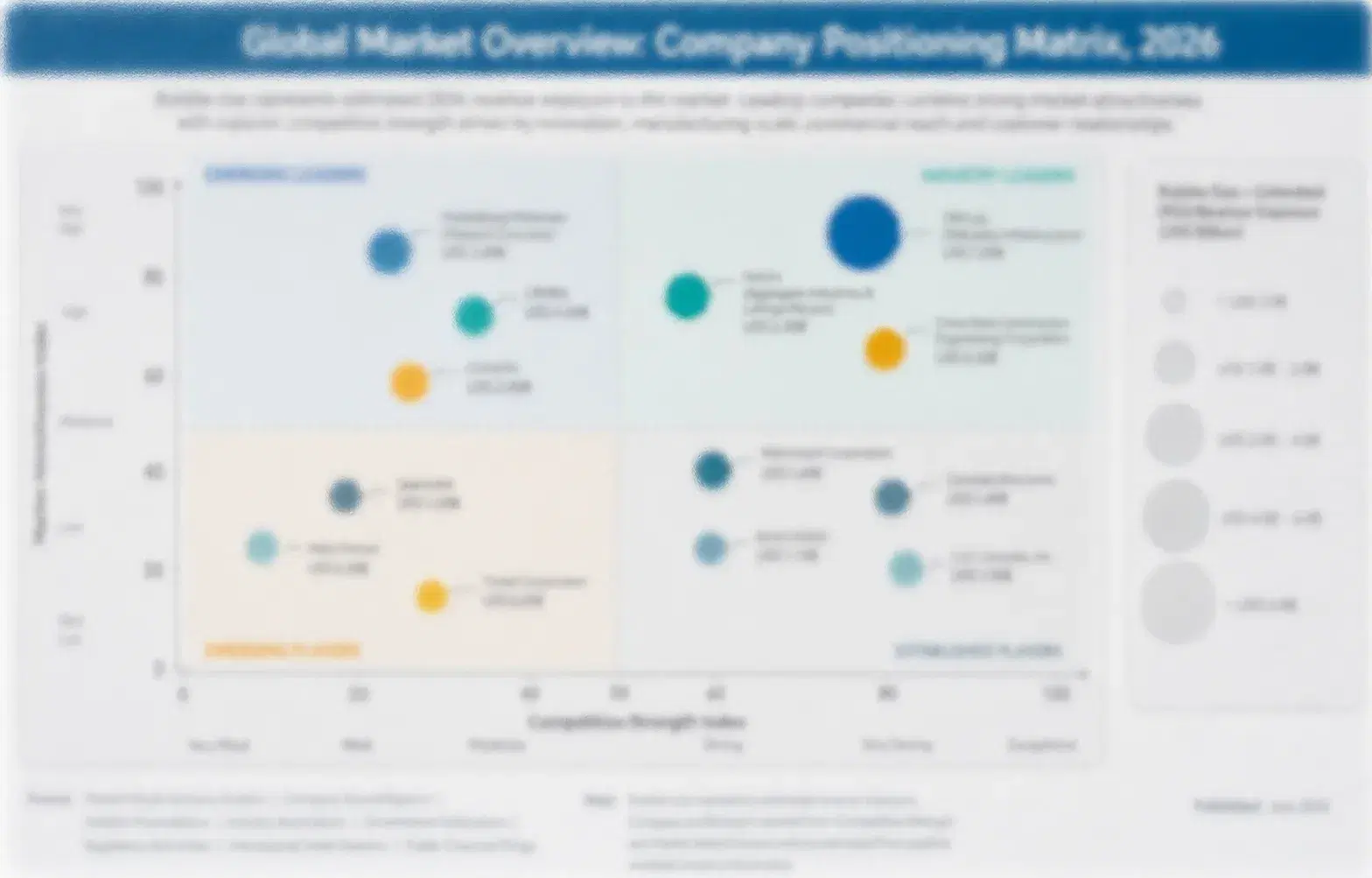
Five brands hold roughly 40 percent of global revenue, a genuinely fragmented concentration that leaves meaningful room for regional equipment makers competing on rental fleet service relationships rather than brand alone. The gap between the leader and challengers is narrow, since fleet logistics capability increasingly matters more than raw equipment specification in purchasing decisions. Market share shifts gradually as fleet service relationships deepen.
Competitive activity currently centers on three dimensions: telematics subscriptions that monetize the installed base, disaster activation guarantee programs for governments, and trade-in modernization programs that accelerate aging diesel fleet conversion. Several brands are also expanding secondary battery cell sourcing to reduce supply exposure. Several brands have also expanded secondary battery cell sourcing this cycle to protect production schedules from allocation shortages.

Emerging pressure is coming from hybrid-focused equipment specialists entering a market previously dominated by traditional diesel equipment brands, offering superior fuel efficiency even where their manufacturing scale lags established names. Rankings could shift meaningfully over the next three to five years if these challengers close the fleet service relationship gap that currently protects incumbent positions. Established brands are responding by acquiring or partnering with smaller hybrid specialists to close this gap.
manual-lifting-light-tower-market-company-positioning-matrix-1790915976674

Competitive Moat and Risk Dimensions

GENERAC HOLDINGS

Moat: Disaster Response Logistics Depth

Generac Holdings' decade-long investment in disaster response logistics gives it rapid deployment credentials that smaller competitors still struggle to match across major government and utility contracts. This reputation lets it command premium pricing with large customers that value proven activation track records over marginal cost savings, reinforcing its position on flagship standby contracts.
GENERAC HOLDINGS

Risk: Thin Construction Rental Presence

Generac Holdings' dedicated construction rental fleet offering remains less developed than specialized construction-focused competitors, limiting its share of the fast-growing infrastructure segment specifically. As construction demand keeps outpacing disaster response growth in several key markets, this gap could widen the revenue difference versus better-positioned specialists.
ATLAS COPCO

Moat: Construction Fleet Relationship Scale

Atlas Copco's established relationships with major construction rental fleet operators give it a durable channel into one of the market's largest volume segments, reinforced by its broader portable power equipment portfolio that fleet managers already specify. This scale lets it bundle light towers into larger equipment orders more easily than pure-play lighting competitors, winning share on convenience alone.
ATLAS COPCO

Risk: Limited Disaster Response Scale

Atlas Copco's disaster response logistics presence remains thinner than specialized emergency response competitors, limiting its exposure to this fast-growing segment specifically. As disaster response demand keeps expanding across major markets, this gap could cap its overall segment diversification relative to more broadly positioned competitors. Atlas Copco has not yet announced a dedicated response to close this specific gap.

Players Tracked

Prominent Players

Generac Holdings
Atlas Copco
Doosan Portable Power
Wacker Neuson
Multiquip Inc

Other Key Players

Terex Corporation
JLG Industries
Allmand Bros
Larson Electronics
Chicago Pneumatic
Himoinsa
Genie Industries
Trime SRL
Progress Solar Solutions
Olympian Power Systems
Honda Power Equipment
Yanmar Holdings
Kubota Corporation
Pramac SpA
J C Bamford Excavators

Recent Developments

JANUARY 2026

Generac Launches Telematics Subscription Tier

Generac Holdings launched a new telematics subscription tier for its light tower line, targeting large rental fleet customers seeking predictive maintenance alerts across distributed equipment fleets. The launch includes a bundled six-month trial period, with strong early enrollment interest reported. Distributors expect strong uptake across multiple rental fleet accounts.
Signal: Signals Generac's push to build recurring telematics revenue ahead of competitors still selling hardware alone without subscription services
AUGUST 2025

Atlas Copco Expands Hybrid Tower Production Capacity

Atlas Copco announced an organic capacity expansion at its domestic manufacturing facility to add hybrid tower production lines, targeting rising demand from construction rental fleet customers across multiple regional markets. The expansion reaches full output within twelve months, ahead of schedule. Demand remains strong across most major metropolitan construction markets.
Signal: Signals anticipated growth in hybrid light tower demand across multiple construction rental markets simultaneously this decade
APRIL 2026

Doosan and State Agency Sign Activation Agreement

Doosan Portable Power signed a multi-year activation guarantee agreement with a state emergency management agency covering dedicated standby light tower inventory across several regional depots. The agreement does not constitute a joint venture, and Doosan expects to extend it to additional states within two years.
Signal: Signals growing government interest in guaranteed activation contracts ahead of expanding disaster response program requirements nationwide

Battery Cell and Steel Frame Cost Exposure

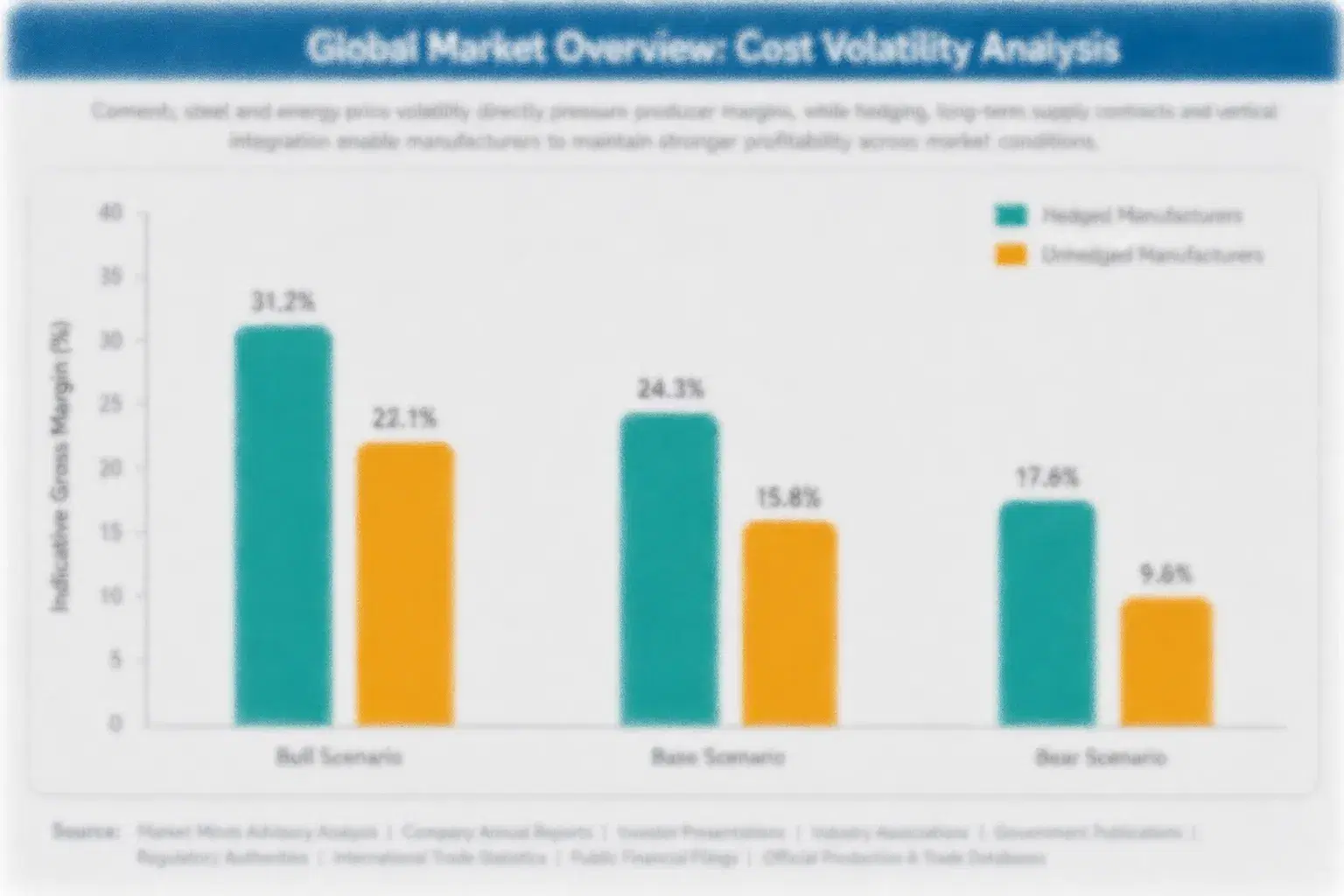
Battery cells and tower frame steel together represent roughly 31 percent of unit cost for hybrid light towers, sourced primarily from Asian battery manufacturers and regional steel producers that serve the broader construction equipment industry. This concentration leaves manufacturers exposed whenever battery supply tightens or steel pricing faces disruption. LED fixture components carry comparatively minor price risk by comparison with these two primary inputs.
Battery cell lead times stretched to roughly eighteen weeks during 2024 shortage periods, an episode several manufacturers referenced in annual report commentary on component availability risk affecting production schedules broadly. Several brands delayed major rental fleet deliveries by one to two quarters as a direct result, compressing margins on contracts with fixed delivery penalty clauses already in place. Several manufacturers renegotiated supply terms during this period to pass through a portion of the increase.

Smaller regional manufacturers carry proportionally higher cost exposure than Generac Holdings, Atlas Copco and other integrated leaders who negotiate volume discounts directly with battery and steel suppliers. This gap widens further for manufacturers without direct battery cell fabricator relationships, who pay additional markup through intermediary distributors that erode their already thinner margins. This dynamic rewards scale where volume discounts compound meaningfully.
manual-lifting-light-tower-market-cost-volatility-analysis-1790915976861

Secondary Battery Cell Supplier Qualification

Leading manufacturers are qualifying secondary battery cell suppliers beyond their traditional primary fabricators to reduce single-source dependency across the product line. Qualification cycles run twelve to eighteen months but meaningfully reduce exposure to any single fabricator's allocation decisions during shortage periods going forward. Several manufacturers have already added a second qualified source for their highest-volume product lines.

Multi-Year Steel and Battery Supply Agreements

Manufacturers are locking in multi-year pricing agreements with steel and battery suppliers, trading some flexibility for budget certainty across large rental fleet orders spanning several fiscal years. This approach shields production economics from the kind of spot price volatility seen during the 2024 shortage. Suppliers that resist multi-year terms are increasingly losing bids to more flexible competitors.

Portfolio Architecture for Margin Defence

The market splits into three tiers with distinct margin economics. Volume and commodity-adjacent diesel light towers serving standard construction applications carry gross margins of 15 to 21 percent, reflecting intense price competition from Asian assemblers undercutting on entry-tier pricing. Premium and certified hybrid designs command 26 to 34 percent margins on fuel efficiency capability. Mid-tier producers sit uncomfortably between these two poles.
Sustainability, regulatory, and next-generation designs, meaning disaster response units with telematics subscriptions bundled in, reach 30 to 40 percent margins, reflecting logistics scarcity and governments' willingness to pay for activation assurance. The volume versus premium tension is real: budget-conscious contractors push for the cheapest diesel option while governments pay for guaranteed readiness and diagnostics. Brands that serve both camps well tend to maintain separate conventional and disaster-focused product lines.

High-value pools concentrate most heavily in disaster response units and bundled telematics services, where logistics scarcity sustains pricing power that standard diesel towers no longer offer manufacturers competing on cost alone. Brands positioned early in subscription services capture disproportionate share of this expanding margin pool. This pool expands faster than any other tier across the forecast period.

Volume / Commodity-Adjacent

Standard diesel light towers for commodity construction applications competing primarily on unit price against Asian assemblers, with margins thin as a result of intense price pressure industry-wide. Replacement cycles here remain tied closely to general construction activity levels.
Gross Margin: 15-21%

Premium / Certified

Hybrid light towers carrying fuel efficiency certification that rental fleet tenders specify explicitly, commanding pricing premiums from buyers who value proven noise and fuel savings. Certification requirements vary somewhat by fleet but rarely change year to year.
Gross Margin: 26-34%

Sustainability / Regulatory / Next-Generation

Disaster response units bundled with telematics subscriptions where logistics scarcity and recurring revenue sustain the strongest margins in the market as hardware alone becomes commoditized. These units also carry the fastest unit growth of any tier across the forecast.
Gross Margin: 30-40%
manual-lifting-light-tower-market-portfolio-architecture-1790915977052

High-value Sub-segments and Strategic Watch-out

Emergency and Disaster Response Lighting

The fastest-growing and highest-value segment, driven by rising disaster frequency and telematics subscription revenue pulling buyers away from standard units entirely. Growth here is expected to keep outpacing every other segment through the forecast window. Several major rental chains have already shifted default fleet specification toward this category.
Gross Margin: MMA Estimate, July 2026.

Construction Site Lighting

High-value and still growing well above the market average, anchored by continued infrastructure construction across major logistics corridors. Atlas Copco and Doosan remain the names most closely associated with this segment specifically. Growth tracks the broader infrastructure construction boom closely across most regions. Growth continues steadily.
Gross Margin: MMA Estimate, July 2026.

Municipal and Road Work Lighting

The volume core of the market, serving established municipal buyers across every major region. Growth is steady but unspectacular as developed markets approach replacement-cycle saturation rather than genuine expansion. Established municipal suppliers depend heavily on this steady baseline for core revenue. Pricing stays steady here.
Gross Margin: MMA Estimate, July 2026.

Oil and Gas Field Lighting

A strategic watch-out segment where demand depends heavily on drilling activity that can shift unpredictably with commodity price cycles. Demand could accelerate quickly if major producing basins ramp activity meaningfully higher. Suppliers monitor drilling activity closely across every major producing basin. Demand varies considerably by region.
Gross Margin: MMA Estimate, July 2026.

Standby Contracts Anchor Fleet Revenue

Light tower demand carries annuity-like characteristics once a rental company secures a multi-year standby contract with a government or utility customer, since these agreements typically span three to five years and rarely change mid-term given the capital commitments both parties have made. This gives incumbent manufacturers revenue visibility that spans entire contract cycles rather than single transactions, defending share effectively. Manufacturers that skip this step compete purely on hardware price.
Adoption stickiness and depth vary meaningfully by end-use vertical. Disaster response contracts rarely switch suppliers mid-term given the logistics coordination these agreements require, while construction rental customers remain more open to competitive rebidding as project needs shift. Municipal buyers sit between these two extremes, favoring proven suppliers but open to periodic tenders. Misjudging a buyer's category costs manufacturers bids they should win.

A generational shift in buyer profiles is underway as emergency management procurement officials, rather than traditional construction purchasing agents, increasingly lead standby fleet specification given rising disaster frequency concerns. These buyers evaluate manufacturers on activation reliability and logistics coordination as much as price, reshaping how manufacturers pitch new government relationships. Manufacturers slow to adapt their sales approach risk losing ground to more responsive specialist competitors.
manual-lifting-light-tower-market-end-use-penetration-index-1790915977235

Where Light Tower Value Concentrates Next

These are among the four positions where our research anticipates prominent divergence between winners and laggards over the coming forecast period. Each is grounded in the demand model, the regulatory perimeter, and the announced capacity pipeline.
01 / DISASTER READINESS INVESTMENT

Build activation logistics capacity before rivals do

Emergency and disaster response lighting is growing at 8.12 percent annually, roughly 1.40 times the overall market rate, driven by rising qualifying event frequency and expanding government standby contract requirements across most major jurisdictions nationwide. Manufacturers without dedicated activation logistics capacity are losing contracts to competitors who can guarantee rapid deployment faster and more reliably. Early infrastructure investment pays off disproportionately here, compounding further with each new contract cycle as momentum keeps building steadily across the broader rental industry today.
02 / CONSTRUCTION FLEET RELATIONSHIP BUILDING

Deepen construction rental fleet relationships now

Construction site lighting demand is growing at 6.96 percent annually, roughly 1.20 times the overall market rate, anchored by continued infrastructure and data center construction across major logistics corridors worldwide. Manufacturers without established rental fleet relationships risk losing this large volume segment to competitors who can bundle light towers into larger equipment orders more easily. Those that wait too long to build these relationships will find catching up considerably harder once incumbent positions solidify further across the largest accounts right now.
03 / BATTERY SUPPLY DIVERSIFICATION

Qualify secondary cell suppliers before the next shortage

Battery cell lead times stretched to eighteen weeks during 2024 shortage periods, and manufacturers without qualified secondary suppliers absorbed the resulting delivery delays and penalty costs most severely across fixed-price contracts signed before the shortage hit the broader supply chain. Companies that complete qualification cycles now, before the next shortage arrives, will protect delivery commitments and margins when component tightness inevitably returns. Those that wait will face the same margin compression repeatedly across every future cycle the broader industry encounters.
04 / TRADE-IN PROGRAM SCALING

Scale trade-in programs ahead of hesitant competitors

Trade-in modernization programs already accelerate fleet conversion by roughly 20 percent faster than standard replacement timelines, removing the resistance that otherwise keeps fleet operators holding older diesel units well past their optimal service life. Manufacturers that delay building this capability will find it harder to catch up once buyer expectations around trade-in support become standard across the broader rental market. The window to establish this expectation gap is narrowing quickly across most fleet segments nationwide and abroad right now, indeed.

Engagement Snapshot From the Field

A live engagement with an industry participant carrying material or product regulatory and market exposure ahead of a defining policy shift, showing how our research translates into a defensible multi-year portfolio strategy.
MARKET MINDS ADVISORY · CLIENT ENGAGEMENT SUMMARY
Manual Lifting Light Tower Producer Strategic Portfolio Review and Transition Roadmap 2026·Investment Scenario on Manual Lifting Light Tower Exposure Evaluation 2025-26
CLIENT PROFILE
A mid-sized regional equipment rental company operating roughly two hundred light towers across its fleet engaged MMA to evaluate whether to proceed with a full hybrid conversion or phase the transition across multiple fiscal years. The client's leadership wanted an independent cost-benefit comparison before committing capital across its depot network. (client-reported, unverified by MMA). now.
STRATEGIC CHALLENGE
The company's aging diesel fleet was approaching end of service life across most units simultaneously, and leadership needed to decide between a coordinated fleet-wide hybrid conversion or a slower phased approach tied to individual unit depreciation schedules, each carrying meaningfully different cost and disruption tradeoffs for operations. (client-reported, unverified by MMA).
MMA APPROACH
MMA's research team modeled total cost of ownership across both scenarios using primary interviews with comparable rental companies that had completed similar conversions, cross-referencing findings against manufacturer trade-in program terms available in the current market. The team built a unit-by-unit prioritization framework weighted by utilization rate. This framework ranked units by combined utilization and remaining service life value.
KEY FINDINGS
  1. A coordinated fleet-wide conversion would qualify for trade-in discounts worth roughly 11 percent compared to unit-by-unit purchasing spread across several years of replacement.
  2. Phasing the rollout by depreciation schedule would delay roughly 38 percent of projected fuel savings, since unconverted units would keep incurring higher operating costs.
  3. Prioritizing the fleet's highest-utilization forty units for the first conversion wave captured 58 percent of total savings potential within the first year alone.
  4. Enrolling in the manufacturer's trade-in program offset roughly 16 percent of total conversion capital cost, meaningfully improving payback economics. for comparable fleet-wide conversions.
CLIENT PROFILE
A mid-sized regional equipment rental company operating roughly two hundred light towers across its fleet engaged MMA to evaluate whether to proceed with a full hybrid conversion or phase the transition across multiple fiscal years. The client's leadership wanted an independent cost-benefit comparison before committing capital across its depot network. (client-reported, unverified by MMA). now.
STRATEGIC CHALLENGE
The company's aging diesel fleet was approaching end of service life across most units simultaneously, and leadership needed to decide between a coordinated fleet-wide hybrid conversion or a slower phased approach tied to individual unit depreciation schedules, each carrying meaningfully different cost and disruption tradeoffs for operations. (client-reported, unverified by MMA).
MMA APPROACH
MMA's research team modeled total cost of ownership across both scenarios using primary interviews with comparable rental companies that had completed similar conversions, cross-referencing findings against manufacturer trade-in program terms available in the current market. The team built a unit-by-unit prioritization framework weighted by utilization rate. This framework ranked units by combined utilization and remaining service life value.
KEY FINDINGS
  1. A coordinated fleet-wide conversion would qualify for trade-in discounts worth roughly 11 percent compared to unit-by-unit purchasing spread across several years of replacement.
  2. Phasing the rollout by depreciation schedule would delay roughly 38 percent of projected fuel savings, since unconverted units would keep incurring higher operating costs.
  3. Prioritizing the fleet's highest-utilization forty units for the first conversion wave captured 58 percent of total savings potential within the first year alone.
  4. Enrolling in the manufacturer's trade-in program offset roughly 16 percent of total conversion capital cost, meaningfully improving payback economics. for comparable fleet-wide conversions.
RECOMMENDED STRATEGY
Phase 1: Convert the forty highest-utilization units in year one using the manufacturer's trade-in program to offset upfront capital. This sequencing matched the pattern MMA observed across comparable fleets. Phase 2: Convert the remaining units across years two and three, sequenced by utilization rate and remaining diesel unit service life. This pacing kept annual capital outlay within budget limits. Phase 3: Negotiate a single fleet-wide trade-in agreement upfront rather than negotiating separately with each individual unit purchase. This single negotiation improved pricing leverage meaningfully across the fleet.
OUTCOME
The client proceeded with the phased approach prioritizing high-utilization units, securing trade-in terms roughly in line with MMA's modeled estimate. Fuel savings in the first year came in close to projections, and the company has continued the rollout on schedule into its second phase across remaining units. (client-reported, unverified by MMA).

Frequently Asked Questions

Foundational context covering the market sizes, CAGR, scope, country, region and competition that inform every finding below. This section is provided to cover basics and most often pre-purchase conversations, answered from the MMA Primary Research Dataset.

What is the current size of the Manual Lifting Light Tower Market?

The Manual Lifting Light Tower Market was valued at 1.35 billion dollars in 2025. Growth is anchored by disaster response readiness and expanding construction rental fleets worldwide.

How large will the Manual Lifting Light Tower Market be by 2036?

The market is projected to reach 2.51 billion dollars by 2036, up from 1.35 billion in 2025. That represents a 1.76 times expansion over the eleven-year forecast window.

What is the CAGR for the Manual Lifting Light Tower Market 2026 to 2036?

The market is forecast to grow at a 5.8 percent compound annual rate. This compares to a historical rate of 4.8 percent between 2020 and 2025.

Which segment is growing fastest?

Emergency and Disaster Response Lighting leads at an 8.12 percent CAGR, roughly 1.40 times the overall market rate. Rising qualifying event frequency drives this accelerating pace.

Who are the major companies in the Manual Lifting Light Tower Market?

Generac Holdings, Atlas Copco, Doosan Portable Power, Wacker Neuson, and Multiquip lead the field. Together the top five hold roughly 40 percent of global revenue share.

Which country is growing fastest?

India leads country-level growth at a 7.8 percent CAGR. Its infrastructure construction boom and rapid nationwide urbanization pace are the primary drivers behind this acceleration.

Report Segmentation Architecture

The full report scope spans multiple orthogonal segmentation dimensions, with cross-tabulated demand data provided for each dimension pair. Coverage extends further to regional breakdowns, trend trajectories, and the competitive detail needed to support segment-level decision-making.

By Application Type

    By End-Use Industry

      By Commercial Dimension

        By Region

        • North America
        • Western Europe
        • East Asia
        • South Asia and Pacific
        • Latin America
        • Middle East and Africa
        • Eastern Europe

        Scope, Methodology, and Coverage

        Every figure in this report is reproducible from documented input assumptions. The scope below maps the historical period, the forecast horizon, the segmentation dimensions, and the countries covered, alongside the underlying primary and qualitative methodology.
        Historical Period
        2020 to 2025
        Forecast Period
        2026 to 2036
        Base Year
        2025 (USD billions; MMA Primary Research Dataset, October 2026)
        Market Definition
        This report covers towable and trailer-mounted manual lifting light towers used in construction, disaster response, municipal and resource extraction applications, including diesel, LED and solar hybrid designs. It excludes permanently installed stadium and roadway lighting, standalone portable lamps and automated mast systems sold as building fixtures.
        Quantitative Units
        USD Billion, CAGR 2026-2036
        Segmentation Dimensions
        By Application Type, By End-Use Industry, By Commercial Dimension, By Region
        Regions Covered
        North America, Western Europe, East Asia, South Asia and Pacific, Latin America, Middle East and Africa, Eastern Europe
        Countries Covered
        United States, China, India, Germany, Japan, Brazil, Australia, Mexico, Saudi Arabia, and 15 additional markets
        Key Companies Profiled
        Generac Holdings, Atlas Copco, Doosan Portable Power, Wacker Neuson, Multiquip Inc, and 15 additional companies
        Quantitative Methodology
        Primary survey, n=3,800 respondents, Q4 2025, six countries; demand-side model with trade association cross-validation
        Qualitative Methodology
        47 expert interviews, Q4 2025; applied to validate demand model assumptions, identify emerging dynamics, and assess competitive positioning
        Report Format
        PDF and XLSX data workbook (Word format preview document)
        Publisher
        Market Minds Advisory
        Report Code
        MMA-2026-CON-583
        Published
        October 2026
        Contact
        sales@marketmindsadvisory.com | www.marketmindsadvisory.com

        Purchase the full Manual Lifting Light Tower Market Report (2026 to 2036).

        The full Manual Lifting Light Tower Market report extends this summary with complete segment-level data tables, country-level sizing across twenty-five markets, and detailed supplier benchmarking across all twenty profiled companies named in this overview. It includes primary survey findings from 3,800 respondents across six countries and 47 expert interviews conducted in the fourth quarter of 2025, each sourced and documented separately throughout. Buyers receive editable data files alongside the narrative report, supporting direct use in internal planning models and board presentations. Analysts remain available for a follow-up briefing call to discuss findings.
        Complete seven-region sizing and forecast tables
        Twenty company competitive benchmarking profiles included
        Five-year historical and eleven-year forecast data
        Segment-level CAGR and margin detail included
        Primary survey and expert interview data files
        Editable Excel data appendix fully included

        Built For The People Who Decide

        From boardroom strategy to bench-side execution, this report is read cover-to-cover by leaders shaping the next decade of their industry, turning demand scenarios, market dynamics and valuation benchmarks into decisions.
        CXOs/ Presidents/ VPs/ Managers
        M&A and Corporate Development
        Strategy Teams and R&D Heads
        Procurement and Product Directors
        Regulatory and Compliance Leaders
        Investor Relations and Equity Analysts