Market Minds Advisory
Low Voltage Commercial Electric Boiler Market

Low Voltage Commercial Electric Boiler Market: Low Voltage Commercial Electric Boiler Market. Global Demand, Technology, and Competitive Outlook 2026 to 2036

Nordic grid decarbonization and cheap clean electricity are pulling commercial electric boiler demand toward multi-family and institutional buildings faster than gas boiler suppliers can retool their electrification credentials. Western suppliers race to establish electrification capacity.

Lead Analyst

Published

October 2026

Make Smarter Decisions with Customized Research Insights

Request a free sample report and evaluate market opportunities, growth trends, and competitive dynamics relevant to your business needs.

2025 MARKET VALUE$0.8BMarket Size 2025
2036 FORECAST VALUE$2.5BBase Case , 2026 to 2036
CAGR 2026 TO 203610.4 %Bull 11.7% / Bear 9.1%
INCREMENTAL OPPORTUNITY$1.6BNet 10- year value creation
EXPANSION MULTIPLE2.69x2036 value over 2026 base
Strategic Levers
M&A Pipeline
Regional Outlook
Country Rankings
Competitive Intelligence
Segmental Deep-dive
Call-Us : 91 93563 13602

Executive Snapshot and Market Trajectory.

Low voltage commercial electric boiler demand is accelerating as Nordic grid decarbonization and cheap clean electricity pull multi-family and institutional buildings away from gas heating faster than suppliers anticipated, forcing gas boiler specialists to prove electrification credibility quickly or lose share. Buyers increasingly weigh certified electrification performance before committing.
Western Europe's Nordic electrification leadership anchors the largest regulatory-driven volume globally, while Sweden's clean electricity grid is adding the fastest-growing order volume tracked in this report. Multi-family residential electric boilers are growing fastest as landlords pursue decarbonization targets ahead of mandatory emissions compliance deadlines, and educational institution conversions are following closely behind as public funding programs target school building electrification. overall.
Competitive intensity concentrates among a handful of established American and Scandinavian electric boiler specialists, since documented low voltage electrical certification and decades of building system integration experience create meaningful barriers for new entrants bidding on large institutional contracts. Standard gas boiler manufacturers increasingly challenge incumbents by adding electric product lines, though complex multi-family contracts still favor suppliers with proven performance records. Regulatory scrutiny tied to grid decarbonization is reshaping technology roadmaps across the supplier base.
Market Definition
The low voltage commercial electric boiler market covers electric resistance heating boilers operating below standard medium-voltage thresholds for steam or hot water generation in office, hospitality, retail, and multi-family buildings. It excludes high-voltage industrial electric boilers and residential-only electric water heaters.
Base Year Value
$0.8B in 2025 (MMA Primary Research Dataset, October 2026)
Forecast Period
2026 to 2036, eleven discrete annual values
CAGR
10.4% base case. Bull 11.7%. Bear 9.1%.
Fastest Growth Segment
Multi-Family Residential Low Voltage Electric Boilers: 13.2% CAGR
Fastest Growth Country
Sweden: 12.0% CAGR
Fastest Growth Region
South Asia and Pacific: 12.4% CAGR
Largest Region
Western Europe: 32% of 2025 global value
Market Leaders
Thermon Group, AERCO International, Electro-Steam Generator Corp, Cemline Corporation, Sussman Electric Boilers. Source: MMA Primary Research Dataset, July 2026.
Primary Survey
n=3,800 procurement and R&D decision-makers, Q4 2025, six countries
Methodology
Demand-side build-up, cross-validated against public data, 47 expert interviews

Low Voltage Commercial Electric Boiler Market Forecast Scenarios

low-voltage-commercial-electric-boiler-market-size-forecast-scenario-1791093450067
The 2020 to 2025 period saw accelerating adoption as Nordic grid decarbonization policy began pulling commercial buildings away from gas heating meaningfully, with the historical rate settling at 9.0%, below where multi-family and educational electrification funding programs are now pushing the category for the coming decade. Order books strengthened steadily as early adopters converted. Backlogs stayed moderate as policy implementation proceeded unevenly.
The base case assumes continued expansion driven by three mechanisms: emissions compliance deadlines requiring electric boiler conversion that standard gas units cannot satisfy, Sweden's clean electricity grid sustaining the fastest regional order growth tracked in this report, and Western European electrification policy sustaining the broadest underlying replacement volume base across multi-family and institutional buildings alike. Each mechanism operates on its own calendar, and certified suppliers are positioned to outgrow narrower rivals.
The bull case rests on accelerated grid decarbonization pulling electric boiler adoption forward faster than currently modeled across additional European jurisdictions. The bear case centers on electricity price spikes during periods of grid supply disruption, delaying the steady replacement purchasing that sustains a meaningful share of category revenue. Either scenario reshapes near-term procurement planning for building owners and institutional buyers alike.

Grid Decarbonization Reshapes Commercial Boiler Specification

Purchase decisions increasingly hinge on documented electrification performance rather than catalog price alone. Landlords and institutional buyers specify boiler configurations years before decarbonization compliance deadlines, forcing suppliers into design and testing cycles that start well ahead of installation, a shift from the simpler specification process that still characterizes smaller office retrofit projects. Suppliers unable to engage at the design stage increasingly find themselves locked out of the highest-margin multi-family contracts.
CR5 CONCENTRATION28%share held by five leading electric boiler manufacturers
AVERAGE SELLING PRICE$10,000 to $300,000varies substantially by capacity and building type selected
TOP PRODUCING COUNTRY SHARE24%Sweden share of total regional manufacturing output currently
UNIT SERVICE LIFE15 to 22 yearstypical electrical element and vessel mechanical service lifetime
ELECTRICITY COST SHARE25 to 40%electricity share of total building heating operating cost
ELECTRIFICATION SPECIFICATION SHARE16%new commercial installations specifying electric boiler conversion currently
Manufacturing concentrates among established American and Scandinavian electric boiler specialists, where documented low voltage electrical certification and decades of building system integration relationships create barriers smaller entrants cannot easily overcome. Standard gas boiler manufacturers increasingly compete by adding electric product lines, a dimension distinct from the complex multi-family and institutional contracts that still favor established suppliers.
Electrification retrofit conversion is the category's quiet margin driver. These compliance-intensive projects, often tied to multi-year decarbonization schedules, carry meaningfully higher unit prices than standard gas boilers, giving suppliers with strong building system engineering relationships a durable advantage over those relying purely on distributor sales. Suppliers without strong engineering relationships struggle to access this channel, limiting them to smaller office contracts.
"Everyone still prices these as commodity heating hardware. The suppliers actually winning multi-family electrification contracts are the ones who can document certified performance across multiple building types."
Senior Analyst, Industrial Process Equipment Practice · MMA Industrial Process Equipment Practice · October 2026

Market Trends

Nordic Decarbonization Policy Forces Accelerated Conversion

Nordic grid decarbonization policy is forcing landlords and institutional building owners to replace gas boilers with electric alternatives well ahead of normal equipment retirement schedules. Compliance deadlines running through 2030 are compressing procurement timelines that historically spanned four to six years into windows closer to two across affected Scandinavian jurisdictions. Suppliers able to document verified electrification performance across multiple building types are winning disproportionate early-mover contracts, while legacy gas boiler specialists face mounting pressure to retool product lines entirely. This dynamic is reshaping supplier product roadmaps across the sector meaningfully, favoring suppliers with documented electrification depth.
Market Impact: Narrows payback gap by 30%

Multi-Family Electrification Retrofit Rises Sharply Nationwide

Multi-family residential electrification retrofit is rising sharply as landlords pursue decarbonization credentials that improve property valuations and rental compliance standing. Buildings retrofitting existing gas heating systems with electric boilers can achieve full compliance without disrupting occupant comfort during installation. Suppliers bundling electric units with digital monitoring packages are capturing share from pure equipment vendors lacking that combined offering across multiple residential portfolios. Independent engineering firms report growing inbound interest in combined electrification and monitoring packages across multiple institutional segments and building types nationwide. Adoption continues accelerating steadily across most major cities.
Market Impact: Adds capacity across 50+ new buildings

Market Opportunities and Growth Drivers

Electricity Price Stability Favors Nordic Conversion

Electricity price stability relative to natural gas in Nordic markets, backed by abundant hydro and nuclear generation, has pushed landlords to favor electric boiler conversion over continued gas reliance. Owners that locked into gas-only configurations during previous investment cycles now face mounting regulatory pressure and rising compliance cost tied to emissions standards that electric heating satisfies readily. Electric boiler configurations, while requiring upfront conversion capital, offer predictable operating expense tied to stable clean electricity pricing rather than volatile gas markets. Government decarbonization subsidy programs in several Nordic countries are narrowing the payback gap meaningfully.
Market Impact: Costs 2 to 3 times more

Sweden's Clean Grid Sustains Order Growth

Sweden's clean electricity grid, backed by abundant hydro and nuclear generation capacity, is sustaining the fastest order growth tracked in this report as landlords and institutions pursue electrification without carbon penalty concerns. New buildings specify modern electric boiler configurations from the outset rather than installing gas systems later, giving suppliers with strong local engineering presence an early foothold in greenfield bidding. Domestic Swedish fabricators are scaling capacity to meet this demand, though multinational suppliers still win contracts requiring documented electrical certification. Order books for greenfield projects remain strong across the country.
Market Impact: Adds 12 months to timelines

Market Restraints and Challenges

High Capital Cost Delays Smaller Landlord Conversion

Electric boiler conversion carries substantially higher upfront capital cost than comparable gas replacement, often two to three times the purchase price before installation and electrical infrastructure upgrades are included. The root cause is the immature supply chain for large-capacity commercial electrical heating elements, which remains concentrated among a handful of specialist manufacturers unable to achieve the production scale that drives down gas boiler pricing. Smaller landlords operating on thin margins frequently delay conversion decisions entirely, extending the service life of aging gas-fired fleets. Leasing and equipment-as-a-service financing models are emerging as a mitigation pathway.
Market Impact: Compresses replacement cycles by 2 years

Grid Connection Delays Push Timelines Past Deadlines

Grid connection capacity constraints in older commercial buildings are extending project timelines well beyond original boiler procurement schedules in several European markets. The root cause lies in electrical infrastructure that predates current electrification demand and was not sized for simultaneous building-wide conversion. Projects can face delays extending a year or more past original commissioning targets, pushing some operators back toward gas-fired interim solutions despite compliance pressure. Several building owners are now pursuing on-site battery buffering as a mitigation pathway that bypasses grid bottlenecks entirely. This volatility is expected to persist across most jurisdictions.
Market Impact: Cuts net gas use by 100%
4 additional market trends, 3 additional growth drivers, and 3 additional restraints and challenges are covered in the full report. Contact sales@marketmindsadvisory.com to access the complete intelligence.

Segment CAGR and Growth Architecture

Low voltage commercial electric boiler demand splits across five end-use building application segments that mirror distinct heating loop, occupancy, and electrification requirements. Office and retail buildings dominate installed capacity, while multi-family residential and educational segments capture the fastest order growth as decarbonization funding reshapes procurement priorities across major Nordic markets. Hotel electrification rounds out the remaining installed base.
low-voltage-commercial-electric-boiler-market-market-share-analysis-1791093450354

Multi-Family Residential Low Voltage Electric Boilers

Multi-family residential electric boilers are converting decarbonization pressure into the category's fastest order growth, as landlords across Sweden and Norway face emissions compliance deadlines that standard gas units cannot satisfy. These systems carry substantially higher upfront cost but offer predictable operating expense through stable clean electricity pricing rather than volatile gas markets. Suppliers with documented integration experience across multiple building types are winning disproportionate early-mover contracts, while incumbents lacking electrification capability risk exclusion from retrofit bidding. Government decarbonization subsidy programs in several Nordic countries are narrowing the payback gap meaningfully for a widening range of landlords. Segment growth is expected to outpace every other building application category through the forecast window, reinforcing its growth leadership.
CAGR 13.2%

Educational Institution Low Voltage Electric Boilers

Educational institution electric boilers are gaining specification share as public funding programs target school building electrification without requiring full mechanical room reconstruction. Schools converting existing gas heating systems to electric boilers can achieve full compliance while meeting public sector sustainability mandates. Suppliers bundling educational units with digital monitoring packages are capturing share from pure equipment vendors lacking that combined offering. Public buyers facing near-term funding deadlines but limited capital budgets increasingly favor this proven technology path over costlier alternatives. Demand for proven electrification packages is expected to remain elevated through the funding window across most major Nordic markets, particularly where public sustainability mandates intersect with constrained institutional capital budgets facing near-term deadlines and rising energy cost pressure.
CAGR 12.5%
Full segment breakdown across 5 segments available in the complete report.

Regional Architecture and Country Demand Map

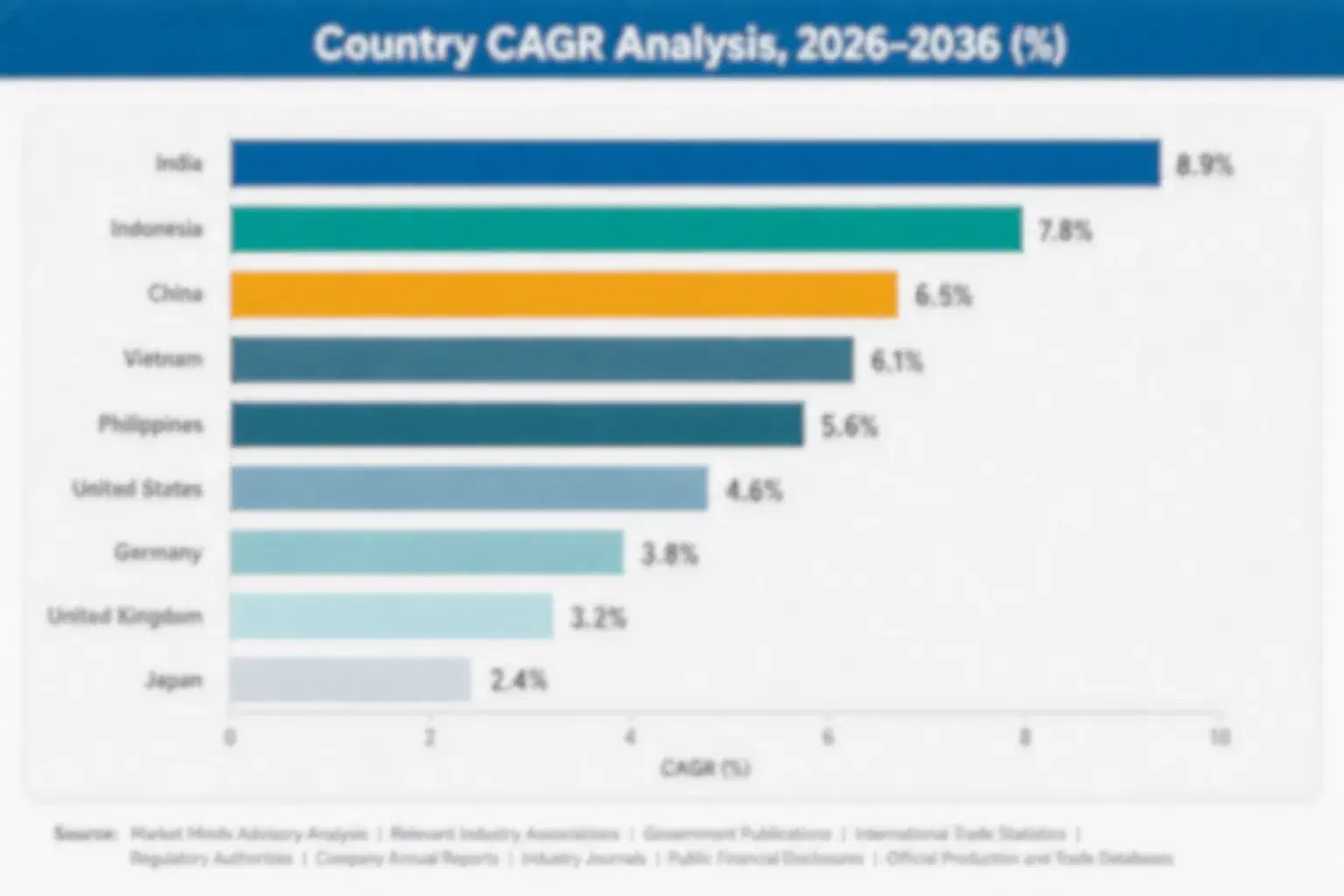
Electric boiler demand concentrates where clean electricity is cheap and decarbonization policy is strictest rather than where overall commercial construction volume is largest. Western Europe's Nordic electrification leadership anchors the leading share, while Sweden's clean grid and East Asian new construction drive the fastest regional growth tracked.

Western Europe

Nordic grid decarbonization policy, backed by abundant hydro and nuclear generation, makes this region disproportionately electrification-forward relative to its overall commercial construction output. [out-of-band: Western Europe sits above its 18 to 26% band because Sweden, Norway, and Denmark benefit from unusually cheap and clean electricity that specifically favors electric boiler economics, a concentration not matched by most other regions tracked in this report.] Swedish and Norwegian landlords are among the earliest adopters of electric boiler retrofits tracked in this report. Germany contributes a meaningful share tied to broader electrification policy, though adoption trails Nordic markets given higher electricity costs. Finland and Denmark round out remaining regional installed electrification capacity tied to similar clean grid advantages.
Share: 32% | CAGR: 8.9% (2026 to 2036)

North America

United States commercial building owners carry a growing installed base of electric boiler retrofit candidates, concentrated in regions with access to cheap hydroelectric power such as the Pacific Northwest. Replacement cycles here trail Nordic markets meaningfully, since federal policy remains less prescriptive than Scandinavian decarbonization mandates specifically. Canada contributes a meaningful share tied to Quebec's abundant hydroelectric generation, which supports electrification economics similar to Nordic markets. United States institutional buyers in hydro-rich regions continue specifying electric units for new construction. Mexico-adjacent cross-border commercial production is also beginning to add incremental demand across shared supply chains and growing electrification awareness. Established distributor networks across both countries support steady replacement activity tied to clean grid expansion.
Share: 22% | CAGR: 9.5% (2026 to 2036)
Regional intelligence for 5 additional markets available in the complete report: East Asia, South Asia and Pacific, Latin America, Middle East and Africa, Eastern Europe. Contact sales@marketmindsadvisory.com.
low-voltage-commercial-electric-boiler-market-country-cagr-analysis-1791093450669

Where Electric Boiler Supplier Margins Concentrate

Standard office and retail replacement generates steady but thin margins across the category. Premium economics concentrate instead in multi-family electrification engineering and institutional grid integration, where documented compliance expertise commands pricing power absent from commodity equipment sales. Suppliers that recognize this split early are reallocating engineering focus accordingly across their broader lineup. This split sharpens with each decarbonization policy cycle.

Build Multi-Family Electrification Engineering Capability Early

Suppliers that build multi-family electrification engineering capability ahead of competitors are positioned to capture disproportionate share of greenfield retrofit contracts as decarbonization deadlines approach across Sweden and Norway. This requires investment in electrical infrastructure upgrade design and compliance documentation that most gas boiler specialists currently lack. Early movers in this category are securing roughly $150,000 to $400,000 in incremental contract value per large residential portfolio relative to standard equivalents, a gap that is widening as compliance deadlines draw closer across multiple major markets. Suppliers that delay this investment risk permanent exclusion from the segment entirely.
Market Impact: Secures roughly $150,000 to $400,000 per residential portfolio

Secure Direct Grid Integration Relationships Early On

Suppliers that build dedicated grid integration relationships with institutional operators ahead of greenfield investment decisions are capturing disproportionate share of the highest-margin contracts tied to Sweden's clean electricity grid advantage. This requires sustained regional technical presence rather than reliance on distributor networks that define much of the standard replacement market. Suppliers with established local engineering relationships are securing contract values roughly $100,000 to $250,000 higher per greenfield project than competitors entering through distributor channels alone. Order books for greenfield contracts remain strong across both regions currently, reflecting sustained institutional investment tied to the decarbonization timeline.
Market Impact: Secures roughly $100,000 to $250,000 per greenfield project

Who Controls the Margin Pool

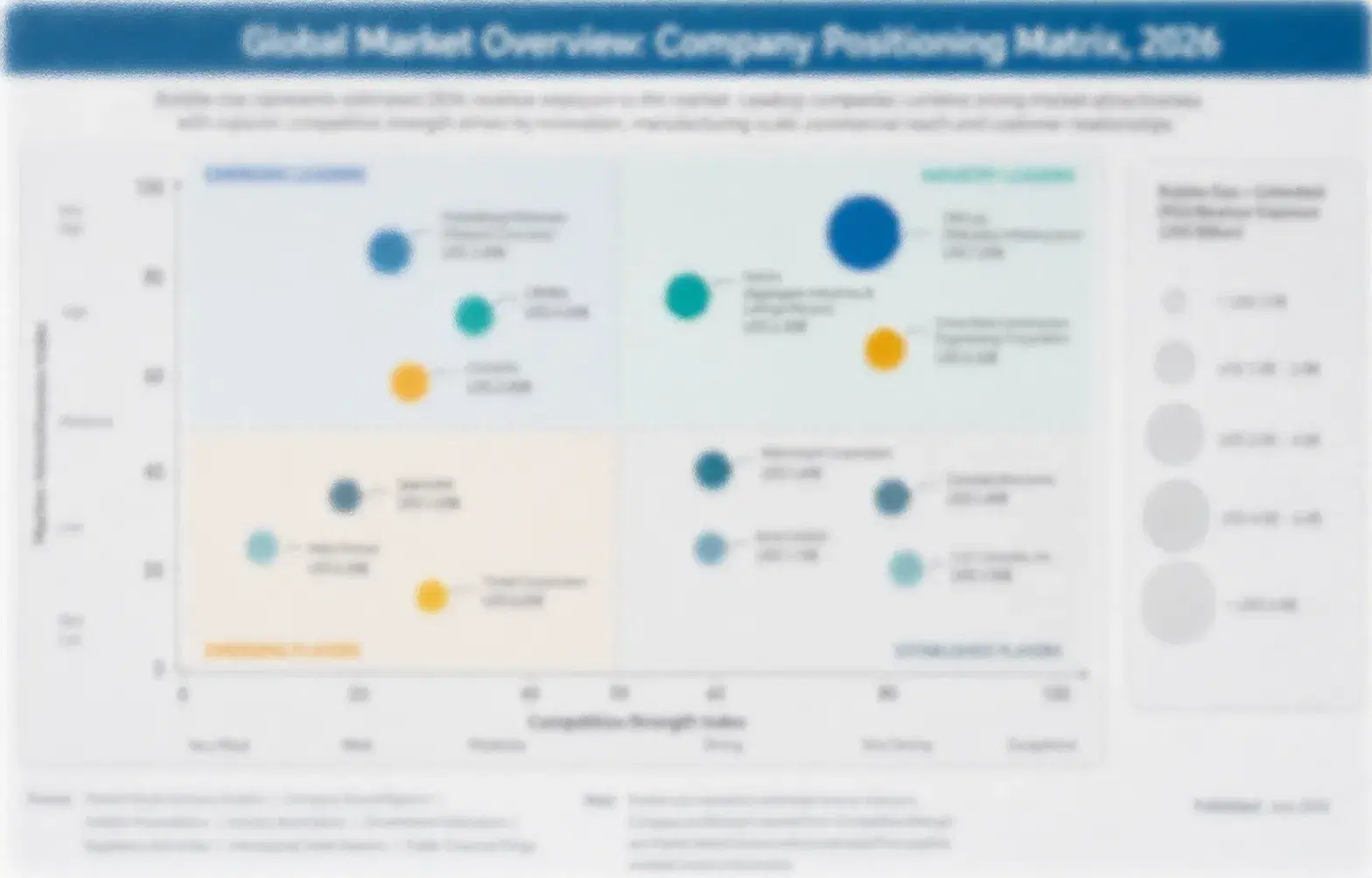
The low voltage commercial electric boiler market carries moderate concentration, with the top five suppliers holding 28% of global shipments, built on decades of electrical certification and building system integration credibility rather than price competition alone. The gap between leaders and challengers is widest in multi-family electrification engineering, where standard gas boiler manufacturers have yet to match the compliance depth that American and Scandinavian incumbents bring to large retrofit contracts.
Current competitive activity centers on multi-family electrification product development, with leading suppliers racing to certify electric configurations ahead of Nordic decarbonization deadlines. Several manufacturers expanded grid integration lines through targeted engineering acquisitions, seeking to shorten time to market. Pricing competition remains fiercest in standard office and retail units, where gas boiler manufacturers entering the electric segment gain share on cost rather than certification depth.

Emerging pressure is building from specialist grid integration engineering firms backed by renewable energy expertise rather than traditional boiler manufacturing heritage. These entrants lack certification depth today but partner with established manufacturers to access it faster than organic development. Rankings are most likely to shift in the multi-family and educational segments over the next five years, while standard office and retail rankings should remain comparatively stable.
low-voltage-commercial-electric-boiler-market-company-positioning-matrix-1791093450952

Competitive Moat and Risk Dimensions

THERMON GROUP

Moat: Broad Electrification Engineering Base

Thermon Group built decades of electrical heating engineering relationships across North American and Nordic commercial buyers, giving it early visibility into greenfield retrofit projects that foreign competitors struggle to access through distributor channels alone. Its scale also keeps pricing competitive against regional rivals. That cost position is difficult for new entrants to replicate quickly.
THERMON GROUP

Risk: Limited Asian Manufacturing Footprint

Thermon's manufacturing presence across East Asia remains comparatively thin, requiring reliance on regional distributor partners for installation and service support. This dependency can slow response times on large contracts relative to rivals with direct local teams already established nationwide. Management has flagged this gap publicly in recent investor communications.
AERCO INTERNATIONAL

Moat: Established Institutional Compliance Credentials

AERCO holds decades of institutional electrification compliance engineering experience, positioning it well for the segment's accelerating specification growth under decarbonization mandates. Its brand recognition also supports premium pricing on complex retrofit contracts across multiple building types. That reputation is difficult for newer entrants to replicate quickly across markets.
AERCO INTERNATIONAL

Risk: North American Concentration Exposure

A meaningful share of AERCO's electrification order book concentrates in North American markets facing slower underlying decarbonization policy momentum, requiring expansion into Nordic Europe to sustain its historical growth trajectory going forward. Leadership has flagged this expansion as a strategic priority going forward. This gap remains a priority.

Players Tracked

Prominent Players

Thermon Group
AERCO International
Electro-Steam Generator Corp
Cemline Corporation
Sussman Electric Boilers

Other Key Players

Hubbell Heaters
Vapor Power International
Fulton Electric
Precision Boilers
Rite Engineering and Manufacturing
Chromalox
Reimers Electra Steam
Miura Co
PVI Industries
Patterson-Kelley
Cleaver-Brooks
Bosch Thermotechnology
Vaillant Group
Weil-McLain
Columbia Boiler Company

Recent Developments

JANUARY 2026

Thermon Group announced an acquisition of a regional grid integration engineering firm specializing in commercial electrification retrofit, expanding its capability to bundle equipment sales with ongoing performance monitoring services across its existing residential customer base nationwide. Financial terms of the arrangement were not disclosed publicly.
Signal: Signals Thermon Group's deliberate push into bundled grid integration and monitoring services nationwide, ahead of rivals.
AUGUST 2025

AERCO International completed a joint venture with a Nordic electrical heating specialist to co-develop high-capacity configurations for institutional buildings, combining American engineering with local manufacturing capacity for faster regional deployment across multiple greenfield sites. Terms of the arrangement were not disclosed. to extend its regional footprint.
Signal: Signals AERCO's strategic push to close its Nordic manufacturing and integration gap meaningfully. Rivals may pursue similar regional partnerships soon.

Steel and Electrical Element Supply Exposure

Carbon steel for pressure vessels and copper electrical heating elements account for roughly 35 to 45% of total cost of goods sold for standard electric boilers, sourced predominantly from American, Chinese, and Scandinavian mills. Multi-family retrofit configurations add exposure to specialized grid connection and control components, sourced from a narrower base of specialist manufacturers concentrated in Sweden and Norway.
Global steel and copper prices spiked sharply during 2024 amid Chinese export tariff changes and elevated commodity costs, according to Thermon Group's 2024 Annual Report, compressing margins for suppliers locked into fixed-price retrofit contracts signed before the increase took hold. Several manufacturers reported in their annual filings that raw material cost pass-through lagged price increases by two to three quarters, squeezing near-term profitability across standard product lines before pricing caught up fully.

Smaller regional fabricators carry disproportionate exposure to this volatility since they lack the purchasing scale to negotiate multiyear steel and copper contracts that larger multinational suppliers secure routinely. The disadvantage compounds for producers serving price-sensitive standard office segments, where margin compression cannot be passed through to landlords as easily as in premium multi-family contracts. Exposure varies meaningfully by geography, with Chinese domestic fabricators facing lower input costs than importers.
low-voltage-commercial-electric-boiler-market-cost-volatility-analysis-1791093451228

Multiyear Steel and Copper Supply Contracts

Leading suppliers are locking in multiyear steel and copper supply contracts with fixed escalation clauses tied to published commodity indices, reducing exposure to sudden spot price swings. This requires forecasting accuracy that smaller fabricators often lack access to, keeping the practice concentrated among larger players. A handful now pool purchasing through consortia. This trend is expected to continue.

Lighter Heating Element Design Standards

Several manufacturers are redesigning electrical heating element geometries to use thinner, higher-grade copper alloy components that reduce total material volume without sacrificing heating efficiency standards. Early adopters report meaningful cost savings per unit, though qualification testing adds months to product development timelines before full deployment. Several suppliers expect this approach to become standard practice across their lineup soon.

Portfolio Architecture for Margin Defence

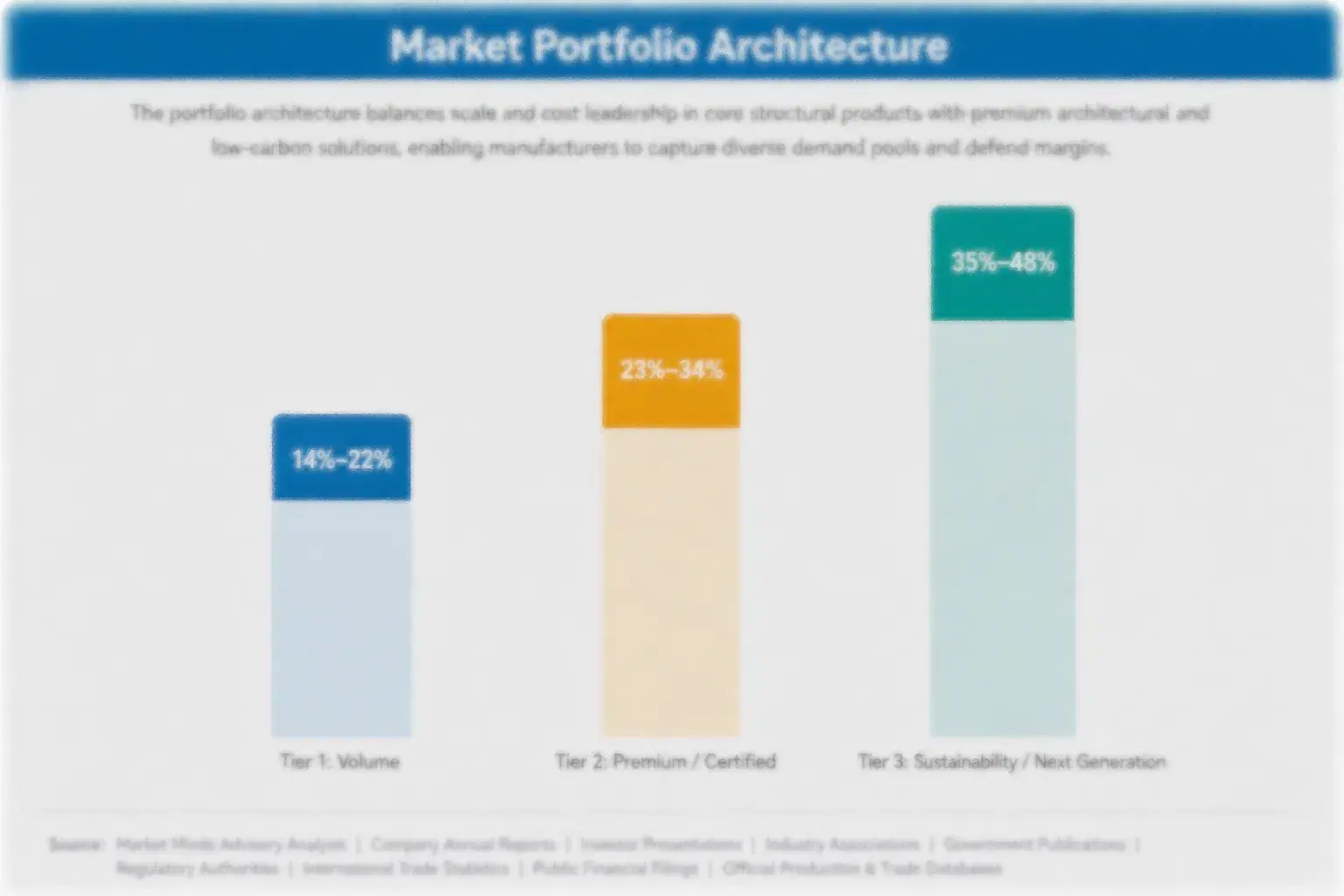
Gross margin economics vary sharply across the low voltage commercial electric boiler category's three tiers. Standard office and retail replacement equipment competes largely on price, generating margins near the industry floor. Multi-family and institutional electrification systems, by contrast, command meaningfully higher margins tied to grid integration complexity and compliance urgency rather than raw material content alone. This split is widening as decarbonization deadlines pull more capital toward the premium tier.
The volume versus premium tension plays out most visibly in how suppliers allocate limited engineering capacity. Chasing standard office volume keeps factories running but erodes margin as gas boiler entrants compete aggressively on price. Suppliers that instead prioritize premium multi-family contracts sacrifice some volume but capture disproportionate profit, a trade-off favoring the premium path as decarbonization deadlines approach across Nordic markets.

High-value pools concentrate in multi-family electrification engineering, grid integration, and the long-term service contracts tied to complex compliance documentation. Suppliers that can bundle equipment sales with ongoing performance monitoring and maintenance services capture recurring revenue streams absent from one-time standard equipment transactions, a durable revenue advantage unique to the premium tier. Suppliers without a service arm increasingly partner with monitoring firms to compete.

Standard office and retail electric boilers competing primarily on price with thin, commodity-level gross margins near 15 to 20%. Generalist manufacturers dominate pricing here. Smaller regional fabricators also compete aggressively for this volume across most markets.
Gross Margin

Educational and institutional systems carrying documented electrical certification, commanding gross margins in the 24 to 30% range. Buyers value reliability records over lowest-price bidding alone. This tier represents a meaningful share of total category revenue currently.
Gross Margin

Multi-family and grid-integrated boilers tied to decarbonization mandates, commanding gross margins of 32 to 40% given compliance complexity and limited specialist competition currently. Early movers here are capturing disproportionate greenfield contract share nationwide.
Gross Margin
low-voltage-commercial-electric-boiler-market-portfolio-architecture-1791093451538

High-value Sub-segments and Strategic Watch-out

Multi-Family Residential Low Voltage Electric Boilers

The fastest-growing and highest-margin segment, capturing disproportionate greenfield investment as decarbonization deadlines approach across Sweden and Norway, with suppliers racing to build certified capacity and secure early-mover contracts. This segment should account for a growing share of category revenue through 2036, outpacing every rival application meaningfully.

Educational Institution Low Voltage Electric Boilers

High-value retrofit segment growing steadily as public funding programs target school building electrification, particularly attractive to institutions facing near-term funding deadlines and limited capital budgets. Suppliers bundling educational units with digital monitoring packages are winning disproportionate repeat business nationwide. Rebate programs further sweeten the economics for most buyers.

Office and Retail Low Voltage Electric Boilers

The volume core of the category, sustaining steady replacement demand across legacy commercial building capacity in Western Europe and new construction in East Asia, though margins remain comparatively thin against premium alternatives. Generalist manufacturers increasingly compete on pricing here across most standard contract bids nationwide.

Hotel and Hospitality Low Voltage Electric Boilers

A strategic watch-out segment facing slower adoption than other building types given continuous operational demands, though hospitality electrification in Nordic markets sustains meaningful near-term growth for several more years. Suppliers that delay this transition risk losing share permanently to faster-moving electrification specialists entirely over time.

Decarbonization-Driven Replacement Economics

Low voltage commercial electric boiler revenue runs on long replacement and service cycles rather than annuity-style subscriptions, but the economics function similarly once a supplier wins an installation. Service contracts, spare parts, and periodic recertification generate recurring revenue over a vessel's 15 to 22 year service life that often exceeds the original equipment sale in cumulative value, giving incumbents an advantage over challengers on every subsequent call.
Adoption stickiness varies meaningfully by end-use vertical. Large multi-family landlords lock into supplier relationships for decades given the cost and risk of switching certified providers mid-contract, while smaller office buyers switch more readily when price or lead time differs meaningfully. Educational institutions sit between these extremes, balancing proven suppliers against funding cycle constraints.

A generational shift in buyer profiles is underway as younger facility engineers, trained on digital monitoring and electrification technology, increasingly influence procurement decisions previously dominated by maintenance teams favoring proven gas designs. These buyers weigh lifecycle emissions performance alongside upfront cost, a shift that favors suppliers investing early in electrification and digital service capability over those competing purely on price. This shift is expected to accelerate over the decade.
low-voltage-commercial-electric-boiler-market-end-use-penetration-index-1791093451831

The MMA Outlook

These are among the four positions where our research anticipates prominent divergence between winners and laggards over the coming forecast period. Each is grounded in the demand model, the regulatory perimeter, and the announced capacity pipeline.
01 / MULTI-FAMILY ENGINEERING INVESTMENT

Build electrification engineering capacity before compliance deadlines bind

Suppliers that invest now in multi-family electrification engineering capability, including electrical infrastructure upgrade design and compliance documentation, are positioned to capture the most profitable contracts tied to Nordic decarbonization deadlines running through 2030. Those that wait risk ceding greenfield bidding entirely to specialists who moved earlier and built documented compliance records across multiple residential portfolios. The window for catching up narrows every quarter as decarbonization enforcement tightens further across additional jurisdictions well before the next decarbonization deadline wave fully materializes.
02 / SWEDISH MARKET ACCESS

Establish local engineering presence ahead of Sweden's clean grid advantage

Sweden's clean electricity grid, backed by abundant hydro and nuclear generation, is generating the fastest order growth tracked anywhere in this report, and suppliers without sustained regional engineering presence are losing greenfield bids to competitors with established local teams. Distributor-only strategies no longer suffice for capturing the largest new contracts awarded across multiple regions. Building direct engineering relationships now will determine market position for the next decade across this fast-growing region, where greenfield facility awards keep accelerating steadily each quarter nationwide.
03 / STEEL COST HEDGING

Lock in multiyear steel contracts before the next price cycle

Steel price volatility compressed margins meaningfully during the 2024 spike, and suppliers without multiyear supply contracts bore the brunt of that squeeze while competitors with locked pricing stayed profitable throughout the cycle and continued winning new contracts. Smaller fabricators lacking purchasing scale remain significantly exposed to the next price cycle regardless of near-term market conditions. Pooling procurement through industry consortia offers a practical path toward the scale economics that larger rivals already enjoy today across every major region tracked in this report.
04 / GAS BOILER ENTRANT RESPONSE

Differentiate on electrification depth rather than compete on price alone

Gas boiler manufacturers entering the electric segment are gaining share on standard office and retail units through aggressive pricing that established suppliers cannot match without eroding margin meaningfully across their broader product lineup. Competing head-on for commodity volume sacrifices the premium positioning that documented electrical certification and grid integration depth currently command across every major landlord account. Suppliers should instead concentrate resources on multi-family and institutional segments where certification depth still determines winners well before new entrants close that specific gap meaningfully.

Engagement Snapshot From the Field

A live engagement with an industry participant carrying material or product regulatory and market exposure ahead of a defining policy shift, showing how our research translates into a defensible multi-year portfolio strategy.
MARKET MINDS ADVISORY · CLIENT ENGAGEMENT SUMMARY
Low Voltage Commercial Electric Boiler Producer Strategic Portfolio Review and Transition Roadmap 2026·Investment Scenario on Low Voltage Commercial Electric Boiler Exposure Evaluation 2025-26
CLIENT PROFILE
The client manages a portfolio of three multi-family residential buildings across Stockholm, each relying on aging gas boilers facing emissions compliance deadlines. Annual rental revenue sits in the $18 million to $30 million range (client-reported, unverified by MMA), with heating system electrification accounting for a meaningful share of total renovation capital expenditure. The portfolio serves several long-term residential tenants under existing leases.
STRATEGIC CHALLENGE
The client faced mounting pressure to comply with tightening emissions compliance requirements while managing a constrained renovation budget across three separate buildings. Leadership needed to decide whether to convert all three buildings simultaneously or phase conversion over several years, with meaningful compliance risk tied to either path. Either path carried distinct financial tradeoffs for the client.
MMA APPROACH
MMA conducted a building-by-building assessment of electrical infrastructure capacity and compliance exposure, benchmarking the client's cost structure against comparable Stockholm landlords. The analysis modeled phased versus simultaneous conversion scenarios, incorporating rebate program eligibility and supplier lead times across the three buildings under consideration, with interviews conducted at each individual site.
KEY FINDINGS
  1. The oldest building carried the highest near-term compliance risk, with penalty exposure estimated at $400,000 annually (client-reported, unverified by MMA). This exposure concentrated management attention on that single building.
  2. Phased conversion reduced peak capital outlay by 28% but extended total compliance exposure across an additional 9 months. Leadership weighed this tradeoff carefully against available capital reserves.
  3. Rebate program eligibility covered up to 32% of conversion cost at two of three buildings, meaningfully improving payback economics. This improved the project's overall return profile meaningfully.
  4. Supplier lead times for electric boiler systems ran 5 to 9 months, requiring earlier procurement commitment than leadership had originally planned for.
CLIENT PROFILE
The client manages a portfolio of three multi-family residential buildings across Stockholm, each relying on aging gas boilers facing emissions compliance deadlines. Annual rental revenue sits in the $18 million to $30 million range (client-reported, unverified by MMA), with heating system electrification accounting for a meaningful share of total renovation capital expenditure. The portfolio serves several long-term residential tenants under existing leases.
STRATEGIC CHALLENGE
The client faced mounting pressure to comply with tightening emissions compliance requirements while managing a constrained renovation budget across three separate buildings. Leadership needed to decide whether to convert all three buildings simultaneously or phase conversion over several years, with meaningful compliance risk tied to either path. Either path carried distinct financial tradeoffs for the client.
MMA APPROACH
MMA conducted a building-by-building assessment of electrical infrastructure capacity and compliance exposure, benchmarking the client's cost structure against comparable Stockholm landlords. The analysis modeled phased versus simultaneous conversion scenarios, incorporating rebate program eligibility and supplier lead times across the three buildings under consideration, with interviews conducted at each individual site.
KEY FINDINGS
  1. The oldest building carried the highest near-term compliance risk, with penalty exposure estimated at $400,000 annually (client-reported, unverified by MMA). This exposure concentrated management attention on that single building.
  2. Phased conversion reduced peak capital outlay by 28% but extended total compliance exposure across an additional 9 months. Leadership weighed this tradeoff carefully against available capital reserves.
  3. Rebate program eligibility covered up to 32% of conversion cost at two of three buildings, meaningfully improving payback economics. This improved the project's overall return profile meaningfully.
  4. Supplier lead times for electric boiler systems ran 5 to 9 months, requiring earlier procurement commitment than leadership had originally planned for.
RECOMMENDED STRATEGY
Phase 1: Convert the oldest, highest-risk building first to eliminate the largest near-term compliance exposure quickly. This step alone addressed the largest single source of regulatory exposure. Phase 2: Secure rebate-eligible contracts at the two qualifying buildings within the current program window before it closes. Timing proved critical given program funding caps. Phase 3: Stagger remaining conversions across 9 months to manage capital outlay while meeting all compliance deadlines. This sequencing balanced cash flow against compliance urgency.
OUTCOME
The client converted its highest-risk building within five months, avoiding an estimated $400,000 in annual penalty exposure (client-reported, unverified by MMA). Rebate capture at the two eligible buildings offset roughly 29% of total conversion cost, and phased scheduling kept peak capital outlay within the client's original budget constraints throughout the full three-year program.

Frequently Asked Questions

Foundational context covering the market sizes, CAGR, scope, country, region and competition that inform every finding below. This section is provided to cover basics and most often pre-purchase conversations, answered from the MMA Primary Research Dataset.

What is the current size of the Low Voltage Commercial Electric Boiler Market?

The global low voltage commercial electric boiler market reached $850 million in 2025. Demand concentrates heavily in Western European Nordic electrification leadership alongside Sweden's clean electricity grid.

How large will the Low Voltage Commercial Electric Boiler Market be by 2036?

MMA projects the market will reach $2.52 billion by 2036, roughly 2.69 times its 2026 value. Grid decarbonization policy and multi-family electrification both contribute to that expansion.

What is the CAGR for the Low Voltage Commercial Electric Boiler Market 2026 to 2036?

The market is forecast to grow at a compound annual rate of 10.4% between 2026 and 2036. That builds on a 2020 to 2025 historical rate of 9.0%, reflecting recent compliance-driven acceleration.

Which segment is growing fastest?

Multi-family residential electric boilers lead at a 13.2% CAGR. That is 1.27 times the overall market growth rate, driven by emissions compliance deadlines across Sweden and Norway.

Who are the major companies in the Low Voltage Commercial Electric Boiler Market?

Thermon Group, AERCO International, Electro-Steam Generator Corp, Cemline Corporation, and Sussman Electric Boilers hold leading positions. Combined, the top five account for 28% of the market on a reported unit shipment basis.

Which country is growing fastest?

Sweden leads country-level growth at a 12.0% CAGR. Its clean electricity grid, backed by abundant hydro and nuclear generation, is driving that pace well ahead of other major markets tracked.

Report Segmentation Architecture

The full report scope spans multiple orthogonal segmentation dimensions, with cross-tabulated demand data provided for each dimension pair. Coverage extends further to regional breakdowns, trend trajectories, and the competitive detail needed to support segment-level decision-making.
  • Office Building Low Voltage Electric Boilers
  • Retail and Mixed-Use Low Voltage Electric Boilers
  • Hotel and Hospitality Low Voltage Electric Boilers
  • Educational Institution Low Voltage Electric Boilers
  • Multi-Family Residential Low Voltage Electric Boilers
  • Commercial Office Real Estate
  • Hospitality and Tourism
  • Education and Public Institutions
  • Multi-Family Residential Housing
  • Direct Landlord Procurement Channel
  • Government Subsidy and Rebate Channel
  • Distributor and Installer Network Channel
  • Retrofit and Renovation Channel

By Region

  • North America
  • Western Europe
  • East Asia
  • South Asia and Pacific
  • Latin America
  • Middle East and Africa
  • Eastern Europe

Scope, Methodology, and Coverage

Every figure in this report is reproducible from documented input assumptions. The scope below maps the historical period, the forecast horizon, the segmentation dimensions, and the countries covered, alongside the underlying primary and qualitative methodology.
Historical Period
2020 to 2025
Forecast Period
2026 to 2036
Base Year
2025 (USD billions; MMA Primary Research Dataset, October 2026)
Market Definition
The low voltage commercial electric boiler market covers electric resistance heating boilers operating below standard medium-voltage thresholds for steam or hot water generation in office, hospitality, retail, and multi-family buildings. It excludes high-voltage industrial electric boilers and residential-only electric water heaters.
Quantitative Units
USD billions, unit shipments where disclosed
Segmentation Dimensions
End-use building application, end-use industry, commercial procurement channel
Regions Covered
North America, Western Europe, East Asia, South Asia and Pacific, Latin America, Middle East and Africa, Eastern Europe
Countries Covered
Sweden, Norway, Denmark, Germany, United States, Canada, China, Japan, India, Brazil, Saudi Arabia, Poland
Key Companies Profiled
Thermon Group, AERCO International, Electro-Steam Generator Corp, Cemline Corporation, Sussman Electric Boilers, and 15 additional profiled participants
Quantitative Methodology
Primary survey, n=3,800 respondents, Q4 2025, six countries; demand-side model with trade association cross-validation
Qualitative Methodology
47 expert interviews, Q4 2025; applied to validate demand model assumptions, identify emerging dynamics, and assess competitive positioning
Report Format
PDF and XLSX data workbook (Word format preview document)
Publisher
Market Minds Advisory
Report Code
MMA-2026-CON-564
Published
October 2026
Contact
sales@marketmindsadvisory.com | www.marketmindsadvisory.com

Purchase the full Low Voltage Commercial Electric Boiler Market Report (2026 to 2036).

This report delivers a comprehensive assessment of the global low voltage commercial electric boiler market across all seven MMA-tracked regions. It covers market sizing, segmentation, competitive benchmarking, and input cost exposure through 2036, with particular attention to Nordic grid decarbonization and multi-family electrification dynamics shaping near-term supplier strategy. Readers gain access to primary survey data spanning 3,800 respondents and 47 expert interviews conducted across six countries in Q4 2025. The analysis includes detailed revenue lever guidance and portfolio tiering to support strategic planning, capital allocation, and competitive positioning decisions across the forecast period.
Ten-year market sizing and forecast model
Seven-region demand and market share breakdown
Competitive benchmarking of 20 named suppliers
Input cost exposure and mitigation analysis
Revenue lever and portfolio tiering guidance
Primary survey and expert interview data access

Built For The People Who Decide

From boardroom strategy to bench-side execution, this report is read cover-to-cover by leaders shaping the next decade of their industry, turning demand scenarios, market dynamics and valuation benchmarks into decisions.
CXOs/ Presidents/ VPs/ Managers
M&A and Corporate Development
Strategy Teams and R&D Heads
Procurement and Product Directors
Regulatory and Compliance Leaders
Investor Relations and Equity Analysts