Market Minds Advisory
Low-Toxicity Heat Transfer Fluids for Renewables Market

Low-Toxicity Heat Transfer Fluids for Renewables Market: Low-Toxicity Heat Transfer Fluids for Renewables Market. Global Sizing, Segmentation, and Competitive Analysis to 2036

Concentrated solar and geothermal plant operators are phasing out aromatic synthetic fluids after high-profile leak incidents, pulling heat transfer fluid specification into direct environmental permitting and insurance underwriting conversations across the renewable thermal sector.

Lead Analyst

Published

October 2026

Make Smarter Decisions with Customized Research Insights

Request a free sample report and evaluate market opportunities, growth trends, and competitive dynamics relevant to your business needs.

2025 MARKET VALUE$1.9BMarket Size 2025
2036 FORECAST VALUE$5.0BBase Case , 2026 to 2036
CAGR 2026 TO 20369.4 %Bull 10.7% / Bear 8.1%
INCREMENTAL OPPORTUNITY$2.9BNet 10- year value creation
EXPANSION MULTIPLE2.46x2036 value over 2026 base
Strategic Levers
M&A Pipeline
Regional Outlook
Country Rankings
Competitive Intelligence
Segmental Deep-dive
Call-Us : 91 93563 13602

Executive Snapshot and Market Trajectory.

Heat transfer fluid leaks at concentrated solar plants have turned a commodity chemical choice into a permitting and insurance liability that developers now price into project economics from day one, well before construction financing is even finalized or a single shovel breaks ground.
Bio-based ester and synthetic organic fluids with lower aquatic toxicity profiles are displacing aromatic mineral oil blends across new concentrated solar power and geothermal binary cycle plants, driven by tightening environmental discharge permits in Spain, Morocco, and across the American Southwest more broadly. China is scaling domestic production capacity rapidly to supply both its own fast-expanding solar thermal buildout program and growing export markets across the Middle East and increasingly North Africa as well.
The competitive field spans legacy synthetic fluid chemical majors and newer bio-based formulation specialists, with meaningful distance between suppliers holding proven high-temperature stability data across multiple plant sites and smaller entrants still building operational track records. Insurance underwriters are increasingly influencing fluid selection decisions directly and early in project design, given the financial exposure a major leak event now represents for project financing, construction lenders, and long-term operating insurance coverage.
Market Definition
The Low-Toxicity Heat Transfer Fluids for Renewables Market covers synthetic and bio-based thermal fluids engineered for reduced environmental and human toxicity in concentrated solar power and geothermal plant applications. It excludes conventional aromatic synthetic fluids and industrial process heating fluids outside renewable generation.
Base Year Value
$1.9B in 2025 (MMA Primary Research Dataset, October 2026)
Forecast Period
2026 to 2036, eleven discrete annual values
CAGR
9.4% base case. Bull 10.7%. Bear 8.1%.
Fastest Growth Segment
Bio-Based Ester Fluids for Concentrated Solar Power Plants: 13.1% CAGR
Fastest Growth Country
China: 11.4% CAGR
Fastest Growth Region
South Asia and Pacific: 11.5% CAGR
Largest Region
East Asia: 27% of 2025 global value
Market Leaders
Eastman Chemical, Dow, Solutia (Eastman), Huntsman Corporation, Croda International. Source: MMA Primary Research Dataset, July 2026.
Primary Survey
n=3,800 procurement and R&D decision-makers, Q4 2025, six countries
Methodology
Demand-side build-up, cross-validated against public data, 47 expert interviews

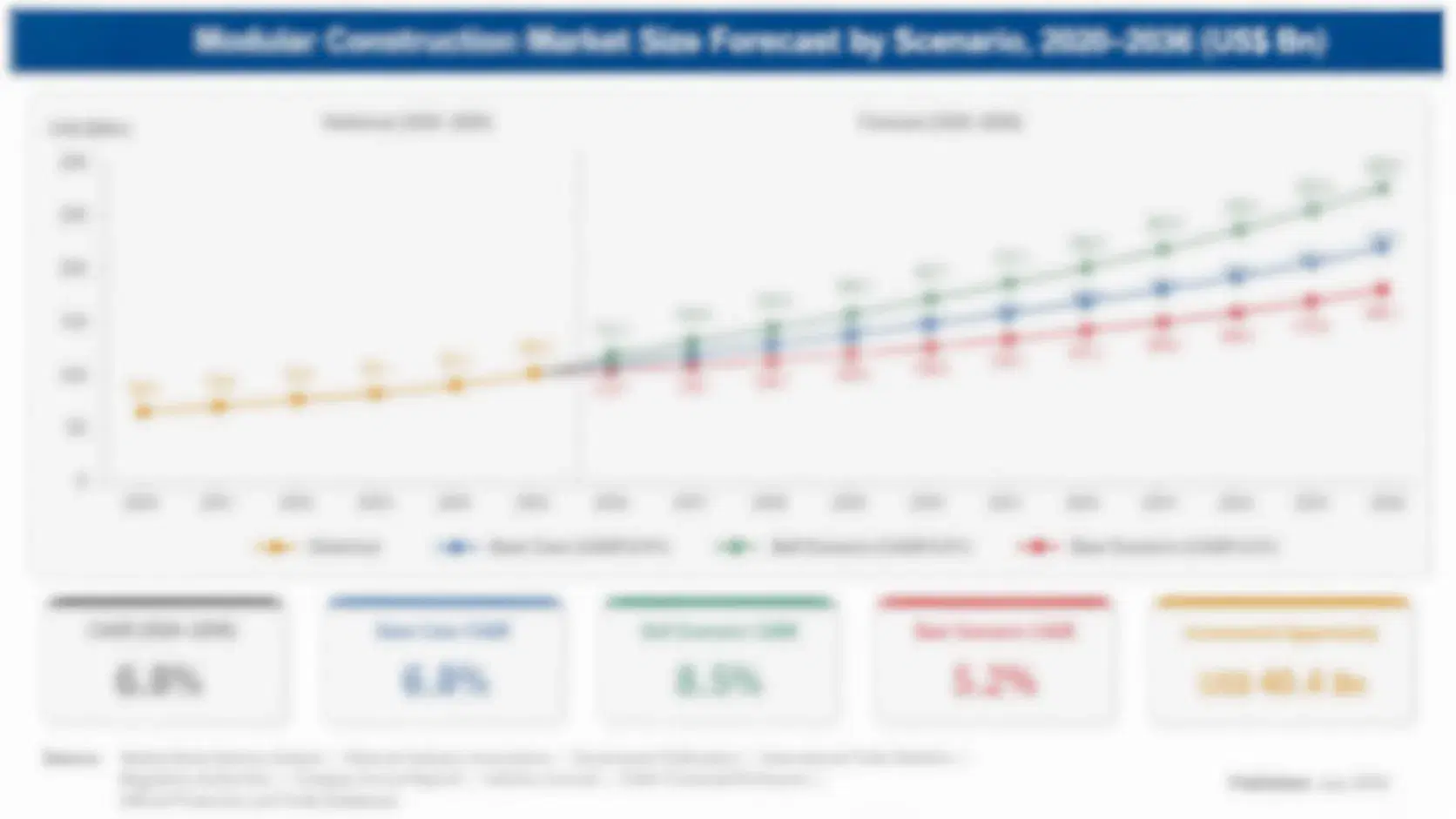
Low-Toxicity Heat Transfer Fluids for Renewables Market Forecast Scenarios

low-toxicity-heat-transfer-fluids-for-renewables-m-size-forecast-scenario-1791074325442
The 2020 to 2025 period saw low-toxicity heat transfer fluid demand grow steadily as early concentrated solar and geothermal plants came online, tied mainly to new project construction rather than fluid replacement cycles. Growth accelerated toward the end of the period as leak incidents at legacy plants pushed regulatory scrutiny higher, lifting the historical CAGR to 7.7% heading into the forecast window.
The base case assumes continued concentrated solar and geothermal plant construction growth, tightening environmental discharge permits across key operating regions, and steady retrofit replacement of aromatic fluids at aging plants nearing scheduled maintenance. These three mechanisms together support a 9.4% CAGR through 2036, with bio-based ester fluids capturing a growing share of new plant specifications as developers prioritize permitting certainty over marginal fluid cost differences during the earliest stages of project design and permitting.
The bull case centers on accelerated concentrated solar capacity additions in China and the Middle East, which could push growth toward 10.7%. The bear risk is a global renewable capital spending slowdown, which would delay new plant construction and compress growth toward 8.1% as developers defer non-critical fluid upgrades at existing facilities nearing scheduled replacement.

Insurance Underwriting Reshapes Fluid Selection Decisions

Low-toxicity heat transfer fluids have moved from a niche environmental preference to a project financing requirement as insurers and regulators both scrutinize spill risk at concentrated solar and geothermal plants more closely than they did even five years ago. Developers now treat fluid selection as a permitting variable rather than a late-stage procurement decision made well after plant design and layout have already been largely finalized.
MARKET CONCENTRATIONCR5 46%Reflects a moderately concentrated specialty chemical supplier base
AVERAGE FLUID PRICE$4.20 per literReflects premium bio-based and synthetic ester formulation costs
TOP PRODUCING COUNTRY SHAREChina 24%Largest single national fluid manufacturing base by volume
CAPACITY UTILISATION71%Reflects cyclical concentrated solar plant construction demand patterns
FEEDSTOCK SHARE COGS44%Vegetable oil feedstocks and specialty esters dominate direct costs
REPLACEMENT CYCLE LENGTH7 to 10 yearsReflects typical plant-scale thermal fluid degradation and topping interval
Bio-based ester fluids are capturing the fastest-growing share of new plant specifications, offering comparable thermal performance to aromatic synthetics with meaningfully lower aquatic toxicity profiles that satisfy tightening environmental permits. China and the United States anchor global production capacity at different price and performance tiers, with China scaling aggressively to serve both domestic buildout and export demand across emerging solar markets.
Insurance underwriting increasingly drives fluid selection directly, as carriers price leak and environmental liability risk into plant coverage premiums based partly on documented fluid toxicity profiles. This financial pressure is accelerating adoption timelines beyond what environmental regulation alone would achieve, since developers now face direct insurance cost consequences for selecting higher-toxicity legacy fluids even where permits would technically still allow it.
"A fluid leak used to be an operations problem. Now it shows up on the insurance renewal before it ever reaches the maintenance log."
Senior Analyst, Renewable Thermal Systems Practice · MMA Energy Practice · October 2026

Market Trends

Leak Incidents Accelerate Aromatic Fluid Phase-Out

High-profile synthetic fluid leak incidents at several European and North African concentrated solar plants over the past three years have pushed regulators and insurers to scrutinize aromatic fluid selection far more closely than before. Plant operators are now facing retrofit mandates in some jurisdictions requiring conversion to lower-toxicity alternatives within defined compliance windows rather than waiting for scheduled fluid replacement cycles. This regulatory pressure is pulling forward demand that would otherwise have materialized gradually over several additional years of normal replacement timing absent this specific regulatory intervention forcing earlier action across the affected fleet.
Market Impact: Adds 8 GW new CSP capacity
Insurance Underwriting Standards Tighten Fluid Requirements

Major insurance underwriters covering renewable energy project risk are increasingly requiring documented fluid toxicity and biodegradation data as a condition of standard coverage terms, rather than treating fluid selection as immaterial to the underwriting decision. Plants using legacy aromatic fluids now face materially higher premiums or coverage exclusions for spill-related environmental liability claims in several key operating jurisdictions. This shift is giving low-toxicity fluid suppliers a powerful commercial argument that extends well beyond pure environmental positioning alone, directly affecting plant economics and project financing terms alike across multiple key operating jurisdictions.
Market Impact: Adds 1.2 GW geothermal capacity

Market Opportunities and Growth Drivers

Concentrated Solar Capacity Expansion Sustains Fluid Demand

New concentrated solar power capacity additions in China, the Middle East, and parts of North Africa are driving substantial new heat transfer fluid demand independent of any replacement market dynamics. China alone has multiple gigawatt-scale concentrated solar projects under construction or in advanced planning, each requiring large initial fluid charges plus ongoing annual topping volume once each plant reaches full commercial operation and steady-state output. This capacity buildout gives fluid suppliers multi-year demand visibility that is largely independent of legacy plant retrofit decisions occurring simultaneously across other regional markets and legacy plant fleets.
Market Impact: Adds 30 to 45% unit cost

Geothermal Binary Cycle Expansion Opens New Demand Channel

Geothermal binary cycle power plants, which use heat transfer fluids in their secondary loop systems, are expanding steadily across Indonesia, Kenya, and the western United States as governments pursue baseload renewable capacity to complement variable solar and wind generation. This represents a meaningfully different application profile than concentrated solar, with lower peak temperatures but longer continuous operating hours that still demand careful toxicity and stability performance. Fluid suppliers with proven geothermal references are capturing early mover advantage in this expanding demand channel well ahead of less specialized competitors entering later.
Market Impact: Adds 4 to 6 months qualification

Market Restraints and Challenges

Higher Unit Cost Slows Adoption At Cost-Sensitive Plants

Bio-based ester fluids cost meaningfully more per liter than conventional aromatic synthetics, and the root cause is the specialized vegetable oil feedstock processing and additive chemistry these formulations require compared to petroleum-derived alternatives. Smaller developers and plants in cost-sensitive emerging markets often delay adoption even where regulatory pressure would eventually force the switch, prioritizing near-term capital cost over long-term liability exposure. Suppliers are responding with blended formulations offering partial toxicity reduction at lower price points as a mitigation pathway for cost-constrained buyers unwilling to absorb the full premium all at once immediately.
Market Impact: Affects 45 plus legacy plants

Limited High-Temperature Data Creates Qualification Delays

Bio-based fluids have a shorter commercial operating history at the highest temperatures used in trough and tower concentrated solar designs, and the underlying cause is that these formulations are newer to the market than decades-old aromatic synthetic chemistry. Plant engineers often require extended pilot testing before approving a bio-based fluid for a new high-temperature plant design, adding months to project timelines and raising qualification costs. Suppliers are now publishing longer-term field performance data as a mitigation pathway intended to shorten this qualification burden for new projects entering the qualification pipeline over the next several years.
Market Impact: Cuts insurance premiums 15 to 20%
4 additional market trends, 3 additional growth drivers, and 2 additional restraints and challenges are covered in the full report. Contact sales@marketmindsadvisory.com to access the complete intelligence.

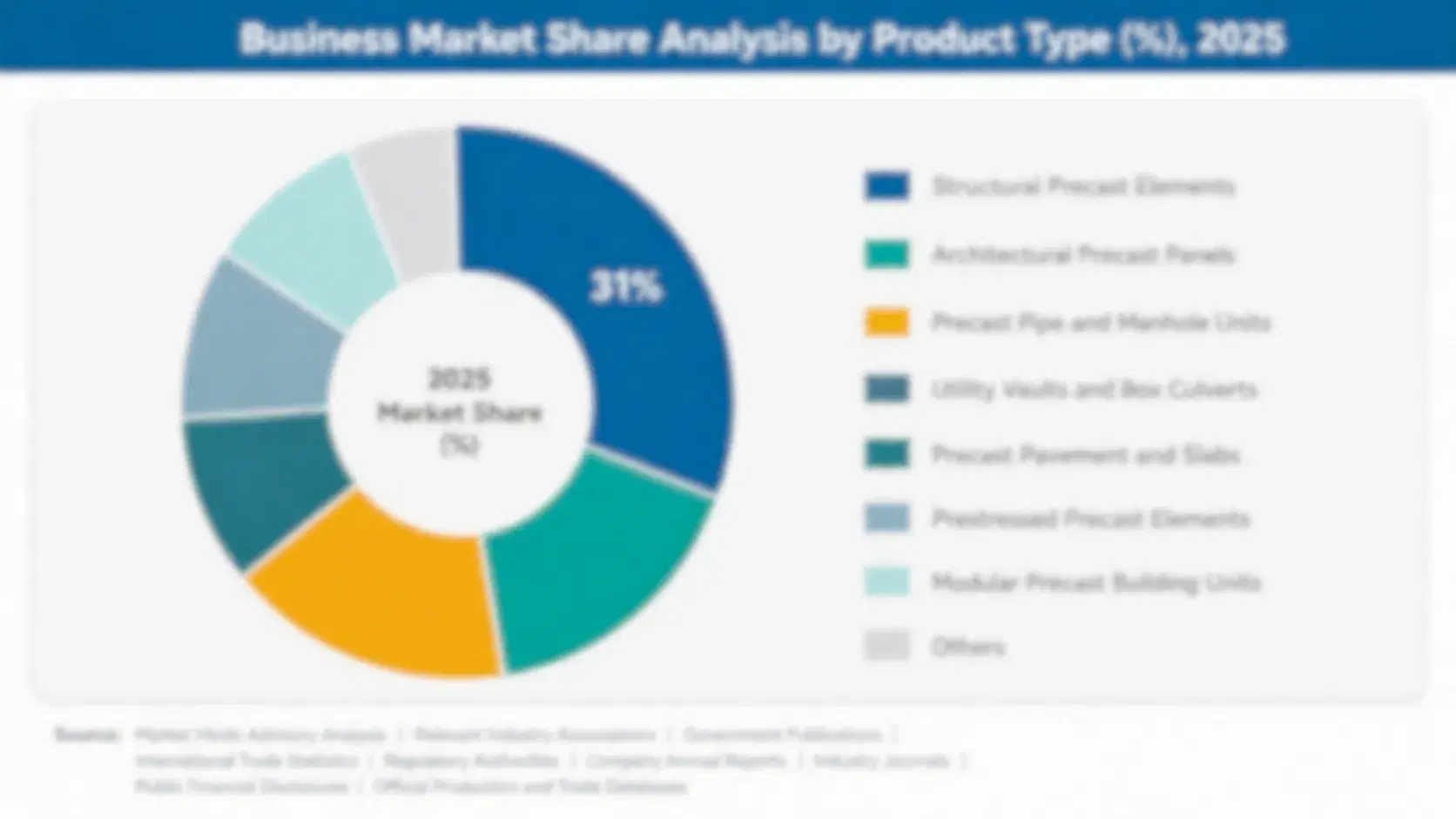
Segment CAGR and Growth Architecture

Low-toxicity heat transfer fluids split along distinct chemistry lines, from bio-based ester formulations through synthetic organic alternatives to molten salt blends used in the highest-temperature applications. Five segments capture these approaches across the defined market scope, and the fastest-growing reflects concentrated solar developers prioritizing permitting certainty over marginal fluid cost differences at the point of fluid selection.
low-toxicity-heat-transfer-fluids-for-renewables-m-market-share-analysis-1791074325617

Bio-Based Ester Fluids for Concentrated Solar Power Plants

Bio-based ester fluids for concentrated solar power plants are growing fastest because developers increasingly treat environmental permitting risk as a core project variable rather than a late-stage procurement afterthought resolved after plant design is largely finalized. These formulations use vegetable oil-derived esters engineered for comparable thermal stability to aromatic synthetics while offering meaningfully lower aquatic toxicity profiles that satisfy tightening environmental discharge permits across key operating regions. Suppliers with proven high-temperature stability data across multiple plant sites are capturing disproportionate share of new specification wins, since developers strongly prefer suppliers with documented field performance histories. This track record advantage compounds over successive project awards as reference lists lengthen. New entrants face a steep climb to compete for marquee project awards.
CAGR 13.1%

Synthetic Organic Low-Aromatic Fluids

Synthetic organic fluids with reduced aromatic content serve as a transitional technology for plants seeking lower toxicity without the full cost premium of bio-based alternatives, offering a middle path between legacy aromatic synthetics and fully bio-based ester formulations. This segment is expanding as plant operators retrofit existing facilities facing new environmental permits but unwilling to absorb the complete cost and qualification burden of switching to bio-based fluids immediately. Adoption remains concentrated among operators managing aging plant fleets where full bio-based conversion is not yet commercially justified given remaining asset life. Pricing for this intermediate tier sits meaningfully closer to legacy fluids than to full bio-based alternatives. Volumes here should decline gradually as full bio-based adoption deepens across the broader market.
CAGR 10.3%
Full segment breakdown across 5 segments available in the complete report.

Regional Architecture and Country Demand Map

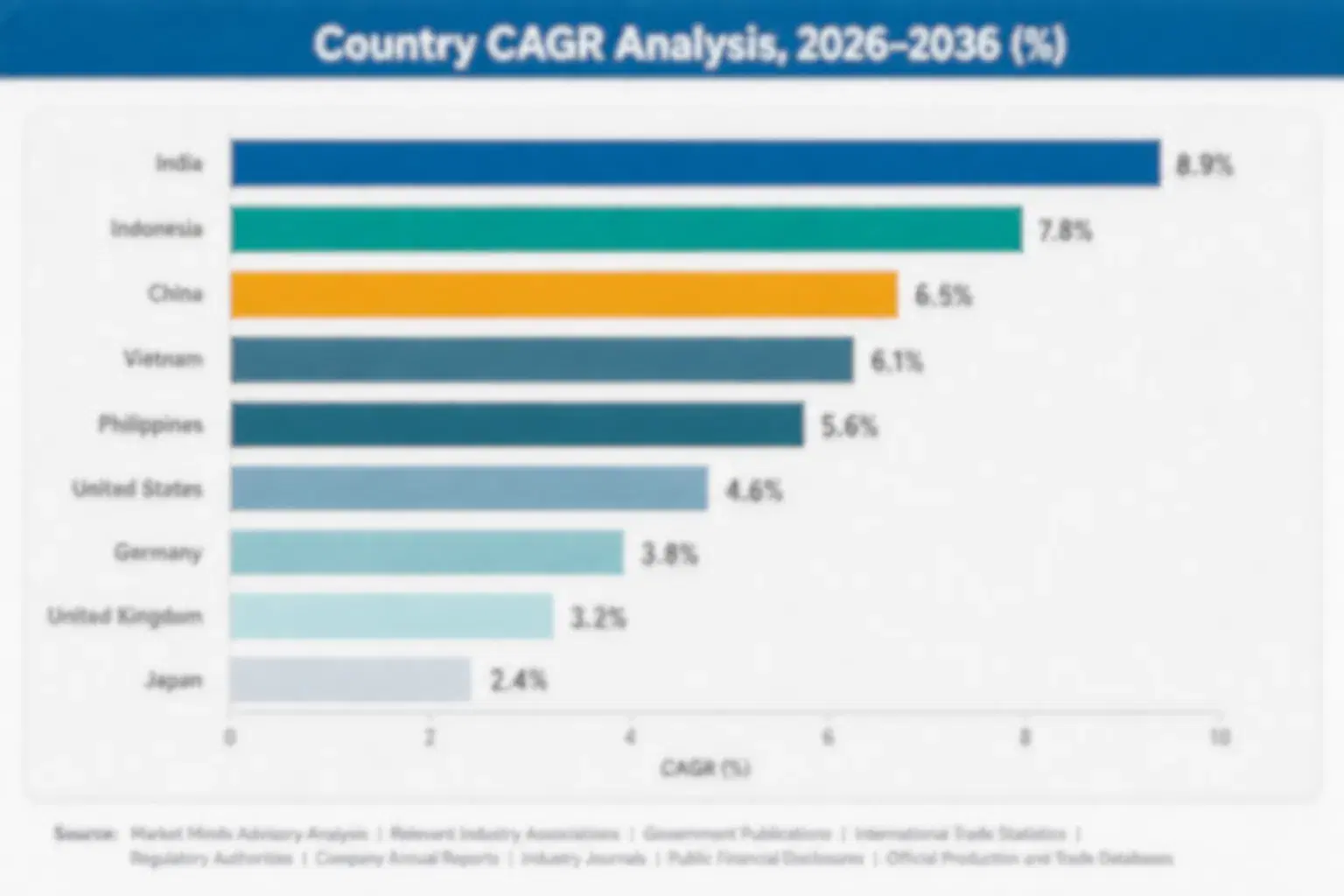
East Asia leads on Chinese concentrated solar buildout and fluid manufacturing scale, while the Middle East, South Asia, and the Pacific collectively command outsized share given where desert solar and geothermal plant construction actually concentrates physically, well ahead of mature but slowing Western European demand.

East Asia

China anchors regional demand through both its rapidly expanding domestic concentrated solar power buildout and its position as a leading global fluid manufacturer supplying export markets across the Middle East and South Asia. Multiple gigawatt-scale Chinese concentrated solar projects are under construction or in advanced planning, each requiring substantial initial fluid charges plus ongoing topping volume once operational. Japan and South Korea contribute smaller but steady geothermal-adjacent demand, drawing on specialized chemical manufacturing capability built over decades of broader industrial fluid production experience. This combination of domestic buildout scale and export manufacturing capability gives East Asia the largest overall market by both volume and installed project count, a lead that continues widening each year.
Share: 27% | CAGR: 10.6% (2026 to 2036)

North America

This puts North America below its typical regional share band, reflecting a concentrated solar plant fleet that is mature and largely built out, with most legacy Southwestern United States facilities already operating on established fluid supply contracts rather than generating substantial new demand. Geothermal binary cycle expansion in California and Nevada adds a modest secondary demand channel, though at considerably smaller scale than the concentrated solar buildout occurring in China and the Middle East today. Canada contributes minimal direct demand given its limited solar thermal resource base. Growing interest in next-generation geothermal technologies could eventually lift this share, though meaningful volume remains several years away from materializing at scale. Activity remains concentrated among a handful of established operators.
Share: 16% | CAGR: 10.2% (2026 to 2036)
Regional intelligence for 5 additional markets available in the complete report: Western Europe, South Asia and Pacific, Latin America, Middle East and Africa, Eastern Europe. Contact sales@marketmindsadvisory.com.
low-toxicity-heat-transfer-fluids-for-renewables-m-country-cagr-analysis-1791074325802

Where Thermal Fluid Margins Concentrate

Fluid sale margins concentrate around documented toxicity and high-temperature stability data rather than raw production scale, rewarding suppliers who can demonstrate proven performance across multiple plant sites, climates, and regulatory jurisdictions over time. Two levers stand out as the clearest paths to durable margin capture over the forecast period for established fluid suppliers today.

Build Documented Insurance Underwriting Partnerships Early

Suppliers that develop direct relationships with renewable energy insurance underwriters capture a disproportionate share of new plant specifications, where developers pay a premium of 20 to 30% over unproven fluids for the reduced insurance premium and coverage certainty documented underwriting partnerships provide. This advantage compounds steadily over time, since insurers increasingly steer plant operators toward fluids carrying established, well-documented underwriting track records rather than treating all low-toxicity alternatives as commercially interchangeable options absent documented performance history, actual premium pricing data, and prior claims experience standing behind each individual fluid choice.
Market Impact: Cuts insurance premiums 15 to 20% in total

Expand High-Temperature Field Performance Data Programs

Suppliers that invest in long-term field performance monitoring at operating concentrated solar plants capture materially higher specification win rates on new high-temperature trough and tower designs than suppliers lacking comparable data. This requires sustained investment of 2 to 4 million dollars in field sampling and degradation analysis across multiple plant sites over several years, a capability that smaller suppliers often lack the resources to build independently. Suppliers with established field data programs are increasingly difficult for new entrants to displace once embedded in developer qualification processes and preferred supplier lists across multiple long-standing developer account relationships over successive project cycles.
Market Impact: Lifts win rate 25 to 35 points higher

Who Controls the Margin Pool

The competitive field is moderately concentrated, with a CR5 of 46% on reported fluid revenue reflecting the limited number of chemical majors with proven high-temperature formulation depth at scale. Eastman and Dow lead on decades of synthetic fluid chemistry experience, creating a meaningful gap between the leaders and challengers like Huntsman and Croda, who compete more on bio-based formulation innovation than legacy synthetic fluid manufacturing scale.
Current competitive activity centers on bio-based ester formulation expansion, as suppliers race to build documented high-temperature stability data capable of winning mandated retrofit contracts across Europe, China, and the Gulf. Several players are also deepening direct relationships with insurance underwriters, aiming to position their fluids as the lower-risk default option rather than competing purely on thermal performance specifications alone.

Rankings are most likely to shift where Chinese suppliers like Sinopec Thermal Fluids continue narrowing the formulation gap with Western incumbents on bio-based ester chemistry while maintaining a meaningful cost advantage. Insurance-driven fluid selection is emerging as a separate competitive battleground where traditional synthetic fluid specialists face real pressure from newer entrants focused specifically on documented toxicity and liability risk reduction.
low-toxicity-heat-transfer-fluids-for-renewables-m-company-positioning-matrix-1791074325983

Competitive Moat and Risk Dimensions

EASTMAN CHEMICAL

Moat: Decades of Synthetic Fluid Data

Eastman's Therminol product line carries decades of documented high-temperature performance data across hundreds of concentrated solar and industrial installations, giving it a breadth of reference projects that newer bio-based entrants cannot match for the largest, most risk-sensitive plant developments requiring extensive insurance underwriting documentation. This history also gives Eastman preferred status in large government-linked procurement processes.
EASTMAN CHEMICAL

Risk: Legacy Synthetic Chemistry Exposure

Eastman's core product portfolio remains weighted toward aromatic synthetic chemistry facing increasing regulatory and insurance pressure, requiring continued investment in lower-toxicity reformulation to avoid ceding share to newer bio-based specialists better positioned for the current regulatory direction. Several major customers are already evaluating alternative suppliers for their next plant generation.
CRODA INTERNATIONAL

Moat: Bio-Based Formulation Leadership

Croda's specialization in bio-based ester chemistry positions it well ahead of legacy synthetic fluid incumbents on the fastest-growing segment of this market, using decades of broader oleochemical formulation expertise that most synthetic fluid competitors lack entirely. This positioning is becoming increasingly valuable as insurance underwriting standards tighten further across every major market.
CRODA INTERNATIONAL

Risk: Limited High-Temperature Track Record

Croda has a shorter commercial track record at the highest operating temperatures used in trough and tower concentrated solar designs compared to Eastman and Dow, a gap that could slow specification wins on the largest and most demanding new plant projects until more field data accumulates.

Players Tracked

Prominent Players

Eastman Chemical
Dow
Solutia (Eastman)
Huntsman Corporation
Croda International

Other Key Players

BASF
Clariant
Paratherm
Dynalene
Global Heat Transfer
Chemtura
Sinopec Thermal Fluids
Jiangsu Yankuang Chemical
Shandong Dawn Chemical
PetroChina Specialty Chemicals
Radco Industries
Multitherm
Duratherm
Therminol (Eastman)
Lanxess

Recent Developments

FEBRUARY 2026

Croda International acquired a specialized bio-based fluid formulation firm based in the Netherlands, adding high-temperature stability testing capability aimed at expanding its share of concentrated solar plant contracts across Europe and the Middle East requiring the most rigorous documented performance data available in the market today.
Signal: Confirms acquisition remains the preferred route into specialized high-temperature testing capability rather than slower internal research and development timelines alone.
OCTOBER 2025

Eastman Chemical entered a supply agreement with a major Moroccan concentrated solar developer to provide reformulated lower-toxicity fluid for a new plant project, combining Eastman's global engineering standards with region-specific environmental permitting requirements that local regulators increasingly enforce across new project permitting applications submitted this year.
Signal: Signals growing willingness among legacy fluid suppliers to reformulate rather than cede share to newer competitors.

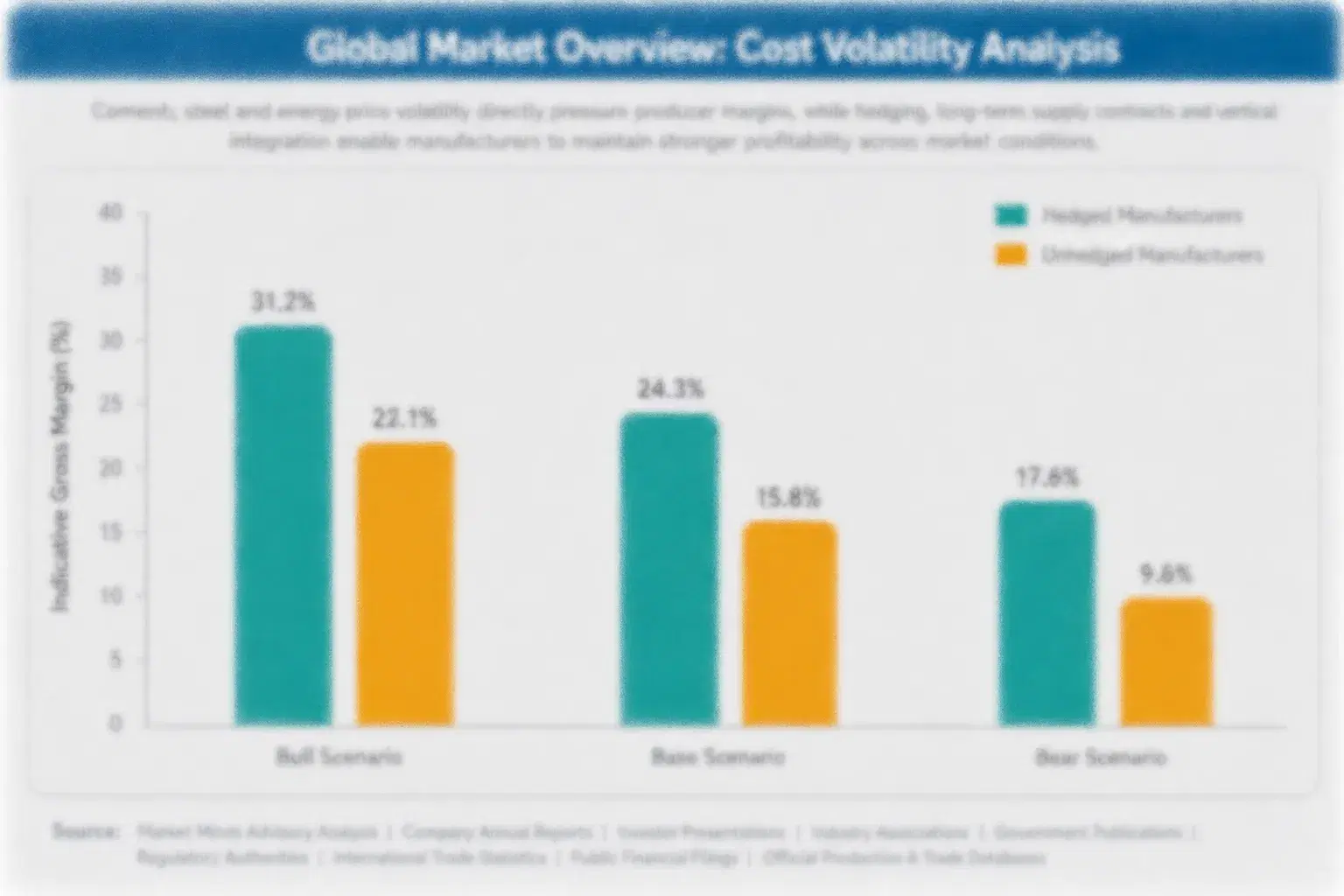
Vegetable Oil Feedstock Cost Exposure

Vegetable oil feedstocks and specialty ester additives account for roughly 44% of direct manufacturing cost of goods sold for bio-based heat transfer fluids, sourced primarily from palm, soybean, and rapeseed oil producers concentrated in Indonesia, Malaysia, the United States, and the European Union. Specialty catalyst and antioxidant additives add a further meaningful cost share, subject to the same agricultural commodity volatility affecting broader oleochemical manufacturing.
Palm oil prices spiked sharply during 2021 and 2022 following Indonesian export restrictions and adverse weather affecting regional harvests, a disruption documented in IEA biofuel feedstock reporting and corroborated by Croda International annual report disclosures citing higher raw material costs during that period. Suppliers that had not locked in multiyear feedstock supply contracts faced the sharpest margin compression, with some smaller formulators reporting delayed deliveries tied directly to feedstock shortages.

This cost exposure creates a durable competitive disadvantage for smaller formulators lacking the purchasing scale to negotiate multiyear feedstock supply agreements, forcing them to pass through volatility to plant developers faster than larger rivals with diversified sourcing. Exposure also varies by geography, since suppliers sourcing feedstock domestically in Southeast Asia face less currency and freight risk than those importing vegetable oil into other manufacturing regions.
low-toxicity-heat-transfer-fluids-for-renewables-m-cost-volatility-analysis-1791074326177

Multiyear Vegetable Oil Supply Contracts

Suppliers are increasingly locking multiyear fixed-volume contracts with palm and soybean oil producers, trading some pricing flexibility for protection against the kind of sharp 2021 and 2022 style feedstock spikes that compressed smaller competitors' margins the most severely during that volatile period. This approach provides budget predictability that smaller competitors without comparable purchasing scale cannot easily replicate.

Feedstock Diversification Across Oil Types

Several large suppliers are diversifying feedstock sourcing across palm, soybean, and rapeseed oil to reduce dependence on any single crop and region, limiting exposure to localized weather events, export restrictions, or disease outbreaks affecting any one specific agricultural commodity market. This diversification strategy requires maintaining qualification across multiple feedstock chemistries simultaneously, adding modest formulation complexity.

Portfolio Architecture for Margin Defence

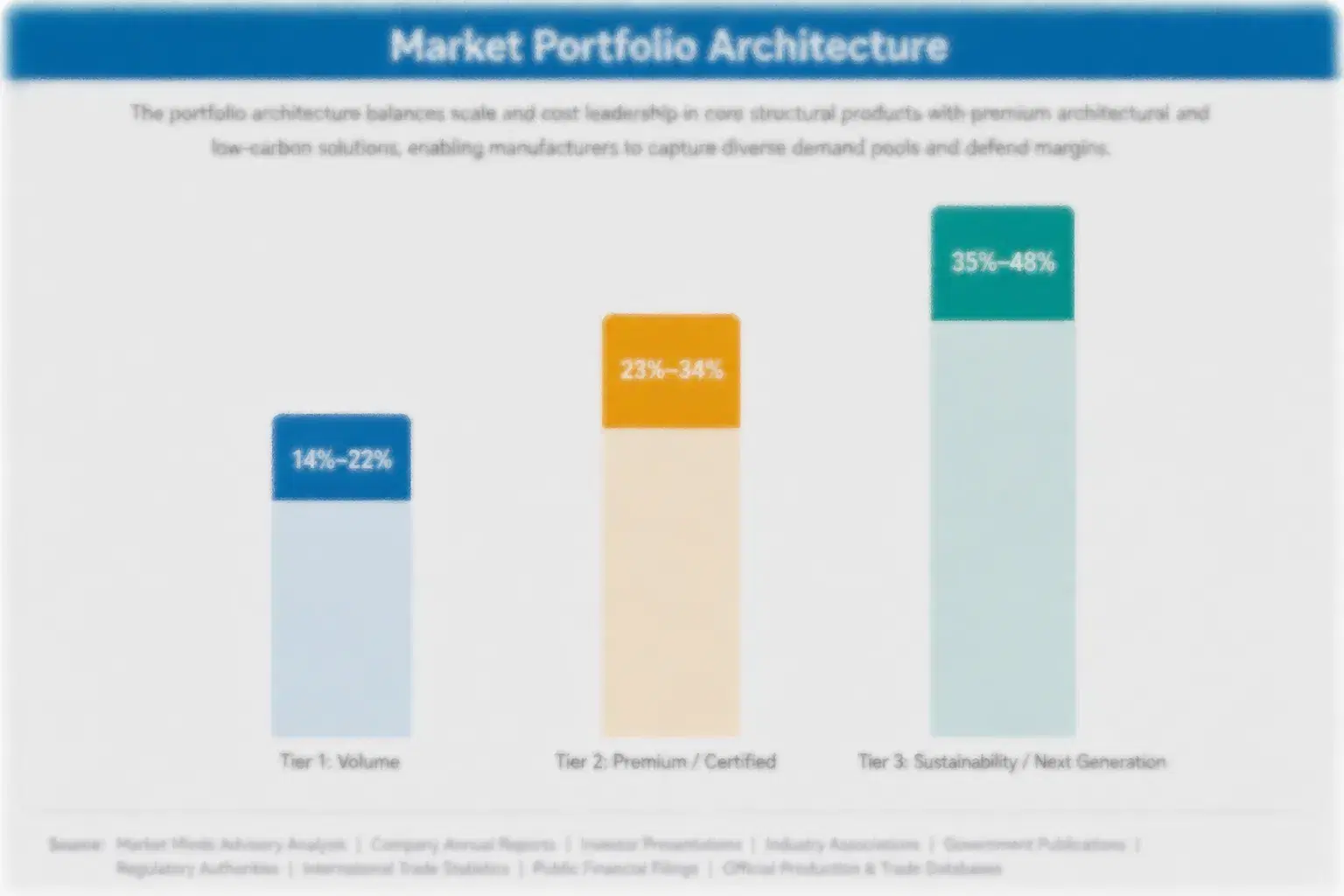
Low-toxicity heat transfer fluid margin economics split sharply across three tiers, from commodity synthetic organic fluids through certified low-aromatic blends to premium bio-based ester formulations. The gap between tiers has widened as insurance underwriting and permitting pressure push more volume toward the highest-margin low-toxicity technologies, reshaping where suppliers should concentrate capital and formulation investment going forward. Volume-tier suppliers face the steepest margin pressure.
Volume-tier synthetic organic fluids carry gross margins around 20 to 28%, reflecting intense price competition among numerous suppliers offering largely interchangeable aromatic chemistry with minimal differentiation. Premium certified low-aromatic blends earn 32 to 42% margins, rewarding suppliers with proven high-temperature stability data and documented environmental performance that smaller rivals struggle to replicate at comparable scale. Pricing power flows to suppliers documenting reliability.

The highest-value pools concentrate in bio-based ester formulations with full insurance underwriting documentation, where margins reach 42 to 56% given the formulation complexity and limited supplier base capable of meeting the strictest environmental and liability standards. This volume versus premium tension increasingly determines which suppliers thrive, as those stuck competing in the commodity tier face eroding returns even as overall plant construction volume continues growing.

Standard synthetic organic fluids sold largely on price, carrying gross margins around 20 to 28% amid intense competition and minimal differentiation across most supplier offerings currently available. Competition here is driven largely by cost rather than meaningful engineering differentiation of any kind.
Gross Margin

Certified low-aromatic blends with documented high-temperature stability records, earning 32 to 42% gross margins from established suppliers with proven environmental performance data over many years. These suppliers increasingly dominate new plant specification wins across major operating regions worldwide.
Gross Margin

Bio-based ester formulations with full insurance underwriting documentation commanding 42 to 56% margins given formulation complexity and a limited qualified supplier base able to meet the strictest standards. These formulations represent the newest and most technically demanding category currently in the market.
Gross Margin
low-toxicity-heat-transfer-fluids-for-renewables-m-portfolio-architecture-1791074326375

High-value Sub-segments and Strategic Watch-out

Bio-Based Ester Fluids for Concentrated Solar Power Plants

High-value and fastest-growing, driven by expanding insurance underwriting requirements and permitting mandates pushing default specification of low-toxicity designs across new concentrated solar plants entering construction today. Suppliers with proven multi-plant delivery records are capturing most of this strong growth opportunity. Orderbooks for qualified suppliers extend years into the future already.

Synthetic Organic Low-Aromatic Fluids

High-value with moderate but steady growth, anchored by plant operators seeking lower toxicity without the full cost premium of bio-based alternatives during active retrofit decisions now. Adoption remains concentrated among operators managing aging fleets facing new permits but limited budgets. Pricing sits closer to legacy fluids than full bio-based alternatives.

Legacy Aromatic Synthetic Fluids

Volume core of the market today, serving cost-sensitive plants where regulatory pressure remains modest and price competition keeps margins compressed across most supplier bids submitted for new contracts. Chinese suppliers are steadily narrowing the quality gap on these standard commodity formulations today. Margins here remain the thinnest across the category.

Molten Salt Thermal Transfer Blends

Strategic watch-out as this high-temperature alternative technology could capture share from both ends of the thermal fluid market depending on how tower-design concentrated solar economics evolve going forward. Early movers in this niche could establish lasting technical specification leadership over rivals. This remains an early-stage niche worth monitoring closely.

Plant-Life Specification Economics

Low-toxicity heat transfer fluid demand runs on plant-life specification economics rather than frequent repeat purchase, since a fluid choice is locked in at commissioning and then supplies the entire topping and replacement volume for a plant's twenty-five to thirty-year operating life. Once a developer selects a fluid supplier during construction, that relationship typically holds through decades of subsequent operation, giving incumbent suppliers rare long-term revenue visibility.
Adoption stickiness varies sharply by end-use vertical. Concentrated solar plant operators rarely switch fluid suppliers mid-operation, since requalification carries real cost and insurance risk that few asset managers want to absorb once a plant is generating revenue. Geothermal operators switch more readily between projects, often weighting price and delivery reliability over deep formulation history, since their secondary loop applications carry less application-specific complexity than high-temperature concentrated solar systems.

A generational shift in buyer profiles is underway as plant engineering teams increasingly weight documented insurance underwriting data and toxicity profiles more heavily than predecessors did, favoring suppliers that can demonstrate verified environmental performance over time. Younger asset managers also rely more on digital monitoring platforms that flag fluid degradation and compliance risk automatically, shifting purchasing influence toward documented, data-driven supplier comparisons.
low-toxicity-heat-transfer-fluids-for-renewables-m-end-use-penetration-index-1791074326559

The MMA Verdict

These are among the four positions where our research anticipates prominent divergence between winners and laggards over the coming forecast period. Each is grounded in the demand model, the regulatory perimeter, and the announced capacity pipeline.
01 / INSURANCE PARTNERSHIP INVESTMENT

Build direct underwriter relationships before rivals do

Documented insurance underwriting partnerships, not raw production scale, are what determine access to the fastest-growing bio-based segment of this market through the forecast period. Suppliers lacking proven underwriting relationships today are already losing specification wins to competitors with documented premium reduction data, and that gap widens as insurers tighten standards further across every major operating jurisdiction. Building this capability now should be the first priority for any supplier targeting durable share gains across every major plant category and region served.
02 / HIGH-TEMPERATURE DATA EXPANSION

Invest in long-term field performance monitoring now

High-temperature field performance data represents a genuine competitive advantage on the most demanding trough and tower plant designs, and suppliers without multi-site monitoring programs risk ceding specification entirely to competitors already offering documented degradation data. Suppliers should pursue field data investment now rather than waiting for developers to mandate it, since early movers are already capturing premium pricing on documented reliability. Delaying this investment risks permanent competitive disadvantage in the fastest-growing plant categories, where developers increasingly treat documentation as a baseline bid requirement.
03 / BIO-BASED CAPACITY INVESTMENT

Expand vegetable oil feedstock sourcing and processing capacity

Suppliers with diversified feedstock sourcing hold a durable advantage in bio-based ester production that competitors dependent on a single crop or region cannot easily replicate, since weather and export disruptions hit concentrated sourcing hardest. Suppliers should prioritize feedstock diversification across palm, soybean, and rapeseed oil rather than optimizing for lowest-cost single sourcing alone. This resilience increasingly separates reliable suppliers from those exposed to sudden margin shocks whenever agricultural commodity volatility strikes unexpectedly across any single sourcing region or growing season.
04 / CHINESE COMPETITION RESPONSE

Compete on documented performance, not price alone

Chinese suppliers' cost advantage in bio-based ester formulation is rooted in lower labor and feedstock processing costs and is unlikely to close through pricing alone, so established producers competing purely on price in that tier are fighting for a shrinking, thinning-margin pool of business. The more durable path is competing on documented high-temperature stability and insurance underwriting relationships where unit cost matters less than proven reliability. Chasing commodity volume defensively drains resources better spent building certified capacity and deeper underwriting relationships instead, where margins hold up far better over time.

Engagement Snapshot From the Field

A live engagement with an industry participant carrying material or product regulatory and market exposure ahead of a defining policy shift, showing how our research translates into a defensible multi-year portfolio strategy.
MARKET MINDS ADVISORY · CLIENT ENGAGEMENT SUMMARY
Low-Toxicity Heat Transfer Fluids for Renewables Producer Strategic Portfolio Review and Transition Roadmap 2026·Investment Scenario on Low-Toxicity Heat Transfer Fluids for Renewables Exposure Evaluation 2025-26
CLIENT PROFILE
The client is a regional concentrated solar power developer planning a new 150-megawatt trough plant in the Gulf, with total project financing exceeding one billion dollars (client-reported, unverified by MMA). The company needed to finalize heat transfer fluid selection before closing construction financing, since its lead insurance underwriter required documented fluid toxicity and performance data as a condition of coverage.
STRATEGIC CHALLENGE
The client's engineering team favored a legacy aromatic synthetic fluid with decades of high-temperature performance data, while its sustainability and risk teams pushed for a bio-based alternative to secure better insurance terms and satisfy lender environmental requirements. Internal disagreement threatened to delay financial close, and the client needed an independent, data-grounded recommendation quickly.
MMA APPROACH
MMA conducted structured interviews with six qualified fluid suppliers, benchmarking documented high-temperature stability data, insurance underwriter acceptance, and current production capacity against the client's construction timeline. The team modeled insurance premium differentials across fluid options using MMA's primary survey dataset covering comparable Gulf region plant financings to quantify the total cost tradeoff before the client made its final decision.
KEY FINDINGS
  1. The bio-based alternative carried an insurance premium roughly 18% lower than the legacy synthetic fluid option across comparable coverage terms. over the project's expected operating life.
  2. Three of six suppliers evaluated lacked sufficient high-temperature trough design data to satisfy the lead underwriter's documentation requirements fully. within the available project timeline.
  3. The bio-based fluid's higher unit cost was more than offset by the insurance premium reduction over a ten-year coverage horizon. given current pricing and coverage terms.
  4. Suppliers with prior Gulf region project references quoted meaningfully faster underwriter approval timelines than suppliers lacking comparable regional experience. given their established track record there.
CLIENT PROFILE
The client is a regional concentrated solar power developer planning a new 150-megawatt trough plant in the Gulf, with total project financing exceeding one billion dollars (client-reported, unverified by MMA). The company needed to finalize heat transfer fluid selection before closing construction financing, since its lead insurance underwriter required documented fluid toxicity and performance data as a condition of coverage.
STRATEGIC CHALLENGE
The client's engineering team favored a legacy aromatic synthetic fluid with decades of high-temperature performance data, while its sustainability and risk teams pushed for a bio-based alternative to secure better insurance terms and satisfy lender environmental requirements. Internal disagreement threatened to delay financial close, and the client needed an independent, data-grounded recommendation quickly.
MMA APPROACH
MMA conducted structured interviews with six qualified fluid suppliers, benchmarking documented high-temperature stability data, insurance underwriter acceptance, and current production capacity against the client's construction timeline. The team modeled insurance premium differentials across fluid options using MMA's primary survey dataset covering comparable Gulf region plant financings to quantify the total cost tradeoff before the client made its final decision.
KEY FINDINGS
  1. The bio-based alternative carried an insurance premium roughly 18% lower than the legacy synthetic fluid option across comparable coverage terms. over the project's expected operating life.
  2. Three of six suppliers evaluated lacked sufficient high-temperature trough design data to satisfy the lead underwriter's documentation requirements fully. within the available project timeline.
  3. The bio-based fluid's higher unit cost was more than offset by the insurance premium reduction over a ten-year coverage horizon. given current pricing and coverage terms.
  4. Suppliers with prior Gulf region project references quoted meaningfully faster underwriter approval timelines than suppliers lacking comparable regional experience. given their established track record there.
RECOMMENDED STRATEGY
Phase 1: Select the bio-based fluid supplier with the strongest documented underwriter acceptance record rather than the lowest initial unit cost bid. Phase 2: Negotiate insurance premium terms directly tied to the selected fluid's documented toxicity profile before finalizing construction financing commitments. before signing any related agreements. Phase 3: Require the selected supplier to provide ongoing field performance monitoring data throughout the plant's operating life as a contractual condition.
OUTCOME
The client selected the bio-based fluid supplier and reported securing construction financing on schedule with insurance terms meaningfully better than the legacy synthetic fluid scenario would have achieved, closing financing within the original project timeline (client-reported, unverified by MMA). Lenders cited the documented fluid data as a factor in their favorable terms.

Frequently Asked Questions

Foundational context covering the market sizes, CAGR, scope, country, region and competition that inform every finding below. This section is provided to cover basics and most often pre-purchase conversations, answered from the MMA Primary Research Dataset.

What is the current size of the Low-Toxicity Heat Transfer Fluids for Renewables Market?

The Low-Toxicity Heat Transfer Fluids for Renewables Market is valued at $1.85 billion in 2025. This base figure covers synthetic and bio-based thermal fluids used in concentrated solar and geothermal plant applications.

How large will the Low-Toxicity Heat Transfer Fluids for Renewables Market be by 2036?

MMA projects the market will reach $4.97 billion by 2036. That represents a 2.46x expansion over the 2026 base as insurance underwriting and permitting pressure both intensify.

What is the CAGR for the Low-Toxicity Heat Transfer Fluids for Renewables Market 2026 to 2036?

The market is forecast to grow at a 9.4% CAGR between 2026 and 2036. The bull case reaches 10.7% while the bear case falls to 8.1%, tied to global renewable capital spending.

Which segment is growing fastest?

Bio-Based Ester Fluids for Concentrated Solar Power Plants lead at a 13.1% CAGR, roughly 1.39 times the overall market rate. Synthetic organic low-aromatic fluids follow as the second-fastest category.

Who are the major companies in the Low-Toxicity Heat Transfer Fluids for Renewables Market?

Leading suppliers include Eastman Chemical, Dow, Solutia, Huntsman Corporation, and Croda International. These five hold a combined CR5 of 46% on reported fluid revenue industry-wide.

Which country is growing fastest?

China is the fastest-growing major market at an 11.4% CAGR. Aggressive domestic concentrated solar buildout and expanding fluid export manufacturing capacity are the primary drivers behind this pace.

Report Segmentation Architecture

The full report scope spans multiple orthogonal segmentation dimensions, with cross-tabulated demand data provided for each dimension pair. Coverage extends further to regional breakdowns, trend trajectories, and the competitive detail needed to support segment-level decision-making.
  • Bio-Based Ester Fluids for Concentrated Solar Power Plants
  • Synthetic Organic Low-Aromatic Fluids
  • Legacy Aromatic Synthetic Fluids
  • Molten Salt Thermal Transfer Blends
  • Silicone-Based Heat Transfer Fluids
  • Concentrated Solar Power Generation
  • Geothermal Binary Cycle Power Generation
  • Solar Thermal Industrial Process Heat
  • Renewable District Heating Networks
  • Original Plant Charge Supply
  • Topping and Replacement Fluid Sales
  • Field Performance Monitoring Service Contracts

By Region

  • North America
  • East Asia
  • Western Europe
  • South Asia and Pacific
  • Latin America
  • Middle East and Africa
  • Eastern Europe

Scope, Methodology, and Coverage

Every figure in this report is reproducible from documented input assumptions. The scope below maps the historical period, the forecast horizon, the segmentation dimensions, and the countries covered, alongside the underlying primary and qualitative methodology.
Historical Period
2020 to 2025
Forecast Period
2026 to 2036
Base Year
2025 (USD billions; MMA Primary Research Dataset, October 2026)
Market Definition
The Low-Toxicity Heat Transfer Fluids for Renewables Market covers synthetic and bio-based thermal fluids engineered for reduced environmental and human toxicity in concentrated solar power and geothermal plant applications. It excludes conventional aromatic synthetic fluids and industrial process heating fluids outside renewable generation.
Quantitative Units
USD billions (current prices); CAGR in percent
Segmentation Dimensions
By Fluid Chemistry; By End-Use Industry; By Commercial Dimension; By Region
Regions Covered
North America, East Asia, Western Europe, South Asia and Pacific, Latin America, Middle East and Africa, Eastern Europe
Countries Covered
China, USA, Spain, Morocco, UAE, Saudi Arabia, India, Indonesia, Kenya, Chile, Mexico, Australia, New Zealand, Germany, France, Italy, Poland, South Africa
Key Companies Profiled
Eastman Chemical, Dow, Solutia (Eastman), Huntsman Corporation, Croda International, BASF, Clariant, Paratherm, Dynalene, Global Heat Transfer, Chemtura, Sinopec Thermal Fluids, Jiangsu Yankuang Chemical, Shandong Dawn Chemical, PetroChina Specialty Chemicals, Radco Industries, Multitherm, Duratherm, Therminol (Eastman), Lanxess
Quantitative Methodology
Primary survey, n=3,800 respondents, Q4 2025, six countries; demand-side model with trade association cross-validation
Qualitative Methodology
47 expert interviews, Q4 2025; applied to validate demand model assumptions, identify emerging dynamics, and assess competitive positioning
Report Format
PDF and XLSX data workbook (Word format preview document)
Publisher
Market Minds Advisory
Report Code
MMA-2026-ENE-148
Published
October 2026
Contact
sales@marketmindsadvisory.com | www.marketmindsadvisory.com

Purchase the full Low-Toxicity Heat Transfer Fluids for Renewables Market Report (2026 to 2036).

This report delivers a complete sizing, segmentation, and competitive assessment of the global low-toxicity heat transfer fluids for renewables market through 2036. It covers demand drivers across concentrated solar power and geothermal plant applications, alongside the shift from legacy aromatic synthetics toward bio-based ester formulations, with detailed regional analysis spanning all seven major world regions. Competitive profiling includes twenty leading suppliers assessed on a consistent revenue basis, with detailed input cost and portfolio margin analysis supporting capital allocation decisions. The analysis draws on primary survey data, expert interviews, and company disclosures gathered throughout 2025 and 2026.
Seven-region demand sizing data through 2036
Five-segment MECE market breakdown framework included
Twenty-company competitive benchmarking and risk profiling
Vegetable oil feedstock cost exposure analysis included
Three-tier portfolio margin analysis framework included
Anonymized client case study with measured outcomes

Built For The People Who Decide

From boardroom strategy to bench-side execution, this report is read cover-to-cover by leaders shaping the next decade of their industry, turning demand scenarios, market dynamics and valuation benchmarks into decisions.
CXOs/ Presidents/ VPs/ Managers
M&A and Corporate Development
Strategy Teams and R&D Heads
Procurement and Product Directors
Regulatory and Compliance Leaders
Investor Relations and Equity Analysts