Market Minds Advisory
Low Calorie Cookies Market

Low Calorie Cookies Market: Low Calorie Cookies Market. Sugar Replacement, Portion Control, and Protein Enrichment Reshape Diet-Conscious Snacking.

Low calorie cookies promise indulgence with fewer calories, but sugar replacement taste, texture loss, warning label rules, and GLP-1 driven portion discipline decide which bakers turn diet-conscious shoppers into repeat buyers across channels.

Lead Analyst

Published

September 2026

Make Smarter Decisions with Customized Research Insights

Request a free sample report and evaluate market opportunities, growth trends, and competitive dynamics relevant to your business needs.

2025 MARKET VALUE$2.4BMarket Size 2025
2036 FORECAST VALUE$4.7BBase Case , 2026 to 2036
CAGR 2026 TO 20366.2 %Bull 7.5% / Bear 4.9%
INCREMENTAL OPPORTUNITY$2.1BNet 10- year value creation
EXPANSION MULTIPLE1.82x2036 value over 2026 base
Strategic Levers
M&A Pipeline
Regional Outlook
Country Rankings
Competitive Intelligence
Segmental Deep-dive
Call-Us : 91 93563 13602

Executive Snapshot and Market Trajectory.

Shoppers cut calories more often than they cut cookies, and that gap is the whole market. Low calorie cookies replace sugar, fat, and dough mass to reach about 100 calories a serving, and they sell only when the bite still tastes like a real cookie. Texture decides everything.
Protein-enriched light cookies grow fastest, because whey, milk protein, and pulse flours let brands cut sugar while keeping bulk and satiety, while portion-controlled mini cookies follow as pack size becomes the simplest calorie lever. North America holds the largest share, since weight management habits, GLP-1 users, and diet snack aisles concentrate there, with Western Europe and East Asia following. India leads country growth. Online brands add trial. Supply stays tight.
The industry is fragmented, with global biscuit groups, diet specialists, and private labels competing on sugar reduction skill, taste parity, and shelf placement. Front-of-pack warning rules in Chile and Mexico, UK high fat sugar salt limits, and sweetener labelling reshape recipes, while polyol tolerance and bitter aftertaste keep reformulation costs high for smaller brands. Retailers ask for evidence. Copies arrive fast. Mid-sized brands buy scale through co-manufacturers. Evidence matters, and retailers now demand it.
Market Definition
Low calorie cookies comprise baked cookies and biscuits formulated or portioned to deliver materially fewer calories than conventional equivalents, including reduced-sugar, reduced-fat, portion-controlled, protein-enriched light, aerated and thin-baked, and fibre-bulked light cookies, sold through retail, online, cafe, and vending channels. The scope excludes meal-replacement bars, diabetic-specific bakery claims, gut health cookies, and unsweetened crackers.
Base Year Value
$2.4B in 2025 (MMA Primary Research Dataset, September 2026)
Forecast Period
2026 to 2036, eleven discrete annual values
CAGR
6.2% base case. Bull 7.5%. Bear 4.9%.
Fastest Growth Segment
Protein-Enriched Light Cookies: 9.1% CAGR
Fastest Growth Country
India: 9.4% CAGR
Fastest Growth Region
South Asia and Pacific: 8.3% CAGR
Largest Region
North America: 36% of 2025 global value
Market Leaders
Mondelez International, Pladis, Kellanova, Grupo Bimbo, Lotus Bakeries. Source: MMA Analysis, company annual reports.
Primary Survey
n=3,800 procurement and R&D decision-makers, Q4 2025, six countries
Methodology
Demand-side build-up, cross-validated against public data, 47 expert interviews

Low Calorie Cookies Market Forecast Scenarios

low-calorie-cookies-market-size-forecast-scenario-1789786241581
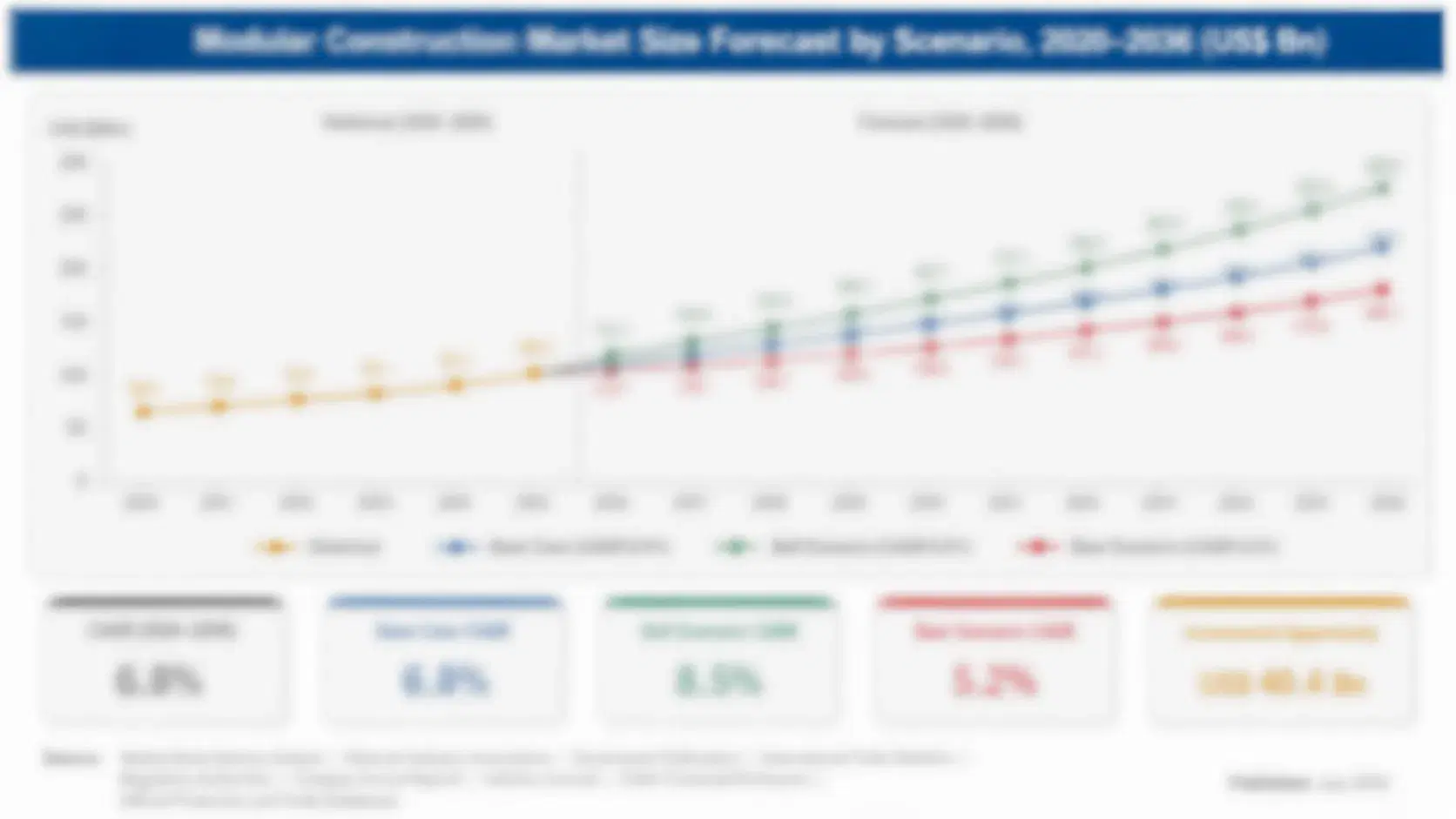
From 2020 to 2025, low calorie cookies moved from diet-aisle niche to a mainstream shelf tier. Sugar tax pressure, calorie labelling on menus, and pandemic weight gain drove early trial, while taste complaints kept repeat rates modest. Growth ran slightly below today's pace, and reformulation, not new demand, filled most of the increase. Volumes followed shelf space.
The base case rests on three mechanisms. First, warning label laws push large brands to cut sugar across whole ranges, not single products. Second, GLP-1 users buy smaller, protein-dense snacks in volume. Third, retailers give portion packs of 100 calories or less permanent shelf space. Each mechanism compounds slowly, so the base case avoids any single breakout year. Brands treat each as a planning input, and the rate stays close to mid single digits throughout the decade.
The bull case needs a broad sweetener approval, such as wider allulose acceptance in Europe, that removes the aftertaste penalty and lifts repeat purchase. The bear case is a sweetener safety scare or a sharp cocoa and butter price spike that forces brands to raise prices, which diet shoppers punish quickly by trading down to standard cookies.

Taste Parity at 100 Calories Decides Light Cookie Winners

Low calorie cookies reach their calorie targets by four routes: replacing sugar with sweeteners, polyols, and fibres, cutting fat with oat and fibre binders, adding protein to reduce dough mass, and shrinking the portion itself. Each route trades away something, whether sweetness, mouthfeel, or price, and the winning formulations hide the trade well enough that shoppers never notice it. Small changes in balance shift repeat rates.
MARKET CONCENTRATION24% CR5Leading five brands hold a modest combined share
CALORIES PER SERVING100 kcalTypical serving energy for leading low calorie cookie lines
PRICE PREMIUM35%Light cookies sell above standard cookies per kilogram
SUGAR REDUCTION DEPTH40%Average sugar cut versus conventional recipes in reformulated ranges
PRIVATE LABEL SHARE21%Portion of category sales held by retailer own brands
PORTION PACK SHARE33%Portion of unit sales sold in individually wrapped packs
Bulk sweeteners such as erythritol and allulose behave differently in dough, so bakers tune spread, colour, and crispness for every recipe. Contract manufacturers with pilot ovens and sensory panels win share because reformulation cycles run six to nine months. Large groups spread that cost across hundreds of products, while small diet brands carry it on a handful of lines. Pilot lines and trial batches cut launch risk noticeably.
Retail listings reward proof. Buyers ask for calorie claims that survive audit, tolerance data for polyols, and stable supply across promotions. Private labels copy successful lines within a year, which caps premiums outside protein and portion formats, and it pushes branded players toward claim evidence and packaging design rather than price. Evidence is the currency.
"A diet cookie fails the first time it tastes like a compromise. The brands that win are not the ones with the lowest calorie count, they are the ones whose shoppers forget to check the label because the second cookie tastes as good as the first."
Practice Lead, Reduced-Calorie Bakery Practice · MMA Reduced-Calorie Biscuits and Cookies Practice · September 2026

Market Trends

Protein Enrichment Replaces Sugar Bulk in Light Cookie Recipes

Brands use whey protein, milk protein isolate, and chickpea or lentil flours to replace sugar mass, holding structure at about 100 calories a serving. Protein cookies with 8 to 10 grams per portion now sit beside sports bars in convenience stores and gyms. Recipes rely on enzymes and fat mimetics to soften the chalky bite, and co-manufacturers with protein baking experience hold pricing power. GLP-1 users and fitness shoppers repeat purchase more often, and protein claims carry pricing that pure sugar reduction cannot match in mainstream supermarkets, gyms, and most retail channels.
Market Impact: 1 billion people live with obesity

Allulose and Erythritol Blends Cut Sugar Without Bitterness

Bakers now combine allulose, erythritol, stevia glycosides, and soluble fibres to cut sugar by 30% to 50% while keeping browning and spread. The United States FDA excludes allulose from added sugar labelling, which helps front-of-pack numbers, while European approval remains pending. Blends cost two to four times more than sucrose, so brands use them on lead products and price accordingly. Better sweetener systems also reduce the cooling and laxative effects that once drove complaints, which supports repeat purchase in diet-conscious households. Brands also test blends with retailers before scaling, and shoppers accept them more readily.
Market Impact: sugar rules cover 20+ countries

Market Opportunities and Growth Drivers

Obesity Rates and GLP-1 Use Reshape Snack Portion Choices

The World Health Organization estimates that more than one billion people live with obesity, and GLP-1 drug users in the United States now number in the millions. Users eat smaller portions and seek protein, so 100 calorie cookies and mini packs fit their routines. Grocers report that small-portion sweets hold steady while large indulgence packs slow. Brands that show calories on the front of pack and cap serving size win placement in health and weight management aisles, which lifts volume across supermarkets and pharmacies. Pharmacies and gyms add further shelf space.
Market Impact: repeat rates trail by 15-25 points

Sugar Taxes and Warning Labels Push Brands to Reformulate Ranges

Chile, Mexico, and Colombia require black octagon warnings on foods high in sugar, fat, or calories, while the United Kingdom restricts promotion of foods high in fat, sugar, and salt. Each rule pushes large brands to cut sugar across whole ranges to escape warnings on shelf. Reformulated cookies then market their lower calorie count as a benefit, and retailers reward the change with better placement. The programmes cover more than 20 countries with some form of sugar levy or warning system. Consumers also read labels more closely, which favours brands with transparent reformulation claims.
Market Impact: sweetener costs run 2-5x sugar

Market Restraints and Challenges

Sweetener Aftertaste and Texture Loss Limit Repeat Purchase

Removing sugar removes bulk, browning, moisture retention, and crispness, and sweeteners add cooling, bitterness, or gastric effects at high doses. Shoppers who try a light cookie and dislike it rarely return, so repeat rates trail standard cookies by 15 to 25 percentage points. The root cause is that sugar performs five technical jobs in dough, and no single substitute covers all of them. Brands respond with blended sweeteners, fibre bulking, and sensory panels, though each fix adds cost and lengthens reformulation. Retail buyers therefore ask for taste trial data before granting any permanent shelf space.
Market Impact: protein lines reach 8-10 g

Sweetener Costs and Safety Scrutiny Squeeze Light Cookie Margins

Allulose, erythritol, and protein isolates cost two to five times more than sugar and flour, and price swings in whey and cocoa move margins quickly. Regulators also review sweeteners periodically, and negative headlines about erythritol in 2023 hurt sales for some brands. Retailers cap shelf prices, so brands absorb cost or shrink pack sizes. Mitigations include long-term ingredient contracts, dual sweetener sourcing, and larger blend volumes that lower unit costs, but the smallest brands lack the scale to use them. Smaller brands often delay launches or switch to cheaper sweeteners, which can hurt taste and repeat rates.
Market Impact: sugar cut 30-50% in blends
3 additional market trends, 2 additional growth drivers, and 3 additional restraints and challenges are covered in the full report. Contact sales@marketmindsadvisory.com to access the complete intelligence.

Segment CAGR and Growth Architecture

Low calorie cookies are segmented by the calorie-reduction method used in the formulation or portion, which shows where technical difficulty and pricing power sit. Six segments cover reduced-sugar, reduced-fat, portion-controlled, protein-enriched, aerated and thin-baked, and fibre-bulked light cookies. Two segments grow fastest, and each depends on a different consumer motive, either satiety or simple portion control.
low-calorie-cookies-market-market-share-analysis-1789786241839

Protein-Enriched Light Cookies

Protein-enriched light cookies are the fastest-growing segment, at 9.1% a year, about 1.47 times the overall market rate. Whey, milk protein, and pulse flours cut sugar mass while delivering 8 to 10 grams of protein per serving, which appeals to GLP-1 users, gym visitors, and weight managers. Prices run 50% to 90% above standard cookies. Co-manufacturers with protein baking know-how set supply, and taste remains the constraint, since chalky or dry results end repeat purchase quickly. Retailers place these lines beside sports nutrition, so trial happens outside the biscuit aisle. Younger shoppers and fitness buyers repeat purchase most often, and online subscriptions add steady volume that biscuit aisle placement cannot always secure or hold.
CAGR 9.1%

Portion-Controlled Mini Cookies

Portion-controlled mini cookies grow at 7.4% a year, because pack size is the easiest calorie lever and needs no sweetener or recipe change. Individually wrapped packs of 100 calories or less sell through convenience stores, vending, offices, and schools, and brands keep the familiar recipe that shoppers already trust. Margins hold because price per kilogram rises as portions shrink, though packaging cost and waste criticism rise too. Retailers like the format because it boosts unit sales and supports impulse purchase. Mondelez and Pladis lead here. Schools in warning label countries favour these formats, and workplace vending operators buy them by the case. Brands also add seasonal flavours in small packs, which lifts trial.
CAGR 7.4%
Full segment breakdown across 6 segments available in the complete report.

Regional Architecture and Country Demand Map

Low calorie cookie value follows diet snack aisles, weight management habits, and sugar rules. North America leads on GLP-1 use and portion packs, Western Europe on reformulation, and East Asia on individually wrapped formats, while South Asia and Pacific grows fastest from a smaller base.

North America

North America holds 36% share, above its usual band, because the United States has the largest diet snack aisle, the highest GLP-1 drug use, and calorie labelling rules that make a 100 calorie claim commercially useful. Mondelez, Kellanova, Flowers Foods, and private labels lead. Portion packs, protein cookies, and online subscriptions drive growth, though taste complaints and sweetener scrutiny restrain returns. North America and Western Europe hold the top two positions because both combine large biscuit companies with heavy weight management spending. Warehouse clubs add multipacks. Convenience stores add single servings near checkouts. Costco and Walmart give diet cookies permanent bays, and dietitian endorsements help protein lines gain repeat purchase quickly.
Share: 36% | CAGR: 6.0% (2026 to 2036)

Western Europe

Western Europe holds 23% share, with the United Kingdom, Germany, France, Italy, and Spain leading through high fat sugar salt promotion limits, sugar levies, and strong retailer own-label programmes that push reformulation across whole biscuit ranges. Pladis, Lotus Bakeries, Bahlsen, and Barilla compete with private labels on sugar cut and portion size. Allulose approval remains pending, so brands rely on polyols and fibres. Nutri-Score labelling rewards lighter recipes in France and Germany. Growth stays below the global rate because the base is mature and health claim rules are strict. Tesco, Carrefour, and Aldi sell lighter own-label lines at low prices, so branded players focus on taste and portion design instead of price.
Share: 23% | CAGR: 4.9% (2026 to 2036)
Regional intelligence for 5 additional markets available in the complete report: East Asia, South Asia and Pacific, Latin America, Middle East and Africa, Eastern Europe. Contact sales@marketmindsadvisory.com.
low-calorie-cookies-market-country-cagr-analysis-1789786242126

Four Margin Routes for Low Calorie Cookie Brands

Margin in low calorie cookies comes from taste parity, protein content, portion architecture, and ingredient cost control rather than volume alone. The routes below apply to branded players, private label suppliers, and contract manufacturers, and each can be started inside a single planning cycle, with clear measures in gross margin points and price per kilogram.

Selling Protein-Enriched Light Cookies Beside Sports Nutrition Products

Protein-enriched light cookies sell at 50% to 90% above standard cookies, and placing them beside sports bars and shakes lifts trial without cannibalising core ranges. Brands that secure protein baking capacity, run sensory panels against conventional cookies, and price at 8 to 10 grams per serving report margin gains of 4 to 7 points on those lines. Gyms, convenience stores, and online subscriptions convert trial into repeat purchase, while retailers reward category growth with better shelf position and longer listing periods. Gym chains add exclusive supply deals that stabilise volume for co-manufacturers across the year.
Market Impact: protein lines lift blended margin 4 to 7 points

Shrinking Portions and Selling Wrapped Multipacks at Higher Unit Price

Portion-controlled packs of 100 calories or less raise price per kilogram by 25% to 45%, because shoppers pay for control rather than weight. Brands keep the familiar recipe, so reformulation risk stays low, and individually wrapped packs suit vending, offices, and school channels. Packaging cost adds 3 to 5 points to cost of goods, but net margin still improves by 2 to 4 points when plants run dedicated mini-cookie lines with high-speed flow wrapping and lower waste. Retail buyers also value the format because unit sales rise and impulse purchase at checkout improves by roughly 10%.
Market Impact: portion packs lift net margin 2 to 4 points

Licensing Sweetener Blends Through Contract Manufacturing Partnerships

Bakers that lack sweetener expertise can license proven blends from ingredient suppliers and run them through contract manufacturers with pilot ovens, cutting reformulation time from nine months to five. Suppliers such as Tate and Lyle, Cargill, and Ingredion offer tested erythritol, allulose, and fibre systems. Partnerships reduce failed launches, which historically run at 30% to 40% for reduced-sugar cookies, and they let mid-sized brands add three to four products a year without new plant investment. Licensing also gives brands sensory data from prior launches, which shortens retailer approval and reduces the cost of listing fees.
Market Impact: partnerships cut launch failure rates by 10-15 points

Hedging Sweetener, Cocoa, and Protein Costs Under Annual Contracts

Sweetener, cocoa, and protein isolate costs can move 20% to 40% within a year, so forward contracts protect margin more than price increases do. Brands that fix volumes for 12 to 18 months and dual-source erythritol and allulose reduce cost swings by roughly half. Retailers accept price changes slowly, so hedging avoids the squeeze between input costs and fixed shelf prices, and it stabilises gross margin at 32% to 38% across ranges. Smaller brands can join buying groups or co-manufacturer purchasing pools, which gives them access to volume pricing without carrying the inventory risk alone or tying up cash.
Market Impact: hedging halves ingredient cost swings, saves 2-3 points

Who Controls the Margin Pool

The low calorie cookie industry is fragmented, with a CR5 of 24%, and the leading five brands hold no dominant position outside their home regions. This assessment measures participants on estimated reduced-calorie cookie sales, held constant across all players. Mondelez International leads through belVita and thin cookie formats, while Pladis, Kellanova, Grupo Bimbo, and Lotus Bakeries follow with a clear gap between the leader and challengers.
Competition runs on four dimensions today: sugar reduction skill, taste parity against standard cookies, portion pack architecture, and retailer own-label price gaps. Large groups spread reformulation cost across hundreds of products and win listings through category management, while diet specialists win on protein content and claims. Private label suppliers copy successful formats quickly, so premiums outside protein and portion lines erode within a year.

Emerging pressure comes from GLP-1 focused snack brands, sweetener supply shifts, and warning label laws that force reformulation in new countries. Rankings shift where a brand secures allulose access, dedicated protein baking capacity, or a strong online subscription base. Regional brands in India and East Asia can move up quickly, since local taste knowledge and convenience store distribution matter more than global scale.
low-calorie-cookies-market-company-positioning-matrix-1789786242399

Competitive Moat and Risk Dimensions

MONDELEZ INTERNATIONAL

Moat: belVita and Thin Cookie Platforms

Mondelez owns belVita and thin cookie formats that already sit at low calorie points, and it distributes through supermarkets, convenience stores, and vending in more than 150 countries. Its scale funds sweetener research and sensory testing that smaller brands cannot match, and category management gives it strong influence over shelf layouts.
MONDELEZ INTERNATIONAL

Risk: Cocoa Costs and Sweetener Scrutiny

Mondelez faces cocoa and sugar cost inflation across its global range, and reformulating hundreds of products to meet warning label rules is slow and expensive. Sweetener safety headlines can also damage trust in reduced-sugar lines, while private labels undercut pricing in mature Western markets each year.
PLADIS

Moat: McVitie's Lighter Range Heritage

Pladis owns McVitie's, Delacre, and Godiva, and it has strong positions in the United Kingdom, Turkey, and the Middle East, where light digestive lines already sell at scale. Its Ulker roots in Turkey give it regional sourcing depth, and long retailer relationships support reformulation trials and listings for new lines.
PLADIS

Risk: Promotion Limit and Levy Exposure

Pladis depends heavily on United Kingdom and Turkish markets, where promotion limits and sugar levies squeeze margins. Its digestive and chocolate biscuit heritage makes reformulation harder, since shoppers judge lighter versions against familiar recipes, and private labels copy lighter formats quickly at lower prices across major retailers.

Players Tracked

Prominent Players

Mondelez International
Pladis
Kellanova
Grupo Bimbo
Lotus Bakeries

Other Key Players

Nestle
General Mills
Flowers Foods
Barilla
Bahlsen
Britannia Industries
Yamazaki Baking
Lotte Wellfood
Meiji Holdings
Arcor
Orion
Parle Products
Ulker
Campbell Soup Company
Mars

Recent Developments

FEBRUARY 2026

Mondelez Expands Reduced-Sugar belVita Range Across European Markets

Mondelez announced a reduced-sugar belVita range using fibre and polyol blends to cut sugar by roughly 30% in several European markets, aimed at retailers facing sugar promotion limits. It is a product line extension, and it tests whether shoppers accept lighter recipes without a price cut.
Signal: Confirms leading groups now reformulate flagship ranges rather than launching separate diet brands for cautious diet-minded shoppers.
MARCH 2026

Pladis Adds Protein Cookie Lines Through Retailer Partnerships in the United Kingdom

Pladis launched protein cookie lines with 8 grams per serving through two large United Kingdom retailers, with exclusive placement beside sports nutrition. It is a product launch backed by supply agreements, and it tests whether biscuit shoppers will follow protein claims into a new aisle.
Signal: Shows major biscuit groups now use retailer partnerships to test protein claims inside new shelf locations.
APRIL 2026

Grupo Bimbo Reformulates Cookie Ranges to Avoid Warning Labels in Mexico

Grupo Bimbo reformulated several cookie ranges in Mexico to cut sugar and calories below front-of-pack warning thresholds, using sweetener blends and smaller portions. It is an organic reformulation programme, and it targets convenience stores and schools where warning labels reduce sales significantly. Volume figures were not disclosed.
Signal: Warning label laws now drive reformulation programmes, shifting share toward brands that can retool plants quickly.

What Drives Light Cookie Ingredient Costs

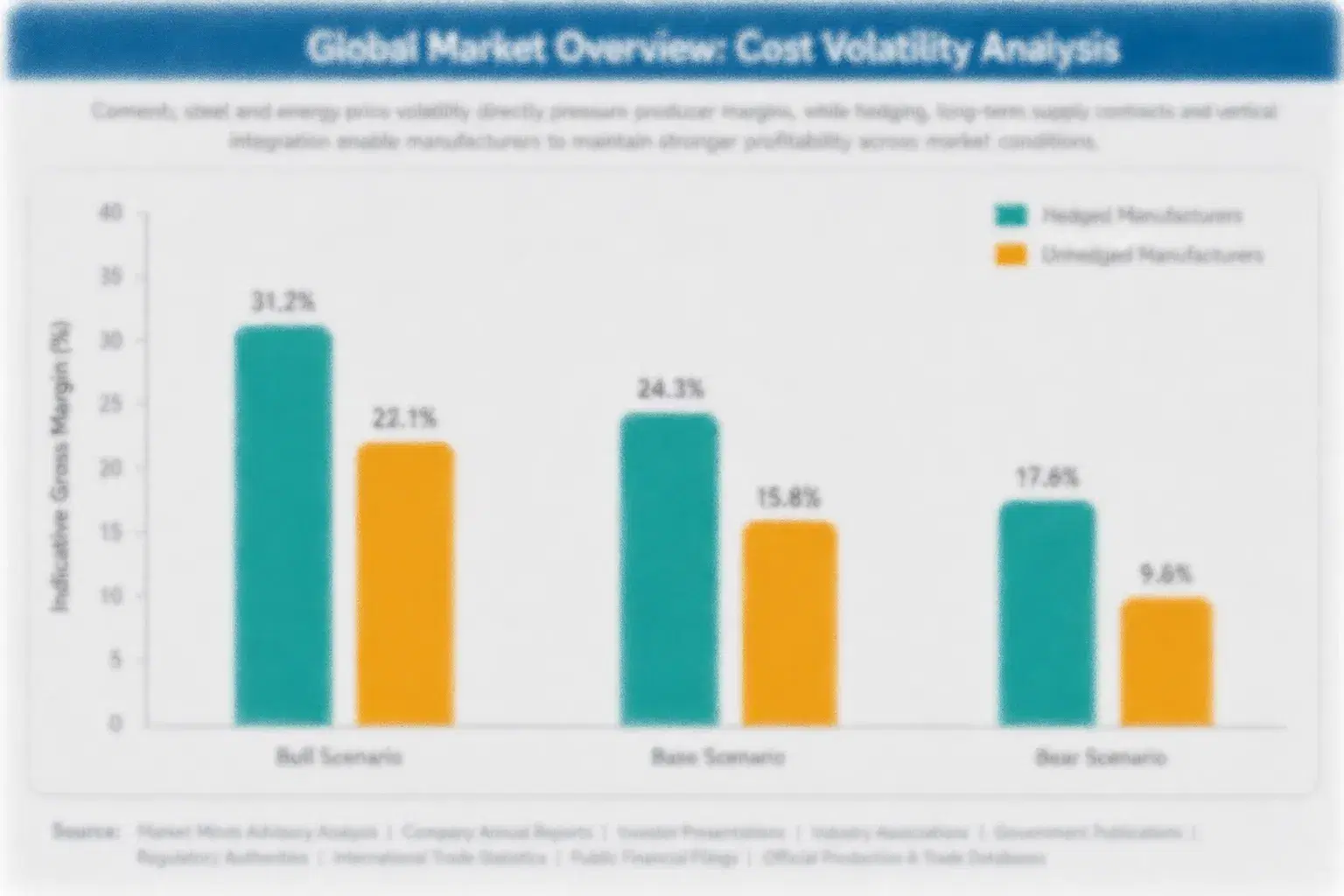
Wheat flour and alternative flours account for roughly 20% of cost of goods, sugar and sweeteners about 14%, fats and oils 12%, and protein ingredients up to 10% in protein lines. Packaging takes 18% because portion packs need individual wrapping. Wheat comes from North America, the Black Sea, and the European Union, while erythritol and allulose come mainly from China, South Korea, and the United States.
The clearest recent shock came from cocoa. The International Cocoa Organization reported that prices more than tripled during 2024 after poor West African harvests, and chocolate-coated and cocoa cookies saw ingredient costs rise by double digits. Brands raised prices by 6% to 12%, cut portion sizes, or moved to carob and reduced-cocoa recipes, which squeezed gross margin by two to four points through the year.

The competitive disadvantage falls on small diet brands, which buy sweeteners and protein in small lots at spot prices and cannot hedge. Large groups sign annual contracts and spread costs across many products, while private labels pass costs to retailers. Exposure also varies by geography, since Asian brands source sweeteners locally and European brands pay import premiums plus freight.
low-calorie-cookies-market-cost-volatility-analysis-1789786242693

Contracting Sweeteners, Cocoa, and Protein Under Forward Agreements

Brands sign annual and multi-year agreements for sweeteners, cocoa, and protein isolates, fixing volumes and price bands ahead of harvests. Dual sourcing of erythritol from China and the United States reduces disruption risk. Forward contracts reduce annual cost swings by roughly half, though they require working capital and reliable forecasting that only large groups usually provide.

Reformulating to Use Cheaper Fibre and Flour Blends

Bakers replace part of sugar and flour with oat fibre, chicory fibre, and pulse flours that cost less than protein isolates and sweetener blends. Reformulation lowers cost by 3% to 6% per kilogram when done carefully. The main risk is taste change, so sensory panels and staged launches protect repeat purchase for existing shoppers.

Shrinking Packs and Sharing Packaging Across Ranges

Brands standardise wrapper formats, films, and tray sizes across ranges to lower packaging cost, and some cut portions rather than raising shelf prices. Standardisation saves 1 to 2 points of cost of goods on portion lines. Retailers accept smaller packs more easily than price increases, though shoppers notice and complain quickly online and in reviews.

Portfolio Architecture for Margin Defence

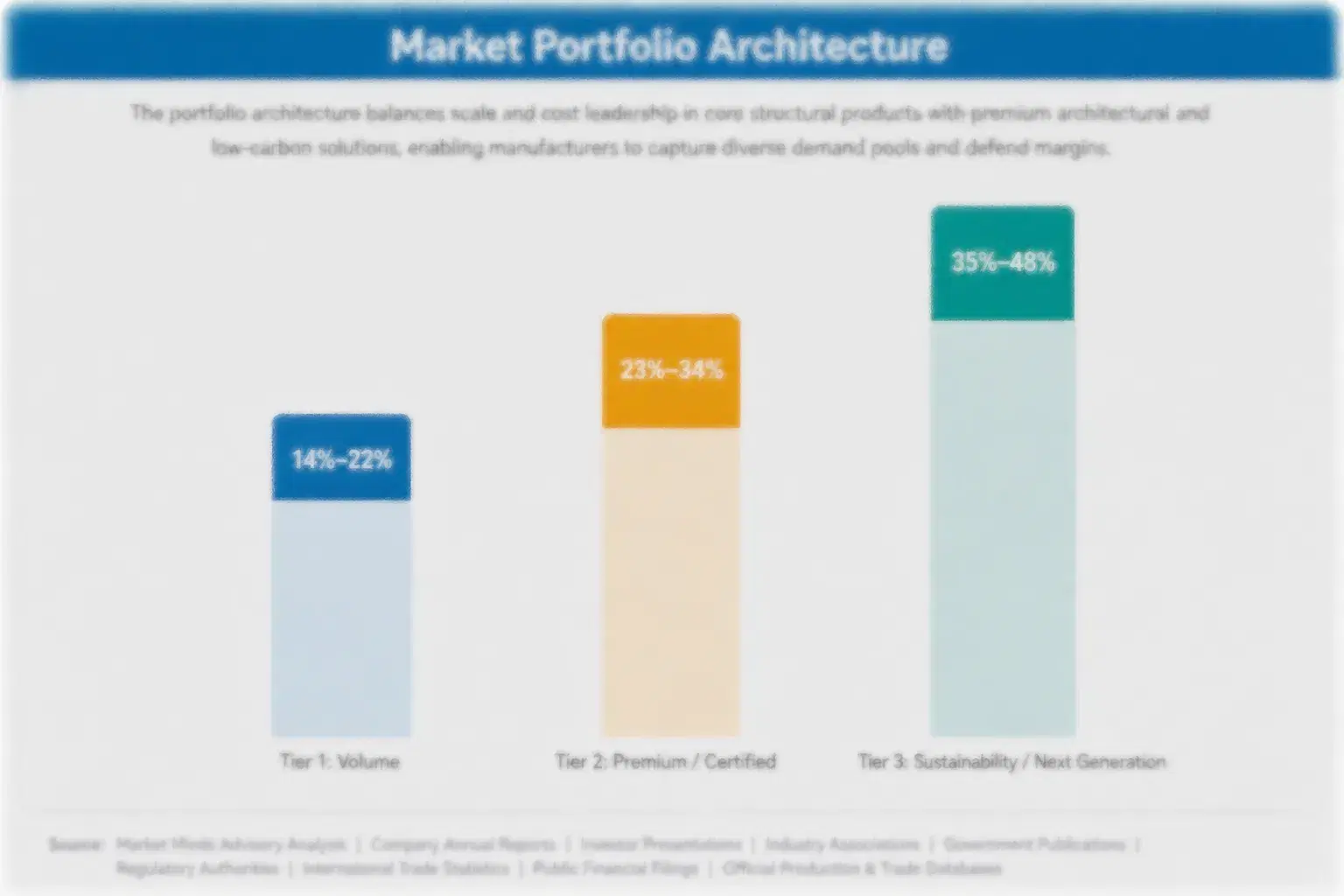
Margins run from thin returns on standard reduced-fat biscuits sold to supermarkets and private label programmes, to strong returns on protein cookies and certified sugar-free lines sold through gyms, pharmacies, and subscriptions. Three tiers separate volume products, evidence-backed premium lines, and next-generation formats, and each tier draws on different buyer groups, sweetener systems, and channel terms. Gross margins in each tier depend on sweetener cost and channel mix.
The tension between volume and premium is sharp. Volume lines protect plant utilisation and retailer relationships but face constant price pressure from private labels, while premium lines earn higher margins on smaller volumes and depend on sensory quality and claim evidence. Brands that run only volume struggle to fund reformulation, while brands that run only premium lack the scale to hold shelf space.

High-value pools concentrate in protein-enriched lines, reduced-sugar ranges with strong taste, and portion packs sold through convenience and vending. They gather where shoppers pay for control, satiety, or trust rather than weight of product. Regions with warning label laws and GLP-1 use add further value, since retailers reward proven lines with permanent shelf space and prominent placement. Pharmacies and gyms add further high-value shelf space.

Volume / Commodity-Adjacent Tier

Standard reduced-fat and reduced-sugar biscuits sold in bulk to supermarkets and private label programmes, with thin margins, flour and sugar cost exposure, and constant price competition from retailer own brands, where shoppers switch on price and promotion frequency.
Gross Margin: 20%-30%

Premium / Certified Tier

Protein-enriched and portion-controlled cookies with verified calorie claims, allergen controls, and consistent taste, sold through supermarkets, gyms, and convenience stores that require documented nutrition, clear labelling, reliable delivery, and stable supply across seasons.
Gross Margin: 30%-42%

Sustainability / Regulatory / Next-Generation Tier

Allulose-sweetened, fibre-bulked, and aerated cookies backed by sensory data and notified claims, sold through subscriptions, pharmacies, and Asian convenience channels to buyers who pay premiums for control, provenance, and short ingredient lists.
Gross Margin: 38%-55%
low-calorie-cookies-market-portfolio-architecture-1789786243042

High-value Sub-segments and Strategic Watch-out

Protein-Enriched Light Cookies

Protein-enriched light cookies combine the fastest growth with strong pricing, since shoppers pay 50% to 90% premiums for satiety and control with familiar taste. Co-manufacturer capacity and sensory data limit competition, and brands with gym and sports nutrition placement win repeat purchase across boxes. Repeat purchase compounds.
Gross Margin: 38%-55%

Reduced-Sugar Cookies

Reduced-sugar cookies deliver solid growth and healthy pricing, since warning label laws and sugar levies push retailers toward lighter recipes. Sweetener blends and taste parity are the entry barrier, and brands that hold the recipe gain shelf space in supermarkets and convenience stores steadily. Repeat purchase compounds.
Gross Margin: 30%-42%

Reduced-Fat Cookies

Reduced-fat cookies form the volume core, sold through supermarkets and private label at thin margins. Growth is modest, at about 3.6% a year, as shoppers move toward sugar and protein claims. Plant scale, oat binders, and flour costs decide profit, and retailers use them as traffic lines.
Gross Margin: 20%-30%

Fibre-Bulked Light Cookies

Fibre-bulked light cookies are the strategic watch-out, since digestive tolerance, health claim rules, and overlap with gut health cookies complicate positioning. Soluble fibre cuts calories but can cause bloating, so brands need tolerance testing and clear labels before scaling in Europe and North America. Evidence decides pace.
Gross Margin: 28%-40%

Why Light Cookie Shoppers Keep Buying

Low calorie cookie demand behaves like an annuity once a shopper finds a taste-approved product. Households buy weekly or fortnightly, and a satisfied shopper typically stays with the brand for two years or more. Subscription and loyalty programmes add predictability, and retailers use repeat data to fix shelf space, so successful lines earn steadier volume than launches driven by promotion. Repeat cycles anchor plant planning.
Adoption stickiness differs by vertical. Household snacking is the deepest, since families keep a light pack in the pantry for children and parents alike. Workplace and vending channels are shallower but faster, because buyers rotate products with each contract. Weight management programmes and gym partnerships show the highest loyalty, since coaches recommend specific brands and members repeat purchase every week.

Buyer profiles are shifting between generations. Older shoppers buy light cookies for diabetes and weight concern, while younger buyers care about protein, sweetener type, and ingredient lists. GLP-1 users add a third group that wants small, protein-dense portions. Brands that read labels closely, publish sweetener sources, and use social media for sensory feedback win younger buyers and keep them as they age. Brand trust builds quickly.
low-calorie-cookies-market-end-use-penetration-index-1789786243228

MMA Verdict on Light Cookie Strategy

These are among the four positions where our research anticipates prominent divergence between winners and laggards over the coming forecast period. Each is grounded in the demand model, the regulatory perimeter, and the announced capacity pipeline.
01 / PROTEIN RANGE STRATEGY

Build Protein Light Cookies With Verified Taste Before Rivals Copy Them

Protein-enriched light cookies grow at 9.1% a year, about 1.47 times the market rate, and they carry the strongest price premiums in the category, so early capacity commitments pay back inside three years. Winners secure protein baking capacity, run sensory panels against standard cookies, and place lines beside sports nutrition where trial is cheapest and shoppers already expect protein claims. Brands that wait will find co-manufacturer capacity booked and private labels already copying formats at lower price points in most large markets.
02 / PORTION ARCHITECTURE STRATEGY

Use Wrapped Mini Packs to Lift Price Per Kilogram in Convenience Channels

Portion-controlled mini cookies grow at 7.4% a year, and pack size is the cheapest calorie lever because it needs no new sweetener or recipe. Brands that keep the trusted recipe, wrap portions at 100 calories or less, and target vending, offices, and convenience stores raise price per kilogram by 25% to 45%. The main risk is packaging waste criticism from retailers and environmental groups in several countries, so plants should run dedicated lines and test recyclable films early before regulators act.
03 / SWEETENER SOURCING STRATEGY

Secure Allulose and Erythritol Supply Before Regulatory Approvals Widen Demand

Sweetener costs run two to five times sugar, and demand will rise sharply if Europe approves allulose, so supply commitments made now will set unit costs for years. Brands should sign multi-year contracts, dual-source from at least two countries, and license tested blends from suppliers rather than building recipes alone. Firms that ignore sourcing will face both sharp cost spikes, allocation limits, and shortages precisely when reformulation deadlines force every competitor to buy at the same time from limited suppliers.
04 / REFORMULATION COMPLIANCE STRATEGY

Reformulate Ahead of Warning Label Laws in Latin America and Europe

Warning label laws now cover more than 20 countries, and each new rule forces brands to cut sugar or accept labels that reduce sales sharply. Companies that reformulate early, test with sensory panels, and document calorie claims win better shelf position and avoid rushed launches that damage brand trust. Those that delay will meet the rules with weaker recipes, higher costs, and fewer retailer relationships when deadlines arrive and competitors already hold the best listings in the most valuable retail chains.

Engagement Snapshot From the Field

A live engagement with an industry participant carrying material or product regulatory and market exposure ahead of a defining policy shift, showing how our research translates into a defensible multi-year portfolio strategy.
MARKET MINDS ADVISORY · CLIENT ENGAGEMENT SUMMARY
Low Calorie Cookies Producer Strategic Portfolio Review and Transition Roadmap 2026·Investment Scenario on Low Calorie Cookies Exposure Evaluation 2025-26
CLIENT PROFILE
The client is a mid-sized North American biscuit manufacturer with annual sales near $420 million (client-reported, unverified by MMA), three plants, and a portfolio led by standard chocolate chip and oatmeal cookies sold through supermarkets and private label contracts. It had one reduced-sugar line, weak convenience store presence, and no protein range, while retailers asked for lighter options.
STRATEGIC CHALLENGE
Standard cookie volumes were flat, private label pressure was cutting margins, and the client's single reduced-sugar line suffered high repeat purchase loss due to bitter aftertaste. Management needed to decide whether to invest in protein cookies, portion packs, or sweetener reformulation, with limited capital and only one plant able to run new formats.
MMA APPROACH
MMA analysed sales and cost data across 60 products, interviewed 12 retail buyers and 8 co-manufacturers, and ran a shopper survey on taste and portion preferences across three regions. It modelled margin by segment and channel, tested sweetener blends against competitor benchmarks, and ranked investments by payback period and execution risk.
KEY FINDINGS
  1. Protein light cookies with 8 grams per serving could reach 10% of sales within two years at margins 9 points above the core range (client-reported, unverified by MMA).
  2. Wrapped 100 calorie mini packs could lift price per kilogram by 35% in convenience stores while using existing recipes and one converted packaging line at the main plant.
  3. The existing reduced-sugar line lost 40% of first-time buyers because of aftertaste, and a blended allulose and fibre recipe could halve that loss.
  4. Private label contracts covering 38% of volume earned thin margins, and renegotiating terms while shifting capacity to premium lines would improve plant profitability by 4 points.
CLIENT PROFILE
The client is a mid-sized North American biscuit manufacturer with annual sales near $420 million (client-reported, unverified by MMA), three plants, and a portfolio led by standard chocolate chip and oatmeal cookies sold through supermarkets and private label contracts. It had one reduced-sugar line, weak convenience store presence, and no protein range, while retailers asked for lighter options.
STRATEGIC CHALLENGE
Standard cookie volumes were flat, private label pressure was cutting margins, and the client's single reduced-sugar line suffered high repeat purchase loss due to bitter aftertaste. Management needed to decide whether to invest in protein cookies, portion packs, or sweetener reformulation, with limited capital and only one plant able to run new formats.
MMA APPROACH
MMA analysed sales and cost data across 60 products, interviewed 12 retail buyers and 8 co-manufacturers, and ran a shopper survey on taste and portion preferences across three regions. It modelled margin by segment and channel, tested sweetener blends against competitor benchmarks, and ranked investments by payback period and execution risk.
KEY FINDINGS
  1. Protein light cookies with 8 grams per serving could reach 10% of sales within two years at margins 9 points above the core range (client-reported, unverified by MMA).
  2. Wrapped 100 calorie mini packs could lift price per kilogram by 35% in convenience stores while using existing recipes and one converted packaging line at the main plant.
  3. The existing reduced-sugar line lost 40% of first-time buyers because of aftertaste, and a blended allulose and fibre recipe could halve that loss.
  4. Private label contracts covering 38% of volume earned thin margins, and renegotiating terms while shifting capacity to premium lines would improve plant profitability by 4 points.
RECOMMENDED STRATEGY
Phase 1: Phase 1 (Months 1-6): Reformulate the reduced-sugar line with a blended sweetener system, contract ingredients, and begin sensory testing with retail buyers. Phase 2: Phase 2 (Months 7-18): Launch protein light cookies and wrapped mini packs through convenience stores and gyms, using one converted plant line and co-manufacturing support. Phase 3: Phase 3 (Months 19-30): Reduce low-margin private label volume, expand protein capacity, and add subscription sales and retailer partnerships in two new regions.
OUTCOME
Within 30 months, protein and portion products reached 14% of sales, reduced-sugar repeat purchase rose by 22 points, and gross margin improved by 5 points (client-reported, unverified by MMA). The client renegotiated two private label contracts and added a second protein line, while retail buyers named it a preferred supplier for lighter cookies.

Frequently Asked Questions

Foundational context covering the market sizes, CAGR, scope, country, region and competition that inform every finding below. This section is provided to cover basics and most often pre-purchase conversations, answered from the MMA Primary Research Dataset.

What is the current size of the Low Calorie Cookies Market?

The global low calorie cookies market was valued at $2.4 billion in 2025. Growth is supported by portion-controlled packs, protein enrichment, and sugar reduction rules across major markets.

How large will the Low Calorie Cookies Market be by 2036?

The market is projected to reach $4.65 billion by 2036, up from $2.55 billion in 2026. The increase of $2.10 billion reflects reformulation, protein lines, and wider warning label rules.

What is the CAGR for the Low Calorie Cookies Market 2026 to 2036?

The market is forecast to grow at a 6.2% CAGR from 2026 to 2036. The bull case reaches 7.5% and the bear case 4.9%, depending on sweetener approvals and cost pressure.

Which segment is growing fastest?

Protein-Enriched Light Cookies is the fastest-growing segment at 9.1% CAGR, roughly 1.47 times the overall market rate. Portion-Controlled Mini Cookies follows as the second-fastest segment at 7.4% CAGR each year.

Who are the major companies in the Low Calorie Cookies Market?

Major companies include Mondelez International, Pladis, Kellanova, Grupo Bimbo, and Lotus Bakeries. Nestle, General Mills, Flowers Foods, Britannia Industries, and private label suppliers also hold meaningful positions.

Which country is growing fastest?

India is the fastest-growing country at a 9.4% CAGR, driven by urban diabetes concern, rising packaged snack sales, and modern retail growth. China and South Korea follow through zero-sugar launches.

Report Segmentation Architecture

The full report scope spans multiple orthogonal segmentation dimensions, with cross-tabulated demand data provided for each dimension pair. Coverage extends further to regional breakdowns, trend trajectories, and the competitive detail needed to support segment-level decision-making.

By Primary Market Dimension

  • Reduced-Sugar Cookies
  • Reduced-Fat Cookies
  • Portion-Controlled Mini Cookies
  • Protein-Enriched Light Cookies
  • Aerated and Thin-Baked Cookies
  • Fibre-Bulked Light Cookies

By End-Use Industry

  • Household Snacking
  • Workplace and Vending Consumption
  • Weight Management Programmes
  • Cafes and Foodservice
  • Sports and Fitness Nutrition

By Commercial Dimension

  • Supermarkets and Hypermarkets
  • Convenience Stores
  • Online and Subscription
  • Private Label Programmes
  • Pharmacy and Health Retail

By Region

  • North America
  • Western Europe
  • East Asia
  • South Asia and Pacific
  • Latin America
  • Middle East and Africa
  • Eastern Europe

Scope, Methodology, and Coverage

Every figure in this report is reproducible from documented input assumptions. The scope below maps the historical period, the forecast horizon, the segmentation dimensions, and the countries covered, alongside the underlying primary and qualitative methodology.
Historical Period
2020 to 2025
Forecast Period
2026 to 2036
Base Year
2025 (USD billions; MMA Primary Research Dataset, September 2026)
Market Definition
Low calorie cookies comprise baked cookies and biscuits formulated or portioned to deliver materially fewer calories than conventional equivalents, including reduced-sugar, reduced-fat, portion-controlled, protein-enriched light, aerated and thin-baked, and fibre-bulked light cookies, sold through retail, online, cafe, and vending channels. The scope excludes meal-replacement bars, diabetic-specific bakery claims, gut health cookies, and unsweetened crackers.
Quantitative Units
USD billions (current prices); kilotonnes for volume references
Segmentation Dimensions
By Calorie-Reduction Method; By End-Use Industry; By Commercial Dimension; By Region
Regions Covered
North America, Western Europe, East Asia, South Asia and Pacific, Latin America, Middle East and Africa, Eastern Europe
Countries Covered
USA, Canada, Mexico, Brazil, Argentina, Chile, UK, Germany, France, Italy, Spain, Poland, Romania, Turkey, Israel, South Africa, UAE, Japan, South Korea, China, India, Australia, and additional markets relevant to this sector
Key Companies Profiled
Mondelez International, Pladis, Kellanova, Grupo Bimbo, Lotus Bakeries, Nestle, General Mills, Flowers Foods, Barilla, Bahlsen, Britannia Industries, Yamazaki Baking, Lotte Wellfood, Meiji Holdings, Arcor, Orion, Parle Products, Ulker, Campbell Soup Company, Mars
Quantitative Methodology
Primary survey, n=3,800 respondents, Q4 2025, six countries; demand-side model with trade association cross-validation
Qualitative Methodology
47 expert interviews, Q4 2025; applied to validate demand model assumptions, identify emerging dynamics, and assess competitive positioning
Report Format
PDF and XLSX data workbook (Word format preview document)
Publisher
Market Minds Advisory
Report Code
MMA-2026-AGR-369
Published
September 2026
Contact
sales@marketmindsadvisory.com | www.marketmindsadvisory.com

Purchase the full Low Calorie Cookies Market Report (2026 to 2036).

The full report delivers a detailed assessment of global low calorie cookies through 2036, covering segment, regional, and country forecasts, competitive benchmarking of leading brands, and input cost analysis. It combines MMA primary research, including a six-country survey of 3,800 respondents and 47 expert interviews, with public regulatory and company data. Analysts also model sweetener approval scenarios, warning label expansion, and protein cookie economics. Clients receive segment margin ranges, channel maps, and a case study on portfolio strategy. Supplier and retailer contact frameworks are also included for negotiation planning.
Ten-year segment and regional demand forecasts
Sweetener, cocoa, and protein price tracking
Competitive benchmarking of top twenty brands
Warning label and sugar rule tracker by country
Regional demand mechanism comparative analysis included
Quarterly primary survey data update access

Built For The People Who Decide

From boardroom strategy to bench-side execution, this report is read cover-to-cover by leaders shaping the next decade of their industry, turning demand scenarios, market dynamics and valuation benchmarks into decisions.
CXOs/ Presidents/ VPs/ Managers
M&A and Corporate Development
Strategy Teams and R&D Heads
Procurement and Product Directors
Regulatory and Compliance Leaders
Investor Relations and Equity Analysts