Market Minds Advisory
Latin America Alfajores Market

Latin America Alfajores Market: Latin America Alfajores Market. Front-of-Pack Warning Laws, Peso Volatility, and Regional Brand Expansion Reshape South American Sandwich Cookies.

Alfajores are Latin America's shared sweet, but black warning octagons in Chile and Peru, Argentina's frontal labelling law, and currency shocks decide which makers reformulate, hold kiosk price points, and take regional brands across borders.

Lead Analyst

Published

September 2026

Make Smarter Decisions with Customized Research Insights

Request a free sample report and evaluate market opportunities, growth trends, and competitive dynamics relevant to your business needs.

2025 MARKET VALUE$1.0BMarket Size 2025
2036 FORECAST VALUE$1.8BBase Case , 2026 to 2036
CAGR 2026 TO 20365.4 %Bull 6.7% / Bear 4.1%
INCREMENTAL OPPORTUNITY$0.7BNet 10- year value creation
EXPANSION MULTIPLE1.69x2036 value over 2026 base
Strategic Levers
M&A Pipeline
Regional Outlook
Country Rankings
Competitive Intelligence
Segmental Deep-dive
Call-Us : 91 93563 13602

Executive Snapshot and Market Trajectory.

Every country in the region claims its own alfajor: cornstarch and dulce de leche in Argentina and Uruguay, powdered sugar and manjar blanco in Peru, chocolate-dipped and fruit-filled in Chile. They share a habit, a kiosk price, and a labelling problem, because warning laws were written for exactly this.
Gluten-free and sugar-reduced alfajores grow fastest, because black warning octagons in Chile, Peru, Mexico, and Argentina push makers toward lower-sugar filling and gluten-free lines, while classic cornstarch and chocolate-coated alfajores anchor volume at kiosks and supermarkets. Latin America holds nearly all of the market, since Argentina, Chile, Peru, Uruguay, and Colombia consume almost everything they make, with the United States and Spain taking exports. Peru leads country growth. Regional brands add reach.
Competition is led by Arcor, Havanna, Mondelez, Cachafaz, and Georgalos, alongside national champions such as Carozzi in Chile and Alicorp in Peru. Dulce de leche cost, kiosk distribution, and warning label strategy decide margins. Regulation matters through Chile's Law 20.606, Argentina's frontal labelling law, Peru's octagon rules, and Mexico's NOM-051, and buyers reward soft texture, familiar brands, and unit prices that stay close to a kiosk budget.
Market Definition
Latin America alfajores comprise sandwich cookies made from cornstarch or wheat dough and filled with dulce de leche, manjar blanco, or other fillings, finished plain, with coconut, powdered sugar, or coatings, produced in Latin America and sold domestically through kiosks, supermarkets, bakeries, and cafes or exported to North America and Europe, including classic, chocolate-coated, Peruvian-style, Chilean-style, premium artisan, and gluten-free and sugar-reduced variants. The scope excludes generic filled biscuits, imported alfajores sold in the region, and dulce de leche sold separately.
Base Year Value
$1.0B in 2025 (MMA Primary Research Dataset, September 2026)
Forecast Period
2026 to 2036, eleven discrete annual values
CAGR
5.4% base case. Bull 6.7%. Bear 4.1%.
Fastest Growth Segment
Gluten-Free and Sugar-Reduced Alfajores: 9.6% CAGR
Fastest Growth Country
Peru: 7.0% CAGR
Fastest Growth Region
South Asia and Pacific: 7.4% CAGR
Largest Region
Latin America: 87% of 2025 global value
Market Leaders
Arcor, Havanna, Mondelez International, Cachafaz, Georgalos. Source: MMA Analysis, company annual reports.
Primary Survey
n=3,800 procurement and R&D decision-makers, Q4 2025, six countries
Methodology
Demand-side build-up, cross-validated against public data, 47 expert interviews

Latin America Alfajores Market Forecast Scenarios

latin-america-alfajores-market-size-forecast-scenario-1789786238075
From 2020 to 2025, Latin American alfajores held their place as kiosk staples while regulation, inflation, and currency shifts reshaped pricing and recipes. Chile and Peru enforced warning octagons, Argentina adopted frontal labelling in 2021, and makers cut unit weights as milk, cocoa, and packaging rose. Growth averaged 4.8% a year in dollar terms, though peso devaluation and consumer trade-down squeezed margins for smaller bakers.
The base case assumes 5.4% annual growth through 2036, built on three named mechanisms: rising incomes and modern retail in Peru, Colombia, and Brazil that lift packaged alfajor sales, gluten-free and sugar-reduced launches that respond to warning labels and celiac demand, and export growth to Latino grocers in the United States and to Spain where regional brands widen distribution. Regional brand expansion and better packaging reinforce each mechanism. Better packaging helps too.
The bull case, at 6.7%, needs macroeconomic stability in Argentina and faster export listings. The bear case, at 4.1%, reflects renewed devaluation, stricter labelling rules, and consumer trade-down to cheaper biscuits. Either path leaves the kiosk habit intact, though mix and pricing would shift. Analysts watch peso stability and label rules most closely, since each moves margin directly.

Warning Label Strategy and Kiosk Reach Decide Regional Alfajor Winners

Alfajores are built from two thin, soft cookies, usually with cornstarch for tenderness, sandwiched with dulce de leche or manjar blanco and finished in coconut, powdered sugar, chocolate, or fruit glaze. Argentine versions are thick and often triple-layered, Peruvian versions are thin with powdered sugar, and Chilean versions are commonly coated. Moisture balance between filling and cookie sets shelf life.
MARKET CONCENTRATION41% CR5Leading five brands hold a large combined share
WARNING LABEL COVERAGE80%Portion of alfajor SKUs carrying high-sugar warning octagons
FILLING SHARE OF COGS26%Dulce de leche is the largest single ingredient cost
KIOSK CHANNEL SHARE46%Portion of sales through kiosks and neighbourhood stores
EXPORT SHARE OF VALUE7%Portion of value sold outside the country of manufacture
SHELF LIFE90 daysTypical stable period for packaged filled cookies at ambient temperature
Buyers use alfajores in several ways. Children and workers buy single units at kiosks and school shops, families buy multipacks at supermarkets, tourists buy gift boxes at airports and boutiques, and cafes serve them with coffee or mate. Retailers place them beside biscuits and coffee, and unit prices follow habitual thresholds, so makers adjust weight and coating before price. Warning labels now shape school channel access.
The industry sits on several levels. Arcor, Havanna, Mondelez, Cachafaz, and Georgalos run national brands in Argentina, Carozzi and Costa lead in Chile, Alicorp and Field lead in Peru, and hundreds of regional bakeries supply local shops and tourists. Dulce de leche, cocoa, and packaging dominate cost, and success depends on holding kiosk prices, managing warning labels, and winning shelf space in dense street retail.
"Latin America regulates alfajores as a category and shoppers buy them as an identity. The makers that thrive will be those who treat the black octagon as a design problem rather than a marketing disaster, and who quietly move volume toward lighter, gluten-free, and premium lines."
Practice Lead, Latin American Bakery Snacks Practice · MMA Filled Cookies and Confectionery Practice · September 2026

Market Trends

Warning Octagons and Frontal Labelling Push Sugar-Reduced and Gluten-Free Reformulation

Chile's Law 20.606 requires black octagons on foods high in sugar, saturated fat, calories, or sodium, Peru adopted similar warnings, Mexico's NOM-051 added front-of-pack seals in 2020, and Argentina's frontal labelling law took effect in 2021, so most alfajores carry at least one warning. Makers such as Cachafaz, Havanna, and regional brands respond with sugar-reduced dulce de leche and gluten-free lines at 20% to 40% above classic prices. Warning labels also block school and marketing use in Chile and Argentina, so brands sell reformulated packs that drop a warning by cutting sugar by 25% or more.
Market Impact: kiosks stock alfajores near 100,000 outlets
Regional Brands Expand Across Borders Through Exports and Retail Listings

Argentine brands such as Havanna, Cachafaz, and Arcor now sell in Chile, Peru, Colombia, and Brazil, while Chilean and Peruvian makers enter Argentina and Colombia, and all ship containers to Miami, Madrid, and Toronto. Modern retail chains such as Falabella, Cencosud, and Wong list regional alfajores beside local brands, and exports earn prices 30% to 60% above domestic units. Cross-border sales need registration under different health rules, so makers adapt labels country by country, which adds 5% to 10% to cost. Growth depends on brand recognition abroad, and freight costs and tariffs squeeze margins on small accounts.
Market Impact: premium boxes sell at $10-30

Market Opportunities and Growth Drivers

Kiosk Habit Sustains Volume Across Argentina, Chile, Peru, and Uruguay

Alfajores are a daily purchase for millions, with Argentine consumption estimated at about a billion units a year and more than 100,000 kiosks stocking them near schools, offices, and bus stops. Chile's Costa and Peru's Field and San Jorge sell in the same kiosk network, and unit prices stay below one dollar in most countries. Because kiosks turn over stock quickly, makers with direct distribution win shelf space, and steady habit supports volume even when household budgets tighten. Peruvian and Colombian modern retail growth adds new outlets, which widens the market beyond traditional Argentine strongholds.
Market Impact: Argentine inflation exceeded 200% in 2023

Premium, Regional, and Gift Alfajores Gain Value Through Tourism

Tourists buy alfajores as souvenirs, and boutique brands in Mendoza, Cusco, Santiago, and Montevideo sell boxes at $10 to $30 with regional flavours such as Mendoza fruit, Peruvian lucuma, and Chilean chirimoya. Havanna operates hundreds of cafes and shops selling premium boxes, and airport sales are a strong channel. Artisan makers use higher quality chocolate, fresh milk dulce de leche, and gift packaging that supports margins of 45% to 60%. Tourism growth in the region supports demand, and online sales extend reach to the diaspora, where gifts for holidays and birthdays rise each year.
Market Impact: cocoa prices rose 3x since 2022

Market Restraints and Challenges

Currency Devaluation and Inflation Disrupt Costs Across Argentina

Argentina's peso lost most of its value against the dollar between 2023 and 2024 and annual inflation exceeded 200% in 2023, according to INDEC, the national statistics office, while Chilean, Colombian, and Peruvian currencies also swung. The root cause is chronic macroeconomic imbalance in Argentina and global dollar strength. Makers face volatile costs for cocoa, packaging, and imported equipment, while kiosk prices are hard to adjust quickly. Mitigation includes price indexation, dollar-linked export contracts, and local sourcing, though small makers lack hedging tools, and consumers trade down to cheaper multipacks, which pressures premium lines.
Market Impact: warnings cover 80% of SKUs

Warning Labels and Milk and Cocoa Costs Squeeze Margins

Warning octagons reduce trial among parents and block school channels in Chile and Argentina, while milk prices rose sharply in 2022 and 2023 in Argentina and Uruguay and cocoa prices tripled between 2022 and 2024, according to national dairy agency data and International Cocoa Organization data. The root cause is public health policy alongside drought and West African cocoa shortages. Makers cut unit weight, switch coatings to compound, or reformulate, but shoppers notice smaller alfajores, and premium buyers detect compound coatings. Mitigation includes forward contracts, filling blends, and cocoa extenders, though margins stay under pressure.
Market Impact: exports earn 30-60% above domestic units
3 additional market trends, 2 additional growth drivers, and 3 additional restraints and challenges are covered in the full report. Contact sales@marketmindsadvisory.com to access the complete intelligence.

Segment CAGR and Growth Architecture

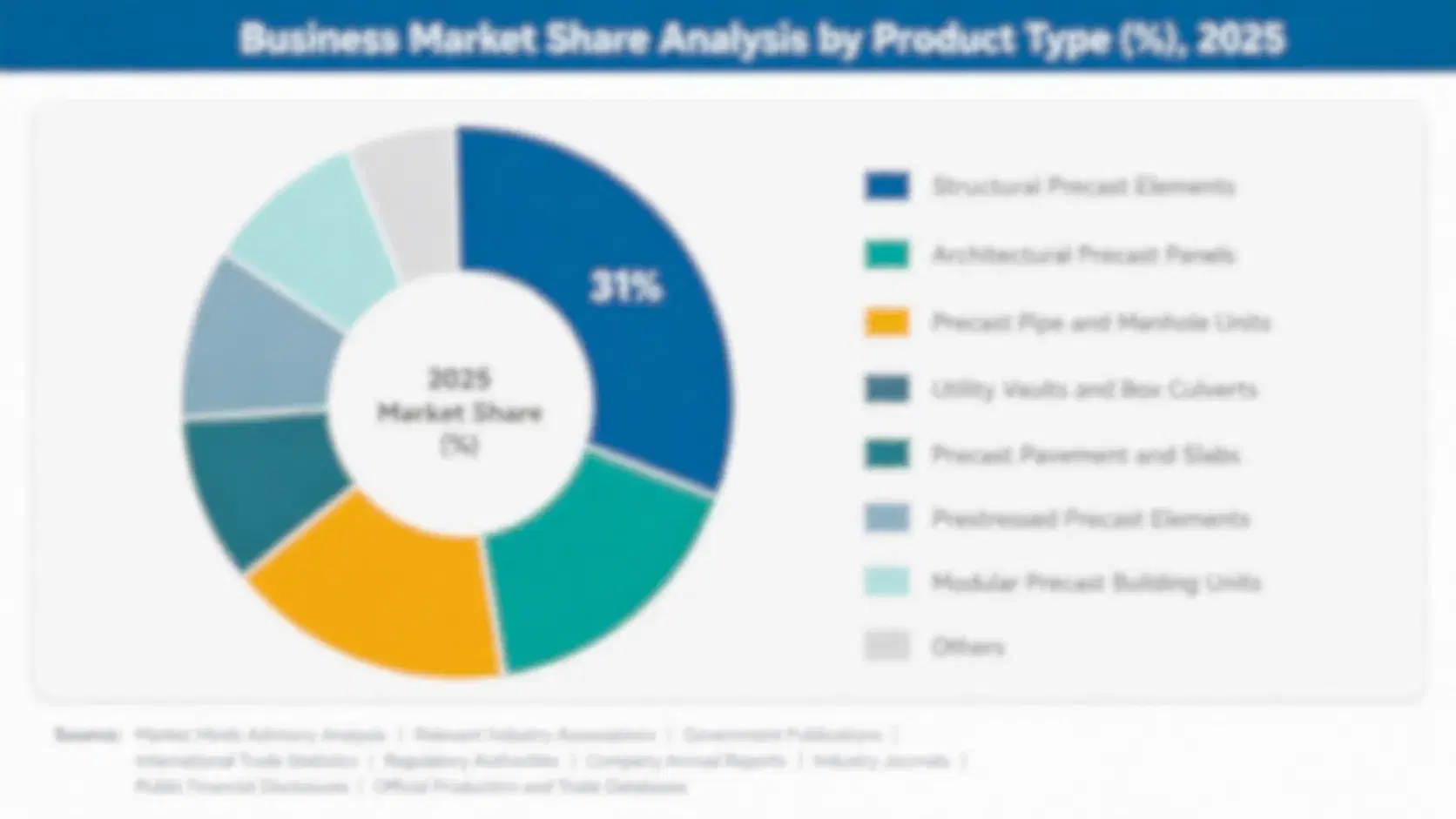
Latin America alfajores are segmented by product variant, because dough, filling, coating, national style, dietary claim, price, and buyer group differ more between classic cornstarch, chocolate-coated and triple-layer, Peruvian-style, Chilean-style, premium artisan and regional, and gluten-free and sugar-reduced alfajores than they do by pack size. Warning label rules push makers toward reduced-sugar and gluten-free lines.
latin-america-alfajores-market-market-share-analysis-1789786238332

Gluten-Free and Sugar-Reduced Alfajores

Gluten-free and sugar-reduced alfajores are the fastest-growing segment, made from rice, cassava, or maize starch doughs and dulce de leche with reduced sugar or sweeteners. Argentina's celiac community, warning labels in Chile, Peru, and Mexico, and rising diabetes awareness push makers such as Cachafaz, Havanna, and regional brands to sell certified lines at 20% to 40% premiums. The technical challenge is moisture retention and taste, since gluten-free dough dries faster and sugar reduction changes filling texture. Growth depends on certification, taste parity, and shelf life, and makers with dedicated plants, allergen controls, and simple labels win listings from supermarkets and health stores. Supermarkets list lighter lines beside classic alfajores, and school buyers prefer products with fewer warnings.
CAGR 9.6%

Premium Artisan and Regional Specialty Alfajores

Premium artisan and regional specialty alfajores are the second-fastest segment, made with higher quality chocolate, fresh milk dulce de leche, and regional ingredients such as Mendoza fruit, Peruvian lucuma, and Chilean chirimoya, sold in gift boxes at $10 to $30. Tourists, airport shoppers, and diaspora gift buyers drive demand, and margins of 45% to 60% reward makers. Growth depends on tourism, exchange rates, and gift packaging, and seasonality creates inventory risk. Makers with strong provenance, flexible small-batch lines, and online sales win premium buyers, and cafes and boutique chains extend reach in major cities across the region. Online sales extend reach to diaspora buyers who order gift boxes for holidays and birthdays, and cafes add regional flavours.
CAGR 7.6%
Full segment breakdown across 6 segments available in the complete report.

Regional Architecture and Country Demand Map

Latin America alfajor value is concentrated where the cookie is a daily habit. Latin America holds nearly all of it through Argentina, Chile, Peru, Uruguay, and Colombia, while North America and Western Europe take exports, and Peru is the fastest-growing country as modern retail and local brands expand.

North America

North America holds 5% share, below its usual band, because Latin American alfajores reach the United States and Canada mainly through Latino grocers, warehouse clubs, and online gift sellers, so the category is a diaspora and gourmet niche rather than a mainstream snack. Havanna, Cachafaz, Arcor, and Peruvian and Chilean exporters ship to Miami, New York, Los Angeles, and Toronto, and Costco lists boxes seasonally. Freight costs, tariffs, and limited awareness beyond Latino households restrain returns, though a large Latin American population and gourmet interest keep growth near the global rate. Online marketplaces widen reach for gift boxes. Nostalgia among Argentine and Peruvian immigrants drives repeat purchase, and grocers place alfajores near tea and coffee.
Share: 5% | CAGR: 5.6% (2026 to 2036)

Western Europe

Western Europe holds 4% share, below its usual band, because Latin American alfajores sell mainly through Latin American shops, airport stores, and Spanish speciality retail, with Spain hosting large Argentine, Uruguayan, Peruvian, and Colombian communities, so demand is a diaspora niche. Havanna has shops in Spain, and brands ship to Madrid, Barcelona, and Milan. Shipping costs, food safety documentation, and small retail listings restrain returns, and growth stays below the global rate. Gourmet retailers and online stores add sales, and Spanish and Italian distributors re-export to other markets each year. Spanish supermarkets in Andalusia and Madrid list Latin American ranges in international aisles, and gourmet shops sell Peruvian and Chilean boxes to expatriate families at Christmas.
Share: 4% | CAGR: 4.0% (2026 to 2036)
Regional intelligence for 5 additional markets available in the complete report: East Asia, South Asia and Pacific, Latin America, Middle East and Africa, Eastern Europe. Contact sales@marketmindsadvisory.com.
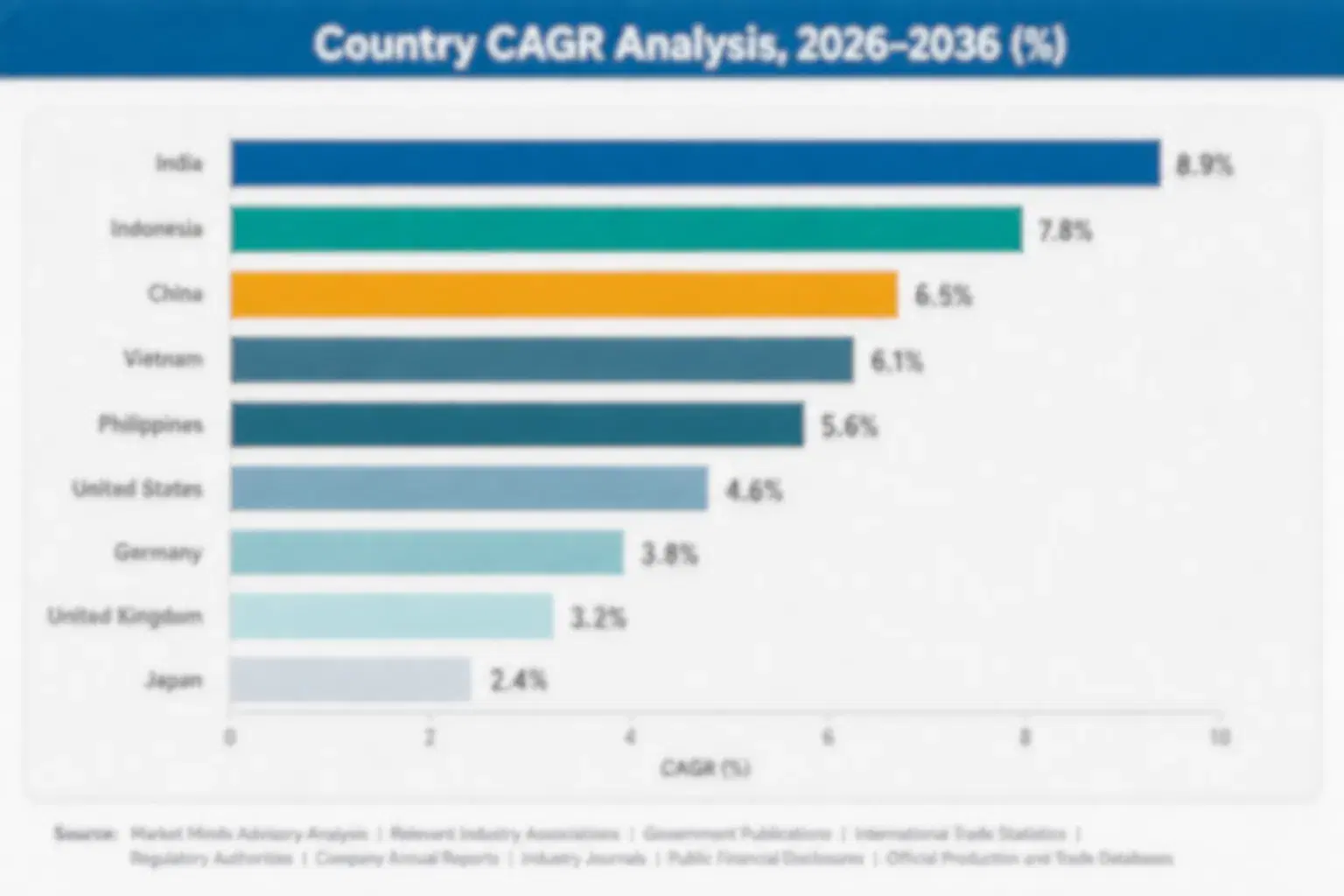
latin-america-alfajores-market-country-cagr-analysis-1789786238603

Four Margin Routes for Regional Alfajor Makers

Margin in Latin American alfajores comes from warning label strategy, premium mix, and cross-border reach rather than kiosk volume alone. Makers that sell gluten-free and reduced-sugar lines at premiums, build artisan and gift ranges, expand across borders, and hedge milk and cocoa costs earn more per kilogram than those competing on price against biscuits and regional bakeries.

Reformulating to Drop Warning Octagons and Selling Reduced-Sugar Lines

Reducing sugar by 25% or more can remove a warning octagon in Chile and Peru and reopen school and marketing channels, and reduced-sugar and gluten-free alfajores sell at 20% to 40% above classic units. A maker moving 15% of volume into these lines lifts blended gross margin by 3 to 5 points. Development costs $300,000 to $1 million per range, and trials take 12 to 18 months. Retailers list lighter ranges in health sections, and parents trust products without warnings, which builds repeat purchase in a category where labels shape choices.
Market Impact: reduced-sugar lines lift blended margin 3 to 5 points

Building Artisan, Regional, and Gift Ranges for Tourists and Diaspora

Premium boxes sell at $10 to $30 with gross margins of 45% to 60%, and regional flavours such as lucuma, chirimoya, and Mendoza fruit support provenance. A maker adding three regional flavours can lift average revenue per kilogram by 8% to 15% across the portfolio. Airport and online gift sales carry the highest margins, and seasonal peaks at Christmas, Easter, and Valentine's Day need early planning. Tooling and gift packaging cost $50,000 to $200,000 per programme and are recovered in one season, which makes premium ranges an attractive complement to kiosk volume.
Market Impact: artisan ranges lift average revenue per kilogram 8-15%

Expanding Across Borders Through Regional Listings and Export Programmes

Regional brands earn prices 30% to 60% above domestic units when sold in neighbouring countries and abroad, and a maker shipping 20 containers a year adds $3 million to $8 million of dollar revenue. Registration under different health rules adds 5% to 10% to cost, and export certification such as BRCGS or FSSC 22000 costs $1 million to $3 million. Annual agreements with modern retail chains and Latino grocers provide predictable volume, and dollar revenue offsets peso and other currency risk, which stabilises cash flow. Modern retail buyers also value consistent supply.
Market Impact: cross-border sales earn 30 to 60% price premiums

Hedging Milk, Cocoa, and Pack Weight to Hold Kiosk Prices

Dulce de leche and cocoa make up 44% of cost, so forward contracts and blends cut cost volatility by 3 to 6 points of margin, and pack weight changes of 3% to 6% protect price points. A maker producing 300 million units a year can save $4 million to $12 million annually through combined purchasing and pack engineering. Filling blends with milk powder and starches lower milk exposure, and cocoa extenders cut cocoa use by 10% to 20%. Larger makers also negotiate directly with dairy co-operatives and lenders reward stable margins.
Market Impact: hedging and packs save $4-12 million per 300 million units

Who Controls the Margin Pool

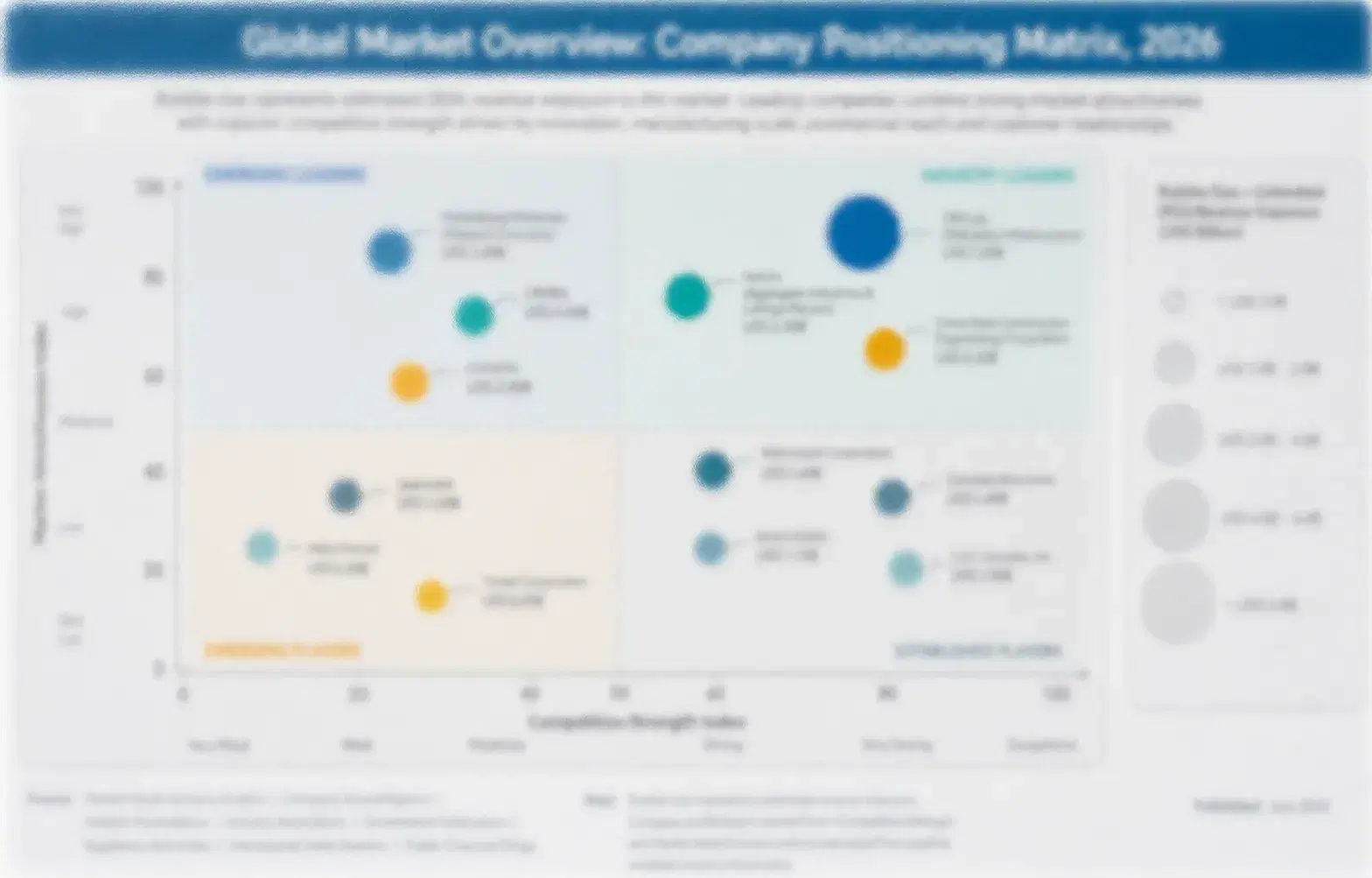
The Latin American alfajor industry is concentrated at the branded level and fragmented among regional bakeries, with the top five brands holding about 41% of category revenue, the basis used throughout this section. Arcor, Havanna, Mondelez International, Cachafaz, and Georgalos lead through plants, brands, and kiosk distribution, while national champions such as Carozzi and Alicorp and hundreds of regional bakeries hold local share through freshness, price, and proximity to shops.
Competition centers on three dimensions: brand strength, measured by consumer recognition and premium pricing; distribution reach; and cost and compliance management across dulce de leche, cocoa, packaging, and warning label rules. Leaders invest in gluten-free and reduced-sugar lines, while challengers compete on regional flavours, artisan quality, and price at kiosks and schools.

Emerging pressure comes from Peruvian and Chilean brands expanding regionally, from multinational biscuit makers extending filled cookie ranges, and from health rules that raise costs for small bakeries. Rankings shift where brands win export listings, hold price points, or lose school channels to warning labels. Acquisitions of regional bakeries and premium brands will reorder positions faster than organic growth, especially as currency shocks push smaller makers to sell or license production.
latin-america-alfajores-market-company-positioning-matrix-1789786238890

Competitive Moat and Risk Dimensions

ARCOR

Moat: Scale and Regional Distribution

Arcor is one of Latin America's largest food groups, producing confectionery, biscuits, chocolate, and alfajores through plants in Argentina, Brazil, and Chile, and it owns the Bagley biscuit business. Its direct distribution network to kiosks, purchasing scale in sugar and milk, and export experience across the region give it cost and reach advantages that smaller alfajor makers cannot match.
ARCOR

Risk: Regulatory and Currency Exposure

Arcor earns a large share of revenue in Argentina, so inflation, devaluation, and labelling rules affect margins directly. Regional brands can win on freshness, and premium artisan makers can take share among tourists and gift buyers. Warning label rules also differ by country, which raises compliance cost on cross-border ranges.
HAVANNA

Moat: Premium Brand and Cafe Network

Havanna, founded in Mar del Plata in 1947, sells alfajores through cafes and shops in Argentina and abroad, and is the best-known premium alfajor brand for tourists and gift buyers. Its brand recognition, retail presence, and gift packaging support higher prices, and export shops and distributors give it reach in Spain, the United States, and other markets.
HAVANNA

Risk: Premium Exposure and Tourism Cycles

Havanna depends on tourism and premium gifting, which weaken during economic shocks. Its cafe network carries fixed costs, and mass-market rivals can take volume at kiosks and supermarkets when consumers trade down. Cocoa and milk cost swings also squeeze cafe margins, and rents in tourist districts rise quickly each year.

Players Tracked

Prominent Players

Arcor
Havanna
Mondelez International
Cachafaz
Georgalos

Other Key Players

Carozzi
Alicorp
Nutresa
Grupo Bimbo
Bauducco
Guaymallen
Balcarce
Capitan del Espacio
Tres Montes Lucchetti
Nestle
Ferrero Group
Costa
San Jorge
Field
Dos en Uno

Recent Developments

MARCH 2026

Cachafaz Extends Sugar-Reduced Alfajor Range to Chile and Peru

Cachafaz extended a sugar-reduced alfajor range to Chile and Peru, using lower-sugar dulce de leche designed to remove one warning octagon and reopen school and marketing access. It is a product launch. It tests demand for lighter alfajores at premium prices, and gives retailers a compliant option.
Signal: Confirms leading makers now reformulate alfajores to drop warning octagons and reopen school channels across the region.
NOVEMBER 2025

Alicorp Expands Alfajor Distribution in Colombia and Ecuador Through Modern Retail

Alicorp expanded distribution of Field and San Jorge alfajores in Colombia and Ecuador through modern retail chains and distributors, adapting labels to local health rules. It is a distribution arrangement. It widens regional reach, tests brand recognition beyond Peru, and gives Alicorp dollar-linked exposure to new markets.
Signal: Shows national champions now expand across borders through modern retail distribution and adapted labels across markets.
JULY 2025

Arcor Adds Alfajor Packaging Capacity at an Argentine Plant

Arcor added alfajor packaging capacity at a plant in Argentina, installing flow-wrap lines with moisture barrier films for mini and multipack formats. It is organic. It cuts waste, supports snack-format growth, and gives Arcor flexibility to serve kiosks, supermarkets, and export customers under different label rules.
Signal: Shows leading makers now invest in packaging capacity to serve snack-format and export alfajor demand across markets.

What Drives Regional Alfajor Costs

Dulce de leche accounts for roughly 26% of cost of goods, made from milk and sugar sourced from Argentina and Uruguay, while chocolate or compound coating adds about 18% and wheat flour and cornstarch about 22%. Packaging, butter or vegetable fat, labour, energy, and freight make up the rest, so milk price, cocoa cost, and packaging together determine margin for makers selling at kiosk price points.
Argentina's peso lost most of its value and annual inflation exceeded 200% in 2023, according to INDEC, the national statistics office, and Arcor Annual Report 2024 noted heavy cost pressure across ingredients and packaging. Cocoa prices also tripled between 2022 and 2024, according to International Cocoa Organization data. Makers passed increases through with lags, cut unit weights, and reformulated some products, and smaller bakeries closed lines.

The disadvantage falls on makers without scale or hedging access. Large groups with direct dairy contracts and central purchasing absorb shocks, while small bakeries buy spot milk products and cocoa at retail prices. Exposure varies by country: Argentine makers face inflation and import controls, Chilean makers face labelling costs, and premium and export lines pass costs through more easily than kiosk units sold at fixed prices.
latin-america-alfajores-market-cost-volatility-analysis-1789786239205

Contracting Milk Products and Cocoa Under Forward Agreements

Makers sign annual and multi-year agreements with dairy co-operatives and cocoa suppliers, mixing fixed and index-linked prices to spread risk. Diversifying milk sources across Argentina and Uruguay reduces exposure to a single drought or price control. Forward buying lets makers plan production and hold kiosk prices during commodity peaks without repeated weight cuts. Terms usually run one year.

Linking Export Contracts to Dollar Pricing and Local Costs

Makers price export contracts in dollars and use the revenue to offset local currency costs, which reduces the effect of devaluation on margin. Dollar-linked supply agreements for imported packaging and equipment also protect budgets. The approach needs export certification and longer shelf life, but it stabilises cash flow. Terms usually run one year. Savings compound yearly.

Reformulating and Adjusting Pack Weight to Manage Costs and Labels

Makers reduce sugar to drop warnings, adjust pack weight by 3% to 6% at a time, and use hybrid coatings that combine real chocolate with compound in mass lines. These steps protect margin and school access without visible price changes, though repeated reductions risk shopper backlash, so makers pair them with promotions. Premium lines keep real chocolate. Timing matters.

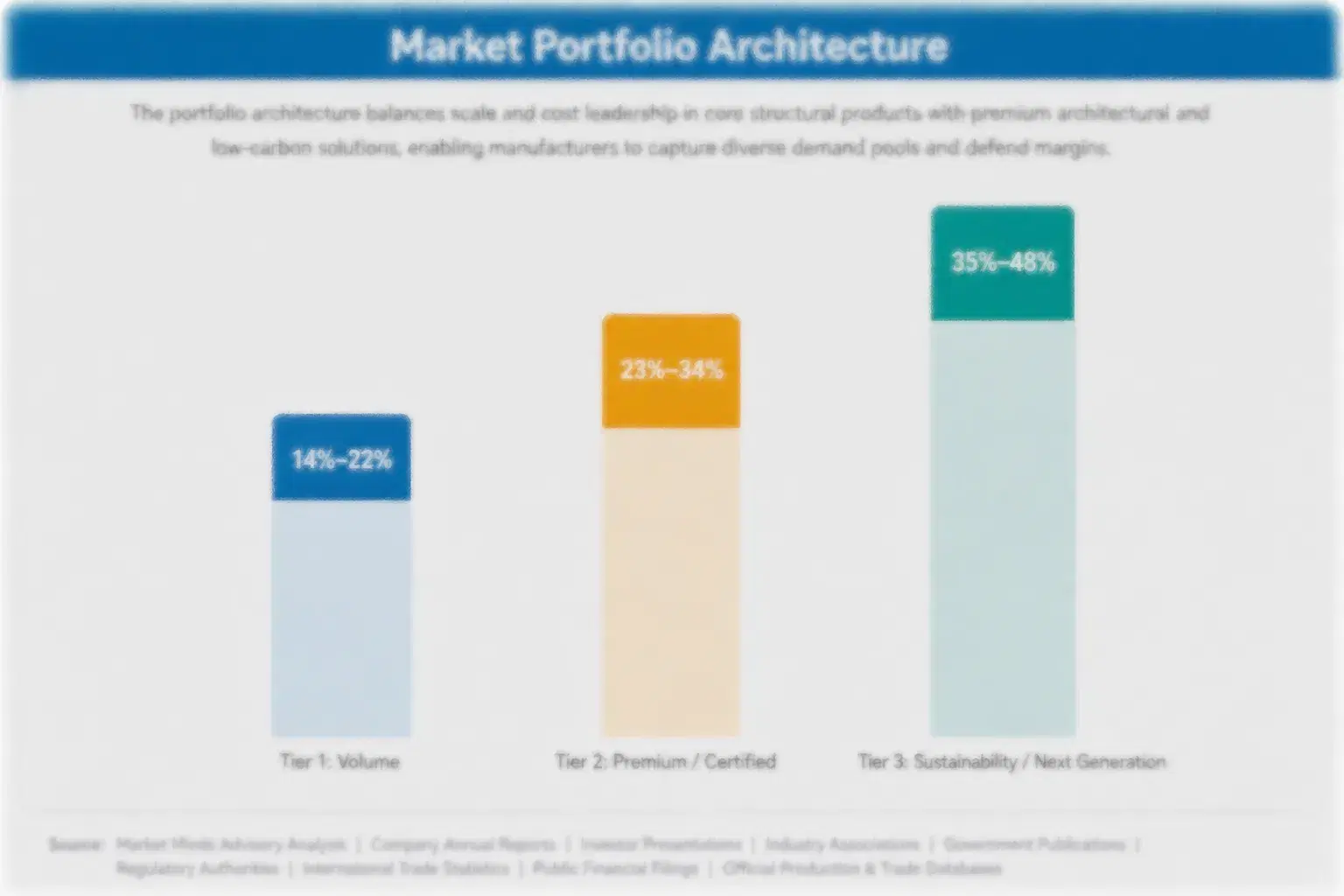
Portfolio Architecture for Margin Defence

Margins run from thin returns on classic kiosk alfajores sold at fixed prices to strong profits on premium, gluten-free, and export packs sold with brand and gift positioning, with gross margin roughly doubling between the volume tier and the top tier. Brand trust, distribution, and warning label strategy create pricing power, and buyers pay more for a cookie that keeps its texture and identity.
Volume and premium pull in different directions. Classic and chocolate-coated alfajores sell in very large lots to price-driven kiosks and supermarkets at thin margins and face currency swings and warning labels, while gluten-free, premium, and export lines sell in smaller lots at higher margins but need certification, packaging, and distribution. Makers must decide how much capital to commit to premium ranges and how quickly to move, since consumers change habits slowly.

High-value pools concentrate in gluten-free and sugar-reduced alfajores for celiac and health-conscious shoppers, premium and gift boxes for tourists and diaspora, and cross-border programmes into Chile, Peru, and Colombia. These segments benefit from repeat purchase, documented health positioning, and limited competition from small bakeries. Makers that combine brands, compliance skill, and export networks hold advantages that rivals cannot copy quickly.

Volume / Commodity-Adjacent Tier

Classic and chocolate-coated alfajores sold in single units and multipacks to kiosks and supermarkets at fixed price points, with thin margins, milk and cocoa cost exposure, and constant price competition from regional bakeries and biscuits, where shoppers switch on price.
Gross Margin: 18%-28%

Premium / Certified Tier

Alfajores with real chocolate, fresh dulce de leche, and export food safety certification, sold through supermarkets, cafes, and gourmet stores that require documented quality, reliable delivery, and consistent texture across borders and shipping routes.
Gross Margin: 28%-40%

Sustainability / Regulatory / Next-Generation Tier

Gluten-free, sugar-reduced, and premium gift alfajores with certification, compliant labelling, and dollar-priced export contracts, sold through health stores, airports, and online channels to buyers who pay premiums for allergen safety, provenance, and giftable packaging.
Gross Margin: 36%-56%
latin-america-alfajores-market-portfolio-architecture-1789786239554

High-value Sub-segments and Strategic Watch-out

Gluten-Free and Sugar-Reduced Alfajores

Gluten-free and sugar-reduced alfajores combine the fastest growth with strong pricing, since celiac, diabetic, and label-conscious shoppers pay 20% to 40% premiums for lighter products. Certification and reformulation limit competition, and makers with taste parity win supermarket and school listings. Repeat purchase compounds across weekly baskets.
Gross Margin: 36%-56%

Premium Artisan and Regional Specialty Alfajores

Premium artisan and regional alfajores offer high value with solid growth, because tourists and gift buyers pay $10 to $30 per box and 45% to 60% margins reward makers. Seasonality and packaging cost limit scale, though makers with provenance and small-batch flexibility defend margin. Retail programmes renew each year.
Gross Margin: 40%-60%

Classic Cornstarch Alfajores

Classic cornstarch alfajores form the volume core, sold to kiosks, schools, and households who want a familiar snack at low prices. Margins are thin and exposed to milk, cocoa, and label rules, but steady demand supports scale, and makers with central purchasing and kiosk distribution hold cost advantages.
Gross Margin: 18%-28%

Chilean-Style Coated and Fruit-Filled Alfajores

Chilean-style coated and fruit-filled alfajores are a strategic watch-out, valued for regional taste and export interest but limited by warning labels, coating cost, and narrower distribution. Label rules could expand or restrict demand, so makers should track school channel access and repeat purchase before committing capital to dedicated lines.
Gross Margin: 24%-42%

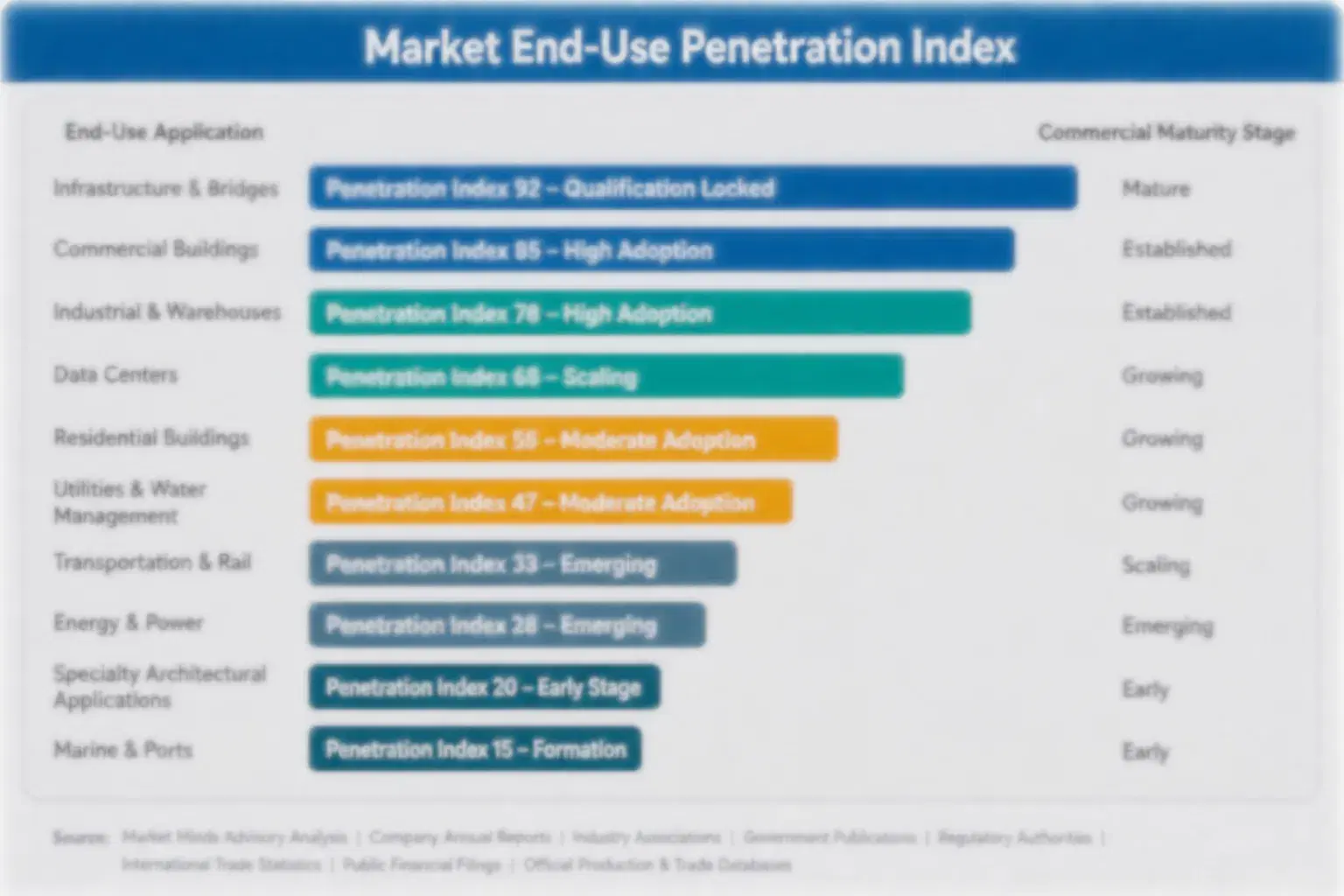
Why Kiosks and Families Keep Alfajores

Alfajor demand behaves like an annuity once a shopper adopts a brand. Children buy a unit after school, families buy multipacks weekly, and kiosks reorder several times a week from the same distributor. Makers that hold a kiosk relationship for years earn steady volume, and renewals follow price and freshness rather than tenders, because a change of brand risks a stale unit, a texture surprise, or a price mismatch at the counter.
Stickiness varies by vertical. Household buyers with brand habits formed in childhood are deepest, since flavour and texture expectations start early. Kiosks are next, because owners stock what shoppers ask for. Supermarkets are moderate, driven by promotions, while tourists and gift buyers are shallower, choosing on packaging and price, and online shoppers switch on shipping cost, so makers defend positions through freshness.

Buyer profiles are shifting. Older buyers bought the same familiar brand for decades, while younger urban households look for gluten-free, lower-sugar, and premium options, read warning labels, and order through apps. They compare labels, read reviews, and switch quickly if texture disappoints, so makers that publish ingredients, cut sugar, and offer health-focused variants keep loyalty across age groups.
latin-america-alfajores-market-end-use-penetration-index-1789786239896

MMA Verdict on Regional Alfajor Strategy

These are among the four positions where our research anticipates prominent divergence between winners and laggards over the coming forecast period. Each is grounded in the demand model, the regulatory perimeter, and the announced capacity pipeline.
01 / LABEL COMPLIANCE STRATEGY

Reformulate Core Lines to Drop Warning Octagons Before School Channels Close Further

Cutting sugar by 25% or more can remove a warning octagon and reopen school and marketing access, and gluten-free and sugar-reduced alfajores grow at 9.6% a year, about 1.78 times the market rate. Development costs $300,000 to $1 million per range. MMA recommends reformulating two hero lines within 18 months and testing with 500 shoppers, because supermarkets and schools reward lighter compliant lines, and early makers with taste parity hold space that later entrants struggle to win, especially in school channels.
02 / CROSS-BORDER EXPANSION STRATEGY

Register Brands in Chile, Peru, and Colombia and Sign Modern Retail Listings

Regional brands earn prices 30% to 60% above domestic units when sold abroad, and Peru grows at 7.0% a year. Registration adds 5% to 10% to cost. MMA advises registering two brands in three new countries and signing two modern retail chains within 24 months, because retail buyers rarely change suppliers once a product sells well, and early entrants secure shelf space and dollar-linked revenue while later brands face slower approvals and weaker distribution, and health authorities rarely reopen approvals once labels are cleared.
03 / PREMIUM RANGE STRATEGY

Build Artisan and Regional Flavour Ranges for Tourists Before Airport Space Fills

Premium boxes earn 45% to 60% gross margin, and regional flavours lift revenue per kilogram by 8% to 15%. Gift tooling costs $50,000 to $200,000 per programme. MMA recommends launching three regional flavours and two gift formats with airport and online sellers within 18 months, because tourism channels list few brands per store, and makers that secure airport space early hold positions with strong margins that rivals struggle to displace at later tender rounds, while regional flavours also give gift buyers a clear reason to pay more.
04 / INPUT COST STRATEGY

Hedge Milk and Cocoa and Engineer Pack Weight to Hold Kiosk Prices

Dulce de leche and cocoa make up 44% of cost, and cocoa tripled between 2022 and 2024. Hedging and pack engineering save $4 million to $12 million a year at 300 million units. MMA advises contracting 60% of milk and cocoa needs and adjusting pack weight by no more than 6% per step within two years, because makers that hold margins through commodity and currency shocks retain distributors that rivals lose, and lenders reward that stability with cheaper credit in volatile markets.

Engagement Snapshot From the Field

A live engagement with an industry participant carrying material or product regulatory and market exposure ahead of a defining policy shift, showing how our research translates into a defensible multi-year portfolio strategy.
MARKET MINDS ADVISORY · CLIENT ENGAGEMENT SUMMARY
Latin America Alfajores Producer Strategic Portfolio Review and Transition Roadmap 2026·Investment Scenario on Latin America Alfajores Exposure Evaluation 2025-26
CLIENT PROFILE
The client is a mid-sized Chilean bakery group with two plants and roughly $130 million in annual revenue (client-reported, unverified by MMA), selling alfajores, biscuits, and cakes through kiosks, supermarkets, and cafes. Alfajores contributed 44% of revenue, with gross margin near 22% (client-reported, unverified by MMA), and exports were under 3% of sales. Utilisation averaged 76% (client-reported, unverified by MMA).
STRATEGIC CHALLENGE
Black warning octagons blocked school sales and marketing, cocoa and milk costs had risen sharply, competitors launched gluten-free and reduced-sugar lines, Peruvian and Argentine brands entered Chilean supermarkets, and export inquiries from Peru and the United States required new registrations. Leadership needed a plan that reformulated core lines, added premium and export ranges, and protected margin.
MMA APPROACH
MMA interviewed 55 retailers, distributors, school buyers, and export importers, analysed sales and cost data across 38 products, benchmarked five competitors on labels and pricing, and modeled economics for reduced-sugar lines, export registration, and cost programmes under bull, base, and bear cost scenarios. Analysts also visited both plants. Findings were validated with client managers.
KEY FINDINGS
  1. Reduced-sugar alfajores with one fewer warning could reach 15% of alfajor sales within three years at margins 9 points above classic units (client-reported, unverified by MMA).
  2. Registration in Peru and the United States costing about $0.8 million would open sales worth 7% of revenue at margins 11 points above domestic units.
  3. Pack engineering and filling blends could save about $2.2 million a year, based on plant and purchasing data reviewed with the operations team.
  4. Forward milk and cocoa contracts covering 60% of needs would cut margin volatility by four points, according to purchasing analysis and supplier discussions.
CLIENT PROFILE
The client is a mid-sized Chilean bakery group with two plants and roughly $130 million in annual revenue (client-reported, unverified by MMA), selling alfajores, biscuits, and cakes through kiosks, supermarkets, and cafes. Alfajores contributed 44% of revenue, with gross margin near 22% (client-reported, unverified by MMA), and exports were under 3% of sales. Utilisation averaged 76% (client-reported, unverified by MMA).
STRATEGIC CHALLENGE
Black warning octagons blocked school sales and marketing, cocoa and milk costs had risen sharply, competitors launched gluten-free and reduced-sugar lines, Peruvian and Argentine brands entered Chilean supermarkets, and export inquiries from Peru and the United States required new registrations. Leadership needed a plan that reformulated core lines, added premium and export ranges, and protected margin.
MMA APPROACH
MMA interviewed 55 retailers, distributors, school buyers, and export importers, analysed sales and cost data across 38 products, benchmarked five competitors on labels and pricing, and modeled economics for reduced-sugar lines, export registration, and cost programmes under bull, base, and bear cost scenarios. Analysts also visited both plants. Findings were validated with client managers.
KEY FINDINGS
  1. Reduced-sugar alfajores with one fewer warning could reach 15% of alfajor sales within three years at margins 9 points above classic units (client-reported, unverified by MMA).
  2. Registration in Peru and the United States costing about $0.8 million would open sales worth 7% of revenue at margins 11 points above domestic units.
  3. Pack engineering and filling blends could save about $2.2 million a year, based on plant and purchasing data reviewed with the operations team.
  4. Forward milk and cocoa contracts covering 60% of needs would cut margin volatility by four points, according to purchasing analysis and supplier discussions.
RECOMMENDED STRATEGY
Phase 1: Phase 1 (Months 1-6): Sign forward milk and cocoa contracts, begin sugar reduction trials on two hero lines, and start export registration. Phase 2: Phase 2 (Months 7-18): Launch two reduced-sugar lines, sign two Peruvian and United States importers, and roll out pack engineering. Phase 3: Phase 3 (Months 19-30): Extend reduced-sugar recipes across the range, review pricing each quarter, and evaluate acquisition of a regional bakery.
OUTCOME
Within 30 months, reduced-sugar and export products reached about 22% of alfajor revenue, and gross margin on alfajores rose from 22% to about 28% (client-reported, unverified by MMA). School channel sales resumed for two lines, two importers renewed contracts, and the board approved a third baking line for the following year.

Frequently Asked Questions

Foundational context covering the market sizes, CAGR, scope, country, region and competition that inform every finding below. This section is provided to cover basics and most often pre-purchase conversations, answered from the MMA Primary Research Dataset.

What is the current size of the Latin America Alfajores Market?

The Latin America alfajores market was valued at $1.0 billion in 2025. This covers dulce de leche sandwich cookies made in Latin America and sold domestically or exported through kiosks, supermarkets, bakeries, and cafes.

How large will the Latin America Alfajores Market be by 2036?

MMA projects the market will reach approximately $1.8 billion by 2036. This represents cumulative growth of roughly $0.7 billion over the full ten-year forecast window.

What is the CAGR for the Latin America Alfajores Market 2026 to 2036?

The market is forecast to grow at a 5.4% compound annual rate between 2026 and 2036. The bull case reaches 6.7% while the bear case falls to 4.1%.

Which segment is growing fastest?

Gluten-Free and Sugar-Reduced Alfajores is the fastest-growing segment at 9.6% CAGR, roughly 1.78 times the overall market rate. Premium Artisan and Regional Specialty Alfajores follows as the second-fastest segment at 7.6% CAGR each year.

Who are the major companies in the Latin America Alfajores Market?

Leading companies include Arcor, Havanna, Mondelez International, Cachafaz, and Georgalos. These five brands together hold an estimated 41% of total category revenue, based on MMA analysis of company disclosures.

Which country is growing fastest?

Peru is the fastest-growing major market, expanding at approximately 7.0% CAGR each year. Modern retail expansion, local brand investment, and rising snack spending are driving this above-market growth across the country.

Report Segmentation Architecture

The full report scope spans multiple orthogonal segmentation dimensions, with cross-tabulated demand data provided for each dimension pair. Coverage extends further to regional breakdowns, trend trajectories, and the competitive detail needed to support segment-level decision-making.

By Primary Market Dimension

  • Gluten-Free and Sugar-Reduced Alfajores
  • Premium Artisan and Regional Specialty Alfajores
  • Classic Cornstarch Alfajores
  • Chocolate-Coated and Triple-Layer Alfajores
  • Peruvian-Style Powdered Sugar Alfajores
  • Chilean-Style Coated and Fruit-Filled Alfajores

By End-Use Industry

  • Household Consumption
  • Kiosks and Convenience Retail
  • Schools and Institutional Catering
  • Cafes and Foodservice
  • Tourism and Gift Retail

By Commercial Dimension

  • Kiosk and General Store Sales
  • Supermarket and Modern Retail Sales
  • Export and Diaspora Distribution
  • Online and Gift Sales

By Region

  • North America
  • Western Europe
  • East Asia
  • South Asia and Pacific
  • Latin America
  • Middle East and Africa
  • Eastern Europe

Scope, Methodology, and Coverage

Every figure in this report is reproducible from documented input assumptions. The scope below maps the historical period, the forecast horizon, the segmentation dimensions, and the countries covered, alongside the underlying primary and qualitative methodology.
Historical Period
2020 to 2025
Forecast Period
2026 to 2036
Base Year
2025 (USD billions; MMA Primary Research Dataset, September 2026)
Market Definition
Latin America alfajores comprise sandwich cookies made from cornstarch or wheat dough and filled with dulce de leche, manjar blanco, or other fillings, finished plain, with coconut, powdered sugar, or coatings, produced in Latin America and sold domestically through kiosks, supermarkets, bakeries, and cafes or exported to North America and Europe, including classic, chocolate-coated, Peruvian-style, Chilean-style, premium artisan, and gluten-free and sugar-reduced variants. The scope excludes generic filled biscuits, imported alfajores sold in the region, and dulce de leche sold separately.
Quantitative Units
USD billions (current prices); billion units for volume references
Segmentation Dimensions
By Product Variant; By End-Use Industry; By Commercial Dimension; By Region
Regions Covered
North America, Western Europe, East Asia, South Asia and Pacific, Latin America, Middle East and Africa, Eastern Europe
Countries Covered
Argentina, Uruguay, Chile, Peru, Colombia, Bolivia, Paraguay, Ecuador, Brazil, Mexico, USA, Canada, Spain, Italy, UK, Germany, Israel, UAE, South Africa, Australia, Japan, and additional markets relevant to this sector
Key Companies Profiled
Arcor, Havanna, Mondelez International, Cachafaz, Georgalos, Carozzi, Alicorp, Nutresa, Grupo Bimbo, Bauducco, Guaymallen, Balcarce, Capitan del Espacio, Tres Montes Lucchetti, Nestle, Ferrero Group, Costa, San Jorge, Field, Dos en Uno
Quantitative Methodology
Primary survey, n=3,800 respondents, Q4 2025, six countries; demand-side model with trade association cross-validation
Qualitative Methodology
47 expert interviews, Q4 2025; applied to validate demand model assumptions, identify emerging dynamics, and assess competitive positioning
Report Format
PDF and XLSX data workbook (Word format preview document)
Publisher
Market Minds Advisory
Report Code
MMA-2026-AGR-368
Published
September 2026
Contact
sales@marketmindsadvisory.com | www.marketmindsadvisory.com

Purchase the full Latin America Alfajores Market Report (2026 to 2036).

The full report delivers a detailed assessment of the Latin America alfajores market, product variants, and competitive positioning through 2036. It includes segment forecasts by product type, regional data anchored on Latin America and its export destinations across all seven world regions, and profiles of the twenty companies most relevant to alfajor supply. Analysts also receive input cost modeling and portfolio margin benchmarking built from MMA's primary research dataset. A scenario planning module lets subscribers stress-test bull and bear assumptions against currency, milk, cocoa, and label rule outcomes. Quarterly updates keep the whole dataset current throughout the subscription year for every subscriber.
Ten-year segment and regional demand forecasts
Milk, cocoa, and currency price tracking
Competitive benchmarking of top twenty makers
Front-of-pack warning label and octagon rule tracker
Export destination demand comparative analysis included
Quarterly primary survey data update access

Built For The People Who Decide

From boardroom strategy to bench-side execution, this report is read cover-to-cover by leaders shaping the next decade of their industry, turning demand scenarios, market dynamics and valuation benchmarks into decisions.
CXOs/ Presidents/ VPs/ Managers
M&A and Corporate Development
Strategy Teams and R&D Heads
Procurement and Product Directors
Regulatory and Compliance Leaders
Investor Relations and Equity Analysts