Market Minds Advisory
Laser Drilling Equipment Market

Laser Drilling Equipment Market: Laser Drilling Equipment Market. Precision Manufacturing Demand and Competitive Outlook 2026 to 2036

PCB microvia density and turbine blade cooling hole precision requirements are pulling laser drilling demand toward fiber laser platforms, forcing CO2 incumbents to defend installed base against precision-focused automation challengers across every major.

Lead Analyst

Published

October 2026

Make Smarter Decisions with Customized Research Insights

Request a free sample report and evaluate market opportunities, growth trends, and competitive dynamics relevant to your business needs.

2025 MARKET VALUE$0.7BMarket Size 2025
2036 FORECAST VALUE$1.9BBase Case , 2026 to 2036
CAGR 2026 TO 20369.8 %Bull 11.2% / Bear 8.4%
INCREMENTAL OPPORTUNITY$1.2BNet 10- year value creation
EXPANSION MULTIPLE2.55x2036 value over 2026 base
Strategic Levers
M&A Pipeline
Regional Outlook
Country Rankings
Competitive Intelligence
Segmental Deep-dive
Call-Us : 91 93563 13602

Executive Snapshot and Market Trajectory.

Laser drilling equipment demand is shifting toward fiber laser platforms as electronics and aerospace manufacturers pursue tighter hole tolerance and faster throughput cycles, pulling specification away from standard CO2 configurations that once covered most general drilling purchases without meaningful differentiation across most accounts this year broadly most regional markets served.
East Asia, North America, and Western Europe account for most unit demand, since PCB manufacturing scale and aerospace component investment across these three regions drive replacement frequency well above anywhere else tracked in this analysis. Ultrashort pulse systems are also winning growing specification share among medical device operators, since thermal damage avoidance increasingly determines which suppliers compete for the largest multi-line contracts available this cycle today.
Trumpf and Coherent Corp compete for larger manufacturing plant and original equipment contracts against precision specialists like IPG Photonics on overlapping but distinct laser configuration categories, since plant operators increasingly demand hole tolerance certification and throughput depth that smaller catalog equipment builders were not originally built to deliver at this scale. This gap keeps widening as precision manufacturing investment accelerates across every major electronics account, reshaping competitive positioning across the industry.
Market Definition
This analysis covers CO2, Nd:YAG, fiber, ultrashort pulse, and excimer laser drilling systems used for precision hole formation in printed circuit boards, turbine blades, aerospace components, and medical devices. It excludes mechanical drilling equipment, laser welding systems, and laser cutting machines sold as separate equipment categories.
Base Year Value
$0.7B in 2025 (MMA Primary Research Dataset, October 2026)
Forecast Period
2026 to 2036, eleven discrete annual values
CAGR
9.8% base case. Bull 11.2%. Bear 8.4%.
Fastest Growth Segment
Fiber Laser Drilling Systems: 12.4% CAGR
Fastest Growth Country
South Korea: 12.8% CAGR
Fastest Growth Region
South Asia and Pacific: 11.8% CAGR
Largest Region
East Asia: 39% of 2025 global value
Market Leaders
Trumpf, Coherent Corp, IPG Photonics, Han's Laser Technology, and Mitsubishi Electric lead the market. Source: MMA Primary Research Dataset, July 2026.
Primary Survey
n=3,800 procurement and R&D decision-makers, Q4 2025, six countries
Methodology
Demand-side build-up, cross-validated against public data, 47 expert interviews

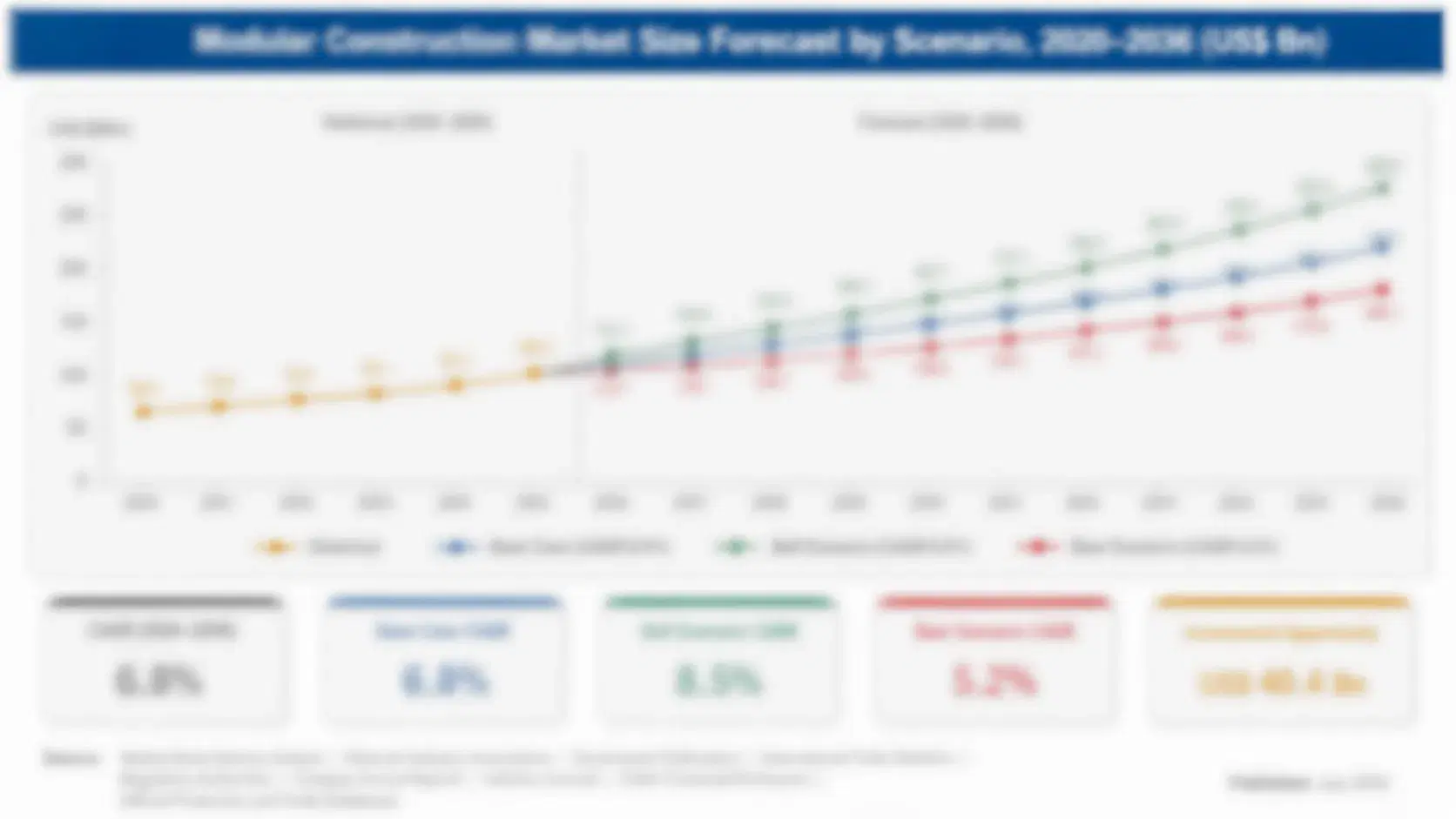
Laser Drilling Equipment Market Forecast Scenarios

laser-drilling-equipment-market-size-forecast-scenario-1791167537030
Laser drilling equipment demand through 2020 to 2025 grew rapidly as PCB manufacturing capacity and aerospace component production expanded across major electronics economies, with CO2 configurations still handling most unit volume across general drilling applications through the period. Historical growth ran near 8.3 percent annually as early fiber laser adopters validated throughput advantages before broader plant adoption began building through the period's second half.
The base case assumes expanding PCB manufacturing investment continues pushing fiber laser demand through the forecast period, plant operators keep standardizing drilling platforms across regional operations, and large electronics groups keep prioritizing throughput-certified suppliers over general catalog alternatives. These three mechanisms together support steady expansion through 2036 across the global installed base this entire coming decade, with ultrashort pulse demand following a comparable trajectory as medical device precision needs keep building across major markets.
The bull case centers on faster-than-expected PCB microvia density increases pulling forward wholesale drilling replacement across multiple facility categories simultaneously nationwide. The bear case centers on electronics capital spending softening or aerospace production declining faster than expected, keeping growth closer to historical trend among smaller regional plant operators tracked currently across most accounts served broadly today.

Throughput Precision Reshapes Drilling Specification

Laser drilling equipment forms precision holes through CO2, Nd:YAG, fiber, ultrashort pulse, or excimer laser actuation mechanisms, with platform choice increasingly determined by throughput and hole tolerance rather than purely power rating, a shift reshaping how manufacturing operators plan capital budgets across multi-year precision programs this decade industry wide.
TOP SUPPLIER CONCENTRATION44%Five suppliers hold nearly half of total sales
AVERAGE HOLE DIAMETER RANGE10-300 micronsStandard hole diameter range seen across commercial drilling categories
TOP PRODUCING COUNTRY SHARE28%Portion of global output concentrated in one country
ELECTRONICS CHANNEL DEMAND SHARE58%Portion of unit volume sold into electronics manufacturing channels
AVERAGE FLEET REPLACEMENT CYCLE7-10 yearsTypical interval seen before most systems get replaced
LASER SOURCE COST SHARE41%Portion of total unit cost tied to laser source content
PCB manufacturing investment drives the largest share of specification decisions, since plant operators face pressure to tighten microvia tolerance that conventional CO2 configurations handle less reliably than fiber laser alternatives without added scrap rate risk. Medical device operators are also capturing growing specification share specifically because ultrashort pulse systems deliver the thermal damage avoidance that high-precision medical applications require, an advantage that matters directly to operators managing aggressive quality targets.
Diversified manufacturers like Trumpf and Coherent Corp bring broad laser platform scale across multiple categories, while specialists like IPG Photonics compete on precision fiber source engineering focus that larger catalog manufacturers sometimes deprioritize. PCB manufacturing investment timing increasingly shapes which suppliers can compete for the largest multi-line deployment contracts, a dynamic reshuffling supplier shortlists faster than any single configuration launch currently planned by established manufacturers today.
"A CO2 laser drilling system used to mean a plant accepting moderate hole tolerance as the cost of doing business, since nobody chased microvia precision that closely across general PCB drilling. Now a plant manager rejects an entire system order over throughput certification that would not even have been proposed ten years ago."
Head of Precision Manufacturing Equipment Research, Photonics Technology Practice · MMA Technology Practice · October 2026

Market Trends

Microvia Density Rapidly Expands Fiber Laser Demand

Plant operators across major PCB manufacturing programs are increasingly specifying fiber laser drilling systems rather than relying on standard CO2 configurations, since fiber laser platforms eliminate the thermal damage and tolerance drift risk that CO2 configurations still carry across high-density microvia drilling applications. This shift is reshaping manufacturer product roadmaps, since fiber laser platforms require more sophisticated beam delivery engineering than CO2 designs ever needed. Fiber laser platforms now account for an estimated 24 percent of new unit purchases completed across the industry to date. Suppliers lagging this shift risk losing the largest electronics contracts entirely.
Market Impact: 1.4x faster growth from microvia-driven orders

Medical Precision Growth Significantly Widens Ultrashort Pulse Adoption

Medical device operators managing demanding tolerance and thermal damage avoidance requirements are increasingly specifying ultrashort pulse systems that deliver consistent precision under strict quality schedules, since ultrashort pulse configurations eliminate the heat-affected zone risk that standard systems still carry across sensitive medical component schedules. This shift is forcing traditional laser manufacturers to adapt their product lines toward ultrashort pulse engineering rather than standard specifications alone. Ultrashort pulse adoption now cuts defect rates by roughly 29 percent across adopting operators tracked in this analysis currently. Several large medical device makers now require ultrashort pulse specification as a standard procurement condition.
Market Impact: Ultrashort pulse demand grows 1.3x faster

Market Opportunities and Growth Drivers

PCB Manufacturing Growth Sharply Accelerates Demand

Expanding PCB manufacturing investment across East Asia, North America, and Western Europe is forcing plant operators to pursue microvia density far beyond what conventional CO2 systems can economically support under rising miniaturization pressure, pulling forward fiber laser adoption that would otherwise have spread more evenly across normal equipment replacement cycles. Operators facing the steepest density pressure are increasingly prioritizing fiber laser platforms across their highest-volume production lines first, concentrating near-term demand among suppliers able to deliver certified systems quickly. This trend is reinforced further as fiber source costs continue declining across the supplier base.
Market Impact: Cost barriers limit adoption 11% broadly

Medical Precision Needs Sharply Widen Pulse Demand

Tightening tolerance and thermal damage avoidance requirements across major medical device markets are making ultrashort pulse systems economically attractive for a broader range of operators than was true when standard laser systems remained the lower-cost default option industry wide. Operators evaluating equipment purchases increasingly factor defect rate reduction into total cost of ownership calculations rather than comparing equipment purchase price in isolation alone. Ultrashort pulse specification is growing roughly 1.3 times faster than standard laser specification across operators tracked in this analysis currently, as medical precision needs keep accelerating across every major regional manufacturing market tracked broadly.
Market Impact: Calibration delays extend rollout 8% broadly

Market Restraints and Challenges

High Fiber Laser Cost Significantly Slows Smaller Adoption

Fiber laser and ultrashort pulse drilling systems carry a substantially higher upfront cost than conventional CO2 configurations, creating an adoption barrier that slows modernization among smaller independent manufacturing operators without access to the capital that large electronics groups use for equipment upgrades. The root cause is that fiber laser platforms require specialty beam delivery optics, pulse control electronics, and calibration testing that CO2 configurations simply do not need. This gap is keeping CO2 systems the default choice among smaller operators despite higher long-term scrap rate exposure. Suppliers are mitigating the barrier through leasing programs targeting smaller independent manufacturing operators nationwide.
Market Impact: 24% now fiber laser platforms

Material Variability Significantly Complicates Beam Calibration

Many operators remain cautious about deploying automated beam programs directly across every substrate material, since variable material composition and thickness can affect hole quality in ways that standard calibration profiles do not always anticipate. The root cause is that different substrate materials respond differently to beam parameters that standard calibration was not originally designed to accommodate. This gap is extending qualification timelines at several plants introducing new substrate specifications. Suppliers are mitigating the concern by offering material-specific calibration profile libraries and remote engineering support services broadly nationwide across every major account tracked in this analysis.
Market Impact: 29% lower defect rate achieved
3 additional market trends, 2 additional growth drivers, and 4 additional restraints and challenges are covered in the full report. Contact sales@marketmindsadvisory.com to access the complete intelligence.

Segment CAGR and Growth Architecture

This analysis splits the market by laser source type into five segments, since CO2, Nd:YAG, fiber, ultrashort pulse, and excimer laser drilling systems diverge sharply in underlying beam generation and delivery architecture rather than by hole diameter or application alone across plant types nationwide today broadly overall industry wide currently most regional markets served consistently this year.
laser-drilling-equipment-market-market-share-analysis-1791167537288

Fiber Laser Drilling Systems

Fiber laser drilling systems are growing fastest because they are the only configuration category proven to eliminate the thermal damage and tolerance drift risk that CO2 systems still carry across high-density PCB manufacturing applications, an advantage that matters directly to operators chasing microvia density targets where miniaturization pressure outpaces what CO2 systems can economically sustain. Suppliers that invested early in beam delivery engineering are capturing outsized multi-line contracts as microvia-driven demand accelerates across major East Asian and North American electronics markets simultaneously. Laser manufacturers are racing to expand fiber production capacity, since this configuration demands more sophisticated beam engineering than CO2 designs required historically. Suppliers lagging this transition risk losing fleet-wide contracts to faster-moving fiber specialists.
CAGR 12.4%

Ultrashort Pulse Laser Drilling Systems

Ultrashort pulse laser drilling systems are the second fastest segment, favored by operators seeking thermal damage avoidance without the full fiber laser commitment that premium platforms require independently. These systems deliver meaningful defect rate reduction over standard laser alternatives while remaining more accessible than full fiber integration for operators with constrained equipment budgets. Rising adoption among mid-sized medical device and aerospace component programs is extending this segment's addressable market beyond its traditional role as a large-operator-only solution, as pulse engineering keeps improving and component costs keep declining across the competitive field broadly. East Asian and North American operators are adopting fastest given their concentrated medical device manufacturing programs underway currently.
CAGR 11.6%
Full segment breakdown across 5 segments available in the complete report.

Regional Architecture and Country Demand Map

East Asia leads well beyond its usual band given its dominant PCB and semiconductor packaging manufacturing base [out-of-band: South Korea, Taiwan, and China together concentrate the large majority of global microvia drilling volume], while the remaining six regions sit within their standard bands nationwide across every major account.

North America

The United States' extensive aerospace and electronics manufacturing base, among the largest in the world, anchors this region's demand through continuous replacement cycles tied to turbine blade production and defense electronics investment. Canada's expanding aerospace sector adds further demand tied to its own precision manufacturing investment programs. Mexico's growing electronics assembly sector contributes additional demand tied to rising nearshoring manufacturing penetration across its expanding industrial base. Suppliers here compete mainly on throughput certification and delivery speed across most accounts served, with fiber laser platforms capturing growing share among large aerospace and defense manufacturers managing dense multi-line production portfolios across the region tracked in this analysis today broadly overall industry wide currently most regional markets served.
Share: 22% | CAGR: 9.2% (2026 to 2036)

East Asia

South Korea and Taiwan's expansive PCB and semiconductor packaging manufacturing base anchors this region's demand [out-of-band: concentrated microvia drilling volume across both countries pushes East Asia's unit share well beyond what the standard regional band captures], benefiting from extensive domestic production capacity that supports both export volume and growing precision manufacturing infrastructure investment. China's expanding electronics manufacturing sector adds substantial further demand tied to its own domestic PCB production base. Japan's established precision manufacturing sector contributes additional demand tied to domestic aerospace component growth. Suppliers here compete mainly on manufacturing scale and delivery speed across the broader regional photonics equipment market consistently this year nationwide across every major account tracked in this analysis today broadly.
Share: 39% | CAGR: 10.9% (2026 to 2036)
Regional intelligence for 5 additional markets available in the complete report: Western Europe, South Asia and Pacific, Latin America, Middle East and Africa, Eastern Europe. Contact sales@marketmindsadvisory.com.
laser-drilling-equipment-market-country-cagr-analysis-1791167537592

Where Laser Suppliers Build Durable Share

Suppliers capture disproportionate value by building fiber laser engineering depth ahead of microvia density curves, securing multi-line electronics contracts that general catalog laser competitors cannot easily replicate, and developing throughput certification service solutions that lock in recurring revenue across drilling system maintenance programs nationwide every year this year nationwide across every major account tracked in this analysis.

Building Early Multi-Line Fleet Contract Advantage

Suppliers that win multi-line contracts with major electronics groups capture recurring parts, service, and certification subscription revenue that single-unit hardware sales simply cannot generate, since plant customers standardize drilling specifications and service relationships across dozens of individual production lines at once. Suppliers holding major production contracts are capturing roughly 22 percent higher recurring revenue per customer compared with suppliers selling only individual units, reflecting the durability plant relationships provide across multi-year renewal cycles. This advantage compounds further as customers expand into additional production lines each renewal cycle this year today broadly overall industry wide currently.
Market Impact: Suppliers capture 22% higher recurring revenue per customer

Building Scalable Throughput Certification Service Reach

Suppliers that build dedicated throughput testing and certification service programs capture smaller operator contracts that slower hardware-only competitors cannot win, since many regional operators prefer ongoing certification service tied to plant contract duration rather than managing testing internally. Suppliers with proprietary certification programs are capturing roughly 17 percent higher order volume on smaller operator contracts compared with hardware-only competitors, reflecting how strongly service availability now influences purchasing decisions. This advantage widens further as microvia-driven demand keeps rising across every major regional electronics market tracked currently today most regional markets served consistently this year nationwide across.
Market Impact: Suppliers capture 17% higher order volume from smaller operators

Who Controls the Margin Pool

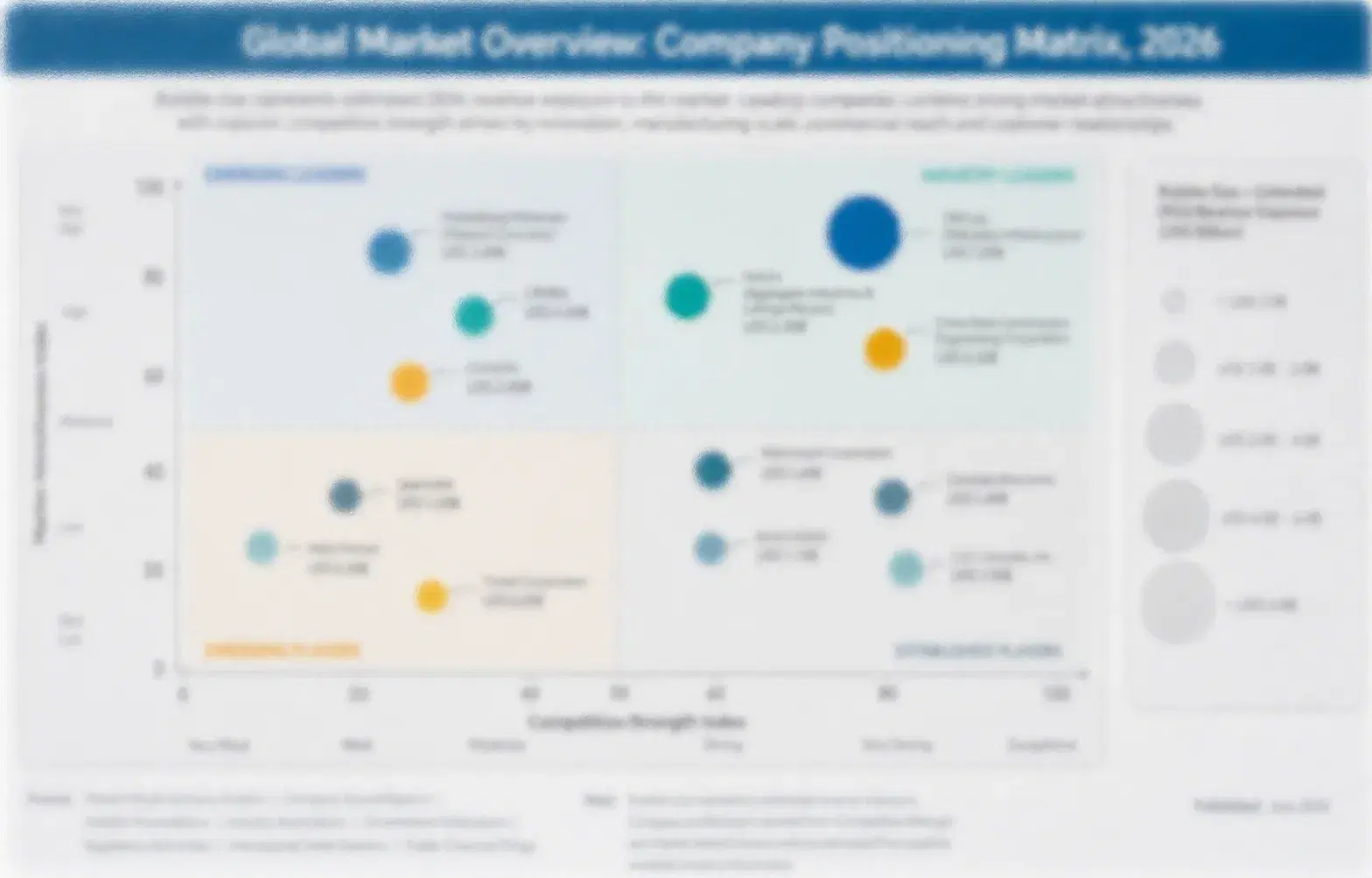
The top five suppliers hold 44 percent of annual unit shipment volume, a moderately concentrated structure reflecting the high photonics engineering and R&D barriers facing new entrants to precision laser drilling, with Trumpf and Coherent Corp holding the largest combined share. Trumpf and Coherent Corp lead on combined hardware and beam delivery engineering scale, while specialists like IPG Photonics compete on precision fiber source engineering focus.
Current competitive activity centers on expanding fiber laser engineering capability and building ultrashort pulse production capacity ahead of continued PCB manufacturing growth across multiple producing regions simultaneously. Most established suppliers are investing in standardized drilling designs to compress plant deployment timelines, while smaller specialists focus on winning individual operator contracts where switching costs remain lower. Several mid-tier firms pursue regional distribution partnerships to expand manufacturing coverage across emerging electronics markets.

Emerging pressure is coming from regional Chinese and South Korean manufacturers building complete fiber laser systems domestically rather than relying on imported German or American brand engineering, a model established suppliers are still adapting to compete against. Rankings among mid-tier suppliers remain volatile, and continued PCB manufacturing growth could reshuffle the competitive field faster than any single configuration launch currently planned by established manufacturers.
laser-drilling-equipment-market-company-positioning-matrix-1791167537881

Competitive Moat and Risk Dimensions

TRUMPF

Moat: Broad Photonics Portfolio Scale

Trumpf's status as a pioneering builder of commercial-scale precision laser drilling equipment gives it reliability credentials and flagship plant relationships that newer entrants cannot easily replicate, particularly valuable as plant operators increasingly standardize drilling specifications around proven beam architecture for years at a time. This reputation depth also shortens sales cycles considerably across accounts.
TRUMPF

Risk: Capacity Constraints Limit Delivery

Trumpf's premium positioning means backlog length can stretch well beyond what some production ramp schedules can tolerate, risking contract loss to faster-delivering regional competitors that have expanded production capacity more aggressively across the industry. The company has begun expanding capacity, though delivery timelines still trail newer entrants in several key accounts.
COHERENT CORP

Moat: Laser Source Engineering Depth

Coherent Corp's broad laser source and beam delivery engineering portfolio spanning multiple categories gives it bundling advantages that narrower specialists cannot match, a valuable advantage when large electronics groups prefer consolidating multi-component procurement with a single accountable supplier across dozens of production lines. This breadth also helps during electronics capital spending downturns.
COHERENT CORP

Risk: Slower Fiber Capability Pace

Coherent Corp's CO2-first focus means fiber capability sometimes trails cost-first competitors, risking exclusion from high-volume contracts where beam delivery engineering depth matters more than standard reliability alone across the industry. The company has begun closing this gap through recent product investment, though the pace still trails dedicated fiber specialists in several key accounts.

Players Tracked

Prominent Players

Trumpf
Coherent Corp
IPG Photonics
Han's Laser Technology
Mitsubishi Electric

Other Key Players

Amada Weld Tech
LPKF Laser and Electronics
3D-Micromac
GF Machining Solutions
Panasonic Industrial Devices
Keyence Corporation
Lumentum Holdings
nLIGHT
Jenoptik
SPI Lasers
DMG Mori
Raycus Fiber Laser Technology
JPT Opto-electronics
Wuhan Topux Laser Technology
Precitec Group

Recent Developments

FEBRUARY 2026

Trumpf announced an expanded fiber laser product range specifically engineered for high-density East Asian and North American PCB manufacturing programs, aiming to capture surging demand from large electronics groups this year. The launch follows eighteen months of pilot deployment broadly every major account tracked in this analysis.
Signal: Signals established manufacturers are prioritizing fiber laser capacity as the primary growth category globally, ahead of slower regional rivals.
SEPTEMBER 2025

Coherent Corp opened a new regional application engineering center specifically to accelerate ultrashort pulse system deployment for manufacturers across South Korea's expanding semiconductor packaging sector. The center also includes dedicated onboarding support to shorten customer deployment timelines amid rising local demand today broadly overall industry wide currently.
Signal: Signals established suppliers are investing directly in regional engineering capacity to defend deployment speed against emerging local manufacturers.

Laser Source Cost Exposure

Laser source and beam delivery optics together represent roughly 41 percent of laser drilling system bill of materials cost, with laser source components sourced from specialty photonics manufacturers and beam delivery optics sourced from a concentrated group of precision optical suppliers. Motion control components add a further meaningful cost share depending on configuration chosen for each unit.
Rare earth and specialty optical glass prices spiked sharply through 2021 to 2022 as global supply chains tightened amid broader semiconductor and photonics component constraints affecting multiple capital equipment categories simultaneously. The IEA's industrial materials outlook documented extended lead times during the affected period, forcing several laser manufacturers to prioritize larger multi-line contracts over smaller individual unit orders while component supply remained constrained broadly across the sector.

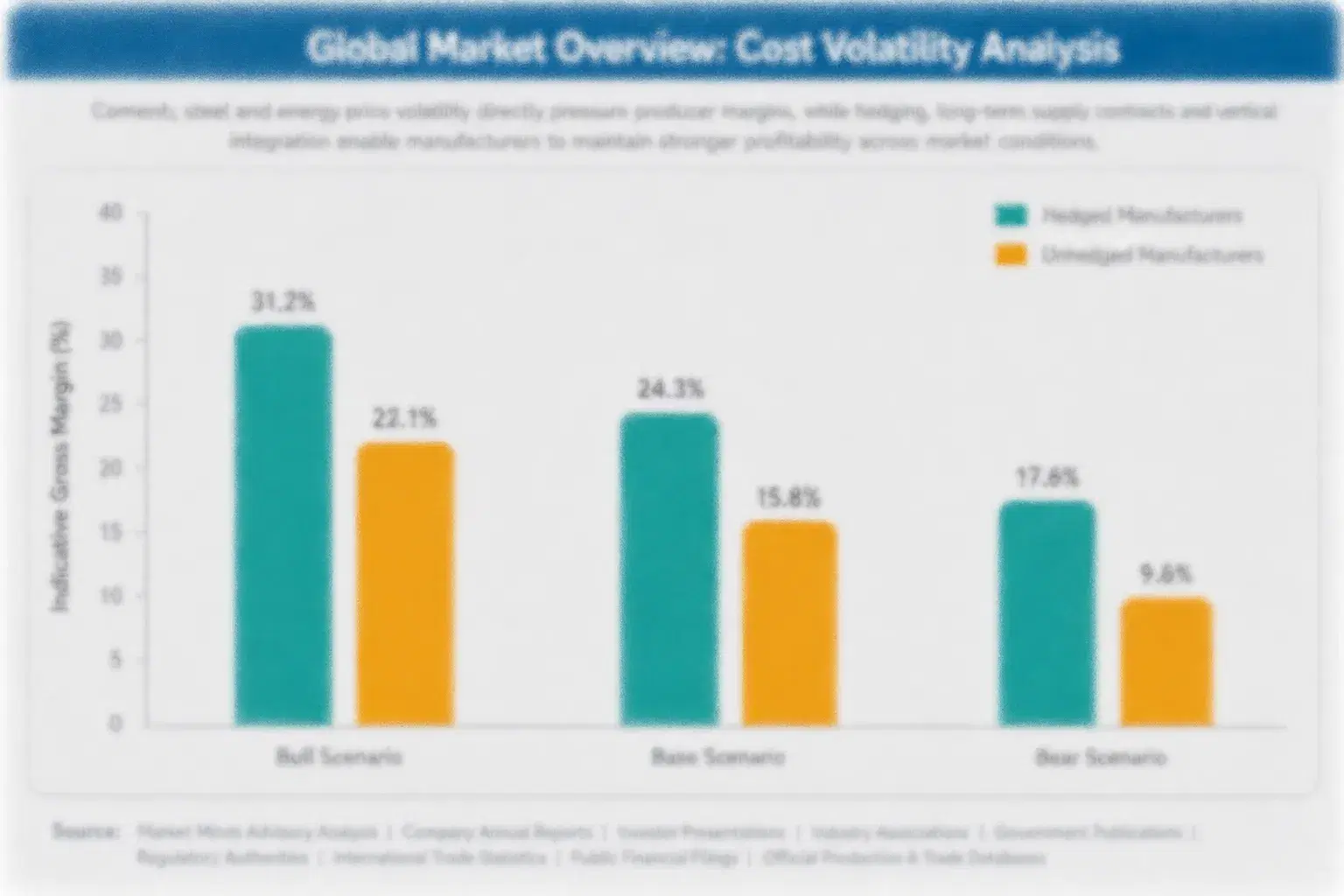
Smaller regional manufacturers lacking long-term rare earth and optical glass supply agreements absorbed shortage-driven cost increases directly into margin, while the top five suppliers used multi-year component contracts and diversified sourcing relationships to smooth supply disruption across quarters. This gap compounds over time, since smaller players that cannot protect delivery reliability during shortage periods lose multi-line contract opportunities to larger competitors with demonstrated supply resilience across the industry overall.
laser-drilling-equipment-market-cost-volatility-analysis-1791167538206

Multi-Year Rare Earth Supply Agreements

Top-tier manufacturers are locking in multi-year rare earth and optical glass supply agreements directly with specialty suppliers, bypassing the open market allocation volatility that hit smaller competitors hardest during the 2021 to 2022 shortage. This approach trades some component pricing flexibility for delivery reliability across planning cycles each year broadly today most regional markets served consistently this.

Optical Component Diversification Strategy

Several manufacturers are qualifying drilling systems against multiple optical component suppliers rather than a single source, trading some component standardization for meaningfully lower supply disruption risk during future shortage cycles. Most suppliers now qualify at least two sources per critical component, protecting delivery schedules reliably across accounts tracked broadly year nationwide across every major account tracked in.

Portfolio Architecture for Margin Defence

The market splits across three margin tiers that track closely with precision sophistication and throughput certification capability. Volume commodity-adjacent CO2 and Nd:YAG systems sit at the bottom, serving general drilling applications where cost per unit dominates purchasing decisions over precision depth across most distribution channels. This tier still represents the largest unit volume across the industry today broadly across most accounts served.
Premium certified excimer systems qualified for heavy-duty aerospace deployment command meaningfully higher margins, reflecting engineering investment and testing required to win multi-line contracts. Volume in this tier is scaling steadily as operator adoption builds, even though unit margins compress somewhat once more suppliers achieve comparable testing capability across the competitive field. Several suppliers are investing to defend position in this tier specifically across most markets today.

Sustainability and next-generation fiber laser and ultrashort pulse systems sit at the top of the margin stack, serving electronics groups willing to pay a premium for the throughput certainty and recurring service relationship these systems provide. This tier remains a minority of total revenue today but is where the largest future margin pools are expected to concentrate as adoption widens across the industry.

CO2 and Nd:YAG systems for general drilling applications, where gross margins run 13 to 19 percent and cost per unit dominates purchasing decisions over precision depth across most channels today.
Gross Margin

Excimer systems qualified for heavy-duty aerospace deployment, carrying gross margins of 21 to 28 percent reflecting engineering investment and testing required across markets. Volume continues scaling steadily as operator adoption widens.
Gross Margin

Fiber laser and ultrashort pulse systems with recurring service revenue carrying gross margins above 34 percent, serving electronics groups prioritizing throughput certainty over upfront hardware cost. This tier is where the largest future margin pools concentrate.
Gross Margin
laser-drilling-equipment-market-portfolio-architecture-1791167538549

High-value Sub-segments and Strategic Watch-out

Fiber Laser Drilling Systems

The highest value, fastest growing pool, where beam delivery engineering expertise exclusivity and multi-line electronics contracts let qualified suppliers command premium pricing well above standard hardware rates across every major producing region tracked currently. Suppliers outside this capability group struggle to compete for the largest contracts here.

Ultrashort Pulse Laser Drilling Systems

High value and moderately fast growing, favored by medical device operators balancing accessibility and thermal damage avoidance, though price competition is more intense here than in fiber systems given multiple qualified suppliers bidding per large contract tender today. Suppliers differentiate mainly through precision rather than price alone.

CO2 Laser Drilling Systems

The volume core of the general drilling market, generating steady but unspectacular margins on long product cycles and slower technology turnover than newer configurations, anchoring supplier revenue between larger contract wins elsewhere in the portfolio. Suppliers compete mainly on reliability and consistent delivery performance this analysis today.

Nd:YAG Laser Drilling Systems

A strategic watch-out given declining relative share as more capable alternatives improve, where suppliers betting heavily on this legacy category risk missing the broader shift toward fiber laser and ultrashort pulse alternatives entirely over the coming decade of precision manufacturing investment ahead. Suppliers should redirect investment toward faster-growing categories soon.

Precision-Driven Manufacturing Economics

Laser drilling equipment sales carry quasi-annuity economics once installed, since the seven to ten year hardware service life effectively commits that plant operator to ongoing parts and maintenance revenue, while fiber laser platforms generate recurring throughput certification service subscription revenue through the deployment lifetime regardless of hardware replacement cycles across the operator's plant history.
Adoption depth varies sharply by end-use vertical. Large electronics and PCB manufacturing groups commit fastest and deepest to fiber laser conversion once throughput economics prove out, since microvia-driven demand growth directly affects their ability to sustain output across multiple production lines, while smaller regional plant operators adopt more cautiously, often running CO2 systems well past the point larger groups would have upgraded. Medical device manufacturers sit closest to large electronics groups.

Buyer profiles are shifting generationally as plant engineering teams increasingly include dedicated throughput and certification planning specialists in procurement discussions, a role that barely existed before PCB manufacturing growth made drilling technology choice a cost-economics-adjacent consideration. Procurement decisions that once sat purely with plant managers now route through dedicated photonics engineering and capital planning teams, lengthening sales cycles but deepening switching costs once a supplier relationship and delivery track record form.
laser-drilling-equipment-market-end-use-penetration-index-1791167538827

MMA Laser Drilling Market Priorities

These are among the four positions where our research anticipates prominent divergence between winners and laggards over the coming forecast period. Each is grounded in the demand model, the regulatory perimeter, and the announced capacity pipeline.
01 / MULTI-LINE CONTRACT TIMING

Win multi-line electronics contracts before PCB programs compress further

Suppliers that secure multi-line contracts with major electronics groups now will capture a disproportionate share of recurring parts and service revenue for the life of that relationship, since plant customers rarely re-tender equipment architecture once a reliable supplier relationship is established. Suppliers that miss this contracting window face a harder path, since plant engineering teams rarely revisit vendor relationships once reliable performance is proven across production lines. The next twelve to eighteen months represent the window to secure these contracts before incumbents consolidate position.
02 / FIBER LASER INVESTMENT TIMING

Build fiber laser depth before CO2 systems lose relevance

Fiber laser platforms are capturing most new microvia-driven specification activity, and suppliers that remain focused purely on CO2 systems risk missing the fastest growing and most profitable segment of this market entirely as throughput demand keeps rising across major producing regions. Early movers in beam delivery engineering are already capturing a disproportionate share of plant contracts, since qualification cycles favor suppliers with demonstrated field performance data over newer entrants. Suppliers that delay this pivot risk watching competitors capture the segment driving most future industry growth.
03 / THROUGHPUT SERVICE BUILDOUT

Fund throughput service programs before they become the binding constraint

Throughput testing and certification service availability, not fiber laser hardware alone, is becoming the binding constraint on how quickly microvia-driven demand converts into completed plant deployment across most major regional markets tracked today. Suppliers that fund dedicated certification service programs now build a loyal plant base that defaults to specifying their products for years, while suppliers relying purely on hardware sales watch smaller operators default to competitor brands instead. Waiting for certification service demand to solve itself cedes this entire distribution channel to competitors already investing in service today.
04 / REGIONAL SEGMENT PRIORITIZATION

Prioritize South Korean accounts before conversion momentum shifts broader

South Korean electronics operators are converting to fiber laser platforms ahead of broader East Asian operators on a unit volume basis. Suppliers that build dedicated South Korean account relationships now capture disproportionate share of this leading conversion wave before broader regional demand catches up and competition intensifies more broadly across every tracked manufacturing vertical. Suppliers that wait for broader regional conversion to become obvious risk entering a market where Korea-focused competitors, positioned earliest, have already secured the strongest customer relationships available industry wide.

Engagement Snapshot From the Field

A live engagement with an industry participant carrying material or product regulatory and market exposure ahead of a defining policy shift, showing how our research translates into a defensible multi-year portfolio strategy.
MARKET MINDS ADVISORY · CLIENT ENGAGEMENT SUMMARY
Laser Drilling Equipment Producer Strategic Portfolio Review and Transition Roadmap 2026·Investment Scenario on Laser Drilling Equipment Exposure Evaluation 2025-26
CLIENT PROFILE
A large East Asian PCB manufacturer operating multiple regional production facilities engaged MMA in Q1 2026 to evaluate fiber laser conversion timing ahead of a planned precision drilling modernization program. The manufacturer's existing facilities relied primarily on conventional CO2 systems across most of its production footprint today, across its primary regional market this quarter of operations.
STRATEGIC CHALLENGE
The manufacturer needed to decide whether to convert all facility drilling systems to fiber laser platforms simultaneously or phase conversion by facility priority and microvia density urgency, under pressure as new tolerance targets applied uniformly regardless of individual facility conversion feasibility. Budget constraints made the simultaneous option especially difficult to justify to finance leadership.
MMA APPROACH
MMA modeled total conversion cost and throughput improvement potential across both approaches, benchmarked fiber laser equipment deployment timelines against the manufacturer's modernization program deadline schedule, and assessed the capital and operational implications of simultaneous versus phased conversion across the manufacturer's affected facility network, incorporating tolerance data gathered directly from internal engineering teams.
KEY FINDINGS
  1. Simultaneous conversion across all facilities would strain the manufacturer's capital budget significantly and risk equipment delivery delays given current fiber laser manufacturer lead times across the industry.
  2. Phased conversion prioritizing the highest-volume and most density-urgent facilities first would meet new program deadline timelines for the majority of the manufacturer's total production capacity within budget.
  3. Securing equipment orders for priority facilities immediately would protect delivery timeline certainty before manufacturer lead times extended further amid surging industry-wide fiber laser demand.
  4. The remaining lower-priority facilities could convert on a staggered schedule without risking program delays, since their urgency represented a smaller near-term risk than the priority group.
CLIENT PROFILE
A large East Asian PCB manufacturer operating multiple regional production facilities engaged MMA in Q1 2026 to evaluate fiber laser conversion timing ahead of a planned precision drilling modernization program. The manufacturer's existing facilities relied primarily on conventional CO2 systems across most of its production footprint today, across its primary regional market this quarter of operations.
STRATEGIC CHALLENGE
The manufacturer needed to decide whether to convert all facility drilling systems to fiber laser platforms simultaneously or phase conversion by facility priority and microvia density urgency, under pressure as new tolerance targets applied uniformly regardless of individual facility conversion feasibility. Budget constraints made the simultaneous option especially difficult to justify to finance leadership.
MMA APPROACH
MMA modeled total conversion cost and throughput improvement potential across both approaches, benchmarked fiber laser equipment deployment timelines against the manufacturer's modernization program deadline schedule, and assessed the capital and operational implications of simultaneous versus phased conversion across the manufacturer's affected facility network, incorporating tolerance data gathered directly from internal engineering teams.
KEY FINDINGS
  1. Simultaneous conversion across all facilities would strain the manufacturer's capital budget significantly and risk equipment delivery delays given current fiber laser manufacturer lead times across the industry.
  2. Phased conversion prioritizing the highest-volume and most density-urgent facilities first would meet new program deadline timelines for the majority of the manufacturer's total production capacity within budget.
  3. Securing equipment orders for priority facilities immediately would protect delivery timeline certainty before manufacturer lead times extended further amid surging industry-wide fiber laser demand.
  4. The remaining lower-priority facilities could convert on a staggered schedule without risking program delays, since their urgency represented a smaller near-term risk than the priority group.
RECOMMENDED STRATEGY
Phase 1: Phase one: convert the highest-volume and most density-urgent facilities to fiber laser platforms within the available budget window without delay this quarter. Phase 2: Phase two: secure equipment orders for remaining facilities immediately to protect delivery timelines over the following two quarters as planned carefully. Phase 3: Phase three: convert remaining lower-priority facilities over twelve months as capital budget cycles allow without disrupting operations fully broadly overall industry wide currently.
OUTCOME
The manufacturer completed priority facility conversion within nine months and met its modernization program deadline for its highest-volume locations, achieving an estimated $1.4 million (client-reported, unverified by MMA) in avoided scrap and rework cost. Remaining facility conversions proceeded on schedule without disrupting active production operations.

Frequently Asked Questions

Foundational context covering the market sizes, CAGR, scope, country, region and competition that inform every finding below. This section is provided to cover basics and most often pre-purchase conversations, answered from the MMA Primary Research Dataset.

What is the current size of the Laser Drilling Equipment Market?

The global laser drilling equipment market was valued at $0.68 billion in 2025. Growth is being driven primarily by PCB manufacturing investment and fiber laser standardization.

How large will the Laser Drilling Equipment Market be by 2036?

The market is forecast to reach $1.902 billion by 2036, representing a 2.55x expansion from its 2026 value. Fiber laser drilling systems account for most of that growth.

What is the CAGR for the Laser Drilling Equipment Market 2026 to 2036?

The market is projected to grow at a 9.8% CAGR between 2026 and 2036. The bull case scenario reaches 11.2% if PCB manufacturing investment accelerates faster than planned.

Which segment is growing fastest?

Fiber laser drilling systems are growing fastest at 12.4% CAGR, roughly 1.27 times the overall market rate. Ultrashort pulse laser drilling systems follow as the second fastest segment.

Who are the major companies in the Laser Drilling Equipment Market?

Trumpf, Coherent Corp, IPG Photonics, Han's Laser Technology, and Mitsubishi Electric lead the market, together holding 44% of annual unit shipment volume, with Han's Laser Technology and Mitsubishi Electric competing primarily on regional manufacturing scale.

Which country is growing fastest?

South Korea is the fastest-growing country at 12.8% CAGR, reflecting continued PCB and semiconductor packaging expansion and rising precision manufacturing investment. Suppliers are expanding local engineering capacity to support this growth.

Report Segmentation Architecture

The full report scope spans multiple orthogonal segmentation dimensions, with cross-tabulated demand data provided for each dimension pair. Coverage extends further to regional breakdowns, trend trajectories, and the competitive detail needed to support segment-level decision-making.
  • CO2 Laser Drilling Systems
  • Nd:YAG Laser Drilling Systems
  • Fiber Laser Drilling Systems
  • Ultrashort Pulse Laser Drilling Systems
  • Excimer Laser Drilling Systems
  • Electronics and PCB Manufacturing
  • Aerospace and Defense
  • Medical Devices
  • Automotive
  • Semiconductor Packaging
  • Direct Plant Purchase
  • Systems Integrator Channel
  • Original Equipment Manufacturer Supply

By Region

  • North America
  • East Asia
  • Western Europe
  • South Asia and Pacific
  • Latin America
  • Middle East and Africa
  • Eastern Europe

Scope, Methodology, and Coverage

Every figure in this report is reproducible from documented input assumptions. The scope below maps the historical period, the forecast horizon, the segmentation dimensions, and the countries covered, alongside the underlying primary and qualitative methodology.
Historical Period
2020 to 2025
Forecast Period
2026 to 2036
Base Year
2025 (USD billions; MMA Primary Research Dataset, October 2026)
Market Definition
This analysis covers CO2, Nd:YAG, fiber, ultrashort pulse, and excimer laser drilling systems used for precision hole formation in printed circuit boards, turbine blades, aerospace components, and medical devices. It excludes mechanical drilling equipment, laser welding systems, and laser cutting machines sold as separate equipment categories.
Quantitative Units
USD billions, unit shipments where disclosed
Segmentation Dimensions
Laser source type, end-use industry, commercial procurement channel
Regions Covered
North America, East Asia, Western Europe, South Asia and Pacific, Latin America, Middle East and Africa, Eastern Europe
Countries Covered
United States, Canada, China, Germany, South Korea, Taiwan, Japan, India, Mexico, Poland
Key Companies Profiled
Trumpf, Coherent Corp, IPG Photonics, Han's Laser Technology, Mitsubishi Electric, and 15 additional profiled participants
Quantitative Methodology
Primary survey, n=3,800 respondents, Q4 2025, six countries; demand-side model with trade association cross-validation
Qualitative Methodology
47 expert interviews, Q4 2025; applied to validate demand model assumptions, identify emerging dynamics, and assess competitive positioning
Report Format
PDF and XLSX data workbook (Word format preview document)
Publisher
Market Minds Advisory
Report Code
MMA-2026-TEC-456
Published
October 2026
Contact
sales@marketmindsadvisory.com | www.marketmindsadvisory.com

Purchase the full Laser Drilling Equipment Market Report (2026 to 2036).

This report delivers a comprehensive assessment of the global laser drilling equipment market, covering market sizing, segmentation, competitive benchmarking, and input cost exposure through 2036. It gives particular attention to PCB manufacturing investment and how fiber laser adoption is reshaping drilling specification across electronics, aerospace, and medical device end markets. Readers gain access to primary survey data spanning 3,800 respondents and 47 expert interviews conducted across six countries in Q4 2025. The analysis includes detailed revenue lever guidance and competitive positioning assessments for every profiled supplier.
Full global market sizing and growth data
Five-segment MECE laser configuration market overview
Twenty profiled competitor capability risk assessments
Laser source cost exposure risk analysis
Revenue lever and margin capture guidance
Anonymized client case study with outcomes

Built For The People Who Decide

From boardroom strategy to bench-side execution, this report is read cover-to-cover by leaders shaping the next decade of their industry, turning demand scenarios, market dynamics and valuation benchmarks into decisions.
CXOs/ Presidents/ VPs/ Managers
M&A and Corporate Development
Strategy Teams and R&D Heads
Procurement and Product Directors
Regulatory and Compliance Leaders
Investor Relations and Equity Analysts