Market Minds Advisory
Kraft Pouch Market

Kraft Pouch Market Growth and Demand Outlook, 2026-2036

Brand owners are swapping plastic pouches for kraft paper alternatives as single-use plastic bans tighten across Europe, even though compostable paper barrier coatings still cost more and perform worse than the laminates they replace.

Lead Analyst

Bilal Shaikh

Published

November 2026

Make Smarter Decisions with Customized Research Insights

Request a free sample report and evaluate market opportunities, growth trends, and competitive dynamics relevant to your business needs.

2025 MARKET VALUE$1.4BMarket Size 2025
2036 FORECAST VALUE$5.6BBase Case , 2026 to 2036
CAGR 2026 TO 203613.5 %Bull 14.8% / Bear 12.2%
INCREMENTAL OPPORTUNITY$4.0BNet 10- year value creation
EXPANSION MULTIPLE3.55x2036 value over 2026 base
Strategic Levers
M&A Pipeline
Regional Outlook
Country Rankings
Competitive Intelligence
Segmental Deep-dive
Call-Us : 91 93563 13602

Kraft Pouch Market Snapshot

Brand owners are treating kraft paper pouches as a visible sustainability signal to consumers, even where the barrier coating underneath still relies on thin plastic or bio-based films that complicate end-of-life recyclability claims the packaging itself seems to promise on the shelf.
Western Europe is leading adoption by a wide margin, driven by packaging sustainability regulation and a consumer base that associates kraft paper visually with sustainability. Compostable bio-coated and recyclable mono-material structures are growing fastest, as brand owners in coffee, snack, and personal care categories chase certification credentials ahead of extended producer responsibility deadlines. Converters capable of matching plastic-equivalent barrier performance in paper format are capturing disproportionate share of this fast-growing but still small market.
Five converters hold under a third of global capacity, leaving a fragmented field of specialty paper converters competing on barrier technology rather than scale. The main constraint holding the category back is cost: kraft pouches run more expensive than equivalent plastic laminates, and barrier performance for oxygen and moisture-sensitive products remains the clear gap. Regulation is compressing the timeline for closing that gap faster than cost curves alone would suggest.
Market Definition
The kraft pouch market covers flexible packaging formed primarily from kraft paper substrate, including uncoated, PE-coated, bio-coated compostable, foil-laminated, windowed, and recyclable mono-material barrier variants used across food, beverage, personal care, and household categories. It excludes plastic-film-dominant flexible pouches, molded fiber containers, and corrugated or paperboard cartons that do not use a kraft paper pouch substrate as the primary packaging material.
Base Year Value
$1.4B in 2025 (MMA Primary Research Dataset, October 2026)
Forecast Period
2026 to 2036, eleven discrete annual values
CAGR
13.5% base case. Bull 14.8%. Bear 12.2%.
Fastest Growth Segment
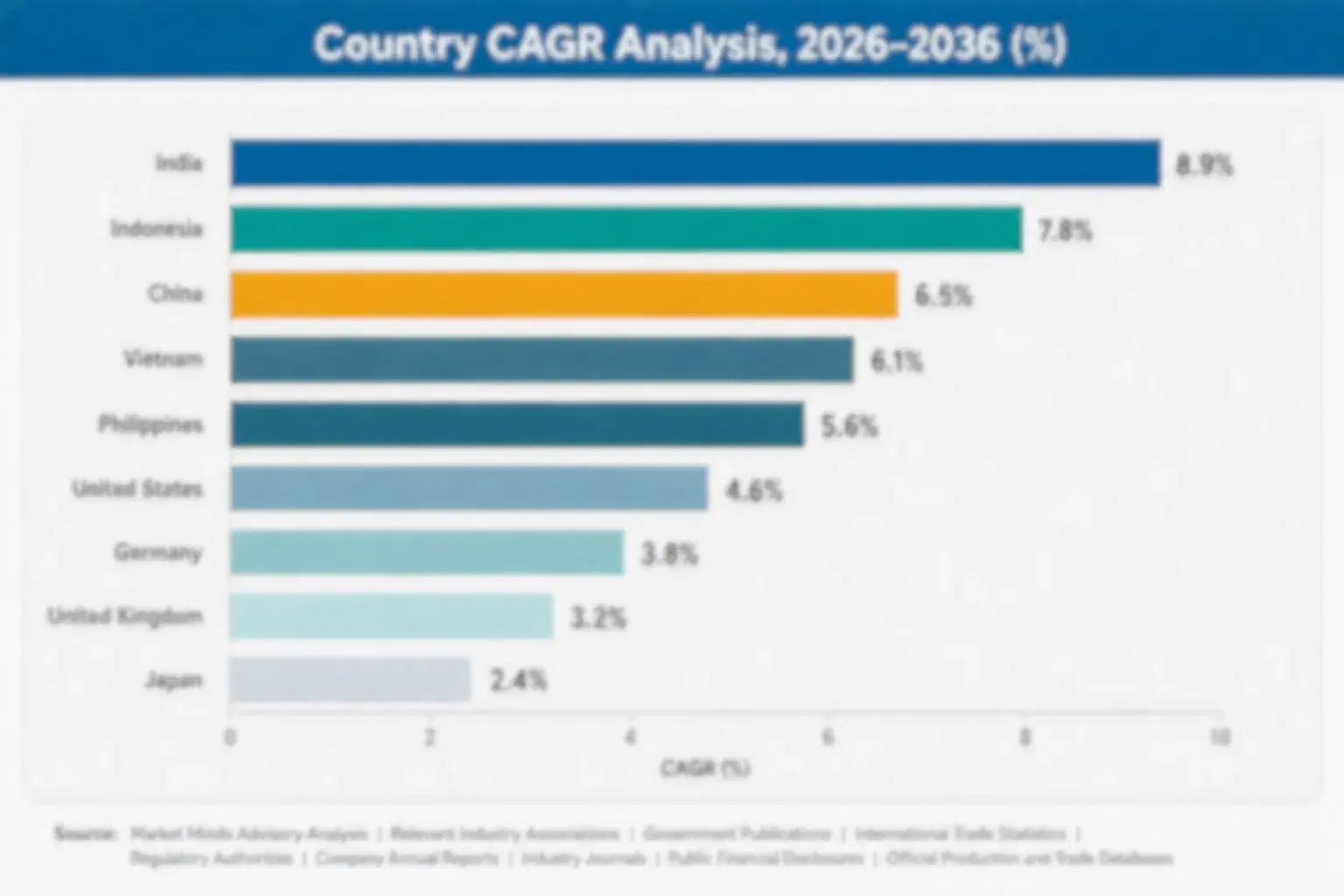
Compostable Bio-Coated Kraft Pouches: 17.2% CAGR
Fastest Growth Country
India: 16.8% CAGR
Fastest Growth Region
South Asia and Pacific: 15.6% CAGR
Largest Region
Western Europe: 29% of 2025 global value
Market Leaders
Mondi, Smurfit WestRock, ProAmpac, Constantia Flexibles, and Billerud lead the market. Source: MMA Analysis based on company annual reports and investor filings.
Primary Survey
n=3,800 procurement and R&D decision-makers, Q4 2025, six countries
Methodology
Demand-side build-up, cross-validated against public data, 47 expert interviews

Kraft Pouch Market Forecast Scenarios

kraft-pouch-market-size-forecast-scenario-1791409985894
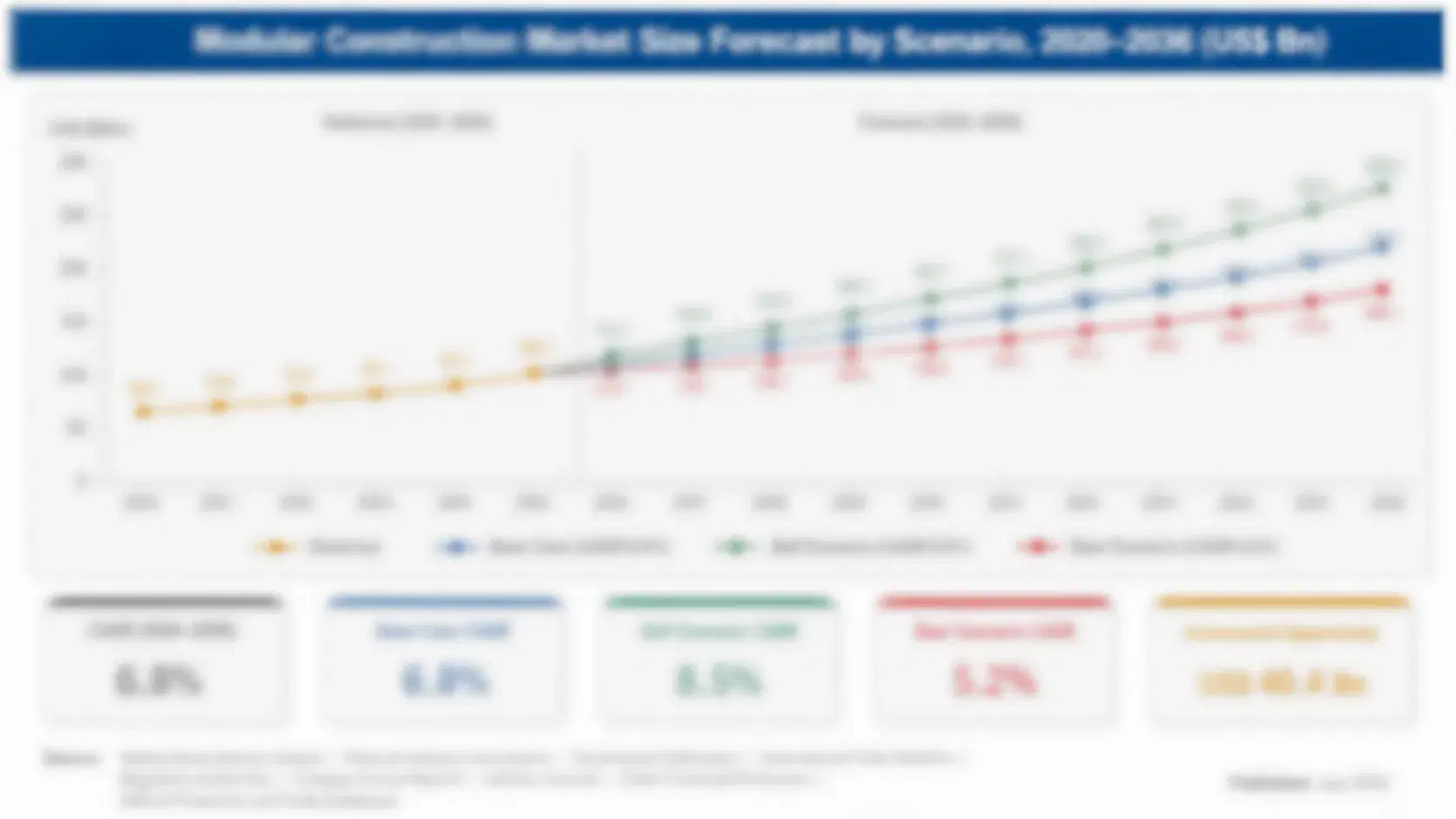
Kraft pouch volume grew from a small base between 2020 and 2025 as early sustainability-focused brand owners in coffee, snack, and personal care categories tested paper-based alternatives to plastic pouches. Scale remained limited by barrier performance gaps and higher unit cost. The market grew at a historical compound annual growth rate of 12.0%, behind the faster pace now expected as barriers improve.
The base case assumes continued European regulatory pressure, gradual barrier technology improvement narrowing the performance gap with plastic, and expanding brand owner adoption beyond early sustainability leaders into mainstream categories. Extended producer responsibility fee schedules penalize plastic laminates relative to paper, consumers show willingness to pay a premium for sustainable packaging, and converters are investing in compostable and recyclable mono-material coatings that close the barrier gap faster than expected. Together these mechanisms sustain growth beyond the earliest adopters.
The bull case centers on faster European Union single-use plastics regulation expansion pushing brand owners to convert ahead of schedule, lifting both volume and the price premium paper commands over plastic alternatives. The bear case is weak barrier performance that confines kraft pouches to dry, shelf-stable categories, capping addressable volume well below what proponents expect for moisture and oxygen-sensitive products.

Why Paper Pouches Still Cost More Than They Save

Kraft pouches occupy a strange position in flexible packaging: visually distinctive and easy for consumers to associate with sustainability, yet technically behind plastic laminates on barrier performance and meaningfully more expensive to produce. The category's growth is coming almost entirely from brand owners willing to accept that tradeoff for marketing and regulatory reasons rather than from pure cost or performance advantages the format can currently offer on its own merits. This dynamic is reshaping converter investment priorities across the entire category simultaneously. The same pressures carry over to the stand up paper pouches market, where MMA forecasts USD 6.02 billion by 2036 at a 7.2% CAGR.
MARKET CONCENTRATION (CR5)31%Top five converters hold under a third of capacity
AVERAGE SELLING PRICE$0.15/unitBlended global average price per kraft pouch unit
TOP PRODUCING COUNTRY SHARE24%Germany supplies roughly a quarter of total output
CAPACITY UTILIZATION71%Converters run specialty lines below three quarters capacity
PAPER SHARE OF COGS48%Kraft paper substrate dominates converter input cost structure
TRADE INTENSITY22%Roughly a fifth of converted volume crosses a border
Commercially, the market splits between commodity uncoated and PE-coated structures serving dry, shelf-stable categories, and premium compostable or recyclable mono-material structures chasing certification credentials ahead of regulatory deadlines. Converters with genuine paper science and barrier coating capability are capturing almost all of the premium volume, while commodity paper pouch converting remains accessible to smaller regional players without proprietary technology. For scale, MMA values the paper pouch market at USD 0.95 billion in 2025 and expects it to reach USD 3.8 billion by 2036.
Over the next decade, two forces reshape the category: European Union single-use plastics regulation expanding scope to cover more packaging formats, and brand owner demand for recyclable mono-material structures that satisfy both marketing and genuine end-of-life recyclability simultaneously, a combination the category has not yet fully delivered.
"Kraft paper pouches photograph beautifully on shelf, but half of them still have a plastic liner doing the actual barrier work. The honest recyclable version is coming, just not as fast as the marketing suggests."
Director, Packaging and Materials Practice · MMA Packaging and Materials Practice · October 2026

Key Trends in Kraft Pouch

European Union Plastics Regulation Accelerates Paper Substitution

The European Union's Packaging and Packaging Waste Regulation and various national single-use plastics bans are pushing brand owners to requalify packaging around paper-based alternatives wherever technically feasible, with kraft pouches benefiting directly in dry food, coffee, and personal care categories where barrier requirements are modest. Several national governments have introduced additional plastic packaging taxes that specifically exempt or discount paper-based structures, creating a direct cost incentive layered on top of consumer sustainability preference. Brand owners report requalification timelines of 12 to 18 months, similar to plastic-to-plastic conversions, but with added paper sourcing and barrier testing steps. The kraft paper pouch market is already worth USD 3.4 billion in 2025, and MMA expects a 7.4% CAGR from here to 2036.
Market Impact: Supports premiums of 10 to 20%
Compostable Barrier Coatings Approach Commercial Viability

Bio-based barrier coating technology that can replace thin plastic liners inside kraft pouches has improved meaningfully over the past three years, narrowing the performance gap with conventional plastic-coated structures on moisture and grease resistance for dry food and snack applications. Converters that have commercialized compostable coating lines are winning certification-driven volume from brand owners seeking genuine end-of-life claims rather than the partial recyclability of foil-laminated or standard PE-coated kraft structures. Cost remains meaningfully higher than conventional coatings, but the gap is narrowing faster than most converters expected two years ago. This dynamic also shapes the kraft block bottom pouch market, valued by MMA at USD 2.3 billion in 2025 and expected to reach USD 5.04 billion by 2036.
Market Impact: Cuts compliance fees 30 to 40%

Where the Kraft Pouch Opportunity Lies

Consumer Sustainability Preference Supports Price Premium

Consumers across Western Europe and increasingly North America report willingness to pay a meaningful price premium for visibly paper-based packaging over plastic alternatives, even when the underlying environmental benefit is smaller than the packaging's appearance suggests. Brand owners are capturing this willingness to pay directly, pricing kraft pouch products at a premium that more than offsets the format's higher converting cost in categories where consumers actively compare packaging materials at shelf. This dynamic is strongest in coffee, snack, and premium personal care categories where purchase decisions are highly visible and considered.
Market Impact: Excludes over 70% of categories

Extended Producer Responsibility Fees Penalize Plastic Laminates

Extended producer responsibility fee schedules across the European Union and several US states charge meaningfully higher fees on multi-layer plastic laminate packaging than on paper-based structures, directly improving the relative economics of kraft pouches even before accounting for consumer preference. Brand owners operating across multiple European markets are increasingly standardizing on paper-based formats specifically to simplify compliance reporting across differing national fee schedules rather than negotiate category-by-category exceptions. This regulatory tailwind is expected to strengthen further as more jurisdictions adopt similar fee structures over the next several years. This tailwind is strongest among large multinational brand owners. Measured on its own, the paper-based laminate market is valued by MMA at USD 4.8 billion in 2025, heading to USD 8.56 billion by 2036.
Market Impact: Costs 20 to 35% more

What Holds Back Kraft Pouch Growth

Barrier Performance Gap Limits Moisture-Sensitive Categories

Kraft pouches still fall meaningfully short of plastic laminates on moisture and oxygen barrier performance, which restricts the format mainly to dry, shelf-stable categories like coffee, snacks, and some personal care products. The root cause is a genuine materials science challenge: paper substrate is inherently more permeable than plastic film, and compostable coatings that preserve recyclability add less barrier protection than conventional plastic liners. Several converters are mitigating this by developing multi-layer bio-based coating systems that target specific barrier properties rather than attempting a universal solution. Brand owners in moisture-sensitive categories are staying with plastic formats until coatings improve.
Market Impact: Adds 5 to 8 share points

Higher Unit Cost Limits Commodity Category Adoption

Kraft pouches cost meaningfully more to produce than equivalent plastic pouches, since paper substrate itself carries a higher raw material cost and the format requires more careful handling during high-speed filling operations. The underlying cause is a combination of paper pricing and production line speed limitations. Price-sensitive commodity categories including basic household and value-tier food products have been slow to adopt kraft pouches, limiting the format mainly to premium and mid-tier brand positioning. Converters are mitigating the cost gap by investing in higher-speed paper-handling equipment and dedicated supply contracts. Smaller converters face the steepest climb toward closing this gap.
Market Impact: Narrows cost gap nearly 20%
3 additional market trends, 3 additional growth drivers, and 3 additional restraints and challenges are covered in the full report. Contact sales@marketmindsadvisory.com to access the complete intelligence.

Kraft Pouch Segment CAGR Comparison

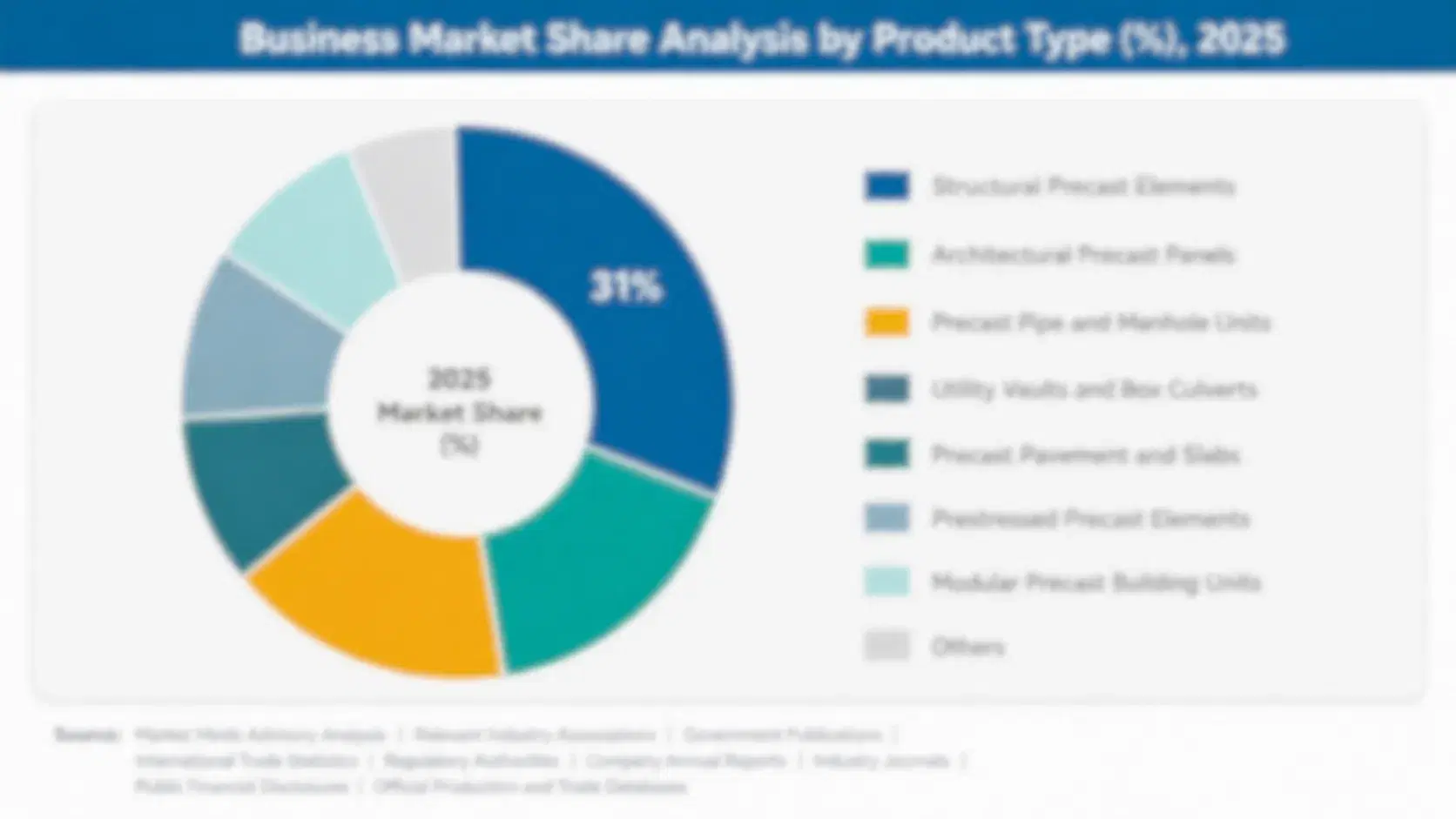
Barrier coating technology, not end-use or material grade alone, is the clearest segmentation lens, since converting cost, recyclability certification, and price positioning all vary primarily by what lines the inside of the kraft paper rather than by what sits inside the pouch. Six variants cover global volume: uncoated, PE-coated, bio-coated compostable, foil-laminated, windowed, and recyclable mono-material structures.
kraft-pouch-market-market-share-analysis-1791409986167

Compostable Bio-Coated Kraft Pouches

Compostable bio-coated kraft pouches are the fastest-growing variant because brand owners in coffee, snack, and personal care categories are chasing genuine end-of-life compostability claims that foil-laminated or standard PE-coated structures cannot deliver. Converters that have commercialized bio-based barrier coating lines are winning certification-driven volume from brand owners facing extended producer responsibility deadlines that reward verified compostability over partial recyclability claims. Premium coffee and snack brand owners support pricing well above standard kraft structures, and several have committed to multi-year conversion programs that lock in converter capacity years ahead. Cost and barrier performance relative to conventional coatings remain the main constraints still limiting broader adoption beyond early sustainability-focused categories. Retailers increasingly favor stocking these structures prominently given their strong consumer appeal.
CAGR 17.2%

Recyclable Mono-Material Kraft Pouches

Recyclable mono-material kraft pouches are the second-fastest variant, using paper-compatible barrier coatings designed to pass standard paper recycling stream sorting rather than requiring separate compostable waste collection infrastructure that remains limited in most markets. Brand owners favor this approach because it works with existing municipal recycling systems that consumers already understand, avoiding the consumer confusion that compostable packaging sometimes creates when curbside composting is not locally available. Converters that have qualified mono-material structures for standard paper recycling streams are winning volume from brand owners prioritizing practical, near-term recyclability over the longer-term promise of industrial composting infrastructure. Capacity additions are concentrated among converters with existing paper recycling industry relationships and certification experience.
CAGR 16.0%
Full segment breakdown across 6 segments available in the complete report.

Kraft Pouch Demand by Region

Western Europe leads by a wide margin, anchored by packaging sustainability regulation and a consumer base that associates kraft paper directly with sustainability. North America follows a similar but less advanced trajectory, while East Asia trails despite strong paper substrate manufacturing capacity. Eastern Europe trails furthest behind on adoption currently.

North America

North American demand for kraft pouches is following Western Europe's trajectory with a meaningful lag, driven by similar brand owner sustainability commitments but less regulatory pressure to force the transition on a fixed timeline. US converters including ProAmpac and Constantia Flexibles operate specialty kraft pouch converting lines serving coffee, snack, and personal care brand owners seeking paper-based alternatives to plastic laminates. California's extended producer responsibility law is beginning to create fee-based incentives favoring paper structures similar to those already established in the European Union. Canada contributes meaningful converting capacity for the broader North American market, particularly for coffee and specialty food categories where paper packaging carries strong consumer association. Puerto Rico also contributes modest specialty coffee packaging volume.
Share: 24% | CAGR: 13.0% (2026 to 2036)

Western Europe

Western Europe carries a deliberately out of band share because the region combines the strictest packaging sustainability regulation in the world with a consumer base that has embraced paper-based packaging as a visible sustainability signal more enthusiastically than anywhere else, concentrating both brand owner demand and converter investment inside the region far more than the standard band reflects. Germany and the United Kingdom anchor regional demand through large coffee, snack, and personal care brand owners converting from plastic laminates ahead of regulatory deadlines. Nordic converters including Billerud benefit from integrated domestic kraft paper supply chains that keep input costs below those of converters importing paper from other regions. Scandinavian converters also benefit from strong domestic sustainability-linked retail demand.
Share: 29% | CAGR: 12.0% (2026 to 2036)
Regional intelligence for 5 additional markets available in the complete report: East Asia, South Asia and Pacific, Latin America, Middle East and Africa, Eastern Europe. Contact sales@marketmindsadvisory.com.
kraft-pouch-market-country-cagr-analysis-1791409986479

Where Kraft Pouch Converters Can Expand Margin

Converters sitting on commodity uncoated and PE-coated kraft volume face intense price competition from plastic alternatives, so the clearest paths to margin expansion run through compostable coating technology, recyclability certification, and premium positioning that brand owners will pay for directly. Four approaches stand out as genuinely available to most mid-sized converters within a normal capital planning cycle.

Commercializing New Compostable Barrier Coating Technology

Converters that commercialize bio-based compostable barrier coating lines can capture meaningfully higher pricing from brand owners chasing genuine end-of-life claims that conventional PE-coated structures cannot deliver. A mid-sized converter adding compostable coating capability to 25% of its kraft pouch volume can lift blended average selling price substantially, since certified compostable structures command a premium tied to verified environmental claims rather than appearance alone. The capital cost sits mainly in coating line conversion and certification testing, both of which carry payback periods that have shortened meaningfully as certification-driven demand accelerates. Early movers are also winning preferred-supplier status with key brand owners.
Market Impact: Lifts blended ASP by roughly 15 to 25%

Qualifying Mono-Material Structures for Paper Recycling

Converters that qualify mono-material kraft structures for standard paper recycling streams can win volume from brand owners prioritizing practical, near-term recyclability over compostable infrastructure that remains limited in most markets. This path requires working directly with paper recycling industry bodies to confirm sorting compatibility, a process that typically takes 6 to 12 months but creates a durable qualification advantage once completed. Converters with this certification are increasingly preferred by brand owners who want recyclability claims that hold up to retailer and regulator scrutiny rather than marketing language alone. This certification is becoming a baseline expectation among major brand owners.
Market Impact: Adds roughly 4 to 6 points of margin

Securing Dedicated Kraft Paper Supply Contracts

Converters that secure dedicated kraft paper supply contracts with paper mills can protect margin against the input cost volatility that has affected smaller converters buying on shorter-term terms, while also guaranteeing the consistent paper quality that compostable and mono-material coating processes require. This approach suits converters with forecastable volume and sufficient scale to interest paper mills in dedicated supply arrangements rather than spot purchasing. Converters with secured supply report input cost volatility roughly 30 to 40% lower than peers buying on the spot market. Converters without such contracts face meaningfully greater exposure to sudden paper price spikes during supply disruptions.
Market Impact: Cuts cost volatility by roughly 30 to 40%

Offering Redesign Consulting for Plastic-to-Paper Conversion

Brand owners facing regulatory pressure to convert from plastic to paper packaging frequently lack the internal expertise to evaluate barrier coating options or model the true cost and performance tradeoffs involved, creating demand for converters willing to offer paid redesign and testing consulting bundled with the eventual supply contract. Converters that build this capability can charge directly for design and barrier testing work that used to be given away free to win volume, while locking in the resulting supply relationship once the design is finalized. Several converters report consulting fees in the range of $40,000 to $150,000 per engagement.
Market Impact: Adds roughly $40,000 to $150,000 per consulting project

Kraft Pouch Pricing and Margins

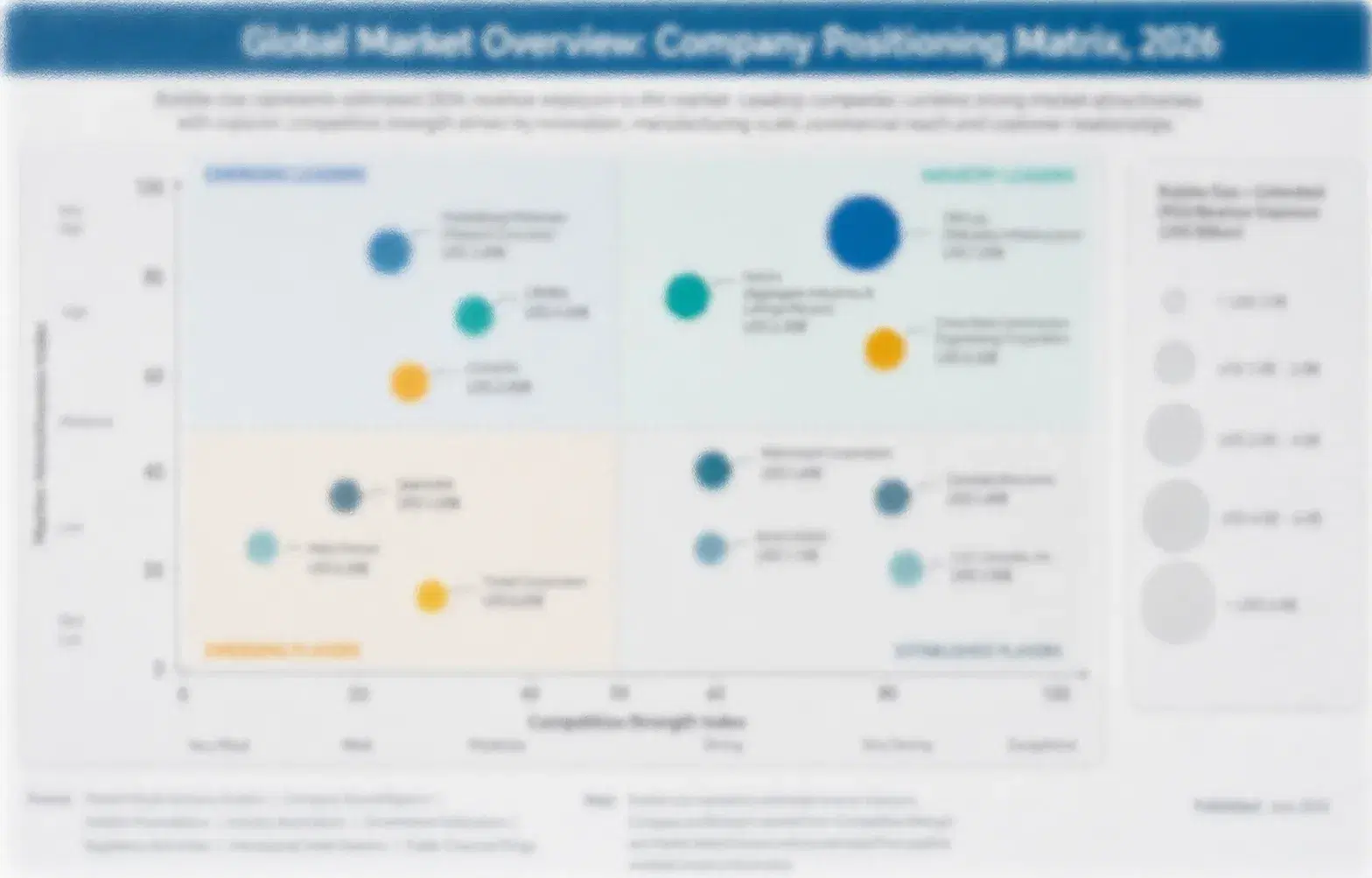
Five converters hold under a third of global capacity, leaving a genuinely fragmented field of specialty paper converters competing primarily on barrier coating technology. Mondi and Smurfit WestRock sit ahead of the next tier on paper science depth and integrated substrate supply, while mid-sized specialty converters compete on certification speed and customer relationships rather than pure scale.
Competition plays out across three dimensions: compostable and recyclable barrier coating technology, speed of recyclability certification, and integrated paper substrate supply that protects against input cost volatility. Converters that can credibly deliver on coating technology and certification are winning the fastest-growing, highest-margin volume, while those without proprietary coating capability remain confined to commodity uncoated and basic PE-coated structures facing continuous price pressure from plastic alternatives.

Emerging pressure is coming from smaller specialty coating technology providers that license compostable barrier formulations to converters rather than building converting capacity themselves, creating a new competitive layer separate from traditional paper converters. Integrated paper and pulp producers are also moving downstream into pouch converting directly, since they control the substrate supply chain and can potentially undercut specialty converters that must purchase paper externally, shifting bargaining power toward whoever controls the raw material.
kraft-pouch-market-company-positioning-matrix-1791409986800

How Kraft Pouch Suppliers Compete

MONDI GROUP

Moat: Integrated Paper and Coating Science

Mondi's integrated paper mill ownership and decades of barrier coating research let it qualify new compostable and recyclable structures for multinational brand owners faster than converters that must purchase substrate externally, while its scale secures paper pricing that smaller specialty converters cannot match, reinforcing a durable cost and speed advantage.
MONDI GROUP

Risk: Exposure to European Regulatory Timing

Mondi's revenue is concentrated heavily in European markets where regulatory-driven demand dominates, leaving it more exposed than globally diversified peers if European Union implementation timelines slip or political support for packaging regulation weakens unexpectedly during the forecast period. This concentration risk is meaningfully higher than for globally diversified packaging competitors with broader regional revenue balance.
SMURFIT WESTROCK

Moat: Global Scale Following Recent Combination

Smurfit WestRock's combined global paper and packaging manufacturing footprint following its recent merger gives it substrate sourcing and converting scale that few specialty kraft pouch converters can match, letting it serve multinational brand owners across multiple regions from a single integrated supply relationship. This scale advantage is particularly valuable for multinational brand owners consolidating global packaging suppliers.
SMURFIT WESTROCK

Risk: Integration Complexity Slows Decisions

Smurfit WestRock's scale advantage comes with meaningful post-merger integration complexity across overlapping manufacturing footprints and customer contract books, which can slow new product qualification decisions relative to smaller, more focused specialty converters able to move faster on emerging barrier coating technology. Smaller, more focused competitors are using this window to win accounts the combined entity is still integrating.

Players Tracked

Prominent Players

Mondi Group
Smurfit WestRock
ProAmpac LLC
Constantia Flexibles Group GmbH
Billerud AB

Other Key Players

Huhtamaki Oyj
Amcor plc
Stora Enso Oyj
Sappi Limited
International Paper Company
Graphic Packaging International Inc
Mitsubishi Paper Mills Limited
Nippon Paper Industries Co Ltd
Oji Holdings Corporation
Sonoco Products Company
Berry Global Group Inc
Winpak Ltd
TC Transcontinental
Novolex Holdings
Glenroy Inc

Recent Developments

JANUARY 2025

Smurfit WestRock Opens Compostable Pouch Line in Netherlands

Smurfit WestRock commissioned a new kraft pouch converting line in the Netherlands dedicated to compostable barrier coating structures, adding capacity to serve European coffee and snack brand owners facing tightening extended producer responsibility deadlines across multiple national jurisdictions simultaneously. The site also adds laboratory capacity for barrier performance testing.
Signal: Signals scale players are adding dedicated compostable capacity ahead of confirmed regulatory deadlines across Europe. broadly.
AUGUST 2024

Mondi Acquires Specialty Kraft Pouch Converter in Germany

Mondi acquired a specialty kraft pouch converter in Germany, expanding its compostable barrier coating capability and securing additional paper science talent to serve brand owners seeking certified end-of-life claims across premium coffee and personal care categories. The deal also strengthens Mondi's domestic paper science talent pool considerably going forward.
Signal: Signals acquisition remains a fast route into specialized compostable coating technical capability. well ahead of competitors pursuing similar capability organically.
APRIL 2025

ProAmpac and Billerud Form Mono-Material Joint Venture

ProAmpac and Billerud formed a joint venture to co-develop recyclable mono-material kraft pouch structures with enhanced moisture barrier performance, pooling converting and paper science expertise across two facilities to accelerate commercial qualification timelines for brand owner customers. Both partners expect the collaboration to shorten qualification timelines meaningfully.
Signal: Signals converters and paper producers are pooling technical risk on next-generation barrier coating. rather than competing separately on development cost.

Paper Cost and Supply Risk Converge

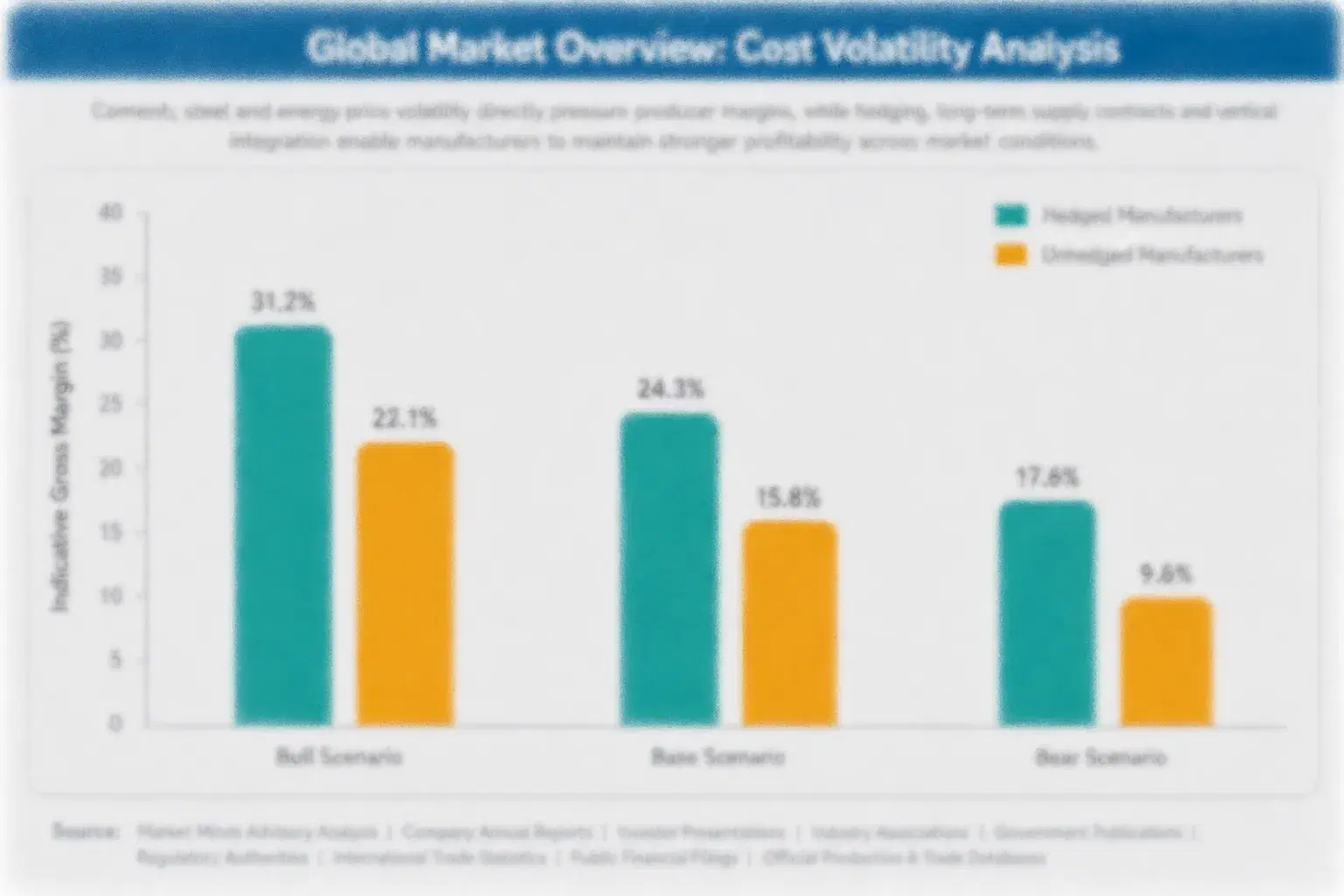
Kraft paper substrate accounts for roughly 45 to 50% of converter cost of goods sold, with barrier coating materials and certification testing adding a meaningful cost layer relative to standard plastic pouches. Paper pricing traces back to pulp market dynamics and energy costs at paper mills, exposing input costs indirectly to forestry supply and energy price movements upstream.
Pulp prices rose meaningfully during 2022 and 2023 as energy costs at European paper mills surged following natural gas supply disruptions documented in IEA reporting, compressing margins for converters without long-term paper supply contracts. Converters with dedicated mill relationships and hedged paper pricing absorbed the volatility better than smaller converters buying on shorter-term spot terms. This gap widened further as some converters renegotiated contracts mid-cycle while others held firm on existing pricing terms.

Smaller specialty converters typically carry greater exposure to paper and energy cost swings than integrated scale players, since they lack the purchasing volume to negotiate long-term fixed-price contracts with paper mills and often buy on shorter-term terms instead. This disadvantage compounds during volatility spikes, pushing some smaller converters toward consolidation, while integrated players with mill ownership or long-term contracts use the same periods to gain relative cost advantage.
kraft-pouch-market-cost-volatility-analysis-1791409987111

Long-Term Paper Supply Contracts With Price Caps

Converters increasingly negotiate multi-year kraft paper supply agreements that cap price increases within a defined band in exchange for committed purchase volume, trading spot-market flexibility for budget predictability that supports premium pricing commitments to brand owner customers. This works best for converters with stable, forecastable volume and sufficient scale to interest paper mills in dedicated supply arrangements.

Vertical Integration Into Paper Substrate Production

Some converters are pursuing vertical integration into paper substrate production or securing equity stakes in paper mills to reduce reliance on external paper purchasing entirely, trading upfront capital investment for long-term cost and supply security. This approach suits only the largest converters with sufficient capital and scale to justify the investment. Several large converters have already announced such investments publicly.

Diversifying Paper Sourcing Across Multiple Regions

Converters are diversifying paper sourcing across multiple regions and mills rather than relying on a single supplier, reducing exposure to any single region's energy cost or forestry supply disruption. This approach adds modest logistics complexity but meaningfully reduces the risk of a single-point supply disruption affecting production. Several converters have already adopted this approach successfully across their existing supply networks.

Portfolio Architecture for Margin Defence

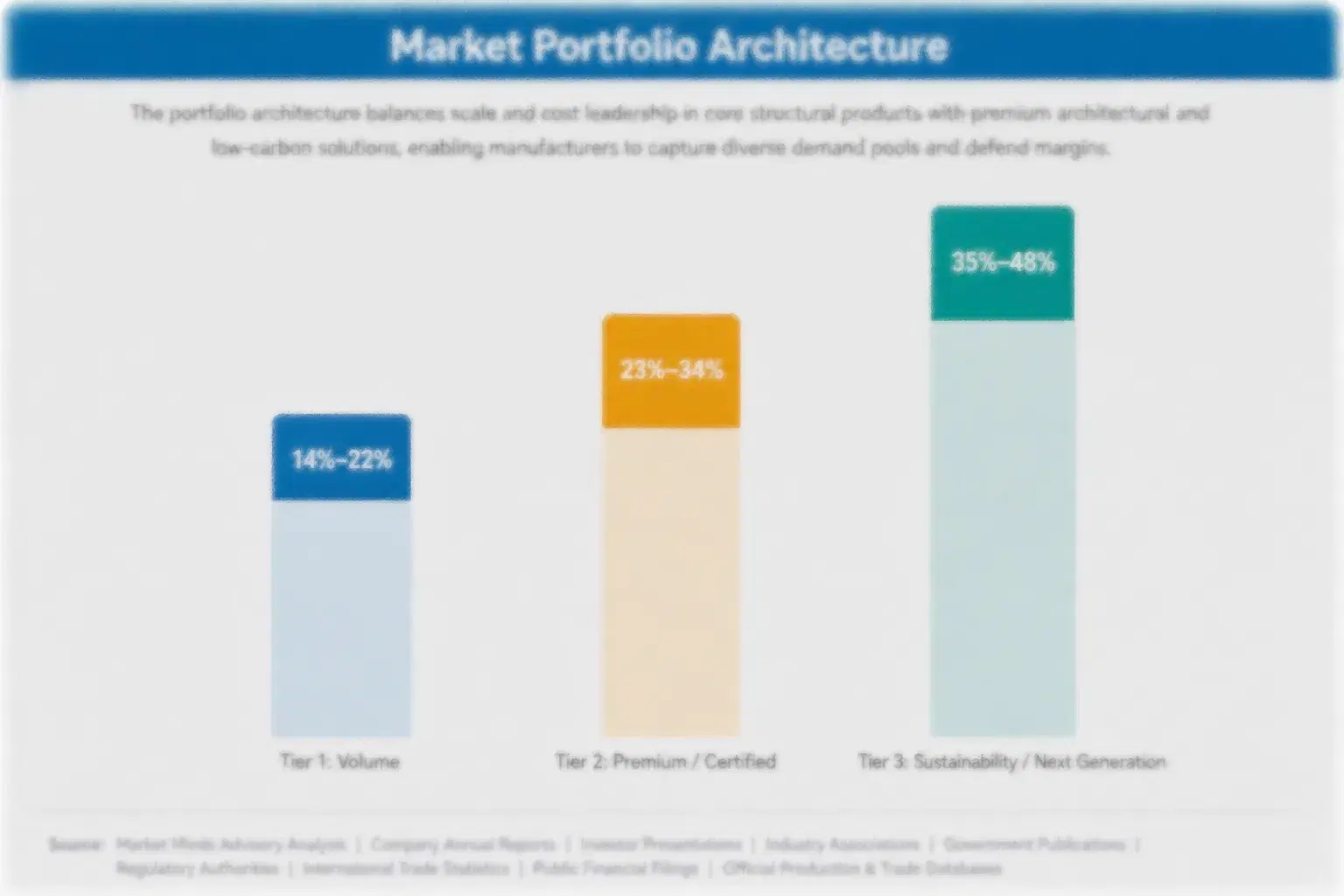
Converters generally run a three-tier portfolio spanning commodity uncoated and PE-coated structures, certified compostable or recyclable premium variants, and next-generation barrier coating structures still scaling toward full commercial volume. Gross margin varies substantially across these tiers, with commodity formats competing largely on paper and converting cost while premium and next-generation formats command meaningfully better economics tied to certification and verified environmental claims. This barrier-driven margin spread is unusually wide for a packaging category still this early in its adoption curve.
The tension between commodity volume and premium or next-generation tiers shapes converter capital allocation directly, since commodity capacity generates steady but thin cash flow, while premium capacity requires upfront coating technology and certification investment before generating comparable returns. Converters without a clear tier strategy risk getting squeezed from both directions, undercut on cost by plastic alternatives in commodity formats and outpaced on certification in premium ones.

High-value margin pools are concentrating in compostable and recyclable mono-material structures, categories where brand owners are willing to pay meaningfully above commodity kraft pricing for verified environmental claims. Converters positioned early in these categories are capturing a disproportionate share of total industry margin growth relative to their still-modest volume share today.

Volume / Commodity-Adjacent Tier

Uncoated and PE-coated kraft pouches sold mainly on cost to dry food and basic personal care customers, with minimal barrier differentiation and intense price competition from plastic alternatives. Converters here compete almost entirely on manufacturing cost and delivery speed.
Gross Margin: 4-9%

Premium / Certified Tier

Certified compostable and recyclable mono-material structures carrying verified environmental claims, sold to branded coffee, snack, and personal care customers willing to pay for sustainability credentials. These formats anchor margin growth as brand owners prioritize certification over price alone.
Gross Margin: 14-22%

Sustainability / Regulatory / Next-Generation Tier

Next-generation barrier coating structures still scaling toward full commercial volume, commanding premium pricing tied to performance gains that narrow the gap with plastic laminates. Converters investing early here are positioned for disproportionate margin capture as adoption accelerates.
Gross Margin: 20-30%
kraft-pouch-market-portfolio-architecture-1791409987393

High-value Sub-segments and Strategic Watch-out

Compostable Bio-Coated Kraft Pouches

Compostable bio-coated structures combine the fastest unit growth in the category with premium pricing tied to verified environmental claims, making this the segment converters are prioritizing most heavily for new coating line investment over the next several years. Capital spending here is outpacing every other segment currently.
Gross Margin: 22-28%

Recyclable Mono-Material Kraft Pouches

Recyclable mono-material structures command pricing above standard kraft despite moderate volume growth today, since certification barriers keep most competitors out, and converters expect demand to accelerate as recycling infrastructure expands across major consumer markets. Demand is expected to inflect sharply as recycling infrastructure expands globally over the coming years.
Gross Margin: 18-26%

PE-Coated Commodity Structures

PE-coated structures remain the volume backbone of the category, generating steady revenue across dry food and personal care applications even as growth moderates relative to premium variants, anchoring converter capacity utilization. This segment remains the most predictable source of converter cash flow across the category overall.
Gross Margin: 6-11%

Uncoated Basic Structures

Uncoated structures face the most direct margin pressure from plastic alternatives and offer the least barrier performance, making this segment the clearest candidate for capacity rationalization if margin compression continues across coming cycles. Converters should monitor this segment closely for signs of accelerating long-term decline.
Gross Margin: 3-7%

Why Paper Pouch Demand Keeps Growing

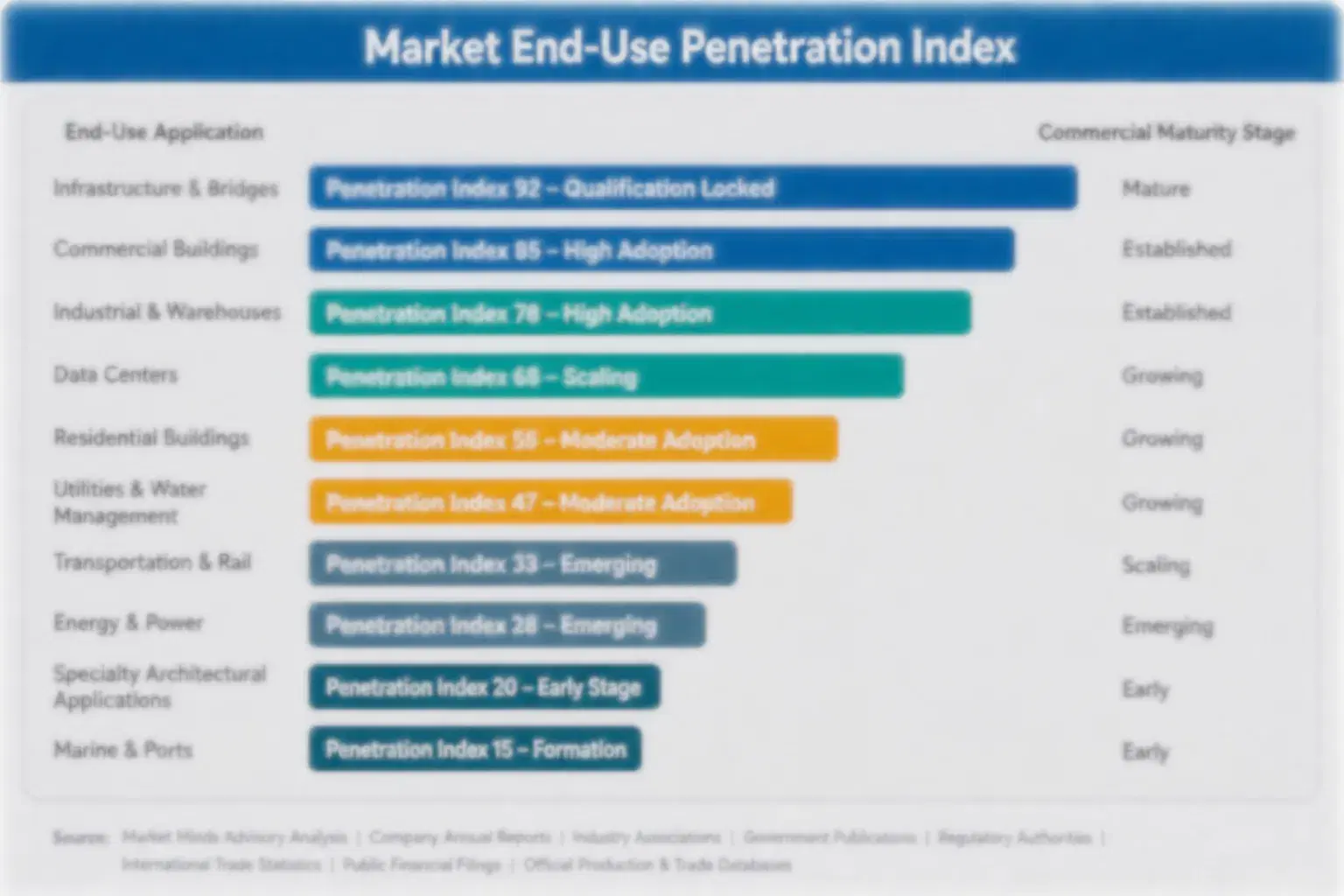
Kraft pouch supply contracts function somewhat like annuities once a brand owner commits to a specific barrier coating structure, since switching costs include not just converting requalification but also packaging redesign, consumer-facing claims verification, and retailer approval processes that discourage frequent supplier changes. This locks in multi-year revenue visibility for converters that win the initial qualification, turning a single successful bid into a dependable, recurring order stream.
Adoption depth varies sharply by end-use vertical. Coffee and premium snack categories converted earliest and show the deepest commitment to paper-based packaging, representing the stickiest demand in the category today. Personal care and household categories are earlier in conversion, with meaningful volume still sitting in plastic formats. Liquid and moisture-sensitive categories remain almost entirely unconverted, held back by barrier performance limitations that paper technology has not yet resolved.

Procurement and brand teams are increasingly younger decision-makers who treat visible sustainability packaging as a baseline marketing requirement rather than a differentiator, shifting purchasing conversations toward paper-based alternatives earlier in the supplier selection process than previous buyer generations did. This generational shift is compressing the time converters have to qualify as a credible paper alternative before losing consideration entirely.
kraft-pouch-market-end-use-penetration-index-1791409987688

What Kraft Pouch Converters Should Prioritize

These are among the four positions where our research anticipates prominent divergence between winners and laggards over the coming forecast period. Each is grounded in the demand model, the regulatory perimeter, and the announced capacity pipeline.
01 / COATING TECHNOLOGY INVESTMENT

Commercialize compostable coatings ahead of certification deadlines

Converters investing in compostable barrier coating technology now are capturing meaningfully better pricing than those still relying on conventional PE-coated structures, and that gap is widening as brand owners pay more for verified environmental claims. Commodity structures still generate useful cash flow, but they offer little room for margin expansion as plastic alternatives continue to compete aggressively on cost. Converters that delay this investment risk ceding the fastest-growing, highest-margin volume to competitors who moved earlier and secured certification first, well before regulatory deadlines force the issue.
02 / RECYCLABILITY CERTIFICATION PRIORITY

Qualify mono-material structures for paper recycling streams now

Brand owners seeking practical, near-term recyclability claims are already shortlisting converters based on paper recycling stream certification status, not waiting for compostable infrastructure that remains limited in most markets, particularly across Southern and Eastern Europe. Converters without this qualification risk exclusion from proposal shortlists as more brand owners prioritize claims that hold up to retailer and regulator scrutiny, not marketing language that cannot be independently verified. Early qualification is becoming a precondition for retaining key accounts in categories facing the most regulatory pressure.
03 / PAPER SUPPLY SECURITY

Lock in dedicated paper contracts before the next volatility cycle

Paper and energy cost volatility hit converters without long-term supply agreements hardest during the 2022 and 2023 pulp price spikes, and nothing about European energy market conditions suggests that kind of shock cannot recur within the forecast period covered by this report. Converters that negotiate multi-year, price-capped paper agreements now are trading some short-term flexibility for meaningfully better protection against the next volatility cycle. Procurement teams that treat this as discretionary are taking on avoidable margin risk that a simple multi-year contract could have prevented.
04 / REGIONAL EXPANSION TIMING

Build North American capacity ahead of confirmed regulatory pressure

Brand owners expanding sustainability packaging commitments from Europe into North America are actively seeking converters with qualified kraft pouch capacity closer to those markets, creating opportunity for converters willing to invest ahead of fully confirmed regulatory timelines. Converters that wait for firm regulatory mandates before building North American capacity risk losing volume entirely to competitors who invested earlier and can offer shorter lead times. This dynamic is reshaping where global kraft pouch converting investment flows next, rather than waiting for demand signals that may arrive too late to act on.

Engagement Snapshot From the Field

A live engagement with an industry participant carrying material or product regulatory and market exposure ahead of a defining policy shift, showing how our research translates into a defensible multi-year portfolio strategy.
MARKET MINDS ADVISORY · CLIENT ENGAGEMENT SUMMARY
Kraft Pouch Producer Strategic Portfolio Review and Transition Roadmap 2026·Investment Scenario on Kraft Pouch Exposure Evaluation 2025-26
CLIENT PROFILE
The client is a mid-sized European coffee roaster with annual revenue in the $220 million range (client-reported, unverified by MMA), selling ground and whole bean coffee across grocery and specialty retail channels throughout Western Europe. The company had used foil-laminated plastic pouches for its entire product line and faced mounting pressure from retailers and extended producer responsibility fee schedules to convert toward paper-based alternatives ahead of tightening national regulation.
STRATEGIC CHALLENGE
The client needed to evaluate whether available compostable and recyclable kraft pouch structures could preserve coffee freshness and aroma barrier performance at commercial scale, without fully understanding the true cost premium or shelf-life tradeoffs involved across its full product range and distribution footprint. and needed an objective, independently verified basis for the investment decision across its distribution footprint.
MMA APPROACH
MMA's team benchmarked three converter-proposed kraft pouch structures against the client's existing foil-laminate barrier performance requirements, modeled total landed cost including extended producer responsibility fee exposure under current and proposed regulation, and facilitated shelf-life testing across two candidate structures before recommending a final converter partner and format for full-scale rollout.
KEY FINDINGS
  1. One of three proposed kraft structures failed aroma barrier testing within eight weeks, eliminating an otherwise price-competitive option early in the evaluation process entirely.
  2. Switching to the recommended structure was projected to cut the client's extended producer responsibility fee exposure by roughly 40% once fully implemented across its packaging portfolio.
  3. The incremental packaging cost for the recommended kraft structure added approximately 22% to per-unit converting cost relative to the client's existing foil-laminate baseline.
  4. Retailers indicated willingness to grant improved shelf placement and marketing support for the converted packaging, a commercial benefit not fully quantified in the client's original business case.
CLIENT PROFILE
The client is a mid-sized European coffee roaster with annual revenue in the $220 million range (client-reported, unverified by MMA), selling ground and whole bean coffee across grocery and specialty retail channels throughout Western Europe. The company had used foil-laminated plastic pouches for its entire product line and faced mounting pressure from retailers and extended producer responsibility fee schedules to convert toward paper-based alternatives ahead of tightening national regulation.
STRATEGIC CHALLENGE
The client needed to evaluate whether available compostable and recyclable kraft pouch structures could preserve coffee freshness and aroma barrier performance at commercial scale, without fully understanding the true cost premium or shelf-life tradeoffs involved across its full product range and distribution footprint. and needed an objective, independently verified basis for the investment decision across its distribution footprint.
MMA APPROACH
MMA's team benchmarked three converter-proposed kraft pouch structures against the client's existing foil-laminate barrier performance requirements, modeled total landed cost including extended producer responsibility fee exposure under current and proposed regulation, and facilitated shelf-life testing across two candidate structures before recommending a final converter partner and format for full-scale rollout.
KEY FINDINGS
  1. One of three proposed kraft structures failed aroma barrier testing within eight weeks, eliminating an otherwise price-competitive option early in the evaluation process entirely.
  2. Switching to the recommended structure was projected to cut the client's extended producer responsibility fee exposure by roughly 40% once fully implemented across its packaging portfolio.
  3. The incremental packaging cost for the recommended kraft structure added approximately 22% to per-unit converting cost relative to the client's existing foil-laminate baseline.
  4. Retailers indicated willingness to grant improved shelf placement and marketing support for the converted packaging, a commercial benefit not fully quantified in the client's original business case.
RECOMMENDED STRATEGY
Phase 1: Phase 1 (Months 1-3): Benchmark candidate kraft structures against aroma barrier requirements and model extended producer responsibility fee exposure under current regulation. Phase 2: Phase 2 (Months 4-8): Run shelf-life and aroma barrier testing across finalist structures before committing to a single converter partner and format. Phase 3: Phase 3 (Months 9-14): Execute phased packaging conversion across the full product line, prioritizing the highest-fee-exposure products first, with dedicated project management support throughout.
OUTCOME
The client selected a recyclable mono-material kraft structure projected to cut compliance fee exposure by roughly 40% (client-reported, unverified by MMA) once fully rolled out, though the conversion timeline extended several months beyond the original plan due to aroma barrier testing delays on select product lines.

Frequently Asked Questions

Foundational context covering the market sizes, CAGR, scope, country, region and competition that inform every finding below. This section is provided to cover basics and most often pre-purchase conversations, answered from the MMA Primary Research Dataset.

What is the current size of the Kraft Pouch Market?

The global kraft pouch market reached $1.4 billion in base year 2025. Growth is driven primarily by European packaging sustainability regulation and brand owner demand for paper-based alternatives to plastic.

How large will the Kraft Pouch Market be by 2036?

MMA projects the market will reach approximately $5.6 billion by 2036. This reflects accelerating adoption as barrier coating technology continues to close the performance gap with plastic.

What is the CAGR for the Kraft Pouch Market 2026 to 2036?

The market is forecast to grow at a compound annual growth rate of 13.5% between 2026 and 2036. That pace reflects the category's still-early adoption stage and strong regulatory tailwinds.

Which segment is growing fastest?

Compostable bio-coated kraft pouches are the fastest-growing segment, expanding at roughly 1.27 times the overall market CAGR. Coffee and snack brand owners chasing genuine end-of-life claims are driving this growth.

Who are the major companies in the Kraft Pouch Market?

Mondi, Smurfit WestRock, ProAmpac, Constantia Flexibles, and Billerud lead the global market. Together they hold an estimated 31% of global converting capacity on a capacity basis.

Which country is growing fastest?

India is the fastest-growing country market, expanding at roughly 16.8% annually. Multinational brand owners extending European sustainability commitments into regional product lines are driving this growth.

How the Kraft Pouch Market Is Segmented

The full report scope spans multiple orthogonal segmentation dimensions, with cross-tabulated demand data provided for each dimension pair. Coverage extends further to regional breakdowns, trend trajectories, and the competitive detail needed to support segment-level decision-making.

By Barrier Coating Type

  • Uncoated Kraft Pouches
  • PE-Coated Kraft Pouches
  • Bio-Coated Compostable Kraft Pouches
  • Foil-Laminated Kraft Pouches
  • Windowed Kraft Pouches
  • Recyclable Mono-Material Kraft Pouches

By End-Use Industry

  • Coffee and Tea
  • Snack Food
  • Personal Care and Cosmetics
  • Household and Fabric Care
  • Pet Food and Specialty Food

By Commercial Dimension

  • Branded Retail
  • Private Label
  • Food Service and Institutional
  • Direct-to-Consumer E-Commerce

By Region

  • North America
  • Western Europe
  • East Asia
  • South Asia and Pacific
  • Latin America
  • Middle East and Africa
  • Eastern Europe

Scope, Methodology, and Coverage

Every figure in this report is reproducible from documented input assumptions. The scope below maps the historical period, the forecast horizon, the segmentation dimensions, and the countries covered, alongside the underlying primary and qualitative methodology.
Historical Period
2020 to 2025
Forecast Period
2026 to 2036
Base Year
2025 (USD billions; MMA Primary Research Dataset, October 2026)
Market Definition
The kraft pouch market covers flexible packaging formed primarily from kraft paper substrate, including uncoated, PE-coated, bio-coated compostable, foil-laminated, windowed, and recyclable mono-material barrier variants used across food, beverage, personal care, and household categories. It excludes plastic-film-dominant flexible pouches, molded fiber containers, and corrugated or paperboard cartons that do not use a kraft paper pouch substrate as the primary packaging material.
Quantitative Units
USD billions (current prices); million units of converted pouch volume where applicable
Segmentation Dimensions
By Barrier Coating Type; By End-Use Industry; By Commercial Dimension; By Region
Regions Covered
North America, Western Europe, East Asia, South Asia and Pacific, Latin America, Middle East and Africa, Eastern Europe
Countries Covered
USA, China, Germany, France, UK, Japan, South Korea, India, Australia, Canada, Brazil, Mexico, Indonesia, Vietnam, Thailand, Malaysia, UAE, Saudi Arabia, South Africa, Nigeria, Turkey, Poland, Netherlands, Italy, Spain, Sweden, Switzerland, Argentina, Colombia, Singapore, and additional markets relevant to this sector
Key Companies Profiled
Mondi Group, Smurfit WestRock, ProAmpac LLC, Constantia Flexibles Group GmbH, Billerud AB, Huhtamaki Oyj, Amcor plc, Stora Enso Oyj, Sappi Limited, International Paper Company, Graphic Packaging International Inc, Mitsubishi Paper Mills Limited, Nippon Paper Industries Co Ltd, Oji Holdings Corporation, Sonoco Products Company, Berry Global Group Inc, Winpak Ltd, TC Transcontinental, Novolex Holdings, Glenroy Inc
Quantitative Methodology
Primary survey, n=3,800 respondents, Q4 2025, six countries; demand-side model with trade association cross-validation
Qualitative Methodology
47 expert interviews, Q4 2025; applied to validate demand model assumptions, identify emerging dynamics, and assess competitive positioning
Report Format
PDF and XLSX data workbook (Word format preview document)
Publisher
Market Minds Advisory
Report Code
MMA-2026-PAC-203
Published
October 2026
Contact
sales@marketmindsadvisory.com | www.marketmindsadvisory.com

Purchase the full Kraft Pouch Market Report (2026 to 2036).

The full report provides detailed market sizing and ten-year forecasts across all six barrier coating segments and all seven world regions, supported by converter-level capacity benchmarking and primary interview findings. It includes in-depth competitive profiles of the top five converters alongside second-tier player coverage, paper and energy cost exposure analysis, and regulatory tracking across major European and North American packaging jurisdictions. Format-specific margin and pricing data is broken out separately from headline market figures to support both strategic planning and tactical sourcing decisions. Buyers receive the full data set in editable format alongside the formatted report document itself.
Ten-year market sizing across six coating technologies
Converter capacity benchmarking on a consistent basis
Regulatory tracking across major compliance jurisdictions worldwide
Paper and energy cost exposure analysis
Editable data tables alongside the formatted report
Primary interview findings from 47 industry experts

Built For The People Who Decide

From boardroom strategy to bench-side execution, this report is read cover-to-cover by leaders shaping the next decade of their industry, turning demand scenarios, market dynamics and valuation benchmarks into decisions.
CXOs/ Presidents/ VPs/ Managers
M&A and Corporate Development
Strategy Teams and R&D Heads
Procurement and Product Directors
Regulatory and Compliance Leaders
Investor Relations and Equity Analysts