Market Minds Advisory
Kilned Malt Market

Kilned Malt Market: Kilned Malt Market. Barley Supply, Kilning Energy, and Flavour-Led Specialty Malts Reshape Brewing and Distilling Inputs.

Kilned malt gives beer and whisky their colour and flavour, but barley harvests, kilning energy costs, emissions rules, and brewer consolidation decide which maltsters earn margin as craft and distilling demand shifts toward specialty grades.

Lead Analyst

Published

September 2026

Make Smarter Decisions with Customized Research Insights

Request a free sample report and evaluate market opportunities, growth trends, and competitive dynamics relevant to your business needs.

2025 MARKET VALUE$24.0BMarket Size 2025
2036 FORECAST VALUE$38.5BBase Case , 2026 to 2036
CAGR 2026 TO 20364.4 %Bull 5.7% / Bear 3.1%
INCREMENTAL OPPORTUNITY$13.5BNet 10- year value creation
EXPANSION MULTIPLE1.54x2036 value over 2026 base
Strategic Levers
M&A Pipeline
Regional Outlook
Country Rankings
Competitive Intelligence
Segmental Deep-dive
Call-Us : 91 93563 13602

Executive Snapshot and Market Trajectory.

Malt is barley that has been tricked into germinating, stopped at the right moment, and dried in a kiln until it tastes of bread, biscuit, or smoke. Most buyers never see it. They see beer and whisky, and they assume the flavour came from somewhere else entirely.
Peated, smoked, and heritage malts grow fastest, since distillers and craft brewers pay for distinctive flavour and provenance that base malt cannot supply. Western Europe holds the largest share, because Germany, Belgium, France, and the United Kingdom combine the world's deepest maltster base with brewing and whisky demand, with East Asia and North America following. India leads country growth. Barley sets cost. Kilning sets flavour. Energy sets margin.
Competition is concentrated, with two European cooperative-backed maltsters, a Swedish farmer-owned group, a global agribusiness, and a French cooperative competing alongside craft maltsters on barley origin, consistency, and delivery. Barley harvests, natural gas prices, and emissions rules shape margins, while brewers and distillers sign annual contracts that cap pricing freedom. Big maltsters own scale. Craft maltsters own flavour. Farmers own the barley. Small maltsters survive by serving niches that large plants cannot.
Market Definition
Kilned malt comprises barley and other cereals that have been steeped, germinated, and dried in kilns to produce base malts, kilned amber and Munich malts, caramel and crystal malts, roasted and dark malts, and peated or smoked malts, sold to brewers, distillers, and food and beverage makers. The scope excludes unmalted barley, malt extract and syrups sold as finished ingredients, and finished beer and spirits.
Base Year Value
$24.0B in 2025 (MMA Primary Research Dataset, September 2026)
Forecast Period
2026 to 2036, eleven discrete annual values
CAGR
4.4% base case. Bull 5.7%. Bear 3.1%.
Fastest Growth Segment
Peated, Smoked, and Heritage Malt: 9.2% CAGR
Fastest Growth Country
India: 7.4% CAGR
Fastest Growth Region
South Asia and Pacific: 6.4% CAGR
Largest Region
Western Europe: 26% of 2025 global value
Market Leaders
Boortmalt, Malteurop Group, Soufflet Group, Cargill, Viking Malt. Source: MMA Analysis, company annual reports.
Primary Survey
n=3,800 procurement and R&D decision-makers, Q4 2025, six countries
Methodology
Demand-side build-up, cross-validated against public data, 47 expert interviews

Kilned Malt Market Forecast Scenarios

kilned-malt-market-size-forecast-scenario-1789807494235
From 2020 to 2025, kilned malt grew slowly as global beer volumes recovered from pandemic closures, craft brewing and whisky distilling widened specialty demand, and Asian brewers imported more malt. Barley and natural gas costs spiked in 2022, and maltsters passed on part of the increase through contract price formulas. Growth ran a little below the forecast pace as some brewers cut volumes and reformulated.
The base case rests on three commercial mechanisms. First, beer and whisky volumes grow in India, Southeast Asia, and Africa, pulling base malt with them. Second, craft brewers and distillers buy more specialty, peated, and heritage malts to differentiate flavour. Third, brewers pay premiums for low-carbon malt as they report supply chain emissions. Each mechanism compounds slowly, and none needs a breakout year. Maltsters plan barley contracts, kilning capacity, and energy around all three.
The bull case needs stable barley harvests and lower gas prices, which would lift margins and let maltsters invest in premium grades. The bear case is a run of droughts combined with brewer volume declines and gas price spikes, which would squeeze margins, cut utilisation, and force plant closures. Buyers reward consistency over novelty. Contract renewals decide volume.

Barley Supply, Kilning Energy, and Flavour Grades Decide Malt Winners

Kilned malt spans several production models. Maltsters buy malting barley, steep it in water, germinate it in vessels or on floors for several days, and then kiln it in hot air to stop growth and set colour and flavour. Base malts are dried gently, amber and Munich malts are kilned hotter, caramel and roasted malts are stewed or roasted, and peated malts are dried over smoke.
MARKET CONCENTRATION48% CR5Leading five maltsters hold a sizeable combined share
BARLEY COST SHARE62%Portion of goods cost taken by malting barley
ENERGY COST SHARE14%Portion of goods cost taken by kilning fuel and power
AVERAGE MALT PRICE$620/tTypical delivered price per tonne of pale malt
BREWING USE SHARE82%Portion of malt volume sold to brewers worldwide
TYPICAL MALTING CYCLE6 daysTime from steeping barley to finished kilned malt
Barley supply, kilning energy, and flavour grades decide value. Buyers judge malt by extract yield, enzyme activity, colour, and consistency, so a maltster needs contracted barley, efficient kilns, and quality systems. Large groups own scale and grower networks, while craft maltsters win on flavour and provenance. Maltsters with diversified barley origins, efficient plants, and specialty ranges win because harvests and gas prices swing margins.
Buyers judge malt on extract, enzyme power, colour, flavour, delivery, and carbon footprint. Large brewers want consistent base malt at low cost, while craft brewers and distillers want distinctive specialty grades and origin stories. Price sensitivity is high in base malt and lower in specialty, which pushes maltsters toward annual contracts, cost pass-through formulas, and small-batch lines for premium buyers.
"Malt looks like a commodity because most of it is, but the profit is in the fraction that is not. A maltster that can deliver a distinctive kilned flavour on time is selling something a tender cannot price. Barley harvests, not brewers, decide who has a good year."
Senior Analyst, Agriculture and Brewing Inputs Practice · MMA Malted Barley and Specialty Kilned Malts Practice · September 2026

Market Trends

Craft Buyers Pay Premiums for Peated, Smoked, and Heritage Malt

Craft brewers, whisky distillers, and gin makers seek distinctive malts, including peated and smoked grades, heritage barley varieties, and floor-malted batches with traceable farm origin. Specialty malts sell at premiums of 40% to 120% over base malt and earn gross margins of 22% to 34% against 10% to 16%. Distillers use malt provenance to justify premium pricing, and craft brewers use it for storytelling. The trend needs small-batch kilning and separate storage, and it rewards maltsters with flexible plants, grower relationships, and traceability systems. Supply reliability decides maltster rankings. Margins follow barley discipline.
Market Impact: emerging beer volumes grow 4-7% yearly
Brewers Demand Low-Carbon Malt and Verified Carbon Footprints

Large brewers track supply chain emissions and ask maltsters for verified carbon per tonne of malt, as malting is energy-intensive and accounts for a meaningful share of a brewery's footprint. Maltsters respond with heat recovery, biomass kilns, electrified drying, and regenerative barley programmes, and low-carbon malt earns premiums of 3% to 8% in some contracts. European emissions trading rules raise gas costs, which adds pressure. The trend rewards maltsters with capital, verified data, and grower programmes, and pushes small plants toward partnerships. Brewing teams review suppliers every season. Batch records protect future sales.
Market Impact: distilling malt grows 5-6% yearly

Market Opportunities and Growth Drivers

Beer and Whisky Growth in Emerging Markets Pulls Malt

Beer and whisky volumes are rising in India, Vietnam, Nigeria, and Kenya as incomes grow and modern retail expands, and each hectolitre of beer needs about 15 to 18 kilograms of malt. India's whisky market is among the world's largest and buys malt for Indian single malts and blends. Global brewers build new plants in emerging markets and sign malt supply contracts, while regional maltsters expand in Asia and Africa. The driver adds volume growth of 4% to 7% a year in emerging markets and offsets stagnation in mature beer markets. Cost control separates leaders from followers.
Market Impact: drought lifts barley prices 25-50%

Craft Distilling and Whisky Expansion Lift Distilling Malt

Scotch, Irish, Japanese, Indian, and American whisky distillers have expanded capacity, and craft distilleries are opening in North America, Europe, and Asia. Distilling malt requires high extract, low nitrogen, and specific flavour profiles, and it sells at higher prices than brewing malt. Distillers sign multi-year contracts for provenance and consistency, and heritage barley programmes add volume. The driver lifts demand for distilling and specialty malts and supports premium pricing, though whisky cycles can lead to inventory swings that affect orders. Clear specifications build buyer trust. Small maltsters feel every harvest swing. Logistics reach compounds over time.
Market Impact: gas spikes lift malting cost 8-15%

Market Restraints and Challenges

Barley Harvest Volatility and Price Swings Squeeze Maltster Margins

Malting barley takes about 62% of cost of goods, and drought or heat can cut European and Canadian yields by 15% to 30% and lift barley prices by 25% to 50% within a season, as 2018 and 2022 showed. The root cause is weather exposure and competition from feed and export markets. Maltsters pass on part of the increase through contract formulas, but brewers resist changes. Mitigation includes multi-origin contracts, grower programmes for malting-grade varieties, and forward cover, though small maltsters lack purchasing scale. Buyers reward consistency over novelty. Contract renewals decide volume.
Market Impact: specialty malt sells 40-120% above base

Kilning Energy Costs and Emissions Rules Pressure Plant Economics

Kilning fuel and power take about 14% of cost of goods, and European gas price spikes have lifted malting cost by 8% to 15% within a year. The root cause is reliance on natural gas for drying and rising carbon pricing under emissions trading. Older plants with low efficiency lose competitiveness, and closures have followed in high-cost regions. Mitigation includes heat recovery, biomass and electrified kilns, and long-term gas and power contracts, though capital costs run $10 million to $30 million per plant. Supply reliability decides maltster rankings. Margins follow barley discipline.
Market Impact: low-carbon malt earns 3-8% premiums
3 additional market trends, 2 additional growth drivers, and 4 additional restraints and challenges are covered in the full report. Contact sales@marketmindsadvisory.com to access the complete intelligence.

Segment CAGR and Growth Architecture

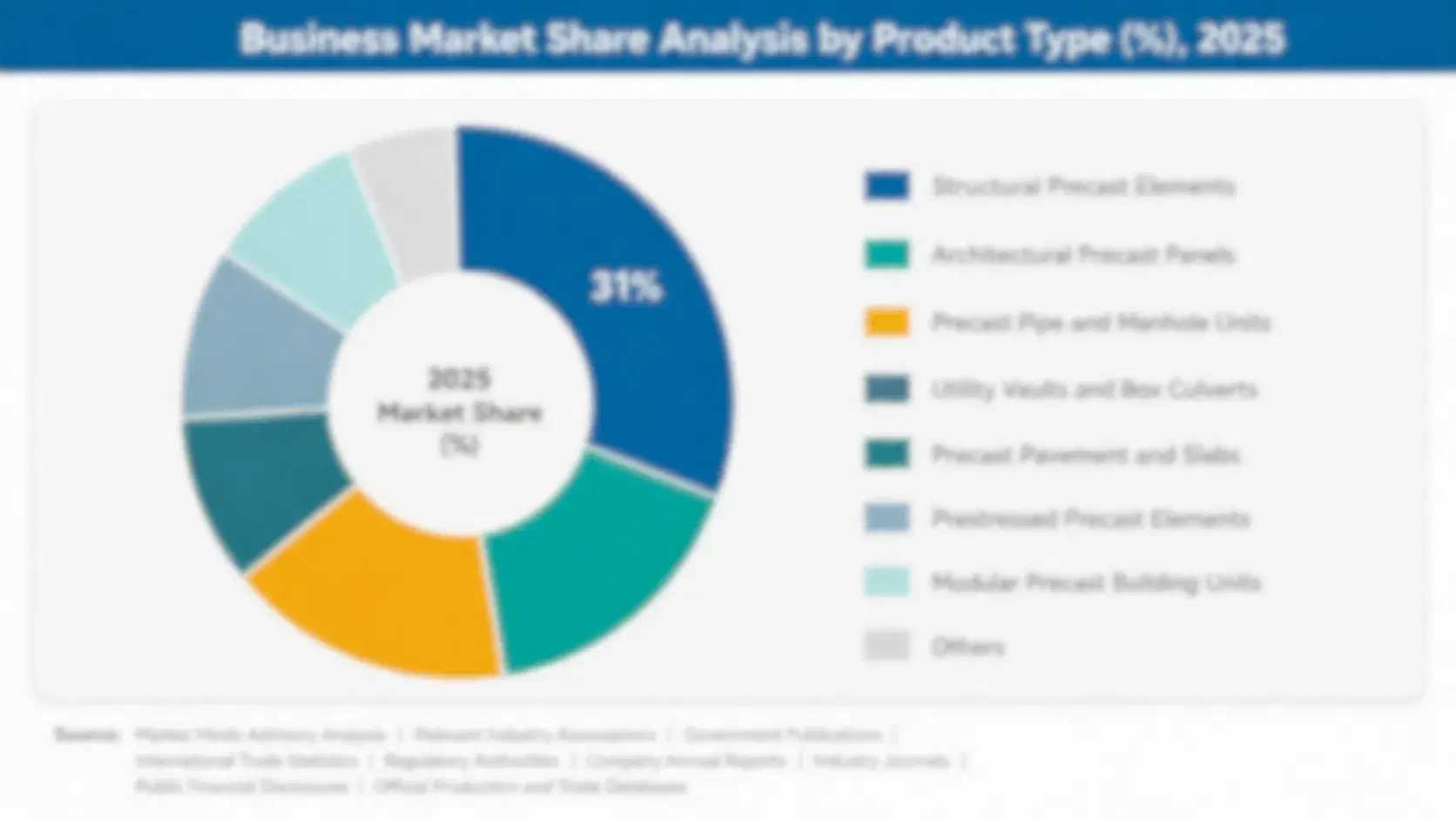
Kilned malt is segmented by kilning and processing type, which shows where flavour, provenance, and pricing power sit. Five segments cover pale and pilsner base malt, kilned amber and Munich malt, caramel and crystal malt, roasted and dark malt, and peated, smoked, and heritage malt. Two segments grow fastest on flavour-led demand. Brewing teams review suppliers every season.
kilned-malt-market-market-share-analysis-1789807494497

Peated, Smoked, and Heritage Malt

Peated, Smoked, and Heritage Malt is the fastest-growing segment at 9.2% a year, about 2.09 times the overall market rate. Distillers and craft brewers pay for distinctive smoke, heritage barley varieties, and traceable farm origin that base malt cannot supply, and specialty malts sell at premiums of 40% to 120%. Small-batch kilning and separate storage are the main constraints, since capacity is limited and quality control is demanding. Large maltsters with flexible lines win volume, while craft maltsters hold price through provenance, and both benefit as whisky and craft beer expand. Batch records protect future sales. Cost control separates leaders from followers. Clear specifications build buyer trust. Small maltsters feel every harvest swing.
CAGR 9.2%

Roasted and Dark Malt

Roasted and Dark Malt grows at 6.6% a year, because craft stouts, porters, and dark lagers use small shares of roasted malt for colour and flavour, and brewers add roasted malts to non-alcoholic and low-alcohol beers to restore body and taste. Roasted malts sell at prices 30% to 80% above base malt and are used at 2% to 10% of the grist. Roasting capacity and energy cost are the main constraints, since roasters use large amounts of gas and need skilled operators. Maltsters with dedicated roasters hold price better than followers. Logistics reach compounds over time. Buyers reward consistency over novelty. Contract renewals decide volume. Supply reliability decides maltster rankings. Margins follow barley discipline.
CAGR 6.6%
Full segment breakdown across 5 segments available in the complete report.

Regional Architecture and Country Demand Map

Malt value follows brewing, distilling, and maltster capacity. Western Europe leads through deep maltster networks, East Asia follows through Chinese beer and Japanese whisky, North America holds a mature share, and South Asia and Pacific grows fastest. Brewing teams review suppliers every season. Batch records protect future sales.

Western Europe

Western Europe holds 26% share, with Germany, Belgium, France, the United Kingdom, and Denmark leading through the world's deepest maltster base, large brewing industries, and Scotch and European whisky demand. Boortmalt, Malteurop Group, Soufflet Group, Viking Malt, and Weyermann lead, and brewers and distillers buy under annual contracts. Growth stays below the global rate because beer volumes are flat, though specialty and low-carbon malt lift value. Barley harvests, gas prices, and emissions trading costs restrain margins, and plant closures have followed in high-cost locations. Cost control separates leaders from followers. Clear specifications build buyer trust. Small maltsters feel every harvest swing. Danish and Belgian plants also export malt to Asian and African brewers.
Share: 26% | CAGR: 3.0% (2026 to 2036)

East Asia

East Asia holds 25% share, with China, Japan, South Korea, and Taiwan leading through the world's largest beer market by volume, large imported malt demand, and growing whisky production in Japan. COFCO Malt, Boortmalt, Malteurop Group, Cargill, and local maltsters supply, and Australian and Canadian barley feed Chinese malting. Growth runs above the global rate as premium beer and Japanese whisky expand. Trade rules on barley, price competition from imported malt, and port logistics restrain margins, and Chinese brewers consolidate purchases. Logistics reach compounds over time. Buyers reward consistency over novelty. Contract renewals decide volume. Supply reliability decides maltster rankings. Margins follow barley discipline. Brewing teams review suppliers every season. Batch records protect future sales.
Share: 25% | CAGR: 5.4% (2026 to 2036)
Regional intelligence for 5 additional markets available in the complete report: North America, South Asia and Pacific, Latin America, Middle East and Africa, Eastern Europe. Contact sales@marketmindsadvisory.com.
kilned-malt-market-country-cagr-analysis-1789807494816

Four Margin Routes for Maltsters

Margin in kilned malt comes from specialty and heritage grades, barley sourcing, kilning efficiency, and customer mix rather than tonnage alone. The routes below apply to large maltsters, farmer-owned groups, and craft malt houses, and each can start inside one planning cycle, with clear measures in gross margin points, barley cost per tonne, and utilisation.

Building Peated, Smoked, and Heritage Malt Lines for Craft Buyers

Specialty malts sell at premiums of 40% to 120% over base malt, and maltsters that add small-batch kilning, heritage barley varieties, and traceable farm origin report gross margin gains of 6 to 10 points on those lines. Craft distillers and brewers add volume. Small-batch lines need separate storage and cost $1 million to $3 million. Pilot lots with two distillers and three craft brewers typically confirm demand within one season, before wider listings and multi-year agreements follow. Cost control separates leaders from followers. Clear specifications build buyer trust. Small maltsters feel every harvest swing.
Market Impact: specialty lines lift gross margin by 6-10 points

Contracting Barley Across Origins and Funding Grower Programmes

Malting barley takes about 62% of cost of goods, and drought can lift prices by 25% to 50% within a season, so maltsters that contract barley across three origins, fund grower programmes, and hold six to nine months of forward cover cut cost volatility by roughly half. Grower premiums of 3% to 6% secure malting-grade quality. Brewers accept formula pricing slowly. Maltsters that skip planning absorb 12% more cost in volatile years and lose margin. Logistics reach compounds over time. Buyers reward consistency over novelty. Contract renewals decide volume. Supply reliability decides maltster rankings.
Market Impact: multi-origin contracts cut cost volatility by roughly 50%

Investing in Heat Recovery and Low-Carbon Kilning

Kilning fuel and power take about 14% of cost of goods, and gas spikes have lifted cost by 8% to 15%, so maltsters that invest in heat recovery, biomass or electrified kilns, and long-term energy contracts cut energy cost by 10% to 20%. Upgrades cost $10 million to $30 million per plant and payback runs five to eight years. Low-carbon malt earns premiums of 3% to 8% from large brewers. Small maltsters can partner on shared utilities. Margins follow barley discipline. Brewing teams review suppliers every season. Batch records protect future sales.
Market Impact: kiln and heat upgrades cut energy cost by 10-20%

Diversifying Into Distilling, Craft, and Food Malt to Protect Utilisation

Large brewers take over 40% of volume from top maltsters, and a lost contract can cut utilisation by 10 to 15 points, so maltsters that diversify into distilling, craft, and food malt and extend contract tenors with price adjustment clauses hold utilisation above 85%. Distilling and food malts earn margins 6 to 10 points higher. Small maltsters can target two niches. Contracts should fix tenor, price formulas, and volume bands, and maltsters should track customer mix each quarter. Cost control separates leaders from followers. Clear specifications build buyer trust. Small maltsters feel every harvest swing.
Market Impact: customer diversification holds plant utilisation above 85% year round

Who Controls the Margin Pool

The kilned malt market is concentrated, with a CR5 of 48%, and craft maltsters, brewers' own malt houses, and regional producers sit outside the leading five. This assessment measures participants on estimated malting capacity, held constant across all players. Boortmalt leads through scale and grower networks, while Malteurop Group, Soufflet Group, Cargill, and Viking Malt follow, with a clear gap between the leader and the challengers.
Competition runs on four dimensions today: barley sourcing and grower networks, kilning efficiency and carbon footprint, specialty grade range, and delivery reliability. Large groups win on scale, multi-plant supply, and contracts with global brewers, while craft maltsters win on flavour and provenance. Imitators copy specialty grades slowly, so premiums outside distinctive flavour erode over years, and price competition appears in annual brewer tenders. Logistics reach compounds over time.

Emerging pressure comes from brewers' in-house malting, alternative grain malts such as sorghum and oats, and new craft malt houses in North America and Asia. Rankings shift where a maltster secures barley, decarbonises kilns, or wins a global brewer contract. Regional producers in India and Australia can move up quickly, since local barley and demand growth matter more
kilned-malt-market-company-positioning-matrix-1789807495140

Competitive Moat and Risk Dimensions

BOORTMALT

Moat: Scale and Grower Networks

Boortmalt operates malting plants across Europe, the Americas, Asia, and Africa and sources barley through large grower networks and its cooperative parent, which gives it supply security and cost advantages. Its scale in multi-plant supply, long-term contracts with global brewers, and specialty ranges give it pricing power and resilience against local harvest shocks that smaller rivals cannot match.
BOORTMALT

Risk: Brewer Concentration and Energy Costs

Boortmalt depends on a small number of large brewers for much of its volume, so a lost contract or brewer consolidation can cut utilisation. European plants face gas price spikes and emissions costs, and craft maltsters win specialty accounts on flavour, while barley harvest swings can squeeze margins in poor years.
MALTEUROP GROUP

Moat: Cooperative Backing and Plant Network

Malteurop Group operates a network of malting plants across Europe, the Americas, Asia, and Africa and draws barley from cooperative members, which gives it grower relationships and quality control. Its scale, technical service to brewers and distillers, and specialty ranges support long contracts, and its investment in low-carbon kilning helps it win tenders from brewers with emissions targets.
MALTEUROP GROUP

Risk: Cost Base and Barley Exposure

Malteurop faces the same barley and energy exposure as peers, so harvest shocks and gas spikes squeeze margins when contract formulas lag. Its large European plants carry high fixed costs, and craft rivals with flexible small lines win specialty growth, while brewers push for lower prices at annual renewals.

Players Tracked

Prominent Players

Boortmalt
Malteurop Group
Soufflet Group
Cargill
Viking Malt

Other Key Players

Rahr Malting
Briess Malt and Ingredients
Great Western Malting
GrainCorp
Crisp Malting Group
Simpsons Malt
Weyermann
Castle Malting
Muntons
Bairds Malt
Thomas Fawcett and Sons
Canada Malting Company
Malteria Pampa
COFCO Malt
Franco-Belges Malteries

Recent Developments

JANUARY 2026

Boortmalt Expands Specialty Malt Capacity for Craft and Distilling Customers

Boortmalt announced organic expansion of specialty malt capacity in Europe, adding small-batch kilns for craft brewers and distillers. It is a capacity expansion, not an acquisition, and it tests whether large maltsters can win premium specialty demand from craft rivals. Investment figures were not disclosed. Contract renewals decide volume.
Signal: Confirms that leading maltsters are adding small-batch capacity to capture premium craft and distilling demand growth.
FEBRUARY 2026

Malteurop Group Launches Verified Low-Carbon Malt Range for Large Brewers

Malteurop Group launched a verified low-carbon malt range using biomass kilning and regenerative barley programmes, with third-party carbon accounting for brewers. It is a product launch, and it tests whether brewers will pay premiums for lower footprints. Contract volumes were not disclosed. Supply reliability decides maltster rankings.
Signal: Suggests brewers are contracting for verified low-carbon malt to meet supply chain emissions targets and reporting rules.
MARCH 2026

Soufflet Group Signs Multi-Year Malt Supply Agreement With Whisky Distiller

Soufflet Group signed a multi-year malt supply agreement with a whisky distiller covering distilling malt and heritage barley volumes. It is a supply agreement, not an acquisition, and it tests whether long contracts can stabilise margins against barley swings. Contract terms were not disclosed. Margins follow barley discipline.
Signal: Indicates distillers and maltsters are using multi-year contracts to secure provenance and manage barley price volatility.

What Drives Malt Production Costs

Malting barley accounts for roughly 62% of cost of goods, kilning fuel and power about 14%, labour and maintenance about 8%, freight about 8%, water and environmental compliance about 4%, and quality assurance and other costs about 4%. Barley comes mainly from France, Germany, the United Kingdom, Canada, Australia, and Argentina, and gas from regional networks, so exposure differs by origin and region.
The clearest recent shock came from harvests and gas. The United States Department of Agriculture Foreign Agricultural Service reported drought-hit barley crops in Europe and Canada in 2018 and 2022, and the International Energy Agency reported gas price spikes in Europe in 2022, while Boortmalt's parent and Viking Malt's parent reported in annual documents that barley and energy costs weighed on margins. Maltsters raised contract prices by 12% to 25% through formulas.

The competitive disadvantage falls on small maltsters, which buy barley in small lots at spot prices and cannot hedge gas exposure. Large groups sign multi-year barley and energy contracts, run grower programmes, and spread costs across many plants. Exposure also varies by geography, since European plants face gas prices and emissions costs while North American plants face rail and prairie weather.
kilned-malt-market-cost-volatility-analysis-1789807495440

Contracting Barley Across Origins and Growers

Maltsters contract barley across three or more origins, fund grower programmes for malting-grade varieties, and hold forward cover of six to nine months. Multi-origin contracts cut cost swings by roughly half, though they need volume commitments and working capital that only larger maltsters usually provide. Terms often run three years, delivery reliability matters, and buyers should approve early.

Investing in Heat Recovery and Biomass or Electrified Kilns

Maltsters adopt heat recovery, biomass boilers, and electrified kilning to cut gas use and emissions. Upgrades reduce energy cost by 10% to 20% and support low-carbon premiums. Payback runs five years or more, so larger maltsters invest first, while small maltsters rely on shared utilities and supplier development programmes. Cost control separates leaders from followers.

Signing Long-Term Gas and Power Contracts

Maltsters sign long-term gas and power contracts with fixed or capped prices and use hedging to limit spikes. Contracts reduce energy cost volatility by 20% to 40% in volatile years. The main risk is locking in poor rates when prices fall, so maltsters layer tenors and combine contracts with efficiency investments and flexible fuel switching.

Portfolio Architecture for Margin Defence

Margins run from thin returns on pale and pilsner base malt sold to large brewers under annual contracts to strong returns on peated, smoked, heritage, and roasted malts sold to distillers and craft brewers. Three tiers separate volume products, certified premium lines, and next-generation formats, and each tier draws on different buyer groups, barley sources, and kilning terms. Small maltsters feel every harvest swing.
The tension between volume and premium is sharp. Volume lines protect plant utilisation and brewer relationships but face constant price pressure from tenders and imports, while premium lines earn higher margins on smaller volumes and depend on barley provenance, kilning skill, and small-batch flexibility. Maltsters that run only volume struggle to fund decarbonisation, while maltsters that run only premium lack the scale to hold barley contracts and absorb energy shocks.

High-value pools concentrate in peated, smoked, heritage, and roasted malts sold to distillers and craft brewers. They gather where buyers pay for flavour, provenance, and consistency rather than tonnes. Whisky distillers, craft breweries, and food and beverage makers add further value, since these buyers ask for reliable supply and traceability, and they renew contracts without shopping on price.

Volume / Commodity-Adjacent Tier

Pale and pilsner base malt sold to large brewers under annual contracts, with thin margins, barley and gas cost exposure, and constant price competition, where buyers switch on price, delivery terms, and annual tender results.
Gross Margin: 10%-16%

Premium / Certified Tier

Distilling, amber, Munich, and caramel malts with origin certification, consistent extract, and traceable barley, sold to distillers and craft brewers that require reliable supply, clear specifications, and stable pricing across contract periods. Logistics reach compounds over time.
Gross Margin: 18%-28%

Sustainability / Regulatory / Next-Generation Tier

Peated, smoked, heritage, and low-carbon malts with verified footprints, regenerative barley programmes, and biomass or electrified kilning, sold to premium distillers and brewers that pay premiums for provenance and stronger sustainability claims. Buyers reward consistency over novelty.
Gross Margin: 22%-34%
kilned-malt-market-portfolio-architecture-1789807495828

High-value Sub-segments and Strategic Watch-out

Peated, Smoked, and Heritage Malt

Peated, smoked, and heritage malts combine the fastest growth with strong pricing, since distillers and craft brewers pay 40% to 120% premiums for distinctive flavour and provenance. Small-batch kilning and barley traceability limit competition, and maltsters with flexible lines win. Volume compounds as whisky and craft beer expand.
Gross Margin: 22%-34%

Roasted and Dark Malt

Roasted and dark malts deliver solid growth and healthy pricing, since craft stouts and non-alcoholic beers use them for colour and body at prices 30% to 80% above base malt. Roasting capacity and skilled operators form the entry barrier, and maltsters with dedicated roasters win. Repeat purchase builds through
Gross Margin: 20%-30%

Pale and Pilsner Base Malt

Pale and pilsner base malt forms the volume core, sold to large brewers under annual contracts at thin margins. Growth is steady, at about 3.6% a year, as beer volumes rise in emerging markets. Barley cost, gas prices, and brewer tenders decide profit, and maltsters use the segment to
Gross Margin: 10%-16%

Caramel and Crystal Malt

Caramel and crystal malt is the strategic watch-out, since brewers reformulate toward simpler grists, growth trails the market at about 4.8% a year, and energy-intensive stewing squeezes margin. Maltsters should test premium craft positioning and efficient stewing before scaling, because customer reformulation and gas costs can erode margin quickly.
Gross Margin: 14%-22%

Why Brewers Keep Renewing Malt Contracts

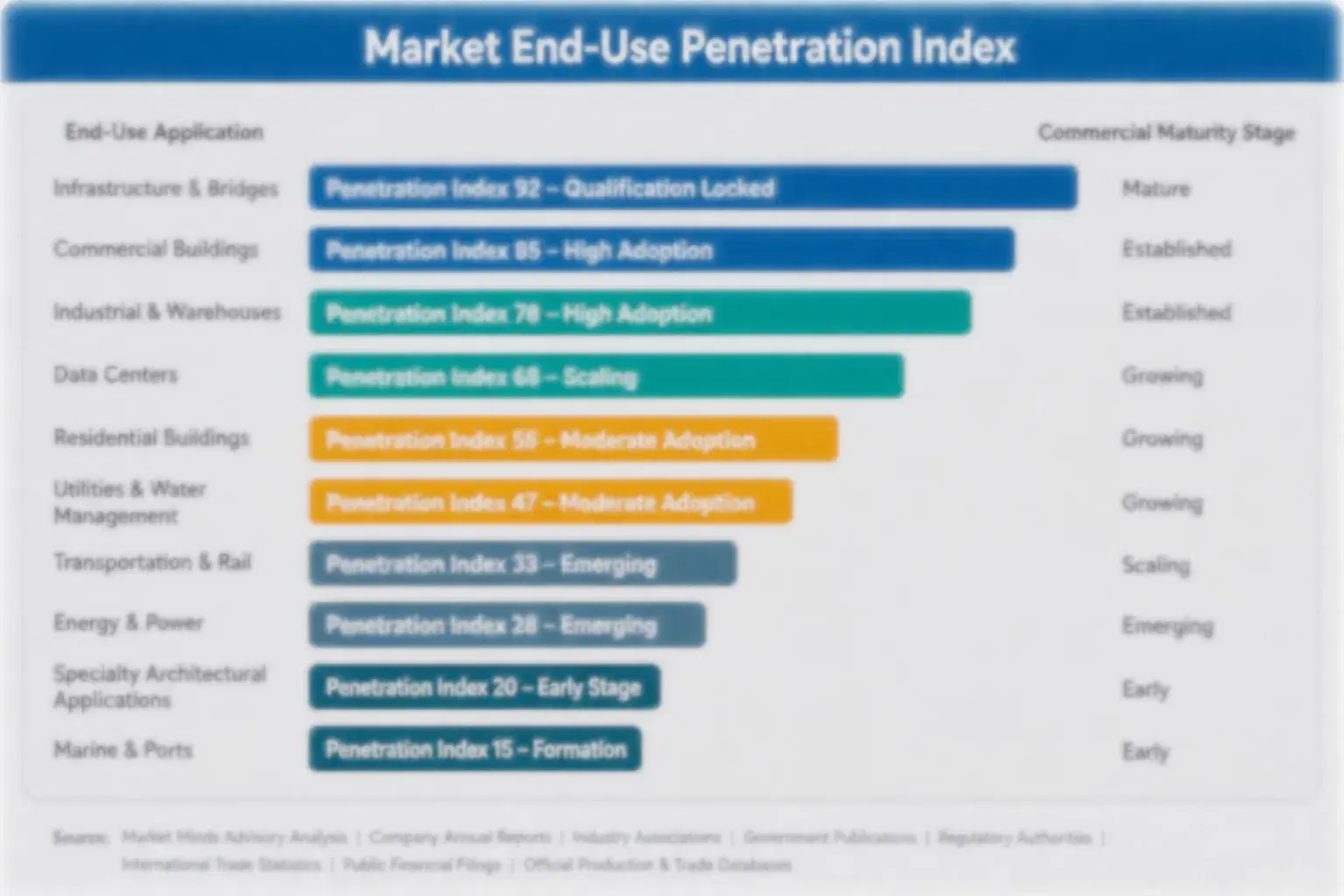
Malt demand behaves like an annuity attached to brewhouses and stills. Once a maltster qualifies a malt specification and delivery pattern, the brewery repeats the purchase every week, and switching means new brewing trials and flavour risk. Buyers use last year's supplier performance to fix renewals, so successful maltsters earn steadier volume than launches driven by price alone. Contract renewals decide volume. Supply reliability decides maltster rankings.
Adoption stickiness differs by end-use vertical. Whisky distillers are the deepest, since malt provenance and flavour define the product and contracts run for years, and they change only when supply or quality fails. Craft brewers are almost as loyal once recipes are set. Large lager brewers are shallower and switch on price, while food and beverage makers follow annual tenders. Margins follow barley discipline.

Buyer profiles are shifting between generations. Older procurement teams choose malt for cost and consistency and trust established maltsters, while younger brand teams care about origin, heritage barley, and verified carbon. Craft distillers add a third group that wants provenance stories. Maltsters that publish farm origin and carbon data and offer small lots win these buyers and keep them as brands grow.
kilned-malt-market-end-use-penetration-index-1789807496187

MMA Verdict on Malt Strategy

These are among the four positions where our research anticipates prominent divergence between winners and laggards over the coming forecast period. Each is grounded in the demand model, the regulatory perimeter, and the announced capacity pipeline.
01 / SPECIALTY MALT POSITIONING

Build Flavour-Led Peated and Heritage Lines Before Base Malt Tenders Erode Margin

Peated, smoked, and heritage malts grow at 9.2% a year, about 2.09 times the overall market rate, and maltsters that supply distinctive flavour to distillers and craft brewers earn gross margins of 22% to 34% against 10% to 16% for standard base malt. Winners will invest in small-batch kilning, heritage barley varieties, and traceable farm origin that craft buyers can market. Maltsters that stay in commodity base malt will compete on tender price, and rivals with flavour-led ranges will capture the highest-value distillery and craft contracts.
02 / BARLEY SOURCING SECURITY

Contract Barley Across Origins Before Harvest Shocks Squeeze Maltster Margins

Malting barley takes about 62% of cost of goods, and drought or heat can cut European and Canadian yields by 15% to 30% and lift barley prices by 25% to 50% within a season. Maltsters should contract barley across at least three origins, fund grower programmes for malting-grade varieties, and hold forward cover of six to nine months. Those that buy on the spot market will absorb volatility or lose contracts, and rivals with grower networks and diversified origins will hold supply through every harvest shock.
03 / KILNING DECARBONISATION STRATEGY

Invest in Efficient Kilns Before Gas Costs and Emissions Rules Remove Margin

Kilning fuel and power take about 14% of cost of goods, and European gas price spikes have lifted malting cost by 8% to 15% within a year, while emissions rules and brewer targets push maltsters to decarbonise. Maltsters should invest in heat recovery, electrified or biomass kilns, and long-term gas and power contracts, and report verified carbon per tonne of malt. Those that stay on spot gas and legacy kilns will lose margin and low-carbon tenders, and rivals with efficient plants and verified footprints will win the brewer contracts.
04 / CUSTOMER MIX DISCIPLINE

Diversify Beyond Large Brewers Before Consolidation Strands Plant Utilisation

Brewers and distillers buy most malt on annual contracts, and the largest brewers take over 40% of volume from top maltsters, so a lost contract can strand a plant and cut utilisation by 10 to 15 points. Maltsters should diversify into distilling, craft, and food malt, extend contract tenors with price adjustment clauses, and keep utilisation above 85% through flexible plant scheduling. Those that depend on two or three brewers will face price pressure at every renewal, and rivals with diversified customers will hold margin through consolidation in brewing.

Engagement Snapshot From the Field

A live engagement with an industry participant carrying material or product regulatory and market exposure ahead of a defining policy shift, showing how our research translates into a defensible multi-year portfolio strategy.
MARKET MINDS ADVISORY · CLIENT ENGAGEMENT SUMMARY
Kilned Malt Producer Strategic Portfolio Review and Transition Roadmap 2026·Investment Scenario on Kilned Malt Exposure Evaluation 2025-26
CLIENT PROFILE
The client is a mid-sized European independent maltster with annual sales near EUR 260 million (client-reported, unverified by MMA), two plants, and a portfolio led by pale and pilsner malt sold to regional brewers under annual contracts. It had limited specialty capacity, gas-fired kilns, and two customers accounting for 45% of volume. Brewing teams review suppliers every season.
STRATEGIC CHALLENGE
A large brewer had shifted 12% of volume to a rival, gas cost had risen by 28%, and utilisation had fallen to 78%. Management needed to decide whether to add specialty capacity, invest in kiln efficiency, or seek new distilling customers, with limited capital and only one plant able to run small-batch lines.
MMA APPROACH
MMA analysed sales and plant data across 60 specifications, interviewed 10 brewery and distillery buyers, eight barley suppliers, and six kiln engineers, and ran a buyer survey on flavour, origin, and carbon across three countries. It modelled margin by grade and plant, tested barley and gas scenarios, and ranked options by payback period and execution risk.
KEY FINDINGS
  1. A specialty and distilling line at one plant could reach 12% of volume in three years at margins near 26% (client-reported, unverified by MMA).
  2. Heat recovery and a biomass boiler could cut energy cost by 15% and support low-carbon premiums of 4% from large brewers. Batch records protect future sales.
  3. Three-origin barley contracts covering 65% of volume could cut cost volatility by about half and protect brewer price formulas. Cost control separates leaders from followers.
  4. Two new distilling and craft customers could lift utilisation from 78% to about 87% and reduce dependence on the top two brewers. Clear specifications build buyer trust.
CLIENT PROFILE
The client is a mid-sized European independent maltster with annual sales near EUR 260 million (client-reported, unverified by MMA), two plants, and a portfolio led by pale and pilsner malt sold to regional brewers under annual contracts. It had limited specialty capacity, gas-fired kilns, and two customers accounting for 45% of volume. Brewing teams review suppliers every season.
STRATEGIC CHALLENGE
A large brewer had shifted 12% of volume to a rival, gas cost had risen by 28%, and utilisation had fallen to 78%. Management needed to decide whether to add specialty capacity, invest in kiln efficiency, or seek new distilling customers, with limited capital and only one plant able to run small-batch lines.
MMA APPROACH
MMA analysed sales and plant data across 60 specifications, interviewed 10 brewery and distillery buyers, eight barley suppliers, and six kiln engineers, and ran a buyer survey on flavour, origin, and carbon across three countries. It modelled margin by grade and plant, tested barley and gas scenarios, and ranked options by payback period and execution risk.
KEY FINDINGS
  1. A specialty and distilling line at one plant could reach 12% of volume in three years at margins near 26% (client-reported, unverified by MMA).
  2. Heat recovery and a biomass boiler could cut energy cost by 15% and support low-carbon premiums of 4% from large brewers. Batch records protect future sales.
  3. Three-origin barley contracts covering 65% of volume could cut cost volatility by about half and protect brewer price formulas. Cost control separates leaders from followers.
  4. Two new distilling and craft customers could lift utilisation from 78% to about 87% and reduce dependence on the top two brewers. Clear specifications build buyer trust.
RECOMMENDED STRATEGY
Phase 1: Phase 1 (Months 1-6): Sign multi-origin barley contracts, design the specialty line, and begin carbon accounting for brewer customers. Small maltsters feel every harvest swing. Phase 2: Phase 2 (Months 7-18): Install heat recovery and a biomass boiler, and launch the specialty and distilling line with two pilot customers. Phase 3: Phase 3 (Months 19-30): Extend specialty sales to five distillers and craft brewers, and review utilisation and margin quarterly. Logistics reach compounds over time.
OUTCOME
Within 30 months, specialty and distilling malt reached 13% of volume, energy cost fell by 16%, and gross margin on the range rose to 17% (client-reported, unverified by MMA). The client raised utilisation to 86%, won four new distilling customers, and buyers named it a preferred flavour-led maltster.

Frequently Asked Questions

Foundational context covering the market sizes, CAGR, scope, country, region and competition that inform every finding below. This section is provided to cover basics and most often pre-purchase conversations, answered from the MMA Primary Research Dataset.

What is the current size of the Kilned Malt Market?

The global kilned malt market was valued at $24.0 billion in 2025. Growth is supported by beer and whisky volumes in emerging markets, specialty malts, and low-carbon demand despite barley and gas volatility.

How large will the Kilned Malt Market be by 2036?

The market is projected to reach $38.5 billion by 2036, up from $25.1 billion in 2026. The increase of $13.5 billion reflects specialty malts, distilling demand, and emerging market brewing.

What is the CAGR for the Kilned Malt Market 2026 to 2036?

The market is forecast to grow at a 4.4% CAGR from 2026 to 2036. The bull case reaches 5.7% and the bear case 3.1%, depending on barley harvests and energy prices.

Which segment is growing fastest?

Peated, Smoked, and Heritage Malt is the fastest-growing segment at 9.2% CAGR, roughly 2.09 times the overall market rate. Roasted and Dark Malt follows as the second-fastest segment at 6.6% CAGR each year.

Who are the major companies in the Kilned Malt Market?

Major companies include Boortmalt, Malteurop Group, Soufflet Group, Cargill, and Viking Malt. Rahr Malting, Briess Malt and Ingredients, GrainCorp, Crisp Malting Group, and Simpsons Malt also hold meaningful positions.

Which country is growing fastest?

India is the fastest-growing country at a 7.4% CAGR, driven by beer growth, whisky production, and rising incomes. Vietnam and Nigeria follow through new brewery capacity and expanding beer consumption.

Report Segmentation Architecture

The full report scope spans multiple orthogonal segmentation dimensions, with cross-tabulated demand data provided for each dimension pair. Coverage extends further to regional breakdowns, trend trajectories, and the competitive detail needed to support segment-level decision-making.

By Primary Market Dimension

  • Pale and Pilsner Base Malt
  • Kilned Amber, Munich, and Vienna Malt
  • Caramel and Crystal Malt
  • Roasted and Dark Malt
  • Peated, Smoked, and Heritage Malt

By End-Use Industry

  • Large-Scale Brewing
  • Craft Brewing
  • Whisky and Spirits Distilling
  • Food and Bakery Uses
  • Non-Alcoholic Malt Beverages

By Commercial Dimension

  • Annual Supply Contracts
  • Spot and Tender Sales
  • Distributor and Homebrew Sales
  • Toll Malting Services
  • Brewer In-House Malting

By Region

  • Western Europe
  • East Asia
  • North America
  • South Asia and Pacific
  • Latin America
  • Middle East and Africa
  • Eastern Europe

Scope, Methodology, and Coverage

Every figure in this report is reproducible from documented input assumptions. The scope below maps the historical period, the forecast horizon, the segmentation dimensions, and the countries covered, alongside the underlying primary and qualitative methodology.
Historical Period
2020 to 2025
Forecast Period
2026 to 2036
Base Year
2025 (USD billions; MMA Primary Research Dataset, September 2026)
Market Definition
Kilned malt comprises barley and other cereals that have been steeped, germinated, and dried in kilns to produce base malts, kilned amber and Munich malts, caramel and crystal malts, roasted and dark malts, and peated or smoked malts, sold to brewers, distillers, and food and beverage makers through annual contracts, tenders, and distributors. The scope excludes unmalted barley, malt extract and syrups sold as finished ingredients, and finished beer and spirits.
Quantitative Units
USD billions (sales value); million tonnes for volume references
Segmentation Dimensions
By Kilning and Processing Type; By End-Use Industry; By Commercial Dimension; By Region
Regions Covered
Western Europe, East Asia, North America, South Asia and Pacific, Latin America, Middle East and Africa, Eastern Europe
Countries Covered
Germany, Belgium, France, United Kingdom, Denmark, Poland, Czechia, United States, Canada, China, Japan, South Korea, India, Australia, Vietnam, Argentina, Brazil, Nigeria, South Africa, and additional markets relevant to this sector
Key Companies Profiled
Boortmalt, Malteurop Group, Soufflet Group, Cargill, Viking Malt, Rahr Malting, Briess Malt and Ingredients, Great Western Malting, GrainCorp, Crisp Malting Group, Simpsons Malt, Weyermann, Castle Malting, Muntons, Bairds Malt, Thomas Fawcett and Sons, Canada Malting Company, Malteria Pampa, COFCO Malt, Franco-Belges Malteries
Quantitative Methodology
Primary survey, n=3,800 respondents, Q4 2025, six countries; demand-side model with trade association cross-validation
Qualitative Methodology
47 expert interviews, Q4 2025; applied to validate demand model assumptions, identify emerging dynamics, and assess competitive positioning
Report Format
PDF and XLSX data workbook (Word format preview document)
Publisher
Market Minds Advisory
Report Code
MMA-2026-AGR-439
Published
September 2026
Contact
sales@marketmindsadvisory.com | www.marketmindsadvisory.com

Purchase the full Kilned Malt Market Report (2026 to 2036).

The full report delivers a detailed assessment of global kilned malt through 2036, covering segment, regional, and country forecasts, competitive benchmarking of leading maltsters, and input cost analysis. It combines MMA primary research, including a six-country survey of 3,800 respondents and 47 expert interviews, with public trade and company data. Analysts also model barley harvest scenarios, gas cost paths, and specialty malt adoption. Clients receive segment margin ranges, channel maps, and a case study on portfolio strategy. Brewer and distiller contact frameworks are also included for negotiation planning.
Ten-year segment and regional demand forecasts
Barley, gas, and freight cost tracking
Competitive benchmarking of top twenty maltsters
Emissions and carbon reporting rule tracker
Regional demand mechanism comparative analysis included
Quarterly primary survey data update access

Built For The People Who Decide

From boardroom strategy to bench-side execution, this report is read cover-to-cover by leaders shaping the next decade of their industry, turning demand scenarios, market dynamics and valuation benchmarks into decisions.
CXOs/ Presidents/ VPs/ Managers
M&A and Corporate Development
Strategy Teams and R&D Heads
Procurement and Product Directors
Regulatory and Compliance Leaders
Investor Relations and Equity Analysts