Market Minds Advisory
Kaempferol Market

Kaempferol Market: More Published Papers Than Commercial Tonnes

Supply is set by demand for a different molecule entirely, because the compound arrives as a co-product of rutin extraction from the same flower buds, which makes its price behave in ways nobody expects.

Lead Analyst

Published

September 2026

Make Smarter Decisions with Customized Research Insights

Request a free sample report and evaluate market opportunities, growth trends, and competitive dynamics relevant to your business needs.

2025 MARKET VALUE$0.1BMarket Size 2025
2036 FORECAST VALUE$0.4BBase Case , 2026 to 2036
CAGR 2026 TO 20369.8 %Bull 11.0% / Bear 8.6%
INCREMENTAL OPPORTUNITY$0.2BNet 10- year value creation
EXPANSION MULTIPLE2.60x2036 value over 2026 base
Strategic Levers
M&A Pipeline
Regional Outlook
Country Rankings
Competitive Intelligence
Segmental Deep-dive
Call-Us : 91 93563 13602

Executive Snapshot and Market Trajectory

Kaempferol has thousands of published studies behind it and almost no approved health claims in front of it, which is an uncomfortable position for any ingredient to occupy. Buyers cite the literature and marketers cannot repeat it. The conversation happens through formulation rather than through anything a label may say.
East Asia holds 40% of value because Sophora japonica is grown and processed almost entirely in China and the compound arrives from that biomass. Enzymatically produced kaempferol grows at 14.7%, half again the market rate of 9.8%, because engineered fermentation removes an agricultural dependency nobody in this market controls. The volumes involved remain genuinely small and the direction of travel is not in dispute.
Concentration is low at 34% and adulteration is endemic, with material sold as high purity routinely turning out to be quercetin, synthetic or simply spiked. Buyers who test properly find it constantly. That makes verified identity a product in its own right, and the suppliers who invested in analytical traceability sell something competitors cannot match by lowering price. Price competition simply does not reach that argument at all. Cheap material stops being considered.
Market Definition
The market covers kaempferol supplied as a defined ingredient, including standardised botanical extracts carrying declared kaempferol content, high-purity isolated material, kaempferol glycosides, cosmetic-grade solubilised preparations, reference and analytical standards, and enzymatically produced material. Whole botanicals sold without content declaration, rutin and quercetin sold separately, finished supplements and finished cosmetic products are excluded. Contract formulation and encapsulation services fall outside scope.
Base Year Value
$0.1B in 2025 (MMA Primary Research Dataset, August 2026)
Forecast Period
2026 to 2036, eleven discrete annual values
CAGR
9.8% base case. Bull 11.0%. Bear 8.6%.
Fastest Growth Segment
Enzymatically Produced Kaempferol: 14.7% CAGR
Fastest Growth Country
India: 12.8% CAGR
Fastest Growth Region
South Asia and Pacific: 11.8% CAGR
Largest Region
East Asia: 40% of 2025 global value
Market Leaders
Indena, Givaudan, Sabinsa, Layn Natural Ingredients, Beijing Gingko Group. Source: MMA Analysis based on disclosed botanical extract and specialty ingredient revenue, company annual reports 2025.
Primary Survey
n=3,800 procurement and R&D decision-makers, Q4 2025, six countries
Methodology
Demand-side build-up, cross-validated against public data, 47 expert interviews

Kaempferol Market Forecast Scenarios

kaempferol-market-size-forecast-scenario-1787683792715
Growth from 2020 to 2025 ran at 8.4% and supply availability moved it more than demand did. Sophora japonica processing volumes follow rutin demand rather than kaempferol demand, and rutin buying was uneven across the period. Cosmetic interest in flavonol antioxidants grew steadily throughout. Research and analytical standard consumption grew alongside publication volume, which was substantial and commercially almost irrelevant.
The 9.8% base case rests on three mechanisms. Cosmetic formulators keep adopting flavonols for antioxidant and pigmentation claims that regulators permit in topical products where they do not permit them in food. Solubilised and encapsulated preparations command far higher prices than raw material and are displacing it steadily. And precision fermentation is beginning to supply material independent of agricultural cycles, which removes the constraint that has capped this market for two decades.
The bull case at 11.0% turns on a substantiated health claim clearing in any major jurisdiction, which would move the compound from an ingredient nobody can talk about into one with a permitted message. The bear case at 8.6% is a rutin demand collapse, which would starve the biomass processing that supplies most kaempferol as a by-product today.

Why Supply Follows Somebody Else's Molecule

Almost nobody grows anything to make kaempferol. Sophora japonica flower buds are harvested and processed for rutin, and kaempferol glycosides come out of the same biomass as a secondary stream that would otherwise be waste. Roughly 78% of commercial supply arrives that way. The practical consequence is that kaempferol availability and price are set by how much rutin the world wants.
FIVE-FIRM CONCENTRATION34%Share of botanical extract revenue held by leading suppliers
HIGH PURITY PRICE$2,400 per kgTypical selling price for isolated material at pharmacopoeial purity
TOP PRODUCING COUNTRYChina 63%Chinese share of global kaempferol containing extract output
CO-PRODUCT SUPPLY SHARE78%Material arising from processing aimed at other compounds
ADULTERATION DETECTION RATE31%Commercial samples failing identity testing on independent analysis
ORAL BIOAVAILABILITY4%Proportion of an ingested dose reaching systemic circulation
The compound is poorly soluble and poorly absorbed, with perhaps 4% of an oral dose reaching circulation, which is why the interesting commercial products are not the compound at all. Solubilised complexes, phospholipid preparations and encapsulated forms sell for multiples of raw material because they address the actual limitation. Formulation is the product and the flavonol is the raw material.
Adulteration is the least discussed feature of this trade and the most consequential. Independent testing finds roughly 31% of commercial samples failing identity, whether through quercetin substitution, synthetic material sold as botanical or straightforward spiking to hit a declared assay. Buyers with analytical capability discover this routinely. Suppliers who can demonstrate chain of custody and confirm identity independently sell something no price reduction competes against.
"There are more papers on this molecule than there are tonnes of it, and the buyers quoting the papers are usually the ones not testing what arrives."
Director, Botanical Ingredients and Nutraceuticals Practice · MMA Chemicals and Materials Practice · August 2026

Market Trends

Precision Fermentation Breaks The Agricultural Supply Link

Engineered yeast expressing plant biosynthetic pathways can produce flavonols in a fermenter, which removes the harvest, the co-product dependency and the adulteration risk in one step. Output today is small and expensive against extracted material, and the trajectory is what matters rather than the current cost position. A fermented compound arrives with defined identity, consistent purity and a supply volume the producer decides rather than the rutin market. Cosmetic formulators have shown most interest so far, since they price on consistency and traceability more than on unit cost and can absorb the premium comfortably.
Market Impact: Drives 46% of value growth

Solubilised Preparations Displace Raw Compound Sales

A flavonol that reaches perhaps 4% systemic availability is not much use to a supplement formulator making a serious claim, which is why phospholipid complexes, cyclodextrin inclusions and self-emulsifying preparations have taken an increasing share of what gets sold. They cost several times the raw material and buyers pay it, because the alternative is an ingredient that does very little in a finished product. Ingredient suppliers who only sell powder are increasingly supplying a raw material to somebody else's value-added product, and capturing correspondingly less of what the customer eventually pays.
Market Impact: Rejects 31% of tested samples

Market Opportunities and Growth Drivers

Cosmetic Claims Permit What Food Regulation Refuses

Topical products may make appearance claims that food regulation would never allow for the same compound taken orally, which is why cosmetic demand has grown while nutraceutical positioning remains awkward. Antioxidant, brightening and photoprotection positioning in skincare works within existing cosmetic rules across most jurisdictions. That regulatory asymmetry has redirected commercial attention toward formulators who need solubilised, stabilised material rather than bulk powder. Suppliers organised around nutraceutical distribution have been slow to notice that the growing customer base wants a different physical product entirely. The physical product they want is different too.
Market Impact: Permits 0 approved health claims

Analytical Scrutiny Rewards Suppliers With Verified Identity

Roughly 31% of commercial samples fail independent identity testing, and buyers with laboratories increasingly test everything before accepting it. Finished product brands facing their own regulatory exposure will not risk an adulterated input, particularly where a certificate of analysis has already proved unreliable. That has created genuine willingness to pay for documented chain of custody, botanical authentication and independent confirmation. Suppliers who invested in that capability sell into accounts that will not consider cheaper material at all, which is a defensible position built entirely on other people's poor behaviour. Nobody built that position deliberately.
Market Impact: Ties 78% of supply elsewhere

Market Restraints and Challenges

No Approved Health Claim Limits What Anybody Can Say

Thousands of published studies exist and essentially no jurisdiction permits a substantiated health claim for kaempferol in food or supplements. Root cause is evidence design rather than absence: most work is preclinical or mechanistic, and claim approval requires human outcome data at doses achievable through supplementation. The commercial impact is that brands buy an ingredient they cannot describe, which caps willingness to pay and makes positioning vague. Mitigation would require clinical trials costing more than the entire ingredient market generates annually, which nobody will fund. The literature keeps growing and the label stays silent.
Market Impact: Removes 78% co-product dependency

Co-Product Economics Make Supply Genuinely Unpredictable

Roughly 78% of supply arrives from Sophora japonica processing aimed at rutin, which means kaempferol volume and price follow a market with entirely separate drivers. Root cause is agricultural economics: nobody harvests flower buds for the secondary stream alone, because the yield does not justify it. The commercial impact is availability that tightens without warning when rutin processing slows, leaving formulators with qualified suppliers who suddenly cannot deliver. Mitigation runs through fermentation supply and multi-source qualification, and neither is widely established yet. Formulators discover this at exactly the wrong moment. Qualification takes months they do not have.
Market Impact: Prices at 6 times raw material
3 additional market trends, 4 additional growth drivers, and 2 additional restraints and challenges are covered in the full report. Contact sales@marketmindsadvisory.com to access the complete intelligence.

Segment CAGR and Growth Architecture

Segmentation follows product grade and physical form: what purity and presentation a buyer receives, rather than which application it serves or which plant it came from. Six grades cover the market without overlap, from standardised extracts through to fermented material. End-use industry and supply route are treated separately, because both cut across every grade in this market.
kaempferol-market-market-share-analysis-1787683792997

Enzymatically Produced Kaempferol

Engineered fermentation produces the compound without a harvest, a co-product dependency or the adulteration risk that follows botanical supply chains around. Growth at 14.7%, half again the market rate of 9.8%, comes from a base small enough that percentage figures overstate the commercial reality considerably. What matters is what fermented material offers: identity that is defined rather than asserted, purity that is consistent between batches, and volume the producer decides rather than the rutin market. Cosmetic formulators have adopted first because they value traceability highly and can absorb a cost premium that supplement manufacturers working to tight formulation budgets simply cannot. The cost gap narrows every year and nobody expects it to reverse.
CAGR 14.7%

Cosmetic-Grade Solubilised Preparations

Raw kaempferol is poorly soluble and difficult to formulate, which limits how much a skincare chemist can actually incorporate and how stable it remains once incorporated. Solubilised preparations using phospholipid complexes, cyclodextrins or emulsifying systems solve that and sell for several times the raw material price. Growth at 12.4% follows cosmetic adoption, which regulation permits in ways it does not permit for oral products. The commercial lesson here is uncomfortable for ingredient houses: the formulation carries the value and the flavonol is the input, which reverses how most botanical suppliers describe their own business. Ingredient houses that only ship powder are supplying somebody else's product and capturing a fraction of what the customer eventually pays for it.
CAGR 12.4%
Full segment breakdown across 6 segments available in the complete report.

Regional Architecture and Country Demand Map

Geography follows where the raw biomass is processed rather than where the compound is consumed, and the two have very little in common. East Asia dominates supply almost entirely. North America and Western Europe buy the highest grades, while South Asia grows fastest on extraction capacity.

North America

American demand concentrates in supplement brands and premium skincare formulators, both of which buy on documentation rather than on price because their own regulatory exposure is considerable. Independent testing culture is stronger here than anywhere, which means adulterated material gets caught and suppliers who supplied it get removed from approved lists permanently. Contract manufacturers formulating for multiple brands are the practical purchasing point for much of the volume. Canadian demand follows the same pattern at smaller scale under natural health product regulation that is stricter about identity. Mexican consumption is small and largely supplied through American distributors rather than directly. Removal from an approved list is effectively permanent here. Contract manufacturers buy most of it.
Share: 22% | CAGR: 9.0% (2026 to 2036)

Western Europe

European buyers face the strictest claim environment anywhere, which paradoxically raises rather than lowers what they will pay, since the ingredient must be defensible even when nothing can be said about it. German and French cosmetic formulators drive most of the region's value, buying solubilised preparations rather than raw powder. Italian ingredient houses hold strong positions in standardised botanical extracts built on decades of pharmacopoeial credibility. British and Nordic demand runs through premium supplement brands with rigorous supplier auditing. European buyers test more thoroughly than anyone except the Americans, and reject material more often than suppliers publicly acknowledge. Rejection rates are considerably higher than anybody publishes. Claims are stricter and prices are higher.
Share: 18% | CAGR: 8.2% (2026 to 2036)
Regional intelligence for 5 additional markets available in the complete report: East Asia, South Asia and Pacific, Latin America, Middle East and Africa, Eastern Europe. Contact sales@marketmindsadvisory.com.
kaempferol-market-country-cagr-analysis-1787683793299

Selling Identity And Formulation, Not Powder

Raw compound competes on assay percentage and price, both of which any competitor can quote and roughly a third of them cannot honestly deliver. Four levers move revenue toward what cannot be copied on a quotation, and each requires investment in analytical or formulation capability that a bulk extract trader has never needed to hold.

Sell Verified Identity As A Priced Product

Roughly 31% of commercial samples fail independent identity testing, which means a buyer purchasing on certificate alone is gambling and increasingly knows it. Suppliers offering botanical authentication, documented chain of custody and independent confirmation sell into accounts that will not consider cheaper material under any circumstances. The investment is analytical capability and supply chain discipline rather than anything technical about the compound. What it buys is a customer base that stops shopping on price entirely, which is unusual in any commodity botanical trade and is built entirely on competitor misbehaviour.
Market Impact: Excludes the suppliers failing 31% of identity testing

Move Up Into Solubilised And Complexed Preparations

Kaempferol reaching perhaps 4% oral availability is a poor ingredient and an excellent starting material, which is why solubilised preparations sell at roughly 6 times raw price. Ingredient houses selling powder supply somebody else's value-added product and capture a fraction of what the customer eventually pays. Developing complexation and delivery capability requires formulation science that botanical extractors generally do not employ. The suppliers who built it stopped competing on assay percentage entirely, which is the only escape available from a market where purity is the sole advertised variable. Assay percentage stops being the conversation.
Market Impact: Captures roughly 6 times the raw material price

Secure Fermentation Supply Ahead Of Agricultural Disruption

Roughly 78% of supply arrives as a co-product of rutin processing, which means availability follows a market nobody in this trade influences and tightens without warning. Fermented material removes that dependency completely and arrives with defined identity as well. Cost per kilogram remains higher than extracted material today and the gap narrows steadily. Suppliers who contract fermentation capacity now hold continuity that competitors dependent on flower bud harvests genuinely cannot promise, and continuity is what formulators reward once they have been let down once. Continuity is what formulators reward after being let down once.
Market Impact: Removes a 78% co-product supply dependency almost completely

Follow Cosmetic Formulators Rather Than Supplement Distributors

Topical products may make appearance claims that food regulation forbids for the same compound, which is why roughly 46% of value growth now comes from cosmetics rather than nutraceuticals. Cosmetic formulators want solubilised, stabilised, documented material and will pay for it, where supplement manufacturers buy powder against tight formulation budgets. Serving that customer requires different technical support, different sample formats and different sales people. Suppliers organised around nutraceutical distribution are calling on the shrinking half of their own market without appearing to have noticed. The shrinking half is where most sales organisations still call.
Market Impact: Follows the 46% of the market value growth

Who Controls the Margin Pool

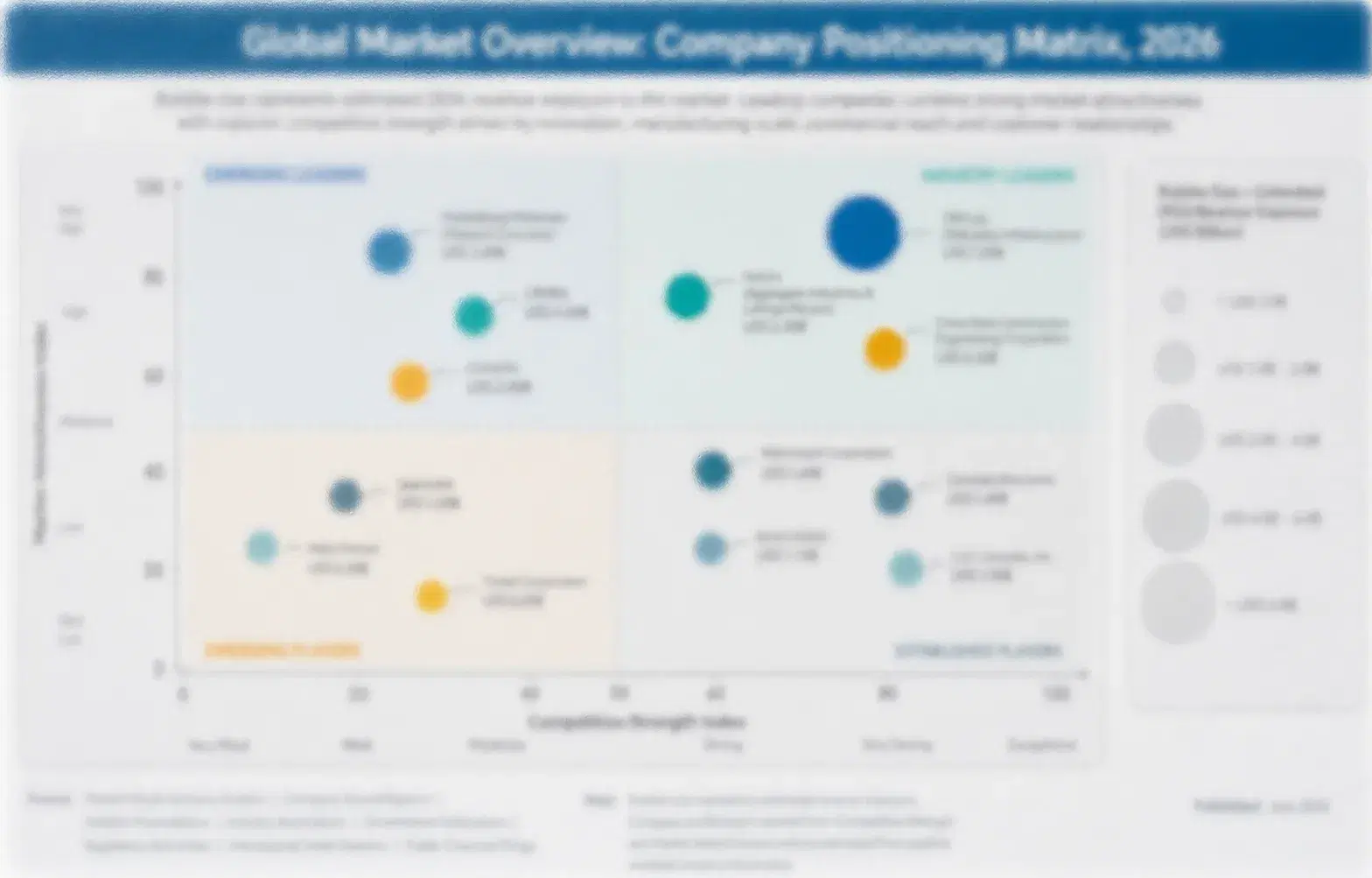
Measured on disclosed botanical extract and specialty ingredient revenue, the five largest suppliers hold a CR5 of 34%, which is low and accurately describes a fragmented trade. Most kaempferol reaches customers through Chinese extractors and Western ingredient houses that buy, verify and resell rather than extract themselves. Indena and Givaudan lead on documentation credibility and formulation capability rather than on any volume position. Volume position tells you almost nothing here.
Three contests run and share little. Bulk extract competition is fought on assay percentage and price among Chinese processors, where roughly a third of quoted material fails independent identity testing. Verified supply competes on analytical capability and traceability for buyers who have been caught once. Formulated preparation competes on delivery science, which is a different discipline entirely and employs people botanical extractors do not.

Pressure comes from precision fermentation companies who arrive without agricultural exposure, adulteration risk or co-product dependency and with a cost position that improves each year. Rankings shift when fermented material reaches price parity with extracted grades, which is not imminent and is no longer implausible either. Fermentation cost curves have historically moved faster than incumbents expect them to.
kaempferol-market-company-positioning-matrix-1787683793597

Competitive Moat and Risk Dimensions

INDENA

Moat: Pharmacopoeial Documentation Credibility

Indena built its position on botanical characterisation and regulatory documentation over decades, which matters enormously in a trade where roughly a third of material fails identity testing. Buyers with regulatory exposure of their own treat that record as the reason to pay a premium. A competitor can match the analysis and not the history, which is what gets audited.
INDENA

Risk: Premium Position Volume Ceiling

Selling verified, documented material to buyers who test everything is a defensible business and a small one, because most of this market still buys on assay and price. Growing beyond the quality-sensitive segment means competing against Chinese extractors on ground where documentation earns nothing. That ceiling is real and no amount of commercial effort raises it materially.
GIVAUDAN

Moat: Formulation And Application Reach

Givaudan reaches cosmetic and food formulators through application laboratories and technical support that a botanical extractor cannot replicate, which puts it in the conversation when a formulation is being designed rather than when an ingredient is being tendered. That position matters most for solubilised preparations, where the value sits in delivery science rather than in the flavonol itself.
GIVAUDAN

Risk: Ingredient Scale Misalignment

Kaempferol is a very small line inside a very large flavour and fragrance group, which means it competes for development and commercial attention against businesses many times its size. Specialist suppliers focus entirely on botanicals and move faster on a compound this niche. Scale helps in distribution and does very little in a market measured in hundreds of tonnes.

Players Tracked

Prominent Players

Indena
Givaudan
Sabinsa
Layn Natural Ingredients
Beijing Gingko Group

Other Key Players

Martin Bauer Group
Kalsec
Synthite Industries
Arjuna Natural
Chr. Hansen
Ambe Phytoextracts
Xi'an Sgonek Biological Technology
Hunan Nutramax
Shaanxi Undersun Biomedtech
Jiaherb
Nutra Green Biotechnology
Merck KGaA
Cayman Chemical
Extrasynthese
Tokyo Chemical Industry

Recent Developments

FEBRUARY 2025

Indena expands botanical authentication capability for flavonol ingredients

Indena expanded analytical authentication capability covering flavonol ingredients, an organic investment rather than an acquisition. The company cited customer demand for independent identity confirmation following repeated adulteration findings across the botanical extract trade, which certificates of analysis supplied by producers had failed to prevent in practice.
Signal: Verified identity is being sold as a distinct product rather than assumed, which reflects how bad the trade has become.
JUNE 2025

Precision fermentation company announces flavonol production at pilot scale

A precision fermentation company announced flavonol production at pilot scale using engineered yeast, an internal development programme rather than any partnership. Output arrives with defined identity and consistent purity and remains considerably more expensive per kilogram than extracted material, which the company acknowledged directly in its announcement.
Signal: Fermented supply is a cost curve rather than a product today, and cost curves in fermentation historically move fast.
SEPTEMBER 2025

Korean cosmetic manufacturer specifies solubilised flavonol preparation across product line

A Korean cosmetic manufacturer standardised on a solubilised flavonol preparation across a skincare product line, a supply agreement rather than any acquisition or joint venture. The specification named a delivery system rather than a raw compound, which reflects where formulators now believe the functional value in these ingredients actually sits.
Signal: Formulators are specifying delivery systems rather than raw compounds, which moves value away from extractors permanently.

What The Compound Costs To Produce

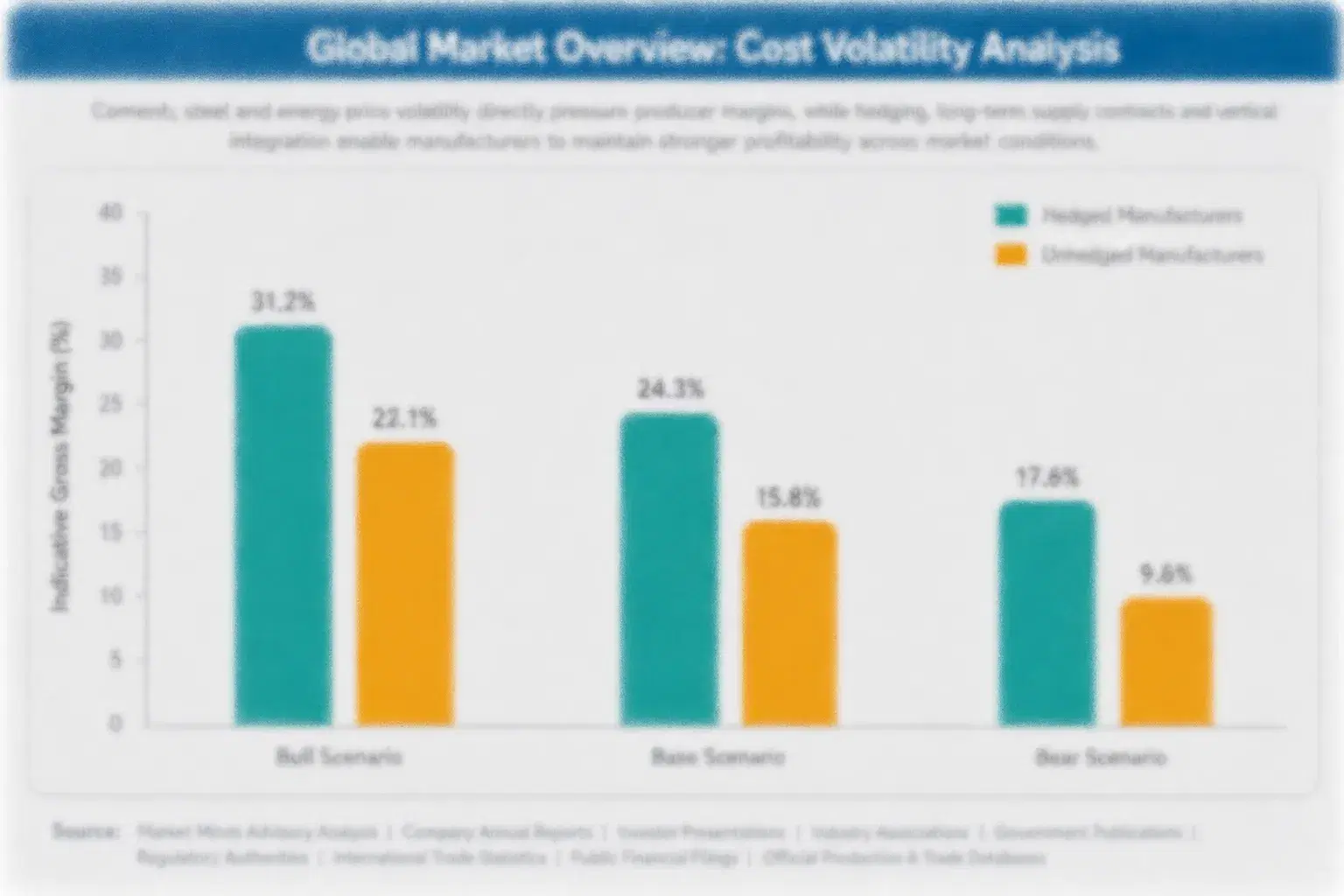
Biomass and processing dominate. Sophora japonica flower buds, solvent and the extraction and purification steps together run 52 to 55% of production cost, though the biomass is charged as a co-product allocation rather than as a purchased input in most operations. Analytical testing adds roughly 9% for suppliers who genuinely test, and considerably less for those who do not. Energy for evaporation and drying carries most of what remains.
The volatility that matters is agricultural rather than industrial. Sophora japonica harvests vary with weather and with planting decisions taken years earlier, and rutin demand determines whether processors run at all. Chinese export price data through 2022 and 2023 shows flavonol extract pricing moving considerably on harvest conditions rather than on any change in downstream demand. Suppliers holding contracted biomass rode through it. Those buying processed extract at spot did not.

Exposure divides by position in the chain. Integrated extractors carry harvest risk directly and control quality completely. Ingredient houses buying processed material carry price risk with a lag and carry adulteration risk they must test for. Fermentation producers carry none of it and carry a cost per kilogram that has not yet reached parity with extracted material anywhere.
kaempferol-market-cost-volatility-analysis-1787683793942

Contract biomass ahead of the harvest season

Flower bud availability is decided by weather and by planting decisions taken years earlier, and spot purchasing during a poor harvest is expensive and sometimes impossible. Suppliers contracting biomass ahead of season secured volume through the tight periods that followed. The commitment looks unnecessary in a good year and decides delivery in a bad one.

Test every incoming lot rather than trusting certificates

Roughly 31% of commercial samples fail independent identity testing, and a supplier certificate has repeatedly proved insufficient. Testing every incoming lot costs analytical capacity and prevents the far larger cost of shipping adulterated material to a customer who tests it themselves. Suppliers who skipped this to save money lost accounts permanently, which is considerably more expensive than the testing.

Qualify fermented supply alongside extracted material

Fermented material costs more per kilogram today and removes harvest risk, co-product dependency and adulteration exposure entirely. Qualifying it now, while the price gap is uncomfortable, means having an alternative when the next harvest fails. Customers increasingly value continuity above unit price, particularly those who have been let down once by a botanical supply chain.

Portfolio Architecture for Margin Defence

Margin follows what a buyer cannot verify from a quotation. Bulk extract sold on declared assay earns commodity trading margins, because every competitor quotes the same number and roughly a third of them cannot substantiate it. Verified, documented material earns considerably more from buyers who have been caught once. Solubilised preparations earn most of all, because the value sits in delivery science rather than in the compound.
The tension is that the profitable products serve small customer bases and the volume sits where margin does not. Most of this market still buys powder on assay and price, and a supplier chasing that volume teaches its own organisation to compete on percentage points. Suppliers who separated verified and formulated business commercially hold pricing that combined operations cannot, at the cost of tonnage they mostly do not miss.

High-value pools sit in three places. Solubilised and complexed preparations, where formulation carries the value. Verified identity supply, which is a product created entirely by competitor adulteration. And fermented material, which is expensive today and removes every supply chain problem this market has at once. None of the three is where the tonnage currently sits at all.

Volume / Commodity-Adjacent

Standardised botanical extracts and bulk glycoside material sold on declared assay through traders and distributors. The 7-point range separates integrated extractors from houses buying and reselling processed material. Price and percentage decide everything at this level.
Gross Margin: 12-19%

Premium / Certified

High-purity isolated material and reference standards supplied with botanical authentication and documented chain of custody. The 7-point spread separates suppliers with independent verification from those relying on producer certificates. Documentation rather than purity holds this pricing in place.
Gross Margin: 34-41%

Sustainability / Regulatory / Next-Generation

Solubilised and complexed preparations, cosmetic delivery systems and enzymatically produced material. The 13-point range is unusually wide because formulated preparations price on delivery performance while fermented material still prices against an extracted benchmark it has not yet reached.
Gross Margin: 48-61%
kaempferol-market-portfolio-architecture-1787683794236

High-value Sub-segments and Strategic Watch-out

Solubilised Delivery Preparations

Highest value and strong growth, where formulation science rather than the flavonol carries what the customer pays for. Cosmetic formulators specify the delivery system by name. The risk is that delivery technology is licensable, which means the advantage rests on application support rather than on anything proprietary.
Gross Margin: 58-61%

Verified Identity Supply

High value with steady growth, created entirely by an adulteration problem competitors caused and buyers now test for. Customers who have been caught once stop shopping on price. The risk is that better analytical methods eventually commoditise verification and remove the premium along with it.
Gross Margin: 38-41%

Bulk Standardised Extracts

The volume core, sold on declared assay through traders where roughly a third of material fails independent identity testing. Chinese processors set pricing and nothing differentiates one quotation from another. Most Western houses keep the line only to hold customer relationships carrying better grades. Nobody defends it seriously.
Gross Margin: 13-16%

Co-Product Dependent Supply

The strategic watch-out. Most supply arrives from processing aimed at rutin, which means availability follows a market with entirely separate drivers and tightens without warning. The risk is customer commitments made against volume that a poor harvest or weak rutin demand removes overnight. Nobody forecasts rutin demand well.
Gross Margin: 20-23%

Why Formulations Rarely Change Ingredient

An ingredient written into a finished product formulation stays there for as long as that product sells, because reformulating means stability testing, regulatory notification and often new claim substantiation. Cosmetic products particularly run for years without reformulation. Revenue therefore behaves like an annuity attached to somebody else's product life rather than to any repeat selling, which is why winning a specification matters far more than winning an order.
Stickiness varies by how documented the ingredient is. A cosmetic delivery system named in a specification essentially never changes, because the formulator validated stability around that exact preparation. A verified high-purity grade changes only if the supplier fails an audit. Bulk extract changes whenever a trader quotes lower, which is continuously. Reference standards persist through analytical method documentation rather than through any commercial relationship.

The buyer is shifting from supplement formulators toward cosmetic chemists, and the two want different physical products entirely. A supplement manufacturer buys powder against a formulation budget. A cosmetic chemist buys a solubilised system and asks about stability in a surfactant matrix. Suppliers whose technical support was built for the first customer are answering questions the second one is not asking.
kaempferol-market-end-use-penetration-index-1787683794571

Where The Value Actually Concentrates

These are among the four positions where our research anticipates prominent divergence between winners and laggards over the coming forecast period. Each is grounded in the demand model, the regulatory perimeter, and the announced capacity pipeline.
01 / IDENTITY VERIFICATION INVESTMENT

Sell proof of what is in the drum

Roughly 31% of commercial samples fail independent identity testing, which means a buyer purchasing on a producer certificate is gambling and the sophisticated ones already know it. Suppliers offering botanical authentication, documented chain of custody and independent confirmation sell into accounts that will not consider cheaper material under any circumstances at all. The investment is analytical discipline rather than anything about the compound, and the resulting position is built entirely on competitor misbehaviour, which is an uncomfortable foundation and a genuinely durable one.
02 / FORMULATION VALUE CAPTURE

Sell the delivery system, not the flavonol

Kaempferol reaching perhaps 4% oral availability is a mediocre ingredient and a perfectly good starting material, which is why solubilised preparations sell at roughly 6 times raw compound pricing. An extractor selling powder supplies the input to somebody else's value-added product and captures a small fraction of what the end customer eventually pays for it. Building complexation and delivery capability requires formulation scientists that botanical houses do not employ, and it is the only exit from a market where declared assay is the sole advertised variable.
03 / SUPPLY CHAIN INDEPENDENCE

Contract fermentation before the next harvest fails

Roughly 78% of supply arrives as a co-product of rutin processing, which ties availability and price to a market nobody in this trade influences or forecasts, and tightens supply without any warning when processors slow down. Fermented material removes that dependency entirely and arrives with defined identity rather than asserted identity. Cost per kilogram remains above extracted material and the gap narrows every year, so contracting capacity now buys continuity that competitors dependent on flower bud harvests genuinely cannot promise anybody.
04 / COSMETIC CHANNEL SHIFT

Follow the chemists, not the supplement distributors

Topical products may make appearance claims that food regulation forbids for the identical compound, which is why roughly 46% of value growth now arrives from cosmetics rather than from nutraceuticals. Cosmetic chemists want solubilised, stabilised, documented preparations and will pay properly for them, while supplement manufacturers buy powder against formulation budgets that leave nothing for anything else. Serving the first customer requires different technical support, sample formats and sales people, and suppliers organised around the second are calling on the shrinking half of their own market.

Engagement Snapshot From the Field

A live engagement with an industry participant carrying material or product regulatory and market exposure ahead of a defining policy shift, showing how our research translates into a defensible multi-year portfolio strategy.
MARKET MINDS ADVISORY · CLIENT ENGAGEMENT SUMMARY
Kaempferol Producer Strategic Portfolio Review and Transition Roadmap 2026·Investment Scenario on Kaempferol Exposure Evaluation 2025-26
CLIENT PROFILE
A European botanical ingredient house supplying flavonol extracts to supplement and cosmetic manufacturers across 24 countries, with revenue reported at 74 million euros (client-reported, unverified by MMA). Roughly 81% of revenue came from bulk standardised extracts sold on declared assay. The company bought processed material from Chinese extractors and resold it after incoming inspection that consisted mostly of reviewing supplier certificates.
STRATEGIC CHALLENGE
Gross margin had fallen for four consecutive years and management attributed it to Chinese suppliers competing directly with their own customers. Two significant accounts had also been lost without explanation. Nobody had connected the margin decline to what the company was actually selling, or investigated why the accounts left when pricing had not changed.
MMA APPROACH
MMA tested a sample of the company's own delivered material against independent identity methods, which the company had never done systematically, and interviewed the lost accounts about why they left. Twelve expert interviews with cosmetic and supplement formulators established what each customer type actually evaluates. The analysis treated product mix and verification practice, not competitor pricing, as the likely causes.
KEY FINDINGS
  1. Independent testing failed 3 of 11 delivered lots on identity, meaning the company had unknowingly shipped adulterated material that customers with laboratories had detected.
  2. Both lost accounts had tested incoming material, found failures and removed the company from approved supplier lists without ever raising it directly.
  3. Cosmetic customers accounted for 34% of enquiries and under 8% of revenue, because the company sold powder while those formulators wanted solubilised preparations.
  4. Building incoming verification and a solubilised product line modelled higher gross profit within two years despite lower tonnage (client-reported, unverified by MMA).
CLIENT PROFILE
A European botanical ingredient house supplying flavonol extracts to supplement and cosmetic manufacturers across 24 countries, with revenue reported at 74 million euros (client-reported, unverified by MMA). Roughly 81% of revenue came from bulk standardised extracts sold on declared assay. The company bought processed material from Chinese extractors and resold it after incoming inspection that consisted mostly of reviewing supplier certificates.
STRATEGIC CHALLENGE
Gross margin had fallen for four consecutive years and management attributed it to Chinese suppliers competing directly with their own customers. Two significant accounts had also been lost without explanation. Nobody had connected the margin decline to what the company was actually selling, or investigated why the accounts left when pricing had not changed.
MMA APPROACH
MMA tested a sample of the company's own delivered material against independent identity methods, which the company had never done systematically, and interviewed the lost accounts about why they left. Twelve expert interviews with cosmetic and supplement formulators established what each customer type actually evaluates. The analysis treated product mix and verification practice, not competitor pricing, as the likely causes.
KEY FINDINGS
  1. Independent testing failed 3 of 11 delivered lots on identity, meaning the company had unknowingly shipped adulterated material that customers with laboratories had detected.
  2. Both lost accounts had tested incoming material, found failures and removed the company from approved supplier lists without ever raising it directly.
  3. Cosmetic customers accounted for 34% of enquiries and under 8% of revenue, because the company sold powder while those formulators wanted solubilised preparations.
  4. Building incoming verification and a solubilised product line modelled higher gross profit within two years despite lower tonnage (client-reported, unverified by MMA).
RECOMMENDED STRATEGY
Phase 1: Phase one: test every incoming lot against independent identity methods immediately, and stop relying on supplier certificates of analysis entirely. Phase 2: Phase two: develop a solubilised preparation line for cosmetic formulators, who already enquire in volume and currently buy almost nothing. Phase 3: Phase three: reprice verified material openly on documentation rather than discounting to defend bulk volume the company cannot win anyway.
OUTCOME
Incoming testing rejected 4 lots in the first year and no customer complaint has arisen since it began. The solubilised line reached a meaningful share of gross profit within eighteen months on modest tonnage (client-reported, unverified by MMA). Bulk volume declined as expected and total gross profit rose regardless.

Frequently Asked Questions

Foundational context covering the market sizes, CAGR, scope, country, region and competition that inform every finding below. This section is provided to cover basics and most often pre-purchase conversations, answered from the MMA Primary Research Dataset.

What is the current size of the Kaempferol Market?

The market was worth 0.14 billion dollars in 2025, covering standardised extracts, high-purity material, glycosides, solubilised preparations, standards and fermented supply. It reaches 0.15 billion dollars in 2026.

How large will the Kaempferol Market be by 2036?

MMA forecasts 0.39 billion dollars by 2036, an increase of 0.24 billion dollars over the 2026 base. That represents an expansion multiple of 2.60 times across the forecast period.

What is the CAGR for the Kaempferol Market 2026 to 2036?

The base case compounds at 9.8% annually. MMA's bull case reaches 11.0% if a substantiated health claim clears anywhere, while the bear case sits at 8.6% on a rutin demand collapse.

Which segment is growing fastest?

Enzymatically produced kaempferol, at 14.7%, half again the market rate of 9.8%. Fermentation removes the harvest, the co-product dependency and the adulteration risk in one step.

Who are the major companies in the Kaempferol Market?

Indena, Givaudan, Sabinsa, Layn Natural Ingredients and Beijing Gingko Group lead on disclosed botanical extract and specialty ingredient revenue. Martin Bauer, Synthite, Arjuna Natural and Extrasynthese compete within specific grades.

Which country is growing fastest?

India at 12.8%, driven by extraction capacity expansion and by domestic supplement demand through both ayurvedic and modern nutraceutical channels. China remains by far the largest supplier.

Report Segmentation Architecture

The full report scope spans multiple orthogonal segmentation dimensions, with cross-tabulated demand data provided for each dimension pair. Coverage extends further to regional breakdowns, trend trajectories, and the competitive detail needed to support segment-level decision-making.

By Product Grade and Form

  • Standardised Botanical Extracts
  • High-Purity Isolated Kaempferol
  • Kaempferol Glycosides
  • Cosmetic-Grade Solubilised Preparations
  • Reference and Analytical Standards
  • Enzymatically Produced Kaempferol

By End-Use Industry

  • Dietary Supplements
  • Skincare and Cosmetics
  • Functional Food and Beverage
  • Animal Nutrition
  • Pharmaceutical Research
  • Analytical Laboratories

By Commercial Dimension

  • Direct Extractor Supply
  • Ingredient House Resale
  • Distributor and Trader Channel
  • Contract Manufacturer Specified
  • Verified Supply Programme
  • Research Quantity Supply

By Region

  • North America
  • Western Europe
  • East Asia
  • South Asia and Pacific
  • Latin America
  • Middle East and Africa
  • Eastern Europe

Scope, Methodology, and Coverage

Every figure in this report is reproducible from documented input assumptions. The scope below maps the historical period, the forecast horizon, the segmentation dimensions, and the countries covered, alongside the underlying primary and qualitative methodology.
Historical Period
2020 to 2025
Forecast Period
2026 to 2036
Base Year
2025 (USD billions; MMA Primary Research Dataset, August 2026)
Market Definition
Scope covers kaempferol supplied as a defined commercial ingredient, spanning standardised botanical extracts carrying declared kaempferol content, high-purity isolated material, kaempferol glycosides, cosmetic-grade solubilised and complexed preparations, reference and analytical standards, and enzymatically produced material from engineered fermentation. Whole botanicals sold without content declaration, rutin and quercetin traded separately, finished dietary supplements and finished cosmetic products are excluded. Contract formulation, encapsulation and finished goods manufacturing fall outside the boundary.
Quantitative Units
USD billions (current prices); tonnes supplied; kilograms of high-purity material; lots tested; identity failure rate
Segmentation Dimensions
By Product Grade and Form; By End-Use Industry; By Commercial Dimension; By Region
Regions Covered
North America, Western Europe, East Asia, South Asia and Pacific, Latin America, Middle East and Africa, Eastern Europe
Countries Covered
USA, China, Germany, France, UK, Japan, South Korea, India, Brazil, Mexico, Italy, Spain, Poland, Saudi Arabia, South Africa
Key Companies Profiled
Indena, Givaudan, Sabinsa, Layn Natural Ingredients, Beijing Gingko Group, Martin Bauer Group, Kalsec, Synthite Industries, Arjuna Natural, Chr. Hansen, Ambe Phytoextracts, Xi'an Sgonek Biological Technology, Hunan Nutramax, Shaanxi Undersun Biomedtech, Jiaherb, Nutra Green Biotechnology, Merck KGaA, Cayman Chemical, Extrasynthese, Tokyo Chemical Industry
Quantitative Methodology
Primary survey, n=3,800 respondents, Q4 2025, six countries; demand-side model with trade association cross-validation
Qualitative Methodology
47 expert interviews, Q4 2025; applied to validate demand model assumptions, identify emerging dynamics, and assess competitive positioning
Report Format
PDF and XLSX data workbook (Word format preview document)
Publisher
Market Minds Advisory
Report Code
MMA-2026-CHM-160
Published
August 2026
Contact
sales@marketmindsadvisory.com | www.marketmindsadvisory.com

Purchase the full Kaempferol Market Report (2026 to 2036).

The full report runs to 160 pages and covers all six product grade segments, seven regions and 20 profiled companies in detail. It includes the complete segment CAGR set, regional supply and consumption data, and identity testing failure analysis across supply routes. Company profiles carry evaluation on disclosed botanical extract and specialty ingredient revenue, with moat and risk assessment for the top five suppliers. The competitive section extends to 14 tracked corporate developments across 2024 and 2025, each with commercial interpretation. Primary research inputs include a quantitative survey of 3,800 respondents and 47 expert interviews conducted in Q4 2025.
Six product grade segments with individual CAGR forecasts
Seven regional markets with supply and consumption data
Twenty company profiles on consistent revenue evaluation basis
Fourteen tracked corporate developments with commercial interpretation notes
Identity testing failure analysis across principal supply routes
Co-product supply dependency mapping by source botanical

Built For The People Who Decide

From boardroom strategy to bench-side execution, this report is read cover-to-cover by leaders shaping the next decade of their industry, turning demand scenarios, market dynamics and valuation benchmarks into decisions.
CXOs/ Presidents/ VPs/ Managers
M&A and Corporate Development
Strategy Teams and R&D Heads
Procurement and Product Directors
Regulatory and Compliance Leaders
Investor Relations and Equity Analysts