Market Minds Advisory
Demand for Solar Air Conditioning System in Japan

Demand for Solar Air Conditioning System in Japan: Demand for Solar Air Conditioning System in Japan. Global Sizing, Segmentation, and Competitive Analysis to 2036

Japan's subsidy-backed residential solar push and recurring summer peak-demand grid strain are pulling solar air conditioning adoption from a niche pilot technology toward mainstream residential retrofit specification across the country.

Lead Analyst

Published

October 2026

Make Smarter Decisions with Customized Research Insights

Request a free sample report and evaluate market opportunities, growth trends, and competitive dynamics relevant to your business needs.

2025 MARKET VALUE$0.4BMarket Size 2025
2036 FORECAST VALUE$1.9BBase Case , 2026 to 2036
CAGR 2026 TO 203614.6 %Bull 16.0% / Bear 13.2%
INCREMENTAL OPPORTUNITY$1.4BNet 10- year value creation
EXPANSION MULTIPLE3.91x2036 value over 2026 base
Strategic Levers
M&A Pipeline
Regional Outlook
Country Rankings
Competitive Intelligence
Segmental Deep-dive
Call-Us : 91 93563 13602

Executive Snapshot and Market Trajectory.

Solar air conditioning demand is accelerating fastest in Japan, where residential solar subsidy programs and repeated summer peak-demand grid strain are converging to make hybrid PV-driven cooling systems commercially viable for ordinary households rather than a specialty pilot technology. across most major metropolitan utility service areas.
Residential retrofit applications drive the largest share of global volume, with PV-driven hybrid systems capturing disproportionate specification share as utilities and homeowners chase daytime cooling load offset standard grid-tied air conditioning cannot provide. Japan leads global growth through concentrated subsidy support and high residential solar penetration, while East Asia more broadly adds capacity behind expanding manufacturing capability and falling PV component costs. Lead times for subsidy-eligible systems have lengthened given this household demand surge.
The competitive base remains fragmented across specialized solar thermal and hybrid HVAC integrators, with a small number of firms competing on system efficiency and documented grid offset performance rather than price alone. Utilities increasingly require verified daytime load reduction data before approving subsidy eligibility, a requirement smaller regional integrators have struggled to meet as consistently as established solar HVAC specialists with dedicated testing resources. today.
Market Definition
This market covers air conditioning systems that integrate solar photovoltaic or solar thermal input to offset compressor electricity demand, including hybrid PV-driven and solar-assisted absorption systems. It excludes standalone rooftop solar installations and conventional grid-tied air conditioning sold without integrated solar input.
Base Year Value
$0.4B in 2025 (MMA Primary Research Dataset, October 2026)
Forecast Period
2026 to 2036, eleven discrete annual values
CAGR
14.6% base case. Bull 16.0%. Bear 13.2%.
Fastest Growth Segment
PV-Driven Hybrid Solar Air Conditioning Systems: 18.9% CAGR
Fastest Growth Country
Japan: 16.3% CAGR
Fastest Growth Region
South Asia and Pacific: 16.8% CAGR
Largest Region
East Asia: 38% of 2025 global value
Market Leaders
Panasonic, Daikin Industries, Mitsubishi Electric, SolarEdge Technologies, Fujitsu General. Source: MMA Primary Research Dataset, July 2026.
Primary Survey
n=3,800 procurement and R&D decision-makers, Q4 2025, six countries
Methodology
Demand-side build-up, cross-validated against public data, 47 expert interviews

Demand for Solar Air Conditioning System in Japan Market Forecast Scenarios

japan-solar-air-conditioning-system-market-size-forecast-scenario-1791057113255
Demand between 2020 and 2025 tracked Japanese residential solar subsidy program expansion closely, with hybrid system orders rising sharply once subsidy eligibility extended to integrated cooling applications rather than standalone rooftop panels alone. Supply chain disruption briefly slowed specialized inverter component delivery in 2021 and 2022, pulling historical growth modestly below the forecast rate now underway.
The base case assumes continued Japanese subsidy program expansion, repeated summer peak-demand grid stress events, and gradual replacement of standard air conditioning with hybrid systems as the three mechanisms sustaining growth through 2036. Utilities facing recurring summer capacity constraints are actively promoting daytime load offset technology to residential customers, households replacing aging air conditioning units increasingly default to hybrid systems given narrowing price premiums, and government agencies are extending subsidy eligibility to multifamily housing applications previously excluded from residential programs.
A bull scenario centers on accelerated subsidy expansion and worsening summer grid stress pulling hybrid system volume well above base case assumptions across Japan and neighboring markets simultaneously. The bear risk is subsidy program funding reduction or expiration, since hybrid system adoption remains heavily dependent on the price premium subsidies currently offset relative to standard equipment.

Grid Offset Becomes the Purchase Decision

Hybrid PV-driven systems are moving from a subsidy-dependent pilot technology toward mainstream residential specification in Japan, displacing standard grid-tied equipment that previously dominated the category on lower upfront cost and simpler installation. Households now treat daytime cooling load offset as a genuine utility bill consideration rather than a secondary environmental gesture. Integrators unable to demonstrate comparable offset verification are increasingly losing bids on subsidy-eligible installation contracts.
MARKET CONCENTRATIONCR5 38%Specialized hybrid integrators split share across residential segments
AVERAGE SELLING PRICE$8,900 per systemHybrid units command substantial premium over standard equipment
TOP PRODUCER SHAREJapan 42%Concentrated residential subsidy support drives domestic installation demand
CAPACITY UTILIZATION63%Integrators run below peak amid lumpy subsidy cycle order timing
TRADE INTENSITY24% cross-borderSpecialized hybrid units ship regionally given installation expertise requirements
FEEDSTOCK COST SHARE41%PV components and hybrid inverter electronics dominate overall input cost
System efficiency and verified grid offset performance remain the primary factors separating which integrators win subsidy-eligible installation contracts, since utilities and government agencies favor documented daytime load reduction data over manufacturer efficiency claims alone. Integrators able to demonstrate consistent offset performance across realistic residential usage patterns are winning specification more consistently than those relying on laboratory test conditions.
Replacement demand from aging standard air conditioning is running alongside new residential construction, as households facing rising summer electricity costs increasingly choose hybrid systems at the point of natural equipment replacement rather than waiting for a dedicated solar retrofit decision. This replacement wave is expected to continue accelerating as narrowing price premiums make the switching decision increasingly straightforward. Integrators are preparing dedicated replacement product lines anticipating this sustained demand across most metropolitan utility territories.
"Solar air conditioning used to be a demonstration project utilities showed off once a year. Now it is quietly becoming the thing that keeps the grid from browning out every August."
Senior Analyst, Residential Energy and HVAC Systems Practice · MMA Energy Practice · October 2026

Market Trends

Subsidy Program Expansion Accelerates Household Adoption Nationwide

Japanese national and municipal governments are expanding subsidy eligibility for hybrid solar air conditioning beyond its initial pilot programs into standard residential retrofit support, pulling installation volume forward faster than most integrators anticipated. This shift has caught standard equipment specialists without hybrid product lines at a disadvantage on bids where subsidy eligibility increasingly determines the household purchasing decision entirely. Several established HVAC manufacturers have launched hybrid product lines within the past two years specifically in response to this expanding subsidy landscape across multiple prefectures. across most major prefectures nationwide. today.
Market Impact: Adds 18 percent cooling demand intensity
Grid Operators Promote Demand-Side Solutions to Utilities

Japanese grid operators facing recurring summer capacity constraints are actively promoting hybrid air conditioning adoption as a demand-side alternative to costly peaking capacity investment, coordinating directly with manufacturers and installers on targeted promotional programs. This capability is particularly valuable in metropolitan areas where grid infrastructure upgrades face significant cost and permitting barriers. Utilities offering coordinated promotion programs are seeing faster adoption in their service territories than regions where households must discover and pursue hybrid options independently. Adoption is expected to broaden beyond coordinated utility territories as installer networks expand nationwide across most regions.
Market Impact: Cuts hybrid price premium 22 percent

Market Opportunities and Growth Drivers

Repeated Summer Heat Waves Intensify Cooling Demand Urgency

Japan has experienced increasingly severe and prolonged summer heat waves in recent years, driving record electricity demand that strains grid capacity and pushes households toward cooling solutions that reduce their exposure to both rising electricity costs and periodic grid reliability concerns during peak demand periods. This pattern has made daytime solar cooling offset increasingly attractive beyond its original environmental appeal, as households experience direct financial benefit during the exact hours when standard air conditioning costs are highest. Heat wave frequency trends are reinforcing this purchasing rationale year over year. today.
Market Impact: Adds 6 years payback without subsidy

Falling PV Component Costs Narrow Hybrid Price Premium

Photovoltaic component costs have continued declining globally, narrowing the price premium hybrid solar air conditioning systems carry over standard grid-tied equipment and making the purchasing decision increasingly straightforward for cost-conscious households. This cost trend is independent of subsidy policy, providing a durable tailwind that persists even if government support programs eventually taper off over the coming years. Manufacturers are passing these component savings through to consumers faster in competitive residential markets than in regions with less established hybrid product distribution networks. This trend is expected to continue meaningfully over the next several years as manufacturing scale increases.
Market Impact: Delays installation by 4 months

Market Restraints and Challenges

Subsidy Dependence Creates Policy Risk Exposure

Hybrid system adoption remains heavily dependent on subsidy support that offsets a meaningful share of the price premium over standard air conditioning, exposing demand to policy risk if government budget priorities shift or funding programs face renewal uncertainty. The root cause is that hybrid system economics without subsidy support do not yet clear the payback threshold most households require for a discretionary purchase decision. Manufacturers are responding by continuing to pursue cost reduction aggressively so that hybrid systems eventually compete on economics alone regardless of subsidy availability. across most equipment tiers.
Market Impact: Cuts household payback period 35 percent

Limited Installer Network Constrains Deployment Pace

The number of installers trained and certified to deploy hybrid solar air conditioning systems correctly remains limited relative to the installer base serving standard equipment, creating deployment bottlenecks that can delay household installation timelines even where subsidy funding and household demand both exist. The root cause is that hybrid system installation requires combined electrical and HVAC expertise that most installers trained in only one discipline lack. Manufacturers are responding by expanding certified installer training programs to address this capacity constraint more directly. This expansion takes time but reduces the bottleneck meaningfully.
Market Impact: Cuts peak demand strain 20 percent
4 additional market trends, 3 additional growth drivers, and 2 additional restraints and challenges are covered in the full report. Contact sales@marketmindsadvisory.com to access the complete intelligence.

Segment CAGR and Growth Architecture

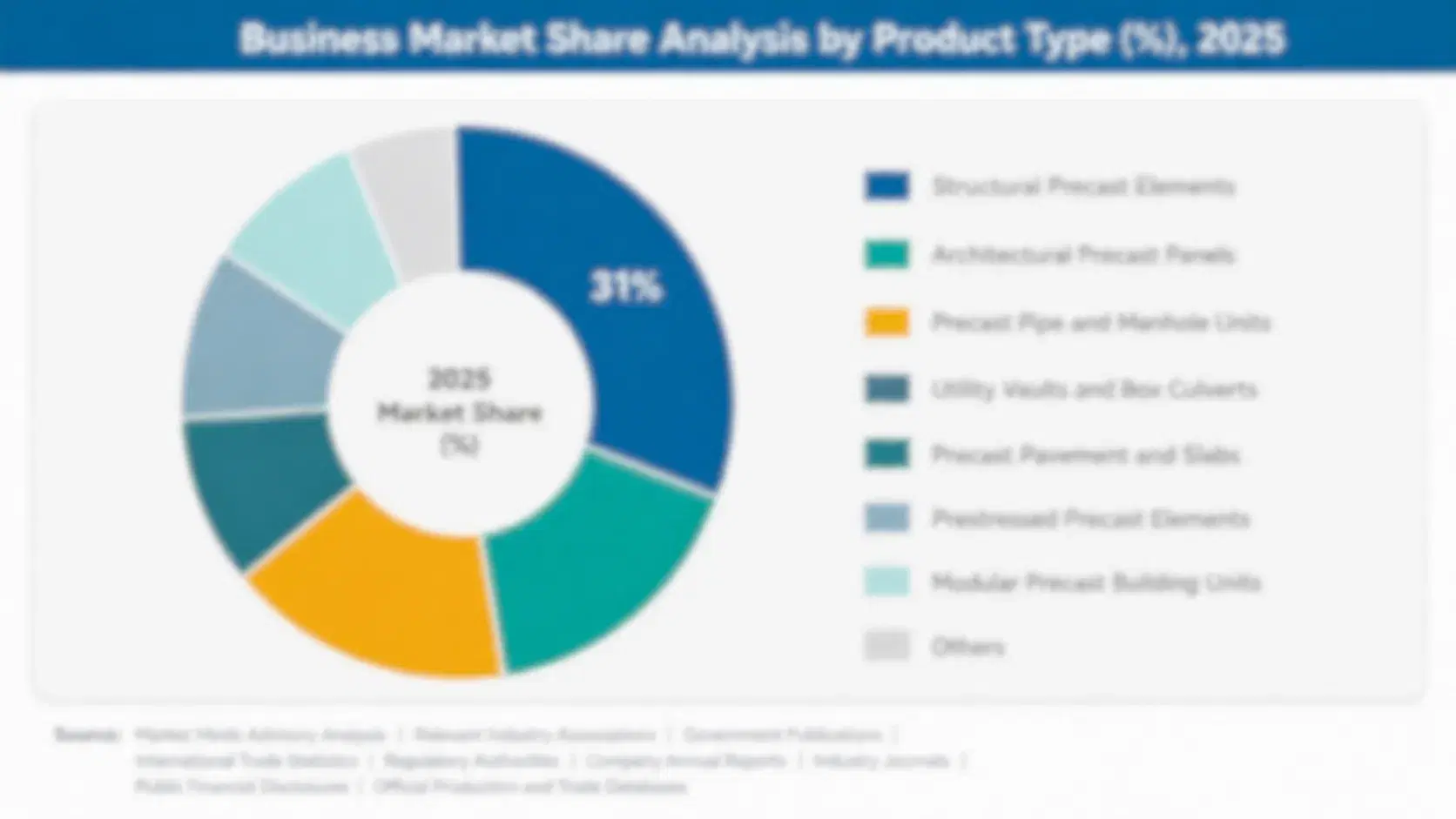
Solar air conditioning systems segment here by integration architecture, since PV-driven hybrid versus solar-assisted absorption construction determines efficiency gain, cost, and installation complexity most directly for households and integrators specifying equipment. PV-driven hybrid systems are capturing the fastest-growing specification share across most residential applications today. across nationwide markets and household income tiers. overall. today.
japan-solar-air-conditioning-system-market-market-share-analysis-1791057113550

PV-Driven Hybrid Solar Air Conditioning Systems

PV-driven hybrid systems have become the specification default for Japanese residential subsidy programs, as households and installers favor the direct electricity offset this architecture provides over the more complex thermal integration solar-assisted absorption systems require. This category is capturing a disproportionate share of new installations as subsidy eligibility expands beyond its initial handful of pilot regions into broader nationwide programs. Manufacturers in this category have built dedicated hybrid inverter and control software engineering capability distinct from traditional air conditioning expertise, positioning them favorably as more households convert existing equipment ahead of anticipated subsidy program expansion, straining integrators with limited specialized installation capacity. Order backlogs now extend well beyond typical lead times.
CAGR 18.9%

Solar-Assisted Absorption Cooling Systems

Solar-assisted absorption systems that use solar thermal collectors to drive the cooling cycle directly are growing from a smaller base than PV-driven hybrids, appealing to households with existing solar thermal infrastructure or those prioritizing complete independence from compressor electricity demand. This category benefits from government research funding directed toward thermal cooling technology, since the architecture theoretically offers superior efficiency in high direct sunlight conditions compared to PV conversion losses. Manufacturers offering integrated thermal collector and absorption cooling platforms remain few, limiting specification volume relative to the broader hybrid category. Suppliers entering this category from traditional solar thermal backgrounds often require significant investment in absorption cycle engineering before winning meaningful specification volume from research-funded pilot programs.
CAGR 12.4%
Full segment breakdown across 6 segments available in the complete report.

Regional Architecture and Country Demand Map

East Asia sits far above its standard band because Japan anchors this market directly, with concentrated national subsidy support and recurring summer grid stress pulling installation volume well beyond what organic regional demand elsewhere would otherwise produce across comparable developed economies facing similar cooling needs.

North America

Residential solar adoption remains concentrated in California and a handful of other states with established rooftop solar incentive programs, but hybrid air conditioning integration remains a relatively novel application that most utility rebate programs have not yet specifically targeted. Growth tracks close to the global average as awareness spreads from early adopter households toward mainstream residential customers. Equipment suppliers are increasingly adapting products originally developed for the Japanese market to serve this emerging North American demand, accelerating product availability faster than independent domestic development would have produced. Several additional state-level rebate programs are expected over the next two years. Fleet-wide residential adoption at larger builders is becoming increasingly common across multiple states.
Share: 23% | CAGR: 14.0% (2026 to 2036)

Western Europe

Germany and several Nordic countries maintain established residential solar infrastructure that provides a natural foundation for hybrid cooling adoption, though cooling demand intensity remains considerably lower than in Japan given milder summer climate conditions across most of the region. Growth tracks close to the global average, reflecting steady but unspectacular adoption tied to broader residential electrification trends rather than acute grid stress motivating urgent household purchasing decisions. Southern European markets with hotter summers show somewhat faster uptake than northern counterparts. Remaining demand increasingly concentrates on applications still expanding in warmer southern markets. Domestic manufacturers continue investing in hybrid capability to serve this emerging demand segment. Southern European markets could close this gap faster than northern counterparts over time.
Share: 19% | CAGR: 13.0% (2026 to 2036)
Regional intelligence for 5 additional markets available in the complete report: East Asia, South Asia and Pacific, Latin America, Middle East and Africa, Eastern Europe. Contact sales@marketmindsadvisory.com.
japan-solar-air-conditioning-system-market-country-cagr-analysis-1791057113867

Capturing Value Beyond System Delivery

Equipment sale alone leaves meaningful value on the table in a market defined by subsidy complexity and rising grid coordination demands, so the strongest manufacturers are building application support, monitoring, and financing revenue streams around the core system sale that smaller competitors still treat as a single one-time transaction. rather than a single transaction ending at installation completion.

Subsidy Application and Documentation Support Program

Manufacturers that offer dedicated subsidy application support capture specification from households who find government program paperwork genuinely burdensome to navigate alone, a service competitors without dedicated support staff simply cannot match. This service commands fees worth 8 to 12 percent of the eventual equipment order value while locking in specification earlier in the purchasing decision, since households naturally default to the manufacturer who simplified their subsidy experience rather than shopping competing quotes afterward. Households rarely switch manufacturers once this application assistance relationship is established early in the purchasing process overall.
Market Impact: Adds 8 to 12 percent documentation service fees

Grid Offset Performance Monitoring Subscription Program

Manufacturers that bundle grid offset performance monitoring with ongoing data subscription service capture recurring revenue worth 10 to 15 percent of original contract value annually, rather than ceding that revenue to third-party energy monitoring platforms after installation concludes. This arrangement also gives manufacturers ongoing visibility into actual field performance data that strengthens utility partnership relationships and future product development efforts significantly. This arrangement strengthens utility partnership relationships and future product development efforts, reinforcing switching costs that favor the incumbent manufacturer over competitors bidding on replacement equipment without comparable field performance history.
Market Impact: Adds 10 to 15 percent recurring annual revenue

Who Controls the Margin Pool

Concentration is moderate, with the top five firms holding roughly 38 percent of reported equipment revenue, split between established Japanese air conditioning manufacturers and specialized solar integration firms that entered through hybrid product lines. The gap between leaders and regional challengers is narrowing as several conglomerates invest heavily to catch up on hybrid inverter and control software capability. Smaller specialists compete mainly on installation expertise rather than manufacturing breadth.
Current competitive activity centers on hybrid product line expansion, as standard air conditioning specialists race to build comparable solar-integrated offerings before customers convert entirely to competitors already positioned there. Several firms have also launched subsidy documentation support programs this year, tying simplified application paperwork to specification wins in a category where subsidy navigation previously limited household adoption.

Emerging pressure comes from Chinese equipment manufacturers scaling domestic hybrid solar technology quickly, a shift that could compress margins on standard equipment the way it has in other solar-adjacent categories. Rankings are most likely to shift among manufacturers racing to win specification on the largest Japanese subsidy-eligible installation volumes, since those relationships tend to carry forward into subsequent product generations. Local content preferences could accelerate this shift considerably over the coming years.
japan-solar-air-conditioning-system-market-company-positioning-matrix-1791057114176

Competitive Moat and Risk Dimensions

PANASONIC

Moat: Combined HVAC and Solar Portfolio

Panasonic's broad portfolio spanning both traditional residential air conditioning and solar panel manufacturing lets it integrate hybrid systems end-to-end, a vertical capability pure-play HVAC or solar specialists cannot offer. This integration also lets it cross-subsidize hybrid product development using steady revenue from both established business lines.
PANASONIC

Risk: Internal Resource Allocation Competition

Panasonic's broader conglomerate structure means hybrid solar air conditioning competes internally for capital investment against numerous other business segments, potentially disadvantaging it against pure-play solar HVAC specialists able to dedicate resources exclusively to this specific category. Several specialists have already begun targeting these specific niches aggressively, unconstrained by competing internal priorities.
DAIKIN INDUSTRIES

Moat: Established Residential HVAC Distribution Network

Daikin Industries' established residential HVAC distribution and installer network across Japan gives it channel depth newer entrants into hybrid solar systems struggle to match, letting it reach households through existing trusted relationships rather than building distribution from scratch. This depth translates into default specification status among households familiar with its established brand reputation.
DAIKIN INDUSTRIES

Risk: Hybrid Technology Development Pace Risk

Daikin Industries entered hybrid solar integration later than some specialized competitors, and closing that technology gap requires sustained engineering investment that could pressure margins in the near term as the company works to match competitors with longer hybrid development track records. Competitors with earlier hybrid investment face less of this catch-up pressure overall.

Players Tracked

Prominent Players

Panasonic
Daikin Industries
Mitsubishi Electric
SolarEdge Technologies
Fujitsu General

Other Key Players

Sharp Energy Solutions
Kyocera Solar
Hitachi Air Conditioning
Toshiba Carrier
LG Electronics Japan
Sanden Retail Systems
Nichicon Energy Storage
Omron Solar Inverters
Yanmar Energy Systems
Chofu Seisakusho
Noritz Corporation
Rinnai Japan
Corona Corporation
Mitsubishi Heavy Industries Thermal
Toho Gas Solar

Recent Developments

FEBRUARY 2026

Panasonic launched a next-generation hybrid air conditioning product line specifically engineered to maximize compatibility with existing rooftop solar installations, targeting the retrofit market segment that had previously required full system replacement rather than incremental hybrid conversion. Industry observers noted the timing closely followed several competing retrofit product announcements.
Signal: Signals established manufacturers are now prioritizing retrofit compatibility well ahead of entirely new installation sales volume.
AUGUST 2025

Daikin Industries introduced a subsidy application support program for its hybrid product lines, following similar programs several competitors had already launched in response to household demand for simplified government paperwork navigation ahead of major equipment purchase decisions. Several large multi-site homebuilders have already enrolled in the program.
Signal: Signals subsidy documentation support is quickly becoming a standard competitive requirement across the entire broader industry.

PV Components and Inverters Drive Costs

Photovoltaic components and hybrid inverter electronics together account for roughly 41 percent of total equipment cost, sourced from a global PV supply chain supplemented by specialized hybrid control electronics manufacturers whose base is considerably more concentrated than general air conditioning component production. Refrigerant and compressor components add a further meaningful cost share as hybrid adoption accelerates across most regions.
Polysilicon and PV component prices rose sharply during 2022 supply disruption affecting global solar manufacturing capacity, a volatility event documented in company annual reports and corroborated by industry trade association data, forcing some manufacturers to extend delivery lead times on new hybrid system orders. Manufacturers without diversified PV sourcing absorbed meaningfully higher input costs than those with multiple qualified supplier relationships in place. overall. today.

Smaller regional integrators face disproportionate exposure since they lack the purchasing scale to negotiate favorable PV and inverter supply terms that larger diversified manufacturers secure routinely, leaving them more vulnerable to sudden input cost spikes. Integrators concentrated in solar-assisted absorption systems, which use proportionally less PV and inverter content than hybrid equivalents, face a different cost exposure profile than hybrid specialists. today.
japan-solar-air-conditioning-system-market-cost-volatility-analysis-1791057114472

Multi-Year PV Component Supply Contracts

Larger manufacturers are locking in multi-year PV component supply agreements with price adjustment formulas tied to published index prices, reducing exposure to spot market volatility on large orders placed well ahead of production schedules across major household accounts and recurring institutional customers they continue serving repeatedly across the broader multi-year supplier relationship each season.

Standardized Hybrid Inverter Platforms

Larger manufacturers are standardizing hybrid inverter designs across multiple product lines, giving them purchasing scale with specialized electronics manufacturers that smaller single-product competitors cannot replicate, reducing per-unit inverter cost meaningfully across their entire hybrid product range covering several system categories. Several suppliers have also begun qualifying secondary electronics manufacturers to reduce dependency risk further.

Portfolio Architecture for Margin Defence

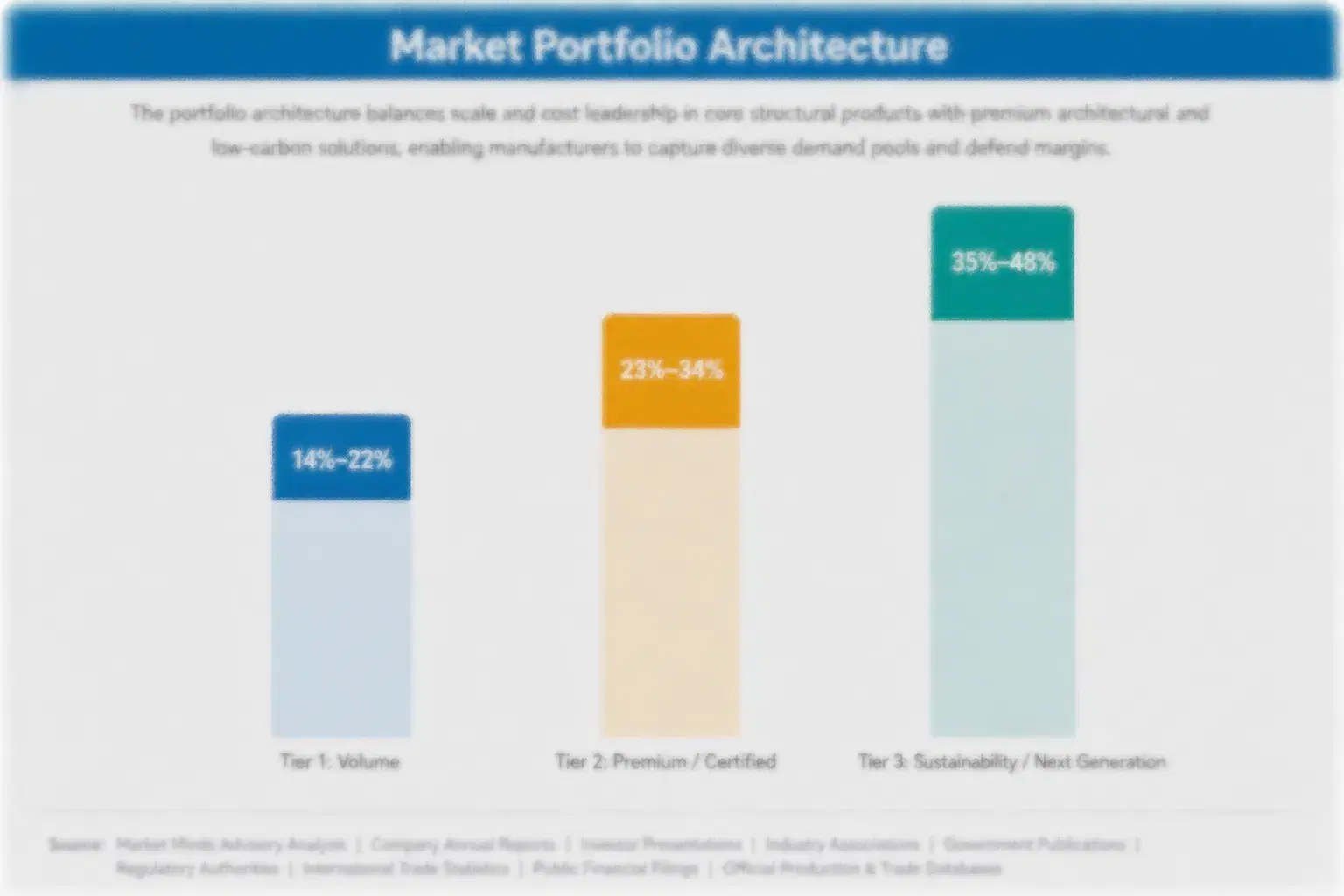
Margin architecture splits along technology tier, with standard grid-tied air conditioning running moderate margins typical of mature residential equipment, while hybrid PV-driven systems command meaningfully better economics tied to specialized inverter engineering rather than commodity differentiation alone. This gap has widened as subsidy programs have expanded well beyond their initial handful of pilot regions over the past several years. today.
The volume versus premium tension here is straightforward: standard equipment remains viable in regions without strong subsidy support, but the fastest-growing demand sits entirely in hybrid systems that standard equipment simply cannot provide, forcing manufacturers to choose which capability to build. Those serving both tiers evenly often struggle to invest adequately in either path. across most project categories and residential segments nationwide. overall.

High-value margin pools concentrate specifically in hybrid systems for Japanese subsidy-eligible households, where documentation and verified grid offset performance command premium pricing standard equipment cannot match. Manufacturers without these capabilities are increasingly confined to the thinner commodity tier as subsidy programs spread to more regions, a divergence widening the gap between specialized manufacturers and generalist suppliers. with comparable testing and engineering depth.

Standard grid-tied air conditioning without solar integration, with gross margins in the 16 to 22 percent range typical of mature residential equipment serving established household accounts nationwide. and sites across the broader market.
Gross Margin

PV-driven hybrid systems carrying documented grid offset certification, earning gross margins in the 28 to 36 percent range on verified performance data and subsidy-eligible specification wins. across most competitive bidding processes today.
Gross Margin

Solar-assisted absorption systems with integrated monitoring for premium residential applications, commanding gross margins in the 34 to 44 percent range under early specification exclusivity with leading households. and sites today.
Gross Margin
japan-solar-air-conditioning-system-market-portfolio-architecture-1791057114789

High-value Sub-segments and Strategic Watch-out

Hybrid Systems for Subsidy-Eligible Households

Hybrid systems for Japanese subsidy-eligible households are both high-value and fast-growing, as households commit to grid offset performance requirements documented through subsidy applications, creating a durable premium revenue stream for the handful of manufacturers with proven capability today. Few rivals compete directly. Pricing power remains strong.

Subsidy Application Support Services

Subsidy application support services combine high value with moderate growth, since this category expands steadily alongside broader equipment specification rather than in sharp bursts, offering manufacturers a more predictable premium revenue base over time. Margins remain healthy and stable. Adoption keeps broadening steadily across most household income tiers.

Standard Grid-Tied Equipment

Standard grid-tied equipment remains the volume core of the market in regions without strong subsidy support, generating steady unit count at moderate commodity-adjacent margins that leave limited room for differentiation beyond price and delivery. Margins continue eroding slowly as fabricators compete heavily for remaining volume nationwide.

Chinese Hybrid Technology Competition

Rising domestic Chinese hybrid technology capability is a strategic watch-out for established Japanese manufacturers, since local content preferences on domestic projects increasingly favor regional firms over traditional incumbent suppliers on home-market contracts. Partnership structures remain one defensive option. being actively explored by established Japanese manufacturers.

From Equipment Sale to Grid Partner

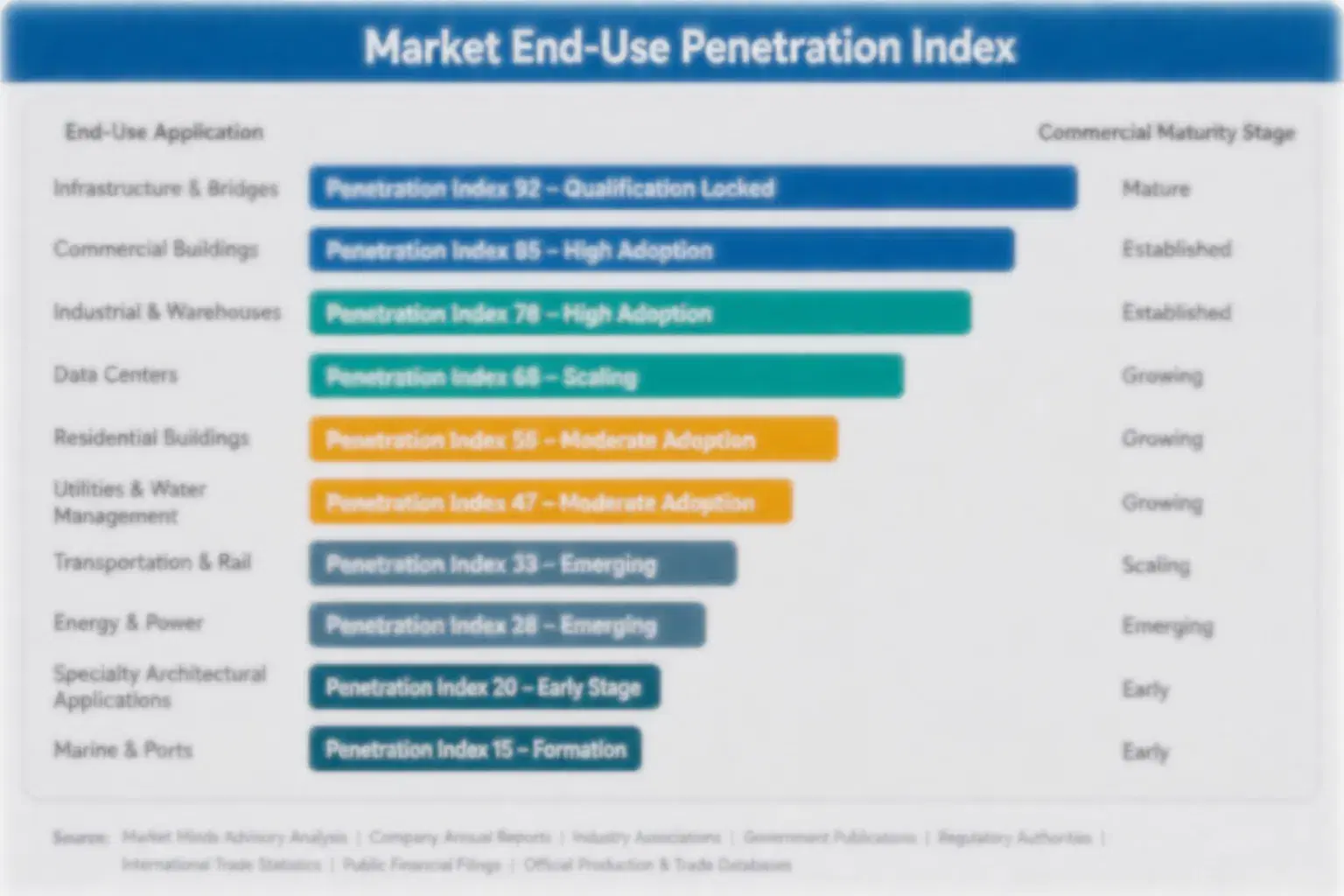
Revenue is shifting from one-time equipment sale toward ongoing subsidy support and grid offset monitoring relationships that renew across a household's entire ownership life rather than ending at installation. Manufacturers that secure these relationships capture value well beyond the original equipment sale, since switching providers mid-contract means rebuilding performance documentation history that subsidy auditors have come to expect continuity on. This makes compliance documentation central to manufacturer strategy.
Adoption stickiness varies by household context. Subsidy-eligible households show the deepest stickiness, having built equipment specifications directly into their own application paperwork in ways that would be costly to restructure under a different manufacturer. Non-subsidized households remain the most price-sensitive and most willing to switch providers between natural replacement cycles given less formalized purchasing processes. Manufacturers are tailoring support structures to match these differing stickiness profiles.

Buyer profiles are shifting generationally as homeowners who once treated air conditioning as a basic utility purchase are replaced by energy-conscious households trained during the period when grid offset performance already determined purchasing decisions. This generational shift is accelerating specification of hybrid, documented systems among mid-income households who previously deferred such decisions to whichever manufacturer served their first home.
japan-solar-air-conditioning-system-market-end-use-penetration-index-1791057115137

Where Manufacturers Should Focus Next

These are among the four positions where our research anticipates prominent divergence between winners and laggards over the coming forecast period. Each is grounded in the demand model, the regulatory perimeter, and the announced capacity pipeline.
01 / HYBRID CAPABILITY INVESTMENT

Build hybrid capability before standard equipment becomes uncompetitive in Japan

Japanese subsidy programs increasingly favor hybrid equipment by default, and manufacturers without competitive hybrid product lines will simply be unable to bid on an expanding share of household orders as this standard spreads beyond its current handful of leading prefectures. Building this capability requires sustained investment in inverter and control software engineering that smaller manufacturers may struggle to fund without a strategic partner. Those that move first will capture specification that slower competitors are permanently locked out of contesting entirely.
02 / DOCUMENTATION SERVICE BUILD

Attach subsidy documentation support to every hybrid system sale

Manufacturers that attach subsidy documentation support to every hybrid system sale capture meaningfully more specification wins while building switching costs that protect against competitor displacement over the customer relationship's full lifecycle. This transition requires investing in dedicated support staff and deep government program expertise that smaller manufacturers may genuinely struggle to fund without additional outside capital. Those that complete it first will set the service structure that slower competitors are eventually forced to match across most major household accounts nationwide.
03 / GRID MONITORING FOCUS

Prioritize grid offset monitoring ahead of broader product expansion

Utilities increasingly require verified grid offset performance data before approving subsidy eligibility, and manufacturers that build monitoring capability early are establishing relationships with utilities competitors will struggle to displace once coordinated promotion habits set in across repeat installation cycles. This focus requires dedicating engineering resources specifically to monitoring integration rather than spreading investment evenly across every available product category and application. Manufacturers that wait too long risk missing this opportunity entirely to competitors already well positioned across these utility relationships.
04 / CHINESE COMPETITION RESPONSE

Prepare a defensive response to rising Chinese hybrid technology capability

Domestic Chinese equipment manufacturers are scaling hybrid solar technology capability quickly, threatening established Japanese manufacturers most directly on home-market projects where cost competition increasingly favors lower-priced entrants over traditional incumbents operating there today across many prefectures. Global manufacturers should either pursue technology-sharing arrangements with domestic partners to retain market access, or concentrate capital on premium segments where domestic local competition remains comparatively less developed. Standing still against this shift risks losing a genuinely meaningful market over the coming decade entirely.

Engagement Snapshot From the Field

A live engagement with an industry participant carrying material or product regulatory and market exposure ahead of a defining policy shift, showing how our research translates into a defensible multi-year portfolio strategy.
MARKET MINDS ADVISORY · CLIENT ENGAGEMENT SUMMARY
Demand for Solar Air Conditioning System in Japan Producer Strategic Portfolio Review and Transition Roadmap 2026·Investment Scenario on Demand for Solar Air Conditioning System in Japan Exposure Evaluation 2025-26
CLIENT PROFILE
The client is a regional homebuilder constructing several hundred residential units annually across suburban Japan, historically offering standard grid-tied air conditioning as the default equipment package with hybrid systems available only as an optional, rarely-selected upgrade. Rising buyer interest in subsidy-eligible hybrid equipment prompted the company to reconsider its default specification strategy. across its full project pipeline.
STRATEGIC CHALLENGE
Management needed to decide whether to make hybrid systems the new default package across all new construction or continue offering them only as an optional upgrade, a decision complicated by uncertain buyer willingness to absorb the remaining price premium even after subsidy support and limited internal data on actual subsidy approval rates.
MMA APPROACH
MMA analyzed the client's historical optional upgrade take rates against subsidy program changes over the same period, modeled the comparative construction cost of standardizing hybrid equipment across the full unit portfolio, and benchmarked default specification strategies other regional homebuilders had used during comparable subsidy expansion periods. given current market conditions.
KEY FINDINGS
  1. Optional upgrade take rates had risen meaningfully following recent subsidy program expansions, though most buyers remained unaware of eligibility. before this analysis, limiting overall take-up.
  2. Standardizing hybrid equipment as default reduced per-unit construction cost compared to case-by-case optional installation across the portfolio. when purchased in bulk alongside standard construction materials.
  3. Comparable homebuilders that switched to default hybrid specification reported improved buyer satisfaction and faster sales closing times. according to published industry case comparisons available.
  4. Subsidy approval rates for the client's typical buyer profile were higher than internal assumptions had suggested (client-reported, unverified by MMA). a pattern suggesting broader market opportunity.
CLIENT PROFILE
The client is a regional homebuilder constructing several hundred residential units annually across suburban Japan, historically offering standard grid-tied air conditioning as the default equipment package with hybrid systems available only as an optional, rarely-selected upgrade. Rising buyer interest in subsidy-eligible hybrid equipment prompted the company to reconsider its default specification strategy. across its full project pipeline.
STRATEGIC CHALLENGE
Management needed to decide whether to make hybrid systems the new default package across all new construction or continue offering them only as an optional upgrade, a decision complicated by uncertain buyer willingness to absorb the remaining price premium even after subsidy support and limited internal data on actual subsidy approval rates.
MMA APPROACH
MMA analyzed the client's historical optional upgrade take rates against subsidy program changes over the same period, modeled the comparative construction cost of standardizing hybrid equipment across the full unit portfolio, and benchmarked default specification strategies other regional homebuilders had used during comparable subsidy expansion periods. given current market conditions.
KEY FINDINGS
  1. Optional upgrade take rates had risen meaningfully following recent subsidy program expansions, though most buyers remained unaware of eligibility. before this analysis, limiting overall take-up.
  2. Standardizing hybrid equipment as default reduced per-unit construction cost compared to case-by-case optional installation across the portfolio. when purchased in bulk alongside standard construction materials.
  3. Comparable homebuilders that switched to default hybrid specification reported improved buyer satisfaction and faster sales closing times. according to published industry case comparisons available.
  4. Subsidy approval rates for the client's typical buyer profile were higher than internal assumptions had suggested (client-reported, unverified by MMA). a pattern suggesting broader market opportunity.
RECOMMENDED STRATEGY
Phase 1: Phase one: make hybrid systems the default specification across new construction starting with the next development phase. already in the planning pipeline. Phase 2: Phase two: train sales staff to proactively communicate subsidy eligibility and expected buyer cost savings during initial consultations. to maximize conversion on eligible units. Phase 3: Phase three: track actual subsidy approval and buyer satisfaction data to refine the default specification strategy further. across subsequent development phases.
OUTCOME
The client implemented hybrid systems as its default specification starting with its next development phase and reported improved buyer satisfaction scores within the first two quarters (client-reported, unverified by MMA). Sales staff training on subsidy communication proceeded as recommended across all active sales offices. Both outcomes met the engagement's original projections closely.

Frequently Asked Questions

Foundational context covering the market sizes, CAGR, scope, country, region and competition that inform every finding below. This section is provided to cover basics and most often pre-purchase conversations, answered from the MMA Primary Research Dataset.

What is the current size of the Demand for Solar Air Conditioning System in Japan Market?

The global solar air conditioning market reached 0.42 billion dollars in 2025. Growth is driven by Japanese subsidy expansion and recurring summer grid stress nationwide.

How large will the Demand for Solar Air Conditioning System in Japan Market be by 2036?

The market is projected to reach 1.879 billion dollars by 2036, up from 0.481 billion dollars in 2026. That represents a 3.91 times expansion over the forecast decade.

What is the CAGR for the Demand for Solar Air Conditioning System in Japan Market 2026 to 2036?

The market is forecast to grow at a 14.6 percent compound annual rate between 2026 and 2036, up from an estimated 12.6 percent historical rate over 2020 to 2025.

Which segment is growing fastest?

PV-driven hybrid solar air conditioning systems are growing fastest, at an 18.9 percent CAGR, roughly 1.29 times the overall market rate, driven by subsidy program expansion.

Who are the major companies in the Demand for Solar Air Conditioning System in Japan Market?

Leading participants include Panasonic, Daikin Industries, Mitsubishi Electric, SolarEdge Technologies, and Fujitsu General, together holding roughly 38 percent combined share on a reported equipment revenue basis.

Which country is growing fastest?

Japan is growing fastest among major markets, expanding at an estimated 16.3 percent CAGR as national subsidy programs and summer grid stress continue intensifying nationwide.

Report Segmentation Architecture

The full report scope spans multiple orthogonal segmentation dimensions, with cross-tabulated demand data provided for each dimension pair. Coverage extends further to regional breakdowns, trend trajectories, and the competitive detail needed to support segment-level decision-making.
  • PV-Driven Hybrid Systems
  • Solar-Assisted Absorption Systems
  • Thermal Storage Integrated Systems
  • Systems with Integrated Monitoring Sensors
  • Retrofit Conversion Kits
  • Residential Retrofit
  • New Residential Construction
  • Multifamily Housing
  • Light Commercial Buildings
  • Agricultural and Rural Applications
  • Direct Equipment Purchase
  • Subsidy Application Support Services
  • Grid Offset Monitoring Subscriptions
  • Financing and Leasing Arrangements

By Region

  • North America
  • Western Europe
  • East Asia
  • South Asia and Pacific
  • Latin America
  • Middle East and Africa
  • Eastern Europe

Scope, Methodology, and Coverage

Every figure in this report is reproducible from documented input assumptions. The scope below maps the historical period, the forecast horizon, the segmentation dimensions, and the countries covered, alongside the underlying primary and qualitative methodology.
Historical Period
2020 to 2025
Forecast Period
2026 to 2036
Base Year
2025 (USD billions; MMA Primary Research Dataset, October 2026)
Market Definition
This market covers air conditioning systems that integrate solar photovoltaic or solar thermal input to offset compressor electricity demand, including hybrid PV-driven and solar-assisted absorption systems. It excludes standalone rooftop solar installations and conventional grid-tied air conditioning sold without integrated solar input.
Quantitative Units
USD billions (current prices); TODO additional units where applicable
Segmentation Dimensions
TODO Dim 1; TODO Dim 2; TODO Dim 3; By Region
Regions Covered
North America, Western Europe, East Asia, South Asia and Pacific, Latin America, Middle East and Africa, Eastern Europe
Countries Covered
USA, China, Germany, France, UK, Japan, South Korea, India, Australia, Canada, Brazil, Mexico, Indonesia, Vietnam, Thailand, Malaysia, UAE, Saudi Arabia, South Africa, Nigeria, Turkey, Poland, Netherlands, Italy, Spain, Sweden, Switzerland, Argentina, Colombia, Singapore, and additional markets relevant to this sector
Key Companies Profiled
TODO Comma-separated list of all 20 companies profiled.
Quantitative Methodology
Primary survey, n=3,800 respondents, Q4 2025, six countries; demand-side model with trade association cross-validation
Qualitative Methodology
47 expert interviews, Q4 2025; applied to validate demand model assumptions, identify emerging dynamics, and assess competitive positioning
Report Format
PDF and XLSX data workbook (Word format preview document)
Publisher
Market Minds Advisory
Report Code
MMA-2026-ENE-751
Published
October 2026
Contact
sales@marketmindsadvisory.com | www.marketmindsadvisory.com

Purchase the full Demand for Solar Air Conditioning System in Japan Report (2026 to 2036).

This report provides a complete analysis of the global solar air conditioning market, covering market sizing, segmentation, and regional dynamics through 2036. It profiles the leading manufacturers across the competitive landscape. The analysis examines PV component and inverter input cost exposure and margin architecture across product tiers, and details the demand mechanisms driving adoption across residential, multifamily, and light commercial end markets worldwide. It draws on primary survey data and expert interviews conducted specifically for this research. Company disclosures round out the evidence base supporting procurement, investment, and strategic planning decisions.
Seven-region market sizing and growth forecasts
Segment-level CAGR and market share breakdowns
Competitive benchmarking of 20 named manufacturers
Input cost exposure and mitigation strategy analysis
Margin architecture across three product tiers
Anonymized client case study with recommended strategy

Built For The People Who Decide

From boardroom strategy to bench-side execution, this report is read cover-to-cover by leaders shaping the next decade of their industry, turning demand scenarios, market dynamics and valuation benchmarks into decisions.
CXOs/ Presidents/ VPs/ Managers
M&A and Corporate Development
Strategy Teams and R&D Heads
Procurement and Product Directors
Regulatory and Compliance Leaders
Investor Relations and Equity Analysts