Market Minds Advisory
Demand for RTD Cocktail Shots in Japan

Demand for RTD Cocktail Shots in Japan: Demand for RTD Cocktail Shots in Japan. Convenience Store Formats, Jelly Shots, and Health Guidance Reshape Small-Format Alcohol.

RTD cocktail shots turn a bar occasion into a two-ounce convenience store purchase, but health guidance, small-pack economics, tourist swings, and chuhai competition decide which brands win shelf space in retail and izakaya channels.

Lead Analyst

Published

September 2026

Make Smarter Decisions with Customized Research Insights

Request a free sample report and evaluate market opportunities, growth trends, and competitive dynamics relevant to your business needs.

2025 MARKET VALUE$0.3BMarket Size 2025
2036 FORECAST VALUE$1.0BBase Case , 2026 to 2036
CAGR 2026 TO 203611.5 %Bull 12.8% / Bear 10.2%
INCREMENTAL OPPORTUNITY$0.7BNet 10- year value creation
EXPANSION MULTIPLE2.97x2036 value over 2026 base
Strategic Levers
M&A Pipeline
Regional Outlook
Country Rankings
Competitive Intelligence
Segmental Deep-dive
Call-Us : 91 93563 13602

Executive Snapshot and Market Trajectory.

Japan drinks canned chuhai by the billion, so a 60 millilitre cocktail shot looks like a solution to a problem nobody has. It sells anyway, because it solves a different one: a single pour for a party, a tourist, or a shopper who wants flavour without a full can.
Jelly and gel cocktail shots grow fastest, because they turn drinking into a novelty format suited to parties, social media, and gifting, while low-ABV and zero-sugar shots follow as health guidance shapes choices. East Asia holds the largest share, since this market is sized on Japan demand and Japan-made shot exports, with North America and South Asia and Pacific following. Singapore leads export growth. Convenience stores set volume. Tourists add trial.
The industry is highly concentrated, with the four national brewers and a few chuhai specialists supplying most shots through convenience store chains and drinks wholesalers. Ministry guidance on alcohol, small-pack packaging costs, and tourism swings shape launches, while strong chuhai brands limit space for new formats. Large groups control distribution. Small makers use gift and event channels. Regulators watch high-strength products. Seasons set the pace for shots.
Market Definition
Demand for RTD cocktail shots in Japan comprises ready-to-drink alcoholic shots and mini-format cocktails of roughly 30 to 100 millilitres consumed in Japan, plus Japan-made shots exported, including fruit and citrus shots, whisky highball shots, vodka, tequila, and rum shots, sake and shochu shots, jelly and gel shots, and low-ABV and zero-sugar shots, sold through convenience stores, supermarkets, izakaya, and online channels. The scope excludes standard 350 millilitre cans of chuhai, spirits sold as bottles, and non-alcoholic shots.
Base Year Value
$0.3B in 2025 (MMA Primary Research Dataset, September 2026)
Forecast Period
2026 to 2036, eleven discrete annual values
CAGR
11.5% base case. Bull 12.8%. Bear 10.2%.
Fastest Growth Segment
Jelly and Gel Cocktail Shots: 15.6% CAGR
Fastest Growth Country
Singapore: 14.4% CAGR
Fastest Growth Region
South Asia and Pacific: 13.5% CAGR
Largest Region
East Asia: 84% of 2025 global value
Market Leaders
Suntory Holdings, Kirin Holdings, Asahi Group Holdings, Sapporo Holdings, Takara Shuzo. Source: MMA Analysis, company annual reports.
Primary Survey
n=3,800 procurement and R&D decision-makers, Q4 2025, six countries
Methodology
Demand-side build-up, cross-validated against public data, 47 expert interviews

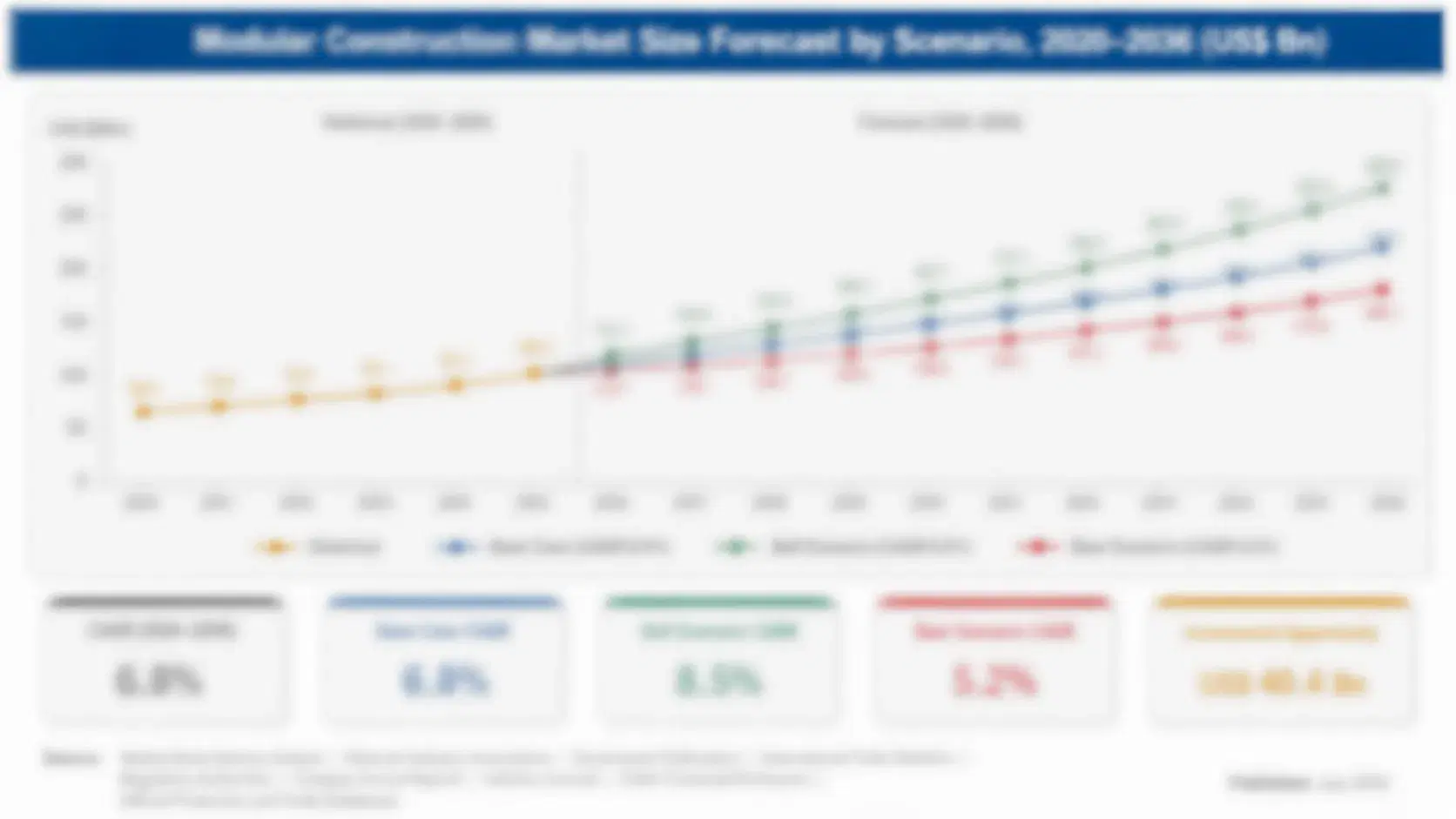
Demand for RTD Cocktail Shots in Japan Market Forecast Scenarios

japan-rtd-cocktail-shots-market-size-forecast-scenario-1789793717997
From 2020 to 2025, RTD cocktail shots moved from a novelty gift item toward a convenience store category in Japan. Reopening of izakaya and nightlife, the return of inbound tourists, and social media interest in jelly shots widened demand, while packaging and ingredient costs rose in 2022 and 2023. Growth ran slightly below today's pace, and new distribution supplied most of the gain.
The base case rests on three commercial mechanisms. First, convenience store chains expand small-format alcohol shelves and multipack promotions as tourists and party buyers seek variety. Second, jelly and gel shots grow through gifting and event occasions. Third, low-ABV and zero-sugar shots respond to health guidance and calorie awareness. Each mechanism compounds, and none needs a breakout year. Producers plan capacity around all three drivers. Buyers review sets twice a year.
The bull case needs broad convenience store listings and strong tourism, which would lift trial and repeat purchase in a category that is still small. The bear case is a tightening of alcohol marketing rules or a weak yen reversal that cuts tourist spending, which would slow growth and push brands toward standard cans. Buyers react quickly.

Convenience Shelf Space and Health Guidance Decide Japan Shot Winners

RTD cocktail shots are small pours of pre-mixed alcohol, sold in cups, pouches, jelly tubs, or mini bottles at 30 to 100 millilitres. They range from fruit and citrus chuhai-style shots to highball, vodka, tequila, and sake-based shots, and jelly shots use gelling agents so the drink is eaten with a spoon. Small size raises cost per millilitre, so price must be justified by novelty, portability, or variety.
MARKET CONCENTRATION62% CR5Leading five brewers and distillers hold a dominant combined share
CONVENIENCE STORE COUNT55,000Approximate number of national chain outlets selling alcoholic drinks
TYPICAL SHOT SIZE60 mlTypical volume of a single cocktail shot cup or pouch
PRICE PER MILLILITRE PREMIUM2xShots cost more per millilitre than standard canned chuhai
CONVENIENCE CHANNEL SHARE58%Portion of value sold through convenience store chains
TOURIST PURCHASE SHARE12%Portion of value bought by inbound visitors and gift buyers
Convenience and compliance decide value. Japanese convenience chains list a limited number of alcohol products, so a shot must earn space against standard chuhai cans and highballs. The Ministry of Health, Labour and Welfare issued drinking guidance in 2024, and brewers have adopted voluntary rules on advertising high-strength drinks. Brands with lower alcohol strength, clear labelling, and safe marketing win listings because regulators watch the category.
Buyers judge shots on flavour, novelty, price per serve, and gift appeal. Chain buyers want fast-turning multipacks and seasonal variety, while izakaya want small formats for tasting sets. Tourists buy shots as souvenirs and party items, and private label is small, which keeps prices stable but limits scale, so brands rely on limited editions and collaborations to keep shelf interest.
"A cocktail shot in Japan is a bet that novelty can beat a very good can of chuhai. The brands that win will be the ones that give the buyer a reason to reach for the tiny cup, because on a convenience shelf a small drink has to earn its space every week."
Practice Lead, Ready-To-Drink Alcoholic Beverages Practice · MMA Ready-To-Drink Alcoholic Beverages Practice · September 2026

Market Trends

Jelly and Gel Shots Turn Drinking Into a Party Novelty

Producers now sell alcoholic jelly shots in squeeze tubs and cups, using gelling agents to hold fruit flavours and 3% to 9% alcohol. Jelly shots are aimed at parties, weddings, and gifting, and social media videos amplify trial. They sell at prices 50% to 100% above standard shots per millilitre. Producers must manage texture, shelf life, and labelling, since jelly can be mistaken for confectionery, so packaging carries clear age and alcohol warnings. Convenience stores list them in seasonal sets, and tourist shops sell them as novelty souvenirs. Weddings drive orders.
Market Impact: 55,000 convenience outlets carry seasonal sets
Low-ABV and Zero-Sugar Shots Respond to Health Guidance and Calories

After the Ministry of Health, Labour and Welfare published drinking guidance in 2024, brewers and distillers shifted attention to lower-strength products and clearer alcohol labelling. Low-ABV shots at 3% to 5% and zero-sugar formulas using sweeteners appeal to younger and health-conscious drinkers. Convenience chains give shelf space to lower-strength ranges, and brands reduce calories per serve. The trend keeps the category inside guidance while allowing growth, and it gives shots a role as a moderate way to sample cocktails without a full can. Retail buyers also compare calories per serve before adding listings.
Market Impact: 30 million+ visitors in 2024

Market Opportunities and Growth Drivers

Convenience Store Chains Expand Small-Format and Multipack Alcohol Shelves

Seven-Eleven, Lawson, and FamilyMart operate about 55,000 outlets, and they rotate seasonal alcohol sets every month. Small shots fit multipack promotions, party sets, and gift displays, and buyers use them to add variety beside standard cans. Chains also test shots in limited stores before national rollout. Brands that offer seasonal flavours, clear pricing, and reliable supply win rollout, and distributors provide small-lot delivery. Convenience listings give shots the visibility that izakaya and specialty shops cannot match. Wholesalers deliver mixed cases to store clusters twice a week, which keeps seasonal shots fresh and limits waste for chains.
Market Impact: 2024 guidance targets strong drinks

Inbound Tourism and Gifting Occasions Add Trial and High-Value Sales

Japan welcomed more than 30 million foreign visitors in 2024, and tourists buy novelty drinks, souvenirs, and party items in convenience stores, airports, and department stores. Jelly shots and colourful cocktail shots suit gift boxes and social media posts. Duty-free and airport channels add premium sales, while gifting at year-end and weddings supports seasonal peaks. Brands that use bilingual packaging, tourist-friendly formats, and airport listings win high-value sales, and yen weakness keeps Japan attractive to visitors. Department stores in Tokyo and Osaka run gift counters for weddings and year-end parties, which adds premium orders for boxed sets.
Market Impact: shots cost 2x more to pack

Market Restraints and Challenges

Health Guidance and High-Strength Scrutiny Limit Marketing and Format Risk

The Ministry of Health, Labour and Welfare's 2024 drinking guidance and public concern over high-strength chuhai have led brewers to tighten advertising and to reduce alcohol strength in some ranges. Shots that carry 7% to 9% alcohol in small cups can be consumed quickly, which draws scrutiny. The root cause is public health concern about binge drinking. Producers respond with lower strength options, clear labelling, and cautious marketing, though these steps limit some growth formats and increase compliance cost. Retailers may also remove strong products from front displays when public concern rises, which cuts trial for new launches.
Market Impact: jelly shots sell 50-100% above standard

Small-Pack Economics and Crowded Chuhai Shelves Limit Volume and Margin

Shots cost about twice as much per millilitre as standard cans to package and distribute, and convenience chains allocate space to fast-turning cans first. Packaging such as cups, pouches, and tubs adds cost, and retail margin expectations limit shelf price. The root cause is small volume per unit and strong competition from established chuhai brands. Producers respond with multipacks, seasonal editions, and gift sets, though shelf space remains tight and new listings must earn space within weeks. Buyers also review sell-through weekly, so a slow shot can lose its facing within a month if repeat purchase disappoints.
Market Impact: low-ABV shots use 3-5% alcohol
3 additional market trends, 2 additional growth drivers, and 3 additional restraints and challenges are covered in the full report. Contact sales@marketmindsadvisory.com to access the complete intelligence.

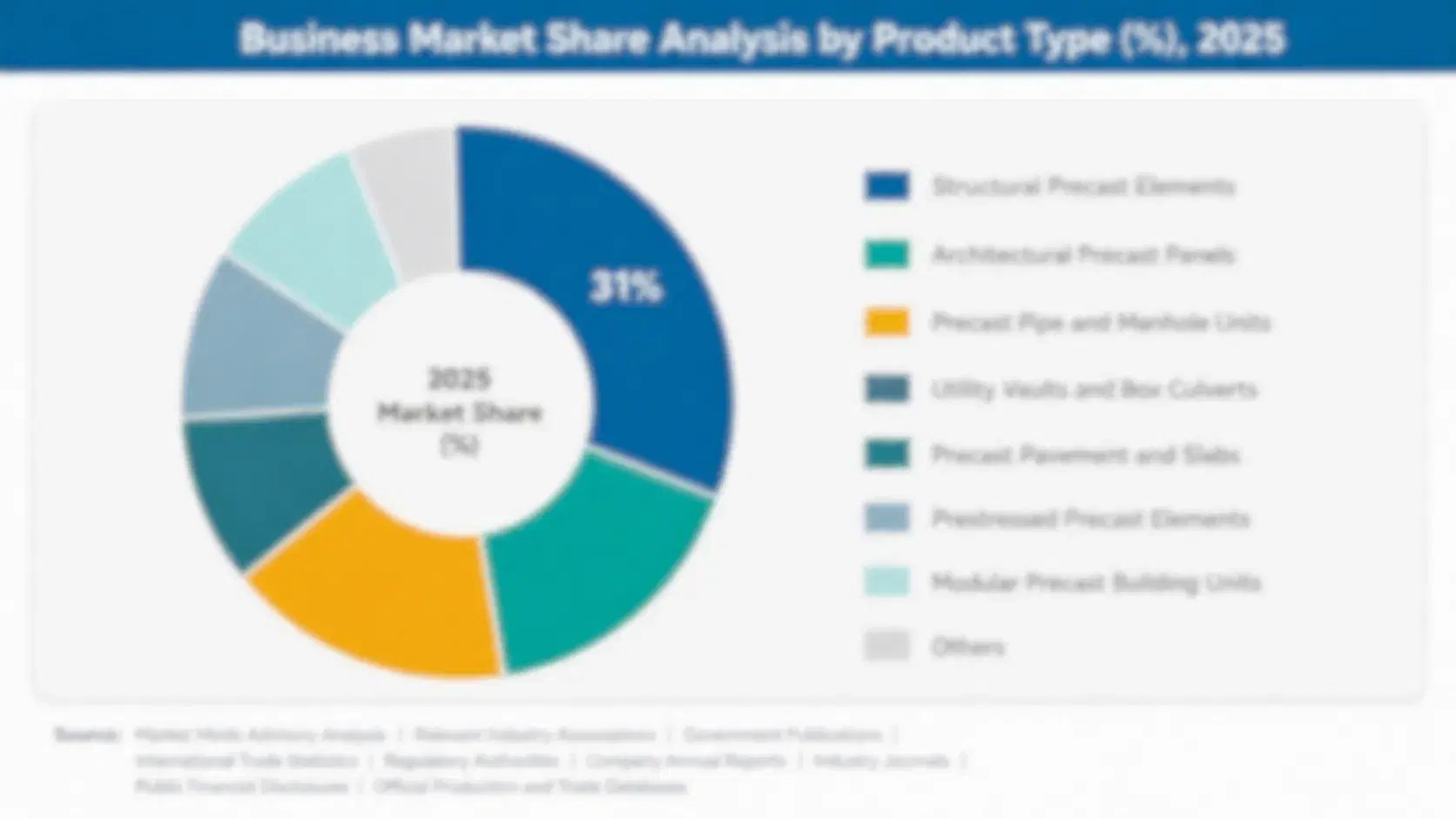
Segment CAGR and Growth Architecture

RTD cocktail shots demand in Japan is segmented by flavour system and format, which shows where novelty, guidance, and pricing power sit. Six segments cover fruit and citrus, whisky highball, vodka, tequila and rum, sake and shochu, jelly and gel, and low-ABV and zero-sugar shots. Two segments grow fastest, and each depends on a driver, either novelty or health choice.
japan-rtd-cocktail-shots-market-market-share-analysis-1789793718286

Jelly and Gel Cocktail Shots

Jelly and gel cocktail shots are the fastest-growing segment, at 15.6% a year, about 1.36 times the overall market rate. Producers use gelling agents to hold fruit flavours at 3% to 9% alcohol in squeeze tubs and cups, aimed at parties, weddings, and gifting. Prices run 50% to 100% above standard shots per millilitre. Texture, shelf life, and labelling are the main constraints, since jelly can be mistaken for confectionery, so packaging carries clear age and alcohol warnings. Convenience stores list seasonal sets, and social media videos and tourist shops drive trial and high-value gift sales. Wedding planners and year-end party hosts order boxed sets weeks ahead, and department stores in Tokyo display them beside sweets.
CAGR 15.6%

Low-ABV and Zero-Sugar Shots

Low-ABV and zero-sugar shots grow at 14.0% a year, because health guidance and calorie awareness push younger and health-conscious drinkers toward 3% to 5% alcohol and sweetener-based formulas. Convenience chains give shelf space to lower-strength ranges, and brands cut calories per serve. Prices run near standard shots, and taste is the main constraint, since sweeteners can leave aftertaste, so brands blend flavours and citrus acids. Shots suit moderate sampling without a full can, and brands with clear labelling and calorie claims win listings in supermarkets and convenience stores. Health-conscious office workers and younger drinkers pick them for casual evenings, and chains group them near zero-alcohol drinks so shoppers can compare strength and calories at the shelf.
CAGR 14.0%
Full segment breakdown across 6 segments available in the complete report.

Regional Architecture and Country Demand Map

Demand for RTD cocktail shots sits almost entirely in Japan, where convenience stores, izakaya, and gift channels sell them. Japan-made shots are exported to North America, Western Europe, South Asia and Pacific, Latin America, the Middle East and Africa, and Eastern Europe through Asian grocers, izakaya, and travel retail.

North America

North America holds 6% share, below its usual band, because this market is sized on Japan demand, and North American value here covers only Japan-made shots exported to the United States and Canada through Asian grocers, izakaya, and specialty importers. American brands such as Smirnoff and local jello shot makers dominate mainstream shots, so Japanese products serve niche demand. Growth tracks the global rate as Japanese food culture spreads. Freight, labelling rules, alcohol import licensing, and state distribution systems restrain volume and margins. Japanese grocers in Los Angeles, Honolulu, and New York sell jelly and citrus shots beside sake and imported snacks, and izakaya in Vancouver and Toronto list them in tasting sets for group orders and celebrations.
Share: 6% | CAGR: 11.7% (2026 to 2036)

Western Europe

Western Europe holds 3% share, below its usual band, because this market is sized on Japan demand, and Western European value here covers only Japan-made shots exported to the United Kingdom, Germany, and France through Japanese restaurants and specialty importers. European brands and local liqueur shots dominate small formats. Growth stays below the global rate because the base is tiny, duty is high, and shelf life and freight restrain volume. Importers rely on izakaya and Asian grocers in major cities. Japanese restaurants in London, Dusseldorf, and Paris serve shots as after-dinner treats, specialty importers supply Asian supermarkets in Amsterdam and Berlin, and duty rules and import licences add cost for small shipments.
Share: 3% | CAGR: 10.3% (2026 to 2036)
Regional intelligence for 5 additional markets available in the complete report: East Asia, South Asia and Pacific, Latin America, Middle East and Africa, Eastern Europe. Contact sales@marketmindsadvisory.com.
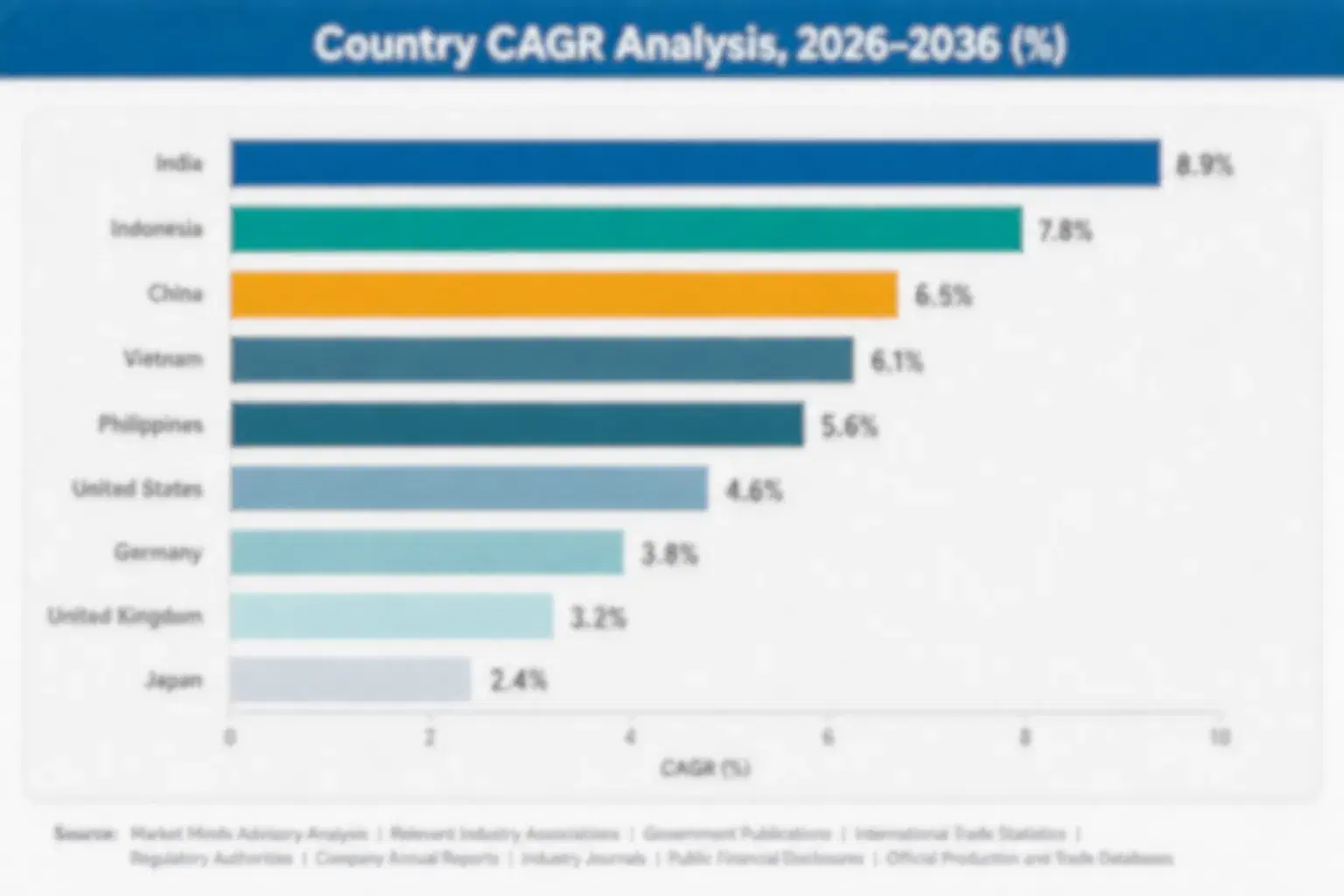
japan-rtd-cocktail-shots-market-country-cagr-analysis-1789793718664

Four Margin Routes for Japan Cocktail Shot Brands

Margin in Japanese cocktail shots comes from jelly and gift formats, low-ABV ranges, convenience chain programmes, and small-pack cost control rather than volume alone. The routes below apply to national brewers, chuhai specialists, and sake and shochu makers, and each can be started inside one planning cycle, with measures in gross margin points, price per millilitre, and line utilisation.

Selling Jelly Shots Through Gift Sets and Seasonal Displays

Jelly and gel shots sell at 50% to 100% above standard shots per millilitre, and gift boxes and seasonal displays lift average basket value at convenience stores and tourist shops. Brands that use bilingual packaging, clear alcohol warnings, and limited seasonal flavours report margin gains of 6 to 9 points on those lines. Weddings, year-end parties, and inbound tourists add occasion demand, while chains reward proven sets with rollout across regions and repeat seasonal listings. Department stores and airport shops also value bilingual packaging because tourists can read flavour and alcohol information quickly.
Market Impact: jelly lines lift blended margin 6 to 9 points

Building Low-ABV and Zero-Sugar Ranges That Fit Health Guidance

Low-ABV shots at 3% to 5% alcohol and zero-sugar formulas respond to health guidance and appeal to younger drinkers, so convenience chains give them space beside standard cans. Brands that use sweetener blends, clear calorie claims, and citrus acids to hide aftertaste report margin gains of 4 to 6 points and lower regulatory risk. Development costs $300,000 to $800,000 per range, and payback runs within two years when chains list the range nationally and repeat orders arrive monthly. Chain buyers also value compliance because it lowers the risk of complaints and store-level reviews.
Market Impact: low-ABV ranges lift margin 4-6 points with lower risk

Winning Convenience Chain Programmes With Multipacks and Seasonal Editions

Convenience chains rotate alcohol sets monthly, and shots earn space when brands offer multipacks, seasonal flavours, and reliable supply. Brands that plan seasonal editions six months ahead and supply small-lot deliveries win rollouts across 5,000 to 20,000 stores. A national listing can lift volume by 20% to 40% within a season, and chains reward brands that keep sell-through above their category average with repeat listings and better shelf positions in later cycles. Wholesalers deliver small lots twice a week, so brands with flexible production and packaging can respond quickly to chain demand during peak seasons.
Market Impact: national listings lift volume by 20-40% in a season

Cutting Small-Pack Cost Through Shared Filling Lines and Lighter Packaging

Shots cost about twice as much per millilitre as standard cans to package, so shared filling lines, lighter cups, and standard pouch formats protect margin. Brands that use contract fillers, standardise cup sizes, and buy packaging in larger runs cut packaging cost by 8% to 15% and save two to three points of margin. Retailers accept smaller packs more easily than price rises, though quality checks matter, and multi-brand purchasing groups help small makers gain scale. Small makers can also join shared purchasing groups so that cups, pouches, and film are bought in larger volumes at lower unit prices.
Market Impact: packaging cuts save 2-3 points of cost of goods

Who Controls the Margin Pool

The Japanese cocktail shot industry is highly concentrated, with a CR5 of 62%. This assessment measures participants on estimated cocktail shot sales value, held constant across all players. Suntory Holdings leads through its RTD brands and convenience store reach, while Kirin Holdings, Asahi Group Holdings, Sapporo Holdings, and Takara Shuzo follow with a clear gap between the leader and the challengers.
Competition runs on four dimensions today: shelf space at convenience chains, flavour novelty, alcohol strength and health guidance compliance, and price per serve. National brewers win on distribution, while specialists win on gift formats and unusual flavours. Private label is small, so premiums hold, but new flavours are copied within a season, and price competition appears when chains rotate sets and demand promotional support.

Emerging pressure comes from imported shot brands, sake and shochu makers entering small formats, and gift and event specialists selling jelly shots online. Rankings shift where a brand wins national chain listings, launches winning seasonal flavours, or complies early with health guidance. Small makers with strong gift and tourist channels can move up quickly, since novelty and packaging matter more than scale in small formats.
japan-rtd-cocktail-shots-market-company-positioning-matrix-1789793718957

Competitive Moat and Risk Dimensions

SUNTORY HOLDINGS

Moat: RTD Brand Strength, Chain Reach

Suntory Holdings owns some of Japan's best-known RTD and highball brands, and it distributes through convenience chains, supermarkets, and izakaya nationwide. Its brand strength, flavour research, and relationships with chain buyers secure shelf space, and its marketing budgets support seasonal launches and collaborations that keep small formats visible and fresh.
SUNTORY HOLDINGS

Risk: High-Strength Scrutiny and Cannibalisation

Suntory faces public scrutiny of high-strength RTDs, so shot launches must stay within guidance and avoid aggressive marketing. Shots can also cannibalise its own canned chuhai and highball sales, and rivals copy successful flavours quickly while chains cut slow lines within a few weeks each season.
KIRIN HOLDINGS

Moat: Flavour Innovation and Convenience Presence

Kirin Holdings sells major chuhai and RTD brands and uses its brewery distribution and flavour research to launch seasonal variants in convenience chains. Its technical capacity in fruit flavours and low-alcohol formulations supports lower-strength shots, and its relationships with chain buyers and wholesalers give it strong access to rollout programmes and event sales.
KIRIN HOLDINGS

Risk: Crowded Sets and Margin Pressure

Kirin competes for limited convenience shelf space with Suntory, Asahi, and Sapporo, and small-pack packaging cost squeezes margin. Chains demand promotions, and health guidance limits some growth formats, while specialist makers win novelty and gift occasions with more unusual jelly and event products at lower cost.

Players Tracked

Prominent Players

Suntory Holdings
Kirin Holdings
Asahi Group Holdings
Sapporo Holdings
Takara Shuzo

Other Key Players

Gekkeikan
Hakutsuru
Ozeki
Sanwa Shurui
Seven and i Holdings
Aeon
FamilyMart
Lawson
Diageo
Bacardi
Pernod Ricard
Boston Beer Company
Anheuser-Busch InBev
Heineken
Constellation Brands

Recent Developments

JANUARY 2026

Suntory Launches Seasonal Citrus Cocktail Shot Multipacks in Convenience Chains

Suntory Holdings launched seasonal citrus cocktail shot multipacks in national convenience chains, using low-strength formulas and bilingual packaging aimed at tourists and party buyers. It is a product launch, and it tests whether multipacks can win shelf space beside standard chuhai. Sales volumes were not disclosed.
Signal: Confirms leading brewers now use multipacks and seasonal flavours to win small-format shelf space in convenience chains.
FEBRUARY 2026

Kirin Adds Low-ABV Zero-Sugar Shot Range for Younger Drinkers

Kirin Holdings added a low-ABV zero-sugar shot range at 3% to 5% alcohol for younger drinkers, using sweetener blends and citrus acids to reduce aftertaste. It is a product range extension, and it tests demand for lighter shots inside health guidance. Sales volumes were not disclosed.
Signal: Shows national brewers are building low-strength shot ranges to stay within guidance while keeping growth in small formats.
MARCH 2026

Takara Shuzo Introduces Jelly Shot Gift Boxes for Weddings and Year-End Events

Takara Shuzo introduced jelly shot gift boxes for weddings and year-end events, using bilingual packaging and clear age warnings. It is a product launch, and it tests premium pricing for gift occasions. Sales volumes were not disclosed. Rollout timing depends on department store approvals. Pricing terms were not disclosed.
Signal: Indicates chuhai specialists are targeting gift and event channels with jelly formats where convenience shelves are crowded.

What Drives Japan Cocktail Shot Costs

Base spirits and alcohol account for roughly 22% of cost of goods, fruit juices and flavours about 12%, gelling agents and sweeteners six percent, and packaging such as cups, pouches, and tubs about 30%. Filling and labour take about 14%, and distribution the remainder. Spirits come from domestic distillers and imported bulk alcohol, while packaging materials come from Japanese and Asian converters, so exposure is concentrated in packaging and energy.
The clearest recent shock came from packaging and energy. The International Energy Agency reported that energy prices rose sharply in 2022, and Japanese resin and packaging prices followed, while the yen weakened and raised imported ingredient costs. Producers raised shelf prices by 5% to 10%, reduced promotions, and shifted some volume to larger pouches, which squeezed gross margin by two to four points through the following year.

The competitive disadvantage falls on small makers, which buy packaging in small lots and cannot hedge energy or currency. Large brewers own filling capacity, sign packaging contracts, and spread costs across many brands. Exposure also varies by channel, since convenience chains push for low price points while gift and tourist channels accept higher prices for novelty and design.
japan-rtd-cocktail-shots-market-cost-volatility-analysis-1789793719145

Contracting Packaging and Fixing Energy Costs Under Forward Agreements

Producers sign packaging contracts for 12 months and fix energy costs where possible, reducing exposure to price spikes. Forward contracts cut cost swings by roughly half, though they need volume commitments and working capital that only larger brewers usually provide. Terms usually run one year, and suppliers confirm delivery windows in advance. Buyers approve early.

Using Contract Fillers and Shared Lines for Small Formats

Small makers use contract fillers with cup, pouch, and tube lines rather than buying equipment, avoiding capital costs of $500,000 or more. Contract filling adds cost per unit but lowers risk and speeds launches. The main challenge is scheduling, since slots fill before seasonal peaks. Buyers approve early, and quality checks protect labels. Results arrive quickly.

Standardising Cup, Pouch, and Tube Formats Across Brands

Producers standardise cup sizes, pouch formats, and outer cartons across brands to lower packaging cost and buy in larger runs. Standardisation saves one to two points of cost of goods. Chains accept standard formats when labels and flavours are distinct, though gift buyers still ask for decorated boxes. Sales data guides the mix. Labels stay clear.

Portfolio Architecture for Margin Defence

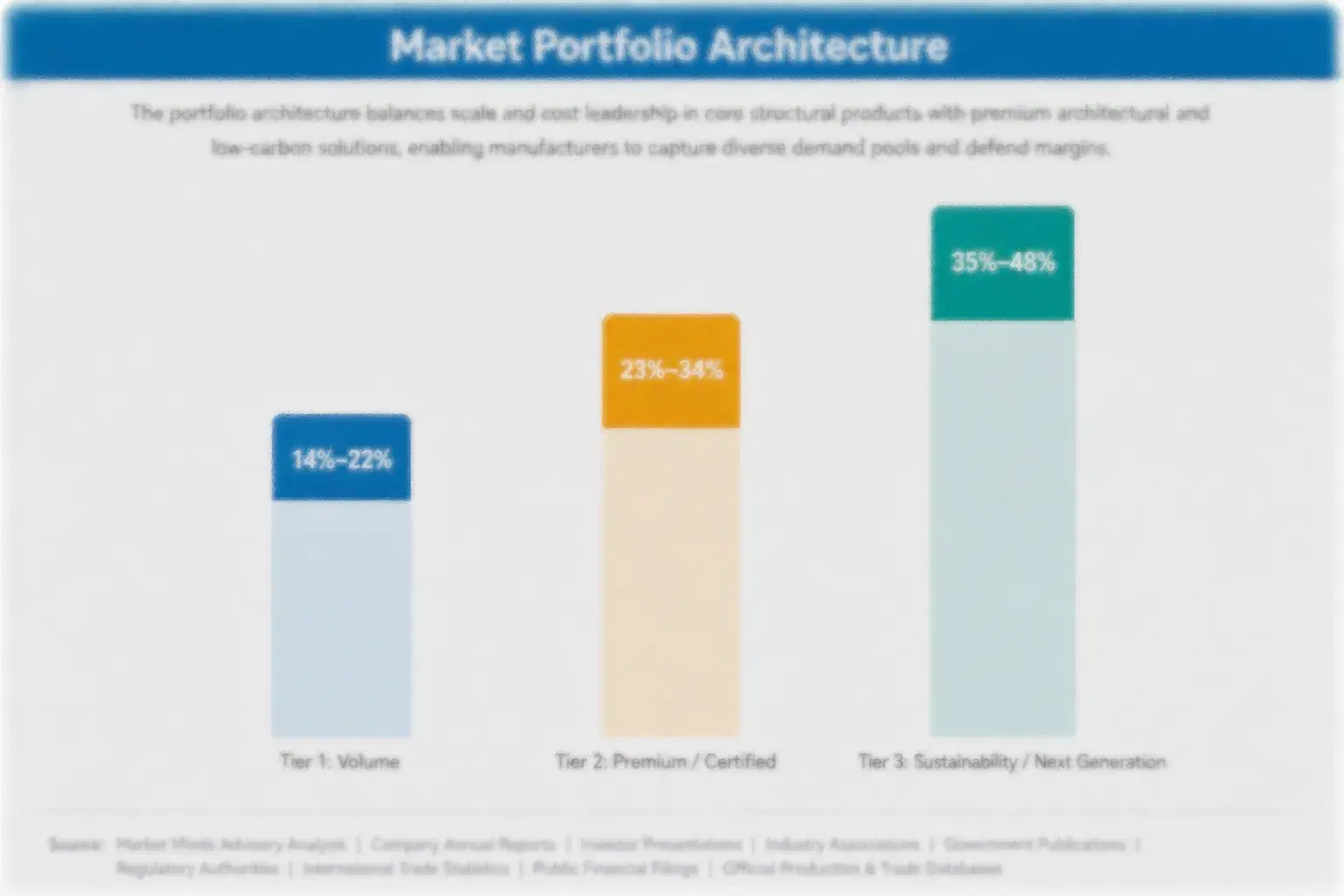
Margins run from thin returns on standard fruit and citrus shots sold in convenience multipacks to strong returns on jelly gift sets, low-ABV ranges, and premium sake and whisky shots sold through izakaya, tourist shops, and online storefronts. Three tiers separate volume products, certified premium lines, and next-generation formats, and each tier draws on different buyer groups, alcohol bases, and channel terms.
The tension between volume and premium is sharp. Volume lines protect filling utilisation and chain relationships but face constant price pressure from cans and promotions, while premium lines earn higher margins on smaller volumes and depend on novelty, packaging, and gift channels. Brands that run only volume struggle to fund innovation, while brands that run only premium lack the scale to hold convenience shelf space beside the largest brewers.

High-value pools concentrate in jelly gift sets, low-ABV ranges, and limited seasonal editions sold through convenience stores, tourist shops, and department stores. They gather where buyers pay for novelty, occasion fit, or design rather than volume of alcohol. Tourists, gift buyers, and event organisers add further value, since these buyers ask for bilingual packaging, clear labelling, and reliable delivery, and they reorder without shopping on price.

Volume / Commodity-Adjacent Tier

Standard fruit and citrus shots in multipacks sold through convenience chains and supermarkets, with thin margins, packaging and alcohol cost exposure, and constant price competition from canned chuhai, where shoppers switch on price, promotion, and flavour novelty.
Gross Margin: 18%-28%

Premium / Certified Tier

Whisky highball, sake, and shochu shots with clear labelling, consistent flavour, and documented sourcing, sold through department stores, izakaya, and specialist retailers that require reliable delivery, quality checks, and stable supply across seasons and promotions.
Gross Margin: 28%-40%

Sustainability / Regulatory / Next-Generation Tier

Jelly, gel, and low-ABV zero-sugar shots backed by clear age warnings, bilingual packaging, and calorie claims, sold through convenience stores, tourist channels, and online gift platforms to buyers who pay premiums for novelty, moderation, and design.
Gross Margin: 34%-50%
japan-rtd-cocktail-shots-market-portfolio-architecture-1789793719336

High-value Sub-segments and Strategic Watch-out

Jelly and Gel Cocktail Shots

Jelly and gel cocktail shots combine the fastest growth with strong pricing, since party and gift buyers pay 50% to 100% premiums for novelty formats. Packaging skill and clear warnings limit competition, and brands with seasonal displays win chain space. Repeat purchase compounds across occasions.
Gross Margin: 34%-50%

Low-ABV and Zero-Sugar Shots

Low-ABV and zero-sugar shots deliver strong growth and healthy pricing, since younger and health-conscious drinkers accept prices near standard shots for lower strength and calories. Sweetener blending and labelling form the entry barrier, and brands with clear claims win listings. Trials scale steadily. Volumes follow steadily.
Gross Margin: 30%-44%

Fruit and Citrus Cocktail Shots

Fruit and citrus cocktail shots form the volume core, sold through convenience chains at moderate margins. Growth is steady, at about 9.6% a year, as chains list seasonal sets. Packaging cost, flavour rotation, and shelf listings decide profit, and brands use them as anchor volume for filling lines.
Gross Margin: 18%-28%

Sake and Shochu Cocktail Shots

Sake and shochu cocktail shots are the strategic watch-out, since traditional spirit consumption is declining, younger buyers prefer fruit and highball styles, and small formats raise cost. Makers should test demand with tourists and gift buyers before scaling, because slow turns and premium pricing can erode margin quickly.
Gross Margin: 24%-38%

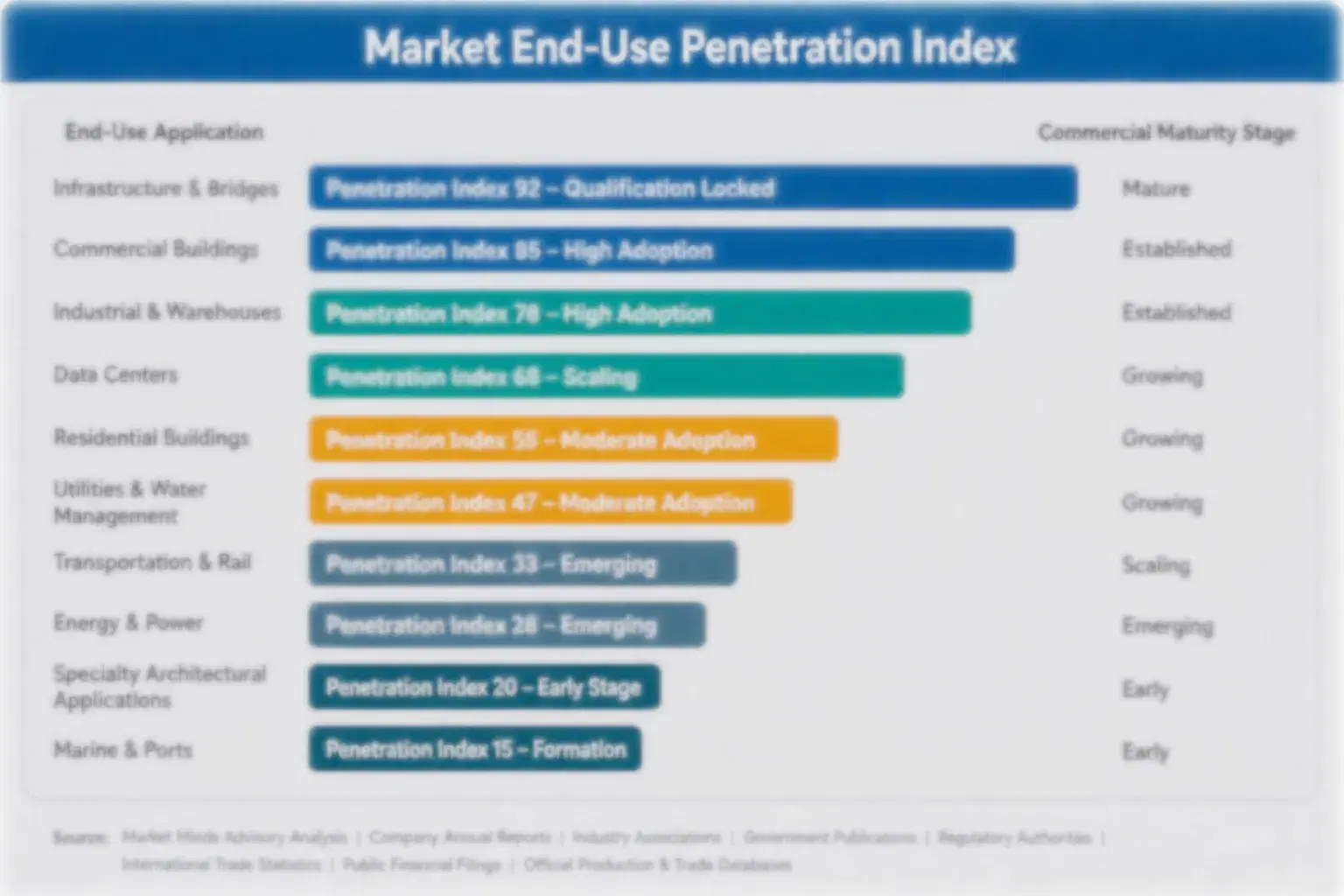
Why Japanese Buyers Keep Choosing Shots

Demand for cocktail shots behaves like an annuity of occasions. Shoppers buy shots for parties, weddings, year-end gatherings, and travel, and a satisfied buyer typically returns for the next seasonal edition. Chains use last season sell-through to fix sets, and gift channels reorder before each holiday, so successful shots earn steadier volume than launches driven by novelty alone. Repeat cycles anchor production planning.
Adoption stickiness differs by occasion. Gift and event buyers are the deepest, since weddings and year-end parties repeat every year and brand choices carry over. Convenience shoppers are almost as loyal, because flavour rotation and multipacks fit weekly routines. Tourists are shallower and buy once as souvenirs, while price-led shoppers choose canned chuhai. Habits form around seasonal sets.

Buyer profiles are shifting between generations. Older drinkers buy standard chuhai and traditional spirits, while younger buyers care about flavour novelty, social media appeal, lower alcohol, and calorie clarity. Tourists add a third group that wants souvenirs with bilingual packaging. Brands that publish alcohol strength clearly, launch seasonal flavours, and use social media for party ideas win younger buyers and keep them as tastes mature. Brand trust builds slowly.
japan-rtd-cocktail-shots-market-end-use-penetration-index-1789793719521

MMA Verdict on Japan Shot Strategy

These are among the four positions where our research anticipates prominent divergence between winners and laggards over the coming forecast period. Each is grounded in the demand model, the regulatory perimeter, and the announced capacity pipeline.
01 / JELLY FORMAT STRATEGY

Launch Jelly and Gel Gift Sets Before Convenience Chains Lock Seasonal Space

Jelly and gel cocktail shots grow at 15.6% a year, about 1.36 times the market rate, and they sell at 50% to 100% above standard shots per millilitre, so early gift set investment pays back inside roughly two years on most product lines. Winners use bilingual packaging, clear alcohol strength warnings, and seasonal flavours before chains lock seasonal displays. Brands that wait will find seasonal space allocated, and rivals will already hold the wedding and year-end gifting occasions in department stores.
02 / HEALTH COMPLIANCE STRATEGY

Build Low-ABV Zero-Sugar Ranges That Stay Inside Ministry Guidance

Ministry drinking guidance in 2024 and scrutiny of high-strength drinks shape marketing and shelf space, so low-ABV shots at 3% to 5% alcohol carry lower regulatory risk with chain buyers. Brands should carefully use sweetener blends, clear calorie claims, and citrus acids to reduce aftertaste, and they should limit aggressive advertising across all channels. Those that push high-strength formats will soon face restrictions, retailer caution, and reputation risk, while competitors with compliant ranges keep listings in convenience chains and supermarkets.
03 / CONVENIENCE PROGRAMME STRATEGY

Win Chain Listings With Multipacks, Seasonal Editions, and Small-Lot Supply

Convenience chains rotate alcohol sets every month, and a national listing can lift volume by 20% to 40% within a single season. Brands should plan seasonal editions six months ahead of launch, supply small lots reliably each week, and keep weekly sell-through above the category average. Those that launch late or supply inconsistently will lose shelf space to rivals with reliable national programmes, and chains rarely reopen sets until the next planogram cycle arrives with strong competitors already in place.
04 / SMALL-PACK COST STRATEGY

Share Filling Lines and Standardise Packaging to Protect Small-Pack Margin

Shots cost about twice as much per millilitre as standard cans to package and distribute, so unmanaged small-pack cost squeezes margin when shelf prices are already fixed for the season. Brands should use contract fillers, standardise cup sizes, and buy packaging in larger runs, which saves two to three points of cost of goods on average. Those that delay will absorb cost spikes, shrink margins, or lose listings before competitors with better scale and stable supply take their shelf space.

Engagement Snapshot From the Field

A live engagement with an industry participant carrying material or product regulatory and market exposure ahead of a defining policy shift, showing how our research translates into a defensible multi-year portfolio strategy.
MARKET MINDS ADVISORY · CLIENT ENGAGEMENT SUMMARY
Demand for RTD Cocktail Shots in Japan Producer Strategic Portfolio Review and Transition Roadmap 2026·Investment Scenario on Demand for RTD Cocktail Shots in Japan Exposure Evaluation 2025-26
CLIENT PROFILE
The client is a mid-sized Japanese chuhai and liqueur producer with annual sales near JPY 32 billion (client-reported, unverified by MMA), two regional plants, and a portfolio led by canned chuhai sold through convenience chains and supermarkets. It had only one fruit shot range, no jelly or low-ABV shots, and limited tourist and department store gift channels.
STRATEGIC CHALLENGE
Canned chuhai growth was clearly slowing, chains asked for more small-format novelty, and health guidance raised risk for high-strength products. Management needed to decide whether to invest in jelly shots, low-ABV ranges, or convenience chain programmes, with limited capital and only one plant able to run cup and tube formats safely.
MMA APPROACH
MMA analysed sales and cost data across 60 products, interviewed 10 chain buyers, six department store buyers, and eight packaging suppliers, and ran a consumer survey on flavour, strength, and price per serve across three regions. It modelled margin by segment and channel, tested packaging cost scenarios, and ranked investments by payback period and execution risk.
KEY FINDINGS
  1. Jelly and gel shots could reach 10% of sales within two years at margins 9 points above the canned range (client-reported, unverified by MMA).
  2. Low-ABV zero-sugar shots could add 7% of sales within three years and reduce regulatory risk versus higher-strength shots in national convenience chains and supermarkets.
  3. Convenience chain programmes with seasonal editions could lift shot volume by 25% in a season and win two national rollouts within 18 months.
  4. Shared filling lines and standard cups could cut packaging cost by about ten percent and protect roughly two margin points each year across both plants.
CLIENT PROFILE
The client is a mid-sized Japanese chuhai and liqueur producer with annual sales near JPY 32 billion (client-reported, unverified by MMA), two regional plants, and a portfolio led by canned chuhai sold through convenience chains and supermarkets. It had only one fruit shot range, no jelly or low-ABV shots, and limited tourist and department store gift channels.
STRATEGIC CHALLENGE
Canned chuhai growth was clearly slowing, chains asked for more small-format novelty, and health guidance raised risk for high-strength products. Management needed to decide whether to invest in jelly shots, low-ABV ranges, or convenience chain programmes, with limited capital and only one plant able to run cup and tube formats safely.
MMA APPROACH
MMA analysed sales and cost data across 60 products, interviewed 10 chain buyers, six department store buyers, and eight packaging suppliers, and ran a consumer survey on flavour, strength, and price per serve across three regions. It modelled margin by segment and channel, tested packaging cost scenarios, and ranked investments by payback period and execution risk.
KEY FINDINGS
  1. Jelly and gel shots could reach 10% of sales within two years at margins 9 points above the canned range (client-reported, unverified by MMA).
  2. Low-ABV zero-sugar shots could add 7% of sales within three years and reduce regulatory risk versus higher-strength shots in national convenience chains and supermarkets.
  3. Convenience chain programmes with seasonal editions could lift shot volume by 25% in a season and win two national rollouts within 18 months.
  4. Shared filling lines and standard cups could cut packaging cost by about ten percent and protect roughly two margin points each year across both plants.
RECOMMENDED STRATEGY
Phase 1: Phase 1 (Months 1-6): Standardise cup and tube formats, book contract filling slots, and develop jelly and low-ABV flavours with consumer trials. Phase 2: Phase 2 (Months 7-18): Launch jelly and low-ABV shots through convenience chains and department store gift channels using bilingual packaging. Phase 3: Phase 3 (Months 19-30): Reduce low-margin standard shot volume, add tourist and airport channels, and test export routes in Singapore.
OUTCOME
Within 30 months, jelly and low-ABV shots reached 15% of sales, packaging cost per unit fell by 10%, and gross margin improved by four points (client-reported, unverified by MMA). The client won two national convenience rollouts and five department store gift listings, while chain buyers named it a preferred supplier for seasonal shots.

Frequently Asked Questions

Foundational context covering the market sizes, CAGR, scope, country, region and competition that inform every finding below. This section is provided to cover basics and most often pre-purchase conversations, answered from the MMA Primary Research Dataset.

What is the current size of the Demand for RTD Cocktail Shots in Japan?

Demand for RTD cocktail shots in Japan was valued at $0.3 billion in 2025, including exports of Japan-made shots. Growth is supported by convenience chain listings, inbound tourism, and jelly shot novelty.

How large will the Demand for RTD Cocktail Shots in Japan be by 2036?

The market is projected to reach $0.99 billion by 2036, up from $0.33 billion in 2026. The increase of $0.66 billion reflects jelly formats, low-ABV ranges, and wider chain rollouts.

What is the CAGR for the Demand for RTD Cocktail Shots in Japan 2026 to 2036?

The market is forecast to grow at a 11.5% CAGR from 2026 to 2036. The bull case reaches 12.8% and the bear case 10.2%, depending on health guidance and tourism.

Which segment is growing fastest?

Jelly and Gel Cocktail Shots is the fastest-growing segment at 15.6% CAGR, roughly 1.36 times the overall market rate. Low-ABV and Zero-Sugar Shots follows as the second-fastest segment at 14.0% CAGR each year.

Who are the major companies in the Demand for RTD Cocktail Shots in Japan?

Major companies include Suntory Holdings, Kirin Holdings, Asahi Group Holdings, Sapporo Holdings, and Takara Shuzo. Gekkeikan, Hakutsuru, Sanwa Shurui, and convenience chain private labels also hold meaningful positions.

Which country is growing fastest?

Singapore is the fastest-growing export destination at a 14.4% CAGR, driven by izakaya chains and Japanese grocers that list jelly and citrus shots. Australia and Hong Kong-linked hubs follow through specialty importers.

Report Segmentation Architecture

The full report scope spans multiple orthogonal segmentation dimensions, with cross-tabulated demand data provided for each dimension pair. Coverage extends further to regional breakdowns, trend trajectories, and the competitive detail needed to support segment-level decision-making.

By Primary Market Dimension

  • Fruit and Citrus Cocktail Shots
  • Whisky Highball Shots
  • Vodka, Tequila, and Rum Shots
  • Sake and Shochu Cocktail Shots
  • Jelly and Gel Cocktail Shots
  • Low-ABV and Zero-Sugar Shots

By End-Use Industry

  • Home and Party Consumption
  • Izakaya and Bar Tasting Sets
  • Weddings and Corporate Events
  • Tourist and Souvenir Purchases
  • Gifting and Seasonal Occasions

By Commercial Dimension

  • Convenience Store Chains
  • Supermarkets and Drugstores
  • Department Stores and Gift Shops
  • Online and Direct-to-Consumer
  • Export Importers and Distributors

By Region

  • North America
  • Western Europe
  • East Asia
  • South Asia and Pacific
  • Latin America
  • Middle East and Africa
  • Eastern Europe

Scope, Methodology, and Coverage

Every figure in this report is reproducible from documented input assumptions. The scope below maps the historical period, the forecast horizon, the segmentation dimensions, and the countries covered, alongside the underlying primary and qualitative methodology.
Historical Period
2020 to 2025
Forecast Period
2026 to 2036
Base Year
2025 (USD billions; MMA Primary Research Dataset, September 2026)
Market Definition
Demand for RTD cocktail shots in Japan comprises ready-to-drink alcoholic shots and mini-format cocktails of roughly 30 to 100 millilitres consumed in Japan, plus Japan-made shots exported, including fruit and citrus shots, whisky highball shots, vodka, tequila, and rum shots, sake and shochu shots, jelly and gel shots, and low-ABV and zero-sugar shots, sold through convenience stores, supermarkets, izakaya, and online channels. The scope excludes standard 350 millilitre cans of chuhai, spirits sold as bottles, and non-alcoholic shots.
Quantitative Units
USD billions (retail sales value); million units for volume references
Segmentation Dimensions
By Flavour System and Format; By End-Use Occasion; By Commercial Dimension; By Region
Regions Covered
North America, Western Europe, East Asia, South Asia and Pacific, Latin America, Middle East and Africa, Eastern Europe
Countries Covered
Japan, USA, Canada, UK, Germany, France, Poland, Czechia, Singapore, Australia, Hong Kong, Brazil, Peru, Mexico, UAE, South Africa, and additional markets relevant to this sector
Key Companies Profiled
Suntory Holdings, Kirin Holdings, Asahi Group Holdings, Sapporo Holdings, Takara Shuzo, Gekkeikan, Hakutsuru, Ozeki, Sanwa Shurui, Seven and i Holdings, Aeon, FamilyMart, Lawson, Diageo, Bacardi, Pernod Ricard, Boston Beer Company, Anheuser-Busch InBev, Heineken, Constellation Brands
Quantitative Methodology
Primary survey, n=3,800 respondents, Q4 2025, six countries; demand-side model with trade association cross-validation
Qualitative Methodology
47 expert interviews, Q4 2025; applied to validate demand model assumptions, identify emerging dynamics, and assess competitive positioning
Report Format
PDF and XLSX data workbook (Word format preview document)
Publisher
Market Minds Advisory
Report Code
MMA-2026-AGR-392
Published
September 2026
Contact
sales@marketmindsadvisory.com | www.marketmindsadvisory.com

Purchase the full Demand for RTD Cocktail Shots in Japan Report (2026 to 2036).

The full report delivers a detailed assessment of RTD cocktail shot demand in Japan through 2036, covering segment, export, and channel forecasts, competitive benchmarking of leading brewers, and cost analysis. It combines MMA primary research, including a six-country survey of 3,800 respondents and 47 expert interviews, with public trade and company data. Analysts also model health guidance scenarios, tourism effects, and small-pack cost curves. Clients receive segment margin ranges, channel maps, and a case study on portfolio strategy. Supplier and retailer contact frameworks are also included for negotiation planning.
Ten-year segment and export demand forecasts
Packaging, alcohol, and energy cost tracking
Competitive benchmarking of top twenty brands
Alcohol guidance and labelling rule tracker
Export destination demand mechanism analysis included
Quarterly primary survey data update access

Built For The People Who Decide

From boardroom strategy to bench-side execution, this report is read cover-to-cover by leaders shaping the next decade of their industry, turning demand scenarios, market dynamics and valuation benchmarks into decisions.
CXOs/ Presidents/ VPs/ Managers
M&A and Corporate Development
Strategy Teams and R&D Heads
Procurement and Product Directors
Regulatory and Compliance Leaders
Investor Relations and Equity Analysts