Market Minds Advisory
Demand for Organic Seed in Japan

Demand for Organic Seed in Japan: Demand for Organic Seed in Japan. National Organic Targets and Untreated Seed Supply Reshape Breeder and Import Economics.

Japan's push toward organic farmland is lifting demand for organic seed, while thin domestic multiplication, yen-driven import costs, and JAS rules on seed sourcing decide who secures contracts with organic growers and food companies.

Lead Analyst

Published

September 2026

Make Smarter Decisions with Customized Research Insights

Request a free sample report and evaluate market opportunities, growth trends, and competitive dynamics relevant to your business needs.

2025 MARKET VALUE$2.6BMarket Size 2025
2036 FORECAST VALUE$6.3BBase Case , 2026 to 2036
CAGR 2026 TO 20368.4 %Bull 9.7% / Bear 7.1%
INCREMENTAL OPPORTUNITY$3.5BNet 10- year value creation
EXPANSION MULTIPLE2.24x2036 value over 2026 base
Strategic Levers
M&A Pipeline
Regional Outlook
Country Rankings
Competitive Intelligence
Segmental Deep-dive
Call-Us : 91 93563 13602

Executive Snapshot and Market Trajectory.

Japan has a small organic sector and a very large ambition for it. The national food strategy targets a quarter of farmland under organic management by 2050, yet organic growers struggle to find certified organic seed, and supply comes from few breeders and importers.
Organic pulse and soybean seed is growing fastest, helped by demand for organic tofu, natto, and soy milk, while organic rice seed follows on school lunch and retailer programs. East Asia holds the largest share because Japan pays premium prices per kilogram and imports much of its seed, and Korea and China add organic acreage, with North America and Western Europe supplying breeding. Japan's growers also pay import premiums for varieties adapted to local soils.
The competitive field mixes Japanese breeders such as Takii and Sakata, European organic vegetable seed houses, and North American organic specialists. Advantage comes from organic multiplication capacity, untreated seed quality, and cultivar adaptation to Japanese conditions rather than price. Regulation shapes the field through JAS organic standards, plant quarantine rules, and seed variety registration, which reward suppliers with certified, traceable seed lots. Buyers reward documented seed health.
Market Definition
Organic seed comprises planting seed produced under certified organic standards, without synthetic treatments, sold to organic and transitioning growers of vegetables, rice, cereals, pulses and soybeans, herbs and flowers, and forage and cover crops, with Japan as the lead demand market. The scope excludes conventional untreated seed, seedlings and grafted plants, organic food crops sold for consumption, and biological seed treatment products.
Base Year Value
$2.6B in 2025 (MMA Primary Research Dataset, September 2026)
Forecast Period
2026 to 2036, eleven discrete annual values
CAGR
8.4% base case. Bull 9.7%. Bear 7.1%.
Fastest Growth Segment
Organic Pulse and Soybean Seed: 10.2% CAGR
Fastest Growth Country
Japan: 10.2% CAGR
Fastest Growth Region
South Asia and Pacific: 10.6% CAGR
Largest Region
East Asia: 34% of 2025 global value
Market Leaders
Takii, Sakata Seed, Bejo Zaden, Enza Zaden, Rijk Zwaan. Source: MMA Analysis, company annual reports.
Primary Survey
n=3,800 procurement and R&D decision-makers, Q4 2025, six countries
Methodology
Demand-side build-up, cross-validated against public data, 47 expert interviews

Demand for Organic Seed in Japan Market Forecast Scenarios

japan-organic-seed-market-size-forecast-scenario-1789754928369
Between 2020 and 2025, organic seed grew steadily as national organic targets, retailer programs, and school lunch pilots widened demand, and as European and North American supply expanded. Growth averaged 7.6% a year, with pulse and soybean and rice seed outpacing vegetable seed in Japan, though weak yen exchange rates in 2022 and 2023 raised import costs and delayed some grower purchases.
The base case assumes 8.4% annual growth through 2036, built on three named mechanisms: conversion of Japanese farmland toward organic under the national sustainable food strategy, growth of organic soy, rice, and vegetable contracts with food companies and retailers, and expansion of certified organic multiplication in Japan, Europe, and North America that improves supply. Local cultivar registration for organic conditions gives growers better-adapted seed. Each mechanism reinforces the others over time.
The bull case, at 9.7%, needs faster conversion subsidies and a broader supply of adapted cultivars. The bear case, at 7.1%, reflects a weaker yen, slow policy follow-through, and growers relying on untreated conventional seed under JAS exemptions instead of certified organic seed. Either scenario leaves the underlying demand base intact, though pricing and mix would differ noticeably from the base path.

Organic Multiplication Capacity Sets Seed Supply and Price

Organic seed is produced on certified organic fields without synthetic seed treatments, and the resulting seed must be cleaned, tested, and packed under audited conditions. Yields are lower and disease pressure higher than in conventional multiplication, so cost per kilogram is higher. In Japan, certified organic producers are expected to use organic seed where it is available. Quality is set in the field.
MARKET CONCENTRATION26% CR5Leading five suppliers hold a moderate combined share
AVERAGE SELLING PRICE$34 per kgOrganic seed sells well above conventional untreated seed
IMPORT DEPENDENCE62%Most Japanese organic seed arrives from overseas breeders
ORGANIC FARMLAND SHARE0.6%Japanese organic land remains a very small fraction
SEED COST SHARE9% of COGSSeed is a modest share of organic grower cost
MULTIPLICATION YIELD GAP20%Organic seed crops yield less than conventional fields
Buyers use organic seed in different ways. Vegetable growers buy it for fresh markets and contract supply to retailers, rice and soy farmers plant it for organic tofu, natto, and rice programs, herb and flower growers use it for niche production, and forage users sow it for organic livestock feed. Specifications cover germination, purity, seed health, cultivar registration, and certification documents. Records matter as much as germination.
The industry is fragmented and import-dependent. Japanese breeders such as Takii, Sakata, and Tokita produce a share of domestic organic seed, European companies supply many vegetable varieties, and North American organic specialists supply open-pollinated and heirloom lines. Yen weakness, quarantine rules, and limited multiplication capacity shape investment, and partnerships between seed houses and grower groups are increasing supply.
"Japan can set organic acreage targets by decree, but it cannot decree seed. A country that wants a quarter of its farmland certified organic needs certified organic seed first, and that means breeders and multipliers commit years ahead of the farmers."
Practice Lead, Agricultural Inputs and Organic Farming Practice · MMA Agricultural Inputs and Organic Farming Practice · September 2026

Market Trends

National Organic Targets Drive Conversion and Certified Seed Demand

Japan's Ministry of Agriculture, Forestry and Fisheries has set a goal of one million hectares of organic farmland by 2050, from a base near 30,000 hectares, and prefectural governments are adding conversion subsidies and organic school lunch pilots. Municipalities such as Ibaraki and Chiba promote organic clusters, and growers converting need dependable seed. Seed companies respond by expanding organic lines and signing multi-year agreements with grower cooperatives. Subsidies cover part of conversion cost during the three-year transition period, and prefectural extension staff advise growers on crop rotation and seed sourcing, so demand for certified organic seed rises.
Market Impact: organic food spending up 8% annually

Organic Soy and Rice Launches Pull Growers Toward Certified Seed

Food companies and retailers are launching organic tofu, natto, soy milk, and rice products, and they ask contract growers to plant organic seed of registered cultivars suited to local soils. Pulse and soybean seed is the fastest-growing segment, because consumers link soy foods with health and organic labeling. Suppliers add organic soybean seed lines with high germination, and cooperatives sign contracts that guarantee purchase of harvests grown from certified seed. Companies such as Marukome and Kikkoman sell organic soy products, and they favor identity-preserved beans traced to seed lots, which encourages cooperatives to standardize varieties and organize seed supply.
Market Impact: programs cover 200 municipalities

Market Opportunities and Growth Drivers

Retail and Cooperative Organic Food Growth Supports Premium Contract Prices

Consumers in Japan increasingly buy organic food for health and safety reasons, and retailers such as Aeon and cooperative groups such as Seikatsu Club have expanded organic ranges. Household spending on organic food has grown by about 8% a year in recent years, and online organic subscription services are widening access. Growth in retail demand supports contract prices for organic growers, who then buy certified seed to protect their premiums. Organic shelves in supermarkets have doubled in some chains, and consumers say food safety is the main reason they buy organic, which supports steady demand.
Market Impact: import costs rose 20% in 2022

Municipal Organic School Lunch Programs Guarantee Purchase Volumes for Growers

Local governments are introducing organic school lunch programs, and several municipalities target serving organic rice and vegetables in schools, which requires stable supply of organic produce. Programs reward growers with guaranteed purchase volumes and prices, and they train farmers in organic methods. Growers entering these programs need seed that meets certification rules, and municipalities often subsidize seed costs to speed up conversion. Rice served in school lunches is often sourced from local growers, so organic pilots create pull for seed lots that meet cooperative standards, and municipal officials say that certified organic seed simplifies documentation for audits.
Market Impact: 38% of growers use certified seed

Market Restraints and Challenges

Yen Weakness Raises Import Costs for Overseas Organic Seed Supply

Japan imports much of its organic seed, and the yen weakened sharply in 2022 and 2023, raising import costs by roughly 20% for European and North American seed, according to IMF exchange rate data. The root cause is currency exposure and dependence on overseas multiplication. Higher costs squeeze growers with fixed contract prices. Mitigation includes yen-hedged purchasing, domestic multiplication contracts, and forward orders placed a year ahead. Small importers buy spot and carry the exchange risk directly, so some raised prices mid-season and lost customers to domestic suppliers, while larger seed houses with hedged contracts kept prices steady.
Market Impact: 1 million hectares targeted by 2050

JAS Seed Derogations and Thin Multiplication Limit Organic Seed Uptake

Certified organic seed supply is thin, and JAS rules allow growers to use non-organic untreated seed when organic seed is not available, which reduces the pull for certified organic multiplication. The root cause is small volumes, high multiplication cost, and slow cultivar registration. Growers often choose cheaper untreated seed. Suppliers respond by lobbying for stricter derogation rules, expanding multiplication, and offering price incentives. Certifiers accept documented searches for organic seed as proof of unavailability, so growers can meet rules with little effort, and suppliers argue that stricter enforcement would lift multiplication investment.
Market Impact: organic soy launches up 12% annually
3 additional market trends, 4 additional growth drivers, and 3 additional restraints and challenges are covered in the full report. Contact sales@marketmindsadvisory.com to access the complete intelligence.

Segment CAGR and Growth Architecture

Organic seed is segmented by crop group, because crop biology, seed production method, price per kilogram, and buyer type differ more sharply between vegetables, rice, pulses, and forage than by certification body. Organic pulse and soybean seed attracts the most new investment as food makers convert organic soy product lines into multi-year contract grower programs.
japan-organic-seed-market-market-share-analysis-1789754928542

Organic Pulse and Soybean Seed

Organic pulse and soybean seed is the fastest-growing segment, covering soybean, adzuki, and related legume varieties sold to organic growers supplying tofu, natto, miso, and soy milk makers. Japanese cultivars registered for local conditions dominate, and contract growers plant seed supplied or specified by food companies. Prices run 30% to 60% above conventional untreated seed, and multiplication is limited, so seed suppliers with certified fields and disease-free lots hold strong positions. Adzuki and black soybean lines serve regional food traditions, and cooperatives in Hokkaido and Tohoku hold major acreage. Seed must be free of seed-borne disease such as purple seed stain, and suppliers use certified fields and careful drying, while food companies audit cooperatives.
CAGR 10.2%

Organic Rice Seed

Organic rice seed is the second-fastest segment, covering registered Japanese varieties such as Koshihikari and Hitomebore multiplied under certified organic conditions. Rice farmers converting to organic need seed free of hot-water or chemical treatments, so they use physical treatments and careful seed selection. Demand is supported by school lunch programs and retailer branded organic rice, and prefectural seed centers and agricultural cooperatives supply most volume. Rice seed is self-pollinating and often saved on farms, so organic suppliers compete against farm-saved stock and must show yield and quality gains. Seed disease such as bakanae is controlled through warm-water treatment, resistant cultivars, and clean seedbeds, and cooperatives that document treatment protocols secure stable orders from organic rice buyers.
CAGR 9.4%
Full segment breakdown across 6 segments available in the complete report.

Regional Architecture and Country Demand Map

Organic seed value follows premium pricing and multiplication capacity. East Asia leads through Japan's high price per kilogram and import demand, North America and Western Europe follow through certified multiplication and breeding, and India is the fastest-growing organic seed market in South Asia. Korea adds organic acreage.

North America

North America holds 24% share, with the United States and Canada hosting large organic vegetable and grain acreage and specialist multipliers such as High Mowing Organic Seeds, Johnny's Selected Seeds, and Territorial Seed Company. Organic rules under the USDA National Organic Program require organic seed when commercially available, which supports certified multiplication. Many varieties are exported to Japan and Korea, and Pacific Northwest and Vermont seed farms benefit from dry harvest conditions and organic expertise. Organic acreage in the Midwest, California, and Quebec supports large seed demand, and seed houses invest in certified fields in Washington and Idaho where dry summers reduce disease pressure, so exporters to Japan use quarantine-ready packing and phytosanitary certificates.
Share: 24% | CAGR: 8.9% (2026 to 2036)

Western Europe

Western Europe holds 22% share, with the Netherlands, France, Germany, and Italy hosting the largest organic vegetable seed producers, including Bejo Zaden, Enza Zaden, and Rijk Zwaan, and the strictest rules on organic seed use. EU organic regulation phases out derogations, which pushes certified seed demand. Dutch and French multiplication supplies Japanese vegetable growers under long relationships, though rising labor cost and climate variability affect seed yield. EU organic regulation from 2022 tightens seed rules and lets organic heterogeneous material be marketed, which widens the range of cultivars suited to low-input farming. Dutch and French multipliers export vegetable seed to Japan through long agreements, though rising labor costs and dry summers lift multiplication cost.
Share: 22% | CAGR: 6.9% (2026 to 2036)
Regional intelligence for 5 additional markets available in the complete report: East Asia, South Asia and Pacific, Latin America, Middle East and Africa, Eastern Europe. Contact sales@marketmindsadvisory.com.
japan-organic-seed-market-country-cagr-analysis-1789754928720

Four Margin Levers for Organic Seed Suppliers

Margin in organic seed comes from moving beyond imported catalog lines toward adapted, registered cultivars with reliable certified multiplication that growers and food companies cannot easily replace. Suppliers that invest in local multiplication, cultivar registration, cooperative contracts, and yen risk management earn more per kilogram than importers competing only on price. Each route needs different capital.

Expanding Certified Organic Multiplication for Registered Japanese Cultivars

Registered Japanese cultivars multiplied under certified organic conditions earn 30% to 50% more per kilogram than imported catalog seed, because growers value local adaptation and lower import risk. Multiplication needs isolated fields, organic-certified growers, and careful seed health testing, but yields of 80% of conventional levels remain viable at these prices. Suppliers that secure multiplication contracts early lock in scarce capacity. Partnerships with prefectural agricultural research centers give access to registered breeding lines, and shared testing sites in Nagano and Hokkaido reduce trial cost, so suppliers that collaborate early gain first access to newly registered organic cultivars.
Market Impact: local organic multiplication earns 30% to 50% more per kilogram

Signing Cooperative and Food Company Contract Programs

Food companies making organic tofu, natto, and rice products want assured supply, so seed suppliers that sign multi-year programs with agricultural cooperatives and buyers earn steady volume and premiums of 10% to 18%. Contracts specify cultivars, seed lots, and buy-back prices for harvests, which lowers grower risk and supports adoption. Programs need coordination and quality systems, but they build loyalty and reduce sales cost. Multi-year contracts let seed houses plan multiplication two seasons ahead, which reduces unsold stock and lifts margins, and cooperatives gain access to seed lots reserved for their members before market orders are filled.
Market Impact: contract programs earn 10% to 18% premiums on seed

Managing Yen Exposure Through Forward Purchasing and Local Sourcing

Yen weakness raised import costs about 20% in 2022, so suppliers that hedge currency, order a year ahead, and shift part of volume to domestic multiplication protect margin of 3 to 5 points. Local sourcing also shortens delivery and improves quarantine compliance. Larger seed houses benefit most because they can commit volumes and spread hedging cost, while small importers absorb exchange swings directly. Some importers also negotiate yen-denominated price lists with distributors, which shifts exchange risk to the party best able to manage it, and longer payment terms help distributors that carry stock through the sowing season.
Market Impact: hedging and local sourcing protect 3 to 5 margin points

Supporting Growers With Conversion Advice and Seed Health Testing

Growers converting to organic face disease pressure and weed control challenges, so suppliers that provide agronomy support and seed health testing win loyalty and premiums of 8% to 14%. Testing for seed-borne disease reduces crop failures, and advice on rotation and variety choice improves yield. The service costs little compared with seed value, and it turns one-time buyers into repeat customers. Field days on certified organic farms let growers compare cultivars side by side, and suppliers that hold three or four demonstration days per year report that participants place larger orders and recommend the seed to neighbors within their cooperative.
Market Impact: support services earn 8% to 14% price premiums

Who Controls the Margin Pool

The organic seed industry is moderately concentrated in vegetables and fragmented elsewhere, with the top five suppliers holding about 26% of global revenue, the basis used throughout this section. Takii, Sakata Seed, Bejo Zaden, Enza Zaden, and Rijk Zwaan lead through breeding portfolios, organic multiplication, and grower relationships, while smaller specialists and cooperatives supply the rest. The gap between leaders and challengers is wide in vegetables. Concentration reflects breeding depth, not scale.
Competition centers on three dimensions: access to certified organic multiplication and clean seed health, cultivar adaptation and registration for Japanese conditions, and grower and food company relationships that bundle seed with crop purchase. Leaders sign multi-year agreements with cooperatives, while challengers compete on price and small pack sizes. Organic certification and laboratory seed health reports add another layer of differentiation.

Emerging pressure comes from European seed houses expanding Asian organic lines, from Japanese cooperatives building in-house multiplication, and from cheaper untreated conventional seed allowed under JAS derogations. Rankings shift where suppliers register new cultivars, expand multiplication, or win cooperative contracts. Acquisitions of organic specialists and licensing of adapted varieties will reorder positions faster than organic growth.
japan-organic-seed-market-company-positioning-matrix-1789754928899

Competitive Moat and Risk Dimensions

TAKII

Moat: Japanese Breeding and Grower Network

Takii is a leading Japanese seed company with breeding programs, domestic distribution, and long relationships with vegetable and flower growers across Japan. Its cultivars are adapted to Japanese conditions and registered, its organic and untreated seed lines serve growing demand, and its distribution network and technical support give growers confidence, especially in vegetables where trial data and local adaptation matter.
TAKII

Risk: Organic Focus Limited by Scale

Organic seed remains a small share of Takii's business, so it competes for research and multiplication capacity with much larger conventional lines. European specialists with deeper organic breeding programs and lower multiplication cost can compete on price, and yen weakness raises the cost of overseas multiplication for varieties Takii produces abroad.
BEJO ZADEN

Moat: Dutch Organic Vegetable Breeding Leadership

Bejo Zaden is a Dutch vegetable seed company with a strong organic breeding program, certified organic multiplication in Europe, and a well-known organic brand. Its cultivars are adapted to organic growing conditions, its seed health testing is rigorous, and its global network supplies growers in Japan through local distributors, giving it a strong reputation among premium vegetable growers.
BEJO ZADEN

Risk: Import Exposure and Registration Barriers

Bejo depends on import channels into Japan, where yen weakness raises landed cost and cultivar registration takes time. Japanese breeders hold local adaptation advantages, and cooperatives may prefer domestic suppliers for school lunch and retail programs, limiting Bejo's access to some of the fastest-growing contract programs.

Players Tracked

Prominent Players

Takii
Sakata Seed
Bejo Zaden
Enza Zaden
Rijk Zwaan

Other Key Players

Marutane Seed
Tokita Seed
Nakahara Seed
Kaneko Seeds
Nunhems
Bayer Crop Science
Syngenta
Limagrain
Vilmorin
High Mowing Organic Seeds
Johnny's Selected Seeds
Territorial Seed Company
Corteva Agriscience
KWS
Namdhari Seeds

Recent Developments

MARCH 2026

Takii Expands Certified Organic Multiplication for Japanese Cultivars

Takii completed an organic capacity expansion, adding certified organic multiplication plots and seed health testing for Japanese cultivars. The project is internal capital spending, not an acquisition. It increases supply of registered organic seed, reduces reliance on imported multiplication, and supports contract programs with agricultural cooperatives and food companies.
Signal: Shows leading Japanese breeders investing in local organic multiplication to serve national organic conversion targets in Japan.
OCTOBER 2025

Sakata Seed Signs Organic Soybean Seed Agreements With Cooperatives

Sakata Seed signed multi-year agreements with agricultural cooperatives to supply organic soybean seed for tofu and natto producers. The deals are supply contracts, not equity stakes. They give growers seed price certainty, secure contract volume for Sakata, and support planning of multiplication capacity and seed health testing.
Signal: Confirms multi-year cooperative contracts are becoming standard for supplying organic soybean seed to Japanese food companies.
JANUARY 2026

Enza Zaden Acquires Organic Seed Specialist to Expand Asian Lines

Enza Zaden completed the acquisition of an organic seed specialist with certified multiplication and cultivars suited to Asian markets. The purchase adds organic breeding capacity, certified fields, and distributor relationships, and it strengthens Enza's position with Japanese and Korean growers. Management said the lines will follow Enza quality systems.
Signal: Reflects vegetable seed majors buying organic specialists to broaden Asian organic lines and adapted cultivars in Japan.

What Drives Organic Seed Costs

Organic multiplication payments to growers account for roughly 44% of cost of goods, covering land, labor, isolation, and lower yields, while cleaning, testing, and packaging add about 20%. Certification, freight, and import duties make up most of the remainder, and the yen exchange rate adds a further layer of cost for imports, so yield and currency together determine gross margin.
The yen weakened sharply against the dollar and euro in 2022 and 2023, according to IMF exchange rate data, raising landed costs for imported organic seed, while European and North American multiplication costs rose with labor and energy inflation, according to Eurostat and USDA data. Importers reported higher costs, added surcharges, and in some cases delayed orders, while growers postponed purchases and food companies renegotiated contract prices.

Exposure varies by player type and geography. Seed houses with domestic multiplication and yen-hedged contracts absorb shocks better than importers buying spot in foreign currency. Japanese breeders benefit from local production, while European and American suppliers carry currency risk and quarantine delays, and registered cultivars with cooperative contracts pass costs through more easily than catalog imports sold to individual growers.
japan-organic-seed-market-cost-volatility-analysis-1789754929085

Hedging Currency Exposure and Ordering Forward

Importers and seed houses use forward contracts to lock exchange rates and place orders 12 months ahead to fix prices with multipliers. Hedging costs money and can lock in unfavorable rates, but it protects margin from sharp yen swings. Larger seed houses benefit most because they can commit volumes and spread the cost of financial products across many customers.

Building Domestic Multiplication Capacity Through Grower Contracts

Seed houses contract Japanese organic growers in Hokkaido, Nagano, and Kyushu to multiply registered cultivars, reducing import dependence and quarantine delays. Domestic multiplication costs more per kilogram than overseas production, but it removes currency risk and supports premium pricing. Contracts specify isolation, seed health testing, and buy-back prices, and government subsidies sometimes support conversion of fields to multiplication.

Investing in Seed Health Testing and Cleaning Technology

Laboratory testing and better cleaning equipment raise usable yield and reduce rejected lots, which matters when organic yields are already lower. Testing for seed-borne disease protects growers and supports premium pricing. Capital cost is meaningful, but suppliers also gain documentation that satisfies certifiers and buyers, and rejected lot rates typically fall by a third within two seasons.

Portfolio Architecture for Margin Defence

Margins run from thin returns on imported catalog seed sold through distributors to strong profits on registered, locally multiplied organic cultivars sold under cooperative contracts, with gross margin roughly doubling between the volume tier and the top tier. Adaptation, certification, and seed health add pricing power over the same crop species, and buyers pay for reliability because a failed stand costs a grower an entire season.
Volume and premium pull in different directions. Imported catalog seed sells in small lots to individual growers at moderate margins and faces currency swings and quarantine delays. Registered and contract-multiplied seed sells in larger, more stable programs at higher margins but needs local multiplication, testing, and cooperative relationships, so suppliers must choose how much capital to commit to local capacity.

High-value pools concentrate in registered organic soybean and rice seed for cooperative programs, adapted organic vegetable seed for premium retail growers, and certified seed with documented health for school lunch supply chains. These segments benefit from recurring orders, documented specifications, and limited competition from small importers. Suppliers combining local multiplication, registered cultivars, and grower support hold advantages that are difficult to replicate quickly.

Volume / Commodity-Adjacent Tier

Imported organic catalog seed and conventional untreated seed used under derogations, sold to individual growers through distributors on price, with moderate margins, currency exposure, and quarantine delays across import routes worldwide.
Gross Margin: 20%-30%

Premium / Certified Tier

Certified organic seed with audited multiplication and documented seed health, sold under annual contracts to organic growers and cooperatives that require traceable cultivar identity, JAS compliance, and reliable delivery before the sowing season.
Gross Margin: 32%-44%

Sustainability / Regulatory / Next-Generation Tier

Registered Japanese organic cultivars multiplied domestically with cooperative contracts and conversion support, positioned for national organic targets, school lunch programs, and premium retailers, supported by breeding, testing, and traceability records.
Gross Margin: 40%-55%
japan-organic-seed-market-portfolio-architecture-1789754929276

High-value Sub-segments and Strategic Watch-out

Organic Pulse and Soybean Seed

Organic soybean seed combines the fastest growth with strong pricing, as tofu, natto, and soy milk makers convert product lines to organic supply. Registered cultivars and limited multiplication protect margins, though suppliers must keep seed health and germination consistent to honor cooperative contracts and keep long-term food company customers.
Gross Margin: 38%-52%

Organic Rice Seed

Organic rice seed offers solid growth and steady premiums, because school lunch programs and retailer brands need reliable supply. Prefectural seed centers and cooperatives dominate volume, so private suppliers compete through cultivar access and seed health, while physical treatment methods limit disease control and keep pressure on seed quality standards.
Gross Margin: 30%-42%

Organic Vegetable Seed

Organic vegetable seed remains the volume core of the market, moving the largest value to fresh-market and processing growers at moderate prices. Margins depend on multiplication yield, import cost, and buyer negotiation, and European suppliers compete directly, so returns rely on cultivar adaptation and distribution reach.
Gross Margin: 25%-35%

Conventional Untreated Seed Under Derogation

Conventional untreated seed used under JAS derogations is the main strategic watch-out, since it costs less and is easier to obtain than certified organic seed. If rules stay lenient or organic supply stays short, growers may keep using it, slowing certified seed growth and limiting pricing power.
Gross Margin: n/a (substitution risk)

Why Organic Growers Stay With Suppliers

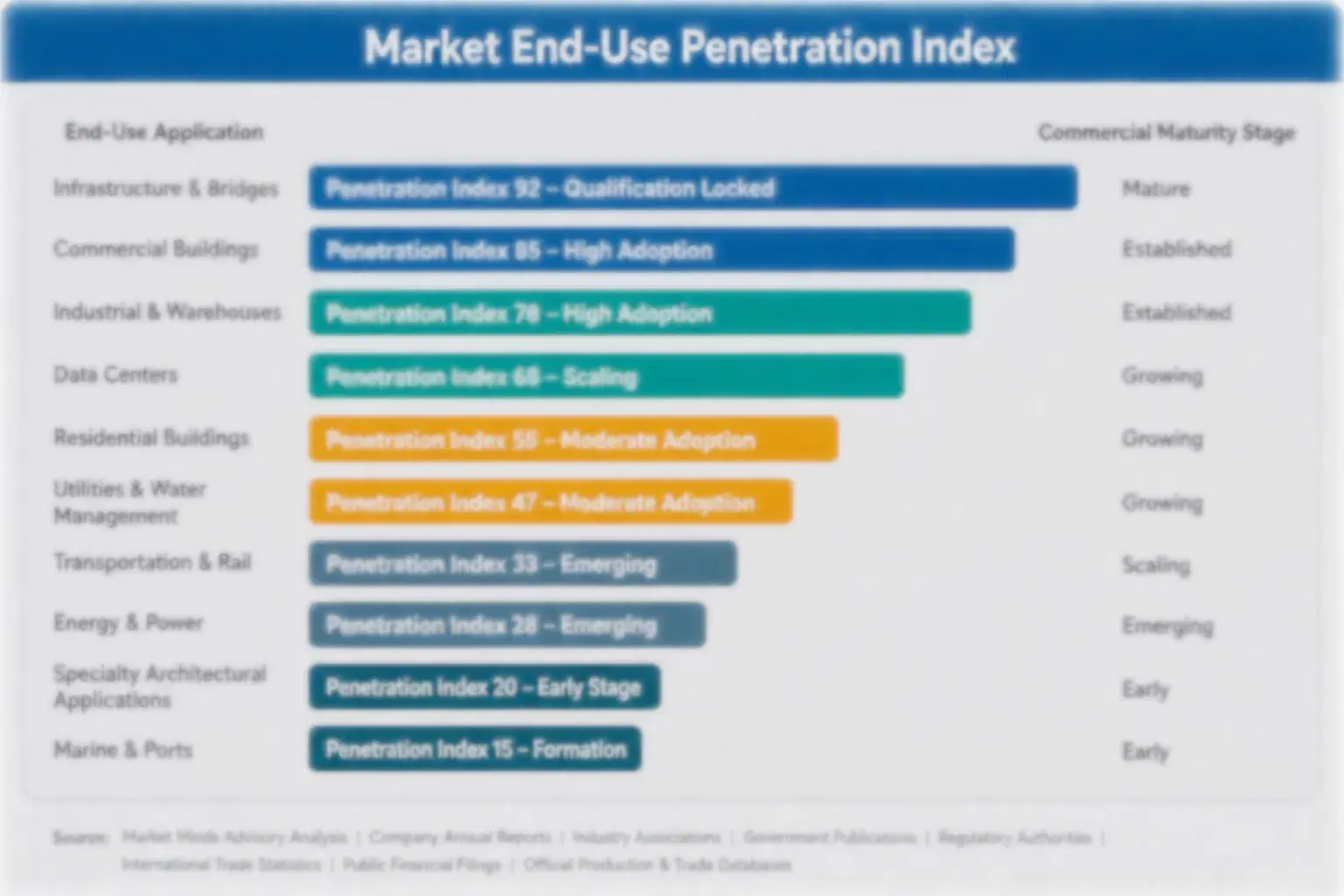
Organic seed demand behaves like an annuity once a grower or cooperative approves a supplier. Cultivar performance, seed health, and certification records are tied to a specific source, so switching means new trials, possible certifier review, and risk of a failed crop that takes a whole season to correct. Annual agreements reinforce repeat orders, and growers often accept modest price increases to protect yield.
Stickiness varies by end-use vertical. Cooperative programs for soy and rice show the deepest loyalty because cultivar and seed lot are written into contracts with food companies and schools. Vegetable growers switch more often, since variety performance and price dominate, though good trial results build loyalty. Small hobby and home organic growers buy on convenience, making that group the least attractive for planning.

Buyer profiles are changing. Younger farmers and new entrants emphasize organic certification, environmental goals, and direct sales, and they favor suppliers that publish seed health data and provide advice. Older growers anchor on familiar cultivars and local agricultural cooperatives. Suppliers must serve both groups, but growth concentrates among conversion programs and food company contracts that meet national policy goals.
japan-organic-seed-market-end-use-penetration-index-1789754929460

MMA Verdict on Japan Organic Seed

These are among the four positions where our research anticipates prominent divergence between winners and laggards over the coming forecast period. Each is grounded in the demand model, the regulatory perimeter, and the announced capacity pipeline.
01 / LOCAL MULTIPLICATION CAPACITY

Build Certified Organic Multiplication for Registered Japanese Cultivars

Registered Japanese cultivars multiplied under organic conditions earn 30% to 50% more per kilogram than imported seed, and they remove most import risk. Multiplication needs isolated fields and seed health testing, but even 80% of conventional yield remains viable at these prices. MMA recommends signing multiplication contracts within the next two years, before national conversion programs absorb scarce isolated fields, and growers already report that isolated fields near organic clusters are being leased for other uses, so delay costs capacity that cannot be rebuilt quickly.
02 / COOPERATIVE CONTRACT PROGRAMS

Sign Multi-Year Cooperative and Food Company Programs

Organic soybean and rice seed grow about 1.2 times faster than the market, and contract programs earn premiums of 10% to 18% with steady volumes. Contracts specify cultivars, seed lots, and buy-back prices, which lowers grower risk and speeds adoption. MMA advises starting with two agricultural cooperatives and one food company, then extending programs as performance data and school lunch purchasing volumes build, because cooperative programs also give seed houses forward visibility that reduces unsold stock and lowers the cost of multiplication over time.
03 / CURRENCY RISK MANAGEMENT

Hedge Yen Exposure and Localize Part of Supply

Yen weakness raised import costs about 20% in 2022, hitting importers who bought spot in foreign currency. Forward contracts, year-ahead ordering, and domestic multiplication protect 3 to 5 margin points. MMA regards currency discipline as the cheapest insurance against margin loss, especially for mid-sized importers that cannot absorb repeated exchange swings while cooperatives and retailers expect stable prices, and suppliers who wait for the yen to recover risk losing cooperative programs to domestic rivals whose contracts already protect growers from price swings.
04 / GROWER SUPPORT SERVICES

Bundle Conversion Advice and Seed Health Testing With Seed

Growers converting to organic face disease and weed pressure, and suppliers that provide advice and seed health testing earn premiums of 8% to 14% and stronger loyalty. Testing costs little compared with seed value and reduces crop failures. MMA recommends building a small agronomy team and a testing laboratory, because service, not seed alone, decides which suppliers keep new organic entrants as long-term customers, and a small field team visiting growers each season is a cheaper way to win loyalty than discounting catalog prices.

Engagement Snapshot From the Field

A live engagement with an industry participant carrying material or product regulatory and market exposure ahead of a defining policy shift, showing how our research translates into a defensible multi-year portfolio strategy.
MARKET MINDS ADVISORY · CLIENT ENGAGEMENT SUMMARY
Demand for Organic Seed in Japan Producer Strategic Portfolio Review and Transition Roadmap 2026·Investment Scenario on Demand for Organic Seed in Japan Exposure Evaluation 2025-26
CLIENT PROFILE
The client is a mid-sized European organic vegetable seed exporter with certified multiplication in two countries and roughly $38 million in annual revenue (client-reported, unverified by MMA), selling organic seed to growers in Europe and North America. Japan accounted for under 4% of sales, gross margin sat near 35% (client-reported, unverified by MMA), and it had no local distributor or registered Japanese cultivars.
STRATEGIC CHALLENGE
Japan's national organic targets and school lunch programs were creating demand, but the yen had weakened, cultivar registration took time, and Japanese cooperatives preferred domestic suppliers. Leadership needed a market entry plan that identified priority crops, secured distribution, managed currency risk, and avoided heavy investment before demand proved durable. The board wanted a decision within a year.
MMA APPROACH
MMA benchmarked eight suppliers active in Japan, interviewed cooperative buyers, organic growers, and distributors about cultivars and price points, and modeled the economics of a distributor partnership, cultivar registration, and yen hedging under bull, base, and bear currency and policy scenarios over a five-year horizon for the client. The work covered five priority crops.
KEY FINDINGS
  1. Japanese growers would pay premiums of about 25% for adapted cultivars registered locally, but registration took two to three years and trial costs.
  2. Two large distributors and one cooperative indicated interest in a joint program if the client supplied seed under yen-denominated contracts, according to interviews.
  3. Yen hedging would cost about 2% of revenue and protect a 4 point margin swing, according to modeling under weak-yen scenarios, based on scenario modeling.
  4. Direct sales to individual growers would remain small, so the client should build volume through distributors and cooperative programs, which keeps sales costs manageable.
CLIENT PROFILE
The client is a mid-sized European organic vegetable seed exporter with certified multiplication in two countries and roughly $38 million in annual revenue (client-reported, unverified by MMA), selling organic seed to growers in Europe and North America. Japan accounted for under 4% of sales, gross margin sat near 35% (client-reported, unverified by MMA), and it had no local distributor or registered Japanese cultivars.
STRATEGIC CHALLENGE
Japan's national organic targets and school lunch programs were creating demand, but the yen had weakened, cultivar registration took time, and Japanese cooperatives preferred domestic suppliers. Leadership needed a market entry plan that identified priority crops, secured distribution, managed currency risk, and avoided heavy investment before demand proved durable. The board wanted a decision within a year.
MMA APPROACH
MMA benchmarked eight suppliers active in Japan, interviewed cooperative buyers, organic growers, and distributors about cultivars and price points, and modeled the economics of a distributor partnership, cultivar registration, and yen hedging under bull, base, and bear currency and policy scenarios over a five-year horizon for the client. The work covered five priority crops.
KEY FINDINGS
  1. Japanese growers would pay premiums of about 25% for adapted cultivars registered locally, but registration took two to three years and trial costs.
  2. Two large distributors and one cooperative indicated interest in a joint program if the client supplied seed under yen-denominated contracts, according to interviews.
  3. Yen hedging would cost about 2% of revenue and protect a 4 point margin swing, according to modeling under weak-yen scenarios, based on scenario modeling.
  4. Direct sales to individual growers would remain small, so the client should build volume through distributors and cooperative programs, which keeps sales costs manageable.
RECOMMENDED STRATEGY
Phase 1: Phase 1 (Months 1-6): Appoint a Japanese distributor and begin trials of six priority cultivars with two cooperatives, with monthly progress reviews. Phase 2: Phase 2 (Months 7-24): Register the best-performing cultivars and sign yen-denominated contracts with hedging for the first programs, with audits scheduled first. Phase 3: Phase 3 (Months 25-42): Add organic soybean and rice partnerships and evaluate local multiplication with Japanese growers while tracking margin quarterly.
OUTCOME
Within 42 months, Japan reached about 11% of client revenue and gross margin on Japan sales stood near 38% (client-reported, unverified by MMA). Two cooperative programs and one distributor contract were signed, hedging protected margin through a weak yen period, and total revenue reached roughly $48 million (client-reported, unverified by MMA).

Frequently Asked Questions

Foundational context covering the market sizes, CAGR, scope, country, region and competition that inform every finding below. This section is provided to cover basics and most often pre-purchase conversations, answered from the MMA Primary Research Dataset.

What is the current size of the Demand for Organic Seed in Japan?

The global organic seed market, with Japan as its lead demand focus, was valued at $2.6 billion in 2025. This covers certified organic planting seed for vegetables, rice, pulses, cereals, and forage.

How large will the Demand for Organic Seed in Japan be by 2036?

MMA projects the market will reach approximately $6.3 billion by 2036. This represents cumulative growth of roughly $3.5 billion over the full ten-year forecast window.

What is the CAGR for the Demand for Organic Seed in Japan 2026 to 2036?

The market is forecast to grow at an 8.4% compound annual rate between 2026 and 2036. The bull case reaches 9.7% while the bear case falls to 7.1%.

Which segment is growing fastest?

Organic Pulse and Soybean Seed is the fastest-growing segment at 10.2% CAGR, roughly 1.21 times the overall market rate. Organic Rice Seed follows as the second-fastest segment at 9.4%.

Who are the major companies in the Demand for Organic Seed in Japan?

Leading companies include Takii, Sakata Seed, Bejo Zaden, Enza Zaden, and Rijk Zwaan. These five suppliers together hold an estimated 26% of total global market revenue today.

Which country is growing fastest?

Japan is the fastest-growing major market, expanding at approximately 10.2% CAGR each year. National organic conversion targets and school lunch programs are driving this above-market growth.

Report Segmentation Architecture

The full report scope spans multiple orthogonal segmentation dimensions, with cross-tabulated demand data provided for each dimension pair. Coverage extends further to regional breakdowns, trend trajectories, and the competitive detail needed to support segment-level decision-making.

By Primary Market Dimension

  • Organic Pulse and Soybean Seed
  • Organic Rice Seed
  • Organic Vegetable Seed
  • Organic Cereal and Grain Seed
  • Organic Herb and Flower Seed
  • Organic Forage and Cover Crop Seed

By End-Use Industry

  • Fresh Vegetable Production
  • Soy Food Supply Chains
  • Rice and Cereal Production
  • School Lunch and Institutional Supply
  • Organic Livestock Feed

By Commercial Dimension

  • Cooperative Contract Programs
  • Distributor and Merchant Channels
  • Direct Grower Sales
  • Import and Export Trade Channels

By Region

  • North America
  • Western Europe
  • East Asia
  • South Asia and Pacific
  • Latin America
  • Middle East and Africa
  • Eastern Europe

Scope, Methodology, and Coverage

Every figure in this report is reproducible from documented input assumptions. The scope below maps the historical period, the forecast horizon, the segmentation dimensions, and the countries covered, alongside the underlying primary and qualitative methodology.
Historical Period
2020 to 2025
Forecast Period
2026 to 2036
Base Year
2025 (USD billions; MMA Primary Research Dataset, September 2026)
Market Definition
Organic seed comprises planting seed produced under certified organic standards, without synthetic treatments, sold to organic and transitioning growers of vegetables, rice, cereals, pulses and soybeans, herbs and flowers, and forage and cover crops, with Japan as the lead demand market. The scope excludes conventional untreated seed, seedlings and grafted plants, organic food crops sold for consumption, and biological seed treatment products.
Quantitative Units
USD billions (current prices); metric tons for volume references
Segmentation Dimensions
By Crop Group; By End-Use Industry; By Commercial Dimension; By Region
Regions Covered
North America, Western Europe, East Asia, South Asia and Pacific, Latin America, Middle East and Africa, Eastern Europe
Countries Covered
Japan, South Korea, China, USA, Canada, Mexico, Brazil, Argentina, Chile, Germany, France, Netherlands, Italy, Spain, UK, Poland, Ukraine, Romania, Egypt, Morocco, Kenya, Uganda, South Africa, UAE, India, Australia, New Zealand, Thailand, Vietnam, Indonesia, and additional markets relevant to this sector
Key Companies Profiled
Takii, Sakata Seed, Bejo Zaden, Enza Zaden, Rijk Zwaan, Marutane Seed, Tokita Seed, Nakahara Seed, Kaneko Seeds, Nunhems, Bayer Crop Science, Syngenta, Limagrain, Vilmorin, High Mowing Organic Seeds, Johnny's Selected Seeds, Territorial Seed Company, Corteva Agriscience, KWS, Namdhari Seeds
Quantitative Methodology
Primary survey, n=3,800 respondents, Q4 2025, six countries; demand-side model with trade association cross-validation
Qualitative Methodology
47 expert interviews, Q4 2025; applied to validate demand model assumptions, identify emerging dynamics, and assess competitive positioning
Report Format
PDF and XLSX data workbook (Word format preview document)
Publisher
Market Minds Advisory
Report Code
MMA-2026-AGR-256
Published
September 2026
Contact
sales@marketmindsadvisory.com | www.marketmindsadvisory.com

Purchase the full Demand for Organic Seed in Japan Report (2026 to 2036).

The full report delivers a detailed assessment of organic seed demand in Japan and worldwide, supply sources, and competitive positioning through 2036. It includes segment forecasts by crop group, country-level data for all seven world regions, and profiles of the twenty companies most relevant to breeding and multiplication. Analysts also receive input cost modeling and portfolio margin benchmarking built from MMA's primary research dataset. A scenario planning module lets subscribers stress-test bull and bear assumptions against currency and policy outcomes. Quarterly updates keep the whole dataset current throughout.
Ten-year segment and regional demand forecasts
Organic acreage and multiplication capacity tracking
Competitive benchmarking of top twenty suppliers
Yen and yield sensitivity modeling tools
Regional demand mechanism comparative analysis included
Quarterly primary survey data update access

Built For The People Who Decide

From boardroom strategy to bench-side execution, this report is read cover-to-cover by leaders shaping the next decade of their industry, turning demand scenarios, market dynamics and valuation benchmarks into decisions.
CXOs/ Presidents/ VPs/ Managers
M&A and Corporate Development
Strategy Teams and R&D Heads
Procurement and Product Directors
Regulatory and Compliance Leaders
Investor Relations and Equity Analysts