Market Minds Advisory
Demand for Egg Substitute in Japan

Demand for Egg Substitute in Japan: Demand for Egg Substitute in Japan. Avian Influenza Supply Shocks, Allergen Rules and Supply-Origin Dynamics

Japanese demand for egg substitutes is moving from allergen niches into cafes, bakeries and convenience meals, but avian influenza price spikes, texture expectations and import access decide which supply origins earn menu and shelf space.

Lead Analyst

Published

September 2026

Make Smarter Decisions with Customized Research Insights

Request a free sample report and evaluate market opportunities, growth trends, and competitive dynamics relevant to your business needs.

2025 MARKET VALUE$0.2BMarket Size 2025
2036 FORECAST VALUE$0.6BBase Case , 2026 to 2036
CAGR 2026 TO 203612.0 %Bull 13.3% / Bear 10.7%
INCREMENTAL OPPORTUNITY$0.4BNet 10- year value creation
EXPANSION MULTIPLE3.11x2036 value over 2026 base
Strategic Levers
M&A Pipeline
Regional Outlook
Country Rankings
Competitive Intelligence
Segmental Deep-dive
Call-Us : 91 93563 13602

Executive Snapshot and Market Trajectory.

Japan is one of the world's heaviest egg eaters, and egg substitutes there serve allergy, vegan and supply-risk needs in bakeries, restaurants and homes. Avian influenza culls raised egg prices sharply in 2022 and 2023, and food makers now treat plant-based egg as a resilience tool.
Plant-Based Scramble and Liquid Egg grows fastest as cafes, convenience stores and food makers test mung bean and soy liquids for scrambles, omelettes and sauces, while egg replacer powders for bakery still carry steady volume. This lens reads the seven regions as supply-origin regions for Japanese demand, and East Asia leads because Japanese makers and Chinese and Korean suppliers provide most products. Gross margins run 28% to 46%, depending on channel. Shortages drive trial.
Five groups hold about 44% of value, led by Kewpie, Eat Just, Fuji Oil, Ajinomoto and Nisshin Seifun Group, so a few Japanese food groups and one foreign brand shape a small category. Allergen labelling that lists egg among mandatory items, Food Sanitation Act rules on novel ingredients and consumer affairs guidance on vegan claims govern positioning, and buyers audit ingredient origin, cross-contact controls and cold chain compliance.
Market Definition
The market covers consumer, foodservice and food manufacturing demand in Japan for egg substitutes, defined as plant-based liquid and scramble egg products, egg replacer powders and binders for bakery and processed foods, tofu-based egg alternatives and formed egg-style patties made without egg ingredients. It excludes hen eggs and processed egg products, egg-free mayonnaise sold as a condiment, precision-fermentation egg proteins not yet approved and pet food egg replacers.
Base Year Value
$0.2B in 2025 (MMA Primary Research Dataset, September 2026)
Forecast Period
2026 to 2036, eleven discrete annual values
CAGR
12.0% base case. Bull 13.3%. Bear 10.7%.
Fastest Growth Segment
Plant-Based Scramble and Liquid Egg: 16.8% CAGR
Fastest Growth Country
Thailand: 15.0% CAGR
Fastest Growth Region
South Asia and Pacific: 14.0% CAGR
Largest Region
East Asia: 42% of 2025 global value
Market Leaders
Kewpie, Eat Just, Fuji Oil, Ajinomoto, Nisshin Seifun Group. Source: MMA Analysis, company annual reports.
Primary Survey
n=3,800 procurement and R&D decision-makers, Q4 2025, six countries
Methodology
Demand-side build-up, cross-validated against public data, 47 expert interviews

Demand for Egg Substitute in Japan Market Forecast Scenarios

japan-egg-substitute-market-size-forecast-scenario-1789975496654
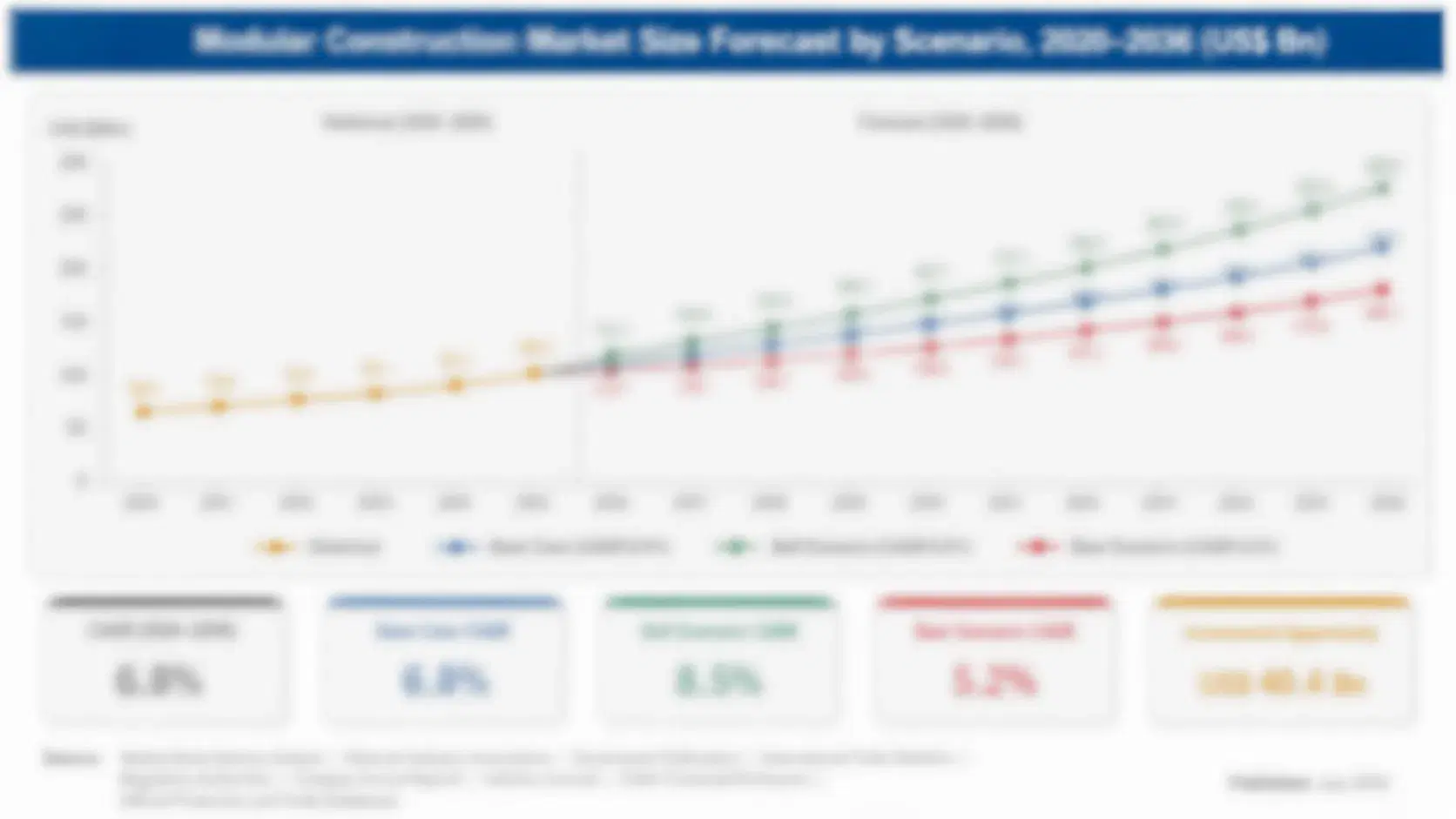
From 2020 to 2025 Japanese egg substitute demand grew at about 10.5% a year from a small base. Allergen-friendly bakery products, vegan cafes in Tokyo and Osaka and the arrival of plant-based liquid egg lifted sales in 2020 and 2021. Growth accelerated in 2022 and 2023 when avian influenza culls pushed egg prices to record levels, and food makers explored alternatives to protect supply and margins.
The base case of 12.0% rests on three named mechanisms. Egg price and supply volatility encourage bakeries, sandwich makers and convenience food producers to use plant-based liquids and replacer powders in part of their formulas. Allergen demand from schools and hospitals adds steady volume, since egg is a mandatory allergen label. Better mung bean and soy protein technology improves texture and cooking behaviour. Each mechanism is visible in company launches, tenders and price movements.
The bull case reaches 13.3% if egg supply shocks recur and large convenience chains adopt plant-based egg in standard menu items. The bear case falls to 10.7% if egg prices normalise, shoppers judge products as poor substitutes and import routes tighten. Both cases assume stable supply of soy, mung bean and pea proteins. Neither case assumes new tariffs.

Egg Price Volatility, Allergen Rules and Texture Expectations Set Japan Egg Substitute Returns

Egg substitutes replace the binding, foaming, emulsifying and scrambling functions of hen eggs. Plant-based liquids use mung bean or soy protein with oils, starches and colours such as turmeric to cook like scrambled egg, while replacer powders combine starches, gums and legume proteins for bakery. Tofu-based products, such as seasoned tofu scrambles, offer a traditional Japanese route to egg-like dishes.
MARKET CONCENTRATION44% CR5Top five groups hold over two fifths of category sales
DOMESTIC PRODUCTION SHARE48%Portion of category sales made by producers inside Japan
FOODSERVICE AND BAKERY SHARE57%Portion of category sales used by restaurants, cafes and bakeries
EGG CONSUMPTION PER PERSON340 eggsApproximate annual hen egg consumption per person in Japan
PROTEIN AND OIL COST36% of COGSMung bean, soy proteins and oils within total production cost
CHILLED SHELF LIFE14-40 daysTypical refrigerated period of packaged plant-based liquid egg products
Value concentrates in three places. Egg replacer powders and binders carry steady sales in bakeries and processed food manufacturing. Plant-based scramble and liquid egg grow fastest, sold to cafes, convenience chains and households as a resilient egg option. Tofu-based and formed products add a familiar pool, where domestic brands use tofu and soy skills, and where brands compete with hen egg on price and consumer familiarity.
Supply combines Japanese makers, imports and ingredient suppliers. Soy proteins come from Japanese and North American processors, mung bean protein from China, Thailand and the United States, oils from domestic and Southeast Asian suppliers, and hydrocolloids from Europe and Asia. Chilled liquid egg needs cold delivery, powders keep for months, and qualifying a new supplier for a bakery or convenience chain takes six to 12 months.
"Japan taught the egg substitute industry a lesson in supply security. When egg prices jump, every bakery and sandwich maker suddenly reads the label on a plant-based liquid. The winners will be suppliers who are reliable when nobody is worried, and boring when everybody is."
Senior Analyst, Alternative Proteins and Japan Foods Practice · MMA Egg Substitutes in Japan Practice · September 2026

Market Trends

Avian Influenza and Egg Prices Push Makers Toward Plant-Based Egg

Japan culled record numbers of hens during the 2022 and 2023 avian influenza seasons, wholesale egg prices rose by roughly 30% to 50%, and bakeries, sandwich makers and restaurants faced shortages. Plant-Based Scramble and Liquid Egg grows about 16.8% a year, and gross margins run 30% to 46%. The trend needs stable supply, cooking behaviour close to egg and clear allergen labelling, and it rewards suppliers with local warehousing and technical service, while price normalisation weakens urgency, and buyers keep egg as their primary source. Trials continue across convenience chains.
Market Impact: culls exceeded 15 million hens
Allergen Rules and Vegan Menus Expand School and Cafe Demand

Egg is one of the mandatory allergen items on Japanese food labels, and schools, hospitals and restaurants increasingly stock alternatives for children and guests with egg allergy. Vegan cafes and tourist-facing restaurants add plant-based menus for visitors. The trend rewards suppliers with clear allergen documents, cross-contact controls and Japanese-language labelling, while operators need small, reliable pack sizes and cost per portion near egg. Food service distributors add plant-based egg to catalogues, which widens access for small kitchens across cities. Institutional kitchens also need documented cross-contact controls, which favours suppliers with dedicated lines.
Market Impact: substitutes cost 20-50% more than egg

Market Opportunities and Growth Drivers

Egg Supply Risk and Price Volatility Push Makers to Diversify

Japan imports feed grain and has limited flexibility when hen flocks are culled, so egg supply and prices can swing sharply, and bakeries and prepared food makers hold thin margins. Using plant-based liquids and replacers in part of the recipe reduces exposure. The driver rewards suppliers with stable pricing contracts and technical support, and it supports multi-year supply agreements, while cost per kilogram of plant-based liquid often exceeds egg in normal years, so demand rises mainly when shortages appear and buyers seek insurance against future shocks. Trading houses also help match foreign suppliers with local buyers.
Market Impact: development takes 9-15 months

Allergy, Vegan and Halal Needs Expand Egg-Free Demand

Egg allergy affects a significant share of Japanese children, and inbound tourism brings vegan, vegetarian and halal diners who expect egg-free options in restaurants and hotels. Egg-free products also serve religious and dietary needs. The driver rewards suppliers with clear labelling, vegan certification and English-language menus, and it supports premium pricing of 20% to 50% over egg, while operators value products that cook like scrambled egg without special equipment, since kitchens are small and staff time is limited. Hotels and tour operators also request egg-free options in advance, which lets kitchens plan stock and order regularly.
Market Impact: weak yen raises import cost 10-25%

Market Restraints and Challenges

Texture and Familiarity Gaps Limit Acceptance Against Fresh Egg

Japanese dishes such as tamagoyaki, chawanmushi and onsen tamago depend on the exact set and flavour of egg, and plant proteins struggle to match these textures. The root cause is protein structure and the cultural importance of egg dishes. Chefs and shoppers judge substitutes strictly, and demand stays limited to scrambles, baking and allergen use. Suppliers respond with mung bean and soy blends, better gel systems and kombu and kala namak flavours, though development takes nine to 15 months. Chefs also worry about consistency across batches, since a single failed tamagoyaki can end a supplier relationship.
Market Impact: egg prices rose 30-50% in shortages

Import Dependence, Novel Ingredient Approvals and Price Premiums Restrict Scale

Japan imports soy, mung bean protein and finished products, so yen weakness raises cost, and some foreign brands need distributor partnerships and label approvals. The root cause is limited domestic protein processing and cautious rules on novel ingredients. Plant-based liquid egg costs 20% to 50% more than egg in normal years, which limits volume. Suppliers respond with domestic production partnerships, yen-linked contracts and local warehouses, though small volumes make plants hard to justify. Some retailers and food groups also prefer domestic sourcing for food safety and supply security reasons, which makes market entry harder for foreign brands.
Market Impact: egg is 1 of 8 allergens
3 additional market trends, 2 additional growth drivers, and 4 additional restraints and challenges are covered in the full report. Contact sales@marketmindsadvisory.com to access the complete intelligence.

Segment CAGR and Growth Architecture

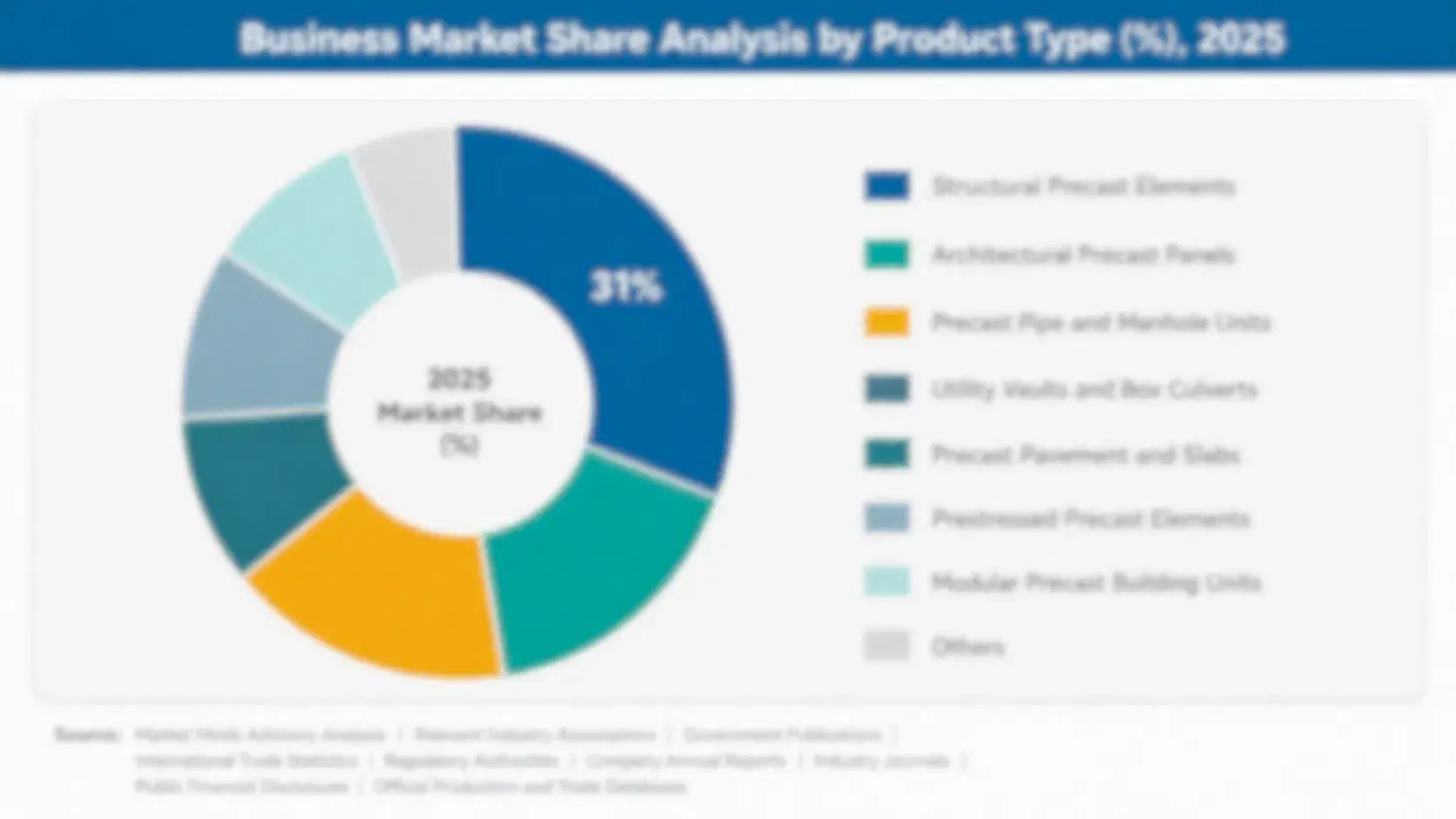
The Japanese egg substitute market is segmented by product type, which shows where function, price tolerance and cultural familiarity differ. Five segments cover plant-based scramble and liquid egg, egg replacer powders and ingredients, tofu-based egg alternatives, formed egg-style products and chickpea and aquafaba replacers. Scramble and replacer products grow fastest, while replacer powders carry steady bakery volume.
japan-egg-substitute-market-market-share-analysis-1789975496829

Plant-Based Scramble and Liquid Egg

Plant-Based Scramble and Liquid Egg is the fastest-growing segment at 16.8% a year, about 1.40 times the overall market rate. Mung bean and soy liquids cook into scrambles and omelettes, and cafes, convenience chains and households use them for egg allergy, vegan menus and supply security after avian influenza shocks. Gross margins of 30% to 46% reward suppliers with stable supply, Japanese-language service and cooking behaviour close to egg. Growth depends on price relative to egg, texture in local dishes and allergen documentation, while trials with convenience chains precede wider rollout. Suppliers with local warehousing and technical support hold the strongest positions. Convenience chains trial products in limited regions before national listings.
CAGR 16.8%

Egg Replacer Powders and Ingredients

Egg Replacer Powders and Ingredients grows at 14.4% a year, about 1.20 times the overall market rate, because bakeries, confectioners and processed food makers use starch, gum and legume protein blends to replace part or all of the egg in cakes, breads and sauces. Gross margins of 28% to 44% support investment by ingredient groups such as Kerry, Puratos and Japanese makers. Growth depends on bake performance, cost per kilogram and allergen labelling, while egg price spikes drive trials. Suppliers with technical bakery support, Japanese-language documentation and stable powders hold the strongest positions with manufacturers and industrial bakeries across the country. Industrial bakeries trial replacers on one product family before extending them to wider ranges.
CAGR 14.4%
Full segment breakdown across 5 segments available in the complete report.

Regional Architecture and Country Demand Map

East Asia leads at 42% because Japanese makers and Chinese and Korean suppliers provide most egg substitutes, with North America at 22% through Eat Just and ingredient supply. Western Europe holds 18% through bakery ingredients. South Asia and Pacific grows fastest through Thai and Australian supply.

North America

North America holds 22% share, at the floor of its band, with growth at the global rate of 12.0%. Eat Just's plant-based egg reached Japan through partnerships with Japanese food groups, and North American suppliers ship mung bean protein, pea protein and starches for local plants and bakery ingredient blends. Canadian pea protein and United States soy supply Japanese processors. Trade is smooth, tariff exposure is low and Japanese buyers value technical documentation. Yen weakness raises landed cost, and buyers audit supplier documents and allergen controls every year, with contracts renewing annually through distributors and food groups. Distributors review ranges every year with food groups and bakeries, and suppliers must show reliable stock and clear documentation.
Share: 22% | CAGR: 12.0% (2026 to 2036)

Western Europe

Western Europe holds 18% share, at the floor of its band, with growth of 10.5%. Because East Asia and North America take the top two slots, no further case is needed for Western Europe. Bakery ingredient groups such as Puratos, Corbion, Kerry, Palsgaard and DSM-Firmenich supply egg replacers, emulsifiers and gum blends to Japanese industrial bakeries and confectioners, and Danish and Belgian suppliers hold strong technical reputations. Freight time, yen weakness and label rules limit finished goods trade, so ingredient supply and technical service carry most value, and contracts are reviewed every year with distributors. Distributors review supplier performance every year with industrial bakeries, and buyers expect stable specifications and clear Japanese-language technical documents.
Share: 18% | CAGR: 10.5% (2026 to 2036)
Regional intelligence for 5 additional markets available in the complete report: East Asia, South Asia and Pacific, Latin America, Middle East and Africa, Eastern Europe. Contact sales@marketmindsadvisory.com.
japan-egg-substitute-market-country-cagr-analysis-1789975497007

Four Margin Routes for Japan Egg Substitute Suppliers

Margin in Japanese egg substitutes comes from supply reliability, culinary fit, allergen documentation and distributor reach rather than volume alone. The routes below apply to Japanese food groups, foreign brands and ingredient suppliers, and each can start inside one planning cycle, with clear measures in gross margin points and cost per kilogram. Payback usually runs two to four years.

Building Supply Security Contracts With Convenience and Bakery Customers

Egg supply shocks create demand for reliable alternatives, so suppliers that offer multi-year supply agreements, price collars and local warehousing win accounts worth 12% to 20% of category volume. Programmes cost $0.5 million to $3 million. Suppliers should hold two to three months of stock, agree price formulas linked to soy and yen indices and provide technical service in Japanese, since buyers judge reliability by how a supplier behaves in a shortage, and switching costs are high once recipes and labels are approved. Results guide which convenience and bakery accounts to prioritise first.
Market Impact: multi-year supply contracts win 12-20% of category volume

Adapting Texture and Flavour to Tamagoyaki, Omelette and Sandwich Uses

Japanese dishes demand exact texture, so suppliers that develop grades tuned to tamagoyaki, omurice, egg sandwiches and chawanmushi, with kombu and sulphur flavour notes, lift repeat purchase by 15% to 25%. Development costs $0.3 million to $1 million per grade. Suppliers should test with Japanese chefs and sandwich makers, publish cooking instructions and adjust for local ovens and pans, since chefs judge products on familiar dishes, and generic Western scrambles rarely convince Japanese kitchens. Chefs and sandwich makers also want small pack sizes and dependable delivery, so suppliers should plan logistics around tight kitchen schedules.
Market Impact: local dish grades lift repeat purchase by 15-25%

Securing Allergen and Vegan Documentation for Schools, Hospitals and Hotels

Institutional buyers need documents, so suppliers that provide allergen statements, cross-contact controls, vegan certification and Japanese labelling win listings with schools, hospitals and hotels worth 8% to 15% of category volume. Documentation costs $0.1 million to $0.5 million per range. Suppliers should audit lines for egg cross-contact, use third-party marks and refresh documents yearly, since an allergen incident can end a contract, and tourism-facing hotels also expect English-language information for guests. Tourism-facing hotels also expect English-language guidance, and institutional buyers refresh approved supplier lists every year, so suppliers should maintain current documents.
Market Impact: documentation wins listings worth 8-15% of category volume

Partnering With Japanese Food Groups for Local Production and Reach

Foreign brands and ingredient suppliers gain reach through Japanese partners, so licence, co-packing and distribution agreements with food groups and trading houses lift secured volume by 15% to 30% and reduce yen exposure. Partnerships cost $0.5 million to $2 million to set up. Suppliers should protect recipes, agree minimum volumes and align quality standards, since Japanese buyers value long relationships and local responsibility, and terms that give away too much margin can limit later expansion. Partners also handle regulatory filings, recipe adjustments and customer service in Japanese, which reduces the burden on foreign suppliers considerably.
Market Impact: local partners secure 15-30% of planned annual volume

Who Controls the Margin Pool

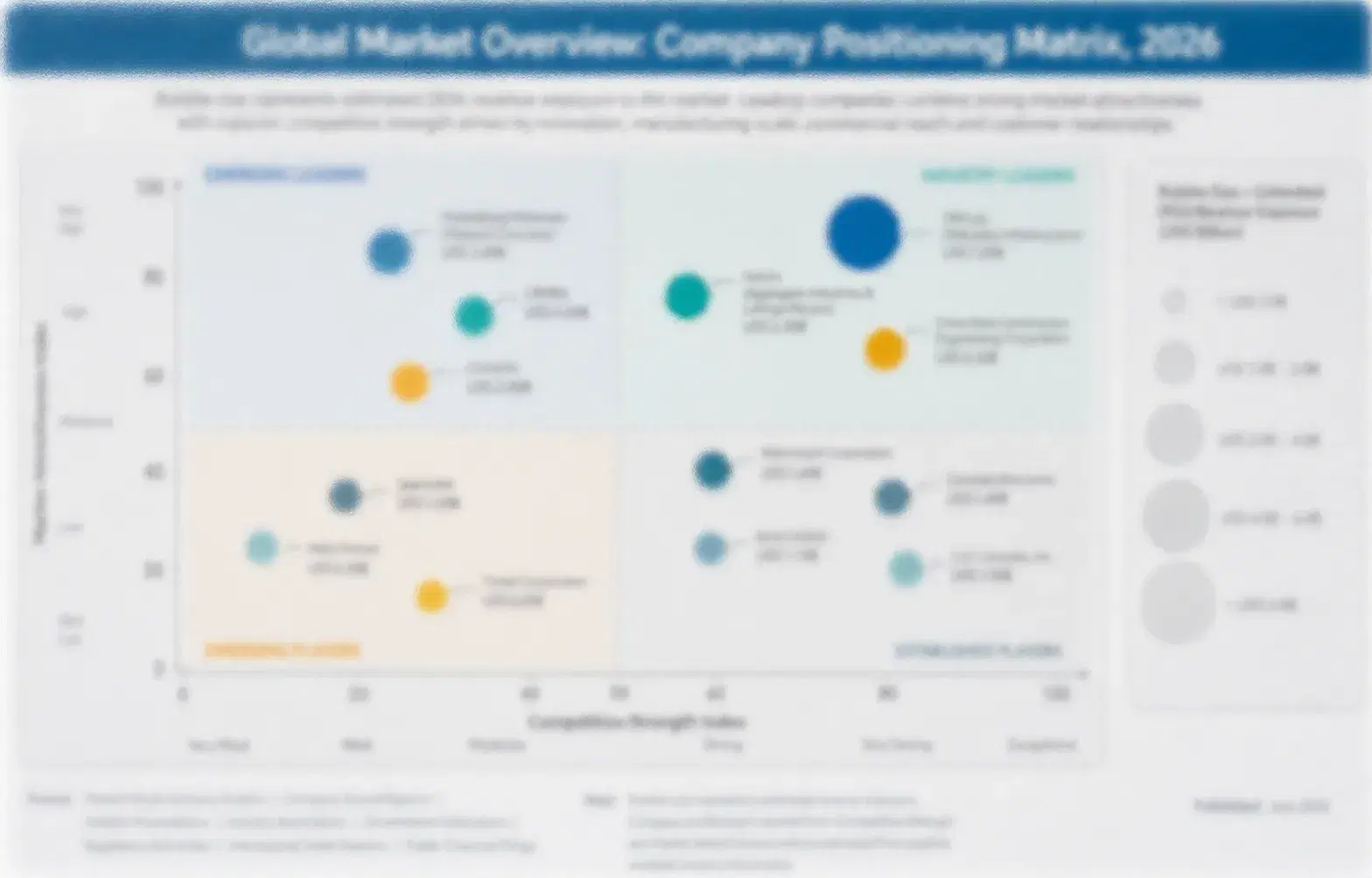
The Japanese egg substitute market is moderately concentrated, with a CR5 of 44%, because a few large food groups and one foreign brand control distribution and technical capability in a small category. This assessment measures participants on estimated egg substitute sales value in Japan, held constant across all players. Kewpie and Eat Just lead through egg expertise and plant-based innovation, Fuji Oil, Ajinomoto and Nisshin Seifun Group follow, and the gap between the leader and the fifth player is moderate.
Competition runs on four dimensions today: supply reliability, cooking fit for Japanese dishes, allergen documentation and price relative to egg. Domestic groups win on relationships and service, foreign brands win on product novelty, and ingredient suppliers win on technical bakery support. Buyers compare texture, cooking yield and price, and a supply gap or failed audit can remove a supplier from a formula within one cycle.

Emerging pressure comes from soy and tofu makers launching egg-style products, from Chinese suppliers offering lower cost and from precision fermentation developers seeking approval. Rankings shift where a supplier wins a convenience chain, proves reliability in a shortage or secures a novel ingredient approval, and consolidation continues as trading houses back partners.
japan-egg-substitute-market-company-positioning-matrix-1789975497186

Competitive Moat and Risk Dimensions

KEWPIE

Moat: Egg Expertise and Distribution Reach

Kewpie, the Japanese mayonnaise and egg products group, is one of the largest processors of egg and egg-based foods in Japan, with deep relationships with bakeries, restaurants and convenience makers. Its knowledge of egg functionality, food safety systems and distribution network gives it credibility in egg replacement, and it can develop plant-based alternatives around real culinary needs.
KEWPIE

Risk: Core Egg Business Conflict

Kewpie earns most profit from egg-based products, so plant-based egg risks cannibalising higher-margin sales. Investment in alternatives competes with core priorities, and cautious management may move slowly, while faster entrants and foreign brands could win convenience accounts. Investors expect steady returns. Some customers may also prefer faster foreign entrants.
EAT JUST

Moat: Mung Bean Protein Technology

Eat Just, the American food technology company, makes plant-based egg from mung bean protein and entered Japan through partnerships with local food groups. Its established product, protein isolation know-how and brand recognition among plant-based shoppers give it credibility, and its liquid and folded egg formats fit convenience and foodservice uses.
EAT JUST

Risk: Scale and Funding Pressure

Eat Just has faced funding pressure and periods of restructuring, so its capacity to invest in Japan is limited. Import cost, yen weakness and price premiums to egg reduce volume, and local competitors with stronger relationships could challenge its position when egg supply normalises. Investors expect visible progress.

Players Tracked

Prominent Players

Kewpie
Eat Just
Fuji Oil
Ajinomoto
Nisshin Seifun Group

Other Key Players

Follow Your Heart
Orgran
Puratos
Corbion
Cargill
Ingredion
Roquette
Palsgaard
Kerry Group
Novonesis
House Foods
Marukome
Nippon Ham
Morinaga
DSM-Firmenich

Recent Developments

JANUARY 2026

Kewpie Announces Development Programme for Plant-Based Egg Products for Japanese Convenience and Bakery Customers

Kewpie announced a development programme for plant-based egg products for Japanese convenience and bakery customers, according to company communications. It is a development programme, not an acquisition, and it tests local demand. The programme covers scrambles and liquid formats. Financial terms were not disclosed. Timing remains open.
Signal: Confirms domestic egg leaders are hedging because supply shocks and allergen needs support plant-based egg alongside core products.
FEBRUARY 2026

Eat Just Expands Distribution Partnership for Plant-Based Liquid Egg With Japanese Food Service Distributor

Eat Just expanded a distribution partnership for plant-based liquid egg with a Japanese food service distributor, according to company communications. It is a distribution partnership, not an acquisition, and it tests foodservice demand. The partnership covers cafes and hotels. Financial terms were not disclosed. Timing remains open.
Signal: Shows foreign brands are relying on local distributors because Japanese buyers value service and reliability alongside product novelty.
MARCH 2026

Fuji Oil Signs Supply Agreement for Soy and Pea Protein Egg Replacers With Japanese Industrial Bakery

Fuji Oil signed a supply agreement for soy and pea protein egg replacers with a Japanese industrial bakery, according to company communications. It is a supply agreement, not an acquisition, and it tests bakery demand. The agreement covers annual volumes and quality audits. Financial terms were not disclosed.
Signal: Indicates protein ingredient groups are targeting bakeries because egg price volatility raises interest in partial replacement.

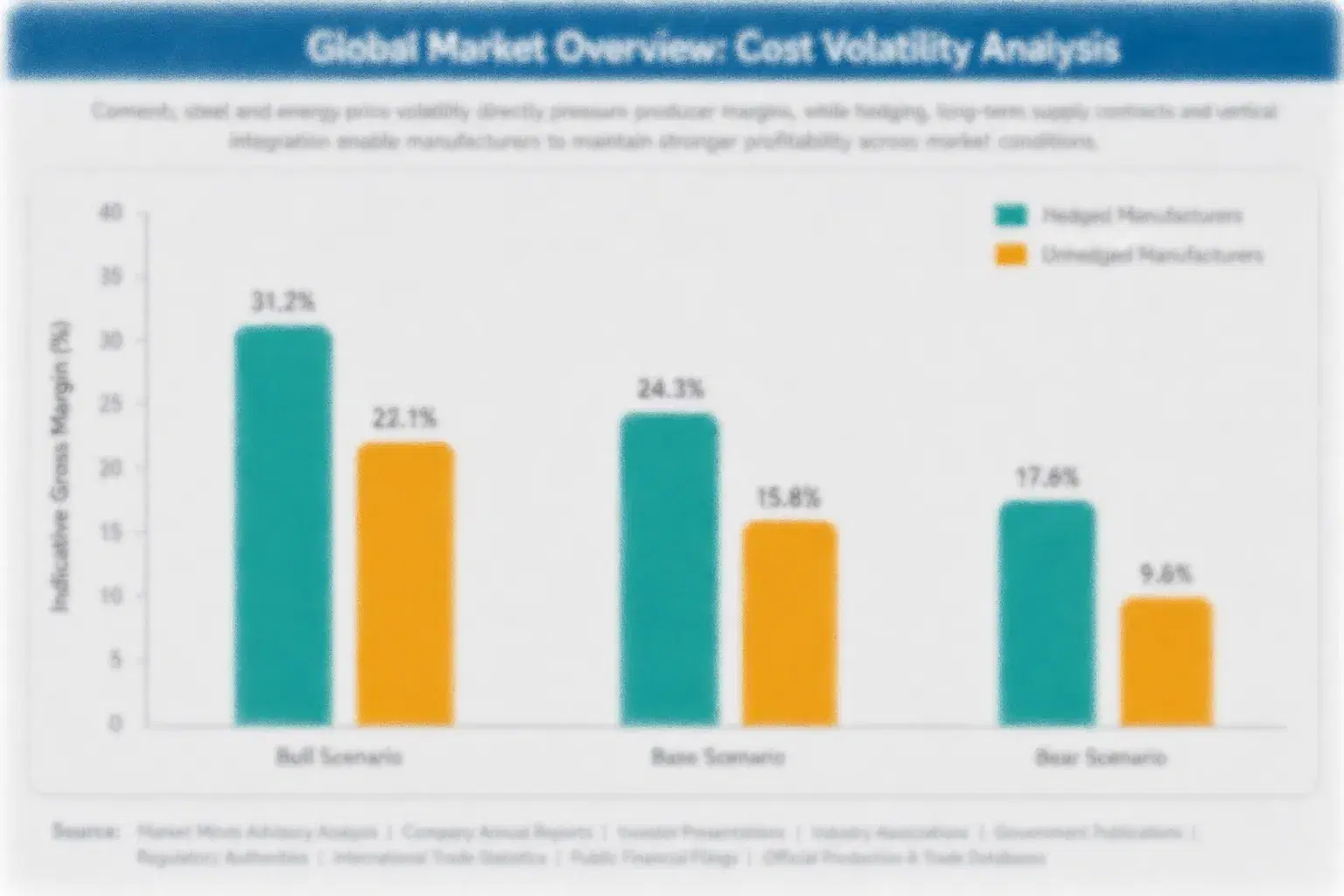
Mung Bean, Soy and Yen Costs

Mung bean and soy proteins account for roughly 36% of production cost, oils, starches and gums about 16%, flavours and colours about 8%, packaging about 12%, and energy, cold chain, labour and overheads about 28%. Mung bean protein comes from China, Thailand and the United States, soy protein from Japan and North America, oils from Japanese and Southeast Asian suppliers, and hydrocolloids from Europe and Asia.
The clearest recent shock came in 2022 and 2023. Ministry of Agriculture, Forestry and Fisheries data show egg wholesale prices rising by roughly 30% to 50% after avian influenza culls, while yen weakness raised import costs for proteins and oils, and FAO data show vegetable oil prices at multi-year highs. Suppliers absorbed part of the increase because contracts repriced only at renewal, which compressed margins on imported products.

The disadvantage falls on foreign brands and small importers without yen-linked contracts or local stock, because they cannot pass through swings quickly and face long freight times. Exposure varies by player type: domestic groups hold local supply and relationships, importers face currency and freight risk, and start-ups depend on single suppliers with limited buffers. Larger groups hold local stock.
japan-egg-substitute-market-cost-volatility-analysis-1789975497371

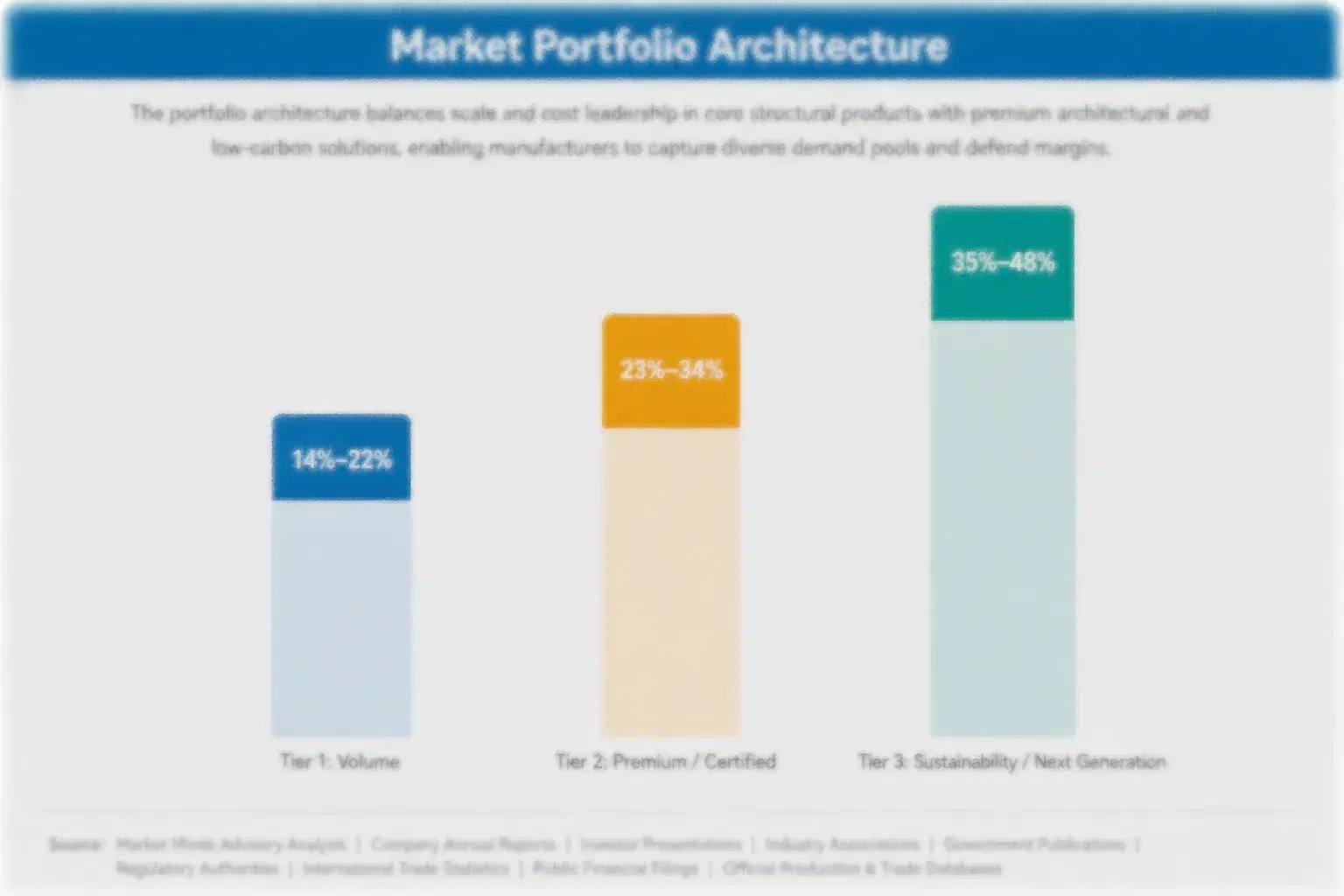
Portfolio Architecture for Margin Defence

Margins run from moderate returns on bakery replacer powders sold in bulk to strong returns on liquid egg and formed products sold with distributor and chef support. Three tiers separate volume products, premium certified lines and next-generation solutions, and each draws on different protein sourcing, culinary tuning and customer relationships in a market where import access and currency drive cost. Margin gaps between tiers run to 14 points.
The tension between volume and premium is sharp. Bakery replacers and tofu-based scrambles fill industrial orders at modest prices and face constant competition from hen egg when prices ease, while liquid egg and premium allergen-safe products earn higher margins on smaller volumes and depend on supply security, documentation and culinary fit. Suppliers that run only volume suffer when egg prices fall, while premium-only suppliers struggle to reach the scale that food groups need.

High-value pools concentrate in liquid egg for convenience and cafes and in allergen-safe institutional supply. They gather where buyers pay for reliability, documentation and cooking fit, not for the plant-based claim alone. Tourism-facing hotels and vegan restaurants add a smaller pool, and strong suppliers hold more than one, though each needs different formats, certification and distribution.

Volume / Commodity-Adjacent

Egg replacer powders and blends for bakeries and processed food makers sold on price per kilogram under annual contracts. Buyers focus on cost and bake performance, technical differentiation is limited by shared starch and gum systems, and egg prices drive trial.
Gross Margin: 28%-38%

Premium / Certified

Plant-based liquid egg and tofu-based products with vegan certification, clean labels and Japanese-language documentation, sold through distributors to cafes, hotels and convenience makers. Buyers value cooking fit, reliability and service, and contracts run for one to two years.
Gross Margin: 36%-46%

Sustainability / Regulatory / Next-Generation

Allergen-safe institutional supply, dish-specific grades and locally produced liquid egg with life cycle data and supply security guarantees, sold to schools, hospitals and food groups. Contracts depend on documentation, reliability and culinary performance.
Gross Margin: 38%-52%
japan-egg-substitute-market-portfolio-architecture-1789975497560

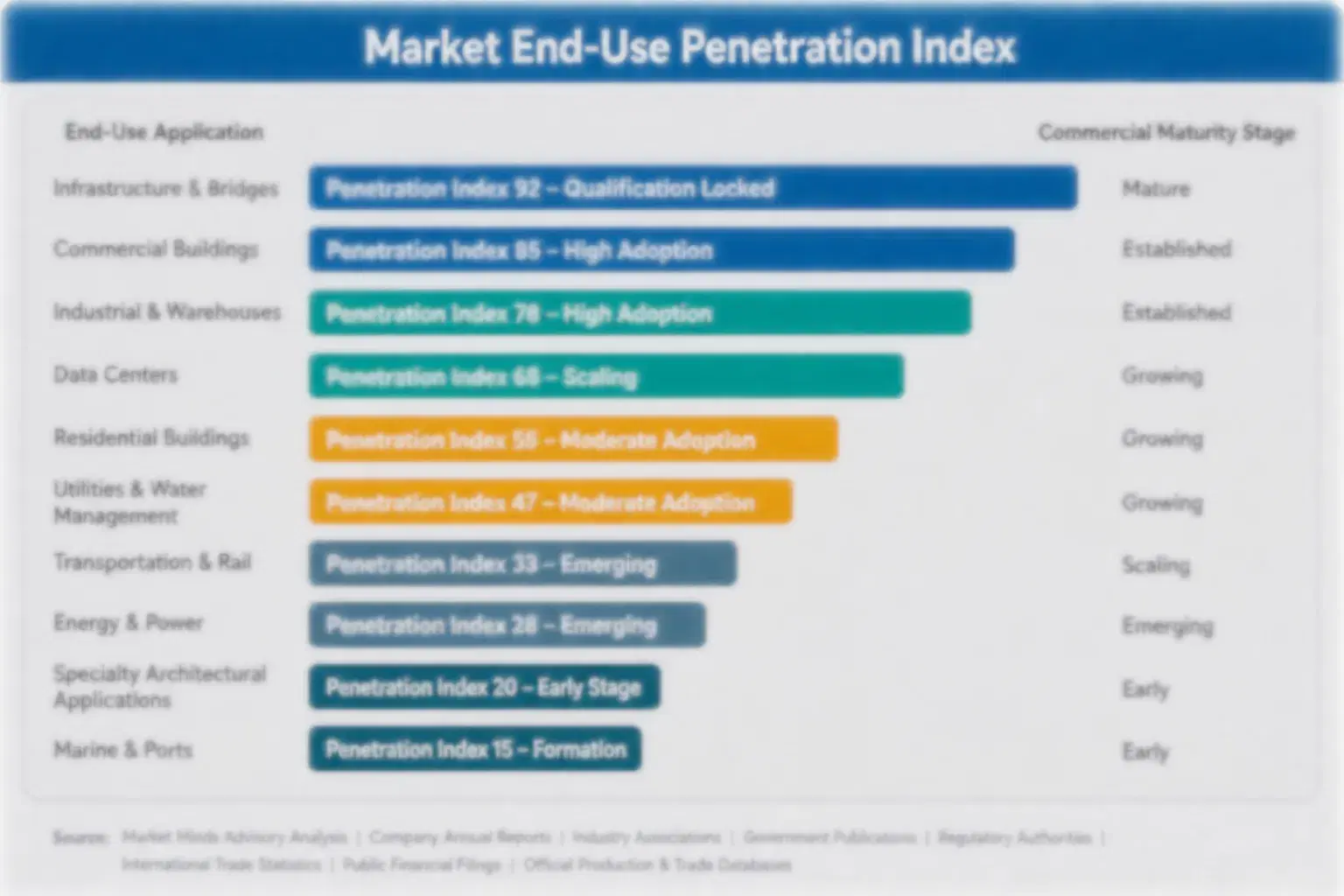
Why Kitchens Keep Egg Alternatives

Egg substitute demand in Japan behaves like an annuity attached to recipes, allergen files and menu items. Once a bakery, cafe or institutional kitchen qualifies a substitute through cooking trials and labelling checks, orders repeat every month, and switching means new trials, label updates and allergen audits. Buyers set annual volume plans around production schedules, so suppliers with reliable stock earn priority allocation. Trust, once earned, takes years to lose.
Adoption stickiness differs by end-use vertical. Schools, hospitals and hotels serving allergic guests are the deepest, since documented egg-free products are built into procedures and switching risks safety incidents. Industrial bakeries are moderately sticky, driven by cost and bake performance. Convenience and cafe buyers are more fluid, changing supply when egg prices normalise, though reliable suppliers hold contracts for several seasons and expand menu use over time.

Buyer profiles are shifting between generations. Older buyers saw egg substitutes only as allergy products, while younger buyers and inbound tourists ask about vegan status, ingredient lists, protein content and carbon footprint. Regulators and retailers add a third group that sets allergen and labelling expectations. Suppliers that publish clean labels and reliable origin data win newer buyers.
japan-egg-substitute-market-end-use-penetration-index-1789975497743

MMA Verdict on Japan Egg Strategy

These are among the four positions where our research anticipates prominent divergence between winners and laggards over the coming forecast period. Each is grounded in the demand model, the regulatory perimeter, and the announced capacity pipeline.
01 / SUPPLY SECURITY STRATEGY

Build Supply Security Contracts With Bakery Customers Before Egg Prices Normalise

Egg supply shocks create demand for reliable alternatives, and multi-year contracts with local warehousing win accounts worth 12% to 20% of category volume. Suppliers should invest $0.5 million to $3 million, hold two to three months of stock and agree price formulas linked to soy and yen indices. Those that delay will lose accounts to domestic rivals over the next two years, while early movers hold lasting relationships, stronger margins and stable volume across every shortage, contract round and annual supplier review.
02 / CULINARY FIT STRATEGY

Tune Texture to Tamagoyaki and Sandwich Uses Before Chefs Dismiss Substitutes

Japanese dishes demand exact texture, and grades tuned to tamagoyaki, omurice and egg sandwiches lift repeat purchase by 15% to 25%. Suppliers should invest $0.3 million to $1 million per grade, test with Japanese chefs and publish cooking instructions for local ovens and pans. Those that delay will lose chef trust over the next two years, while early movers hold repeat volume, lasting culinary credibility and stronger brand recognition across every menu review, cooking trial, audit and annual supplier assessment cycle.
03 / ALLERGEN DOCUMENTATION STRATEGY

Secure Allergen and Vegan Documentation for Institutions Before Buyers Tighten Approvals

Institutional buyers need documents, and allergen statements with cross-contact controls win listings worth 8% to 15% of category volume each year. Suppliers should invest $0.1 million to $0.5 million per range, audit lines for egg cross-contact and cleaning and refresh documents yearly with third-party checks. Those that delay will lose institutional listings over the next two years, while early movers hold lasting credibility, safety records and loyal repeat customers across every audit cycle, tender round, label check and annual buyer review.
04 / LOCAL PARTNERSHIP STRATEGY

Partner With Japanese Groups for Local Production Before Yen Weakness Erodes Margins

Foreign brands and suppliers gain reach through local partners, and licence and co-packing agreements lift secured volume by 15% to 30% while cutting yen exposure. Suppliers should invest $0.5 million to $2 million per partnership, protect recipes and agree minimum volumes and review terms yearly. Those that delay will absorb repeated currency losses and lower margins over the next two years, while early movers hold funding, lasting partner support and stronger margins across every scale-up phase, partner review, audit and annual budget cycle.

Engagement Snapshot From the Field

A live engagement with an industry participant carrying material or product regulatory and market exposure ahead of a defining policy shift, showing how our research translates into a defensible multi-year portfolio strategy.
MARKET MINDS ADVISORY · CLIENT ENGAGEMENT SUMMARY
Demand for Egg Substitute in Japan Producer Strategic Portfolio Review and Transition Roadmap 2026·Investment Scenario on Demand for Egg Substitute in Japan Exposure Evaluation 2025-26
CLIENT PROFILE
The client is a regional Japanese bakery manufacturer with annual sales near $300 million (client-reported, unverified by MMA), producing breads, sandwiches and cakes for supermarkets and convenience chains. About 1% of sales came from egg-free products, egg prices had hurt margins during the 2022 and 2023 shortages, and management wanted a plan to reduce egg exposure and serve allergy and vegan customers.
STRATEGIC CHALLENGE
Egg costs had risen by about 40% during shortages (client-reported, unverified by MMA), a first plant-based replacer had failed a sponge cake trial and an imported liquid egg had faced delivery delays. Management had to decide whether to use replacer powders, adopt liquid egg or partner with a local supplier, with limited capital and two plants. Key customers wanted egg-free samples within nine months.
MMA APPROACH
MMA analysed sales, cost and recipe data across 30 products, interviewed 12 bakery managers, convenience buyers and ingredient suppliers, and ran a shopper survey on taste, allergen status and price across three countries. It modelled margin by product and scenario, compared powder, liquid egg and partnership options by payback and execution risk, and tested each against egg and yen price scenarios.
KEY FINDINGS
  1. Replacing 30% of egg in cakes and breads with a tuned replacer powder would cut egg exposure by about 30% and hold taste scores (client-reported, unverified by MMA).
  2. A plant-based liquid egg for sandwich fillings would cost about $0.4 million to trial and reach margins about five points below egg during normal prices (client-reported, unverified by MMA).
  3. A local supply partnership would cost about $0.6 million and secure two months of stock during shortages for key lines (client-reported, unverified by MMA).
  4. Allergen-safe egg-free lines with documentation would open institutional sales worth about 8% of total bakery revenue within three years (client-reported, unverified by MMA).
CLIENT PROFILE
The client is a regional Japanese bakery manufacturer with annual sales near $300 million (client-reported, unverified by MMA), producing breads, sandwiches and cakes for supermarkets and convenience chains. About 1% of sales came from egg-free products, egg prices had hurt margins during the 2022 and 2023 shortages, and management wanted a plan to reduce egg exposure and serve allergy and vegan customers.
STRATEGIC CHALLENGE
Egg costs had risen by about 40% during shortages (client-reported, unverified by MMA), a first plant-based replacer had failed a sponge cake trial and an imported liquid egg had faced delivery delays. Management had to decide whether to use replacer powders, adopt liquid egg or partner with a local supplier, with limited capital and two plants. Key customers wanted egg-free samples within nine months.
MMA APPROACH
MMA analysed sales, cost and recipe data across 30 products, interviewed 12 bakery managers, convenience buyers and ingredient suppliers, and ran a shopper survey on taste, allergen status and price across three countries. It modelled margin by product and scenario, compared powder, liquid egg and partnership options by payback and execution risk, and tested each against egg and yen price scenarios.
KEY FINDINGS
  1. Replacing 30% of egg in cakes and breads with a tuned replacer powder would cut egg exposure by about 30% and hold taste scores (client-reported, unverified by MMA).
  2. A plant-based liquid egg for sandwich fillings would cost about $0.4 million to trial and reach margins about five points below egg during normal prices (client-reported, unverified by MMA).
  3. A local supply partnership would cost about $0.6 million and secure two months of stock during shortages for key lines (client-reported, unverified by MMA).
  4. Allergen-safe egg-free lines with documentation would open institutional sales worth about 8% of total bakery revenue within three years (client-reported, unverified by MMA).
RECOMMENDED STRATEGY
Phase 1: Phase 1 (Months 1-9): Tune the replacer powder for cakes and breads, run trials with two convenience customers and update allergen documentation. Phase 2: Phase 2 (Months 10-24): Sign the local supply partnership, launch egg-free sandwich fillings and open allergen-safe lines for institutions in two regions. Phase 3: Phase 3 (Months 25-42): Extend replacers across the bakery range, review protein and yen contracts yearly and decide on further capacity.
OUTCOME
Within 42 months, egg-reduced and egg-free products reached 14% of sales, egg exposure fell by about 25% and two institutional customers signed multi-year agreements (client-reported, unverified by MMA). Taste scores held, supply continued through a later shortage, and margin volatility fell. Customer feedback stayed positive across accounts.

Frequently Asked Questions

Foundational context covering the market sizes, CAGR, scope, country, region and competition that inform every finding below. This section is provided to cover basics and most often pre-purchase conversations, answered from the MMA Primary Research Dataset.

What is the current size of the Demand for Egg Substitute in Japan?

Japanese demand for egg substitutes was valued at $0.16 billion in 2025 on a retail, foodservice and ingredient sales basis. Growth reflects egg supply shocks and allergen needs, offset by texture gaps and import cost.

How large will the Demand for Egg Substitute in Japan be by 2036?

The market is projected to reach $0.56 billion by 2036, up from $0.18 billion in 2026. The increase of $0.38 billion reflects liquid egg, bakery replacers and institutional demand.

What is the CAGR for the Demand for Egg Substitute in Japan 2026 to 2036?

The market is forecast to grow at a 12.0% CAGR from 2026 to 2036. The bull case reaches 13.3% and the bear case 10.7%, depending on egg price shocks, texture progress and import conditions.

Which segment is growing fastest?

Plant-Based Scramble and Liquid Egg is the fastest-growing segment at 16.8% CAGR, roughly 1.40 times the overall market rate. Egg Replacer Powders and Ingredients follows at 14.4% CAGR.

Who are the major companies in the Demand for Egg Substitute in Japan?

Major companies include Kewpie, Eat Just, Fuji Oil, Ajinomoto and Nisshin Seifun Group. Puratos, Corbion, Kerry Group, House Foods and Marukome also hold meaningful positions in specific channels.

Which country is growing fastest?

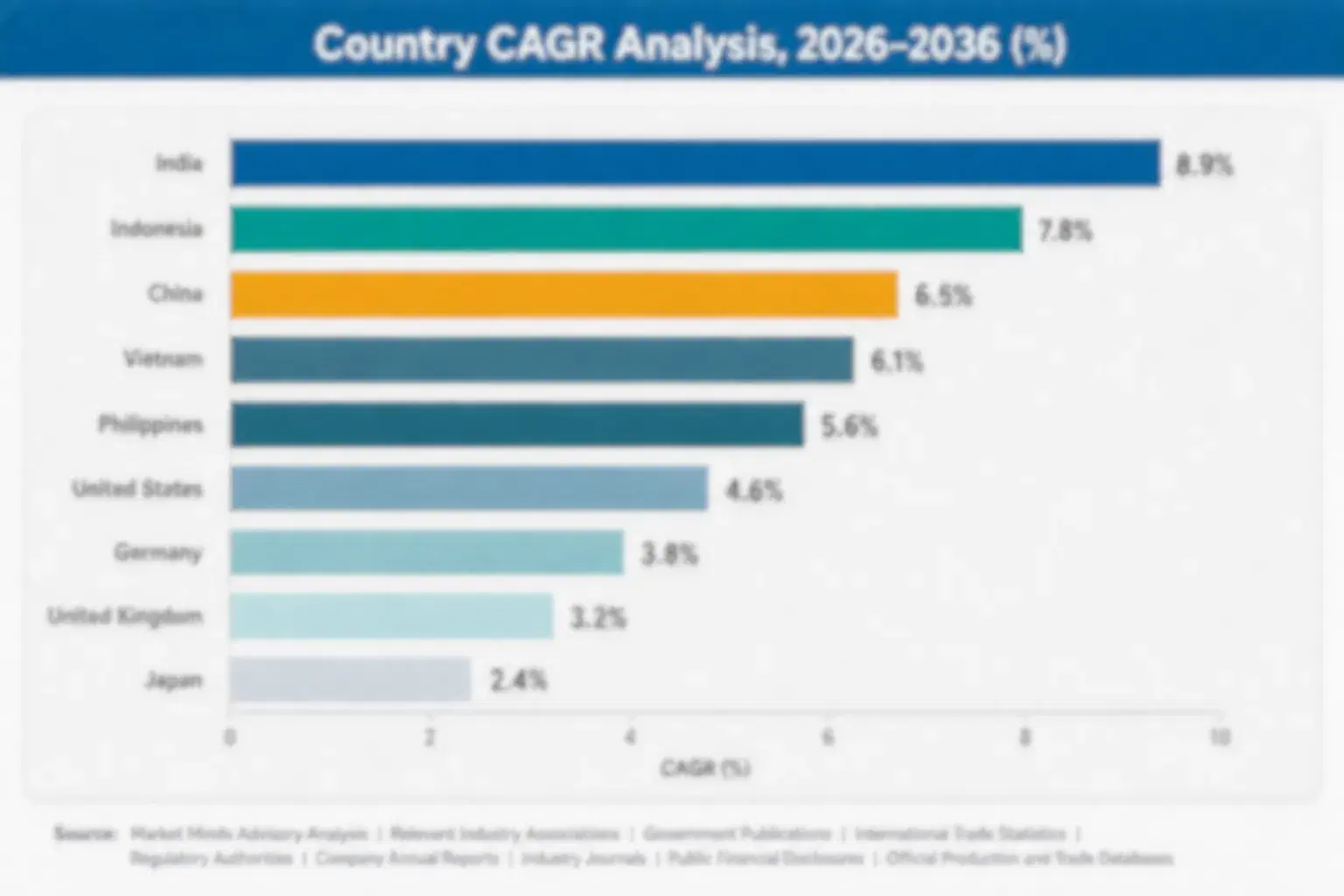
Thailand is growing fastest as a supply origin at about 15.0% CAGR, because mung bean protein, starch and coconut oil supply expand together. China and Australia follow as suppliers adapt to Japanese buyers.

Report Segmentation Architecture

The full report scope spans multiple orthogonal segmentation dimensions, with cross-tabulated demand data provided for each dimension pair. Coverage extends further to regional breakdowns, trend trajectories, and the competitive detail needed to support segment-level decision-making.

By Primary Market Dimension

  • Plant-Based Scramble and Liquid Egg
  • Egg Replacer Powders and Ingredients
  • Tofu-Based Egg Alternatives
  • Formed Egg-Style Products
  • Chickpea and Aquafaba Replacers

By End-Use Industry

  • Industrial Bakeries
  • Convenience and Prepared Foods
  • Restaurants, Cafes and Hotels
  • Schools and Hospitals

By Commercial Dimension

  • Direct Supply to Food Manufacturers
  • Food Service Distributors
  • Retail and Online Sales
  • Licence and Co-Packing Agreements
  • Trading House Supply

By Region

  • North America
  • Western Europe
  • East Asia
  • South Asia and Pacific
  • Latin America
  • Middle East and Africa
  • Eastern Europe

Scope, Methodology, and Coverage

Every figure in this report is reproducible from documented input assumptions. The scope below maps the historical period, the forecast horizon, the segmentation dimensions, and the countries covered, alongside the underlying primary and qualitative methodology.
Historical Period
2020 to 2025
Forecast Period
2026 to 2036
Base Year
2025 (USD billions; MMA Primary Research Dataset, September 2026)
Market Definition
The market covers consumer, foodservice and food manufacturing demand in Japan for egg substitutes, defined as plant-based liquid and scramble egg products, egg replacer powders and binders for bakery and processed foods, tofu-based egg alternatives and formed egg-style patties made without egg ingredients. It excludes hen eggs and processed egg products, egg-free mayonnaise sold as a condiment, precision-fermentation egg proteins not yet approved and pet food egg replacers.
Quantitative Units
USD billions (sales revenue); tonnes for volume references
Segmentation Dimensions
By Product Type; By End-Use Industry; By Commercial Dimension; By Supply-Origin Region
Regions Covered
North America, Western Europe, East Asia, South Asia and Pacific, Latin America, Middle East and Africa, Eastern Europe
Countries Covered
Japan, China, South Korea, Thailand, Vietnam, Singapore, Australia, India, United States, Canada, Germany, Belgium, Denmark, Netherlands, United Kingdom, Brazil, Argentina, Israel, Turkey, Poland, Ukraine, and additional markets relevant to this sector
Key Companies Profiled
Kewpie, Eat Just, Fuji Oil, Ajinomoto, Nisshin Seifun Group, Follow Your Heart, Orgran, Puratos, Corbion, Cargill, Ingredion, Roquette, Palsgaard, Kerry Group, Novonesis, House Foods, Marukome, Nippon Ham, Morinaga, DSM-Firmenich
Quantitative Methodology
Primary survey, n=3,800 respondents, Q4 2025, six countries; demand-side model with trade association cross-validation
Qualitative Methodology
47 expert interviews, Q4 2025; applied to validate demand model assumptions, identify emerging dynamics, and assess competitive positioning
Report Format
PDF and XLSX data workbook (Word format preview document)
Publisher
Market Minds Advisory
Report Code
MMA-2026-AGR-216
Published
September 2026
Contact
sales@marketmindsadvisory.com | www.marketmindsadvisory.com

Purchase the full Demand for Egg Substitute in Japan Report (2026 to 2036).

The full report delivers a detailed assessment of Japanese demand for egg substitutes through 2036, covering product type, end-use and supply-origin forecasts, competitive benchmarking of leading Japanese food groups, foreign brands and ingredient suppliers, and input cost analysis. It combines MMA primary research, including a six-country survey of 3,800 respondents and 47 expert interviews, with public statistical and company data. Analysts also model egg price shocks, yen paths and allergen rule changes. Clients receive product margin ranges, supply maps and a case study on growth strategy. Distributor programme and contract frameworks are also included.
Ten-year product type and end-use demand forecasts
Protein, oil, and yen cost tracking
Competitive benchmarking of leading Japan egg substitute suppliers
Allergen labelling and novel food rule tracker
Supply-origin regional comparative analysis and forecasts included
Quarterly primary survey data update access

Built For The People Who Decide

From boardroom strategy to bench-side execution, this report is read cover-to-cover by leaders shaping the next decade of their industry, turning demand scenarios, market dynamics and valuation benchmarks into decisions.
CXOs/ Presidents/ VPs/ Managers
M&A and Corporate Development
Strategy Teams and R&D Heads
Procurement and Product Directors
Regulatory and Compliance Leaders
Investor Relations and Equity Analysts