Market Minds Advisory
Demand for Caramel Malt in Japan

Demand for Caramel Malt in Japan: Demand for Caramel Malt in Japan. Beer Tax Unification, Craft Brewing, and Highball Culture Reshape Specialty Malt Use.

Caramel malt gives Japanese beer its amber colour and toffee body, but yen weakness, tax unification, import dependence, and craft brewer scale decide which suppliers hold specifications at breweries, bakeries, and malt beverage makers.

Lead Analyst

Published

September 2026

Make Smarter Decisions with Customized Research Insights

Request a free sample report and evaluate market opportunities, growth trends, and competitive dynamics relevant to your business needs.

2025 MARKET VALUE$0.3BMarket Size 2025
2036 FORECAST VALUE$0.5BBase Case , 2026 to 2036
CAGR 2026 TO 20363.8 %Bull 5.1% / Bear 2.5%
INCREMENTAL OPPORTUNITY$0.1BNet 10- year value creation
EXPANSION MULTIPLE1.45x2036 value over 2026 base
Strategic Levers
M&A Pipeline
Regional Outlook
Country Rankings
Competitive Intelligence
Segmental Deep-dive
Call-Us : 91 93563 13602

Executive Snapshot and Market Trajectory.

Japan drinks mostly pale lager, so amber and dark styles rely on a small ingredient with a big effect. Caramel malt is barley stewed and kilned until its sugars crystallise, and craft brewers, malt beverage makers, and bakers all buy it for colour, sweetness, and toffee flavour.
Organic and domestically grown caramel malts grow fastest, because craft brewers and premium food makers want Japanese barley, traceability, and local stories, while caramel malt extracts and syrups follow as bakeries and beverage makers seek liquid convenience. East Asia holds the largest share, since this market is sized on Japan demand, with North America and South Asia and Pacific following through exports. Singapore leads export growth. Craft breweries set trial. Imports supply most volume.
The industry is concentrated, with a few European and Australian maltsters supplying most imported specialty malt to Japanese brewers, importers, and food makers. Yen weakness, ocean freight, beer tax unification in October 2026, and small craft batch sizes shape orders, while Japanese domestic malting is limited to large brewers. Importers hold stock. Craft brewers buy small lots. Large brewers negotiate annual contracts. Brewers ask for proof.
Market Definition
Demand for caramel malt in Japan comprises caramel and crystal malts consumed in Japan, imported or domestically produced, plus Japan-made products containing caramel malt that are exported, including light, medium, and dark caramel malts, dextrin-type malts, organic and domestically grown caramel malts, and caramel malt extracts and syrups, sold to brewers, bakeries, malt beverage makers, and confectioners. The scope excludes base malt, roasted and chocolate malts, malted barley for whisky distilling, and finished beer.
Base Year Value
$0.3B in 2025 (MMA Primary Research Dataset, September 2026)
Forecast Period
2026 to 2036, eleven discrete annual values
CAGR
3.8% base case. Bull 5.1%. Bear 2.5%.
Fastest Growth Segment
Organic and Domestically Grown Caramel Malts: 6.6% CAGR
Fastest Growth Country
Singapore: 6.0% CAGR
Fastest Growth Region
South Asia and Pacific: 5.6% CAGR
Largest Region
East Asia: 86% of 2025 global value
Market Leaders
Weyermann, Simpsons Malt, Crisp Malting Group, Boortmalt, Malteurop. Source: MMA Analysis, company annual reports.
Primary Survey
n=3,800 procurement and R&D decision-makers, Q4 2025, six countries
Methodology
Demand-side build-up, cross-validated against public data, 47 expert interviews

Demand for Caramel Malt in Japan Market Forecast Scenarios

japan-caramel-malt-market-size-forecast-scenario-1789791228459
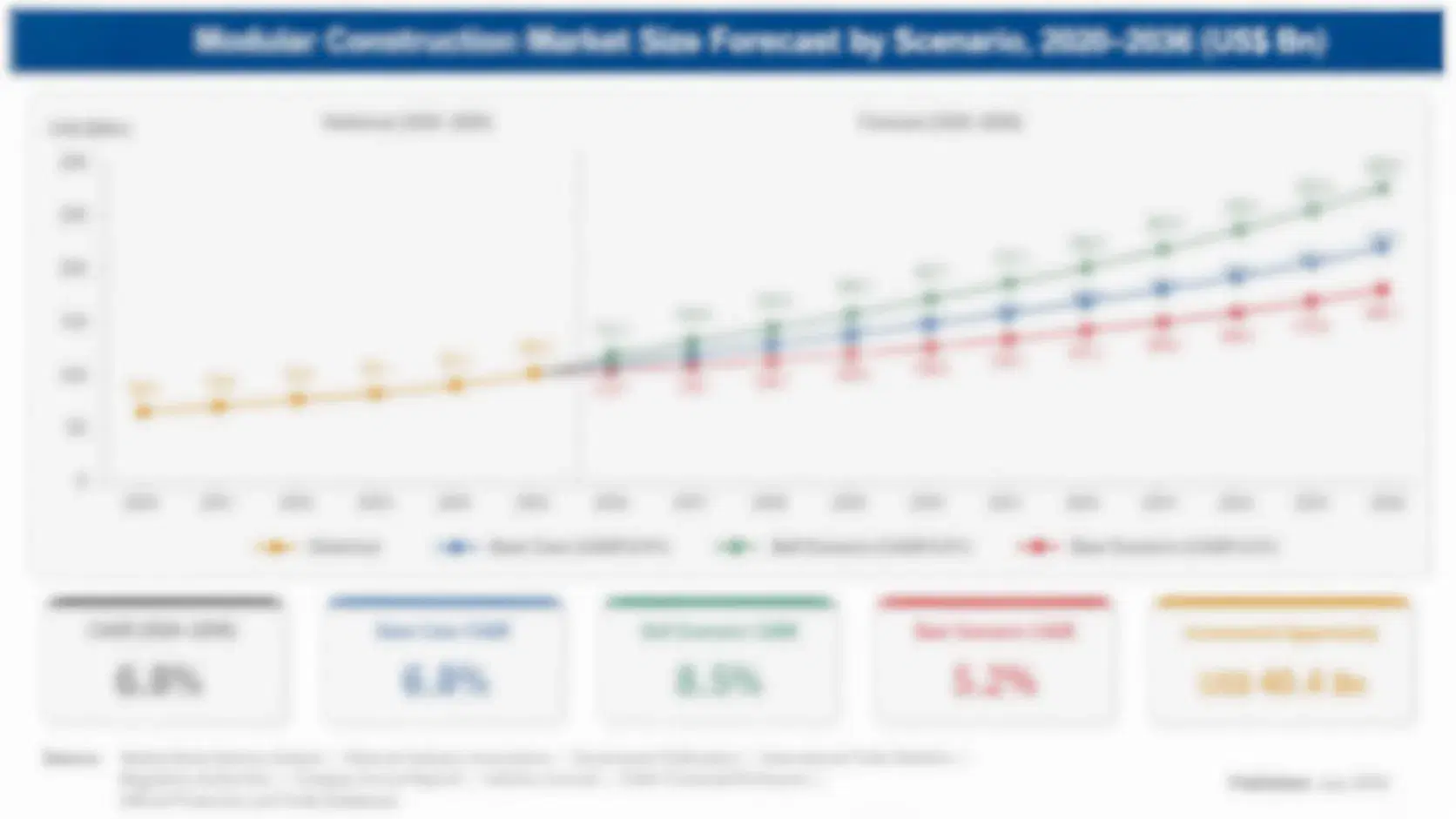
From 2020 to 2025, Japanese caramel malt demand moved with a shrinking mass beer market and a growing craft and premium niche. Brewery closures during the pandemic cut volume in 2020, craft and premium beers recovered, and yen weakness raised import costs from 2022. Growth ran slightly below today's pace, and price increases from freight and currency, not new volume, supplied much of the value gain.
The base case rests on three commercial mechanisms. First, craft and premium beer keeps growing as beer tax unification in October 2026 removes cost advantages for lower-malt products. Second, malt beverages, bakery, and confectionery add caramel malt for colour and flavour. Third, domestic and organic malts gain premium pricing. Each mechanism compounds slowly, and none needs a breakout year. Producers plan capacity around all three drivers. Buyers review orders twice a year.
The bull case needs tax unification to shift shoppers toward all-malt beer and a stronger yen to lower import costs, which would lift specialty malt orders. The bear case is a further yen slide and a decline in beer consumption, which would squeeze craft brewers and push large brewers toward cheaper malt and substitutes. Buyers react within one season.

Yen Costs and Craft Batch Sizes Decide Japan Caramel Malt Winners

Caramel malt is made by stewing green malt so starches convert to sugars, then kilning so the sugars crystallise inside the kernel. Light versions give honey and sweetness, dark versions give toffee, raisin, and burnt sugar, and dextrin types add body without colour. Brewers use small percentages, so a single tonne supports many batches, but the effect on flavour is large and hard to substitute.
MARKET CONCENTRATION58% CR5Leading five suppliers hold a dominant combined share
IMPORT SHARE92%Portion of caramel malt supply imported from overseas maltsters
BREWING SHARE64%Portion of demand used in beer and malt beverage brewing
CRAFT BREWERY COUNT700Approximate number of active craft breweries buying specialty malt
TYPICAL INCLUSION RATE8%Typical caramel malt share of grain bill in amber styles
FREIGHT LEAD TIME10 weeksTypical ordering lead time for malt shipped from Europe
Consistency and logistics decide value. Japanese brewers specify colour, moisture, and extract to tight tolerances, and craft brewers buy small lots by the pallet from importers. Ocean freight from Europe takes about 10 weeks, and yen weakness has raised landed costs sharply. Suppliers with local warehouses, Japanese-language support, and stable quality win repeat orders because a flavour shift can spoil a seasonal release.
Buyers judge caramel malt on colour stability, flavour, traceability, and delivery reliability. Large brewers negotiate annual contracts and own malting capacity for base malt, while craft brewers, bakeries, and malt beverage makers buy specialty grades through importers. Organic and Japanese barley caramel malts sell at large premiums, which lifts value beyond volume and gives small suppliers a route to shelf space.
"Caramel malt is a small line on a brewer's grain bill and a large line on a customer's memory of the beer. The suppliers who win in Japan will be the ones who can keep colour and flavour steady through a weak yen and a ten-week voyage."
Practice Lead, Specialty Malt and Brewing Ingredients Practice · MMA Specialty Malts for Brewing and Food Practice · September 2026

Market Trends

Beer Tax Unification in October 2026 Favours All-Malt Styles

Japan is unifying beer tax rates by October 2026, ending the price advantage of happoshu and new genre products that use less malt. All-malt beer becomes relatively cheaper against rivals, and breweries plan more premium styles that use crystal and caramel malts. Large brewers such as Asahi, Kirin, Sapporo, and Suntory expand amber and seasonal lines, while craft brewers add caramel-forward ales and porters. Importers report higher enquiries for specialty grades, and suppliers with Japanese-language support and local warehouses gain early orders. Brewers also plan seasonal releases around the new tax rates and premium shelf slots.
Market Impact: 700 craft breweries buy specialty malt

Organic and Japanese Barley Malts Give Craft Brewers a Story

Craft brewers and premium food makers now seek organic and Japanese-grown barley for caramel malts, marketed with prefecture names and farm stories. Domestic barley malting capacity is small, so volumes are limited and prices run 40% to 80% above imported grades. Local maltsters such as small farm-based operations sell by the tonne to craft breweries, distilleries, and bakeries. Quality varies by harvest, and typhoons can cut yields, so buyers accept variation in exchange for provenance and tourism value. Tourist taprooms and gift shops sell local beers as souvenirs, which lifts demand for domestic ingredient stories.
Market Impact: food uses take 36% of demand

Market Opportunities and Growth Drivers

Craft and Premium Beer Growth Sustains Specialty Malt Demand

Japan has about 700 craft breweries, and premium and craft beer sales grow while mass beer declines. Craft brewers use caramel malts in amber ales, porters, brown ales, and seasonal beers, typically at 5% to 15% of the grain bill. Festivals, taprooms, and convenience store premium shelves add reach, and tourism supports local breweries. Suppliers that sell small lots through importers, provide colour data, and offer samples win loyal accounts, and craft brewers keep specifications stable across releases. Beer festivals in Tokyo, Osaka, and Nagoya add trial, and taproom sales lift repeat orders of signature recipes.
Market Impact: imports supply 92% of caramel malt

Malt Beverages, Bakery, and Confectionery Add Uses Beyond Beer

Non-alcoholic malt beverages, whisky highball mixers, breads, and confectionery use caramel malt for colour and toffee flavour. Health-conscious shoppers buy malt drinks and bakery with malted grains, and food makers seek natural colour and sweetness. Caramel malt extracts and syrups offer liquid convenience for bakeries and beverage makers. A single bakery chain can buy tens of tonnes a year, and suppliers with food-grade certification, allergen data, and stable supply win contracts outside the brewing sector. Chain bakeries in Japan now print malted grain claims on packs, and convenience stores list malt drinks with amber colour and toffee taste.
Market Impact: beer volume down for 20+ years

Market Restraints and Challenges

Yen Weakness and Freight Costs Squeeze Importer and Craft Margins

Japan imports about 92% of caramel malt from Europe, Australia, and Canada, so yen weakness since 2022 has raised landed costs sharply. Ocean freight and container costs add 10% to 20% to malt prices, and importers cannot pass costs through quickly to craft brewers with fixed beer prices. The root cause is import dependence and thin margins. Mitigations include forward currency cover, local stock holding, larger shipments, and domestic malt substitution, though small importers and craft brewers seldom have hedging skill or capital. Importers also hold less stock when currency risk rises.
Market Impact: beer tax unified by October 2026

Shrinking Beer Consumption and Small Batch Sizes Limit Volume Growth

Japanese beer consumption has declined for decades as the population ages and shrinks, and younger drinkers favour highballs and chuhai. Craft brewers buy in small lots, which raises cost per tonne and makes forward buying difficult. The root cause is demographic change and a fragmented craft base. Suppliers respond with mixed pallets, smaller bag sizes, and importer partnerships, though each adds cost, and large brewers use mostly base malt so specialty volume grows more slowly than craft interest suggests. Distribution costs per tonne are high for small orders, which limits margin on craft accounts.
Market Impact: domestic malts cost 40-80% more
3 additional market trends, 2 additional growth drivers, and 3 additional restraints and challenges are covered in the full report. Contact sales@marketmindsadvisory.com to access the complete intelligence.

Segment CAGR and Growth Architecture

Caramel malt demand in Japan is segmented by malt type and origin, which shows where flavour, provenance, and pricing power sit. Six segments cover light caramel, medium caramel, dark caramel, dextrin-type, organic and domestically grown caramel malts, and caramel malt extracts and syrups. Two segments grow fastest, and each depends on a different driver, either provenance or convenience.
japan-caramel-malt-market-market-share-analysis-1789791228633

Organic and Domestically Grown Caramel Malts

Organic and domestically grown caramel malts are the fastest-growing segment, at 6.6% a year, about 1.74 times the overall market rate. Craft brewers, distilleries, and premium food makers want Japanese barley, organic certification, and prefecture stories for tourism and gifting. Prices run 40% to 80% above imported grades. Supply is the main constraint, since domestic malting capacity is small and typhoons can cut yields, so buyers accept harvest variation. Small farm-based maltsters sell by the tonne, and suppliers with traceability and taproom partnerships win loyal accounts and press coverage. Prefecture-branded beers sell in tourist taprooms and department store food halls, and farm cooperatives host malting days that bring brewers to the barley fields.
CAGR 6.6%

Caramel Malt Extracts and Syrups

Caramel malt extracts and syrups grow at 5.4% a year, because bakeries, beverage makers, and confectioners want liquid convenience, colour, and toffee flavour without handling milled grain. Suppliers produce extracts by mashing and concentrating caramel malt, and prices run 15% to 30% above equivalent dry malt per unit of flavour. The main constraint is shelf life and storage, since syrups need cool chains and sealed drums, so importers hold stock locally. Food-grade certification and allergen data win contracts with bakery chains and malt beverage makers. Bakery chains use extracts in malt bread and sweet buns, and beverage makers add them to non-alcoholic malt drinks and cold brew, while importers ship sealed drums from Europe.
CAGR 5.4%
Full segment breakdown across 6 segments available in the complete report.

Regional Architecture and Country Demand Map

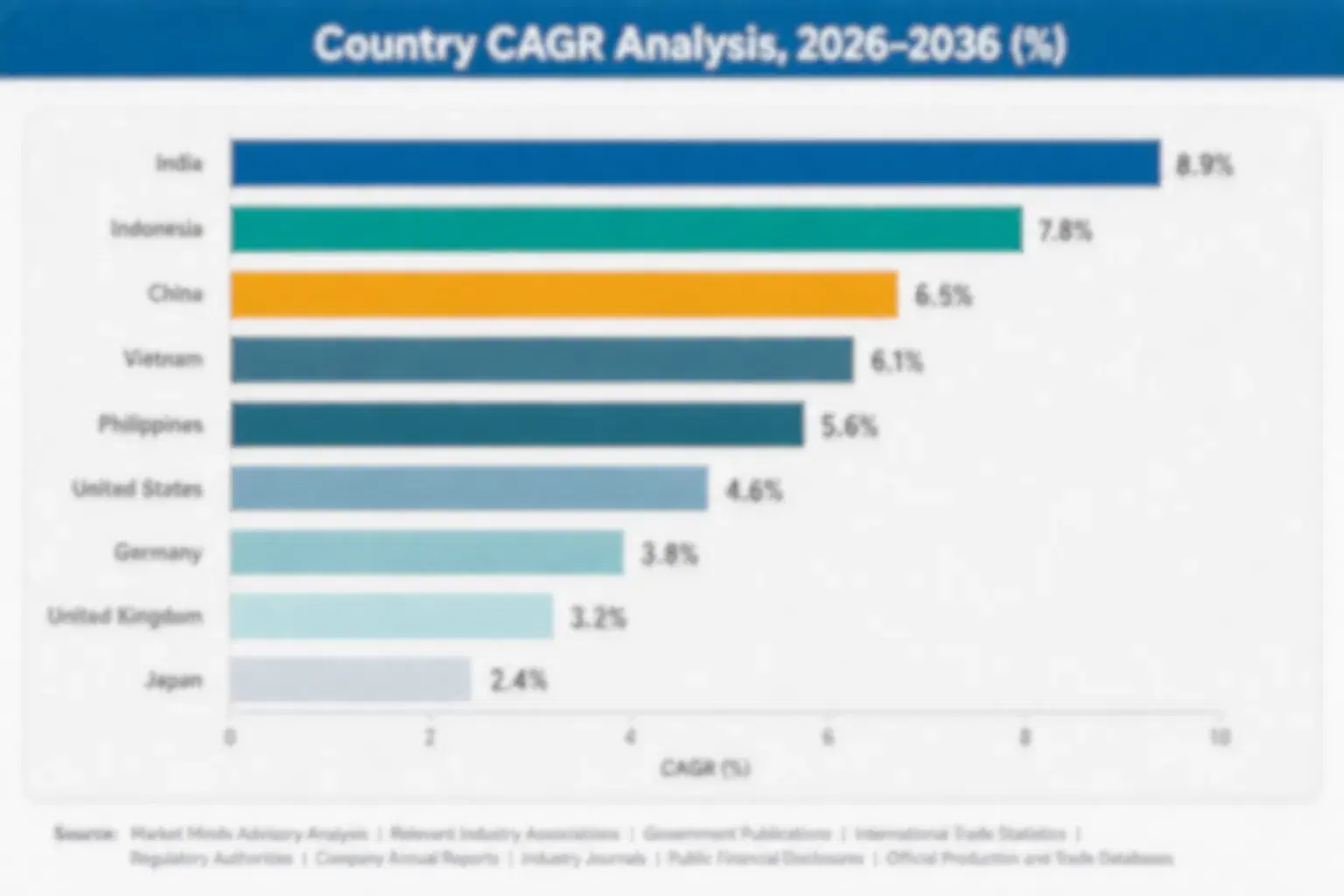
Demand for caramel malt in Japan sits almost entirely in Japan, where breweries, bakeries, and malt beverage makers consume it. Exports of Japan-made products containing caramel malt reach North America, Western Europe, and South Asia and Pacific through premium grocers, whisky and craft beer importers, and hotels.

North America

North America holds 4% share, below its usual band, because this market is sized on Japan demand, and North American value here covers only caramel malt content in Japan-made beers, malt beverages, and baked goods exported to the United States and Canada. Japanese craft beer importers, Asian grocers, and restaurant groups sell these products, while domestic American maltsters dominate their own market. Growth tracks the global rate as Japanese craft beer gains distribution. Freight, tariffs, and label rules restrain volume, and exporters rely on a few importers. Japanese craft beer importers in California and New York sell cans and bottles to Asian grocers and izakaya restaurants, and Japanese bakeries in Vancouver and Toronto sell malt-containing breads.
Share: 4% | CAGR: 3.9% (2026 to 2036)

Western Europe

Western Europe holds 3% share, below its usual band, because this market is sized on Japan demand, and Western European value here covers only Japanese beers and malt-containing foods exported to the United Kingdom, Germany, and France. Specialty importers and Japanese restaurants sell these products, while European maltsters supply Japan rather than buy from it. Growth stays below the global rate because the base is small and European beer culture is mature. Long shipping times, customs checks, and strong local craft beer competition restrain volume for Japanese exporters. Japanese restaurants in London, Paris, and Dusseldorf serve imported craft beer and malt drinks, and specialty shops in Amsterdam sell Japanese amber ales and seasonal releases.
Share: 3% | CAGR: 2.7% (2026 to 2036)
Regional intelligence for 5 additional markets available in the complete report: East Asia, South Asia and Pacific, Latin America, Middle East and Africa, Eastern Europe. Contact sales@marketmindsadvisory.com.
japan-caramel-malt-market-country-cagr-analysis-1789791228813

Four Margin Routes for Japan Caramel Malt Suppliers

Margin in Japanese caramel malt comes from local stock holding, provenance-led ranges, currency cover, and food-grade formats rather than volume alone. The routes below apply to overseas maltsters, Japanese importers, and domestic craft maltsters, and each can be started inside one planning cycle, with clear measures in gross margin points, price per tonne, and inventory turns across the calendar year.

Holding Local Stock in Tokyo and Osaka for Craft Brewers

Craft brewers buy small lots and cannot wait 10 weeks for ocean freight, so local stock in Tokyo and Osaka wins orders and supports premium prices of 8% to 15% above landed cost. Suppliers that hold mixed pallets, offer Japanese-language technical support, and ship within days report margin gains of 4 to 6 points on those lines. Stock holding costs working capital, but lower spoilage and higher repeat orders repay the investment inside two to three years for suppliers with reliable forecasting. Craft brewers also value quick samples because they can trial recipes before committing to full batches.
Market Impact: local stock lifts blended margin 4 to 6 points

Building Organic and Japanese Barley Caramel Malt Ranges

Organic and domestically grown caramel malts sell at 40% to 80% above imported grades, and craft brewers, distilleries, and premium food makers pay for provenance and traceability. Suppliers that sign barley farm contracts, invest in small malting capacity, and publish harvest data earn margin gains of 6 to 9 points on those lines. Supply is limited by typhoons and acreage, so contracts should span three seasons, and taproom partnerships build brand stories that support premium pricing. Tourism boards and prefecture governments also promote local beers, which adds marketing support at low cost to suppliers.
Market Impact: domestic ranges lift blended margin 6 to 9 points

Selling Malt Extracts and Syrups to Bakeries and Beverage Makers

Caramel malt extracts and syrups sell at 15% to 30% above equivalent dry malt per unit of flavour, and bakeries and beverage makers value liquid convenience. A bakery chain can buy tens of tonnes a year, and suppliers with food-grade certification, allergen data, and cool storage win multi-year contracts. Extract lines need drums and cold chain, so payback runs three to four years, though contracted volumes and premium pricing protect returns and diversify away from beer. Bakery chains also value stable supply because they plan seasonal menus months ahead and cannot risk shortages.
Market Impact: extract contracts add 15-30% price premiums per flavour unit

Hedging Yen and Freight Through Forward Cover and Larger Shipments

Yen weakness and container costs add 10% to 30% to landed malt prices, so forward currency cover and larger container loads protect margin more than price increases do. Importers that fix currency for six to 12 months, consolidate orders with partners, and adjust prices quarterly reduce cost swings by roughly half. Craft brewers accept price changes slowly, so hedging avoids the squeeze between landed costs and fixed beer prices, and it stabilises gross margin at 20% to 26%. Craft brewers also value quarterly price notices because they can plan beer prices and seasonal releases.
Market Impact: forward cover halves cost swings and holds 20-26% margin

Who Controls the Margin Pool

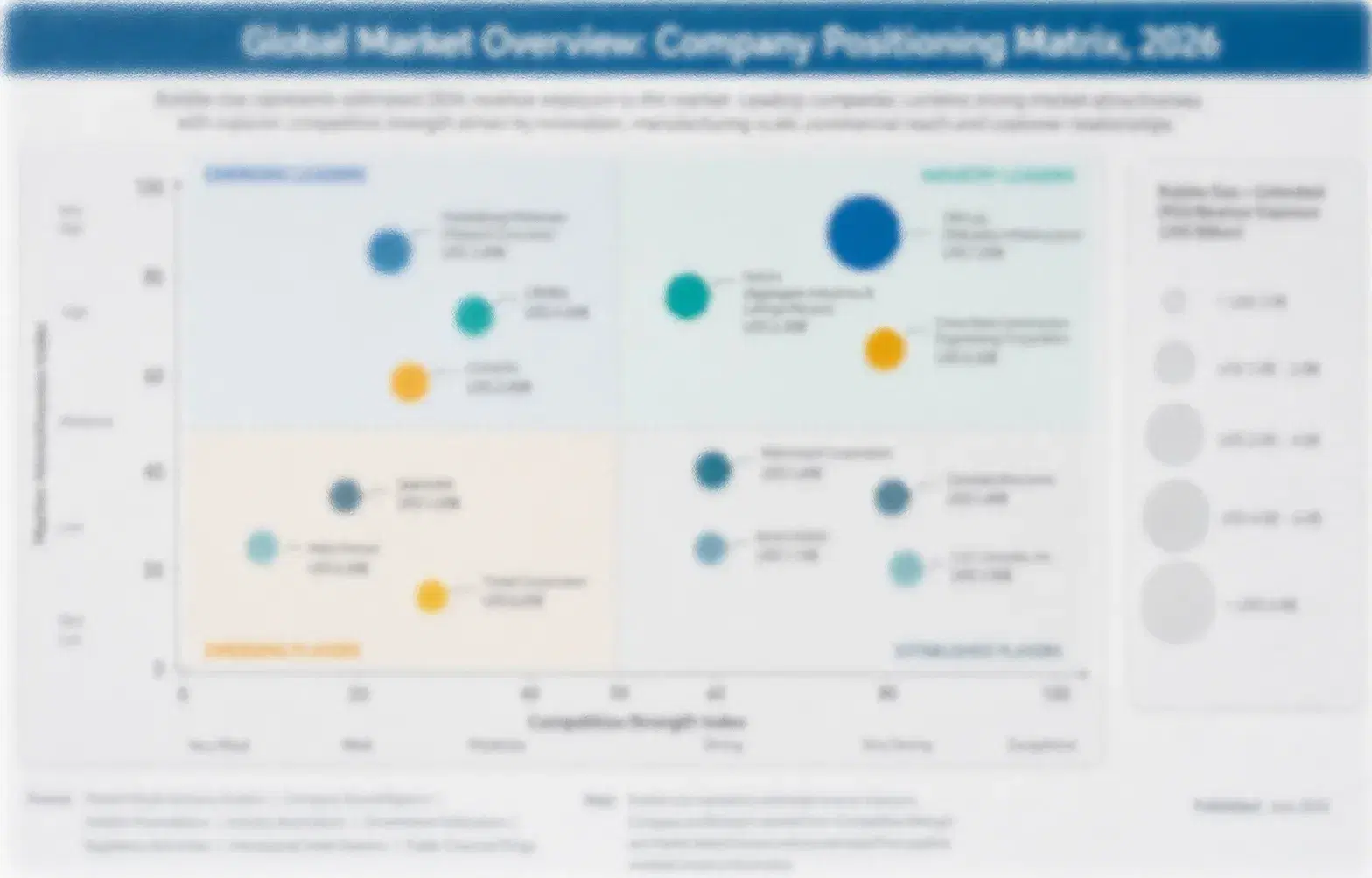
The Japanese caramel malt supply base is concentrated, with a CR5 of 58%, and many small importers and domestic craft maltsters sit outside the leading five. This assessment measures participants on estimated caramel malt volume supplied to Japan, held constant across all players. Weyermann leads through its specialty malt range and craft brewer reputation, while Simpsons Malt, Crisp Malting Group, Boortmalt, and Malteurop follow with a clear gap between the leader and the challengers.
Competition runs on four dimensions today: flavour range and consistency, delivered cost after currency and freight, local stock and support, and organic or domestic provenance. European maltsters win on specialty range and heritage, while importers win on stock and service. Regional maltsters in Australia and Canada copy standard grades quickly, so premiums outside organic, domestic, and extract ranges erode within a year and price competition appears at annual tender.

Emerging pressure comes from Japanese domestic maltsters, brewery-owned malting, and overseas suppliers opening Japanese warehouses. Rankings shift where a supplier secures local stock, builds organic ranges, or signs craft brewers before rivals. Small importers with strong craft relationships can move up quickly, since service and speed matter more than global brand scale for small-batch customers.
japan-caramel-malt-market-company-positioning-matrix-1789791228993

Competitive Moat and Risk Dimensions

WEYERMANN

Moat: Specialty Range and Craft Reputation

Weyermann is a German specialty maltster known for a wide range of caramel, crystal, and roasted malts, and it is widely used by craft brewers in Europe, North America, and Asia. Its range, technical support, and reputation among brewers give it pricing power in specialty grades, and its long history supports specification in premium beer.
WEYERMANN

Risk: Currency, Freight, and Distance

Weyermann ships to Japan over long distances, so freight and currency swings raise landed cost and weaken price competitiveness. It depends on importers for stock and service, and local rivals or Australian suppliers can undercut standard grades while domestic craft maltsters win provenance-led buyers in craft accounts each year.
SIMPSONS MALT

Moat: British Heritage, Crystal Malt Depth

Simpsons Malt is a British maltster with a strong reputation for crystal and caramel malts made from barley grown in the United Kingdom. Its heritage brands are popular among craft brewers seeking English-style flavour, and its floor-malting and technical expertise support specification for amber ales, porters, and mild styles across export markets including Asia.
SIMPSONS MALT

Risk: Barley Weather and Export Dependence

Simpsons Malt depends on United Kingdom barley harvests, so weather swings affect quality and cost, and its export margins suffer when the yen weakens. Importers handle stock in Japan, which limits direct control of service, and competing maltsters in Germany and Belgium fight for the same craft brewers.

Players Tracked

Prominent Players

Weyermann
Simpsons Malt
Crisp Malting Group
Boortmalt
Malteurop

Other Key Players

Castle Malting
Viking Malt
Soufflet Group
Cargill
Muntons
Bairds Malt
Thomas Fawcett and Sons
Dingemans
Franco-Belges
Gambrinus
Bestmalz
Rahr Malting
Canada Malting
Sapporo Breweries
Asahi Group Holdings

Recent Developments

JANUARY 2026

Weyermann Extends Japanese Importer Partnership With Local Stock Programme

Weyermann announced an extended partnership with a Japanese importer to hold local stock of caramel and crystal malts in Tokyo and Osaka, cutting craft brewer delivery times to days. It is a distribution agreement, not an acquisition, and it tests demand for premium local service. Volumes were not disclosed.
Signal: Confirms leading maltsters now invest in local stock to protect share against yen weakness and long freight times.
FEBRUARY 2026

Simpsons Malt Signs Supply Agreement With Japanese Craft Brewery Group

Simpsons Malt signed a supply agreement with a Japanese craft brewery group for crystal and caramel malts for amber and seasonal beers ahead of tax unification. It is a supply agreement, not a joint venture, and it tests loyalty among craft brewers seeking English-style flavour. Pricing terms were not disclosed.
Signal: Shows overseas maltsters are locking in Japanese craft accounts before tax unification shifts demand toward all-malt beer.
MARCH 2026

Sapporo Breweries Trials Domestic Barley Caramel Malt in Seasonal Beer

Sapporo Breweries announced a trial of caramel malt made from Japanese barley in a seasonal beer, working with a domestic maltster and farm cooperative. It is a product trial, and it tests whether large brewers will pay premiums for domestic caramel malt at scale. Volumes were small.
Signal: Indicates large Japanese brewers are testing domestic caramel malt to add provenance stories to seasonal and premium beers.

What Drives Japan Caramel Malt Costs

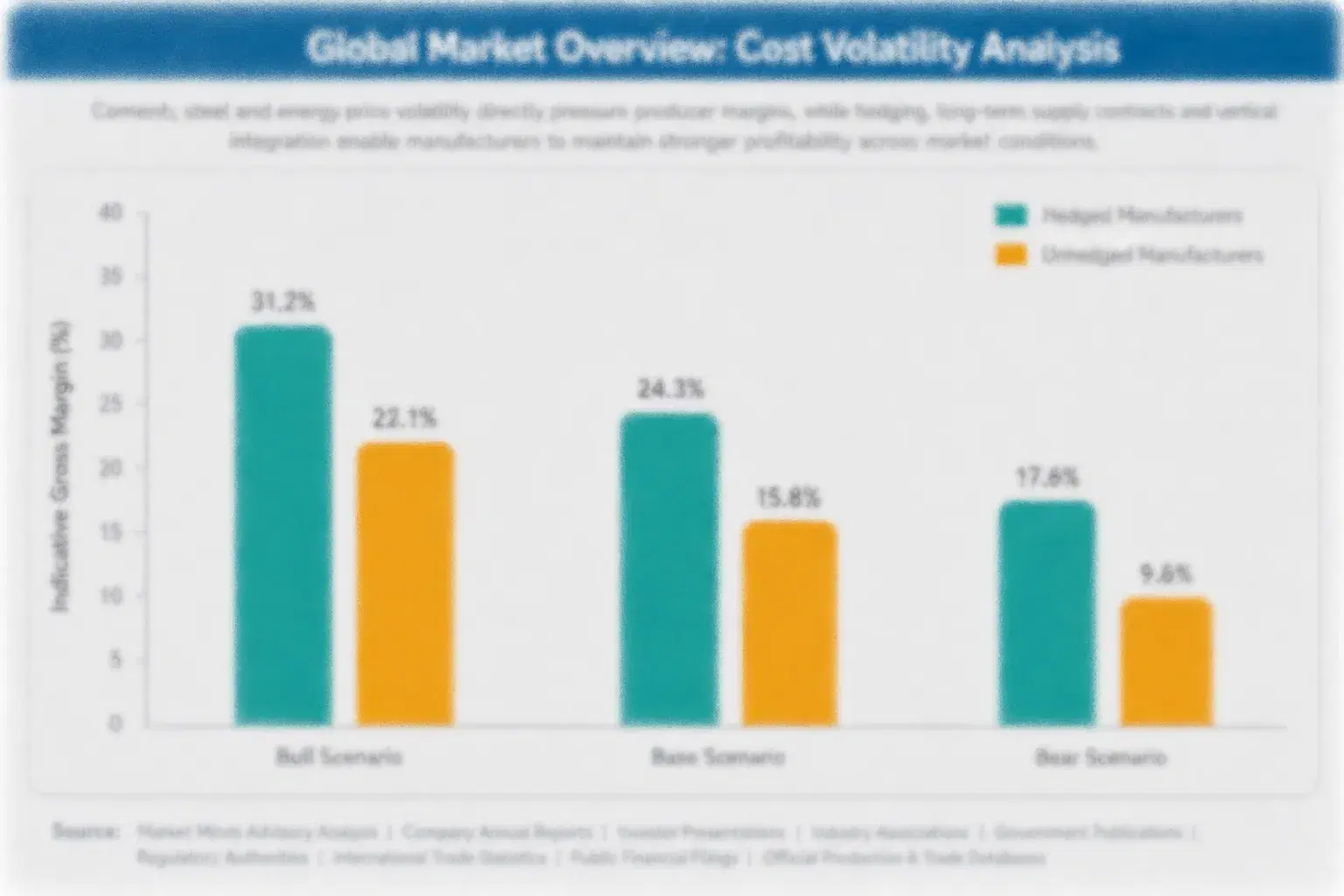
Barley accounts for roughly 42% of cost of goods, malting energy for steeping, germination, stewing, and kilning about 16%, labour eight percent, and packaging six percent. Freight and insurance add about 10% to landed cost for shipments from Europe, and currency effects move the yen price of every tonne. Barley comes from the United Kingdom, Germany, France, Australia, and Canada, so origin exposure differs by supplier.
The clearest recent shock came from the yen. Japanese Ministry of Finance trade statistics showed import prices rising sharply as the yen weakened from about 110 per dollar in early 2021 toward 150 in 2022, and the International Energy Agency reported that European energy costs also surged. Importers raised prices by 10% to 20%, held less stock, and cut small-lot discounts, which squeezed gross margin by two to four points.

The competitive disadvantage falls on small craft brewers, which buy malt in small lots at high delivered cost and cannot reprice beer quickly. Large brewers sign annual contracts and spread costs across many brands, while importers bear currency exposure between order and delivery. Exposure also varies by origin, since Australian malt has shorter freight and European malt has longer voyages and heavier energy costs.
japan-caramel-malt-market-cost-volatility-analysis-1789791229179

Using Forward Currency Cover and Shorter Pricing Windows

Importers buy yen forward for six to 12 months and reprice quarterly, which limits currency exposure between order and delivery. Forward cover halves cost swings, though it needs banking lines and treasury skill that small importers seldom have. Terms usually run one year, and quarterly repricing needs clear communication with craft customers. Buyers approve early.

Consolidating Orders and Using Larger Container Loads

Importers consolidate orders across craft brewers and food makers to fill larger containers, cutting freight cost per tonne by 10% to 20%. The main risk is inventory, since larger loads need warehouse space and forecasting skill. Shared distribution partnerships spread the risk, and mixed pallets support small buyers. Sales data guides the mix. Trials continue quarterly.

Substituting Domestic and Regional Malt for Long-Haul Grades

Brewers replace some European grades with Australian, Canadian, or Japanese caramel malts that carry shorter freight and lower currency exposure. Substitution lowers landed cost by 5% to 10% per tonne where flavour allows. The main risk is flavour change, so brew trials and sensory panels protect quality before wider adoption. Buyers approve early. Sales data guides the mix.

Portfolio Architecture for Margin Defence

Margins run from thin returns on standard medium caramel malts sold to large brewers under annual contracts to strong returns on organic and domestic malts and extracts sold to craft brewers, bakeries, and food makers. Three tiers separate volume products, certified premium lines, and next-generation formats.
The tension between volume and premium is sharp. Volume lines protect warehouse turns and brewer relationships but face constant price pressure from Australian and Canadian suppliers, while premium lines earn higher margins on smaller volumes and depend on provenance, service, and consistency. Suppliers that run only volume struggle to fund local stock, while suppliers that run only premium lack the tonnage to keep containers full through the year.

High-value pools concentrate in organic and Japanese barley malts for craft brewers, extracts and syrups for bakeries and beverage makers, and specialty grades for whisky highball and premium beer releases. They gather where buyers pay for provenance, convenience, or flavour rather than weight of product. Craft breweries, bakery chains, and distilleries add further value, since these buyers ask for documented origin, small lots, and quick delivery, and they reorder without shopping on price.

Volume / Commodity-Adjacent Tier

Standard light and medium caramel malts sold in bulk to large brewers and importers under annual contracts, with thin margins, barley and currency cost exposure, and price competition from Australian and Canadian suppliers, where buyers switch on price, delivery terms, and colour tolerance.
Gross Margin: 14%-22%

Premium / Certified Tier

Specialty medium and dark caramel malts and dextrin types with specified colour, extract, and moisture, sold to craft brewers and bakeries through importers that hold local stock and provide Japanese-language support, reliable delivery, and stable quality across releases.
Gross Margin: 22%-32%

Sustainability / Regulatory / Next-Generation Tier

Organic and Japanese barley caramel malts and extracts backed by traceability, small malting capacity, and food-grade certification, sold to craft brewers, distilleries, and food makers that pay premiums for provenance, convenience, and clean labels under multi-season supply agreements.
Gross Margin: 28%-44%
japan-caramel-malt-market-portfolio-architecture-1789791229369

High-value Sub-segments and Strategic Watch-out

Organic and Domestically Grown Caramel Malts

Organic and domestically grown caramel malts combine the fastest growth with strong pricing, since craft brewers and distilleries pay 40% to 80% premiums for Japanese barley and traceability. Limited malting capacity and farm contracts limit competition, and suppliers with taproom partners win press. Repeat orders compound.
Gross Margin: 28%-44%

Caramel Malt Extracts and Syrups

Caramel malt extracts and syrups deliver solid growth and healthy pricing, since bakeries and beverage makers pay 15% to 30% premiums for liquid convenience and toffee flavour. Cold chain and food-grade certification form the entry barrier, and importers with local storage win chain contracts. Trust compounds.
Gross Margin: 24%-36%

Medium Caramel Malts

Medium caramel malts form the volume core, sold to brewers and food makers at thin margins. Growth is modest, at about 4.0% a year, as amber styles grow slowly. Barley cost, freight, and currency decide profit, and importers use them as anchor volume for containers and warehouse turns.
Gross Margin: 14%-22%

Dark Caramel Malts

Dark caramel malts are the strategic watch-out, since demand is concentrated in a few porter and brown ale styles, shelf life is shorter, and colour contribution overlaps with roasted malts. Suppliers should test demand with craft brewers before scaling stock, because slow turns and currency swings can erode margin quickly.
Gross Margin: 20%-32%

Why Japanese Buyers Reorder Caramel Malt

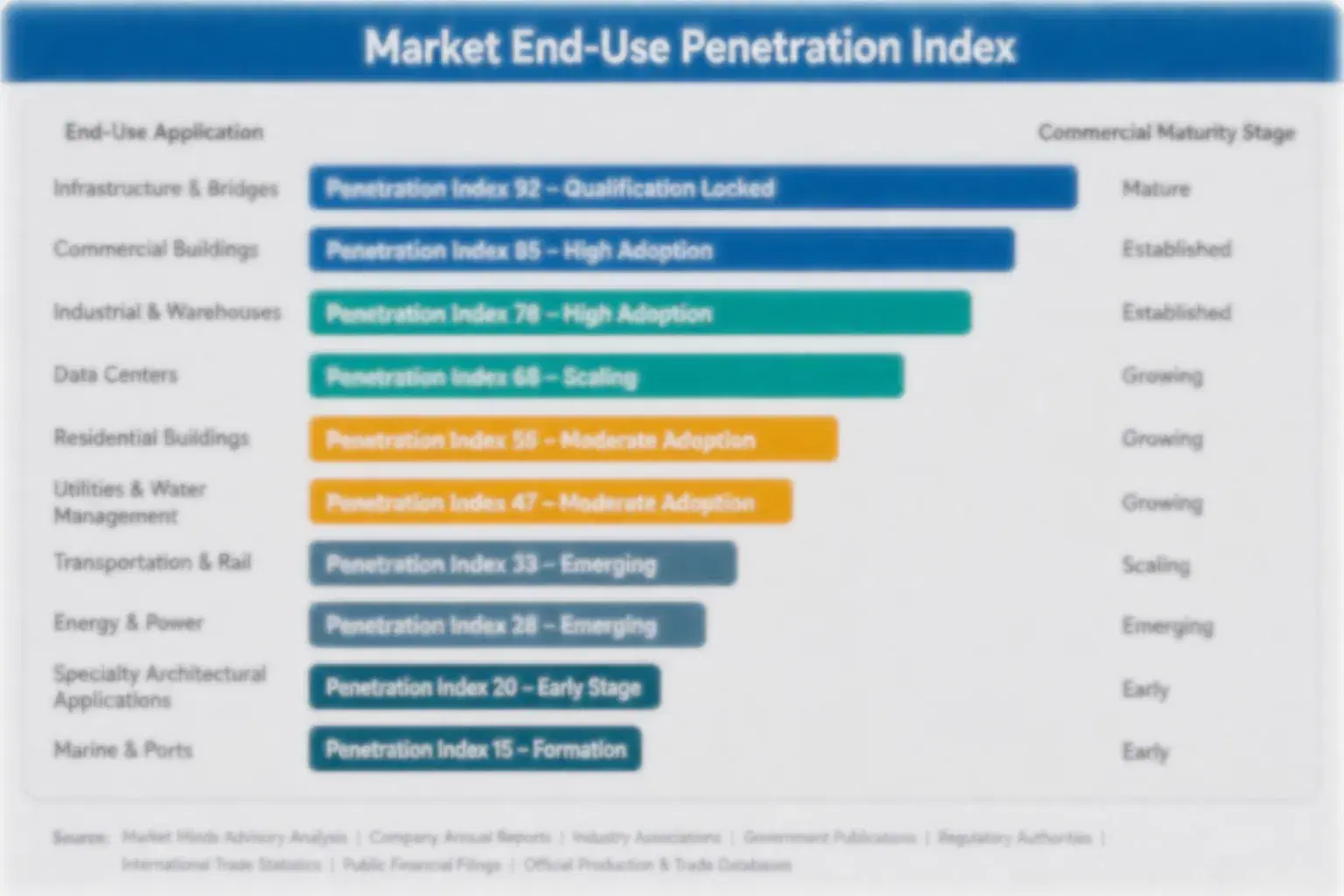
Japanese caramel malt demand behaves like an annuity once a brewer specifies a grade. Craft breweries reorder every few weeks, large brewers sign annual contracts, and a satisfied buyer typically stays with the supplier for years, because a change of malt can alter colour, flavour, and consistency across seasonal releases. Importers add predictability through local stock, and brewers use last year's volumes to plan orders, so successful grades earn steadier demand.
Adoption stickiness differs by vertical. Craft breweries are the deepest, since recipes are tuned to specific caramel malts and signature beers carry brand identity. Large brewers are almost as loyal, because contracts standardise specifications across plants. Bakeries and beverage makers are shallower and switch on price and format, while distilleries and event brewers buy occasionally for limited releases.

Buyer profiles are shifting between generations. Older brewers specify colour and price and trust established European maltsters, while younger brewers add provenance, organic certification, and Japanese barley stories. Health-conscious food makers add a third group that wants natural colour and malted grains. Suppliers that publish origin data, share harvest stories, and support brewers through festivals and tastings win these buyers and keep them as tastes and rules evolve.
japan-caramel-malt-market-end-use-penetration-index-1789791229555

MMA Verdict on Japan Malt Strategy

These are among the four positions where our research anticipates prominent divergence between winners and laggards over the coming forecast period. Each is grounded in the demand model, the regulatory perimeter, and the announced capacity pipeline.
01 / PROVENANCE RANGE STRATEGY

Sign Barley Farm Contracts to Build Organic and Japanese Caramel Malt Ranges

Organic and domestically grown caramel malts grow at 6.6% a year, about 1.74 times the market rate, and they sell at 40% to 80% above imported grades, so early farm contracts secure barley supply before demand scales. Winners sign three-season barley agreements, invest in small local malting capacity, and build taproom partnerships that turn provenance into press coverage. Suppliers that wait will find acreage committed to rivals, and typhoon risk will make scarce supply even scarcer for latecomers in every prefecture.
02 / LOCAL STOCK STRATEGY

Hold Local Stock in Tokyo and Osaka to Win Craft Brewer Orders

Craft brewers buy small lots and cannot wait 10 weeks for ocean freight, so local stock wins orders and supports premiums of 8% to 15% above landed cost each season. Suppliers should carefully partner with importers, hold mixed small-lot pallets, and provide Japanese-language technical support, which lifts margin by four to six points on those lines. Those that ship only from Europe will steadily lose craft accounts to rivals that deliver within days and understand seasonal release calendars and local tastes.
03 / CURRENCY COVER STRATEGY

Use Forward Yen Cover and Quarterly Repricing to Protect Import Margin

Yen weakness and rising container costs add 10% to 30% to landed malt prices, so unhedged importers lose several margin points between order and final delivery to customers. Importers should therefore buy yen forward for six to 12 months, consolidate orders into larger containers, and reprice quarterly with transparent formulas agreed with brewers. Those that keep fixed prices will simply absorb currency spikes, shrink margins, or lose smaller craft accounts to competitors that hedge forward with confidence and clear terms.
04 / FOOD DIVERSIFICATION STRATEGY

Sell Caramel Malt Extracts to Bakeries and Beverage Makers Beyond Beer

Beer consumption in Japan has steadily fallen for decades, while chain bakeries and beverage makers buy extracts and syrups at 15% to 30% above equivalent dry malt per unit of flavour. Suppliers should promptly obtain food-grade certification, provide allergen data, and hold cool storage for fast local delivery, which protects volume as beer declines across the decade. Those that stay beer-only will remain exposed to demographic decline and to craft brewers that cannot grow volumes fast enough to offset losses.

Engagement Snapshot From the Field

A live engagement with an industry participant carrying material or product regulatory and market exposure ahead of a defining policy shift, showing how our research translates into a defensible multi-year portfolio strategy.
MARKET MINDS ADVISORY · CLIENT ENGAGEMENT SUMMARY
Demand for Caramel Malt in Japan Producer Strategic Portfolio Review and Transition Roadmap 2026·Investment Scenario on Demand for Caramel Malt in Japan Exposure Evaluation 2025-26
CLIENT PROFILE
The client is a mid-sized Japanese specialty malt importer with annual sales near JPY 6 billion (client-reported, unverified by MMA), two warehouses, and a portfolio led by imported medium and dark caramel malts sold to craft breweries and regional brewers. It had no organic or domestic range, no extract line, and heavy exposure to yen swings under fixed customer prices.
STRATEGIC CHALLENGE
Yen weakness had sharply cut margins, craft brewers demanded quicker delivery and smaller lots, and two bakery customers asked for liquid malt extracts. Management needed to decide whether to invest in local stock, domestic barley ranges, or extracts, with limited capital and only one warehouse able to hold cool-chain product safely.
MMA APPROACH
MMA analysed sales and cost data across 70 products, interviewed 12 craft brewers, six bakery buyers, and eight overseas maltsters, and ran a customer survey on delivery time, provenance, and price tolerance across three regions. It modelled margin by product and channel, tested currency scenarios, and ranked investments by payback period and execution risk.
KEY FINDINGS
  1. Domestic and organic malts could reach 14% of sales within two years at margins 10 points above the core range (client-reported, unverified by MMA).
  2. Local mixed-pallet stock could cut delivery times from 10 weeks to three days and support price premiums of 10% for small lots.
  3. Forward yen cover on 70% of import volume could protect about three margin points when the yen moved sharply over a 12-month cycle.
  4. Caramel malt extracts for two bakery chains could add 6% of sales within three years, using one converted cool-chain warehouse in the Osaka area.
CLIENT PROFILE
The client is a mid-sized Japanese specialty malt importer with annual sales near JPY 6 billion (client-reported, unverified by MMA), two warehouses, and a portfolio led by imported medium and dark caramel malts sold to craft breweries and regional brewers. It had no organic or domestic range, no extract line, and heavy exposure to yen swings under fixed customer prices.
STRATEGIC CHALLENGE
Yen weakness had sharply cut margins, craft brewers demanded quicker delivery and smaller lots, and two bakery customers asked for liquid malt extracts. Management needed to decide whether to invest in local stock, domestic barley ranges, or extracts, with limited capital and only one warehouse able to hold cool-chain product safely.
MMA APPROACH
MMA analysed sales and cost data across 70 products, interviewed 12 craft brewers, six bakery buyers, and eight overseas maltsters, and ran a customer survey on delivery time, provenance, and price tolerance across three regions. It modelled margin by product and channel, tested currency scenarios, and ranked investments by payback period and execution risk.
KEY FINDINGS
  1. Domestic and organic malts could reach 14% of sales within two years at margins 10 points above the core range (client-reported, unverified by MMA).
  2. Local mixed-pallet stock could cut delivery times from 10 weeks to three days and support price premiums of 10% for small lots.
  3. Forward yen cover on 70% of import volume could protect about three margin points when the yen moved sharply over a 12-month cycle.
  4. Caramel malt extracts for two bakery chains could add 6% of sales within three years, using one converted cool-chain warehouse in the Osaka area.
RECOMMENDED STRATEGY
Phase 1: Phase 1 (Months 1-6): Add forward yen cover, repackage mixed pallets for small lots, and begin farm contract talks for Japanese barley caramel malt. Phase 2: Phase 2 (Months 7-18): Launch domestic and organic ranges to craft brewers and start extract trials with two bakery chains at the cool-chain warehouse. Phase 3: Phase 3 (Months 19-30): Reduce low-margin large-brewer volume, expand extract capacity, and add taproom partnerships that support premium provenance stories.
OUTCOME
Within 30 months, domestic, organic, and extract products reached 22% of sales, currency-related margin volatility fell by about half, and gross margin improved by four points (client-reported, unverified by MMA). The client signed 26 craft brewery accounts and two bakery chains, while overseas maltsters named it a preferred distribution partner in Japan.

Frequently Asked Questions

Foundational context covering the market sizes, CAGR, scope, country, region and competition that inform every finding below. This section is provided to cover basics and most often pre-purchase conversations, answered from the MMA Primary Research Dataset.

What is the current size of the Demand for Caramel Malt in Japan?

Japanese demand for caramel malt was valued at $0.3 billion in 2025, including exports of Japan-made products. Growth is supported by craft and premium beer, beer tax unification, and food uses.

How large will the Demand for Caramel Malt in Japan be by 2036?

The market is projected to reach $0.45 billion by 2036, up from $0.31 billion in 2026. The increase of $0.14 billion reflects domestic barley ranges, extracts, and craft brewery growth.

What is the CAGR for the Demand for Caramel Malt in Japan 2026 to 2036?

The market is forecast to grow at a 3.8% CAGR from 2026 to 2036. The bull case reaches 5.1% and the bear case 2.5%, depending on the yen and beer consumption.

Which segment is growing fastest?

Organic and Domestically Grown Caramel Malts is the fastest-growing segment at 6.6% CAGR, roughly 1.74 times the overall market rate. Caramel Malt Extracts and Syrups follows as the second-fastest segment at 5.4% CAGR each year.

Who are the major companies in the Demand for Caramel Malt in Japan?

Major suppliers include Weyermann, Simpsons Malt, Crisp Malting Group, Boortmalt, and Malteurop. Castle Malting, Viking Malt, Soufflet Group, and Japanese importers and craft maltsters also hold meaningful positions.

Which country is growing fastest?

Singapore is the fastest-growing export destination at a 6.0% CAGR, driven by hotels, izakaya chains, and premium grocers that list Japanese craft beer. Australia and Hong Kong-linked hubs follow through specialty distributors.

Report Segmentation Architecture

The full report scope spans multiple orthogonal segmentation dimensions, with cross-tabulated demand data provided for each dimension pair. Coverage extends further to regional breakdowns, trend trajectories, and the competitive detail needed to support segment-level decision-making.

By Primary Market Dimension

  • Light Caramel Malts
  • Medium Caramel Malts
  • Dark Caramel Malts
  • Dextrin-Type Malts
  • Organic and Domestically Grown Caramel Malts
  • Caramel Malt Extracts and Syrups

By End-Use Industry

  • Craft Beer Brewing
  • Large Brewery Production
  • Malt Beverages
  • Bakery and Confectionery
  • Distilling and Highball Mixers

By Commercial Dimension

  • Direct Contracts With Large Brewers
  • Specialty Importers and Distributors
  • Craft Brewer Direct Sales
  • Food Ingredient Distributors
  • Export and Trading Houses

By Region

  • North America
  • Western Europe
  • East Asia
  • South Asia and Pacific
  • Latin America
  • Middle East and Africa
  • Eastern Europe

Scope, Methodology, and Coverage

Every figure in this report is reproducible from documented input assumptions. The scope below maps the historical period, the forecast horizon, the segmentation dimensions, and the countries covered, alongside the underlying primary and qualitative methodology.
Historical Period
2020 to 2025
Forecast Period
2026 to 2036
Base Year
2025 (USD billions; MMA Primary Research Dataset, September 2026)
Market Definition
Demand for caramel malt in Japan comprises caramel and crystal malts consumed in Japan, imported or domestically produced, plus Japan-made products containing caramel malt that are exported, including light, medium, and dark caramel malts, dextrin-type malts, organic and domestically grown caramel malts, and caramel malt extracts and syrups, sold to brewers, bakeries, malt beverage makers, and confectioners. The scope excludes base malt, roasted and chocolate malts, malted barley for whisky distilling, and finished beer.
Quantitative Units
USD billions (current prices); kilotonnes for volume references
Segmentation Dimensions
By Malt Type and Origin; By End-Use Industry; By Commercial Dimension; By Region
Regions Covered
North America, Western Europe, East Asia, South Asia and Pacific, Latin America, Middle East and Africa, Eastern Europe
Countries Covered
Japan, USA, Canada, UK, Germany, France, Poland, Czechia, Singapore, Australia, Hong Kong, Brazil, Peru, Mexico, UAE, South Africa, and additional markets relevant to this sector
Key Companies Profiled
Weyermann, Simpsons Malt, Crisp Malting Group, Boortmalt, Malteurop, Castle Malting, Viking Malt, Soufflet Group, Cargill, Muntons, Bairds Malt, Thomas Fawcett and Sons, Dingemans, Franco-Belges, Gambrinus, Bestmalz, Rahr Malting, Canada Malting, Sapporo Breweries, Asahi Group Holdings
Quantitative Methodology
Primary survey, n=3,800 respondents, Q4 2025, six countries; demand-side model with trade association cross-validation
Qualitative Methodology
47 expert interviews, Q4 2025; applied to validate demand model assumptions, identify emerging dynamics, and assess competitive positioning
Report Format
PDF and XLSX data workbook (Word format preview document)
Publisher
Market Minds Advisory
Report Code
MMA-2026-AGR-384
Published
September 2026
Contact
sales@marketmindsadvisory.com | www.marketmindsadvisory.com

Purchase the full Demand for Caramel Malt in Japan Report (2026 to 2036).

The full report delivers a detailed assessment of caramel malt demand in Japan through 2036, covering segment, export, and channel forecasts, competitive benchmarking of leading suppliers, and input cost analysis. It combines MMA primary research, including a six-country survey of 3,800 respondents and 47 expert interviews, with public trade and company data. Analysts also model yen scenarios, beer tax unification effects, and domestic barley economics. Clients receive segment margin ranges, channel maps, and a case study on portfolio strategy. Supplier and buyer contact frameworks are also included for negotiation planning.
Ten-year segment and export demand forecasts
Barley, freight, and yen tracking for malt
Competitive benchmarking of top twenty suppliers
Beer tax and food labelling rule tracker
Export destination demand mechanism analysis included
Quarterly primary survey data update access

Built For The People Who Decide

From boardroom strategy to bench-side execution, this report is read cover-to-cover by leaders shaping the next decade of their industry, turning demand scenarios, market dynamics and valuation benchmarks into decisions.
CXOs/ Presidents/ VPs/ Managers
M&A and Corporate Development
Strategy Teams and R&D Heads
Procurement and Product Directors
Regulatory and Compliance Leaders
Investor Relations and Equity Analysts