Market Minds Advisory
Japan Batters and Coatings Market

Japan Batters and Coatings Market: Japan Batters and Coatings Market. Convenience Store Fried Foods, Rice Flour Policy, and Frozen Food Growth Reshape Tempura and Karaage Coating Supply.

Japan runs on fried food counters, but shrinking households and imported wheat pricing make crisp texture, low oil uptake, and rice flour coatings the tools that decide who supplies frozen food makers.

Lead Analyst

Published

September 2026

Make Smarter Decisions with Customized Research Insights

Request a free sample report and evaluate market opportunities, growth trends, and competitive dynamics relevant to your business needs.

2025 MARKET VALUE$1.6BMarket Size 2025
2036 FORECAST VALUE$2.5BBase Case , 2026 to 2036
CAGR 2026 TO 20364.0 %Bull 5.3% / Bear 2.7%
INCREMENTAL OPPORTUNITY$0.8BNet 10- year value creation
EXPANSION MULTIPLE1.48x2036 value over 2026 base
Strategic Levers
M&A Pipeline
Regional Outlook
Country Rankings
Competitive Intelligence
Segmental Deep-dive
Call-Us : 91 93563 13602

Executive Snapshot and Market Trajectory.

Japan eats fried food differently from anywhere else: tempura should shatter, karaage should stay crisp under a lunchbox lid, and both are judged in seconds. A batter or coating that keeps that texture through a frozen chain or a convenience store warmer earns loyalty measured in decades.
Rice-flour and gluten-free batters grow fastest, because government rice flour promotion, celiac awareness, and lower oil uptake push makers toward rice and starch blends, while tempura and karaage mixes anchor volume in restaurants, delis, and frozen food plants. East Asia holds nearly all of the market, since Japan consumes most batter and coating made by Japanese firms, with Korea, China, and Taiwan taking exports. Thailand leads country growth. Convenience store fried counters add volume.
Competition is concentrated among flour millers and seasoning houses. Nisshin Seifun Group, Showa Sangyo, Nippn, Ajinomoto, and House Foods supply most volume, alongside food makers with in-house coatings. Advantage comes from wheat purchasing under government pricing, crisp texture technology, and long relationships with frozen food and delicatessen customers, and regulation matters through wheat pricing, allergen labelling, and rice flour policy. Processors invest ahead of demand quickly.
Market Definition
Japan batters and coatings comprise dry batter mixes, dusting and coating flours, and premixes for tempura, karaage, tonkatsu, croquettes, and other fried and baked foods, including tempura batters, karaage and fried chicken coating mixes, rice-flour and gluten-free batters, frozen food industrial coatings, and low-oil coating systems, produced in Japan and sold domestically to restaurants, delicatessens, convenience stores, and food makers or exported to Asian markets. The scope excludes standalone bread crumbs, frying oil, and finished fried foods.
Base Year Value
$1.6B in 2025 (MMA Primary Research Dataset, September 2026)
Forecast Period
2026 to 2036, eleven discrete annual values
CAGR
4.0% base case. Bull 5.3%. Bear 2.7%.
Fastest Growth Segment
Rice-Flour and Gluten-Free Batters: 7.2% CAGR
Fastest Growth Country
Thailand: 7.2% CAGR
Fastest Growth Region
South Asia and Pacific: 6.0% CAGR
Largest Region
East Asia: 88% of 2025 global value
Market Leaders
Nisshin Seifun Group, Showa Sangyo, Nippn, Ajinomoto, House Foods Group. Source: MMA Analysis, company annual reports.
Primary Survey
n=3,800 procurement and R&D decision-makers, Q4 2025, six countries
Methodology
Demand-side build-up, cross-validated against public data, 47 expert interviews

Japan Batters and Coatings Market Forecast Scenarios

japan-batters-and-coatings-market-size-forecast-scenario-1789783739800
From 2020 to 2025, Japanese batters and coatings held steady as restaurants recovered and frozen fried foods gained at home. Convenience stores expanded karaage and fried chicken counters, home cooks bought air fryer coating mixes, and wheat and oil costs rose after 2022. Growth averaged 3.6% a year in dollar terms, though population decline, restaurant closures, and the weak yen slowed value growth and squeezed margins.
The base case assumes 4.0% annual growth through 2036, built on three named mechanisms: continued expansion of convenience store and delicatessen fried counters that use coating mixes for consistent karaage and croquettes, rice-flour and low-oil coatings that respond to health interest and government rice flour promotion, and export growth of Japanese-style karaage and tempura to Korea, Thailand, and the United States. Frozen food innovation reinforces each mechanism. Export listings add momentum.
The bull case, at 5.3%, needs a stable yen and faster export listings. The bear case, at 2.7%, reflects wheat and oil cost spikes, restaurant closures, and weaker domestic demand from ageing households. Either path leaves the fried food habit intact, though mix and pricing would shift. Analysts watch wheat revisions and the yen most closely, since each moves margin directly.

Crisp Texture and Wheat Purchasing Decide Japanese Coating Winners

Tempura batter mix combines low-protein wheat flour, starch, baking powder, and sometimes egg powder, and is mixed with cold water just before frying so gluten does not develop. Karaage coatings use wheat or potato starch, seasoning, and soy sauce powders that stick to marinated chicken and fry to a crisp shell. Tonkatsu and croquette systems use flour, egg, and crumbs in sequence, and frozen versions add binders that hold crispness after reheating.
MARKET CONCENTRATION52% CR5Leading five makers hold about half of value
FLOUR SHARE OF COGS34%Wheat flour and starches form the largest input cost
FRYING OIL UPTAKE12%Typical oil uptake by weight in tempura fried foods
CONVENIENCE STORE SHARE18%Portion of demand linked to convenience store fried counters
FROZEN FOOD CHANNEL SHARE36%Portion of demand from frozen fried food manufacturers
EXPORT SHARE OF VALUE6%Portion of value shipped outside Japan to Asian markets
Buyers use batters and coatings in several ways. Restaurants and tempura shops buy bulk mixes, convenience stores and delis fry karaage and croquettes in stores from frozen or chilled pieces, frozen food makers coat products in high-speed lines, and households buy retail mixes for home cooking and air fryers. Pricing follows wheat and starch costs with a lag, and buyers value crispness after long holding times.
Suppliers sit at several levels. Flour millers such as Nisshin Seifun, Nippn, and Showa Sangyo sell branded mixes and industrial coatings, seasoning houses such as Ajinomoto and House Foods sell coating and seasoning systems, and food makers develop in-house coatings with suppliers. Customers judge them on crispness, oil absorption, appearance after reheating, allergen control, and consistent supply through wheat price revisions.
"Japanese fried food is judged on the crunch that survives the hot case, the lunchbox, and the microwave. The coating suppliers who win are those whose science keeps that crunch alive, and who can show a frozen food plant exactly how to do it at line speed."
Practice Lead, Japanese Food Ingredients Practice · MMA Batters and Coatings Practice · September 2026

Market Trends

Rice-Flour and Gluten-Free Coatings Respond to Policy and Oil Uptake

The Ministry of Agriculture, Forestry and Fisheries promotes rice flour use to raise food self-sufficiency and use surplus rice, and makers now sell tempura and karaage batters using rice flour and starches that absorb 15% to 30% less oil and stay crisp longer. Nisshin Foods, Showa Sangyo, and regional millers offer rice-flour mixes at 10% to 25% above wheat-based versions. Gluten-free claims serve celiac and allergy-conscious buyers, though Japan has fewer celiac cases than Western countries. Rice flour behaves differently in batter, so makers tune particle size and starch blends.
Market Impact: 55,000 convenience stores fry chicken
Long-Lasting Crispness Technology Serves Convenience Stores and Frozen Foods

Convenience stores hold fried chicken and croquettes in warmers for hours, and frozen foods must stay crisp after microwave reheating, so coating suppliers develop starch blends, enzyme-treated flours, and binders that resist moisture migration. Nisshin Seifun, Nippn, and Showa Sangyo sell sakusaku-texture coatings for frozen karaage and cutlets, and testing includes crispness measured by texture analysers after 30 minutes of holding and after 90 seconds of microwave heating. Better coatings cut complaints and waste by 2 to 4 points, and customers pay 5% to 15% more, though development takes 12 to 24 months of trials with each food maker.
Market Impact: frozen food grew for 10 years

Market Opportunities and Growth Drivers

Convenience Store Fried Counters Sustain Karaage Coating Demand

Japan has about 55,000 convenience stores, and fried chicken items such as Lawson Karaage-kun, FamilyMart Famichiki, and Seven-Eleven Nanachiki are top sellers, selling hundreds of millions of pieces a year. Stores fry from frozen or chilled pre-coated pieces supplied by food makers that buy coating mixes from millers. Delicatessens and supermarket prepared food counters add croquettes, tempura, and cutlets, and demand for ready meals rises with single-person households. Single-person households account for about 38% of all households, according to Statistics Bureau of Japan, which supports demand for individual portions of fried foods.
Market Impact: population falls 0.5-1% a year

Frozen Food Growth and Air Fryer Adoption Lift Coating Use

Frozen food consumption in Japan has risen for a decade as households seek convenience, and frozen karaage, tempura, and cutlets from Nichirei, Ajinomoto Frozen Foods, and Nissui sell through supermarkets and online. Air fryers have spread among households, and makers sell oil-free coating mixes and sprays that give a fried texture without deep frying. Frozen food plants use industrial coatings at high volumes and demand consistent particle size and adhesion. Growth of e-commerce grocers and meal delivery also supports frozen categories, and coating suppliers with technical service win multi-year contracts with plants that value consistent output.
Market Impact: imported wheat covers 85% of demand

Market Restraints and Challenges

Population Decline and Ageing Reduce Domestic Volume and Restaurant Demand

Japan's population has been falling since 2008 and about 29% of residents are aged 65 or older, according to Statistics Bureau of Japan, which cuts restaurant traffic, school lunch volumes, and household size. The root cause is low birth rates and ageing. Fried food consumption per person is stable, but total volume declines by 0.5% to 1% a year, and restaurant closures reduce bulk mix demand. Suppliers respond with exports, premium and health-focused lines, and labour-saving products for smaller kitchens, though domestic volume stays flat, and growth needs value mix and overseas sales to offset the decline.
Market Impact: rice-flour batters absorb 15-30% less oil

Imported Wheat Prices and Weak Yen Squeeze Mix Makers

Japan imports about 85% of its wheat, and the Ministry of Agriculture, Forestry and Fisheries sells imported wheat to millers at prices revised twice a year, according to ministry announcements. The root cause is import dependence and state trading of wheat. Wheat and yen swings raised flour costs by 15% to 30% after 2022, and frying oil costs also rose. Mix makers pass increases through with lags and cut pack sizes, and mitigation includes rice flour, potato starch, and price revisions, though customers resist repeated increases, and margins recovered slowly after each round of revisions.
Market Impact: coatings tested after 30 minutes holding
3 additional market trends, 2 additional growth drivers, and 3 additional restraints and challenges are covered in the full report. Contact sales@marketmindsadvisory.com to access the complete intelligence.

Segment CAGR and Growth Architecture

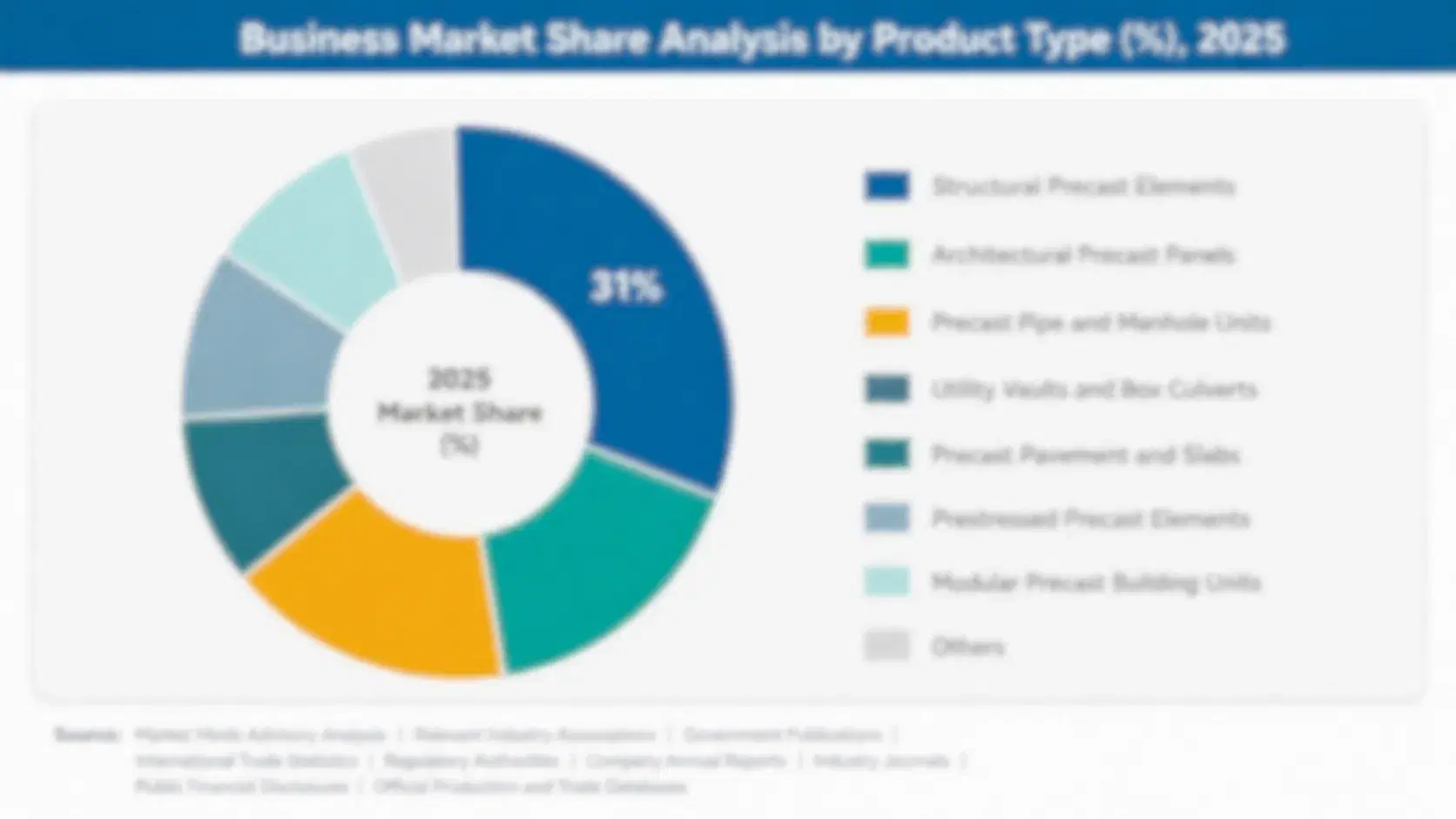
Japan batters and coatings are segmented by product type, because flour base, seasoning, oil uptake, frying or baking method, price, and buyer group differ more between tempura batters, karaage and fried chicken coatings, tonkatsu and cutlet systems, rice-flour and gluten-free batters, frozen food industrial coatings, and low-oil coatings. Rice-flour and karaage systems attract most investment.
japan-batters-and-coatings-market-market-share-analysis-1789783740113

Rice-Flour and Gluten-Free Batters

Rice-flour and gluten-free batters are the fastest-growing segment, made from rice flour, potato and tapioca starches, and hydrocolloids that give crisp tempura and karaage with 15% to 30% less oil uptake. Government rice flour promotion, celiac awareness, and demand for lighter fried food push Nisshin Foods, Showa Sangyo, and regional millers to sell these mixes at 10% to 25% above wheat-based grades to restaurants, schools, and households. Growth depends on rice flour supply, particle size control, and consumer acceptance of a slightly different crunch, and suppliers with milling technology, stable rice flour sourcing, and test kitchens win listings from food makers and restaurant chains. Schools and restaurants ask for lighter batters that stay crisp during service.
CAGR 7.2%

Karaage and Fried Chicken Coating Mixes

Karaage and fried chicken coating mixes are the second-fastest segment, blending wheat or potato starch, soy sauce powder, garlic, ginger, and salt into seasoned coatings for marinated chicken sold through convenience stores, delis, restaurants, and frozen food plants. Nisshin Foods, Showa Sangyo, Ajinomoto, and House Foods lead, and premium ginger and garlic versions sell at 15% to 30% above basic grades. Growth depends on fried chicken popularity, holding-time crispness, and flavour differentiation, and suppliers with seasoning expertise, sales support to chains, and consistent supply win long contracts from convenience store and frozen food customers. Convenience chains run seasonal flavours such as yuzu pepper and garlic soy, which keeps demand for new seasoning systems active each year.
CAGR 6.0%
Full segment breakdown across 6 segments available in the complete report.

Regional Architecture and Country Demand Map

Japan batter and coating value is concentrated where the food is made and eaten. East Asia holds nearly all of it through Japan and neighbouring Korea, China, and Taiwan, while South Asia and Pacific and North America take small exports, and Thailand is the fastest-growing country as demand spreads.

North America

North America holds 3% share, below its usual band, because Japanese batters and coatings reach the United States and Canada mainly through Japanese restaurants, Asian grocers, and frozen food importers, so exports are a niche compared with the large domestic supply of American breading systems. Nisshin Foods, Showa Sangyo, and Ajinomoto ship tempura and karaage mixes to Asian supermarkets in California, Hawaii, and New York, and Japanese chains such as Marukame and Yoshinoya use imported ingredients. Freight costs, tariffs, and competition from local coatings restrain returns, though interest in karaage keeps growth near the global rate. Online sellers widen reach. Costco food courts and Asian supermarkets sell fried chicken and tempura shrimp that use imported coatings.
Share: 3% | CAGR: 4.2% (2026 to 2036)

Western Europe

Western Europe holds 1% share, below its usual band, because European bakers and food makers use domestic breading and batter suppliers, and Japanese batter sales are limited to Japanese restaurants, Asian grocers, and a few gourmet importers in London, Paris, and Dusseldorf, so value is minimal. Freight costs, European Union additive rules, and strong local competition restrain returns, and growth stays below the global rate. Ramen and izakaya restaurants use tempura and karaage mixes for menus, and online sellers ship small quantities to enthusiasts of Japanese cooking across the continent each year. Japanese ramen and izakaya chains in London and Paris buy karaage mixes through distributors, and gourmet retailers list retail tempura kits during Japan food promotions.
Share: 1% | CAGR: 2.6% (2026 to 2036)
Regional intelligence for 5 additional markets available in the complete report: East Asia, South Asia and Pacific, Latin America, Middle East and Africa, Eastern Europe. Contact sales@marketmindsadvisory.com.
japan-batters-and-coatings-market-country-cagr-analysis-1789783740393

Four Margin Routes for Japanese Coating Suppliers

Margin in Japanese batters and coatings comes from texture technology, customer lock-in, and export mix rather than tonnage. Suppliers that sell long-lasting crisp coatings to frozen and convenience customers, launch rice-flour and low-oil grades, expand exports to Southeast Asia, and pass wheat revisions through price formulas earn more per tonne than those competing on price.

Selling Long-Lasting Crisp Coatings to Frozen Food and Convenience Suppliers

Sakusaku-texture coatings cost 5% to 15% more than standard mixes and cut complaints and waste by 2 to 4 points, so a food maker using 5,000 tonnes a year saves $1 million to $3 million annually. Gross margins run 32% to 40%, against 24% to 28% on standard coatings. Development takes 12 to 24 months of trials with each customer, and once a coating is approved on a line, switching means re-testing adhesion and crispness. Convenience store holding tests give suppliers proof, which shortens sales cycles for new customers. Approval creates loyalty.
Market Impact: crisp coatings save customers $1-3 million per 5,000 tonnes

Launching Rice-Flour and Low-Oil Coatings at Premium Prices

Rice-flour and low-oil coatings sell at 10% to 25% above wheat-based grades and absorb 15% to 30% less oil, so a supplier moving 15% of volume into these lines lifts blended gross margin by 3 to 5 points. Development costs $500,000 to $1.5 million per range, and rice flour milling adds capital of $3 million to $8 million. Government rice flour promotion supports demand, and school lunches and health-focused restaurants adopt lighter batters. Early suppliers with reliable rice flour sourcing win contracts that later entrants find costly to displace. Schools also adopt these.
Market Impact: rice-flour lines lift blended margin 3 to 5 points

Exporting Karaage and Tempura Systems to Thailand, Korea, and America

Exports earn prices 20% to 40% above domestic wholesale and add 8 to 12 points of gross margin, and a supplier shipping 30 containers a year adds $3 million to $8 million of revenue. Qualifying needs food safety certification, halal or allergen documentation, and packaging for humid climates, costing $500,000 to $1.5 million. Japanese restaurant chains and frozen food processors in Asia value Japanese quality and consistency, and annual supply agreements provide predictable volume. A weak yen also improves dollar margins on exports. Exchange rate movements can raise these margins further when the yen is weak.
Market Impact: exports add 8 to 12 gross margin points

Passing Wheat Revisions Through Index-Linked Pricing With Large Customers

Wheat and starch make up 34% of cost, and government wheat price revisions twice a year move costs by 5% to 15% each time. Index-linked pricing with convenience store suppliers and frozen food makers protects margin from swings of 3 to 6 points in a bad year. Formulas link mix prices to published wheat revision announcements plus a fixed technical margin. Customers accept indexation when supply and quality are guaranteed, and suppliers with milling assets can offer certainty, while small mix makers must absorb or reprice each cycle. Contracts run one year.
Market Impact: index pricing protects 3 to 6 margin points

Who Controls the Margin Pool

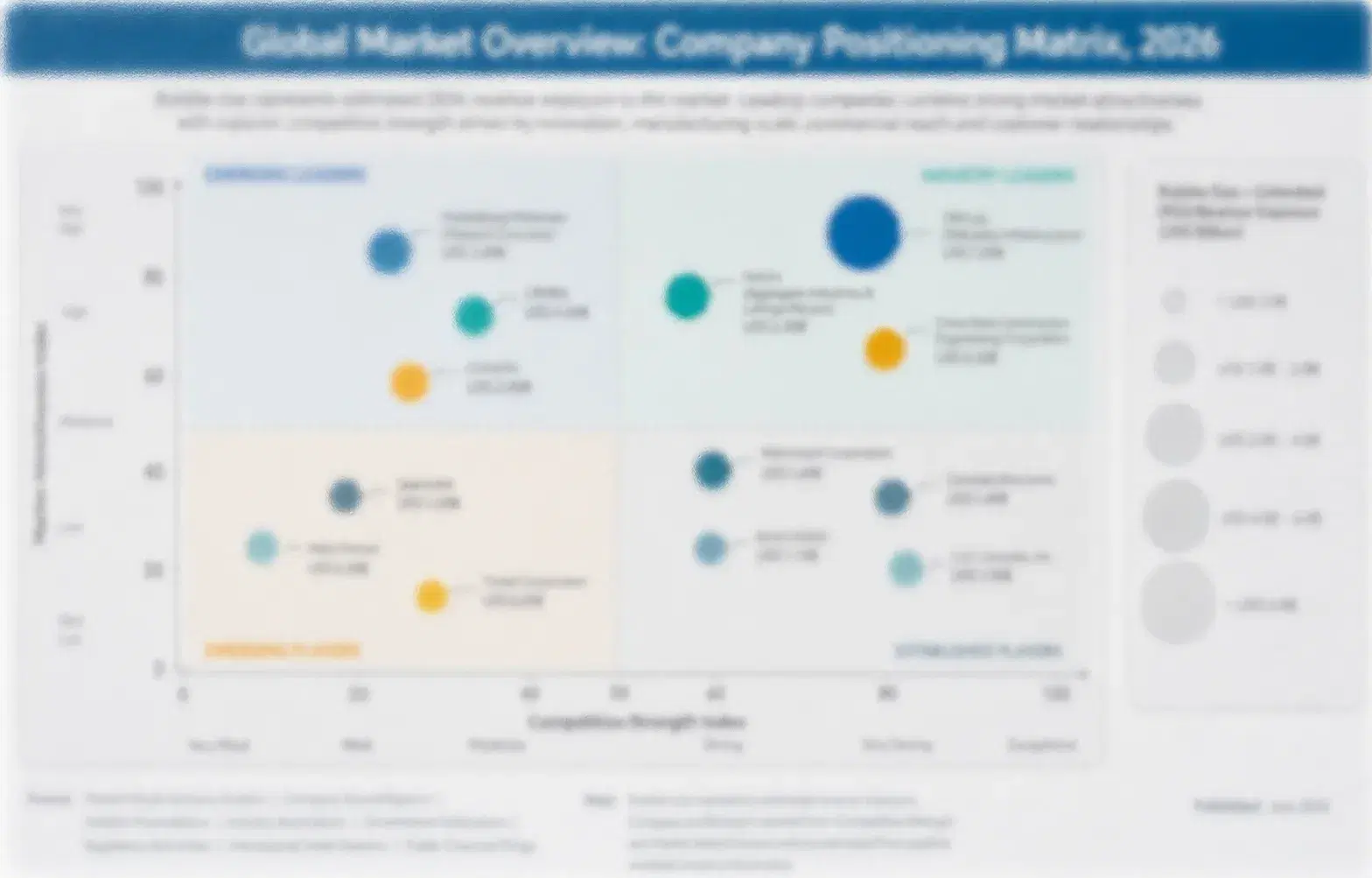
The Japanese batter and coating industry is concentrated among flour millers and seasoning houses, with the top five holding about 52% of category revenue, the basis used throughout this section. Nisshin Seifun Group, Showa Sangyo, Nippn, Ajinomoto, and House Foods lead through milling capacity, technical service, and customer relationships with frozen food, convenience, and restaurant customers, while regional millers and food makers with in-house coatings hold local share.
Competition centers on three dimensions: texture performance, measured by crispness after holding and reheating and oil uptake; cost management, including wheat, starch, and oil; and channel reach across frozen plants, convenience store suppliers, restaurants, and retail. Leaders invest in test kitchens and long-term supply agreements, while challengers compete on rice flour, seasoning flavours, and speed of response to customer requests.

Emerging pressure comes from food makers integrating coating production, from Southeast Asian starch suppliers scaling exports, and from rice flour policy that opens space for regional millers. Rankings shift where suppliers win frozen and convenience programmes, prove low-oil performance, or lose to cheaper supply. Acquisitions of regional mix makers and cooperation with food manufacturers will reorder positions faster than organic growth, particularly as population decline pushes smaller firms toward consolidation.
japan-batters-and-coatings-market-company-positioning-matrix-1789783740667

Competitive Moat and Risk Dimensions

NISSHIN SEIFUN GROUP

Moat: Milling Scale and Coating Technology

Nisshin Seifun Group is Japan's largest flour miller and, through Nisshin Foods, a leading supplier of tempura, karaage, and cutlet coating mixes to restaurants, food makers, and households. Its purchasing scale under government wheat pricing, research laboratories, and long relationships with frozen food and delicatessen customers give it technical and cost advantages.
NISSHIN SEIFUN GROUP

Risk: Domestic Demand Decline

Nisshin Seifun depends on Japanese demand that is falling with population, and wheat price revisions and the weak yen squeeze margins. Regional millers and food makers can compete on price, and overseas expansion carries execution risk. Rising labour and logistics costs also erode returns on small pack products.
SHOWA SANGYO

Moat: Household and Restaurant Mix Specialist

Showa Sangyo is a Japanese flour miller and food ingredient company that sells tempura flour, karaage mixes, and coating systems through the Showa brand to households, restaurants, and food makers. Its focus on batter and coating mixes, rice flour products, and technical support for frozen food customers gives it credibility in texture performance.
SHOWA SANGYO

Risk: Scale and Wheat Cost Exposure

Showa Sangyo is smaller than the largest millers, so wheat price revisions and energy costs weigh on margins. Large competitors can outspend it on research, and consolidation among food makers can shift volume to bigger suppliers. Customers may also shift volume toward larger millers offering broader technical service.

Players Tracked

Prominent Players

Nisshin Seifun Group
Showa Sangyo
Nippn
Ajinomoto
House Foods Group

Other Key Players

Kewpie
Nichirei Foods
Nissui
Maruha Nichiro
Kikkoman
Mizkan
J-Oil Mills
Nisshin Oillio Group
Nagatanien
Itoham Yonekyu Holdings
Prima Meat Packers
Toyo Suisan Kaisha
Ingredion
Cargill
Archer Daniels Midland

Recent Developments

FEBRUARY 2026

Nisshin Seifun Group Expands Rice-Flour Batter Production for Restaurants and Food Makers

Nisshin Seifun Group expanded production of rice-flour tempura and karaage batters, adding milling and blending capacity to serve restaurants, schools, and frozen food makers. It is organic. It supports demand from rice flour promotion, lowers unit cost, and gives customers a lighter batter that absorbs less oil.
Signal: Shows leading Japanese millers now scaling rice-flour batters to serve policy-driven and health-focused demand in Japan.
OCTOBER 2025

Nippn Launches Long-Lasting Crisp Coating for Frozen Karaage

Nippn launched a long-lasting crisp coating for frozen karaage and cutlets, using modified starch and enzyme-treated flour to keep texture after microwave reheating and warmer holding. It is a product launch. It targets frozen food plants and convenience store suppliers, and gives customers texture data from holding and reheating tests.
Signal: Confirms leading suppliers now compete on crispness that survives holding, freezing, and microwave reheating in stores.
JUNE 2025

Showa Sangyo Signs Supply Agreements With Thai Frozen Food Processors

Showa Sangyo signed supply agreements with Thai frozen food processors for tempura and karaage coating mixes, covering annual volumes, technical support, and humidity-resistant packaging. The deals are commercial supply contracts. They widen export reach, support Thai processors serving Japanese buyers, and give Showa Sangyo dollar-linked revenue.
Signal: Shows Japanese suppliers now lock in Southeast Asian frozen food demand through multi-year supply agreements across Asia.

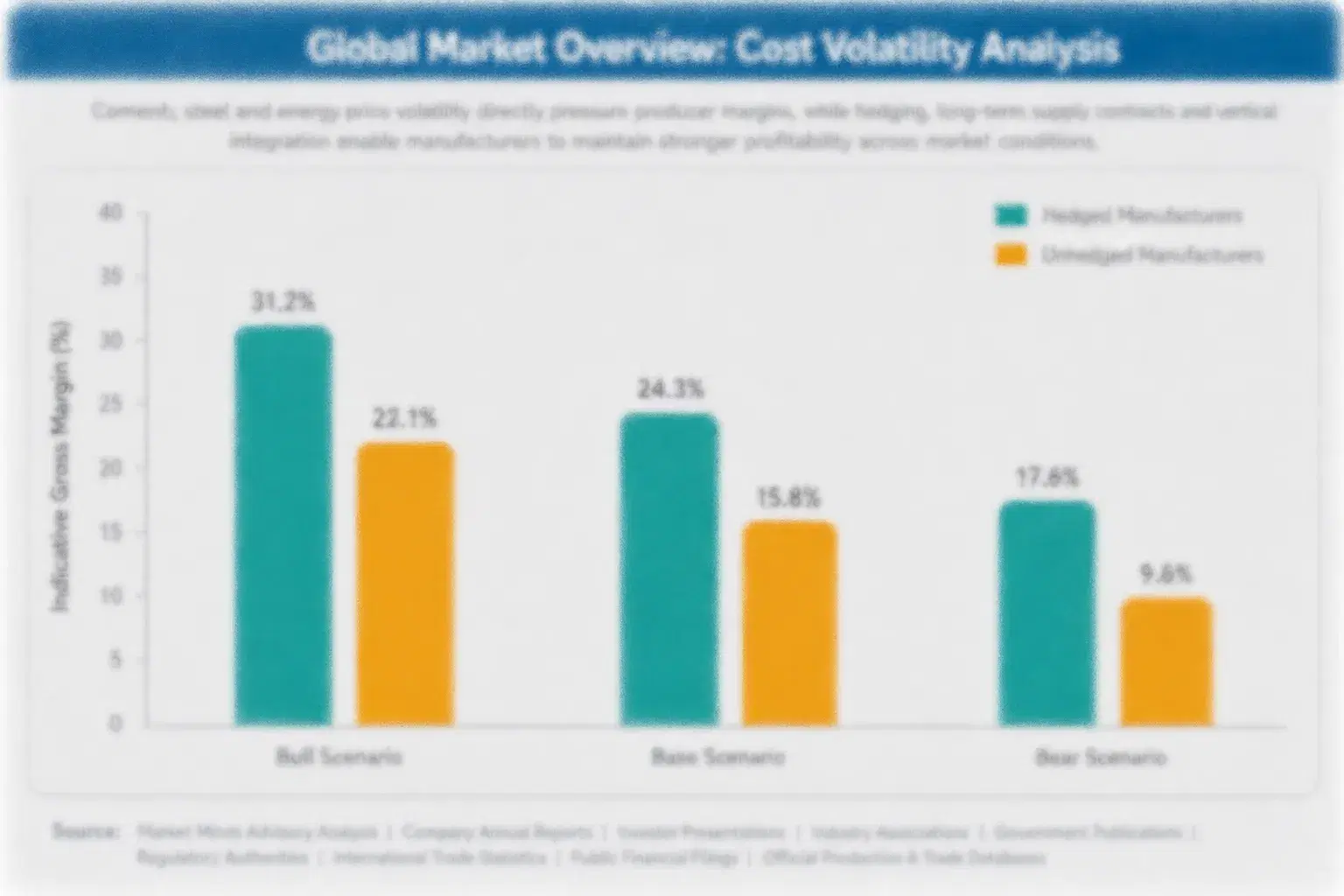
What Drives Japanese Coating Costs

Wheat flour and starches account for roughly 34% of cost of goods, with wheat imported mainly from the United States, Canada, and Australia under government trading and priced by revision, while potato and tapioca starch come from Hokkaido, Thailand, and other suppliers. Seasonings, packaging, energy, labour, and freight make up the rest, so wheat price revisions, starch cost, and the yen together determine margin for mix makers.
Wheat prices rose sharply in 2022 after Black Sea disruption, according to United States Department of Agriculture data, and the Ministry of Agriculture, Forestry and Fisheries raised wholesale wheat prices to millers in several revisions, while yen weakness and energy costs, tracked by the International Energy Agency, added further pressure. Mix makers passed increases through with lags of one to two quarters and reduced pack sizes for retail products.

The disadvantage falls on small mix makers without milling assets or contracts. Large millers with purchasing scale and integrated flour production absorb revisions better, while small blenders buy flour at market prices. Exposure varies by product and channel: retail and restaurant mixes face price sensitivity, industrial coatings can use index formulas, and rice-flour and low-oil grades pass costs through more easily.
japan-batters-and-coatings-market-cost-volatility-analysis-1789783740991

Using Index-Linked Pricing Tied to Government Wheat Revisions

Suppliers agree formulas with large customers that link mix prices to published wheat price revisions plus a fixed technical margin, so cost changes are shared rather than absorbed. Semi-annual resets follow the government schedule and reduce disputes. Premium rice-flour and low-oil grades use annual pricing, since customers value stable performance and supply over the year.

Diversifying Starch and Rice Flour Sources

Suppliers blend wheat flour with potato, tapioca, corn, and rice starches sourced from Hokkaido, Thailand, and other regions, which reduces exposure to a single crop or price revision. Rice flour supply is supported by government promotion and surplus rice. Blends need formulation trials and customer approval, but they widen supply options. Terms usually run one year.

Shifting Mix Toward Premium Technical Coatings and Exports

Suppliers move volume toward long-lasting crisp coatings, rice-flour batters, and export products that carry higher margins and dollar-linked pricing. Premium coatings cost customers 5% to 15% more but save waste, so they accept increases. Exports add revenue in stronger currencies when the yen is weak, and diversify demand away from a shrinking home market.

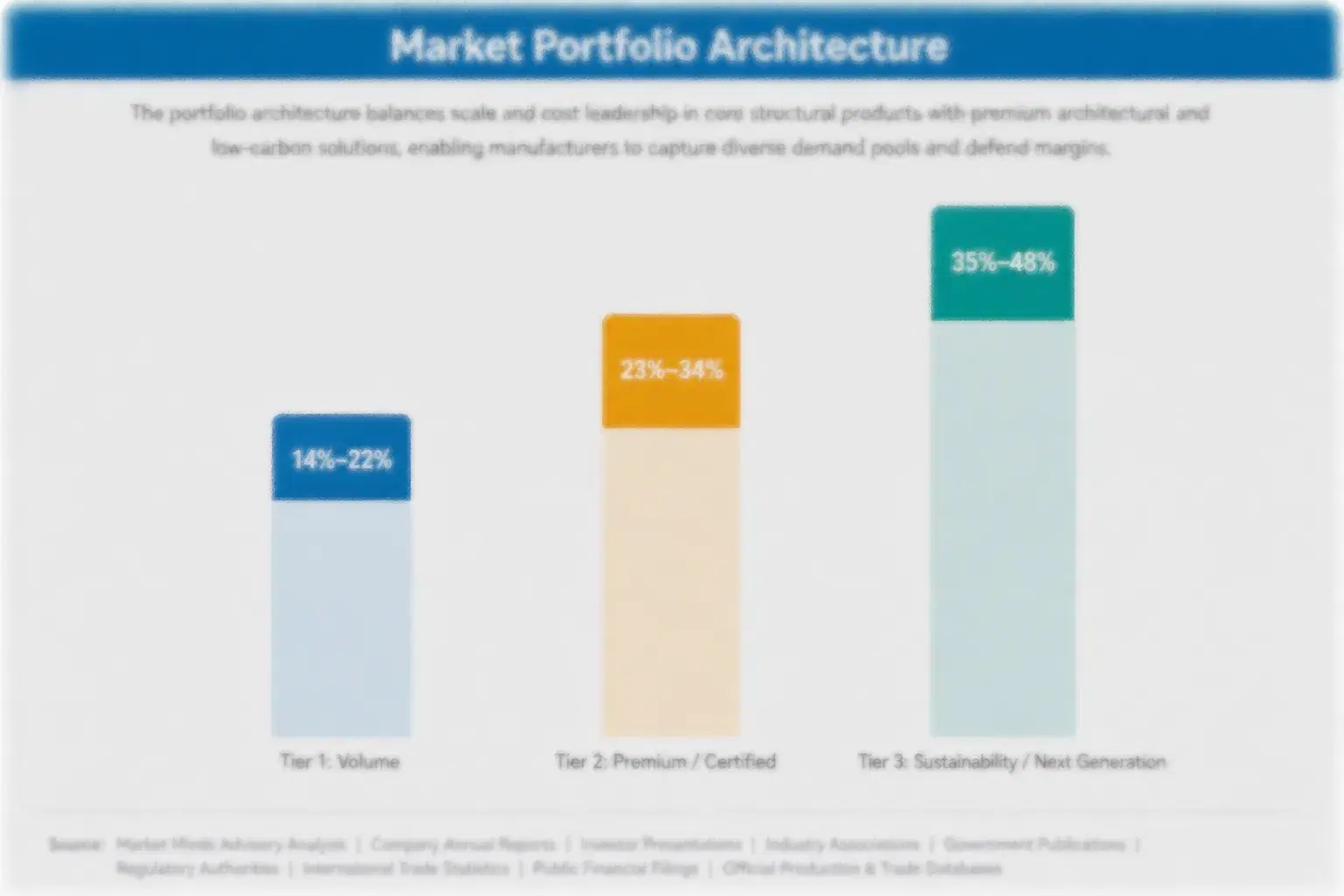
Portfolio Architecture for Margin Defence

Margins run from thin returns on standard tempura and karaage mixes sold in bulk to strong profits on long-lasting crisp, rice-flour, and export systems sold with technical service, with gross margin roughly doubling between the volume tier and the top tier. Milling scale, texture science, and customer trials create pricing power, and food makers pay more for coatings that protect their own product quality.
Volume and premium pull in different directions. Standard mixes sell in large lots to price-sensitive restaurants and retailers at thin margins and face wheat revisions, while technical coatings and rice-flour grades sell in smaller lots at higher margins but need research labs, trials, and customer support. Suppliers must decide how much capital to commit to premium capacity and how quickly to move, since customers qualify new coatings slowly.

High-value pools concentrate in long-lasting crisp coatings for frozen and convenience customers, rice-flour and gluten-free batters for health-focused and school use, and export systems for Asian frozen food makers. These segments benefit from recurring orders, documented performance, and limited competition from generic mixes. Suppliers that combine milling assets, texture science, and export networks hold advantages that rivals cannot copy quickly.

Volume / Commodity-Adjacent Tier

Standard tempura flour and basic karaage mixes sold in bulk to restaurants, delis, and retail channels, with thin margins, wheat and starch cost exposure, and constant price competition from regional millers and private label, where buyers switch when prices move by a few percent.
Gross Margin: 18%-28%

Premium / Certified Tier

Seasoned karaage systems and cutlet coatings with batch documentation, allergen controls, and consistent adhesion, sold under annual contracts to convenience store suppliers and frozen food makers that require documented food safety, reliable delivery, and stable performance across lines.
Gross Margin: 28%-40%

Sustainability / Regulatory / Next-Generation Tier

Rice-flour, low-oil, and long-lasting crisp coatings supported by texture testing, technical service, and export certification, positioned for frozen food plants, health-focused restaurants, and Asian customers seeking lighter fried foods and consistent quality after reheating.
Gross Margin: 34%-52%
japan-batters-and-coatings-market-portfolio-architecture-1789783741287

High-value Sub-segments and Strategic Watch-out

Rice-Flour and Gluten-Free Batters

Rice-flour and gluten-free batters combine the fastest growth with strong pricing, since schools, restaurants, and households pay 10% to 25% premiums for lighter batters with lower oil uptake. Rice flour milling and texture know-how limit competition, and suppliers with reliable sourcing win multi-year contracts. Volume follows as policy support continues.
Gross Margin: 34%-52%

Karaage and Fried Chicken Coating Mixes

Karaage and fried chicken coating mixes offer high value with solid growth, because convenience stores and frozen food makers pay premiums for holding-time crispness and flavour. Seasoning know-how limits competition, though suppliers with chain relationships defend margin. Fried chicken popularity supports steady renewal of contracts across counters and plants.
Gross Margin: 30%-46%

Tempura Batter Mixes

Tempura batter mixes form the volume core, sold to restaurants, delis, and households who want light crisp texture at moderate prices. Margins are thin and exposed to wheat revisions, but steady demand supports scale, and suppliers with milling assets and brand recognition hold cost advantages.
Gross Margin: 18%-30%

Low-Oil and Air Fryer Coatings

Low-oil and air fryer coatings are a strategic watch-out, valued for home cooking convenience but limited by small volumes, texture gaps, and competition from spray oils. Household appliance trends could expand or restrict demand, so suppliers should track retail sales and repeat purchase before committing capital to dedicated lines.
Gross Margin: 28%-46%

Why Food Makers Stay With Suppliers

Coating demand behaves like an annuity once a food maker approves a supplier. Frozen lines run every shift, convenience counters fry every day, and each tonne of product carries a fixed coating weight. Suppliers that hold an approved specification for years earn steady volume, and renewals follow price formulas rather than open tenders, because switching means new adhesion tests, crispness trials, and risk to a product line that customers buy for texture.
Stickiness varies by vertical. Frozen food plants with tuned lines are deepest, since coating particle size, viscosity, and fry conditions are built into process settings. Convenience store suppliers are next, because holding tests and chain specifications lock in mixes. Restaurants and delis are moderate, tied to distributors, while households are shallower, moving between retail brands on promotions.

Buyer profiles are shifting. Older cooks valued familiar brands and made batter from scratch, while younger households look for convenient mixes, air fryer compatibility, and lighter texture, and buy online. They compare crispness and oil use, share cooking tips on social media, and switch quickly if texture disappoints, so suppliers that publish cooking guidance, offer low-oil options, and deliver consistent quality keep loyalty across generations.
japan-batters-and-coatings-market-end-use-penetration-index-1789783741603

MMA Verdict on Japanese Coating Strategy

These are among the four positions where our research anticipates prominent divergence between winners and laggards over the coming forecast period. Each is grounded in the demand model, the regulatory perimeter, and the announced capacity pipeline.
01 / CRISP TEXTURE STRATEGY

Sell Long-Lasting Crisp Coatings to Frozen and Convenience Suppliers Before Specifications Set

Crisp coatings cost customers 5% to 15% more and save $1 million to $3 million per 5,000 tonnes. Gross margins reach 32% to 40%. MMA recommends running holding and microwave tests with five frozen food or convenience suppliers within 18 months, because once a coating is approved on a line, replacing it means retesting adhesion and crispness, and early suppliers hold specifications that later entrants struggle to reopen after production is tuned, and holding-test data gives sales teams proof that buyers can verify.
02 / RICE FLOUR STRATEGY

Build Rice-Flour Batter Capacity Before Policy Support Draws Regional Millers

Rice-flour and gluten-free batters grow at 7.2% a year, about 1.80 times the market rate, and sell 10% to 25% above wheat grades. Rice flour milling adds $3 million to $8 million of capital. MMA advises securing rice flour sourcing and launching two lines within 24 months, because school and restaurant buyers standardise on reliable suppliers, and early makers with milling assets and test kitchens hold accounts that regional entrants must work hard to win, and rice flour sourcing contracts also give early suppliers price certainty.
03 / EXPORT GROWTH STRATEGY

Certify Export Plants and Sign Multi-Year Agreements With Thai and Korean Processors

Exports earn prices 20% to 40% above domestic wholesale and add 8 to 12 gross margin points, and Thailand grows at 7.2% a year. Certification costs $500,000 to $1.5 million. MMA recommends certifying one plant and signing two processor agreements within 24 months, because Asian frozen food makers rarely change coating suppliers once lines are tuned, and early exporters capture dollar-linked revenue that offsets a shrinking domestic market and a weak yen, while diversified demand also softens exposure to any one customer.
04 / INPUT COST STRATEGY

Index Prices to Wheat Revisions and Diversify Starch Sources Before Costs Spike

Wheat and starch are 34% of cost, and government revisions move costs by 5% to 15% twice a year. Index pricing protects 3 to 6 margin points. MMA advises moving 60% of industrial volume to index-linked formulas and blending rice and potato starch within two years, because suppliers that hold margins through wheat and yen shocks keep customers that rivals lose, and lenders reward that stability with lower borrowing costs, which helps them fund new test kitchens ahead of expected demand.

Engagement Snapshot From the Field

A live engagement with an industry participant carrying material or product regulatory and market exposure ahead of a defining policy shift, showing how our research translates into a defensible multi-year portfolio strategy.
MARKET MINDS ADVISORY · CLIENT ENGAGEMENT SUMMARY
Japan Batters and Coatings Producer Strategic Portfolio Review and Transition Roadmap 2026·Investment Scenario on Japan Batters and Coatings Exposure Evaluation 2025-26
CLIENT PROFILE
The client is a mid-sized Japanese frozen food manufacturer with two plants and roughly ¥62 billion in annual revenue (client-reported, unverified by MMA), producing frozen karaage, croquettes, and cutlets for supermarkets, convenience store suppliers, and restaurants. Gross margin sat near 22% (client-reported, unverified by MMA), and coatings were 11% of cost of goods. Utilisation averaged 78% (client-reported, unverified by MMA).
STRATEGIC CHALLENGE
Wheat and oil costs had risen sharply, convenience store customers complained about soft coatings after warmer holding, rice flour products were requested by school lunch buyers, coating suppliers raised prices twice, and export inquiries from Thailand required new formulations. Leadership needed a plan that improved texture, cut coating cost, and added rice-flour and export lines.
MMA APPROACH
MMA analysed coating usage and complaint data across 45 products, interviewed coating suppliers, convenience store buyers, and school lunch procurement staff, benchmarked five frozen food makers on coating cost and texture scores, and modeled economics for premium coatings, rice-flour lines, and index-linked contracts under high, base, and low wheat scenarios. Analysts also observed trials.
KEY FINDINGS
  1. Long-lasting crisp coatings would cut texture complaints by 55% and waste by three points, saving about ¥1.1 billion a year (client-reported, unverified by MMA).
  2. Rice-flour karaage for schools could reach 8% of volume within two years at margins 6 points above wheat-based products, based on buyer interviews.
  3. Index-linked pricing with two coating suppliers would cut cost volatility by four points, based on discussions with two large suppliers and scenario modeling.
  4. Thai processing capacity for export products would cut landed cost by 12%, according to logistics analysis and plant quotes across two locations.
CLIENT PROFILE
The client is a mid-sized Japanese frozen food manufacturer with two plants and roughly ¥62 billion in annual revenue (client-reported, unverified by MMA), producing frozen karaage, croquettes, and cutlets for supermarkets, convenience store suppliers, and restaurants. Gross margin sat near 22% (client-reported, unverified by MMA), and coatings were 11% of cost of goods. Utilisation averaged 78% (client-reported, unverified by MMA).
STRATEGIC CHALLENGE
Wheat and oil costs had risen sharply, convenience store customers complained about soft coatings after warmer holding, rice flour products were requested by school lunch buyers, coating suppliers raised prices twice, and export inquiries from Thailand required new formulations. Leadership needed a plan that improved texture, cut coating cost, and added rice-flour and export lines.
MMA APPROACH
MMA analysed coating usage and complaint data across 45 products, interviewed coating suppliers, convenience store buyers, and school lunch procurement staff, benchmarked five frozen food makers on coating cost and texture scores, and modeled economics for premium coatings, rice-flour lines, and index-linked contracts under high, base, and low wheat scenarios. Analysts also observed trials.
KEY FINDINGS
  1. Long-lasting crisp coatings would cut texture complaints by 55% and waste by three points, saving about ¥1.1 billion a year (client-reported, unverified by MMA).
  2. Rice-flour karaage for schools could reach 8% of volume within two years at margins 6 points above wheat-based products, based on buyer interviews.
  3. Index-linked pricing with two coating suppliers would cut cost volatility by four points, based on discussions with two large suppliers and scenario modeling.
  4. Thai processing capacity for export products would cut landed cost by 12%, according to logistics analysis and plant quotes across two locations.
RECOMMENDED STRATEGY
Phase 1: Phase 1 (Months 1-6): Run holding and microwave tests with two premium coating suppliers, and sign index-linked pricing with two suppliers. Phase 2: Phase 2 (Months 7-18): Convert the top four products to crisp coatings, launch rice-flour karaage for schools, and begin export trials. Phase 3: Phase 3 (Months 19-30): Extend crisp coatings to all cutlets, review supplier terms each quarter, and evaluate a Thai co-packing partnership.
OUTCOME
Within 30 months, premium coatings covered about 70% of volume, complaints fell by half, and gross margin rose from 22% to about 27% (client-reported, unverified by MMA). Rice-flour products reached 8% of school volume, two suppliers signed multi-year agreements, and the board approved a Thai co-packing partnership for the following year.

Frequently Asked Questions

Foundational context covering the market sizes, CAGR, scope, country, region and competition that inform every finding below. This section is provided to cover basics and most often pre-purchase conversations, answered from the MMA Primary Research Dataset.

What is the current size of the Japan Batters and Coatings Market?

The Japan batters and coatings market was valued at $1.6 billion in 2025. This covers tempura, karaage, cutlet, and frozen food batters and coatings made in Japan and sold domestically or exported.

How large will the Japan Batters and Coatings Market be by 2036?

MMA projects the market will reach approximately $2.5 billion by 2036. This represents cumulative growth of roughly $0.8 billion over the full ten-year forecast window.

What is the CAGR for the Japan Batters and Coatings Market 2026 to 2036?

The market is forecast to grow at a 4.0% compound annual rate between 2026 and 2036. The bull case reaches 5.3% while the bear case falls to 2.7%.

Which segment is growing fastest?

Rice-Flour and Gluten-Free Batters is the fastest-growing segment at 7.2% CAGR, roughly 1.80 times the overall market rate. Karaage and Fried Chicken Coating Mixes follows as the second-fastest segment at 6.0% CAGR each year.

Who are the major companies in the Japan Batters and Coatings Market?

Leading companies include Nisshin Seifun Group, Showa Sangyo, Nippn, Ajinomoto, and House Foods Group. These five suppliers together hold an estimated 52% of total category revenue, based on MMA analysis of company disclosures.

Which country is growing fastest?

Thailand is the fastest-growing major market, expanding at approximately 7.2% CAGR each year. Japanese restaurant expansion, frozen food exports, and processor demand are driving this above-market growth across the country.

Report Segmentation Architecture

The full report scope spans multiple orthogonal segmentation dimensions, with cross-tabulated demand data provided for each dimension pair. Coverage extends further to regional breakdowns, trend trajectories, and the competitive detail needed to support segment-level decision-making.

By Primary Market Dimension

  • Rice-Flour and Gluten-Free Batters
  • Karaage and Fried Chicken Coating Mixes
  • Tempura Batter Mixes
  • Tonkatsu and Cutlet Systems
  • Frozen Food Industrial Coatings
  • Low-Oil and Air Fryer Coatings

By End-Use Industry

  • Frozen Food Manufacturing
  • Convenience Store and Delicatessen Suppliers
  • Restaurants and Catering
  • Household Cooking
  • School and Institutional Meals

By Commercial Dimension

  • Direct Supply to Food Makers
  • Distributor and Wholesale Sales
  • Retail Branded Sales
  • Export Distribution

By Region

  • North America
  • Western Europe
  • East Asia
  • South Asia and Pacific
  • Latin America
  • Middle East and Africa
  • Eastern Europe

Scope, Methodology, and Coverage

Every figure in this report is reproducible from documented input assumptions. The scope below maps the historical period, the forecast horizon, the segmentation dimensions, and the countries covered, alongside the underlying primary and qualitative methodology.
Historical Period
2020 to 2025
Forecast Period
2026 to 2036
Base Year
2025 (USD billions; MMA Primary Research Dataset, September 2026)
Market Definition
Japan batters and coatings comprise dry batter mixes, dusting and coating flours, and premixes for tempura, karaage, tonkatsu, croquettes, and other fried and baked foods, including tempura batters, karaage and fried chicken coating mixes, rice-flour and gluten-free batters, frozen food industrial coatings, and low-oil coating systems, produced in Japan and sold domestically to restaurants, delicatessens, convenience stores, and food makers or exported to Asian markets. The scope excludes standalone bread crumbs, frying oil, and finished fried foods.
Quantitative Units
USD billions (current prices); kilotonnes for volume references
Segmentation Dimensions
By Product Type; By End-Use Industry; By Commercial Dimension; By Region
Regions Covered
North America, Western Europe, East Asia, South Asia and Pacific, Latin America, Middle East and Africa, Eastern Europe
Countries Covered
Japan, South Korea, China, Taiwan, Hong Kong, Thailand, Vietnam, Singapore, Australia, USA, Canada, UK, France, Germany, Brazil, Peru, UAE, Poland, and additional markets relevant to this sector
Key Companies Profiled
Nisshin Seifun Group, Showa Sangyo, Nippn, Ajinomoto, House Foods Group, Kewpie, Nichirei Foods, Nissui, Maruha Nichiro, Kikkoman, Mizkan, J-Oil Mills, Nisshin Oillio Group, Nagatanien, Itoham Yonekyu Holdings, Prima Meat Packers, Toyo Suisan Kaisha, Ingredion, Cargill, Archer Daniels Midland
Quantitative Methodology
Primary survey, n=3,800 respondents, Q4 2025, six countries; demand-side model with trade association cross-validation
Qualitative Methodology
47 expert interviews, Q4 2025; applied to validate demand model assumptions, identify emerging dynamics, and assess competitive positioning
Report Format
PDF and XLSX data workbook (Word format preview document)
Publisher
Market Minds Advisory
Report Code
MMA-2026-AGR-359
Published
September 2026
Contact
sales@marketmindsadvisory.com | www.marketmindsadvisory.com

Purchase the full Japan Batters and Coatings Market Report (2026 to 2036).

The full report delivers a detailed assessment of the Japan batters and coatings market, product types, and competitive positioning through 2036. It includes segment forecasts by product type, regional data anchored on Japan and its export destinations across all seven world regions, and profiles of the twenty companies most relevant to batter and coating supply. Analysts also receive input cost modeling and portfolio margin benchmarking built from MMA's primary research dataset. A scenario planning module lets subscribers stress-test bull and bear assumptions against wheat revisions, currency, and frozen food demand. Quarterly updates keep the whole dataset current throughout the subscription year for every subscriber.
Ten-year segment and regional demand forecasts
Wheat revision and starch price tracking
Competitive benchmarking of top twenty suppliers
Rice flour policy and allergen rule tracker
Export destination demand comparative analysis included
Quarterly primary survey data update access

Built For The People Who Decide

From boardroom strategy to bench-side execution, this report is read cover-to-cover by leaders shaping the next decade of their industry, turning demand scenarios, market dynamics and valuation benchmarks into decisions.
CXOs/ Presidents/ VPs/ Managers
M&A and Corporate Development
Strategy Teams and R&D Heads
Procurement and Product Directors
Regulatory and Compliance Leaders
Investor Relations and Equity Analysts