Market Minds Advisory
Intelligent Platform Management Interface (IPMI) Market

Intelligent Platform Management Interface (IPMI) Market: Intelligent Platform Management Interface (IPMI) Market. Trends and Forecast 2026 to 2036

Hyperscale data center expansion is pushing server manufacturers toward Redfish-compatible management interfaces, forcing legacy IPMI vendors to defend embedded firmware contracts against cloud-native remote management challengers gaining meaningful share quickly.

Lead Analyst

Published

September 2026

Make Smarter Decisions with Customized Research Insights

Request a free sample report and evaluate market opportunities, growth trends, and competitive dynamics relevant to your business needs.

2025 MARKET VALUE$2.4BMarket Size 2025
2036 FORECAST VALUE$4.8BBase Case , 2026 to 2036
CAGR 2026 TO 20366.5 %Bull 7.7% / Bear 5.3%
INCREMENTAL OPPORTUNITY$2.2BNet 10- year value creation
EXPANSION MULTIPLE1.88x2036 value over 2026 base
Strategic Levers
M&A Pipeline
Regional Outlook
Country Rankings
Competitive Intelligence
Segmental Deep-dive
Call-Us : 91 93563 13602

Executive Snapshot and Market Trajectory.

Intelligent Platform Management Interface adoption continues expanding meaningfully as data center operators require reliable out-of-band server management capability that functions independently of host operating system availability or network connectivity status across large, widely distributed server fleets worldwide today and beyond.
Demand concentrates around Redfish-compatible cloud-native management interfaces, where hyperscale data center operators value standardized, vendor-neutral remote management over the proprietary baseboard management controller implementations that historically locked operators into single-vendor hardware relationships. North America and East Asia anchor much of current revenue given concentrated hyperscale data center construction and server original equipment manufacturer headquarters presence across both regions, while enterprise on-premises deployment grows steadily behind hyperscale adoption as a secondary demand channel worth tracking closely.
Competitive intensity centers on security hardening and remote firmware update capability, as vendors race to address growing enterprise concern over baseboard management controller vulnerabilities that could grant attackers persistent, difficult-to-detect access below the operating system layer. Legacy proprietary interface vendors are responding with open standard compatibility layers, pushing smaller specialist firmware providers toward niche embedded or industrial server segments to avoid direct feature competition against better-resourced incumbents entering their territory aggressively.
Market Definition
This report covers hardware and firmware standards, including baseboard management controllers and associated software, that enable out-of-band remote monitoring, management, and control of server hardware independent of host operating system status. It excludes host-based server management software and general network infrastructure monitoring tools not specific to server hardware management.
Base Year Value
$2.4B in 2025 (MMA Primary Research Dataset, September 2026)
Forecast Period
2026 to 2036, eleven discrete annual values
CAGR
6.5% base case. Bull 7.7%. Bear 5.3%.
Fastest Growth Segment
Redfish-Compatible Cloud-Native Management Interfaces: 11.5% CAGR
Fastest Growth Country
China: 9.0% CAGR
Fastest Growth Region
South Asia and Pacific: 8.5% CAGR
Largest Region
North America: 29% of 2025 global value
Market Leaders
Leading participants include Dell Technologies, Hewlett Packard Enterprise, Supermicro, Lenovo, and American Megatrends International.
Primary Survey
n=3,800 procurement and R&D decision-makers, Q4 2025, six countries
Methodology
Demand-side build-up, cross-validated against public data, 47 expert interviews

Intelligent Platform Management Interface (IPMI) Market Forecast Scenarios

intelligent-platform-management-interface-ipmi-mar-size-forecast-scenario-1788541097596
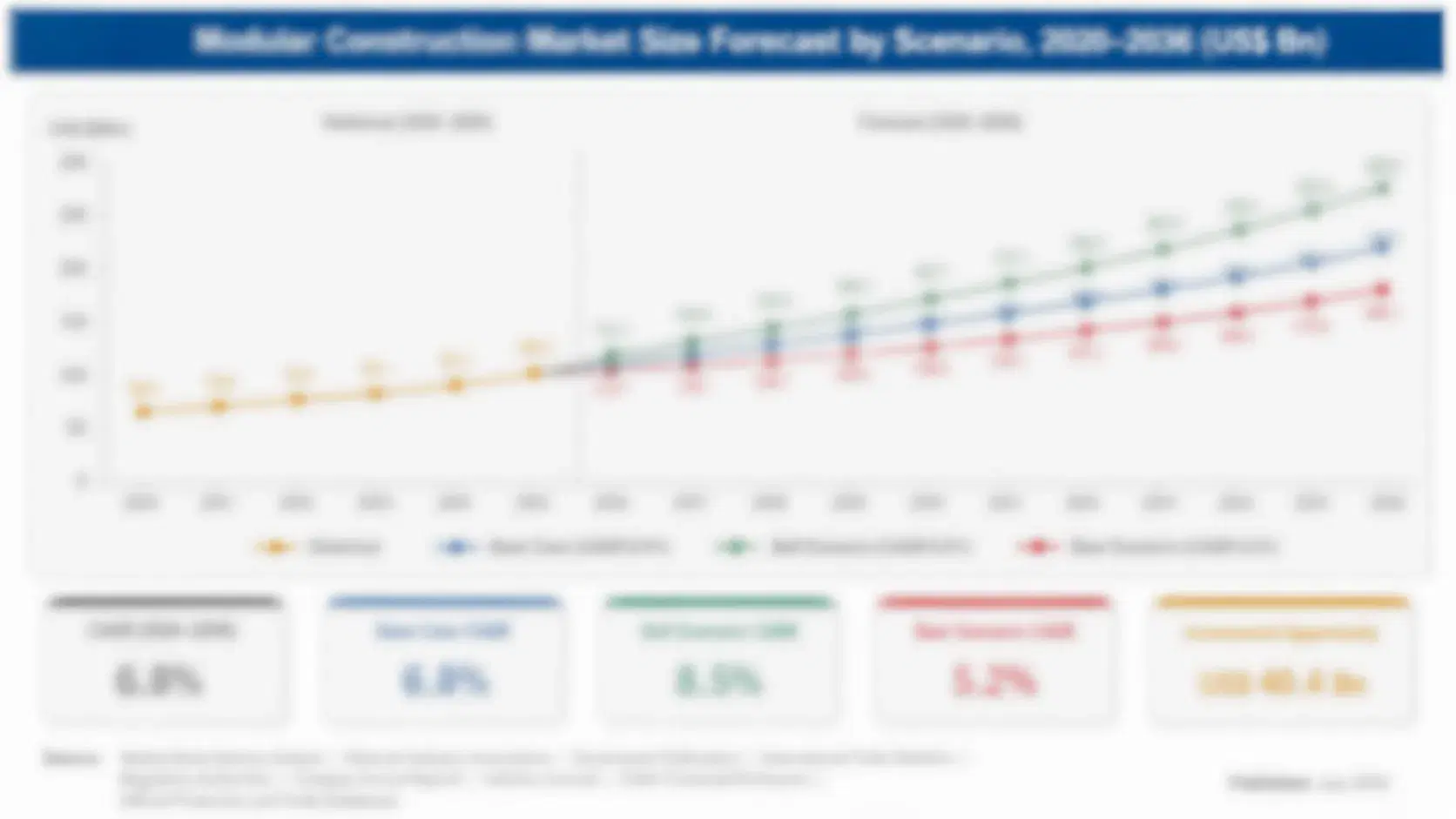
Between 2020 and 2025, IPMI and baseboard management controller adoption grew steadily as server shipment volume expanded alongside broader data center construction activity worldwide across most major markets. Historical CAGR reached approximately 5.8% across the period as hyperscale operators standardized remote management requirements across their expanding fleets and enterprise buyers gradually followed suit adopting comparable practices.
The base case assumes continued data center construction momentum, expanding Redfish standard adoption replacing proprietary interfaces, and growing security hardening investment as baseboard management controller vulnerabilities draw heightened enterprise scrutiny across most industries. Three commercial mechanisms drive this trajectory: hyperscale operator standardization requirements pushing vendor-neutral interface adoption, rising server refresh cycles tied to artificial intelligence workload deployment, and regulatory pressure around supply chain security certification for critical infrastructure hardware components.
A bull scenario centers on a major security mandate requiring standardized, auditable baseboard management controller firmware across government and critical infrastructure server deployments, dramatically accelerating enterprise adoption timelines beyond current voluntary migration pace. The primary bear risk is server original equipment manufacturers commoditizing management interface functionality entirely into bundled hardware pricing, eliminating the standalone software licensing value that currently sustains dedicated interface vendor revenue streams.

Where Security Hardening Now Decides Server Vendor Selection

Intelligent Platform Management Interface technology occupies a foundational but often overlooked corner of the broader data center infrastructure software market, valued for enabling remote server management independent of operating system status or network availability during outages. Hyperscale data center operators remain the largest deployment category, though enterprise on-premises adoption is expanding as artificial intelligence workload deployment drives broader server refresh cycles across corporate data centers.
MARKET CONCENTRATIONCR5: 62%Top five vendors hold combined majority global server management revenue
AVERAGE LICENSING FEE$85 per serverTypical per-unit management interface licensing cost varies by feature tier
TOP PRODUCING COUNTRY SHAREChina: 36%Leading manufacturing base for server hardware and embedded firmware components
REDFISH ADOPTION RATE48%Share of new server shipments including standardized cloud-native management support
AVERAGE REPLACEMENT CYCLE5 yearsTypical server hardware refresh interval driving management interface renewal timing
FIRMWARE VULNERABILITY RATE14 per yearAverage disclosed security flaws reported across major vendor platforms annually
Hardware-bundled licensing still generates the majority of vendor revenue, but standalone security hardening and fleet management software add-ons are growing faster as vendors shift toward recurring subscription models commanding meaningfully better margins than one-time embedded licensing fees. China hosts the largest concentration of server hardware and component manufacturing capacity, though hyperscale demand itself concentrates heavily in North America given major cloud provider data center investment.
Security hardening has become the central competitive battleground, since baseboard management controller vulnerabilities can grant attackers persistent, difficult-to-detect access below the operating system layer that traditional endpoint security tools cannot observe. Legacy proprietary interface vendors are racing to introduce cryptographically verified firmware update mechanisms, threatening the differentiation advantage that currently justifies premium pricing for security-focused specialist vendors over bundled original equipment manufacturer offerings.
"Nobody thinks about the management chip until it becomes the attacker's favorite backdoor. Every server refresh cycle now includes a hard conversation about whether the baseboard controller firmware can actually be trusted and verified."
Senior Analyst, Data Center Infrastructure and Hardware Security Practice · MMA Technology Practice · September 2026

Market Trends

Redfish Standard Adoption Displaces Proprietary Interfaces

The Distributed Management Task Force's Redfish standard, backed by essentially every major server manufacturer, is consolidating what had been fragmented, vendor-specific baseboard management controller interfaces into a single RESTful application programming interface that works consistently across hardware brands. Server manufacturers have responded by building Redfish compatibility directly into new server generations rather than treating it as an optional legacy compatibility layer reserved for premium product tiers. This consolidation reduces integration complexity for data center operators managing mixed-vendor server fleets while simultaneously commoditizing the underlying management interface technology, since operators increasingly specify Redfish compliance rather than a specific vendor's proprietary implementation.
Market Impact: AI server orders grew 55% annually
Baseboard Management Controller Security Concerns Drive Hardening Investment

Security researchers have disclosed numerous baseboard management controller vulnerabilities in recent years that could grant attackers persistent, difficult-to-detect access below the operating system layer, functioning essentially as an undetectable backdoor into compromised server hardware across most data center environments today. Government agencies and major enterprises have responded by mandating cryptographically signed firmware updates and network segmentation isolating management interfaces from production traffic entirely. This heightened security scrutiny is driving substantial investment in firmware security auditing services and hardware root-of-trust implementation across server manufacturers competing for security-conscious government and enterprise contracts.
Market Impact: Hyperscale server orders reached 8.2 million

Market Opportunities and Growth Drivers

Artificial Intelligence Workload Deployment Accelerates Server Refresh

Enterprises and cloud providers deploying artificial intelligence training and inference workloads are replacing older server generations at an accelerated pace, since specialized accelerator hardware requires newer baseboard management controller firmware capable of monitoring additional thermal and power telemetry beyond traditional central processing unit metrics. This refresh cycle sustains substantial management interface licensing revenue as each replaced server requires updated firmware and management software regardless of whether the operator switches hardware vendors during the transition. Server manufacturers report artificial intelligence-driven server orders growing considerably faster than traditional enterprise server categories overall.
Market Impact: Bundled interfaces reduced standalone revenue 20%

Hyperscale Data Center Construction Sustains Volume Demand

Major cloud providers continue constructing new data center facilities at substantial scale to meet growing compute demand, each requiring thousands of servers with embedded management interface capability for remote monitoring across geographically distributed facilities that data center staff simply cannot physically visit routinely or frequently enough. This construction volume directly drives baseboard management controller unit shipment growth independent of replacement cycle timing at existing facilities. Hyperscale operators increasingly specify standardized Redfish compatibility as a procurement requirement, reinforcing the broader industry shift toward vendor-neutral management interface standards across new facility deployments.
Market Impact: Security concerns extended sales cycles 30%

Market Restraints and Challenges

Original Equipment Manufacturers Bundle Management Free

Server original equipment manufacturers increasingly bundle basic management interface functionality directly into hardware pricing at no additional charge, treating it as a table-stakes feature rather than a standalone revenue opportunity, which compresses margins for vendors selling dedicated management software separately from hardware purchases. The root cause is intensifying price competition among server manufacturers who use bundled management capability as a purchasing differentiator against rivals charging separately. The commercial impact falls hardest on independent software vendors lacking hardware sales to subsidize development investment. Vendors are mitigating this by shifting toward premium security and fleet analytics features beyond basic management functionality.
Market Impact: Redfish-compliant shipments grew 42%

Security Vulnerability Disclosures Damage Enterprise Trust

Repeated public disclosure of serious baseboard management controller security vulnerabilities has damaged enterprise confidence in the underlying technology category broadly, creating hesitation around expanding remote management footprint even as the operational benefits of centralized fleet management remain genuinely compelling for large deployments. The root cause is management controllers historically receiving less security engineering investment than primary operating system and application layer software given their traditionally low profile. The commercial impact extends sales cycles as procurement teams demand additional security certification and independent audit evidence. Vendors are mitigating this by pursuing formal security certification programs and publishing detailed vulnerability disclosure timelines.
Market Impact: Disclosed BMC vulnerabilities rose 35% annually
3 additional market trends, 4 additional growth drivers, and 2 additional restraints and challenges are covered in the full report. Contact sales@marketmindsadvisory.com to access the complete intelligence.

Segment CAGR and Growth Architecture

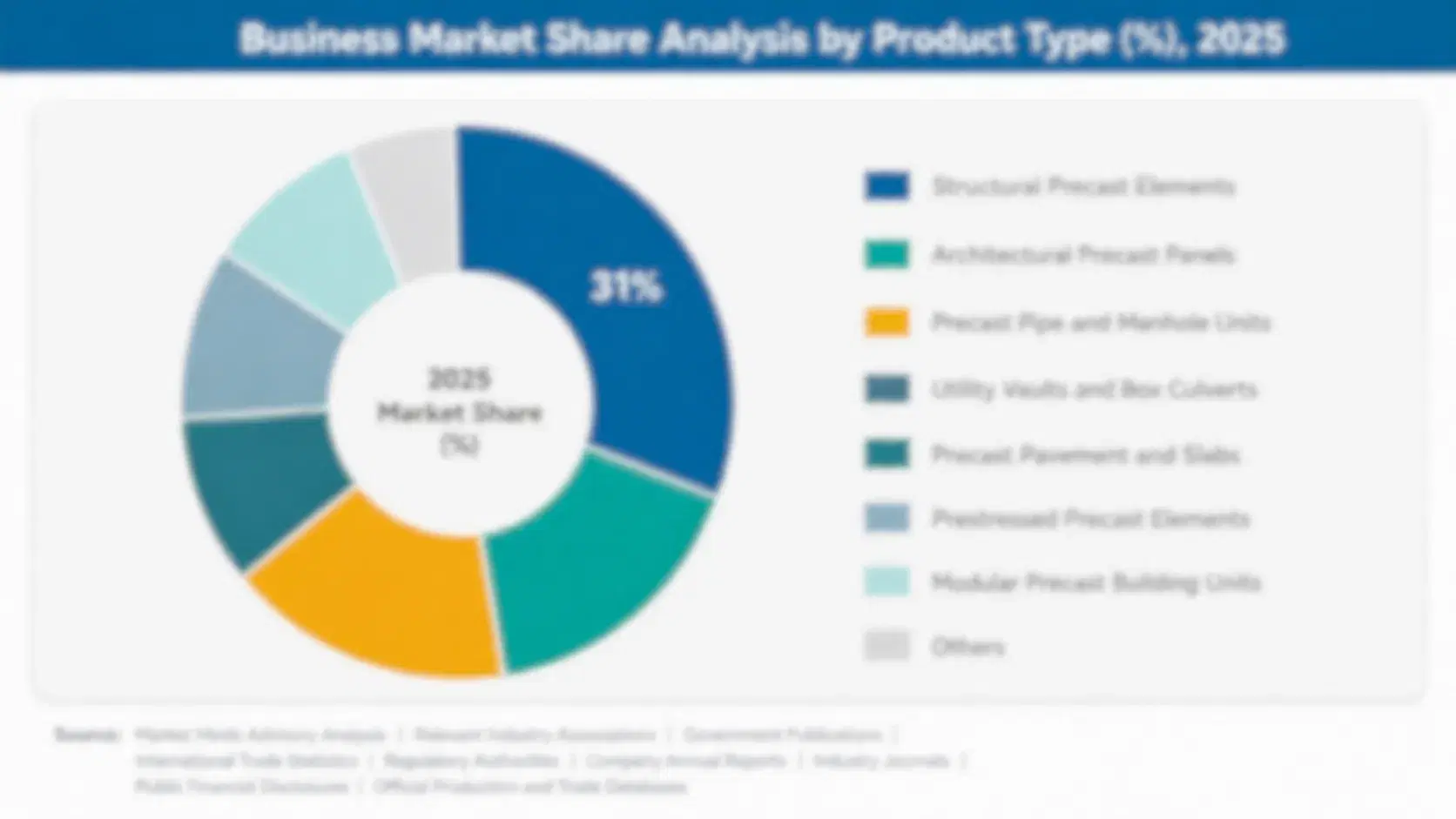
Intelligent Platform Management Interface demand divides along interface architecture, the dimension that determines standards compatibility, remote management depth, and typical buyer deployment scale across hyperscale, enterprise, and embedded server contexts worldwide today across most industries and geographies. Standards compatibility increasingly separates vendors winning hyperscale procurement from those serving legacy proprietary installed bases across the industry.
intelligent-platform-management-interface-ipmi-mar-market-share-analysis-1788541097901

Redfish-Compatible Cloud-Native Management Interfaces

Redfish-compatible cloud-native management interfaces implement the Distributed Management Task Force's standardized RESTful application programming interface, replacing vendor-specific proprietary protocols with a consistent management layer that works identically across server hardware from different manufacturers and generations deployed. Demand concentrates among hyperscale data center operators managing mixed-vendor server fleets who require standardized automation and orchestration integration rather than maintaining separate management tooling for each hardware brand deployed across their infrastructure. These interfaces command meaningfully higher adoption momentum than legacy alternatives given the substantial operational efficiency gained from unified fleet management tooling. Dell Technologies and Hewlett Packard Enterprise hold established leadership positions given their early Redfish standard contribution and broad hyperscale customer relationships.
CAGR 11.5%

Security-Hardened Firmware and Root-of-Trust Solutions

Security-hardened firmware and root-of-trust solutions embed cryptographic verification directly into baseboard management controller firmware, ensuring that only digitally signed, authenticated firmware updates can execute on server management hardware regardless of network access level achieved by a potential attacker attempting compromise or lateral movement across the broader network infrastructure. Demand growth tracks heightened enterprise and government scrutiny following repeated public disclosure of serious management controller vulnerabilities that could grant persistent, undetectable system access below the operating system layer entirely and indefinitely. These solutions command premium pricing given the specialized cryptographic engineering and hardware security module integration required for genuinely tamper-resistant firmware verification across diverse server hardware configurations and deployment environments worldwide.
CAGR 9.5%
Full segment breakdown across 6 segments available in the complete report.

Regional Architecture and Country Demand Map

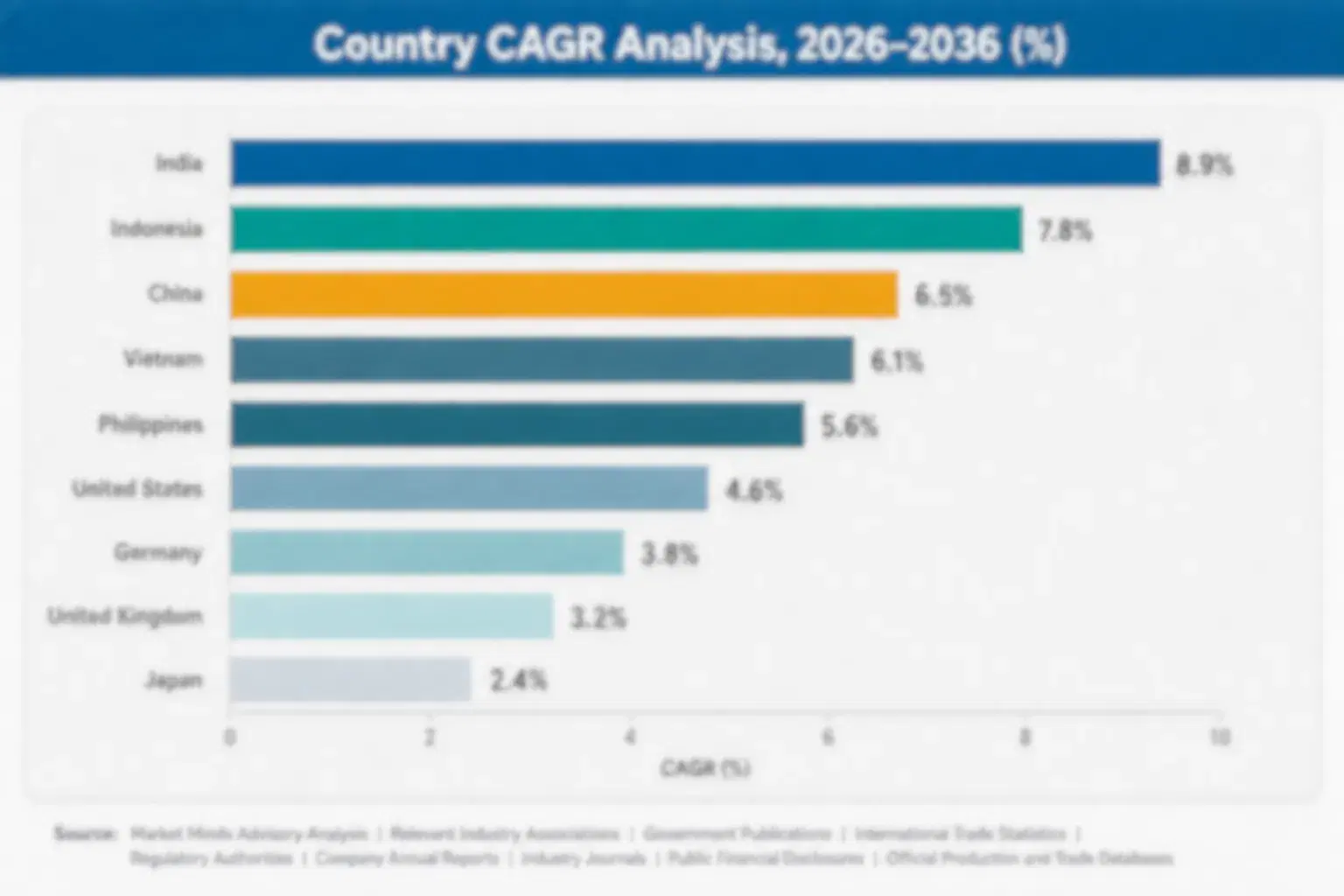
North America leads IPMI demand on the strength of concentrated hyperscale data center construction and major server original equipment manufacturer headquarters presence nationwide, while East Asia follows closely behind on server hardware manufacturing volume and rapidly expanding domestic cloud infrastructure investment across the broader region.

North America

Dell Technologies and Hewlett Packard Enterprise both maintain headquarters in the United States, concentrating server hardware engineering, firmware development, and hyperscale sales relationships within the region's substantial cloud provider customer base. Major cloud providers headquartered in the United States continue expanding data center capacity at considerable scale, each new facility requiring thousands of servers with embedded management interface capability for remote fleet monitoring. Federal government cybersecurity guidance increasingly references baseboard management controller security standards, driving procurement requirements across defense and critical infrastructure server deployments. Canada's growing data center construction activity, particularly around renewable energy-powered facilities, contributes steady additional regional demand alongside broader United States market dynamics and established vendor relationships.
Share: 29% | CAGR: 7.5% (2026 to 2036)

Western Europe

Germany, France, and the United Kingdom show meaningful enterprise and colocation data center adoption, though hyperscale construction volume trails North America somewhat given differing cloud provider investment allocation patterns across global markets. The European Union's Cyber Resilience Act and related cybersecurity regulation are driving stronger management interface security certification requirements across server deployments handling regulated data categories. Regional data sovereignty requirements increasingly favor European-operated data centers, sustaining steady demand even as broader server hardware sourcing remains dominated by American and Asian manufacturers. Enterprise adoption patterns favor established vendor relationships over newer specialist providers, reflecting generally more conservative European enterprise technology procurement practices relative to North American counterparts and their faster upgrade cycles.
Share: 20% | CAGR: 5.0% (2026 to 2036)
Regional intelligence for 5 additional markets available in the complete report: East Asia, South Asia and Pacific, Latin America, Middle East and Africa, Eastern Europe. Contact sales@marketmindsadvisory.com.
intelligent-platform-management-interface-ipmi-mar-country-cagr-analysis-1788541098179

Where Vendors Can Defend Margin Against Bundling

IPMI vendors face original equipment manufacturer bundling pressure and genuine security trust erosion across most tracked markets, but four distinct commercial levers let providers steadily defend margin through Redfish certification leadership, security hardening premiums, fleet analytics expansion, and deep hyperscale relationship investment worth pursuing methodically across upcoming procurement cycles and infrastructure refresh timelines ahead.

Lead Redfish Certification Ahead of Rival Vendors

Vendors who complete Redfish certification testing ahead of competitors gain first access to hyperscale operator qualified vendor lists, since standardized compatibility increasingly determines procurement eligibility for large-volume server deployments across cloud provider fleets. Certification requires meaningful engineering investment, but early movers report average selling prices running 12 to 18% above non-certified alternatives once qualified into major hyperscale procurement programs. Dell Technologies and Hewlett Packard Enterprise have both prioritized certification speed as a competitive differentiator ahead of major cloud provider fleet expansion cycles. Vendors lagging on certification risk exclusion from the largest volume procurement opportunities entirely.
Market Impact: Certified interfaces command a 12 to 18% premium

Expand Security Hardening and Root-of-Trust Offerings

Vendors offering cryptographically verified firmware and hardware root-of-trust implementation capture disproportionate enterprise and government interest as baseboard management controller security concerns intensify across regulated industries and critical infrastructure deployments requiring auditable trust chains and compliance documentation. Security-hardened offerings command margins roughly 35% higher than standard interfaces given the specialized cryptographic engineering and certification investment required for genuinely tamper-resistant firmware verification. Vendors expanding this category can capture growing demand tied to government procurement mandates increasingly requiring verified firmware supply chains before approving server hardware for sensitive deployment environments across defense and critical infrastructure sectors.
Market Impact: Security-hardened offerings command a 35% margin premium overall

Build Deeper Fleet Analytics Software Capability

Vendors expanding beyond basic remote management into predictive fleet analytics, capturing thermal, power, and performance telemetry across thousands of servers, create recurring software subscription revenue that reduces dependence on one-time hardware-bundled licensing fees vulnerable to commoditization pressure. This analytics capability commands premium pricing, roughly 30% above basic remote management alone, since data center operators value predictive failure detection that reduces costly unplanned downtime. Building deeper analytics depth here, spanning multiple telemetry categories and predictive maintenance algorithms, lets vendors capture disproportionate value as hyperscale operators increasingly prioritize operational efficiency software over pure hardware management functionality.
Market Impact: Fleet analytics subscriptions grew 45% annually across most vendors

Deepen Hyperscale Operator Relationship Investment Programs

Establishing dedicated engineering and support relationships with major hyperscale cloud providers lets vendors secure guaranteed volume commitments while building product roadmap influence that smaller competitors lacking comparable relationship depth cannot easily replicate regardless of technical feature parity achieved across most competing product lines. Hyperscale server orders reached 8.2 million units annually, and vendors with established hyperscale relationships capture disproportionate share of this volume relative to competitors relying purely on transactional enterprise sales. This relationship investment requires patient multi-year engineering collaboration but generates recurring, predictable revenue considerably more stable than fragmented enterprise sales cycles.
Market Impact: Hyperscale relationships secured over 8.2 million units annually

Who Controls the Margin Pool

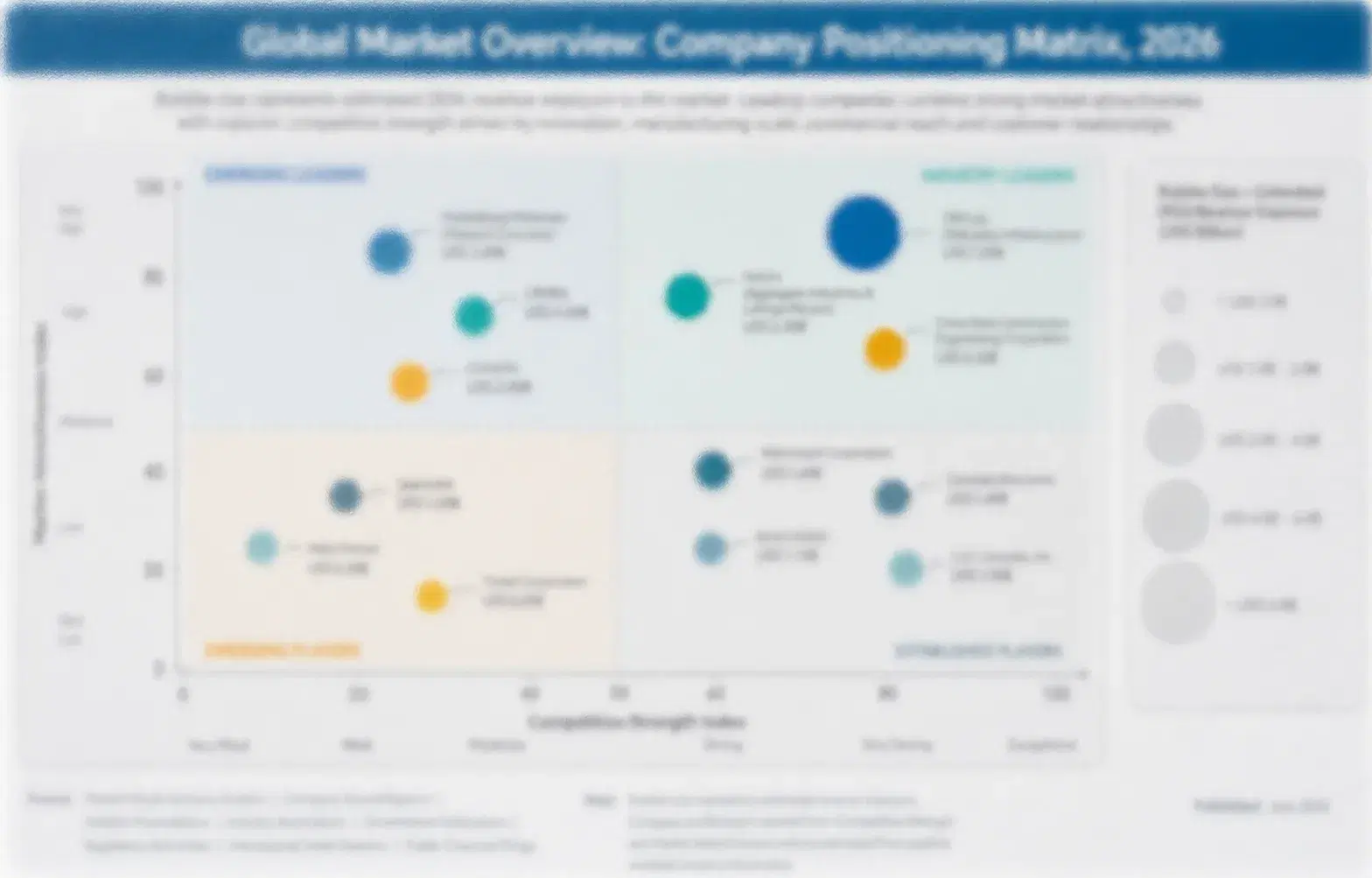
IPMI and server management technology sits moderately concentrated, with the top five vendors holding an estimated 62% of global revenue on a revenue basis across hardware-bundled and standalone software licensing. Dell Technologies and Hewlett Packard Enterprise lead as the two largest vendors, both maintaining broad Redfish-compatible product portfolios spanning hyperscale and enterprise server tiers. The gap to the next tier, including Supermicro and Lenovo, remains meaningful but not insurmountable given continued innovation in security hardening capability.
Current activity centers on Redfish certification races and security hardening feature development, with vendors investing heavily to differentiate ahead of rivals converging toward similar baseline standard compliance. Several vendors are also expanding fleet analytics software and hyperscale relationship investment, competing directly for the same growing pool of security-conscious enterprise and government buyers entering procurement cycles simultaneously.

Emerging pressure comes from independent firmware security specialists offering cryptographic verification capability that established hardware vendors are racing to match internally, potentially commoditizing what has historically been dedicated security specialist differentiation. Rankings could shift meaningfully if any vendor achieves a clear hardware root-of-trust reliability breakthrough, since enterprises show demonstrated willingness to specify alternative vendors when a competitor offers genuinely superior security verification capability over incumbent supplier relationships.
intelligent-platform-management-interface-ipmi-mar-company-positioning-matrix-1788541098450

Competitive Moat and Risk Dimensions

DELL TECHNOLOGIES

Moat: Broad Hyperscale Customer Relationships

Dell maintains deep, long-standing engineering relationships with major hyperscale cloud providers built over many years of continuous server hardware supply, generating substantial recurring management interface revenue tied to ongoing fleet expansion and refresh cycles across these largest customer accounts and their global data center operations worldwide.
DELL TECHNOLOGIES

Risk: Redfish Commoditization Pressure Rising

Dell's proprietary management interface differentiation is gradually eroding as Redfish standardization commoditizes baseline functionality across the entire industry rapidly and broadly, requiring continued sustained investment in premium security and analytics features to sustain differentiated pricing power against increasingly comparable rival offerings entering the market at scale.
HEWLETT PACKARD ENTERPRISE

Moat: Early Security Certification Leadership

Hewlett Packard Enterprise achieved early security certification and hardware root-of-trust implementation well ahead of most competitors in the market, establishing credibility with government and defense customers that require verified firmware supply chains before approving server hardware for sensitive deployment environments across critical infrastructure and national security applications.
HEWLETT PACKARD ENTERPRISE

Risk: Premium Pricing Competitive Exposure

Hewlett Packard Enterprise's premium pricing strategy for security-hardened offerings faces growing competitive pressure as more rival competitors introduce comparable capability at meaningfully lower price points, potentially eroding the significant margin advantage that has historically justified the company's security-focused positioning in the broader competitive market landscape.

Players Tracked

Prominent Players

Dell Technologies
Hewlett Packard Enterprise
Supermicro
Lenovo
American Megatrends International

Other Key Players

Insyde Software
Aspeed Technology
Nuvoton Technology
Renesas Electronics
Cisco Systems
Fujitsu
Inspur Group
H3C Technologies
Gigabyte Technology
ASUS Server
Broadcom
Intel Corporation
Advanced Micro Devices
Wistron Corporation
Quanta Computer

Recent Developments

MARCH 2025

Dell Technologies launched an enhanced Redfish-compatible management interface featuring integrated hardware root-of-trust verification across its entire enterprise server portfolio worldwide, spanning both hyperscale and traditional corporate data center deployments. The launch includes expanded telemetry capability supporting artificial intelligence accelerator thermal and power monitoring requirements for demanding modern workloads.
Signal: Signals accelerating vendor investment in combined standards compliance and security hardening as a unified differentiation strategy overall.
JULY 2025

Supermicro announced a technology partnership with a major hyperscale cloud provider to co-develop customized fleet management firmware optimized for artificial intelligence workload deployment across upcoming data center expansion projects worldwide, spanning multiple regional facilities and product lines. The partnership includes dedicated engineering resource allocation from both companies.
Signal: Signals growing vendor investment in dedicated hyperscale relationship depth as a durable competitive differentiation strategy overall.
NOVEMBER 2025

Lenovo acquired a smaller specialist firmware security company, strengthening its cryptographic verification capability to compete more directly against Dell and Hewlett Packard Enterprise in the security-hardened segment of the broader competitive market landscape. The acquired company's technology integrates directly into Lenovo's existing server management architecture.
Signal: Signals continued consolidation as larger vendors acquire specialized security capability rather than building it entirely internally.

Semiconductor Component and Firmware Development Cost

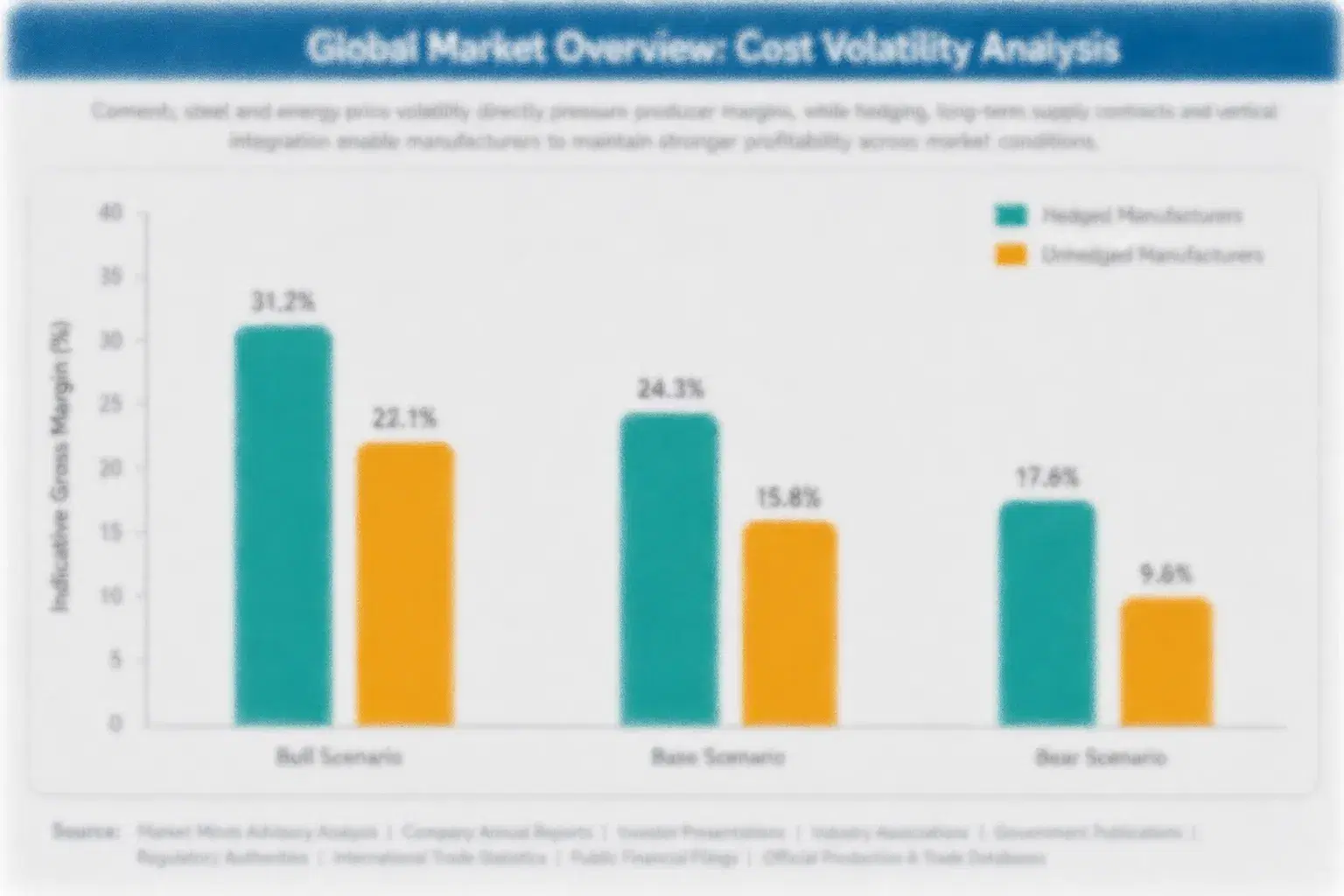
IPMI and baseboard management controller hardware relies on specialized microcontrollers and embedded flash memory components, which together represent an estimated 35 to 40% of total cost of goods sold for hardware vendors developing dedicated management chips. These components source predominantly from Taiwan, South Korea, and the United States, concentrating semiconductor supply chain exposure across a handful of specialized foundries.
Semiconductor supply disruption during 2021 through 2023, driven by pandemic-related fabrication capacity constraints, delayed several server hardware shipments and extended baseboard management controller component lead times considerably during the most acute shortage phase of that period, a well-documented industry event covered extensively in International Energy Agency and semiconductor trade association reporting. Component allocation prioritization during that period favored higher-margin processor orders over lower-margin management controller chips specifically.

This component exposure creates a competitive disadvantage for smaller firmware vendors lacking the purchasing volume to secure priority foundry allocation during future supply disruptions affecting the broader semiconductor industry. Larger vendors including Dell Technologies and Hewlett Packard Enterprise typically maintain closer foundry relationships and diversified component sourcing given their broader server hardware portfolios, while smaller specialist vendors face greater exposure to allocation deprioritization during shortage periods.
intelligent-platform-management-interface-ipmi-mar-cost-volatility-analysis-1788541098742

Multi-Foundry Component Sourcing Diversification

Vendors increasingly qualify management controller chip production across multiple independent foundries rather than relying exclusively on a single fabrication partner alone, accepting somewhat higher qualification costs and additional engineering overhead in exchange for meaningfully greater supply resilience during future industry-wide capacity constraints affecting component availability across the entire broader market and supply chain landscape.

Strategic Component Inventory Buffer Programs

Larger vendors are maintaining strategic inventory buffers of critical microcontroller and memory components well beyond historical just-in-time manufacturing practices common across the broader industry today, accepting higher working capital costs in order to reduce vulnerability to sudden supply disruption events that could otherwise affect production continuity and customer delivery commitments quite significantly across future quarters.

Portfolio Architecture for Margin Defence

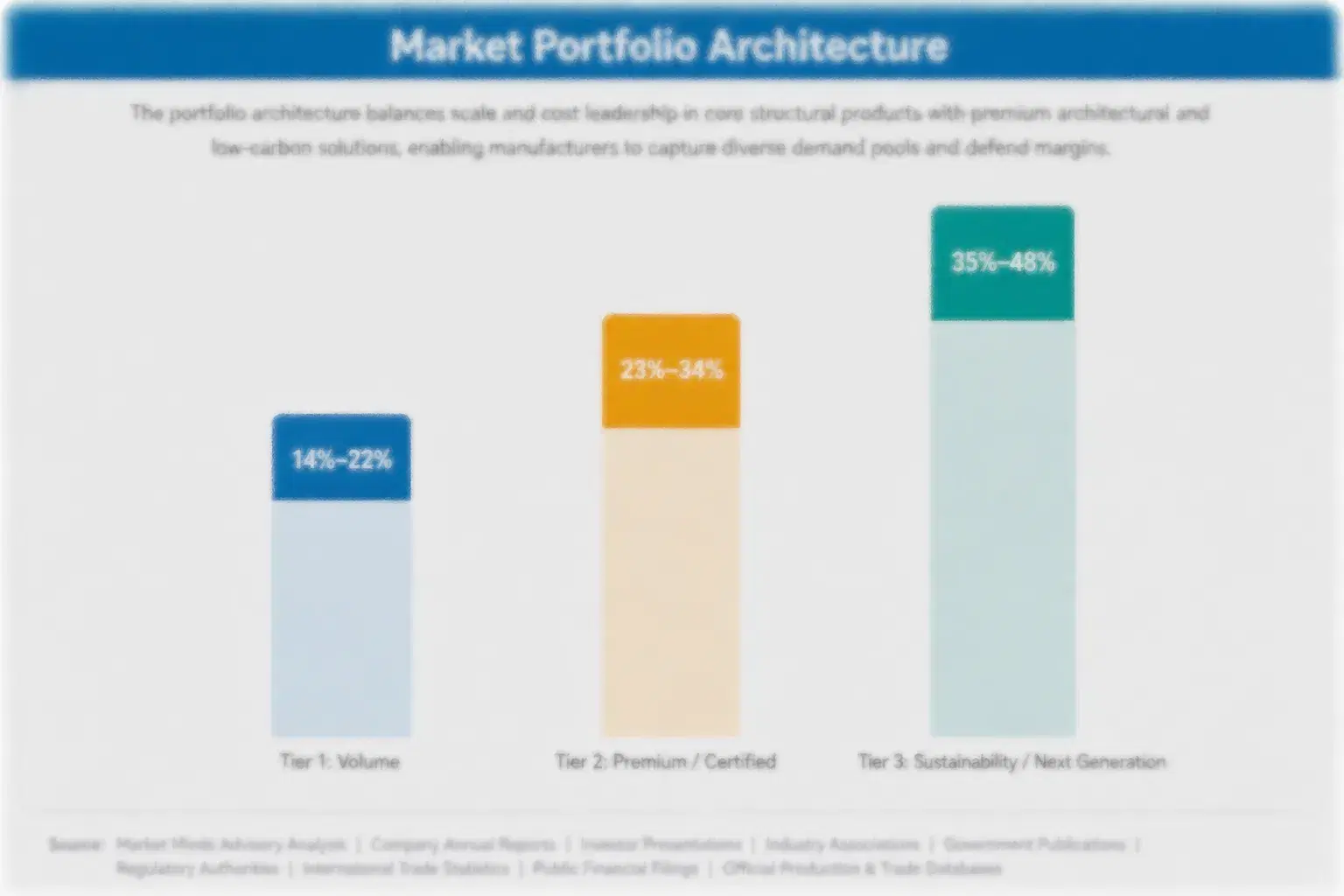
IPMI vendors operate across three margin tiers, with volume bundled basic management interfaces generating gross margins in the 20 to 28% range while security-hardened and Redfish-certified premium services command 40 to 50% given specialized certification and cryptographic engineering barriers few competitors replicate. The gap between these tiers has widened as security hardening capability separates vendors able to command premium pricing from those competing on basic bundled functionality alone.
Volume bundled interfaces still represent the majority of unit shipments globally, but the highest value creation concentrates in security-hardened and fleet analytics categories where compliance certification and predictive capability command genuine premium pricing across most regulated verticals. Vendors must balance factory capacity across both segments without diverting scarce certification and engineering resources away from the hyperscale relationships that anchor their most profitable long-term contracts and renewals.

High-value margin pools concentrate specifically around security-hardened firmware and fleet analytics software categories, both requiring specialized certification investment that smaller regional competitors struggle to replicate quickly at comparable quality. Vendors positioned across all three tiers, rather than concentrated purely in volume bundled interfaces, are best placed to capture disproportionate profit as the broader market continues shifting toward premium security and analytics capability over the coming decade.

Basic bundled management interfaces sold as a table-stakes hardware feature with limited standalone monetization, generating gross margins of 20 to 28% given intense original equipment manufacturer bundling pressure and minimal technical differentiation across most product tiers.
Gross Margin

Security-hardened, root-of-trust verified management interfaces commanding gross margins of 40 to 50% given cryptographic engineering, certification testing, and compliance documentation barriers that meaningfully limit competitive entry from smaller or newer vendors.
Gross Margin

Fleet analytics and predictive maintenance software platforms responding to hyperscale operator efficiency demands and evolving supply chain security regulation, generating gross margins around 45 to 55% as early-mover vendors capture premium recurring subscription contracts.
Gross Margin
intelligent-platform-management-interface-ipmi-mar-portfolio-architecture-1788541099061

High-value Sub-segments and Strategic Watch-out

Redfish-Compatible Cloud-Native Management Interfaces

Fastest-growing and highest-adoption segment as hyperscale operators standardize procurement around vendor-neutral interfaces across mixed hardware fleets nationwide and globally today across most industries. Vendors with established Redfish certification are capturing premium hyperscale contracts and locking in multi-year renewals ahead of competitors still primarily reliant on proprietary interfaces.

Security-Hardened Firmware and Root-of-Trust Solutions

Second-fastest growing segment tied to intensifying enterprise and government security scrutiny, carrying above-average margins given specialized cryptographic engineering requirements across most regulated industries and geographies. Vendors building deeper certification depth here can capture disproportionate value as regulatory mandates continue expanding scope across critical infrastructure sectors.

Fleet Management and Analytics Software

Core revenue segment representing steady recurring subscription income across most active hyperscale and enterprise deployments currently tracked in this analysis, generating stable margins as competitive pricing pressure persists moderately. This segment remains commercially essential even as growth shifts toward security-hardened alternatives over the coming forecast period.

Legacy IPMI 2.0 Proprietary Interfaces

Strategic watch-out segment facing steady decline as buyers migrate toward Redfish-compatible and security-hardened alternatives offering superior interoperability and verification capability across most deployments and use cases. Vendors overexposed to this category risk meaningful revenue erosion absent diversification into higher-growth product categories over the coming several years.

Why Server Fleets Sustain Recurring Renewal

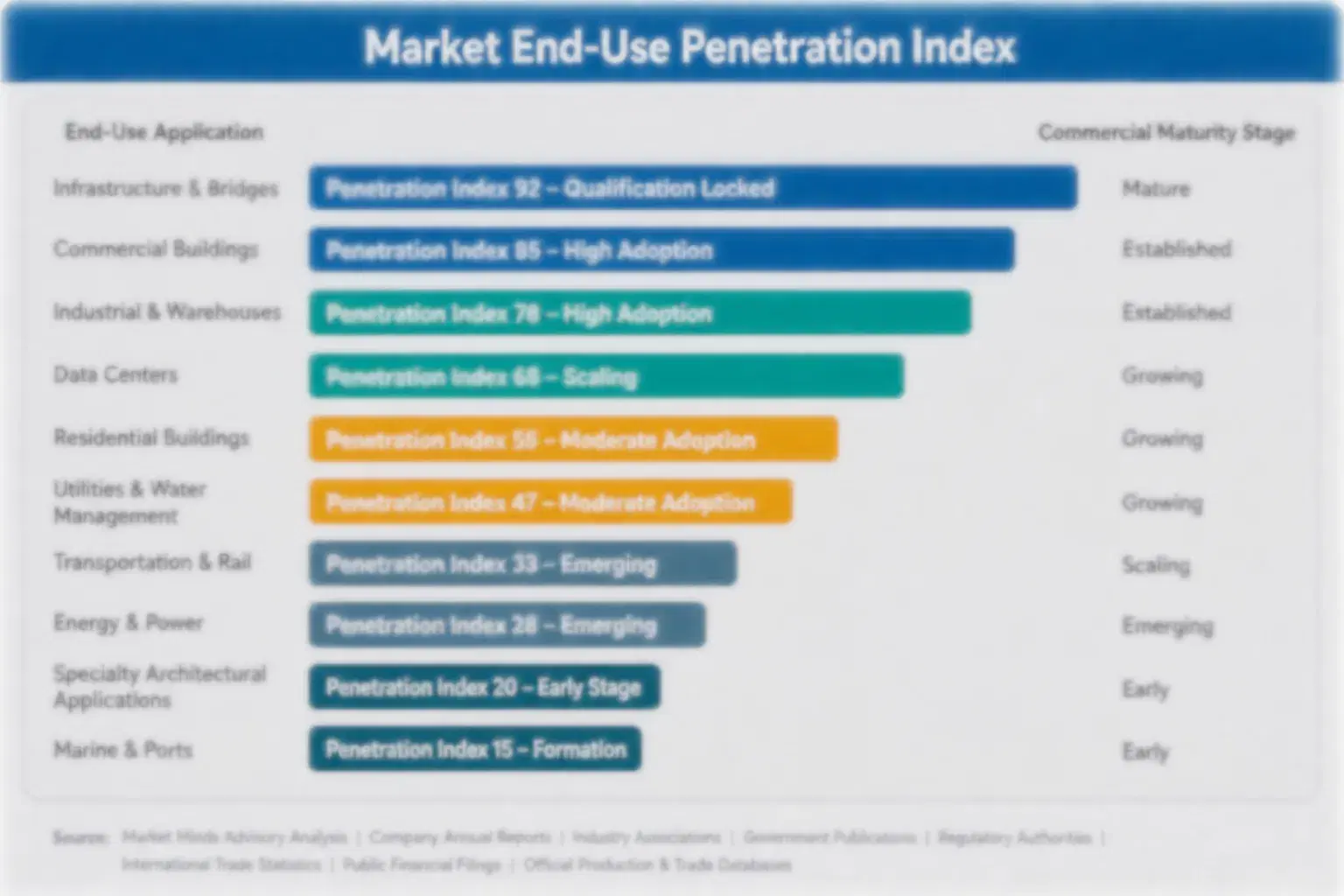
IPMI carries meaningful annuity economics once a data center operator deploys a server fleet, since firmware updates, security patches, and management software renewal generate recurring revenue independent of new server purchase decisions entirely. Hyperscale operators managing tens of thousands of servers face substantial switching costs given the operational complexity of migrating fleet management infrastructure, generating predictable multi-year contract renewal cycles once a vendor becomes deeply embedded.
Adoption stickiness and depth vary meaningfully by end-use vertical. Hyperscale and large enterprise deployments show genuinely deep stickiness given the operational complexity of migrating fleet management infrastructure across thousands of servers once integrated into existing automation tooling. Small and medium enterprise adoption shows comparatively shallower stickiness, since smaller organizations periodically re-evaluate vendor costs and are more willing to switch when a competitor offers meaningfully better pricing or simpler bundled options.

Buyer profiles are shifting generationally as younger infrastructure engineers entering leadership roles increasingly prioritize standardized, auditable Redfish interfaces over the proprietary, vendor-specific tooling their predecessors built careers around configuring and maintaining. This generational shift is accelerating modernization budget approval independent of any specific vendor marketing campaign, since standardized interface familiarity now forms part of broader infrastructure engineering skill expectations.
intelligent-platform-management-interface-ipmi-mar-end-use-penetration-index-1788541099384

Where Vendors Should Focus Next

These are among the four positions where our research anticipates prominent divergence between winners and laggards over the coming forecast period. Each is grounded in the demand model, the regulatory perimeter, and the announced capacity pipeline.
01 / REDFISH CERTIFICATION PRIORITY

Complete Redfish certification ahead of rivals

Certified interfaces command a 12 to 18% pricing premium once qualified into hyperscale operator procurement programs, and vendors who complete certification early secure preferred vendor status well before rivals reach equivalent milestones across the industry. Hyperscale operators increasingly gate large-volume procurement decisions on Redfish compatibility verification, meaning delayed certification risks exclusion from the highest-volume opportunities entirely regardless of underlying hardware quality or reliability. Vendors treating certification as optional rather than urgent risk losing design wins to faster-moving competitors within the next fleet refresh cycle.
02 / SECURITY HARDENING INVESTMENT

Prioritize cryptographic verification and root-of-trust capability

Security-hardened offerings command a 35% margin premium over standard interfaces, and government procurement increasingly requires verified firmware supply chains before approving server hardware for sensitive deployment environments across critical infrastructure sectors. Vendors lacking demonstrated security certification risk exclusion from defense, critical infrastructure, and regulated financial services procurement regardless of otherwise competitive pricing or feature capability offered elsewhere. This investment requires meaningful upfront engineering commitment, but the resulting margin premium and expanded addressable market justify the cost for vendors serious about long-term category relevance.
03 / FLEET ANALYTICS EXPANSION

Build recurring revenue through predictive fleet analytics

Fleet analytics subscriptions grew 45% annually across most vendors, confirming recurring software revenue as a genuine growth opportunity distinct from one-time hardware-bundled licensing fees vulnerable to ongoing commoditization pressure across the broader industry and its competitive dynamics. Hyperscale operators increasingly value predictive failure detection that reduces costly unplanned downtime across large server fleets, creating durable demand for analytics capability well beyond basic remote management functionality alone. Vendors under-investing in this category risk ceding the fastest-growing, highest-margin revenue opportunity entirely to specialized analytics competitors.
04 / HYPERSCALE RELATIONSHIP DEPTH

Deepen engineering relationships with major cloud providers

Hyperscale relationships secured over 8.2 million units annually, confirming dedicated engineering investment as the single highest-leverage channel available to vendors seeking predictable, recurring volume independent of fragmented enterprise sales cycles across the broader industry landscape. Vendors with established hyperscale relationships gain product roadmap influence that smaller competitors cannot easily replicate regardless of technical feature parity achieved elsewhere in the market. Vendors delaying this relationship investment risk permanent exclusion from the largest, most stable volume opportunities available across the entire market.

Engagement Snapshot From the Field

A live engagement with an industry participant carrying material or product regulatory and market exposure ahead of a defining policy shift, showing how our research translates into a defensible multi-year portfolio strategy.
MARKET MINDS ADVISORY · CLIENT ENGAGEMENT SUMMARY
Intelligent Platform Management Interface (IPMI) Producer Strategic Portfolio Review and Transition Roadmap 2026·Investment Scenario on Intelligent Platform Management Interface (IPMI) Exposure Evaluation 2025-26
CLIENT PROFILE
The client is a regional cloud infrastructure operator managing several thousand servers across multiple data center facilities in the United States, supporting enterprise and government cloud hosting customers. The operator was planning a multi-year server fleet refresh program to replace aging hardware with artificial intelligence workload-capable systems, but lacked comprehensive vendor benchmarking data covering Redfish compatibility, security hardening, and total cost of ownership across leading server management interface providers.
STRATEGIC CHALLENGE
Leadership needed to select a primary server hardware and management interface vendor for a multi-year fleet refresh while balancing security certification requirements, Redfish standard compatibility, and integration complexity with existing fleet automation and orchestration tooling built over several years. Existing procurement criteria predated recent baseboard management controller security disclosures, requiring reassessment against current best practices.
MMA APPROACH
MMA conducted a structured vendor assessment combining primary interviews with infrastructure engineering and security leadership, benchmarking of five leading server management interface vendors against Redfish compatibility, security certification, and existing fleet integration complexity, and analysis of total cost of ownership across multiple deployment scale scenarios modeled over a five-year fleet refresh horizon.
KEY FINDINGS
  1. The client's preferred incumbent vendor lacked mature hardware root-of-trust capability, creating meaningful compliance gap risk for upcoming government customer audits (client-reported, unverified by MMA).
  2. Redfish-compatible fleet management reduced average server provisioning time by approximately 45% during the extended internal pilot deployment period (client-reported, unverified by MMA).
  3. Total cost of ownership across a five-year horizon favored vendors offering bundled security certification over standalone compliance add-on licensing (client-reported, unverified by MMA).
  4. Infrastructure engineering team feedback strongly favored vendors offering comprehensive application programming interface documentation, reducing internal automation development time considerably (client-reported, unverified by MMA).
CLIENT PROFILE
The client is a regional cloud infrastructure operator managing several thousand servers across multiple data center facilities in the United States, supporting enterprise and government cloud hosting customers. The operator was planning a multi-year server fleet refresh program to replace aging hardware with artificial intelligence workload-capable systems, but lacked comprehensive vendor benchmarking data covering Redfish compatibility, security hardening, and total cost of ownership across leading server management interface providers.
STRATEGIC CHALLENGE
Leadership needed to select a primary server hardware and management interface vendor for a multi-year fleet refresh while balancing security certification requirements, Redfish standard compatibility, and integration complexity with existing fleet automation and orchestration tooling built over several years. Existing procurement criteria predated recent baseboard management controller security disclosures, requiring reassessment against current best practices.
MMA APPROACH
MMA conducted a structured vendor assessment combining primary interviews with infrastructure engineering and security leadership, benchmarking of five leading server management interface vendors against Redfish compatibility, security certification, and existing fleet integration complexity, and analysis of total cost of ownership across multiple deployment scale scenarios modeled over a five-year fleet refresh horizon.
KEY FINDINGS
  1. The client's preferred incumbent vendor lacked mature hardware root-of-trust capability, creating meaningful compliance gap risk for upcoming government customer audits (client-reported, unverified by MMA).
  2. Redfish-compatible fleet management reduced average server provisioning time by approximately 45% during the extended internal pilot deployment period (client-reported, unverified by MMA).
  3. Total cost of ownership across a five-year horizon favored vendors offering bundled security certification over standalone compliance add-on licensing (client-reported, unverified by MMA).
  4. Infrastructure engineering team feedback strongly favored vendors offering comprehensive application programming interface documentation, reducing internal automation development time considerably (client-reported, unverified by MMA).
RECOMMENDED STRATEGY
Phase 1: Phase one: complete vendor security and Redfish compatibility benchmarking, shortlisting two primary vendors within a full four month evaluation window. Phase 2: Phase two: negotiate a multi-year hardware and firmware supply agreement structured around security certification and fleet analytics bundling terms jointly. Phase 3: Phase three: pilot deployment across two representative data center facilities before committing fully to a full fleet-wide refresh timeline finally.
OUTCOME
The operator selected a Redfish-certified, security-hardened vendor and began phased fleet refresh across its largest data center facility within the following fiscal year. Internal estimates suggested the vendor selection reduced projected compliance audit preparation time meaningfully compared to the original legacy vendor renewal under consideration (client-reported, unverified by MMA).

Frequently Asked Questions

Foundational context covering the market sizes, CAGR, scope, country, region and competition that inform every finding below. This section is provided to cover basics and most often pre-purchase conversations, answered from the MMA Primary Research Dataset.

What is the current size of the Intelligent Platform Management Interface (IPMI) Market?

The IPMI Market reached approximately $2.4 billion in 2025, based on MMA Primary Research. This reflects global revenue across hardware-bundled and standalone server management software.

How large will the Intelligent Platform Management Interface (IPMI) Market be by 2036?

The market is projected to reach approximately $4.80 billion by 2036. This represents an incremental expansion of roughly $2.24 billion over the 2026 to 2036 forecast period.

What is the CAGR for the Intelligent Platform Management Interface (IPMI) Market 2026 to 2036?

The market is forecast to grow at a compound annual growth rate of 6.5% between 2026 and 2036. This reflects steady data center expansion tempered by hardware bundling pressure.

Which segment is growing fastest?

Redfish-Compatible Cloud-Native Management Interfaces lead segment growth at a 11.5% CAGR, roughly 1.77x the overall market rate. Hyperscale operator standardization requirements are driving this acceleration.

Who are the major companies in the Intelligent Platform Management Interface (IPMI) Market?

Leading vendors include Dell Technologies, Hewlett Packard Enterprise, Supermicro, Lenovo, and American Megatrends International. These five companies hold an estimated 62% combined share on a revenue basis.

Which country is growing fastest?

China leads country-level growth at approximately 9.0% CAGR, driven by its dominant server hardware manufacturing base and expanding domestic cloud infrastructure investment. Component supply concentration sustains this acceleration.

Report Segmentation Architecture

The full report scope spans multiple orthogonal segmentation dimensions, with cross-tabulated demand data provided for each dimension pair. Coverage extends further to regional breakdowns, trend trajectories, and the competitive detail needed to support segment-level decision-making.

By Primary Market Dimension

  • Redfish-Compatible Cloud-Native Management Interfaces
  • Security-Hardened Firmware and Root-of-Trust Solutions
  • Legacy IPMI 2.0 Proprietary Interfaces
  • Fleet Management and Analytics Software
  • Embedded Industrial Server Management Modules
  • Third-Party Independent Software Vendor Add-Ons

By End-Use Industry

  • Hyperscale Cloud Providers
  • Enterprise Data Centers
  • Government and Defense
  • Financial Services
  • Telecommunications

By Commercial Dimension

  • Hardware-Bundled Licensing
  • Standalone Software Subscription
  • System Integrator Channel
  • Original Equipment Manufacturer Partnership

By Region

  • North America
  • Western Europe
  • East Asia
  • South Asia and Pacific
  • Latin America
  • Middle East and Africa
  • Eastern Europe

Scope, Methodology, and Coverage

Every figure in this report is reproducible from documented input assumptions. The scope below maps the historical period, the forecast horizon, the segmentation dimensions, and the countries covered, alongside the underlying primary and qualitative methodology.
Historical Period
2020 to 2025
Forecast Period
2026 to 2036
Base Year
2025 (USD billions; MMA Primary Research Dataset, September 2026)
Market Definition
This report covers hardware and firmware standards, including baseboard management controllers and associated software, that enable out-of-band remote monitoring, management, and control of server hardware independent of host operating system status. It excludes host-based server management software and general network infrastructure monitoring tools not specific to server hardware management.
Quantitative Units
USD Billion, CAGR (%), Number of managed server units
Segmentation Dimensions
Interface Architecture, End-Use Industry, Commercial Dimension, Region
Regions Covered
North America, Western Europe, East Asia, South Asia and Pacific, Latin America, Middle East and Africa, Eastern Europe
Countries Covered
United States, Canada, Germany, United Kingdom, France, China, Japan, South Korea, India, Australia, Brazil, Mexico, United Arab Emirates, Saudi Arabia, South Africa
Key Companies Profiled
Dell Technologies, Hewlett Packard Enterprise, Supermicro, Lenovo, American Megatrends International, Insyde Software, Aspeed Technology, Nuvoton Technology, Renesas Electronics, Cisco Systems, Fujitsu, Inspur Group, H3C Technologies, Gigabyte Technology, ASUS Server, Broadcom, Intel Corporation, Advanced Micro Devices, Wistron Corporation, Quanta Computer
Quantitative Methodology
Primary survey, n=3,800 respondents, Q4 2025, six countries; demand-side model with trade association cross-validation
Qualitative Methodology
47 expert interviews, Q4 2025; applied to validate demand model assumptions, identify emerging dynamics, and assess competitive positioning
Report Format
PDF and XLSX data workbook (Word format preview document)
Publisher
Market Minds Advisory
Report Code
MMA-2026-TEC-908
Published
September 2026
Contact
sales@marketmindsadvisory.com | www.marketmindsadvisory.com

Purchase the full Intelligent Platform Management Interface (IPMI) Market Report (2026 to 2036).

This report delivers a comprehensive assessment of the global IPMI Market, covering sizing, segmentation, regional dynamics, and competitive positioning across the 2026 to 2036 forecast period. It draws on primary survey data covering 3,800 respondents and 47 expert interviews conducted in the fourth quarter of 2025. Analysis spans interface architecture segmentation, all seven global regions, semiconductor component cost exposure, and portfolio margin economics. The report profiles twenty leading vendors and includes a detailed competitive benchmarking framework. Buyers gain actionable guidance on vendor selection, security certification, and revenue lever prioritization.
Full segmentation across six interface architecture categories
All seven regional markets with growth forecasts
Competitive benchmarking of twenty profiled vendors
Semiconductor cost exposure and mitigation pathway analysis
Revenue lever prioritization for margin expansion
Anonymized case study with actionable strategic recommendations

Built For The People Who Decide

From boardroom strategy to bench-side execution, this report is read cover-to-cover by leaders shaping the next decade of their industry, turning demand scenarios, market dynamics and valuation benchmarks into decisions.
CXOs/ Presidents/ VPs/ Managers
M&A and Corporate Development
Strategy Teams and R&D Heads
Procurement and Product Directors
Regulatory and Compliance Leaders
Investor Relations and Equity Analysts