Market Minds Advisory
Insect Protein Animal Feed Market

Insect Protein Animal Feed Market: Insect Protein Animal Feed Market. Black Soldier Fly Larvae, Mealworm Meal and Insect Oil for Aquaculture, Pet Food and Livestock

Insect protein turns organic waste streams into feed-grade protein at a fraction of land and water use, so bioreactor scale-up costs and regulatory approval pace decide whether the category reaches mainstream formulation volume.

Lead Analyst

Published

September 2026

Make Smarter Decisions with Customized Research Insights

Request a free sample report and evaluate market opportunities, growth trends, and competitive dynamics relevant to your business needs.

2025 MARKET VALUE$0.6BMarket Size 2025
2036 FORECAST VALUE$3.1BBase Case , 2026 to 2036
CAGR 2026 TO 203616.0 %Bull 18.5% / Bear 13.5%
INCREMENTAL OPPORTUNITY$2.4BNet 10- year value creation
EXPANSION MULTIPLE4.41x2036 value over 2026 base
Strategic Levers
M&A Pipeline
Regional Outlook
Country Rankings
Competitive Intelligence
Segmental Deep-dive
Call-Us : 91 93563 13602

Executive Snapshot and Market Trajectory.

Insect protein animal feed is protein meal and oil produced by farming black soldier fly larvae, mealworms and other insects on organic waste streams, then processing them into feed ingredients for aquaculture, pet food and livestock. Formulators buy it as a sustainable alternative to fish meal and soybean meal.
Pet Food Grade Insect Protein grows fastest as premium pet brands market novel protein for allergy and sustainability claims, while black soldier fly larvae meal carries the largest volumes. East Asia leads because China's vast production scale and low-cost bioreactor manufacturing concentrate supply, with Western Europe second. Gross margins run 22% to 50%, and rearing facility capital and feedstock logistics shape profit. Margins stay firm. Formulators reward reliable results. Facility costs stay high.
Five groups hold about 42% of value, led by Protix, InnovaFeed and Ynsect, so specialist insect farming companies compete with regional producers and emerging Asian scale entrants. Feed safety law, novel ingredient approval rules and buyer audits govern positioning, and formulators check protein consistency, safety documentation and production scale before committing an insect ingredient to a formula. Buyers compare cost per tonne. Investors watch this closely.
Market Definition
The market covers global manufacturer revenue from insect protein animal feed, defined as protein meal, oil and derived ingredients produced from farmed insects for use in animal feed formulations, in black soldier fly larvae meal, mealworm protein meal, insect-derived oils and lipids, aquaculture-grade insect protein formulations, and pet food grade insect protein, sold to aquaculture, pet food and livestock feed manufacturers and valued at manufacturer revenue. It excludes human food-grade insect products, insect-based fertiliser sold independently and general fish meal or soybean meal.
Base Year Value
$0.6B in 2025 (MMA Primary Research Dataset, September 2026)
Forecast Period
2026 to 2036, eleven discrete annual values
CAGR
16.0% base case. Bull 18.5%. Bear 13.5%.
Fastest Growth Segment
Pet Food Grade Insect Protein: 22.4% CAGR
Fastest Growth Country
China: 23.5% CAGR
Fastest Growth Region
South Asia and Pacific: 18.5% CAGR
Largest Region
East Asia: 27% of 2025 global value
Market Leaders
Protix, InnovaFeed, Ynsect, AgriProtein, Enterra Feed. Source: MMA Analysis, company annual reports.
Primary Survey
n=3,800 procurement and R&D decision-makers, Q4 2025, six countries
Methodology
Demand-side build-up, cross-validated against public data, 47 expert interviews

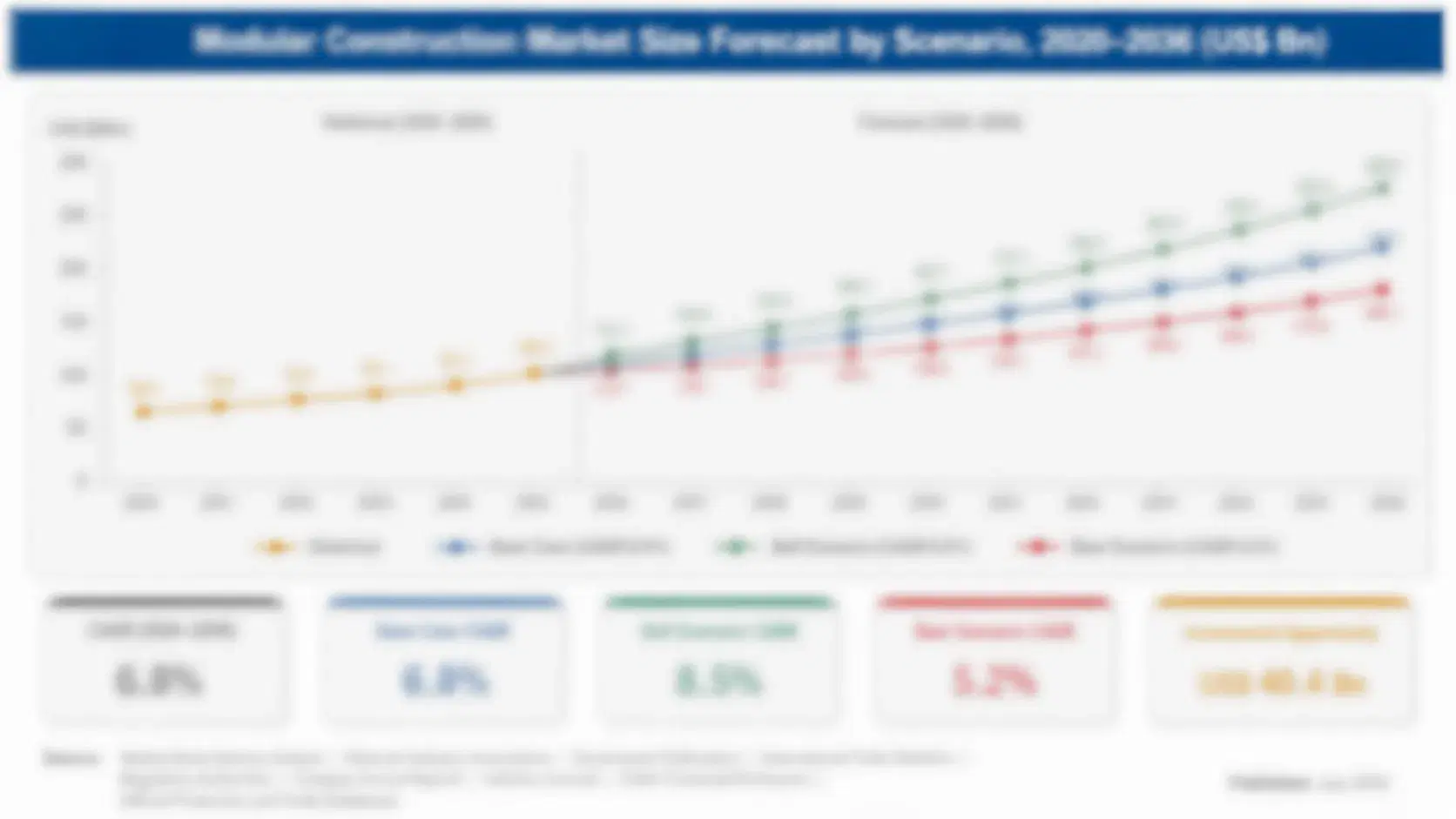
Insect Protein Animal Feed Market Forecast Scenarios

insect-protein-animal-feed-market-size-forecast-scenario-1790050499290
From 2020 to 2025 insect protein feed revenue grew at about 11.0% a year from a small base. Early pilot-scale facilities and initial aquaculture approvals dominated 2020 and 2021, several major facility openings lifted volume in 2022 and 2023, and pet food formulation adoption then accelerated through 2024. Aquaculture applications dominated early revenue, while pet food grade protein gained share as brands sought novel positioning.
The base case of 16.0% rests on three named mechanisms. Regulatory approvals for insect protein in poultry and swine feed continue expanding beyond the initial aquaculture and pet food applications. Fish meal price volatility and sustainability commitments from aquaculture feed makers pull insect protein into mainstream formulations. Facility scale-up and production efficiency gains continue narrowing the cost gap with conventional protein sources. Each mechanism is visible in regulatory approvals and cost curve data.
The bull case reaches 18.5% if regulatory approvals accelerate and facility scale-up outpaces expectations. The bear case falls to 13.5% if funding tightens, facility economics disappoint and formulators revert to conventional proteins. Both cases assume no major setback in novel ingredient safety approval pathways. Neither case assumes a change in producer concentration. Both assume stable novel ingredient rules.

Facility Scale, Regulatory Approval and Cost Curves Set Insect Protein Returns

Producers rear larvae or mealworms on organic waste streams in climate-controlled facilities, harvest and process them into meal through drying and grinding, and extract oil separately for lipid applications. Consistency and safety documentation decide acceptance, and each batch must meet novel ingredient specifications, since regulators scrutinise insect-derived feed inputs closely given their limited commercial history. Formulators audit suppliers and safety records every year before renewing contracts.
MARKET CONCENTRATION42% CR5Top five hold over two fifths of value
BSF LARVAE SHARE54%Portion of revenue from black soldier fly larvae meal products
AQUACULTURE CLIENT SHARE46%Portion of revenue sold into aquaculture rather than pet food
REARING FACILITY COST SHARE38% of COGSFacility operation and feedstock inputs within manufacturing cost
PROTEIN CONTENT RANGE40-65%Typical crude protein content of finished insect meal products
COST PARITY TIMELINE3-6 yearsTime for insect protein to near fish meal parity
Value concentrates in five places. Pet food grade insect protein grows fastest. Black soldier fly larvae meal carries the largest volumes, mealworm protein meal serves premium aquaculture and pet applications, insect-derived oils and lipids serve energy-dense formulation needs, and aquaculture-grade insect protein formulations serve fish and shrimp feed makers seeking fish meal alternatives. Production and processing details stay closely guarded within each supplier.
Supply combines specialist insect farming companies and emerging regional producers. Protix, InnovaFeed and Ynsect run large-scale European facilities with substantial funding, AgriProtein and Enterra Feed add North American and international operations, and Chinese producers increasingly compete on production cost and scale. Formulators qualify ingredients over extended trials and safety review cycles. Buyers compare cost per tonne before awarding contracts.
"An insect protein company sells a story about waste streams and sustainability, but the customer only cares whether the meal performs and the price works. The suppliers that will grow are the ones whose facility economics actually reach parity with fish meal, because sustainability alone has never been enough to win a formulator's budget."
Senior Analyst, Alternative Protein and Animal Feed Innovation Practice · MMA Insect Protein Animal Feed Practice · September 2026

Market Trends

Pet Brands Market Insect Protein for Allergy Claims

Premium pet food brands increasingly position insect protein as a novel, hypoallergenic protein source for cats and dogs with food sensitivities, while simultaneously marketing sustainability credentials that resonate with environmentally conscious owners, and suppliers such as Protix now offer dedicated pet food grade lines separate from aquaculture-grade product. Pet Food Grade Insect Protein grows about 22.4% a year, and gross margins run 38% to 50%. The trend needs palatability validation and consistent supply, and it rewards suppliers with credibility. Buyers judge suppliers on protein consistency, safety data and production scale.
Market Impact: prices swing 20-40% with quotas

Regulatory Approvals Expand Beyond Aquaculture Into Poultry and Swine Feed

Regulators in the European Union and other markets have progressively expanded approved insect protein applications from aquaculture and pet food into poultry and swine feed, opening substantially larger addressable formulation volume than the original niche applications allowed. Aquaculture-Grade Insect Protein Formulations grow about 14.5% a year, and gross margins run 26% to 38%. The trend needs continued regulatory engagement and trial data, and it rewards suppliers with speed, while approval timelines vary significantly by jurisdiction. Suppliers with scale and clear plans hold the strongest positions. Early movers set the standard that later entrants must match.
Market Impact: costs fall 15-25% at scale

Market Opportunities and Growth Drivers

Fish Meal Price Volatility and Sustainability Commitments Pull Adoption Forward

Fish meal prices have shown significant volatility tied to Peruvian anchovy quota cuts and El Nino weather patterns, and aquaculture feed makers facing sustainability commitments increasingly seek land-based, scalable alternatives that do not depend on wild fish stocks. The driver rewards suppliers with proven performance data and reliable supply, and it supports steady demand growth as fish meal cost and sustainability pressure both point toward substitution, though insect protein still commands a premium in most direct cost comparisons. Early movers set the standard that later entrants must match. Formulators reward suppliers that respond quickly to trial and audit needs.
Market Impact: overruns run 20-40% of budget

Facility Scale-Up and Production Efficiency Narrow the Cost Gap Steadily

Insect farming facility economics have improved substantially as companies move from pilot to commercial scale, with automation, feedstock optimisation and larger facility footprints all contributing to falling production cost per tonne, and this cost curve progress directly expands the addressable market where insect protein competes on price alone. The driver rewards suppliers with production scale and process efficiency, and it supports demand growth toward mainstream volume, though facility construction remains capital intensive and slow. Formulators reward suppliers that respond quickly to trial and audit needs. Progress should be reviewed every quarter against the agreed targets.
Market Impact: timelines vary by 12-24 months

Market Restraints and Challenges

Facility Construction Costs and Capital Intensity Limit Scale-Up Speed

Building a commercial-scale insect rearing facility requires substantial capital investment in climate-controlled rearing infrastructure, and several high-profile facility delays and cost overruns have occurred across the industry, according to industry financial disclosures. The root cause is the technical complexity of scaling biological rearing processes that behave differently at commercial volume than in pilot facilities. Facility delays push back revenue and strain investor patience. Suppliers respond with phased capacity build-out and improved engineering standardisation. Progress should be reviewed every quarter against the agreed targets. Smaller suppliers carry the heaviest exposure and have the least room to adjust.
Market Impact: pet food protein grows 22.4% yearly

Regulatory Approval Variation Across Jurisdictions Slows Market Access

Insect protein approval status varies significantly by country and by animal species application, and companies must navigate separate regulatory pathways in each target market, according to regulatory tracking data. The root cause is limited harmonisation of novel ingredient approval standards across major feed markets. Market entry timelines stretch out unpredictably by jurisdiction. Suppliers respond with parallel regulatory filings and prioritisation of markets with clearer approval pathways. Smaller suppliers carry the heaviest exposure and have the least room to adjust. Buyers judge suppliers on protein consistency, safety data and production scale.
Market Impact: aquaculture formulations grow 14.5% yearly
3 additional market trends, 2 additional growth drivers, and 4 additional restraints and challenges are covered in the full report. Contact sales@marketmindsadvisory.com to access the complete intelligence.

Segment CAGR and Growth Architecture

The insect protein animal feed market is segmented by product type, which shows where production process, margins and buyer use differ. Five segments cover black soldier fly larvae meal, mealworm protein meal, insect-derived oils and lipids, aquaculture-grade insect protein formulations and pet food grade insect protein. Pet food protein grows fastest, while larvae meal carries the largest volumes.
insect-protein-animal-feed-market-market-share-analysis-1790050499466

Pet Food Grade Insect Protein

Pet Food Grade Insect Protein is the fastest-growing segment at 22.4% a year, about 1.40 times the overall market rate. Premium brands buy hypoallergenic, sustainably positioned protein for cat and dog formulas targeting sensitive pets and environmentally conscious owners, and prices run well above aquaculture-grade product per tonne given smaller batch sizes and palatability validation needs. Gross margins of 38% to 50% reward suppliers with palatability data and consistent supply. Growth depends on premium brand adoption, allergy positioning and trial evidence, while supply scale still limits speed for some brands. Early movers set the standard that later entrants must match. Formulators reward suppliers that respond quickly to trial and audit needs.
CAGR 22.4%

Aquaculture-Grade Insect Protein Formulations

Aquaculture-Grade Insect Protein Formulations grows at 14.5% a year, about 1.20 times the overall market rate, because fish and shrimp feed makers facing fish meal price volatility and sustainability commitments increasingly formulate with insect protein blends validated for aquaculture performance. Suppliers use species-specific trial data and consistent amino acid profiles to differentiate. Gross margins of 26% to 38% support suppliers with production scale and reach. Growth depends on fish meal prices, regulatory approval and price, and suppliers with reliable performance hold the strongest positions. Formulators reward suppliers that respond quickly to trial and audit needs. Progress should be reviewed every quarter against the agreed targets. Smaller suppliers carry the heaviest exposure and have the least room to adjust.
CAGR 14.5%
Full segment breakdown across 5 segments available in the complete report.

Regional Architecture and Country Demand Map

East Asia leads at 27% because China's production scale concentrates supply, while Western Europe holds 26%. North America holds 19%. South Asia and Pacific holds 12% and grows fastest. Latin America holds 9%. Middle East and Africa and Eastern Europe hold 4% and 3%. Suppliers track share shifts yearly.

North America

North America holds 19% share, below its band, and growth of 14.5%, below the global rate. The lower share is justified because European regulatory approval and funding concentration moved faster than North American pathways in the category's early years, though AgriProtein, Enterra Feed and Chapul Farms operate meaningful facilities and demand is accelerating. Buyers demand safety documentation and consistent supply. Buyers also review safety records and audit results before every annual contract renewal. Volumes stay steady, and producers compete mainly on consistency proof, documentation and delivery reliability. Distributors handle most shipments and set order sizes. Currency moves and freight rates change landed cost each quarter. Producers offering multi-year terms win repeat volume.
Share: 19% | CAGR: 14.5% (2026 to 2036)

Western Europe

Western Europe holds 26% share, inside its band, and growth of 14.3%, below the global rate. The Netherlands, France and Belgium host the industry's leading companies and earliest regulatory approvals, and Protix, InnovaFeed and Ynsect run large-scale facilities here backed by substantial venture and institutional funding. Mature facility investment tempers growth relative to newer entrant regions. Buyers also review safety records and audit results before every annual contract renewal. Volumes stay steady, and producers compete mainly on consistency proof, documentation and delivery reliability. Distributors handle most shipments and set order sizes. Currency moves and freight rates change landed cost each quarter. Producers offering multi-year terms win repeat volume. Distributors set order sizes.
Share: 26% | CAGR: 14.3% (2026 to 2036)
Regional intelligence for 5 additional markets available in the complete report: East Asia, South Asia and Pacific, Latin America, Middle East and Africa, Eastern Europe. Contact sales@marketmindsadvisory.com.
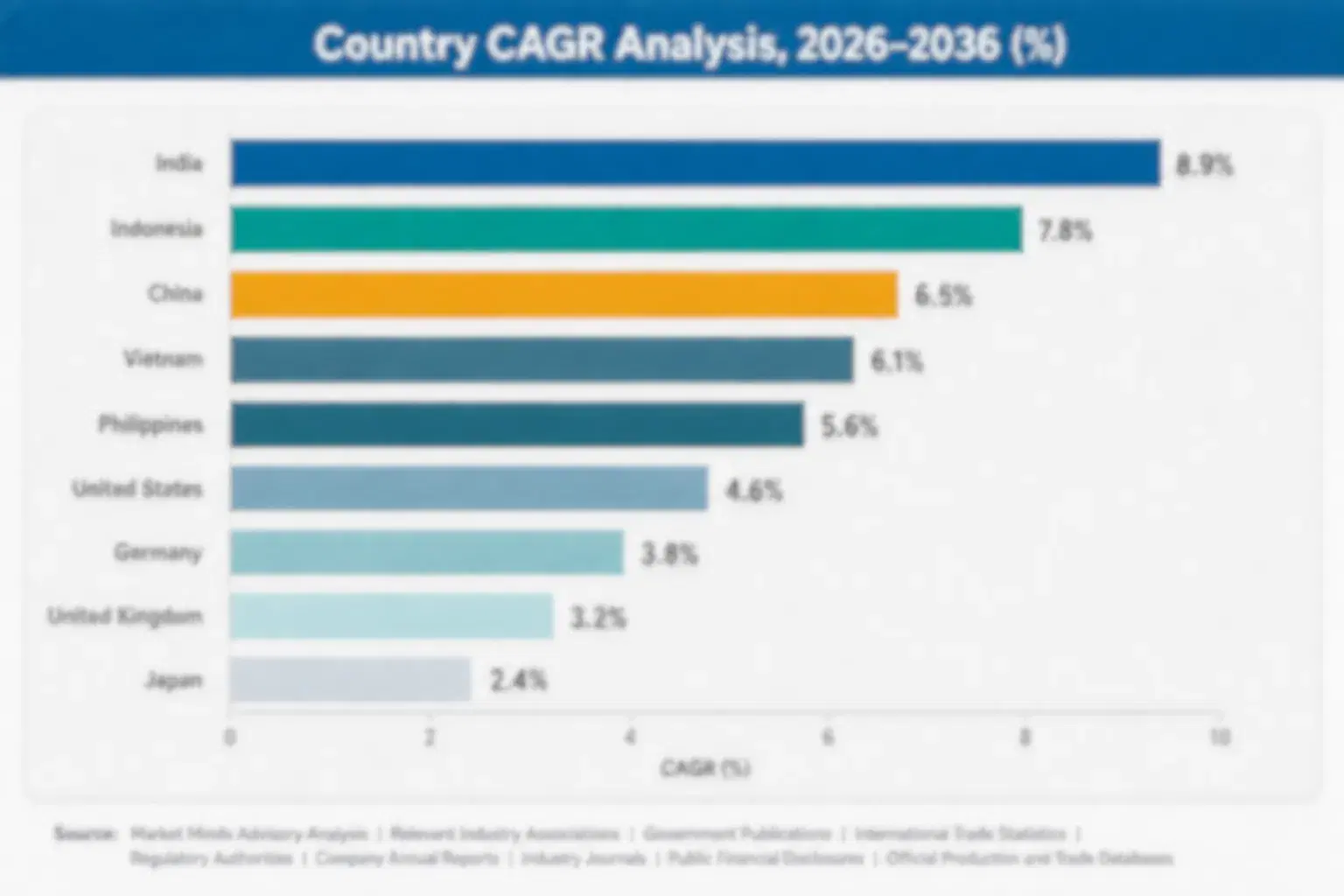
insect-protein-animal-feed-market-country-cagr-analysis-1790050499646

Four Margin Routes for Insect Protein Suppliers

Margin in insect protein feed comes from pet food positioning, facility scale efficiency, regulatory approval breadth and cost control on rearing operations rather than aquaculture volume alone. The routes below apply to specialist insect farming companies and regional producers, and each can start inside one planning cycle, with measures in gross margin points and cost per tonne.

Scaling Pet Food Grade Production With Palatability and Safety Validation

Premium brands want hypoallergenic protein with proven palatability, so suppliers that scale pet food grade production with validated data win sales worth 10% to 18% of revenue at gross margins of 38% to 50%. Programmes cost $5 million to $25 million. Suppliers should fund palatability trials, secure safety documentation and build dedicated production lines, since inconsistent quality loses premium brand trust quickly. Management should assign one owner to each programme from the start. Early results also help persuade sceptical buyers. Costs are recovered faster in larger facilities. Payback runs about three years.
Market Impact: pet food protein adds sales worth 10-18% of revenue

Accelerating Regulatory Approval Across Poultry and Swine Applications

Formulators need approved applications to expand insect protein use, so suppliers that accelerate regulatory approval across new species and markets win contracts worth 8% to 15% of revenue at premiums of 5% to 15% per tonne. Programmes cost $2 million to $12 million. Suppliers should prioritise high-value markets, parallel file across jurisdictions and fund trial data, since unapproved applications earn no revenue at all. Early results also help persuade sceptical buyers. Costs are recovered faster in larger facilities. Payback runs about three years. Management should assign one owner to each programme from the start.
Market Impact: regulatory expansion wins contracts worth 8-15% of revenue

Improving Facility Efficiency to Reach Fish Meal Cost Parity Faster

Formulators want cost-competitive supply, so producers that improve facility automation and feedstock efficiency cut production cost per tonne by 15% to 30% and win broader mainstream adoption worth 8% to 14% of revenue. Programmes cost $5 million to $30 million. Producers should invest in automation, optimise feedstock sourcing and publish cost trajectory data, since visible progress toward parity matters more to buyers than sustainability claims alone. Costs are recovered faster in larger facilities. Payback runs about three years. Management should assign one owner to each programme from the start. Early results also help persuade sceptical buyers.
Market Impact: facility efficiency wins adoption worth 8-14% of revenue

Diversifying Feedstock Sourcing Across Waste Streams and Regions

Rearing facilities make up about 38% of cost, so producers that diversify feedstock sourcing across multiple organic waste streams and regions cut cost and supply swings by 15% to 30% and protect margins worth 5% to 9% of profit. Programmes cost $1 million to $6 million. Producers should qualify multiple feedstock sources, test alternative waste streams and monitor availability closely, since single-source dependence raises risk. Payback runs about three years. Management should assign one owner to each programme from the start. Early results also help persuade sceptical buyers. Costs are recovered faster in larger facilities.
Market Impact: diversified feedstock cuts cost swings by 15-30% yearly

Who Controls the Margin Pool

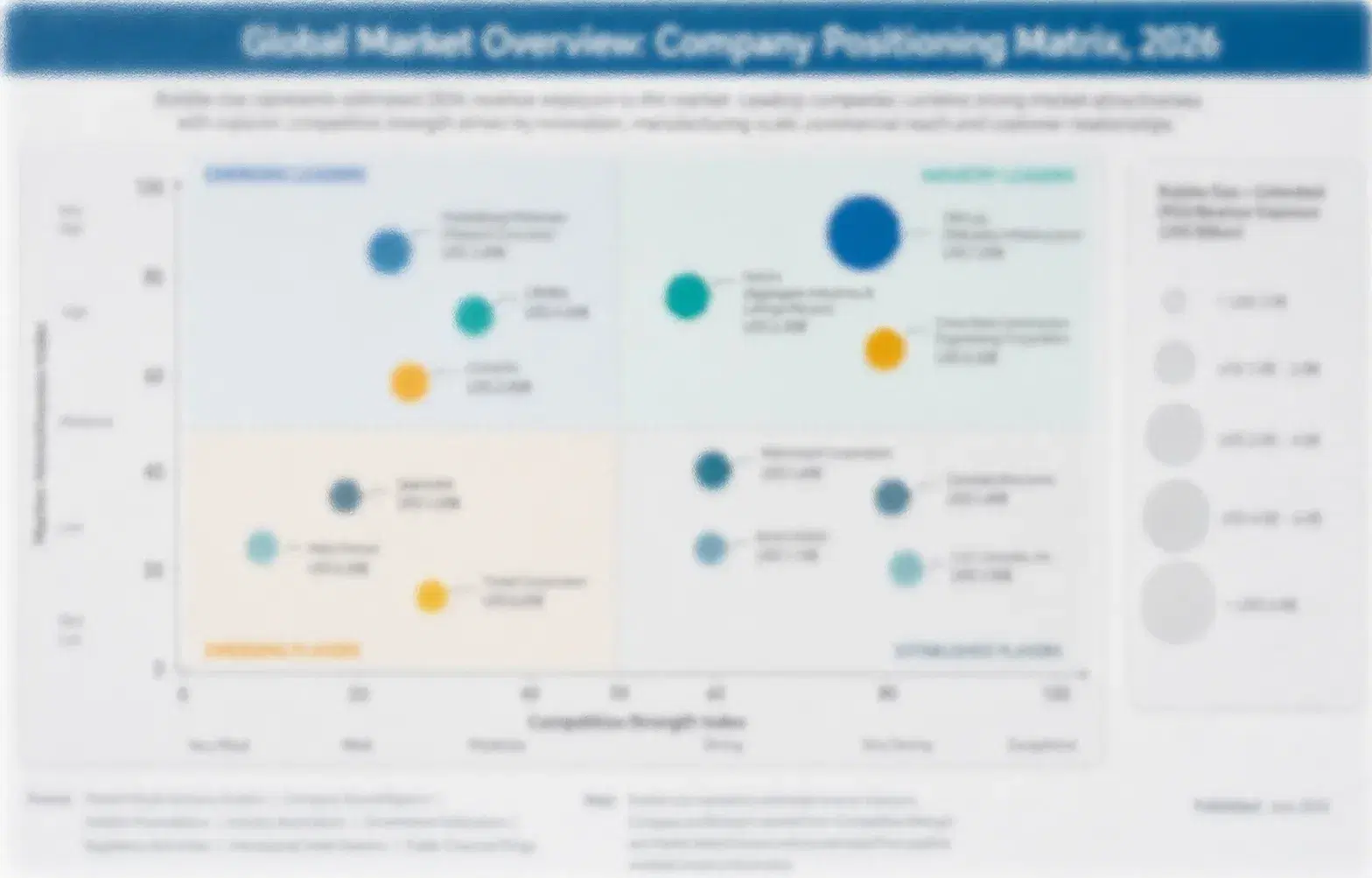
The insect protein animal feed market is moderately concentrated, with a CR5 of 42%, because a handful of well-funded specialist companies built early scale advantages while emerging regional producers, particularly in China, compete on cost in an industry still working toward commercial maturity. This assessment measures participants on estimated insect protein production volume, held constant across all players. Protix and InnovaFeed lead through facility scale and funding depth, Ynsect, AgriProtein and Enterra Feed follow, and the gap to the fifth player is moderate.
Competition runs on four dimensions today: production cost trajectory, regulatory approval breadth, safety documentation and consistency, and species-specific performance data. Well-funded specialists win on facility scale and regulatory relationships, regional producers win on cost, and pet food-focused suppliers win on palatability credibility. Buyers compare cost trajectory, safety data and consistency.

Emerging pressure comes from Chinese producers scaling low-cost capacity rapidly, from pet food positioning creating a premium segment less exposed to fish meal price competition and from facility efficiency gains that reward scale investment. Rankings shift where a producer proves cost trajectory progress, wins regulatory approval in new markets or builds pet food brand relationships, and consolidation continues as capital-constrained startups face facility economics pressure.
insect-protein-animal-feed-market-company-positioning-matrix-1790050499826

Competitive Moat and Risk Dimensions

PROTIX

Moat: Facility Scale and Funding Depth

Protix operates large-scale black soldier fly rearing facilities in the Netherlands backed by substantial institutional and strategic investor funding, giving it production scale and financial resources that smaller competitors lack. Its facility scale, funding depth and regulatory relationships give it strong access to aquaculture and pet food formulators,.
PROTIX

Risk: Capital Intensity and Execution Risk

Protix carries significant capital investment in facility infrastructure that requires sustained volume growth and cost efficiency gains to generate adequate returns, and facility scale-up execution risk remains meaningful in a still-maturing industry. Chinese low-cost competitors pressure pricing, regulatory approval delays can slow market expansion, and rule changes can shift demand quickly. Investors expect steady returns.
INNOVAFEED

Moat: Integrated Production and Partnerships

InnovaFeed operates integrated insect farming facilities in France and the United States with strategic partnerships linking feedstock supply and formulation customers directly into its production planning. Its integrated model, strategic partnerships and facility scale give it strong access to aquaculture and agriculture customers, and its partnerships support continued facility expansion and cost efficiency investment.
INNOVAFEED

Risk: Facility Execution and Funding Dependence

InnovaFeed depends on continued access to capital markets to fund facility expansion, and facility construction and ramp-up delays have affected timelines across the broader industry including comparable projects. Chinese competitors pressure cost-sensitive segments, regulatory variation across markets complicates expansion, and rule changes can shift demand quickly. Investors expect steady returns.

Players Tracked

Prominent Players

Protix
InnovaFeed
Ynsect
AgriProtein
Enterra Feed

Other Key Players

Nutrition Technologies
Hexafly
Beta Hatch
Chapul Farms
Innovafeed China
Jiangsu Xiezhong
Shandong Insect Biotech
Nasekomo
Better Origin
FlyFeed
Entocycle
Bühler Insect Technology Solutions
Tebrio
Circular Organics
Agronutris

Recent Developments

JANUARY 2026

Insect Farming Company Launches Pet Food Grade Protein Line With Validated Palatability Data for Premium Brands

An insect farming company launched a pet food grade protein line with validated palatability data for premium brands, according to company communications. It is a product launch, not an acquisition, and it tests pet food demand. The line uses dedicated processing. Sales terms were not disclosed.
Signal: Confirms insect farming companies are widening pet food lines because premium brands pay for validated palatability and hypoallergenic claims.
FEBRUARY 2026

Producer Expands Black Soldier Fly Rearing Capacity in Asia to Serve Growing Aquaculture Feed Demand

A producer expanded black soldier fly rearing capacity in Asia to serve growing aquaculture feed demand, according to company communications. It is an organic capacity expansion, not an acquisition, and it tests supply readiness. The facility adds rearing units. Financial terms were not disclosed. Rollout follows customer reviews.
Signal: Shows producers are scaling Asian capacity because low-cost manufacturing increasingly competes for global aquaculture formulation volume.
MARCH 2026

Regulator Announces Expanded Approval Pathway for Insect Protein Use in Poultry and Swine Feed Formulations

A regulator announced an expanded approval pathway for insect protein use in poultry and swine feed formulations, according to public announcements. It is a regulatory action, not a commercial deal, and it tests market access. The pathway covers several insect species. Timing of full implementation remains open.
Signal: Indicates regulators are widening insect protein access because novel ingredient safety data has accumulated across several years of aquaculture use.

Rearing Facility, Feedstock and Processing Cost Exposure

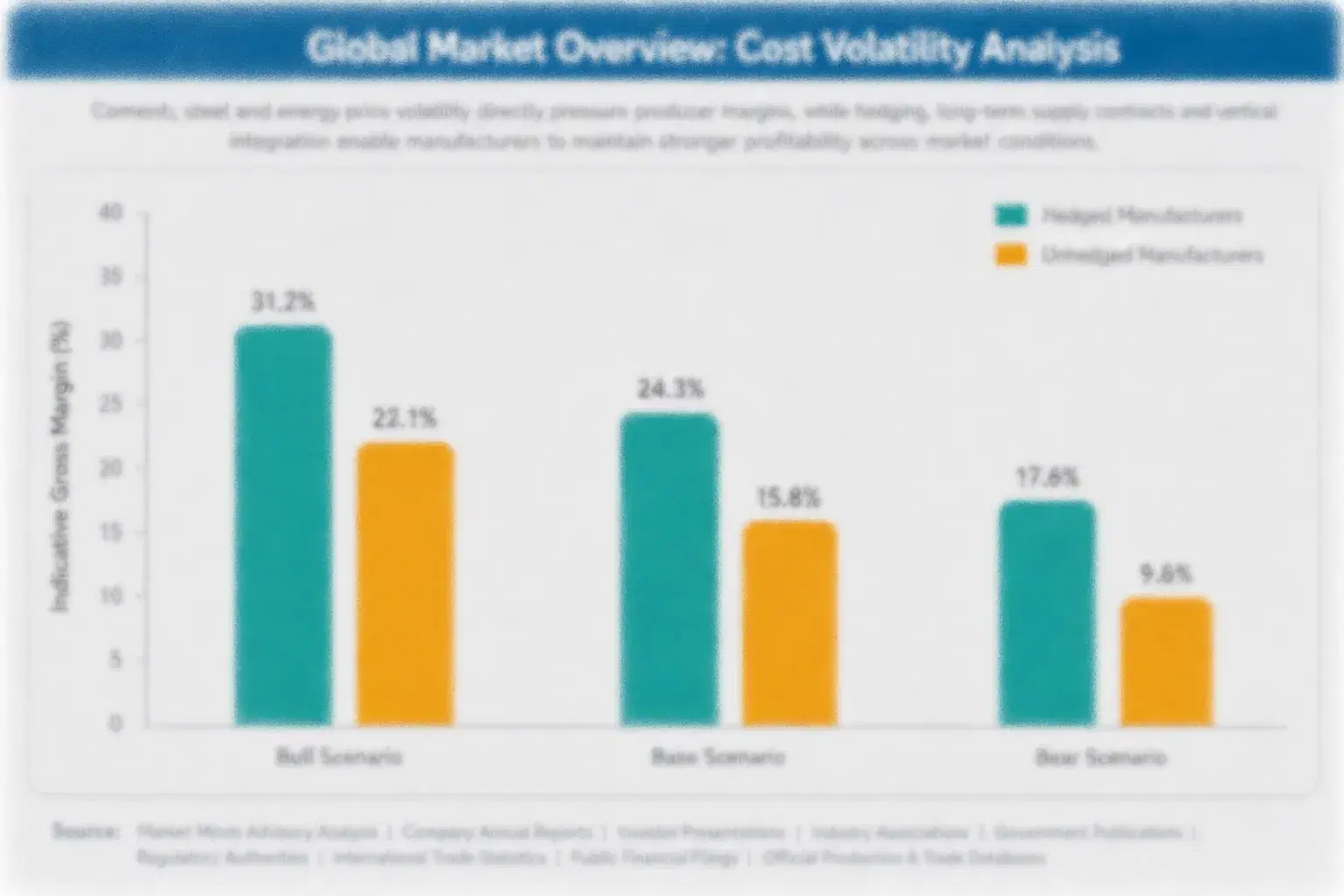
Rearing facility operation and feedstock inputs account for roughly 38% of manufacturing cost, energy for climate control and drying about 22%, labour about 16%, processing and extraction equipment depreciation about 14%, and packaging and logistics about 10%. Feedstock comes from food processing and agricultural waste streams, and facility equipment from specialist bioreactor and rearing technology suppliers.
The clearest recent shock came in 2022 and 2023. Energy costs for climate-controlled rearing facilities spiked sharply, according to IEA data, and several high-profile facility construction cost overruns affected capital planning across the industry during the same period. Producers absorbed part of the increase, delayed some expansion plans and focused on efficiency, which compressed margins during an already capital-intensive scale-up period. Some relief came in 2024 as energy prices eased.

The disadvantage falls on small producers without facility scale, feedstock security or capital access, because they cannot spread fixed facility cost across sufficient volume or absorb energy price swings easily. Exposure varies by player type: well-funded specialists hold scale and diversified feedstock, regional producers depend on local waste stream access, and newer entrants depend on continued investor funding. Facility scale decides who reaches cost parity first.
insect-protein-animal-feed-market-cost-volatility-analysis-1790050500013

Facility Automation and Energy Efficiency Investment

Producers invest in automated rearing systems and energy efficient climate control to cut production cost per tonne by 15% to 30% as facilities scale. The main challenge is capital of $5 million to $30 million per facility expansion, so producers stage investment against demand signals. Engineers monitor yield and energy metrics weekly and report progress regularly.

Diversified Feedstock Sourcing Across Waste Streams

Producers diversify feedstock sourcing across multiple organic waste stream types and regional sources to cut supply disruption risk by 20% to 35%. The main challenge is validating alternative feedstocks against nutrient and safety standards, so producers test gradually. Procurement teams monitor availability each month against production plans. Teams track availability closely and adjust sourcing plans each production season.

Phased Facility Construction Tied to Demand Milestones

Producers phase facility construction against confirmed demand milestones rather than building full capacity upfront, cutting capital risk and construction overrun exposure by 20% to 30%. The main challenge is balancing capital efficiency against the time needed to secure demand. Finance teams review construction milestones monthly. Finance teams review milestones monthly and report progress to leadership.

Portfolio Architecture for Margin Defence

Margins run from moderate returns on standard aquaculture-grade meal to strong returns on pet food grade protein and specialty oils sold with palatability and safety credibility. Three tiers separate volume products, premium certified products and next-generation solutions, and each draws on different facility scale, safety documentation and brand relationships in a moderately concentrated market. Margin gaps between tiers run to 28 points.
The tension between volume and premium is sharp. Standard aquaculture-grade meal fills facility capacity at moderate prices and competes directly with fish meal on cost, while pet food grade protein and specialty oils earn higher margins on smaller volumes and depend on palatability data, safety documentation and brand trust. Producers that run only commodity volume face constant fish meal price pressure, while premium-only producers struggle to fund the capital facility scale-up requires.

High-value pools concentrate in pet food grade insect protein and in aquaculture-grade formulations for feed makers pursuing sustainability commitments. They gather where formulators pay for genuine performance and credible safety data, not for insect protein volume alone. Insect-derived oils add a specialty lipid pool, and strong producers hold more than one, though each needs different processing and capital skills.

Volume / Commodity-Adjacent

Standard black soldier fly larvae meal sold on price per tonne to aquaculture feed makers seeking fish meal alternatives. Buyers focus on cost and consistent supply, contracts follow annual reviews, and differentiation is limited by shared production processes.
Gross Margin: 22%-32%

Premium / Certified

Mealworm protein meal and insect oils with documented amino acid and safety profiles sold to commercial aquaculture and specialty feed formulators. Buyers value proof of consistency, safety documentation and reliable supply, and contracts run for one or more years with regular reviews.
Gross Margin: 28%-40%

Sustainability / Regulatory / Next-Generation

Pet food grade insect protein and validated aquaculture-grade formulations sold to premium brands and sustainability-focused feed makers. Sales depend on palatability validation, regulatory approval and cost trajectory credibility across regions, and producers must show reliable capacity to hold accounts.
Gross Margin: 38%-50%
insect-protein-animal-feed-market-portfolio-architecture-1790050500220

High-value Sub-segments and Strategic Watch-out

Pet Food Grade Insect Protein

Pet food grade insect protein combines the fastest growth with the strongest pricing, since premium brands accept gross margins of 38% to 50% for hypoallergenic, sustainably positioned protein. Palatability validation and consistent supply form the entry barrier, and producers with credible brand relationships lead. Buyers renew contracts each year.
Gross Margin: 38%-50%

Aquaculture-Grade Insect Protein Formulations

Aquaculture-grade insect protein formulations deliver solid growth with premium pricing, since feed makers support gross margins of 26% to 38% for validated fish meal substitution performance. Species-specific trial data and consistent profiles limit competition, though fish meal price swings add risk. Reviews occur each season.
Gross Margin: 26%-38%

Black Soldier Fly Larvae Meal

Black soldier fly larvae meal is the volume core, with value growing about 12.0% a year. Facility cost, feedstock access and price competition with fish meal decide profit, and well-funded specialists and Chinese producers hold most sales. Buyers renew contracts yearly at prices linked to fish meal benchmarks.
Gross Margin: 22%-32%

Insect-Derived Oils and Lipids

Insect-derived oils and lipids are the strategic watch-out, since growth of about 10.5% a year trails the leaders, specialty lipid applications serve narrower niches and extraction economics remain less proven than meal production at scale. Producers should manage volumes selectively and steer investment toward clearer buyers.
Gross Margin: 20%-32%

Why Formulators Keep Buying Insect Protein

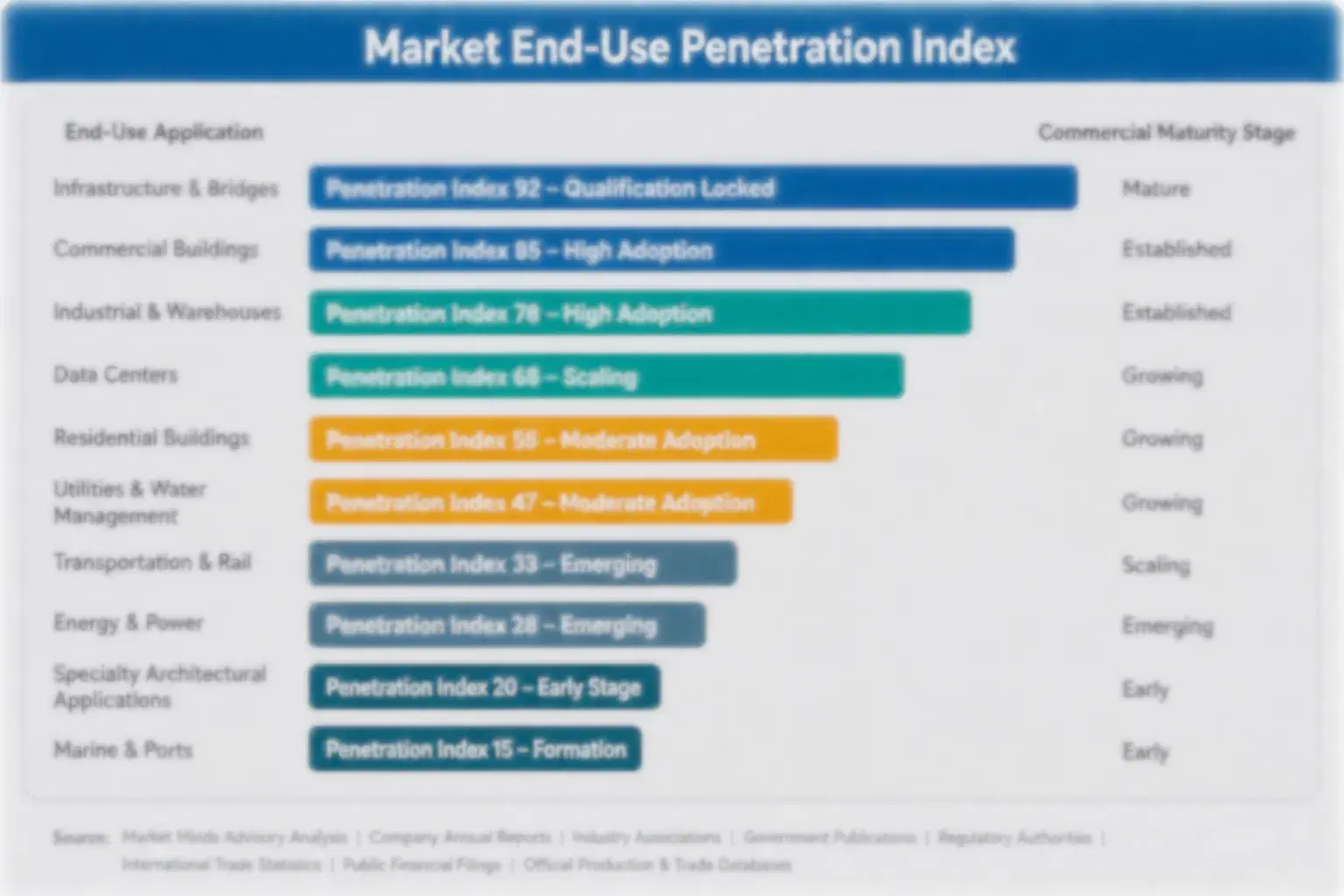
Insect protein demand behaves like an annuity attached to every sustainability and substitution commitment, though the category's youth means many relationships are still forming rather than renewing. Once a formulator validates an insect protein source against safety and performance benchmarks, dosing repeats with each production batch, and switching means re-running trials and risking supply continuity in a still-consolidating industry. Contracts run around volume and cost milestones. Trust, once earned, takes years to lose.
Adoption stickiness differs by end-use vertical. Sustainability-committed aquaculture feed makers are the deepest, since substitution targets are embedded in corporate commitments and switching risks reporting continuity. Premium pet food brands are moderately sticky, driven by brand positioning and palatability performance. Mainstream livestock formulators are more fluid, adopting only once cost parity is proven, though early trial participation holds interest for future seasons.

Buyer profiles are shifting between generations. Older formulators viewed insect protein as a niche experimental ingredient, while younger sustainability officers and brand managers treat it as a strategic sourcing option and compare suppliers on cost trajectory and safety documentation. Regulators and certification bodies add a third group that sets approval standards. Suppliers that publish clear cost and safety data win newer buyers.
insect-protein-animal-feed-market-end-use-penetration-index-1790050500407

MMA Verdict: Insect Protein Strategy

These are among the four positions where our research anticipates prominent divergence between winners and laggards over the coming forecast period. Each is grounded in the demand model, the regulatory perimeter, and the announced capacity pipeline.
01 / PET FOOD POSITIONING STRATEGY

Scale Pet Food Grade Production Before Premium Brands Lock In Rival Suppliers

Premium brands want hypoallergenic protein with proven palatability, and suppliers that scale pet food grade production with validated data win sales worth 10% to 18% of revenue at gross margins of 38% to 50%. Suppliers should invest $5 million to $25 million, fund palatability trials and secure safety documentation. Those that delay will lose brand partners over the next two years, while early movers hold clearly and durably higher prices and stronger margins across every formulation cycle, review, audit and season.
02 / REGULATORY EXPANSION STRATEGY

Accelerate Approval Filings Before Rivals Capture New Species Application Markets

Formulators need approved applications to expand insect protein use, and suppliers that accelerate regulatory approval across new species and markets win contracts worth 8% to 15% of revenue at premiums of 5% to 15% per tonne. Suppliers should invest $2 million to $12 million, prioritise high-value markets and parallel file across jurisdictions. Those that delay will cede share to faster, better-funded competitors, while early movers hold much stronger, deeper and lasting positions across every review, season, audit and annual negotiation.
03 / FACILITY EFFICIENCY DISCIPLINE

Improve Facility Efficiency Before Fish Meal Cost Parity Window Favours Rivals

Formulators want cost-competitive supply, and producers that improve facility automation and feedstock efficiency cut production cost per tonne by 15% to 30% and win broader adoption worth 8% to 14% of revenue. Producers should invest $5 million to $30 million, invest in automation and optimise feedstock sourcing. Those that delay will lose key mainstream formulators entirely over the coming two years of adoption, while early movers hold clearly, meaningfully and durably stronger cost positions across every review, season, audit and negotiation.
04 / FEEDSTOCK SUPPLY STRATEGY

Diversify Feedstock Sourcing Before Waste Stream Shortages Erode Producer Margins

Rearing facilities make up about 38% of cost, and producers that diversify feedstock sourcing across waste streams and regions cut cost and supply swings by 15% to 30% and protect margins worth 5% to 9% of profit. Producers should invest $1 million to $6 million, qualify multiple feedstock sources and test alternative waste streams. Those that delay will pay rising input bills over the next two years, while early movers hold lower costs and stronger margins across every production cycle and annual budget review.

Engagement Snapshot From the Field

A live engagement with an industry participant carrying material or product regulatory and market exposure ahead of a defining policy shift, showing how our research translates into a defensible multi-year portfolio strategy.
MARKET MINDS ADVISORY · CLIENT ENGAGEMENT SUMMARY
Insect Protein Animal Feed Producer Strategic Portfolio Review and Transition Roadmap 2026·Investment Scenario on Insect Protein Animal Feed Exposure Evaluation 2025-26
CLIENT PROFILE
The client is a European aquaculture feed manufacturer with annual revenue near $260 million (client-reported, unverified by MMA), facing a corporate commitment to reduce fish meal dependence by a defined target within three years while managing customer concerns about performance consistency and cost across salmon and trout feed formulations. The board wanted a defensible plan before the commitment deadline.
STRATEGIC CHALLENGE
The sustainability commitment required documented fish meal reduction progress annually to satisfy retail customer requirements (client-reported, unverified by MMA), the manufacturer's current insect protein trials showed promising but inconsistent results across production batches and management had to decide on supplier consolidation and formulation strategy. Customers wanted evidence the substitution would not compromise fish growth performance.
MMA APPROACH
MMA analysed trial performance, cost and consistency data across four insect protein suppliers, interviewed 13 nutritionists, customers and suppliers, and ran a supplier comparison on production consistency, cost trajectory and regulatory status across six countries. It modelled substitution economics and performance risk by supplier option and formulation blend level. It compared supplier options against the fixed three-year commitment window.
KEY FINDINGS
  1. Consolidating to two qualified suppliers with proven consistency would meet the reduction target while maintaining growth performance within acceptable ranges (client-reported, unverified by MMA).
  2. A gradual blend-level increase over three years would balance cost management with performance validation better than an immediate full substitution (client-reported, unverified by MMA).
  3. Documented trial data significantly improved retail customer confidence in the substitution commitment and improved confidence across every retail account reviewed (client-reported, unverified by MMA).
  4. Cost parity with fish meal appeared achievable within the three-year commitment window based on current cost trajectory trends (client-reported, unverified by MMA).
CLIENT PROFILE
The client is a European aquaculture feed manufacturer with annual revenue near $260 million (client-reported, unverified by MMA), facing a corporate commitment to reduce fish meal dependence by a defined target within three years while managing customer concerns about performance consistency and cost across salmon and trout feed formulations. The board wanted a defensible plan before the commitment deadline.
STRATEGIC CHALLENGE
The sustainability commitment required documented fish meal reduction progress annually to satisfy retail customer requirements (client-reported, unverified by MMA), the manufacturer's current insect protein trials showed promising but inconsistent results across production batches and management had to decide on supplier consolidation and formulation strategy. Customers wanted evidence the substitution would not compromise fish growth performance.
MMA APPROACH
MMA analysed trial performance, cost and consistency data across four insect protein suppliers, interviewed 13 nutritionists, customers and suppliers, and ran a supplier comparison on production consistency, cost trajectory and regulatory status across six countries. It modelled substitution economics and performance risk by supplier option and formulation blend level. It compared supplier options against the fixed three-year commitment window.
KEY FINDINGS
  1. Consolidating to two qualified suppliers with proven consistency would meet the reduction target while maintaining growth performance within acceptable ranges (client-reported, unverified by MMA).
  2. A gradual blend-level increase over three years would balance cost management with performance validation better than an immediate full substitution (client-reported, unverified by MMA).
  3. Documented trial data significantly improved retail customer confidence in the substitution commitment and improved confidence across every retail account reviewed (client-reported, unverified by MMA).
  4. Cost parity with fish meal appeared achievable within the three-year commitment window based on current cost trajectory trends (client-reported, unverified by MMA).
RECOMMENDED STRATEGY
Phase 1: Phase 1 (Months 1-6): Qualify two consistent suppliers and begin gradual blend-level trials across salmon feed lines. Customers reviewed early data closely. Phase 2: Phase 2 (Months 7-18): Scale the blend level across trout and additional salmon lines while documenting performance for customers. Results guide the next phase. Phase 3: Phase 3 (Months 19-36): Extend substitution toward the full target using performance and cost data from earlier phases. The board tracked progress monthly.
OUTCOME
Within 36 months, fish meal dependence fell in line with the sustainability commitment across major product lines, retail customers renewed contracts under the documented substitution terms and fish growth performance held steady throughout (client-reported, unverified by MMA). The manufacturer credited the phased approach with meeting commitments without disrupting customer relationships.

Frequently Asked Questions

Foundational context covering the market sizes, CAGR, scope, country, region and competition that inform every finding below. This section is provided to cover basics and most often pre-purchase conversations, answered from the MMA Primary Research Dataset.

What is the current size of the Insect Protein Animal Feed Market?

The global insect protein animal feed market was valued at $0.6 billion in 2025 on a manufacturer revenue basis. Growth comes from fish meal substitution, pet food premiumisation and regulatory approval expansion, and faces facility capital costs and approval variation.

How large will the Insect Protein Animal Feed Market be by 2036?

The market is projected to reach $3.07 billion by 2036, up from $0.70 billion in 2026. The increase of $2.37 billion reflects pet food protein, aquaculture formulations and Asian production scale.

What is the CAGR for the Insect Protein Animal Feed Market 2026 to 2036?

The market is forecast to grow at a 16.0% CAGR from 2026 to 2036. The bull case reaches 18.5% and the bear case 13.5%, depending on regulatory approval pace and facility scale-up progress.

Which segment is growing fastest?

Pet Food Grade Insect Protein is the fastest-growing segment at 22.4% CAGR, roughly 1.40 times the overall market rate. Aquaculture-Grade Insect Protein Formulations follows at 14.5% CAGR, led by fish meal substitution demand.

Who are the major companies in the Insect Protein Animal Feed Market?

Major companies include Protix, InnovaFeed, Ynsect, AgriProtein and Enterra Feed. Nutrition Technologies, Hexafly, Beta Hatch, Chapul Farms and Better Origin also hold meaningful positions in specific niches.

Which country is growing fastest?

China is growing fastest at about 23.5% CAGR, because low-cost production scale and rapid facility investment expand together. Vietnam and India follow through similar aquaculture-linked demand growth.

Report Segmentation Architecture

The full report scope spans multiple orthogonal segmentation dimensions, with cross-tabulated demand data provided for each dimension pair. Coverage extends further to regional breakdowns, trend trajectories, and the competitive detail needed to support segment-level decision-making.

By Primary Market Dimension

  • Black Soldier Fly Larvae Meal
  • Mealworm Protein Meal
  • Insect-Derived Oils and Lipids
  • Aquaculture-Grade Insect Protein Formulations
  • Pet Food Grade Insect Protein

By End-Use Industry

  • Aquaculture Feed Producers
  • Pet Food Manufacturers
  • Poultry and Swine Feed Producers
  • Specialty and Premium Formulators

By Commercial Dimension

  • Direct Sales to Formulators
  • Multi-Year Supply Agreements
  • Distributor Networks
  • Sustainability Programme Partnerships
  • Trial and Technical Service Bundles

By Region

  • North America
  • Western Europe
  • East Asia
  • South Asia and Pacific
  • Latin America
  • Middle East and Africa
  • Eastern Europe

Scope, Methodology, and Coverage

Every figure in this report is reproducible from documented input assumptions. The scope below maps the historical period, the forecast horizon, the segmentation dimensions, and the countries covered, alongside the underlying primary and qualitative methodology.
Historical Period
2020 to 2025
Forecast Period
2026 to 2036
Base Year
2025 (USD billions; MMA Primary Research Dataset, September 2026)
Market Definition
The market covers global manufacturer revenue from insect protein animal feed, defined as protein meal, oil and derived ingredients produced from farmed insects for use in animal feed formulations, in black soldier fly larvae meal, mealworm protein meal, insect-derived oils and lipids, aquaculture-grade insect protein formulations, and pet food grade insect protein, sold to aquaculture, pet food and livestock feed manufacturers and valued at manufacturer revenue. It excludes human food-grade insect products, insect-based fertiliser sold independently and general fish meal or soybean meal.
Quantitative Units
USD billions (manufacturer revenue); thousand tonnes for volume references
Segmentation Dimensions
By Product Type; By End-Use Industry; By Commercial Dimension; By Region
Regions Covered
North America, Western Europe, East Asia, South Asia and Pacific, Latin America, Middle East and Africa, Eastern Europe
Countries Covered
United States, Canada, Mexico, Netherlands, France, Belgium, United Kingdom, Germany, Poland, China, Japan, South Korea, India, Vietnam, Thailand, Australia, Brazil, Mexico Central, Argentina, Saudi Arabia, South Africa, Kenya, Ukraine, Denmark, and additional markets relevant to this sector
Key Companies Profiled
Protix, InnovaFeed, Ynsect, AgriProtein, Enterra Feed, Nutrition Technologies, Hexafly, Beta Hatch, Chapul Farms, Innovafeed China, Jiangsu Xiezhong, Shandong Insect Biotech, Nasekomo, Better Origin, FlyFeed, Entocycle, Bühler Insect Technology Solutions, Tebrio, Circular Organics, Agronutris
Quantitative Methodology
Primary survey, n=3,800 respondents, Q4 2025, six countries; demand-side model with trade association cross-validation
Qualitative Methodology
47 expert interviews, Q4 2025; applied to validate demand model assumptions, identify emerging dynamics, and assess competitive positioning
Report Format
PDF and XLSX data workbook (Word format preview document)
Publisher
Market Minds Advisory
Report Code
MMA-2026-AGR-366
Published
September 2026
Contact
sales@marketmindsadvisory.com | www.marketmindsadvisory.com

Purchase the full Insect Protein Animal Feed Market Report (2026 to 2036).

The full report delivers a detailed assessment of the global insect protein animal feed market through 2036, covering product type, end-use industry, channel and regional forecasts, competitive benchmarking of leading insect farming companies and regional producers, and input cost analysis. It combines MMA primary research, including a six-country survey of 3,800 respondents and 47 expert interviews, with public statistical and company data. Analysts also model facility, feedstock and processing cost scenarios. Clients receive segment margin ranges, facility capacity trackers and a case study on substitution strategy. Buyer negotiation frameworks are also included.
Ten-year product type and end-use demand forecasts
Rearing facility, feedstock and processing cost tracking
Competitive benchmarking of leading insect protein producers
Novel ingredient approval and feed safety regulation tracker
Regional comparative analysis and forecasts included
Quarterly primary survey data update access

Built For The People Who Decide

From boardroom strategy to bench-side execution, this report is read cover-to-cover by leaders shaping the next decade of their industry, turning demand scenarios, market dynamics and valuation benchmarks into decisions.
CXOs/ Presidents/ VPs/ Managers
M&A and Corporate Development
Strategy Teams and R&D Heads
Procurement and Product Directors
Regulatory and Compliance Leaders
Investor Relations and Equity Analysts