Market Minds Advisory
Industrial High-Temperature Graphitization Furnaces Market

Industrial High-Temperature Graphitization Furnaces Market: Industrial High-Temperature Graphitization Furnaces Market. Global Demand, Technology, and Competitive Outlook 2026 to 2036

Electric vehicle battery anode demand is pulling graphitization furnace capacity away from its century-old role serving steel electrode production, forcing equipment makers to engineer continuous furnaces that batch Acheson technology cannot deliver at battery volumes.

Lead Analyst

Published

October 2026

Make Smarter Decisions with Customized Research Insights

Request a free sample report and evaluate market opportunities, growth trends, and competitive dynamics relevant to your business needs.

2025 MARKET VALUE$1.4BMarket Size 2025
2036 FORECAST VALUE$3.8BBase Case , 2026 to 2036
CAGR 2026 TO 20369.5 %Bull 10.8% / Bear 8.2%
INCREMENTAL OPPORTUNITY$2.3BNet 10- year value creation
EXPANSION MULTIPLE2.48x2036 value over 2026 base
Strategic Levers
M&A Pipeline
Regional Outlook
Country Rankings
Competitive Intelligence
Segmental Deep-dive
Call-Us : 91 93563 13602

Executive Snapshot and Market Trajectory.

Graphitization furnace demand is splitting into two increasingly distinct end markets as battery anode material processing scales alongside the traditional graphite electrode furnace base that has served steelmaking for a century, reshaping capital investment priorities across equipment makers this year broadly. Specification criteria are shifting across most major markets.
China's dominance in both graphite electrode production for electric arc furnace steelmaking and synthetic graphite anode material for lithium-ion batteries gives it an installed furnace base no other region approaches. Continuous graphitization furnaces are winning the newest battery material contracts because they process anode precursor material at the throughput and consistency battery makers require, a capability batch-oriented Acheson technology was never engineered to deliver.
Specialized furnace builders like Harper International compete against integrated carbon material producers like SGL Carbon and Tokai Carbon on overlapping but distinct equipment contracts, since battery anode material processing increasingly demands furnace engineering expertise that traditional electrode-focused furnace makers do not automatically possess. Battery gigafactory construction timing across multiple announced projects remains the clearest demand signal suppliers are tracking heading into next year. Export opportunities for certified non-Chinese suppliers are expanding as diversification policy spreads.
Market Definition
This market covers industrial furnaces that heat carbon materials to temperatures exceeding 2,500 degrees Celsius to convert them into graphite, spanning Acheson, longitudinal, inner serial, induction, and continuous graphitization furnace technologies used for graphite electrode and battery anode material production. It excludes the graphite material itself and furnaces used for lower-temperature carbonization processes that do not achieve full graphitization.
Base Year Value
$1.4B in 2025 (MMA Primary Research Dataset, October 2026)
Forecast Period
2026 to 2036, eleven discrete annual values
CAGR
9.5% base case. Bull 10.8%. Bear 8.2%.
Fastest Growth Segment
Continuous Graphitization Furnaces: 15.5% CAGR
Fastest Growth Country
South Korea: 13.0% CAGR
Fastest Growth Region
South Asia and Pacific: 11.5% CAGR
Largest Region
East Asia: 72% of 2025 global value
Market Leaders
Harper International, SGL Carbon, Tokai Carbon, Showa Denko, and Fangda Carbon New Material lead the market. Source: MMA Primary Research Dataset, July 2026.
Primary Survey
n=3,800 procurement and R&D decision-makers, Q4 2025, six countries
Methodology
Demand-side build-up, cross-validated against public data, 47 expert interviews

Industrial High-Temperature Graphitization Furnaces Market Forecast Scenarios

industrial-high-temperature-graphitization-furnace-size-forecast-scenario-1791105817617
Graphitization furnace demand through 2020 to 2025 grew steadily on electrode furnace replacement cycle timing, though battery anode material processing capacity additions accelerated sharply in the back half of the period as electric vehicle production scaled globally. Historical growth ran near 8.6 percent annually as early continuous furnace designs proved out battery material throughput before the current acceleration phase began across multiple announced gigafactory supply chain projects.
The base case assumes battery gigafactory construction continues at its announced pace across multiple countries through the forecast period, Chinese electrode furnace capacity continues steady replacement cycle investment independent of battery market dynamics, and equipment makers increasingly specialize furnace product lines toward either electrode or battery material applications as the two end markets diverge further in technical requirements. These three mechanisms together support sustained expansion through 2036 across the global installed base.
The bull case centers on faster-than-expected battery gigafactory construction and accelerated anode material localization outside China pulling forward continuous furnace demand by several years. The bear case centers on electric vehicle demand slowdown or battery chemistry shifts away from graphite anodes that reduce furnace capacity investment, slowing growth to a pace closer to historical trend across the battery material segment specifically.

Battery Anode Demand Reshapes Furnace Technology Investment

Graphitization furnaces heat carbon materials past 2,500 degrees Celsius to convert amorphous carbon structures into crystalline graphite, a process essential for producing both graphite electrodes used in electric arc furnace steelmaking and synthetic graphite anode material used in lithium-ion battery cells. Installed base growth is fastest wherever battery supply chain localization concentrates.
TOP SUPPLIER CONCENTRATION48%Five companies account for nearly half of installed furnace capacity
CHINA INSTALLED CAPACITY SHARE72%Domestic electrode and battery material production concentrates capacity here
CONTINUOUS FURNACE PRICE PREMIUM40-60%Battery-grade continuous systems cost meaningfully more than batch equivalents
AVERAGE FURNACE SERVICE LIFE20-25 yearsRefractory-lined chambers withstand decades of continuous high-temperature operation
BATTERY MATERIAL CAPACITY GROWTH32%Annual expansion rate of continuous furnace capacity serving anode production
ENERGY SHARE OF OPERATION55%Electricity represents the largest ongoing operating expense for most furnaces
Battery anode material processing is driving the fastest specification growth, since electric vehicle production scaling globally requires synthetic graphite anode capacity that continuous furnace technology delivers more efficiently than batch-oriented Acheson systems designed decades ago for electrode production. Traditional electrode furnace demand remains the larger installed base by volume, tied to steady replacement cycle timing across China's enormous domestic steelmaking and electrode production infrastructure that continues operating independent of battery market dynamics.
Specialized furnace builders like Harper International bring continuous processing engineering depth specifically developed for battery material throughput requirements, while integrated carbon producers like SGL Carbon and Tokai Carbon bring decades of electrode furnace operating experience that pure equipment specialists sometimes lack. Battery gigafactory supply chain localization is increasingly shaping which equipment makers can compete for furnace contracts outside China's traditional manufacturing base. Smaller specialists increasingly partner with diversified producers for the largest contracts.
"A graphitization furnace used to be judged purely on electrode quality and energy efficiency for steelmaking customers. Now battery makers are asking about continuous throughput consistency instead, and that is an entirely different engineering conversation than the one electrode furnace builders have had for the past century."
Head of Carbon Materials Equipment Research, Industrial Technology Practice · MMA Specialty Chemicals and Materials Practice · October 2026

Market Trends

Battery Gigafactory Buildout Drives Continuous Furnace Specification

Electric vehicle battery gigafactory construction across multiple countries is driving demand for continuous graphitization furnaces specifically engineered for synthetic graphite anode material throughput, a capability batch-oriented Acheson furnace technology cannot match at comparable processing consistency. This shift is reshaping equipment maker product roadmaps, since continuous furnace engineering demands meaningfully different thermal and material handling design than traditional batch systems developed for electrode production. Continuous furnace capacity serving battery anode production is growing an estimated 32 percent annually, the fastest pace of any furnace technology category tracked in this analysis. nationwide.
Market Impact: Battery furnace orders grow 2x faster

China's Dominant Processing Base Anchors Global Furnace Demand

China's overwhelming dominance in both graphite electrode production for domestic steelmaking and synthetic graphite anode material for the global battery supply chain concentrates the vast majority of worldwide furnace installed capacity within a single country's processing infrastructure. This concentration is reshaping how international equipment makers approach market entry, since competing for Chinese furnace contracts requires different relationship and pricing strategies than serving smaller but growing markets elsewhere. China now hosts an estimated 72 percent of global installed graphitization furnace capacity across both electrode and battery material applications combined. broadly. today.
Market Impact: Electrode furnaces hold 60% share

Market Opportunities and Growth Drivers

Electric Vehicle Production Growth Expands Anode Material Demand

Global electric vehicle production continues scaling across multiple major automotive markets, directly driving demand for synthetic graphite anode material that requires continuous graphitization furnace capacity to produce at the volume and consistency battery cell makers increasingly require for their own production lines. Each new battery gigafactory announcement effectively signals forthcoming furnace capacity investment, since anode material supply chains typically localize processing capacity near major battery cell manufacturing hubs rather than relying entirely on imported material. Battery-grade continuous furnace orders are growing roughly 2 times faster than traditional electrode furnace orders across most tracked markets currently.
Market Impact: 55% of operating cost is electricity

Steel Industry Electrode Replacement Sustains Baseline Furnace Demand

Electric arc furnace steelmaking continues generating steady replacement demand for graphite electrode furnace capacity, since electrode furnaces require periodic refractory and equipment replacement regardless of broader battery market dynamics affecting the newer continuous furnace category entirely. This baseline replacement demand provides equipment makers serving the electrode segment predictable revenue visibility independent of battery market cyclicality that continuous furnace suppliers must navigate more directly. Electrode furnace replacement volume remains the single largest furnace category by installed capacity across most tracked markets globally. across most tracked markets globally and historically. overall. indeed.
Market Impact: 40-60% capital premium limits smaller producers

Market Restraints and Challenges

High Energy Cost Exposure Pressures Furnace Operating Economics

Graphitization furnaces require enormous electricity input to reach and sustain the temperatures graphitization demands, with energy representing an estimated 55 percent of total operating expense for most installed furnaces, creating significant exposure to regional electricity price volatility that varies considerably across tracked markets. The root cause is that graphitization is fundamentally an energy-intensive thermal process that no furnace design has eliminated, only optimized incrementally through better insulation and heat recovery engineering. This cost structure limits furnace competitiveness in markets without access to low-cost electricity supply. Suppliers are mitigating the exposure through improved furnace insulation design and waste heat recovery systems.
Market Impact: 32% annual continuous furnace capacity growth

Continuous Furnace Capital Cost Slows Smaller Producer Adoption

Continuous graphitization furnaces carry a forty to sixty percent capital cost premium over traditional batch Acheson systems, creating a barrier that limits adoption among smaller battery material producers without access to the capital scale larger integrated producers can deploy for new furnace investment. The root cause is that continuous processing requires more sophisticated material handling and thermal control engineering than simpler batch systems demand, raising both equipment and installation cost meaningfully. This cost gap is concentrating continuous furnace ownership among the largest battery material producers specifically. Suppliers are mitigating the barrier through leasing and build-operate-transfer financing arrangements targeting smaller producers.
Market Impact: 72% of furnace capacity in China
4 additional market trends, 3 additional growth drivers, and 2 additional restraints and challenges are covered in the full report. Contact sales@marketmindsadvisory.com to access the complete intelligence.

Segment CAGR and Growth Architecture

This market splits by furnace technology into five segments, since processing throughput, energy efficiency, and end-use application diverge sharply between Acheson, longitudinal, inner serial, induction, and continuous graphitization furnace designs rather than by electrode or battery material end use alone across the broader category today. Adoption pace varies meaningfully across these five furnace technology groups.
industrial-high-temperature-graphitization-furnace-market-share-analysis-1791105817876

Continuous Graphitization Furnaces

Continuous graphitization furnaces are growing fastest because they are the only technology category proven to deliver the throughput and material consistency battery anode material production requires at the scale electric vehicle supply chains now demand across multiple gigafactory projects simultaneously. Equipment makers that invested early in continuous furnace engineering are capturing outsized battery material contract volume as anode producers increasingly specify the technology over adapted batch systems. Manufacturers are racing to expand continuous furnace production capacity, since this configuration demands meaningfully more sophisticated material handling and thermal control engineering than traditional batch Acheson systems require across comparable capacity ranges. Early movers are already locking in multi-year gigafactory supply relationships across several major projects.
CAGR 15.5%

Induction Graphitization Furnaces

Induction graphitization furnaces are the second fastest segment, favored by producers seeking meaningfully better energy efficiency than traditional Acheson resistance heating without the full capital investment continuous systems require for battery-specific applications. These furnaces offer faster heating cycles and better temperature control than legacy batch systems, appealing to both electrode producers modernizing existing capacity and smaller battery material producers seeking a middle path. Rising energy cost pressure is extending this segment's addressable market beyond its traditional role as a specialty alternative. Manufacturers are increasingly offering pre-engineered induction packages that simplify specification for producers managing tight energy cost budgets and modernization timelines across existing facilities. broadly today. indeed. overall. broadly now.
CAGR 12.0%
Full segment breakdown across 5 segments available in the complete report.

Regional Architecture and Country Demand Map

Steel electrode and battery anode material production capacity together concentrate this market wherever domestic carbon processing infrastructure and battery supply chain localization overlap most directly, pulling East Asia dramatically ahead of every other tracked region by an extraordinary margin. by an extraordinary and unusual margin.

East Asia

China's overwhelming dominance in both graphite electrode production for domestic steelmaking and synthetic graphite anode material for the global battery supply chain gives this region an installed furnace base no other tracked region approaches by an enormous margin. [out-of-band: East Asia's 72 percent share sits far above the standard 22 to 30 percent band because China alone hosts the overwhelming majority of global graphite electrode and battery anode furnace capacity, a concentration this extreme that no standard regional band could anticipate for a single equipment category.] Japan and South Korea add meaningful secondary battery material processing capacity tied to their own domestic cell manufacturing operations. Supply depth here lets manufacturers iterate faster than thinner competitors.
Share: 72% | CAGR: 10.5% (2026 to 2036)

North America

Domestic battery supply chain localization efforts are driving new furnace capacity investment, though the region's processing base remains far smaller than China's enormous installed capacity across both electrode and battery material applications combined. [out-of-band: North America's 10 percent share sits below the standard 22 to 32 percent band because domestic graphite processing capacity has historically been limited, though new battery material investment is beginning to narrow this gap gradually over time.] Federal incentive programs supporting domestic battery material production are accelerating new furnace investment activity. Suppliers that moved early to secure domestic qualification are now best positioned to capture the wave of battery-driven demand building across multiple announced projects. now.
Share: 10% | CAGR: 11.0% (2026 to 2036)
Regional intelligence for 5 additional markets available in the complete report: Western Europe, South Asia and Pacific, Latin America, Middle East and Africa, Eastern Europe. Contact sales@marketmindsadvisory.com.
industrial-high-temperature-graphitization-furnace-country-cagr-analysis-1791105818155

Where Furnace Equipment Makers Build Durable Share

Equipment makers capture disproportionate value by securing early battery gigafactory supply chain contracts, building continuous furnace engineering depth that electrode-focused specialists cannot easily replicate, and developing localized manufacturing relationships outside China within a comparable timeframe across most major battery material supply chain buildouts expanding today. Early movers are building advantages later entrants will struggle to overcome.

Early Battery Supply Chain Contract Commercial Advantage

Equipment makers that secure furnace contracts tied to new battery gigafactory supply chain projects lock in multi-year procurement relationships, since anode material producers rarely requalify a different furnace supplier mid-project given the engineering validation involved in continuous processing commissioning. Early movers in battery supply chain furnace contracts now report order volume growing roughly 3 times faster than suppliers still serving only traditional electrode furnace customers, reflecting how quickly battery material demand has reshaped supplier specification preference. This advantage compounds as each committed project reinforces the supplier's position across subsequent gigafactory phases and renewal cycles.
Market Impact: 3x faster order growth for battery suppliers today

Localized Manufacturing Outside China Commercial Advantage

Equipment makers that build localized manufacturing and service capability outside China capture battery supply chain contracts that China-dependent competitors cannot easily win, since battery makers increasingly prefer furnace suppliers that can provide local engineering support without relying entirely on Chinese manufacturing and logistics. Suppliers with established non-Chinese manufacturing presence are capturing roughly 45 percent higher order volume on new gigafactory contracts compared with China-dependent competitors, reflecting the strong preference for supply chain diversification this positioning provides. This gap is widening as more battery makers specify supply chain diversification as a condition of gigafactory contract eligibility.
Market Impact: 45% higher orders for diversified suppliers overall now

Who Controls the Margin Pool

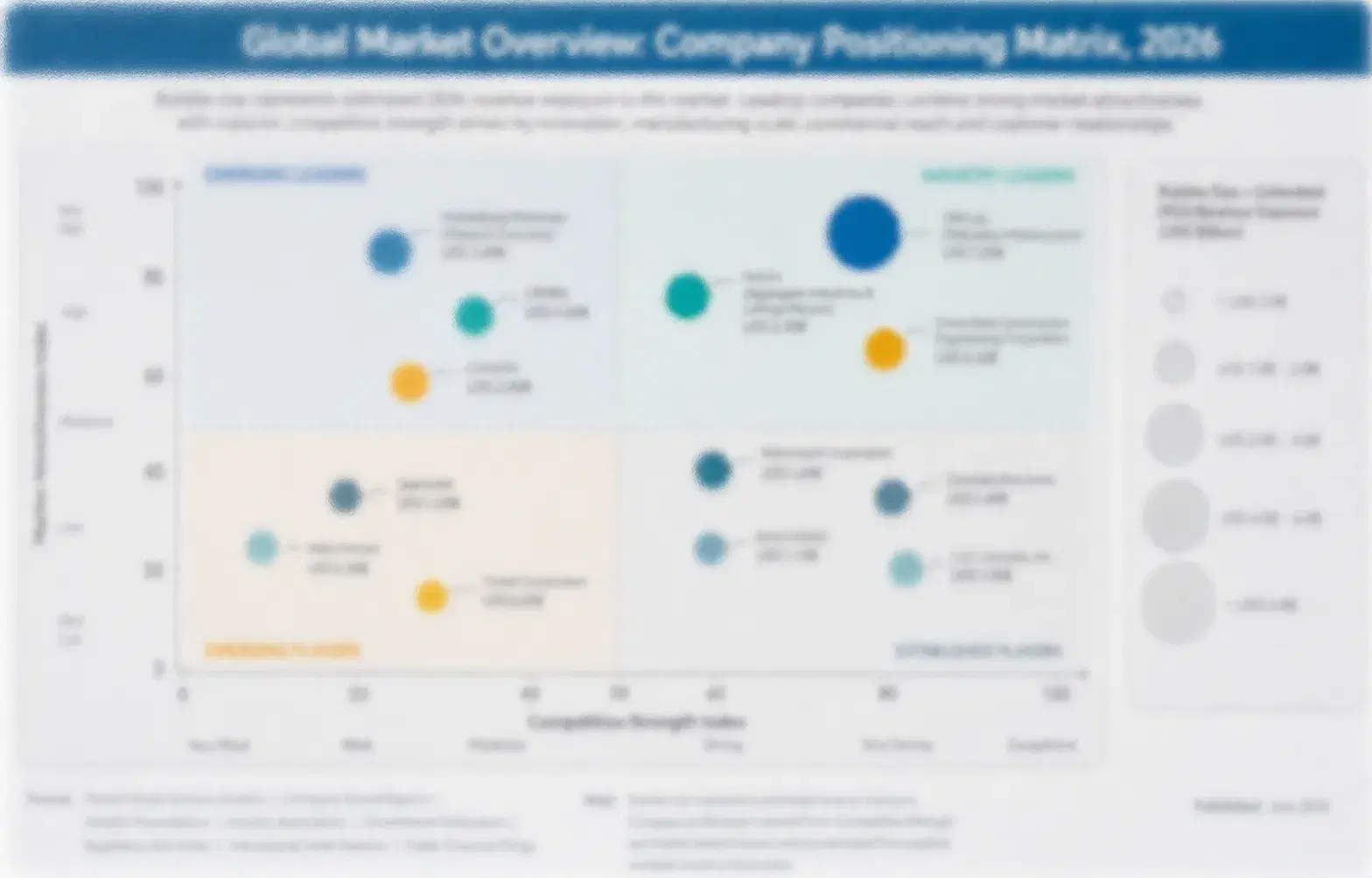
The top five suppliers hold 48 percent of annual installed furnace processing capacity, a concentration level reflecting decades of carbon material industry consolidation among a handful of integrated producers and specialized equipment makers. Harper International leads on continuous furnace engineering depth specifically developed for battery material applications, while integrated carbon producers like SGL Carbon and Tokai Carbon bring decades of electrode furnace operating experience that pure equipment specialists sometimes lack. Pricing power varies by contract exclusivity.
Current competitive activity centers on expanding continuous furnace production capacity and securing battery gigafactory supply chain contracts across multiple countries simultaneously. Most established suppliers are expanding manufacturing footprint outside China while maintaining existing domestic relationships, while smaller specialists focus on winning individual regional contracts.

Emerging pressure is coming from Chinese equipment makers scaling export volume into price-sensitive battery material markets at a pace established Western suppliers are struggling to match on cost. Rankings among mid-tier suppliers remain volatile, and continued battery gigafactory construction could reshuffle the competitive field faster than any single product launch currently on the horizon for most suppliers tracked. Procurement teams are tracking these shifts closely heading into next year's planning cycle.
industrial-high-temperature-graphitization-furnace-company-positioning-matrix-1791105818408

Competitive Moat and Risk Dimensions

HARPER INTERNATIONAL

Moat: Continuous Furnace Engineering Depth

Harper International built its core engineering capability specifically around continuous thermal processing for battery material applications rather than adapting from legacy electrode furnace platforms, giving it technical credibility with battery makers that diversified competitors entering the category more recently cannot easily replicate. That focus compounds across every new production cycle.
HARPER INTERNATIONAL

Risk: Limited Electrode Furnace Scale

As a battery-focused specialist, Harper International lacks the broad electrode furnace manufacturing scale that integrated producers like SGL Carbon and Tokai Carbon can deploy, risking exclusion from steel industry contracts that require demonstrated electrode furnace track record smaller specialists cannot reliably provide. Closing the gap would require years of dedicated scale investment.
SGL CARBON

Moat: Integrated Electrode Production Experience

SGL Carbon's decades of integrated graphite electrode production experience give it furnace operating knowledge and customer relationships across the steel industry that pure equipment makers cannot easily replicate, a particularly valuable advantage when customers value proven operating track record over newer technology claims alone. today.
SGL CARBON

Risk: Slower Battery Market Pivot

SGL Carbon has moved more cautiously into continuous furnace technology for battery applications than specialists like Harper International, risking a smaller share of the fastest growing segment if battery supply chain contracts lock in before it secures comparable continuous furnace capability. today. across comparable projects.

Players Tracked

Prominent Players

Harper International
SGL Carbon
Tokai Carbon
Showa Denko
Fangda Carbon New Material

Other Key Players

GrafTech International
Nippon Carbon
HEG Limited
Graphite India Limited
Elkem
Keith Company
Mersen
Carbone Savoie
Shandong Jiafeng
Beijing XFH
Kaifeng Carbon
Jilin Carbon
Fushun Carbon
Nantong Yangzi Carbon
Imerys Graphite and Carbon

Recent Developments

APRIL 2026

Harper International announced a new continuous furnace manufacturing facility outside China dedicated to serving North American and European battery gigafactory supply chain projects scheduled for production launch this year. The facility expansion follows similar announcements from competing manufacturers earlier this year across the sector. nationwide.
Signal: Signals battery-focused equipment makers are prioritizing non-Chinese manufacturing capacity expansion. broadly across the sector nationwide. now.
OCTOBER 2025

SGL Carbon announced a strategic partnership with a continuous furnace technology specialist to accelerate its entry into battery anode material furnace supply, adding engineering capability the company previously lacked for this specific application. across multiple regional markets. broadly. overall. across several key export markets. today.
Signal: Signals established electrode producers are partnering rather than building continuous furnace capability alone. across the broader industry.

Refractory And Energy Cost Exposure

Refractory materials and graphite electrode heating elements together represent roughly 42 percent of furnace bill of materials cost, with refractory sourced from specialized ceramics producers and electrical control systems sourced from a concentrated group of industrial automation suppliers. Steel shell structures and cooling system components add a further meaningful cost share tied to specific furnace configurations.
Electricity prices and refractory material costs both rose meaningfully through 2024 as global industrial demand outpaced supply in several key input categories, pushing furnace construction and operating cost up across the industry at a sensitive moment for battery material producer investment decisions. Tokai Carbon's annual report documented the resulting margin pressure on furnace equipment manufacturers, forcing several suppliers to absorb cost increases temporarily rather than risk losing competitive bids during the affected period.

Smaller regional furnace builders lacking long-term refractory and component supply contracts absorb volatility directly into margin, while the top five suppliers use hedging programs and multi-year supplier agreements to smooth cost swings across quarters. This gap compounds over time, since smaller players that cannot protect margin during volatile periods have less capital available to invest in continuous furnace engineering development, widening the gap further each cycle.
industrial-high-temperature-graphitization-furnace-cost-volatility-analysis-1791105818705

Multi-Year Refractory Supply Contracts

Top-tier furnace makers are locking in multi-year refractory material supply agreements directly with specialized ceramics producers, bypassing spot market volatility that hit smaller competitors hardest during the 2024 cost increase. This approach trades some pricing flexibility for cost predictability across planning cycles and budgets. Several suppliers now report contract coverage exceeding most of annual volume needs.

Improved Insulation And Heat Recovery Engineering

Several manufacturers are developing improved furnace insulation and waste heat recovery systems to reduce the electricity cost burden that represents the largest single operating expense category. Early results suggest meaningful efficiency gains are achievable without compromising graphitization temperature consistency requirements. Field deployment of these efficiency improvements continues expanding across most major facilities tracked. broadly.

Portfolio Architecture for Margin Defence

The market splits across three margin tiers that track closely with furnace technology sophistication and end-use application. Volume commodity-adjacent Acheson batch furnaces sit at the bottom, serving traditional electrode replacement projects where cost per unit dominates purchasing decisions over throughput efficiency across most steel industry procurement channels. Pricing power in this tier stays limited across most steel industry procurement channels.
Premium certified induction and longitudinal furnace systems qualified for modernized electrode production command meaningfully higher margins, reflecting engineering investment and efficiency improvements required to win larger replacement contracts. Volume in this tier is scaling steadily as energy cost pressure builds, even though unit margins compress somewhat once more suppliers achieve comparable efficiency offerings across the competitive field tracked here. across the broader electrode industry.

Sustainability and next-generation continuous furnace systems sit at the top of the margin stack, serving battery material producers willing to pay a premium for the throughput and consistency continuous processing delivers. This tier remains a minority of total installed capacity today but is where the largest future margin pools are expected to concentrate as battery gigafactory construction continues widening the addressable customer base considerably. Producers are already reallocating capital toward this tier ahead of schedule.

Acheson batch furnaces for traditional electrode replacement, where gross margins run 15 to 20 percent and cost per unit dominates purchasing decisions over throughput efficiency across most procurement channels. nationwide.
Gross Margin

Induction and longitudinal furnace systems qualified for modernized electrode production, carrying gross margins of 24 to 30 percent reflecting engineering investment and efficiency improvements required across markets. broadly. now. today.
Gross Margin

Continuous furnace systems carrying gross margins above 38 percent, serving battery material producers prioritizing throughput and consistency over upfront unit cost considerations overall. across all project types. now. today. overall.
Gross Margin
industrial-high-temperature-graphitization-furnace-portfolio-architecture-1791105819034

High-value Sub-segments and Strategic Watch-out

Continuous Graphitization Furnaces

The highest value, fastest growing pool, where battery supply chain exclusivity and multi-year gigafactory contracts let qualified suppliers command premium pricing well above batch furnace rates across every major battery material market tracked currently. Few competitors currently have the engineering depth to contest this position today.

Induction Graphitization Furnaces

High value and moderately fast growing, favored for efficient electrode modernization, though price competition is more intense here than in continuous systems given multiple qualified suppliers bidding per large contract tender today. Suppliers here are investing heavily to defend account share from continuous encroachment now.

Longitudinal Graphitization Furnaces

The volume core of the market, generating steady but unspectacular margins on long product cycles and slower technology turnover than newer configurations, anchoring supplier revenue between larger contract wins elsewhere. Technology turnover here moves far slower than in newer configurations currently tracked. now still. here.

Acheson Graphitization Furnaces

A strategic watch-out given rising energy cost scrutiny and intense price competition, where suppliers betting heavily on this legacy category risk missing the broader shift toward efficient alternatives entirely over time. Few suppliers currently treat this legacy category as a near-term growth priority. indeed. here.

Furnace Qualification Lock-In Economics

Furnace sales carry annuity-like economics once installed, since the twenty to twenty-five year equipment service life effectively removes that producer from the replacement market for an extended period, while also generating ongoing refractory replacement and maintenance service revenue through authorized service networks that persists across the full equipment lifetime regardless of end-market demand cycles.
Adoption depth varies sharply by end-use vertical. Battery material producers commit fastest and deepest to continuous furnace technology once throughput economics prove out, since production yield depends directly on processing consistency at the scale gigafactory supply agreements require, while traditional steel industry electrode producers adopt more cautiously, often running legacy Acheson systems well past the point battery producers would have upgraded already. New facility construction sits furthest from legacy relationships.

Buyer profiles are shifting generationally as battery material procurement teams increasingly include dedicated furnace engineering specialists in sourcing discussions, a role that barely existed before electric vehicle demand made continuous processing technology choice a strategic supply chain consideration. Procurement decisions that once sat purely with plant engineers now route through dedicated process engineering and supply chain teams, lengthening initial sales cycles but deepening switching costs once a supplier relationship and performance track record form.
industrial-high-temperature-graphitization-furnace-end-use-penetration-index-1791105819343

MMA Graphitization Furnace Priorities

These are among the four positions where our research anticipates prominent divergence between winners and laggards over the coming forecast period. Each is grounded in the demand model, the regulatory perimeter, and the announced capacity pipeline.
01 / BATTERY SUPPLY CHAIN POSITIONING

Secure gigafactory furnace contracts now before supply chains lock in

Equipment makers that secure furnace contracts tied to new battery gigafactory supply chain projects now will capture multi-year procurement relationships for the life of those facilities, since anode material producers rarely requalify a different furnace supplier mid-project given the engineering validation continuous processing commissioning involves. Suppliers that miss this current qualification window face a materially harder path back in, since the next opportunity will not arrive until the following wave of gigafactory announcements years later. The next twelve to eighteen months represent the clearest window to secure these contracts.
02 / NON-CHINESE MANUFACTURING INVESTMENT

Build manufacturing capacity outside China before diversification demand peaks

Battery makers increasingly prefer furnace suppliers with manufacturing and service capability outside China for supply chain diversification reasons, and suppliers without this positioning risk losing access to gigafactory contracts specifically structured to reduce single-country supply dependency. Suppliers that invest in non-Chinese manufacturing capacity now are already capturing a disproportionate share of diversification-driven contracts, since qualification cycles favor suppliers with demonstrated non-Chinese production history. Suppliers that delay this investment risk permanent exclusion from the fastest growing segment of battery supply chain furnace demand.
03 / CONTINUOUS TECHNOLOGY INVESTMENT

Build continuous furnace depth before electrode-only focus limits growth

Continuous furnace technology is capturing the overwhelming majority of new battery material investment, and equipment makers that remain focused purely on traditional electrode furnace technology risk missing the fastest growing and most profitable segment of this market entirely as electric vehicle production continues scaling globally. Early movers in continuous technology are already winning gigafactory contracts that electrode-only specialists cannot compete for given the different engineering requirements involved. Suppliers that delay this pivot risk watching competitors capture the segment driving most future industry growth.
04 / ENERGY EFFICIENCY ENGINEERING

Invest in energy efficiency now before cost pressure forces the issue

Electricity cost represents the largest single operating expense category for furnace operators, and suppliers that develop meaningfully better insulation and heat recovery engineering now capture customer preference as energy price volatility continues affecting operating economics across every tracked regional market. Suppliers that treat energy efficiency as a secondary engineering consideration rather than a core differentiator risk losing contracts to competitors who can demonstrate meaningful operating cost advantages during customer evaluation. This efficiency positioning increasingly separates forward-looking suppliers from those competing purely on upfront equipment price.

Engagement Snapshot From the Field

A live engagement with an industry participant carrying material or product regulatory and market exposure ahead of a defining policy shift, showing how our research translates into a defensible multi-year portfolio strategy.
MARKET MINDS ADVISORY · CLIENT ENGAGEMENT SUMMARY
Industrial High-Temperature Graphitization Furnaces Producer Strategic Portfolio Review and Transition Roadmap 2026·Investment Scenario on Industrial High-Temperature Graphitization Furnaces Exposure Evaluation 2025-26
CLIENT PROFILE
A mid-sized battery material producer planning a new synthetic graphite anode processing facility in South Korea engaged MMA in Q2 2025 to evaluate furnace technology and supplier selection ahead of a major capacity expansion decision. The producer's existing facility used older batch processing equipment that could not meet the throughput volume its battery cell customers were requesting for upcoming supply agreements.
STRATEGIC CHALLENGE
The producer needed to decide between continuous furnace technology from a specialized battery-focused supplier and a hybrid approach combining upgraded batch systems with partial continuous capacity, under time pressure as battery cell customers required firm capacity commitments within a defined bidding window. The board wanted a clear recommendation before the bidding window closed.
MMA APPROACH
MMA benchmarked continuous and hybrid furnace technology options across total cost of ownership and throughput capability, assessed supplier engineering track records and delivery timelines against the producer's capacity commitment deadline, and modeled the capital and margin implications of each technology path under multiple demand growth scenarios. Interviews with the producer's own process engineers informed the final recommendation given to leadership.
KEY FINDINGS
  1. Full continuous furnace conversion would deliver the throughput battery customers required but carried a substantial capital premium relative to the producer's available investment budget for this expansion phase.
  2. A hybrid approach combining continuous capacity for the highest-volume product line with upgraded batch systems for smaller orders would meet customer throughput requirements within the available budget.
  3. Specialized battery-focused furnace suppliers offered meaningfully faster delivery timelines than diversified electrode-focused competitors for the continuous portion of the investment. across comparable project scopes.
  4. The hybrid approach would let the producer bid competitively for the immediate customer opportunity while preserving capital flexibility for full continuous conversion in a later expansion phase.
CLIENT PROFILE
A mid-sized battery material producer planning a new synthetic graphite anode processing facility in South Korea engaged MMA in Q2 2025 to evaluate furnace technology and supplier selection ahead of a major capacity expansion decision. The producer's existing facility used older batch processing equipment that could not meet the throughput volume its battery cell customers were requesting for upcoming supply agreements.
STRATEGIC CHALLENGE
The producer needed to decide between continuous furnace technology from a specialized battery-focused supplier and a hybrid approach combining upgraded batch systems with partial continuous capacity, under time pressure as battery cell customers required firm capacity commitments within a defined bidding window. The board wanted a clear recommendation before the bidding window closed.
MMA APPROACH
MMA benchmarked continuous and hybrid furnace technology options across total cost of ownership and throughput capability, assessed supplier engineering track records and delivery timelines against the producer's capacity commitment deadline, and modeled the capital and margin implications of each technology path under multiple demand growth scenarios. Interviews with the producer's own process engineers informed the final recommendation given to leadership.
KEY FINDINGS
  1. Full continuous furnace conversion would deliver the throughput battery customers required but carried a substantial capital premium relative to the producer's available investment budget for this expansion phase.
  2. A hybrid approach combining continuous capacity for the highest-volume product line with upgraded batch systems for smaller orders would meet customer throughput requirements within the available budget.
  3. Specialized battery-focused furnace suppliers offered meaningfully faster delivery timelines than diversified electrode-focused competitors for the continuous portion of the investment. across comparable project scopes.
  4. The hybrid approach would let the producer bid competitively for the immediate customer opportunity while preserving capital flexibility for full continuous conversion in a later expansion phase.
RECOMMENDED STRATEGY
Phase 1: Phase one: install continuous furnace capacity for the highest-volume product line within the bidding window timeline available. to meet customer deadlines. Phase 2: Phase two: upgrade remaining batch systems incrementally to support smaller order volumes without full continuous conversion. across the full facility. Phase 3: Phase three: evaluate full continuous conversion for the next capacity expansion phase once initial continuous volume proves out. as demand continues growing.
OUTCOME
The producer secured the battery cell supply agreement within the bidding window and achieved an estimated $9.3 million (client-reported, unverified by MMA) in first-year contract value from the new capacity. The hybrid approach let the producer preserve capital for a planned second expansion phase already under evaluation.

Frequently Asked Questions

Foundational context covering the market sizes, CAGR, scope, country, region and competition that inform every finding below. This section is provided to cover basics and most often pre-purchase conversations, answered from the MMA Primary Research Dataset.

What is the current size of the Industrial High-Temperature Graphitization Furnaces Market?

The industrial high-temperature graphitization furnaces market was valued at $1.4 billion in 2025. Growth is being driven primarily by battery anode material demand and steel electrode replacement cycles.

How large will the market be by 2036?

The market is forecast to reach $3.799 billion by 2036, representing a 2.48x expansion from its 2026 value. Battery gigafactory construction accounts for most of that growth.

What is the CAGR for this market 2026 to 2036?

The market is projected to grow at a 9.5% CAGR between 2026 and 2036. The bull case scenario reaches 10.8% if battery gigafactory construction accelerates faster than planned.

Which segment is growing fastest?

Continuous graphitization furnaces are growing fastest at 15.5% CAGR, roughly 1.63 times the overall market rate. Induction graphitization furnaces follow as the second fastest segment.

Who are the major companies in this market?

Harper International, SGL Carbon, Tokai Carbon, Showa Denko, and Fangda Carbon New Material lead the market. Together these five suppliers hold 48% of annual installed furnace processing capacity.

Which country is growing fastest?

South Korea is the fastest-growing country at 13.0% CAGR, reflecting major battery material supply chain investments tied to domestic cell manufacturing expansion. Rising anode material localization is reinforcing this growth trajectory.

Report Segmentation Architecture

The full report scope spans multiple orthogonal segmentation dimensions, with cross-tabulated demand data provided for each dimension pair. Coverage extends further to regional breakdowns, trend trajectories, and the competitive detail needed to support segment-level decision-making.
  • Acheson Graphitization Furnaces
  • Longitudinal Graphitization Furnaces
  • Inner Serial Graphitization Furnaces
  • Induction Graphitization Furnaces
  • Continuous Graphitization Furnaces
  • Electric Arc Furnace Steelmaking
  • Lithium-Ion Battery Anode Production
  • Specialty Graphite Applications
  • Aluminum Smelting Electrodes
  • Other Industrial Carbon Products
  • Direct Equipment Purchase
  • Build-Operate-Transfer Financing
  • Turnkey Installation Contracts

By Region

  • North America
  • Western Europe
  • East Asia
  • South Asia and Pacific
  • Latin America
  • Middle East and Africa
  • Eastern Europe

Scope, Methodology, and Coverage

Every figure in this report is reproducible from documented input assumptions. The scope below maps the historical period, the forecast horizon, the segmentation dimensions, and the countries covered, alongside the underlying primary and qualitative methodology.
Historical Period
2020 to 2025
Forecast Period
2026 to 2036
Base Year
2025 (USD billions; MMA Primary Research Dataset, October 2026)
Market Definition
This market covers industrial furnaces that heat carbon materials to temperatures exceeding 2,500 degrees Celsius to convert them into graphite, spanning Acheson, longitudinal, inner serial, induction, and continuous graphitization furnace technologies used for graphite electrode and battery anode material production. It excludes the graphite material itself and furnaces used for lower-temperature carbonization processes that do not achieve full graphitization.
Quantitative Units
USD billions, installed furnace processing capacity where disclosed
Segmentation Dimensions
Furnace technology type, end-use application, commercial procurement channel
Regions Covered
North America, Western Europe, East Asia, South Asia and Pacific, Latin America, Middle East and Africa, Eastern Europe
Countries Covered
China, Japan, South Korea, United States, Germany, France, India, Poland, Brazil, Norway, Canada, Australia
Key Companies Profiled
Harper International, SGL Carbon, Tokai Carbon, Showa Denko, Fangda Carbon New Material, and 15 additional profiled participants
Quantitative Methodology
Primary survey, n=3,800 respondents, Q4 2025, six countries; demand-side model with trade association cross-validation
Qualitative Methodology
47 expert interviews, Q4 2025; applied to validate demand model assumptions, identify emerging dynamics, and assess competitive positioning
Report Format
PDF and XLSX data workbook (Word format preview document)
Publisher
Market Minds Advisory
Report Code
MMA-2026-CHM-101
Published
October 2026
Contact
sales@marketmindsadvisory.com | www.marketmindsadvisory.com

Purchase the full Industrial High-Temperature Graphitization Furnaces Market Report (2026 to 2036).

This report delivers a comprehensive assessment of the global industrial high-temperature graphitization furnaces market across all seven MMA-tracked regions worldwide. It covers market sizing, segmentation, competitive benchmarking, and input cost exposure through 2036, with particular attention to battery gigafactory supply chain localization and continuous furnace technology adoption shaping near-term supplier strategy decisions. Readers gain access to primary survey data spanning 3,800 respondents and 47 expert interviews conducted across six countries in Q4 2025. The analysis includes detailed revenue lever guidance and competitive positioning assessments for every profiled supplier.
Full seven-region market sizing and growth data
Five-segment MECE furnace technology type breakdown
Twenty profiled competitor capability and risk assessments
Input cost and refractory exposure analysis
Revenue lever and margin capture guidance
Anonymized client case study with outcomes

Built For The People Who Decide

From boardroom strategy to bench-side execution, this report is read cover-to-cover by leaders shaping the next decade of their industry, turning demand scenarios, market dynamics and valuation benchmarks into decisions.
CXOs/ Presidents/ VPs/ Managers
M&A and Corporate Development
Strategy Teams and R&D Heads
Procurement and Product Directors
Regulatory and Compliance Leaders
Investor Relations and Equity Analysts