Market Minds Advisory
Ice-cream Premix and Stabilizers Market

Ice-cream Premix and Stabilizers Market: Clean-Label Reformulation, Foodservice Expansion, and Competitive Dynamics Through 2036.

Ice cream manufacturers are racing to reformulate away from synthetic stabilizer systems as private-label retailers tighten clean-label sourcing requirements, reshaping supplier relationships across packaged retail and rapidly expanding foodservice dessert channels worldwide.

Lead Analyst

Published

September 2026

Make Smarter Decisions with Customized Research Insights

Request a free sample report and evaluate market opportunities, growth trends, and competitive dynamics relevant to your business needs.

2025 MARKET VALUE$3.4BMarket Size 2025
2036 FORECAST VALUE$6.8BBase Case , 2026 to 2036
CAGR 2026 TO 20366.5 %Bull 7.8% / Bear 5.3%
INCREMENTAL OPPORTUNITY$3.2BNet 10- year value creation
EXPANSION MULTIPLE1.88x2036 value over 2026 base
Strategic Levers
M&A Pipeline
Regional Outlook
Country Rankings
Competitive Intelligence
Segmental Deep-dive
Call-Us : 91 93563 13602

Executive Snapshot and Market Trajectory.

Clean-label reformulation is now the dominant force reshaping the global ice cream premix and stabilizers market, as private-label retailers impose documented traceability requirements manufacturers cannot ignore without risking meaningful account loss across most major packaged retail categories nationwide and abroad currently, consistently, and repeatedly across nearly every tracked segment.
North America and East Asia together anchor global demand, the former through dense packaged retail infrastructure and rapid clean-label reformulation, the latter through expanding quick-service dessert chains across China and India. Clean-label and natural stabilizer blends are the fastest-growing segment, while soft-serve and frozen yogurt premix concentrates follow closely as foodservice channels scale beyond mature Western markets into emerging Asian cities and secondary markets nationwide and across most distribution channels currently.
Five formulation specialists dominate supply, split between category-focused players like CP Kelco and Ashland and diversified ingredient houses like Cargill and Kerry Group that bundle premix with adjacent dairy and flavor lines, widening the technical gap against smaller regional formulators. Regulatory pressure around additive labeling in Europe and retailer clean-label mandates both push suppliers toward documented natural formulation faster than smaller competitors can currently match.
Market Definition
This market covers ice cream premix concentrates and stabilizer systems, including hydrocolloids and emulsifiers, sold to industrial and artisanal ice cream, frozen yogurt, and soft-serve manufacturers. It excludes finished packaged ice cream products and standalone flavoring agents sold outside premix blends.
Base Year Value
$3.4B in 2025 (MMA Primary Research Dataset, September 2026)
Forecast Period
2026 to 2036, eleven discrete annual values
CAGR
6.5% base case. Bull 7.8%. Bear 5.3%.
Fastest Growth Segment
Clean-Label and Natural Stabilizer Blends: 9.5% CAGR
Fastest Growth Country
India: 9.0% CAGR
Fastest Growth Region
South Asia and Pacific: 8.5% CAGR
Largest Region
North America: 29% of 2025 global value
Market Leaders
CP Kelco, Ashland, Cargill, International Flavors and Fragrances, Kerry Group. Source: MMA Analysis based on company annual reports.
Primary Survey
n=3,800 procurement and R&D decision-makers, Q4 2025, six countries
Methodology
Demand-side build-up, cross-validated against public data, 47 expert interviews

Ice-cream Premix and Stabilizers Market Forecast Scenarios

ice-cream-premix-and-stabilizers-market-size-forecast-scenario-1789899033696
Global ice cream premix and stabilizer demand grew steadily between 2020 and 2025, as packaged retail and foodservice categories both expanded alongside rising disposable income in emerging Asian markets, with historical growth running near 5.5 percent annually across most producing regions throughout the period despite pandemic-related foodservice disruption during its early years and a subsequent multi-year recovery phase.
The base case assumes continued clean-label reformulation across private-label retail programs sustains premium pricing and reformulation-service revenue, expanding quick-service and specialty dessert chain footprints across China and India accelerate foodservice-specific premix demand, and rising fortified and functional formulation adoption among health-conscious retail categories adds a third growth layer, collectively supporting steady expansion across most producing and consuming regions through the coming decade and into subsequent forecast periods and beyond current expectations.
A bull scenario hinges on faster-than-expected quick-service dessert chain expansion across South Asia pulling foodservice premix demand well above current projections as regional operators scale rapidly across secondary cities, while the bear risk centers on prolonged dairy input cost volatility compressing formulator margins enough to slow reformulation investment among smaller regional manufacturers nationwide and across neighboring markets.

Reformulation Economics Meet Foodservice Scale Expansion

Ice cream premix and stabilizers occupy a genuinely reformulation-driven position in packaged dessert manufacturing: a documented traceability investment rather than a commodity ingredient purchase, priced increasingly to reflect certification and technical service depth rather than raw material cost alone. That positioning now shapes almost every purchasing decision manufacturers make, from formulation specification to supplier relationship length, since documented clean-label credentials increasingly determine which suppliers win retail listing renewals across most major markets nationwide.
MARKET CONCENTRATIONCR5 34%moderate concentration among global formulation specialists across most regions
AVERAGE CONTRACT PRICE$2,100-$3,400/tonpremium pricing tracks documented clean-label sourcing costs closely
TOP PRODUCING COUNTRY SHAREUSA, ~24%dense packaged retail and private-label manufacturing anchor demand
CLEAN-LABEL VOLUME SHARERoughly 28%reformulated volume keeps expanding across most retail categories
DAIRY INPUT COST SHARE60-70%input costs dominate total premix production cost structure
FOODSERVICE CONTRACT PREMIUM20-25%dispensing-optimized formulations command noticeably higher pricing than standard retail
Procurement strategy varies sharply by manufacturer scale. Large packaged retail and private-label manufacturers negotiate direct supply contracts with formulation specialists like CP Kelco, locking in documented reformulation timelines and traceability certification across multi-year terms, while smaller artisanal producers buy through regional distributors carrying less negotiating leverage individually and facing considerably longer reformulation lead times overall as a result.
Foodservice channel expansion increasingly determines which suppliers win volume over the next decade. Suppliers investing early in dispensing-specific formulation and equipment testing are capturing quick-service dessert chain contracts that packaged-retail-focused competitors cannot easily access, a gap widening each year as foodservice operators expand into secondary Asian cities and additional emerging markets nationwide and abroad.
"Retailers stopped asking suppliers to explain their stabilizer blend years ago. Now they ask for the paperwork proving it, and that single shift rewrote who wins the shelf."
Director, Food Ingredients and Dairy Practice · MMA Agriculture and Food Practice · September 2026

Market Trends

Private-Label Retailers Mandate Clean-Label Stabilizer Reformulation

Major grocery chains across North America and Western Europe increasingly require documented natural stabilizer sourcing as a private-label listing condition, tracked through retailer supplier compliance disclosures and trade press coverage of reformulation timelines communicated directly to ingredient suppliers and manufacturers across most major product categories. This requirement is forcing manufacturers still using synthetic emulsifier blends to reformulate within compressed 12 to 18 month windows or risk losing shelf placement entirely, pushing demand toward suppliers with proven clean-label formulation and traceability documentation capability already established across comparable product categories and retail account relationships nationwide.
Market Impact: Adds 10 percent emerging market volume

Quick-Service Dessert Chains Scale Across Emerging Asian Markets

Quick-service and specialty dessert chains are opening outlets rapidly across secondary Chinese and Indian cities, tracked through franchise disclosure filings and regional retail trade association data documenting store count expansion across previously underserved metropolitan areas and their surrounding suburban districts. This expansion is driving demand for dispensing-optimized premix formulations distinct from packaged retail products, pushing suppliers to establish dedicated regional technical service and application testing capacity closer to these fast-growing accounts rather than relying on exports from established Western manufacturing facilities and existing distribution networks built for slower-growing mature markets.
Market Impact: Lifts fortified volume by 8 percent

Market Opportunities and Growth Drivers

Rising Packaged Ice Cream Retail Penetration Across Emerging Markets

Packaged ice cream retail penetration continues rising across India, Southeast Asia, and parts of Latin America as modern trade formats expand beyond metropolitan centers, tracked through national retail association data and company disclosed store count and distribution expansion figures published across most tracked regions and countries. This expansion is measurable in growing premix contract volume with regional manufacturers scaling beyond traditional local production toward organized retail distribution, pushing suppliers to establish dedicated regional technical service and application support capacity closer to these newly organized retail accounts rather than serving them remotely from established manufacturing hubs.
Market Impact: Compresses formulator margins by 6 percent

Functional and Fortified Formulation Demand Expands Steadily

Fortified and functional premix formulations, incorporating protein enrichment and reduced-sugar systems, are gaining share among health-conscious retail categories, tracked through company disclosed product launch data and industry association reporting on functional dessert category expansion across most major developed retail markets and their private-label programs. This adoption shift is measurable in fortified premix volume approaching an estimated 8 percent of total category volume in developed markets, pushing suppliers to expand dedicated functional formulation research capacity rather than treating fortification as a minor product line extension bolted onto existing standard premix offerings.
Market Impact: Limits premium access to 20 percent

Market Restraints and Challenges

Volatile Dairy and Hydrocolloid Input Costs Compress Margins

Dairy fat and hydrocolloid input costs, which together represent 60 to 70 percent of premix cost of goods sold, fluctuate meaningfully with broader agricultural commodity cycles, creating margin pressure that formulators cannot always pass through to price-sensitive manufacturers immediately. The root cause traces to premix formulation dependence on concentrated dairy and hydrocolloid supply origins whose availability follows regional weather and crop conditions rather than dedicated premix-industry demand signals. Formulators are exploring diversified sourcing and modified starch substitution as mitigation pathways, though full substitution remains limited by functional performance requirements in premium applications.
Market Impact: Adds 12 percent reformulated volume annually

Smaller Formulators Struggle to Fund Clean-Label Certification

Smaller regional formulators lack the capital and technical staff to fund the clinical documentation and traceability certification that private-label retailers increasingly require, limiting their ability to compete for premium reformulation contracts against larger, better-capitalized rivals across most major retail account categories. This limits smaller formulator access specifically to commodity-tier volume that carries thinner margins and offers little defense against rising input costs. Some smaller formulators are addressing this through cooperative certification programs that pool documentation costs across several regional manufacturers, a mitigation pathway that partially closes the capability gap without requiring individual capital investment.
Market Impact: Expands foodservice demand by 18 percent
3 additional market trends, 4 additional growth drivers, and 3 additional restraints and challenges are covered in the full report. Contact sales@marketmindsadvisory.com to access the complete intelligence.

Segment CAGR and Growth Architecture

Segmentation follows product application, the dimension that most directly determines formulation specification, functional additive selection, and buyer procurement pattern across clean-label stabilizer blends, soft-serve and frozen yogurt concentrates, fortified functional premix, standard packaged retail premix, artisanal small-batch formulations, and plant-based frozen dessert stabilizers sold to manufacturers worldwide across both retail and foodservice distribution channels alike.
ice-cream-premix-and-stabilizers-market-market-share-analysis-1789899034002

Clean-Label and Natural Stabilizer Blends

Clean-label and natural stabilizer blends are growing fastest as consumers scrutinize ingredient labels more closely than in prior decades, pushing manufacturers to reformulate away from synthetic emulsifiers and conventional hydrocolloid systems toward documented natural alternatives across most packaged retail categories and private-label programs nationwide and abroad. Formulators increasingly specify plant-derived and fermentation-based stabilizer sourcing precisely to satisfy retailer private-label documentation requirements, a formulation discipline pushing suppliers toward more rigorous ingredient traceability than conventional stabilizer applications require. Growth concentrates among premium and private-label brands rather than value-tier manufacturers, since documented clean-label claims justify premium pricing most clearly at the retail shelf where consumer scrutiny runs highest and purchasing decisions are ultimately made.
CAGR 9.5%

Soft-Serve and Frozen Yogurt Premix Concentrates

Soft-serve and frozen yogurt premix concentrates represent the second-fastest-growing segment, as quick-service and specialty dessert chains expand rapidly across emerging markets requiring formulations optimized for foodservice dispensing equipment rather than packaged retail freezer cases across most commercial kitchen environments and franchise operations nationwide and abroad. Foodservice chains increasingly work directly with specialty formulators to customize flavor and texture specifications for specific menu items, a shift raising average contract value even as unit volumes grow steadily across the category. Growth concentrates among regional quick-service chains rather than established packaged ice cream manufacturers, who remain more attached to conventional retail freezer distribution models and established supplier relationships built up carefully over many years.
CAGR 8.5%
Full segment breakdown across 6 segments available in the complete report.

Regional Architecture and Country Demand Map

North America and East Asia together anchor global demand, the former through dense packaged ice cream retail infrastructure and rapid clean-label reformulation, the latter through expanding quick-service dessert chains and rising dairy processing capacity across China, Japan, and India, with Western Europe close behind on regulatory-driven reformulation activity.

North America

The United States dominates regional demand through its dense network of packaged ice cream manufacturers, quick-service dessert chains, and private-label retail programs, all reformulating toward clean-label stabilizer systems faster than almost any other market tracked. Major grocery chains now specify documented natural sourcing as a listing condition for private-label frozen desserts, pushing suppliers to certify traceability across their ingredient supply base. Canada contributes a smaller but steadily growing share, anchored by its own dairy processing sector and cross-border retail supply arrangements with United States manufacturers. Foodservice channel growth, particularly among regional soft-serve and frozen yogurt chains, adds a second demand layer distinct from packaged retail, requiring separate dispensing-optimized formulations that command somewhat higher margins than standard retail premix.
Share: 29% | CAGR: 7.0% (2026 to 2036)

Western Europe

Germany, France, and the United Kingdom carry the bulk of regional volume, supported by long-established stabilizer and premix suppliers with deep formulation expertise built over decades of serving both branded and private-label ice cream manufacturers. European food additive labeling rules requiring explicit E-number disclosure have pushed reformulation toward natural gums and starches well ahead of most other regions, giving suppliers here an early lead in documented clean-label systems now being exported elsewhere. Growth has slowed relative to emerging regions as per-capita ice cream consumption plateaus, though premiumization within artisanal and organic categories continues to support margin expansion. Nordic markets show particular strength in plant-based and oat-based frozen dessert stabilizer applications, a smaller but fast-growing niche.
Share: 23% | CAGR: 5.0% (2026 to 2036)
Regional intelligence for 5 additional markets available in the complete report: East Asia, South Asia and Pacific, Latin America, Middle East and Africa, Eastern Europe. Contact sales@marketmindsadvisory.com.
ice-cream-premix-and-stabilizers-market-country-cagr-analysis-1789899034305

Clean-Label Reformulation and Premiumization Pathways

Suppliers capture disproportionate value where formulation expertise, documented ingredient traceability, and application-specific technical support matter more than raw commodity pricing. Four commercial levers stand out across the current cycle: clean-label reformulation services, foodservice-specific dispensing optimization, functional and fortified premix development, and long-term contract structures that lock in volume against raw material price swings across multiple procurement cycles.

Clean-Label Reformulation Advisory Services for Private-Label Brands

Suppliers offering documented clean-label reformulation, replacing synthetic emulsifiers with certified natural gum and starch systems, now command premium pricing of roughly 15 to 20 percent over conventional stabilizer blends when selling into private-label ice cream programs. Retailers increasingly require traceability documentation as a listing condition, which smaller regional formulators often cannot supply on their own, pushing them toward technical partnerships with larger ingredient houses. This advisory layer, covering label compliance review and pilot-scale reformulation trials, has become a distinct revenue stream rather than a bundled service, with dedicated technical teams now billing separately for reformulation project work.
Market Impact: Adds 15 to 20 percent pricing premium on reformulated volume

Dispensing-Optimized Premix Programs for Foodservice Chains

Quick-service and specialty dessert chains expanding beyond established markets need premix formulated specifically for their dispensing equipment, a technical requirement packaged retail suppliers often cannot meet without dedicated engineering support. Suppliers who invest in equipment-specific viscosity and overrun testing capture multi-year exclusive supply agreements worth substantially more per unit than standard retail contracts, with premiums running 20 to 25 percent above comparable packaged retail premix pricing. Chain operators value consistency across hundreds of dispensing units more than marginal cost savings, which shifts negotiating weight toward suppliers who can document formulation stability across large-scale rollouts.
Market Impact: Commands 20 to 25 percent premium on foodservice contract volume

Functional and Fortified Premix Development for Health-Focused Retail

Fortified and functional premix formulations, incorporating protein enrichment, fiber addition, or reduced-sugar systems, address a health-conscious consumer segment willing to pay materially more for frozen desserts positioned as better-for-you rather than indulgent. This category has expanded from a marginal niche to roughly 8 percent of premix volume in developed markets within a few years, and margins on fortified lines run meaningfully above standard premix given the specialized ingredient sourcing and formulation testing required. Manufacturers entering this segment early have built defensible technical relationships with major retail and foodservice buyers that are difficult for later entrants to displace quickly.
Market Impact: Fortified lines now approach 8 percent of total premix volume

Long-Term Volume-Locked Contracts Against Raw Material Swings

Volatility in dairy fat, sugar, and hydrocolloid input costs has pushed larger manufacturers toward multi-year supply contracts with fixed or collared pricing, locking in volume for suppliers willing to absorb some near-term margin compression in exchange for revenue certainty. These arrangements, typically running two to three years, now cover an estimated 35 percent of large-account volume among top suppliers, up from a much smaller share a decade ago. Smaller manufacturers without the balance sheet to offer such terms increasingly lose large accounts to competitors who can, concentrating volume further among suppliers with sufficient working capital to underwrite multi-year commitments.
Market Impact: Locks in an estimated 35 percent of large-account volume

Who Controls the Margin Pool

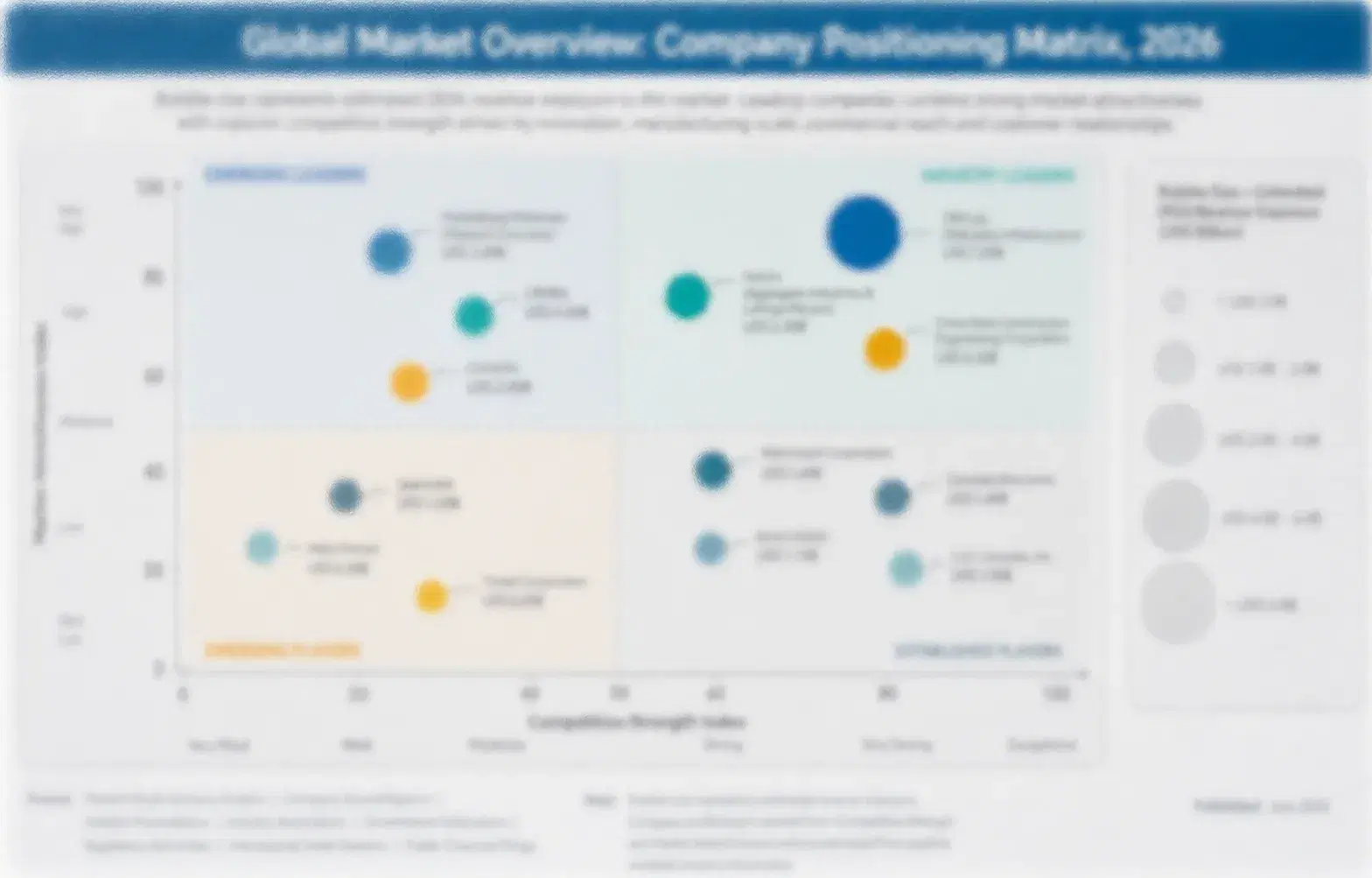
The competitive landscape is moderately concentrated, with the top five suppliers holding an estimated 34 percent combined share on a global revenue basis. CP Kelco and Ashland lead on hydrocolloid formulation depth, while Cargill and Kerry compete more broadly across adjacent dairy and food ingredient categories, giving them cross-selling advantages smaller specialists lack. The gap between the top two and the next challenger tier has widened as traceability requirements raise the technical bar for entry.
Current competitive activity centers on clean-label reformulation capability, foodservice-specific technical support, and geographic expansion into South Asia and East Asia through joint ventures with regional dairy processors rather than direct greenfield investment. Several suppliers have expanded pilot-scale application laboratories closer to major foodservice customers to shorten reformulation cycles, a service dimension increasingly weighted as heavily as price in large-account negotiations.

Emerging pressure comes from regional Asian ingredient manufacturers building formulation capability fast enough to compete on functional performance rather than price alone, a shift that could erode multinational share in South Asia and East Asia within a few years. Rankings among the second tier shift first, as smaller specialists without fortification or clean-label depth struggle to retain accounts.
ice-cream-premix-and-stabilizers-market-company-positioning-matrix-1789899034593

Competitive Moat and Risk Dimensions

CP KELCO

Moat: Hydrocolloid Formulation Depth

CP Kelco holds decades of pectin, xanthan, and carrageenan formulation expertise that few competitors can match at comparable scale, giving it default-specification status among manufacturers reformulating toward documented natural stabilizer systems across retail and foodservice channels worldwide. Its technical teams routinely co-develop formulations directly with major private-label accounts, a depth of engagement smaller specialists rarely have the staffing to sustain.
CP KELCO

Risk: Clean-Label Reformulation Lag

Legacy formulations built around synthetic emulsifier blends face slower reformulation cycles than smaller, more nimble specialists, risking account loss where private-label retailers demand faster clean-label transition timelines than the incumbent can currently deliver. Scale can also slow internal decision-making on pricing concessions that smaller regional rivals extend more readily to retain contested accounts.
CARGILL INCORPORATED

Moat: Cross-Category Ingredient Portfolio

Cargill sells stabilizers alongside dairy, sweetener, and flavor ingredients from the same commercial relationships, letting account teams bundle premix supply with adjacent categories in ways single-category specialists simply cannot match at comparable account depth. This breadth also gives Cargill unusual visibility into upstream raw material markets, letting it hedge input costs more effectively than narrower competitors.
CARGILL INCORPORATED

Risk: Commodity Pricing Exposure

Broad commodity trading exposure ties premix input costs to volatile agricultural markets, occasionally forcing pricing adjustments that smaller specialists sourcing more narrowly can avoid passing through to customers as quickly. Its sheer organizational scale can also slow responsiveness on small or custom formulation requests that regional specialists handle faster.

Players Tracked

Prominent Players

CP Kelco
Ashland Inc
Cargill Incorporated
International Flavors & Fragrances Inc
Kerry Group plc

Other Key Players

Tate & Lyle PLC
Ingredion Incorporated
FMC Corporation
Palsgaard A/S
Corbion N.V.
Puratos Group
Univar Solutions Inc
DSM-Firmenich
Archer-Daniels-Midland Company
Nexira SAS
Meelunie B.V.
Silvateam S.p.A.
Roquette Freres
Foodchem International Corporation
Glanbia plc

Recent Developments

MARCH 2025

CP Kelco Expands Atlanta Application Laboratory

CP Kelco expanded its pilot-scale application laboratory in Atlanta during March 2025 to support faster clean-label reformulation trials for private-label ice cream manufacturers, adding dedicated technical staff to shorten typical reformulation project timelines from several months to just a few weeks for standard stabilizer substitutions across most product categories.
Signal: Signals suppliers racing to compress reformulation cycles as retailer clean-label deadlines continue tightening across major markets
SEPTEMBER 2025

Kerry Group Acquires Stake in Indian Formulator

Kerry Group acquired a minority equity stake in a regional Indian dairy ingredient formulator during September 2025 to accelerate local manufacturing capacity and technical service presence ahead of expected quick-service dessert chain expansion across South Asian secondary cities over the coming several years and beyond.
Signal: Signals multinational suppliers prioritizing direct South Asian manufacturing presence over pure export supply arrangements going forward
JANUARY 2026

Ashland Signs Multi-Year European Supply Agreement

Ashland and a major European frozen dessert manufacturer signed a multi-year supply agreement in January 2026 covering fortified and reduced-sugar premix formulations across its branded and private-label lines, locking in volume through 2029 at collared pricing terms agreed by both parties after months of negotiation.
Signal: Signals large manufacturers locking in multi-year volume commitments to manage rising raw material input cost volatility

Dairy Fat and Hydrocolloid Cost Exposure

Dairy fat and skim milk powder together represent an estimated 45 to 50 percent of premix cost of goods sold, sourced predominantly from domestic dairy processors and from New Zealand and European exporters elsewhere. Hydrocolloid stabilizers, including guar gum and carrageenan, add another 15 to 20 percent, sourced largely from India and Indonesia given concentrated global production of the underlying raw plant materials.
Guar gum prices spiked more than 300 percent during 2012 after a poor Indian monsoon season sharply reduced crop yields in Rajasthan, the dominant growing region for the crop, and a smaller disruption recurred during 2022 when erratic monsoon rainfall again cut regional output sharply. Fonterra fiscal year 2025 annual report cited elevated milk fat procurement costs as a continuing margin pressure across its ingredients segment.

Smaller regional formulators without long-term dairy or hydrocolloid supply contracts absorb spot-market price swings directly, forcing them to compress margins or pass costs through faster than larger competitors with hedging capacity, risking account loss. Exposure runs highest among manufacturers in South Asia and Middle East and Africa, where local sourcing options remain limited relative to North America.
ice-cream-premix-and-stabilizers-market-cost-volatility-analysis-1789899034870

Multi-Year Dairy Supply Contracts With Price Collars

Larger suppliers increasingly negotiate multi-year dairy fat and skim milk powder contracts with collared pricing bands, capping downside exposure to spot-market spikes in exchange for guaranteed volume commitments to processors. This shifts cost volatility risk toward the processor rather than the premix manufacturer, giving suppliers with sufficient scale a durable pricing advantage over smaller rivals buying on the spot market.

Diversified Hydrocolloid Sourcing Across Multiple Countries

Suppliers with sourcing relationships spanning India, Indonesia, and additional emerging guar and carrageenan producing regions reduce single-country crop failure exposure meaningfully. Geographic diversification adds logistics complexity but has become standard practice among the largest ingredient houses following repeated past guar price shocks, and smaller formulators increasingly pool purchasing through trading intermediaries to access similar diversification.

Reformulation Toward Lower-Cost Stabilizer Alternatives

Formulators are increasingly qualifying alternative stabilizer blends, including modified starches and cellulose derivatives, as partial substitutes for higher-cost hydrocolloids where functional performance allows. This substitution strategy provides a useful cost buffer during acute hydrocolloid price spikes without requiring full reformulation, though manufacturers must validate texture and shelf-life performance carefully before shifting meaningful production volume.

Portfolio Architecture for Margin Defence

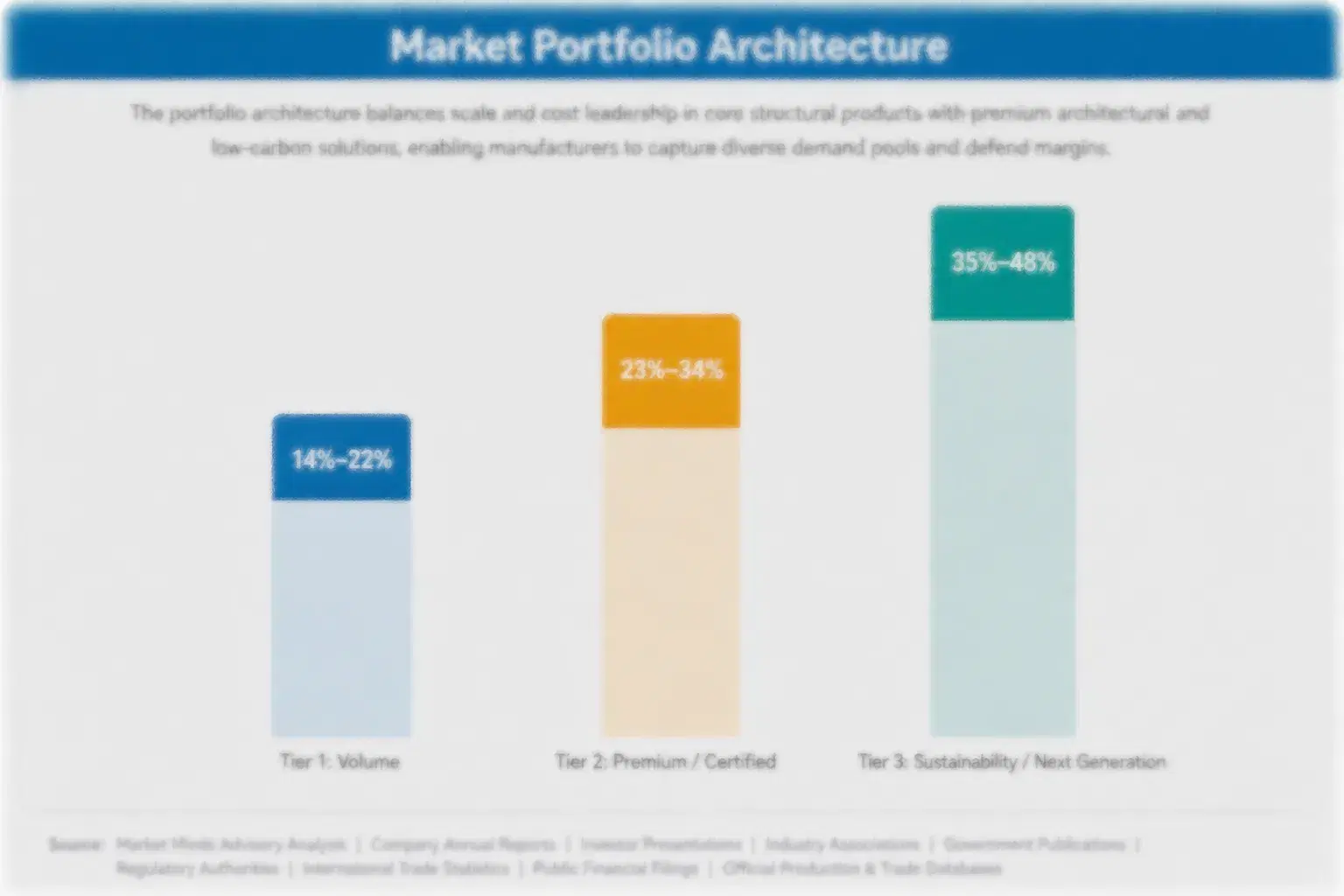
Margin economics vary sharply by tier. Commodity-adjacent volume premix generates thin per-unit margins sustained mainly through manufacturing scale and long-term supply contracts, typically running in the low teens on a gross margin basis. Certified clean-label and functional lines command materially higher gross margins, often exceeding 30 percent, reflecting formulation complexity, documentation costs, and the technical service investment required to support them.
The tension between volume and premium tiers shapes supplier strategy directly: chasing volume protects plant utilization and fixed-cost absorption across large manufacturing footprints, while premium lines protect margin during periods of raw material cost pressure that squeeze commodity-tier profitability first. Most large suppliers now run both tiers deliberately rather than favoring one exclusively, cross-subsidizing premium formulation investment with steady commodity-tier cash flow.

High-value margin pools concentrate in fortified, functional, and foodservice-specific formulations, where technical differentiation and customer switching costs both run considerably higher than in standard packaged retail premix. Manufacturers serving only the commodity tier increasingly find themselves squeezed between rising input costs and retailer price resistance, a pressure that has pushed several smaller regional players to exit the category entirely in recent years.

Volume / Commodity-Adjacent Tier

Standard packaged retail premix and stabilizer blends sold primarily on price and reliability, serving value-tier and mainstream ice cream manufacturers with gross margins typically in the 12 to 18 percent range.
Gross Margin: 12%-18%

Premium / Certified Tier

Documented clean-label and traceability-certified formulations commanding premium pricing from private-label and branded manufacturers, with gross margins typically running 28 to 35 percent given the additional sourcing and compliance investment required.
Gross Margin: 26%-34%

Sustainability / Regulatory / Next-Generation Tier

Fortified, functional, and plant-based next-generation formulations addressing health-conscious and sustainability-driven demand, commanding the highest margins in the category, often exceeding 35 percent, reflecting formulation complexity and limited current competition among qualified suppliers.
Gross Margin: 30%-38%
ice-cream-premix-and-stabilizers-market-portfolio-architecture-1789899035140

High-value Sub-segments and Strategic Watch-out

Clean-Label and Natural Stabilizer Blends

Clean-label and natural stabilizer blends combine the fastest current growth with the highest achievable margins in the category, as documented traceability and reformulation expertise both remain scarce enough to command premium pricing. Suppliers investing early in certification are positioned to capture disproportionate share as retailer mandates tighten further.
Gross Margin: 28%-36%

Soft-Serve and Frozen Yogurt Premix Concentrates

Foodservice-specific dispensing premix delivers strong margins through multi-year exclusive contracts, though growth trails the fastest clean-label segment somewhat. Chain operators value consistency and technical support over price, giving suppliers with dedicated equipment-testing capability durable, sticky account relationships worth defending closely across their expanding store networks.
Gross Margin: 24%-32%

Standard Packaged Retail Premix

Standard packaged retail premix remains the volume core of the category, generating steady cash flow that funds premium-tier investment even as its own margins stay comparatively thin. Suppliers cannot abandon this tier without losing the scale that supports manufacturing efficiency across their entire product portfolio.
Gross Margin: 12%-18%

Regional Asian Formulator Disruption

Regional Asian ingredient manufacturers building independent formulation capability represent a genuine strategic watch-out, since their improving functional performance could erode multinational share in South Asia and East Asia within several years if clean-label and fortification expertise gaps close faster than multinational suppliers currently expect them to.
Gross Margin: 18%-26%

Recurring Formulation Relationships and Switching Costs

Premix supply relationships behave more like annuities than transactional purchases once a formulation is qualified into a manufacturer production line, since requalifying a new supplier requires repeating shelf-life and sensory testing that most manufacturers avoid unless price or quality problems force the issue. Contract renewal rates among established accounts commonly exceed 85 percent year over year, giving incumbent suppliers unusually durable revenue visibility.
Adoption stickiness varies meaningfully by end-use vertical. Packaged retail manufacturers switch suppliers rarely given the shelf-life risk of reformulation errors reaching consumers directly, while foodservice chains switch even less often once dispensing equipment calibration is tuned to a specific formulation across hundreds of outlets. Smaller artisanal producers show the highest switching willingness, prioritizing cost and ingredient story over established supplier relationships.

Buyer profiles are shifting generationally as procurement teams increasingly include dedicated sustainability and ingredient compliance staff rather than purchasing being led solely by cost considerations. Younger procurement professionals entering the category also weight supplier technical service and documentation transparency more heavily than their predecessors did, a shift reshaping which suppliers win new qualification processes across most retail and foodservice accounts alike.
ice-cream-premix-and-stabilizers-market-end-use-penetration-index-1789899035427

MMA Category Playbook

These are among the four positions where our research anticipates prominent divergence between winners and laggards over the coming forecast period. Each is grounded in the demand model, the regulatory perimeter, and the announced capacity pipeline.
01 / FORMULATION INVESTMENT PRIORITY

Prioritize clean-label reformulation capability over pure capacity expansion

Suppliers still competing primarily on price rather than documented clean-label capability will lose share as private-label retailers tighten sourcing requirements over the next several years, a trend already visible across North America and Western Europe. The technical bar for traceability and reformulation service now separates category leaders from the rest, and that gap is widening rather than narrowing as certification requirements accumulate. Manufacturers should treat reformulation advisory capacity as a core investment, not an optional service layer bolted onto existing commodity supply relationships.
02 / GEOGRAPHIC EXPANSION SEQUENCING

Sequence South Asia and East Asia investment ahead of mature markets

South Asia and East Asia offer the clearest combination of volume growth and improving formulation sophistication among the emerging regions tracked closely in this report, well ahead of Latin America or Eastern Europe on both dimensions. Entering through joint ventures with established regional dairy processors reduces both regulatory risk and the multi-year timeline typically required to build standalone manufacturing presence from scratch. Suppliers that wait for these markets to mature fully risk ceding first-mover advantage to competitors already investing in local technical service capacity today.
03 / CONTRACT STRUCTURE DISCIPLINE

Lock multi-year volume contracts before the next input cost spike

Rising and volatile dairy and hydrocolloid input costs make multi-year, collared-price supply contracts a defensive necessity rather than a nice-to-have negotiating tactic for any supplier serving large accounts across major markets. Suppliers without sufficient balance sheet strength to offer such terms will keep losing large accounts to better-capitalized competitors regardless of underlying formulation quality or technical service depth. Locking contract structure discipline in now, ahead of the next likely price shock, protects margin far more reliably than reacting after volatility hits.
04 / COMPETITIVE POSITIONING WATCH

Track regional Asian formulators closing the technical capability gap

Regional Asian ingredient manufacturers are closing the technical capability gap with multinational suppliers faster than most competitive assessments currently assume, particularly in fortification and functional premix categories where formulation barriers were once considered durable. Their improving performance threatens multinational share specifically in South Asia and East Asia, the two fastest-growing regions tracked in this market. Suppliers should track competitor product launches and technical hires in these regions closely rather than relying on historical share position as a predictor of future outcomes.

Engagement Snapshot From the Field

A live engagement with an industry participant carrying material or product regulatory and market exposure ahead of a defining policy shift, showing how our research translates into a defensible multi-year portfolio strategy.
MARKET MINDS ADVISORY · CLIENT ENGAGEMENT SUMMARY
Ice-cream Premix and Stabilizers Producer Strategic Portfolio Review and Transition Roadmap 2026·Investment Scenario on Ice-cream Premix and Stabilizers Exposure Evaluation 2025-26
CLIENT PROFILE
The client is a mid-sized packaged ice cream manufacturer operating across three North American states, serving both branded and private-label retail accounts with annual revenue in the low hundreds of millions (client-reported, unverified by MMA). The company had relied on the same synthetic emulsifier-based stabilizer formulation for more than a decade prior to engaging MMA.
STRATEGIC CHALLENGE
Two of the client largest private-label retail accounts issued clean-label reformulation deadlines within an 18-month window, threatening a combined 30 percent of total company revenue if reformulation failed to meet the timeline or sensory equivalence requirements the retailers had specified in their supplier notices. Internal formulation staff lacked recent experience with natural stabilizer systems at production scale.
MMA APPROACH
MMA conducted a formulation gap analysis benchmarking the client existing stabilizer system against five certified clean-label alternatives, incorporating primary interview data from ingredient suppliers and comparable manufacturer case precedent to assess reformulation timeline and cost risk realistically. The analysis prioritized alternatives by sensory equivalence risk and supplier technical support capacity.
KEY FINDINGS
  1. Benchmarking identified two certified clean-label alternatives capable of matching the client existing sensory profile within acceptable tolerance, reducing the field of candidates requiring costly pilot-scale trials.
  2. The client existing supplier lacked pilot-scale application laboratory capacity, forcing reliance on a second supplier for trial formulation work despite an existing long-term commercial relationship.
  3. Retailer sensory equivalence testing protocols varied meaningfully between the two accounts, requiring separate reformulation validation tracks rather than a single unified reformulation timeline.
  4. Estimated reformulation cost, inclusive of pilot trials and retailer requalification testing, came in near the lower end of the client internal budget range (client-reported, unverified by MMA).
CLIENT PROFILE
The client is a mid-sized packaged ice cream manufacturer operating across three North American states, serving both branded and private-label retail accounts with annual revenue in the low hundreds of millions (client-reported, unverified by MMA). The company had relied on the same synthetic emulsifier-based stabilizer formulation for more than a decade prior to engaging MMA.
STRATEGIC CHALLENGE
Two of the client largest private-label retail accounts issued clean-label reformulation deadlines within an 18-month window, threatening a combined 30 percent of total company revenue if reformulation failed to meet the timeline or sensory equivalence requirements the retailers had specified in their supplier notices. Internal formulation staff lacked recent experience with natural stabilizer systems at production scale.
MMA APPROACH
MMA conducted a formulation gap analysis benchmarking the client existing stabilizer system against five certified clean-label alternatives, incorporating primary interview data from ingredient suppliers and comparable manufacturer case precedent to assess reformulation timeline and cost risk realistically. The analysis prioritized alternatives by sensory equivalence risk and supplier technical support capacity.
KEY FINDINGS
  1. Benchmarking identified two certified clean-label alternatives capable of matching the client existing sensory profile within acceptable tolerance, reducing the field of candidates requiring costly pilot-scale trials.
  2. The client existing supplier lacked pilot-scale application laboratory capacity, forcing reliance on a second supplier for trial formulation work despite an existing long-term commercial relationship.
  3. Retailer sensory equivalence testing protocols varied meaningfully between the two accounts, requiring separate reformulation validation tracks rather than a single unified reformulation timeline.
  4. Estimated reformulation cost, inclusive of pilot trials and retailer requalification testing, came in near the lower end of the client internal budget range (client-reported, unverified by MMA).
RECOMMENDED STRATEGY
Phase 1: Phase one: qualify two shortlisted clean-label stabilizer systems through bench-scale sensory and shelf-life trials against both retailer specifications within a 90-day window. Phase 2: Phase two: run parallel pilot-scale production trials with the incumbent and new formulation supplier, validating consistency across multiple production shifts before committing. Phase 3: Phase three: transition full production volume to the selected reformulated system on a staggered account-by-account basis to minimize supply disruption risk.
OUTCOME
The client completed reformulation for both retail accounts approximately two months ahead of the tighter deadline, retaining the full at-risk revenue base (client-reported, unverified by MMA). The engagement also produced a documented reformulation playbook the client has since applied to two additional smaller retail accounts without external advisory support.

Frequently Asked Questions

Foundational context covering the market sizes, CAGR, scope, country, region and competition that inform every finding below. This section is provided to cover basics and most often pre-purchase conversations, answered from the MMA Primary Research Dataset.

What is the current size of the Ice-cream Premix and Stabilizers Market?

The global ice-cream premix and stabilizers market is valued at approximately 3.4 billion dollars in 2025, based on MMA analysis of primary survey data and company disclosures across major producing regions.

How large will the Ice-cream Premix and Stabilizers Market be by 2036?

MMA projects the market will reach approximately 6.8 billion dollars by 2036, driven primarily by clean-label reformulation demand and expanding foodservice channel penetration across emerging Asian markets.

What is the CAGR for the Ice-cream Premix and Stabilizers Market 2026 to 2036?

The market is projected to grow at a compound annual growth rate of 6.5 percent between 2026 and 2036, with clean-label and foodservice-specific segments growing meaningfully faster than the category average.

Which segment is growing fastest?

Clean-Label and Natural Stabilizer Blends is the fastest-growing segment, expanding at approximately 1.46 times the overall market growth rate as retailers tighten private-label sourcing requirements.

Who are the major companies in the Ice-cream Premix and Stabilizers Market?

Leading suppliers include CP Kelco, Ashland, Cargill, International Flavors and Fragrances, and Kerry Group, together holding an estimated 34 percent combined global revenue share across most major producing regions.

Which country is growing fastest?

India is the fastest-growing country market, supported by rapid expansion of organized packaged ice cream retail and quick-service dessert chains into smaller cities nationwide over the coming several years.

Report Segmentation Architecture

The full report scope spans multiple orthogonal segmentation dimensions, with cross-tabulated demand data provided for each dimension pair. Coverage extends further to regional breakdowns, trend trajectories, and the competitive detail needed to support segment-level decision-making.

By Primary Market Dimension

  • Clean-Label and Natural Stabilizer Blends
  • Soft-Serve and Frozen Yogurt Premix Concentrates
  • Fortified and Functional Premix
  • Standard Packaged Retail Premix
  • Artisanal and Small-Batch Formulations
  • Plant-Based Frozen Dessert Stabilizers

By End-Use Industry

  • Industrial Ice Cream Manufacturing
  • Frozen Yogurt Production
  • Soft-Serve Foodservice Operations
  • Artisanal and Craft Dessert Manufacturing
  • Private-Label Retail Manufacturing

By Commercial Dimension

  • Packaged Retail Distribution
  • Foodservice and Quick-Service Chain Supply
  • Private-Label Contract Manufacturing
  • Direct-to-Manufacturer Bulk Supply

By Region

  • North America
  • Western Europe
  • East Asia
  • South Asia and Pacific
  • Latin America
  • Middle East and Africa
  • Eastern Europe

Scope, Methodology, and Coverage

Every figure in this report is reproducible from documented input assumptions. The scope below maps the historical period, the forecast horizon, the segmentation dimensions, and the countries covered, alongside the underlying primary and qualitative methodology.
Historical Period
2020 to 2025
Forecast Period
2026 to 2036
Base Year
2025 (USD billions; MMA Primary Research Dataset, September 2026)
Market Definition
This market covers ice cream premix concentrates and stabilizer systems, including hydrocolloids and emulsifiers, sold to industrial and artisanal ice cream, frozen yogurt, and soft-serve manufacturers. It excludes finished packaged ice cream products and standalone flavoring agents sold outside premix blends.
Quantitative Units
USD billions (current prices); volume in metric tons where applicable
Segmentation Dimensions
By Primary Market Dimension; By End-Use Industry; By Commercial Dimension; By Region
Regions Covered
North America, Western Europe, East Asia, South Asia and Pacific, Latin America, Middle East and Africa, Eastern Europe
Countries Covered
USA, Canada, Germany, France, UK, Netherlands, China, Japan, South Korea, India, Indonesia, Vietnam, Philippines, Australia, Brazil, Mexico, Argentina, Colombia, Saudi Arabia, UAE, South Africa, Poland, Russia, and additional markets relevant to this sector
Key Companies Profiled
CP Kelco, Ashland Inc, Cargill Incorporated, International Flavors & Fragrances Inc, Kerry Group plc, Tate & Lyle PLC, Ingredion Incorporated, FMC Corporation, Palsgaard A/S, Corbion N.V., Puratos Group, Univar Solutions Inc, DSM-Firmenich, Archer-Daniels-Midland Company, Nexira SAS, Meelunie B.V., Silvateam S.p.A., Roquette Freres, Foodchem International Corporation, Glanbia plc
Quantitative Methodology
Primary survey, n=3,800 respondents, Q4 2025, six countries; demand-side model with trade association cross-validation
Qualitative Methodology
47 expert interviews, Q4 2025; applied to validate demand model assumptions, identify emerging dynamics, and assess competitive positioning
Report Format
PDF and XLSX data workbook (Word format preview document)
Publisher
Market Minds Advisory
Report Code
MMA-2026-AGR-107
Published
September 2026
Contact
sales@marketmindsadvisory.com | www.marketmindsadvisory.com

Purchase the full Ice-cream Premix and Stabilizers Market Report (2026 to 2036).

This report provides a comprehensive assessment of the global ice-cream premix and stabilizers market. It covers demand drivers, segmentation, competitive dynamics, and regional growth patterns through 2036. The analysis combines primary survey data from 3,800 respondents across six countries with 47 expert interviews and company disclosure analysis to size the market and profile leading suppliers. It further identifies the commercial levers shaping supplier profitability across regions. The report additionally examines input cost exposure, portfolio margin architecture, and demand stickiness by end-use vertical to support strategic and near-term commercial decisions.
Ten-year forecast with base, bull, and bear scenarios
Segmentation analysis across six MECE product and application segments
Regional demand and sourcing analysis across all seven world regions
Competitive benchmarking of five leading and fifteen additional suppliers
Input cost exposure analysis with supplier mitigation strategies
Anonymized client case study with strategic recommendations included

Built For The People Who Decide

From boardroom strategy to bench-side execution, this report is read cover-to-cover by leaders shaping the next decade of their industry, turning demand scenarios, market dynamics and valuation benchmarks into decisions.
CXOs/ Presidents/ VPs/ Managers
M&A and Corporate Development
Strategy Teams and R&D Heads
Procurement and Product Directors
Regulatory and Compliance Leaders
Investor Relations and Equity Analysts